



Effective Treatments for a Receding Hairline
Receding Hairline Treatment
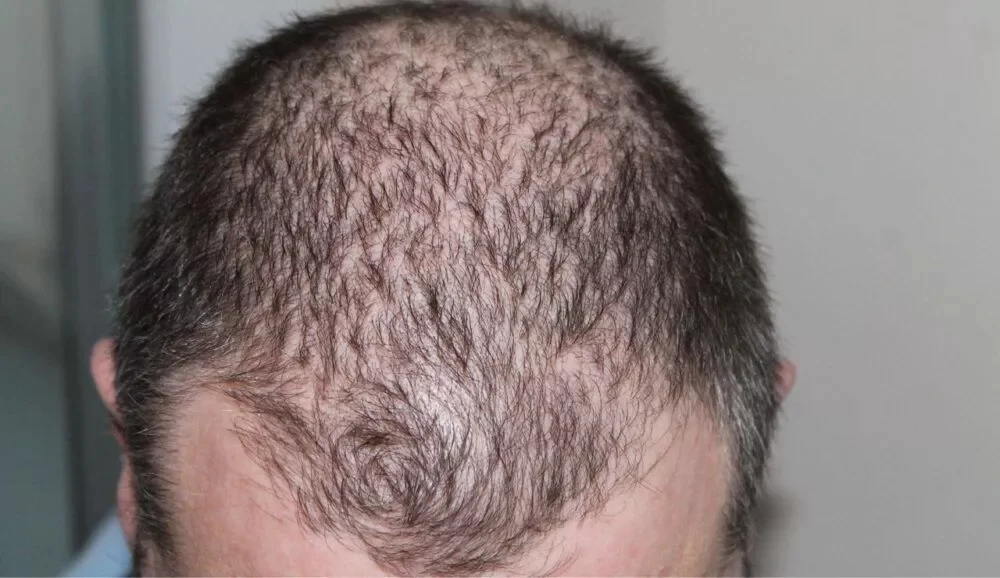
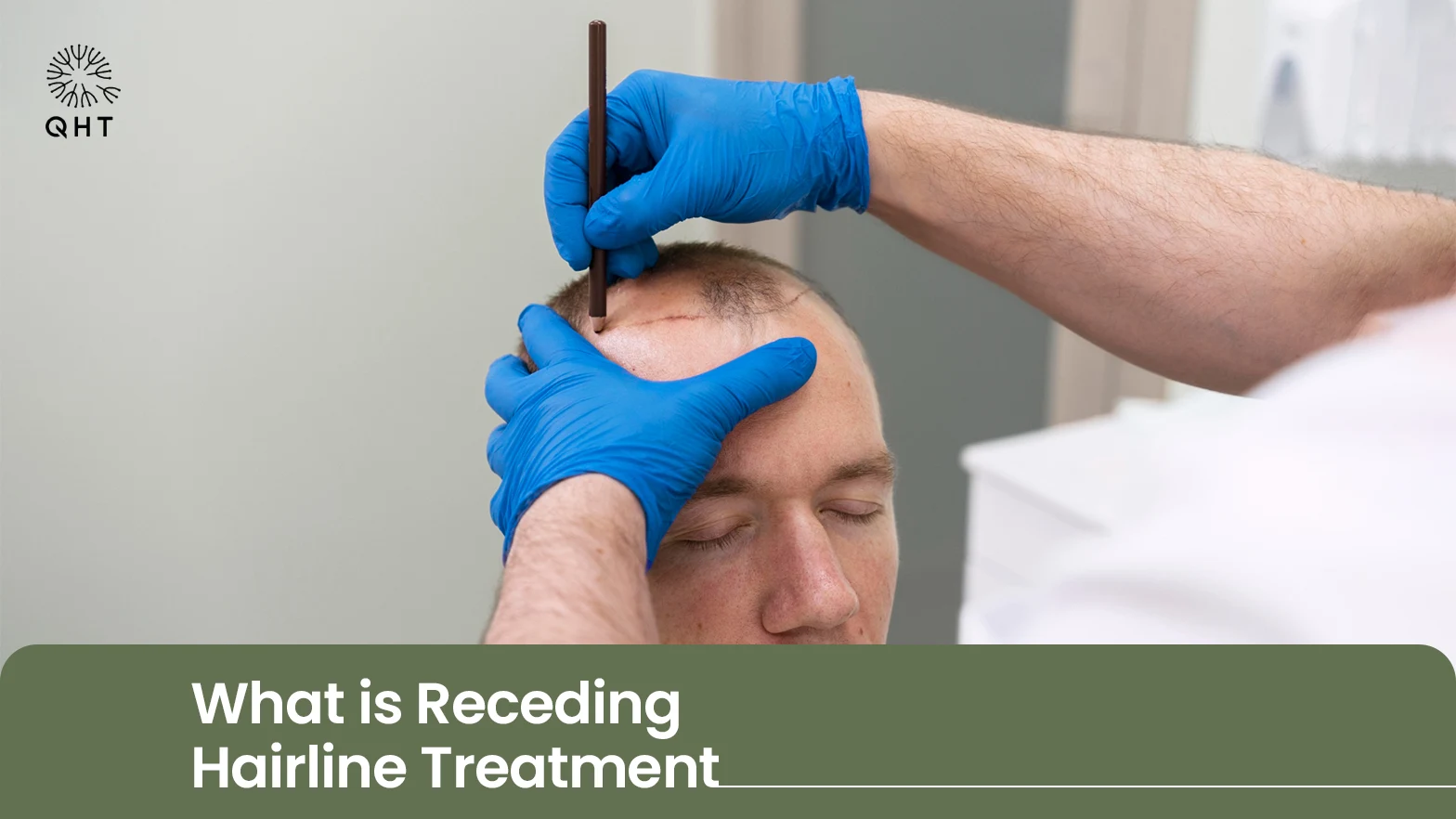
A receding hairline in 20s or 30s can cause significant distress in people and impact one’s self confidence and self-image. A receding hair line is often the first symptom of male pattern baldness or an age-related hair loss pattern, with people observing increased hair thinning in the temple and forehead region.
The hair specialists at QHT clinic assist patients in understanding what has caused their hairline to recede and provide a personalised treatment plan. Our hair specialists have years of experience in providing the best solutions for receding hairline. We prioritise long-term solutions over quick fixes.
This blog explains what a receding hairline is, how it happens and what are the best receding hairline treatment options available for dealing with it. We will also learn about how to understand one’s own condition (mild or advanced thinning) to make informed treatment decisions.
Quick Answer Box
- People might experience receding hairlines in their 20s or 30s and it is connected to male and female pattern baldness.
- Topical solutions for hair loss such as Finasteride or Minoxidil can help slow down hair loss and will also help thicken existing hair.
- PRP therapy, Low-level laser therapy and nutritional corrections in diet are non-surgical ways of treating hair loss.
- For permanent and long term results, people might opt for hair transplant procedures.
Table of Contents
- What is a Receding Hairline?
- Common Causes of Hairline Recession
- Early Signs You Should Not Ignore
- Hairline Restoration Options Explained
- How to Stop Hair Fall Based on the Root Cause
- Temple Hair Loss Solution Approaches
- Frequently Asked Questions
- Final CTA
What is a Receding Hairline?
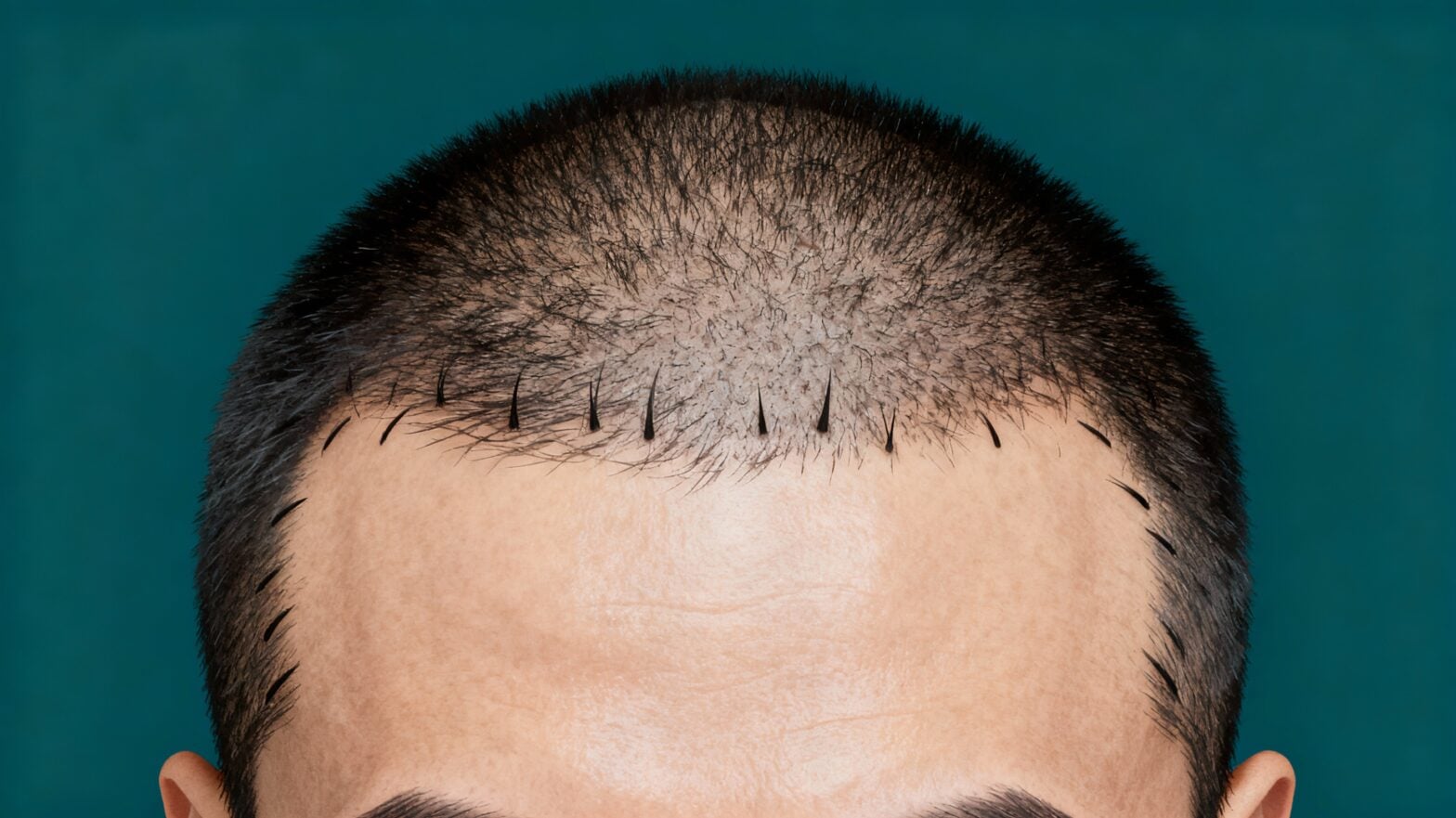
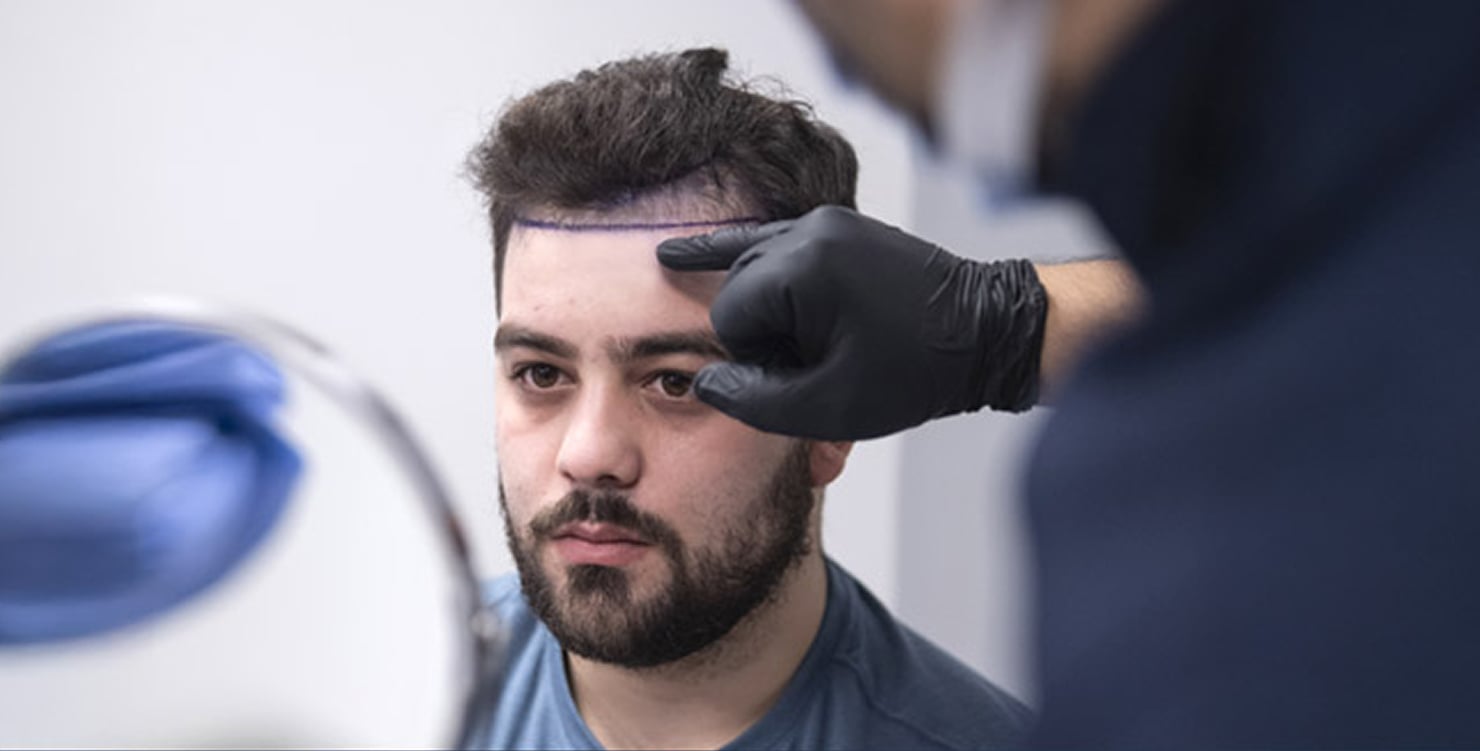
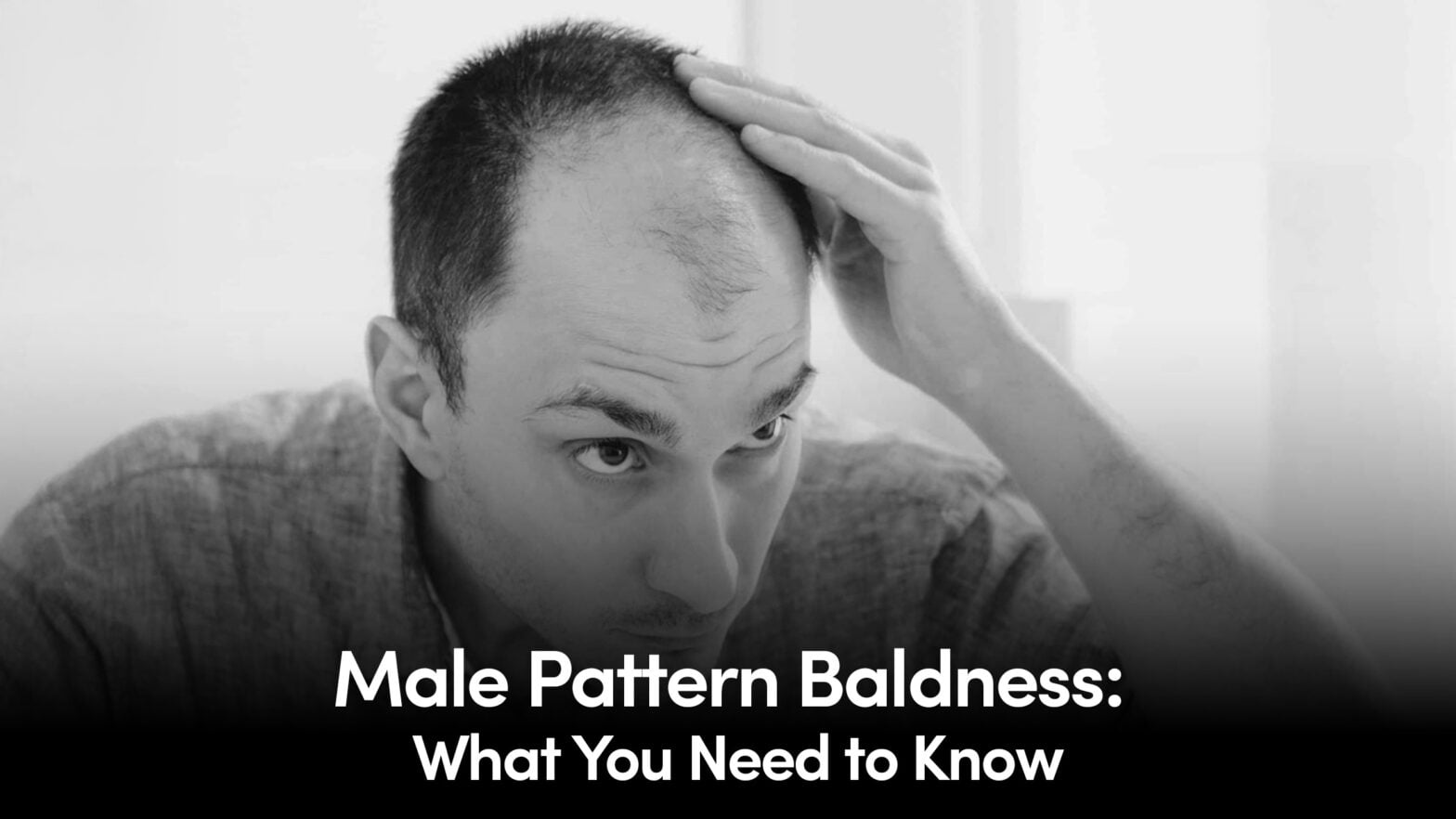
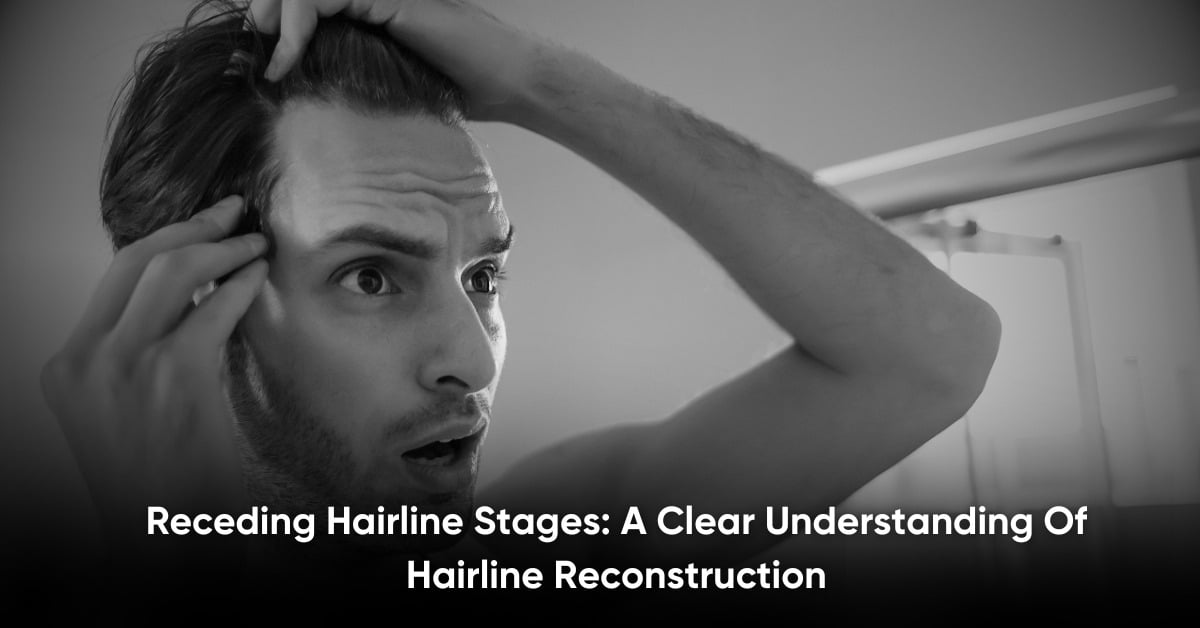
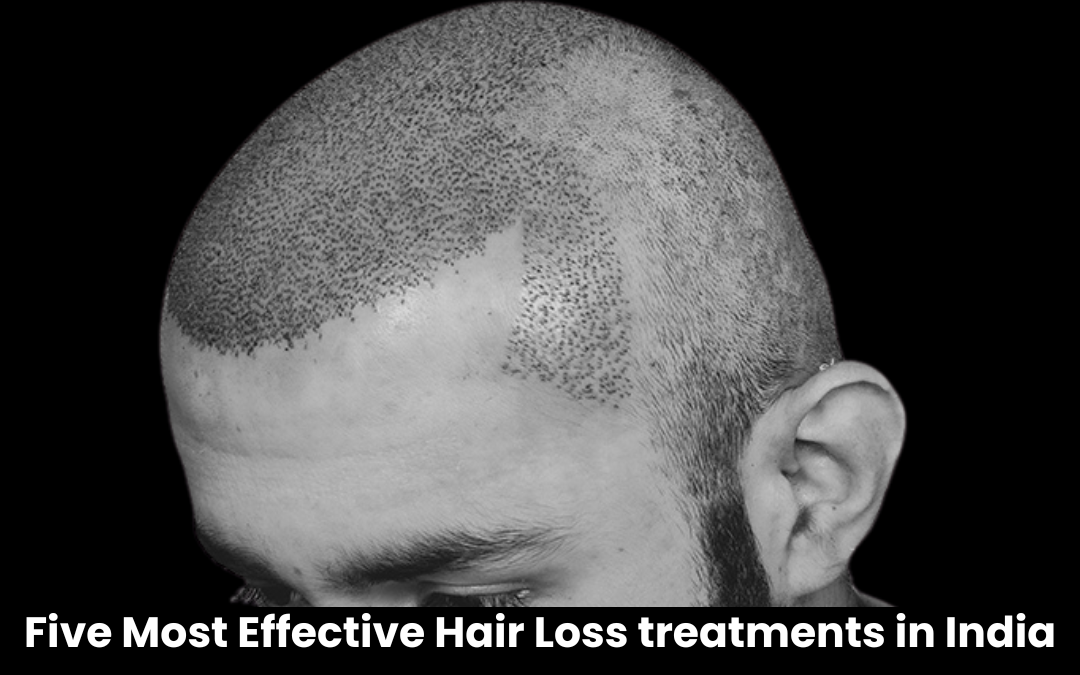
A receding hairline occurs when the hair around the front of your scalp gradually shifts back, most frequently forming an “M” shape at the forehead and temples. Androgenic alopecia (male-pattern baldness) is most commonly linked to this type of hair loss and it results in diminishing of hair follicles caused by both hormonal and genetic factors over time.
The pattern of hair loss differs between men and women. Men often experience recession at the temple region in the form of “M” shape, whereas women experience more diffuse thinning with a widening of the central part.
When considering your options for receding hairline treatment, understanding the pattern is very important because the sooner you seek treatment the better chance for success.
Common Causes of Hairline Recession
Causes of hairline recession varies from person to person. Before deciding which receding hairline treatment is the best it is important to identify the root cause of it. The common causes of hairline recession include:
- Genetics: It plays a major role in hairline recession. Individuals with a family history of receding hairline have high rates of experiencing it.
- Hormonal Factors: In men, a hormone called DHT is responsible for shrinkage of hair follicles. Whereas women often experience receding hairline during menopause, pregnancy, PCOS and other hormonal shifts.
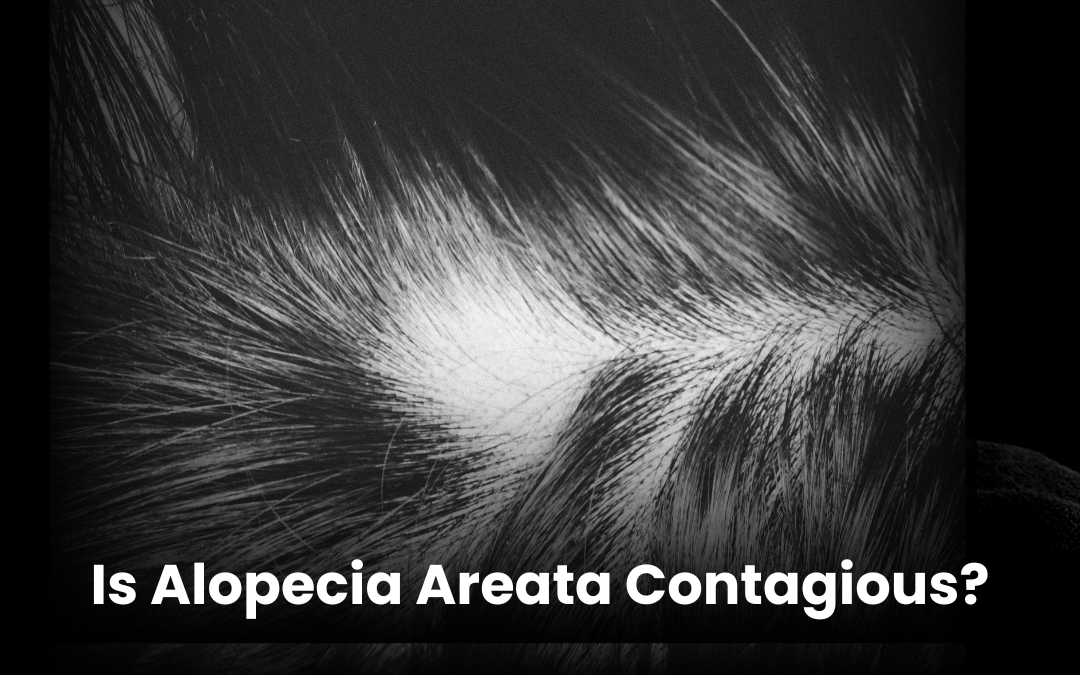
- Medical conditions: Certain conditions like alopecia areata (a condition where the immune system attacks one’s own hair follicles), autoimmune disorders, scalp conditions, prescribed medications can also lead to hair loss in men and women.
- Lifestyle and nutrition: Unhealthy lifestyle practices including irregular sleep patterns, smoking, alcohol consumption, absence of balanced diet, lack of physical activity may contribute to hair thinning. Tight hairstyling, heat styling and dyeing can also worsen hair health.
Non‑surgical receding hairline treatment options
Today there are plenty of non-surgical receding hairline treatments options available for people who want to avoid surgical procedures. However, for the best results, these treatments should be started prior to extensive hairline recession.
Some of the non-surgical treatment methods include:
- Minoxidil: It is found to be effective in dealing with receding hairline and temples when applied daily (either as a foam or lotion).
- Low-level laser devices: It is used to stimulate dormant follicles from the scalp.
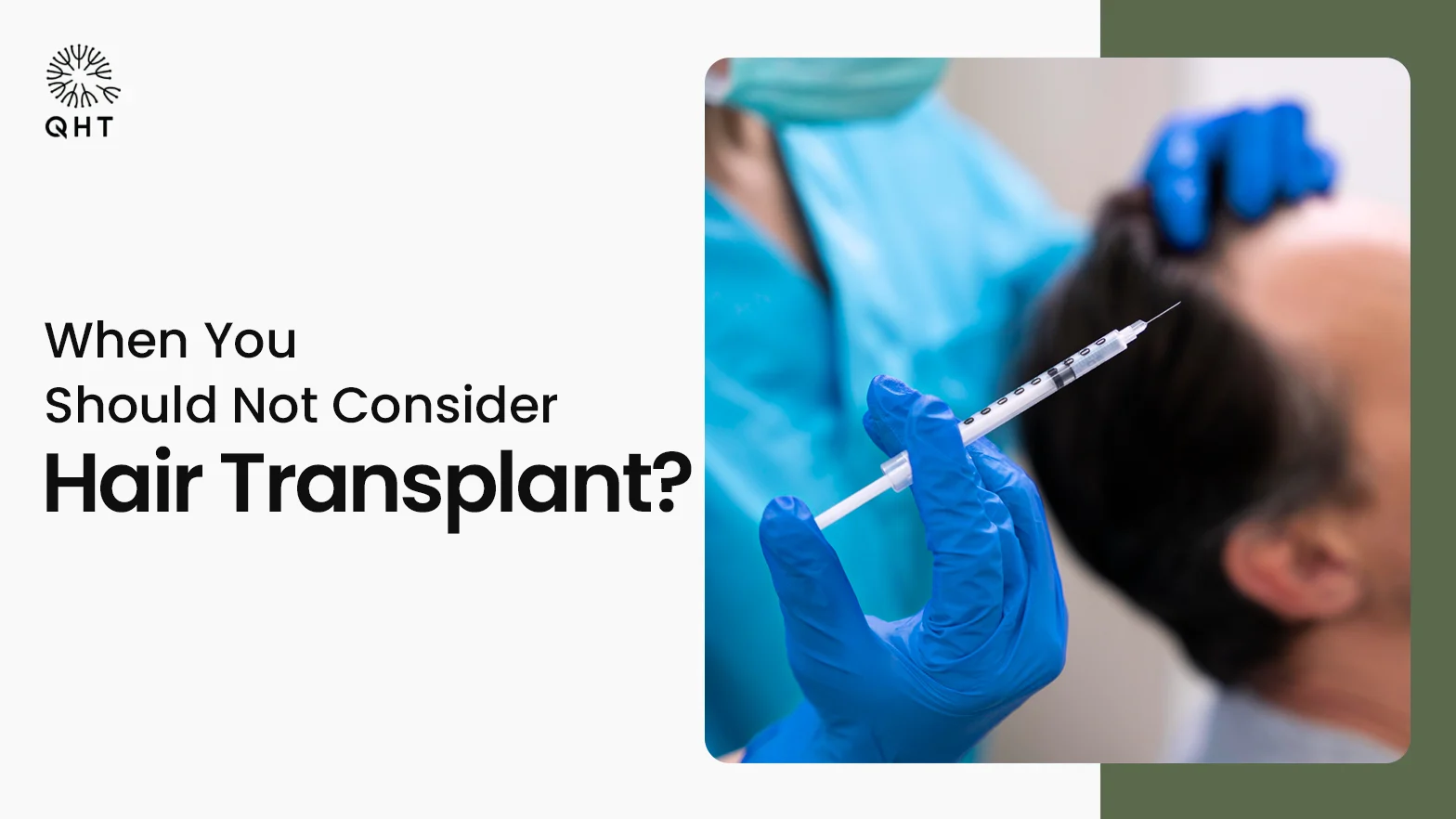
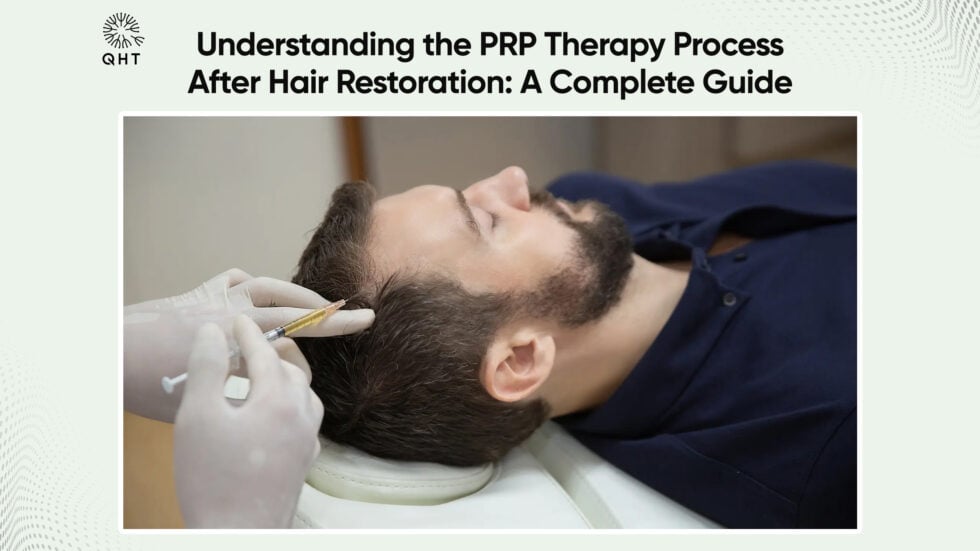
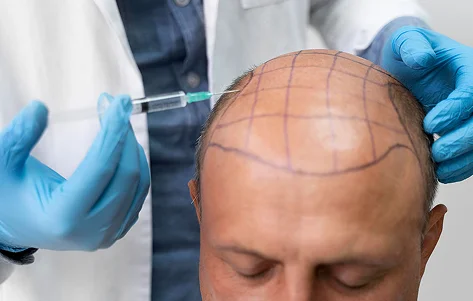
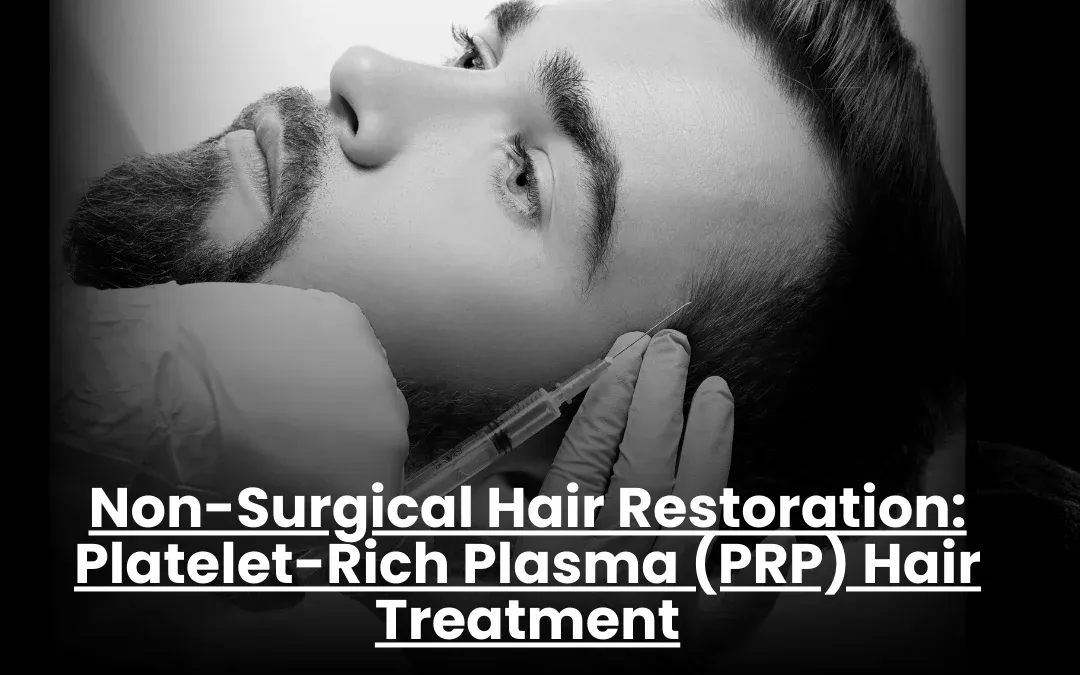
- PRP (Platelet Rich Plasma) therapy: This technique involves injecting one’s own blood into the scalp to stimulate hair growth.
Combining these treatments with routine changes in diet, stress levels, and hair styles can help achieve the best results possible.
NOTE: Non-surgical treatments for receding hairline must be taken only after prescribed by a doctor. Avoid self-medicating as it may worsen the hair loss further.
Medicines for a receding hairline
Medications are commonly used options for treating a receding hairline. Medications may help reduce hair loss and promote new hair growth. Generally, medications to treat a receding hairline are prescribed by the attending physician after thorough evaluation of the patient’s hormone levels, scalp condition and medication history.
The principal medications often suggested are:
- Minoxidil: It improves the blood flow and extends the anagen phase of the hair follicles. With consistent use as prescribed by the doctor, you can see visible improvements in 3 to 6 months.
- Finasteride: It works by blocking the activity of the enzyme 5α-reductase, which is involved in converting testosterone into dihydrotestosterone (DHT). The hormone dihydrotestosterone (DHT) is responsible for hair follicle shrinkage and causes male-pattern baldness.
Most of these medications will take a long time to work (months or years) and will generally lead to return of hair loss if stopped abruptly. Hence, the medications must be taken under medical supervision only.
Note: Take medications for hair loss only after consulting a hair doctor.
Hairline restoration options
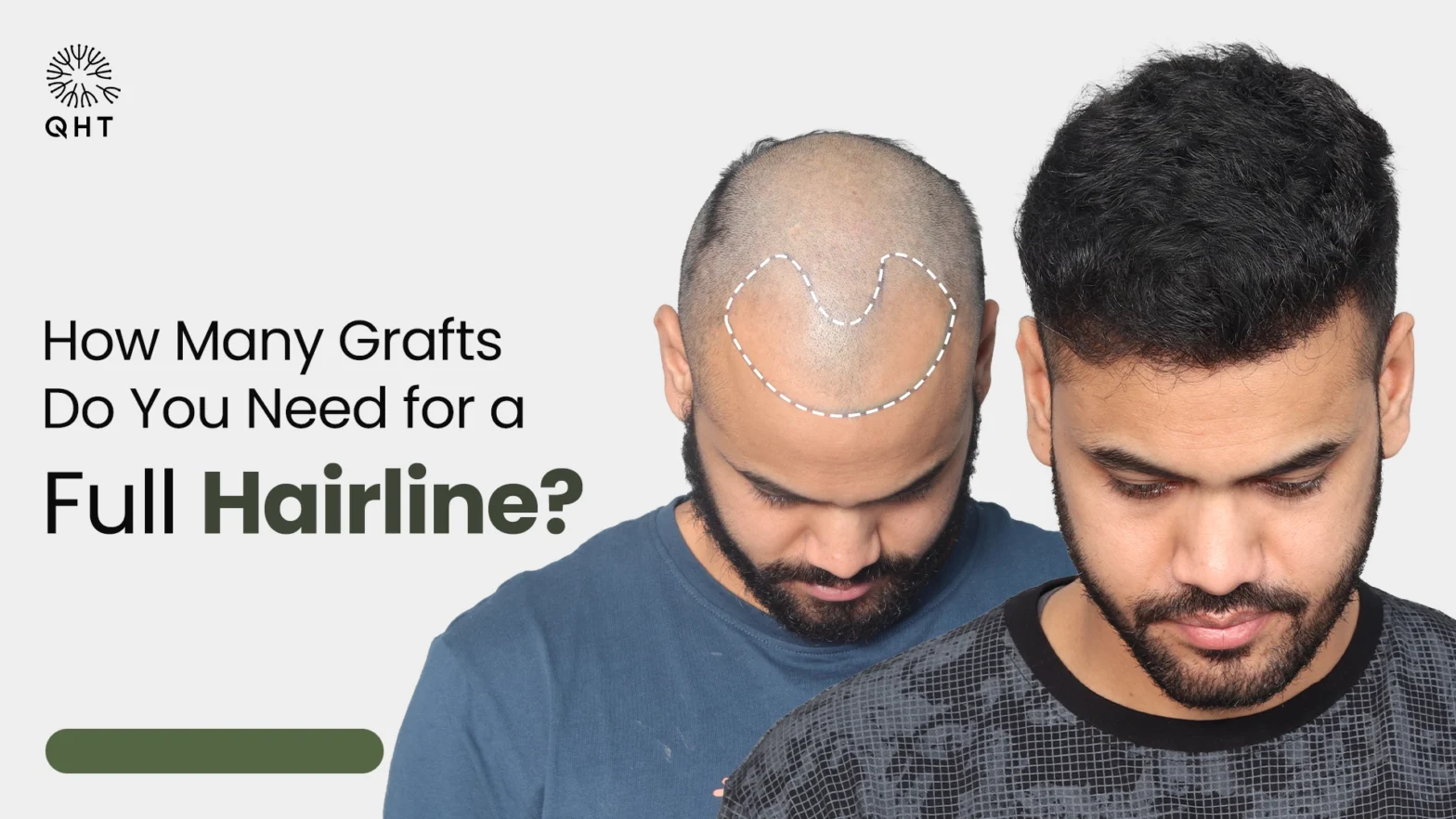
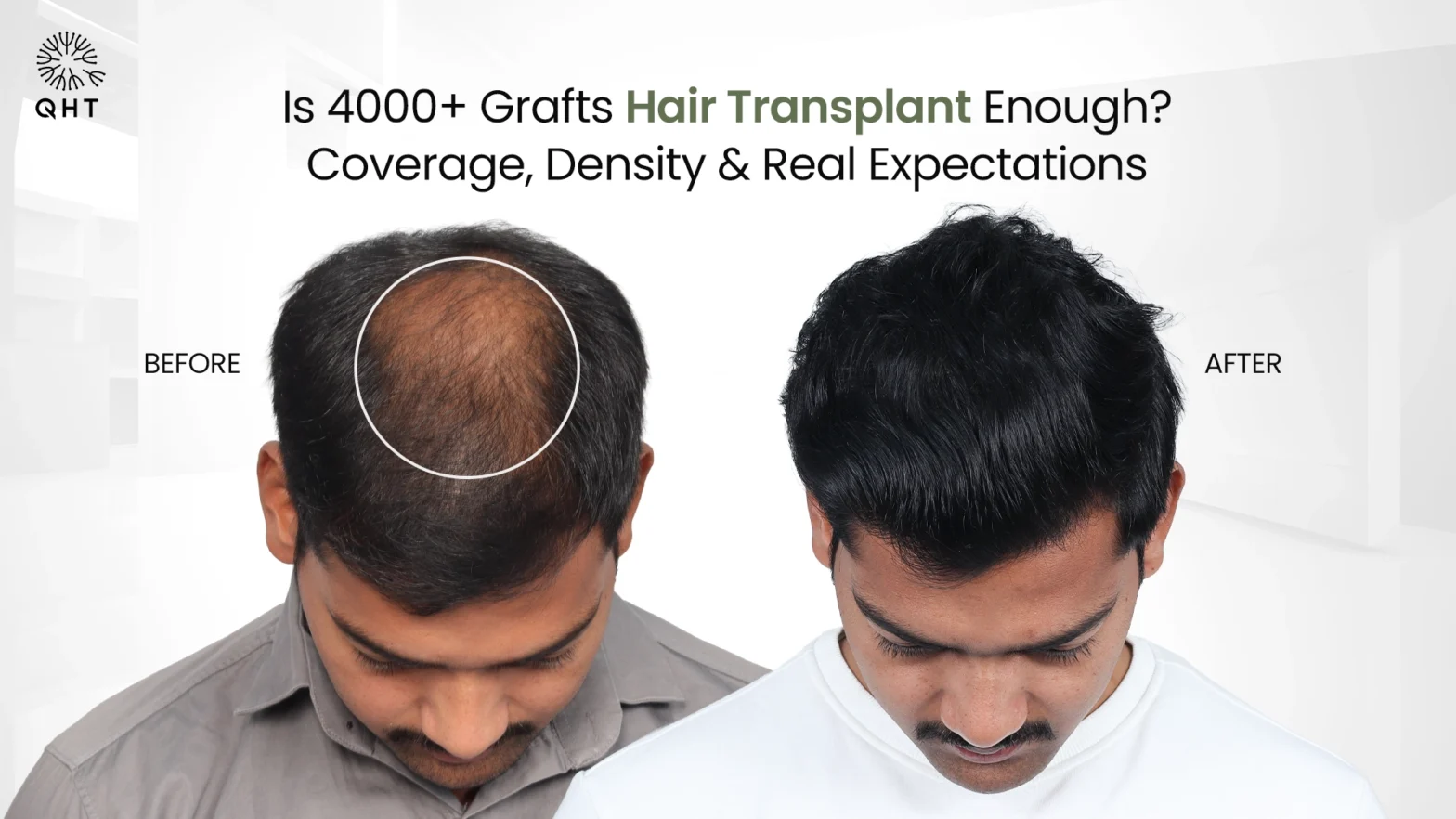
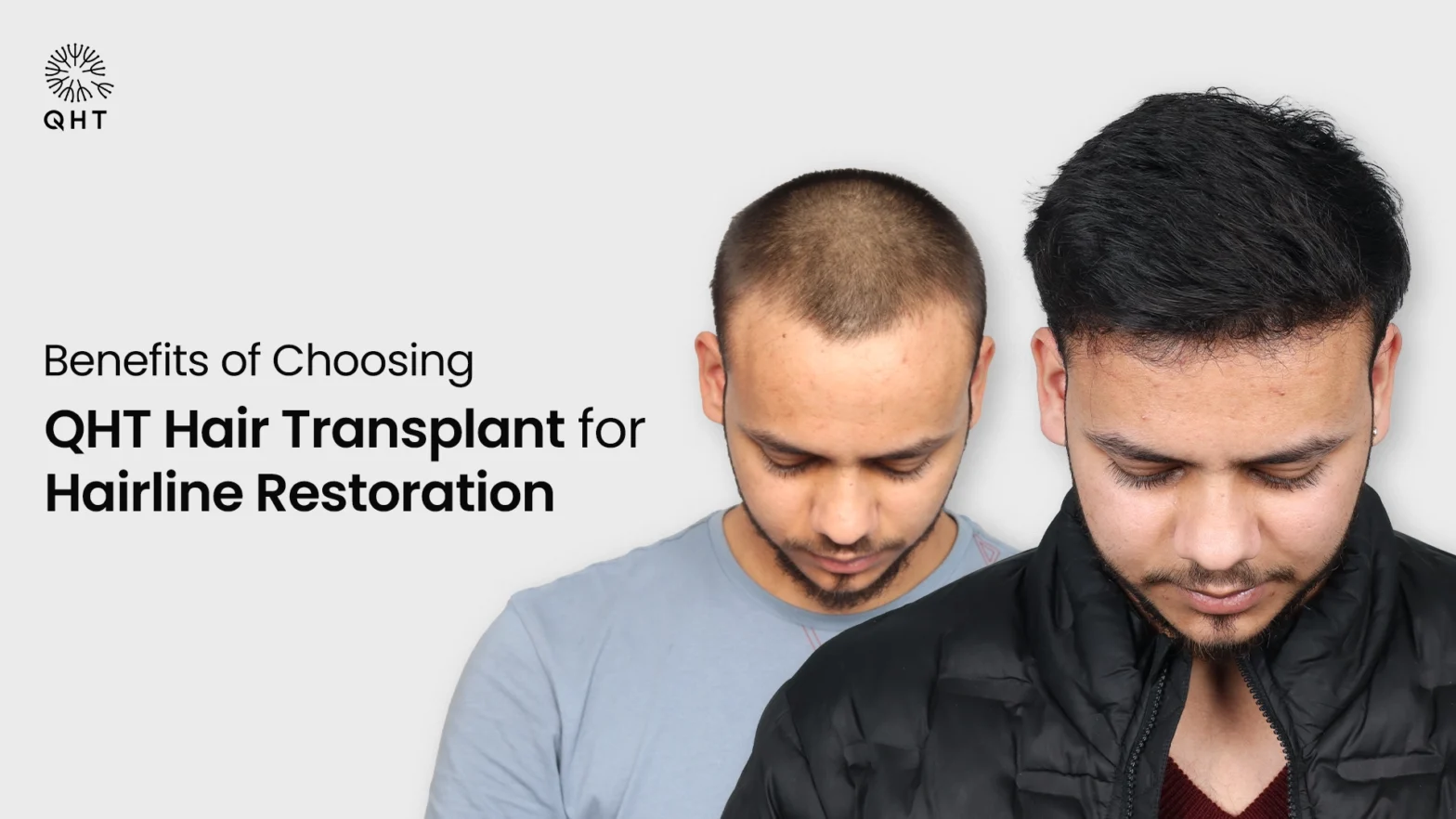
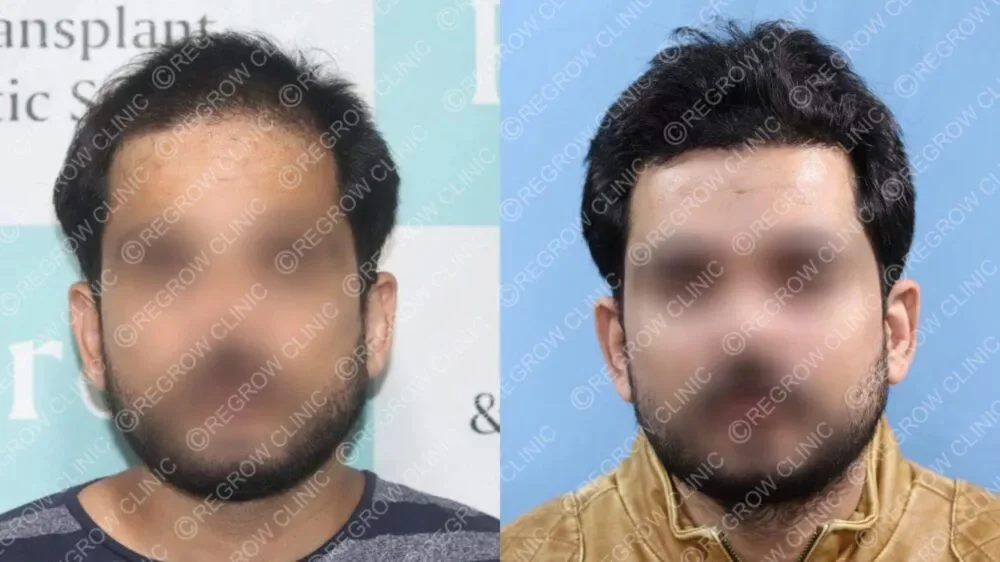
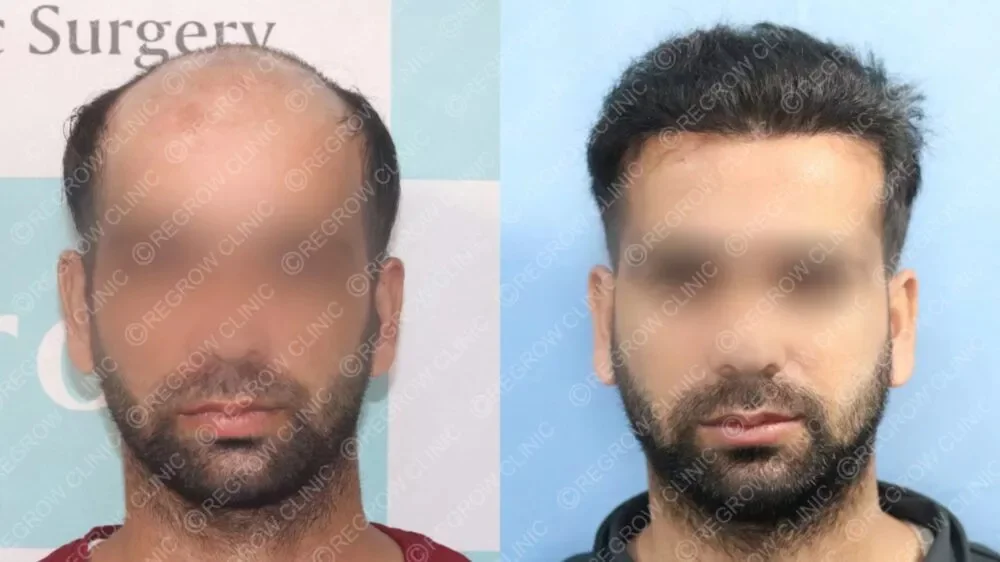
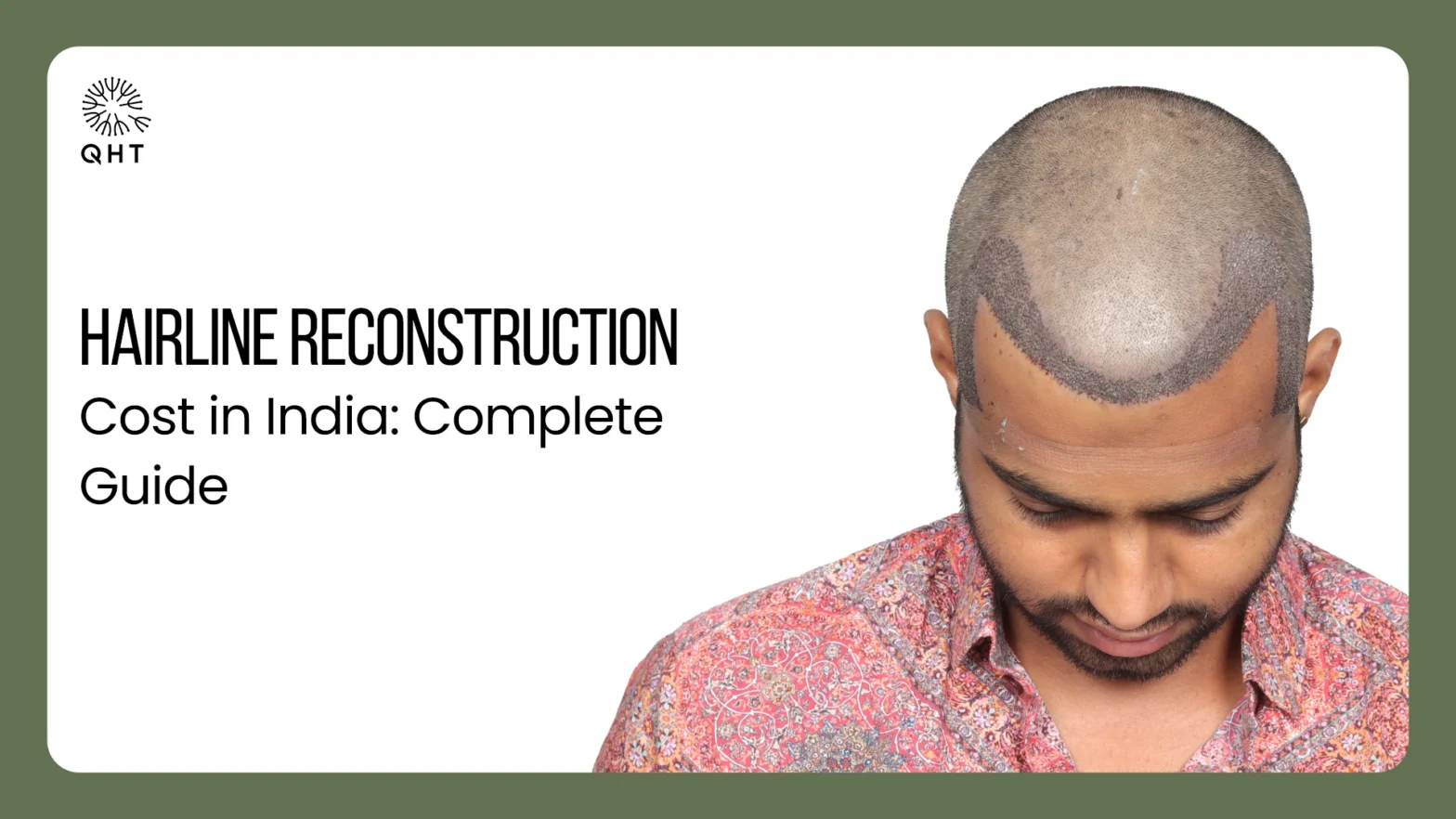
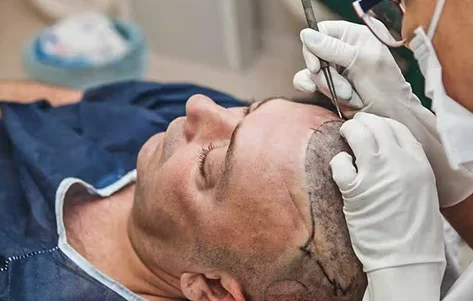
When nonsurgical treatments fail to restore hairline or deal with hair loss, it is an indication that you might have to opt for surgical treatment options. You might be experiencing an advanced hair loss pattern, making hair transplant the most effective treatment solution. Most hairline restoration procedures are performed by qualified hair transplant surgeons using advanced hair transplant techniques.
Some of hairline restoration techniques include:
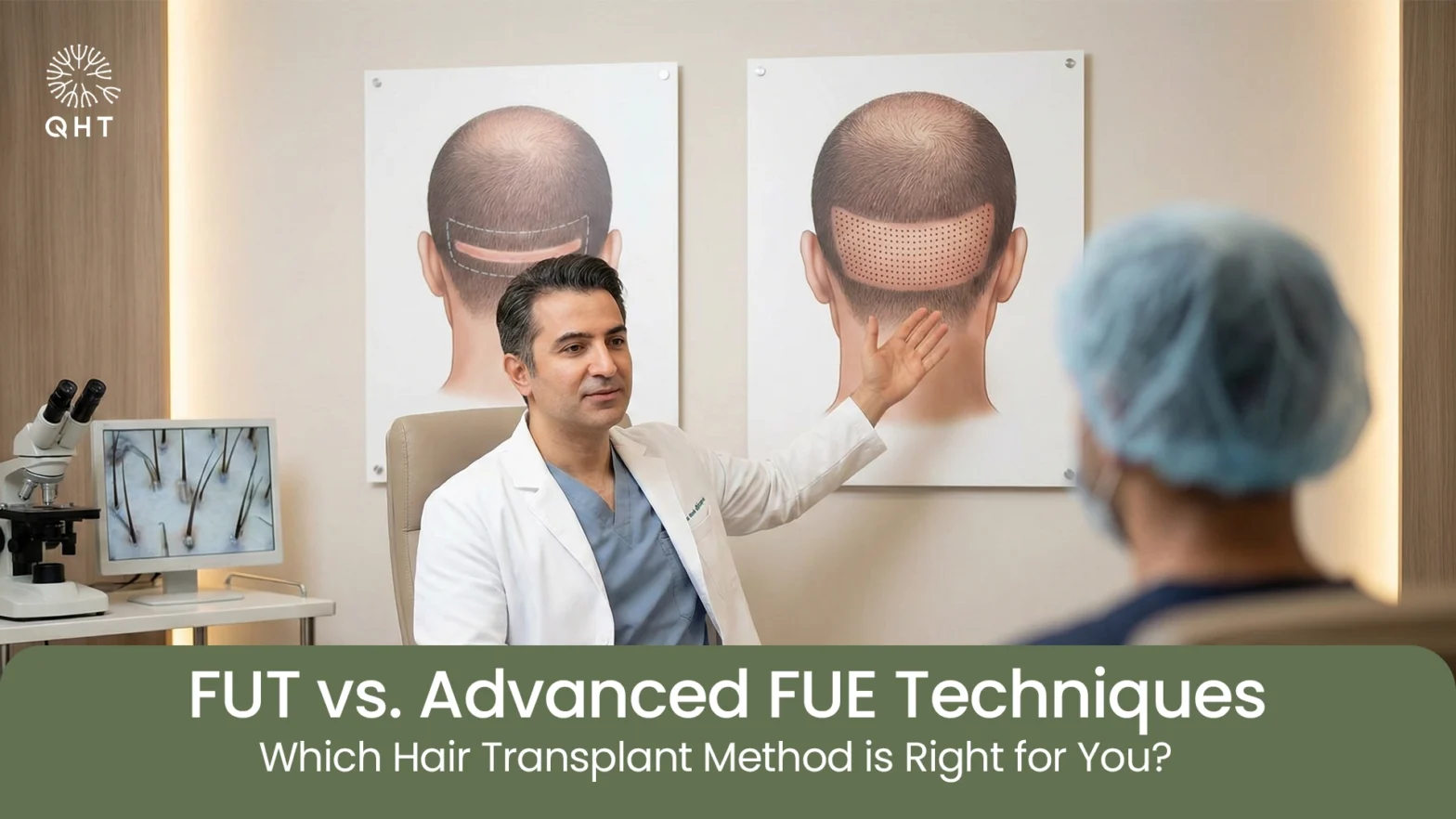
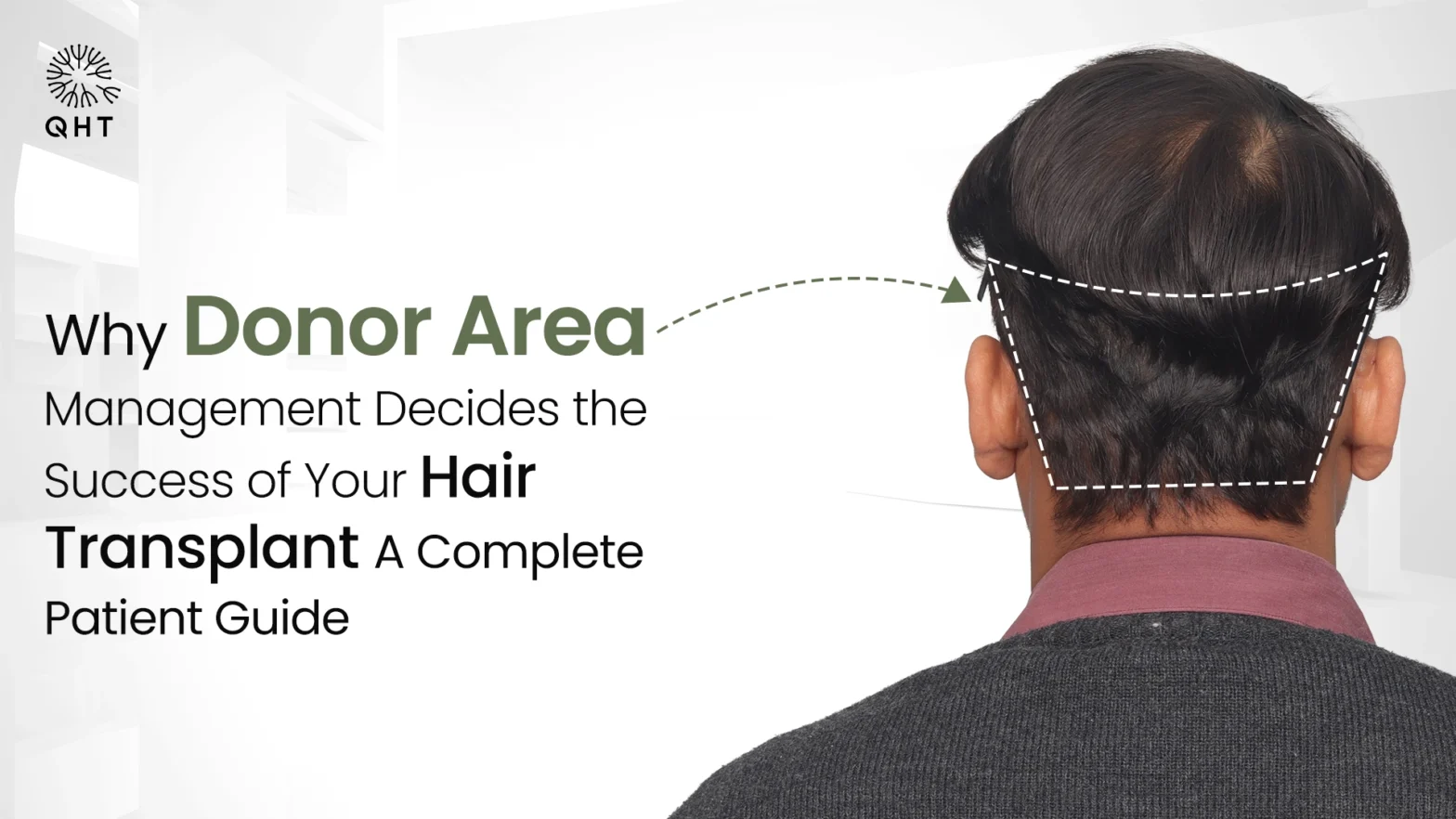
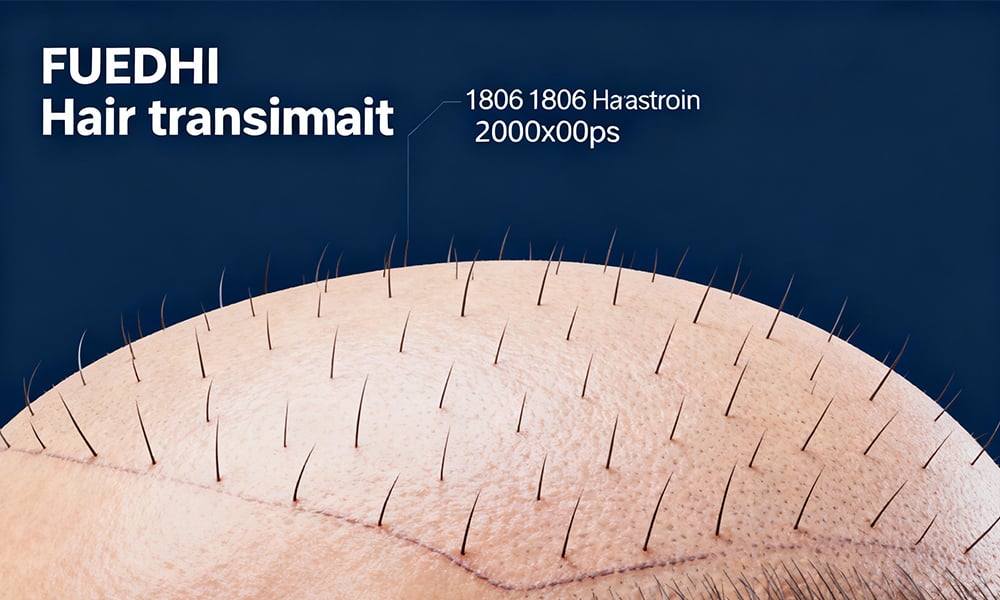
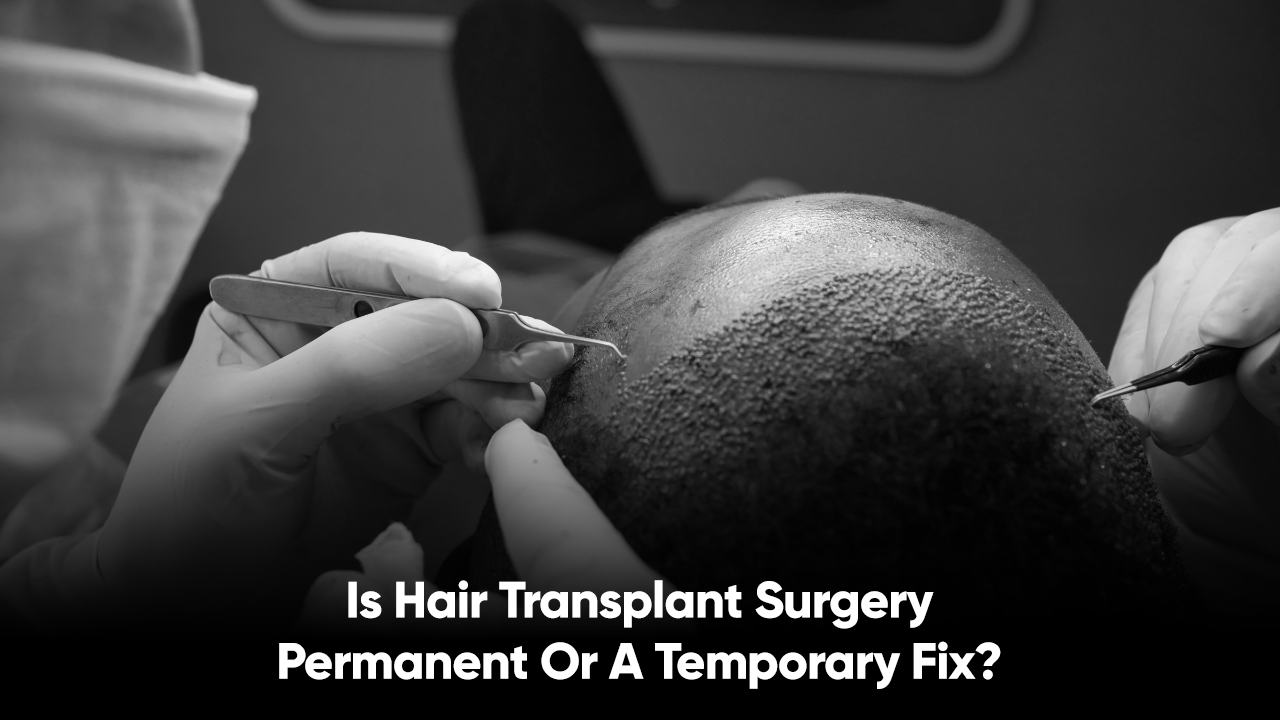
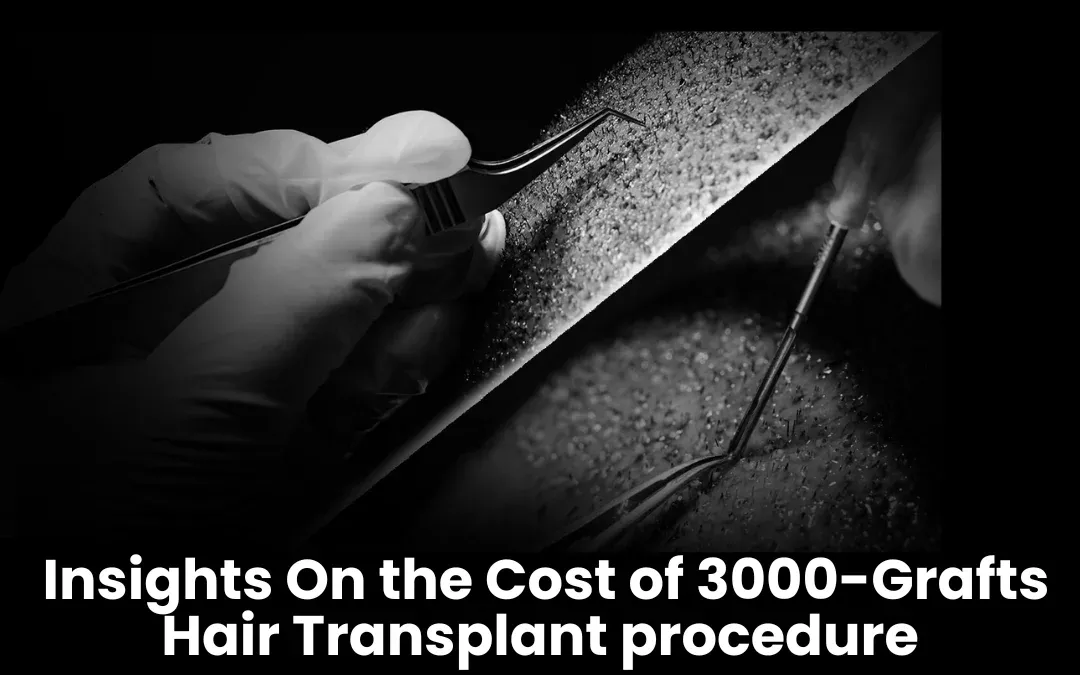
- Follicular Unit Extraction: This involves taking healthy follicles from the back or side of the head and placing them into the thinning frontal or temple area.
- Follicular Unit Transplant: This involves removing a small strip of scalp, dissecting into individual follicular units, and placing them into the areas of the scalp experiencing hair thinning.
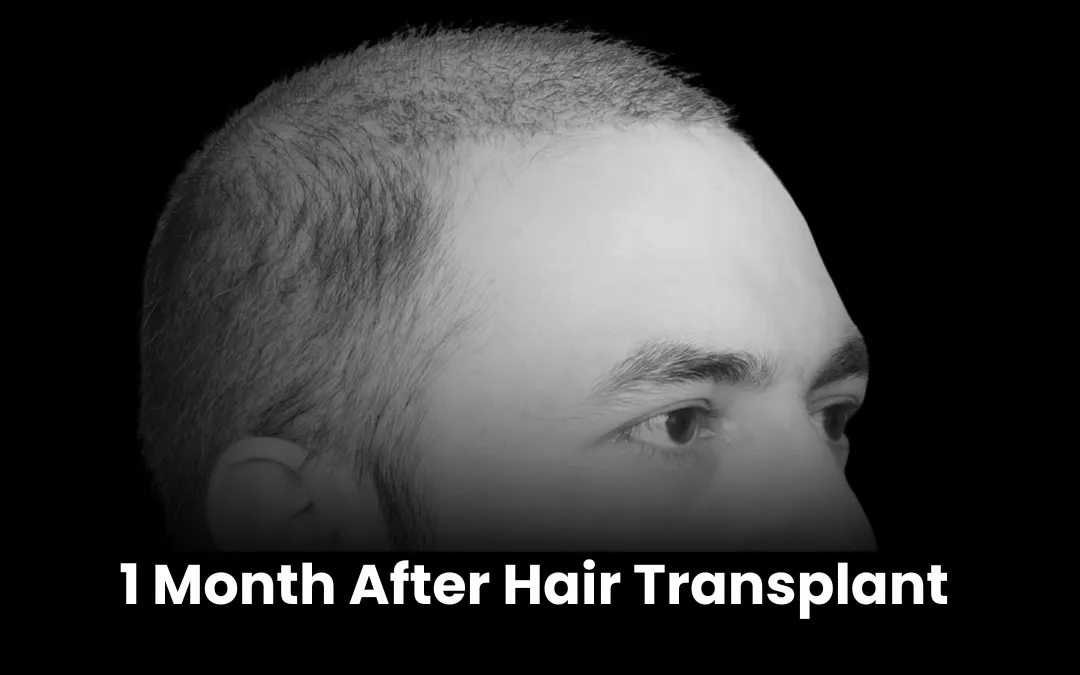
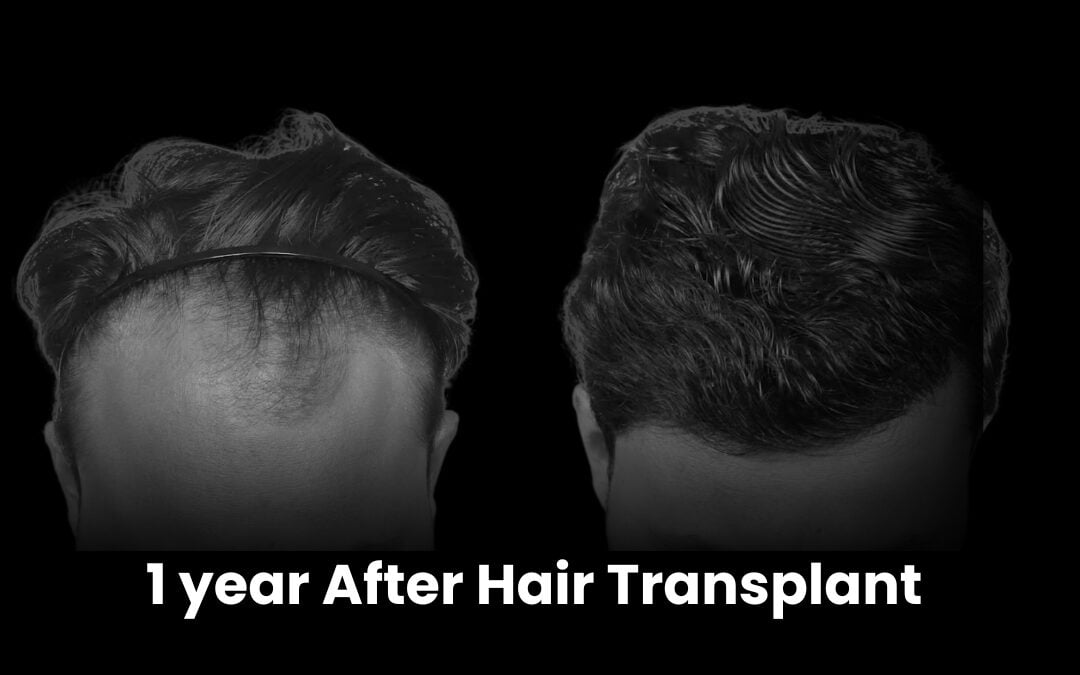
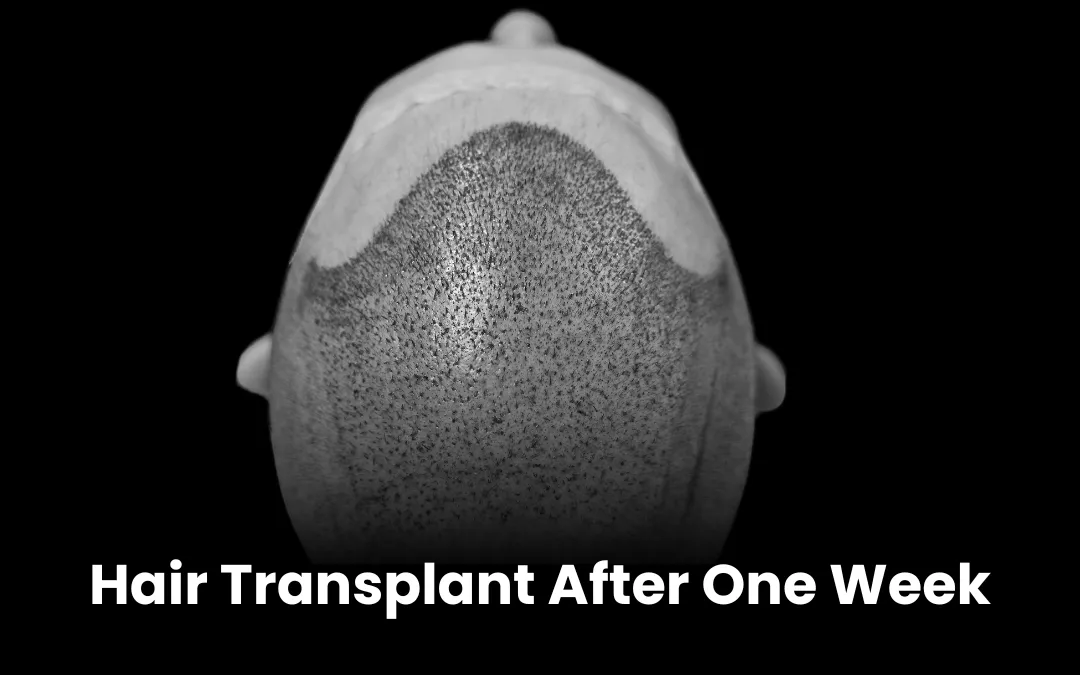
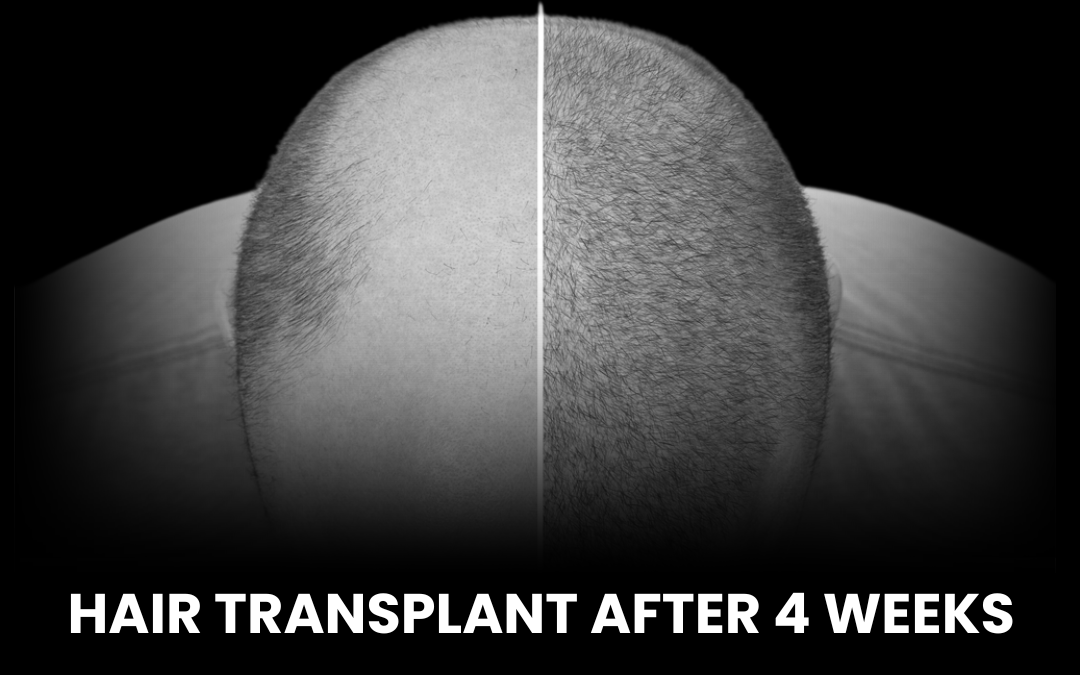
The results after a hair transplant are often visible after a few months. Some individuals might also experience temporary side effects that usually resolve within a few days.
Temple hair loss solutions
When someone begins to lose their hair at their temples, it can be one of the first indications of a receding hairline. Fortunately, both surgical and non-surgical solutions are available for dealing with temple hair loss.
Various non-surgical treatment options for temple hair loss include:
- Consistent application of Minoxidil as prescribed by the doctor can help deal with temple and frontal hairline recession.
- Use of PRP or laser therapy on temple areas to enhance follicle health and help minimize shedding.
The major surgical temple hair loss solution includes:
Hair transplant: This involves extraction of hair follicles from the side or back of the head and transplanting them into the areas of your temples where the hair is thinning. After the procedure, the transplanted hairs will grow like existing hair and help create a more natural flowing hairline and less of an “M” shape.
When selecting the best temple hair loss solution, you should often consider factors such as remaining hair, age, and desired appearance. A hair-care professional can create a receding hairline plan for you based on both your front and temple areas.
Frequently Asked Questions
- How do I regrow my hairline back?
To regrow your hairline, early interventions in the form of medications like Minoxidil, Finasteride can be helpful for patients. In severe cases, patients may opt for a hair transplant surgery.
- Which vitamins can help deal with hair loss?
To maintain healthy hair and slow down the progress of hair loss, individuals should include vitamin C, Biotin, Collagen, vitamin B in their diet.
- What are the major causes of receding hairline?
Some of the major causes of a receding hairline are genetics, hormonal imbalances in body, unhealthy lifestyle practices, stress. The causes may vary from person to person.
- Which is one best solution for dealing with a receding hairline?
There is no one best method for dealing with a receding hairline. The treatment approach of an individual depends on his/her underlying cause of recession. Depending on the cause, the patient may be suggested their treatment plan.
- Can women also have receding hairlines?
Yes, women may also experience receding hairlines due to hormonal issues, stress, unhealthy life practices and more.
- Will there be any side effects of hairline medications that I take?
Medications like Minoxidil or Finasteride may often be suggested to patients. These medications might lead to temporary side effects in some people but the condition often resolves in a few days. In case of prolonged side effects, it becomes crucial to consult the attending doctor.
- Is PRP Therapy effective in dealing with hairline regrowth?
In PRP therapy one’s own blood is injected into the scalp which is responsible for strengthening of the existing hair follicles and stimulating new hair growth. The effectiveness of treatment varies among individuals.
Conclusion
A receding hairline can be successfully treated with early intervention and proper treatment adherence. Selecting the best treatment option for a receding hairline depends on both the type and stage of your hair loss. Early evaluation and professional guidance can significantly impact how well you respond to receding hairline treatment.
Book a consultation with QHT experts today and get a customized treatment plan for yourself to deal with your receding hairline. Contact QHT Clinic and get your hair restoration journey started with any delay.
Book a Consultation Today
Latest Videos
-

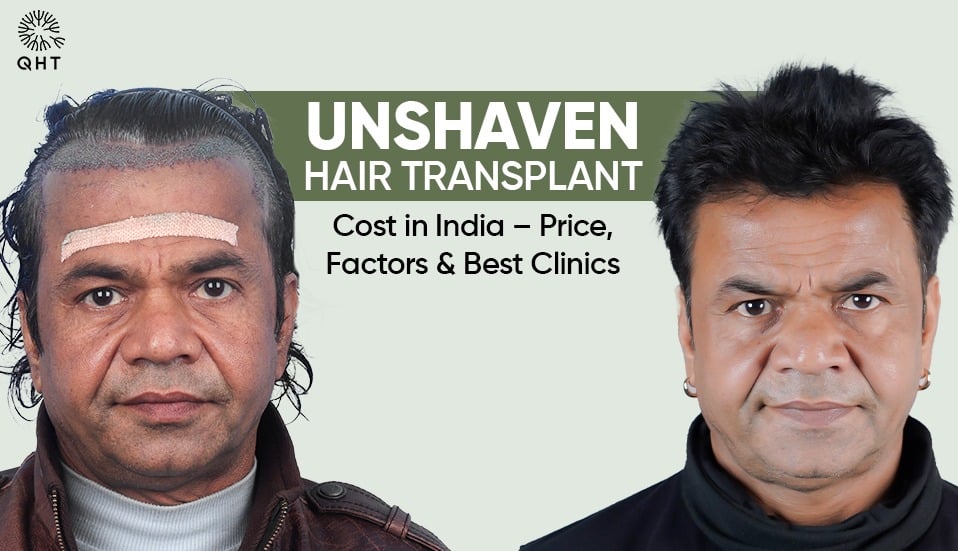
Rajpal Yadav | Bollywood Actor Hair Transplant Journey at QHT Regrow Clinic Haridwar
Click to Watch
-
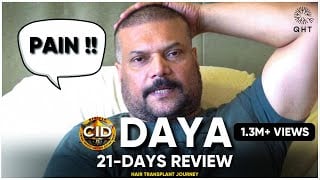
FUE Hair Transplant Results | DAYA's FUE Hair Transplant Results
Click to Watch
-

Best Hair Transplant Result 2021 || NW Grade VI A || 3,422 Grafts
Click to Watch
-
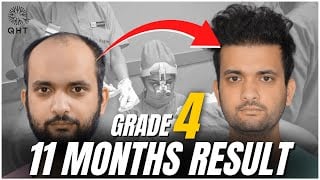
Best Hair Transplant Result 2022 | Grade 4
Click to Watch
-

YouTuber Mehtab Saifi Hair Transplant
Click to Watch
-
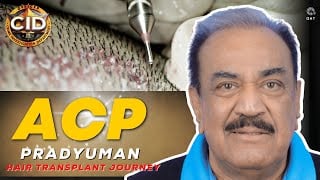
ACP Pradyuman Hair Transplant - Actor's Hair Transplant
Click to Watch