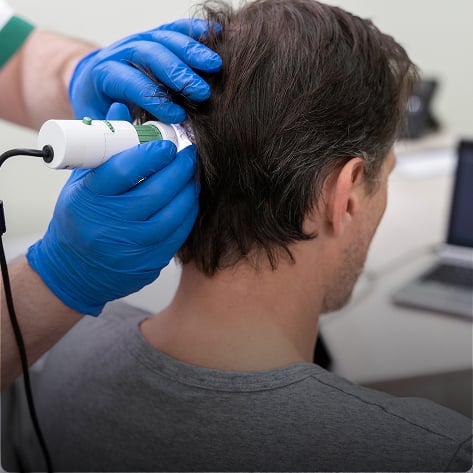
A receding hairline and continuous thinning can be stressful. People often try multiple treatments before considering a permanent solution such as a hair transplant. With the demand for hair transplant procedures growing across the globe, the number of corrective procedures is also rising slowly. This makes choosing the right clinic even more important, with the right doctor and the right services. A transplant is a permanent surgical procedure, which means there can be no compromise on the quality of care. Make one wrong choice, and you will end up paying twice for your surgery to correct what the previous surgery couldn’t deliver.
The lowest prices look appealing, but it tells you nothing about the treatment outcomes and hidden charges. Before booking a consultation, it is important to choose the right clinic based on the surgeons’ availability, surgical planning, graft storage and handling and post-operative care.
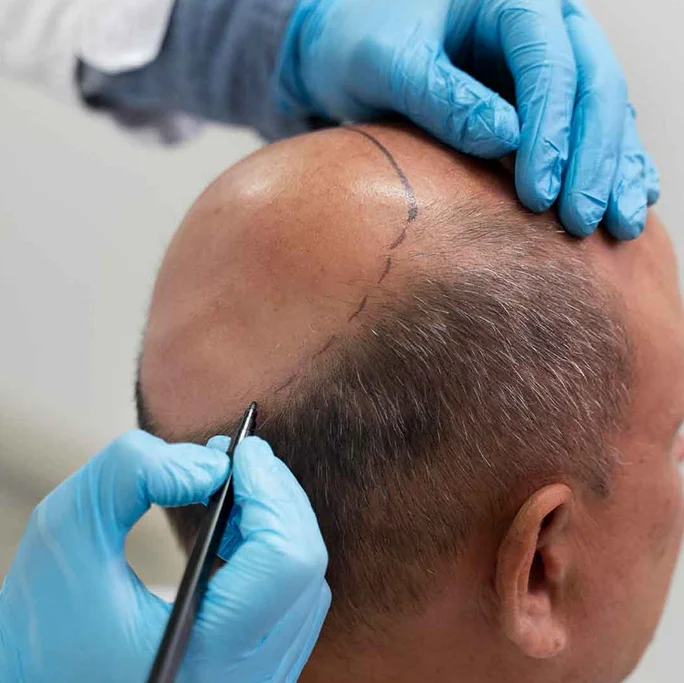
Ensure that surgeons are the ones performing the procedures. Surgeons design the hairline according to facial structure and age, along with donor area management, extraction and implantation of the grafts. A surgeon’s availability and direct involvement ensure that you do not require corrective procedures later.
Advanced techniques, including minimally invasive FUE and QHT, minimise scar visibility and allow faster healing. Choosing a clinic that uses modern hair restoration techniques and does not rely on outdated methods is one to consider.
A clinic providing quotes without a clear mention of all the services is a red flag. Honest billing lists every service included and provides an itemised breakdown before you commit to the procedure.
Aftercare is as important as the procedure itself. A clinic that sends you home without a recovery plan, medications, and a scheduled follow-up is not an ideal choice to make.
After cost, distance is often the next factor that people consider while choosing the right clinic. A ‘hair transplant near me’ search on Google will list all the clinics in Ahmedabad, but convenience does not ensure natural-looking results, age-appropriate hairline design and donor hair management for future sessions. A reputed clinic with a proven track record beats a near-alternative that treats your case like a generic one.
Prioritise natural-looking density that blends seamlessly with your natural hair through strategic graft placement and natural hairline design.
The treatment plan is unique to every patient, just like hair loss. The treatment plan should be aligned with your Norwood grade, donor area evaluation, scalp health, and long-term hair loss progression.
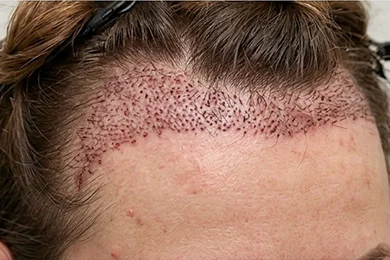
A well-documented patient journey for different Norwood cases and details of graft count and recovery timeline showcase the clinic’s consistent results and realistic outcomes that can be achieved at different grades. Ask for before-and-after results directly.
Hair loss does not wait; it progresses with age and gradually results in balding if not addressed on time. The longer you wait for treatment, the more limited your donor supply becomes with the progression of the Norwood stage.
Many of the repair cases reported are often performed by unqualified personnel or technicians. A clinic operating without a qualified surgeon is a warning sign; correcting the failed hair transplant costs far more than the initial discounts.
Surgery is one half of the treatment. The recovery routine is equally important, and ignoring it influences the outcome.
Getting a professional opinion at the earliest, either remotely or personally face-to-face, improves the coverage possibilities with adequate donor supply.
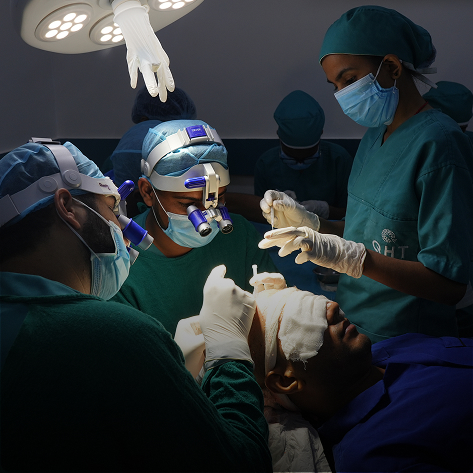
Having an in-house surgical team with a dedicated operating theatre ensures consistency, quality control and patient safety. Outsourced professionals compromise treatment outcomes and deliberately introduce uncertainty.
Understanding the outcomes that can be achieved with current hair loss prevents disappointment after the procedure. The results between two individuals cannot be the same, as the hair loss pattern, age, and personal goals differ for each individual.
Modern technology, dedicated operating theatres, and strict hygiene protocols are mandatory in a healthcare setting. Opting for NABH-accredited facilities ensures patient safety and reduces the risk of complications.
The outcome of a transplant is decided by multiple factors, and knowing them helps you understand how to make an informed decision.
A wider area with hair loss needs more grafts for adequate density and coverage. It also determines the technique used, the complexity of the procedure and the number of sessions required.
The method used for hair restoration involves different complexity levels and precision. The choice of the right method depends on the individual's hair loss. Advanced techniques like FUE and QHT ensure better graft handling, improving the graft survival rate and hence delivering better outcomes.
Donor hair in the back and sides of the scalp determines the final density of the transplant. The health and density of donor hair are very important factors in deciding the success of the transplant.
The graft handling protocols determine the graft survival rate, which determines the grafts that will produce hair after implantation. Higher graft survival rates result in better density and more predictable outcomes.
Experience of surgeons in handling different cases adds to the credibility and accuracy of clinical judgement. Experienced surgeons deliver consistent, natural-looking results.
Postoperative care plays a very important role in the final results. Following all the instructions post-surgery ensures optimal density and better regrowth.
Ahmedabad is not just synonymous with its historical and culinary offerings; it is rapidly developing into a viable option for advanced medical treatments. With world-class infrastructure and expert doctors, Ahmedabad has transformed into a reliable destination for natural-looking hair restoration.
At QHT Clinic, your natural hair restoration treatments are tailored specifically to you. From the grafting execution to aftercare, we ensure results that restore your hair and regain your confidence.
Clinics constructed to the international safety standard.
Value for money without compromising care.
Specialists who are experienced in natural hairline design.
Ahmedabad is the new male hair restoration destination.
ISO 9001 Certified
NABH certified
Ahmedabad has many clinics that offer hair transplant services, ranging from budget-friendly clinics to premium branded clinics. Between sponsored ads and heavy marketing, differentiating the one that actually offers surgeon-led procedures is hard. QHT Clinic is not currently operating in Ahmedabad, but with experience across 15,000+ surgeries, we have treated patients from across the globe. We have a multicentre network in Hyderabad, Delhi, Gurgaon, and Haridwar; all are accessible and one short flight away from Gujarat.
QHT Clinics maintain the same standard of care across all facilities, led by trained surgeons, and a personalised treatment plan built around your hair loss and personal goals.
QHT Clinics utilise widely used techniques globally, along with the proprietary technique QHT developed by hair transplant surgeons at QHT Clinic. The technique selected is based on the extent of hair loss, desired hair density, and personal preference. Each technique delivers permanent, natural-looking results with straightforward, safe recovery.
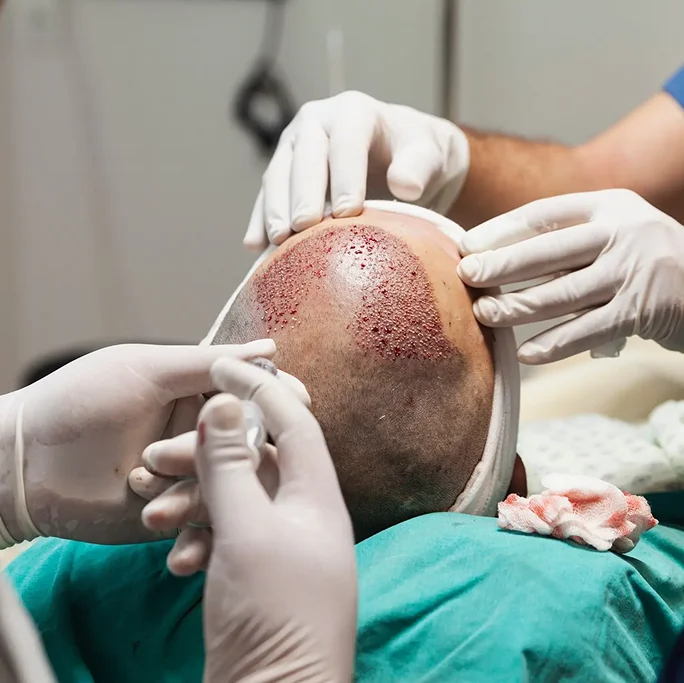
FUE is the gold standard method that is most widely used globally. The surgeon extracts the follicles from the donor zone using a motorised micropunch under 10x magnification and transplants these follicular units to the recipient zone. The technique does not require a linear incision, leaving only tiny dot-like scars that are usually difficult to notice, making it suitable for patients with short hair. An FUE transplant in Ahmedabad is ideal for a wide span of Norwood grades and is commonly used to restore a receding hairline to more advanced balding stages.
This minimally invasive technique reduces trauma to the scalp and extracted grafts, allows faster healing and minimal scarring.
FUT is the older strip method, and it has a lower price than the other two procedures. A thin strip is harvested from the donor zone and microdissected to harvest grafts under magnification. These grafts are then implanted into premade slits in thinning or balding sites at the correct angles and depth.
This technique yields the highest number of grafts in a single session and is highly suited for patients in advanced Norwood stages. The only downside with this technique is a visible linear scar at the donor site that takes longer to heal than FUE and QHT, and is not preferred by people with short hairstyles.
For patients with longer hair, the scar can be easily covered and hence is mostly preferred by women.
QHT is the clinic’s own advanced FUE technique developed by QHT Clinic doctors, which allows simultaneous extraction and implantation of grafts with an advanced SAVA implanter pen. The technique is designed to reduce the out-of-body time of grafts to less than 2 hours, which increases the graft survival rate to up to 95% and maintains their viability. This delivers good coverage with the number of implanted grafts and leaves tiny dot-like scars at the donor site that become undetectable after healing.
With minimal downtime, most patients return to a light desk job within days.

Your suitability for a hair transplant depends on a detailed clinical assessment and your overall health. A teleconsultation provides an initial assessment, but your candidacy is confirmed only after an in-person scalp examination. The only way to determine whether you are eligible for a hair transplant is a detailed scalp assessment for scalp health, donor hair availability, age, general health, and budget. In the early stages of hair loss, medicinal therapy is usually recommended, and other non-surgical treatments, including PRP, GFC and LLLT, may be explored to support hair growth.
You are likely a suitable candidate if you:
Hair transplant at QHT Clinic follows a systematic process. Each process is clearly communicated to keep you informed about the grafts needed, the technique chosen and why, and the density that can be achieved.
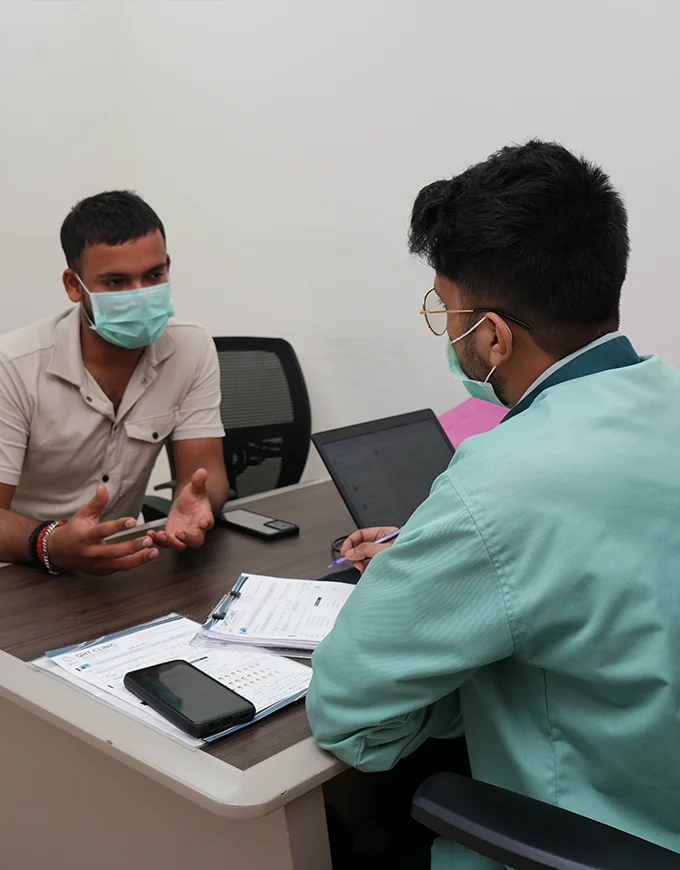
For an Ahmedabad patient, it begins with a remote consultation. Your complete history, Norwood grade, hair loss pattern and donor area are assessed during in-person consultations. The first consultation helps determine the candidacy for the procedure, provides a final estimate of grafts needed and the cost of the procedure.
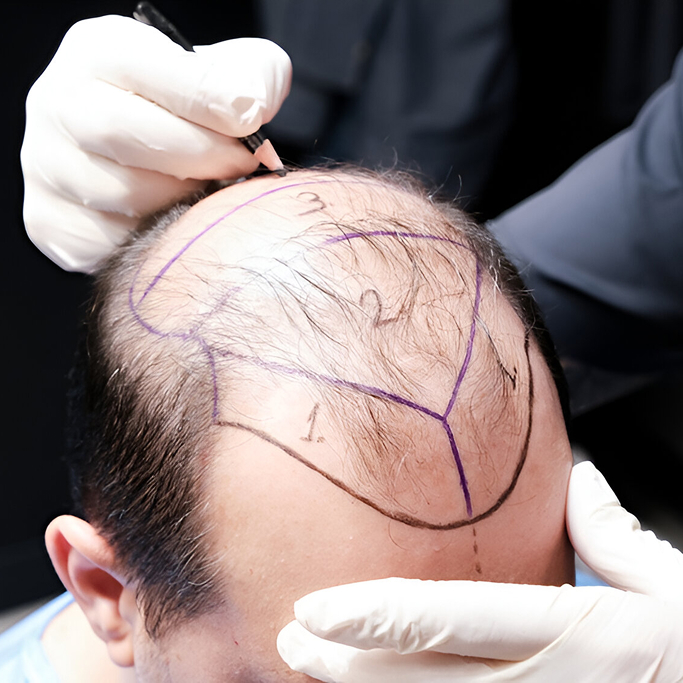
Pre-surgical planning includes a complete blood panel, hormonal profile, hairline design and pre-surgery instructions for the surgery day. You receive a written quotation with a detailed cost breakdown and all the services included, so nothing will surprise you by the end of the procedure.
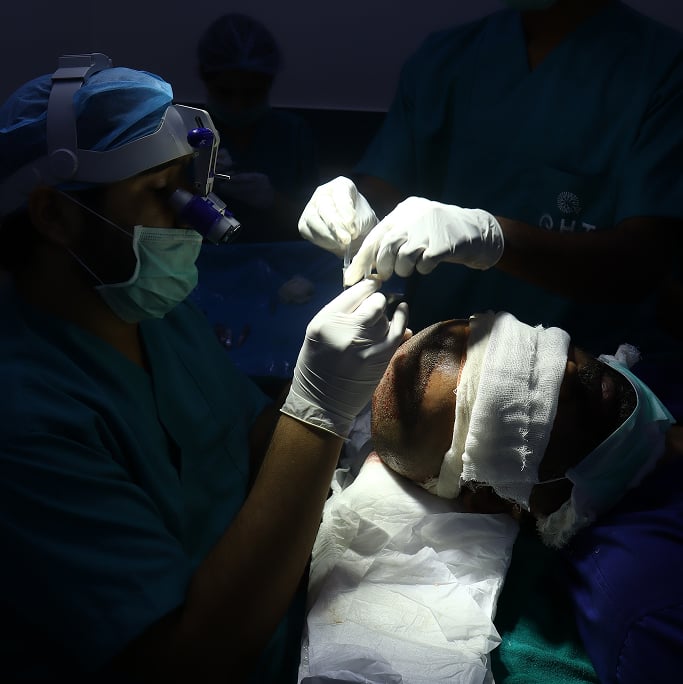
Surgery is done under local anaesthesia. The procedure is painless, and you stay awake throughout the surgery. The surgeon harvests the grafts and implants them into the recipient areas. The grafts are implanted according to planned designs to follow the natural growth direction. Detailed post-procedure instructions are provided to each patient along with prescription medication.
Healing is monitored from day one. A dedicated post-surgical team schedules follow-up appointments suited to the patient’s schedule. From remote consultations to in-person follow-ups, our team plans out every appointment and addresses your queries related to recovery so you don’t have to stress about anything.
Recovery plays an important role in determining the outcome of a hair transplant. For most patients, recovery is predictable. With advanced techniques, initial healing is faster with minimal downtime. During recovery, it is very important to follow the postoperative instructions to avoid damage to the newly transplanted grafts.
| Phase | What’s happening |
| Day 1–2 | Mild swelling and redness. Painkillers are prescribed. Small scabs begin to form around transplanted grafts. |
| Day 3–7 | The first wash is done according to the clinic’s guidance. Scabs start to lift. Many people return to desk work within 5 days. |
| Weeks 2–4 | The transplanted hair sheds – Shock Loss. This is expected, not a setback. |
| Months 3–6 | New hair starts to emerge from the scalp, and around 50% of the final density is usually visible by month 6. |
| Months 9–12 | Final density settles in, with a clean hairline and fuller growth in the crown area. |
During initial healing, sleep with your head elevated, avoid touching your grafts, take prescription medications, avoid any strenuous exercise like heavy lifting, running, contact sports and swimming. Eat a balanced diet and stay hydrated. Avoid direct sun exposure for the first few weeks.
Ahmedabad is a safe and effective option for Hair transplantation. Patients looking for world-class care are increasingly making Ahmedabad a first-choice destination for reliable treatment.
Innovation meets expertise at QHT Clinic Ahmedabad to deliver natural, long-lasting results.
Specialists in FUE, SAVA-FUE, and QHT
State-of-the-art equipment to maximize precision.
No hidden expenses.
Thousands of happy patients.
Customized treatment for every patient.
By selecting QHT Clinic, you're making an investment in more than treatment—it is an investment in your confidence, quality, and results that are lasting.
Thousands of happy patients, all with natural results.
The exclusive QHT technique allows for higher density and survival rate.
Skilled surgeons with years of experience.
Treatments personalized for every individual.
In addition to Hair transplantation in Ahmedabad, check out advanced treatments like PRP therapy, beard transplantation, and scar revision for the ultimate care.
Reach out anytime or visit us directly for personalized assistance, expert guidance, and seamless support experience.
Qht Clinic, Chandra Rekha Tower, Chandra Rekha Lane Next to HP Jagat Petrol Pump, Delhi-Haridwar Highway, Jwalapur, Haridwar, Uttarakhand - 249407
D -15, Outer Ring Rd, above Federal Bank, Prashant Vihar, Sector 14, Rohini, New Delhi, Delhi, 110085
QHT Clinic Opposite Hotel Park HyattRoad No. 2 Banjara Hills, Hyderabad, Telangana
Nursing Home Bearing plot No 3, Sector 46, Gurugram, Haryana 122022
Are you looking for answers before you book a consultation? Here are some common questions asked before a hair transplant.
Many patients prefer travelling to an experienced surgeon because hair transplantation is a permanent procedure. Choosing a clinic based on surgical expertise, safety standards, and long-term outcomes is generally more important than selecting the nearest location. Convenience should not be the reason to compromise on quality care.
Most patients stay for three to four days, depending on the complexity of the procedure. Your surgeon will advise you based on the number of grafts transplanted and your individual recovery. The first wash after the hair transplant is performed at the clinic. It is advised to plan your stay for 3-4 days to protect newly transplanted grafts and allow initial recovery.
Yes. Most patients can travel home by air after their surgeon confirms they are fit to travel. Usually, it is advised to wait 48-72 hours before flying. Care should be taken to protect the transplanted grafts during the journey, and all post-operative instructions should be followed.
Most patients undergoing FUE or QHT procedures resume desk-based work within three to five days. Those with physically demanding jobs may require additional recovery time, depending on their surgeon’s advice.
Yes. Women with stable female pattern hair loss, traction alopecia, or certain types of scarring hair loss may be suitable candidates. Suitability depends on donor hair availability and the underlying cause of hair loss, which is determined during clinical evaluation.