



Top 10 Causes of Hair Loss in Men & Women
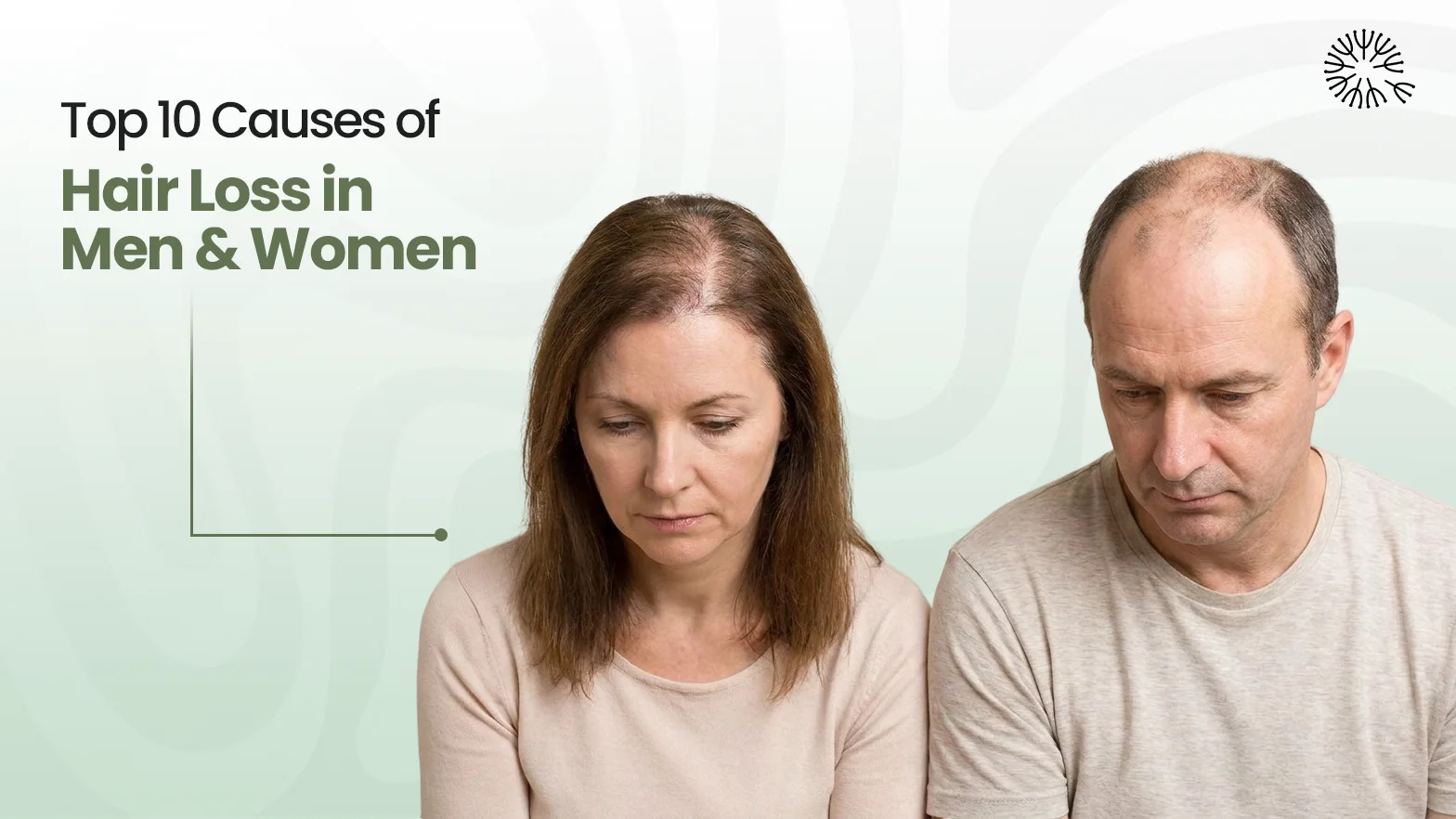
Hair loss has become a household problem most people today face. Seeing a bunch of hair on your pillow, shower drain, or noticing visible thinning in the mirror is common. But, as common as it may be, losing hair can cause stress and frustration.
With hair loss, what most people fail to realise is that it does not happen without a cause. Hair loss problems in most cases stem from something internal or external. Understanding these underlying hair fall reasons is the first step to reversing, managing or treating it.
Genetics, stress, diet, certain health conditions, all play a role in disrupting the natural hair growth cycle. Understanding which among these is causing your hair loss problems is important for proper treatment.
At QHT Clinic, we specialise in identifying hair thinning causes and hair fall reasons to provide the best solution. Our team of expert hair surgeons understand what is causing your hair to fall and the extent of your hair loss to determine whether you are the right candidate for a hair transplant, require topical treatment or just need lifestyle modifications. This transparency of treatments is what makes us highly patient-centric.
To understand more about our hair restoration solutions, book a call with our QHT experts.
Quick Answer Box
What Causes Hair Loss in Men and Women?Hair loss in both men and women is usually caused by a mix of genetic, hormonal, lifestyle, and medical factors. The most common cause is DHT-related genetic hair loss (androgenetic alopecia), which leads to gradual thinning over time. Other major hair fall reasons include stress (telogen effluvium), hormonal imbalances (like thyroid issues or PCOS), nutritional deficiencies (iron, protein, vitamins), scalp conditions, and certain medications. In men, hair loss often appears as a receding hairline or crown thinning, while in women it usually shows as overall thinning or widening of the part. The key to managing hair loss is identifying the root cause early and choosing the right treatment. Lifestyle changes, medical therapy, or advanced options like FUE, FUT, or QHT hair transplants are the various hair loss treatments. |
Table of contents
- How Do Men and Women Commonly Experience Hair Loss?
- What are the top 10 causes of hair loss in men and women?
- How Can Hair Loss Be Managed?
- Takeaway
- Frequently Asked Questions
How Do Men and Women Commonly Experience Hair Loss?
Although hair loss is a common concern for both men and women, it rarely presents in exactly the same way. One of the most important aspects of identifying the underlying hair loss causes is understanding the pattern in which thinning begins. The way your hair falls out can often offer early clues about the root issue, whether it is genetic, hormonal, stress-related, or due to other hair thinning causes.
While the underlying trigger may sometimes overlap, the visible signs and progression of hair loss often differ significantly between men and women.
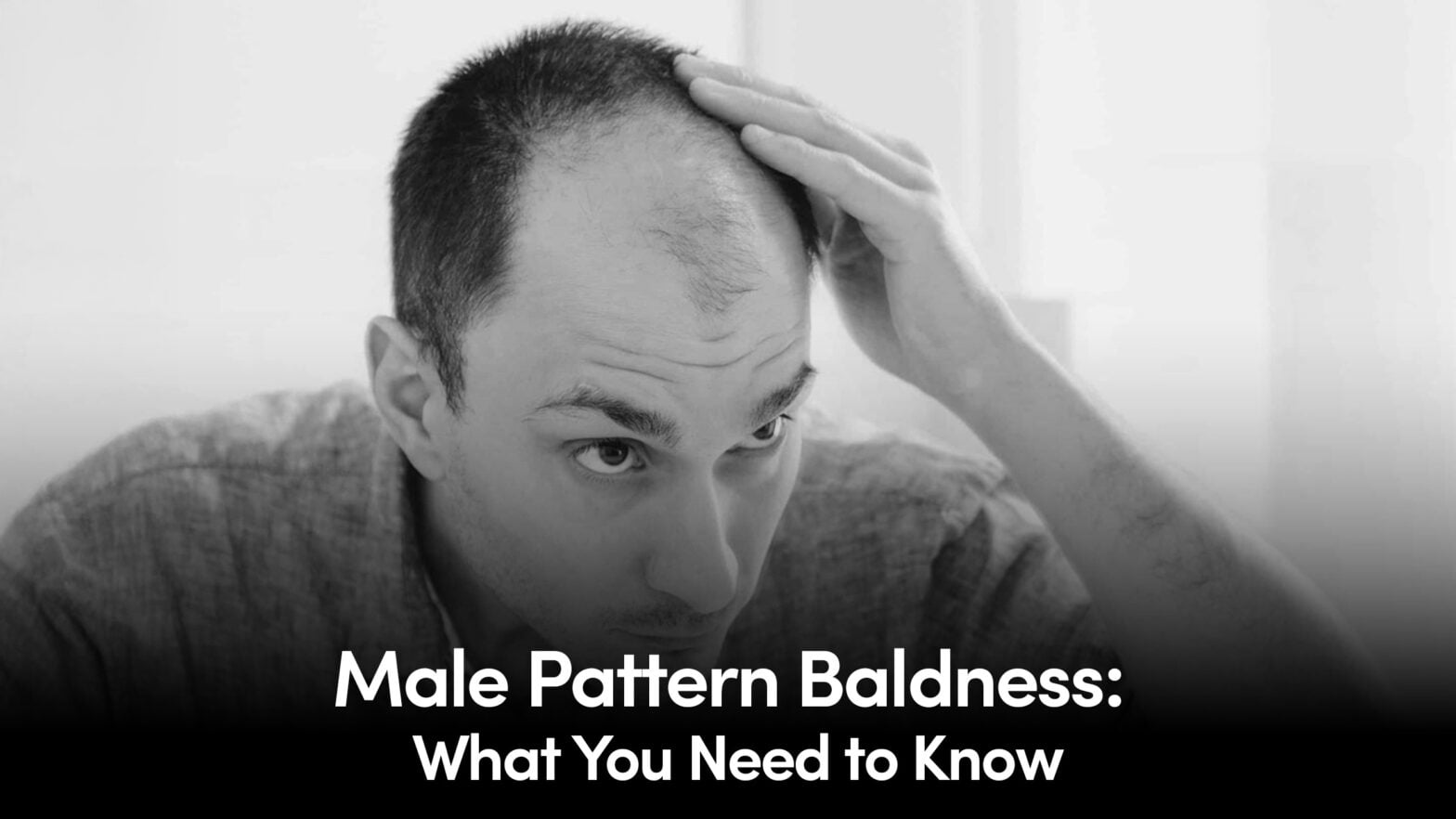
In Men
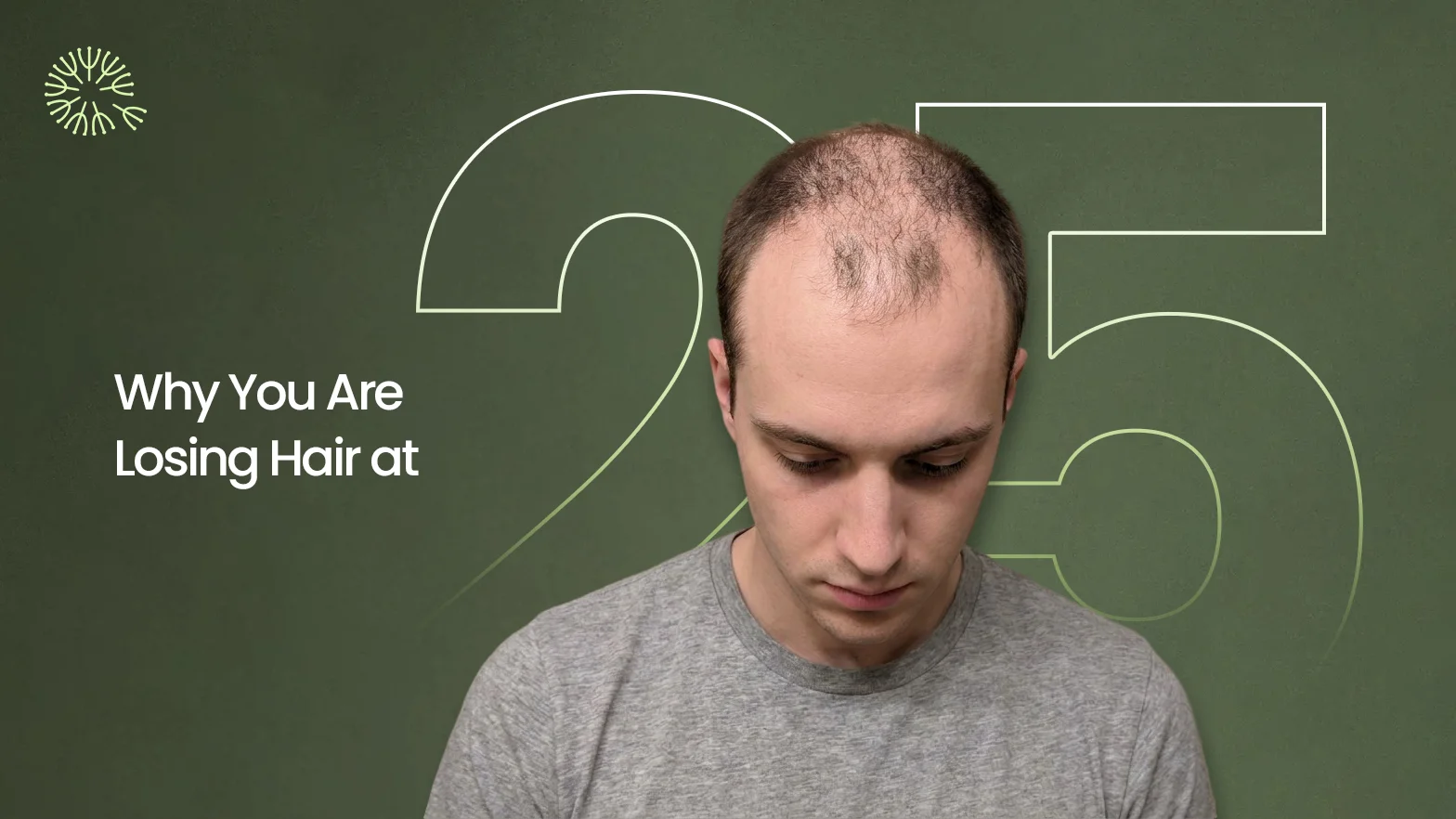
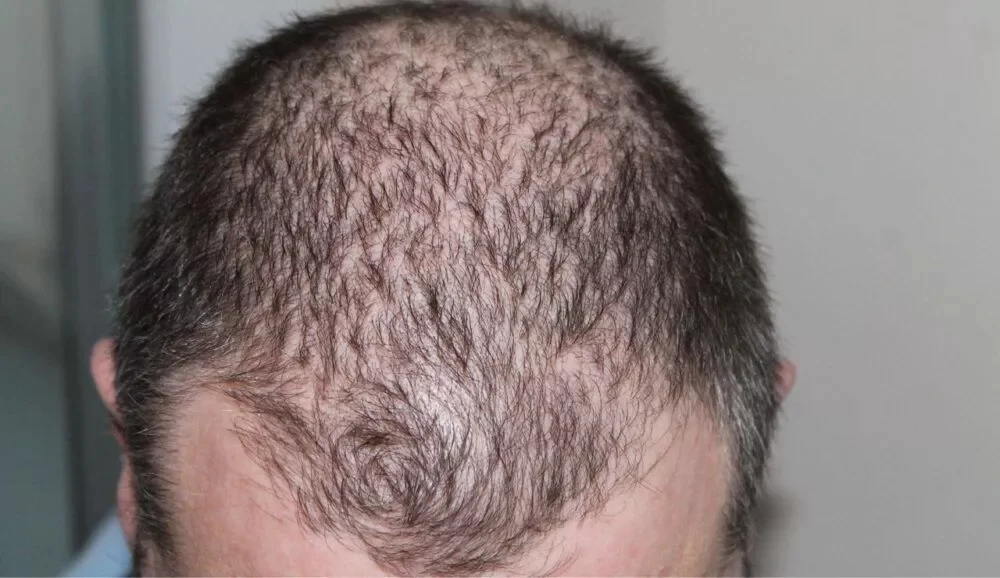
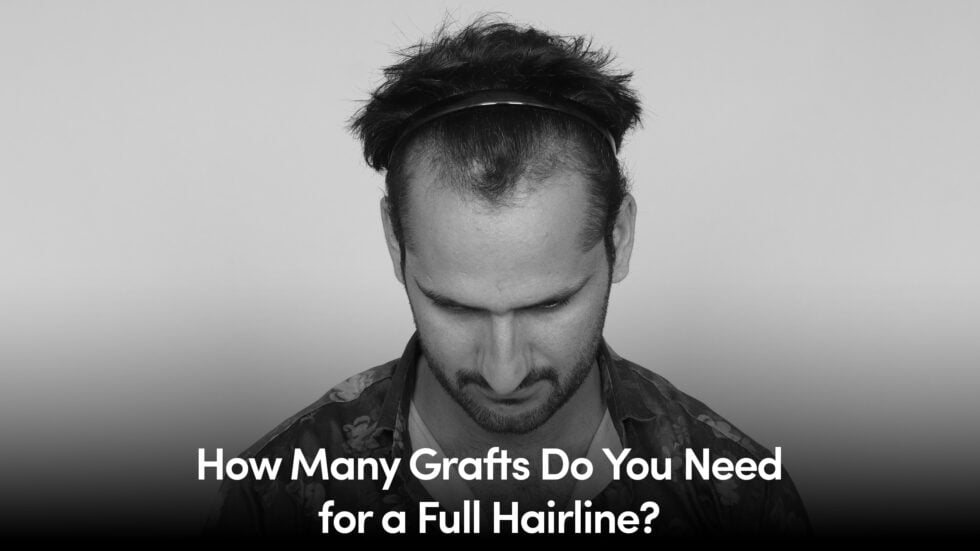
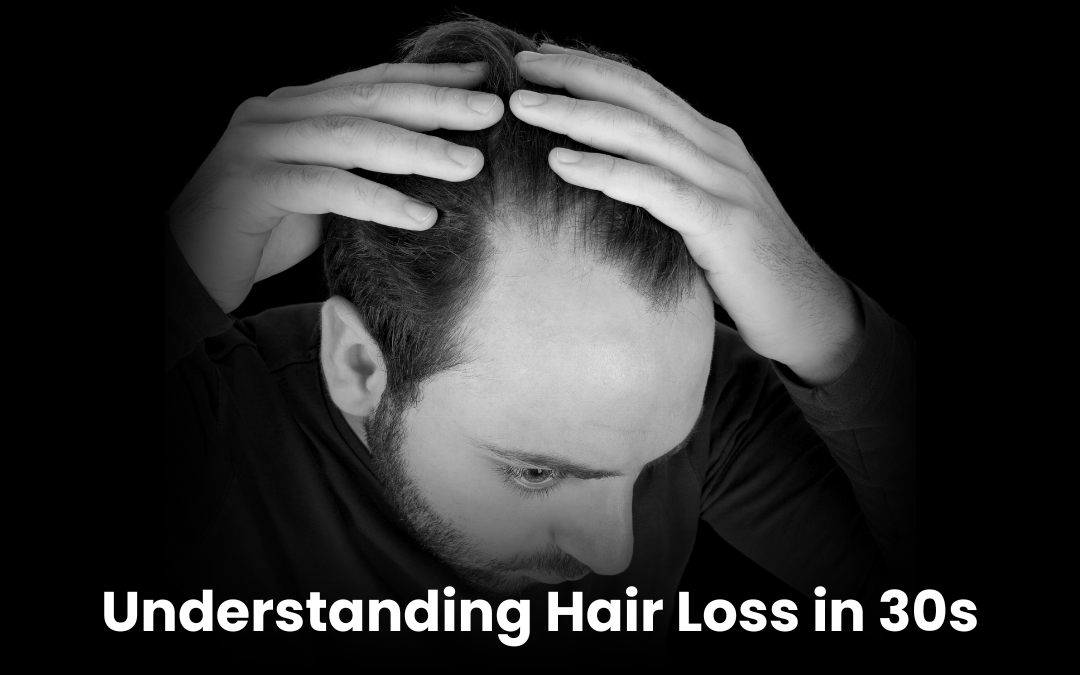
In men, hair loss most commonly follows a predictable pattern, especially when it is linked to DHT hair loss or genetic factors such as male pattern baldness. It often begins gradually and may initially go unnoticed until visible thinning develops.
Common early signs include:
- Receding hairline
- Temple thinning
- M-shaped hairline
- Crown thinning or bald spots
Over time, these areas may merge, leading to more advanced thinning or baldness. This pattern is usually progressive and is often strongly linked to genetic sensitivity to dihydrotestosterone (DHT hair loss).
In Women
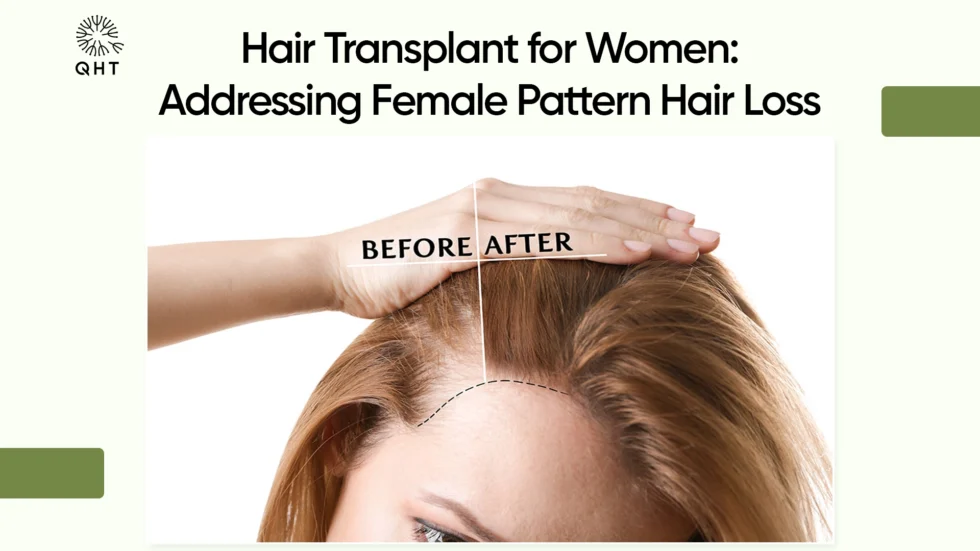
In women, hair loss tends to be more diffuse and less pattern-specific than in men. Instead of a receding hairline, the thinning is often spread across the scalp, which can make it harder to detect in the early stages.
Common signs include:
- Widening of the middle part
- Overall volume loss
- Diffuse crown thinning
- Reduced hair density
This type of thinning is often linked to hormonal fluctuations, nutritional deficiencies, stress, or female pattern hair loss.
What are the top 10 causes of hair loss in men and women?
Now that we have an idea about how men and women experience hair loss, it is time we understand the common causes behind it. Understanding these hair loss causes is important for an accurate diagnosis and treatment.
Genetic hair loss and DHT Hair loss
One of the main causes of hair loss in both men and women is the hereditary sensitivity to the hormone dihydrotestosterone (DHT). This condition of DHT sensitivity causing hair loss is called androgenetic alopecia.
DHT is a hormone made from testosterone. If your hair follicles are genetically sensitive to DHT, the hormone gradually binds to the follicles, causing them to shrink. This process is called miniaturization. As miniaturization progresses:
- Strands become thinner
- Growth slows down
- Hair density reduces
- Follicles eventually stop producing visible hair
Stress
One of the most overlooked but a constant cause of hair fall in our lives is stress. We often hear healthcare professionals advising us about the repercussions of excessive stress, and hair loss happens to be one of them.
When you go through emotional or physical stress, your body can push a large number of hair follicles into the telogen (resting) phase. A few weeks or months later, these hairs begin shedding. This condition is known as telogen effluvium, that can lead to widening of center parting or thinning at the crown.
Common triggers of this hair loss include:
- Work stress
- Lack of sleep
- Fever or illness
- Surgery
- Rapid weight loss
- Emotional trauma
Hormonal Imbalances
Hormones play a big part in the hair growth cycle in both men and women. Constantly shifting hormones can prematurely push the hair follicles into resting or shedding phase and also lead to slow regrowth.
Common hormonal hair thinning causes include:
- Thyroid disorders
- PCOS
- Androgen imbalance
- Insulin resistance
- Menopause-related hormonal changes
Nutritional Deficiencies
You are what you eat, a saying we have all heard countless times. But it is rather true. Nutritional deficiencies can significantly impact how our hair acts. When essential nutrients are lacking, the hair growth cycle can get disrupted, causing increased shedding, slower regrowth, and visible thinning.
Since hair is not a vital organ, the body tends to prioritise other functions first, making nutritional deficiencies one of the most common hair loss causes.
Some of the key nutrient deficiencies linked to hair fall include:
- Iron deficiency
- Low ferritin levels
- Vitamin D deficiency
- Vitamin B12 deficiency
- Zinc deficiency
- Protein deficiency
Since your hair is primarily made of keratin, a type of protein, inadequate protein intake is a major hair fall reason. This is especially common if you follow restrictive diets, skip meals, or consume very low-calorie foods.
Scalp Conditions and Dandruff
Sometimes, the root cause of hair fall is not the hair shaft itself but the condition of your scalp. A healthy scalp creates the ideal environment for strong hair growth, while inflammation, infection, or excessive buildup can weaken the follicles and disrupt the natural growth cycle. Over time, this can lead to increased shedding, slower regrowth, and noticeable thinning.
Common scalp-related hair loss causes include:
- Severe dandruff
- Seborrheic dermatitis
- Fungal infections
- Folliculitis
- Psoriasis
If left untreated, these conditions can weaken the follicles over time, making scalp health an important factor in managing hair fall and hair thinning.
If you have the above conditions, you may notice symptoms such as:
- itching or persistent irritation
- redness and inflammation
- visible flakes on the scalp or shoulders
- an excessively oily scalp
- soreness or tenderness when touching the scalp
Tight Hairstyles and Traction Alopecia
Constant tension on your hair roots from certain hairstyles can gradually damage the follicles and lead to a condition known as traction alopecia. Yes, this may come to you as a shocker but the way you tie your hair can actually be causing them to fall out.
This type of hair loss occurs when the hair is repeatedly pulled in the same direction over a long period, weakening the roots and affecting healthy regrowth.
This form of hair loss most commonly affects the temples, hairline, and edges, where the pulling force is usually the strongest. You may initially notice thinning baby hairs, a widening hairline, or small broken strands around the front of the scalp.
Common triggers include:
- Tight ponytails
- Buns
- Braids
- Hair extensions
- Man buns
- Head wraps or scarves worn tightly
Anagen effluvium
Anagen effluvium is a condition that causes large amounts of hair to rapidly fall out during the anagen (growth) phase of the hair cycle. Unlike gradual hair thinning, this type of hair loss is sudden and more noticeable.
It can affect not only the scalp but also other parts of the body, including the eyebrows and eyelashes, due to disruption of actively growing hair follicles.
Common causes include:
- Chemotherapy
- Autoimmune diseases
- Radiation therapy
- Fungal infections
Medications and Treatments
Sometimes, the reason behind sudden hair fall may be linked to medications or medical treatments. Certain drugs can interfere with the natural hair growth cycle, pushing more hair follicles into the shedding phase.
If you notice increased shedding soon after starting a new medication, it may be worth discussing with your doctor. In many cases, the hair fall improves once the treatment is adjusted or the body adapts.
Some common examples include:
- Antidepressants
- Blood pressure medications
- Blood thinners
- Acne treatments
- Hormonal medicines
Autoimmune Hair Loss
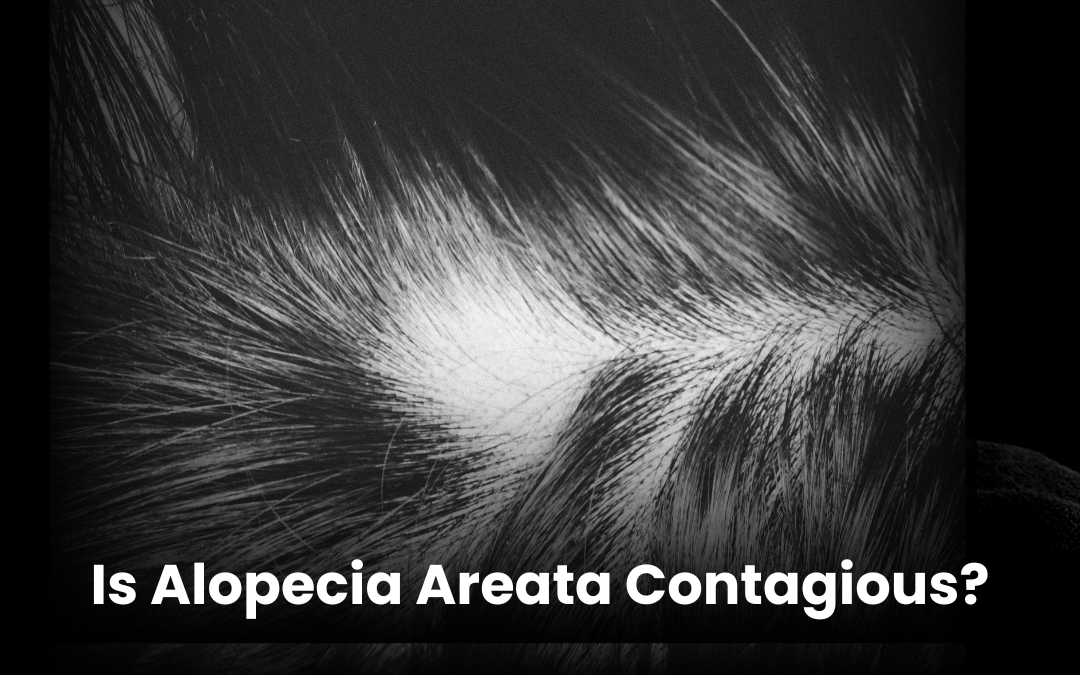
If you notice sudden round or oval bald patches, the cause may be alopecia areata, a common autoimmune form of hair loss. In this condition, your immune system mistakenly attacks healthy hair follicles, disrupting the normal growth cycle and causing hair to fall out in specific areas. It can affect, scalp, beard hair, eyebrows and sometimes even eyelashes
Unlike gradual thinning, this type of hair loss is usually sudden and patchy, often appearing as smooth, clearly defined bald spots. In some cases, the patches may remain small, while in others they can expand or appear in multiple areas
Age-Related Hair Thinning
Ageing naturally affects your hair growth cycle, making age-related hair thinning one of the most common and natural hair loss causes in both men and women. As you grow older, the rate of hair renewal slows down, and the follicles may not produce hair as thick or as strong as before.
Some common age-related changes include:
- The growth phase shortens, so hair spends less time actively growing
- Follicles become smaller, leading to reduced hair production
- Strands become finer and weaker
- Overall hair density decreases
As a result, your hair may start to look less voluminous, with more visible scalp and reduced thickness. This process is usually gradual and can often combine with other factors such as genetics, hormonal changes, or nutritional deficiencies.
How Can Hair Loss Be Managed?
Managing hair loss is easier when done using the right practices. The first step to managing hair loss is seeing a doctor to get a proper diagnosis. Once diagnosed, the doctor can prescribe the right treatments and management guidelines.
Management Tips for Common Hair Loss Causes include:
- Identifying the root cause early: Hair loss can result from multiple factors like genetics, stress, or deficiencies. Early diagnosis helps prevent further progression and allows for more targeted treatment.
- Checking blood work (iron, Vitamin D, B12, thyroid): Deficiencies in these nutrients or thyroid imbalances are common hair thinning causes. Correcting them can restore the normal hair growth cycle and reduce excessive shedding.
- Improving daily protein and nutrient intake: Hair is primarily made of keratin (a protein), so inadequate nutrition can weaken strands and slow regrowth. A balanced diet supports stronger, healthier hair.
- Reducing stress and improving sleep quality: Chronic stress can push hair into the shedding phase (telogen effluvium). Managing stress and getting adequate sleep helps stabilise the hair growth cycle.
- Avoiding tight hairstyles and excessive styling: Constant pulling or heat damage can weaken hair roots and cause breakage or traction alopecia. Gentle hair practices help preserve hair strength.
- Treating scalp conditions early: Issues like dandruff, infections, or inflammation can disrupt healthy hair growth. Addressing scalp health creates a better environment for hair regrowth.
- Consulting a dermatologist: If hair fall continues beyond a few weeks or worsens, professional guidance is important to rule out underlying medical conditions.
- Considering DHT-blocking treatments: In cases of genetic hair loss, treatments that reduce the effect of DHT (the hormone responsible for follicle shrinkage) can help slow down thinning and preserve existing hair.
- Avoiding crash diets and extreme weight loss: Sudden calorie restriction deprives the body of essential nutrients, often triggering temporary but significant hair shedding.
What Happens When You Consult QHT Experts?
If your hair loss matches any of the causes discussed above and hasn’t improved with lifestyle changes or home remedies, the next step is a professional evaluation. At QHT Clinic, we go beyond surface-level diagnosis to identify the exact root cause of your hair loss.
During your consultation, our experts assess your scalp condition, hair density, pattern of thinning, medical history, and lifestyle factors. In some cases, we may also recommend blood tests to check for underlying deficiencies or hormonal imbalances.
Based on this detailed evaluation, we create a personalised treatment plan tailored specifically to your condition. This may include medical treatments, PRP therapy, advanced hair restoration procedures like FUE or FUT, or targeted lifestyle and nutritional guidance.
Takeaway
Hair loss may be more common than we think. But it is not something to be taken lightly. Your hair quality often reflects your overall health. Hence, it is important to recognise the signs of hair loss on time to get a proper diagnosis. Understanding hair fall reasons will give you a deeper insight into your overall health and help you choose the right treatment on time.
If you have been troubled with your hair leaving a trace everywhere you go, then you have come to the right place. At QHT, we understand the patterns of hair loss and provide the right personalised treatments for it. Book a consultation with our experts to learn more about your hair fall.
Frequently Asked Questions
- How do I know if I have hair loss?
If you lose more than 100 strands of hair a day, notice a receding hairline or your center line parting there are chances that you may be experiencing hair loss.
- Is hair loss from stress permanent?
No, hair loss from stress is not always permanent. Once the cause of stress is removed, the hair cycle also resets and hair fall decreases.
- Can hair loss be reversed?
Yes, in many cases such as hair loss due to scalp issues, nutritional deficiency, hormonal imbalances and stress can be managed and even reversed if treated early.
- Can nutritional deficiency cause permanent hair loss?
Nutritional deficiency usually does not cause permanent hair loss. In most cases, hair regrowth resumes once the deficiency (such as iron, vitamin B12, or protein) is corrected, although prolonged deficiencies may delay recovery.
- What is the difference between hair loss and hair breakage?
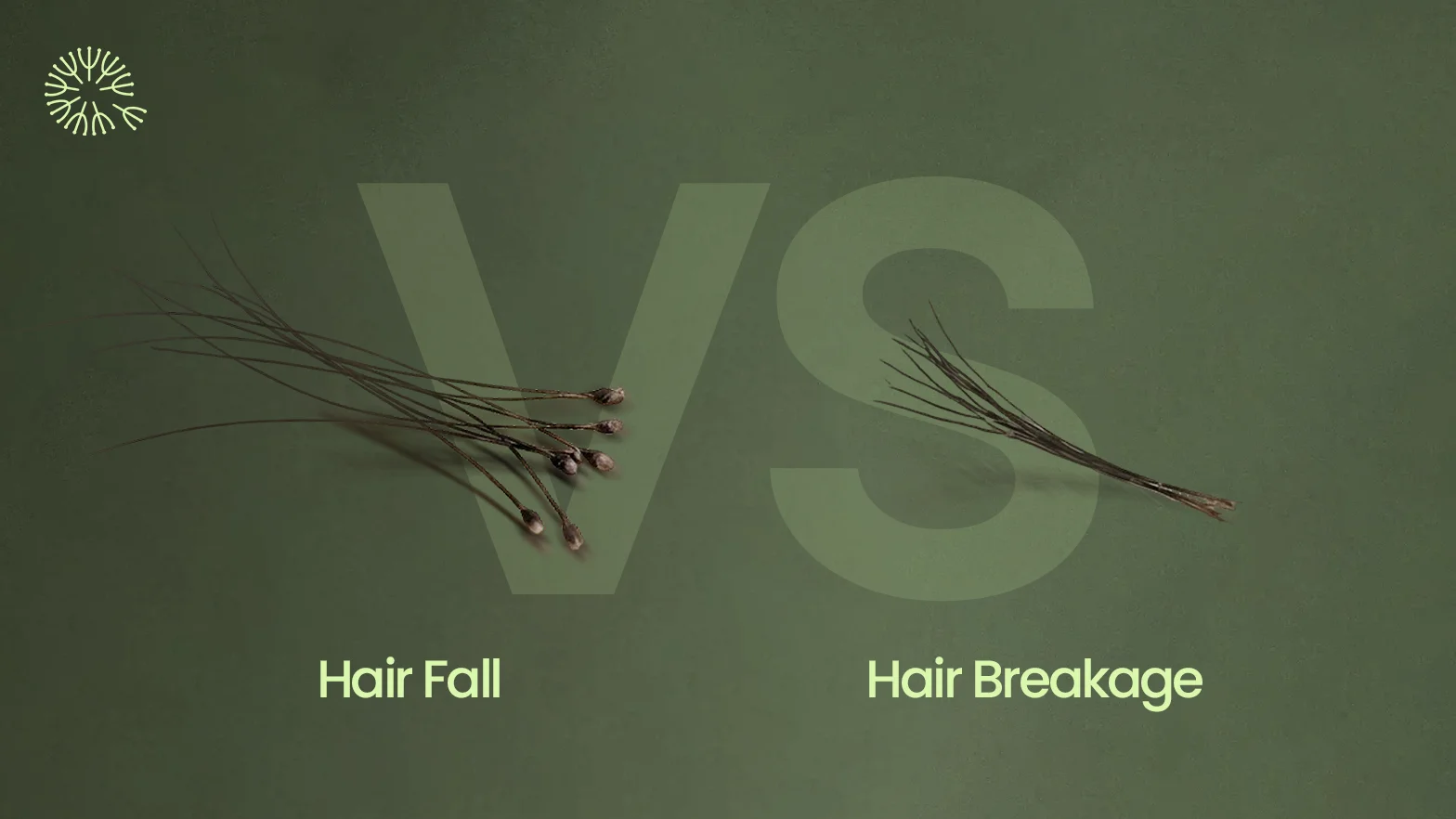
Hair loss occurs when hair falls out from the root due to factors affecting the hair growth cycle, while hair breakage happens when the hair shaft snaps due to damage, dryness, or weakness.
- At what point should I see a doctor for hair loss?
You should see a doctor if your hair loss is sudden, excessive, persistent for more than a few weeks, or accompanied by symptoms like scalp irritation, bald patches, or overall thinning.
Book a Consultation Today
Latest Videos
-

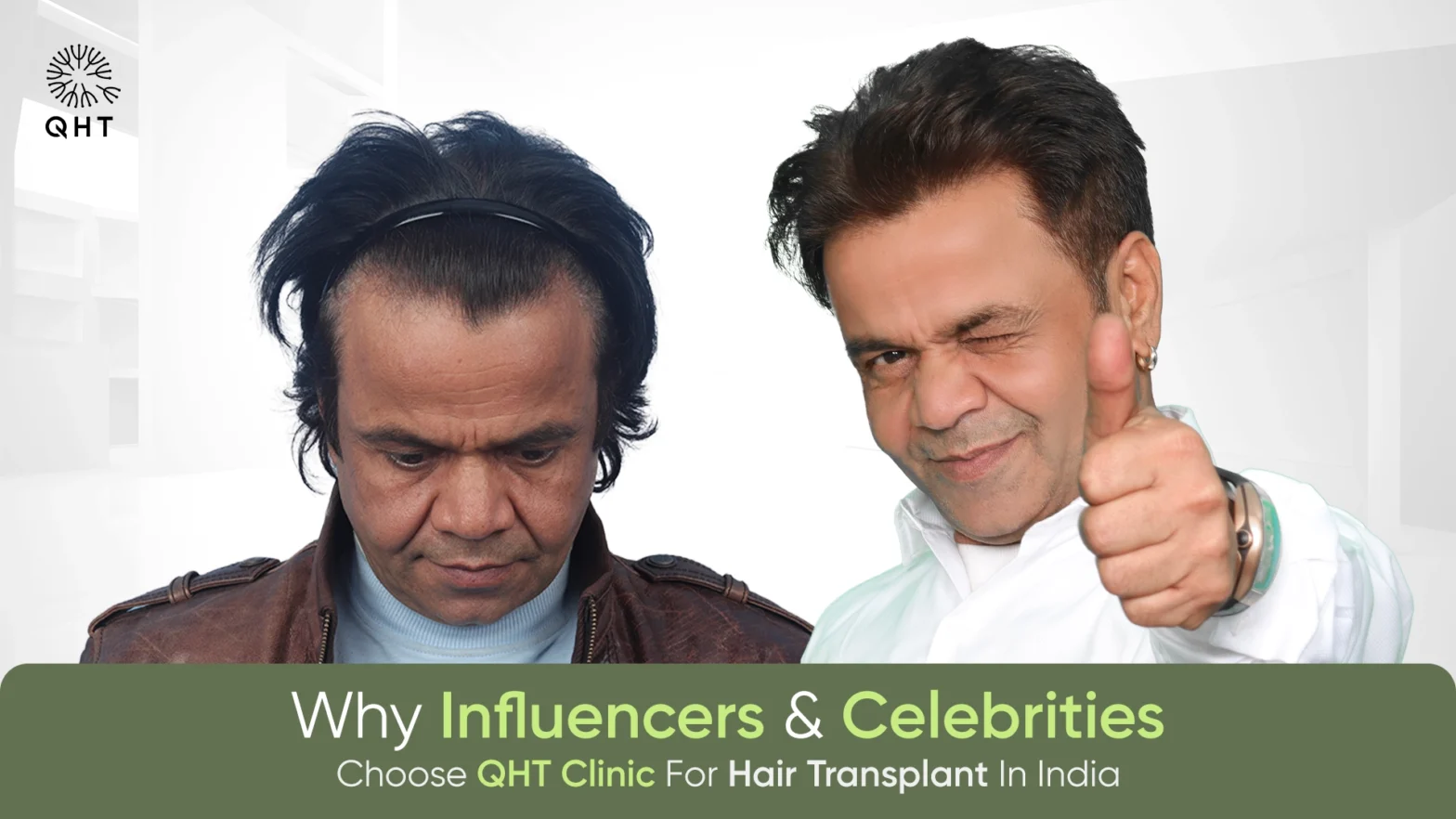
Rajpal Yadav | Bollywood Actor Hair Transplant Journey at QHT Regrow Clinic Haridwar
Click to Watch
-

FUE Hair Transplant Results | DAYA's FUE Hair Transplant Results
Click to Watch
-

Best Hair Transplant Result 2021 || NW Grade VI A || 3,422 Grafts
Click to Watch
-
Best Hair Transplant Result 2022 | Grade 4
Click to Watch
-

YouTuber Mehtab Saifi Hair Transplant
Click to Watch
-

ACP Pradyuman Hair Transplant - Actor's Hair Transplant
Click to Watch