



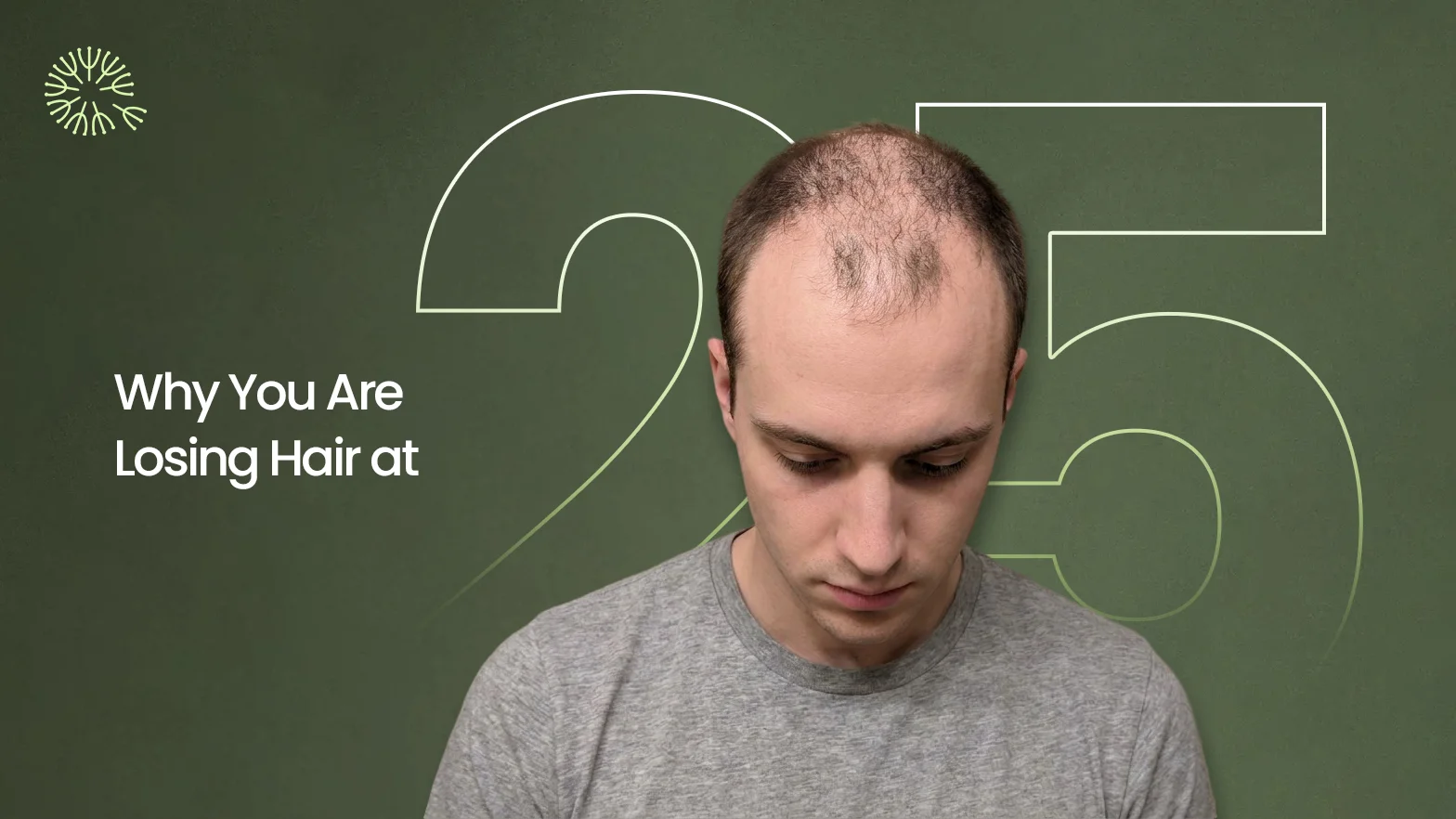
Why You Are Losing Hair at 25
Imagine seeing a bunch of your hair falling out every day when you comb them, or noticing them stuck to your pillow or even clogging up your drain. Sounds horrifying right? But what’s more terrifying is experiencing hair fall in your 20s.
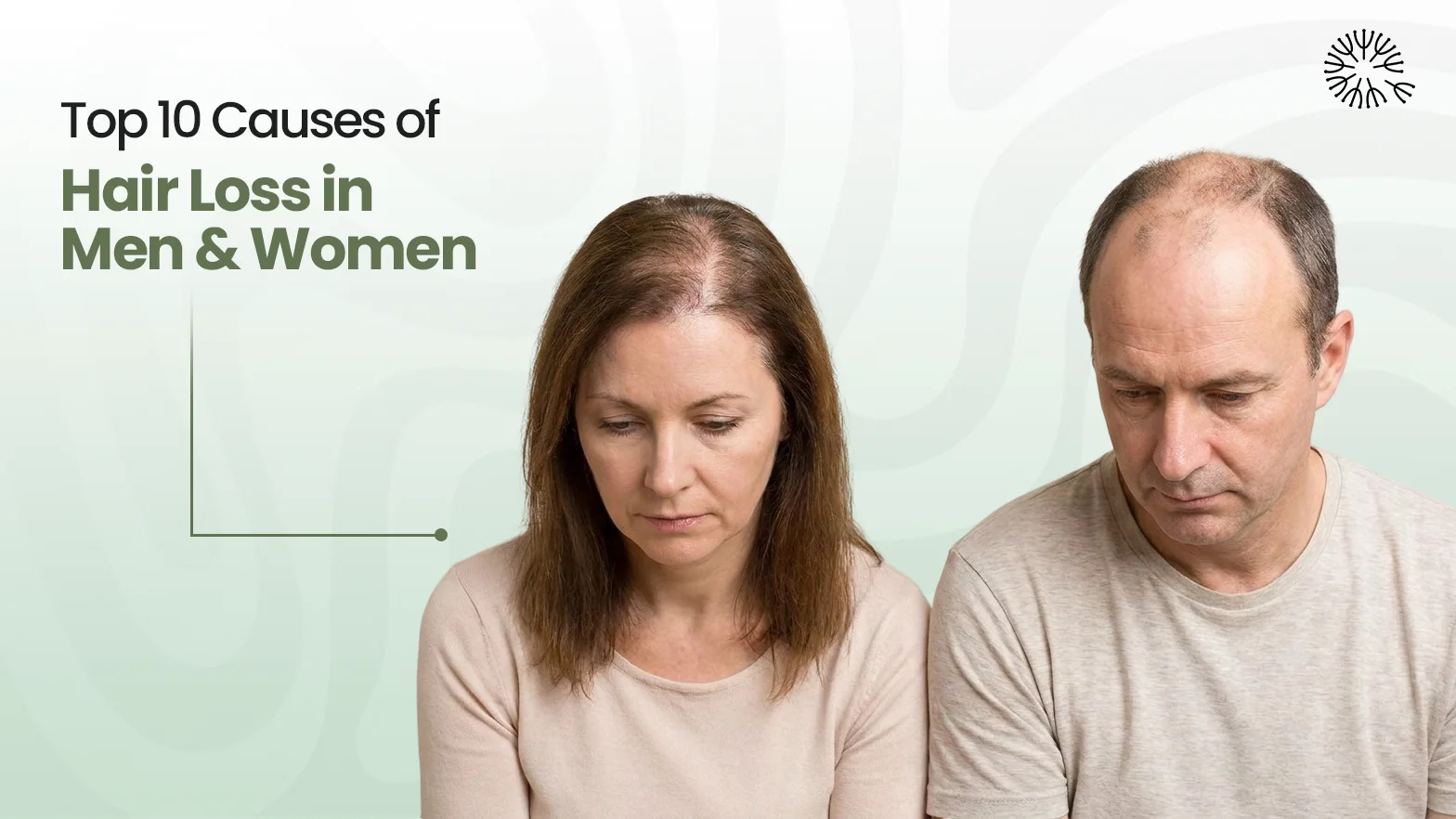
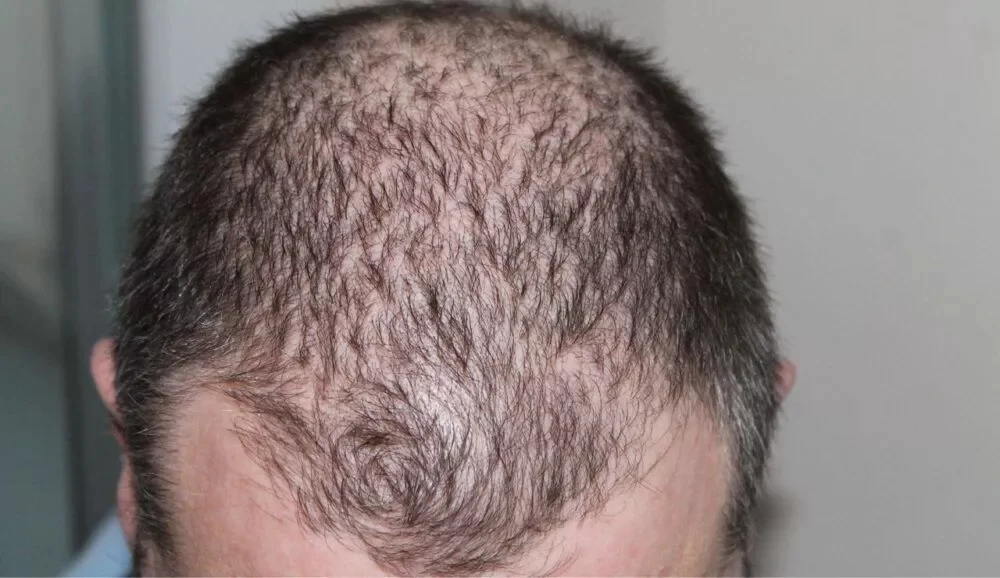
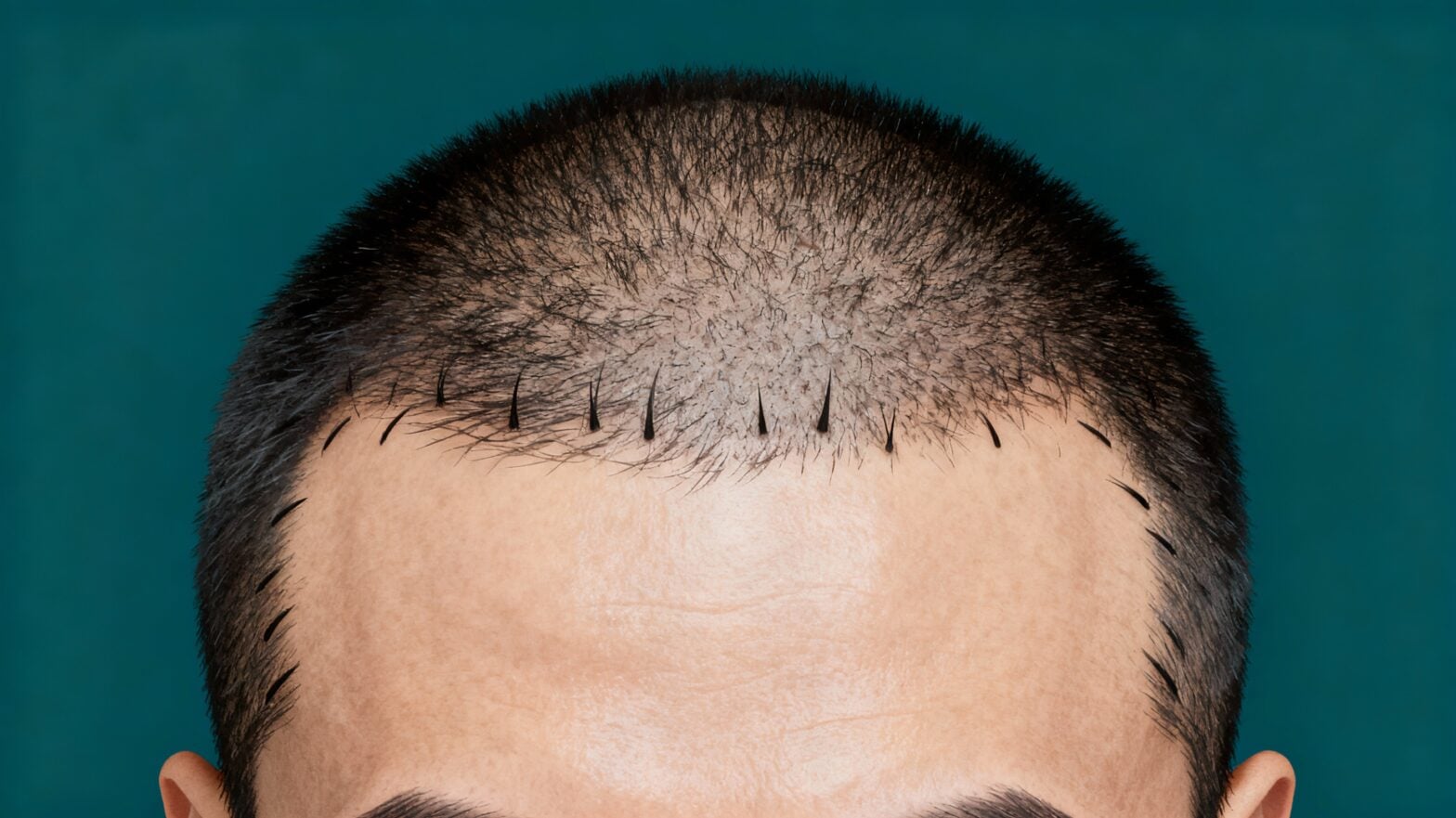
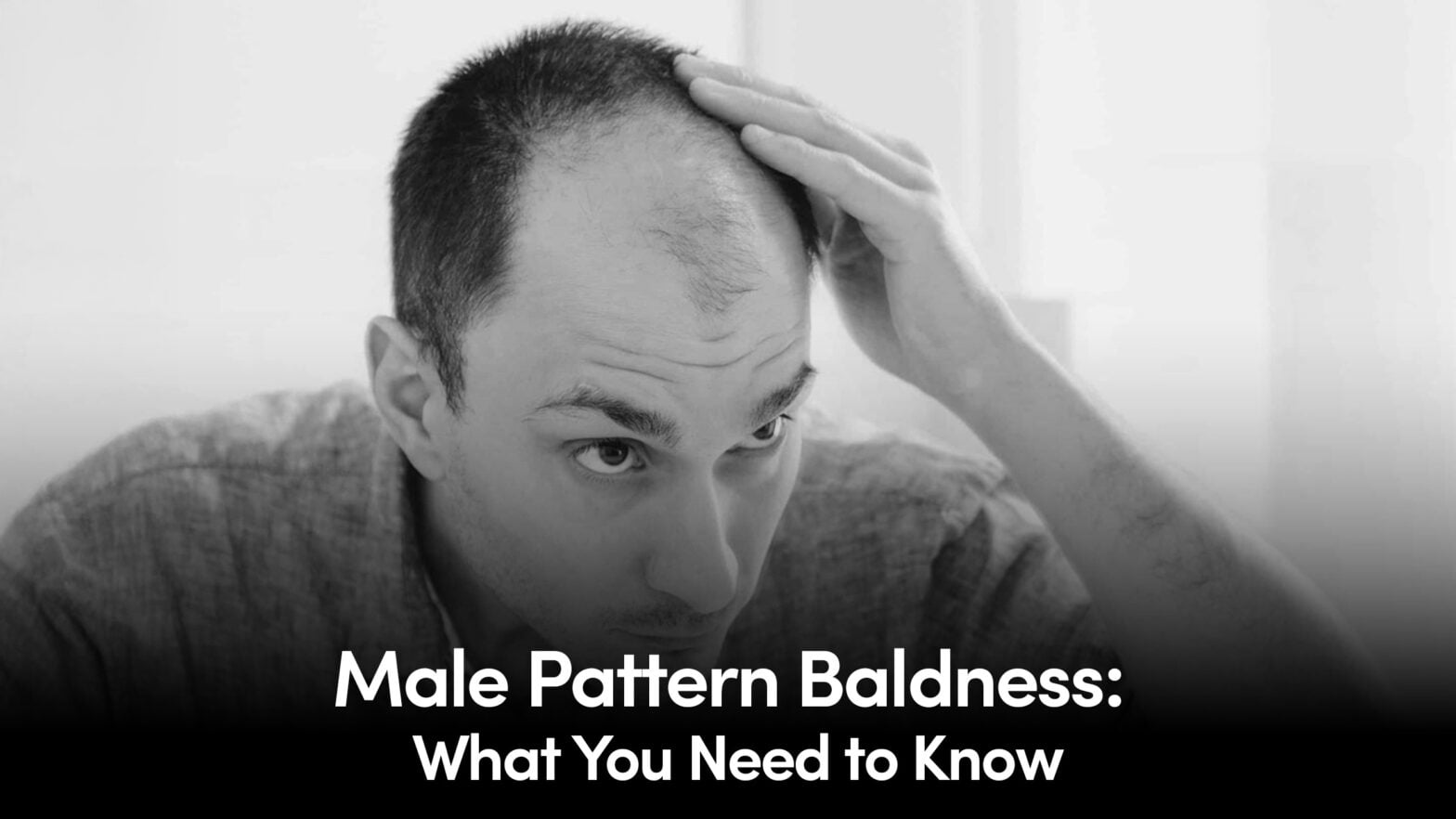
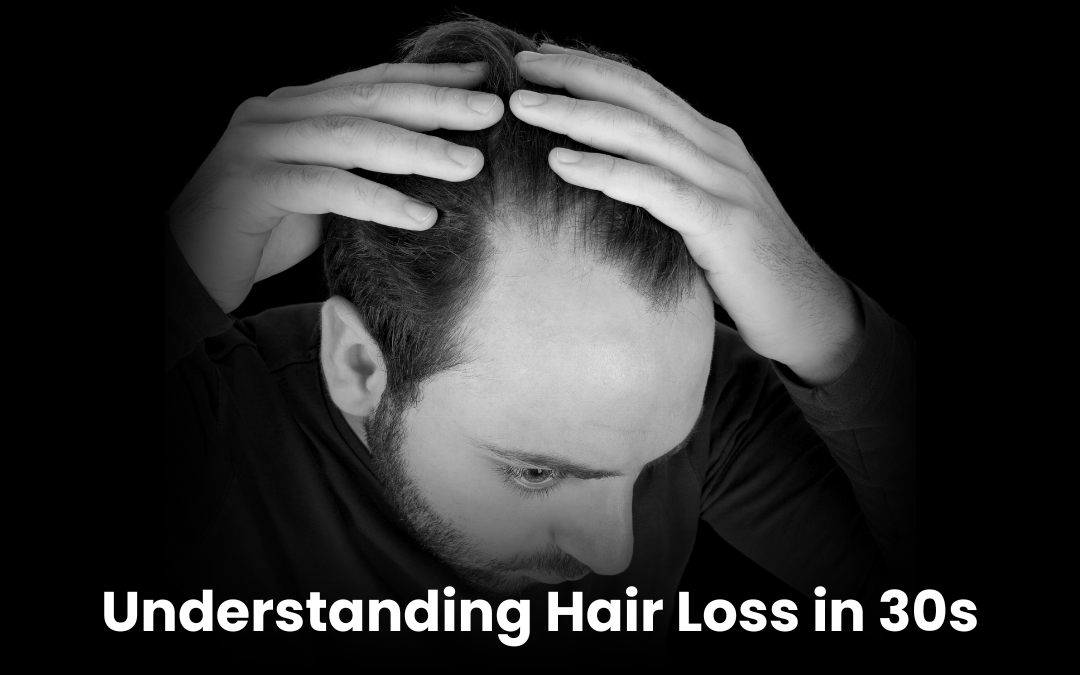
Hair loss at 25 can feel unexpected and difficult to process. Most people associate thinning hair with aging, not with their early adulthood. And, hence, observing severe hair thinning or falling can be a cause of stress. However, hair fall in 20s is increasingly common and is now one of the most frequent concerns seen in dermatology clinics.
If you are noticing more hair on your pillow, a widening part, or a receding hairline, it is important to understand that early hair loss is rarely caused by a single factor. Instead, it is usually the result of multiple overlapping triggers, genetic, hormonal, lifestyle-related, and sometimes medical.
This is why diagnosing the root cause of hair loss in early 20s becomes even more essential. Because, random treatments without understanding the root cause and medical guidance can worsen hair fall.
At QHT Clinic, we have helped many individuals experiencing hair loss in 20s. Our hair transplant specialists have worked with many youngsters dealing with early hair loss by identifying the cause of their problem and providing the right solutions. If you are experiencing hair loss at a young age, consult our specialist for better guidance.
| Quick answer box:
Hair fall in your 20s is increasingly common and is usually caused by a mix of genetics, hormonal changes, stress, and nutritional deficiencies. The most common reason is androgenetic alopecia (genetic hair loss), where hair follicles gradually shrink and produce thinner hair. Early signs include:
The condition is manageable if detected early. Treatments may include medical therapy, correcting nutritional deficiencies, lifestyle improvements, and in some cases, hair transplantation. Early diagnosis is key to slowing hair loss and maintaining hair density. |
Why Hair Fall Starts Earlier in 20s?
Hair loss in your 20s does not suddenly start the moment you notice extra strands falling out. It is usually a slow, underlying process linked to changes in the natural hair growth cycle. Each hair follicle operates independently and moves through three key stages:
- Anagen (Growth Phase): This is the active growth phase, lasting anywhere from 2 to 7 years. Around 85–90% of your scalp hair is typically in this phase at any given time. The longer this phase lasts, the longer and thicker your hair can grow.
- Catagen (Transition Phase): This is a short, intermediate phase lasting about 2–3 weeks. Hair growth stops, and the follicle begins to shrink.
- Telogen (Resting and Shedding Phase): Lasting approximately 2–3 months, this phase ends with the hair strand shedding and a new hair beginning to grow in its place.
In a healthy scalp, this cycle is well-balanced, ensuring continuous hair renewal without noticeable thinning.
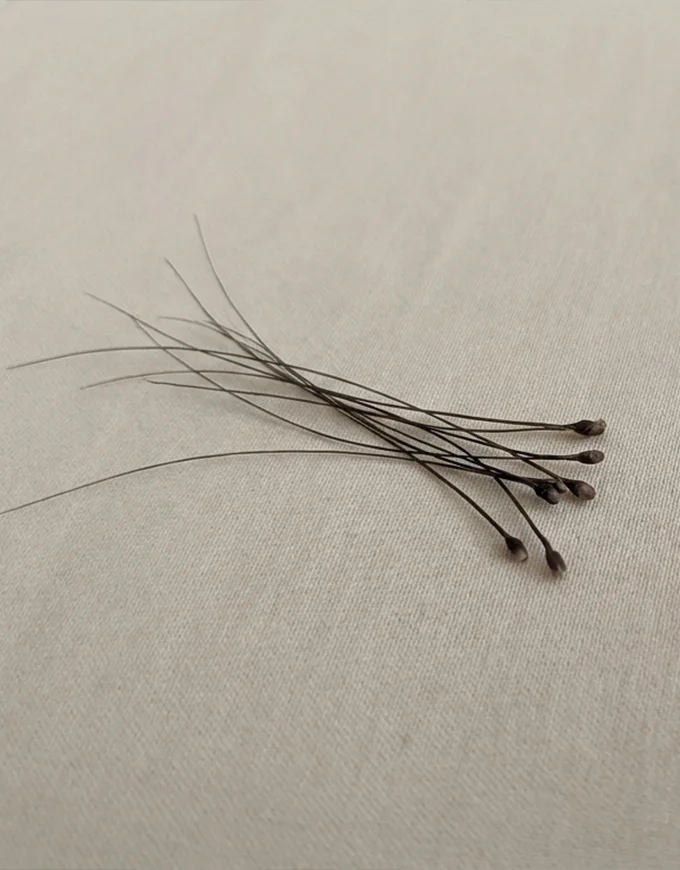
Under normal conditions, most of your hair stays in the anagen phase, which helps maintain thickness and volume. This balance is what keeps your hair looking full and healthy over time. However, in cases of hair fall during your 20s, this cycle becomes disrupted. A larger number of follicles shift too early into the telogen phase, which increases shedding. At the same time, certain conditions, especially genetic hair loss, cause the follicles to gradually shrink.
- More hairs enter the shedding phase earlier than they should
- Hair strands become thinner, shorter, and weaker over time
- Overall density reduces gradually rather than all at once
An important but often overlooked aspect of early hair loss is its delayed visibility. You typically don’t notice thinning immediately because the change is subtle at first.
- Visible hair thinning appears only after significant density loss
- A large portion of hair volume may already be gone before you detect changes
- This delay often leads people to assume the problem started recently, when it has actually been progressing for a while
Because of this gradual and hidden progression, understanding the biology behind hair fall is key to recognizing it early and responding effectively.
Genetic Factor and Hormonal Influence
Hair loss in your 20s is often caused by Androgenetic Alopecia, which is linked to your genes and hormones. The main issue is not just testosterone, but how your hair follicles react to Dihydrotestosterone (DHT). In some people, DHT attaches to hair roots and slowly makes them smaller, so the hair that grows back becomes thinner and weaker.
- Hair roots shrink over time
- New hair grows thinner, shorter, and weaker
- Some hair may stop growing completely
- Hair loss in your 20s can progress faster if ignored
- Early treatment works better because the hair roots are still active
The Role of Chronic Stress in Early Hair Loss
While genetics establishes the foundation for hair loss, environmental and psychological factors often act as accelerators. Chronic stress, in particular, has emerged as a major contributor to hair fall in 20s.
Unlike acute stress, which may cause temporary shedding, long-term psychological strain disrupts the hair cycle more persistently. It pushes a higher number of follicles into the telogen phase prematurely, resulting in increased daily hair fall. Additionally, stress influences hormonal balance, inflammatory responses, and blood circulation to the scalp, all of which can negatively impact hair growth.
Nutritional Deficiencies and Their Impact on Hair Health
Hair needs proper nutrition to grow well. In fact, hair follicles are very active and need a steady supply of nutrients every day. In your 20s, hair fall is often linked to small nutritional gaps that people don’t always notice.
If your body is not getting enough protein, iron, vitamin B12, vitamin D, or zinc, it starts saving energy for more important functions. Hair growth then takes a backseat, which can lead to increased shedding or weaker strands.
This is especially common in your 20s, when eating habits can be irregular, skipping meals, dieting, or relying on fast and processed foods. The tricky part is that these deficiencies don’t always show clear symptoms, but they can still quietly contribute to hair thinning and shedding over time.
Hormonal Imbalances in Early Adulthood
Hormonal fluctuations are another important factor in early hair loss, affecting both men and women. Conditions such as thyroid disorders, polycystic ovary syndrome (PCOS), and androgen imbalances can interfere with the normal hair growth cycle.
These disruptions may manifest as increased shedding, thinning, or changes in hair texture. In some cases, hair loss may be one of the earliest visible indicators of an underlying hormonal issue, appearing before other clinical symptoms become evident.
Lifestyle Factors That Contribute to Hair Fall in 20s
Lifestyle habits today can have a big impact on hair health, especially in your 20s. Things like poor sleep, smoking, lack of exercise, and heavy use of hair products can slowly weaken your hair and increase shedding.
Repeated heat styling, chemical treatments, and tight hairstyles can also put stress on your hair. These don’t usually cause sudden hair loss, but over time they can damage the hair and make it weaker.
The Invisible Phase of Hair Loss
One of the most critical yet underrepresented aspects of hair loss at a young age is the concept of the “invisible phase.” During this period, structural and functional changes occur within the hair follicle without any obvious external signs.
Follicles may begin to shrink, growth cycles may shorten, and hair diameter may decrease gradually. Because these changes are subtle and diffuse, they often go unnoticed until a threshold of density loss is reached.
By the time visible thinning becomes apparent, intervention becomes more challenging. This is why early recognition and timely evaluation are essential for effective management.
Medical Evaluation and Diagnosis
A proper diagnosis is essential for managing early hair loss effectively. Self-diagnosis or reliance on generalized advice can delay appropriate treatment and allow the condition to progress.
Clinical evaluation typically includes a detailed history, scalp examination, and targeted investigations such as blood tests to assess iron levels, thyroid function, and vitamin status. In some cases, hormonal analysis may also be required.
Treatment for early hair problems
Treatment for hair loss in your 20s depends on the cause and how early it is identified. In most cases, the best results come from combining medical treatment with healthy lifestyle changes.
Medical treatments mainly focus on slowing down hair thinning, improving hair growth, or correcting underlying deficiencies. Various hair loss treatments may include:
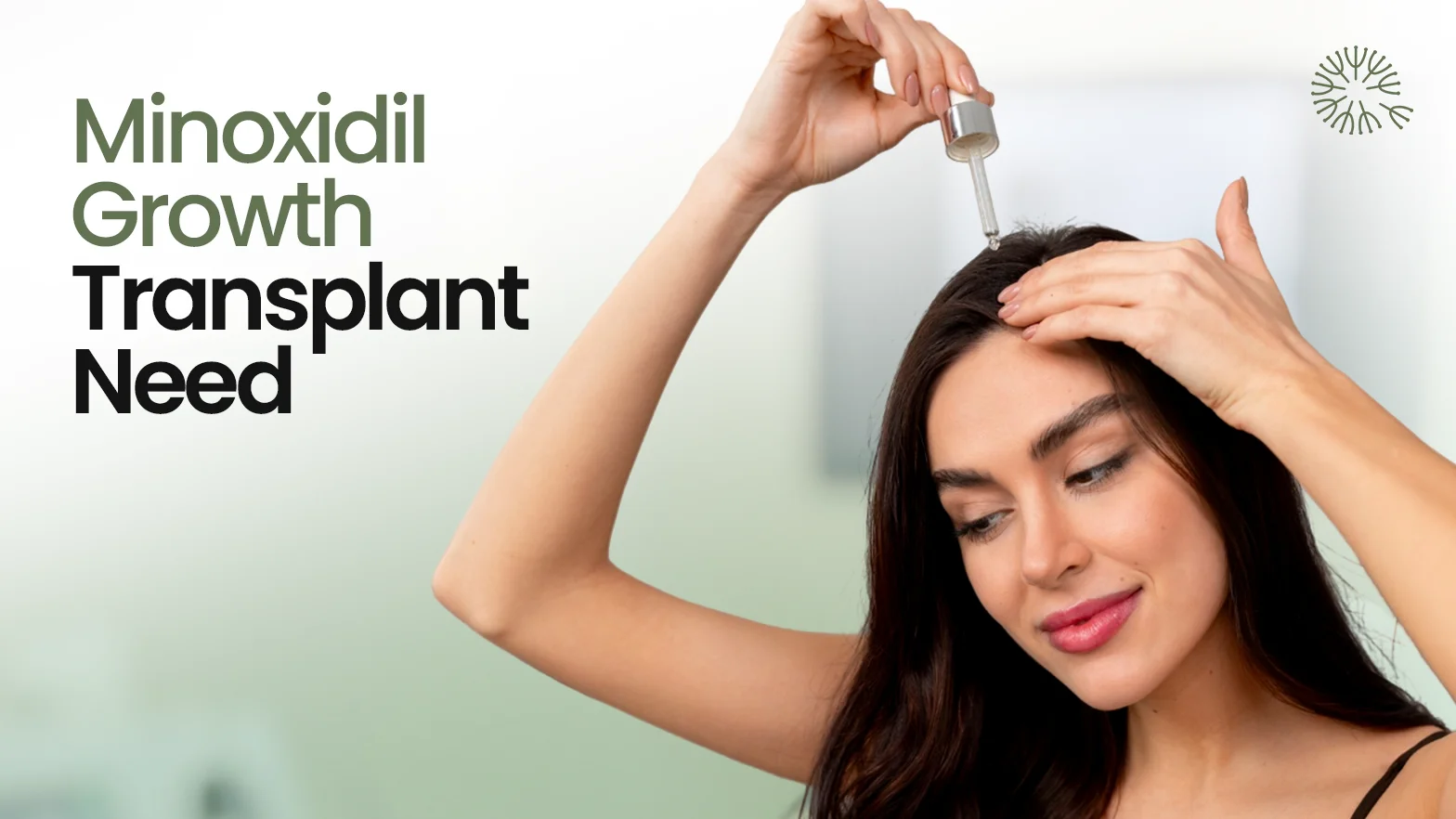
1. Minoxidil (5% topical)
Minoxidil is a clinically proven, first-line treatment that works by increasing blood flow to the scalp and prolonging the hair growth phase. It helps revive miniaturised follicles and encourages thicker, longer strands over time. Regular application is key, as stopping treatment can reverse the progress made. It is suitable for both men and women dealing with early thinning or diffuse hair loss.
2. Finasteride (oral)
Finasteride addresses the root cause of genetic hair loss by reducing DHT levels, the hormone responsible for shrinking hair follicles. It helps slow down hair fall, maintain existing hair, and improve density in many cases. This treatment is primarily recommended for men and should always be taken under medical supervision. Consistency is essential, as its benefits depend on continued use.
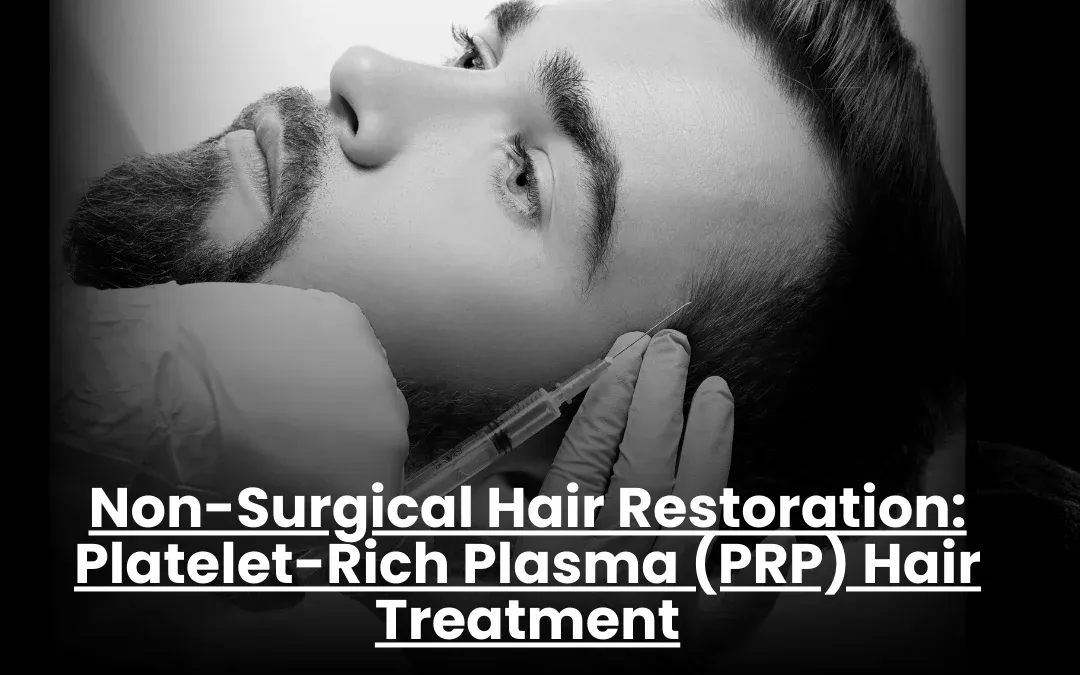
3. PRP (Platelet-Rich Plasma therapy)
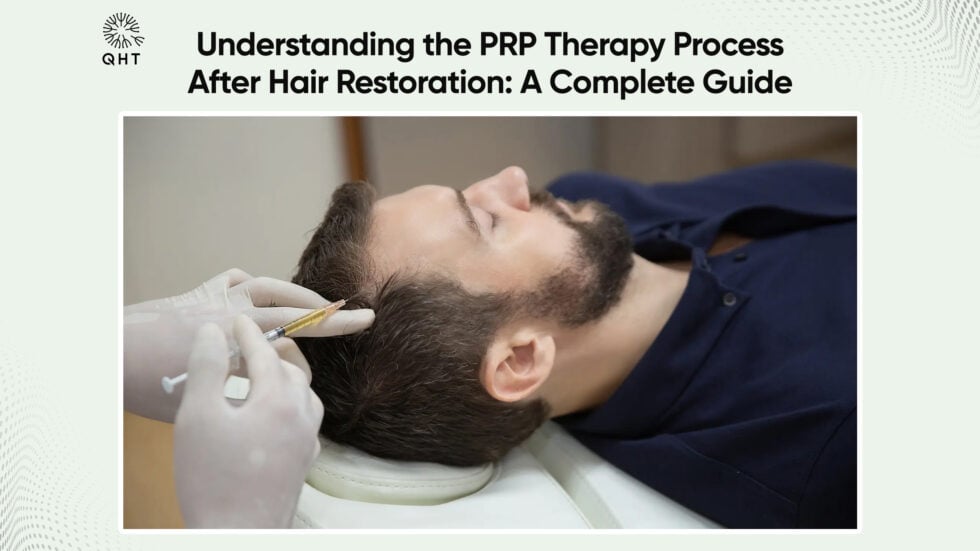
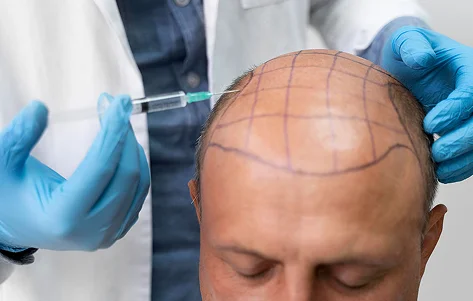
PRP uses your own blood-derived growth factors to stimulate weak or dormant hair follicles. The concentrated plasma is injected into targeted areas of the scalp to improve follicle health and thickness. It enhances natural hair growth and is often used alongside medications for better results. Since it’s derived from your own blood, it is considered safe with minimal risk of adverse reactions.
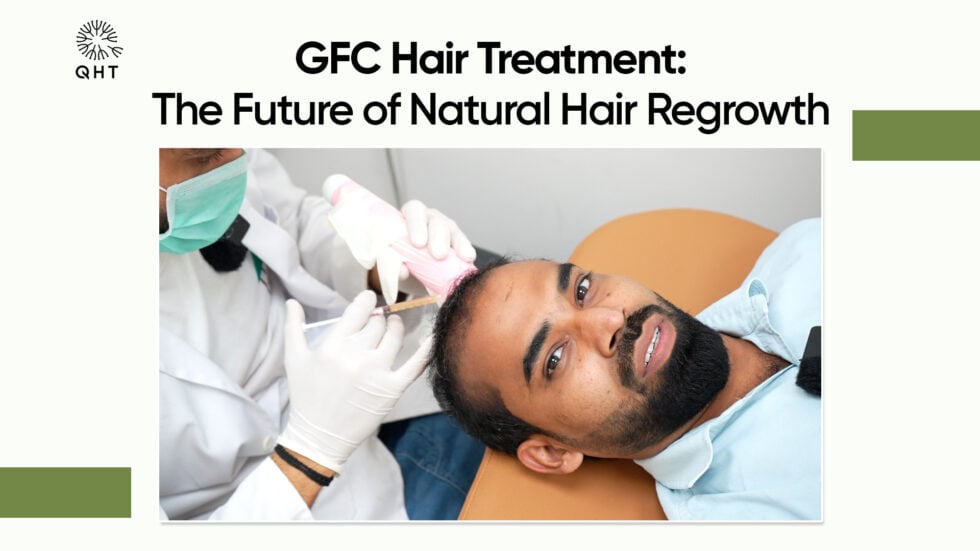
4. GFC (Growth Factor Concentrate)
GFC is an advanced, more refined version of PRP that delivers a higher concentration of purified growth factors. It is designed to reduce inflammation while providing stronger, more targeted stimulation to the follicles. This leads to improved hair quality, density, and scalp health. It is ideal for individuals seeking a more efficient and enhanced regenerative treatment.
5. Mesotherapy
Mesotherapy involves injecting a customised blend of vitamins, minerals, amino acids, and DHT blockers directly into the scalp. This nourishes the hair roots and improves blood circulation at a deeper level. It helps reduce hair fall caused by deficiencies and supports overall scalp health. It is often used as a supportive therapy alongside primary treatments.
6. LLLT (Low-Level Laser Therapy)
LLLT uses low-intensity red light to stimulate cellular activity within hair follicles and improve scalp circulation. It helps strengthen existing hair and slow down thinning by enhancing follicle function. This non-invasive treatment can be done at home or in clinics and works best as a maintenance or supportive therapy. It is painless and suitable for long-term use.
7. Nutraceutical Support
Nutraceuticals include supplements rich in biotin, iron, zinc, amino acids, and plant-based extracts that support hair health from within. They help correct nutritional deficiencies that commonly contribute to hair fall in your 20s. These supplements also improve hair strength, reduce breakage, and support overall growth quality. They are especially useful in cases triggered by stress, diet, or lifestyle imbalances.
NOTE: Hair loss treatments must be taken under the care of a hair specialist. Avoid self-medicating as it may worsen your hair fall.
Along with these treatments, lifestyle improvements play an important role in supporting overall results.
- Treatment helps slow down ongoing hair loss
- Some therapies support regrowth of stronger hair
- Correcting nutrient deficiencies improves hair health
- A balanced diet supports normal hair growth
- Good sleep helps maintain healthy hair cycles
- Stress management can reduce hair shedding
- Best results come from combining medical + lifestyle care
Hair Transplantation in early 20s
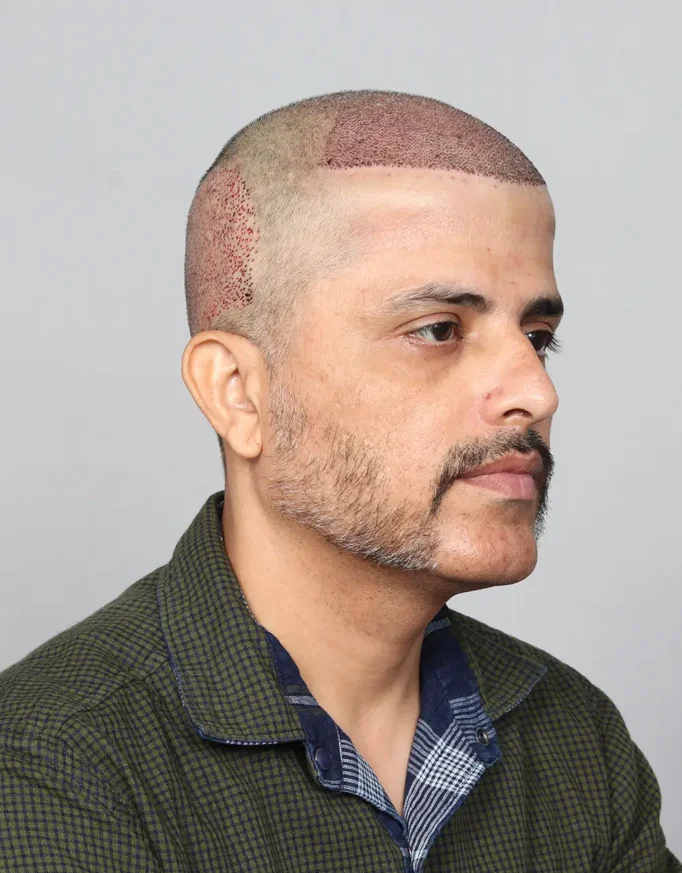
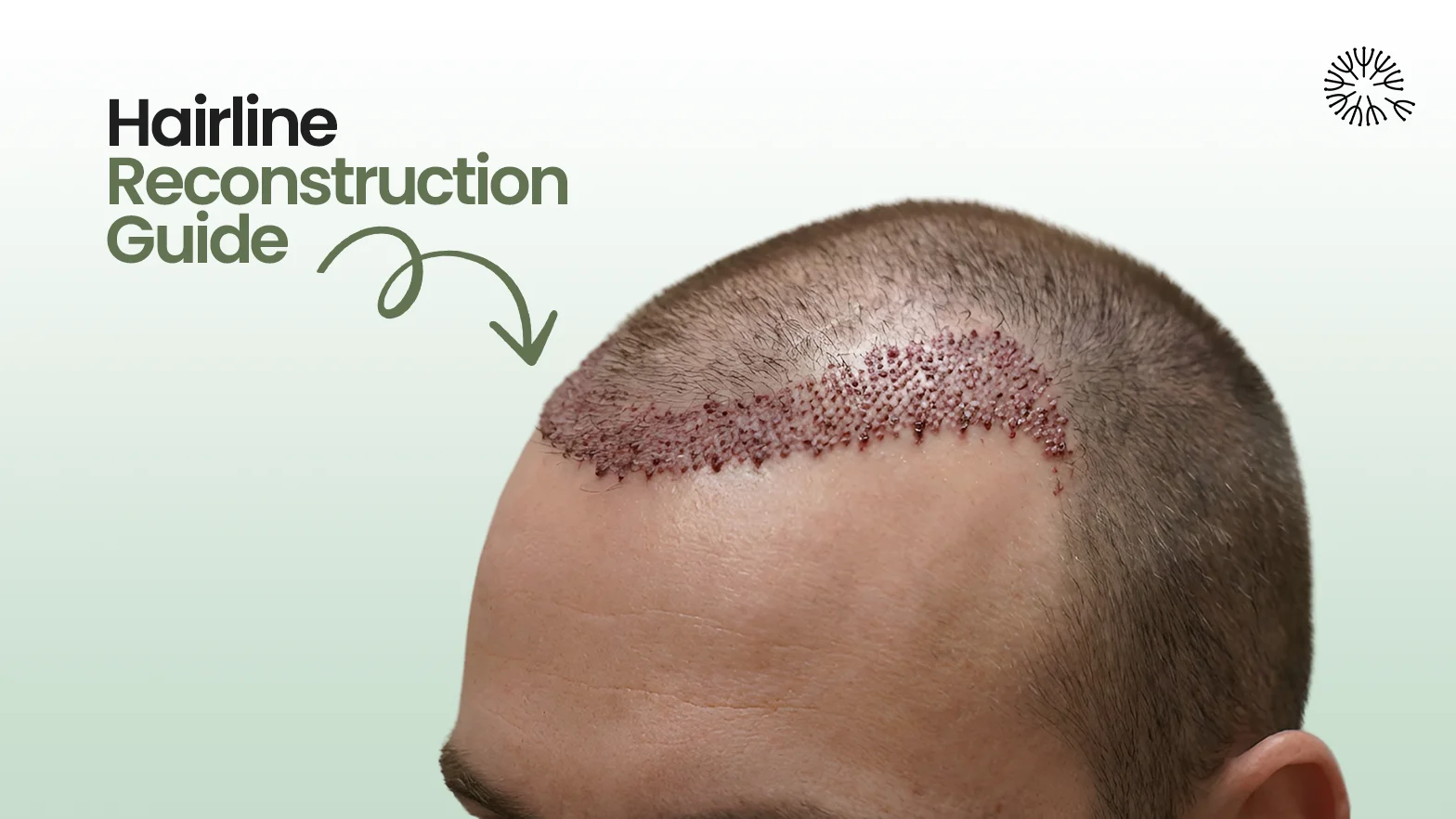
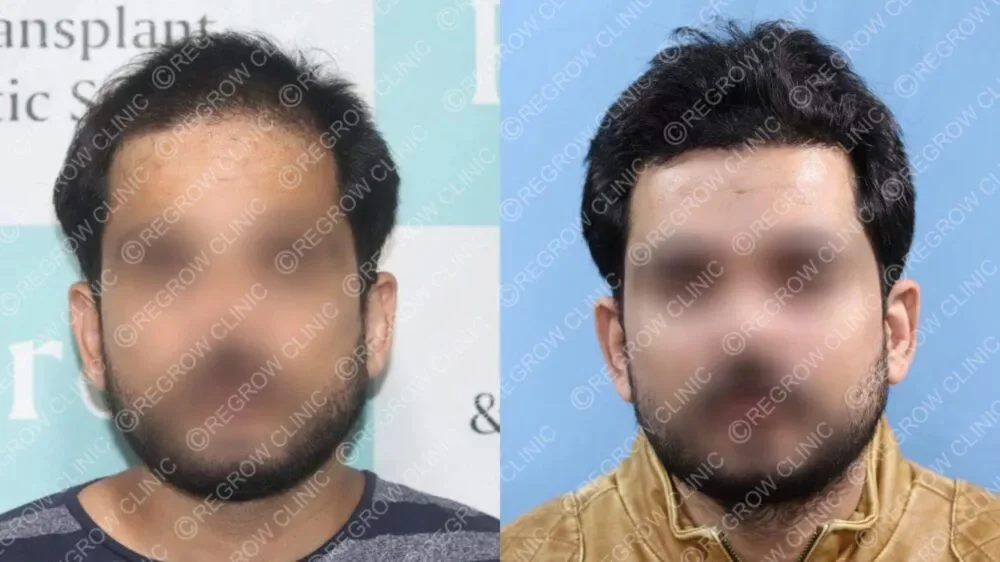
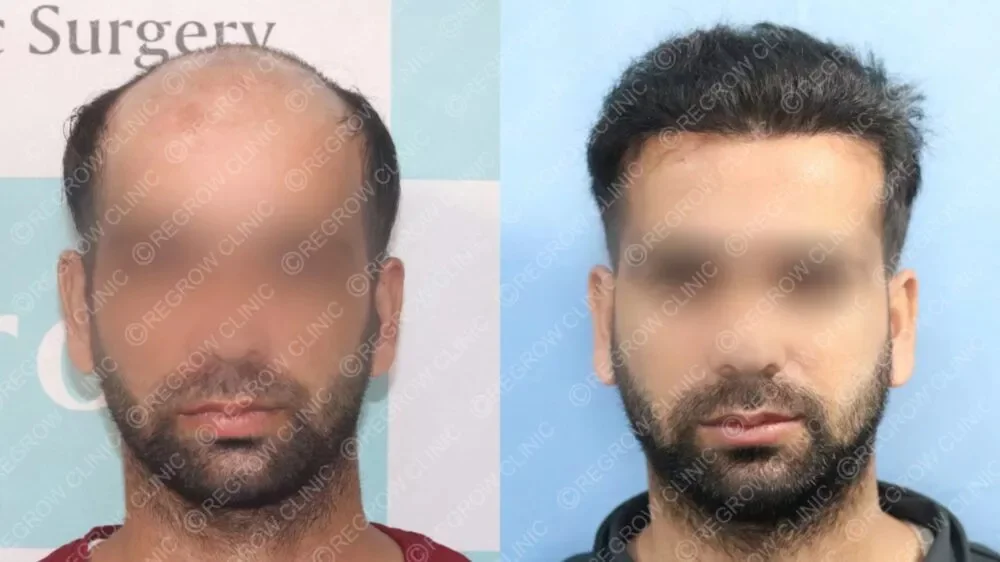
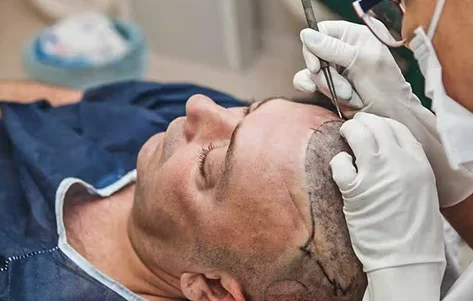
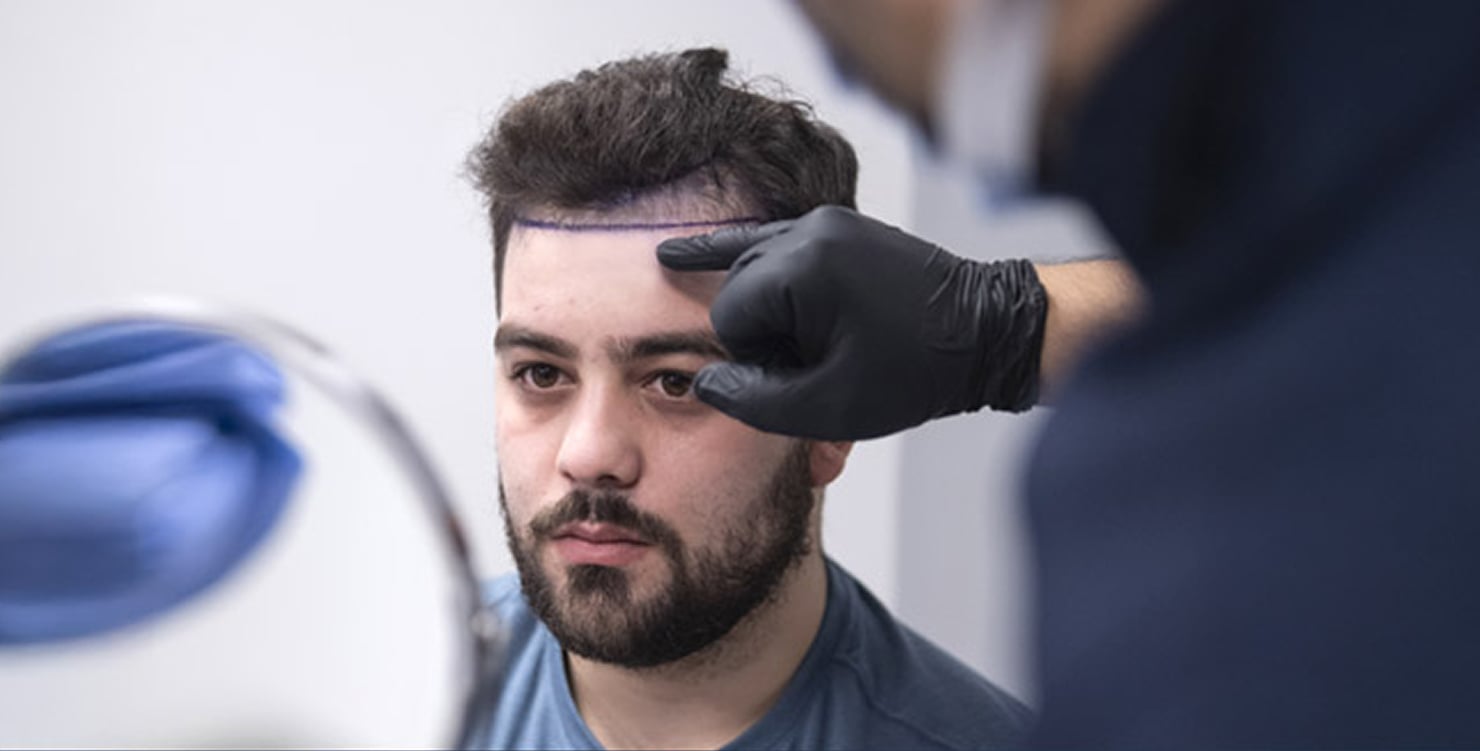
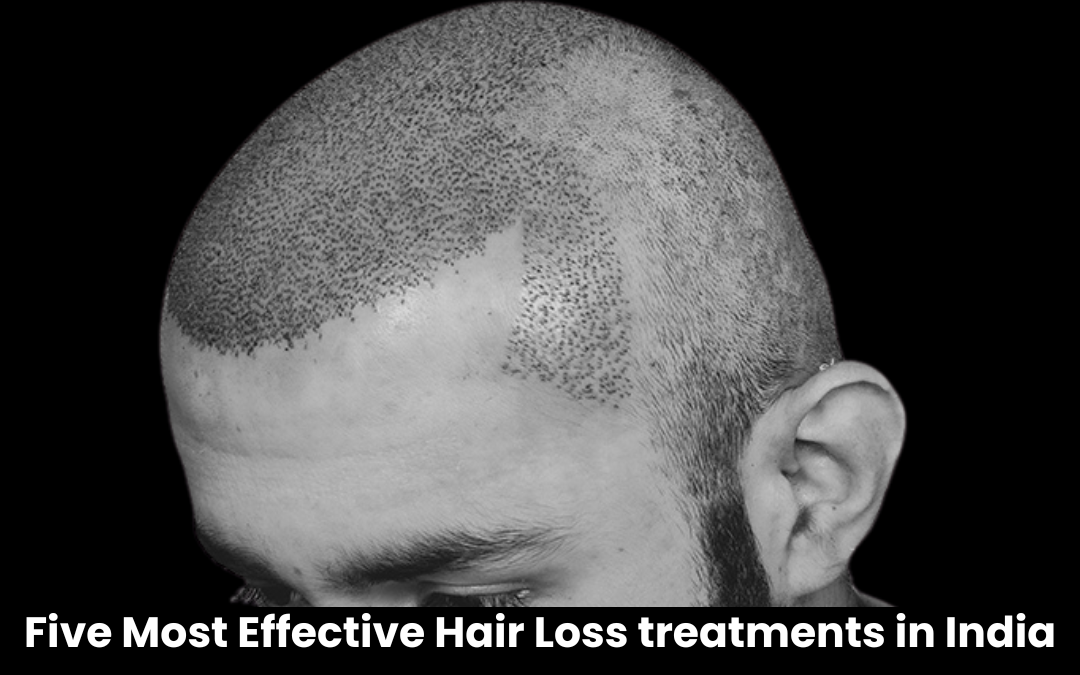
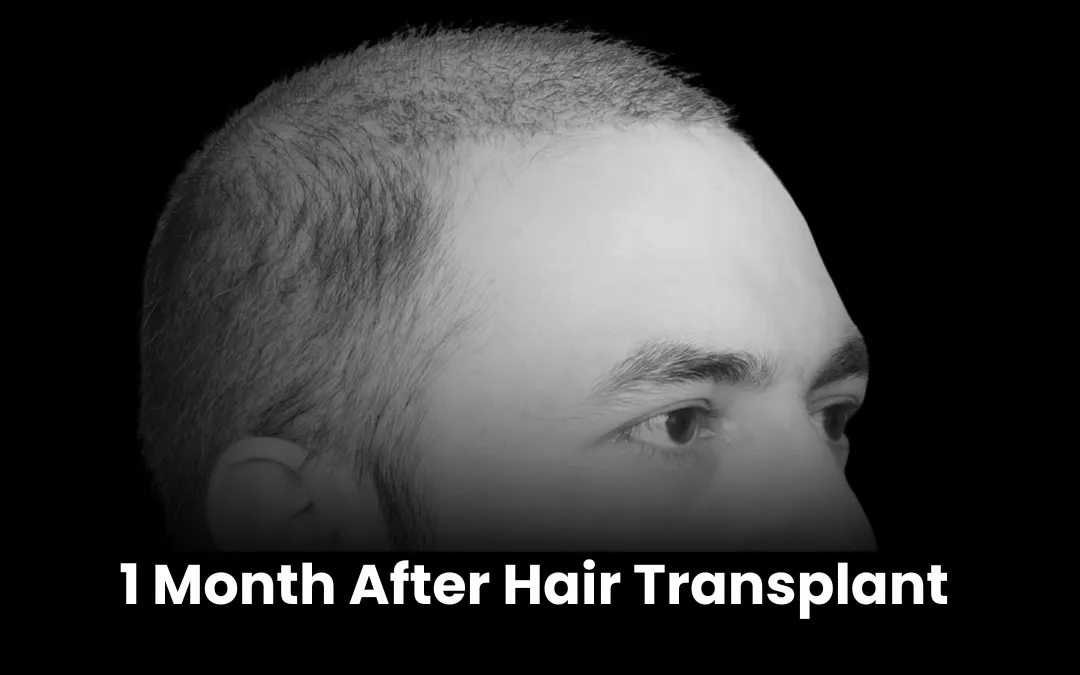
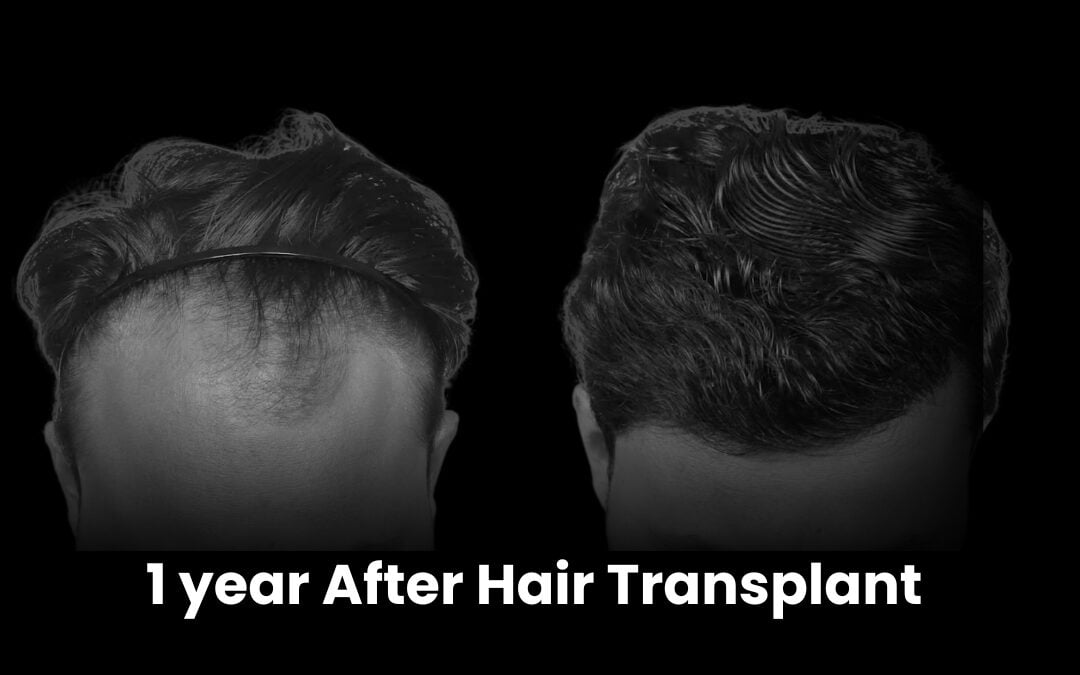
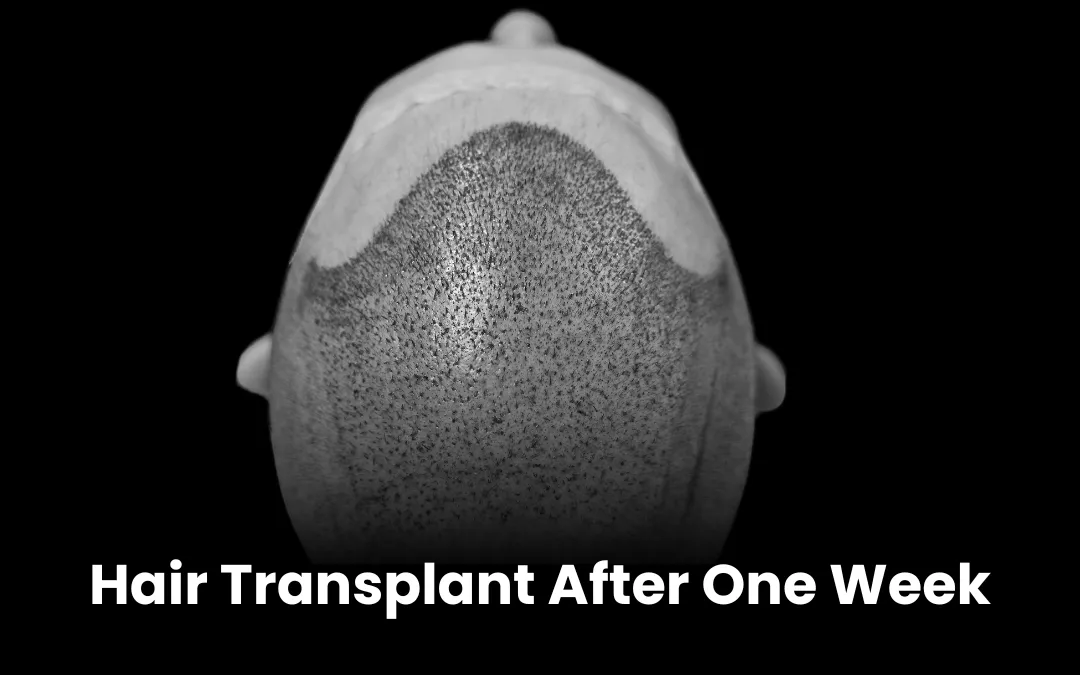
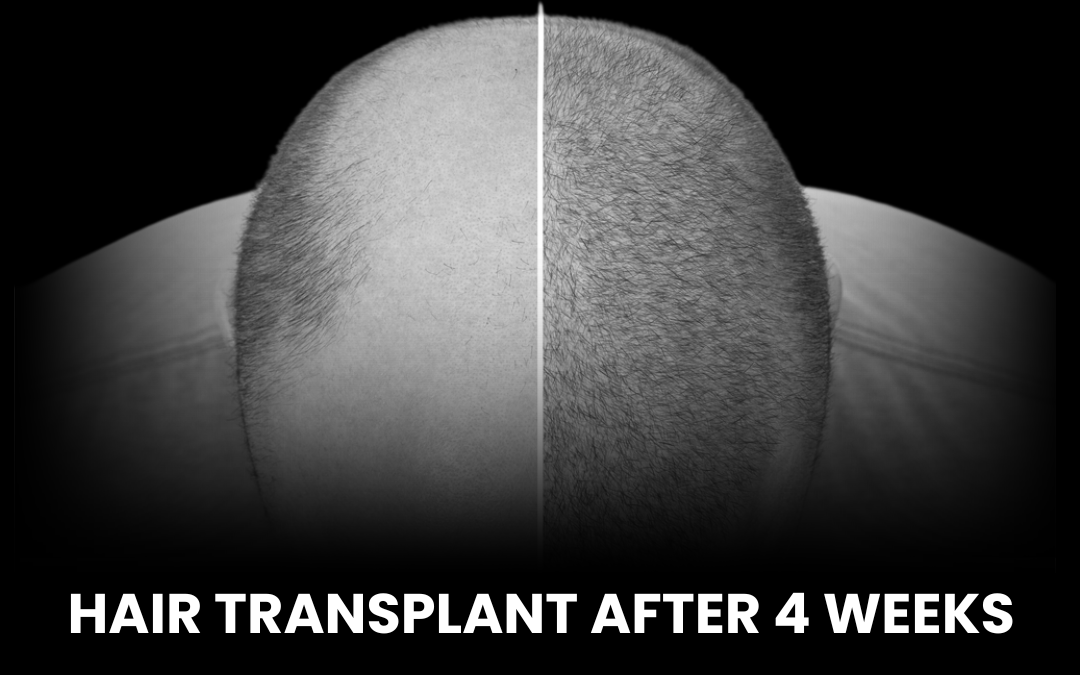
Hair transplantation is an effective surgical option for people in their 20s who are experiencing early hair loss, especially in cases of Androgenetic Alopecia.
The procedure works by moving healthy hair follicles from a donor area to thinning or bald areas, helping restore natural-looking density. It is usually considered once the pattern of hair loss is more clearly established, typically after the early stages.
When planned well, hair transplantation can deliver long-lasting and natural results. Many people choose it as part of a broader treatment plan rather than a standalone solution.
At QHT clinic, we provide detailed guidance to every patient choosing us. From consultation to post-op care, our expert support is always present to help our patients feel safe and informed. With 15000+ hair transplant surgeries and extensive experience in managing early-stage hair loss, we are by your side at every step.
Conclusion
Hair fall in 20s is a multifactorial condition influenced by genetics, hormonal activity, nutritional status, lifestyle factors, and environmental stressors. While it may feel premature, it is both common and, in many cases, manageable.
The key lies in early recognition, accurate diagnosis, and a structured treatment plan. Whether through medical therapy, lifestyle adjustments, or carefully considered procedures such as hair transplantation, it is possible to slow progression and maintain hair density over time. QHT clinic provides a well-informed approach that gives you the hair results you desire. Our hair doctors guide you through each step, helping you understand and tackle early hair loss.
Frequently Asked Questions
- How much hair fall per day is considered normal?
On average, losing about 50–100 hairs per day is considered normal as part of the natural hair cycle. If you are consistently noticing significantly more hair fall, especially over several weeks, it may indicate early hair loss.
- Can hair loss in 20s be reversed completely?
Whether hair loss in your 20s can be completely reversed depends on the cause. Hair loss due to stress, illness, or nutritional deficiencies can often be reversed if the underlying issue is treated early. However, genetic hair loss cannot be fully reversed. It can, however, be effectively slowed down and managed with proper medical treatment and care.
- Is hair loss in men and women different in the 20s?
Yes, hair loss in men and women in their 20s often shows different patterns. Men most commonly develop a receding hairline and thinning at the crown due to Androgenetic Alopecia. Women, on the other hand, usually experience more general thinning across the top of the scalp, while the front hairline is often preserved.
- At what age should I consider a hair transplant?
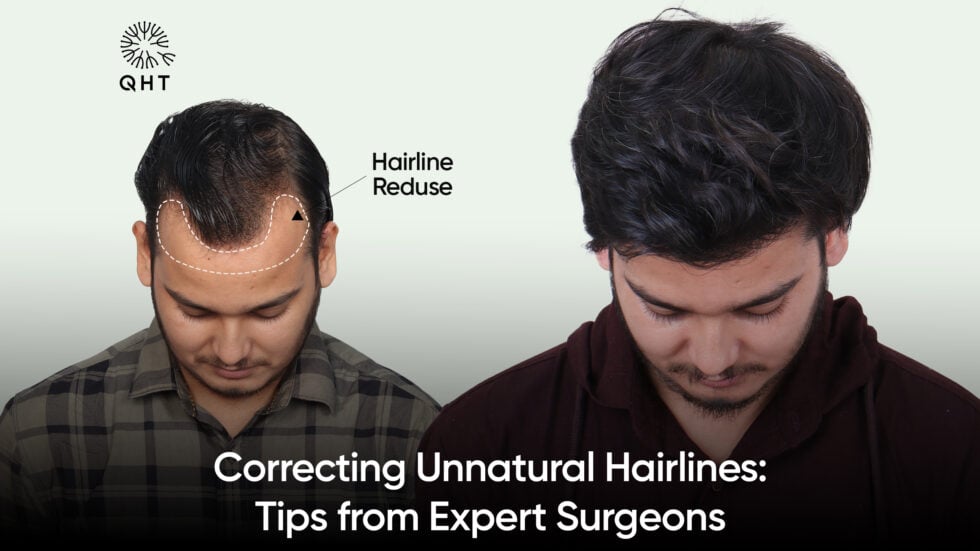
There is no fixed age to get a hair transplant. However, most experts recommend considering a hair transplant after 25, when hair loss patterns have stabilised. Early procedures can look unnatural later if hair loss continues. A consultation with a qualified specialist is key to timing it right.
- Can I regrow hair naturally in my 20s?
Yes, you can improve or partly regrow hair in your 20s, especially if the cause is stress, poor diet, or temporary issues. Healthy habits like good nutrition, scalp care, and stress control help a lot. However, if it’s genetic (androgenetic alopecia), natural methods mostly slow hair loss rather than fully reverse it.
Book a Consultation Today
Latest Videos
-

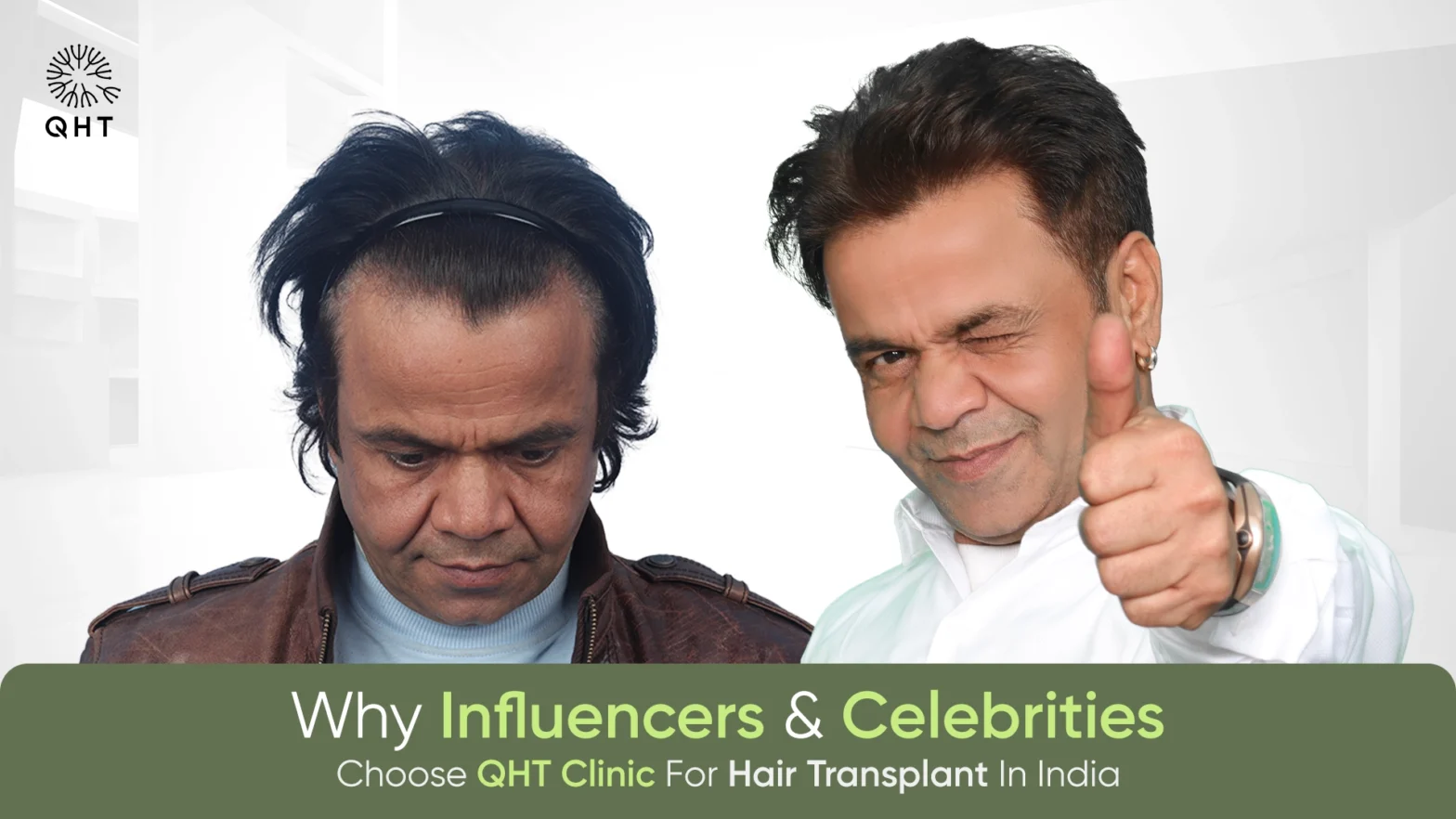
Rajpal Yadav | Bollywood Actor Hair Transplant Journey at QHT Regrow Clinic Haridwar
Click to Watch
-

FUE Hair Transplant Results | DAYA's FUE Hair Transplant Results
Click to Watch
-

Best Hair Transplant Result 2021 || NW Grade VI A || 3,422 Grafts
Click to Watch
-

Best Hair Transplant Result 2022 | Grade 4
Click to Watch
-

YouTuber Mehtab Saifi Hair Transplant
Click to Watch
-

ACP Pradyuman Hair Transplant - Actor's Hair Transplant
Click to Watch