



Hair Fall vs Hair Breakage: How To Tell The Difference
Not every strand of hair you see on your brush means hair fall. Sometimes, your hair may not be falling from the root at all. There are chances your hair may be snapping midway like a twig snapping from a branch. And, like most people, you may also think of this sudden reduced hair volume to be due to hair fall.
Hair breaking somewhere along the shaft may mean that the hair was weak, dry or damaged. Failing to understand this is exactly where most people go wrong. Understanding the difference between hair damage vs hair fall is important. Because wrong treatment can further worsen the damage.
If you are able to relate to this situation of confusion between hair fall vs breakage, then you are not alone. At QHT Clinic, we help you understand whether what you are experiencing is hair loss or breakage. Determining this difference is important to understand which hair care solution will work the best for you. To learn more about your hair health, speak to our hair specialist.
That being said, let’s dive deeper into understanding hair fall vs breakage better.
| Quick Answer
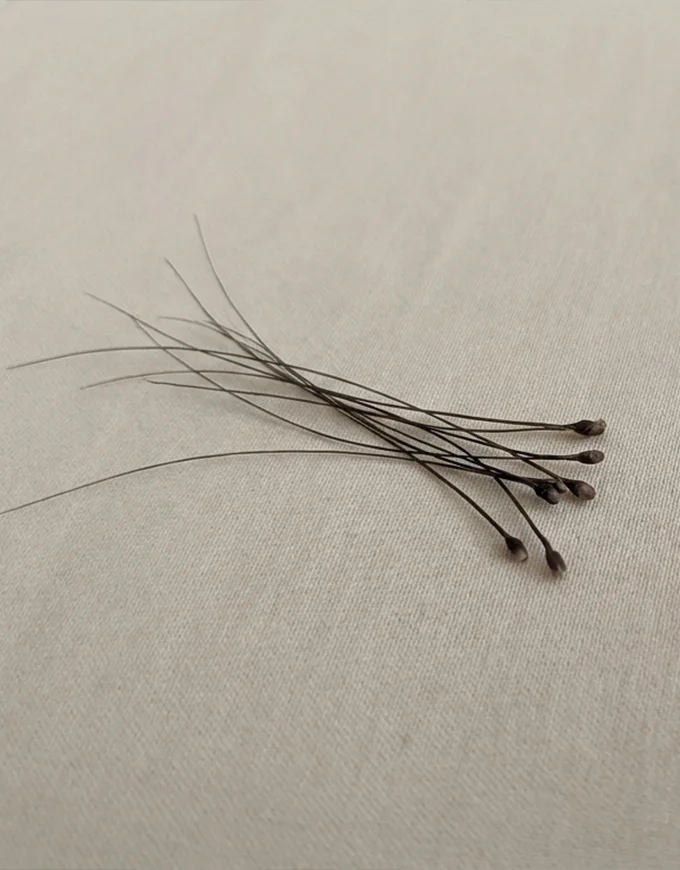
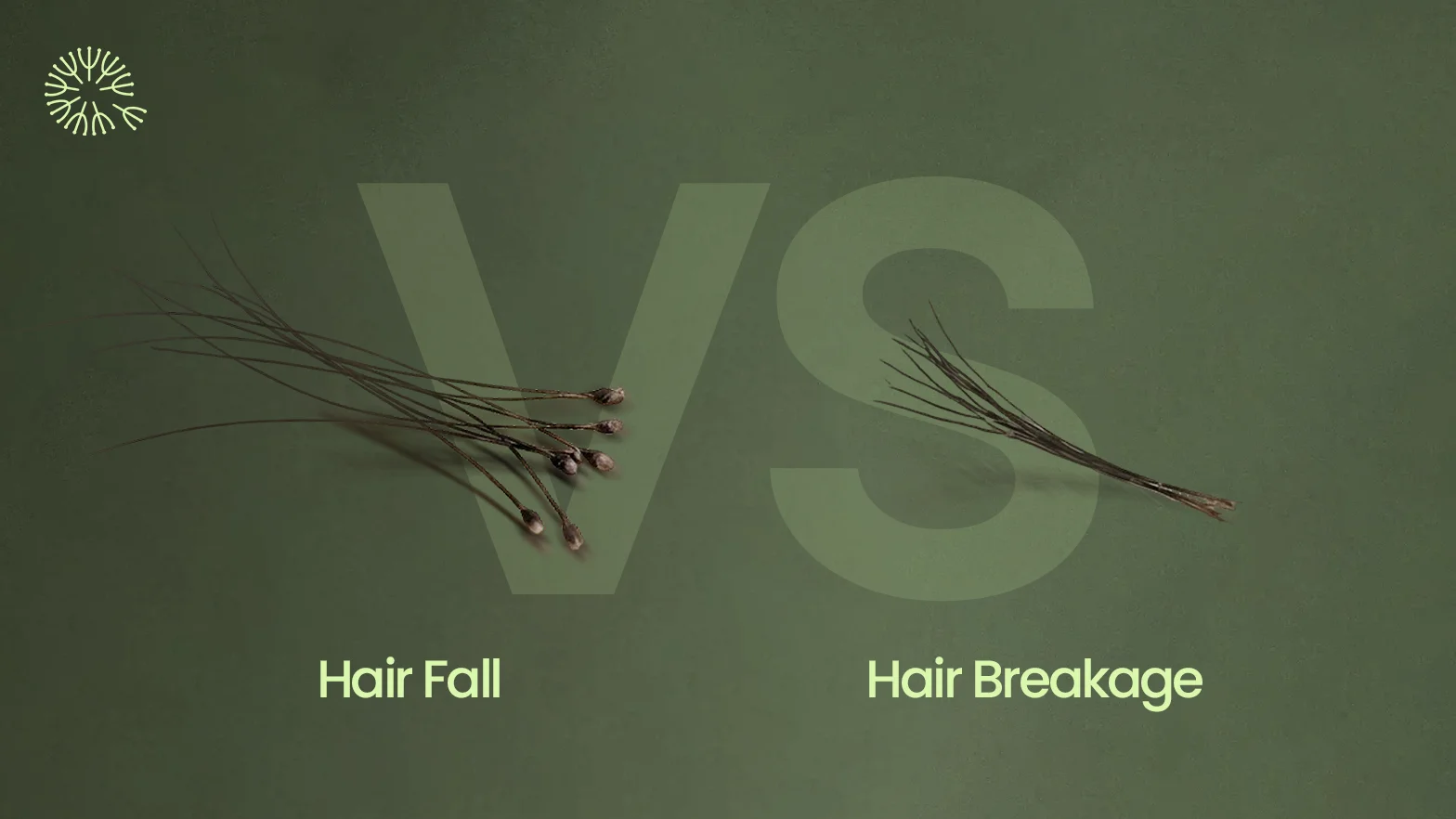
Hair fall occurs when the entire strand sheds from the root, usually due to stress, hormonal imbalance, nutritional deficiencies, or genetics. In contrast, hair breakage happens when the strand snaps along the shaft because of damage caused by heat styling, chemical treatments, dryness, or friction. A simple way to tell the difference is to check the strand: if there is a white bulb at one end, it is hair fall; if the strand looks short, uneven, or frayed with no bulb, it is likely hair breakage. |
Table of Contents
- Hair Fall vs Hair Breakage: How To Tell The Difference
- Quick Answer
- What is Hair Fall?
- What is Hair Breakage?
- What Causes Hair Fall?
- What Causes Hair Breakage?
- How To Tell the Difference Between Hair Fall and Hair Damage at Home?
- How to Treat Hair Fall?
- How To Treat Hair Breakage?
- When Should a Hair Transplant Be Considered?
- How QHT Clinic Helps with Hair Fall and Hair Breakage?
- Takeaway
- Frequently Asked Questions
What is hair fall?
Hair fall is when the hair sheds from the root. This means the entire strand detaches itself from the follicle and comes out from the scalp.
In most cases, you will notice a tiny white bulb at one end of the strand. This tiny bulb is the root end of the hair. Now, this type of shedding is actually a part of the natural cycle and may not always mean hair loss.
Every hair strand goes through three stages:
- Anagen phase (growth phase)
- Catagen phase (transition phase)
- Telogen phase (resting and shedding phase)
Losing about 50 to 100 strands of hair a day is very normal and should not be a cause of concern. However, you may be experiencing severe hair fall when you notice:
- Sudden, excessive shedding of hair
- Hair fall that continues for weeks
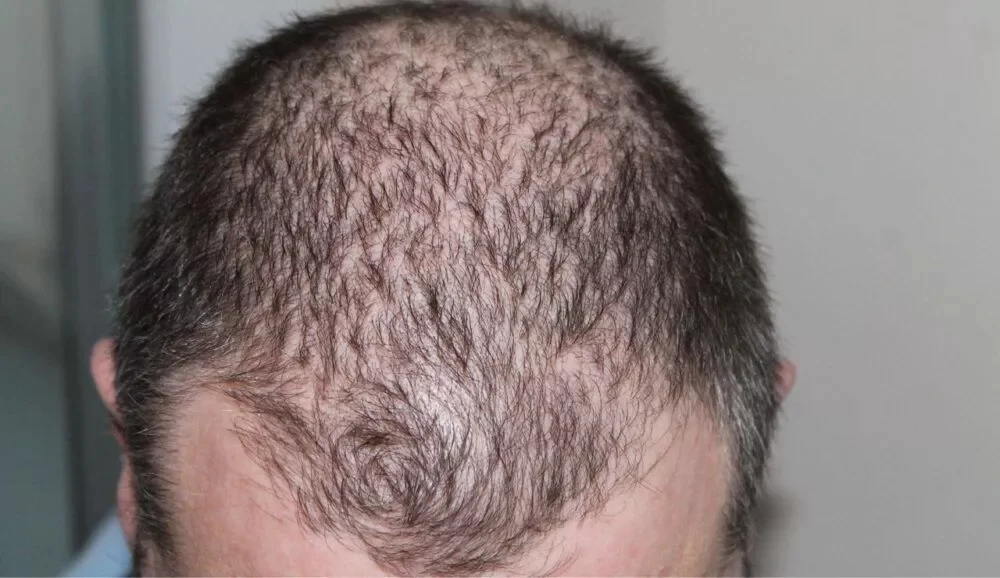
- A visible scalp
- Your braid or ponytail looking thinner
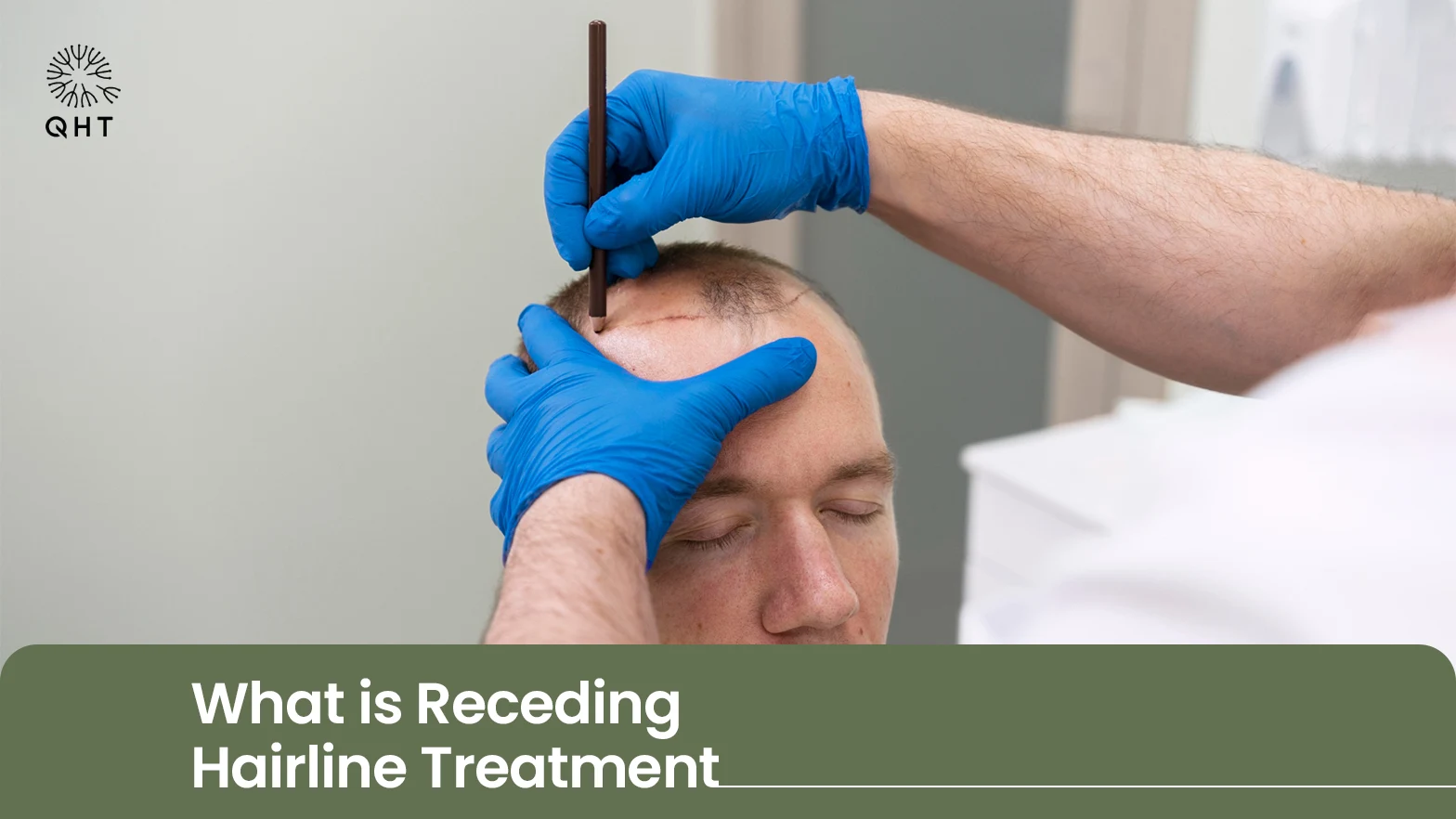
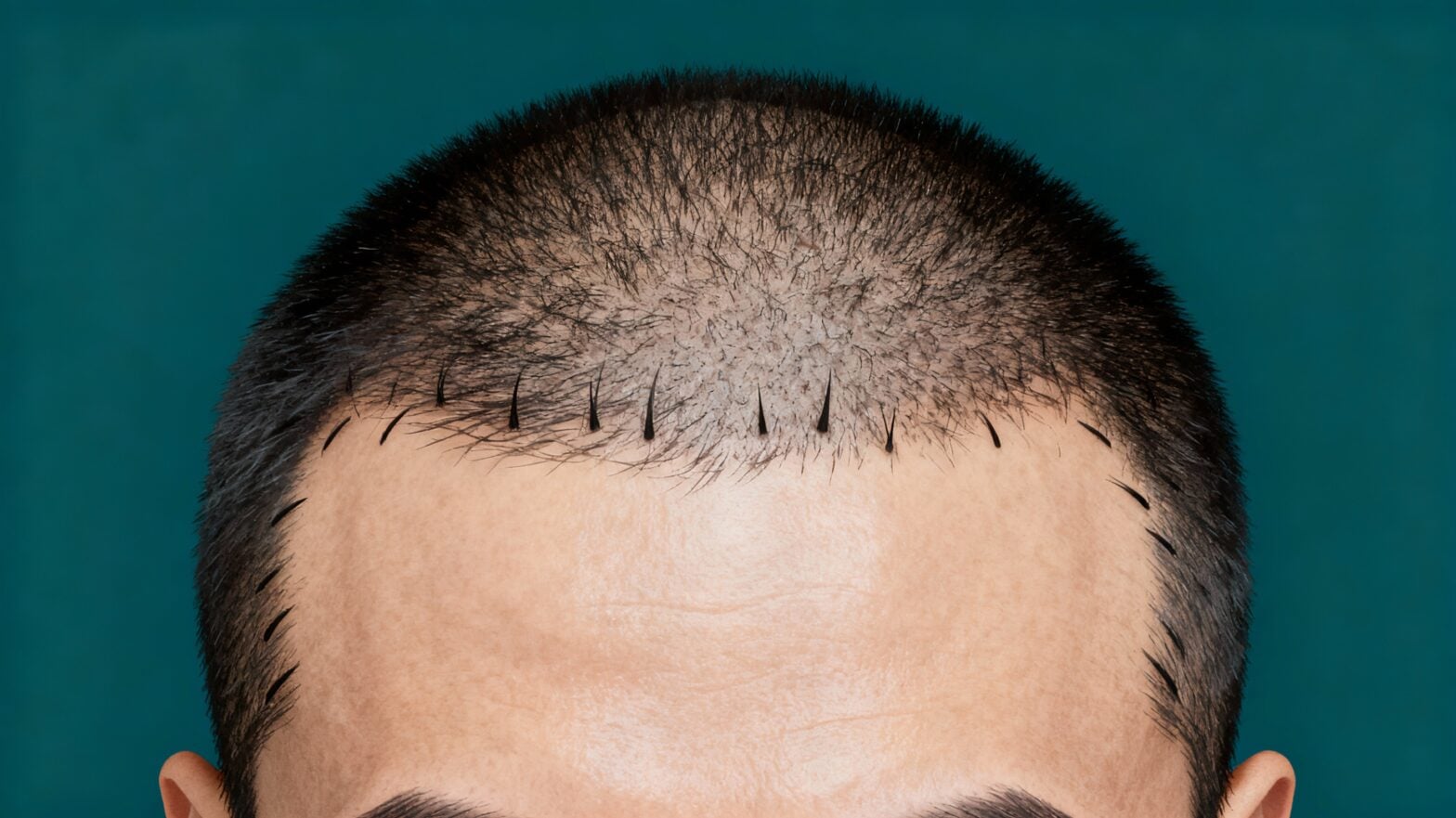
- A receding hairline
If you ticked off any of the above concerns, then it may be time to see a doctor for a proper diagnosis. Because, hair fall is a reflection of something deeper going on within your body. So, if you are noticing more than 100 strands of hair a day, it is important you see a doctor.
What is hair breakage?
Hair breakage is completely different from hair fall. Here, instead of falling from the root, your hair strand breaks somewhere along its length. Simply put, the hair does not come out of the scalp, but breaks midway as the fiber has become weak, dried or damaged.
But why does hair break midway? This usually happens when the outer protective layer of the hair, known as the cuticle, becomes compromised. Once the strand loses its strength and elasticity it begins to crack and break under even minor stress such as brushing, tying it up or styling with heat.
One of the easiest ways to identify hair breakage is by looking at the fallen strand. With hair breakage, you usually won’t notice the tiny white bulb at one end, which is commonly seen in hair fall. In case of breakage, the strand often appear as:
- Short broken pieces
- Uneven or random lengths
- Frayed ends
- Split ends
- Dry, rough texture
- Frizz and flyaways
You may at times feel that your hair is not growing. However, that may not be true. The real issue is that the hair keeps breaking at the ends as fast as it grows from the roots.
What causes hair fall?
Hair fall is mostly a reflection of what is happening inside the body or at the scalp level. Unlike hair breakage that happens on the surface level, hair fall typically occurs at the follicle.
When the hair growth cycle is disrupted, more strands enter the shedding phase than usual. This eventually leads to hair loss. But the good news is that once the underlying cause is identified, hair fall can often be managed effectively.
Some common hair fall causes include:
Stress
High levels of physical or emotional stress can push more hair follicles into the resting phase, leading to sudden shedding after a few weeks. This type of stress related hair fall is commonly seen after illness, lack of sleep, work pressure or postpartum recovery.
Nutritional Deficiencies
Hair needs nutrients like iron, protein, vitamin D, B12, and zinc to grow well. Low levels of these can weaken the roots and increase hair shedding, especially in women with low ferritin or iron stores.
Hormonal Imbalance
Conditions such as PCOS, thyroid disorders, postpartum hormonal changes, and menopause can disturb the hair growth cycle. This often results in increased hair fall and visible thinning over time.
Genetics
If hair thinning runs in the family, hereditary hair loss may be the cause. It usually appears as a widening parting, thinning at the crown, or a receding hairline.
Scalp Conditions
Issues like dandruff, scalp inflammation, fungal infections, or excess oil buildup can affect the health of hair follicles and contribute to hair fall if left untreated.
Certain Medications or Illnesses
Hair fall may also occur as a side effect of medications, fever, rapid weight loss, or underlying medical conditions that put stress on the body.
What causes hair breakage?
Unlike hair fall, hair breakage is usually caused by external damage to the hair shaft. When the strand loses moisture, strength, or elasticity, it becomes more likely to snap.
Some common causes of hair damage include:
Heat Styling
Frequent use of straighteners, curling wands, and blow dryers can weaken the hair shaft over time. Excessive heat strips away natural moisture and damages the protective cuticle, leaving hair dry, brittle, and prone to breakage.
Chemical Treatments
Bleaching, colouring, rebonding, smoothening, and keratin treatments can weaken the internal protein structure of the hair. This reduces its strength and makes strands more likely to snap, especially at the ends.
Hard Water
A common issue in many parts of India, hard water leaves mineral deposits like calcium and magnesium on the hair shaft. Over time, this can make hair feel rough, dry, and more susceptible to breakage while also contributing to scalp buildup.
Tight Hairstyles
Repeatedly wearing tight ponytails, buns, braids, or claw clips puts constant stress on the strands. This often leads to breakage around the temples, crown, and nape area where the hair experiences the most tension.
Brushing Wet Hair
Hair is at its weakest when wet. Rough brushing or detangling immediately after washing can stretch and snap the strands, causing noticeable breakage and split ends.
Lack of Moisture
Dry hair lacks flexibility and tends to break more easily. Skipping conditioner, over-washing, or not using hydrating products can leave the strands fragile and prone to snapping.
How To Tell the Difference Between Hair Fall and Hair Damage at Home?
One of the biggest reasons people struggle to treat hair issues correctly is that they confuse hair fall with hair breakage.
The good news is that you can usually tell the difference at home with a few simple checks.
1. The Root/Bulb test
This is one of the easiest and most reliable ways to identify whether you’re dealing with hair fall or breakage.
- Take a strand of hair that you’ve found on your pillow, brush, or shower drain and look closely at one end.
- If you notice a tiny white or translucent bulb, that means the strand has shed from the root, in other words, it is hair fall.
- On the other hand, if both ends of the strand look blunt, frayed, or snapped, and there is no visible bulb, it is most likely hair breakage.
This quick test gives you an instant clue about whether the issue is starting at the scalp or along the hair shaft.
2. The Length Test
Another simple way to tell the difference is by checking the length of the strands you’re losing.
- Take a look at the hair collected in your comb, on your clothes, or in the shower.
- Ask yourself: Are most of the strands roughly the same length as your actual hair?
- If the answer is yes, it usually points to hair fall, because the entire strand is shedding from the root.
However, if you notice small, uneven pieces of hair in different lengths, that’s a strong sign of hair breakage.
This kind of breakage is especially common if you frequently:
- brush your hair aggressively
- tie it up tightly
- use straighteners or curlers
- detangle wet hair roughly
3. The Ponytail Thickness Test
Sometimes the easiest way to notice hair problems is by looking at how your hair feels. To do this:
- Tie your hair into a ponytail as you normally would
- If your ponytail feels noticeably thinner than it used to, it may be a sign of hair fall or root-level thinning
- This method usually means you are losing hair density from the scalp
- But if the overall thickness seems similar and your hair still looks frizzy, uneven, or refuses to grow past a certain length, the issue is more likely breakage
4. The Ends Test
To perform this test, run your fingers gently through the ends of your hair. Check if they feel:
- Rough
- Dry
- Brittle
- Split
- Uneven
If yes, then you are most likely dealing with hair breakage. Damaged ends are often the first visible sign that the hair shaft has weakened.
How to Treat Hair Fall?
Hair fall treatment should always focus on the underlying cause rather than just the symptoms. Since shedding usually begins at the scalp or follicle level, the approach must support internal health and root strength. Some common hair fall treatments include:
1. Improving Nutrition
Strengthen your diet with protein, iron-rich foods, eggs, nuts, seeds, and leafy greens. Hair is primarily made of protein, so nutritional support is essential for healthy regrowth.
2. Reducing Stress
Chronic stress is one of the biggest triggers of excessive shedding. Prioritising quality sleep, hydration, and stress management can significantly help restore the natural hair growth cycle.
3. Getting Blood Work Done
If the hair fall is persistent, it is advisable to check ferritin, vitamin D, vitamin B12, and thyroid levels. Deficiencies and hormonal imbalances are often silent causes of excessive shedding.
4. Use Scalp-Focused Treatments
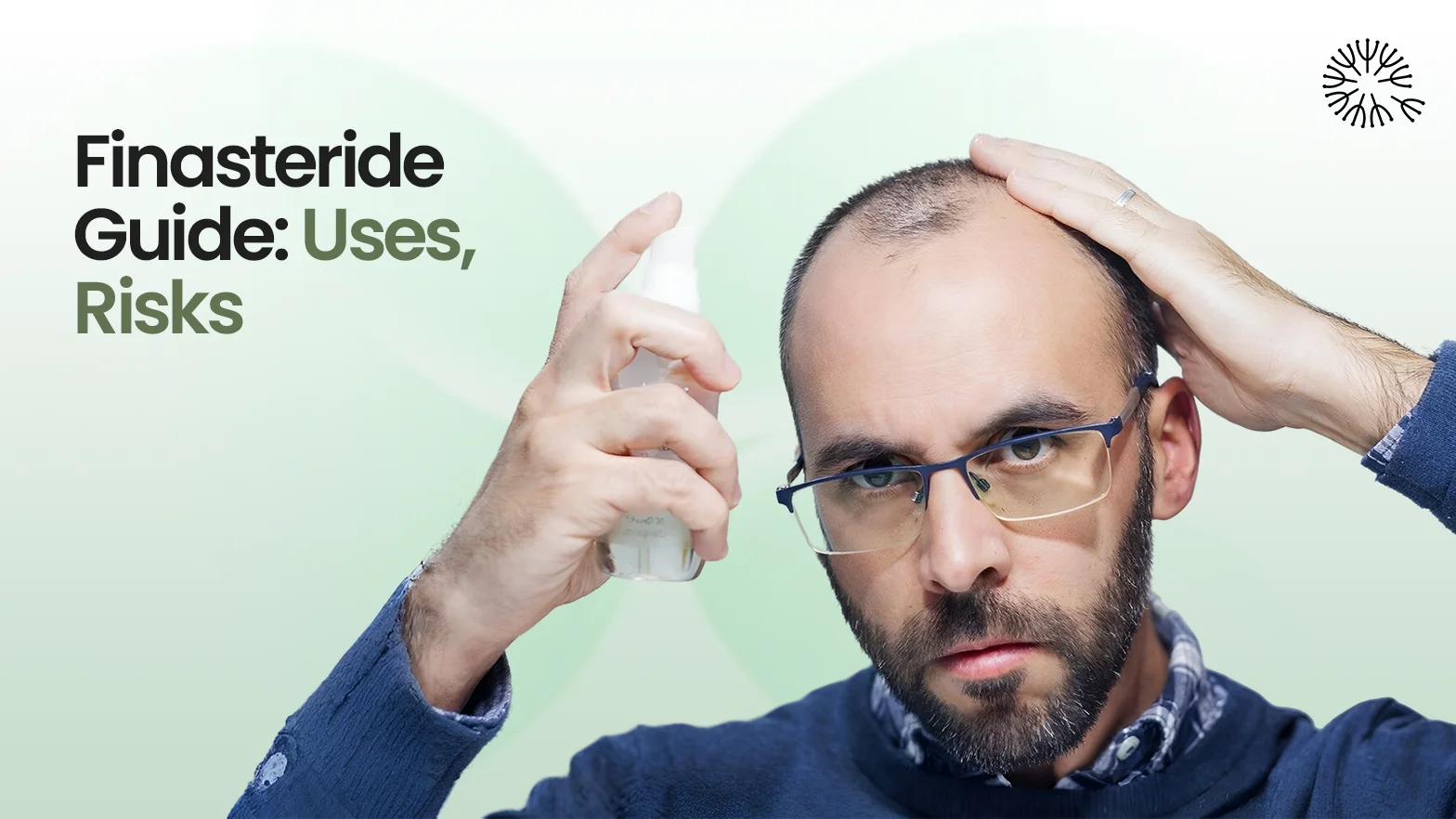
Depending on the diagnosis, dermatologist-recommended treatments such as Minoxidil, PRP (Platelet-Rich Plasma), GFC (Growth Factor Concentrate), Finasteride (for pattern hair loss in men), nutraceutical/supplementation may be advised to stimulate hair follicles and support regrowth. It is commonly used for pattern hair loss and thinning.
How To Treat Hair Breakage?
Hair breakage needs shaft repair rather than scalp treatment. The focus here is on restoring moisture, strength, and reducing physical damage.
1. Deep Conditioning
Use a rich nourishing hair mask 1–2 times a week to restore hydration and improve elasticity. You can also get hair care products prescribed by a hair specialist.
2. Reduce Heat Styling
Minimise the use of straighteners, curling tools, and blow dryers. Excessive heat weakens the strand and increases brittleness.
3. Trim Split Ends
Once split ends appear, they cannot be permanently repaired. Regular trims help prevent the split from travelling upward and causing further breakage.
4. Use a Leave-In Serum
A lightweight leave-in serum helps reduce friction, smooth the cuticle, and protect the strands from everyday stress. You can speak to a hair specialist to get a good quality hair serum.
5. Switch to a Satin or Silk Pillowcase
Using satin or silk pillowcase reduces overnight friction and helps minimise snapping, especially for dry or chemically treated hair.
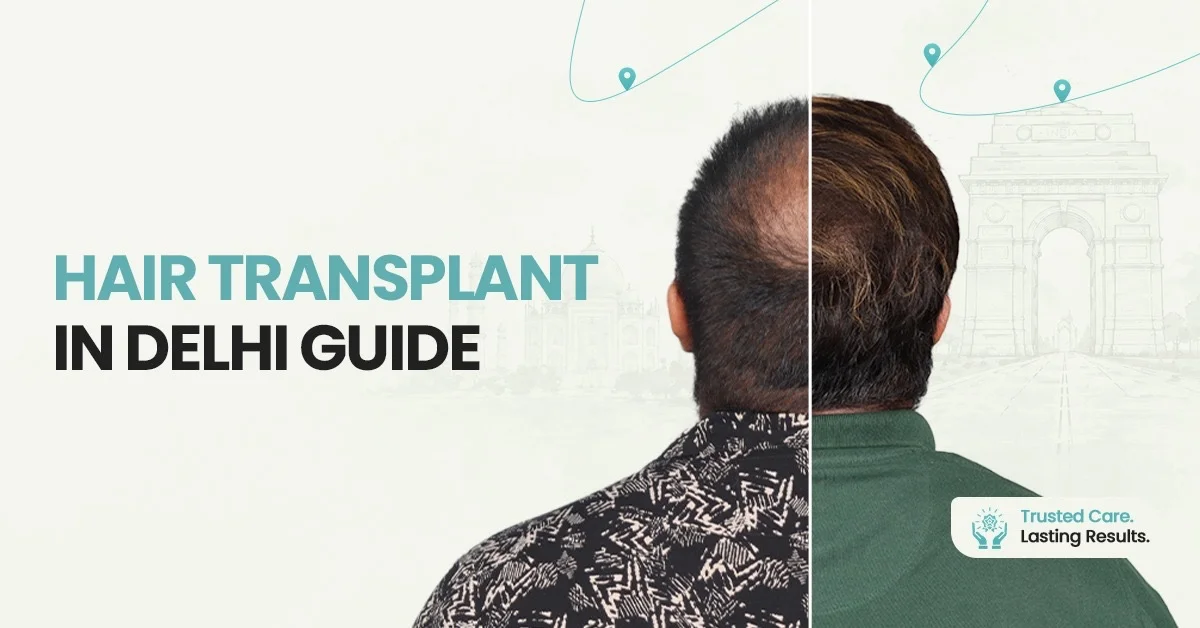
When Should a Hair Transplant Be Considered?
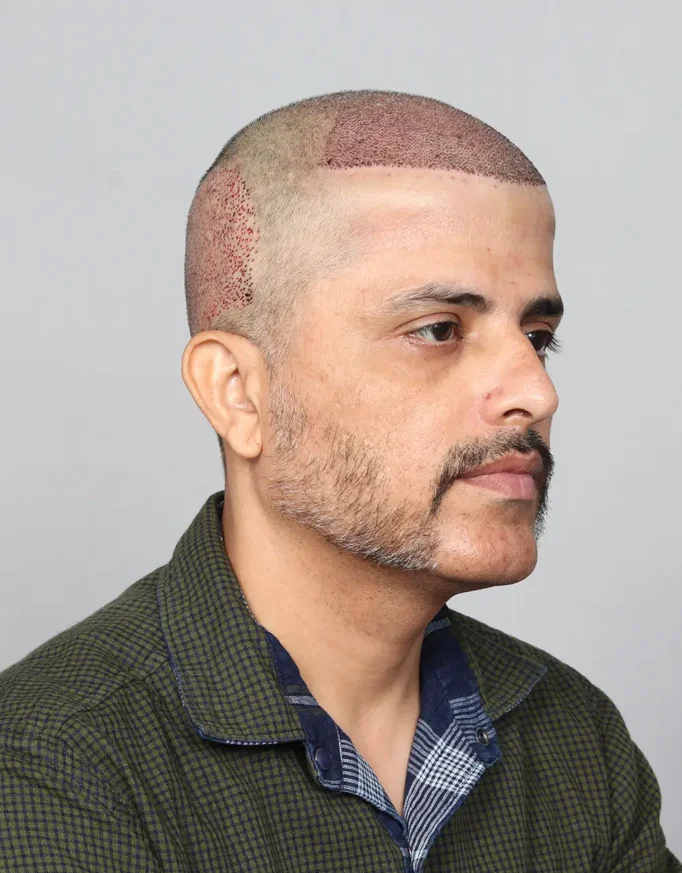
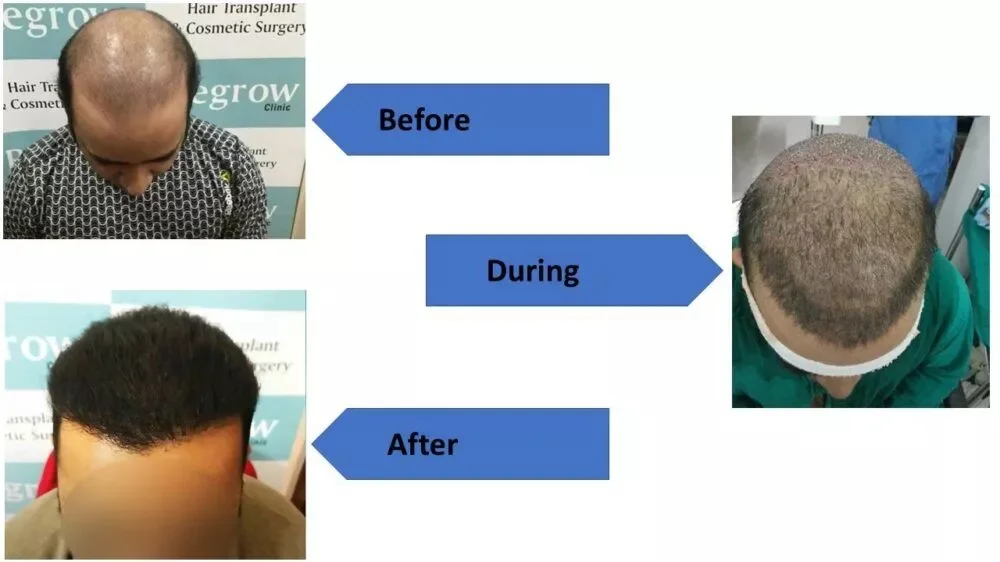
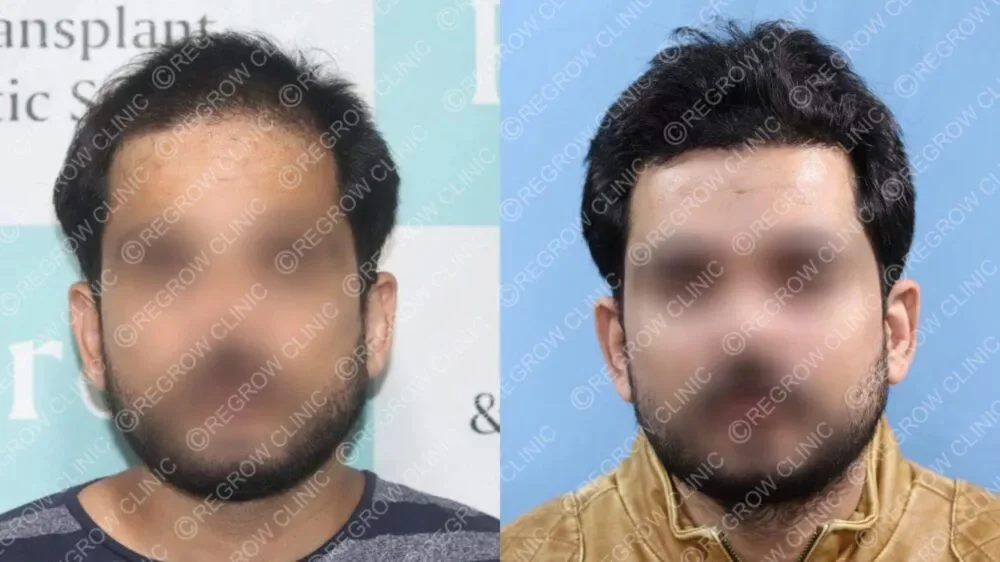
A hair transplant should usually be considered only after medical and non-surgical treatments have been evaluated. A hair transplant may be the right option if:
- Hair thinning is genetic or pattern-related
- There is a receding hairline or bald patch
- The hair loss has remained stable for several months
- Medications and topical treatments have not provided sufficient improvement
- The donor area at the back or sides of the scalp has healthy density
Hair transplant is particularly effective in cases of androgenetic alopecia or advanced thinning, where follicles in certain areas have become inactive permanently. Treatments such as Minoxidil, PRP (Platelet-Rich Plasma), GFC (Growth Factor Concentrate), Finasteride, nutraceutical/supplementation may still be advised after the procedure to preserve existing native hair
How QHT Clinic Helps with Hair Fall and Hair Breakage?
We at QHT Clinic understand that every hair concern is different and so is every treatment journey. Whether you are experiencing early-stage hair fall, severe thinning, or persistent hair breakage, our approach is centred around personalised diagnosis and targeted solutions.
To help you with your hair restoration journey QHT clinic specialists follow a patient-centric procedure that includes:
- Detailed scalp and hair analysis to identify the real cause
- Personalised treatment plans based on hair fall type
- Medical-grade scalp therapies and regrowth support
- Advanced hair transplant solutions for suitable candidates
- Post-treatment guidance and maintenance plans
Our goal is not just to treat the symptom, but to help restore healthy, natural-looking hair with long-term confidence. Our QHT specialists help you understand whether you require hair transplant or topical treatments to treat your hair problem. Our dedication to our patients is highlighted in the 3000+ reviews we have received from happy patients. Additionally, we have also performed 15000+ hair transplant procedures under the expert guidance of India’s leading hair transplant doctors.
Takeaway
Hair fall and hair breakage may look similar, but the cause and treatment are completely different. Hair fall usually starts at the root, often due to stress, hormonal changes, or nutritional deficiencies, while breakage happens along the hair shaft because of damage, dryness, or excessive styling.
At QHT Clinic, we help identify the exact concern and create a personalised treatment plan for healthier, stronger hair. From scalp therapies to advanced hair restoration solutions, our focus is on delivering natural, long-lasting results.
Frequently Asked Questions
- Can hair breakage cause hair thinning?
Yes, severe hair breakage can make your hair look noticeably thinner, especially around the ends and crown. While it does not reduce the number of follicles, constant snapping can reduce overall volume and density.
- Does hair oil help with hair breakage?
Hair oil can help reduce dryness and friction, which may improve breakage caused by lack of moisture. However, if the breakage is due to heat or chemical damage, deep conditioning and repair treatments are usually more effective.
- How long does it take to recover from hair breakage?
With the right care, mild hair breakage may improve within 6 to 8 weeks, while severe damage can take 3 to 6 months depending on hair length, texture, and treatment consistency.
- Can hard water worsen both hair fall and breakage?
Yes, hard water can contribute to both concerns. Mineral buildup can weaken the hair shaft, leading to breakage, and may also irritate the scalp, which can indirectly worsen hair fall.
- When should I consult a hair specialist?
You should consult a specialist if hair fall is excessive for more than 4 to 6 weeks, if you notice visible thinning or bald patches, or if breakage continues despite changing your hair care routine.
- Can I do PRP for hair breakage or only hair fall?
PRP is primarily used for hair fall, as it stimulates hair follicles and improves growth. However, it can indirectly help reduce breakage by strengthening new hair strands and improving overall hair quality and thickness.
- Does cutting hair short stop breakage?
Cutting hair short removes damaged ends and reduces visible breakage, but it does not fix the root cause. If underlying issues like dryness, heat damage, or poor nutrition continue, breakage will persist even with shorter hair.
- Can hair breakage be permanent?
Hair breakage itself is not permanent, as it affects the hair shaft, not the follicle. However, repeated damage from heat, chemicals, or tight styling can weaken regrowth over time, making hair appear thinner if not treated properly.
Book a Consultation Today
Latest Videos
-

Rajpal Yadav | Bollywood Actor Hair Transplant Journey at QHT Regrow Clinic Haridwar
Click to Watch
-

FUE Hair Transplant Results | DAYA's FUE Hair Transplant Results
Click to Watch
-

Best Hair Transplant Result 2021 || NW Grade VI A || 3,422 Grafts
Click to Watch
-
Best Hair Transplant Result 2022 | Grade 4
Click to Watch
-

YouTuber Mehtab Saifi Hair Transplant
Click to Watch
-

ACP Pradyuman Hair Transplant - Actor's Hair Transplant
Click to Watch