

Angle and depth, by hand.
No add-ons, no cross-sell.
Consult from Dehradun, surgery in Haridwar.
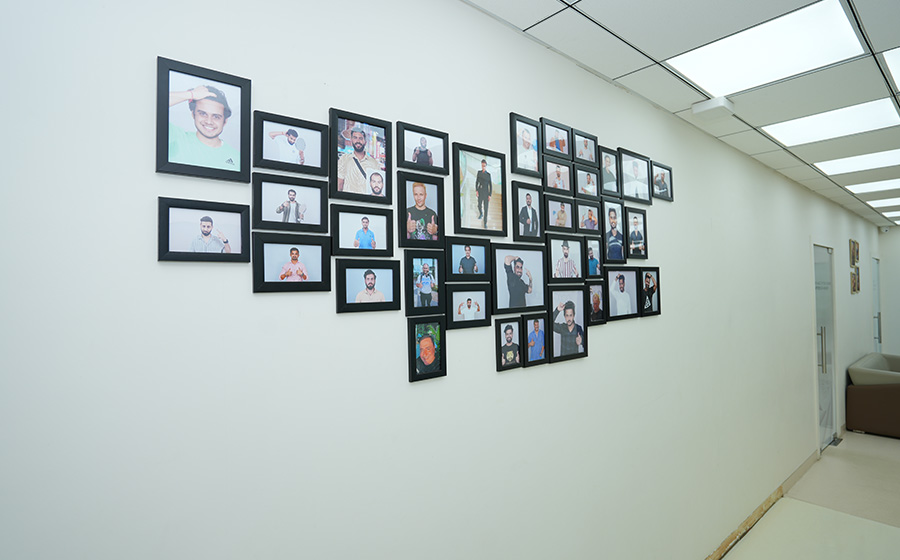
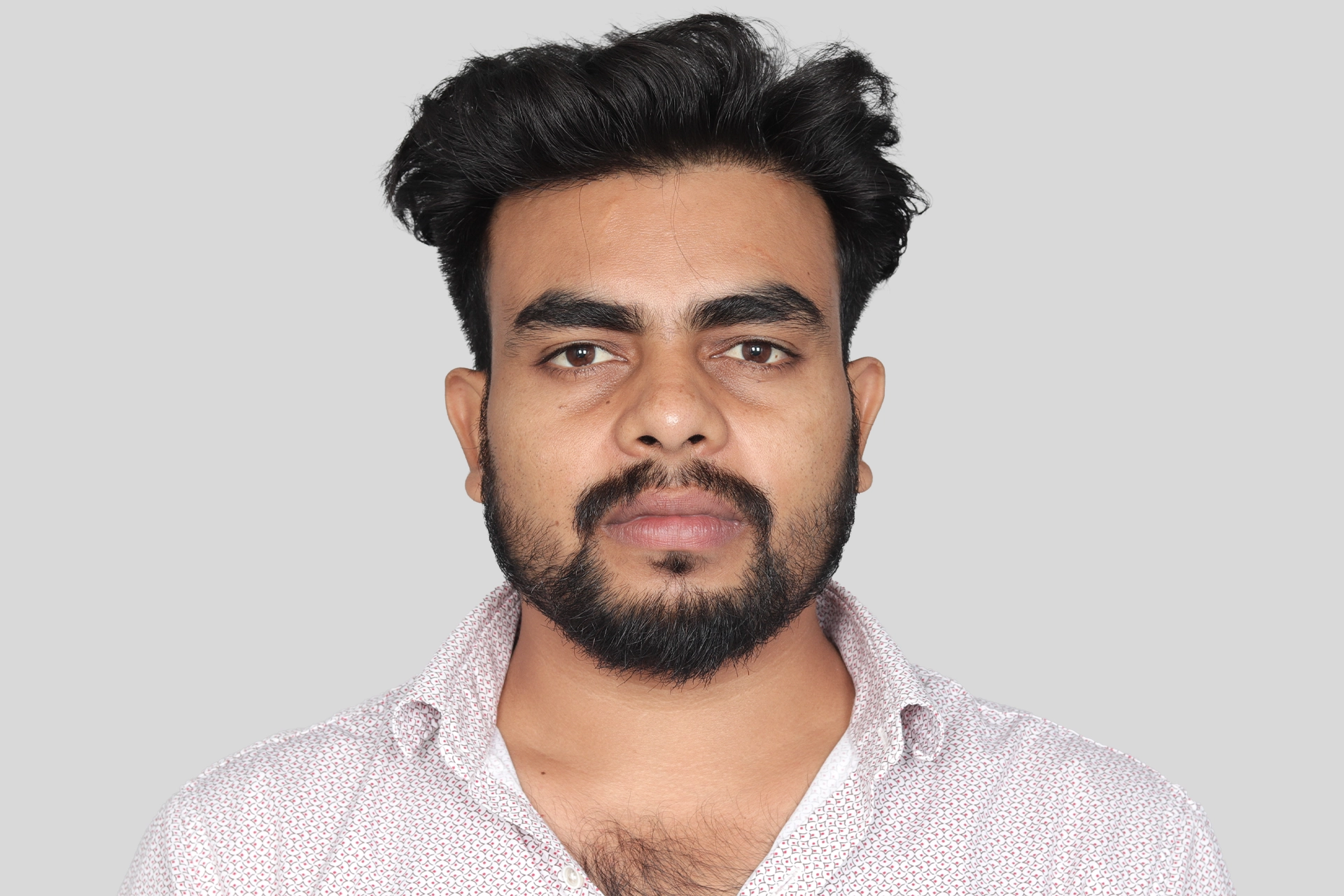
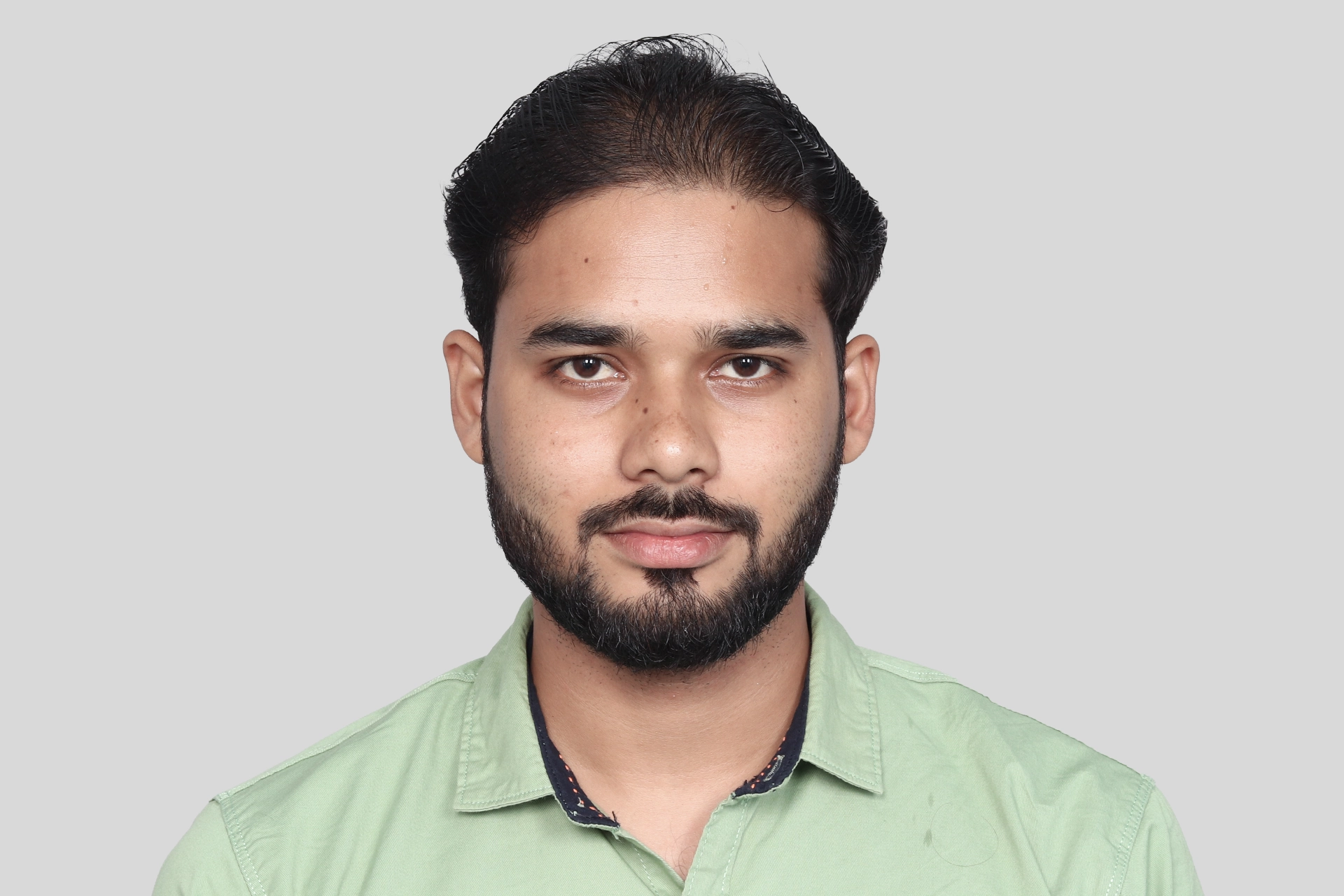
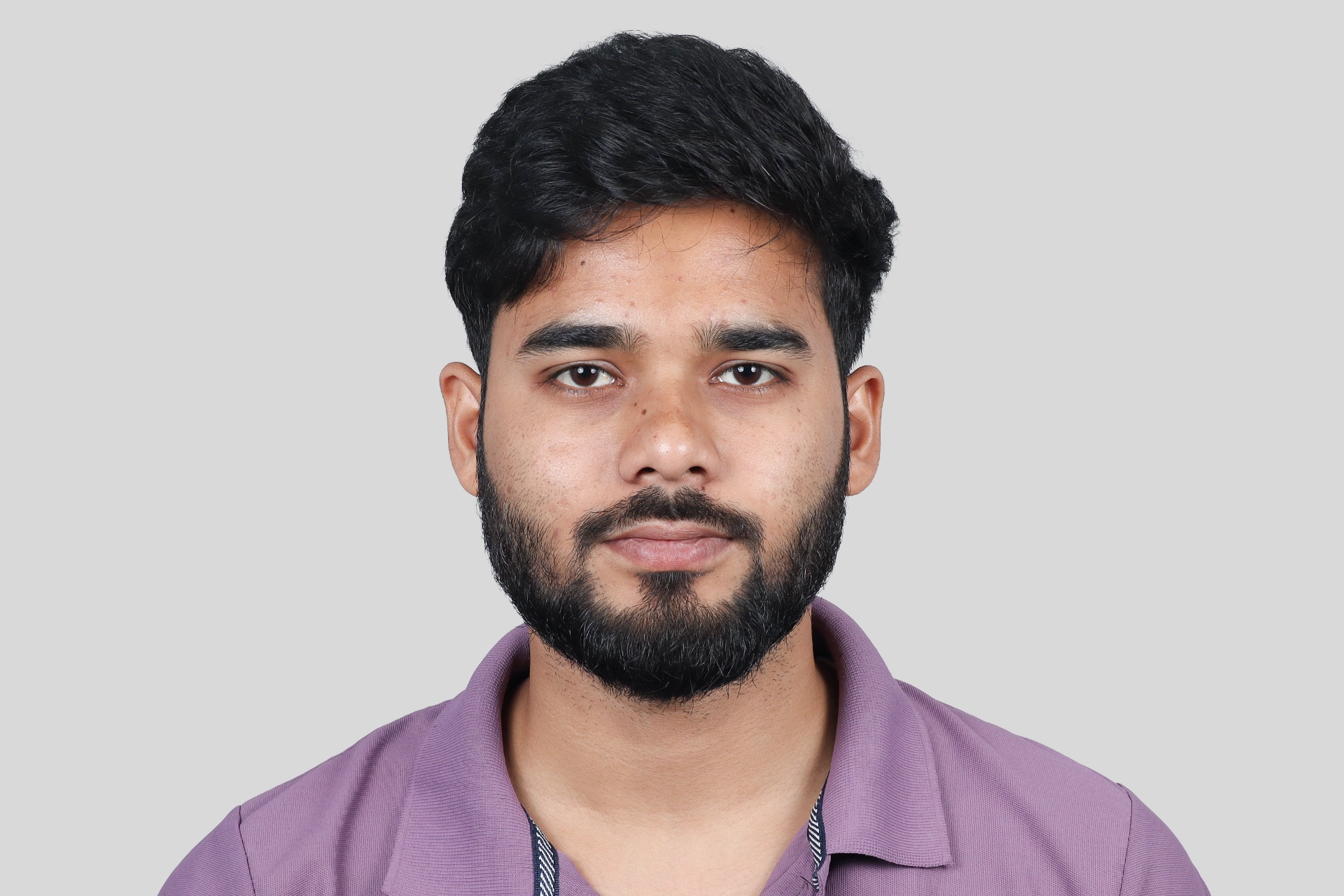
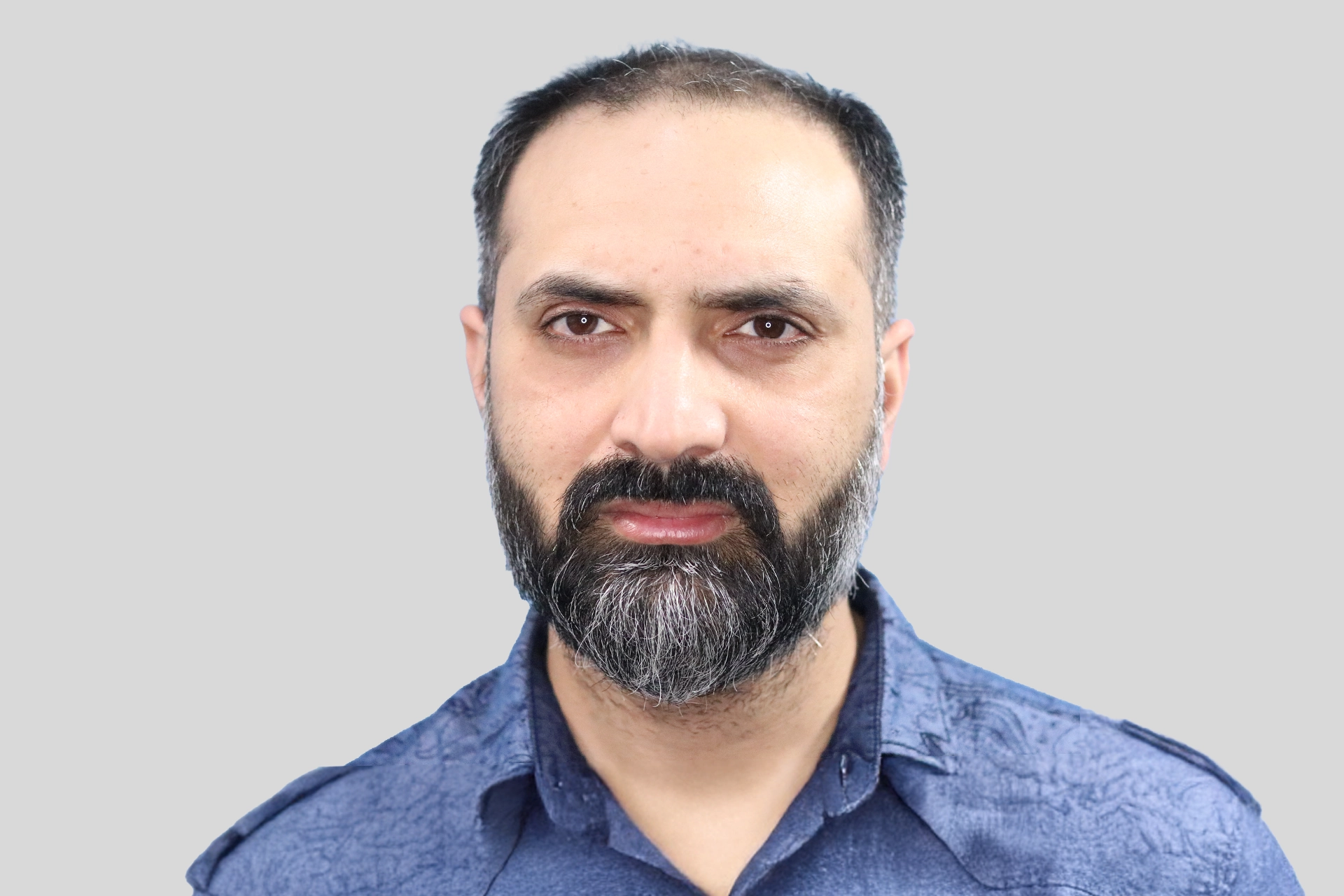
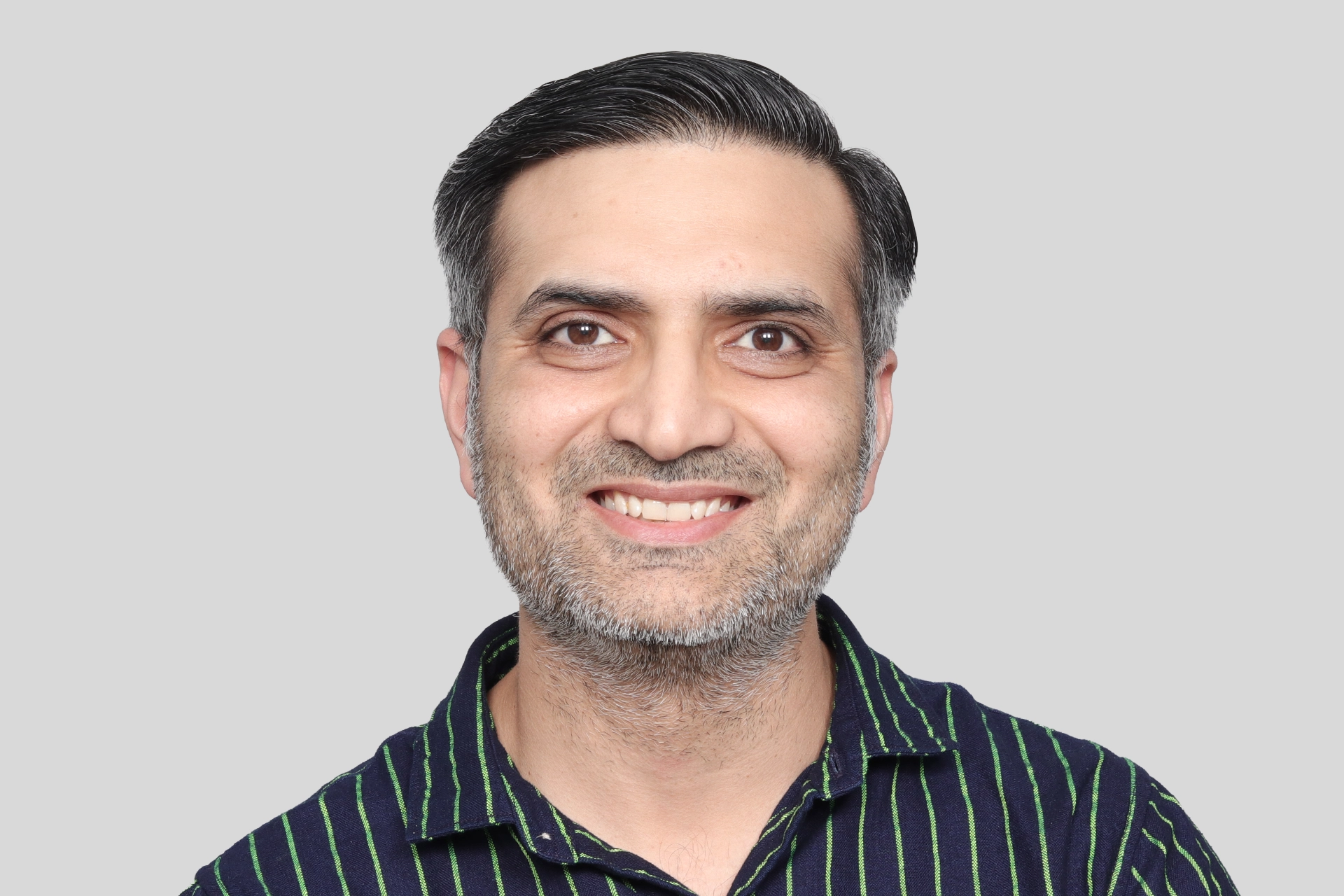
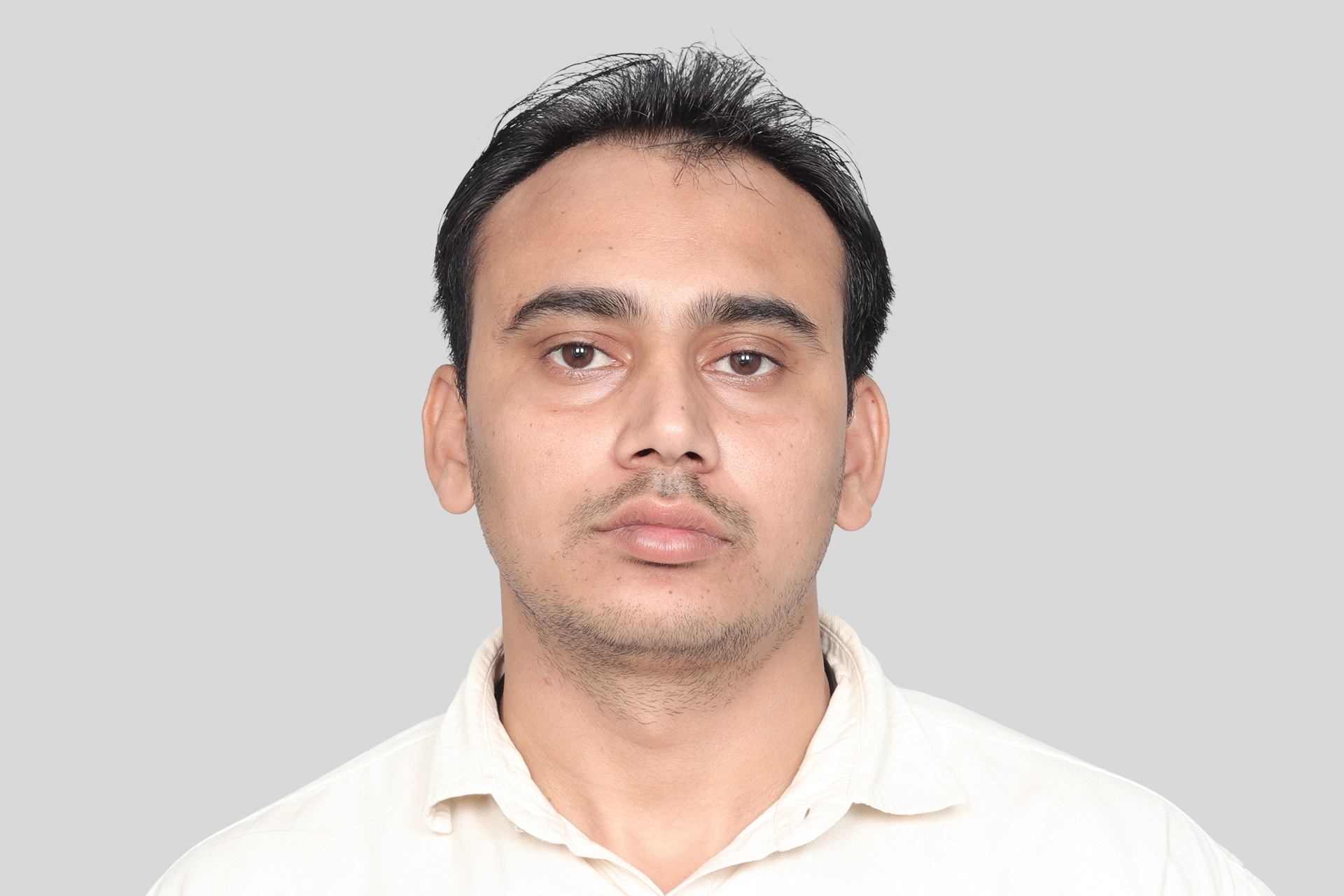
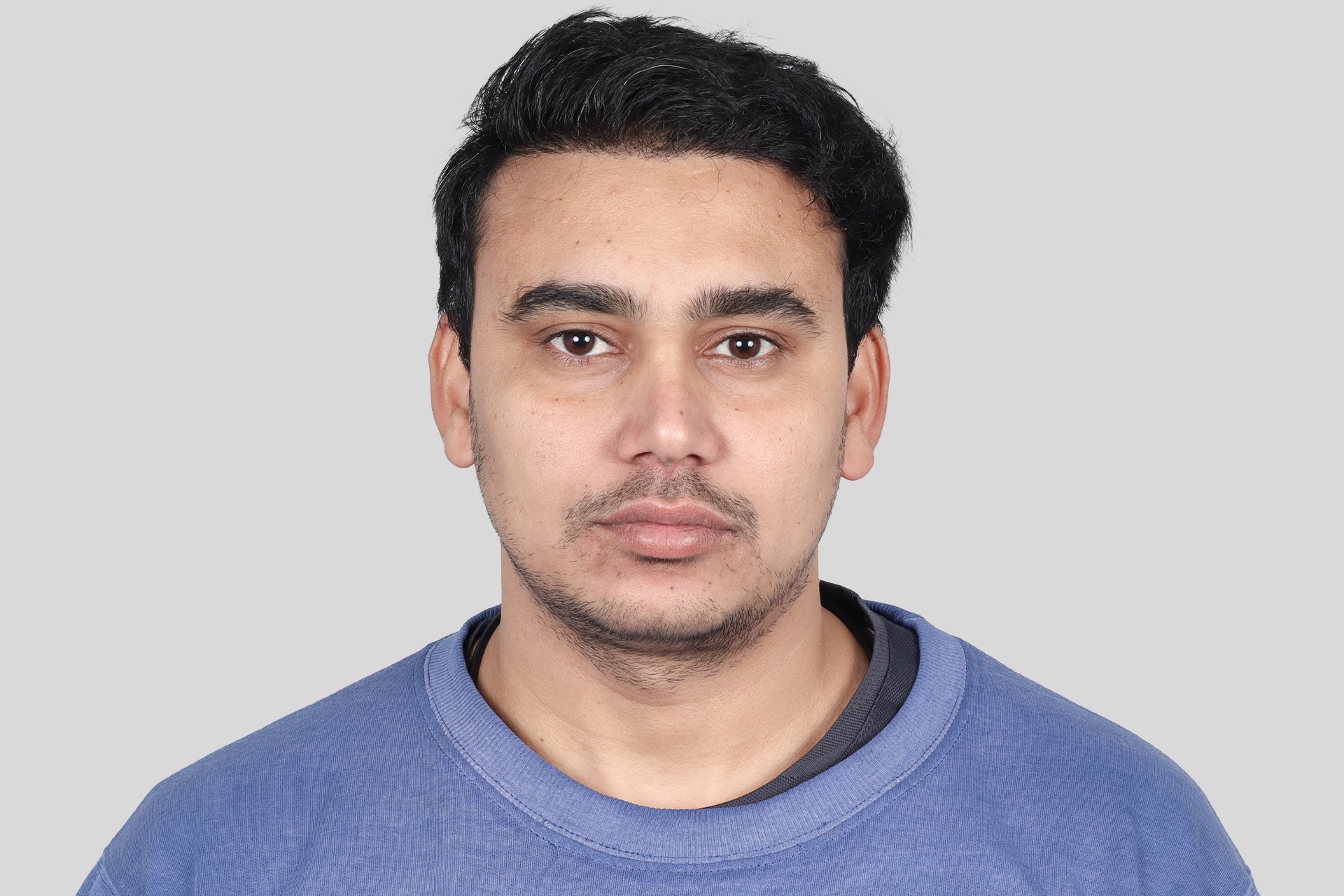
Real beards, shared with consent.
Turn a patchy beard side-on and the gaps show more than they do face-on. That side profile is what most men are actually reacting to in photos.
A beard transplant moves healthy hair follicles from the back of your scalp into the sparse parts of your face: the chin, the jawline, the cheeks, the moustache, the sideburns. The follicles keep growing once they settle, which is why the result is permanent. A facial hair transplant in Dehradun is not about dropping grafts into empty skin and hoping. The real job is facial harmony, getting every new hair to point the way a beard naturally grows so the transplanted zone blends into what you already have.
At QHT we plan each facial zone on its own, because a beard that grows in one uniform direction looks wrong the moment you see it up close. The work is in the angle, not the count.
Not every thin beard needs surgery. Some do. Knowing the difference before you book a train to Haridwar is the whole point of talking to us first.
There is a second group, and we would rather lose the surgery than hide this from you. Hold off if:
When we see active loss in a consultation, we say so and send you to sort the cause first. The online consultation exists to tell you which group you fall into, honestly, before you spend a rupee on travel.
Facial skin bleeds more easily than the scalp and sits closer to the nerves, so a beard is harder to get right than a hairline. One wrong angle on the scalp disappears into the surrounding hair. One wrong angle on the jaw is visible across a room.
There are three methods, and a beard hair transplant in Dehradun is usually best served by one of them.
Individual follicles are lifted out of the donor area one by one and placed into the recipient zone. It is minimally invasive and gives the surgeon tight control over where each graft lands.
A strip of skin is removed from the donor area and dissected into grafts. It leaves a visible scar at the back of the head, which makes it the weaker choice for most beard cases.
Our own technique. We use a SAVA implanter to place each follicle at the exact angle and depth a beard needs, single hair by single hair, with no scarring at the donor site. The QHT method also keeps grafts out of the body for under 2 hours, and that short window is a large part of why graft survival reaches 95%.
Our surgeons carry experience across 15,000+ hair restoration cases, including beards, moustaches and sideburns. A beard asks for a different hand than a scalp, and that volume is where the angle judgement comes from.
Most of this happens in a single visit. The first part never does, and that is deliberate.
For an out-of-town patient, step 1 is handled online and steps 2 through 6 happen in one Haridwar visit. You travel once, not five times.
Around week three, a lot of men assume the worst. The new hairs fall out and they’re sure the grafts failed. The new hairs fall out and they assume the grafts failed. They did not. That shedding is the follicles resetting, and the growth that follows is the real result.
Here is what the months actually look like:
The skin itself heals inside 7 to 14 days, faster with QHT than with the strip method. If you are in Dehradun, we run your follow-up checks online and only ask you back to Haridwar if something needs a surgeon’s eyes in person. The waiting is the hard part. The beard arrives on a schedule, and the schedule holds.
Our nearest clinic is in Haridwar, about 50 km from Dehradun. We start every Dehradun case with a free online consultation, so you only travel once the surgeon confirms you need surgery. See the full hair transplant cost in Dehradun breakdown.
QHT does not run a centre in Dehradun. The nearest QHT clinic is in Haridwar, where the licensed operating theatre and the surgical team are based. Dehradun patients plan the whole procedure online first and travel to the centre only for the surgery itself.
The follicles we move come from the back of your scalp, where they’re genetically resistant to DHT, the hormone behind male-pattern balding. They keep that resistance after the move, so the beard we build grows for life.
What you get:
One timing rule worth holding on to: wait 3 to 6 months before shaving the transplanted area, so the grafts anchor first. You can see real QHT beard and hair outcomes in our QHT results gallery, filtered by area and graft range. Every photo is a real patient who agreed to share it, and every face heals a little differently.
FUE beard transplant cost at QHT Haridwar starts from ₹70 per graft. The final cost is calculated after estimating the number of grafts required.
Two variables move the number more than anything else: how many grafts your beard needs and which technique places them. Surgeon involvement and the 12-month aftercare are included in a final package, along with anaesthesia support and preoperative investigations.
Not every thin beard needs surgery. Some do. Knowing the difference before you book a train to Haridwar is the whole point of talking to us first. A beard transplant tends to suit you if you have… When to hold off There is a second group, and we would rather lose the surgery than hide this from you. Hold off if: When we see active loss in a consultation, we say so and send you to sort the cause first. The online consultation exists to tell you which group you fall into, honestly, before you spend a rupee on travel.
Patchy or uneven growth that has stayed the same for years
A sparse moustache, or thin sideburns that never filled in
Scars from an injury, a burn, surgery, or old folliculitis (infected hair follicles from shaving or ingrown hairs)
A genetically sparse beard, or no beard growth at all
Alopecia areata barbae that has been stable, with no new patches in the last 12 months. This is an immune condition that causes round bald spots in the beard
A need for beard construction as part of gender-affirmation treatment
Your patchiness is active and spreading. A dermatologist should look at that before any grafts go in
An underlying cause is driving it. Low testosterone, a thyroid issue, or a nutrition gap can thin a beard, and medicine may bring it back without surgery at all
Beard Transplant in Dehradun, answered by the surgeons who perform the procedure at our Haridwar centre.

No. Our nearest clinic is in Haridwar, about 50 km from Dehradun. We start every Dehradun case with a free online consultation, so you only travel once the surgeon confirms you need surgery.
Yes. You send photos, a QHT surgeon reviews your donor area and beard zones, and you get a candidacy answer, a graft estimate and a cost range without leaving Dehradun.
Yes, in experienced hands. The risk sits in angle and density judgement, which is exactly where surgeon experience matters most.
For life. The transplanted follicles come from the DHT-resistant zone at the back of the scalp, so they keep growing permanently once moved.
A full beard with sideburns usually falls between 2,500 and 3,500 grafts, though your exact number depends on how much native coverage you already have.
Wait 3 to 6 months, until the grafts have anchored. Your surgeon gives you the exact go-ahead based on your healing.
Sometimes, yes. If your patchiness is driven by a thyroid issue, low testosterone or a nutrition gap, treating that cause may be enough. We tell you this at the consultation rather than default you to surgery.
The price follows your graft count and technique, not your city. Two men with the same beard pay the same, whether they live in Dehradun or anywhere else.