Complete Hair Transplant FAQ- Delhi

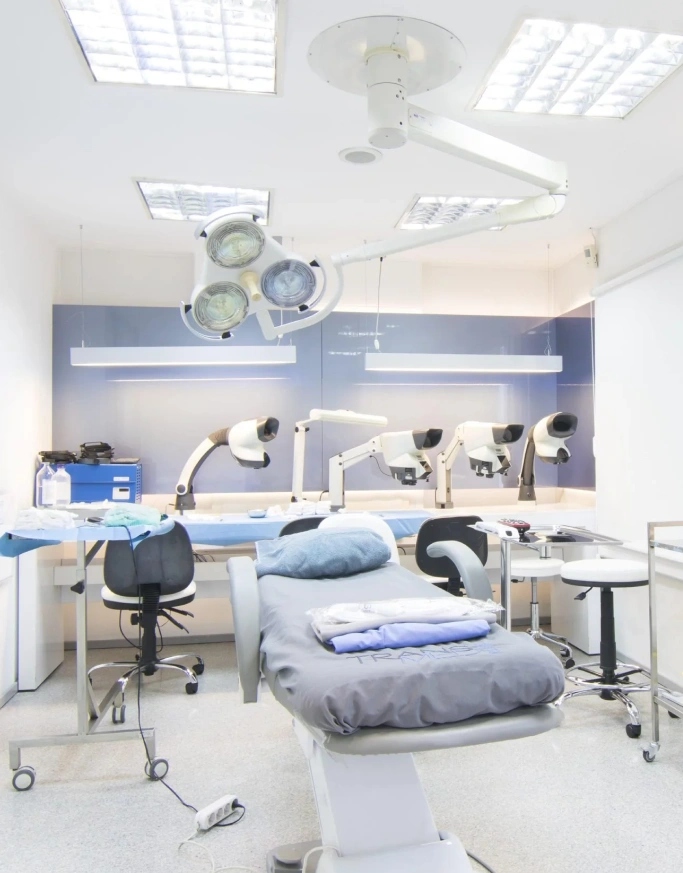
Advanced Hair transplant techniques, performed by skilled professionals in state-of-the-art clinic at QHT.

Talk To A Professional Today
Advanced Transplant Care
Multi-angle placement of grafts
Sterile Practices
Long-term monitoring
Advanced Transplant Care
Multi-angle placement of grafts
Sterile Practices
Long-term monitoring
Treatment approach

Personalised hair transplant Treatment plans

Treatment approach
Growth timeline

Visible with final results seen in 9 to 12 months.

Growth timeline
Donor Management

Careful extraction and implantation to prevent overharvesting.

Donor Management
Post-op care

Routine follow-ups to monitor progress.

Post-op care

Hair loss is one of the most common concerns affecting both men and women today. Lifestyle, food, stress, genetics all play a role in contributing to this hair loss problem. However, today, there are plenty of solutions available for hair loss including hair transplant.

Now, the real problem is understanding a hair transplant. Is an hair transplant is ideal? Who should get a hair transplant? Which is the best clinic for hair transplant in India? What if my hair transplant fails? These are real questions that many considering hair transplant may have.

When it comes to hair transplant, one of the most vital decisions is choosing which city to go for. India today is among one the best countries offering advanced medical treatments globally. In India, Delhi is widely gaining trust among patients looking for medical services including hair transplants.

With advancements in medical science, procedures like hair transplant in Delhi have become safe, precise, and capable of delivering natural-looking results. However, before undergoing treatment, patients often have multiple questions about safety, techniques, recovery, cost, and long-term outcomes.

Understanding Hair Transplant in Delhi

Understanding Hair Transplant in Delhi

Understanding Hair Transplant in Delhi

A hair transplant is a medically supervised procedure where healthy hair follicles are moved from a donor area (usually the back or sides of the scalp) to areas experiencing thinning or baldness. The goal is not just to restore hair, but to recreate a natural hairline and density that suits your face and age.

Clinics offering hair transplant in Delhi typically use advanced techniques like FUE and DHI, which focus on precision and minimal scalp trauma. These procedures are designed to deliver long-term results with natural-looking outcomes.

Delhi has emerged as a leading destination for hair restoration due to its combination of skilled surgeons, modern clinics, and structured patient care systems. Many patients choose the city for its balance of expertise, accessibility, and quality treatment planning.

How does a hair transplant work?

How does a hair transplant work?

How does a hair transplant work?

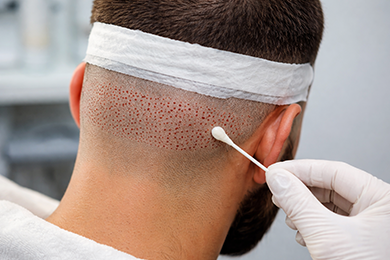
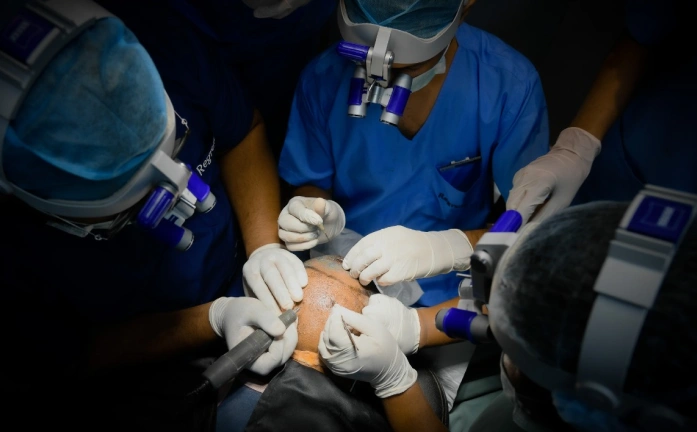
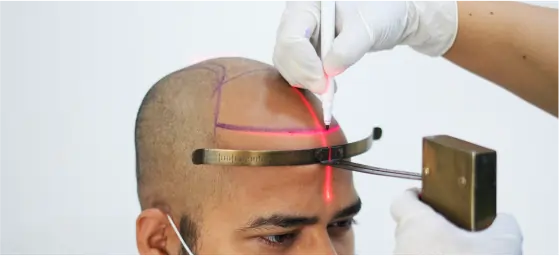
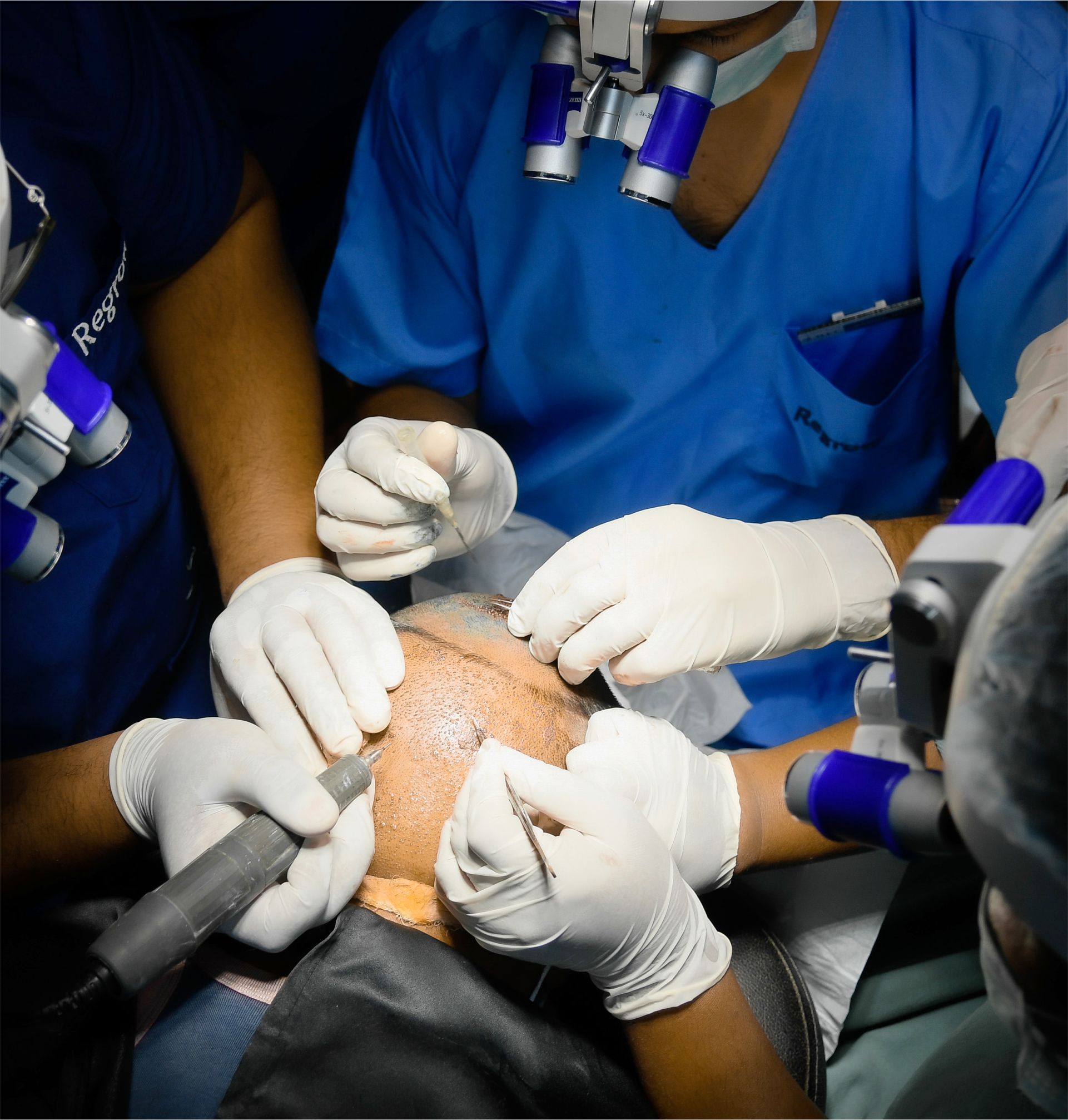
Hair transplant procedure involves several carefully planned steps. A skilled medical team is a non-negotiable when it comes to undergoing a hair transplant. To plan a hair transplant, first, the surgeon assesses your scalp condition, donor hair strength, and extent of hair loss. Then, individual follicles are extracted using specialised tools and implanted into the recipient area at specific angles and directions. This precise placement ensures that the transplanted hair grows in a natural pattern.

Is hair transplant safe?

Is hair transplant safe?

Is hair transplant safe?

Yes, hair transplant is considered a safe procedure when performed under the supervision of qualified and experienced surgeons. Modern clinics follow strict hygiene and sterilisation protocols, reducing the risk of complications.

Minor side effects such as redness, swelling, or temporary scabbing may occur but usually resolve within a few days. Choosing a reputable clinic is essential for ensuring safety and optimal outcomes.

At QHT Clinic, we have a team of skilled medical professionals performing each step from diagnosing, hairline designing, pre-op care, hair transplant to post-op care. Our team at QHT Clinic ensures to follow strict medical protocols with expert care, because our patient’s safety and satisfaction is our priority.

Why is Delhi a preferred destination for hair transplant?

Why is Delhi a preferred destination for hair transplant?

Why is Delhi a preferred destination for hair transplant?

Delhi has established itself as a leading centre for advanced medical procedures, including hair restoration. The city offers access to experienced surgeons, modern clinics, and structured patient care systems.

Many patients prefer Delhi because it combines medical expertise, advanced technology, and accessibility, making it a reliable destination for undergoing hair transplant procedures.

What are the different hair transplant techniques?

What are the different hair transplant techniques?

What are the different hair transplant techniques?

The choice of technique depends on your hair loss pattern, scalp condition, donor hair quality, and long-term expectations, which are carefully evaluated during consultation. The most commonly used techniques include:

FUE (Follicular Unit Extraction):

Individual hair follicles are carefully extracted from the donor area and implanted into the target region. This technique is known for its precision, minimal scarring, and relatively faster recovery, making it one of the most preferred methods today.

DHI (Direct Hair Implantation):

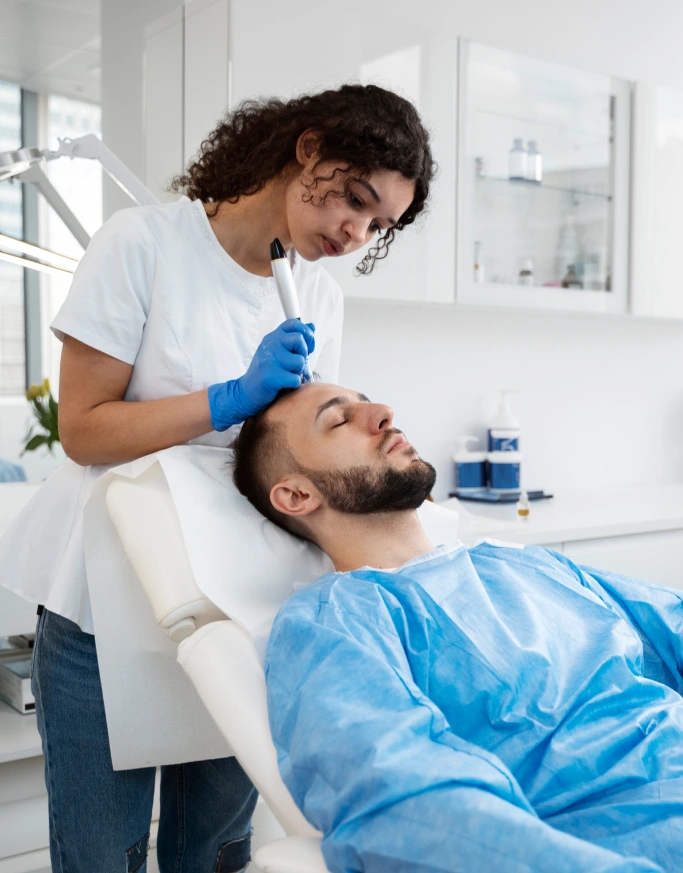
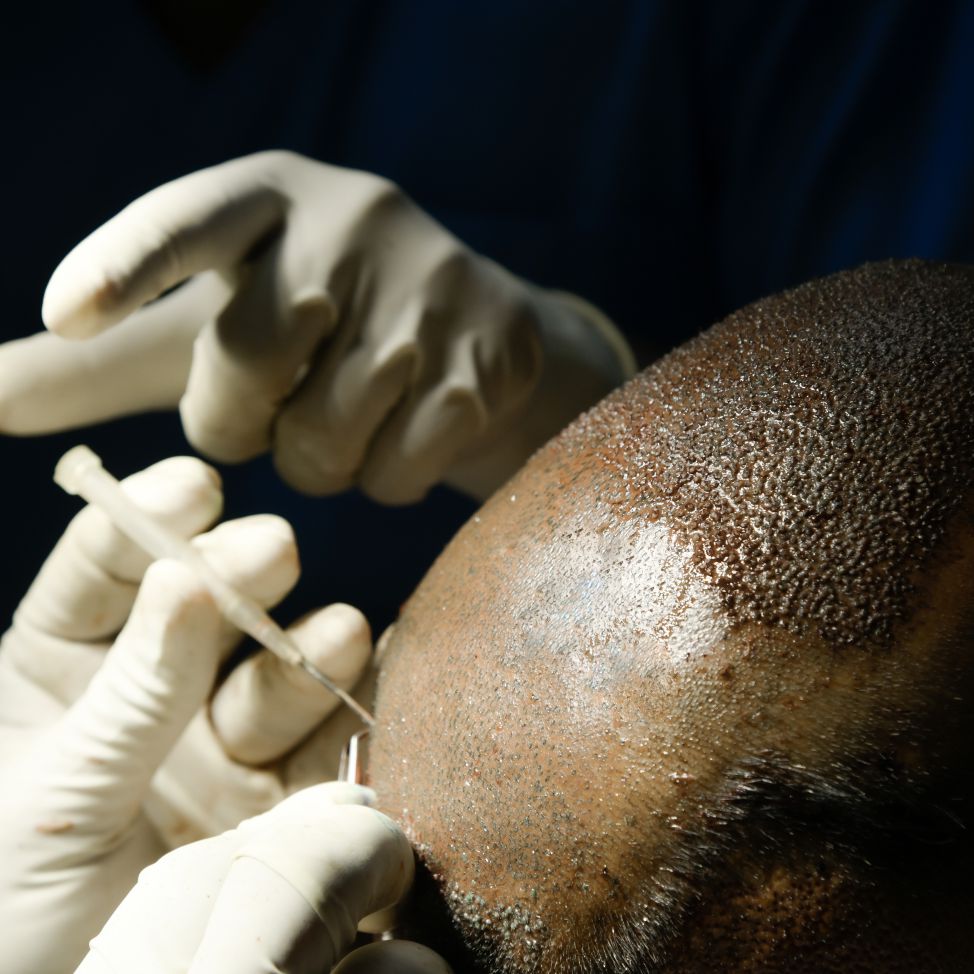
A more refined and advanced approach where grafts are implanted using specialised tools that allow better control over angle, depth, and direction. This helps achieve higher density and more natural-looking results, especially in hairline design.

At QHT Clinic, both FUE and advanced implantation techniques are performed with a strong focus on customised treatment planning, precise follicle handling, and natural density outcomes.

Which hair transplant technique is best?

Which hair transplant technique is best?

Which hair transplant technique is best?

There is no single “best” hair transplant technique that suits everyone. The ideal method depends on a detailed medical evaluation of the scalp, hair loss pattern, and long-term restoration goals.

Two of the most commonly used hair transplant techniques are, FUE (Follicular Unit Extraction) and DHI (Direct Hair Implantation). Both of these techniques have their own advantages. FUE is widely preferred for its minimally invasive approach, faster healing, and ability to cover larger areas. DHI, on the other hand, offers greater precision in implantation, making it especially effective for designing natural hairlines and achieving higher density in targeted areas.

The choice between these techniques is based on several key factors:
  • Donor hair density and quality: Strong donor areas allow more flexibility in technique selection.
  • Extent of hair loss: Larger bald areas may require FUE for efficient graft extraction.
  • Desired density and hairline design: DHI may be preferred for detailed and dense implantation.
  • Scalp condition and medical suitability: Each patient’s scalp health influences the approach.
  • Long-term planning: A good treatment plan considers future hair loss as well.

At QHT Clinic in Delhi, our specialists follow a personalised approach rather than a one-size-fits-all method. When a patient visits us, they  undergo a detailed consultation where graft requirements, hairline design, and technique selection are carefully planned to ensure that their hair transplant in Delhi experience delivers natural, balanced, and long-lasting results.

Ultimately, the best technique is the one that is medically appropriate for your condition and executed with precision by an experienced team.

How long does the procedure take?

How long does the procedure take?

How long does the procedure take?

A typical hair transplant session usually takes 6 to 8 hours, depending on the number of grafts required and the area being treated. For patients with advanced hair loss or higher graft requirements, the procedure may take longer or be planned across multiple sessions to ensure precision and optimal results.

The overall duration is influenced by factors such as the complexity of the case, technique used (FUE or DHI), and the level of detail involved in hairline design and graft placement. Since each follicle is handled individually, careful execution is essential for achieving natural-looking density.

Is a hair transplant procedure painful?

Is a hair transplant procedure painful?

Is a hair transplant procedure painful?

Hair transplant procedures are performed under local anaesthesia, which means patients remain awake but do not feel pain during the surgery. Most individuals experience only mild sensations such as pressure or slight movement during the procedure.

After the treatment, some temporary discomfort, tightness, or mild soreness in the donor and recipient areas may occur. However, these symptoms are usually short-lived and can be effectively managed with prescribed medication and proper aftercare.

Hair Growth and Results – What Should You Expect?

Hair Growth and Results – What Should You Expect?
When will I see results after a hair transplant?

Hair transplant results develop gradually, following a natural growth cycle. In the first 2–4 weeks, the transplanted hair may shed, this is normal and expected (shock loss).

New hair growth typically starts around 3–4 months, with visible improvement by 6 months. Full results, including density and thickness, are usually achieved within 9–12 months. It is important to follow all the post-op guidelines including a good diet, haircare and sleep to see good results.

Are hair transplant results permanent?

Yes, hair transplant results are generally permanent. The transplanted follicles are taken from genetically stable donor areas, so they continue to grow naturally over time. However, surrounding non-transplanted hair may still thin due to ongoing hair loss, which is why long-term planning is important.

Will the results look natural?

Yes, modern techniques are designed to deliver natural-looking results. Surgeons carefully control the angle, direction, and depth of each graft to match your existing hair pattern. A well-planned hair transplant in Delhi focuses on creating a natural hairline and balanced density that blends seamlessly with your overall appearance.

Can I style my transplanted hair?

Yes, once the transplanted hair has fully grown, it can be treated just like natural hair. You can cut, style, oil, and maintain it normally without any special restrictions after the recovery phase.

FAQs Hair Transplant Delhi – Cost, Planning, and Consultation
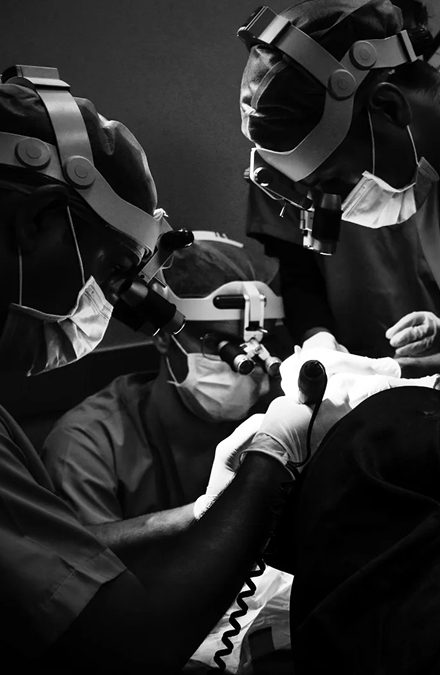
FAQs Hair Transplant Delhi – Cost, Planning, and Consultation

FAQs Hair Transplant Delhi – Cost, Planning, and Consultation

Understanding the financial aspect of treatment is an important part of the decision-making process.

How much does a hair transplant cost?

The cost of a hair transplant varies depending on multiple factors such as the number of grafts required, technique used, and surgeon expertise. Clinics usually provide a customised estimate after evaluating your condition.

When exploring FAQs hair transplant Delhi, it becomes clear that pricing varies based on quality, infrastructure, and experience rather than just the procedure itself.

Are EMI or financing options available for hair transplant in Delhi?

Yes, many clinics in Delhi offer flexible EMI or financing options to make treatment more accessible. This allows patients to undergo the procedure without financial strain.

Why is hair transplant consultation important?

A consultation helps determine whether you are a suitable candidate and what results you can realistically expect. It also provides clarity on cost, graft requirements, and treatment planning.

Choosing a hair transplant in Delhi is a long-term investment in both appearance and confidence. While the procedure is advanced and reliable, its success depends on proper planning, skilled execution, and post-procedure care.

A personalised consultation is the most important step in your journey. It helps you understand your condition, set realistic expectations, and explore the best treatment options.

If you are considering taking the next step, you can learn more about our Delhi center and explore personalised solutions designed for natural, long-lasting results.


QHT Clinic- We are One of India’s Most Advanced Hair Transplant Providers

Restore your hair with confidence at QHT. With medical precision, modern technologies, and state-of-the-art clinics across India, we offer advanced, personalised, doctor-led hair restoration procedures. From consultation, treatment, results to post-op care QHT team is here to guide. Start your dream hair journey with QHT.

India’s leading Hair transplant clinic- QHT Delhi

Experience world-class hair transplant care in Delhi. At QHT Delhi, we bring together advanced technology, experienced surgeons, and a highly personalised approach to help you achieve natural, lasting results.

India’s leading Hair transplant clinic- QHT Delhi

India’s leading Hair transplant clinic- QHT Gurugram

Experience modern hair transplantation in Gurugram at QHT Clinic, where we provide natural-looking, lasting results at best packages. QHT Clinic Gurugram offers personalised hair transplant solutions with expert care to help you achieve your dream hair.

India’s leading Hair transplant clinic- QHT Gurugram

Best and Natural-looking Hair Transplant Results

At QHT clinic we use clinically proven hair transplant techniques to give you the results you desire. Our goal at QHT is to provide precision-executed results that blend seamlessly with your existing hair to give you a denser and more natural hairline.
Result Vector
Devendra Before Image
Devendra After Image
Harsh Sharma  Before Image
Harsh Sharma  After Image
Probir Das Before Image
Probir Das After Image
Ajay  Before Image
Ajay  After Image
Dheerendra Before Image
Dheerendra After Image
Amit Kumar  Before Image
Amit Kumar  After Image

Hair Transplant Cost in India

7

The cost of hair transplant in India varies depending on various factors such as:

  • The surgeon’s experience
  • The clinic’s reputation
  • The location of the clinic
  • The type of procedure
  • Your insurance policy type
Type of hair transplant Approximate Cost (INR)
Follicular Unit Extraction Starts from INR 70 Per Graft
Direct Hair Implantation Starts from INR 70 Per Graft
Follicular Unit Transplantation Starts from INR 90 Per Graft
Quick Hair Transplant Starts from INR 50 Per Graft
Factors Affecting the Cost of Hair Transplant

Several medical and personal factors influence the success of a hair transplant.

  • Donor Hair Quality
    Donor Hair Quality

    Strong and dense donor hair is essential for achieving good coverage and natural results.

  • Severity of Hair Loss
    Severity of Hair Loss

    Advanced hair loss may require more grafts and careful planning, while early-stage treatment often delivers better outcomes.

  • Surgeon Expertise
    Surgeon Expertise

    The experience and skill of the surgeon play a critical role in graft survival and overall results.

  • Technique Used
    Technique Used

    Modern techniques like FUE ensure minimal damage to follicles and better healing, improving outcomes.

Frequently Asked Questions

01
Who is an ideal candidate for a hair transplant?

Ideal candidate for a hair transplant will usually have stable hair loss, good donor hair density, and realistic expectations about results.

02
Can women undergo hair transplant?

Yes, women experiencing thinning hair or hairline issues can benefit from hair transplant procedures after proper evaluation

03
What is the best age for hair transplant?

Most patients are suitable to get a hair transplant between 25 and 50 years of age, once hair loss patterns stabilise.

04
Is hair transplant suitable for everyone?

No, individuals with insufficient donor hair or certain medical conditions may not be suitable candidates for a hair transplant. Hence, a detailed evaluation is necessary before undergoing the procedure.

05
How many grafts will I need for a hair transplant?

The number of grafts required for a hair transplant depends on your hair loss stage and desired density. A specialist determines this during consultation.

06
Can hair transplant be combined with other treatments?

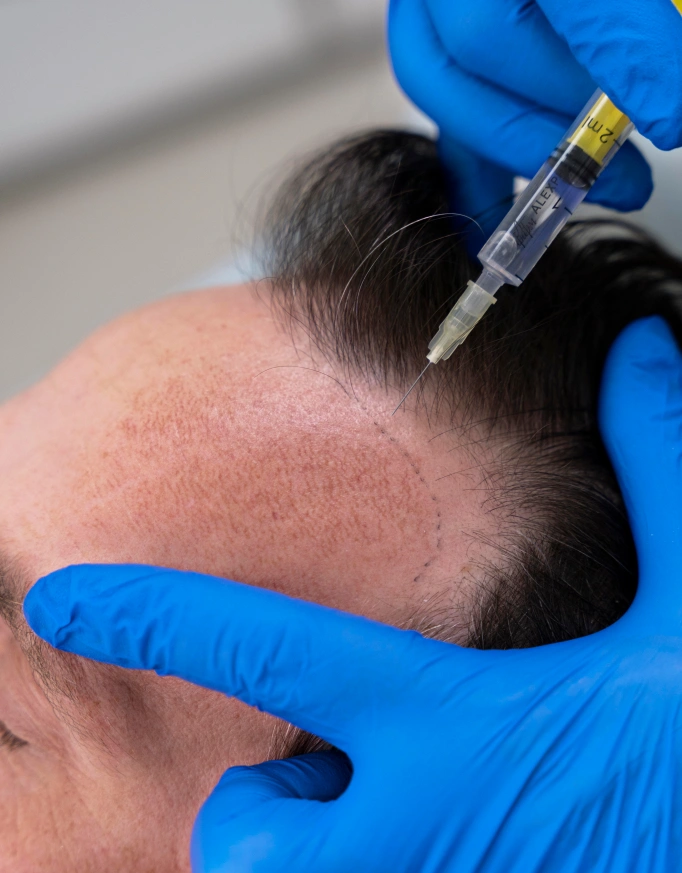
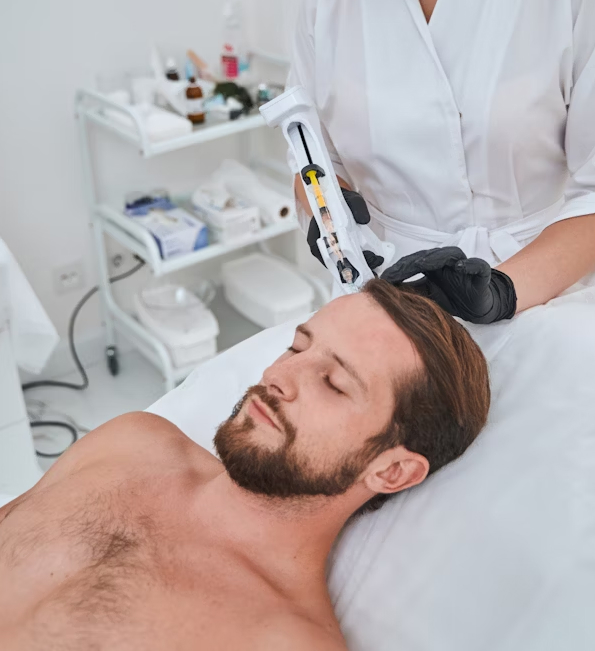
Yes, treatments like PRP therapy or medications may be recommended to support hair growth and improve results.

07
What should I ask during hair transplant consultation?

During hair transplant consultation you should ask about graft count, expected density, timeline for results, and the surgeon’s involvement in the procedure.

08
How should I prepare for the hair transplant procedure?

To prepare for hair transplant procedure avoid alcohol and smoking, maintain scalp hygiene, and follow pre-procedure instructions given by your doctor.

09
Can lifestyle affect results of a hair transplant?

Yes, factors like stress, poor diet, and health conditions can impact recovery and hair growth after hair transplant.

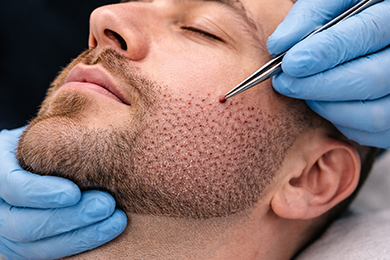
Still not sure if you are a candidate for a Beard Transplant?

Planning and executing a successful beard restoration procedure requires time, patience, and realistic expectations about outcomes. At QHT, we provide medically guided hair restoration solutions for natural-lasting results. Make an informed decision after a thorough consultation with an expert!

Book an appointment now