

Assessment according to Norwood-Hamilton Scale
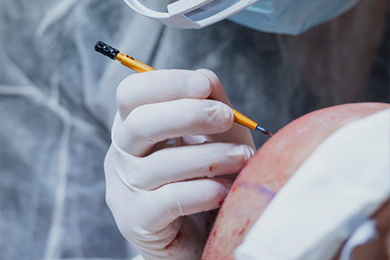
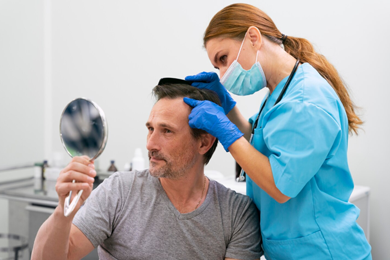
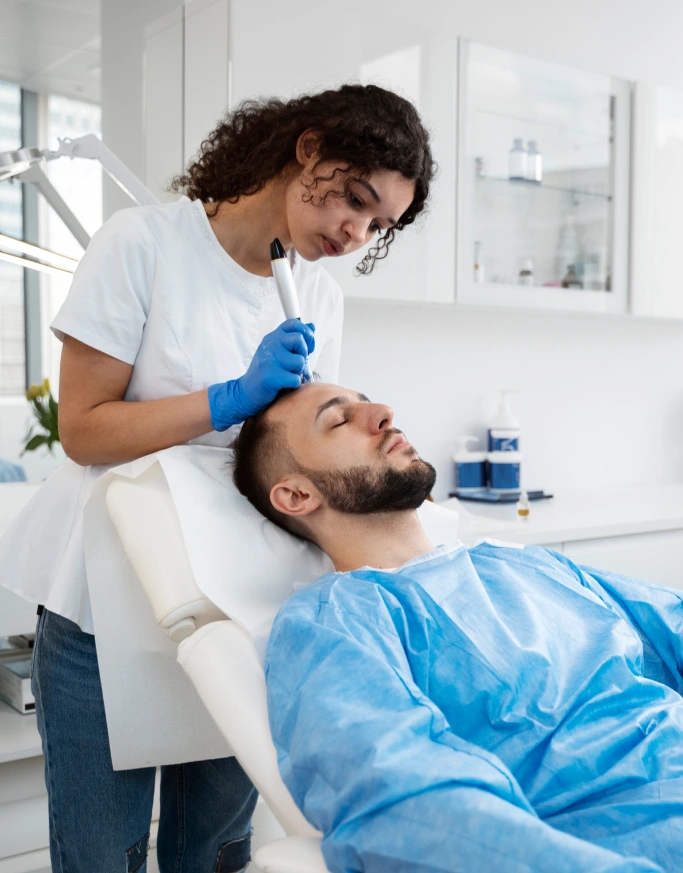
Thorough scalp and donor site evaluation
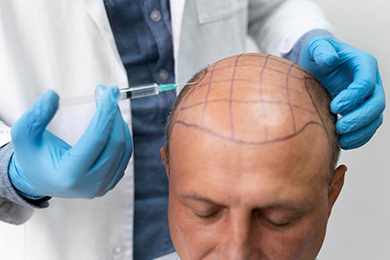
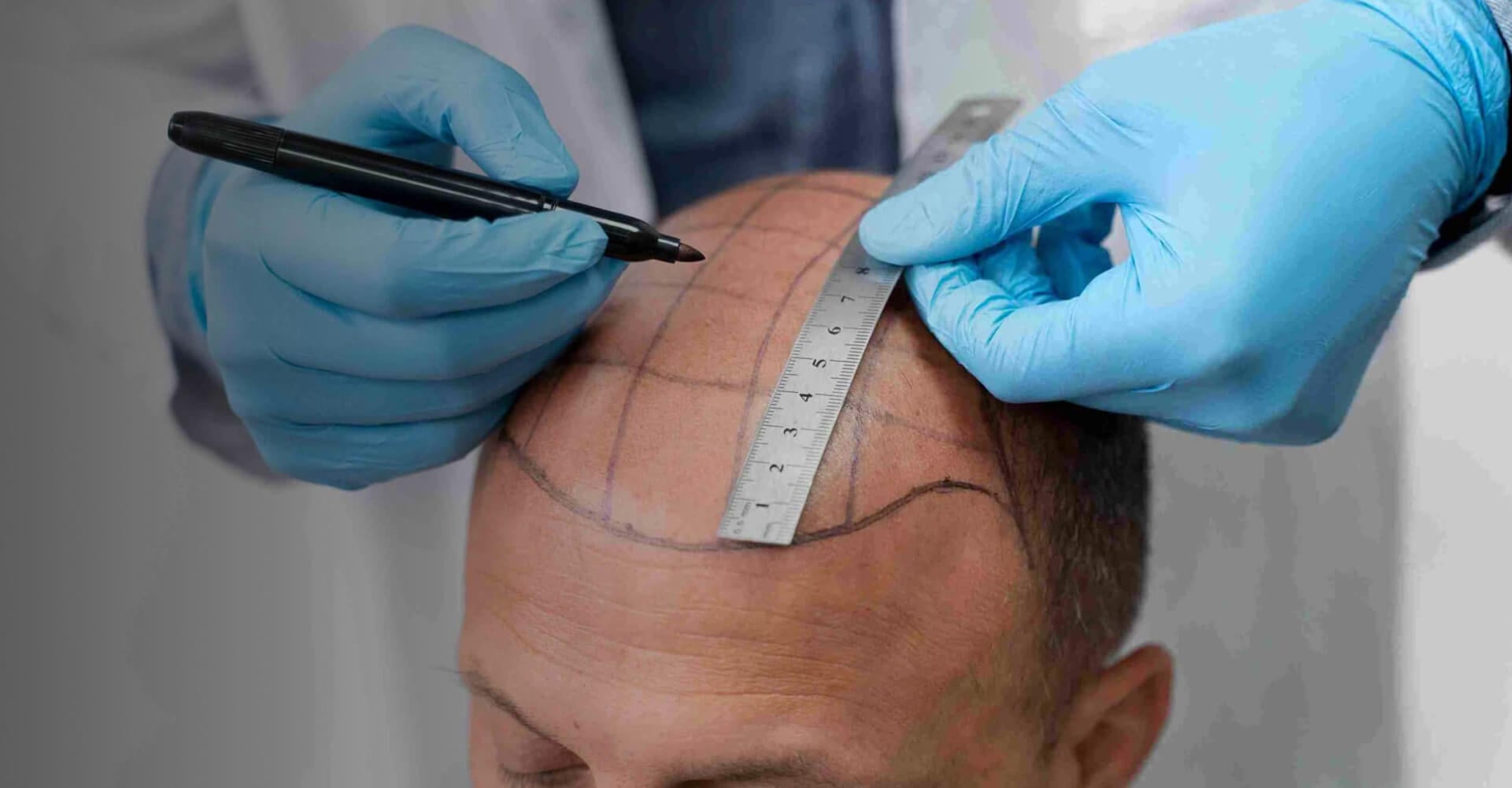
Custom hairline design for each patient
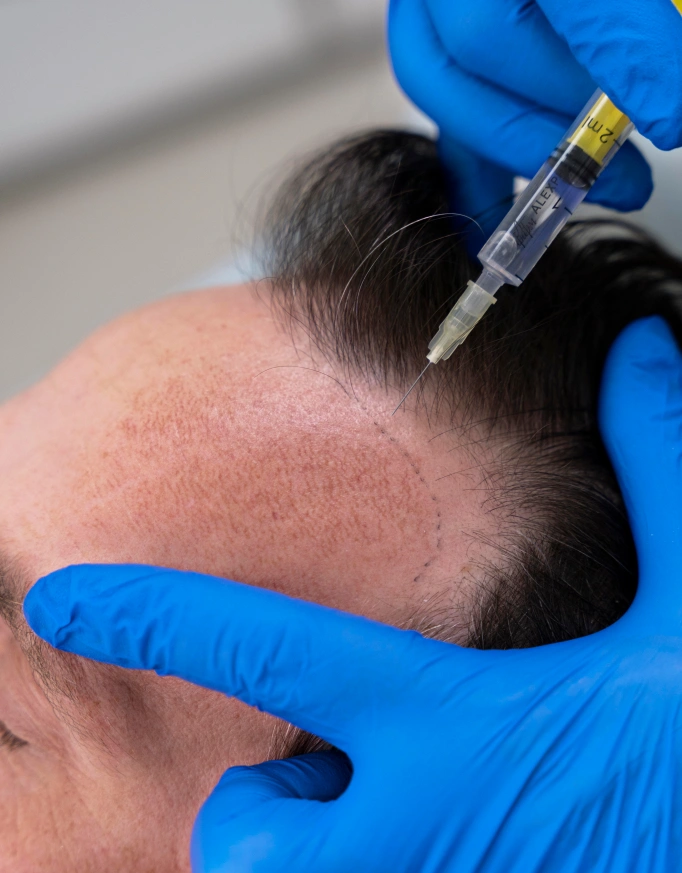
Long-term monitoring of results
Patients experiencing male pattern baldness, often consider undergoing a Grade 3 hair transplant in Delhi. At Grade 3 hair loss, noticeable recession occurs in the temple region (creating an “M-shape” appearance), whereas the mid-scalp and crown areas are not affected significantly. Although the amount of hair loss is small, it may still be very noticeable and may lead to anxiety among individuals.
At the Grade 3 stage, treatment planning is very critical. Overcorrection may exhaust the donor area, restricting future possibilities, while under correction can lead to unsatisfactory outcomes. In Delhi people are increasingly seeking treatment for Grade 3 hair loss due to their professional responsibilities, awareness of aesthetics along with the social impact of visible hair loss.
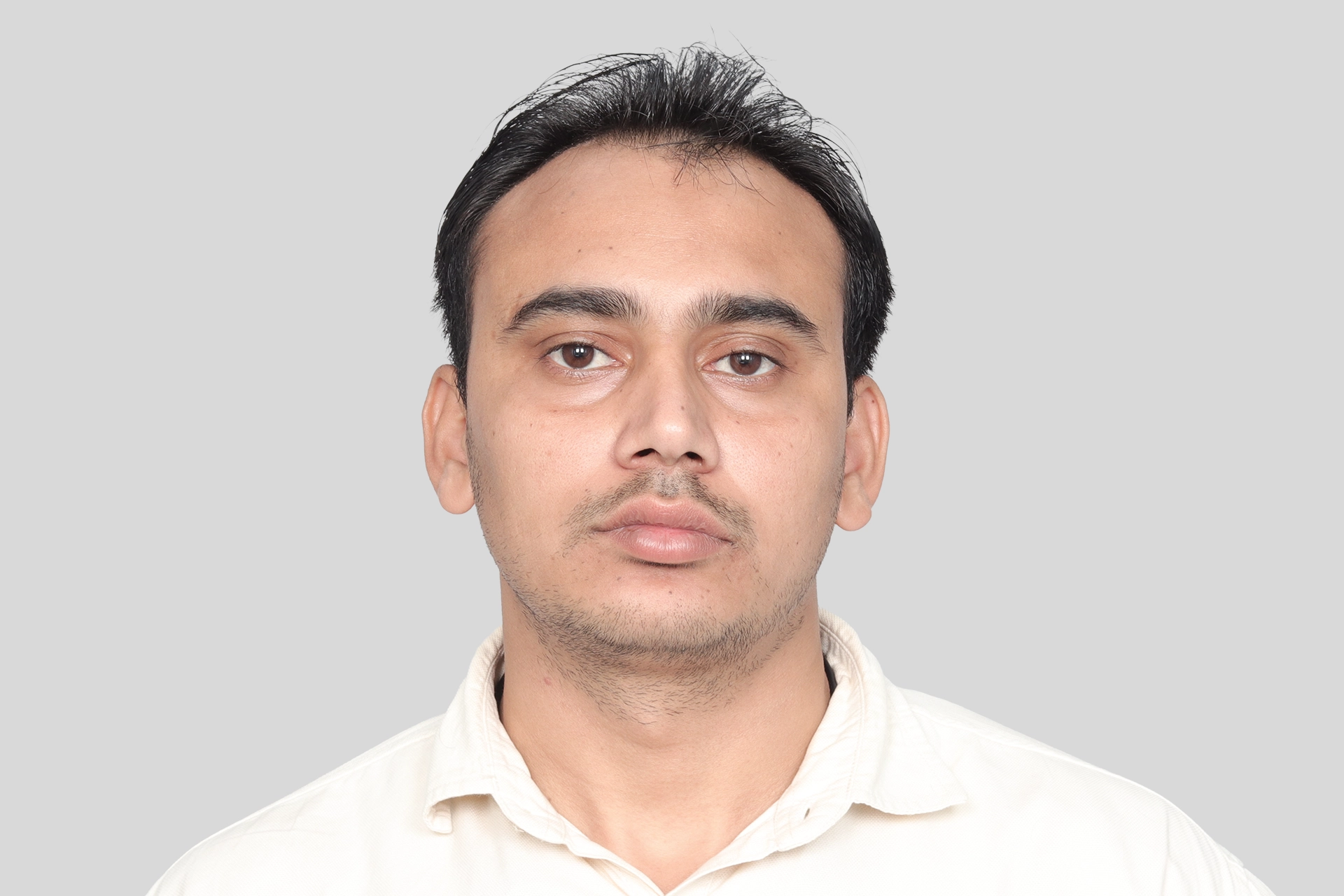
It is often recommended to have a thorough evaluation prior to undergoing a grade 3 hair transplant in Delhi. Evaluations help in assessing the suitability for surgery and help maximise your potential for long-term success with hair transplantation.
Correctly categorising the Norwood Grade 3 Delhi can assist with proper surgical planning.
Through assessment of the donor area is crucial to avoid overharvesting and ensuring preservation for future procedures.
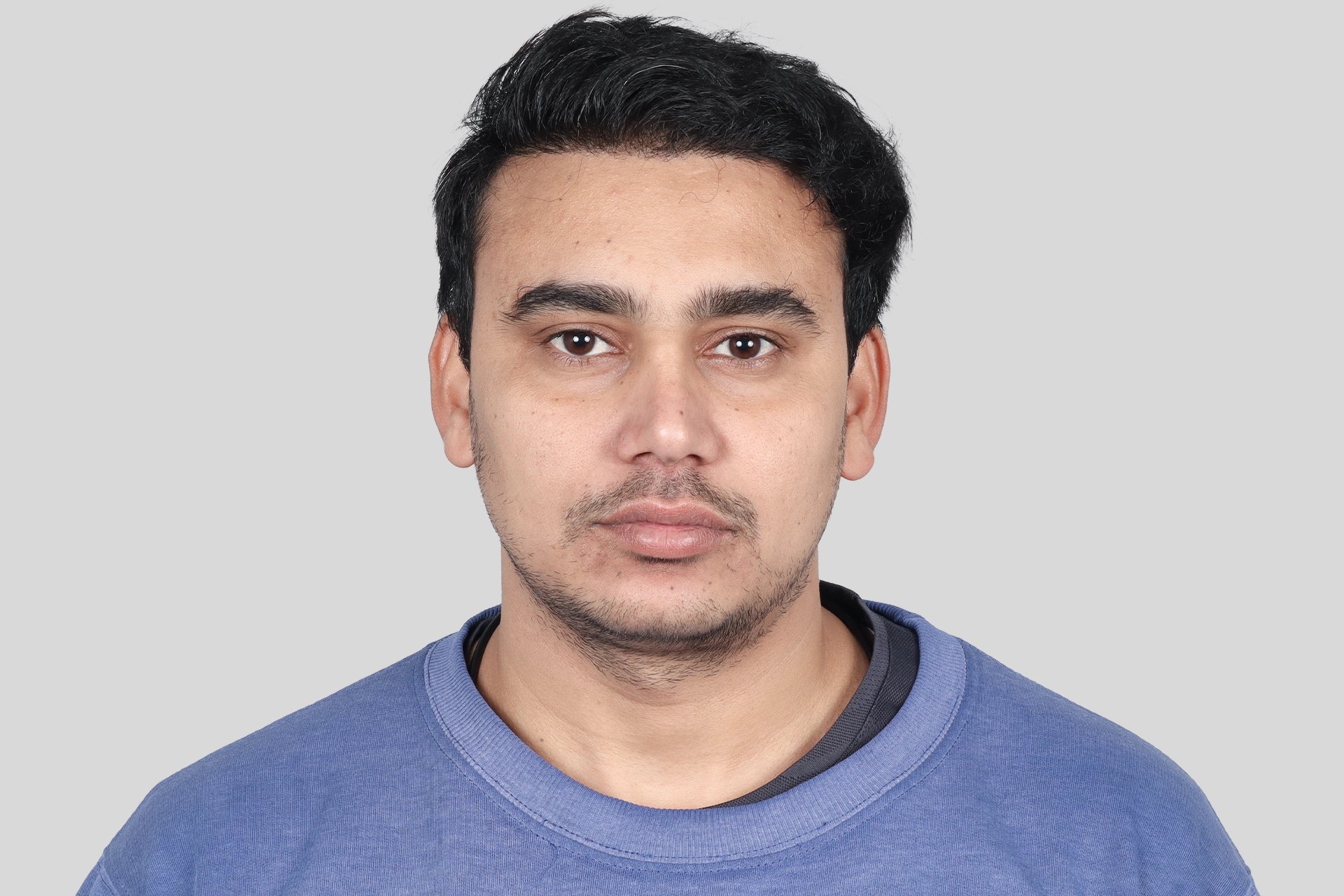
Graft survival is determined on the basis of condition of the scalp. Fibrosis, inflammation or poor blood supply to follicles can lead to graft failure.
Patients with stabilized patterns of hair loss will respond better to grade 3 baldness treatment Delhi.
This evaluation framework decreases the risk of surgery and prevents overharvesting of donor hair, at early stages of baldness.
In planning for a Grade 3 hair transplant in Delhi, facial symmetry, a well-designed hairline and donor area preservation are given priority over achieving a high density.
In general, Norwood grade 3 Delhi cases require grafts depending on the depth of recession, the diameter of the hair and the characteristics of the scalp. Low hairline placement will be discouraged by ethical surgeons as this will not provide a natural-looking result.
Successful Grade 3 baldness treatment Delhi integrates transplanted hair with existing hair to ensure that the patients achieve a seamless and natural looking final result.
Not all individuals suffering Grades 3 hair loss will need surgery. Decisions regarding treatment are generally made based on the factors below:
When dealing with grade 3 baldness treatment Delhi, doctors usually assess and provide both non-surgical and surgical options to patients. Some patients can benefit from medications while others may opt for surgical restoration due to ongoing hair loss.
Often the final treatment decisions are made after a full scalp evaluation, assessment, and long term planning, instead of focusing on immediate solutions.
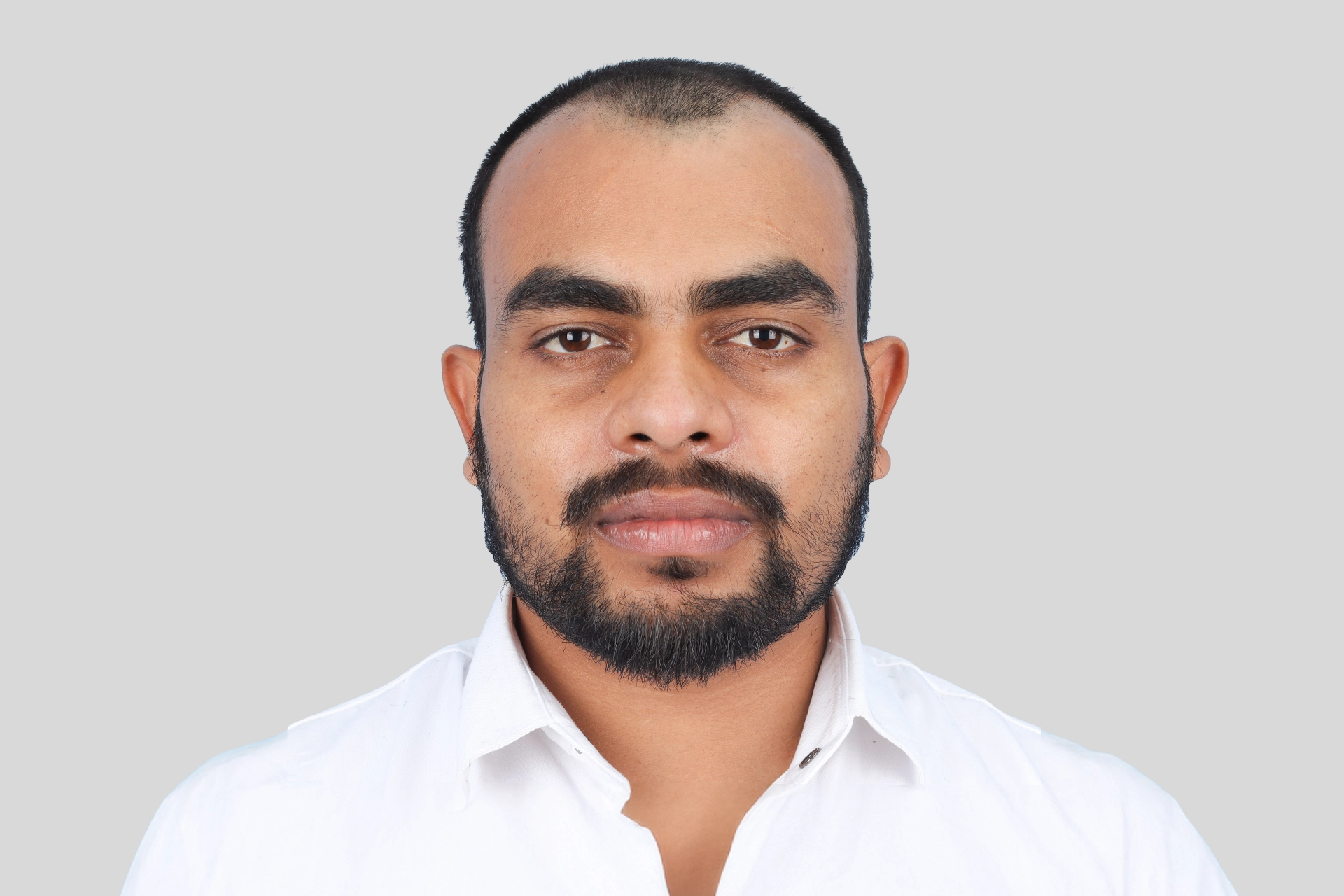
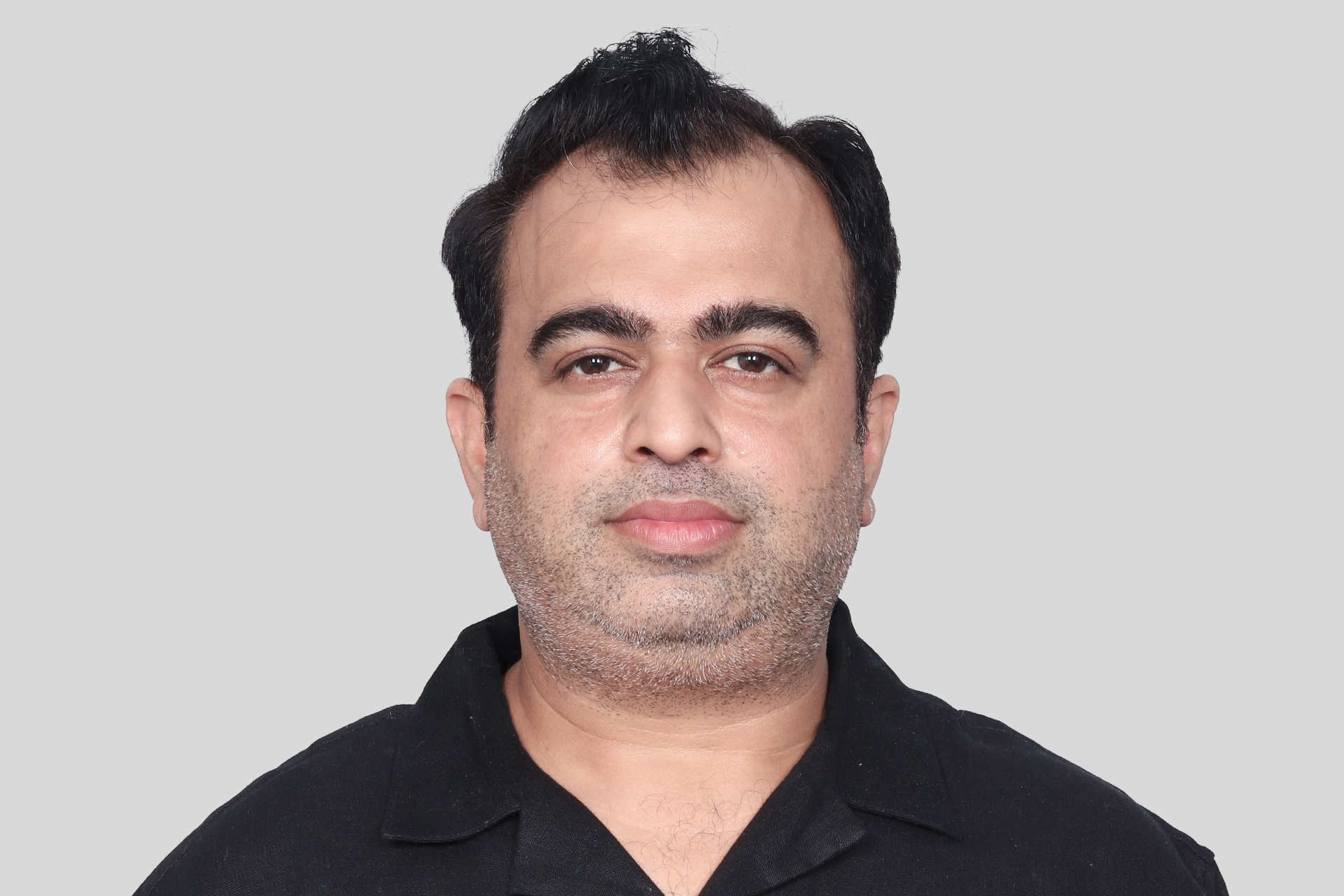
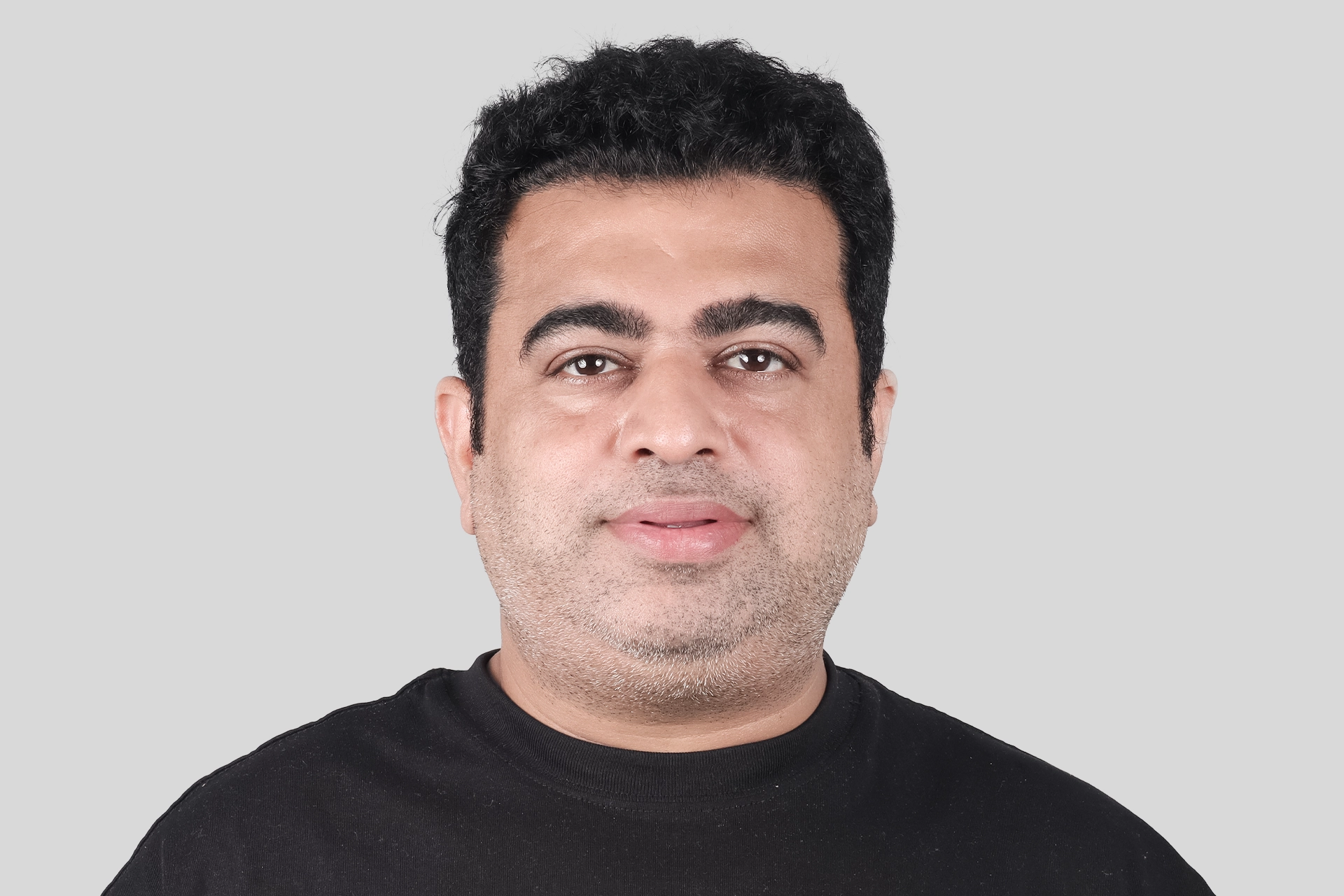
The Grade 3 restoration is an understated yet impactful transformation for patients. The patients will no longer have areas of baldness, they will notice improved framing of face with balanced hairline and restored confidence.
The Grade 3 before and after restoration photographs in Delhi show slow improvement over the course of 9 -12 months, as hair gradually grows in and becomes blended into the previously existing density.
In this phase, patients explore hair restoration treatment in Delhi that focus on medical credibility as opposed to instant cosmetic changes.
Restore your hair with confidence at QHT. With medical precision, modern technologies, and state-of-the-art clinics across India, we offer advanced, personalised, doctor-led hair restoration procedures. From consultation, treatment, results to post-op care QHT team is here to guide. Start your dream hair journey with QHT.
D-15, Outer Ring Rd, above Federal Bank, Prashant Vihar, Sector 14, Rohini, New Delhi, Delhi, 110085.
Experience world-class hair transplant care in Delhi. At QHT Delhi, we bring together advanced technology, experienced surgeons, and a highly personalised approach to help you achieve natural, lasting results.
Plot No. 3, opposite Huda Market, Sector 46, Gurugram, Haryana 122022
Experience modern hair transplantation in Gurugram at QHT Clinic, where we provide natural-looking, lasting results at best packages. QHT Clinic Gurugram offers personalised hair transplant solutions with expert care to help you achieve your dream hair.
The cost of hair transplant in India varies depending on various factors such as:
The final cost of a grade 3 hair transplant in Delhi is affected by many medical variables.
The number of grafts is determined by the depth of recession and the donor safety limits.
FUE procedures are performed with greater precision and require more expertise than FUT.
Clinics offering structured planning, consultation and overall experience for patients charge higher than others.
Medications used after the procedure and follow-up care influence long-term success and overall cost.
With early intervention stage 3 baldness is both manageable and curable.
Stage 3 baldness is critical but manageable with early intervention. Individuals often experience hair loss at the temporal region during this stage.
Early intervention, proper diagnosis from a trained professional along with intake of prescribed medications and treatments like Platelet-Rich Plasma (PRP) therapy, and hair transplants can help in dealing with baldness.
Grade 3 baldness cannot be fully cured through medications, but the condition can be stabilized.
The transplanted follicles are permanent, as the donor hair is taken from the individual’s own donor area (sides and back of the scalp). The donor hair is resistant to balding however in some cases after the hair transplant, individuals might experience shedding of the native hair.
Hair growth occurs slowly and gradually. The final results after a Stage 3 baldness treatment are usually visible by 9 to 12 months.
Most individuals who are classified as Stage 3 can manage their hair loss effectively through medical treatment and close observation prior to considering a surgical solution. However in severe cases when non-surgical treatments do not work effectively, individuals can opt for a hair transplant.