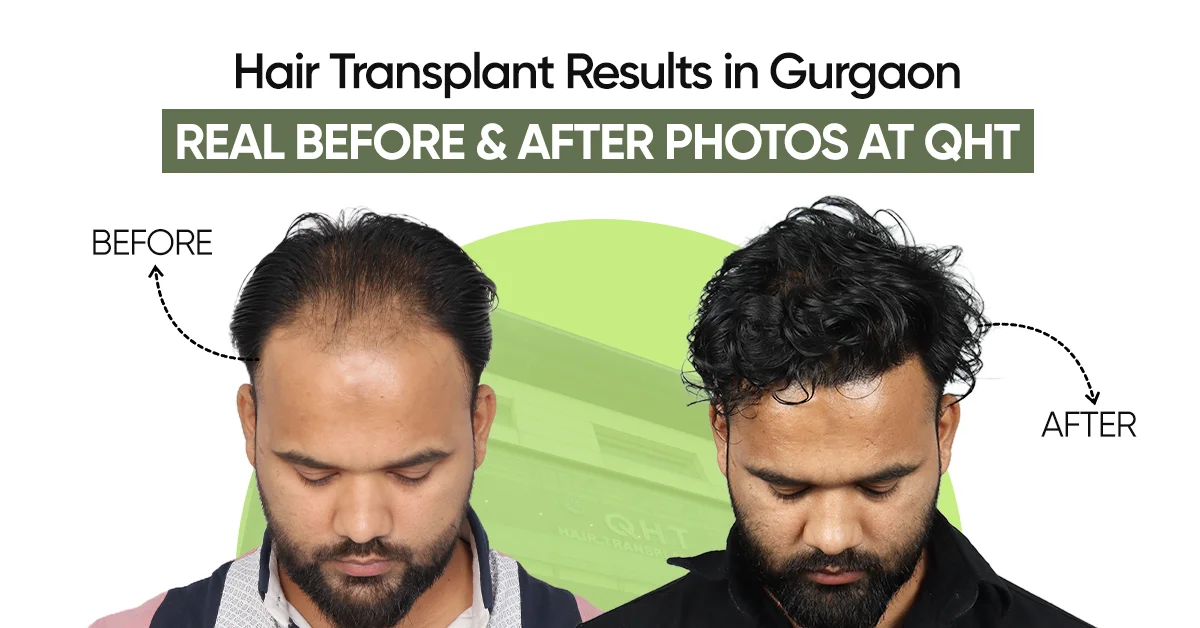
Hair Transplant Results in Gurgaon | Real Before & After Photos at QHT

Authentic, well-documented hair transplant before-and-after results in Gurgaon.

Book a consultation with hair experts at QHT Gurgaon
Hair Transplant Results in Gurgaon
Verified Before-and-After Results
Surgeon-Led Procedures
Natural Results
95% Graft Survival Rate
Verified Before-and-After Results
Surgeon-Led Procedures
Natural Results
95% Graft Survival Rate
Real Results

Well-documented results from real patients

Real Results
Strategic Graft Placement

Strategic placements to provide natural density to prevent overpacking

Strategic Graft Placement
Personalised Care

Personalised treatment plans with hairline design and follow-up care

Personalised Care
Recovery Period

Visible improvement in 6 months, with full results appreciable by 12 months.

Recovery Period
Before & After Gallery | QHT Gurgaon Hair Transplant Patients

Before & After Gallery | QHT Gurgaon Hair Transplant Patients

Before & After Gallery | QHT Gurgaon Hair Transplant Patients

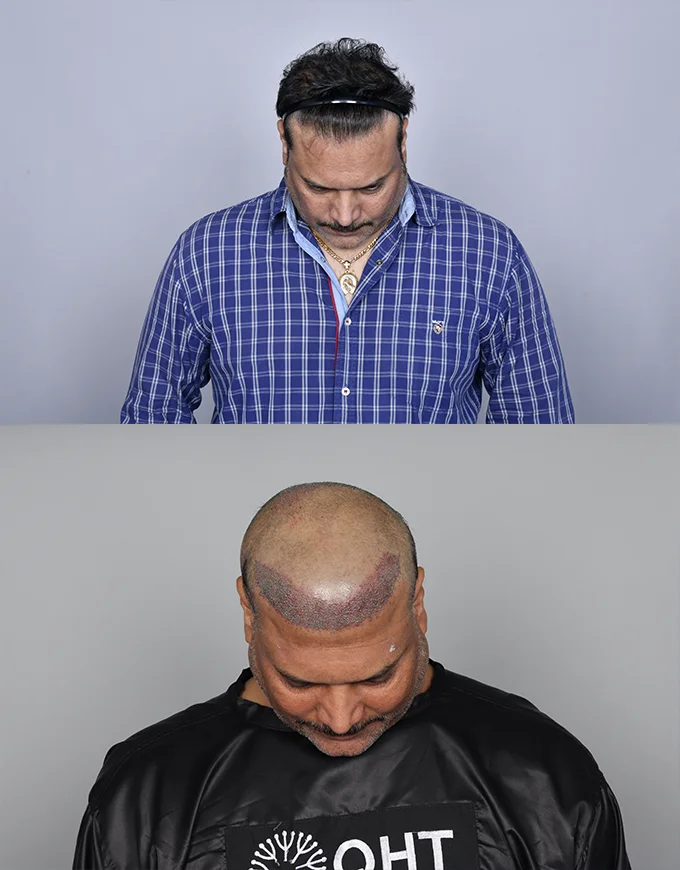
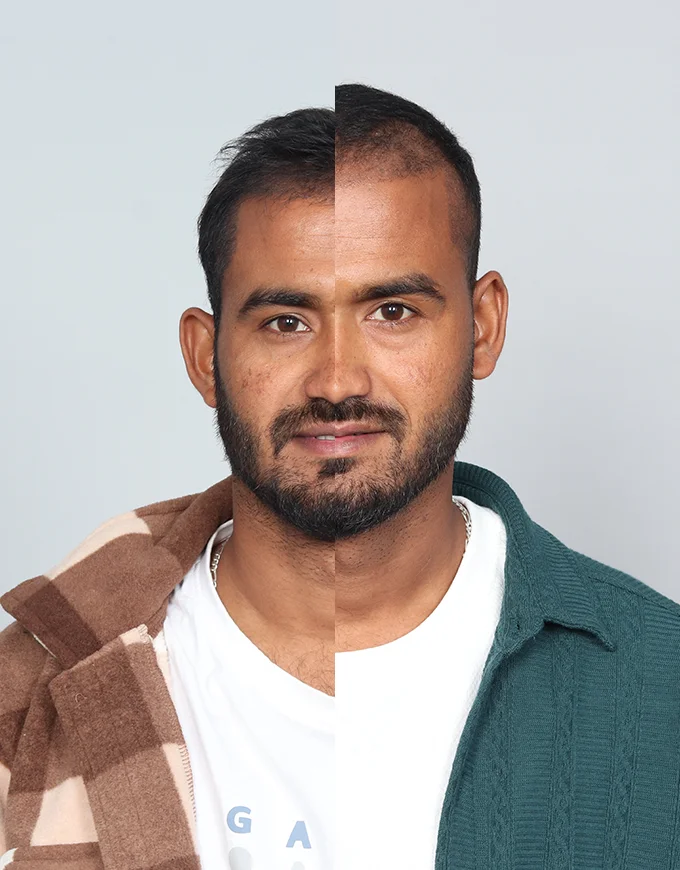
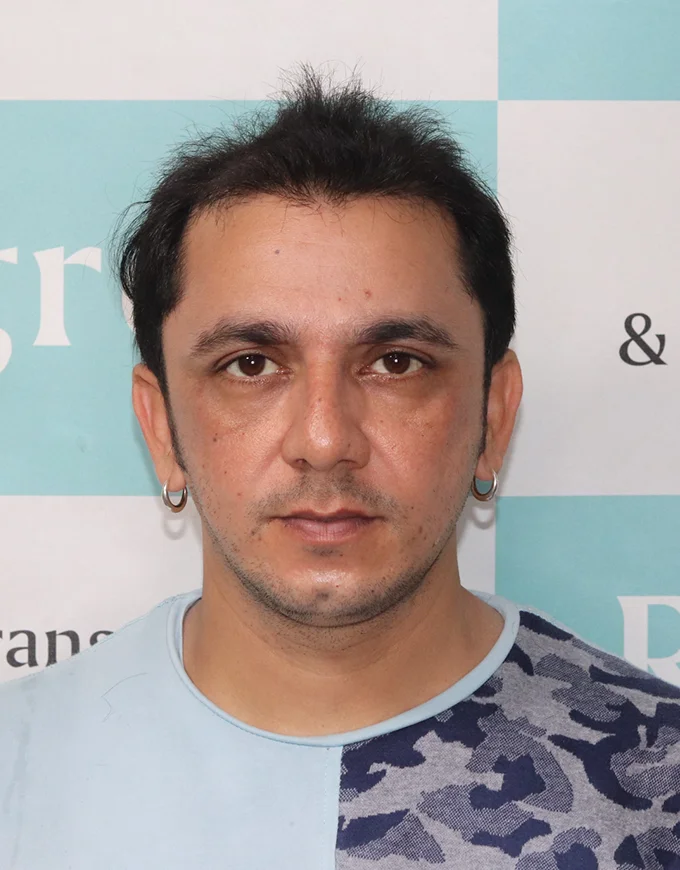
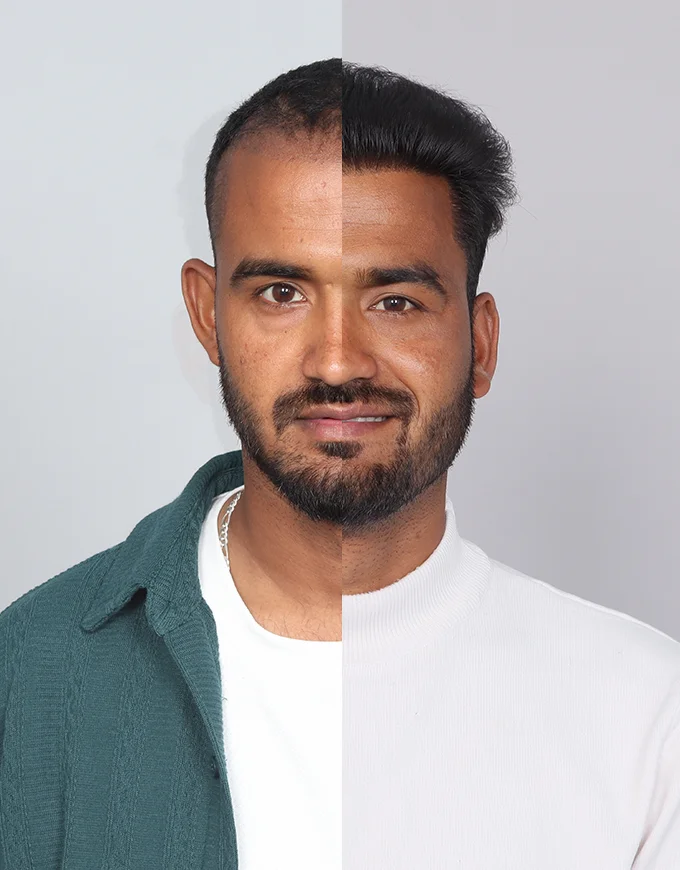
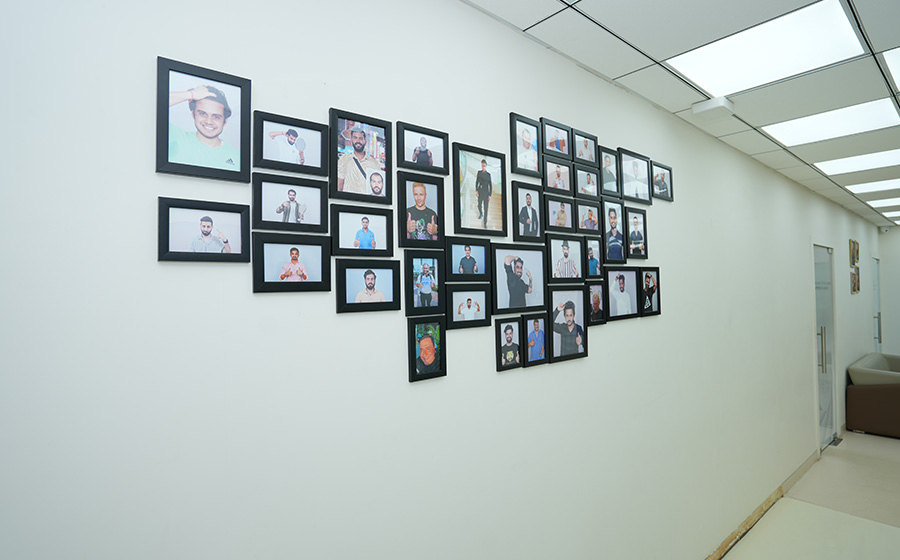
Choosing a hair transplant clinic in Gurgaon is one of the most important decisions when it comes to permanent hair restoration. Before committing to the surgery,  honest, unfiltered evidence of what the clinic actually delivers is reassuring and provides insight into what to expect. At QHT Clinic, Gurgaon, we provide a real before-and-after outcomes gallery from real patients. Every case is well documented with month-by-month growth timelines and images captured under standardised lighting conditions post procedure. No filters, no editing, only real, authentic patient outcomes. 

How to Read a Before- and- After Image

According to ISHRS standards, the documentation of the before-and- after results is important. The consistency matters with the same head tilts and the consistent lighting, backdrops and camera settings. Good documentation should include the patient directly facing the camera at eye level, side profiles (both left and right), crown view from above and at a 45-degree angle, clear hairline and donor area shots. 

When reviewing any hair transplant result, look for: 

  1. Natural Hairline and Age-Appropriate Design: Natural hairlines are not straight and follow a micro-irregular pattern. The design should not look artificial or too straight and should be appropriate according to the age of the individual. 
  2. Density and Distribution of Grafts: Strategic graft placement ensures proper density distribution that blends seamlessly with natural hair. 
  3. Graft Angulation and Direction: The angulation of hair is not the same at different regions in the scalp; the hair at the hairline follows a slight forward angulation, and crown hair follows a whorl pattern. Transplanted hair should follow the same pattern.
  4. Donor Area Appearance: The donor area should show healing, and with methods like FUE and QHT, scarring should not be evident. In FUT, the linear scar is visible. 
  5. Camera Distance and Hairstyling: The hair should be dry, and camera settings, along with hairstyle, should be the same in before-and-after photos
  6. Lighting and Styling: The lighting should be the same in the results without any filter or retouching. 

QHT gallery documents all the patient results according to ISHRS photography guidelines and includes the information about procedure type, graft count, session count and post-procedure timeline. 

Month-by-Month Hair Growth Timeline After Transplant

Month-by-Month Hair Growth Timeline After Transplant

Month-by-Month Hair Growth Timeline After Transplant

One of the common concerns that patients have during the post-surgery period is the timeline of hair growth and what to expect during recovery. Understanding the results timeline helps prevent unnecessary anxiety and misinterpretation of the recovery process. 

Month 1: Shock Loss and Healing

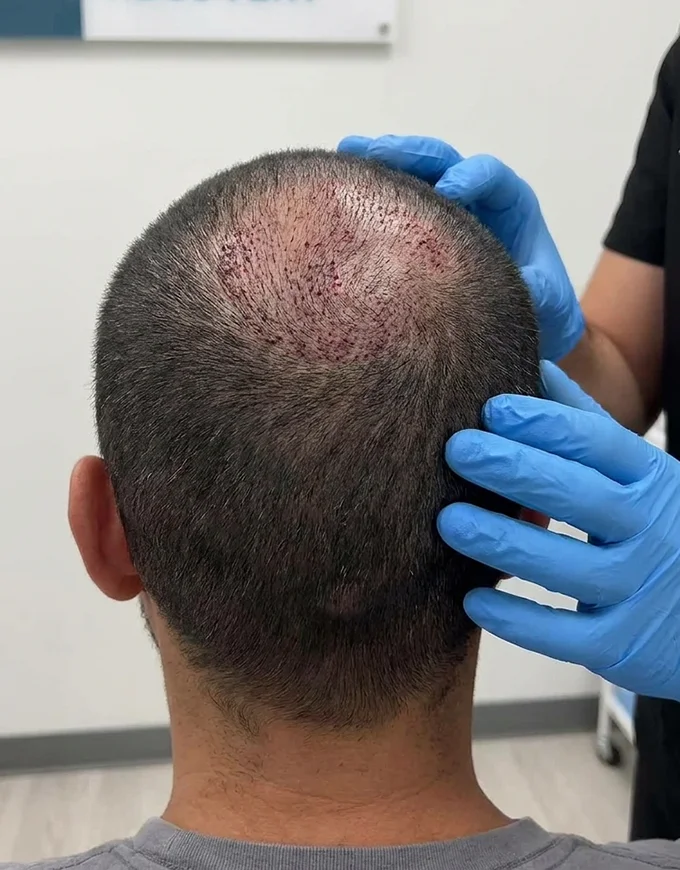
The first week post-surgery involves healing of the recipient and donor sites. The scabs form around the grafts, which fall off naturally in 2 weeks. Between 2 and 4 weeks, the transplanted hair shaft sheds; this is called shock loss. This is the normal and expected part of the process, and the follicular units remain viable under the scalp surface. The hair shaft sheds, but the follicle beneath prepares for a new growth phase.

Month 2: Dormant Phase

In this period, no visible changes are apparent. Follicles are in the resting phase in this month, and the visible hair shedding stabilises in this phase. 

Months 3-4: New Growth

Fine, tiny hair starts to emerge from the scalp. Growth can be uneven in the treated zone, but the results get better with time. 

Months 5-6: Improvement in Growth

Fine hair starts to thicken and grow. The density improves in this timeline, and by the 6th month, nearly 50% of visible density is achieved. Hair transplant 6-month result in Gurgaon shows visible coverage in bald or thinning areas. 

Month 8-9: Density Increases

Hair shafts thicken and become darker with time. Natural texture becomes more apparent and blends with native hair as the follicle continues to mature.

Month 12: Full Density Achieved

Hair transplant 1 year result in Gurgaon are more defined and fuller than 6 months. At the one-year mark, most patients achieve full density. The hairline is more defined, and most transplanted follicles have completed their growth cycle at this point.

Beyond this period, for 18-24 months, the hair continues to thicken fully. Coverage becomes better with time and becomes stable. 

Results by Baldness Grade (Norwood Scale)

Results by Baldness Grade (Norwood Scale)

Results by Baldness Grade (Norwood Scale)

 Hair transplant results in Gurgaon depend on the degree of baldness being treated. The Norwood Scale grades male pattern hair loss from Type I to Type VII. The results that are achievable at different grades vary, and understanding this can help set realistic expectations about the achievable density. 

Norwood Type I 

Minimal hair loss, no grafts typically needed for this grade. 

Norwood Type II (Early Recession)

The triangular recession at temples with minimal or no crown involvement. Can be managed with topical treatments; hair transplant graft requirements may range from 500-800 grafts.

Results: Excellent results with full restoration of temples and hairline in a single session. 

Norwood Type III

Prominent recession at temples and mild thinning at the crown area may or may not be present. The hairline has an M pattern. If the crown is involved, it is called a Class III vertex.

Results: Hair transplant is a good option at this stage with good outcomes; Grafts needed for full hairline and midscalp coverage typically range from 1,200 to 1,800.

Norwood Type IV

This stage is considered visible balding. Very significant hair loss is present at the temples, midscalp and crown region. The crown area is more commonly involved in older individuals.

Results: Very good hair density can be achieved at the hairline, midscalp region and crown region.  Priority is given to the frontal region for cosmetic reasons. Crown coverage is planned on the basis of the available donor supply.

Grafts needed: 1,800-2,500

Norwood Type V

Noticeable hair loss is more advanced than type 4, with prominent baldness in the frontal region of the scalp. The bridge between the crown and midscalp becomes thinner or splits, and bald areas begin to merge.

Results: Good outcomes, and full density can be achieved with 2,500-3,500 grafts. 

Norwood Type VI

Horseshoe-shaped bald pattern. Some hair remains along the sides of the head and the back of the scalp. The hair in the midscalp, hairline and vertex is lost. 

Results: Depends on the amount of hair available. The coverage requires strategic framing; a frontal hairline can soften the baldness. Grafts needed are 3,200-4,200+ 

Norwood Type VII

The pattern is horseshoe similar to type VI, but the bald area is quite large. Coverage requires a large number of grafts, and the patient has to decide which area to focus on. 

Results: Moderate improvement may be achieved, and honest counselling is needed. If the donor area is depleted or insufficient, the hair from other donor regions can be considered for coverage. Grafts needed are 4,000-6,000+

Higher Norwood Grade results in Gurgaon often pose challenges with coverage and a limited donor reserve. It is advised to act early to achieve good density.


Crown vs Frontal Hairline Results at QHT

Crown vs Frontal Hairline Results at QHT

Crown vs Frontal Hairline Results at QHT

Crown and frontal hair transplants have different challenges and a different pattern of hair. 

Frontal Hairline

This is the most visible zone that frames the face and has more impact on results. A well-designed hairline follows the facial frame and is age-appropriate. The design incorporates microirregularities to mimic a natural hairline, and single hair follicular units are transplanted to give a feathered appearance. 

Frontal hairline results follow the same timeline, and the visible improvement can be seen by 6 months. 

Crown Hair Transplant

Crown procedure presents a unique surgical challenge as the pattern of hair is different in this region. The hair follows a whorl-based growth pattern, which requires more precision during the placement of grafts. The grafts required to cover the crown area are more than hairline, so the frontal hairline is prioritised to preserve the donor area. Moreover, non-transplanted crown hair continues progressive hair loss, so it requires postoperative management. 

Crown transplant results in Gurgaon take longer than the frontal hairline, with full density appreciable by 12 months or may take up to 15-18 months. 

FUE Results – Side-by-Side Comparisons

FUE Results – Side-by-Side Comparisons

FUE Results – Side-by-Side Comparisons

FUE is the gold standard technique for hair transplantation. Unlike FUT, this technique is minimally invasive and leaves no visible scar at the donor site. This technique allows better graft handling, ensures speedy recovery and precise placement of grafts at precise angles and depth. 

FUE before-and-after results in Gurgaon provide natural coverage. This technique is best suited for people who like to wear short hairstyles. It offers benefits in harvesting grafts from other donor sites, such as the beard or body. It requires shaving of the donor site before harvesting, and the procedure leaves a tiny dot-like scar which becomes nearly invisible after healing.

Patient Video Testimonials from Gurgaon & NCR

Patient Video Testimonials from Gurgaon & NCR

Patient Video Testimonials from Gurgaon & NCR

All video testimonials of hair transplant in Gurgaon at QHT Clinic are from verified patients. Full documentation, including pre- and post-operative photographs, is available on our website. 

Watch verified patient reviews of hair transplant in Gurgaon at QHT Clinics.

What Factors Affect the Final Result?

What Factors Affect the Final Result?

What Factors Affect the Final Result?

Final results of hair transplant are not determined by the procedure alone. Multiple patient-specific and technique-related variables are responsible for the outcomes. 

  1. Donor hair quality: The donor hair quality and density significantly influence the final outcome. 
  2. Genetic hair loss: Unstable hair loss pattern triggered by genetic factors continues to cause hair loss of non-transplanted hair. Proper planning before the transplant surgery is needed to get the desired results. 
  3. Degree and pattern of baldness: Patients with extensive baldness face issues with a lack of donor hair supply. The area needed to cover is large, and donor reserves are finite, which may not be enough to cover it all.
  4. Surgeon skill and technique: Graft survival, angulation and density distribution directly affect the long-term result of the procedure. Inaccurate planning or poor graft placement can produce unnatural-looking results. 
  5. Postoperative compliance: The failure to follow the postoperative care instructions can result in damage to grafts. Following the instructions is a critical part of treatment.
  6. Overall general health: Overall health and control of underlying medical conditions are important for better results. Uncontrolled medical conditions impact the recovery process, affecting the results directly.


Realistic Expectations: What You Can & Cannot Expect

Realistic Expectations: What You Can & Cannot Expect

Realistic Expectations: What You Can & Cannot Expect

A hair transplant is a permanent, evidence-based medical procedure, but it may not produce the same results for all types of hair loss. Coverage in advanced baldness may not match the density achievable in early-stage hair loss. 

What You Can Expect
  1. Permanent hair growth in the treated area, as the transplanted hair is DHT resistant, the hormone involved in hair loss due to androgenetic alopecia. 
  2. Natural-looking appearance when performed by skilled surgeons
  3. Hair that can be groomed like natural hair
  4. Age-appropriate and well-designed hairline improves the overall appearance.
What You Cannot Expect
  1. Instant results: Results take time to appear, and the process cannot be accelerated.
  2. Same density for advanced baldness: The advanced cases have large regions to cover, while the donor reserves remain limited. This impacts density and coverage.
  3. Zero risk of complications: Like any procedure, some minor complications may still occur, which can be avoided with proper care and compliance
  4. Same results as someone else: The results produced after the procedure are unique to every individual. 
How to Maintain Results Long-Term

How to Maintain Results Long-Term

How to Maintain Results Long-Term

A hair transplant is a permanent procedure; however, hair around the transplanted hair can shed with time. Maintenance therapy is important to support hair transplant outcomes and reduce the risk of continued hair fall. 

  1. Maintenance therapy: Finasteride or minoxidil are the recommended actives to support the transplant results. Consistent application produces better results and preserves the natural hair. 
  2. Postoperative care: avoid touching the grafts in the first week, avoid exposure to direct sunlight, and keep the scalp clean. For the first few weeks, strenuous activities should also be avoided. Do not use any styling products without discussing them with your doctor. 
  3. Long-term scalp health: maintaining scalp health is important by maintaining a good diet rich in protein. Managing stress levels is also important, as it can trigger telogen effluvium, affecting both transplanted and native hair. 
Book a Free Consultation with QHT Clinic in Gurgaon – See If You Qualify

Book a Free Consultation with QHT Clinic in Gurgaon – See If You Qualify

Book a Free Consultation with QHT Clinic in Gurgaon – See If You Qualify

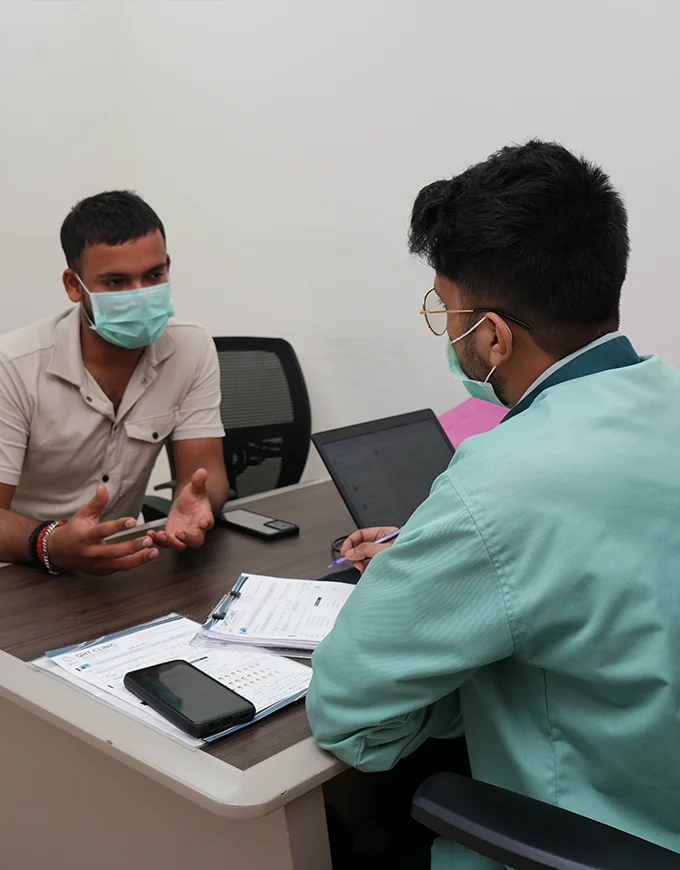
The most accurate way to get the desired results from your procedure is by direct one-on-one consultations with your surgeon. A detailed consultation is the first step that involves personalised assessment, Norwood grade evaluations, graft count estimate and full cost breakdown. 

QHT Clinic offers ABHRS-certified hair transplant surgeons who have extensive experience with 15,000+ procedures performed with consistent long-lasting results and 95% graft survival rate. At QHT Clinic in Gurgaon, each patient gets personalised care, with a dedicated support team to guide them throughout the journey. QHT Clinic offers transparent pricing and structured follow-up care for 12 months without any cost. 

With both national and international patients, QHT Clinic is becoming a preferred choice for patients across Delhi, Gurgaon, Haridwar, and Hyderabad.

QHT Clinic- We are One of India’s Most Advanced Hair Transplant Providers

Restore your hair with confidence at QHT. With medical precision, modern technologies, and state-of-the-art clinics across India, we offer advanced, personalised, doctor-led hair restoration procedures.
From consultation, treatment, results, to post-op care, the QHT team is here to guide. Start your dream hair journey with QHT.

India’s leading Hair transplant clinic- QHT Gurugram

Experience modern hair transplantation in Gurugram at QHT Clinic, where we provide natural-looking, lasting results at transparent per-graft pricing. QHT Clinic Gurugram offers personalised hair transplant solutions with expert care to help you achieve your dream hair.

India’s leading Hair transplant clinic- QHT Gurugram

Best and Natural-looking Hair Transplant Results

At QHT Clinic, we use clinically proven hair transplant techniques to give you the results you desire. Our goal at QHT is to provide precision-executed results that blend seamlessly with your existing hair to give you denser and more natural-looking hair transplant results in Gurgaon.
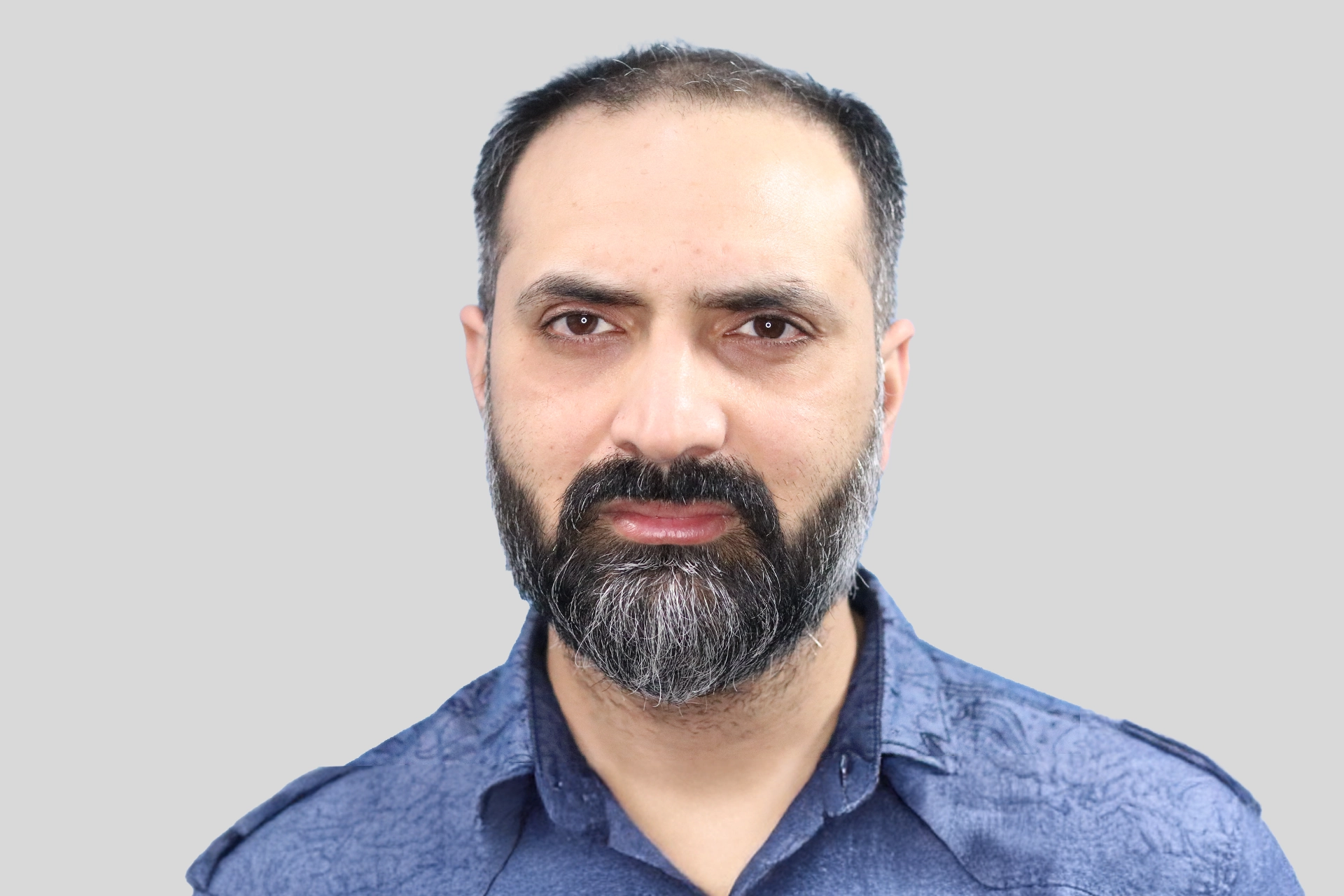
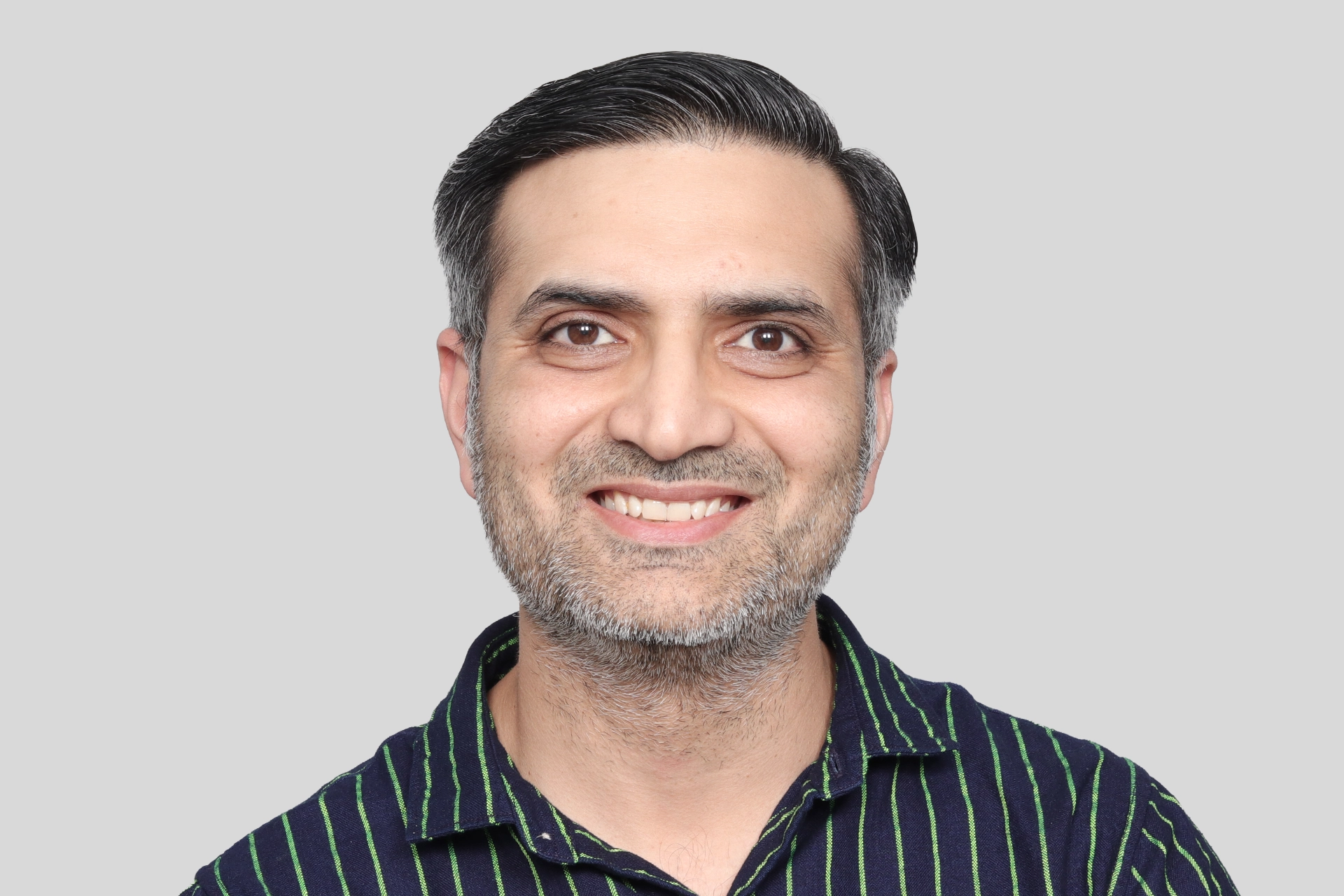
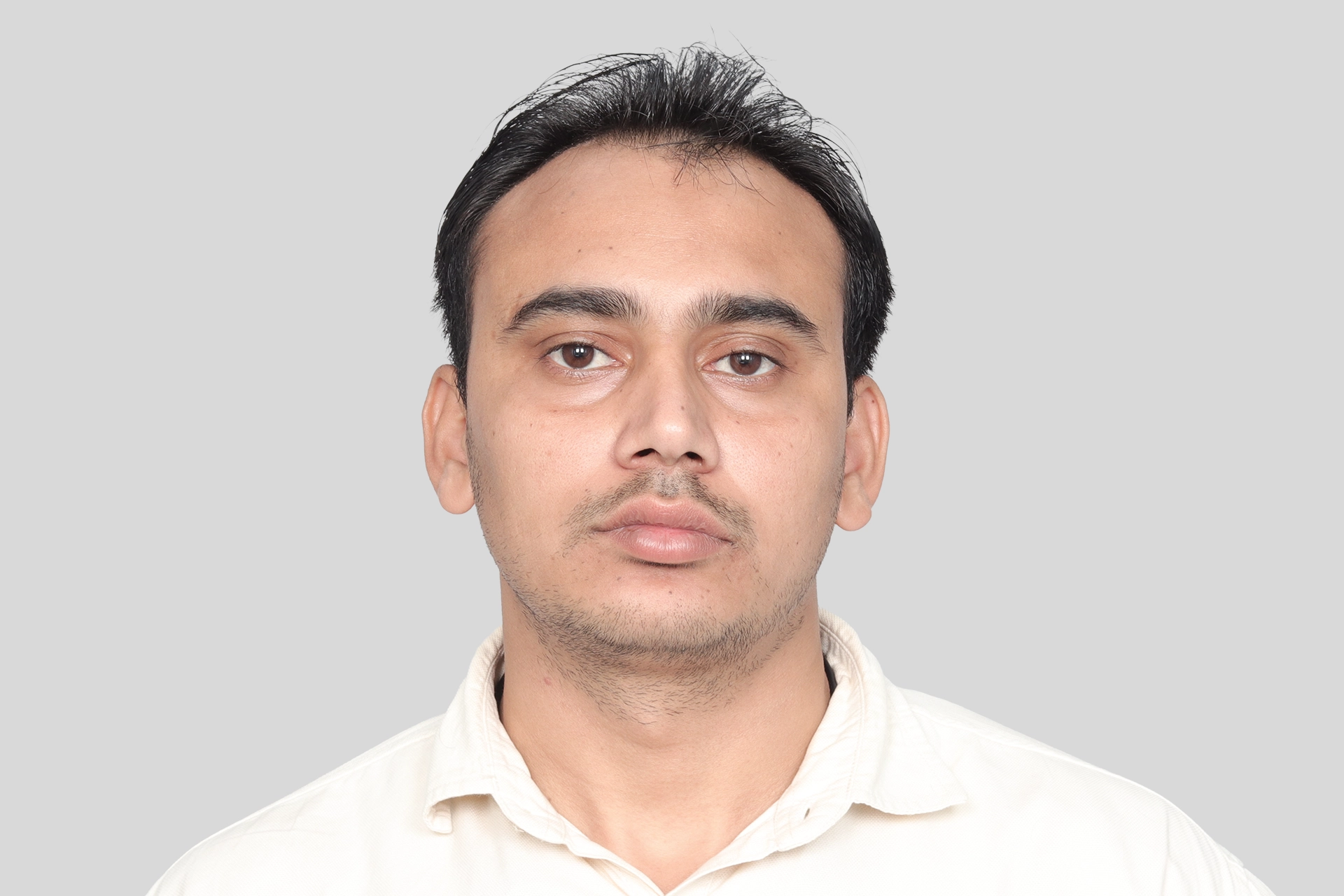
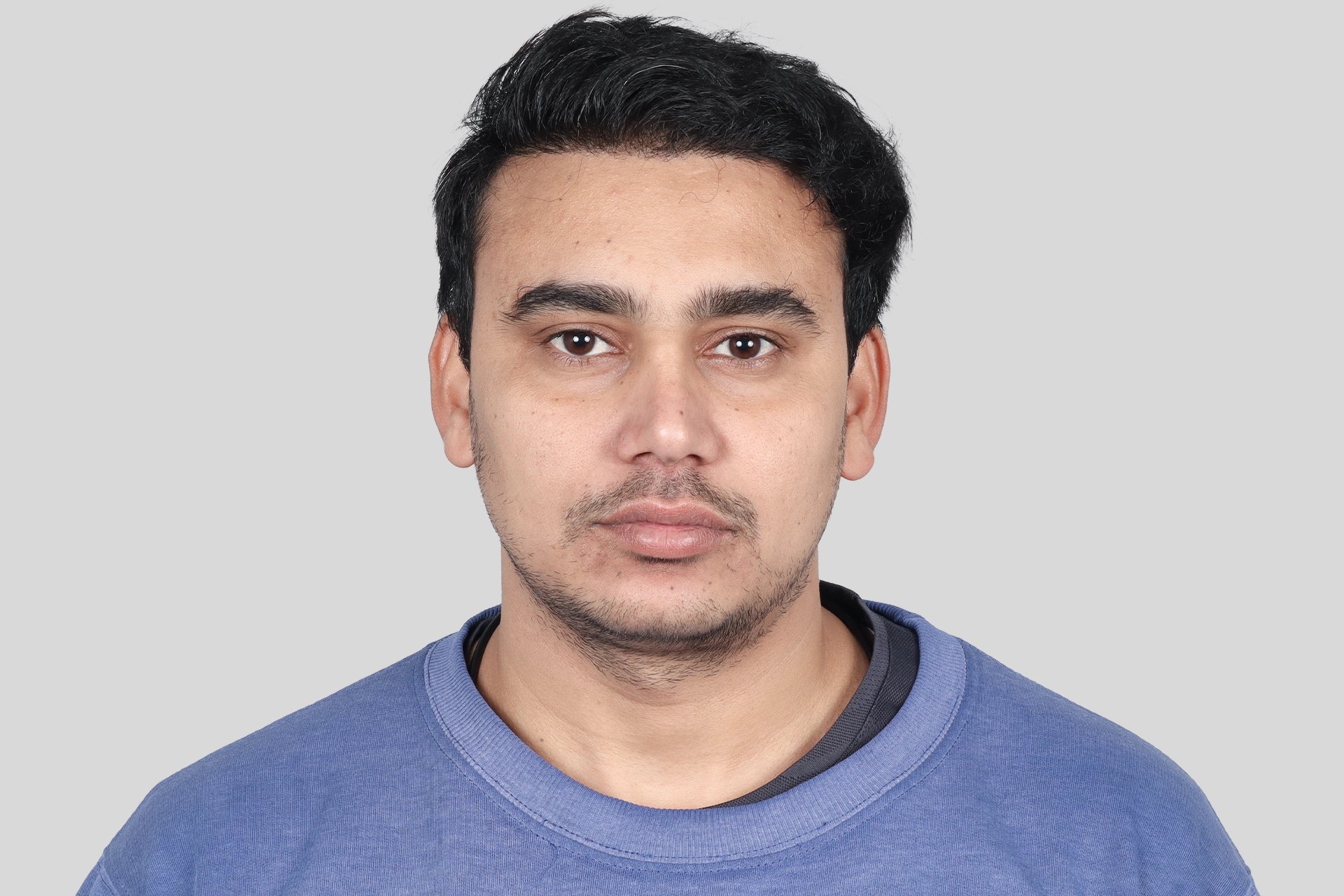
Result Vector
Devendra Before Image
Devendra After Image
Harsh Sharma  Before Image
Harsh Sharma  After Image
Probir Das Before Image
Probir Das After Image
Ajay  Before Image
Ajay  After Image
Dheerendra Before Image
Dheerendra After Image
Amit Kumar  Before Image
Amit Kumar  After Image

Hair Transplant Cost in India

7

The cost of hair transplant in India varies depending on various factors such as:

  • The surgeon’s experience
  • The clinic’s reputation
  • The location of the clinic
  • The type of procedure
Type of hair transplant Approximate Cost (INR)
Follicular Unit Extraction Starts from INR 35 Per Graft
Direct Hair Implantation Starts from INR 50 Per Graft
Follicular Unit Transplantation Starts from INR 25 Per Graft
Quick Hair Transplant Starts from INR 50 Per Graft
Factors That Affect Hair Transplant Results

When evaluating clinics for hair transplant, it is essential to understand that scarring is influenced by multiple medical and procedural factors. Some of these factors include:

  • Technique Used
    Technique Used

    The techniques used for hair restoration can play a big role in determining the type of scarring.

  • Surgeon Expertise
    Surgeon Expertise

    Precision during extraction and implantation significantly impacts how scarring will occur.

  • Donor Area Management
    Donor Area Management

    Overharvesting or uneven extraction can make hair transplant scars more noticeable. Proper planning ensures even distribution and natural coverage.

  • Healing Ability of the Patient
    Healing Ability of the Patient

    Each individual heals differently. Factors like skin type, collagen response, and overall health affect scar formation.

  • Post-Procedure Care
    Post-Procedure Care

    Following aftercare instructions helps minimise inflammation and supports proper healing, reducing scar visibility.

  • Lifestyle Factors
    Lifestyle Factors

    Smoking, poor nutrition, and stress can delay healing and increase the risk of visible scarring.

Frequently Asked Questions

Global bodies such as the World Health Organization encourage an evidence-based approach to medicine and following ethical guidelines when discussing the options available to patients for surgical procedures.

01
How long do hair transplants take to see results?

Initial hair growth usually begins around 3-4 months after the procedure. Noticeable improvement is generally visible by 6 months, while final density and mature results are typically achieved within 9-12 months. In crown areas, full maturation may continue up to 15-18 months.

02
When can I return to work after a hair transplant?

Most patients return to desk jobs within 5-7 days after FUE hair transplantation. Physically demanding activities and gym workouts should usually be avoided for 2-4 weeks.

03
Is a hair transplant 100% successful?

Hair transplant success depends on the surgeon’s expertise, graft handling, donor quality, and postoperative care. When performed correctly, modern FUE procedures demonstrate high graft survival rates and natural-looking outcomes.

04
Is a hair transplant good for females?

Yes. Women with patterned hair loss, traction alopecia, widening part lines, or thinning hair may be suitable candidates depending on donor availability and scalp evaluation.

05
What do hair transplant results look like month by month?

In the first 2-4 weeks, transplanted hair sheds during the shock loss phase. New hair growth begins around months 3-4. Density gradually improves between months 5-9, and most patients achieve visible full results by 12 months. Recovery timelines vary depending on graft count, scalp condition, and postoperative care.

Make an Informed Choice for Your Hair Restoration

When you are dealing with progressive hair loss and thinning, delaying the treatment can reduce the available donor reserve and affect the overall outcome of the procedure. It's better to act early to get excellent hair transplant results in Gurgaon with better density and more natural-looking results. Book your consultation today and take the first step towards natural, long-lasting hair restoration.

Schedule a Consultation at QHT Gurgaon