Most patients return to light daily activities within a few days.
New hair typically begins to appear around 3–4 months.
Full density usually develops by 9–12 months
Following surgeon-advised aftercare supports graft survival.
Recovery after a hair transplant follows a typical pattern, but healing rates differ individually. Several factors influence your recovery speed.
These include the procedure type, scalp condition, daily routines, and adherence to your surgeon’s care plan.
In Gurgaon, daily routines, dust, sun, and the city’s climate may affect scalp comfort in the early weeks. The hair transplant healing time in Gurgaon also depends on personal habits and the care plan shared by your surgeon. Most patients plan a few days of rest to allow proper healing.
If you are looking for clear information on the hair transplant recovery timeline in Gurgaon, this guide walks you through each stage. Most patients return to light daily tasks within a few days. Final results usually settle between 9 and 12 months.
The FUE recovery timeline in Gurgaon usually follows the same general stages shared below. Your surgeon may adjust the care plan based on your healing pace.
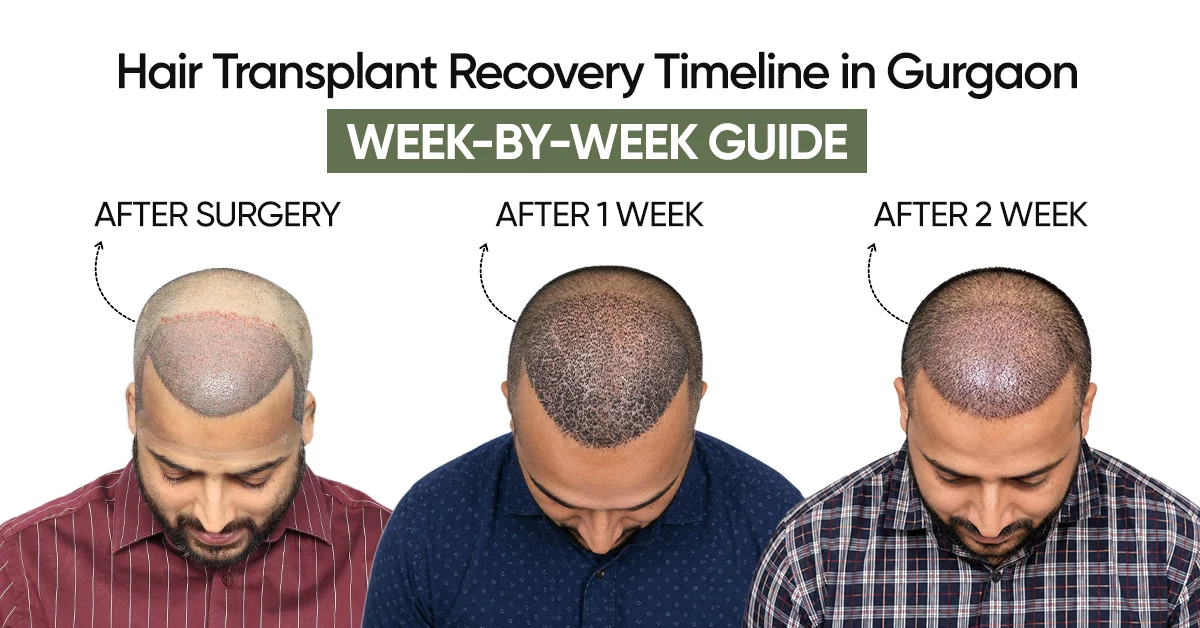
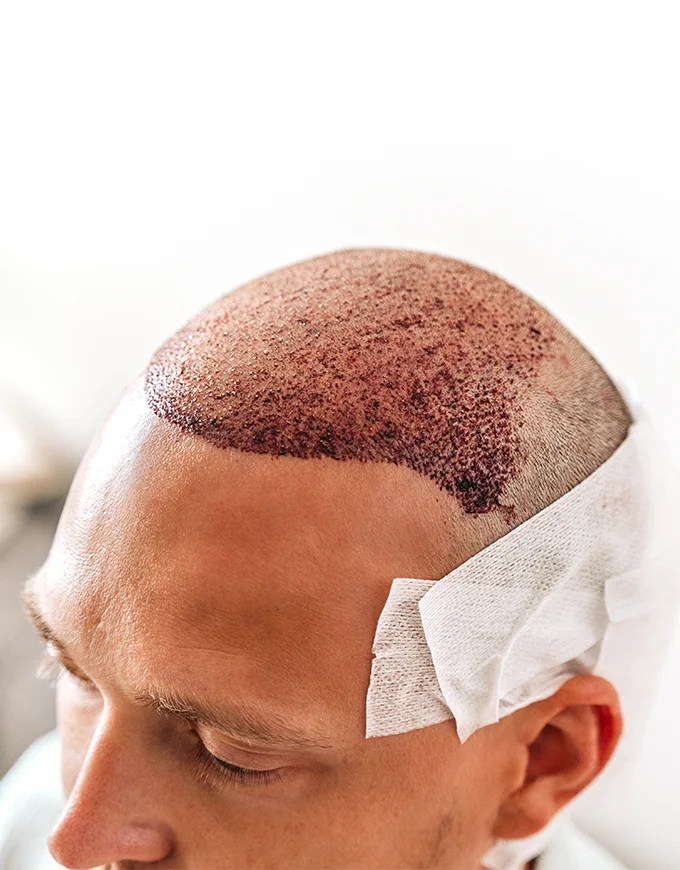
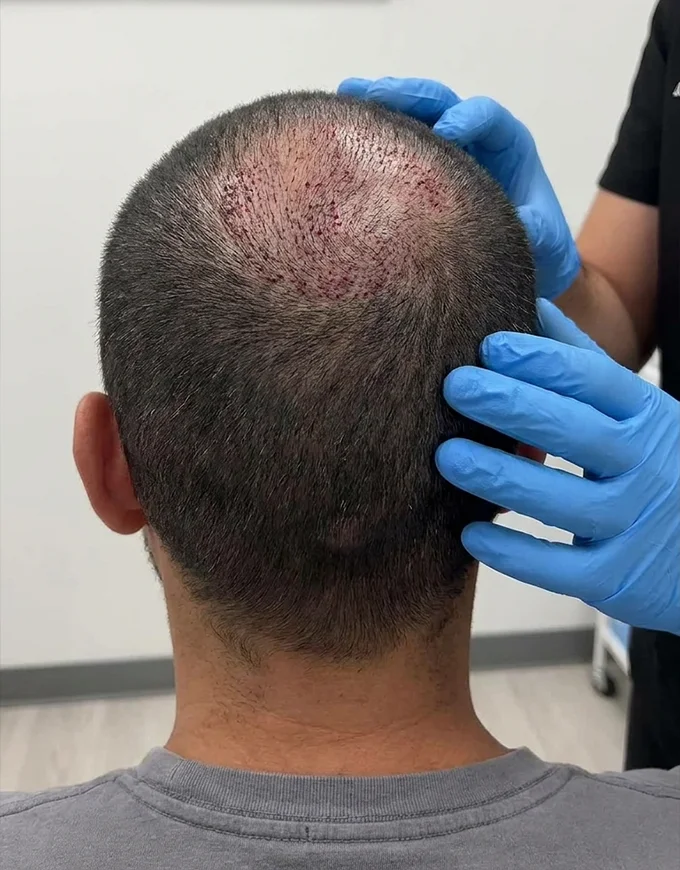
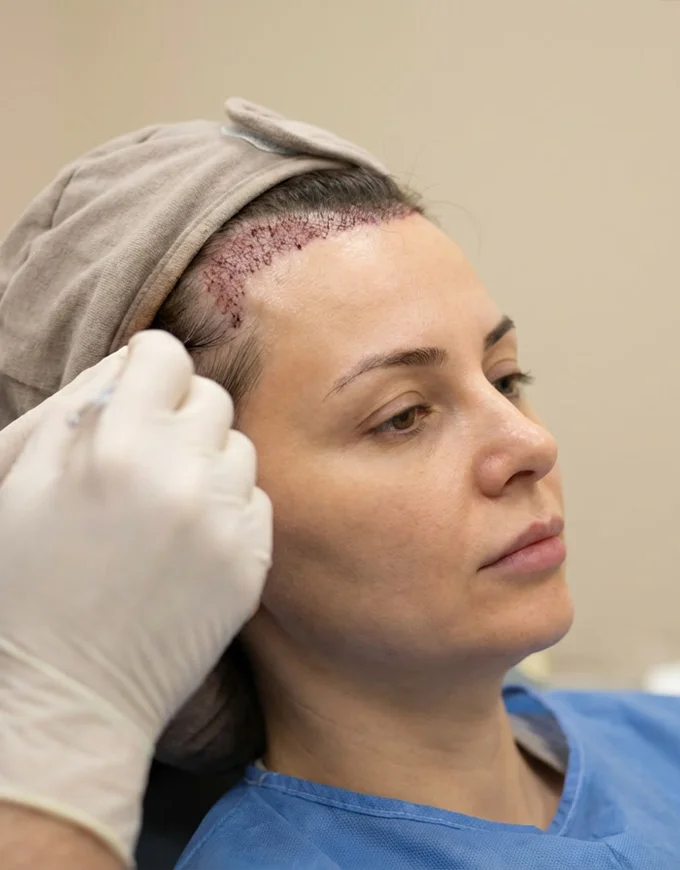
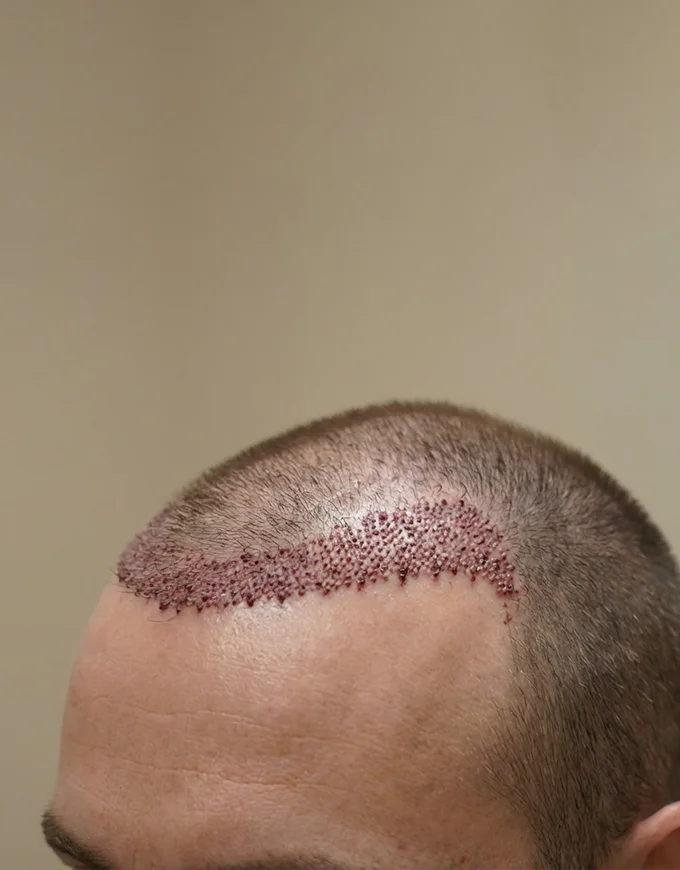
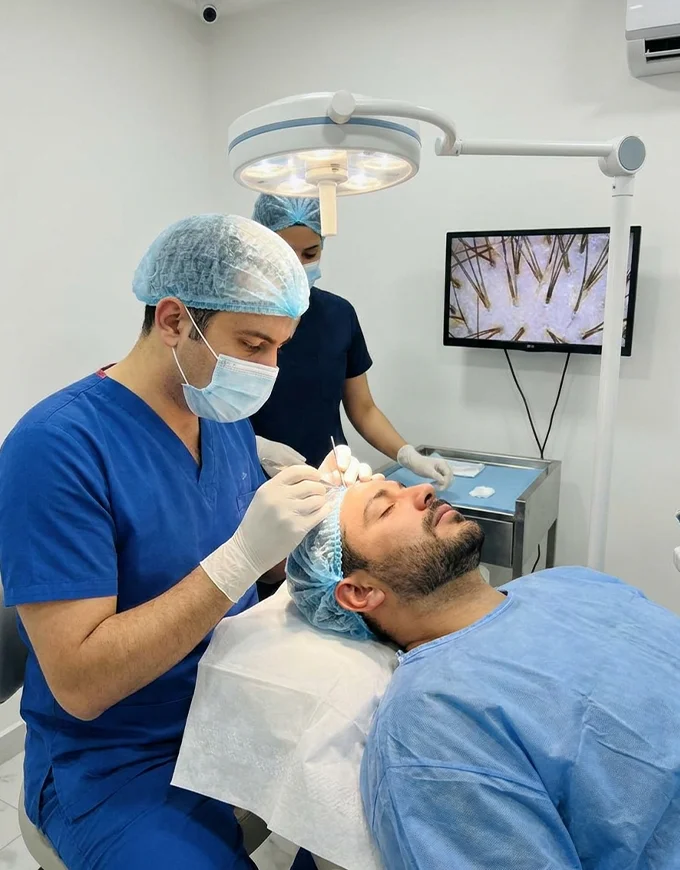
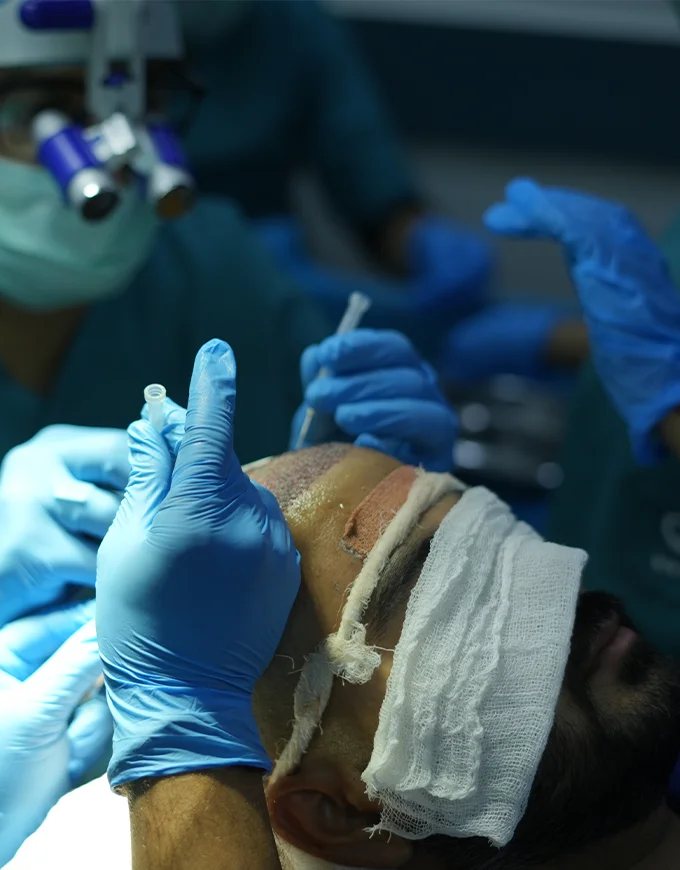
The first 48 to 72 hours are the most important. The new grafts are still settling into place. Your scalp may feel tender. You may also notice mild swelling, slight redness, or small scabs around the graft area.
Your surgeon will share clear steps for this stage. These may cover how to sleep, when to clean the scalp, and what to avoid. Always follow the personal care plan given by your treating surgeon. Do not touch or rub the grafted area.
By day 4, the small scabs around the grafts usually start to harden. This is a sign of normal healing. Swelling and tenderness often reduce by the end of the first week.
Many patients ask about returning to work after a hair transplant in India. Most return to light, non-physical work within the first week, based on how their healing is going.
Avoid wearing helmets, tight caps, or headbands. Stay away from direct sunlight. Avoid heavy exercise, sweating, and dusty places. Gentle scalp washing may begin, but only as advised by your surgeon.
By the second week, the scabs naturally start to come off. Do not scratch or pick them. The scalp begins to look more settled.
Some patients may notice that the transplanted hair starts to fall out during this stage. This is known as shock loss. The shock loss timeline after a hair transplant usually falls within weeks 2 to 4.
It is a normal part of the healing cycle. The hair shaft falls, but the hair follicle stays safe under the scalp. New growth begins later in the recovery journey. Shedding does not mean the transplant has failed.
Most patients return to their daily routines by this time. Still, avoid heavy workouts, swimming pools, and steam rooms.
This stage is often called the quiet phase. The hair follicles rest before they start to grow new hair. Visible change is usually minimal during these weeks.
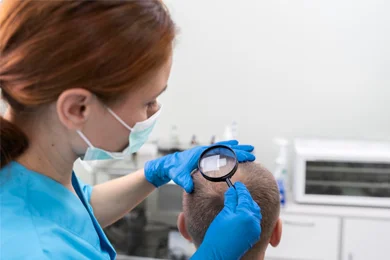
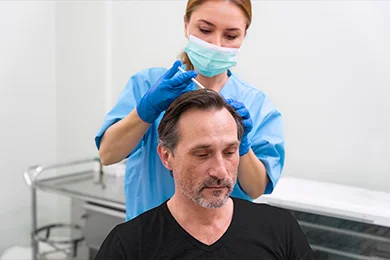
Patience is important. Some patients feel worried at this stage. This is common and very normal. Stick to a gentle scalp care routine. Attend follow-up visits at QHT Gurgaon as scheduled. Your surgeon will closely track your healing.
This is the stage many patients look forward to. The new hair growth timeline after a transplant usually begins in this window. Fine, soft hair starts to come in, and the early growth may look thin or uneven. This is part of the natural hair cycle.
As the months pass, hair becomes thicker and stronger. The frontal area often shows growth first. The crown area may take more time. Most patients feel encouraged as visible change begins.
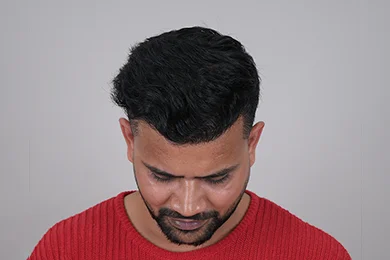
By this stage, hair growth becomes steadier. The strands grow thicker and blend with your natural hair. Most patients see results close to their final outcome by the one-year mark.
Each person heals at their own pace. Some see stronger results a bit sooner. Others may take a few more months. Your surgeon will help you track your progress through follow-up visits.
By 12 to 18 months, the results usually settle into a stable shape. Focus shifts to long-term scalp care. Your surgeon will share a care plan that suits your scalp type.
Scheduled check-ins help monitor your scalp health. Your native hair, which is the hair you had before the transplant, may continue to change over time. Your surgeon will guide you on how to care for it.

| Phase | Time Frame | What You May Notice |
| Immediate | Day 1 to 3 | Mild swelling, small scabs |
| Early Healing | Day 4 to 7 | Scabs harden, swelling drops |
| Shedding | Week 2 to 4 | Scabs come off, some hair shedding |
| Dormant | Month 2 to 4 | Follicles rest, little visible change |
| Regrowth | Month 5 to 8 | Soft new hair starts to appear |
| Maturation | Month 9 to 12 | Density builds up |
| Long-term | Month 12 and beyond | Settled, lasting results |
Note: These time frames are general. Each patient may heal at a slightly different pace. Always follow the personal plan from your surgeon.
Do’s
Don’ts
Sticking to your surgeon’s plan plays a major role in recovery. Each step is shared with a reason. Following the plan supports graft survival and overall healing.
A healthy lifestyle can support healing. This includes good sleep, balanced meals, and avoiding smoking or alcohol during the recovery window.
If you have any pre-existing scalp issues, share them with your surgeon before surgery. They will guide you on the right care steps. A healthy scalp helps support better recovery.
Gurgaon often has heat, dust, and strong sun exposure. These factors can affect scalp comfort during recovery. Use the protective steps your surgeon suggests. This may include keeping the scalp covered when outside, after the early healing period.
Post hair transplant care in Gurgaon plays a key role in safe and steady healing. Get in touch with your QHT Gurgaon care team if anything feels unusual. This may include:
QHT Clinic has supported 15,000+ patients across India. The clinic follows clear quality standards at every step of the procedure. These standards are designed to support graft health and long-term results.
95% Graft Survival Rate: The QHT team works with the goal of high graft survival. A strong survival rate means more of the placed hair follicles can grow into healthy hair.
10x Magnification Graft Selection: Each graft is selected under 10x magnification. This level of detail helps the team pick healthy follicles and handle them with care.
SAVA Implanter Pen: The SAVA implanter pen is a precision tool used during placement. It allows the team to place each graft with control and at the right angle.
Less Than 2 Hours Out-of-Body Time: QHT aims to keep the out-of-body time of grafts under 2 hours. A shorter time outside the body helps the grafts stay healthy before placement.
Chilled PRP Saline Storage: While grafts wait to be placed, they are stored in a chilled PRP saline solution. This cool, growth-factor-supported storage helps keep the grafts in a stable condition during the procedure.
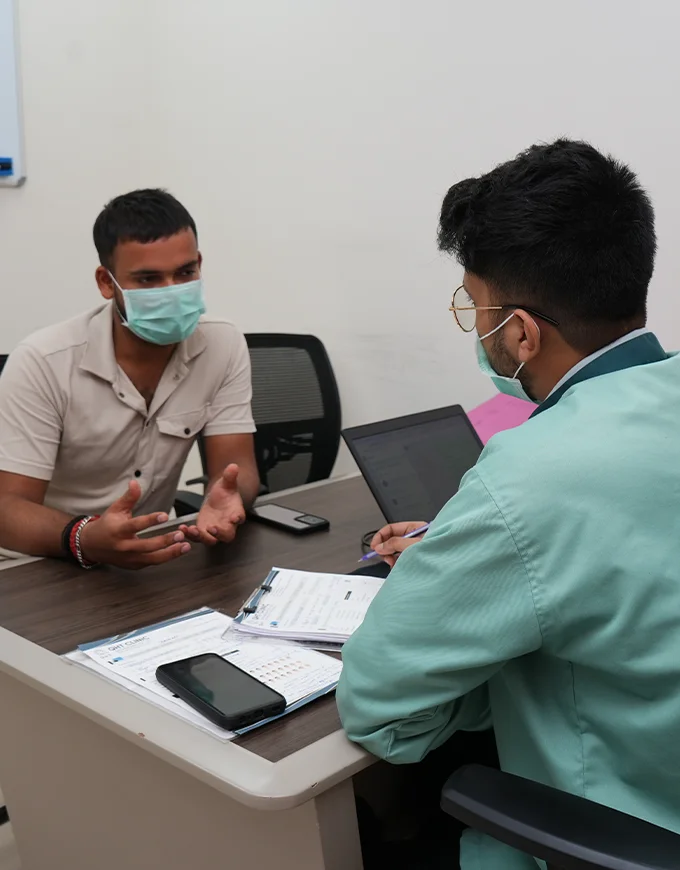
Care at QHT is surgeon-led and team-supported. This support runs from your first consultation through full recovery. Pricing is shared upfront, and every patient receives a personal aftercare plan.
Our Gurugram clinic is easy to reach from nearby areas, including Sectors 45, 47, and 50, Sushant Lok, South City 1 & 2, DLF Phases 1-4, Golf Course Road, Sohna Road, MG Road, Cyber City, Palam Vihar, and Manesar. Patients from Delhi, Noida, Faridabad, and Dwarka can also reach the clinic with ease.
Plot No. 3, opposite Huda Market, Sector 46, Gurugram, Haryana 122022
Experience modern hair transplantation in Gurgaon at QHT Clinic, where we provide natural-looking, lasting results at transparent pricing. QHT Clinic Gurgaon offers personalised hair transplant solutions with expert care to help you achieve your dream hair.
Many things shape your final FUE price. The main ones are:
Many factors affect the cost of treatment and hair transplants, including:
The cost of hair transplant increases with the use of advanced surgical tools in sterile environments.
The presence of a dedicated surgeon during the procedure adds to both reliability and overall cost.
Advanced techniques, such as the FUE and QHT, are generally more expensive and can increase the overall cost of the procedure.
The level of structured care provided post-procedure (follow-up, medication, monitoring, etc.) is reflected in the cost of the hair transplant.
Global bodies such as the World Health Organization encourage an evidence-based approach to medicine and following ethical guidelines when discussing the options available to patients for surgical procedures.
Most patients return to light daily activities within 7 to 10 days. Full results usually settle between 9 and 12 months. Each patient heals at their own pace, and your surgeon will share a timeline that suits your case.
Your surgeon will guide you on when to start gentle scalp cleaning. The first wash is usually done within the first few days, but only with the steps and products advised by your clinic.
No, shock loss is a temporary phase. The transplanted hair may shed, but the hair follicle stays safe under the scalp. New growth begins later in the recovery cycle.
The second month is part of the dormant phase. The follicles rest before they start to grow new hair. Visible regrowth usually begins around 3 to 4 months.
Light activity may be safe after the early healing period. Heavy workouts, swimming, sauna, and contact sports should only be resumed once your surgeon clears you.
Helmets and tight headgear are best avoided in the early weeks. Your surgeon will share the right time to start wearing them based on your healing.
Most patients see settled, long-term results between 9 and 12 months after the procedure. Each patient’s growth pattern is slightly different.
Hair colouring should be avoided until the scalp has fully healed. Your surgeon will advise the right time to resume colouring.
Air travel is usually safe after the early recovery period. Your surgeon will confirm the right time based on how you are healing.