

Is Hair Transplant Safe in Gurgaon? Risks, Safety & What to Expect

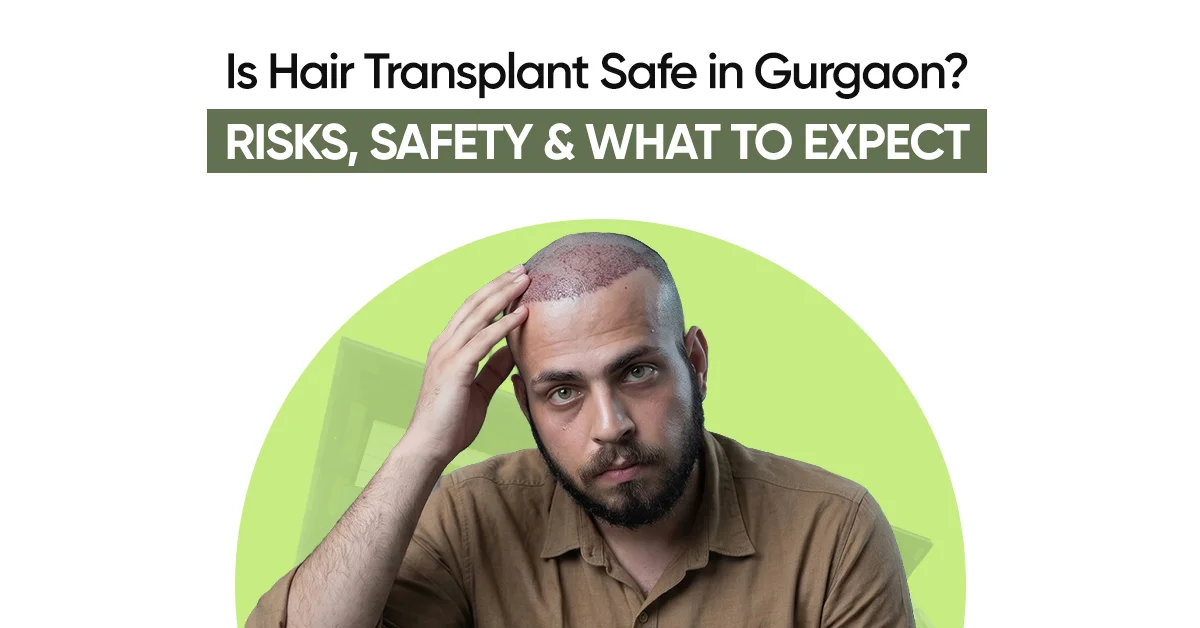
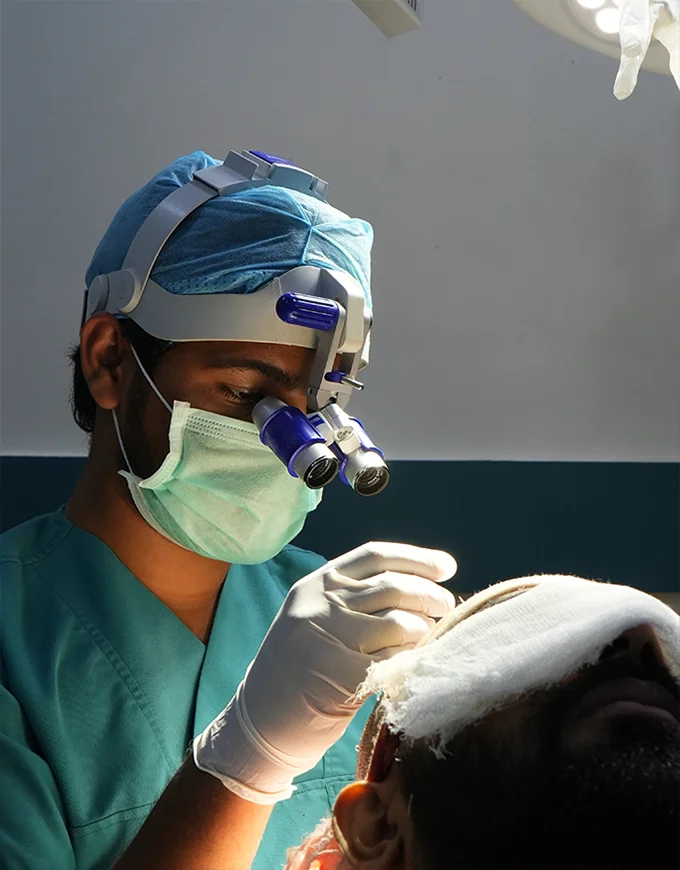
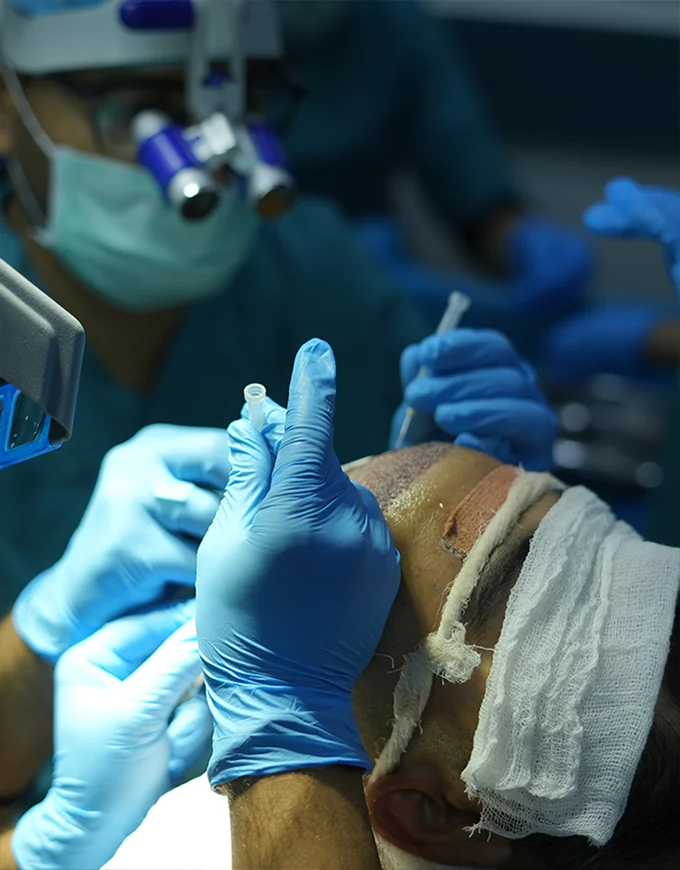
In Gurgaon, the hair transplant procedure is safe and effective. With surgeon-led care, advanced techniques and structured postoperative care, the risk of complications is reduced.

Book your appointment at QHT Gurgaon
Is Hair Transplant Safe in Gurgaon
NABH-Accredited Clinics
Surgeon-Led Hair Transplants
15000+ Procedures
Comprehensive Post Operative Care
NABH-Accredited Clinics
Surgeon-Led Hair Transplants
15000+ Procedures
Comprehensive Post Operative Care
Advanced Graft Handling

Specialised graft handling protocols to improve graft survival rate and reduce follicular damage.

Advanced Graft Handling
NABH-Compliant Safety Standards

Dedicated sterile operation theatres with strict hygiene and infection-control protocols.

NABH-Compliant Safety Standards
Structured Post-Op Care

Detailed recovery instructions and follow-up support to minimise complications and improve healing.

Structured Post-Op Care
Minimal Risks and Complications

Every procedure is led by expert surgeons for improved safety.

Minimal Risks and Complications
Overview

Overview

Overview

Hair loss is a prevalent condition that affects millions of people globally. More people are now seeking hair restoration procedures, with hair transplantation becoming one of the most preferred long-term solutions for hair loss.

With a growing number of clinics offering FUE, FUT, and QHT, patients frequently ask: Is a hair transplant safe in Gurgaon? The short answer is yes, when performed by a qualified surgeon in a NABH-accredited clinical setting, a hair transplant is a safe, minimally invasive procedure with a well-established safety profile. However, as with any surgical intervention, the outcome depends on the clinic’s protocols, the surgeon’s expertise, and the quality of pre-and post-operative care.

Understanding hair transplant complications in Gurgaon is important to make an informed decision.

Is Hair Transplant a Safe Procedure? Medical Perspective

Is Hair Transplant a Safe Procedure? Medical Perspective

Is Hair Transplant a Safe Procedure? Medical Perspective

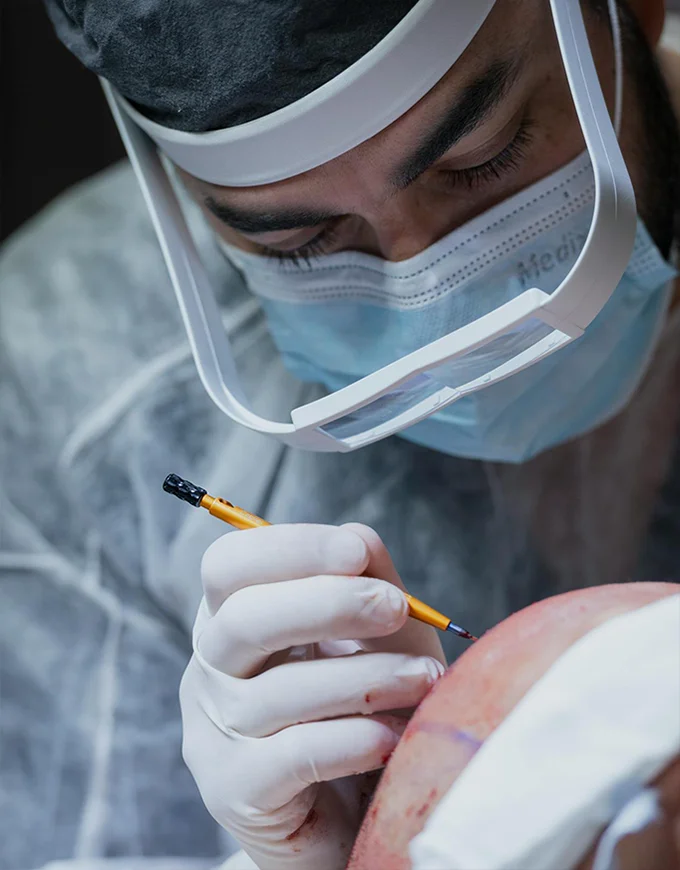
From a medical standpoint, hair transplant surgery is considered a low-risk elective surgical procedure. It is performed under local anaesthesia, which ensures a pain-free, comfortable procedure.

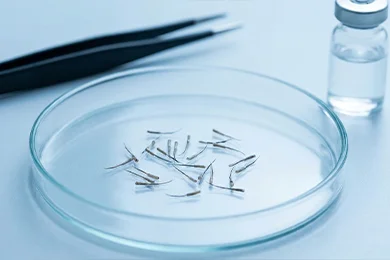
The safety of the procedure is well-supported in studies, with the complication rate of 1.2% to 4.7%. According to research by ISHRS, the complication rate is higher when performed by technicians or unqualified professionals. Most common complications reported when not performed by surgeons include scarring, unnatural hairlines, poor hair growth, depleted donor area and infections. Graft quality directly influences the final surgical outcome. Poor graft handling affects the graft quality, increases graft transection rates and follicular fractures; all these factors contribute to unsatisfactory outcomes and require corrective procedures in the future.

Key factors that make hair transplant a medically safe procedure include:

  1. Performed by a skilled surgeon using advanced techniques for precision and accuracy.
  2. NABH-accredited facility with strict hygiene standards and safety protocols.
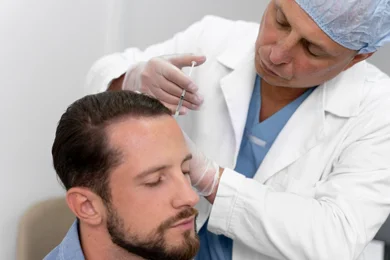
  3. Performed under local anaesthesia, reducing the systemic risks.
  4. FDA-approved hair transplant techniques such as FUE and proprietary technique QHT are minimally invasive, associated with minimal scarring and reduced complications.
  5. Proper donor area planning to eliminate thinning and overharvesting.

The hair transplant safety in Gurgaon is reinforced by structured pre-operative screening, intraoperative monitoring, and a formal post-operative safety care plan in Gurgaon.

Common Risks & Side Effects of Hair Transplant

Common Risks & Side Effects of Hair Transplant

Common Risks & Side Effects of Hair Transplant

Understanding the distinction between expected side effects and genuine complications is essential for any patient considering a hair transplant in Gurgaon

Expected Temporary Side Effects

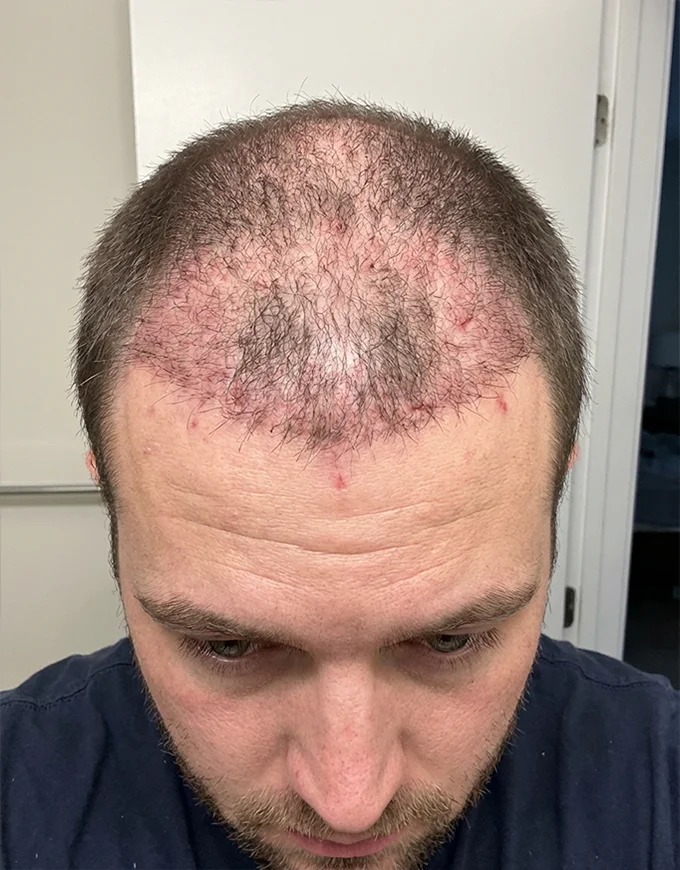
The normal response of the body after a hair transplant surgery includes mild swelling and tenderness.  The following are the normal physiological responses to hair transplant surgery and typically resolve within days to a few weeks. 

  • Scalp Swelling: Mild swelling around the forehead and on the temples is common after the procedure. It lasts for 2-3 days and resolves on its own. The swelling is reported in 50% of cases and can involve eyelids and cheeks. 
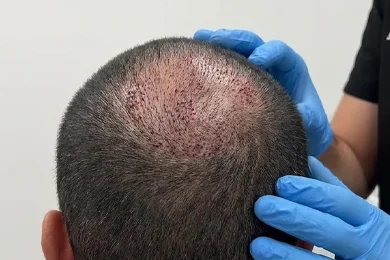
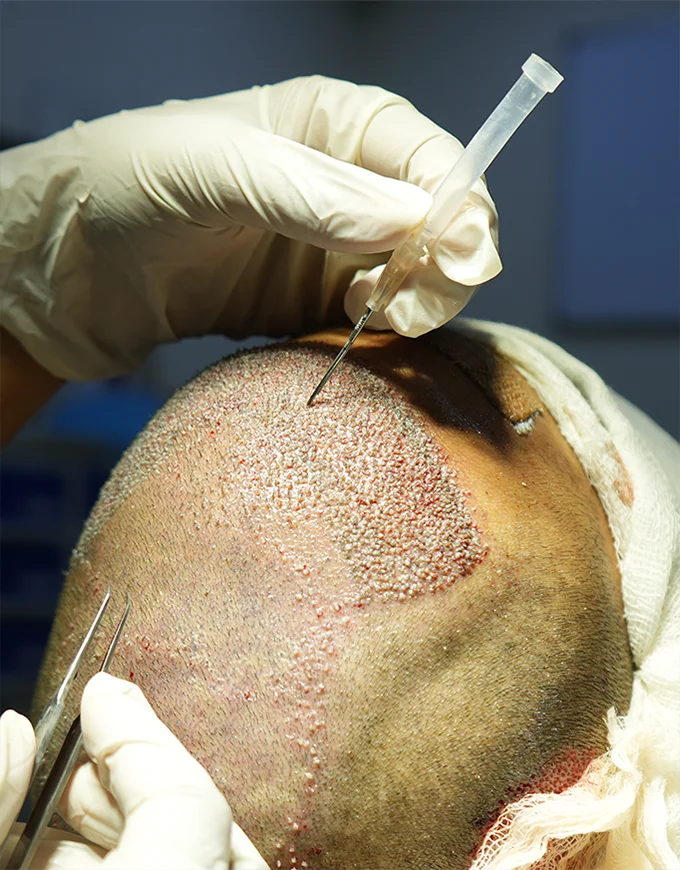
  • Redness and Crusting: Redness and small scabs are formed around the transplanted grafts and donor extraction. This is a part of the wound healing process. The scabs naturally fall off within 7-14 days.
  • Pain and Bleeding: mild tenderness is a common symptom that can be resolved with prescription medications. Minor bleeding is also expected during surgery. 
  • Itching: Scalp itching around transplanted grafts is normal. Patients should avoid scratching to prevent graft displacement in the early post-operative period. 
  • Tightness or Numbness: Temporary tightness or numbness around the donor area, especially in the FUT/strip method, is common and usually improves gradually. 
  • Temporary Shock Loss: Hair transplant shock loss can be explained as a clinically recognised phenomenon in which existing hair near the transplant zone in both the donor and recipient zones sheds temporarily in 3-4 weeks after surgery. This is a normal part of the hair growth cycle, and new growth emerges from the third month.
How QHT Clinic Ensures Maximum Safety in Gurgaon

How QHT Clinic Ensures Maximum Safety in Gurgaon

How QHT Clinic Ensures Maximum Safety in Gurgaon

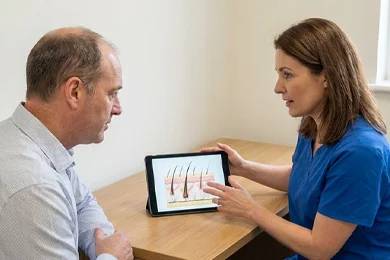
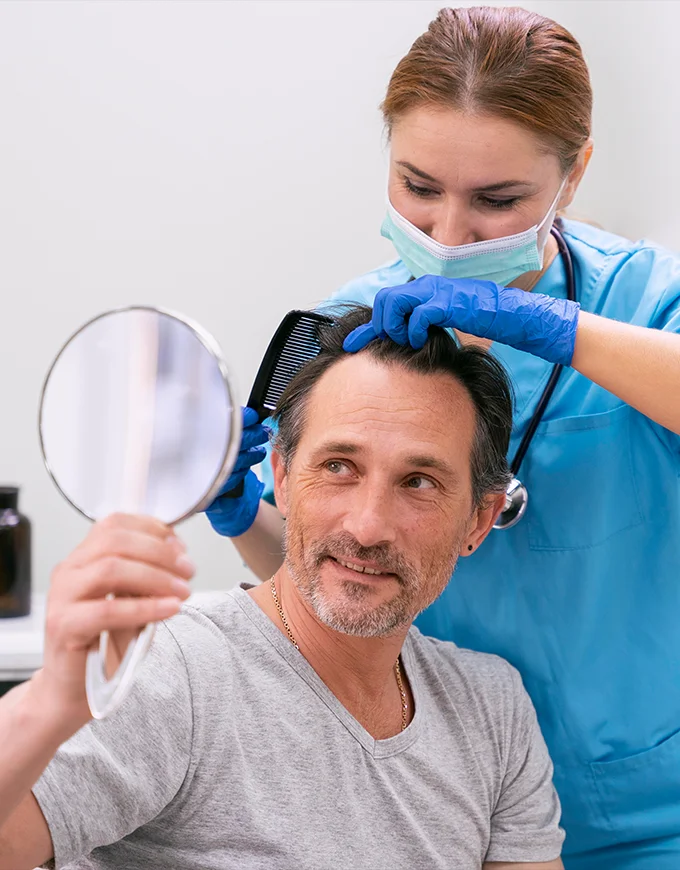
QHT Clinic Gurgaon operates under the safety-first model. Every consultation is led by qualified surgeons with personalised treatment planning. 

From initial consultation to final follow-up, the QHT team governs every stage of the hair transplant journey. 

  • Surgeon-Led Procedures: Surgeon accreditation in Gurgaon is an important safety factor, and at QHT Clinics, ABHRS-certified surgeons are directly involved in treatment planning with no delegation to technicians. Each procedure is carried out with the caution and precision that the procedure demands. 
  • Graft Quality Assurance: Poor-quality grafts do not yield good density. Graft quality is based on graft handling protocols. QHT’s surgical team is highly skilled in graft handling to maintain graft integrity for implantation. This improves graft survival rate and directly impacts the outcomes of the procedure. 
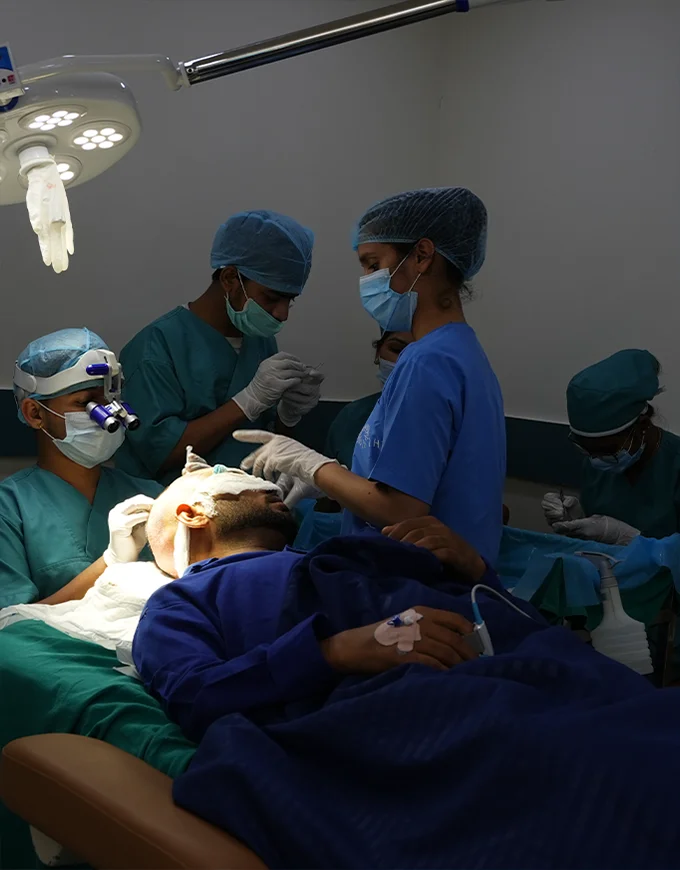
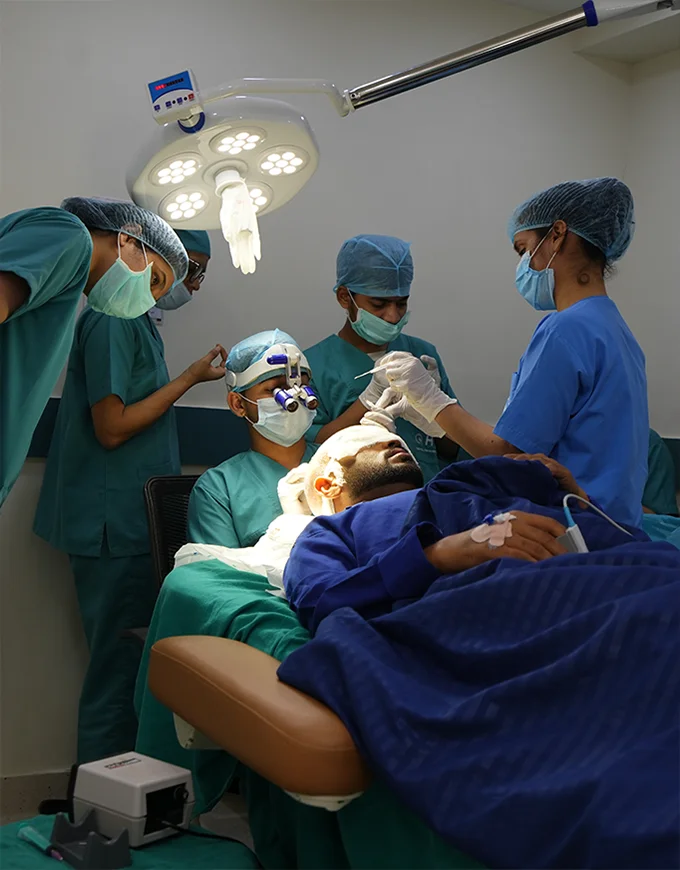
  • Sterile Surgical Environment: All procedures are performed under fully sterilised conditions in a dedicated operating theatre. The NABH standards are followed to ensure patient safety. 
  • Conservative Donor Area Planning: The extraction from the donor area is based on strategic planning to preserve donor density for future procedures and prevent thinning in the donor region. 
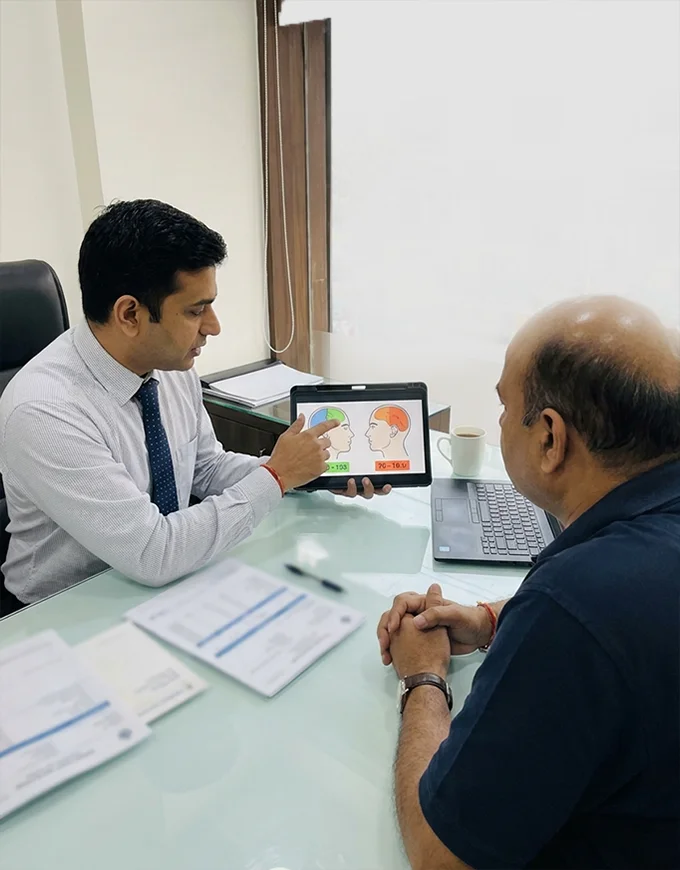
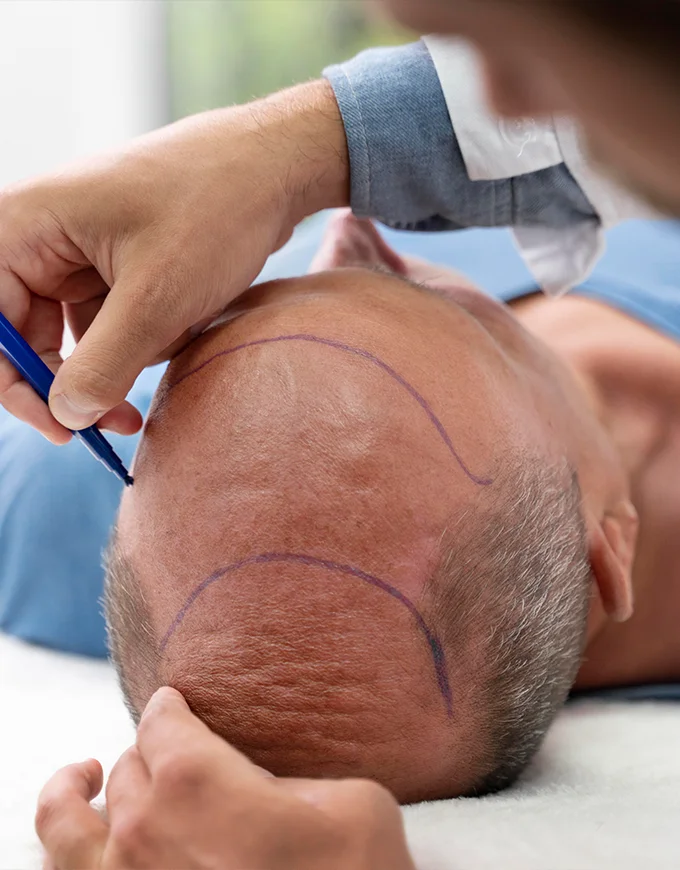
  • Customised Treatment Planning: Each patient receives a personalised plan based on Norwood scale classification, donor density assessment, medical history and expectations. 
  • Anaesthesia Support: Proper hair transplant anaesthesia safety with a trained medical team to minimise risks like syncope or allergic reactions.  
  • Preoperative Screening of Underlying Medical Conditions: The overall health of patients also affects the treatment outcomes. The pre-operative screening at QHT involves detailed screening of underlying conditions such as hypertension,  diabetes, bleeding disorders or active scalp infection to ensure the risks are reduced during the surgery. 
What Are the Safety Standards for Hair Transplants in India?

What Are the Safety Standards for Hair Transplants in India?

What Are the Safety Standards for Hair Transplants in India?

In India, hair transplant procedures fall under the oversight of the National Medical Commission (NMC), which has established strict guidelines for all procedures involving surgical intervention of the scalp or body. 

Such procedures must be performed by a registered medical practitioner (RMP) according to the guidelines.

  • Registered Medical Practitioner (RMP): The medical practitioner must have surgical training in MCh/DNB Plastic Surgery, or MD/DNB Dermatology with adequate training in dermatological surgical procedures. The preoperative assessment, surgery planning, surgery execution, including graft harvesting, hairline design, recipient creation, and management of medical issues, and postoperative care should be performed by RMP.
  • Trained Staff:Assistants or OT technicians must have medical backgrounds with proper training in aesthetic surgery, disinfection, sterilisation, and patient communication. The staff should perform tasks under the supervision of a licensed medical practitioner.
  • Anaesthesia Support:Availability of an anaesthetist in the clinic
  • Availability of Operation Theatre: A dedicated operation theatre with strict hygiene protocols, proper biomedical waste management, and proper sterilisation of instruments.
  • Clinically Established Techniques: Internationally validated surgical techniques used in hair restoration, FUE, FUT, and QHT.

When assessing hair transplant safety in Gurgaon specifically, patients should verify their chosen clinic meets all of the above criteria.

Rare Complications & How to Avoid Them

Rare Complications & How to Avoid Them

Rare Complications & How to Avoid Them

Major complications are rare and reported in less than 1% cases and can be easily managed with emergency care protocols. 

  • Hiccups: This is unusual but can result from the irritation of nerves post-surgery and last for 2-3 days. Reported in a very small percentage of patients. 
  • Folliculitis: Inflammation of hair follicles, presenting as small pustules, can occasionally occur after a hair transplant. Typically resolves with antibiotics.
  • Donor Site Complications: Keloid and hypertrophic scarring are uncommon complications and are commonly associated with the FUT technique. Scarring risk in FUE and QHT is negligible, as the techniques do not involve a linear incision at the donor site.
  • Recipient Area Necrosis: Skin death is a very rare phenomenon; it presents as discolouration, crusting, and scarring where the scabs fall off, leaving a permanent scar behind (alopecia patch) due to reduced blood supply to the transplanted area.
  • Infection: Reported in less than 1% cases, can be easily managed with antibiotics. Post-surgical infection risk after hair transplant in India is uncommon when sterile protocols are well maintained, but can occur if wound care instructions are not followed.
  • Neuralgia: Damage to nerves during the procedure can lead to prolonged numbness and deep nerve pain.
  • Arteriovenous Fistula: An extremely rare complication is related to old methods. With appropriate instrumentation, this can be avoided. 
  • Subdermal Cysts: Slow-growing, painless swellings in the donor area. This complication results from an error in technique. 
  • Major complications: Allergic reaction or any other major complication is extremely rare.
Pre-Op Medical Screening at QHT – What We Check

Pre-Op Medical Screening at QHT – What We Check

Pre-Op Medical Screening at QHT – What We Check

A thorough pre-operative assessment is one of the most important safety measures before any hair transplant surgery. At QHT Clinic, the following parameters are evaluated during the pre-op medical screening in Gurgaon. 

  • Blood Investigations: Complete blood count, blood glucose, coagulation profile, and hepatitis B/C and HIV screening as per standard surgical protocols. 
  • Scalp Assessment: Digital scalp analysis to assess donor density, recipient area extent, follicle miniaturisation, and any underlying scalp conditions that must be addressed before surgery. 
  • Hair Loss Classification: Norwood scale classification to determine the current stage of androgenetic alopecia and predict future progression, essential for donor area planning. 
  • Medical History Review: Patients are screened for medical conditions that can affect surgical outcomes, like uncontrolled diabetes, bleeding disorders, autoimmune conditions, and any history of allergic conditions.
  • Medication Review: Certain medications need to be paused before surgery, such as blood thinners (aspirin, warfarin), immunosuppressants, and certain supplements. 
  • Hormonal Profile: Thyroid function tests and total and free testosterone are needed for male and female patients to determine the cause of hair loss.
  • Psychological Readiness: Realistic expectations and what can be achieved at the current hair loss stage give a clear understanding of the patient’s long-term goals.
Anaesthesia Used – Is It Safe?

Anaesthesia Used – Is It Safe?

Anaesthesia Used – Is It Safe?

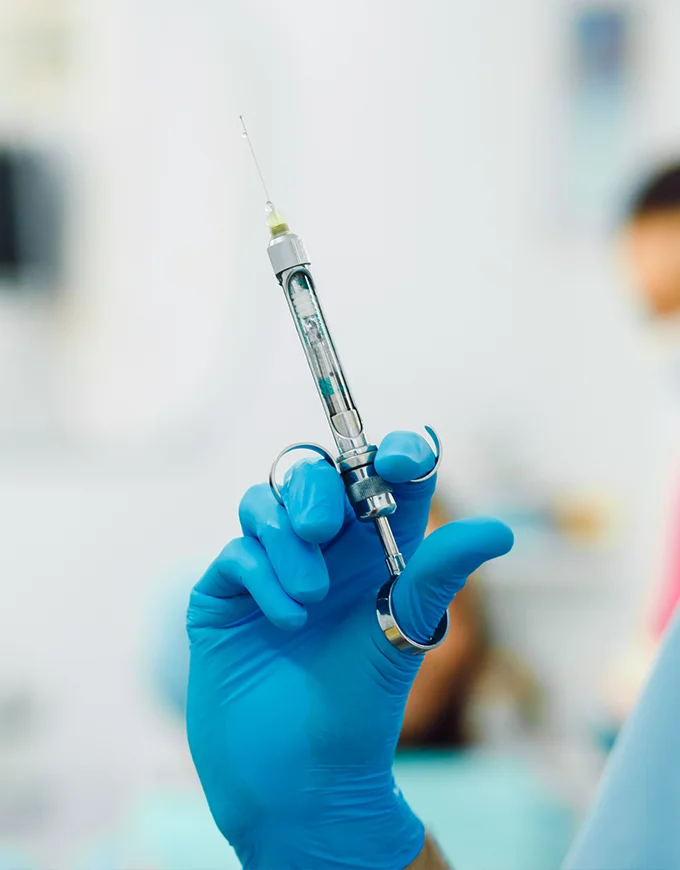
Hair Transplant procedures in Gurgaon are performed under local anaesthesia, specifically, injections of lidocaine into the scalp (with or without epinephrine). This is one of the most widely used anaesthetics with a low-risk profile. Patients are evaluated for any history of allergy or anaesthetic sensitivity before the procedure to avoid complications like syncope (temporary loss of consciousness) and skin rashes. At QHT Clinic, the tumescent technique is used; this technique reduces intraoperative bleeding by vasoconstricting blood vessels. 

Patients experience brief stinging sensations during the initial injection. Once anaesthesia is established, the procedure is painless. 

Post-Op Safety: Infection Prevention & Wound Care

Post-Op Safety: Infection Prevention & Wound Care

Post-Op Safety: Infection Prevention & Wound Care

The post-operative period is equally important in determining the success of treatment. Fullowing post-op instructions is important for infection prevention and wound care.

First 72 hours: Critical Care Window
  • Mild swelling, tenderness and redness are common; it is important to take prescribed medicines for relief. 
  • Sleep with the head elevated at 30 to 45 degrees to minimise swelling.
  • Avoid touching, scratching and rubbing the scalp at the recipient or donor site.
  • Keep scalp moist; spray every 2-3 hours with saline.
  • Avoid strenuous exercise, heavy lifting, or swimming for 1 week.
Days 3-14: Wound Care and Hygiene
  • Avoid hairstyling for 2 weeks.
  • Take the prescribed antibiotics on time to prevent infection at the wound site.
  • Avoid direct sun exposure, and cover the scalp with a loose hat when outdoors.
Day-14 Onward
  • Scabs shed naturally by 10-14 days. 
  • Suture removal is usually done in this period. 
  • Normal washing and gentle care should be done under your doctor’s guidance. 
  • Avoid using cosmetic or grooming products for at least 2 weeks. 
After 14 Days
  • Week 3-4: Temporary shock loss may occur during this phase, where transplanted hairs shed before regrowth begins. 
  • Month 3-4: Fine, short hair emerges from the scalp. Avoid aggressive grooming or styling during this phase. 
  • Months 6-9: Density improvement, use topical treatments if recommended by the doctor. 
  • Month 12-18: Final density achieved. Hair can be styled and groomed as per personal preference. 

Signs that require immediate medical attention during initial recovery include fever beyond 48-72 hours, increasing swelling after 3 days, severe allergic reaction like urticaria or difficulty breathing, which require immediate emergency care. Any discharge from the wound site can indicate infection. 

Red Flags: How to Spot an Unsafe Clinic in Gurgaon

Red Flags: How to Spot an Unsafe Clinic in Gurgaon

Red Flags: How to Spot an Unsafe Clinic in Gurgaon

Demand for hair restoration is growing, and so is the number of clinics offering these services. Not all maintain the required clinical standard, and spotting the red flags is important to ensure safety and expected outcomes. Common hair transplant failure causes include poor graft handling, overharvesting, technician-led procedures, and improper post-operative care. 

Red flags that indicate an unsafe hair transplant clinic: 

  1. No Qualified Surgeon Involvement: if a dedicated surgeon is not present to perform the procedure, it’s more likely that the procedure is delegated to technicians or untrained professionals. 
  2. Very Low Pricing: Hair transplant rates lower than the average can indicate compromise on hygiene standards, graft quality, or lack of a dedicated operation theatre.
  3. No Preoperative Consultation: A fixed quote cannot be provided without scalp assessment, hair loss pattern evaluation and donor density planning. A thorough medical history review with long-term expectations is necessary before undergoing the procedure. 
  4. Pressure to Book Immediately: Clinics making exaggerated claims and pressuring patients to rush the bookings are a red flag. 
  5. No Postoperative Care Protocol: Post-op safety care in Gurgaon must be structured and clearly mentioned. 

Patients searching for safe hair restoration in Gurgaon should prioritise surgeon-led clinics with structured safety protocols and long-term follow-up care.

Consult Our Certified Surgeons for a Safe Transplant

Consult Our Certified Surgeons for a Safe Transplant

Consult Our Certified Surgeons for a Safe Transplant

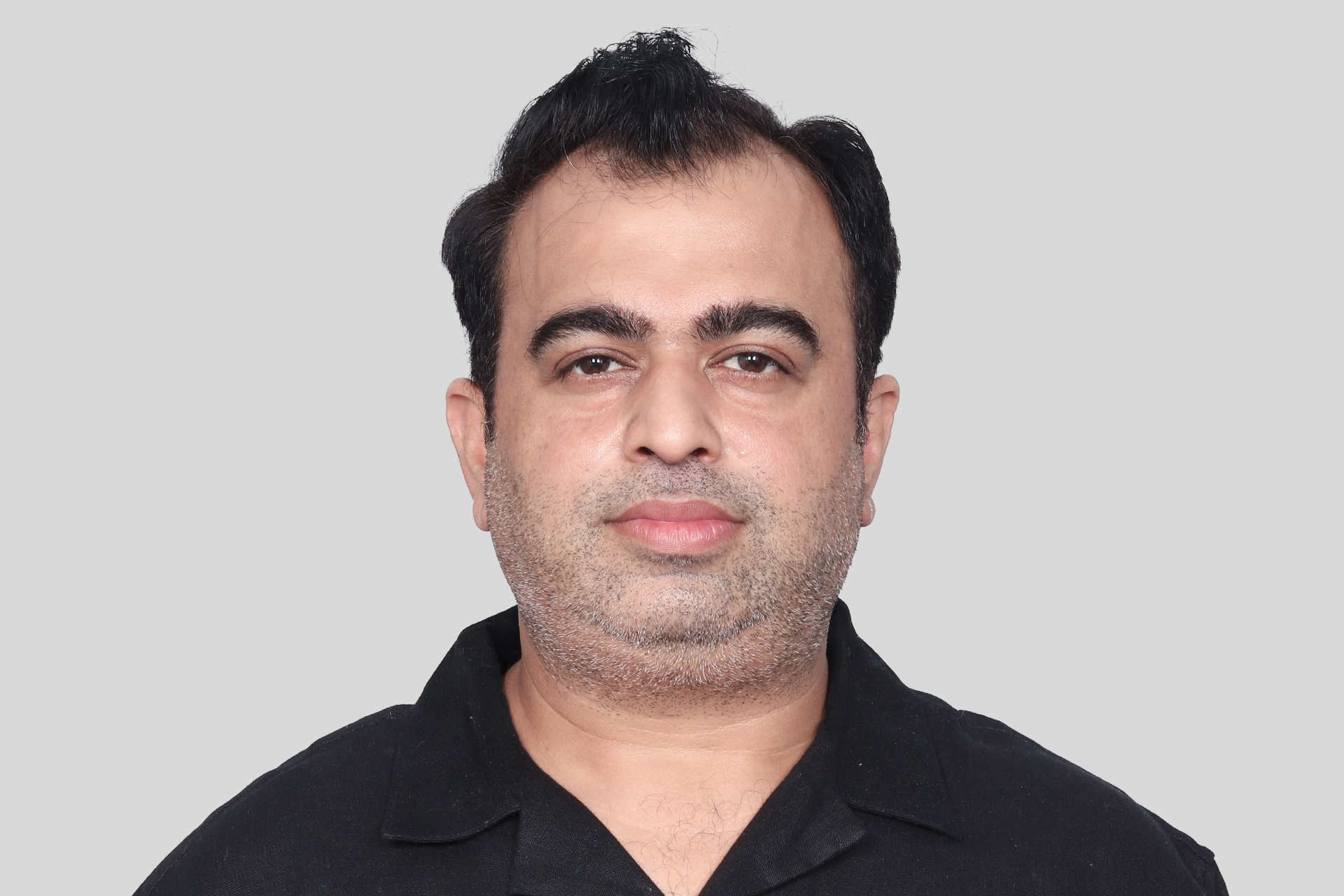
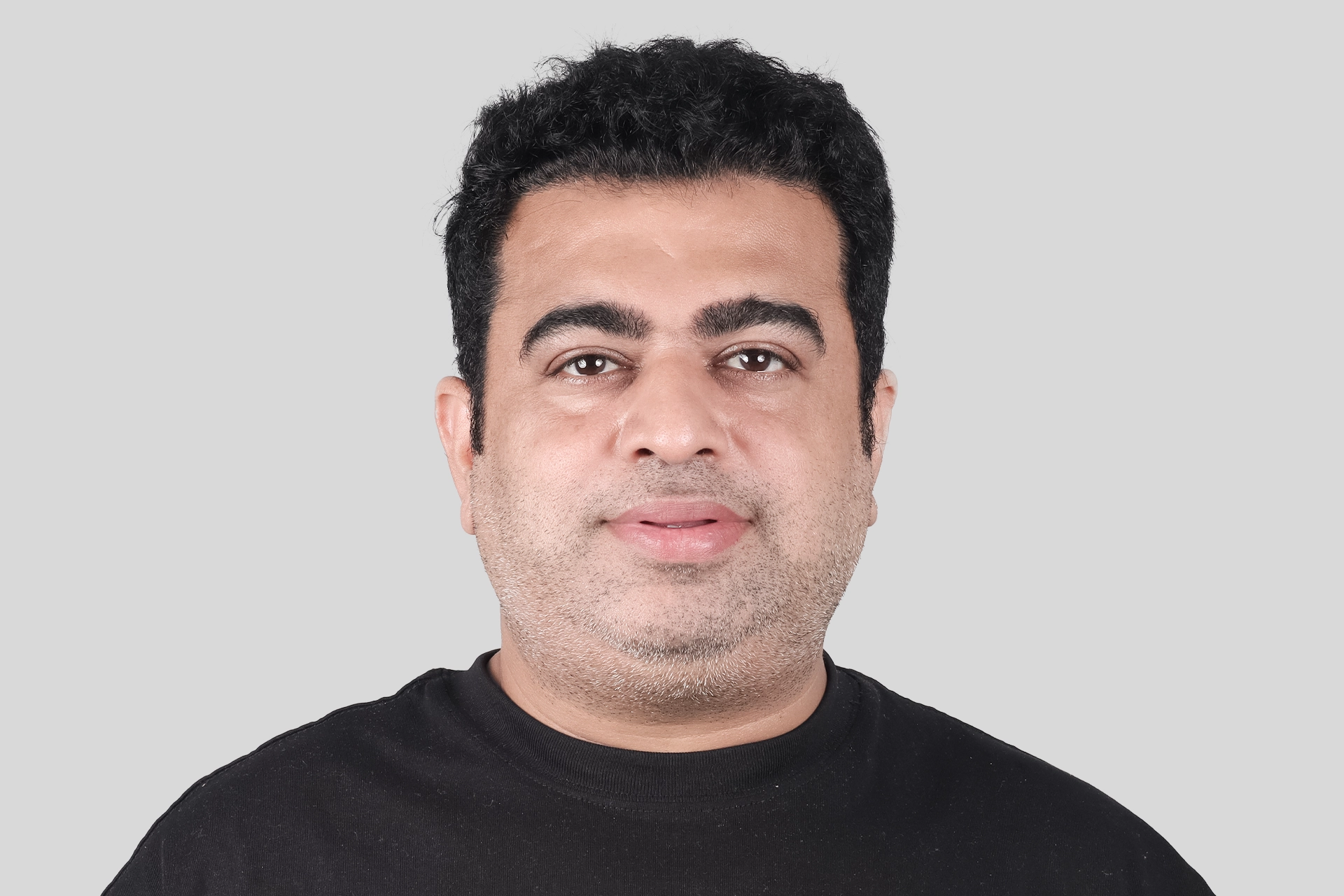
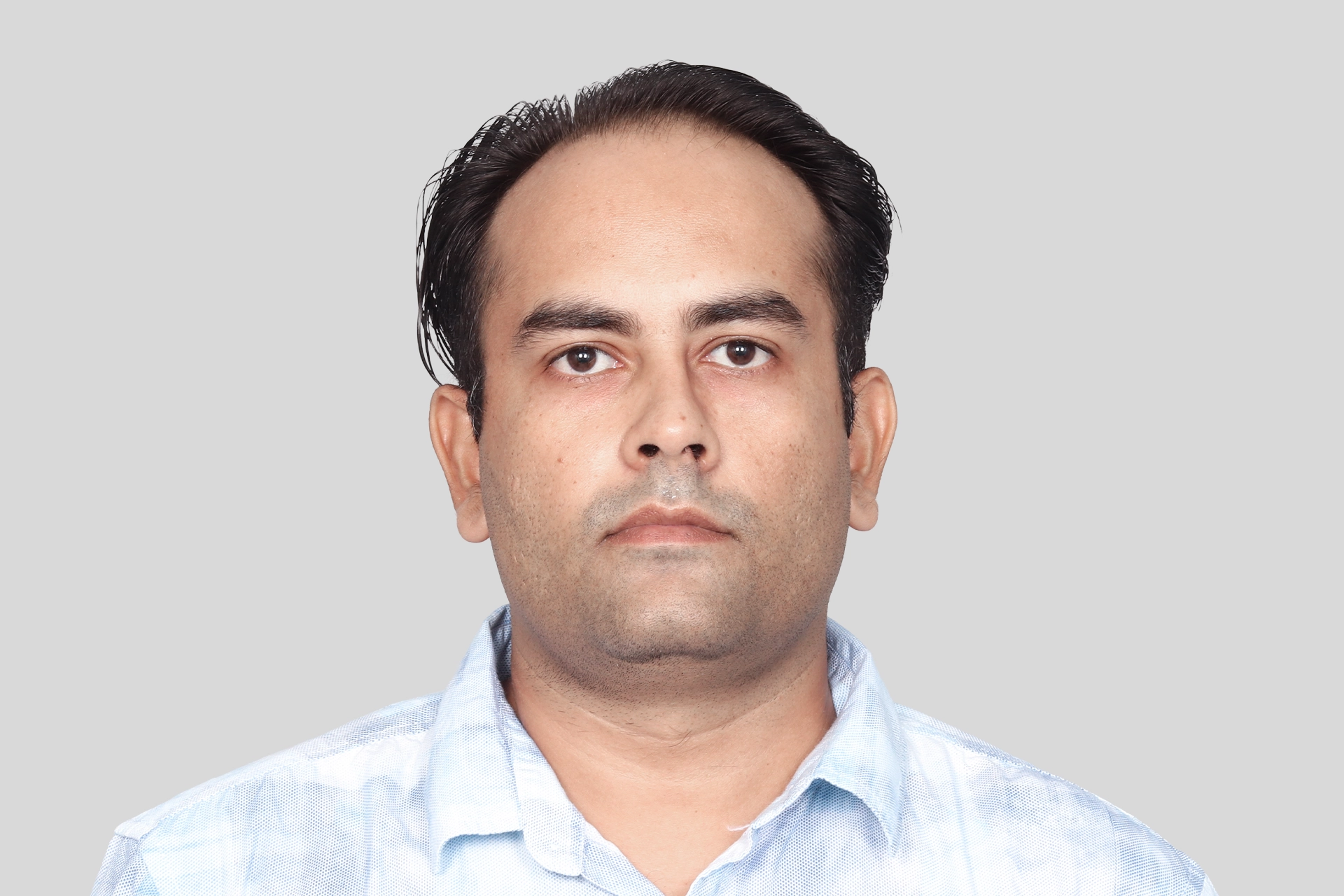
If you are still wondering, ‘Is hair transplant safe in Gurgaon?’, it is important to understand that the safety of the hair transplant procedure begins with choosing the right clinic. At QHT Clinic Gurgaon, every procedure is performed by highly experienced surgeons Dr S. Anand, Dr P. Yadav, and Dr N. Mundhra with more than 5 years of experience. QHT Clinics are NABH-accredited with fully equipped, sterilised surgical settings and have a proven track record of 95% graft survival rate with proprietary technique QHT, for natural-looking, long-lasting results. 

With over 15000+ cases successfully completed, QHT Clinic offers personalised care from the first consultation to the final follow-up with certified surgeons.  

QHT Clinic- We are One of India’s Most Advanced Hair Transplant Providers

Restore your hair with confidence at QHT. With medical precision, modern technologies, and state-of-the-art clinics across India, we offer advanced, personalised, doctor-led hair restoration procedures.
From consultation, treatment, results, to post-op care, the QHT team is here to guide. Start your dream hair journey with QHT.

India’s leading Hair transplant clinic- QHT Gurgaon

Experience modern hair transplantation in Gurgaon at QHT Clinic, where we provide natural-looking, lasting results at transparent pricing. QHT Clinic Gurgaon offers personalised hair transplant solutions with expert care to help you achieve your dream hair.

India’s leading Hair transplant clinic- QHT Gurgaon

Best and Natural-looking Hair Transplant Results

At QHT Clinic, we use clinically proven hair transplant techniques to give you the results you desire. Our goal at QHT is to deliver fuller, natural-looking beard density that blends seamlessly with existing facial hair.
Result Vector
Devendra Before Image
Devendra After Image
Harsh Sharma  Before Image
Harsh Sharma  After Image
Probir Das Before Image
Probir Das After Image
Ajay  Before Image
Ajay  After Image
Dheerendra Before Image
Dheerendra After Image
Amit Kumar  Before Image
Amit Kumar  After Image

Hair Transplant Cost in India

7
Factors That Influence FUE Pricing in Gurgaon

Many things shape your final FUE price. The main ones are:

  • The number of grafts you need; this is the biggest factor
  • The method picked, whether FUE, FUT, or QHT.
  • The density and quality of your donor area
  • How custom and detailed your hairline design will be
  • Whether this is your first session or a repair from past surgery
  • How much the surgeon is directly involved in your case
  • The pre-op and post-op care that is part of the package
Type of hair transplant Approximate Cost (INR)
Follicular Unit Extraction Starts from ₹ 70 Per Graft
Quick Hair Transplant Starts from ₹ 100 per graft
Follicular Unit Transplantation Starts from ₹ 50 Per Graft
Factors Affecting The Cost Of Hair Transplant

Many factors affect the cost of treatment and hair transplants, including:

  • Tools and Facilities
    Tools and Facilities

    The cost of hair transplant increases with the use of advanced surgical tools in sterile environments.

  • Surgeon Availability and Reliability
    Surgeon Availability and Reliability

    The presence of a dedicated surgeon during the procedure adds to both reliability and overall cost.

  • Techniques Used
    Techniques Used

    Advanced techniques, such as the FUE and QHT, are generally more expensive and can increase the overall cost of the procedure.

  • Post-Procedure Care
    Post-Procedure Care

    The level of structured care provided post-procedure (follow-up, medication, monitoring, etc.) is reflected in the cost of the hair transplant.

Frequently Asked Questions

Global bodies such as the World Health Organization encourage an evidence-based approach to medicine and following ethical guidelines when discussing the options available to patients for surgical procedures.

01
What are the risks of a hair transplant?

Hair transplant risks are generally minor and temporary when the procedure is performed by a qualified surgeon. Common side effects include swelling, redness, scabbing, itching, and temporary shock loss. Rare complications include infection, scarring, folliculitis, or poor graft survival. 

02
Is a hair transplant safe for women?

Yes. Hair transplant procedures can be safe and effective for women with stable hair loss patterns and adequate donor density.

03
Is a hair transplant painful?

Hair transplant surgery is performed under local anaesthesia, making the procedure largely painless. Patients may feel mild discomfort during anaesthesia administration and temporary soreness during recovery.

04
Which hair transplant technique is safest?

FUE and QHT are considered among the safest and most commonly performed minimally invasive hair transplant techniques due to reduced scarring and faster recovery. The ideal technique, however, depends on the patient’s hair loss pattern, donor area, and treatment goals.

05
Is a hair transplant 100% successful?

No surgical procedure can guarantee 100% success. Hair transplant outcomes depend on graft quality, surgeon expertise, donor area health, scalp condition, and post-operative care. Most patients achieve significant and natural-looking improvement when the procedure is properly planned and performed.

06
How to minimise hair transplant risks in Gurgaon?

Choose a clinic with surgeon-led procedures, follow pre-op and post-op instructions, avoid smoking and drinking alcohol at least 1 week before and after the transplant, and attend follow-up appointments to monitor the growth and healing. 

Plan Your FUE Hair Transplant in Gurgaon

Beard restoration is a precise, permanent solution for men who have tried every remedy but have not received the desired results. At QHT Clinic Gurgaon, we combine surgical skill, facial aesthetics expertise, and transparent consultation to deliver entirely natural results. Once fully healed, the transplanted beard can be trimmed, shaved, and styled just like natural facial hair. Take the first step with a thorough consultation with our beard transplant specialist, Dr N. Mundra, Dr S. Anand and Dr P. Yadav. The surgical team is available for no-obligation consultations and provides a clear, honest treatment plan.

Book an Appointment Now