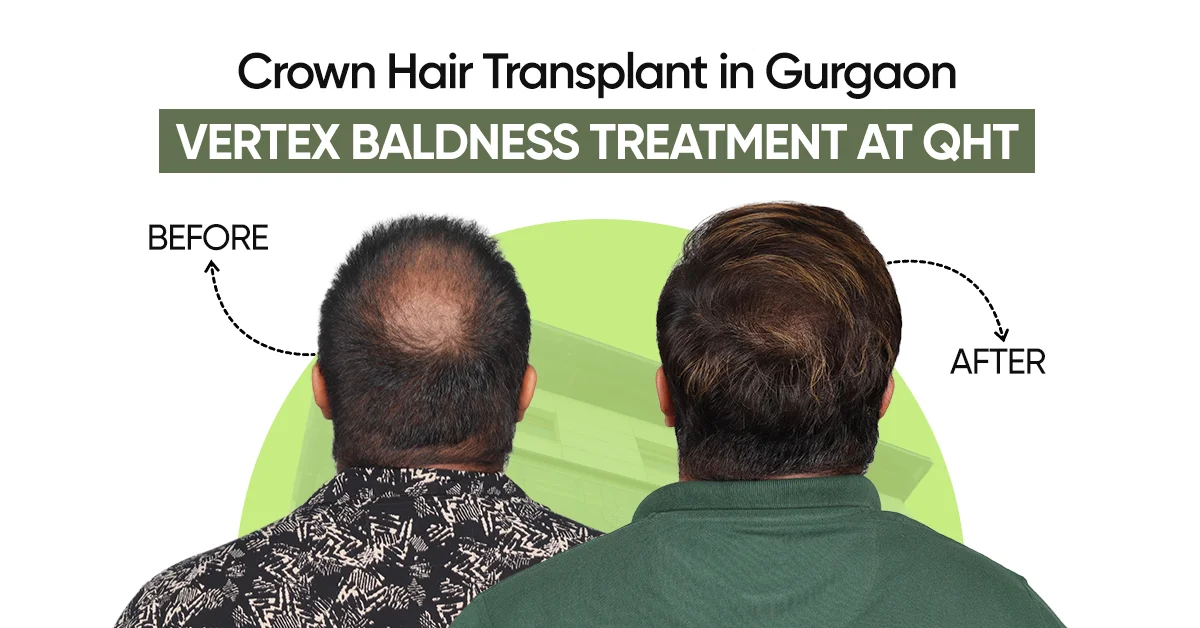


Crown Hair Transplant in Gurgaon – Vertex Baldness Treatment at QHT
Choose surgeon-designed vertex restoration with precise whorl reconstruction and meticulous donor preservation for transformative results.

Book a Crown Assessment in Gurgaon

Crown Hair Transplant in Gurgaon
Doctor-led consultation and surgical planning
15,000+ hair transplant procedures
Focus on Long-Term Scalp Health
Donor area preservation focus
Doctor-led consultation and surgical planning
15,000+ hair transplant procedures
Focus on Long-Term Scalp Health
Donor area preservation focus
Whorl-pattern precision

Each graft is angled to match your natural crown swirl


Whorl-pattern precision
Donor-first planning

Conservative harvesting preserves reserve for the future


Donor-first planning
Phased density approach

Coverage planned in stages, not crowded in one session

Phased density approach
Personalised graft mapping

Count and placement based on your individual scalp assessment

Personalised graft mapping
What Is Crown Hair Transplant and Why Is It Challenging?

What Is Crown Hair Transplant and Why Is It Challenging?

What Is Crown Hair Transplant and Why Is It Challenging?

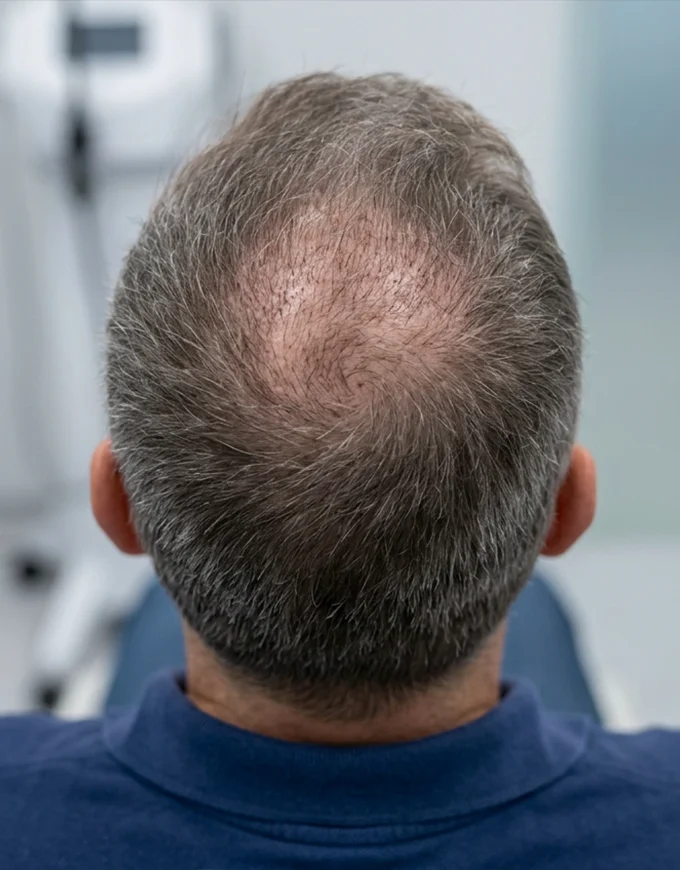
The crown is the top back area of the head. It is also called the vertex. Hair in this zone grows in a circular pattern, like a swirl. A crown hair transplant is a procedure that moves healthy hair grafts to the thinning area. Some people also refer to this as a vertex hair transplant.

The crown is harder to plan than the front hairline. Hair here does not grow in a straight line. It grows outward from a central point. Each graft must be placed at the right angle to follow this natural swirl. If the angle is off, the new hair may look out of place.

The crown also tends to take longer to show full results. Many patients notice that visible density in this area builds more slowly than at the front. This is a normal part of the process and varies from person to person.

Most crown thinning is linked to androgenetic alopecia. This is the most common form of hair loss in men and women. Doctors use the Norwood scale to measure how far the hair loss has progressed. Crown thinning often becomes noticeable from Norwood stage 3 and may continue to grow with age.

Why Crown Needs Expert Planning: Donor Laxity Explained

Why Crown Needs Expert Planning: Donor Laxity Explained

Why Crown Needs Expert Planning: Donor Laxity Explained

Crown hair transplant planning in Gurgaon is a careful process. The surgeon must think beyond just the bald spot today. Long-term hair patterns are also planned for.

What Is Donor Laxity?

Donor laxity refers to the natural stretch of the scalp at the back and sides of your head. This is the zone from which hair is taken for transplant. A healthy donor area must be preserved for any future use.

The Future Loss Buffer Principle

Many crown patients still have ongoing hair loss in nearby areas. A good plan keeps part of the donor reserve safe for the future. You may benefit from a second session later if hair loss continues. Surgeons at QHT plan with this in mind.

Why Some Crown Patients Are Planned as Two-Stage Cases

Stage 1: The current visible crown zone is treated for density.

Stage 2: A touch-up may be planned later if hair loss progresses around the crown.

This phased approach supports long-term crown hair density restoration in Gurgaon. It also avoids overusing the donor area in the first session.

Crown vs Frontal Hairline Transplant: Key Differences

Crown vs Frontal Hairline Transplant: Key Differences

Crown vs Frontal Hairline Transplant: Key Differences

A crown hair transplant in Gurgaon is planned in a different way than a front hairline procedure. The two zones have their own growth patterns and surgical needs. The table below shows the main differences.

Factor Frontal Hairline Crown or Vertex
Growth direction Linear and forward Circular whorl
Visual density per graft Generally higher Generally needs more grafts for similar coverage
Surgical priority Hairline design Whorl angulation
Maturation timeline Earlier Tends to take longer

Note: All figures shown are indicative only. The actual surgical plan is confirmed during your in-clinic evaluation at QHT Gurgaon.

How Many Grafts Are Needed for Crown Transplant?

How Many Grafts Are Needed for Crown Transplant?

How Many Grafts Are Needed for Crown Transplant?

The number of grafts needed for crown work is not the same for everyone. It depends on how much hair has been lost and how much donor hair is available. Some patients need fewer grafts. Others may need many more. The crown area graft count in Gurgaon is always finalised after a full scalp check.

The table below shows wide indicative ranges based on how advanced the crown thinning is.

Crown Severity Indicative Graft Range
Early crown thinning Approximately 1,200 to 2,000 grafts
Moderate crown loss Approximately 2,000 to 3,000 grafts
Advanced crown loss Approximately 3,000 to 4,500 grafts or more

Note: These ranges are illustrative only. Your actual graft requirement depends on hair calibre, donor density, scalp condition, and future loss projection. The final number is confirmed only after a clinical assessment at QHT Gurgaon.

Patients exploring crown thinning treatment in Gurgaon should also know that the crown area often needs more grafts than the front. This is because the visual density per graft is lower in the swirl zone.

Crown Hair Transplant Procedure at QHT Gurgaon

Crown Hair Transplant Procedure at QHT Gurgaon

Crown Hair Transplant Procedure at QHT Gurgaon

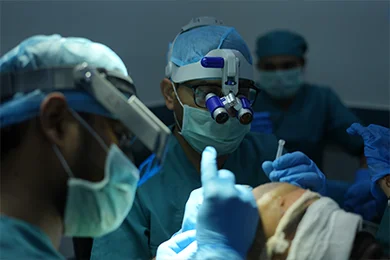
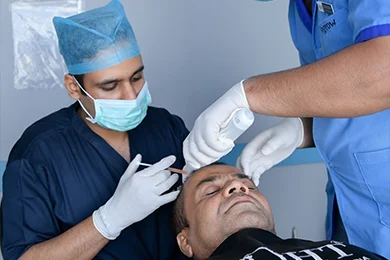
A hair transplant for crown baldness in Gurgaon follows a clear, step-by-step plan. Each stage is built around safety, precision, and natural-looking results.

Step 1: Consultation and Scalp Evaluation

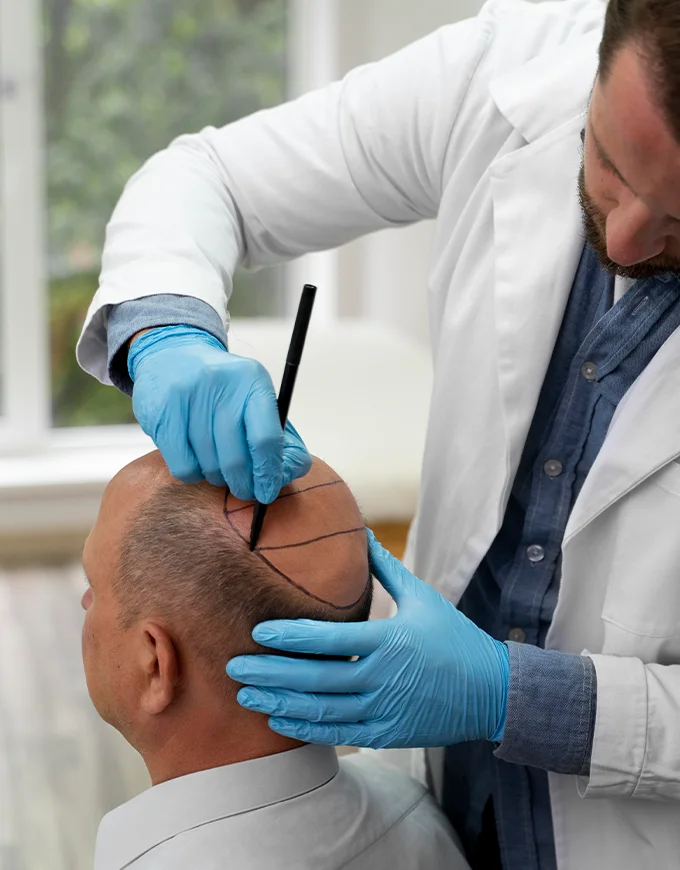
Your first visit includes a detailed scalp check. The surgeon studies your donor area and the pattern of your hair loss.

Step 2: Surgical Planning

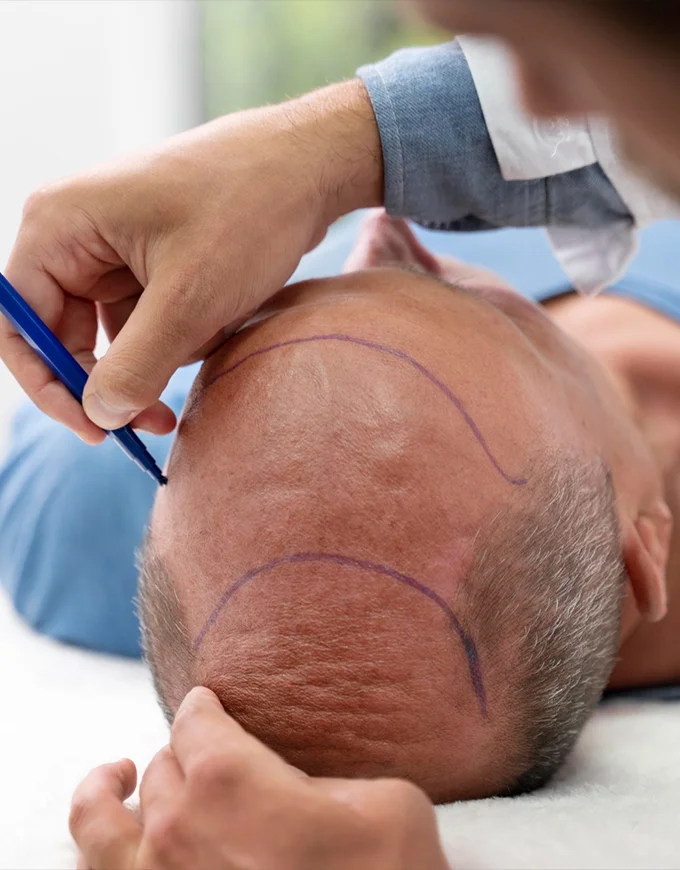
The surgeon marks the direction of your natural whorl. Density zones are also mapped out at this stage.

Step 3: Donor Extraction

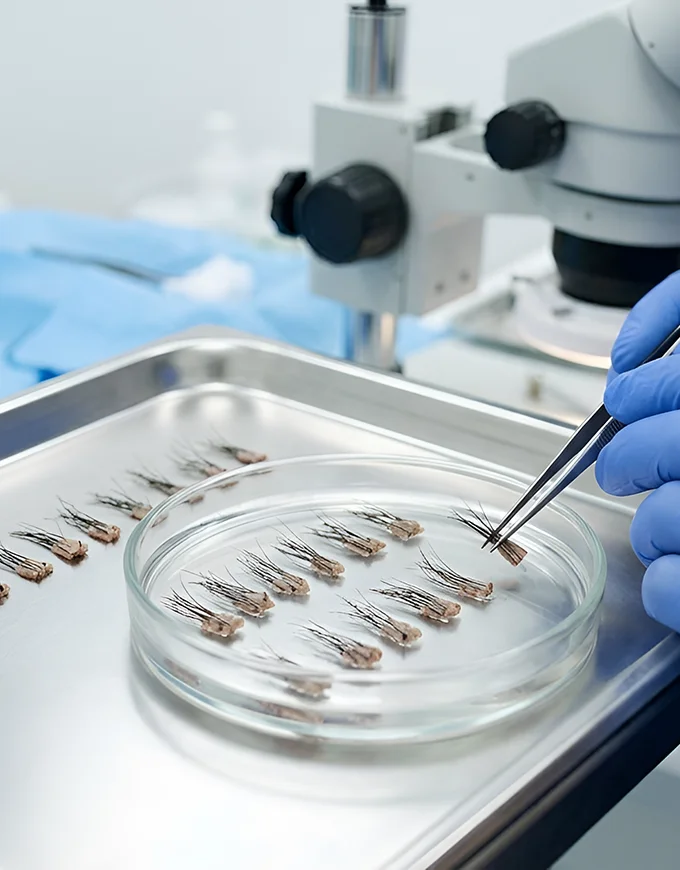
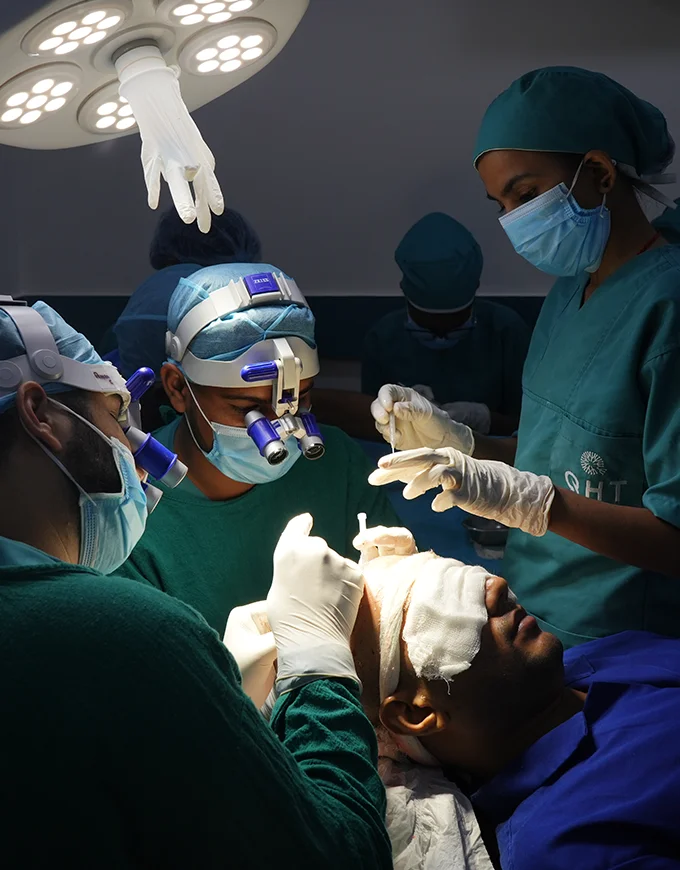
Hair grafts are taken from the back or sides of the scalp. This is done using FUE or the QHT technique.

Step 4: Recipient Site Preparation

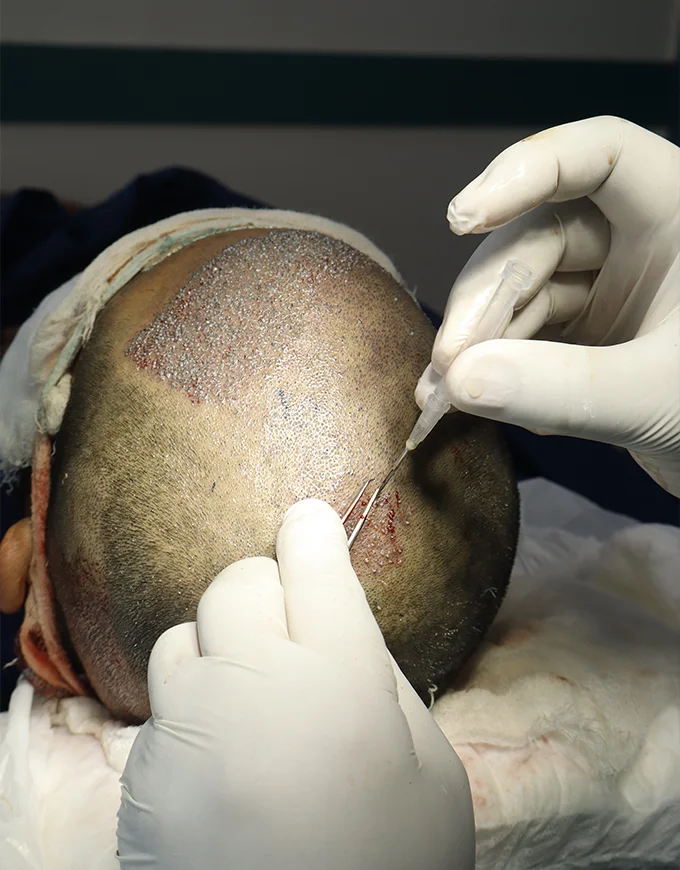
Small openings are made in the crown area. The angle and direction of each site are planned to match your natural growth.

Step 5: Graft Implantation

The QHT technique allows same-day implantation. Graft out-of-body time is kept under two hours.

Step 6: Post-Op Care Briefing

You receive a clear care plan for the days, weeks, and months ahead.

Techniques Offered at QHT Gurgaon

Techniques Offered at QHT Gurgaon

Techniques Offered at QHT Gurgaon
FUE (Follicular Unit Extraction)

This is a minimally invasive method that does not leave a linear scar. FUE for crown baldness in India is one of the most chosen options today. It is also widely known as vertex FUE in India when used in the crown area.

FUT (Follicular Unit Transplantation)

This is a strip-based method where a small strip of skin is taken from the donor area. The strip is then divided into individual grafts under magnification before being placed in the crown. FUT may be suitable for patients who need a higher number of grafts in a single session. The donor area is closed with fine sutures and any minor mark stays hidden under surrounding hair.

QHT (Quick Hair Transplant) Technique

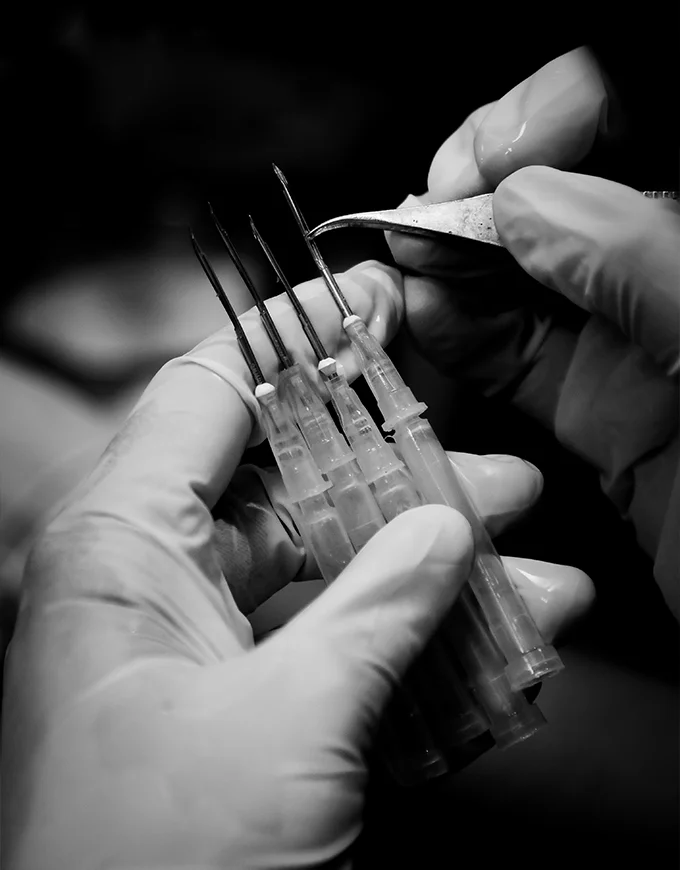
This is QHT Clinic’s patented method. It uses the SAVA implanter pen. Grafts are extracted and implanted at the same time, which helps keep them healthy.

Recovery After Crown Hair Transplant

Recovery After Crown Hair Transplant

Recovery After Crown Hair Transplant

The crown hair transplant results timeline is gradual. New hair does not appear right away. Below is what most patients can expect.

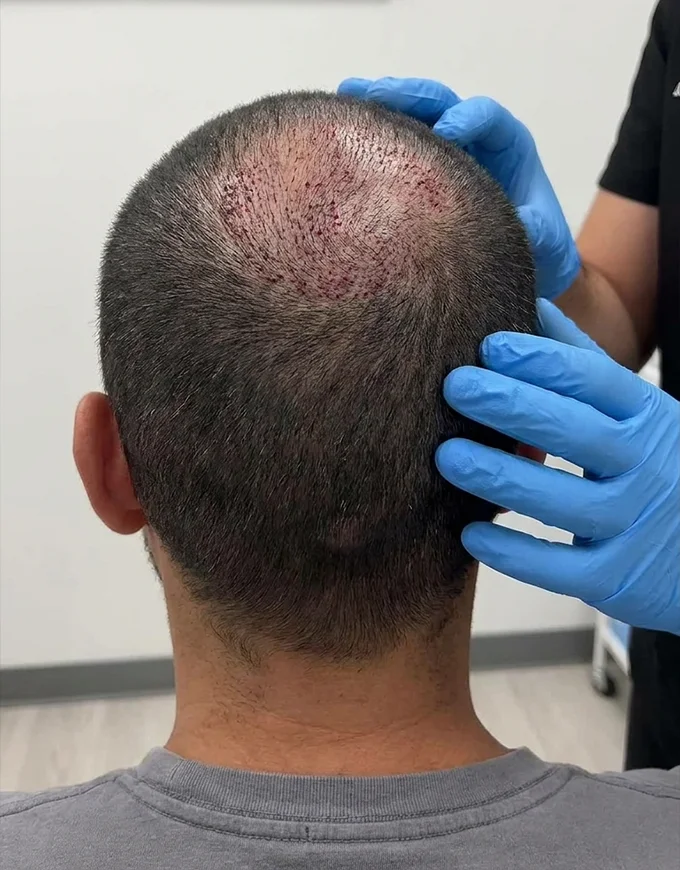
  • Days 0 to 3: Mild redness and small scabs may form. This is common and short-lived.
  • Days 4 to 10: Initial scab clearance generally happens in this phase. Healing speed varies from person to person.
  • Weeks 2 to 4: Some transplanted hairs may shed. This stage is called shock loss. It is a common and expected part of the process.
  • Months 3 to 4: New hair growth typically begins.
  • Month 6: Many patients notice visible improvement around this point.
  • Months 9 to 12: Crown density usually reaches its visible peak.

Note: Recovery timelines are general observations. Individual experience may vary based on age, health, and post-op care.

Who Should Consider a Crown Hair Transplant in Gurgaon?

Who Should Consider a Crown Hair Transplant in Gurgaon?

Who Should Consider a Crown Hair Transplant in Gurgaon?

Not everyone with crown thinning is ready for surgery right away. Each case is reviewed by a qualified surgeon. The right plan depends on many personal factors.

Generally Considered Suitable When:
  • Crown thinning has been stable for around 12 months.
  • Donor density is adequate.
  • The patient is in good general health.
  • The patient has realistic expectations about the timeline, which is typically 9 to 12 months for visible results.
Patients Where Surgery May Not Be the First Option:
  • Very early-stage thinning, where non-surgical options may be explored first
  • Active scalp infection or any untreated scalp condition
  • Underlying medical issues that may slow healing
  • Hair loss that is still progressing rapidly, where stabilisation is usually advised first

Crown baldness grade treatment is best planned after a full review of your scalp and overall health.

Why Patients Choose QHT Gurgaon for Crown Hair Transplant

Why Patients Choose QHT Gurgaon for Crown Hair Transplant

Why Patients Choose QHT Gurgaon for Crown Hair Transplant

QHT Gurgaon is built around surgeon-led care and a clear set of clinical standards. Patients choose this crown restoration clinic in Gurgaon for the reasons listed below.

  • Surgeon-led consultations from start to finish: Every plan is reviewed and approved by a qualified hair transplant surgeon at QHT Gurgaon, including Dr. N. Mundhra, Dr. S. Anand, and Dr. P. Yadav, all trained in Oral and Maxillofacial Surgery (MDS). The surgeon stays involved through each step of the procedure.
  • 95% graft survival rate: QHT’s proprietary process is built to support a high graft survival rate of around 95%. This figure is achievable with strict in-clinic protocols and careful graft handling.
  • 10x magnification for graft selection: Each graft is studied under 10x magnification before extraction. This helps the team choose strong, viable follicles and supports better long-term density.
  • Patented Quick Hair Transplant technique with the SAVA implanter pen: The QHT technique uses the patented SAVA implanter pen for precise placement. This tool allows control over depth, angle, and direction, which is important for the crown’s swirl pattern.
  • Under 2 hours of graft out-of-body time: Extracted grafts are kept outside the body for less than 2 hours. Shorter out-of-body time supports graft health and helps protect survival rates.
  • Chilled PRP saline storage: While grafts wait to be implanted, they are stored in chilled PRP saline. This helps keep the follicles in a stable environment until they are placed in the scalp.
  • A donor-conservative approach: Surgeons plan with the future in mind. The donor area is used carefully so that reserves are protected for any later sessions.
  • Transparent pricing with no hidden costs: You receive a clear cost plan before the procedure. There are no add-on charges later.

Each plan is built around your scalp condition, hair pattern, and personal goals.

QHT Clinic Gurugram

The QHT Gurugram clinic is centrally placed in Sector 46 and is easy to reach from across the NCR region. Our patients travel from Sectors 45, 47, and 50, Sushant Lok, South City 1 and 2, DLF Phases 1 to 4, Golf Course Road, Sohna Road, MG Road, Cyber City, Palam Vihar, and Manesar. The location is also a smooth drive for people coming in from Delhi, Noida, Faridabad, and Dwarka.

Indiaโ€™s leading Hair transplant clinic- QHT Gurgaon

Experience modern hair transplantation in Gurgaon at QHT Clinic, where we provide natural-looking, lasting results at transparent pricing. QHT Clinic Gurgaon offers personalised hair transplant solutions with expert care to help you achieve your dream hair.

Indiaโ€™s leading Hair transplant clinic- QHT Gurgaon

Crown Transplant Results Gallery

This section displays real patient outcomes from QHT Gurgaon. You can browse crown hair transplant before and after Gurgaon cases to see how density builds over time.
Result Vector
Devendra Before Image
Devendra After Image
Harsh Sharma  Before Image
Harsh Sharma  After Image
Probir Das Before Image
Probir Das After Image
Ajay  Before Image
Ajay  After Image
Dheerendra Before Image
Dheerendra After Image
Amit Kumar  Before Image
Amit Kumar  After Image

Hair Transplant Cost in India

7
Factors That Influence FUE Pricing in Gurgaon

Many things shape your final FUE price. The main ones are:

  • The number of grafts you need; this is the biggest factor
  • The method picked, whether FUE, FUT, or QHT.
  • The density and quality of your donor area
  • How custom and detailed your hairline design will be
  • Whether this is your first session or a repair from past surgery
  • How much the surgeon is directly involved in your case
  • The pre-op and post-op care that is part of the package
Type of hair transplant Approximate Cost (INR)
Follicular Unit Extraction Starts from โ‚น 70 Per Graft
Quick Hair Transplant Starts from โ‚น 100 per graft
Follicular Unit Transplantation Starts from โ‚น 50 Per Graft
Factors Affecting The Cost Of Hair Transplant

Many factors affect the cost of treatment and hair transplants, including:

  • Tools and Facilities
    Tools and Facilities

    The cost of hair transplant increases with the use of advanced surgical tools in sterile environments.

  • Surgeon Availability and Reliability
    Surgeon Availability and Reliability

    The presence of a dedicated surgeon during the procedure adds to both reliability and overall cost.

  • Techniques Used
    Techniques Used

    Advanced techniques, such as the FUE and QHT, are generally more expensive and can increase the overall cost of the procedure.

  • Post-Procedure Care
    Post-Procedure Care

    The level of structured care provided post-procedure (follow-up, medication, monitoring, etc.) is reflected in the cost of the hair transplant.

Frequently Asked Questions

Global bodies such as the World Health Organization encourage an evidence-based approach to medicine and following ethical guidelines when discussing the options available to patients for surgical procedures.

01
Approximately how many grafts are typically needed for crown baldness?

The graft count varies between patients. Early crown thinning typically needs around 1,200 to 2,000 grafts. Moderate cases may require 2,000 to 3,000 grafts, while advanced crown loss often needs 3,000 to 4,500 grafts or more. The exact number is based on clinical evaluation of your scalp and donor area.

02
Is a crown hair transplant in Gurgaon painful?

The procedure is carried out under local anaesthesia, so most patients do not feel pain during surgery. Mild soreness or tightness may be felt for a short time after the procedure. This typically settles within a few days with the medication advised by your surgeon.

03
When can I expect visible results after a crown hair transplant?

In most cases, new hair growth begins around 3 to 4 months after surgery. Many patients see noticeable improvement by month 6. Crown density usually reaches its visible peak by 9 to 12 months. Individual experience varies between patients.

04
Will the rest of my hair continue to thin after a transplant?

Transplanted hair is taken from areas that are less affected by hair loss. The hair around it, however, may continue to thin over time in some patients. Your surgeon may suggest non-surgical care or a future touch-up session based on your ongoing pattern.

05
Can the crown and hairline be treated in a single session?

In some cases, both zones can be planned in one session. This depends on your donor reserve, total graft count, and overall health. Your surgeon will share a suitable plan after a clinical evaluation, since combined sessions are not suitable for every patient.

06
What is the difference between FUE and QHT for crown work?

FUE is a method where each graft is extracted one by one without a linear scar. The QHT technique is QHT’s patented method. It uses the SAVA implanter pen and allows grafts to be extracted and implanted at the same time. This helps reduce out-of-body time, which supports graft survival.

07
What makes QHT Gurgaon's approach to crown transplant distinctive?

QHT Gurgaon follows a surgeon-led model with a clear set of in-clinic standards. These include the patented QHT technique, the SAVA implanter pen, 10x magnification for graft selection, under 2 hours of graft out-of-body time, and chilled PRP saline storage. Each plan is built around your scalp condition and personal goals.

08

Book a Crown Assessment at QHT Gurgaon

A successful crown hair transplant begins with a careful clinical assessment. At QHT Gurgaon, our team studies your scalp, hair characteristics, and donor reserve before suggesting a personalised plan. This step-by-step approach helps you understand your options before making a decision. If you have been thinking about crown restoration, the first step is a simple conversation with our team. We will walk you through what is involved, what to expect, and how the plan will work for you.

Book a Crown Assessment at QHT Gurgaon