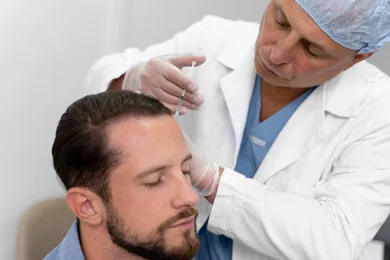
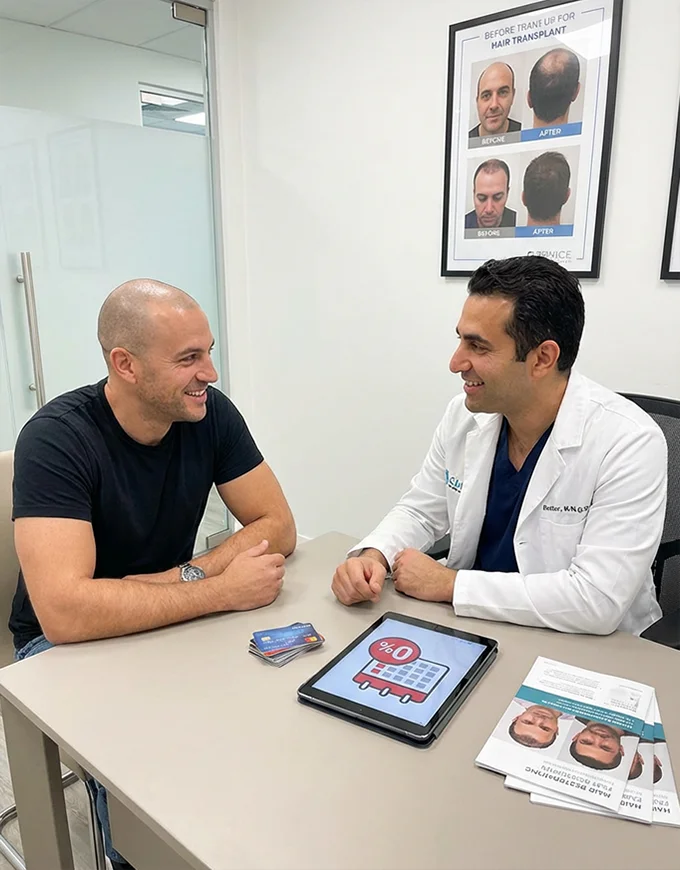
Direct, one-on-one assessment before treatment planning.
Verified highly skilled surgeons to perform the procedures.
Credentials, pricing and realistic outcomes are discussed transparently.
NABH-accredited facilities to ensure patient safety and hygiene standards
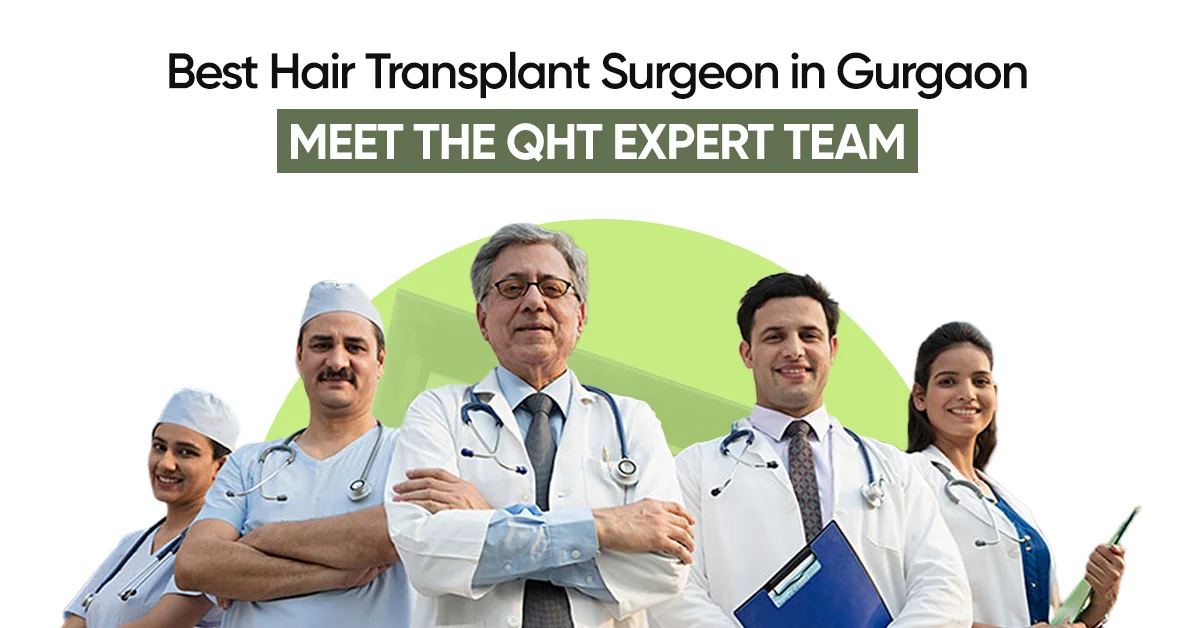
QHT Clinic prioritises quality and patient safety, which means that all the procedures are performed by qualified surgeons and not delegated to technicians. QHT Clinic Gurgaon’s surgical team is led by facial aesthetic and hair transplant surgeons with specialisation in oral and maxillofacial surgery (MDS). The surgical background provides a strong foundation in facial aesthetics and facial reconstruction procedures, along with elective cosmetic procedures, including hair transplantation. The team brings extensive clinical experience and surgical precision to deliver natural-looking results.
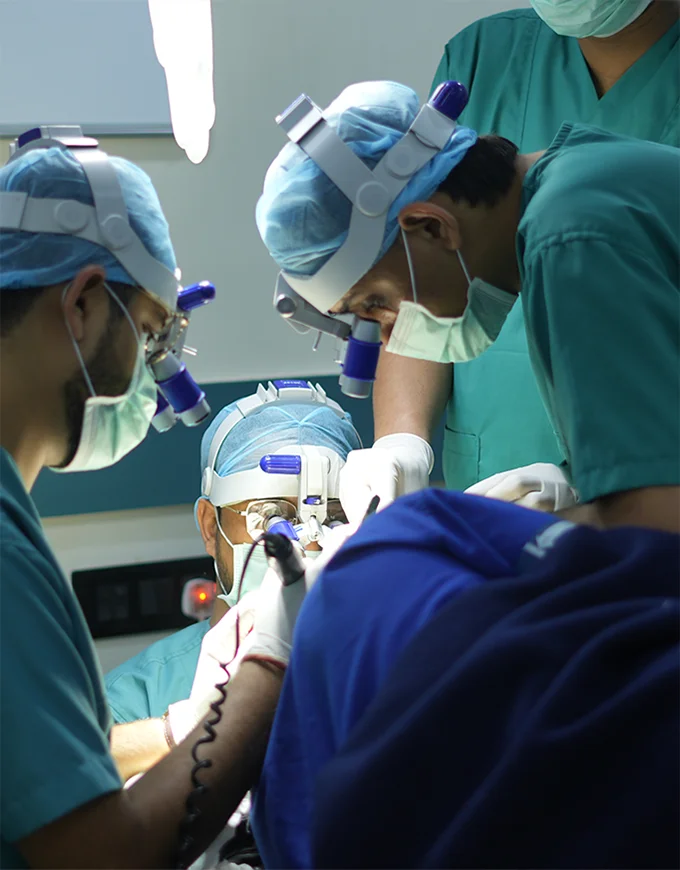
QHT Clinic believes in a team-based approach to provide the best possible results and care to each and every patient.
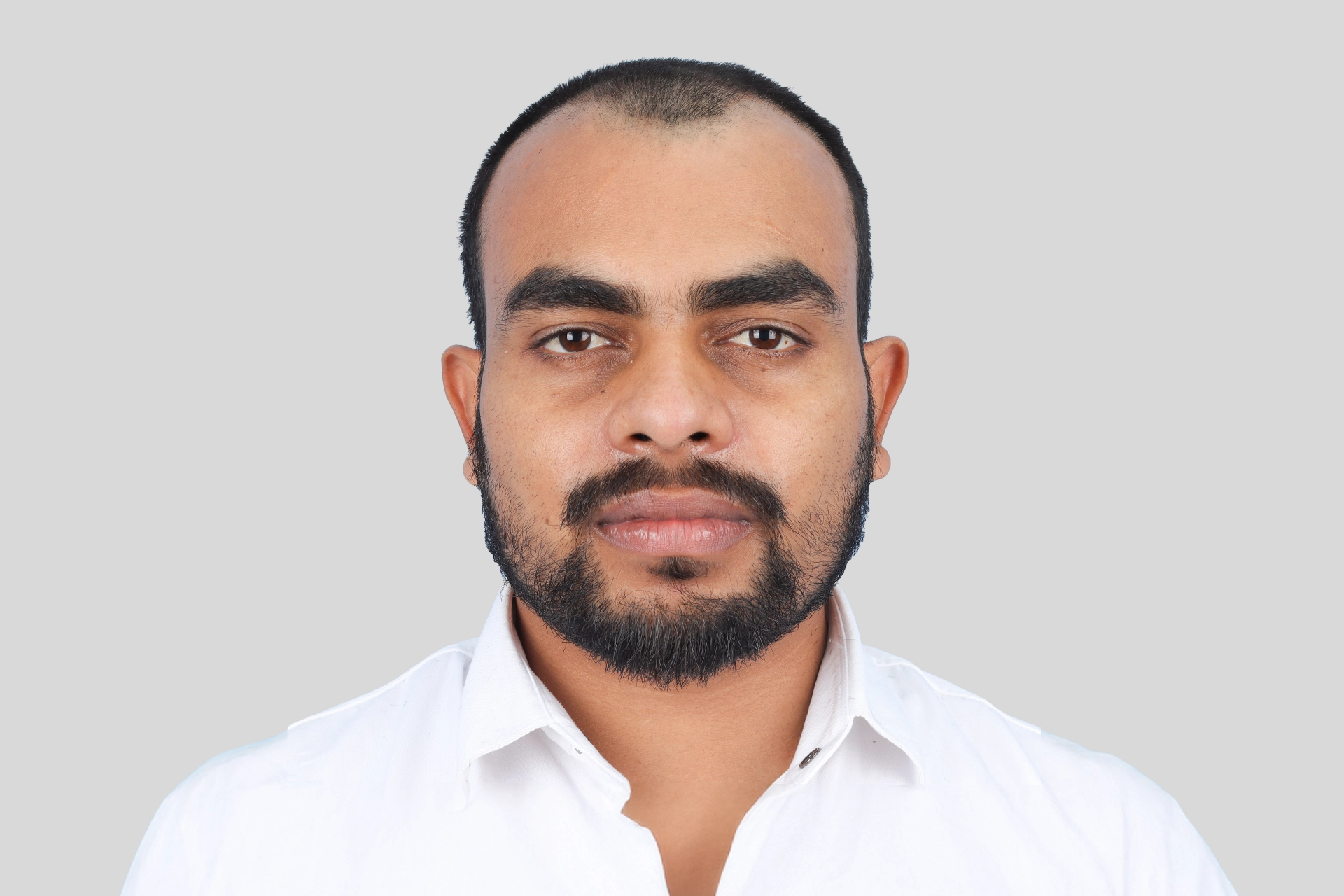
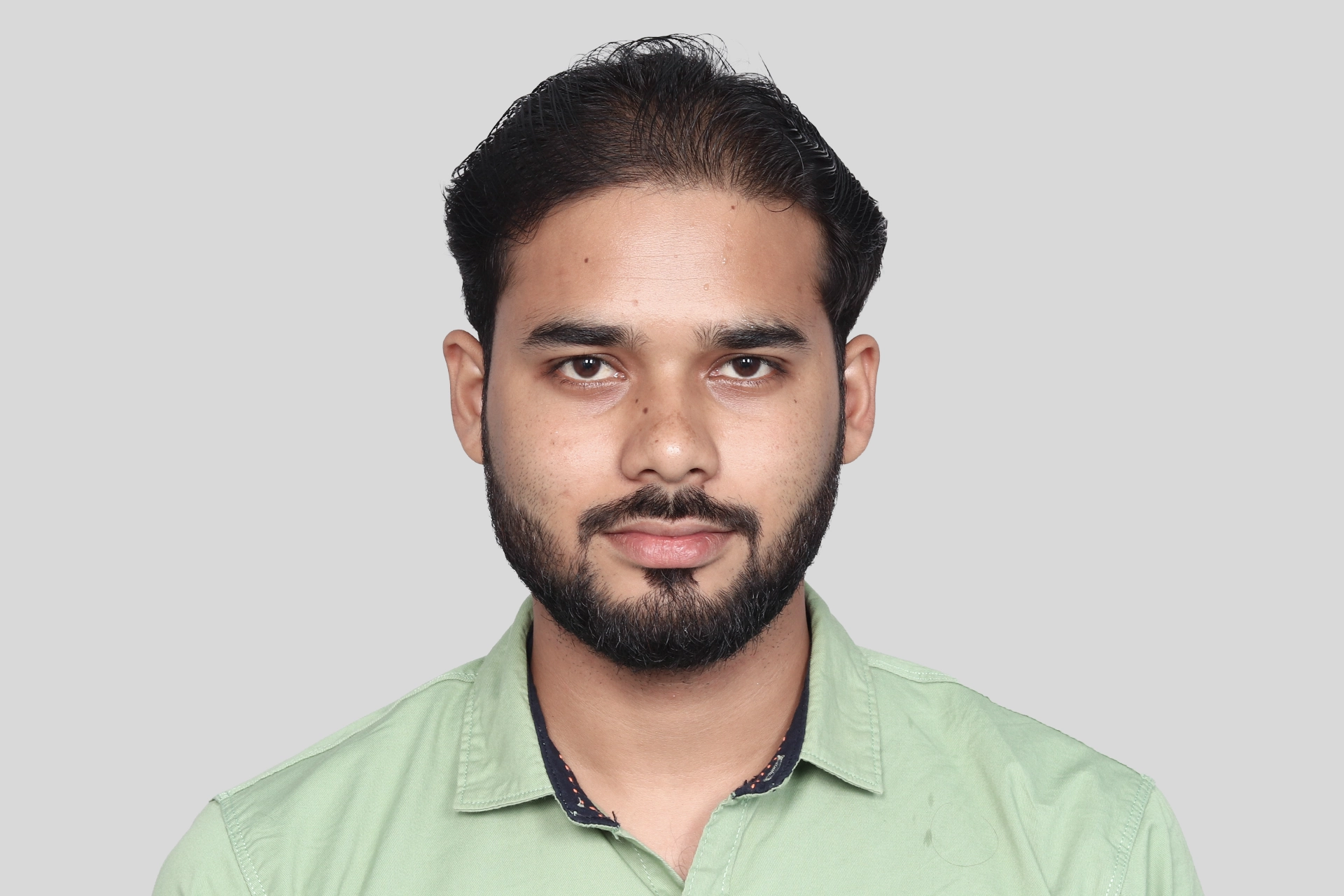
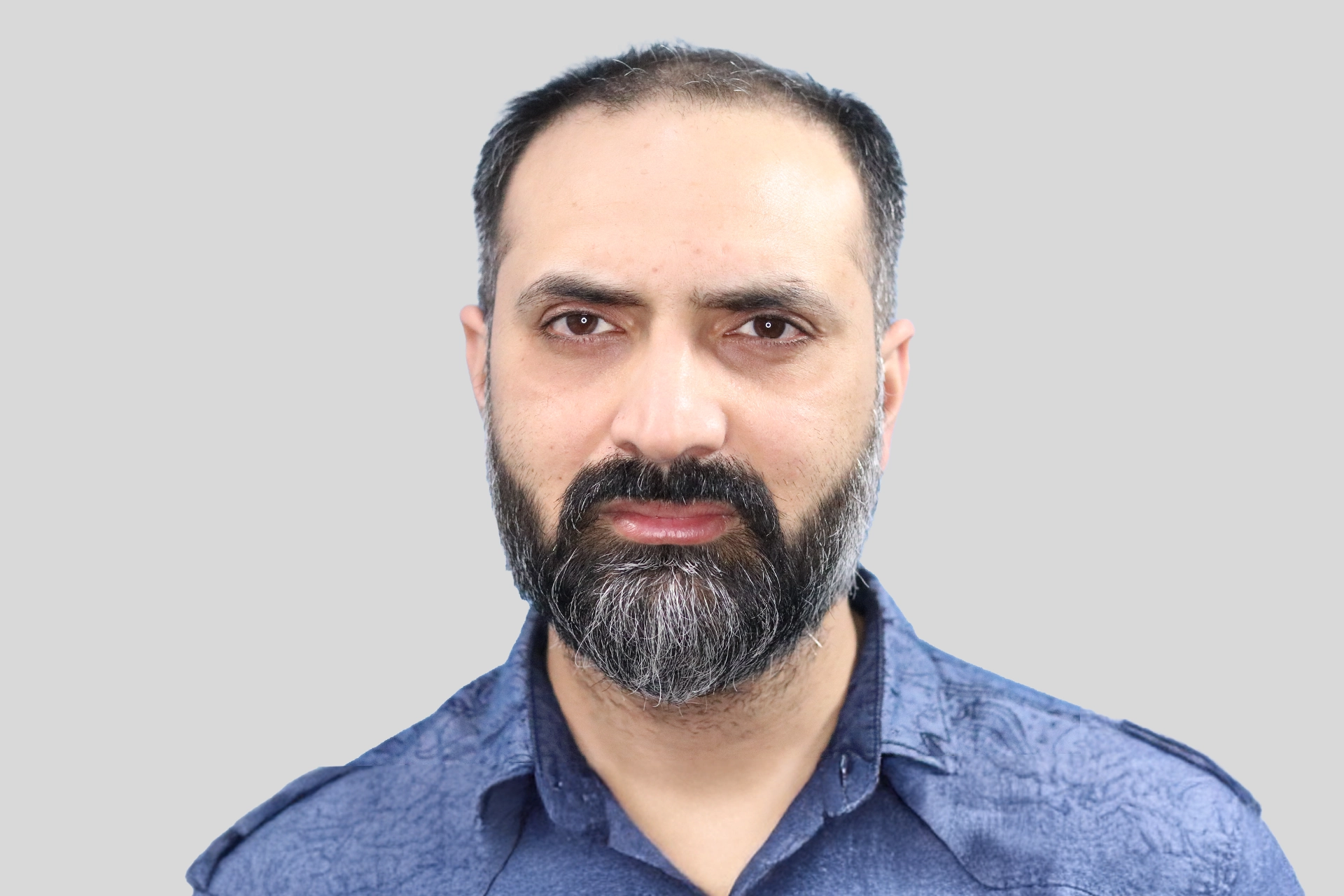
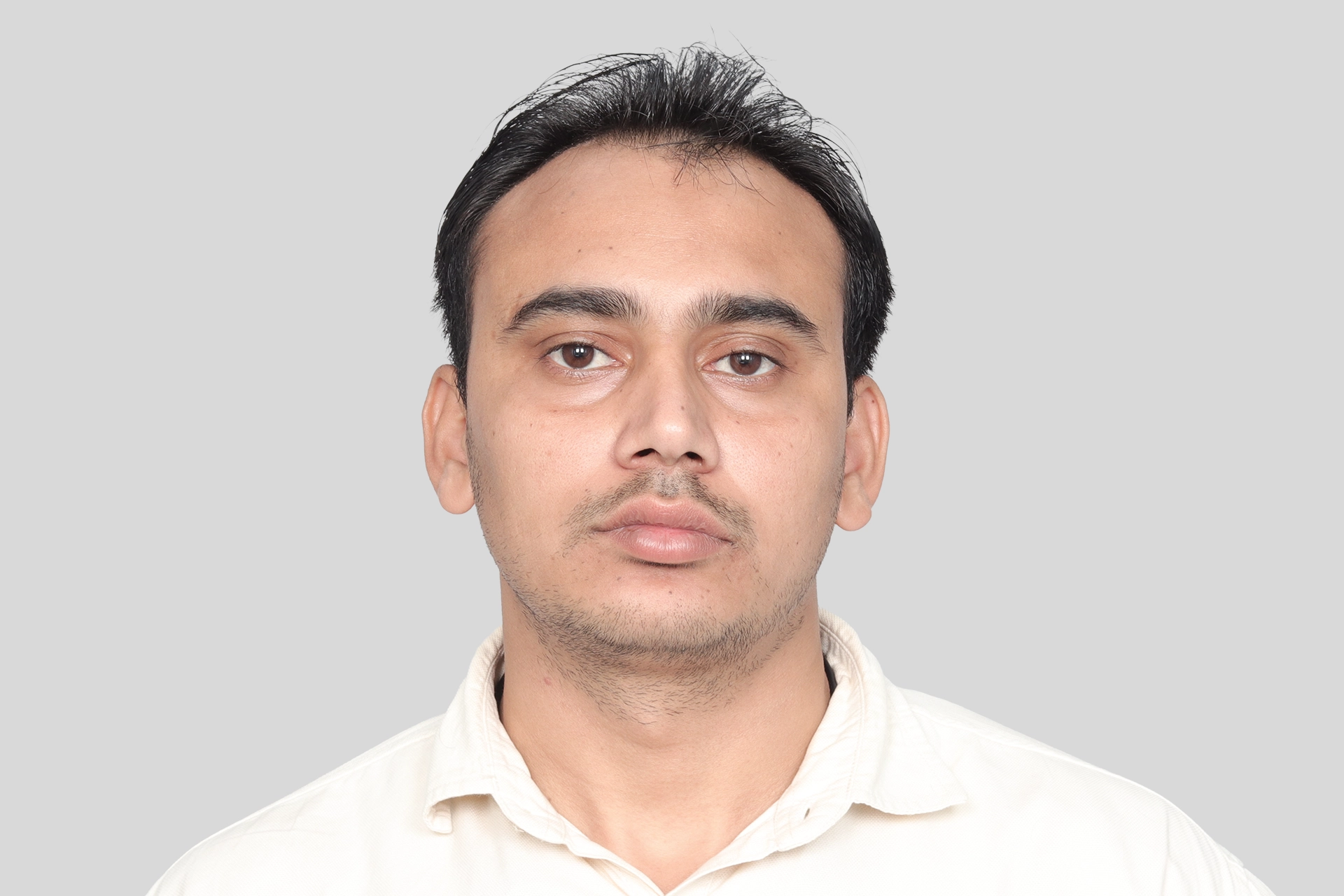
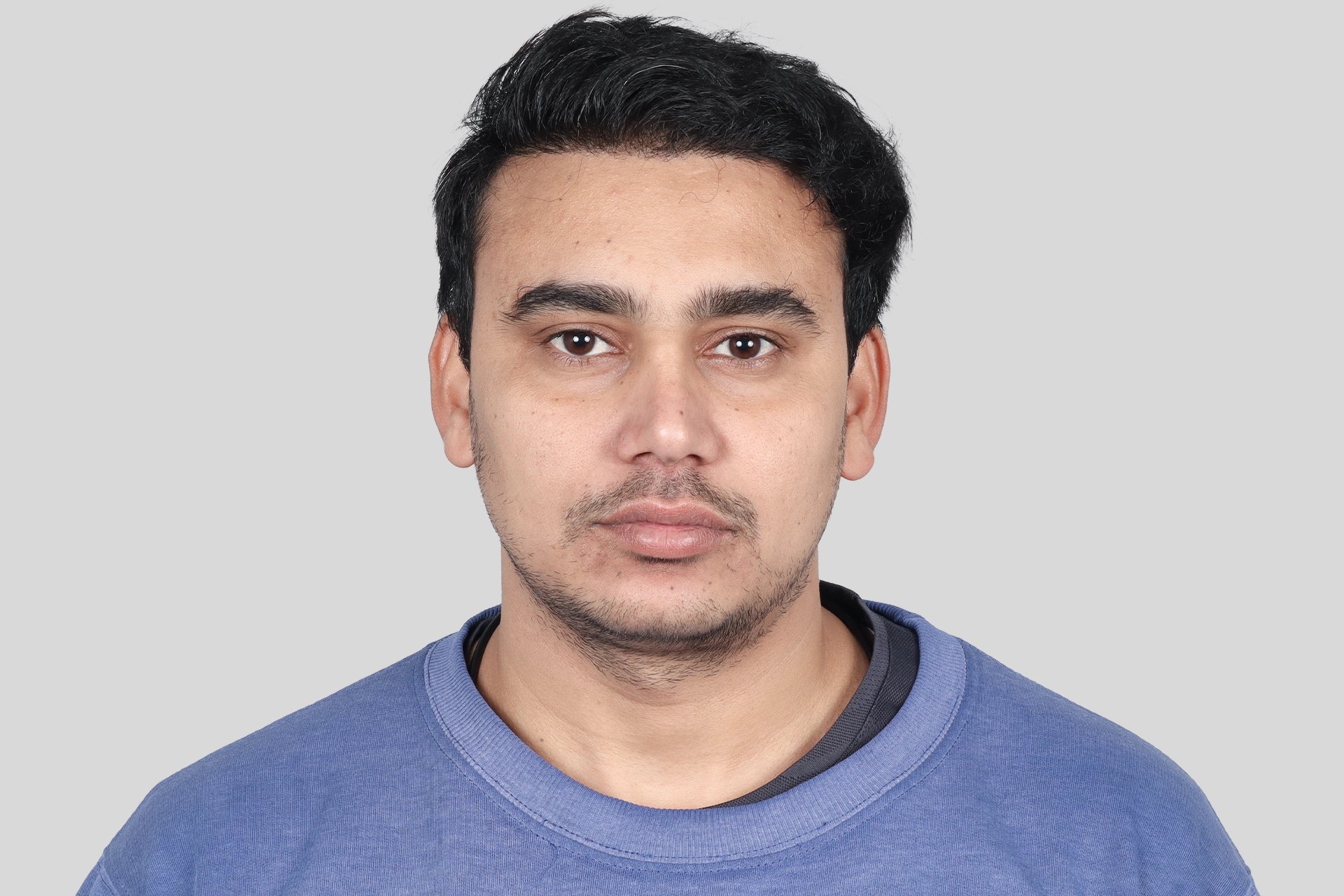
Dr S. Anand (MDS, Oral and Maxillofacial Surgery), ~5 years of experience.
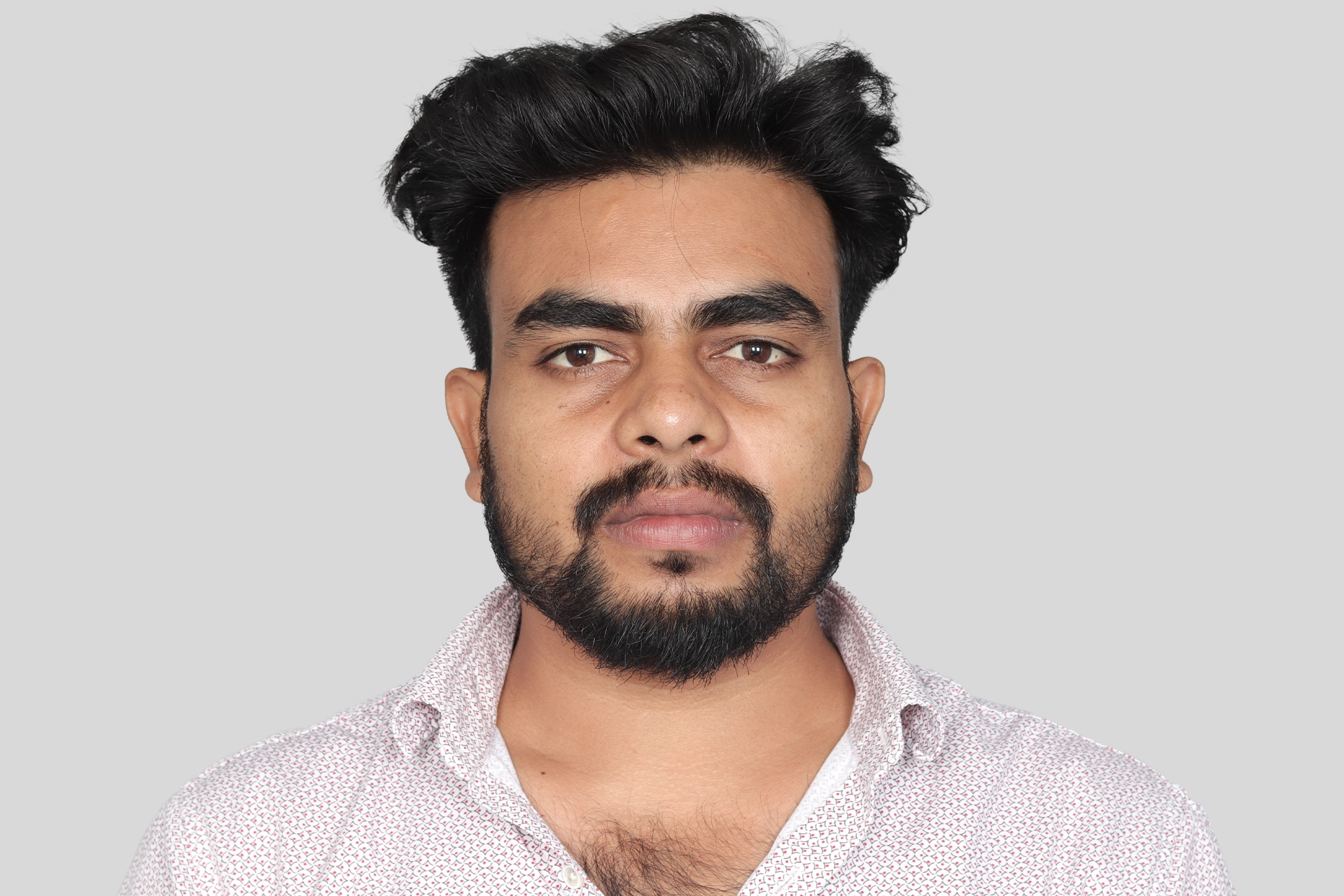
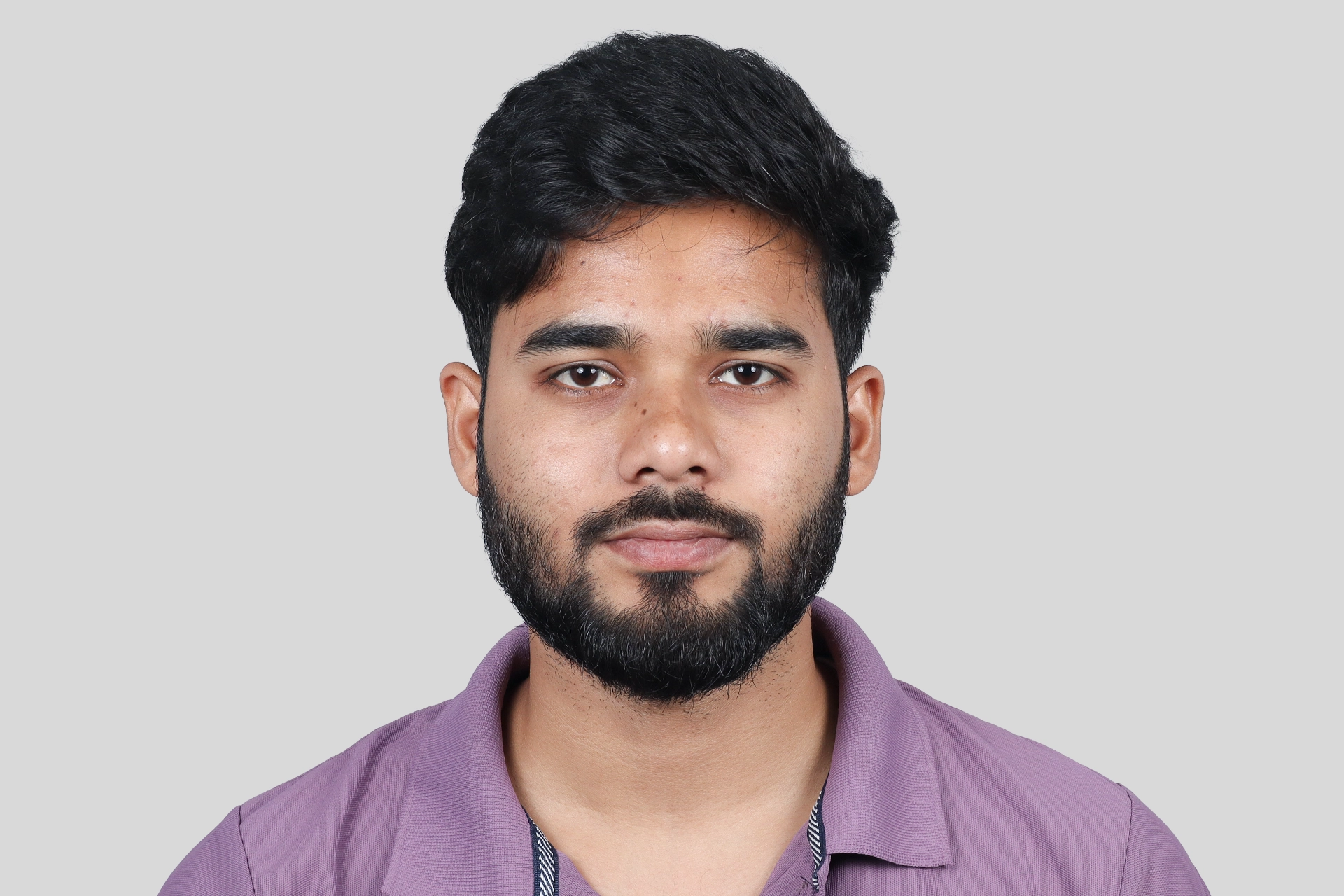
Dr P. Yadav (MDS, Oral and Maxillofacial Surgery), ~4 years of experience.
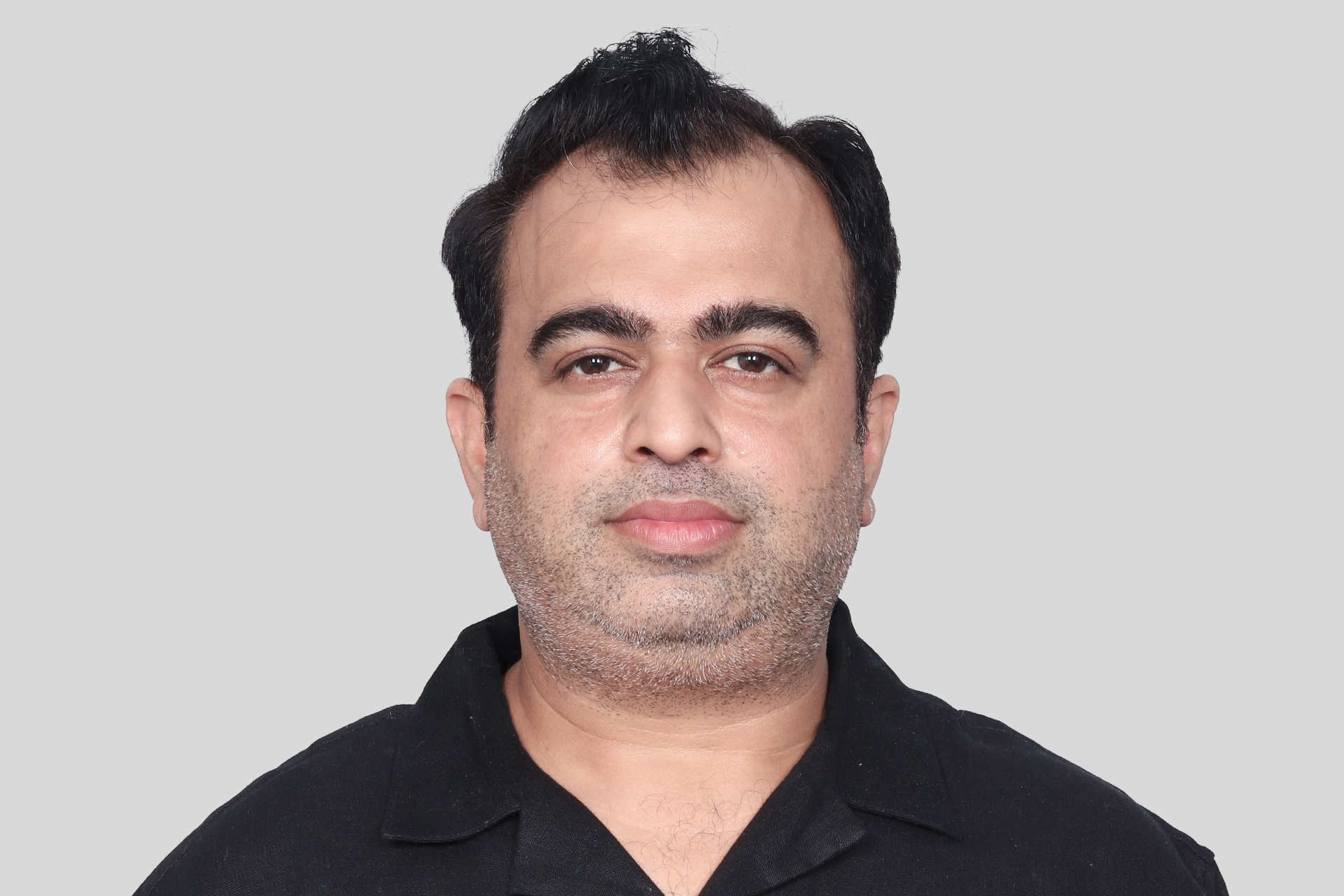
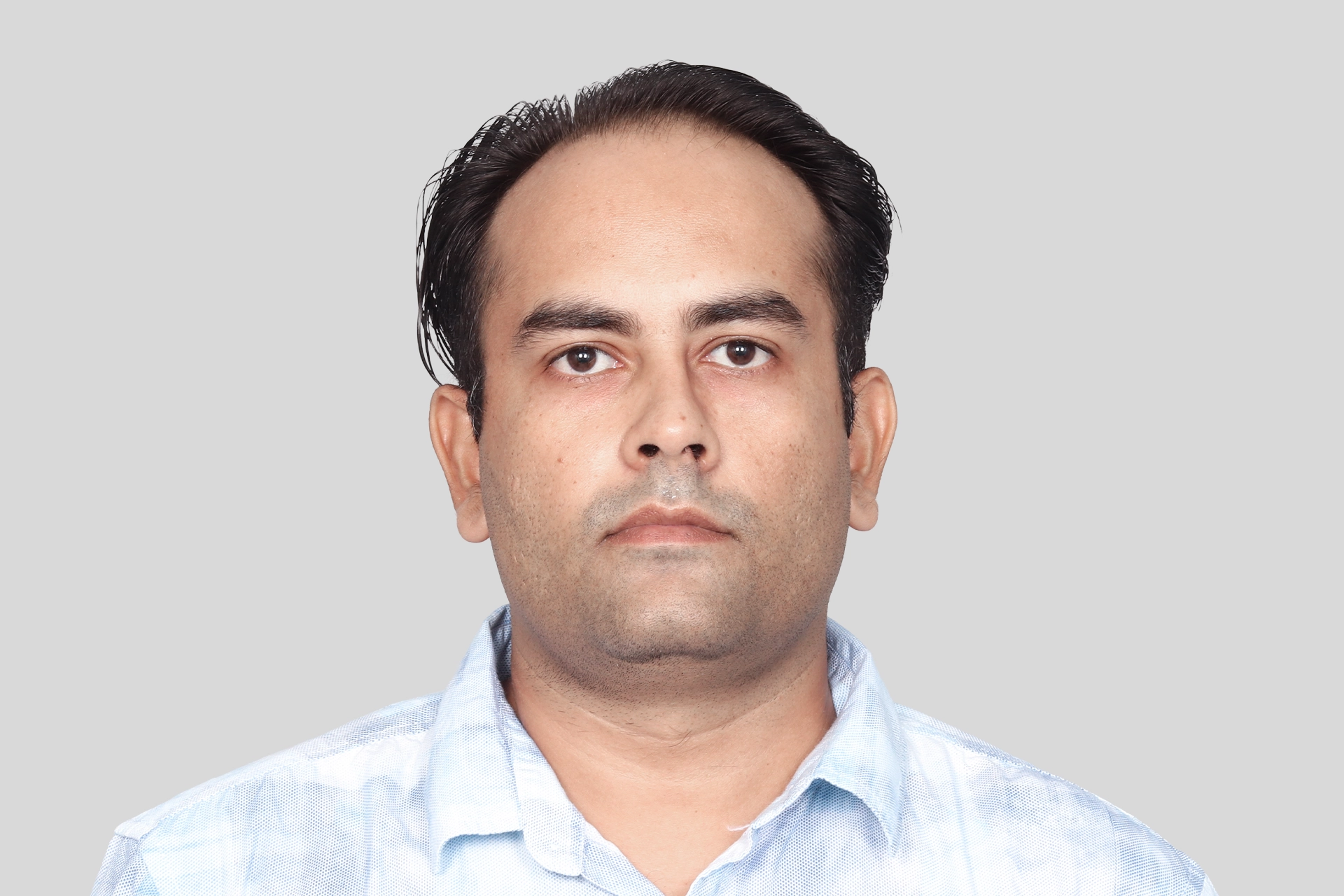
Dr N. Mundhra (MDS, Oral and Maxillofacial Surgery), ~2 years of experience.
Surgeons at QHT Gurgaon are directly involved at every stage of the transplant and follow standardised protocols for graft handling and patient safety to provide natural-looking, long-lasting results to each patient.
According to the guidelines of NMC, the procedures involving the surgical intervention on the scalp or body should be performed by a properly trained registered medical practitioner. Only a medical professional with the training should be involved with preoperative diagnostic evaluation, surgery planning, surgery execution, and postoperative care.
Understanding hair transplant doctor credentials in India helps patients make informed treatment decisions. The degrees recognised by NMC for facial aesthetic and hair transplant surgery include:
Oral and maxillofacial surgery (OMFS) is a postgraduate speciality that trains surgeons extensively in the anatomy of the head, face and scalp. Oral and maxillofacial surgeons specialise in cleft and craniofacial surgeries, oral cancers, trauma reconstruction cases and aesthetic elective facial surgeries. This rigorous 3-year training provides precise clinical skills and knowledge that are relevant to hair transplantation. The training also provides strong clinical skills for hairline design, graft placement, and assessment of hair loss patterns and scalp conditions.
Gurgaon is becoming a preferred destination for hair transplant procedures, with growing demand in aesthetic enhancement procedures. With many clinics offering surgeon-led procedures, choosing the right surgeon for your case can be challenging. The factors to consider while choosing the right surgeon and the questions to ask a hair transplant surgeon are listed below:
Ask the clinic directly about the surgeon’s degree, training, and experience treating hair loss. The surgeon should be a registered licensed practitioner under the Medical Council of India or the National Dental Council of India.
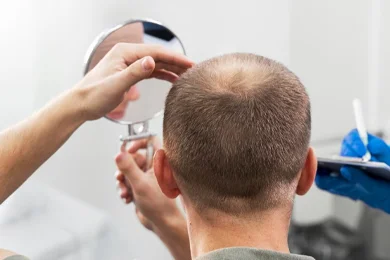
A qualified surgeon takes time to explain the treatment and address the concerns of the patients. A detailed consultation is necessary to assess the donor density, scalp health, hair loss pattern, and to walk you through the expected timeline and achievable results. An ethical surgeon also keeps the benefits and risks associated with the procedure transparent.
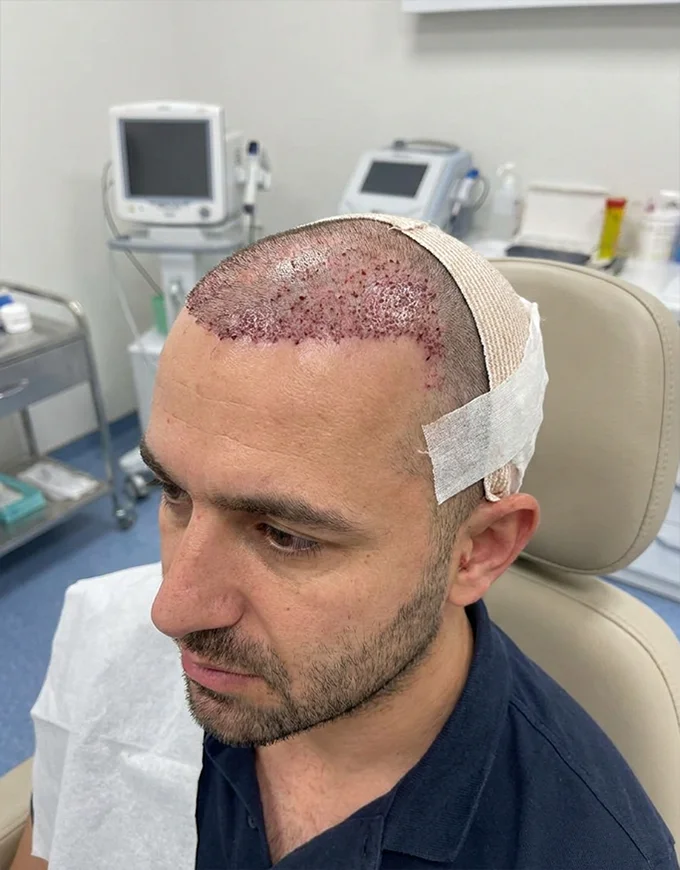
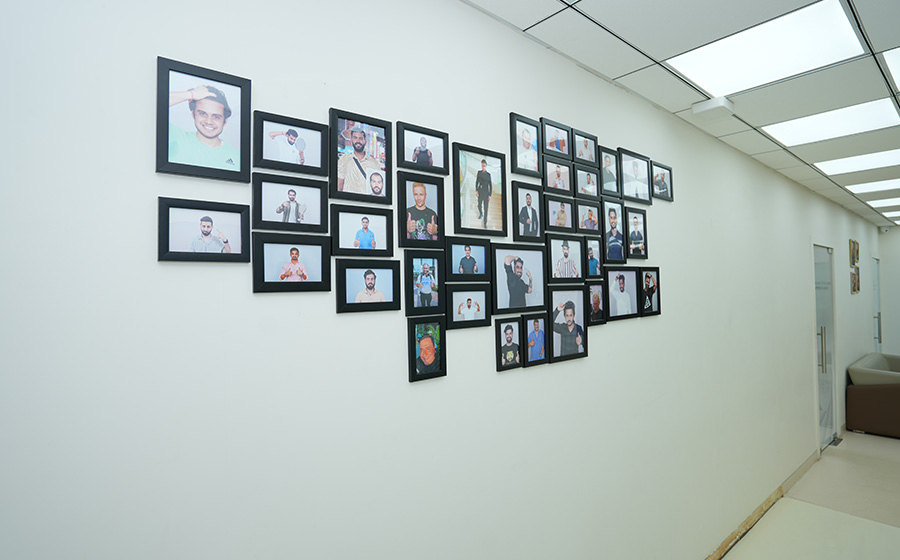
It is important to review the previous results from verified patients. Ask for well-documented photographs to match your hair loss pattern and assess the results that were delivered.
In some clinics, the procedure can be supervised by senior surgeons, but the actual procedure may be delegated to technicians or undertrained staff. Ask your surgeon directly about their involvement in the procedure and who will be extracting and implanting the grafts.
Choosing a board-certified hair surgeon in Gurgaon improves treatment safety and procedural transparency. Having additional association with professional bodies such as ISHRS (International Society of Hair Restoration Surgery) and ABHRS (American Board of Hair Restoration Surgery) adds to the credibility.
The success and natural outcomes of the hair transplant procedure depend heavily on the surgeon’s skills and clinical judgement. Designing a personalised hairline, which complements the facial structure and age-appropriate outline, enhances the final results.
Hairline is one of the most noticeable facial features and requires precision in graft placement at the correct angle and depth. Failure to transplant at the correct angles can produce unnatural results.
A natural-looking hairline has microirregularities and has a more forward and outwardly placed angulation for hair. An experienced hair transplant specialist takes into account the patient’s age, facial structure, progression of hair loss, and the patient’s expectations while designing the hairline.
An overly perfect straight hairline looks artificial, giving an obvious sign of surgical alteration, which is not preferred by the patients. Moreover, the graft selection for hairline is also different, with single hair follicle-containing grafts placed in the frontal hairline zone. This gives a feathered appearance and avoids a pluggy look that results from multihair grafts.
A surgeon’s approach to hairline design is driven by thorough evaluation, which cannot be replicated without proper surgical expertise and clinical judgement.
The hair transplant procedure is highly precise, involving careful graft extraction and implantation at precise angles following the natural growth pattern of the native hair. The precise placement at the correct angle and depth requires excellent surgical skill and understanding of the natural hair growth pattern at each scalp zone. The technique selection also requires clinical judgement, which affects the graft availability, scarring tendency and graft survival rates.
Pain is one of the biggest fears around any surgery. Hair transplant is done under local anae
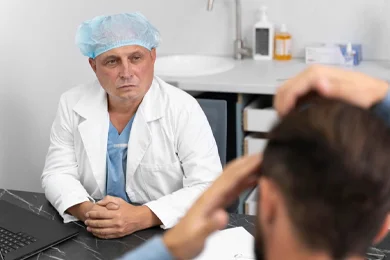
A one-on-one consultation gives a good insight into the surgeon’s understanding and expertise. Asking the right questions of your surgeon during the consultation can relieve your concerns and give you a clear picture of the achievable results.
During your consultation, it is important to disclose any medical history, allergies or any other active medications as these can affect surgery. Be transparent about your goals and expectations.
sthesia. This means the scalp is numbed before the work begins.
When the numbing injection is first given, there may be a mild stinging feeling. Once the area is numb, most patients feel only light pressure during the procedure.
After surgery, some mild discomfort, swelling, or itching may occur. This is normal. It usually settles within a few days and can be well managed with medicines given by your surgeon. So while it is not fully pain-free, most patients describe the experience as well-tolerated.
Every surgical procedure at QHT Gurgaon is conducted with strict safety protocols to minimise the risk of complications.
Every patient undergoes a full preoperative assessment, including scalp analysis, donor density, medical history review, blood tests, hormonal profile, and transparent disclosure about what the achievable density can be at the current stage of hair loss. Written informed consent is taken from the patient before the procedure begins.
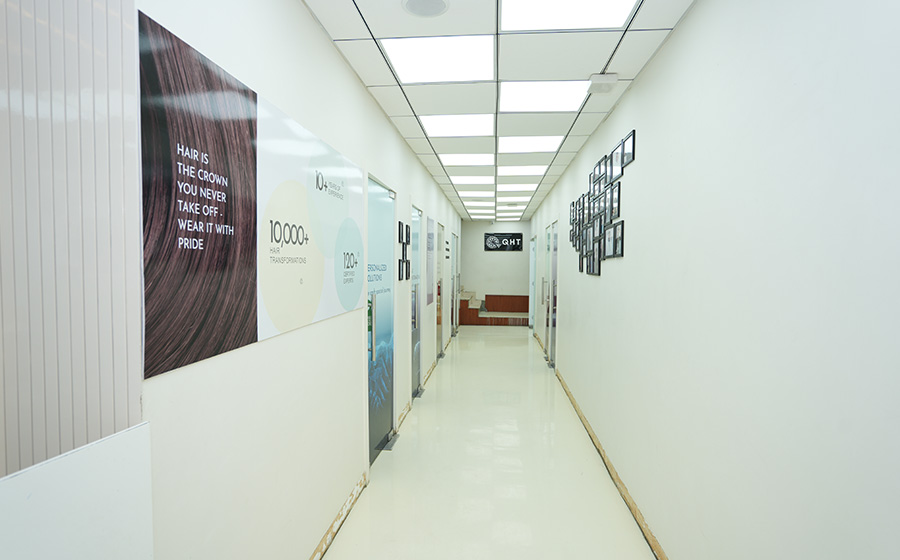
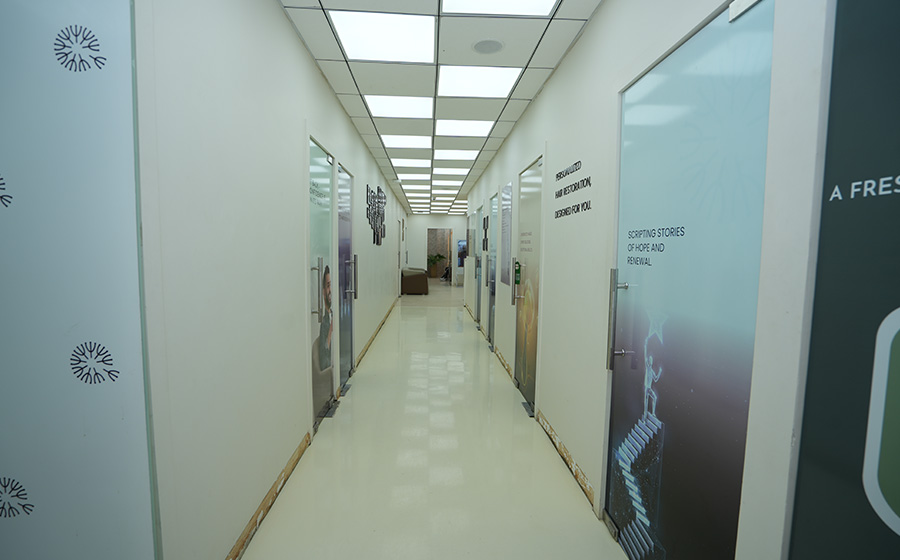
Dedicated operating theatres with standard hygiene protocols are present at QHT Gurgaon. Patient safety and hygiene standards remain a top priority at our facility.
The surgeons perform the procedure from the first consultation to postoperative follow-up appointments; all steps of the treatment involve the surgeons’ direct participation. The staff is also well-trained in medical knowledge and experience.
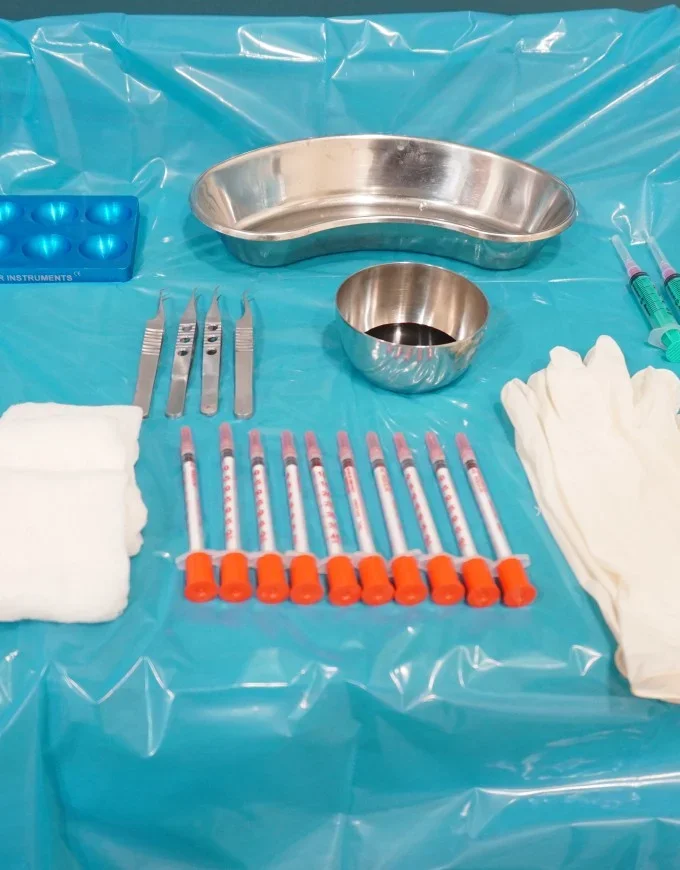
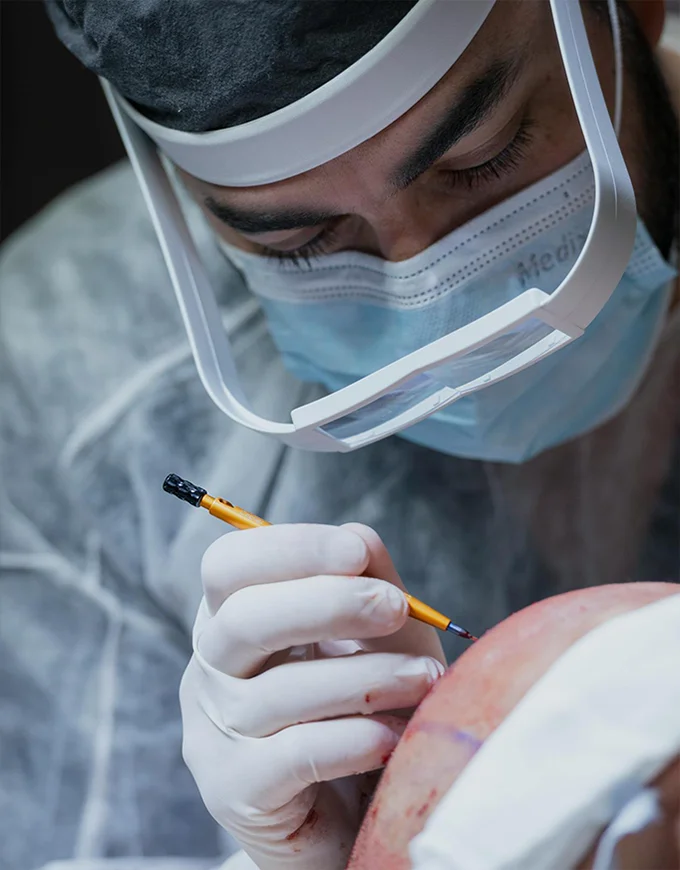
The graft selection is done under 10X magnification, and advanced tools are used for extraction and implantation. With motorised Sapphire micropunches, grafts are easily harvested without any follicular damage and trauma to native hair. Using the SAVA implanter, grafts are implanted at the correct angle and depth for precise placement. Grafts are stored in chilled PRP solution, and with the proprietary QHT technique, the out-of-body time of grafts is reduced to less than 2 hours. This allows QHT surgeons to achieve 95% graft survival rate, which means the maximum transplanted follicles survive and result in hair growth.
QHT experts have performed over 15,000+ procedures over a decade, consistently delivering natural-looking results for all patients. With the availability of ABHRS-certified doctors in Gurgaon, patients receive personalised treatment plans and care throughout the procedure.

Restore your hair with confidence at QHT. With medical precision, modern technologies, and state-of-the-art clinics across India, we offer advanced, personalised, doctor-led hair restoration procedures. From consultation, treatment, results, to post-op care, the QHT team is here to guide. Start your dream hair journey with QHT.
Plot No. 3, opposite Huda Market, Sector 46, Gurugram, Haryana 122022
With ABHRS-certified surgeons at QHT Clinics, we provide natural-looking, lasting results at transparent pricing. QHT Clinic Gurgaon offers personalised hair transplant solutions with expert care to help you achieve your dream hair.
Many things shape your final FUE price. The main ones are:
Many factors affect the cost of treatment and hair transplants, including:
The cost of hair transplant increases with the use of advanced surgical tools in sterile environments.
The presence of a dedicated surgeon during the procedure adds to both reliability and overall cost.
Advanced techniques, such as the FUE and QHT, are generally more expensive and can increase the overall cost of the procedure.
The level of structured care provided post-procedure (follow-up, medication, monitoring, etc.) is reflected in the cost of the hair transplant.
Global bodies such as the World Health Organization encourage an evidence-based approach to medicine and following ethical guidelines when discussing the options available to patients for surgical procedures.
Choose a certified hair surgeon in Gurgaon based on qualifications, surgical experience, patient results, and direct involvement in the procedure. Verify whether the surgeon is licensed, properly trained in hair restoration surgery, and experienced in handling cases similar to your hair loss pattern. A detailed consultation, transparent communication, and realistic treatment planning are also important indicators of a qualified surgeon.
You can verify a surgeon’s credentials through the National Medical Commission (NMC) or State Medical Council registration databases. Patients should also ask about the surgeon’s qualifications, speciality training, years of experience, and memberships with organisations such as ISHRS or ABHRS.
ISHRS (International Society of Hair Restoration Surgery) is a global medical association focused on education and ethical standards in hair restoration surgery. ABHRS (American Board of Hair Restoration Surgery) certification represents additional specialised training and examination in hair transplant surgery. These memberships reflect continued professional education and commitment to hair restoration practices. Having an ISHRS member surgeon in Gurgaon adds to credibility.
Hair transplant procedures should always involve qualified medical professionals. Procedures performed entirely by untrained technicians may increase the risk of poor graft handling, unnatural results, complications, and low graft survival rates. Patients should confirm who will perform graft extraction, hairline design, and graft implantation before proceeding.
The best hair transplant clinic in Gurgaon should provide experienced surgeon-led treatment, transparent consultations, proper safety standards, and consistent natural-looking results. Patients should evaluate the clinic’s surgeon qualifications, before-and-after results, graft handling protocols, hygiene standards, and post-operative support before making a decision.