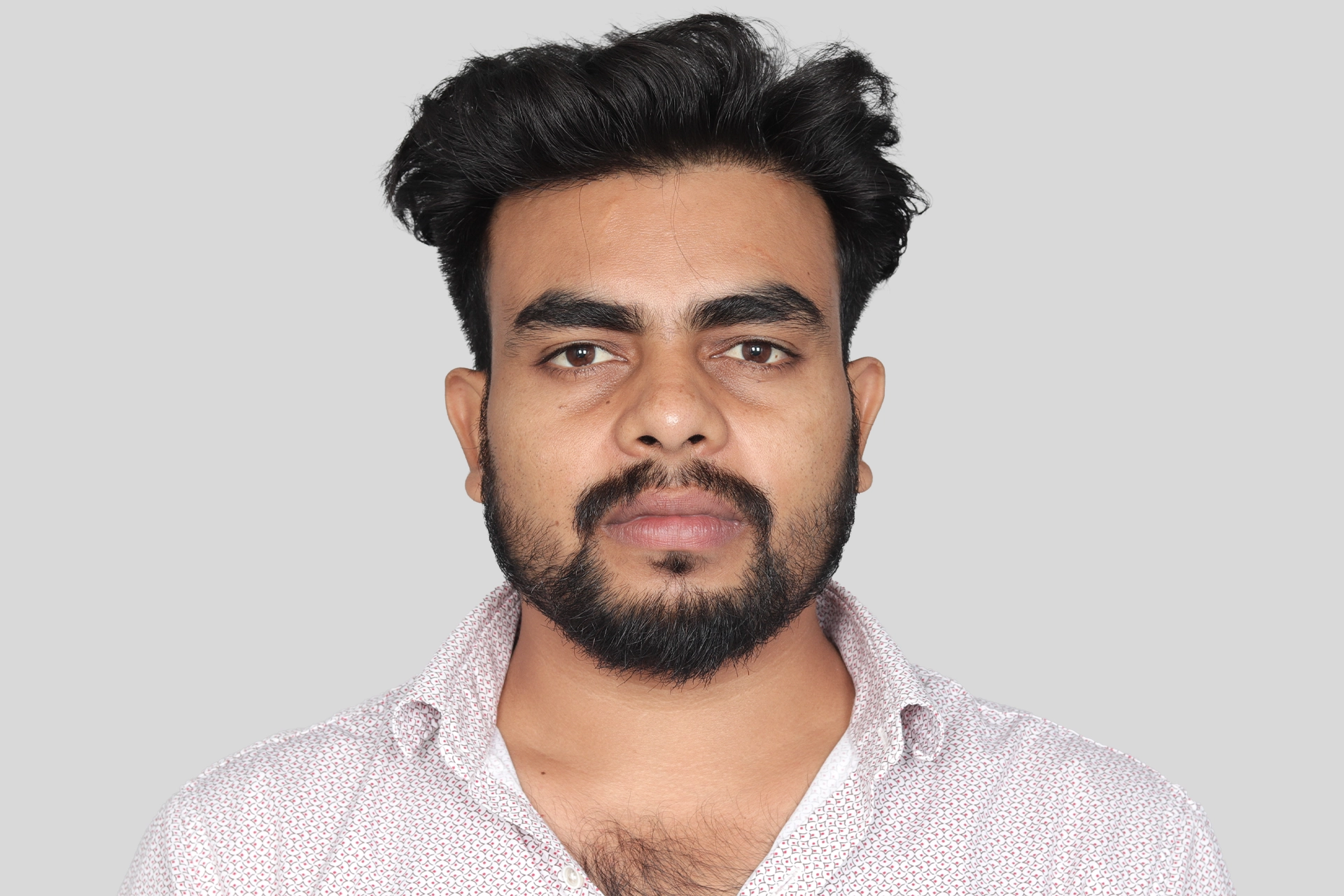
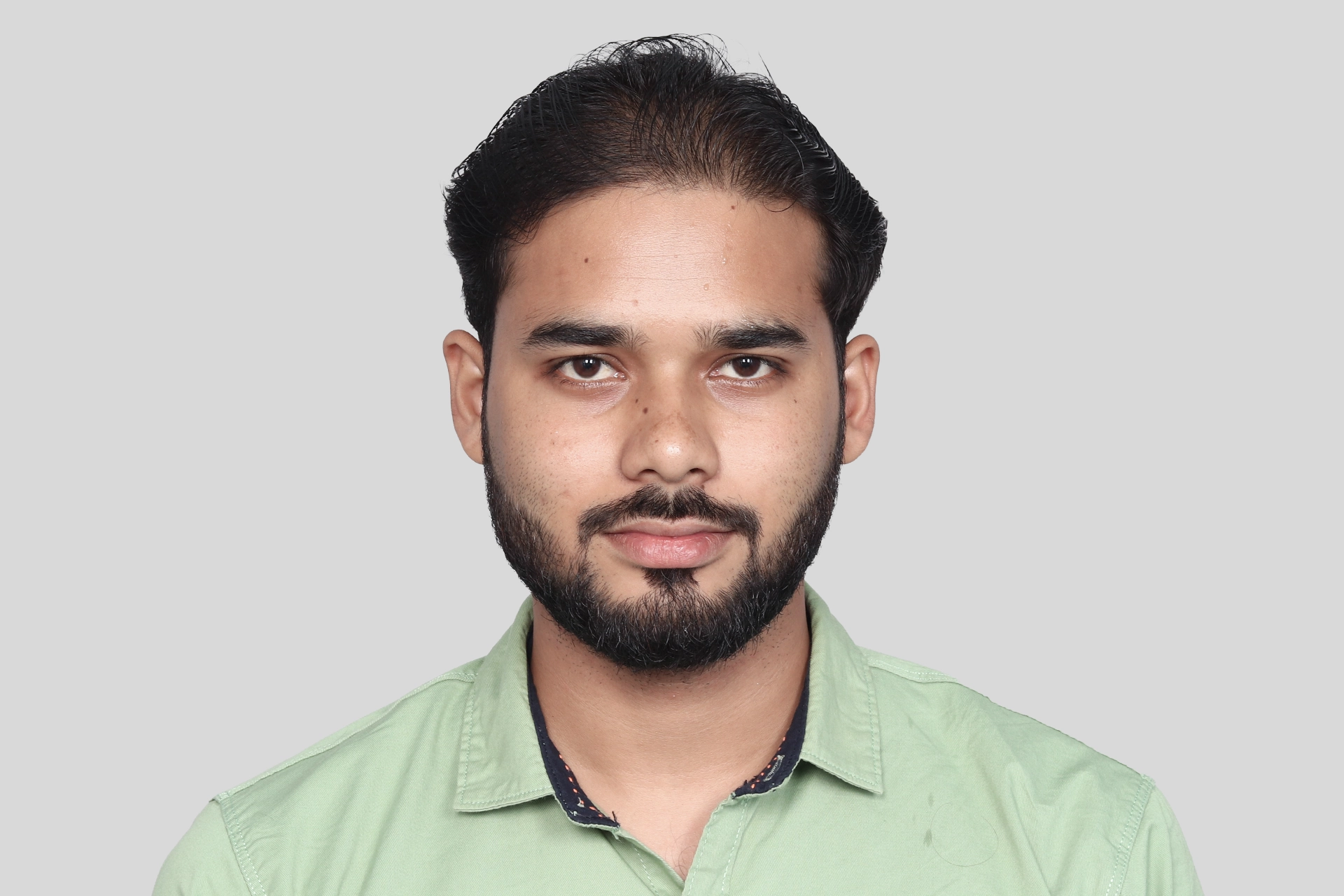
Surgeon maps and places every graft.
Only hair, no cross-sell.
Plan online, Haridwar for surgery.
Real beard results, consent-shared.
For a lot of men a beard is not grooming, it is identity. It shifts how old you look and how you come across to a stranger, and for some communities it carries religious meaning on top of that. The men who sit down with us are rarely chasing a trend. They are trying to get a part of their face back.
Not every patchy beard belongs in an operating chair, though. Some do. Some are better left to medicine.
You are a candidate if your beard grows in patches, or stops short where it should fill in. Thin moustache coverage counts. So do sideburns that came in sparse or never arrived at all. Scarring tilts the odds in your favour, not against: transplanted hair covers burns, old injuries, surgical marks, and the pitting left behind by acne or infected follicles. A few more situations fit the bill:
Here is where an honest clinic talks you out of surgery. If a thyroid issue or a dip in hormones sits behind the patchiness, grafts fix nothing: the cause does. Shedding that kicked off after a hard, stressful stretch or a run of poor eating recovers on its own once life settles, so there is nothing to operate on yet.
Alopecia areata is its own case. The immune system attacks the beard in flares, and it has to go quiet before anyone picks up a tool, meaning no new patches for 12 months. Plant hair into an active flare and you are building on ground that keeps moving.
So we check the cause before we talk grafts. Eligibility is settled by a proper clinical assessment, never a glance at one photo.
The assessment looks at four things: how your donor hair grows at the back of the head, the quality of your skin, the shape of your face, and what is actually driving the patchiness. For a man in Saharanpur, that first look happens before any trip to Haridwar. You walk away knowing whether you are a candidate, and whether surgery or medicine makes more sense for you, while you are still at home.
Get the angle wrong and the beard looks off from across the room. Get it right and nobody reads it as surgery. A beard transplant in Saharanpur rests on that single detail more than any other.
QHT’s whole approach to the face bends around it. Every hair is set to grow the direction it should, so the result blends into the stubble you already have. Three methods sit on the table, and they are not equal for a beard.
QHT is the clinic’s own method, built around a tool called the SAVA implanter that places one follicle at a time at a fixed depth and angle. The back of the scalp takes no cuts, so nothing scars there. And because each graft spends under 2 hours out of the body, more of them survive the move, up to 95%. For a beard, where a wrong angle shows at arm’s length, this is the clinic’s first choice.
FUE lifts follicles out one at a time from the donor area and sets them into the bare spots. No strip of skin comes off, which keeps the footprint small and the placement exact. On a beard, that fine control is the whole point.
FUT goes a different way, and not one that suits a beard. The surgeon removes a strip of skin from the back of the scalp, then splits it into grafts under magnification. That strip leaves a visible line where it came out. For facial work, where men tend to keep the back short, a donor scar like that is the reason most give FUT a miss.
Every part of the beard grows its own way, and the plan respects that. On the chin and jaw, the area men ask for most, the hair runs downward and close to the skin. A moustache grows out and down, thickest through the middle.
Sideburns fall straight, in line with the hair above them. The cheeks angle out to the side and down. Each zone gets mapped on its own, then the whole beard is designed to suit your face and how you wear it.
Behind the method is a team that has worked through 15,000+ hair restoration cases, beards and moustaches among them, with a full year of follow-up care after the procedure.

Five steps stand between a patchy jaw and a full one. Not one of them starts with a blade on day one.
The procedure runs in a single visit, so you are not booking a week away in Haridwar. For a Saharanpur patient that means one trip in, the work done, and the road home with a fresh beard line sitting under the early redness.
Day 1 looks worse than it turns out to be. Across the first five days you get some redness, light swelling, and small scabs forming around each new hair. By the second week those scabs lift and flake off on their own, as long as you keep your hands away from them.
Then comes the stretch that rattles people. In weeks three and four, most of the transplanted hairs fall out. That is shock loss, and it is meant to happen: the hair sheds while the root stays alive and tucked under the skin. Nothing is actually gone.
New growth pushes through from the third month. It comes in fine and soft, then thickens and darkens, and by month six you are at half the final density. Keep harsh grooming products off it through this phase. Between months nine and twelve the beard fills all the way in and takes a razor like hair that grew there on its own.
The healing window runs 7 to 14 days, and most of what you can see, the redness and the scabbing, is gone inside the first two weeks. Had FUT rather than QHT or FUE?
Give it the longer end, since a stitched donor line needs more time. You do not have to sit near Haridwar for any of this. Routine check-ins run from Saharanpur, part of the full year of aftercare that comes with the procedure, so a second trip only happens if something genuinely calls for it.
The closest QHT surgical clinic is in Haridwar, and your consultation can happen online first, so the only trip you make is for the procedure itself. See the full hair transplant cost in Saharanpur breakdown.
QHT does not run a centre in Saharanpur. The nearest QHT clinic is in Haridwar, where the licensed operating theatre and the surgical team are based. Saharanpur patients plan the whole procedure online first and travel to the centre only for the surgery itself.
Month three is when the doubt sets in. The transplanted hairs have shed, the fresh ones are barely showing, and a lot of men quietly decide the whole thing failed. It did not. From here the beard thickens month on month, and by the end of the first year it is all in.
What you are left with stays. The follicles were taken from a part of the scalp that shrugs off the hormonal shift behind everyday hair loss, so they keep growing for the rest of your life with ordinary care. Each hair was set to follow the direction and angle of the beard around it, which is why there is no seam and no patch that gives the work away.
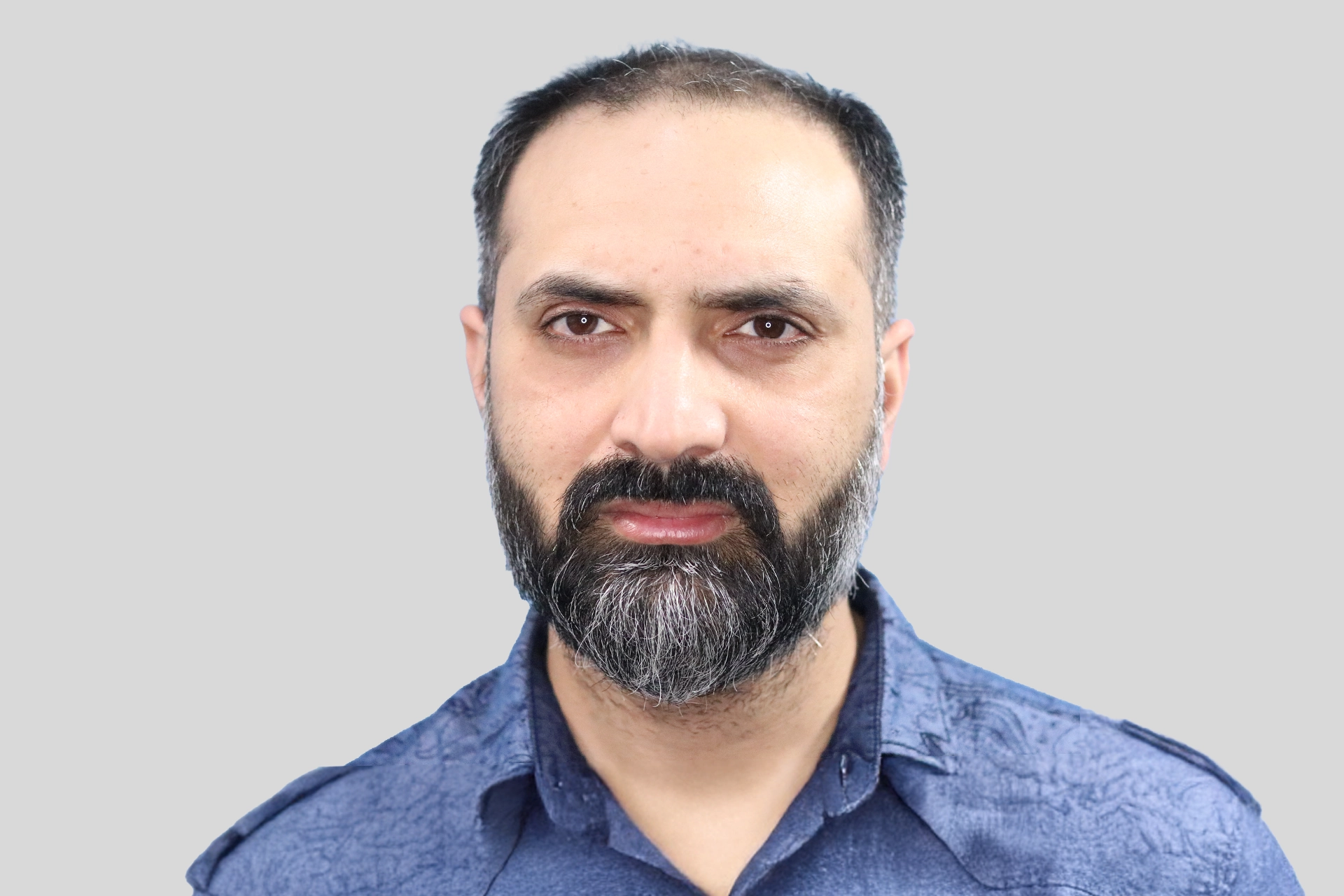
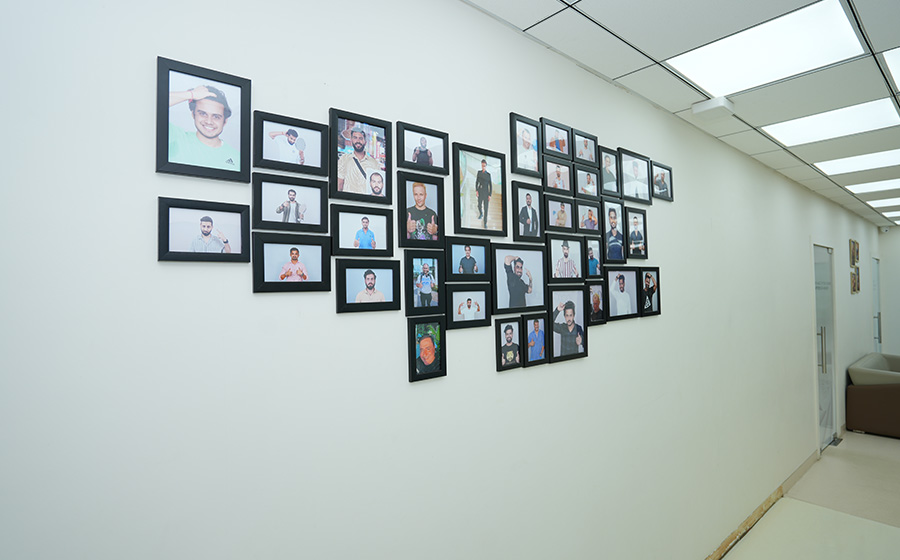
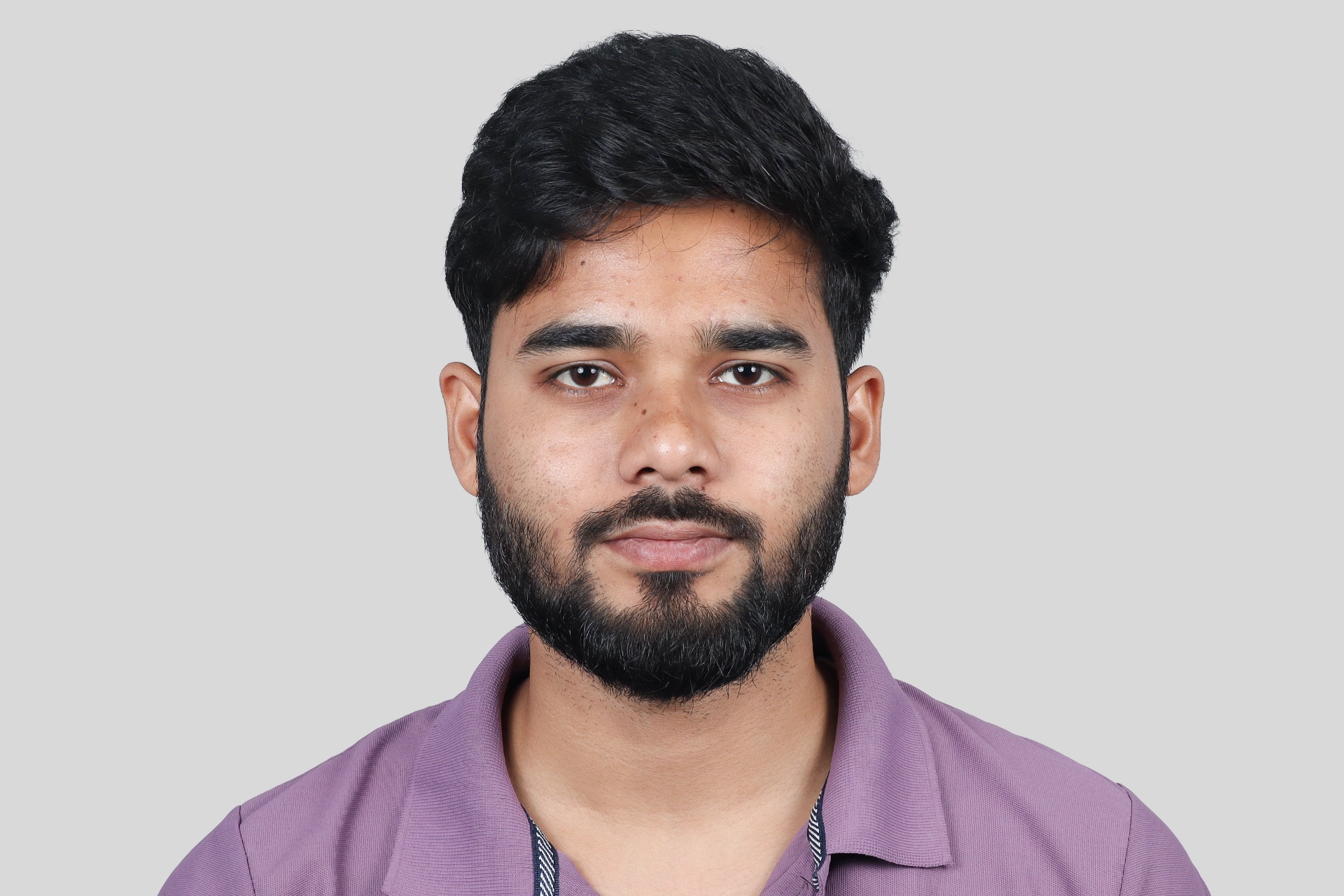
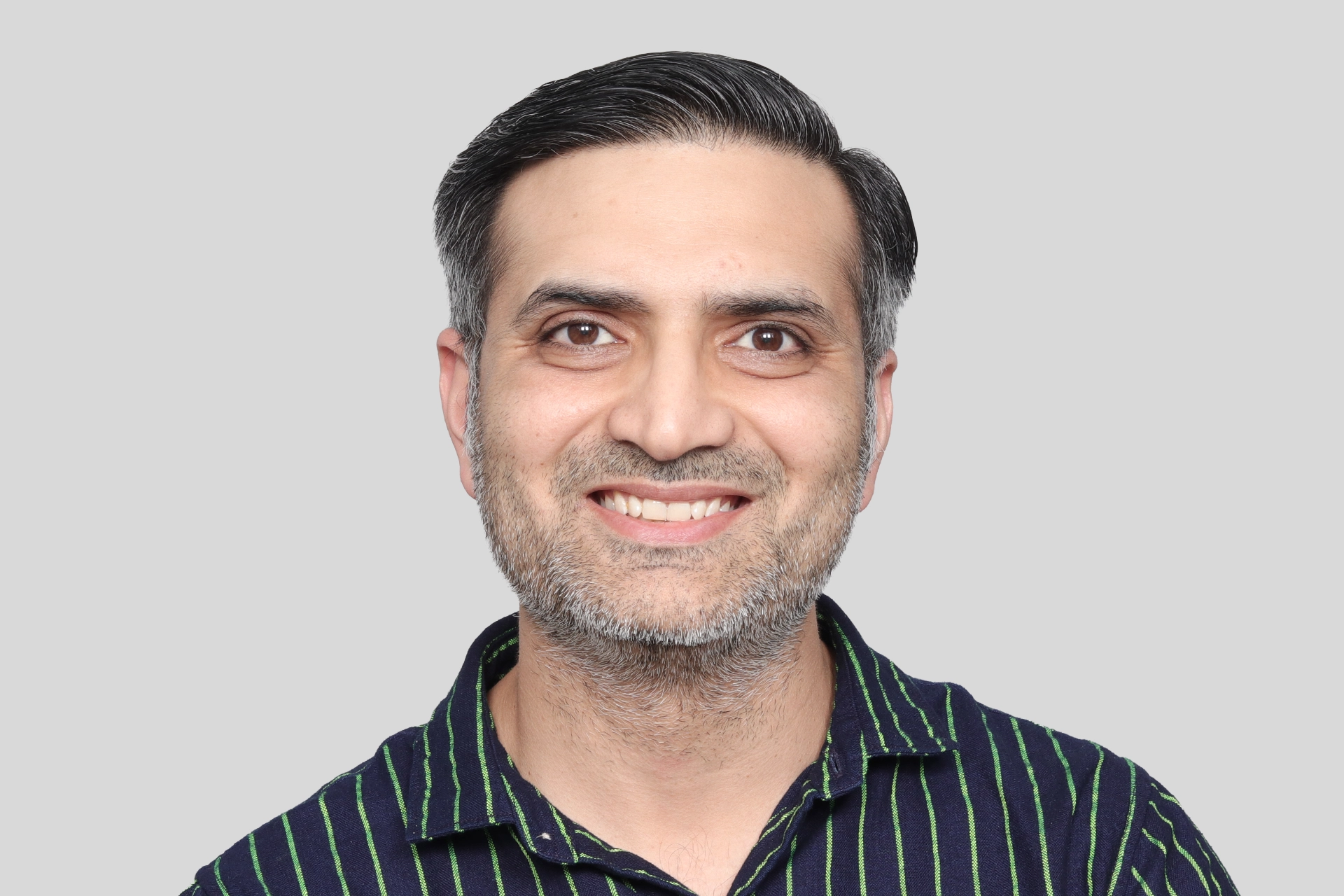
QHT keeps a results gallery of real patients, filtered by the area treated and the graft range, every photo shared with the patient’s consent. Use it to set your expectations, not your guarantees: outcomes differ from one man to the next.
Your beard won’t know it wasn’t always there.
FUE beard transplant cost at QHT Haridwar starts from ₹70 per graft. The final cost is calculated after estimating the number of grafts required.
Two variables move the number more than anything else: how many grafts your beard needs and which technique places them. Surgeon involvement and the 12-month aftercare are included in a final package, along with anaesthesia support and preoperative investigations.
For a lot of men a beard is not grooming, it is identity. It shifts how old you look and how you come across to a stranger, and for some communities it carries religious meaning on top of that. The men who sit down with us are rarely chasing a trend. They are trying to get a part of their face back.
You are a candidate if your beard grows in patches, or stops short where it should fill in. Thin moustache coverage counts. So do sideburns that came in sparse or never arrived at all. Scarring tilts the odds in your favour, not against: transplanted hair covers burns, old injuries, surgical marks, and the pitting left behind by acne or infected follicles. A few more situations fit the bill: Men born with little or no beard Hair lost to chemotherapy, or a patch left by a surgical scar Years of tight pulling on the hair, something seen in the Sikh community Transgender men building a beard as part of gender affirmation
Here is where an honest clinic talks you out of surgery. If a thyroid issue or a dip in hormones sits behind the patchiness, grafts fix nothing: the cause does. Shedding that kicked off after a hard, stressful stretch or a run of poor eating recovers on its own once life settles, so there is nothing to operate on yet. Alopecia areata is its own case. The immune system attacks the beard in flares, and it has to go quiet before anyone picks up a tool, meaning no new patches for 12 months. Plant hair into an active flare and you are building on ground that keeps moving. So we check the cause before we talk grafts. Eligibility is settled by a proper clinical assessment, never a glance at one photo.
The assessment looks at four things: how your donor hair grows at the back of the head, the quality of your skin, the shape of your face, and what is actually driving the patchiness. For a man in Saharanpur, that first look happens before any trip to Haridwar. You walk away knowing whether you are a candidate, and whether surgery or medicine makes more sense for you, while you are still at home.
Beard Transplant in Saharanpur, answered by the surgeons who perform the procedure at our Haridwar centre.
No. The closest QHT surgical clinic is in Haridwar, and your consultation can happen online first, so the only trip you make is for the procedure itself.
Yes. The first assessment is done remotely, so you only travel once there is a clear reason to.
That is exactly what the assessment is for. If a reversible cause sits behind your patchy beard, the clinic will tell you to treat that first rather than operate.
Yes. Placed at the correct angle and density by an experienced surgeon, the transplanted
Give it 3 to 6 months before taking a razor to the transplanted area, and follow the exact timing your surgeon sets for you.