A surgeon, not a technician
Your hairline is planned and your grafts placed under a doctor’s hands, never passed to a junior. Every QHT surgeon is ABHRS-certified.



Start with a number, not a price. Some scalps need 1,000 grafts, others 5,000, and that count shapes the bill more than anything else. The cost of a hair transplant in Saharanpur is a simple sum once you have it: the per-graft rate for your method, multiplied by the grafts your surgeon plans to move. FUT runs ₹50 a graft, FUE ₹70, QHT ₹100. The rate is fixed; the graft count is set only after a doctor reads your scalp, which for Saharanpur happens online before you leave home. That spread per method is the real hair transplant price in Saharanpur: not one rate, but three.
Follicles come out one at a time, so there is no strip and no stitches, and healing runs faster. Along with QHT, it is the method most Saharanpur patients choose, and it leaves no strip scar. Most people are back to normal life in 7 to 10 days.
Per graft onwards
Total: ₹56,000 – ₹3,50,000
FUE starts at ₹70 per graft. Find your grade below for a planning range, then confirm the real count on a free online scalp check.
These are planning numbers, not a bill. Your real graft count is set the moment a doctor studies your scalp.
FUT is the most affordable route, from ₹50 per graft. The hair transplant cost per graft in Saharanpur is lowest here, which is why it holds its place for patients needing heavy coverage in one sitting. The thin scar is the trade. For most Saharanpur patients who want it hidden with short hair, FUE or QHT is the better fit.
QHT, from ₹100 per graft, carries a premium that goes entirely into survival: out-of-body time under 2 hours and 95%+ of grafts taking hold. A graft that survives is cheaper than a graft you pay to move twice. That is the whole argument for the QHT rate.
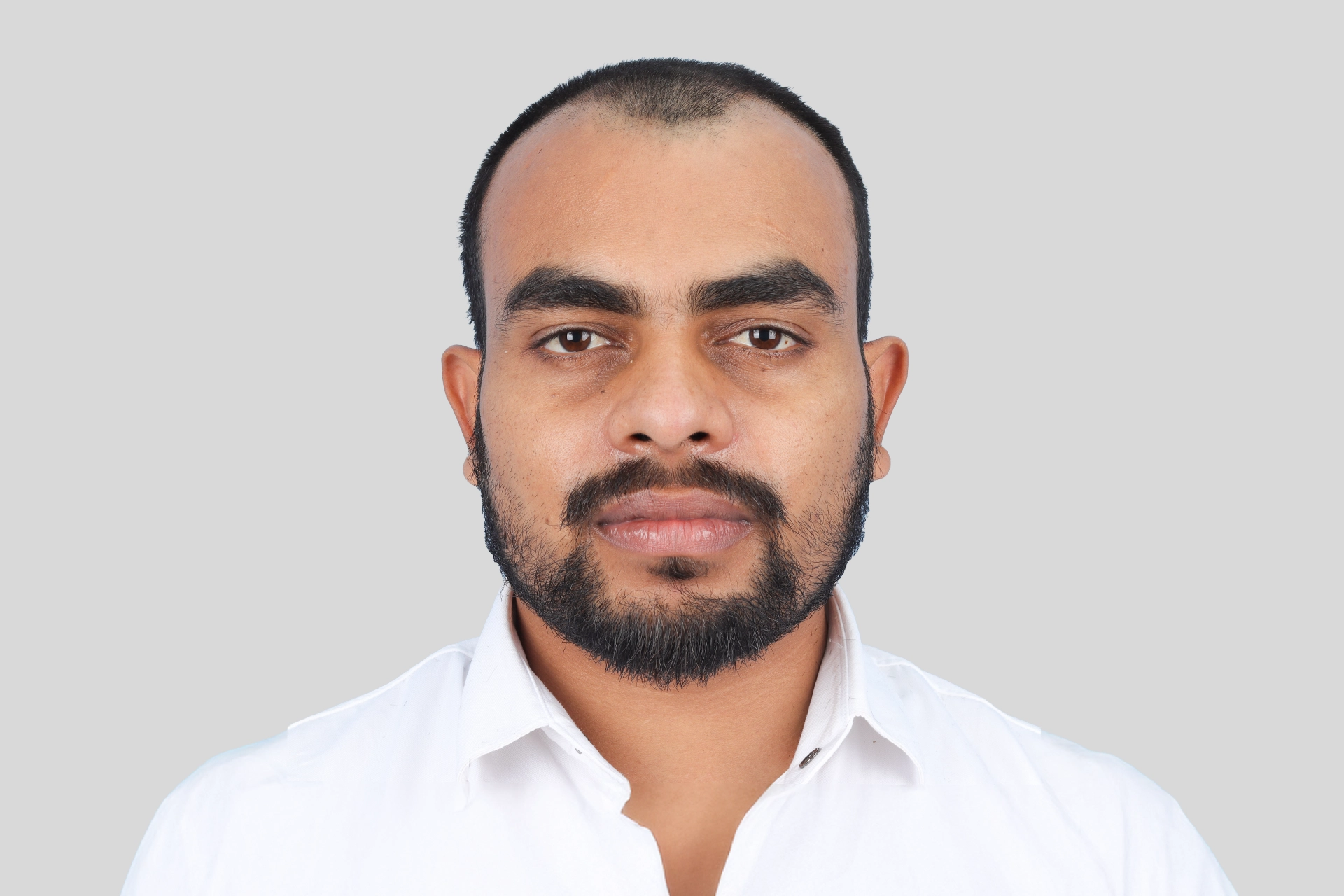
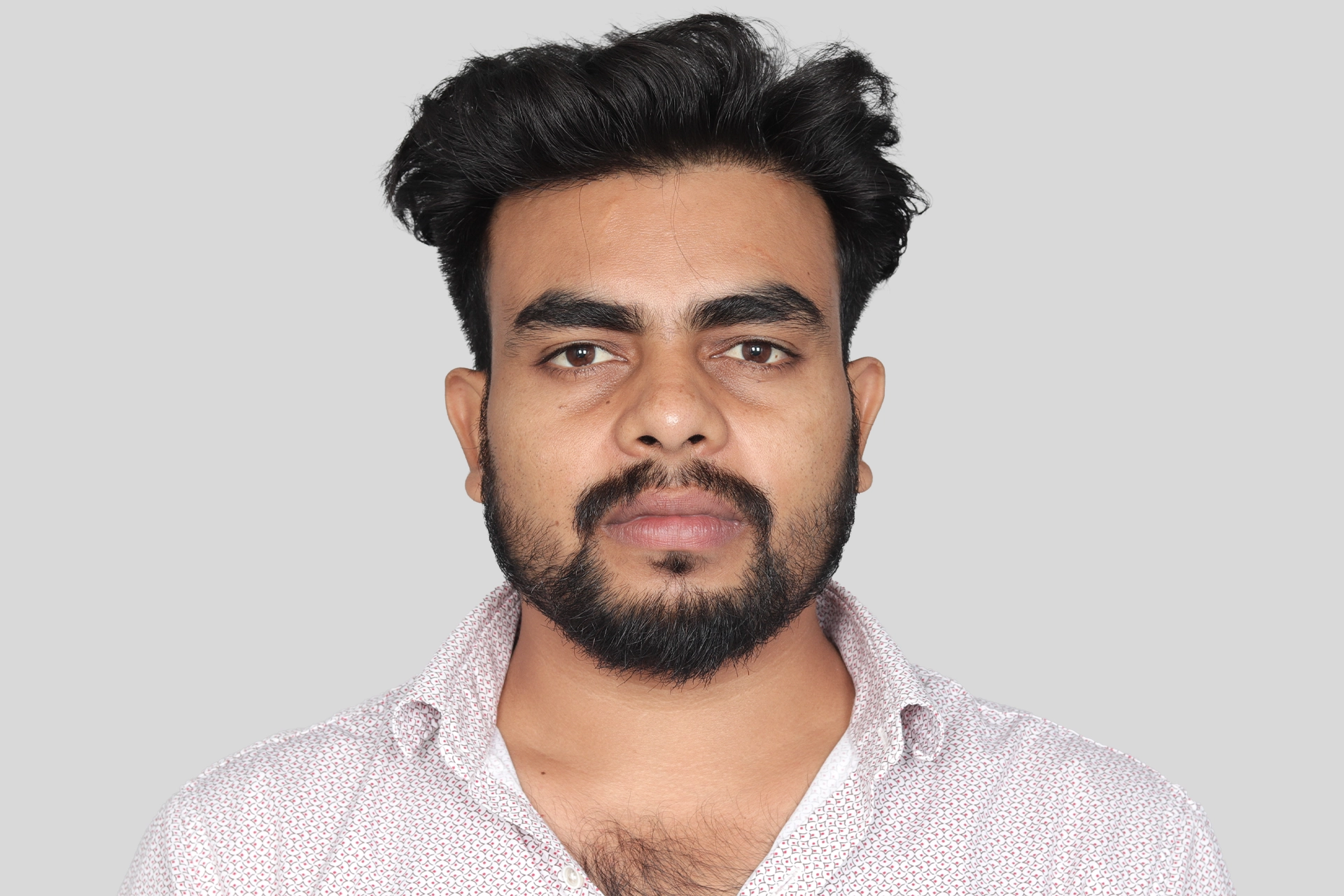
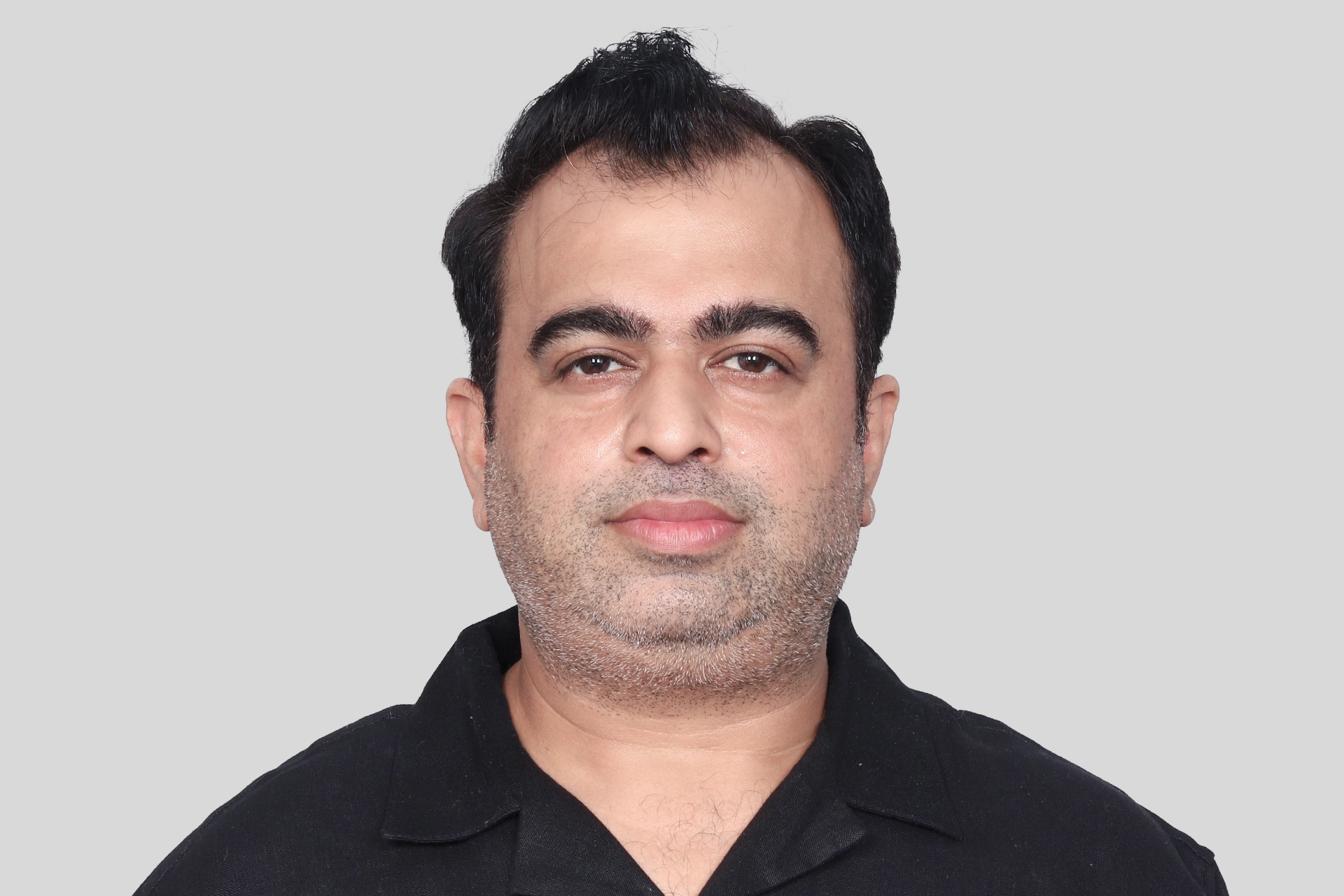
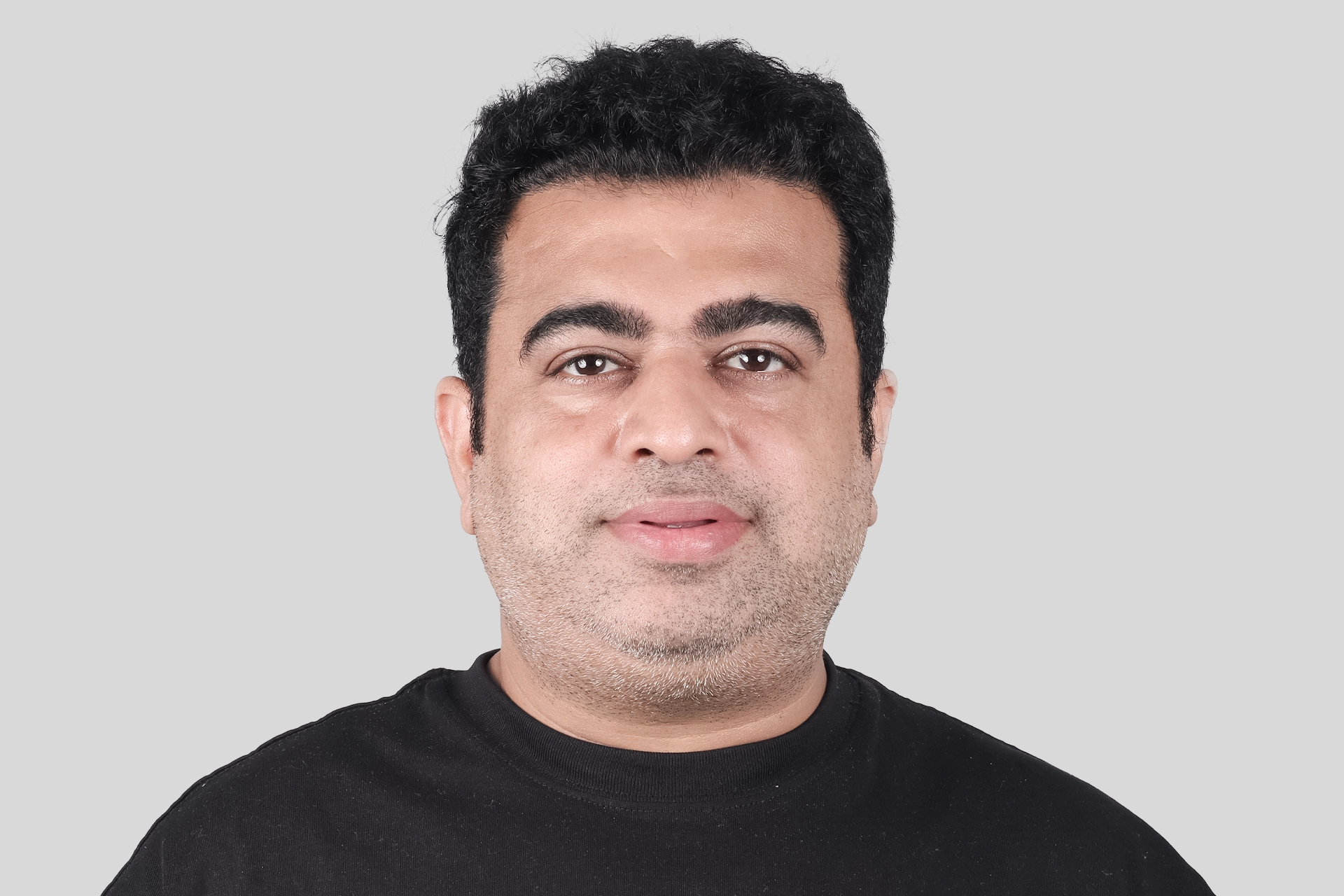
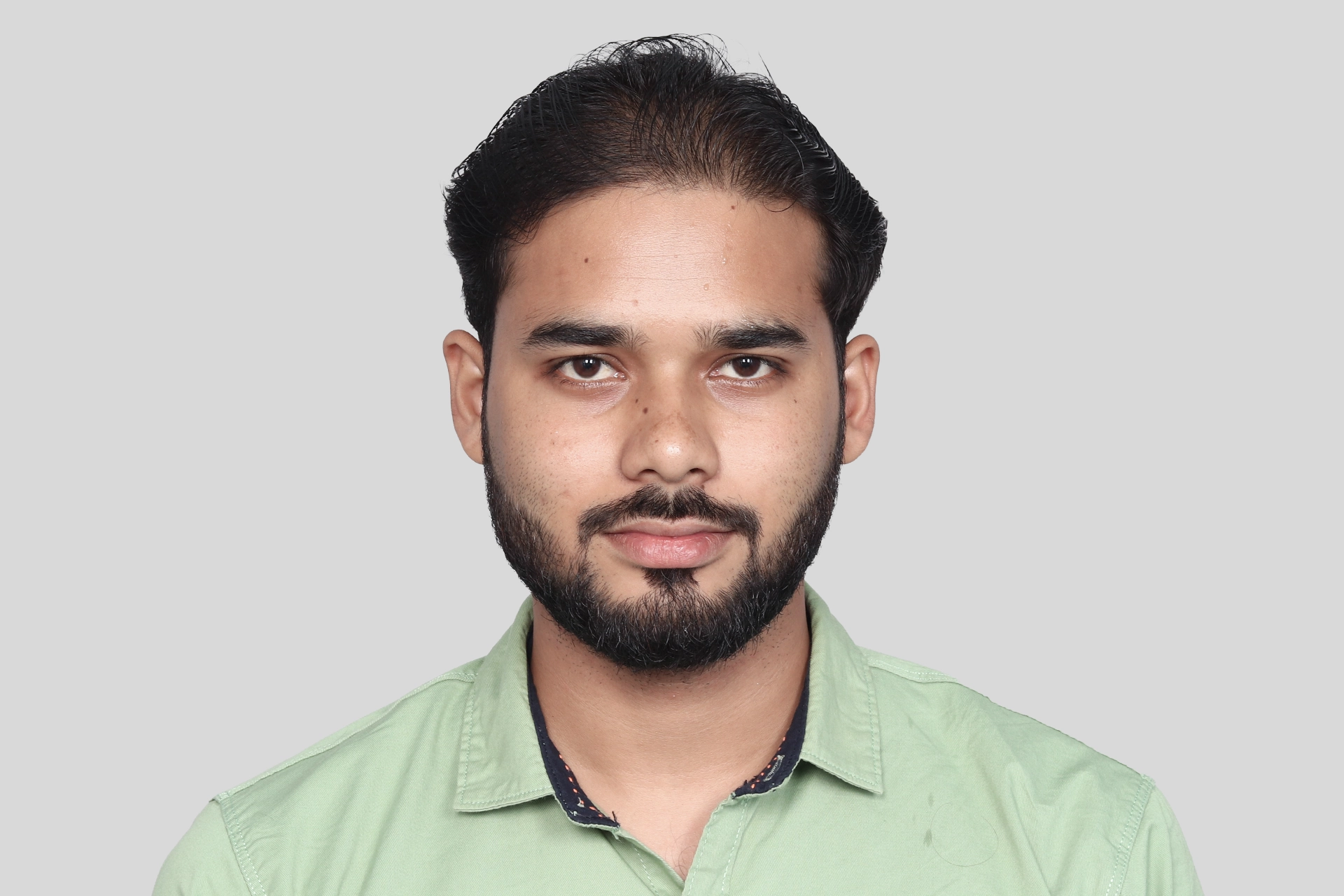
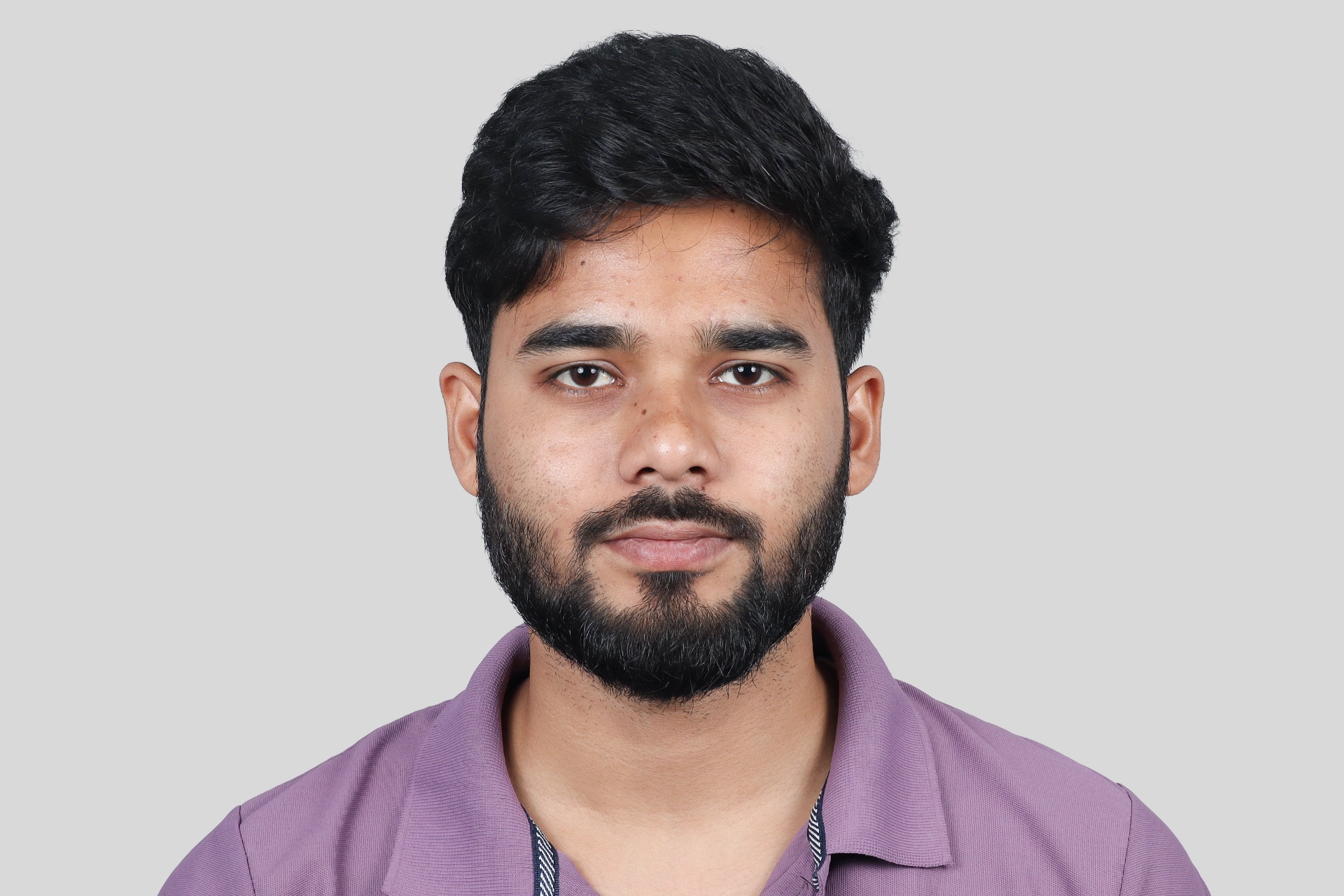
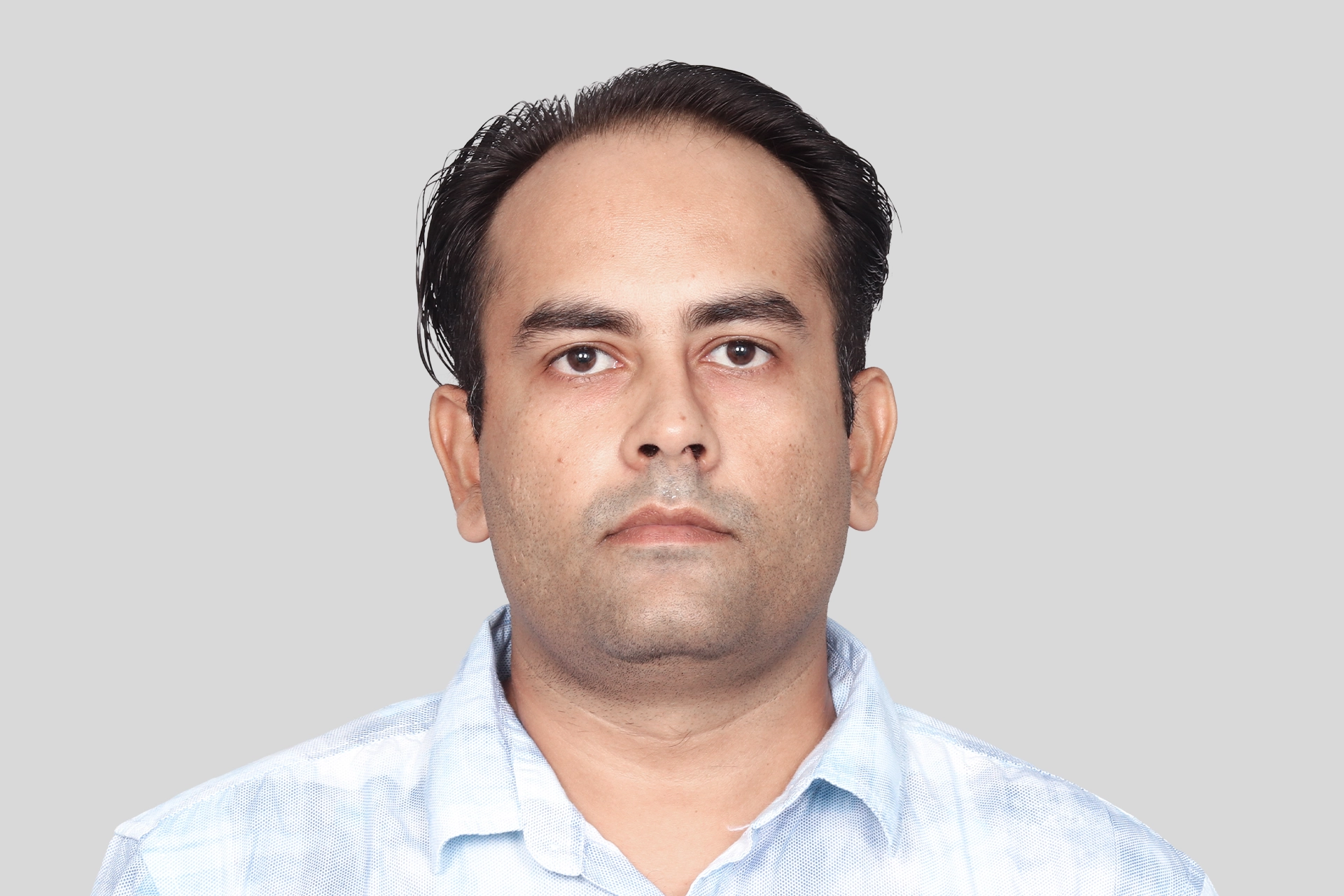
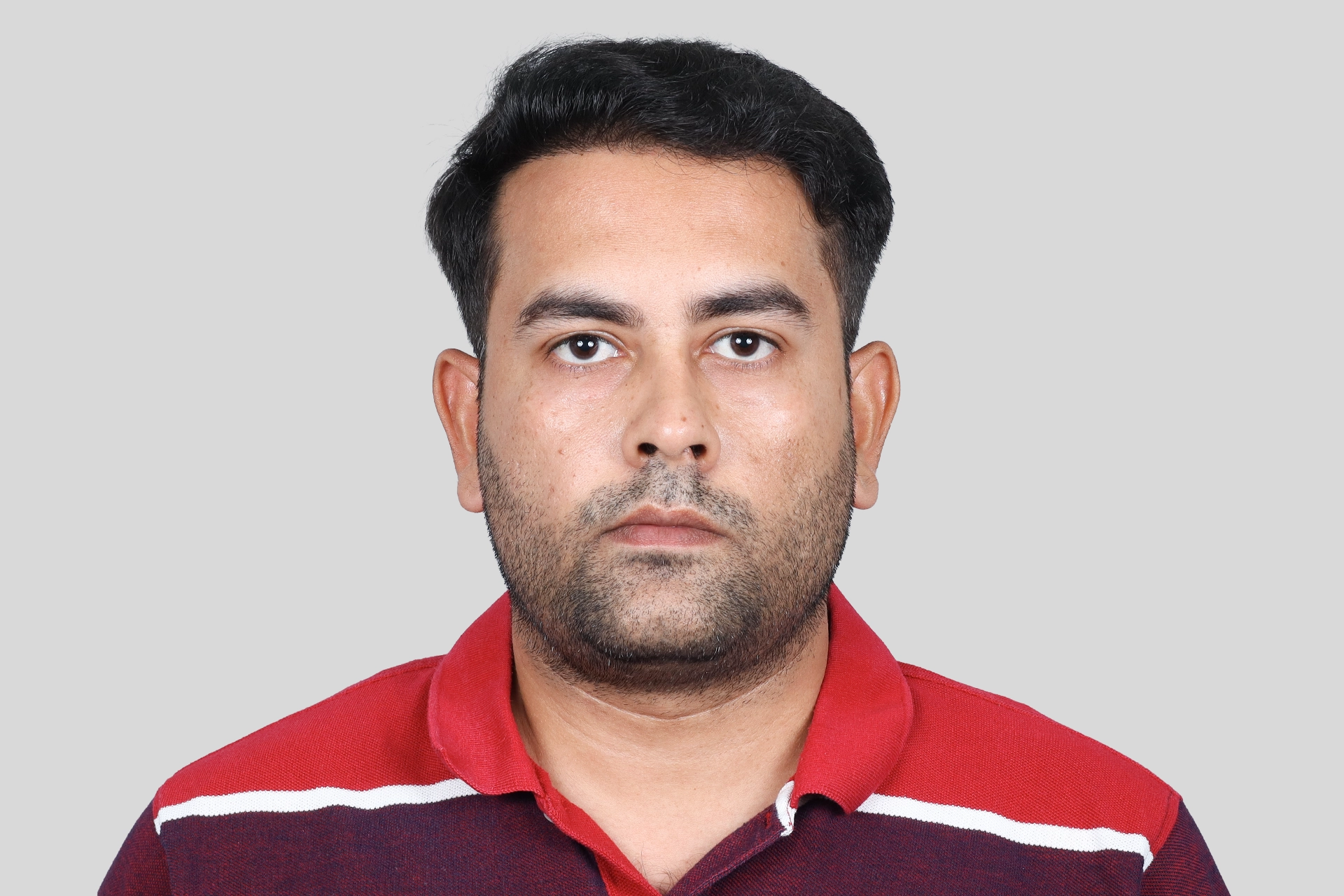
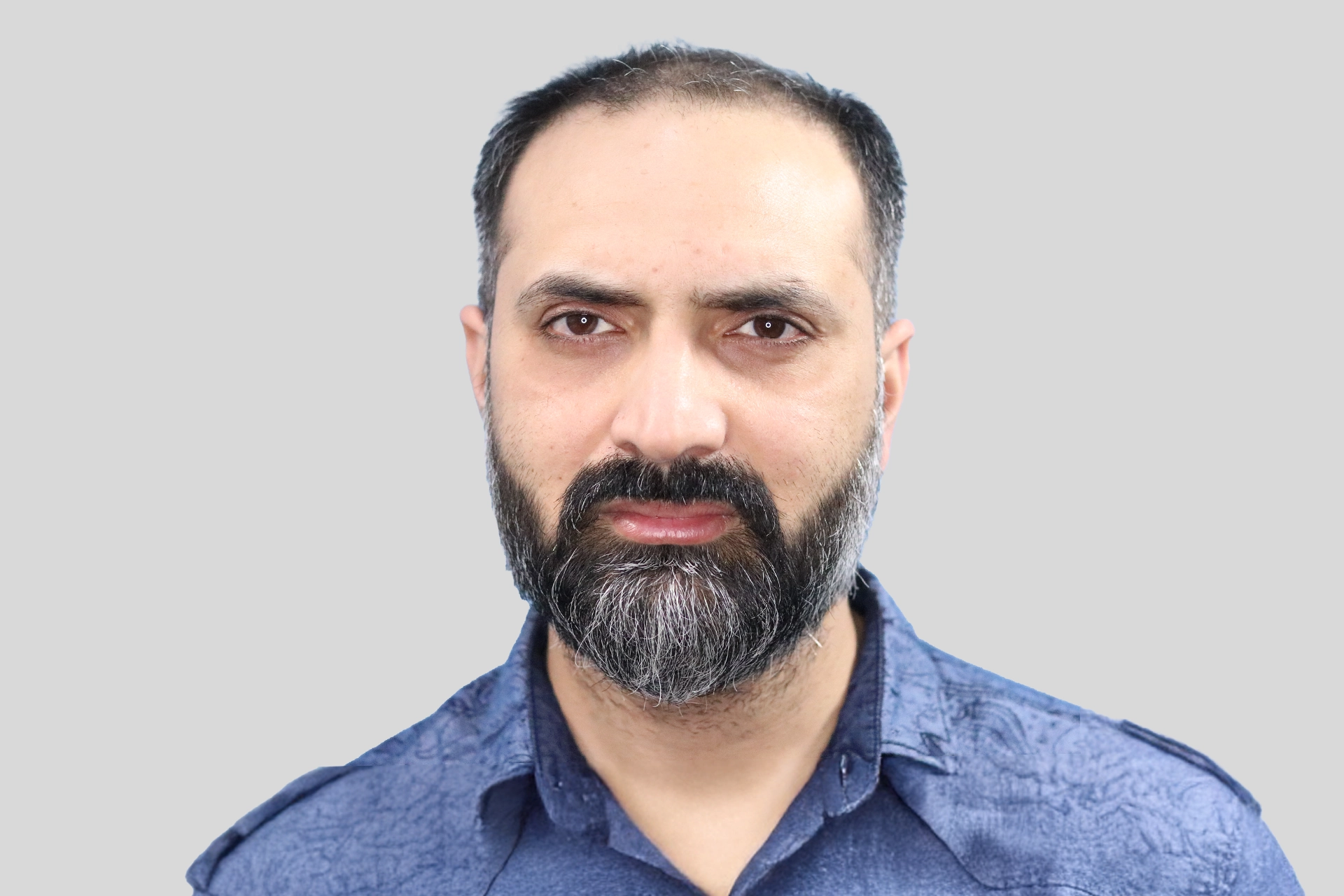
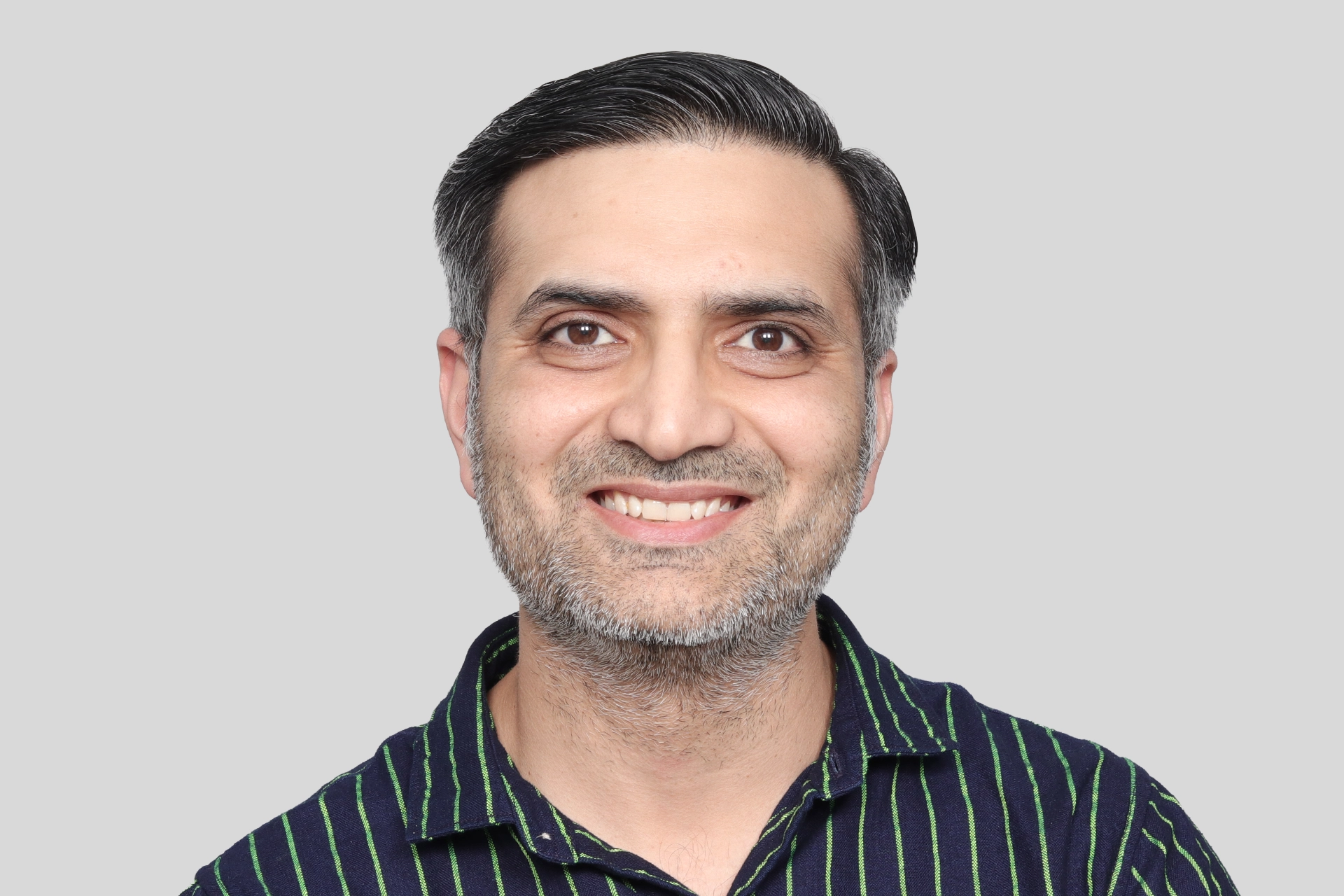
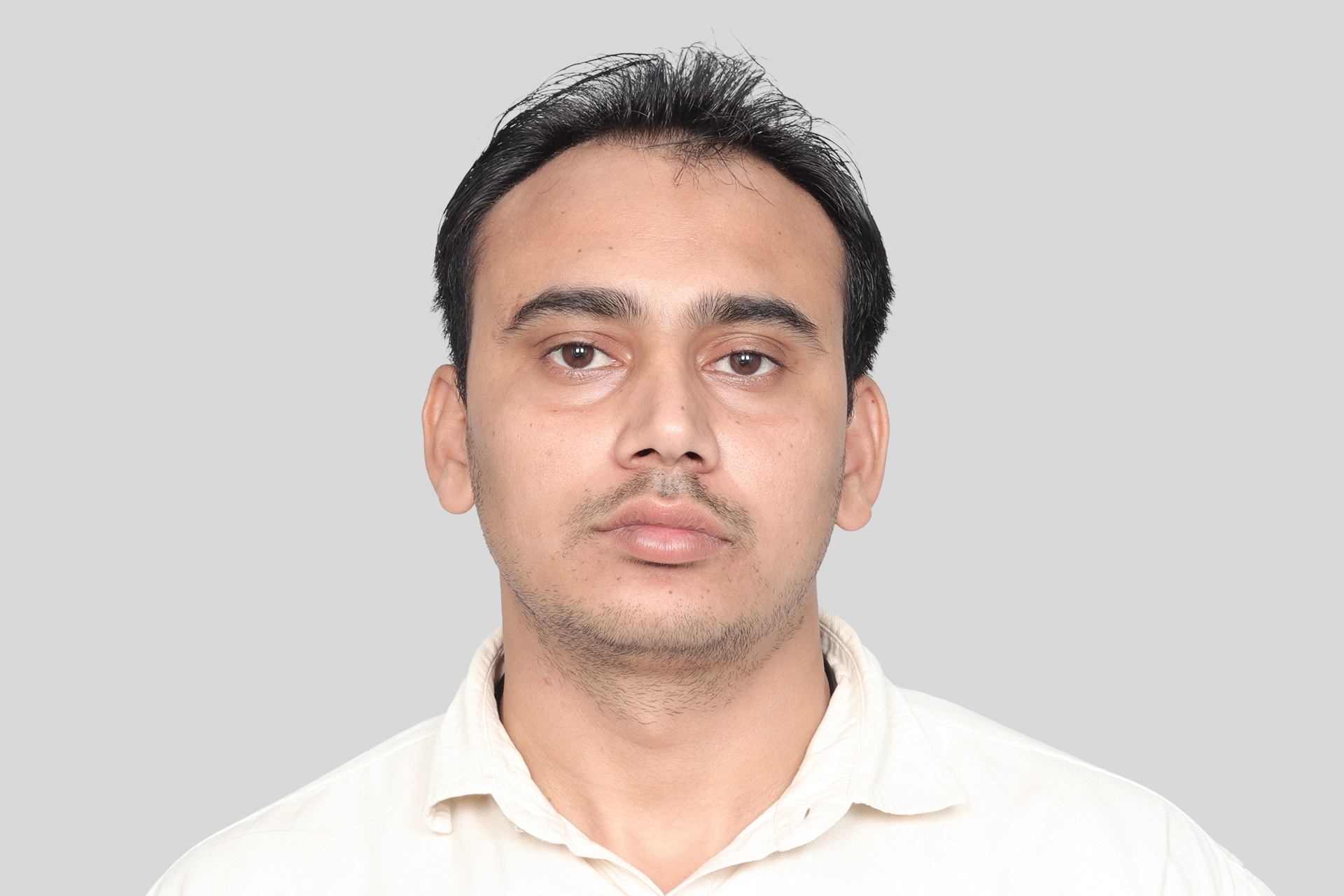
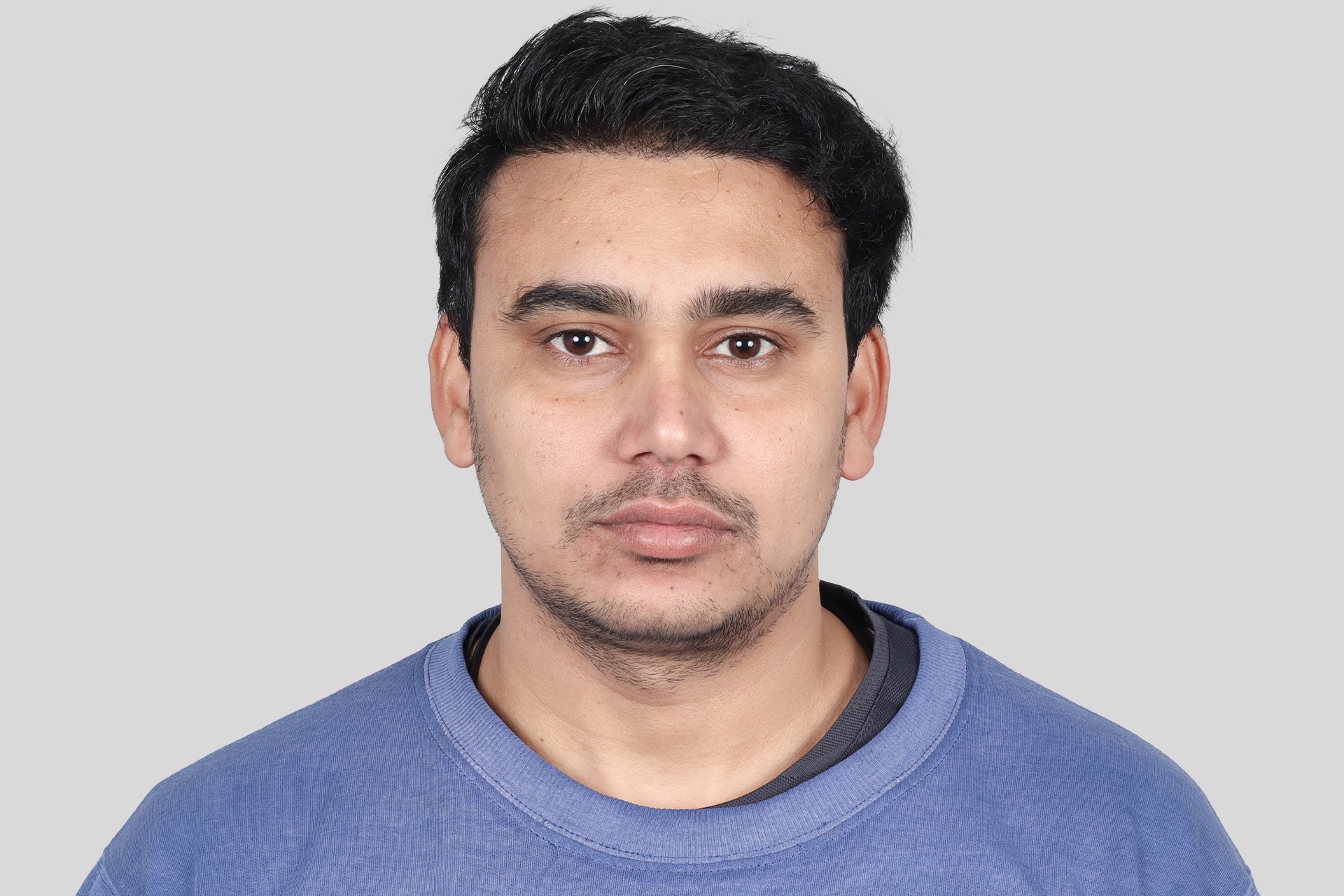
Real transformations, delivered through QHT’s patented technique. Every result reflects precise graft handling, careful density planning, and hairlines designed by surgeons, not technicians.

When our surgeons put a price on a case, six things sit behind that number.
More grafts mean more time in the chair and a bigger total. A light hairline gap sits around 1,000 to 1,500 grafts; heavy loss across crown and mid-scalp runs to 3,000 to 5,000.
The older strip and extraction methods cost less per graft than QHT. The right one depends on your grade, your donor zone, and how you wear your hair.
An ABHRS-certified surgeon charges more, and that cost buys a safer result and a hairline that reads natural.
A sterile operating theatre and a trained team add to the price while they cut the risk. A consultation room cannot do a transplant.
A dense, healthy donor zone yields better grafts and fuller coverage, and it shapes how far your count can safely go.
GFC or PRP when your scalp needs the extra help, plus every follow-up and the post-op care, folded into one figure rather than billed as a later surprise.
India is rapidly establishing itself as a medical tourism hub, offering world-class hair restoration services at a fraction of the global cost. International patients are choosing India for the combination of expert surgical care and consistently satisfactory results.
 India
 Turkey
 UAE / Dubai
 United Kingdom
 United States
India offers significant cost savings versus the UK and USA, with equivalent or superior clinical quality. Exchange rates approximate as of 2025.
A bargain quote hides a real number: 1 in 14 transplants worldwide ends up needing a repair, per the ISHRS. Repair is harder, slower and dearer than getting it right once, and lost donor hair does not grow back. Five things keep QHT patients off that list.

Your hairline is planned and your grafts placed under a doctor’s hands, never passed to a junior. Every QHT surgeon is ABHRS-certified.

QHT does hair and only hair, so your money buys focus instead of a menu of side treatments.

10x magnification on every graft, under 2 hours out of the body, chilled PRP saline while they wait, and recipient slits pre-made to match your hair’s own angle and direction. The result grows the way your hair always did.

You plan the whole thing online: photos or a video call, an honest yes-or-no on surgery, then a written graft count and cost before you book a train ticket. You travel once, and follow-ups continue from home by call and photo.

One figure covers the consultation, the surgery, anaesthesia, the post-op kit and every follow-up, with no-cost EMI available through our finance partners. That is what an affordable hair transplant in Saharanpur actually means: not the lowest quote, the one you only pay for once.
15,000+ patients restored
95%+ graft survival through out-of-body time under 2 hours
ABHRS-certified, doctor-led surgery in a world-class operating theatre
From ₹50 / ₹70 / ₹100 per graft for FUT / FUE / QHT
Nearest centre: Haridwar, then Delhi (Rohini) and Gurugram
No-cost EMI available through finance partners
A comprehensive, medically accurate reference covering all aspects of hair transplant pricing, techniques, candidacy, and recovery — designed to help you make a fully informed decision.
A hair transplant is a minimally invasive to surgical procedure in which hair follicles — individually or in strip form — are harvested from a donor area (typically the back or sides of the scalp, which are genetically resistant to DHT-induced hair loss) and implanted into bald or thinning areas of the scalp.
The procedure is considered the gold standard for permanent hair loss treatment in cases of androgenetic alopecia (male or female pattern baldness), traction alopecia, burn-related hair loss, and hairline reconstruction after trauma or surgery.
Results are permanent because donor follicles retain their genetic resistance to dihydrotestosterone (DHT) even after transplantation — meaning the transplanted hair continues to grow naturally for life with proper care.
In India, hair transplant cost is primarily calculated on a per-graft basis. A graft typically contains 1–4 hair follicles. The total cost is derived by multiplying the per-graft rate by the total number of grafts required for your specific case.
Formula: Total Cost = Number of Grafts × Per-Graft Rate
The number of grafts required is determined by your Norwood baldness scale grade, assessed during a scalp analysis consultation with the surgeon.
A thorough scalp analysis including trichoscopy, blood tests and donor density assessment is essential before treatment planning.
Most patients return to desk work within 3–5 days. Physical exertion should be avoided for 2–3 weeks post-procedure.
The Norwood-Hamilton Scale (Norwood Scale) is the primary classification system for male pattern baldness, used globally to determine hair transplant candidacy and plan graft requirements.
For women, the Ludwig Scale or Sinclair Scale is used instead. QHT Clinic treats both male and female pattern hair loss.
Platelet-Rich Plasma (PRP) therapy is frequently combined with hair transplant procedures to accelerate healing, improve graft survival and stimulate native hair follicles. PRP involves concentrating growth factors from the patient’s own blood and injecting them into the scalp.
PRP sessions typically cost ₹3,000–₹8,000 per session in India. Some clinics bundle 2–3 PRP sessions with FUE packages as combo deals. QHT Clinic offers bundled FUE + PRP packages for maximum value.
QHT Clinic offers flexible financing options to make hair transplant accessible regardless of budget:
EMI options are available via major NBFCs and banking partners. Options are discussed fully during your free consultation — no pressure, no obligations.


Really happy with my experience at QHT Clinic. The staff was polite and professional, and doctors explained everything properly.

I had 5000 grafts done and my results are amazing! It really boosted my confidence. Highly recommend QHT Haridwar to family and friends.

My hair transplant journey was amazing. The staff was excellent and cooperative, clearing all doubts. Painless surgery with great results.

My experience has been excellent. Doctors and staff are extremely professional and supportive. Clean clinic with natural-looking results.

Got 4500 grafts in a single session. The results are amazing beyond my expectations. Feeling much happier and confident now.

Extremely satisfied with the entire experience! The results are truly impressive—my hair growth is natural, consistent, and better than expected.

Had 3000+ grafts done in 2 days. They took care of transport and meals. Doctors, nurses, and technicians are well behaved and highly professional.

Appointment booking was so easy and quick. Staff was very friendly and doctors were experienced. Painless surgery and great overall experience.

Amazing experience in the clinic! Great hygiene and helpful staff behavior. The team maintains a wonderful environment. Must visit for hair transplant.

My experience has been amazing. Behavior of staff, doctors and operational team was awesome. One of the best hair transplant clinics in North India.
Explore city-specific hair transplant pricing across India. Metropolitan cities may carry a small premium due to advanced clinic infrastructure, while QHT's transparent pricing ensures no surprise charges nationwide.
The questions Saharanpur patients ask before they book, answered with the actual numbers.
It is counted per graft: FUT from ₹50, FUE from ₹70, and the QHT method from ₹100 a graft. Your total depends on how many grafts your scalp needs, which a doctor confirms after the scalp check.
No. QHT does not have a centre in Saharanpur itself. Patients from the city are treated at the nearest QHT clinic and plan everything online first.
Haridwar is the closest, followed by our Delhi (Rohini) and Gurugram clinics. You pick the one that suits your travel.
Yes. Send scalp photos or join a video call, and a QHT doctor reviews your hair loss and tells you where you stand, at no cost.
That is the doctor’s call after seeing your scalp. If your loss is early, a non-surgical plan may be the better first step. If surgery suits you, you get a graft count and a price.
Multiply the rate for your chosen method by the grafts you need. A 2,000-graft FUE case at ₹70 a graft comes to ₹1,40,000, before anaesthesia and follow-ups, which is why the final figure is confirmed in writing.
For most patients, yes. A package folds the surgery and all its aftercare into one fixed price, so nothing gets added later.
EMI is available through QHT’s finance partners, some of it no-cost. Insurance normally will not pay, since a transplant is treated as cosmetic, unless the loss follows a burn or an accident.