

Tailored approach for every patient profile
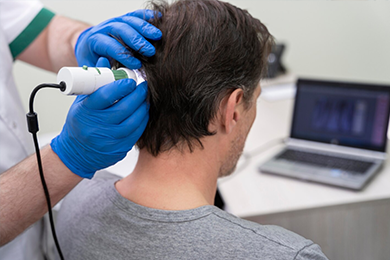
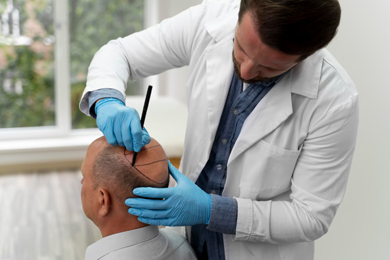
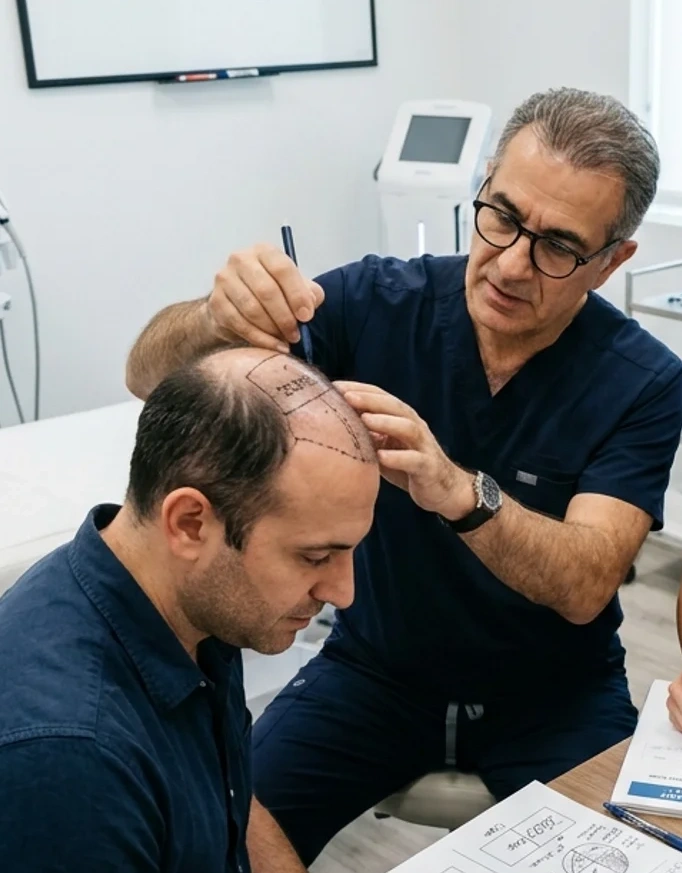
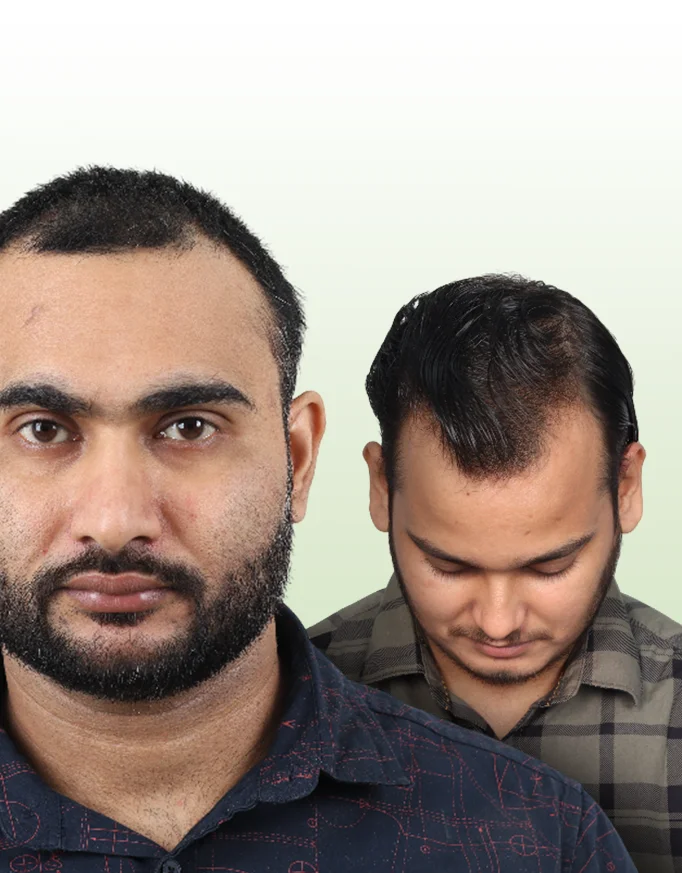
Designed based on face and age
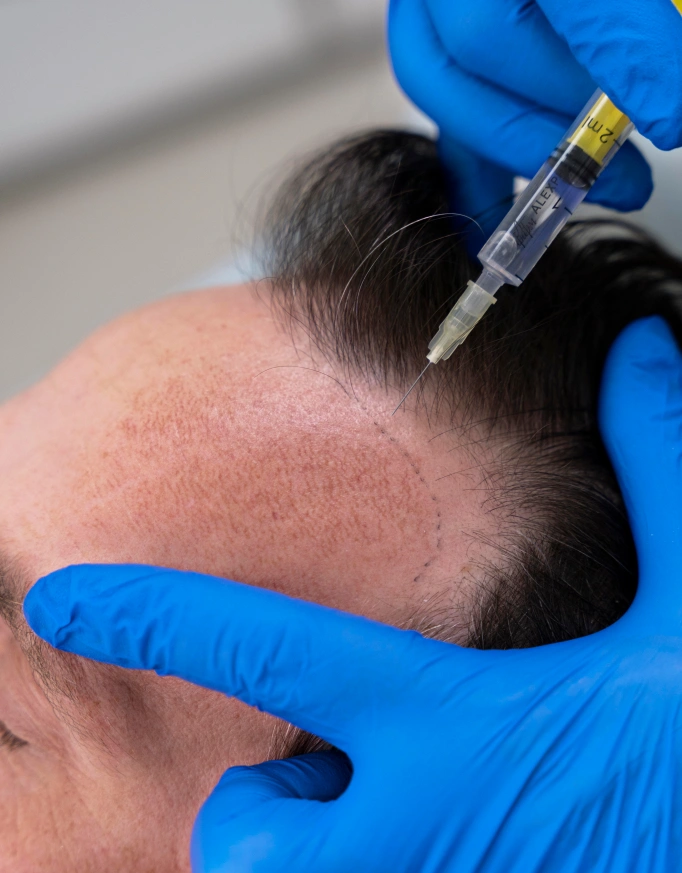
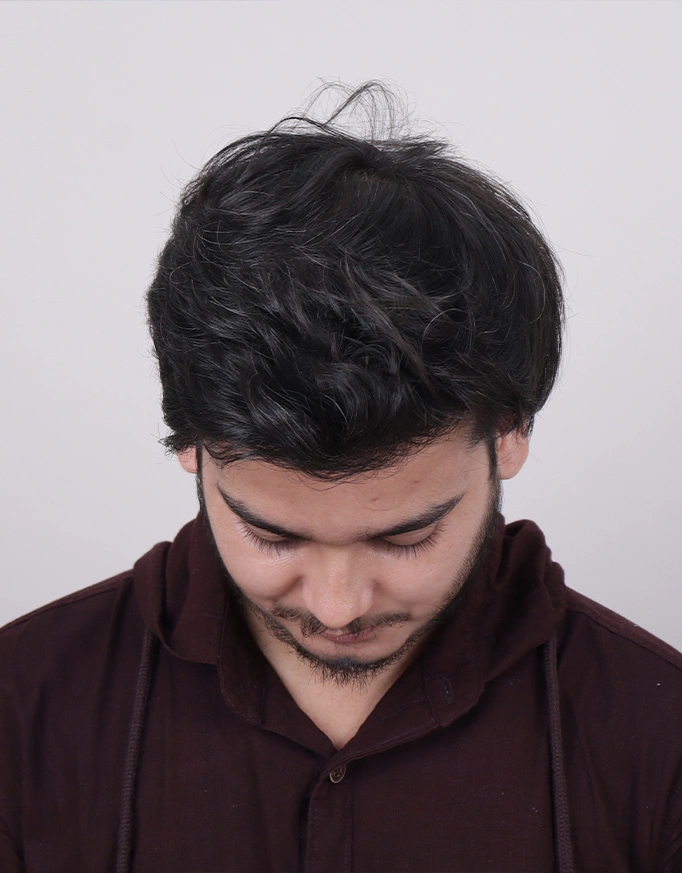
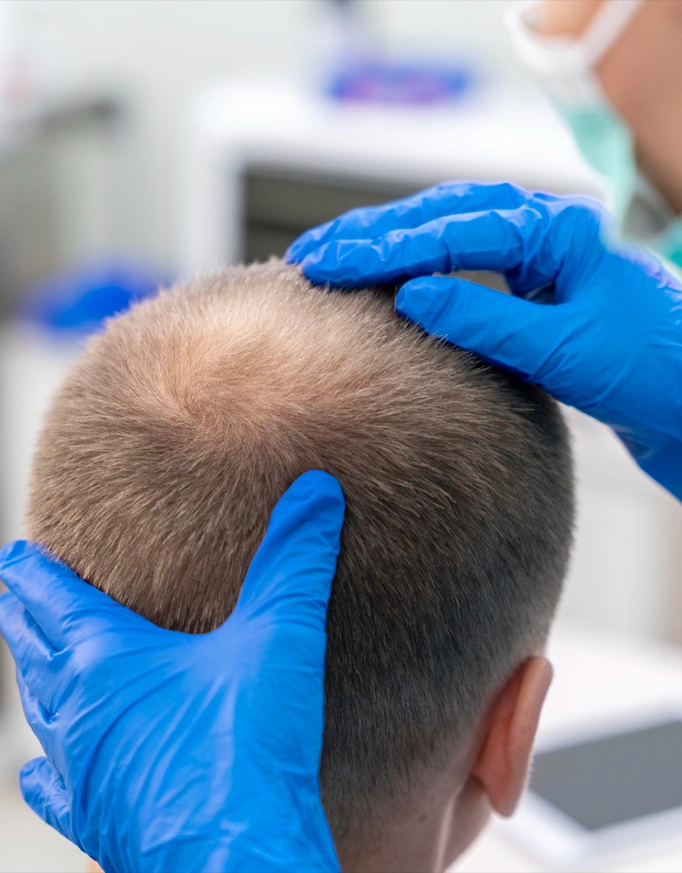
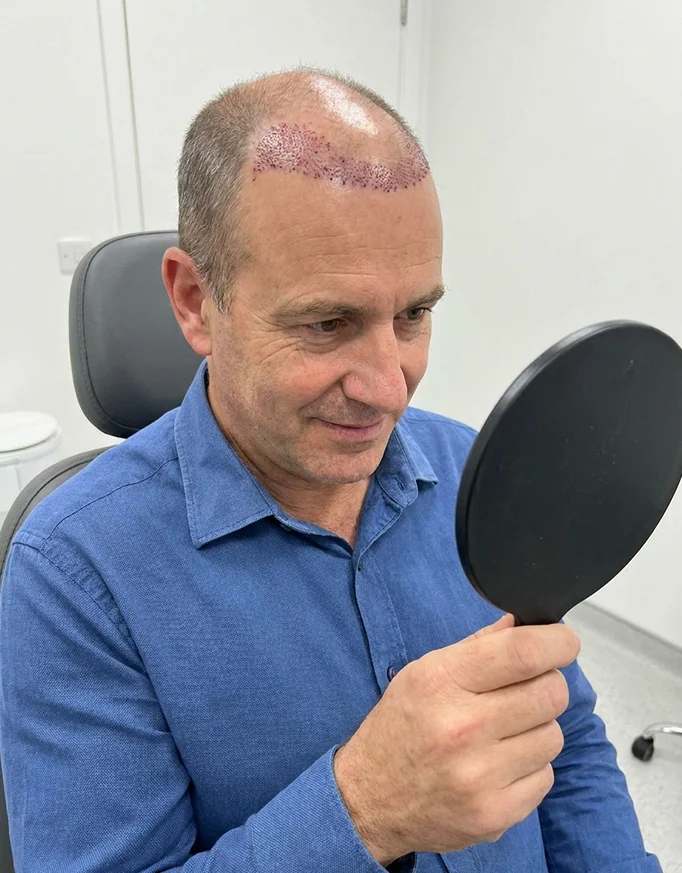
Designed for natural ageing and durability
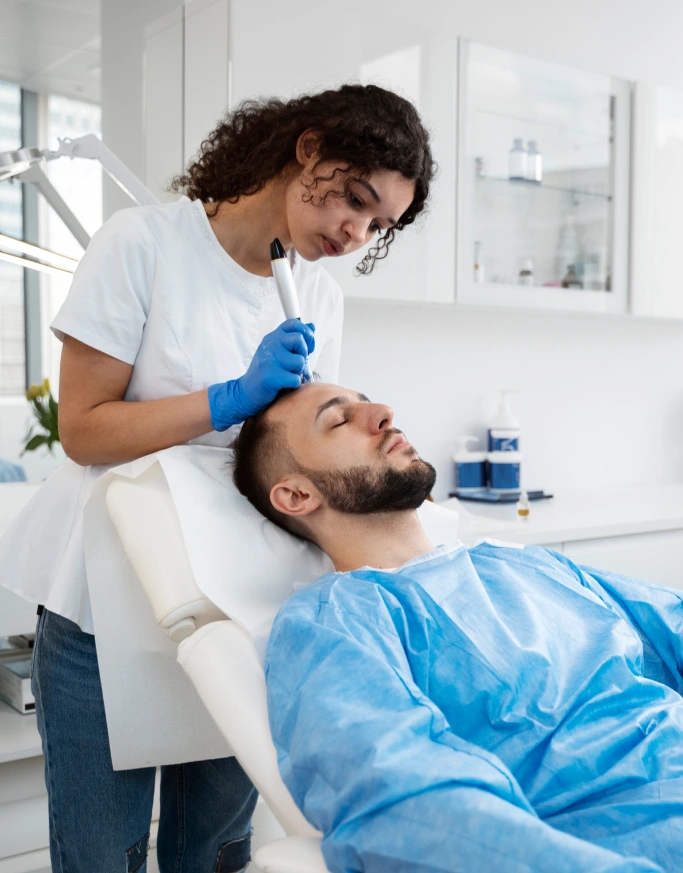
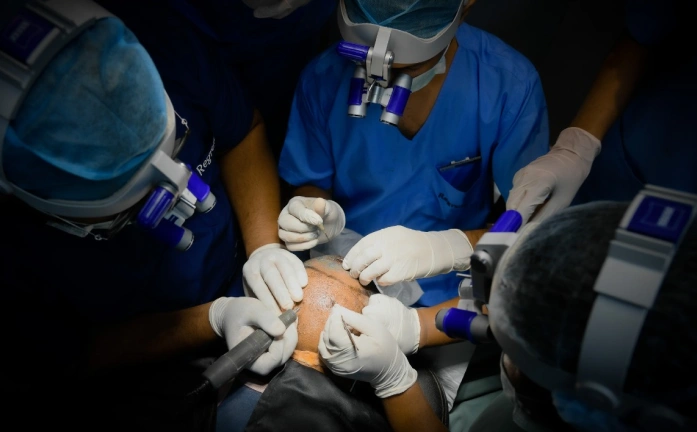
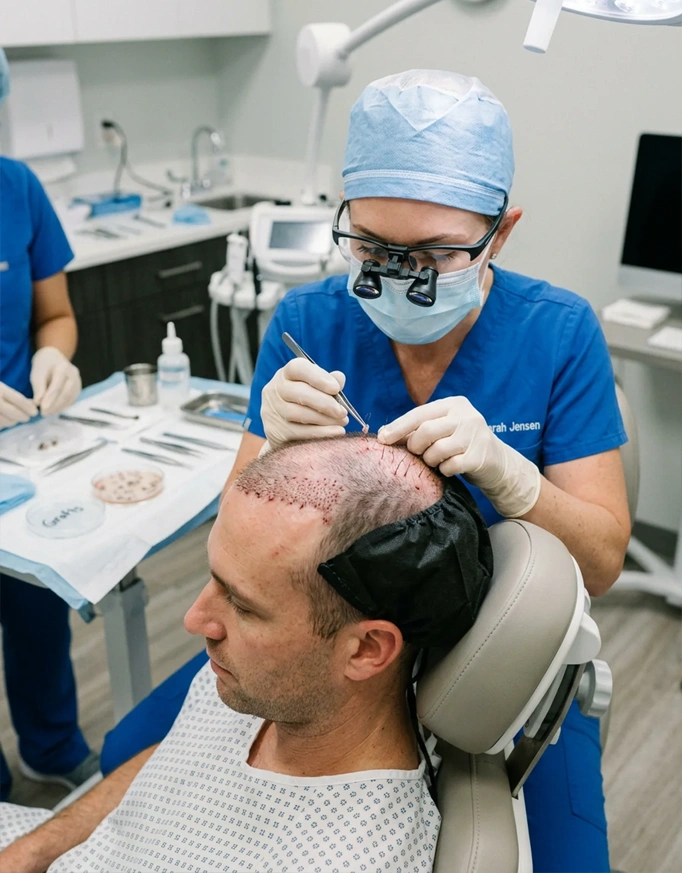
Skilled hands with years of clinical experience
Hair loss is more than a surface-level concern. It quietly shapes how you present yourself to the world. For some, it begins as a slight change in the mirror. For others, it progresses into a visible shift in appearance. Over time, it can influence confidence, self-image, and even daily interactions.
In most cases, hair loss is linked to Androgenetic Alopecia, a gradual, genetically driven condition. While the process is medically understood, the emotional impact varies from person to person. This is why many individuals start exploring solutions early, often looking for something permanent and reliable.
A hair transplant is often seen as that solution. It offers the promise of natural regrowth and long-term improvement. However, one question consistently comes up during consultations: What is the right age to get it done? It may sound simple, but the answer requires careful thought and clinical judgment.
Age does play a role, but it is not the deciding factor. Experienced surgeons look deeper. They assess how your hair loss is progressing, whether it has stabilised, and how it is likely to evolve in the future. This ensures that the result looks natural not just today, but years down the line.
For those considering a hair transplant in Delhi, this decision carries added importance. With so many clinics offering varied approaches, understanding the timing becomes essential. A well-planned procedure, done at the right stage, delivers results that are both refined and enduring.
The success of a hair transplant depends heavily on when it is performed. Age is only a rough indicator. Timing, in contrast, reflects the stage and stability of hair loss.
If a transplant is performed while hair loss is still actively progressing, the surrounding native hair may continue to thin. This can result in an unnatural contrast between transplanted and existing hair. Over time, this creates visible gaps and disrupts overall density.
Optimal timing allows surgeons to design a result that remains consistent as you age. It ensures that the transplanted hair integrates naturally with future hair patterns, reducing the need for corrective procedures.
Early-stage hair loss is often unstable. It is commonly linked to Androgenetic Alopecia. In patients in their early 20s, the pattern is still evolving. Hairline recession may accelerate. Crown thinning may appear later. The sequence is not always predictable.
Density can change within short periods. Areas that seem stable may begin to thin. This makes it difficult to define permanent zones of hair loss. Surgical planning, therefore, carries a higher level of uncertainty.
In early hair loss, the focus is usually on stabilisation. Medical therapy is prioritised. Procedures are approached with caution. Aggressive hairline design is avoided. The goal is to preserve flexibility for future changes.
Mature hair loss presents differently. It is typically seen in patients above 30. The pattern becomes more established. The extent of recession and thinning is easier to map. Progression slows down compared to earlier years.
The donor area can also be assessed more accurately. Surgeons can estimate long-term availability of grafts. This allows better allocation across the scalp. Coverage can be planned in a balanced manner.
Hairline design is more precise in mature cases. It can be aligned with age and facial structure. There is less risk of mismatch as the patient ages. The result appears more natural over time.
From a clinical perspective, mature hair loss offers greater predictability. It reduces the risk of future gaps. It improves graft longevity. It also lowers the likelihood of multiple corrective procedures.
Hair transplantation is not just about filling empty areas. The goal is to create a natural look that suits both your current appearance and how your hair may change in the future. Most patients have Androgenetic Alopecia. This type of hair loss follows certain patterns. Doctors study these patterns carefully. They help in understanding where hair is thinning now and where it may thin later.
These patterns guide the entire plan. For example, if you have early hairline recession, the focus will be on designing a natural-looking front. If you have thinning in the crown, the approach will be different. The doctor has to balance coverage across all areas.
Graft placement is very important. The donor area has limited hair. It cannot be used carelessly. If too many grafts are used in one area, there may not be enough left for future needs. If too few are used, the result may look thin.
Hairline design also depends on your pattern. A very low or dense hairline may look good now but may not suit you later if hair loss continues. A slightly conservative hairline usually looks more natural over time. Doctors also plan density carefully. The front usually needs more density because it frames the face. The middle and crown areas are filled in a way that blends smoothly with existing hair.
A good transplant plan always looks ahead. It does not only fix what you see today. It prepares for what may happen in the future. This helps avoid patchy results later.
The donor area is the most important part of a hair transplant. It usually includes the back and sides of the scalp. Hair in this region is less affected by Androgenetic Alopecia. This is why it is considered more permanent and suitable for transplantation.
During the procedure, hair follicles are taken from this donor area and moved to areas with thinning or no hair. However, this supply is limited. Once a graft is used, it cannot be replaced. This makes careful planning essential.
If too many grafts are taken, the donor area can start to look thin or patchy. This affects overall appearance, even if the transplant area looks good. On the other hand, if grafts are not used properly, the front or crown may not get enough coverage. This can lead to uneven results.
Doctors assess several factors before planning the procedure. These include donor density (how much hair is available), hair thickness, scalp flexibility, and overall hair quality. Strong donor hair usually gives better coverage and more natural results.
Long-term planning is key. Hair loss may continue over time, and some patients may need additional procedures later. Preserving the donor area ensures that there is enough hair available for future treatments if required.
Getting a hair transplant too early can lead to avoidable complications. Most young patients have Androgenetic Alopecia, which is still progressing. Hair loss has not yet stabilised. This makes long-term planning difficult. The main risk is continued hair loss around the transplanted area. The transplanted hair usually stays. However, the surrounding natural hair may keep thinning. Over time, this creates gaps. The result can look patchy or unnatural.
Younger patients often need more than one procedure. As hair loss progresses, new areas may require coverage. This increases overall cost and exposure to repeated surgeries. It also puts pressure on the donor area, which has a limited supply of hair. Hairline design is another concern. Early procedures may focus on creating a low or dense hairline. While this may look good initially, it may not suit the face as the person ages. If surrounding hair recedes further, the hairline can look out of place.
Correcting early transplants can be challenging. Donor hair may already be used. Options for revision become limited. In some cases, complete correction may not be possible. For these reasons, timing is critical. Waiting until hair loss becomes more stable allows for better planning. It improves the chances of achieving a natural and long-lasting result.
Most clinics in Delhi, properly evaluate the age of the patient to ensure they are not undergoing the hair transplant process too early.
Hair loss caused by Androgenetic Alopecia cannot be completely stopped. However, it can often be slowed down, especially if treated early. This is very important when deciding the right age for a hair transplant. In younger patients, hair loss is usually still progressing. This is why doctors often recommend starting with medical treatment instead of surgery. It helps stabilise the condition and gives time to understand how the hair loss pattern is developing.

Common treatments include Minoxidil and Finasteride. These help in maintaining existing hair and improving hair thickness. When used regularly, they can slow down further thinning and delay the need for a transplant. For patients in their early 20s, this approach is especially useful. It allows doctors to monitor hair loss over time. Once the pattern becomes more stable, usually in the late 20s or 30s, a transplant can be planned more accurately.
Even for older patients, medical treatment supports better results. It helps protect existing hair and improves overall density after surgery.

Medical therapy is not a replacement for a hair transplant. It is an essential support system. Most patients with Androgenetic Alopecia continue to lose native hair over time. Stabilising this loss before surgery is critical for long-term success.

Treatments such as Minoxidil and Finasteride are commonly prescribed. Minoxidil improves blood flow to hair follicles and enhances thickness. Finasteride reduces DHT levels, slowing down the process of follicle miniaturisation. Together, they help preserve existing hair and improve overall density.
Consistent use of these treatments reduces the risk of “shock loss” after surgery. It also ensures that transplanted grafts are surrounded by healthy, stable hair. This leads to more natural blending and predictable outcomes.

At QHT Clinic in Delhi, medical management is a core part of the treatment plan. Patients are not rushed into surgery. Instead, there is a strong focus on stabilising hair loss first. Our treatment protocol combines clinical assessment with personalised medication plans, ensuring that each transplant is performed on a stable foundation for better long-term results.
Hairline design is one of the most technically demanding aspects of a hair transplant. It directly affects how natural the result looks, not just immediately, but years later.
A hairline must match the patient’s facial structure, age, and expected progression of hair loss. Younger patients often request low, dense hairlines. While this may look appealing in the short term, it rarely ages well. As hair loss continues, such hairlines can appear artificial or out of proportion.
A more conservative hairline is usually preferred. Slightly higher positioning and natural irregularity help the result blend with age-related changes. This approach ensures that the hairline remains appropriate across different stages of life.
At QHT Clinic in Delhi we are known for prioritising long-term hair health. Our approach focuses on creating age-appropriate hairlines that evolve naturally over time. With extensive surgical experience and a large volume of cases, we emphasise subtlety, proportion, and durability rather than short-term visual impact.
One of the most common mistakes in hair transplantation is focusing only on visible bald areas. Hair loss is progressive. Treating only current gaps without considering future thinning can lead to uneven results.
Effective planning requires a forward-looking approach. Surgeons assess where hair loss is likely to progress. Based on this, grafts are distributed strategically. Some donor hair may be reserved for future procedures. This ensures that additional coverage can be achieved if needed later.
This approach also prevents overuse of grafts in one area. A balanced distribution allows the hair to look natural even as surrounding areas change over time. It reduces the need for major corrective procedures in the future.
In younger patients, hair loss is often still active. The pattern is not fully stable. This is why a conservative approach is recommended. This means using donor hair carefully. It also means avoiding very low or very dense hairlines. These may look good initially but may not look natural as hair loss continues.
A conservative plan focuses on long-term balance. The goal is to create a natural look without using too many grafts too early. This helps preserve donor hair for future use. It also keeps options open. If hair loss progresses, additional procedures can be planned more easily. If too many grafts are used early, future corrections become difficult.
Restore your hair with confidence at QHT. With medical precision, modern technologies, and state-of the-art clinics across India, we offer advanced, personalised, doctor-led hair restoration procedures.
From consultation, treatment, results to post-op care QHT team is here to guide. Start your dream hair journey with QHT.
D-15, Outer Ring Rd, above Federal Bank, Prashant Vihar, Sector 14, Rohini, New Delhi, Delhi, 110085.
Experience world-class hair transplant care in Delhi. At QHT Delhi, we bring together advanced technology, experienced surgeons, and a highly personalised approach to help you achieve natural, lasting results.
The cost of hair transplant in India varies depending on various factors such as:
When evaluating clinics for hair transplant, it is essential to understand that scarring is influenced by multiple medical and procedural factors. Some of these factors include:
The techniques used for hair restoration can play a big role in determining the type of scarring.
Precision during extraction and implantation significantly impacts how scarring will occur.
Overharvesting or uneven extraction can make hair transplant scars more noticeable. Proper planning ensures even distribution and natural coverage.
Each individual heals differently. Factors like skin type, collagen response, and overall health affect scar formation.
Following aftercare instructions helps minimise inflammation and supports proper healing, reducing scar visibility.
Smoking, poor nutrition, and stress can delay healing and increase the risk of visible scarring.
Global bodies such as the World Health Organization encourage an evidence-based approach to medicine and following ethical guidelines when discussing the options available to patients for surgical procedures.
It is advisable to wait until your hair loss shows some level of stability. This usually means observing the pattern for at least 12–18 months. Early intervention without stability can lead to poor long-term results.
Transplanted hair is generally long-lasting. However, surrounding natural hair may continue to thin over time.
Yes, women can undergo hair transplant, but suitability depends on the type and pattern of hair loss. Women often have diffuse thinning, which requires careful evaluation before recommending surgery.
Yes, lifestyle has a direct impact on both the success of a hair transplant and the health of your existing hair. Habits such as smoking can reduce blood flow to the scalp, which may affect healing and graft survival. High stress levels can contribute to ongoing hair fall, while poor nutrition can weaken hair quality and slow recovery.
Most patients can return to light, non-strenuous activities within 2–3 days after the procedure. This includes routine tasks that do not involve sweating or physical strain.
However, activities such as intense exercise, gym workouts, swimming, and direct sun exposure should be avoided for at least 10–14 days. These can interfere with healing and affect graft stability.
It is possible to get a hair transplant at 21 or 22, but it is usually not recommended at this age. Hair loss in the early 20s is often still progressing, and the long-term pattern is not yet fully clear. If a transplant is done too early, the surrounding natural hair may continue to thin. This can lead to uneven density or an unnatural appearance over time. It may also increase the chances of needing multiple procedures later.
There is no strict minimum age, but most doctors prefer patients to be around 25 years or older. This is because hair loss patterns are more stable and easier to assess at that stage.
The final decision depends on individual evaluation, including hair loss progression and donor area strength.