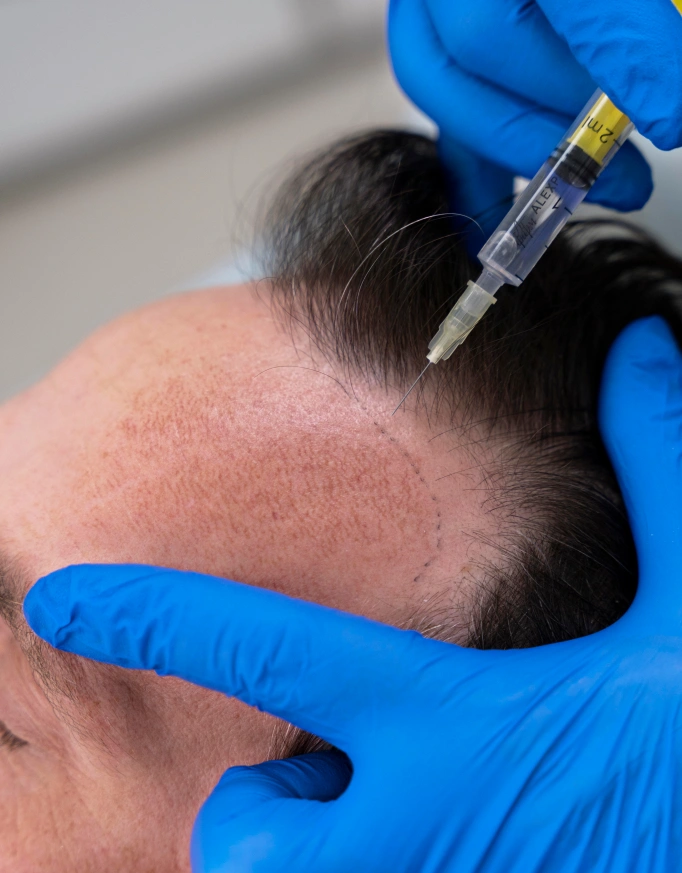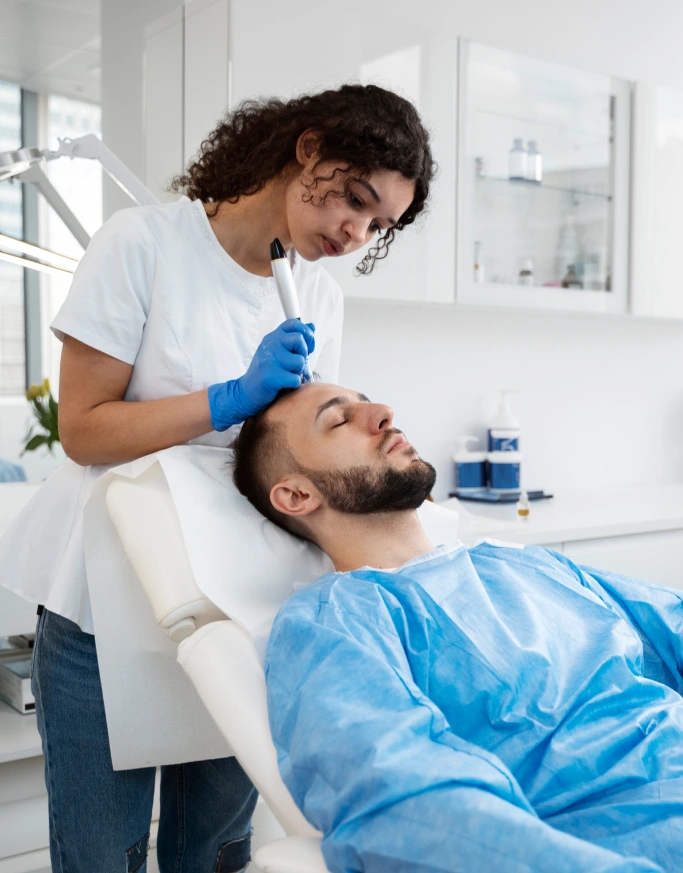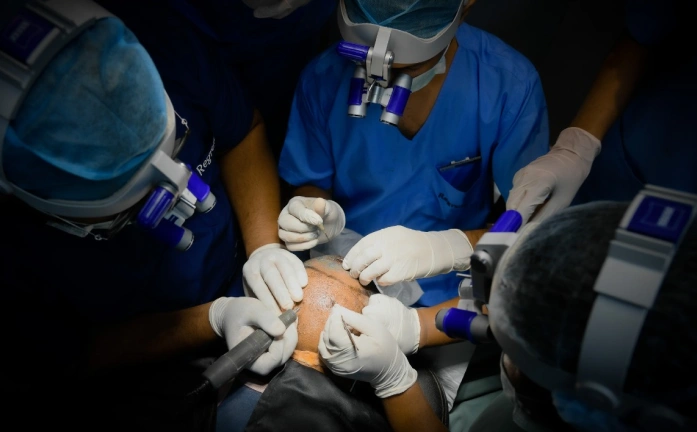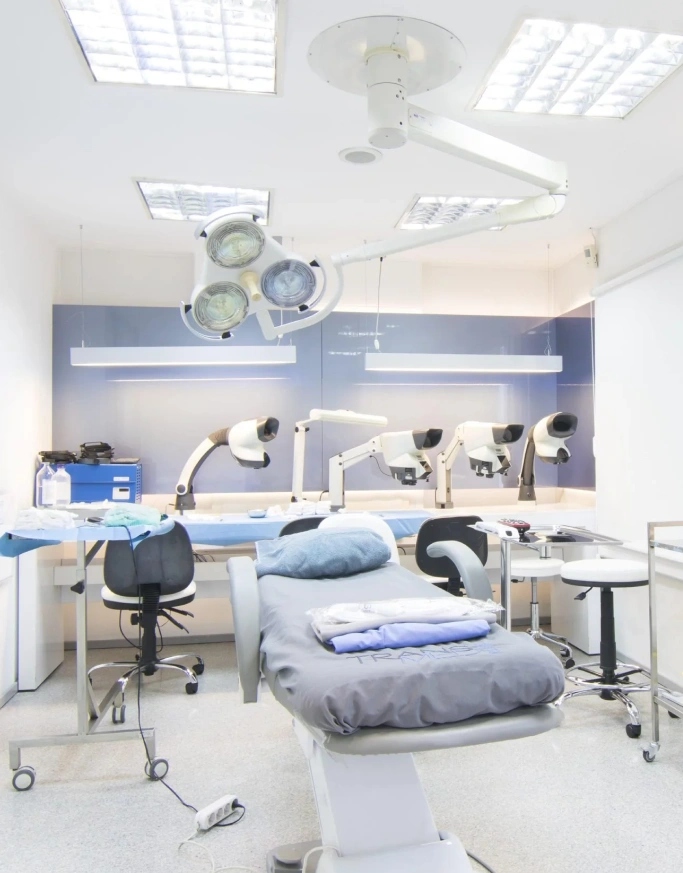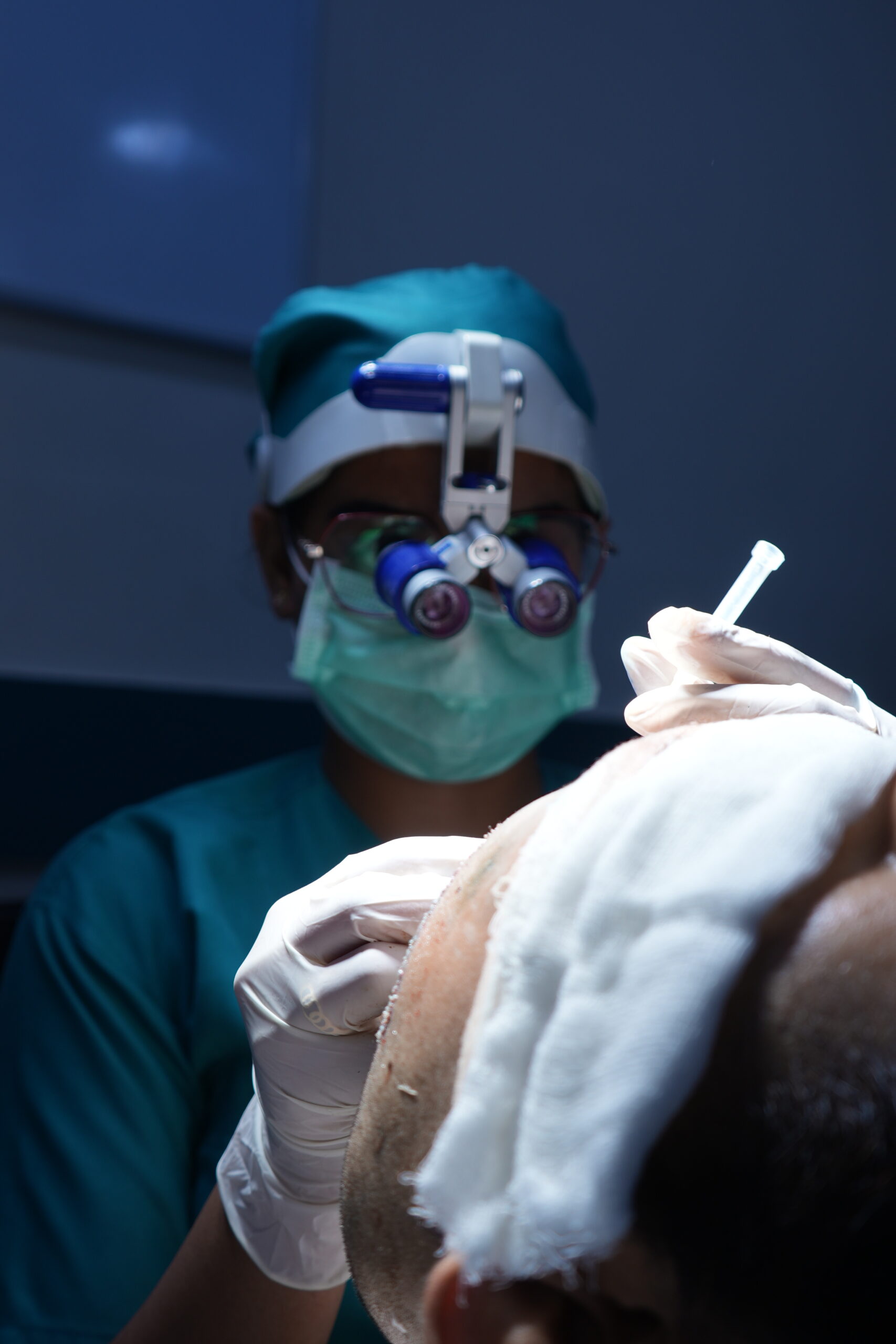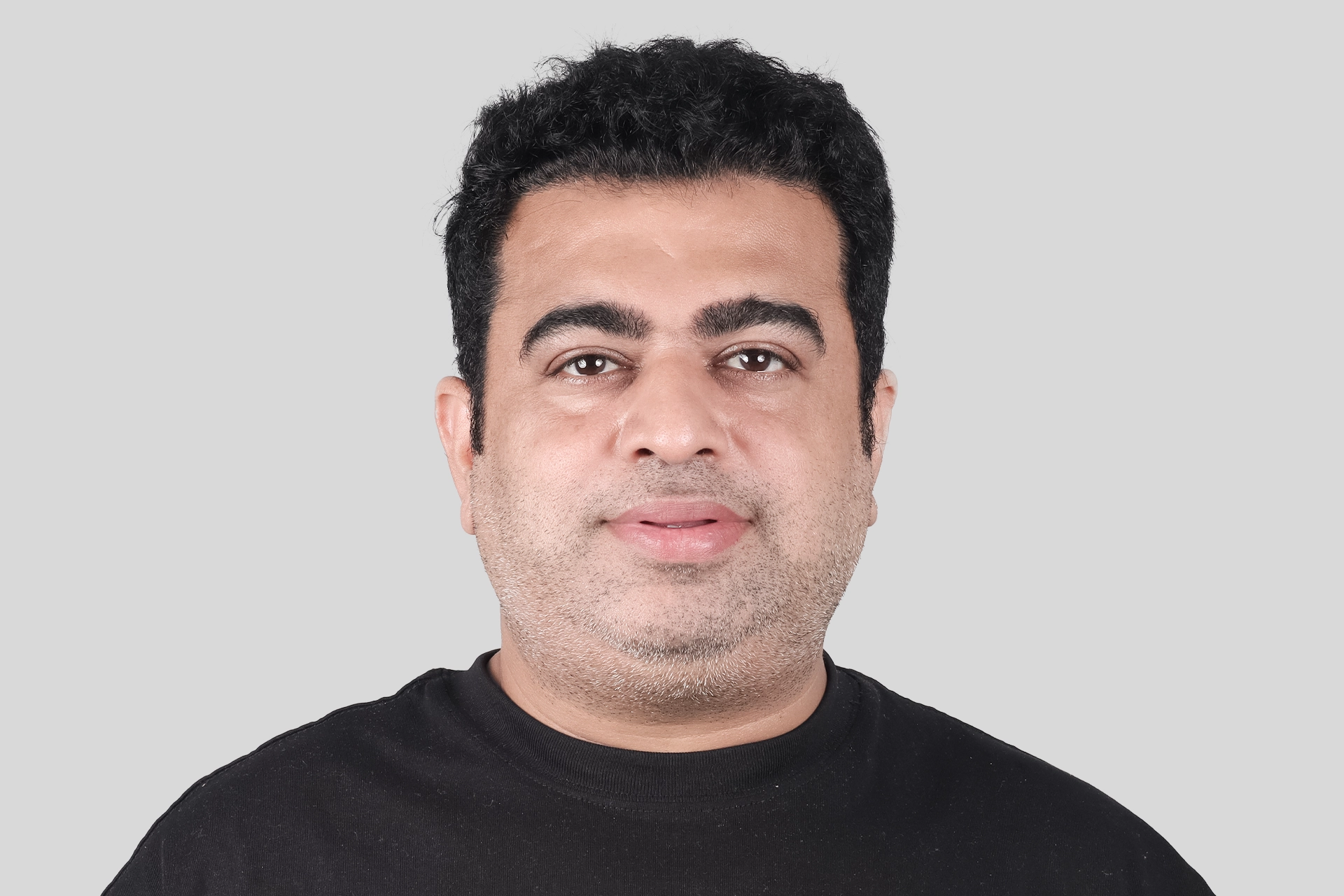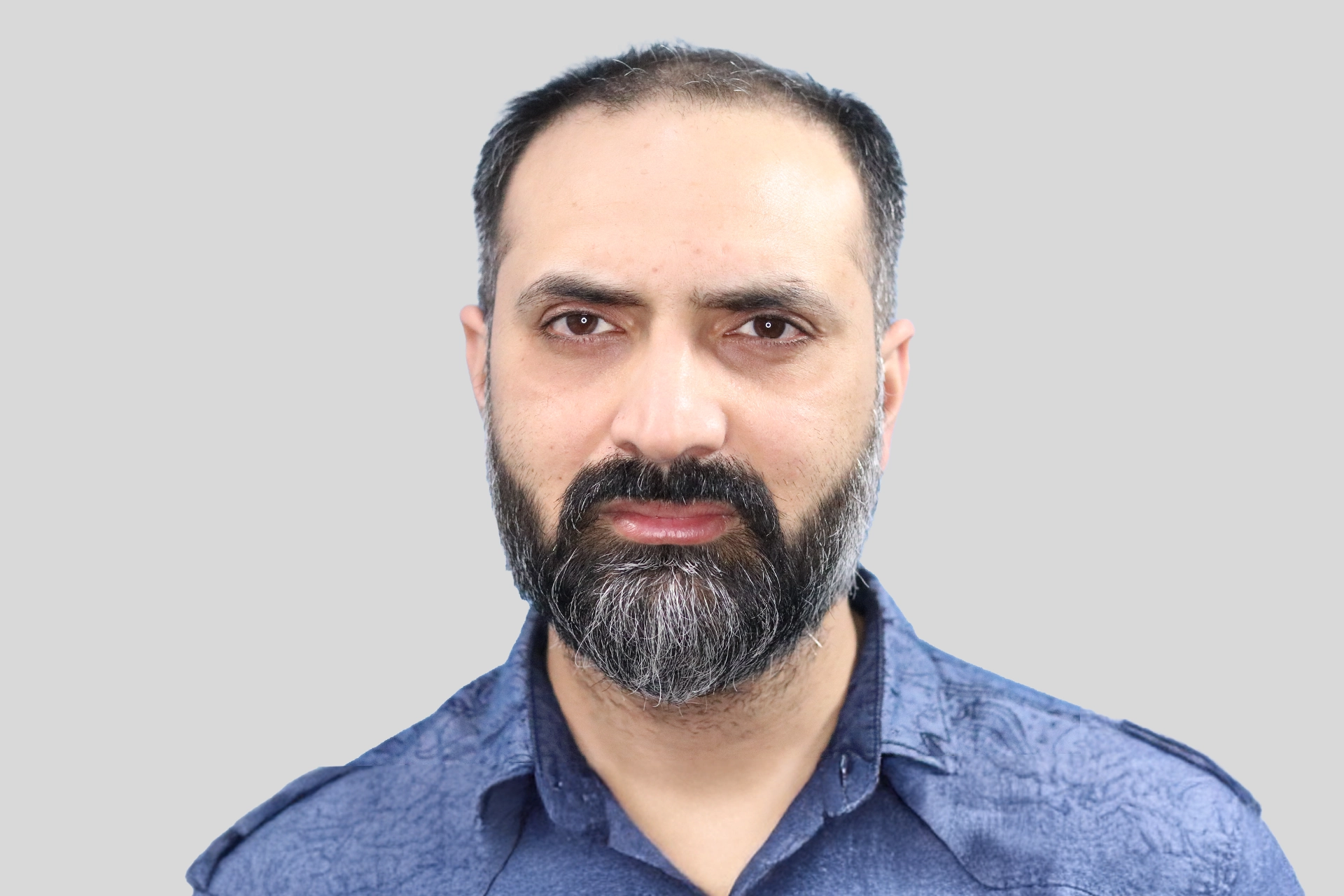


Procedures performed by qualified surgeons.
FUE, DHI, FUT are popular hair transplant techniques
Procedures performed under expert care for reduced side effects
Hair transplants at best prices
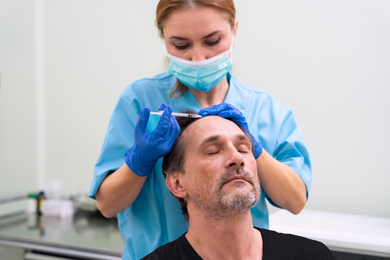
Hair transplant in Delhi are generally considered safe when performed under the right medical standards and conditions. Hair transplant clinics follow thorough pre-procedure planning and ensure that the entire process is carried out under proper medical supervision. Maintaining a sterile surgical environment is essential to minimise the risk of infection.
Safety of hair transplant also depends on careful extraction techniques that respect the limits of the donor area, preventing unnecessary damage while ensuring natural-looking results. Another important factor is structured aftercare, including clear post-procedure instructions and regular follow-up to monitor healing and progress.
Several factors determine the safety of a hair transplant procedure. When considering a hair transplant in Delhi, look for the below mentioned factors to avoid complications:
management and direct involvement by an experienced surgeon will decrease the amount of risk. A qualified surgeon will conduct appropriate graft calculations, design a proper hairline and also secure the donor area for future procedures.
The surgical team should ensure all the right protocols are followed to minimise the risk of infections.
Clinics that are safe must consider the limitations of the patient’s donor area. Excessive harvesting may yield a higher density initially. But it may cause irreversible damage to the donor site in the long run.
Clinics that provide hair restoration treatment in Delhi focus on maintaining the health of your scalp, performing controlled extractions, and planning for future hair loss rather than providing you with large quantities of grafts and taking cosmetic shortcuts.

Like any medical procedure, hair transplant also comes with certain risks. However, it is important to note that most of the side effects are temporary and not everyone experiences them. Some of the side effects of hair transplant surgery are:
Note: All of these side effects are a part of the healing process and will usually resolve within a few weeks. If you are unsure, speak to your doctor about it.
Surgical clinics that are dedicated to providing safe environments use established medical guidelines prior to, during, and following the surgical process in an effort to prevent complications. Some of the important safety practices include:
Conditions like bleeding disorders, diabetes, and infections of the scalp, that can lead to delayed healing.
When planning hair transplant, doctors must be carefuDonor area is not overharvested and used conservatively for future procedures if needed.
During surgery, continuous monitoring of patients’ vitals and graft function is important to assure graft viability and the stability of the patient’s health during the operation.
Wound evaluation, medication management, and progress monitoring are important components of a structured post-operative follow-up care that allows for early identification of problems.
While severe hair transplant complications are rare, the surgical team still needs to be careful and educate patients about the possible side effects. Having an idea about the complications that may arise helps the patient recognise the signs and seek timely medical attention. Some rare but possible complications of hair transplant include:
The possibility of infections are usually rare when the procedure is performed under sterile conditions.
Inflammation of the hair follicles is temporary and usually resolves with topical treatment.
Severe bleeding occurs frequently in patients with unassessed medical issues. Bleeding can also happen when patients don’t follow pre-surgery instructions like taking prescribed medications on time properly.
Permanent damage to the donor site may result from the extraction of grafts using aggressive or poorly planned techniques.
Restore your hair with confidence at QHT. With medical precision, modern technologies, and state-of the-art clinics across India, we offer advanced, personalised, doctor-led hair restoration procedures. From consultation, treatment, results to post-op care QHT team is here to guide. Start your dream hair journey with QHT.
D-15, Outer Ring Rd, above Federal Bank, Prashant Vihar, Sector 14, Rohini, New Delhi, Delhi, 110085.
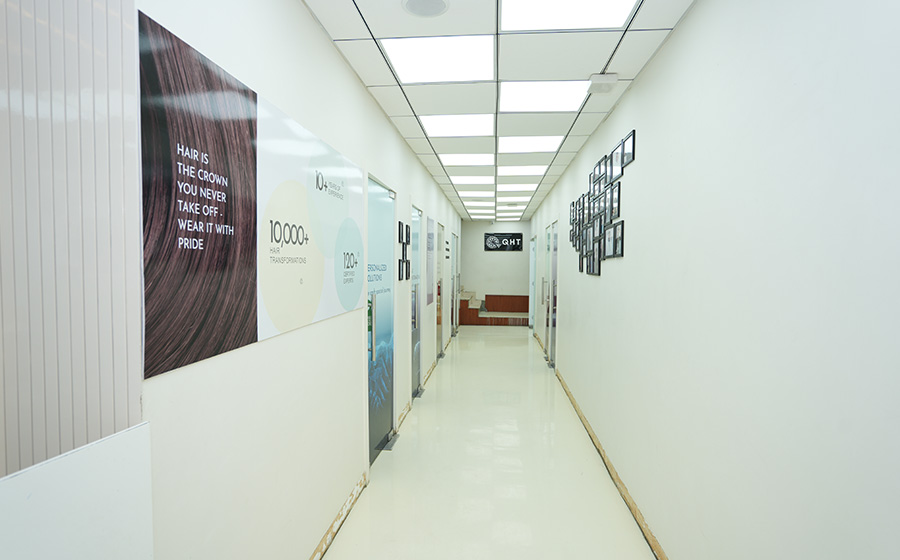
Experience world-class hair transplant care in Delhi. At QHT Delhi, we bring together advanced technology, experienced surgeons, and a highly personalised approach to help you achieve natural, lasting results.
The Hair Transplant Prices varies depending on various factors such as:
Hair transplant costs can vary widely depending on several key factors. Understanding these factors can help patients make informed decisions and plan their treatment effectively. Some common factors affecting hair transplant cost include:
A higher number of grafts increases the duration of the procedure, which in turn raises the overall cost.
The choice of technique, such as FUE or DHI, can significantly impact the cost of the procedure.
Greater involvement of the surgeon throughout the procedure often leads to higher costs but can improve the effectiveness of the transplant.
Comprehensive aftercare, including follow-up visits, medications, and patient monitoring, adds to the total cost of the hair transplant.

Answers to some of the most asked questions are below:
Reputable hair transplant specialists will ensure a safe procedure through their proper qualifications, using ethical and sterile medical practices when performing hair transplant procedures.
Most complications are temporary and serious complications occur rarely in clinics where medicine is supervised by a physician only.
Most of the side effects experienced by patients at a hair transplantation clinic in Delhi are resolved within a few weeks.
Verify credentials of the doctor, the level of patient consultation provided by the clinic and protocols for follow up contact with patients after surgery.
Hair transplants are safe procedures when performed by qualified surgeons after proper scalp evaluation in a sterile environment.
Like any surgical treatment, hair transplant also has the risk of certain side effects. The side effects of hair transplant Delhi patients most commonly experience include mild redness in the treated area, hair tightness, and shock loss. However, these side effects are temporary and usually resolve in sometime.
No, shock loss is not a complication of hair transplant. It is a common temporary side effect of hair transplant.