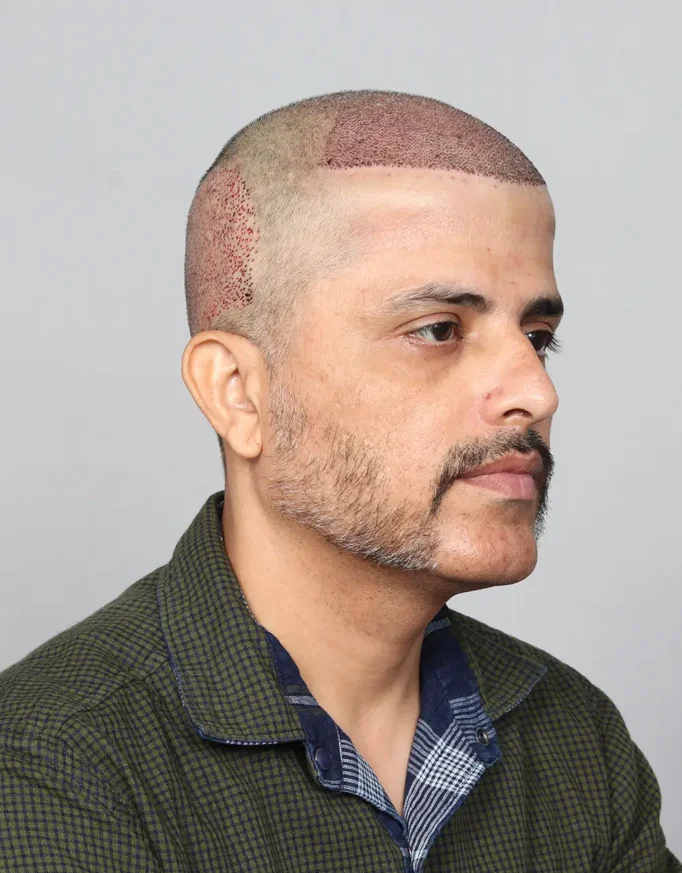
Precise graft placement and hairline design for natural results
Precision extraction and spacing techniques for reduced visibility of micro-scars
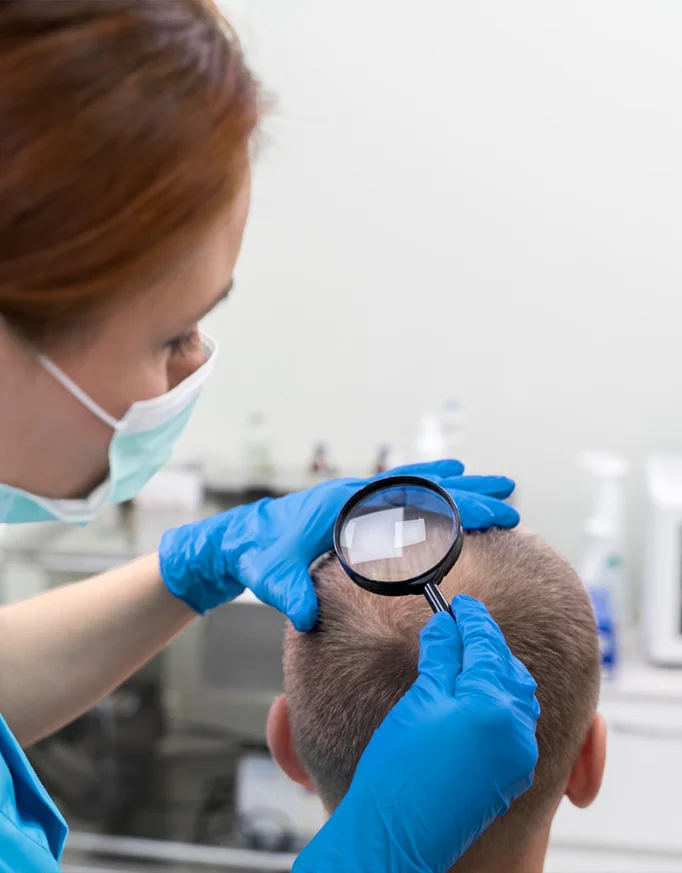
Strict medical protocols for enhanced safety and smooth recovery
Detail-oriented techniques for consistent, high-quality outcomes
Hair transplant procedures have evolved significantly over the years, but one of the most common concerns patients still have is: does hair transplant leave scars? This is a very reasonable concern because scarring may raise cosmetic concerns for some people. Understanding scarring is essential before undergoing any procedure, as it directly affects both appearance and long-term satisfaction.
While scarring is a common occurrence with surgical procedures, modern practice has made things better. In modern practice, scarring is minimal and often not visible when performed using advanced techniques. However, the extent and visibility of scars depend on multiple factors, including the method used, the surgeon’s expertise, healing response, and post-procedure care.
Before considering a hair transplant, it is essential to understand the possible side effects, including scars. Hair transplant clinics in Delhi offer advanced hair transplant procedures.
Hence, if you are considering getting a hair transplant in Delhi, then having a proper idea about the procedure is important.
As a patient, having a proper guide that explains everything you need to know about hair transplant leave scars in Delhi, including types of scars, prevention methods, healing timelines, and what you can realistically expect, is important.
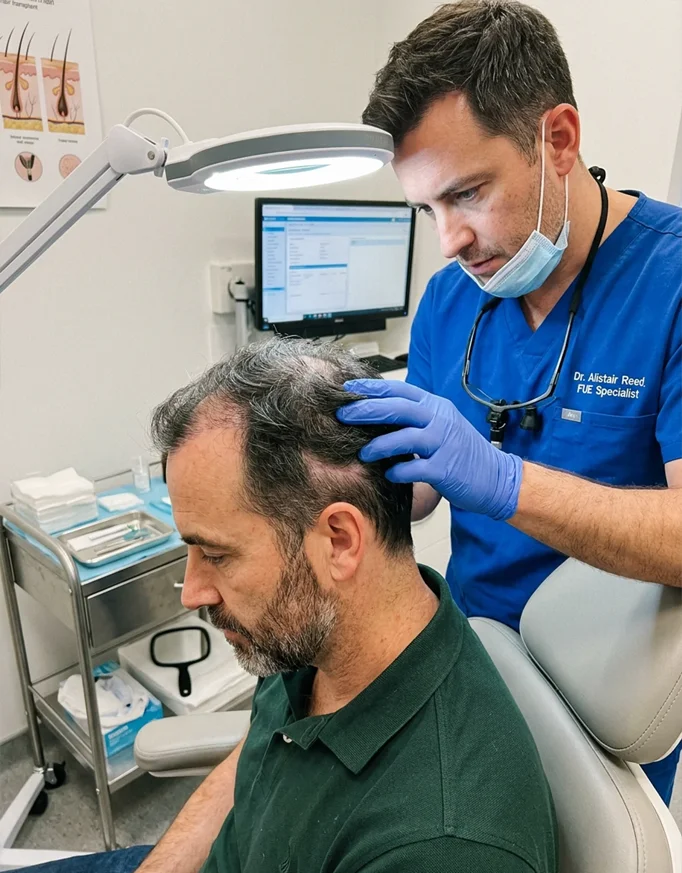
At QHT Clinic Delhi, we transparently guide you through the entire hair restoration procedure to help you make an informed decision. Our hair transplant experts address every concern you may have, including scarring.
The most honest answer to this question is YES. Hair transplant procedures can leave scars. However, the nature and visibility of these scars vary significantly based on the technique used and the precision of the procedure. When patients ask, does hair transplant leave scars, it is important to clarify that modern techniques are designed to minimise and conceal scarring effectively.
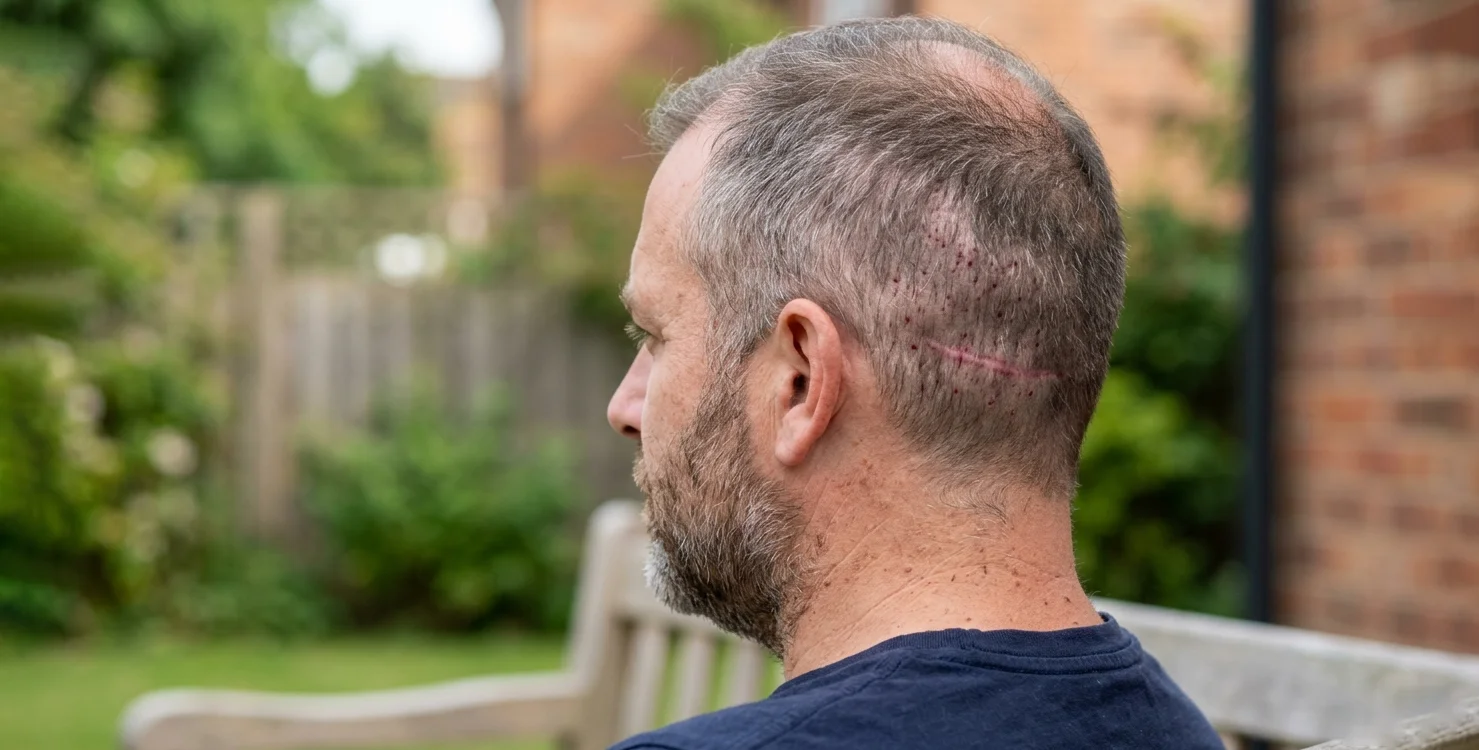
In earlier methods like FUT (strip surgery), a linear scar was common because a strip of scalp was removed from the donor area. This scar could sometimes be visible if the hair was kept short. However, with the advancement of techniques like FUE and QHT, the approach has shifted towards micro-extraction, where individual follicles are removed instead of a strip.
Today, most clinics offering consultations focus on minimally invasive methods that result in tiny dot-like scars rather than large visible marks. These micro-scars are usually not noticeable once the surrounding hair grows back.
It is also important to understand that scarring is a natural part of any surgical process. The key difference lies in how visible or concealed the scar is. With proper planning, precision, and aftercare, most patients experience scars that are practically undetectable.
To fully understand does hair transplant leave scars in Delhi, it is important to differentiate between the types of scars that may occur based on the procedure.
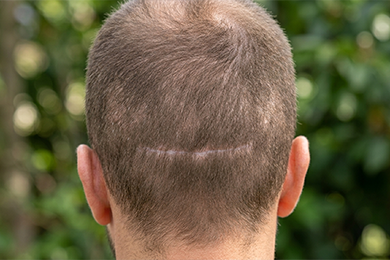
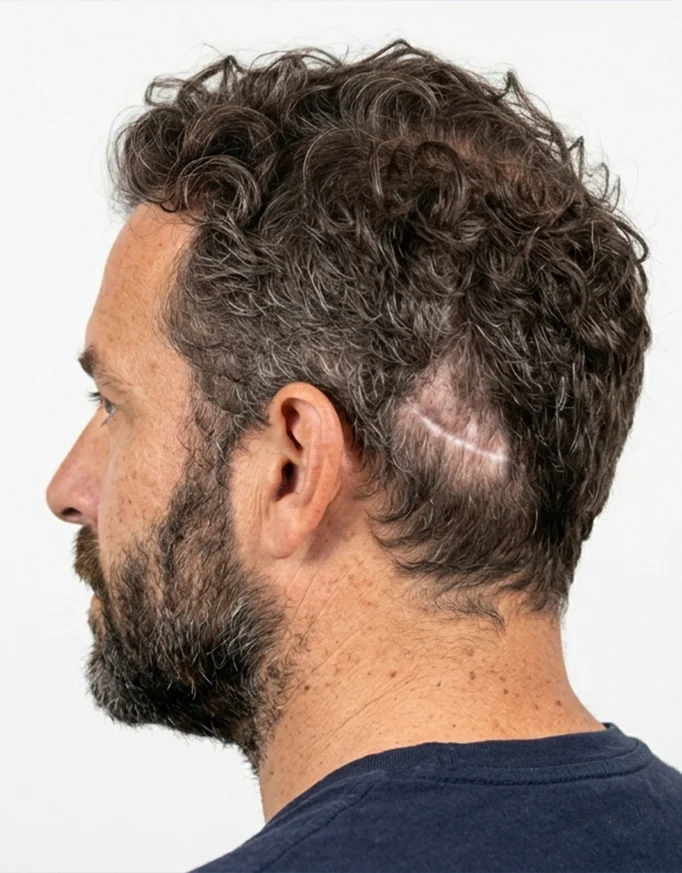
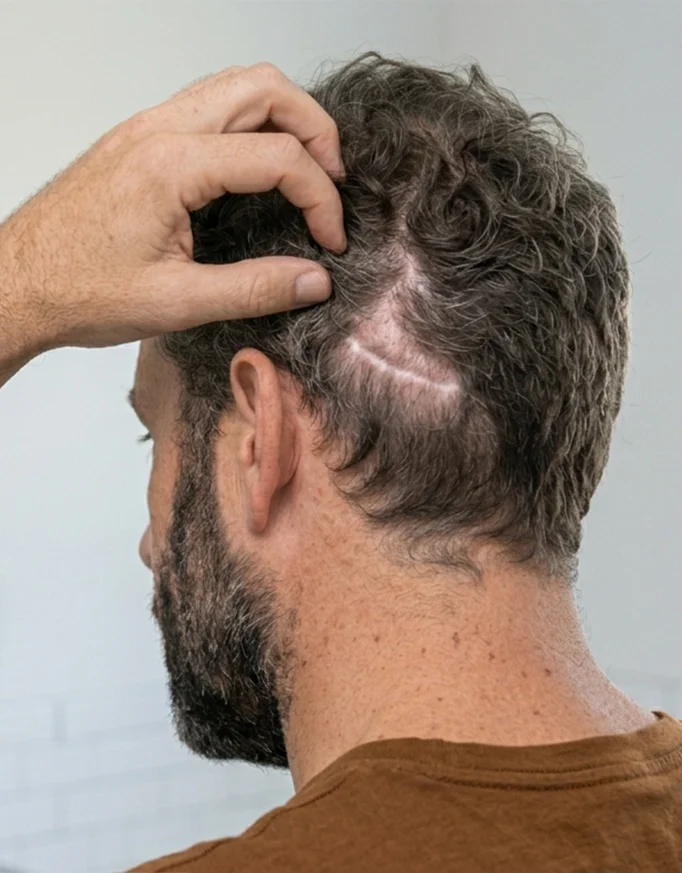
FUT involves removing a strip of skin from the donor area, which is then stitched. This creates a linear scar at the back of the scalp. While this scar can be concealed under longer hair, it may become visible with short hairstyles. This method is less commonly used today due to advancements in less invasive techniques.
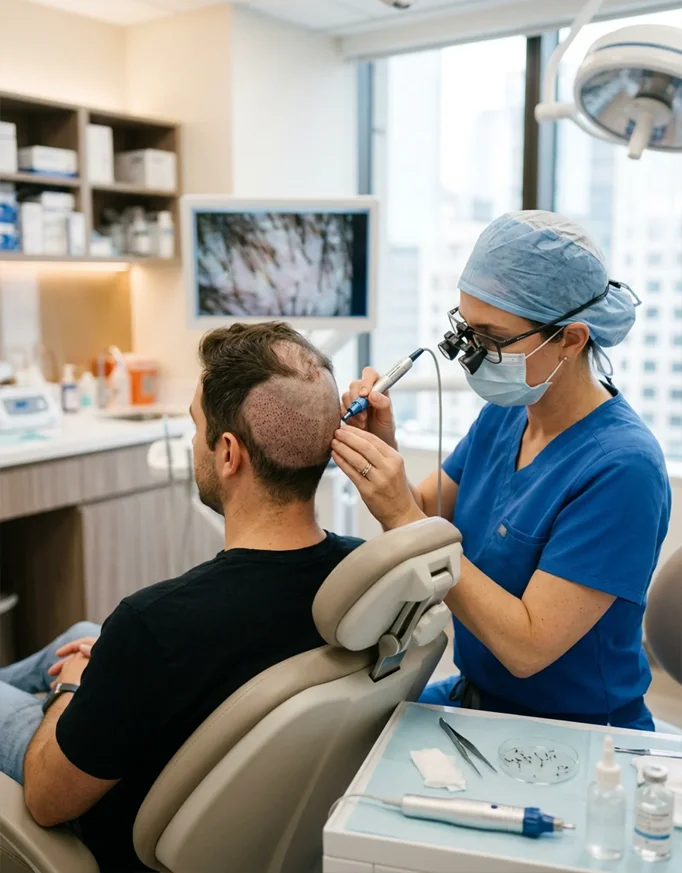
FUE creates tiny circular scars where each follicle is extracted. These are known as FUE scars and are significantly smaller than FUT scars. They appear as micro dots that blend with surrounding hair and are usually invisible to the naked eye.
The advantage of FUE is that it allows patients to maintain shorter hairstyles without worrying about visible scarring. However, the quality of extraction and spacing plays a crucial role in ensuring that these scars remain minimal.
At QHT Clinic, the approach to hair transplantation is designed to minimise visible scarring through precision-driven follicle extraction and strategic implantation techniques. Unlike conventional methods that may risk overharvesting or uneven extraction, the QHT technique focuses on controlled graft removal, optimal spacing, and careful donor area management, which helps prevent clustering of micro-scars.
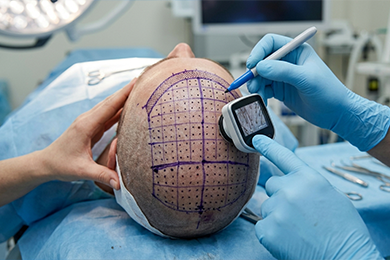
In QHT, each follicle is handled with minimal trauma, preserving surrounding tissue and improving healing quality. In the recipient area, implantation is performed with attention to angle, depth, and density, ensuring that micro-incisions heal quickly without leaving noticeable marks. This refined approach aligns closely with what patients expect from scarless hair transplant Delhi-based clinics offer.
The resulting micro-scars are extremely small, well-distributed, and effectively concealed by natural hair growth. As a result, patients concerned about does hair transplant leave scars in Delhi can expect outcomes where scarring is minimal, uniform, and virtually undetectable over time.
In the recipient area, where hair is implanted, micro-incisions are made. These heal quickly and generally do not leave visible scars when performed correctly.
Understanding these variations helps patients better evaluate does hair transplant leave scars in Delhi and choose the right technique for their needs. Visit our QHT Delhi Hair Transplant gets the best hair transplant services with minimal scarring.

The term scarless hair transplant Delhi is often used in marketing, but it requires careful interpretation. Technically, any procedure that involves incisions will result in some level of scarring. However, the goal of modern techniques is to make these scars so small and well-distributed that they are virtually invisible.
When discussing does hair transplant leave scars in Delhi, it is more accurate to describe advanced procedures as minimally scarring rather than completely scarless. FUE is often referred to as a scarless method because it does not produce a linear scar and leaves only micro-dot marks.
These tiny marks heal quickly and are typically hidden by surrounding hair. In most cases, even barbers or stylists cannot detect them once the hair has grown.
Patients should be cautious of clinics promising completely scar-free results. Instead, the focus should be on:
When these factors are handled correctly, the outcome aligns closely with what is marketed as scarless hair transplant Delhi, even though technically micro-scarring still exists.
Many patients researching whether a hair transplant leaves scars are naturally concerned about how long those scars will take to heal. The good news is that healing typically happens gradually in well-defined stages, with scars becoming less noticeable over time.
First Week
Tiny scabs form in both the donor and recipient areas. This is a normal part of the healing process as the scalp begins to repair itself.
2–4 Weeks
The scabs start to fall off naturally, and the skin begins to smooth out. Any redness or mild irritation gradually subsides during this phase.
1–3 Months
Micro-scars continue to heal and fade. Early hair growth begins, which helps in covering and concealing any minor marks.
6–12 Months
By this stage, scars are usually fully healed and blend well with the surrounding scalp tissue. In most cases, they become barely noticeable or completely invisible.
Proper aftercare, including following your surgeon’s instructions, avoiding unnecessary irritation, and maintaining scalp hygiene, plays a crucial role in ensuring that scars remain minimal and well-concealed.
NOTE: The healing timeline can vary from patient to patient. Factors such as skin type, healing capacity, the technique used (FUT or FUE), overall health, and how well post-procedure care instructions are followed can all influence how quickly and effectively scars heal.
At QHT Clinic Delhi, we provide regular follow-ups to our patients to monitor their healing and progress. Our patients’ post-op care is our priority.
While it is not possible to completely eliminate scarring after a hair transplant, modern techniques and proper care can significantly minimise and effectively manage it. Understanding both prevention and treatment options can help patients achieve the best possible outcome.
Selecting a qualified and experienced surgeon is one of the most important factors. Skilled professionals use precise techniques that reduce tissue damage and promote better healing.
Techniques like Quick Hair Transplant (QHT) and Follicular Unit Extraction (FUE) are minimally invasive that leaves tiny, dot-like scars, which are usually less noticeable compared to traditional methods.
Adhering to medical advice before the procedure, such as avoiding smoking, alcohol, or certain medications, can support better healing and reduce the risk of visible scarring.

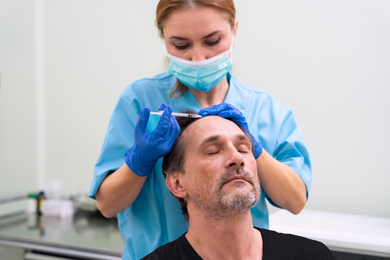
PRP therapy can support faster healing and improve overall scalp health, helping scars fade more effectively.
Medicated creams or serums may be recommended to promote skin repair and reduce the appearance of scars over time.
In rare situations where scars are more noticeable, laser treatments may be used to improve skin texture and reduce visibility.
Patients exploring whether a hair transplant leaves scars should understand that prevention begins with choosing the right clinic and continues with diligent aftercare. With the right approach, most scars become minimal and well-concealed, often blending naturally with the surrounding hair and scalp.
Restore your hair with confidence at QHT. With medical precision, modern technologies, and state-of-the-art clinics across India, we offer advanced, personalised, doctor-led hair restoration procedures. From consultation, treatment, results to post-op care QHT team is here to guide. Start your dream hair journey with QHT.
D-15, Outer Ring Rd, above Federal Bank, Prashant Vihar, Sector 14, Rohini, New Delhi, Delhi, 110085.
Experience world-class hair transplant care in Delhi. At QHT Delhi, we bring together advanced technology, experienced surgeons, and a highly personalised approach to help you achieve natural, lasting results.
The Hair Transplant Prices varies depending on various factors such as:
When evaluating clinics for hair transplant, it is essential to understand that scarring is influenced by multiple medical and procedural factors. Some of these factors include:
FUE results in minimal micro-scars, while FUT leads to a linear scar. The choice of technique plays a major role in determining the type of scarring.

Precision during extraction and implantation significantly impacts scarring. Poor technique can lead to visible marks, even with advanced methods.
Overharvesting or uneven extraction can make hair transplant scars more noticeable. Proper planning ensures even distribution and natural coverage.
Each individual heals differently. Factors like skin type, collagen response, and overall health affect scar formation.
Following aftercare instructions helps minimise inflammation and supports proper healing, reducing scar visibility.
Smoking, poor nutrition, and stress can delay healing and increase the risk of visible scarring.
Shaving the head very close can sometimes make micro-dot scars from FUE slightly noticeable, especially under bright light. However, when the procedure is done correctly, these marks are minimal and evenly distributed, making them difficult to detect.
Yes, improper extraction, overharvesting, or incorrect implantation can lead to uneven healing and more noticeable scars. This is why choosing an experienced clinic is critical when evaluating does hair transplant leaves scars in Delhi.
Multiple sessions can increase the number of micro-extraction points in the donor area. However, when planned properly with adequate spacing and recovery time, scarring remains minimal and well-concealed.
Yes, in facial areas like the beard or eyebrows, the skin is more visible and delicate. However, advanced techniques still ensure that any micro-scarring is minimal and blends naturally with surrounding hair.
Yes, higher graft numbers mean more extraction points in the donor area. However, when evenly distributed, even large sessions can heal well without noticeable scarring.

In rare cases, individuals prone to keloids may develop raised scars. A pre-procedure evaluation helps identify this risk and guide treatment decisions.