

Advanced planning as compared to initial transplants.
Careful handling of donor hair to avoid further damage.
Maintain balance and improve appearance.
Meticulous planning of treatment

Patients who experience a hair transplant failure may feel emotionally challenged. However, hair transplant failures can be repaired under the guidance of reputed hair transplant specialists.
Delhi has become an international hub for treating patients who have experienced failed hair transplants. The city offers access to highly qualified medical professionals who use advanced techniques and procedures to achieve successful hair transplant repair results. As surgical procedures and donor management techniques are improving, patients have better options to safely correct previous transplant errors and restore a more natural-looking result.
A hair transplant repair often requires advanced medical planning compared to first-time transplants. Some of the limitations as compared to first time procedures are:
High-volume hair transplants are common in Delhi, where many patients undergo the procedure without being properly assessed, diagnosed, or even having an adequate donor supply, which results in a failed transplant. This in turn results in the need for a hair transplant repair in Delhi as opposed to a mere cosmetic correction.
Inadequate planning and execution often leads to a failed hair transplant. Being aware of the causes will help you understand what went wrong and how it can be fixed.
As the face matures, straight, thick or low hairlines can seem out of place because of a lack of consideration of the face structure.
Excessive graft packaging in one area will limit the blood supply to the grafts eventually leading to graft failure.
Improper graft placement causes hair to grow in an upright position or to grow against the natural direction causing the hair to be noticeable.

Rapid extraction diminishes the donor zone so that future options become limited and can be evident by thinning in the donor zone.
If procedures are performed with no direct physician supervision, then there tends to be more complications in the future.
Patients seeking failed hair transplant correction Delhi may often have more than one of these combined issues.
Repair procedures cannot be considered as just “redo” surgeries as they must be performed within the confines of the limitations placed upon them biologically and structurally by the first operation.
Scar tissue limits the elasticity and blood flow to the scalp, as well as creating difficulty in removing misplaced grafts without damaging adjacent follicles. In many instances, it may not be possible to fully reverse the effect of the original procedure; however, some measure of improvement can still be achieved through repair hair transplants.
For this reason, the focus of revision hair transplant Delhi is on reducing the risk of complications rather than achieving aggressive correction. Therefore, ethical surgeons usually place more emphasis on safety of the scalp while obtaining a realistic density and long-lasting appearance versus obtaining immediate and dramatic results.
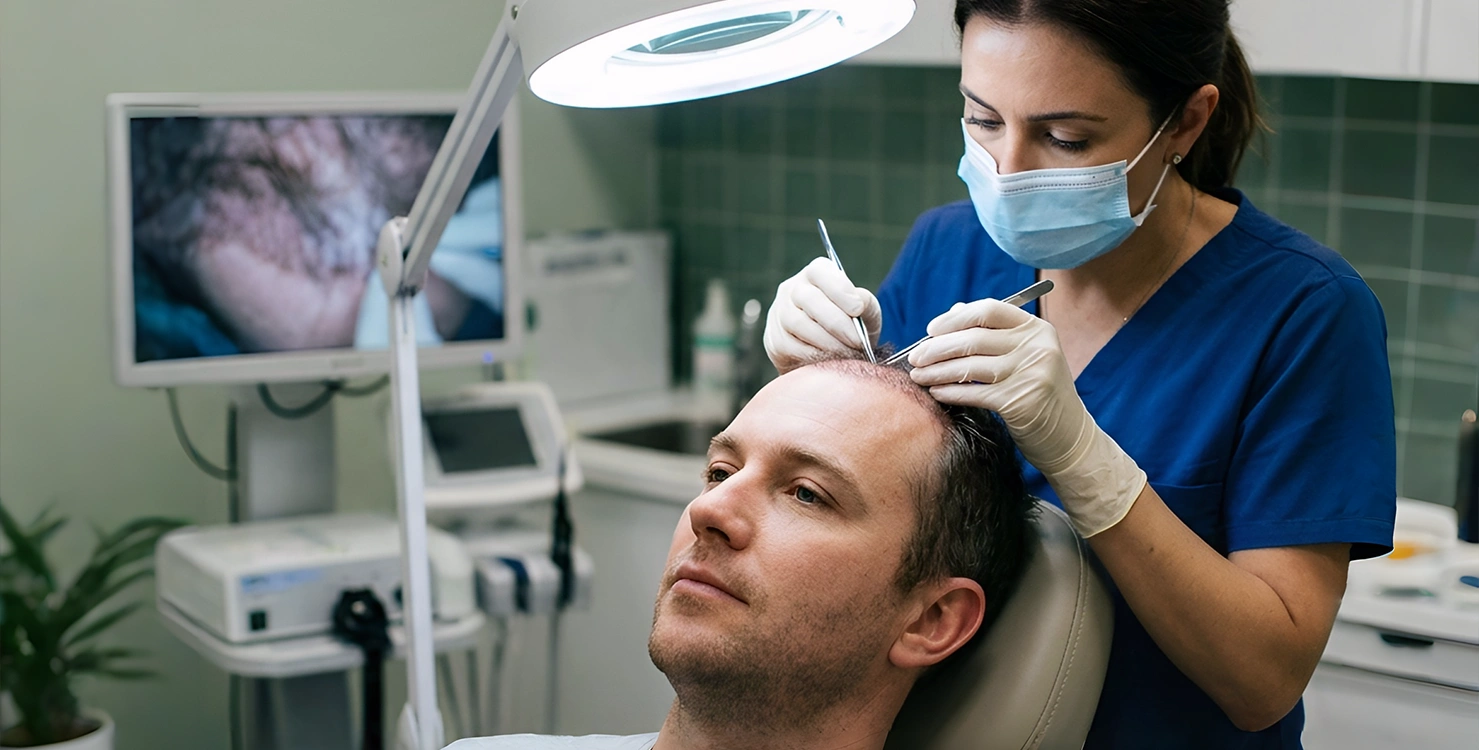
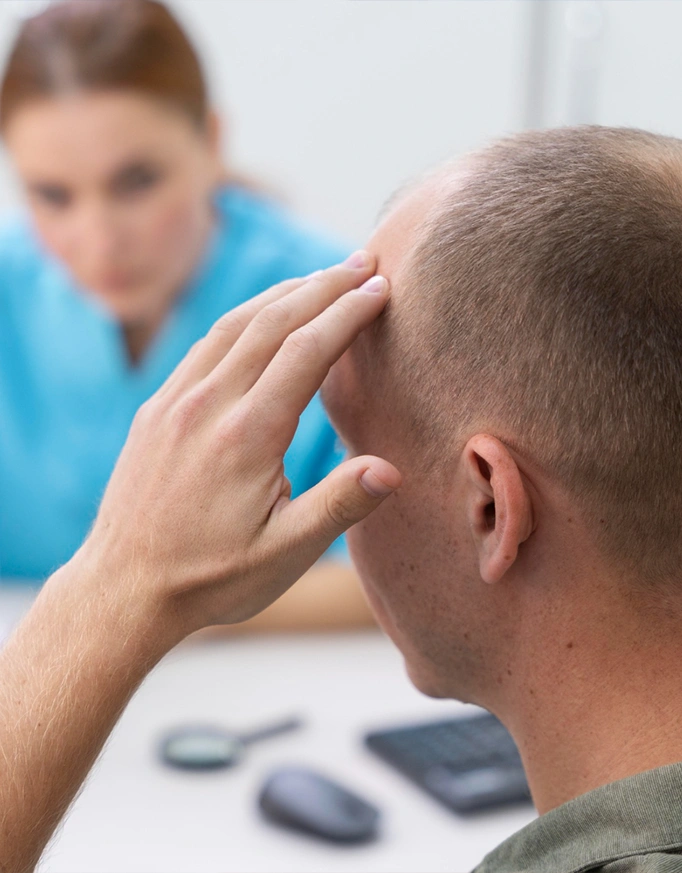
A thorough evaluation must be performed before scheduling a repair hair transplant in Delhi.
The physician examining the donor area assesses donor density, scar tissue, and extraction patterns to assess whether there is a sufficient supply of hair follicles from that area.
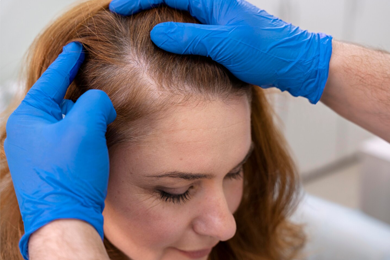
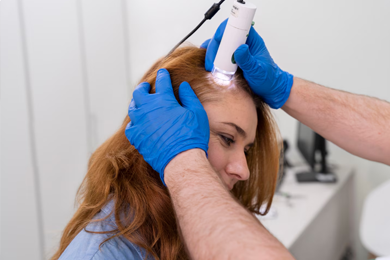
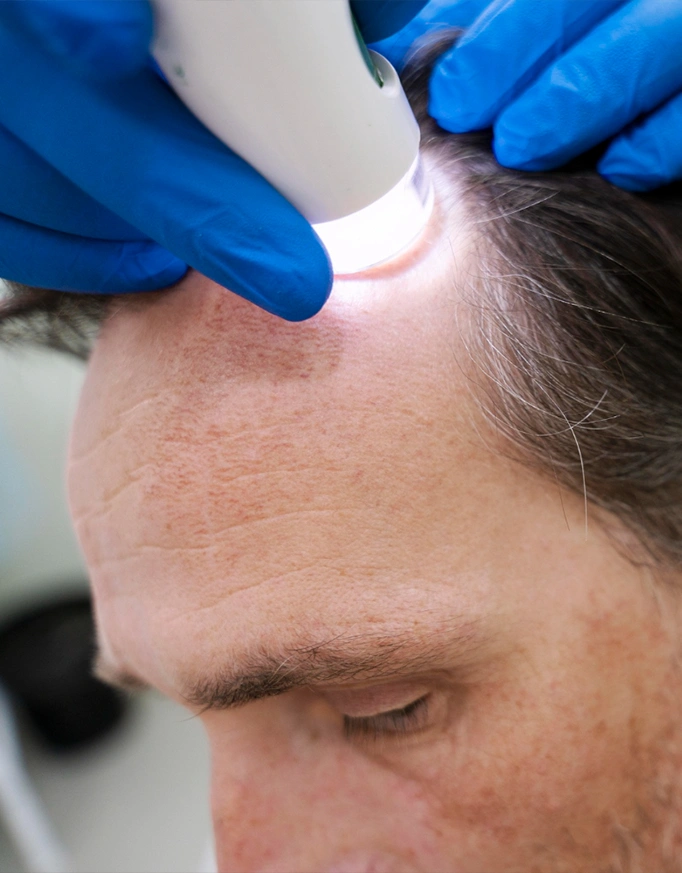
When examining the recipient area, the physician will utilize magnification tools to evaluate the current placement of grafts, the growth direction, and irregularities in their density.
Fibrosis, diminished blood flow, or chronic inflammation can cause negative influence on repair transplants.
Generally, patients undergoing repair will be directed towards realistic expectations for achieving improved outcomes in their hair transplant- rather than achieving the perfect result.
This assessment period determines if the procedure of repair is possible, staged, or partially reconstructive.
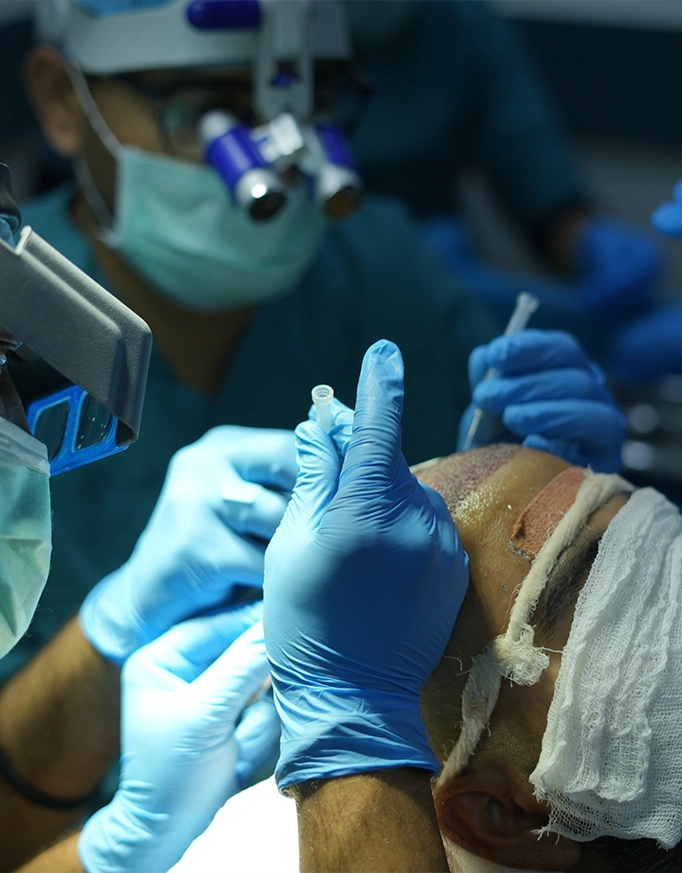
Repairing a bad hair transplant involves fixing imperfections that occurred because of poor design or execution when the original procedure was performed. A repair surgery aims to restore natural-looking hair and preserve scalp health instead of simply fixing the issue at surface level.
The misplaced grafts can be removed or precisely repositioned to improve the appearance.
Unevenly dense areas of the scalp will be blended to create a more visually appealing appearance.
To conceal the visible scars, the area around the scars can be implanted with hair follicles.
The correction phase is where many patients seek the QHT Delhi Hair Transplant Centre for medically supervised planning of graft repair rather than cosmetic repairs.
Restore your hair with confidence at QHT. With medical precision, modern technologies, and state-of-the-art clinics across India, we offer advanced, personalised, doctor-led hair restoration procedures. From consultation, treatment, results to post-op care QHT team is here to guide. Start your dream hair journey with QHT.
D-15, Outer Ring Rd, above Federal Bank, Prashant Vihar, Sector 14, Rohini, New Delhi, Delhi, 110085.
Experience world-class hair transplant care in Delhi. At QHT Delhi, we bring together advanced technology, experienced surgeons, and a highly personalised approach to help you achieve natural, lasting results.
Plot No. 3, opposite Huda Market, Sector 46, Gurugram, Haryana 122022
Experience modern hair transplantation in Gurugram at QHT Clinic, where we provide natural-looking, lasting results at best packages. QHT Clinic Gurugram offers personalised hair transplant solutions with expert care to help you achieve your dream hair.
The cost of hair transplant in India varies depending on various factors such as:
The potential factors affecting the cost of hair transplant are as follows:
The technique used impacts the overall cost of hair transplant. Advance the technique higher the cost.
Experience and direct involvement of the surgeon affects the cost of procedure.
Price will vary depending on how many grafts are needed. The more the number of grafts required the higher the cost of the procedure.
Follow-Up care in accordance with established protocols provides long term results, which adds to the final cost as well.
No, it is best that you do not touch your donor area for the first few days after undergoing the procedure.
Yes, you can fix a failed hair transplant after undergoing a thorough scalp evaluation and using advanced techniques and procedures.
Yes, you can undergo a hair transplant procedure more than once, but the second procedure should be done after proper consultation from an experienced surgeon.
You can undergo another hair transplant, if the first fails. The second should be done with a reasonable time gap of at least 12 months, after the first procedure.
Yes, your repair hair transplant will look natural as long as it is performed by a qualified surgeon under proper sterile conditions.
You can see full results by 9 to 12 months after undergoing a hair transplant repair.
You may experience mild side effects including redness, numbness, itching and scab formation. These are common and usually resolve within a few days.