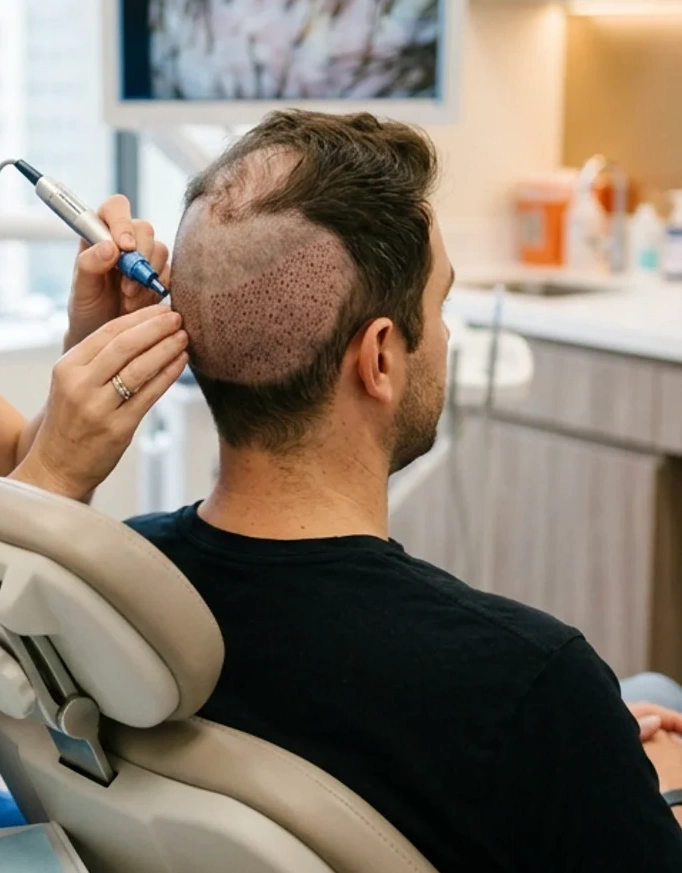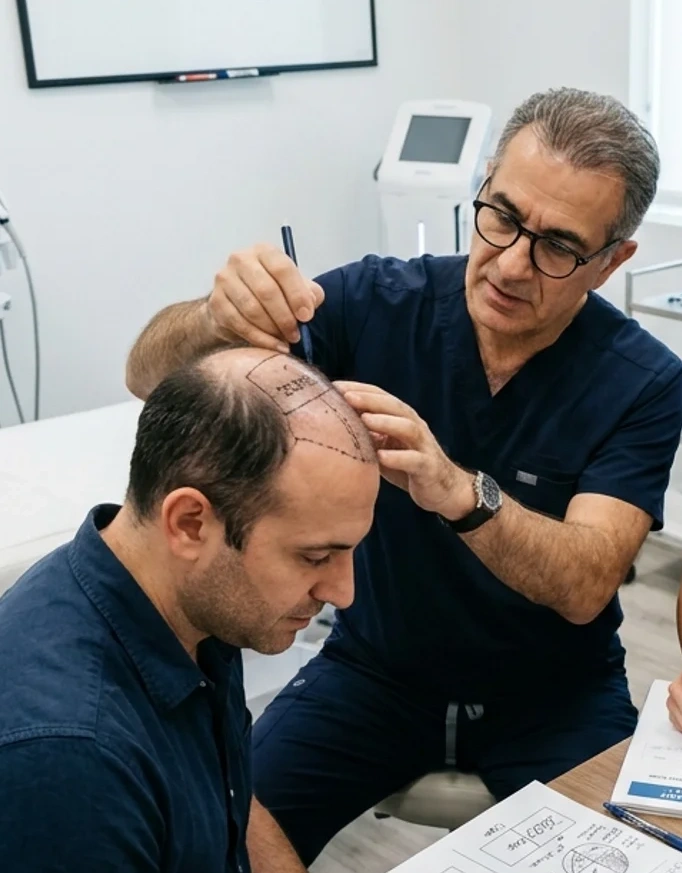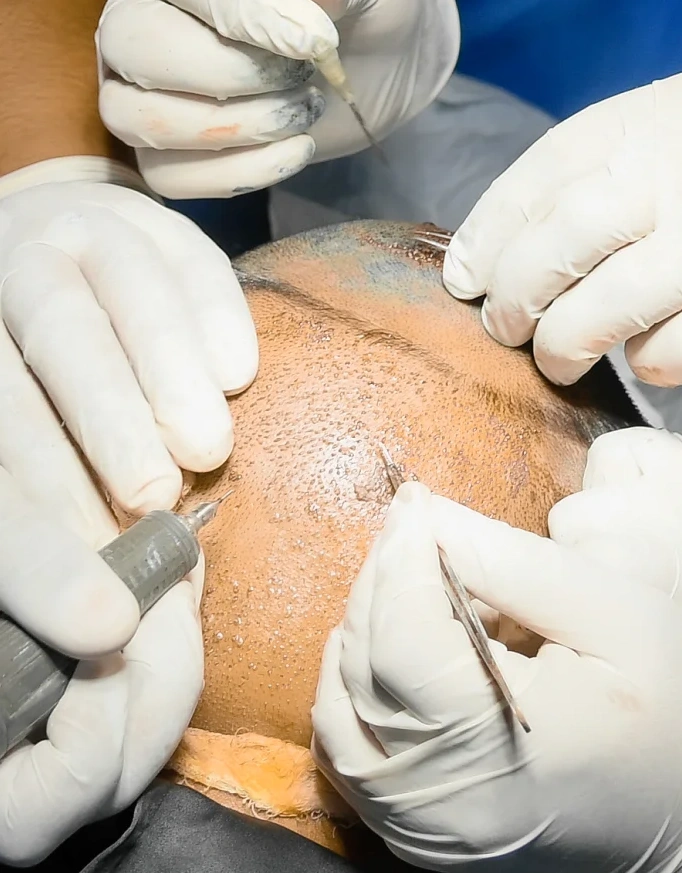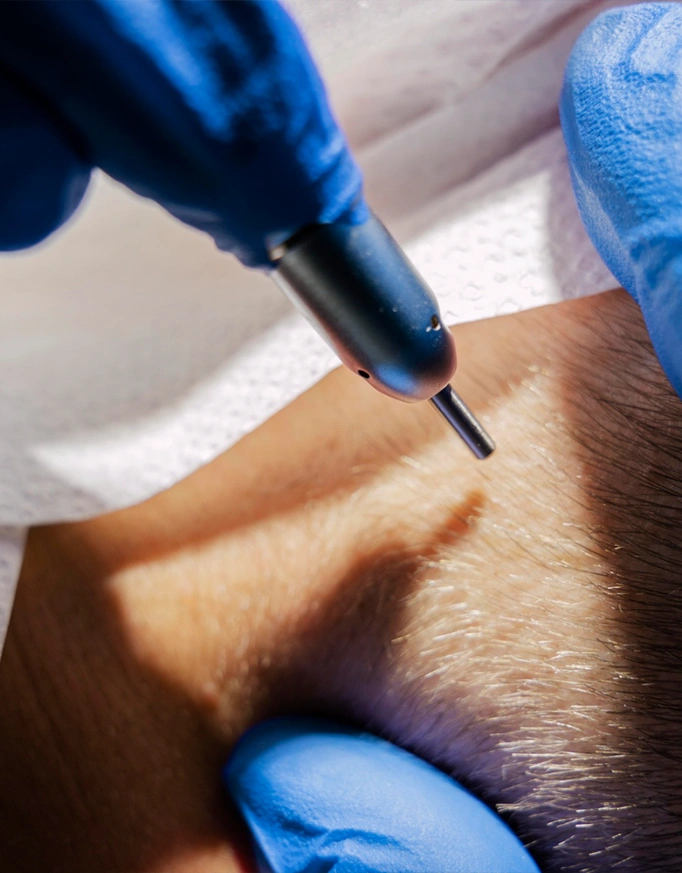


Customised graft calculation based on baldness grade and scalp analysis
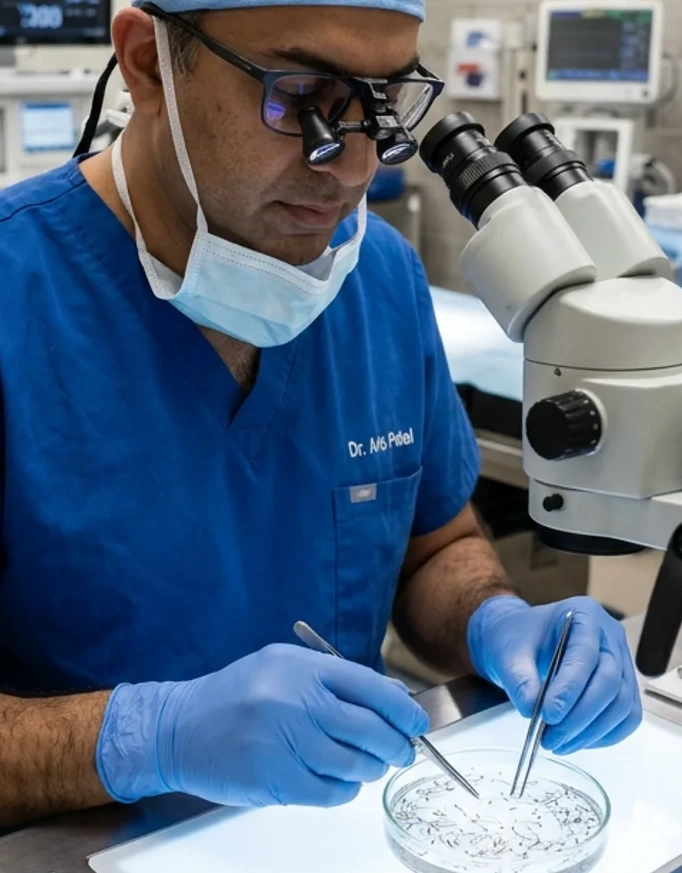
Skilled professionals with expertise in precise graft extraction and placement
Optimised techniques ensuring maximum follicle viability and growth
Structured recovery protocols for better healing and long-term results
Hair transplant planning often begins with one key question: exactly how many grafts needed in Delhi based clinc for natural, effective results? Understanding graft requirements is essential because it directly impacts the outcome, cost, density, and long-term success of your hair restoration journey.
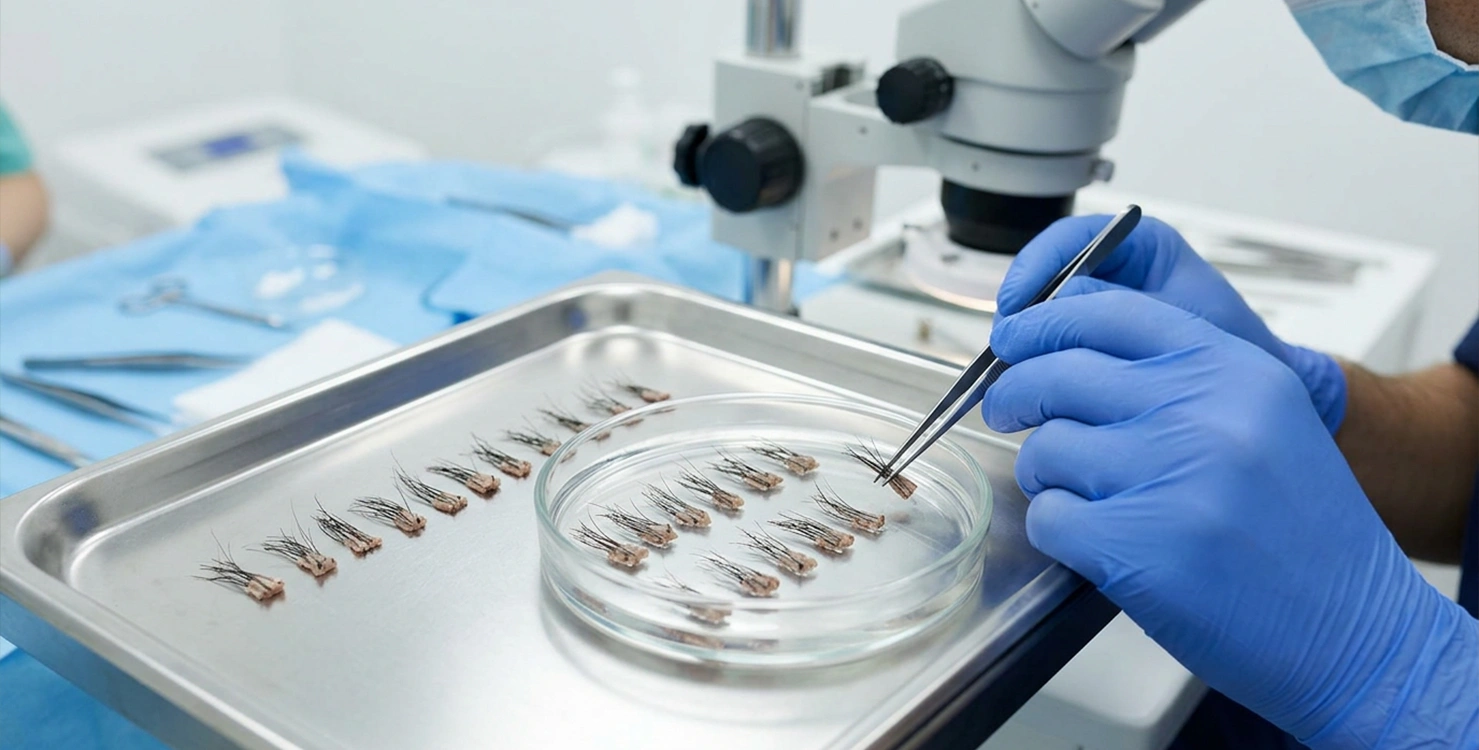
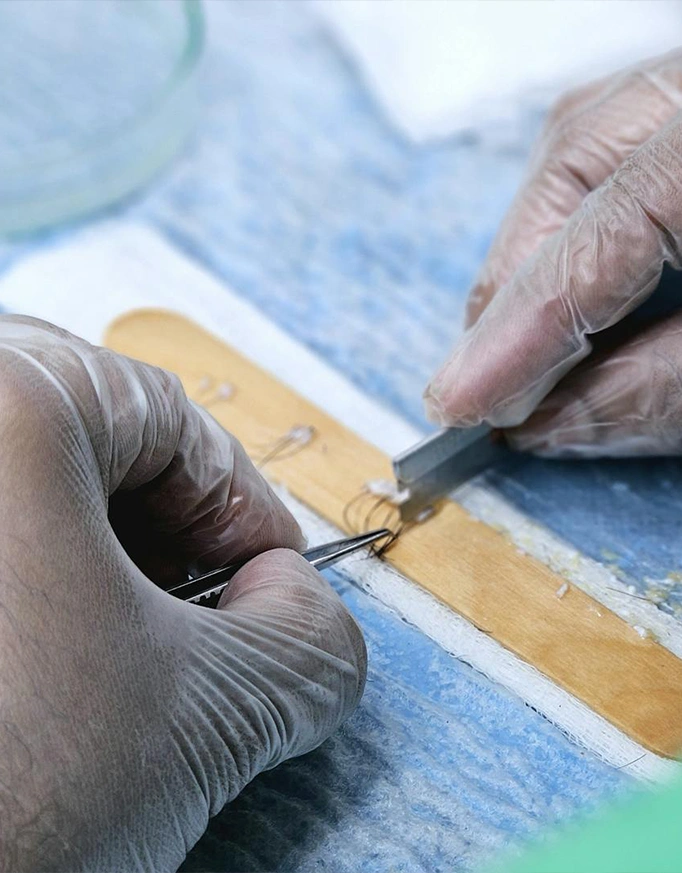
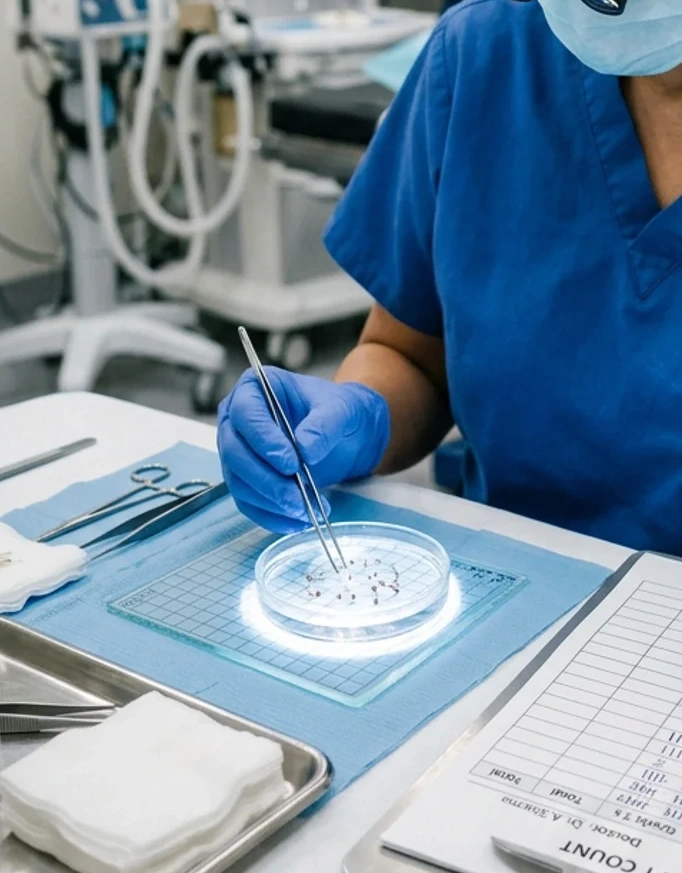
A graft refers to a group of hair follicles (usually 1–4 hairs) transplanted from the donor area to thinning or bald regions. The number of grafts required varies widely from person to person and depends on multiple clinical factors such as baldness grade, donor hair quality, and desired density.
When considering a hair transplant in Delhi, understanding how many grafts will be needed is very important. Because most clinics in India, charge on the basis of per graft.
A graft is a naturally occurring unit of hair follicles extracted from the donor area. Each graft typically contains 1 to 4 hairs, along with surrounding tissue that supports growth. During a transplant, these grafts are carefully placed in thinning or bald areas to restore hair density. Understanding grafts is the foundation for determining how many grafts needed in Delhi clinics, as the total number directly influences coverage and final appearance.
When planning a hair transplant, graft count and hair count are often confused, but they refer to two different aspects of the procedure. A graft (or follicular unit) is a small group of hair follicles extracted from the donor area, and each graft can contain anywhere from 1 to 4 hairs. In contrast, hair count refers to the total number of individual hair strands transplanted.
This means that the number of grafts does not directly equal the number of hairs. For example, 2,000 grafts may translate to approximately 4,000–5,000 hairs, depending on the natural follicle composition of the patient. Some individuals naturally have multi-hair grafts, which can significantly improve the overall density achieved without increasing the number of grafts.
Understanding this difference is important when evaluating graft requirements, especially for patients comparing treatment plans. A higher hair-per-graft ratio can result in better coverage and a fuller appearance, even with a moderate graft count. This also helps in efficient utilisation of the donor area, which is limited and needs to be preserved carefully for long-term results.
The number of grafts required for a hair transplant is not the same for every individual. It depends on a combination of medical and aesthetic factors that are carefully assessed during consultation. A personalised approach ensures natural-looking results while preserving the donor area effectively. Some factors determining how many grafts will be needed for a hair transplant include:
The size of the bald or thinning area is one of the most important factors. Larger areas require more grafts to achieve proper coverage, while early-stage hair loss may need fewer grafts for targeted improvement.
The stage of hair loss also influences graft count. Advanced levels of baldness typically require a higher number of grafts, especially when both the front hairline and crown need restoration.
The strength and density of the donor area determine how many grafts can be safely extracted. A healthy, dense donor area allows for better coverage without compromising the appearance of the back of the scalp.
Patients who prefer a fuller and denser look will require more grafts per area. Those opting for a natural but lighter density may achieve good results with fewer grafts.
Hair thickness, curl, and colour contrast affect how dense the hair appears visually. Thicker or curly hair often provides better coverage, meaning fewer grafts may be needed compared to fine, straight hair.
If you are looking for clinics in Delhi to understand how many grafts needed in Delhi hair transplants, then we at QHT clinic are here to help. We help you understand the grade of your hair loss and the number of grafts you will require with utmost transparency. Visit our QHT Delhi Hair Transplant Center to learn more.
No, everyone does not need the same number of grafts. Even if two people appear to have similar hair loss, their requirements can be quite different. This is because factors like donor hair quality, scalp condition, hair thickness, and personal expectations all play a role in deciding how many grafts are needed.
That is why a proper consultation is important before planning a hair transplant. A specialist evaluates your hair loss pattern, donor area, and desired results to suggest the right number of grafts, ensuring natural-looking and balanced outcomes.
How does baldness grade affect graft requirement?
Hair loss is commonly classified using the Norwood scale (for men), which helps estimate graft needs. Below is a general guideline for baldness grade graft Delhi:
NOTE: These are approximate graft ranges. Actual graft requirement may vary based on individual factors and long-term planning.
In advanced stages of hair loss, achieving complete scalp coverage in a single session is usually not possible due to the limited availability of donor hair. Instead of attempting full coverage at once, surgeons follow a strategic approach to ensure the most natural and aesthetically pleasing outcome.
The primary focus is on frontal hairline restoration, as this area frames the face and has the greatest visual impact. Next, attention is given to improving mid-scalp density, which helps create a sense of continuity and fullness. The crown area is typically addressed more conservatively, with selective graft placement to maintain overall balance.
This prioritised distribution of grafts ensures that the results look natural rather than overextended or patchy. In some cases, additional sessions may be planned over time to enhance coverage further, depending on donor availability and patient goals.
Estimating the number of grafts required for a hair transplant is a detailed process that combines medical evaluation with aesthetic planning. Doctors do not rely on a single factor; instead, they assess multiple aspects to create a personalised treatment plan that delivers natural and balanced results.
The first step involves calculating the size of the bald or thinning areas, usually in square centimetres. This helps determine how much coverage is needed and forms the base for estimating graft numbers.
Doctors examine the donor area (typically the back of the scalp) to understand how many grafts can be safely extracted. A dense donor area allows for better coverage, while a weaker donor area may limit the total graft count.
Hair characteristics such as thickness, curl, and texture play a major role in visual density. Thicker or curly hair provides better coverage, meaning fewer grafts may be needed compared to fine, straight hair.
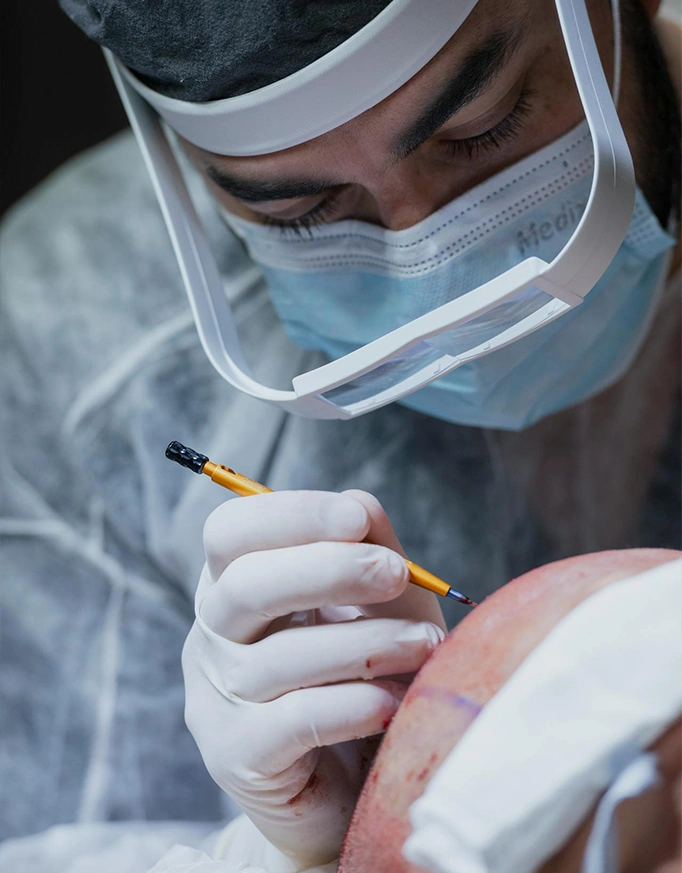
Designing a natural-looking hairline is a critical step. The number of grafts required depends on how low, dense, and defined the hairline is planned, along with how it blends into the existing hair.
Yes, graft estimates can change over time, as hair loss is a progressive condition and individual factors may evolve. What may seem like an accurate estimate today could require adjustment in the future based on changes in hair pattern and overall scalp condition.
Hair loss may continue over time, increasing the size of the bald area. This can lead to a higher graft requirement than initially estimated.
The density and strength of the donor area may vary due to age, health, or other factors, which can influence how many grafts can be safely extracted.
Patients may change their expectations over time, such as wanting higher density or a different hairline design, which can also impact the graft count.
Donor Area and Its Role in Graft Planning
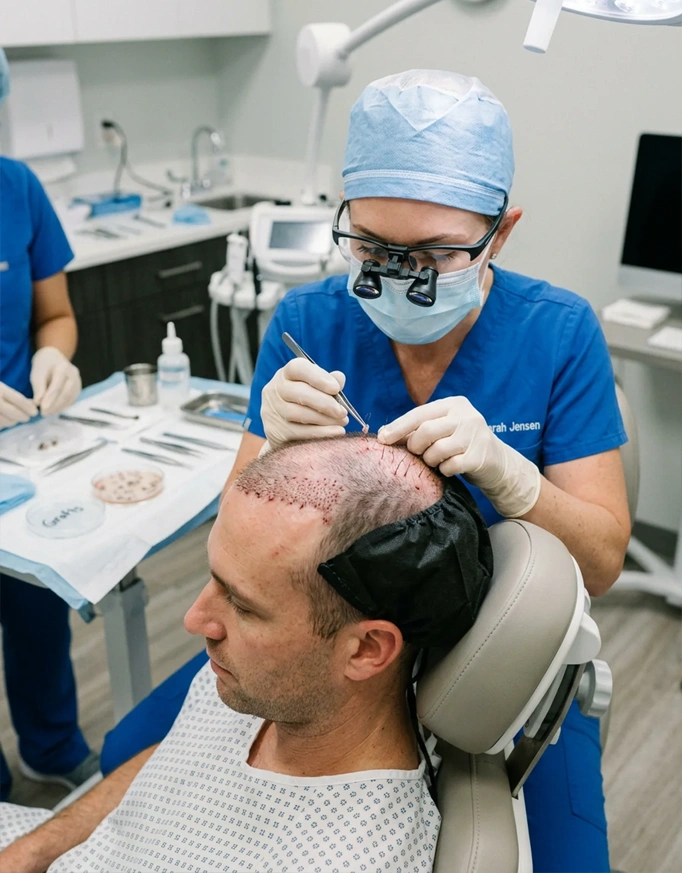
The donor area, usually the back and sides of the scalp is the primary source of hair grafts used in a transplant. Its quality and strength play a crucial role in determining how many grafts can be safely extracted without affecting the overall appearance of the donor region. A healthy donor area ensures that sufficient grafts are available while maintaining a natural look both in the donor and recipient areas.
Several factors influence the capacity of the donor area:
Higher density means more follicular units are available for extraction, allowing better coverage in the recipient area.
Good scalp flexibility supports safer extraction and healing, especially in procedures like FUT, and contributes to better overall results.
Thicker hair provides better visual coverage, which can reduce the total number of grafts required to achieve a fuller appearance.
A strong donor area allows better outcomes when planning how many grafts needed in Delhi based hair transplants.
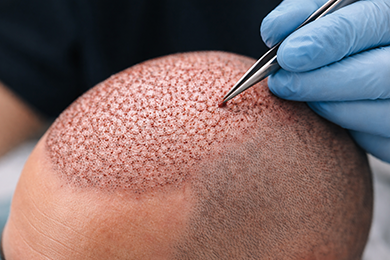
Hair transplant results develop gradually, following a natural growth cycle. In the first 2–4 weeks, the transplanted hair may shed, this is normal and expected (shock loss).
New hair growth typically starts around 3–4 months, with visible improvement by 6 months. Full results, including density and thickness, are usually achieved within 9–12 months. It is important to follow all the post-op guidelines including a good diet, haircare and sleep to see good results.
Yes, hair transplant results are generally permanent. The transplanted follicles are taken from genetically stable donor areas, so they continue to grow naturally over time. However, surrounding non-transplanted hair may still thin due to ongoing hair loss, which is why long-term planning is important.
Yes, modern techniques are designed to deliver natural-looking results. Surgeons carefully control the angle, direction, and depth of each graft to match your existing hair pattern. A well-planned hair transplant in Delhi focuses on creating a natural hairline and balanced density that blends seamlessly with your overall appearance.
Yes, once the transplanted hair has fully grown, it can be treated just like natural hair. You can cut, style, oil, and maintain it normally without any special restrictions after the recovery phase.
Yes, the donor area can run out of grafts if too many are extracted beyond safe limits. Since the donor region has a finite number of hair follicles, overharvesting can lead to visible thinning or patchiness at the back and sides of the scalp.
This is why experienced surgeons follow controlled and strategic extraction methods. They carefully calculate how many grafts can be removed without compromising the appearance of the donor area. Proper planning also ensures that some grafts are preserved for future procedures, especially if hair loss progresses over time.
Smaller procedures can be completed in a single session. However, advanced baldness may require multiple sessions to ensure:
Restore your hair with confidence at QHT. With medical precision, modern technologies, and state-of-the-art clinics across India, we offer advanced, personalised, doctor-led hair restoration procedures. From consultation, treatment, results to post-op care QHT team is here to guide. Start your dream hair journey with QHT.
D-15, Outer Ring Rd, above Federal Bank, Prashant Vihar, Sector 14, Rohini, New Delhi, Delhi, 110085.
Experience world-class hair transplant care in Delhi. At QHT Delhi, we bring together advanced technology, experienced surgeons, and a highly personalised approach to help you achieve natural, lasting results.
The Hair Transplant Prices varies depending on various factors such as:
Some factors that may affect the number of grafts required include:
Larger bald areas require more grafts to achieve adequate coverage.
A stronger donor area allows extraction of more grafts without compromising appearance.
Higher density goals require more grafts per square centimetre.
Planning for ongoing hair loss may influence current graft allocation.
After the procedure, grafts settle into the scalp, temporary shedding may occur, and new hair growth begins gradually over the following months.
Hair growth usually starts around 3–4 months after the procedure, with full and visible results developing within 9–12 months.
A consultation helps assess your hair loss stage, donor capacity, and expected results to determine an accurate and personalised graft requirement.
You should discuss the number of grafts needed, hairline design, future hair loss progression, and a long-term treatment plan.
No, an accurate graft estimate requires a professional evaluation of your scalp, donor area, and hair loss pattern.
No, extracted grafts do not regrow in the donor area, which is why careful planning is essential to avoid overharvesting.
Yes, when properly planned and placed, grafts blend naturally with existing hair and follow the natural growth pattern.