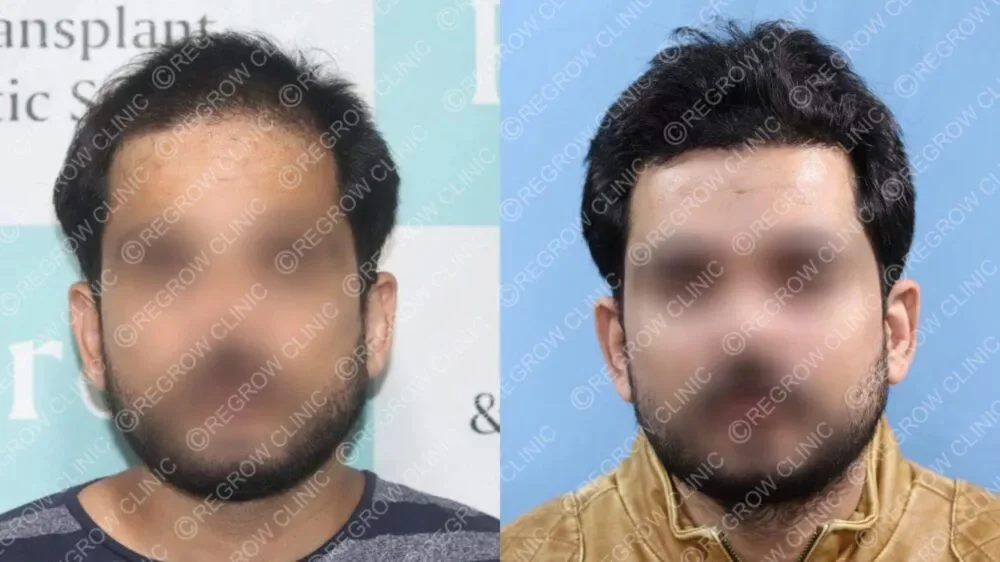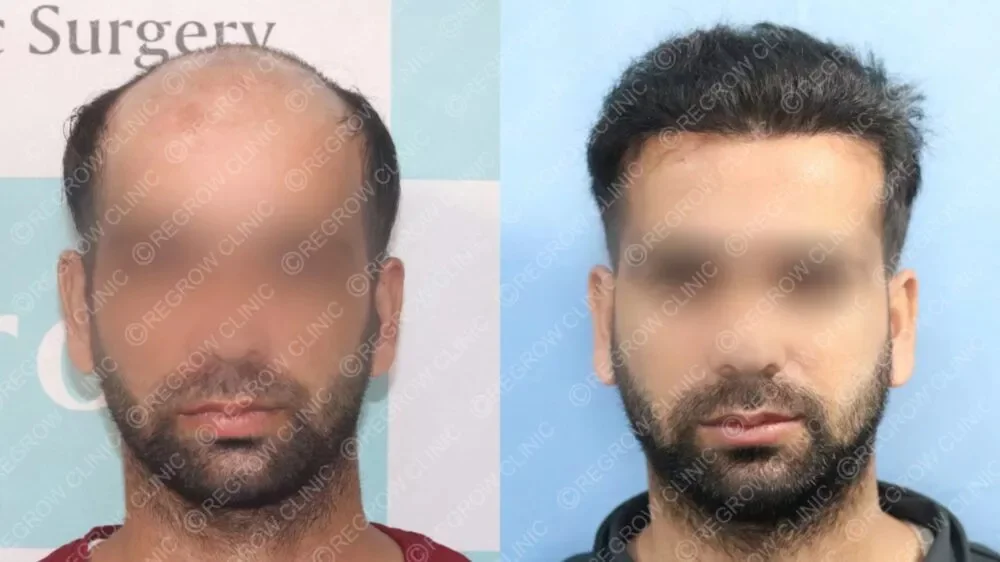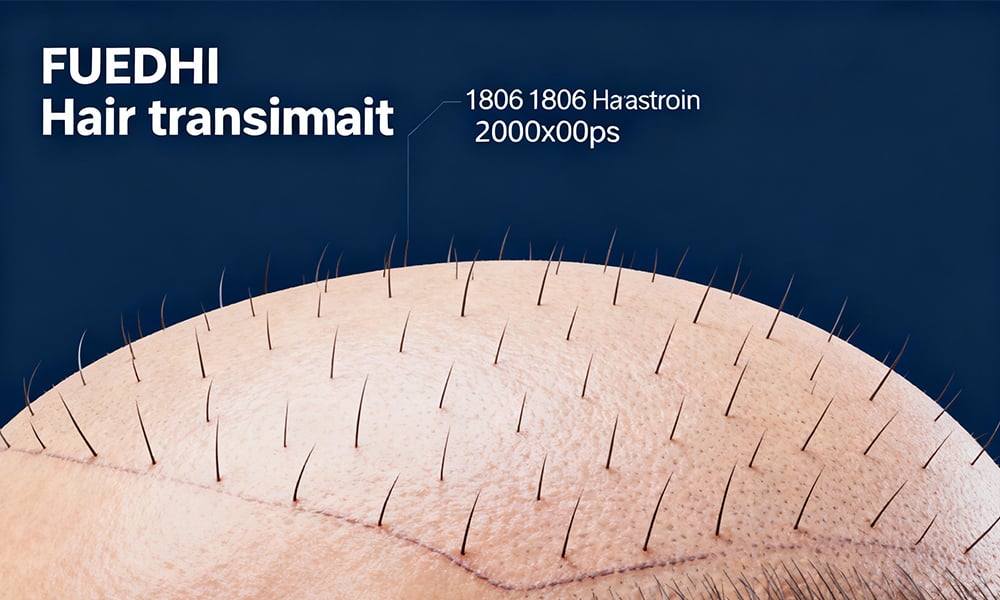




What is Shock Loss?
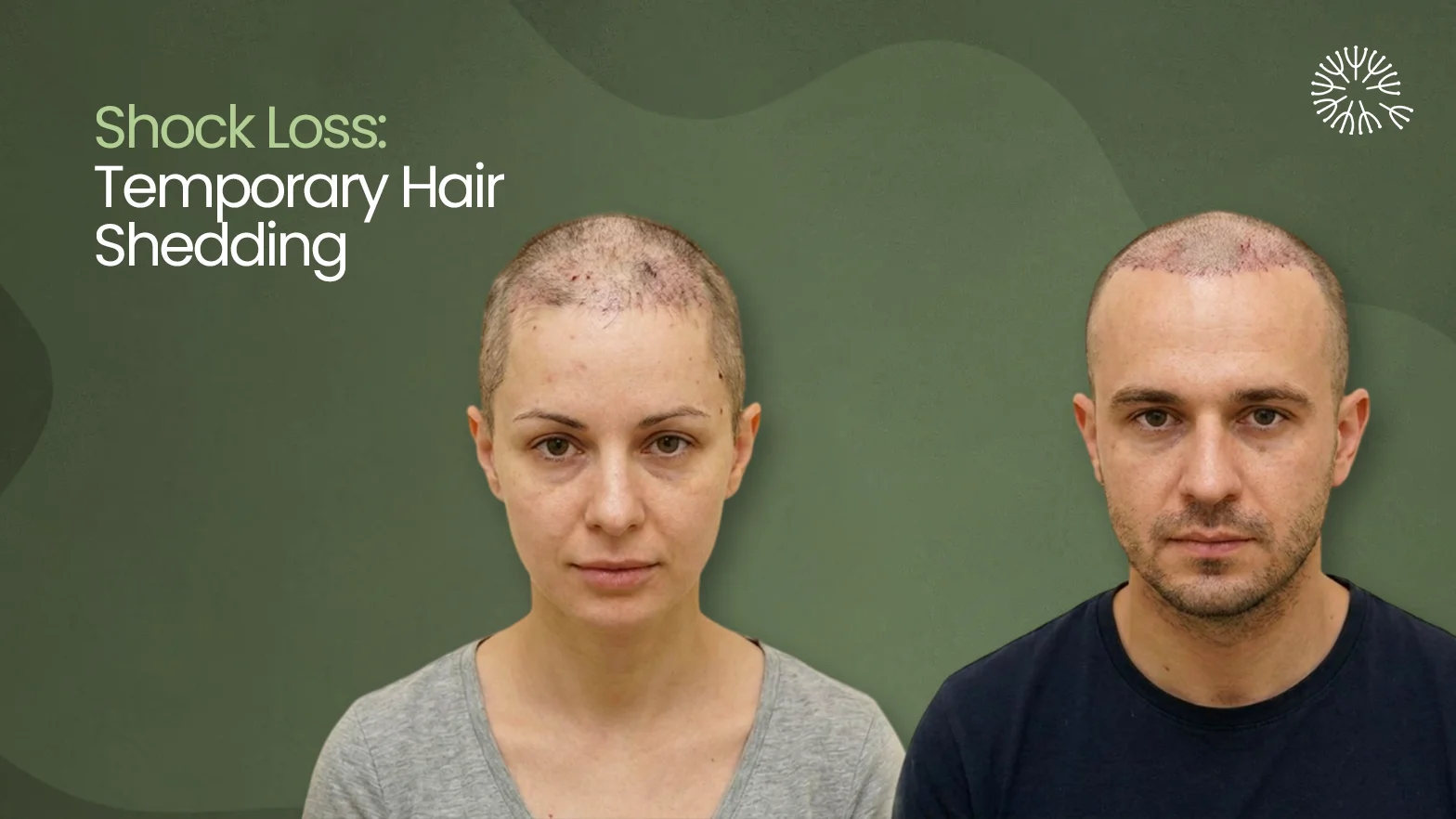
Hair transplantation is often seen as a permanent solution to hair loss. But, what scares many patients is noticing hair shedding a few weeks after the transplant. Most individuals are not prepared for something called shock loss.
If you have undergone a hair transplant and are noticing sudden shedding of hair, then it is natural to feel alarmed. But, don’t worry, as this hair shedding post-transplant called shock loss is a temporary and expected phase of the recovery process.
During the post-transplant phase, it is important to understand what is shock loss, why it happens and most importantly how to manage it with right care.
At QHT Clinic, we often see patients feel anxious when shock loss begins, assuming something has gone wrong with their hair transplant. This is why we ensure to guide our patients through it with the right medical support and personalised care. We ensure our patients feel supported through their post-hair transplant journey.
At QHT clinic, we provide guidance about expected side effects, how to deal with them and the right measures to take during post-surgery period. You can speak to a QHT specialist to learn more about post-transplant care.
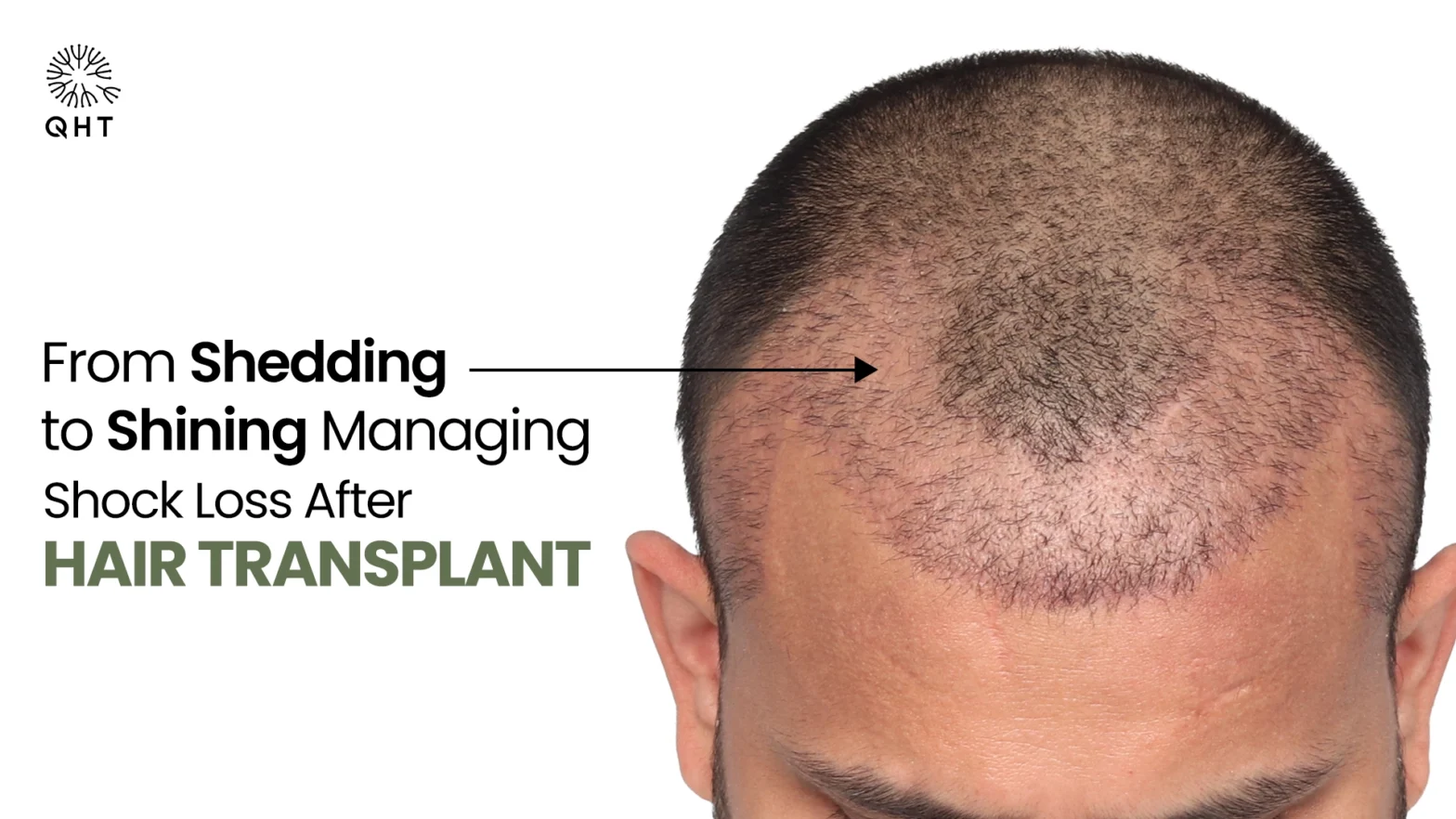
What Is Shock Loss After a Hair Transplant?Shock loss is a temporary shedding of hair that occurs after a hair transplant due to stress on the scalp and hair follicles during the procedure. It usually begins 2–6 weeks after surgery and can affect both transplanted and existing hair. This happens because some hair follicles shift into the telogen (resting) phase, causing the hair shafts to fall out. However, the follicles typically remain healthy and begin regrowing hair within a few months. Common triggers include surgical trauma, mild inflammation, temporary changes in blood supply, and pre-existing weak or thinning hair. Shock loss is not permanent in most cases. Regrowth usually starts around 3–4 months, with visible improvement over time. The key to managing shock loss is following proper post-transplant care, prescribed medications, and maintaining scalp health to support faster and healthier regrowth. |
Table of Contents
- What is shock loss after a hair transplant?
- Why does shock loss happen after hair transplant?
- What are the types of shock loss?
- How to Deal with Shock Loss: Post-Transplant Care
- Takeaway
- Frequently Asked Questions
What is shock loss after a hair transplant?
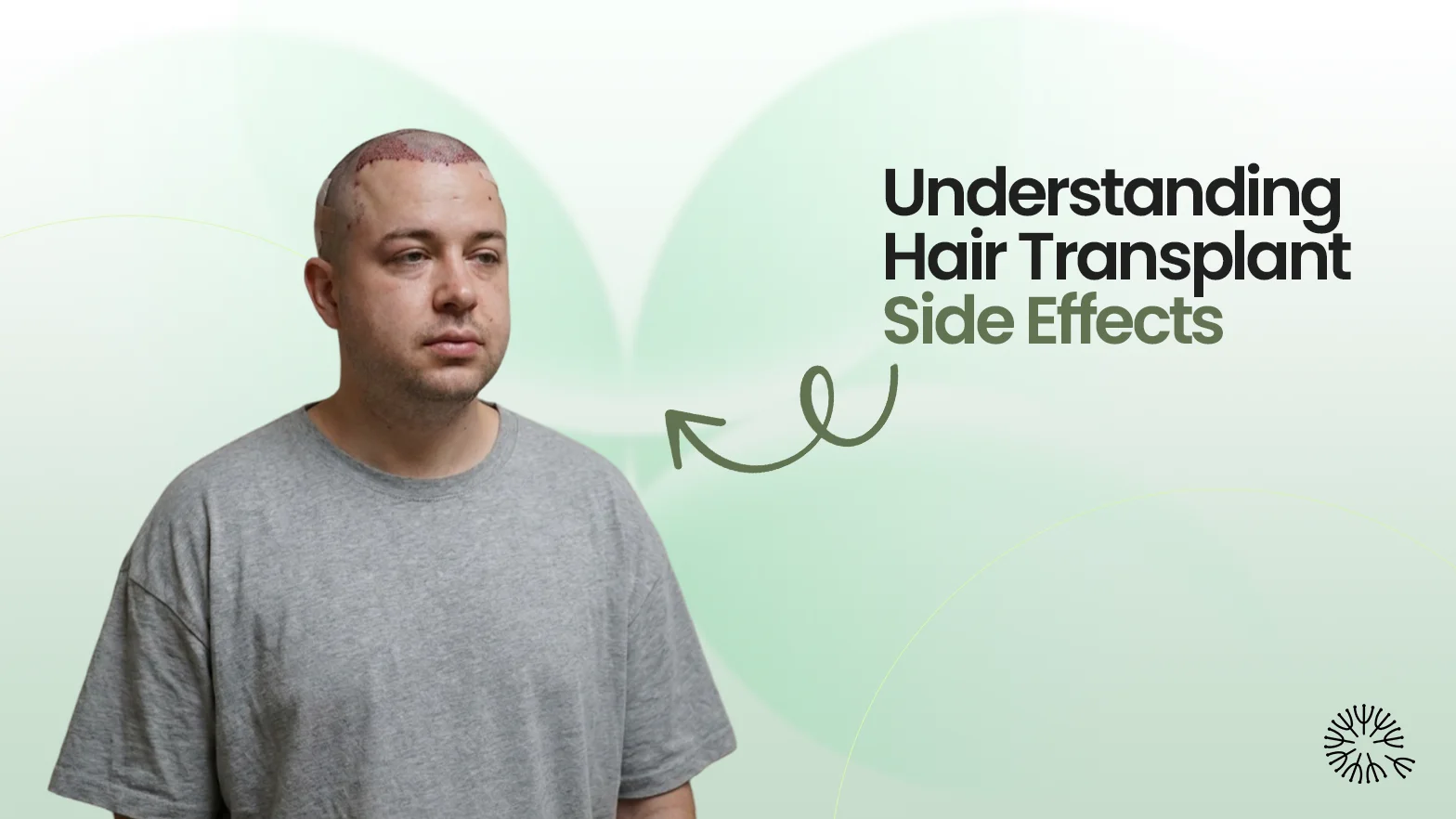
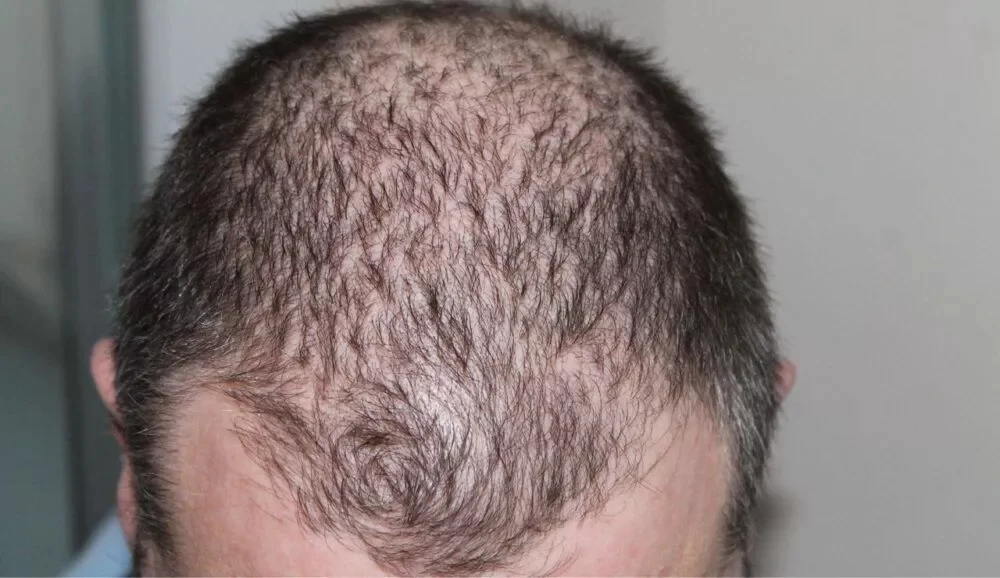
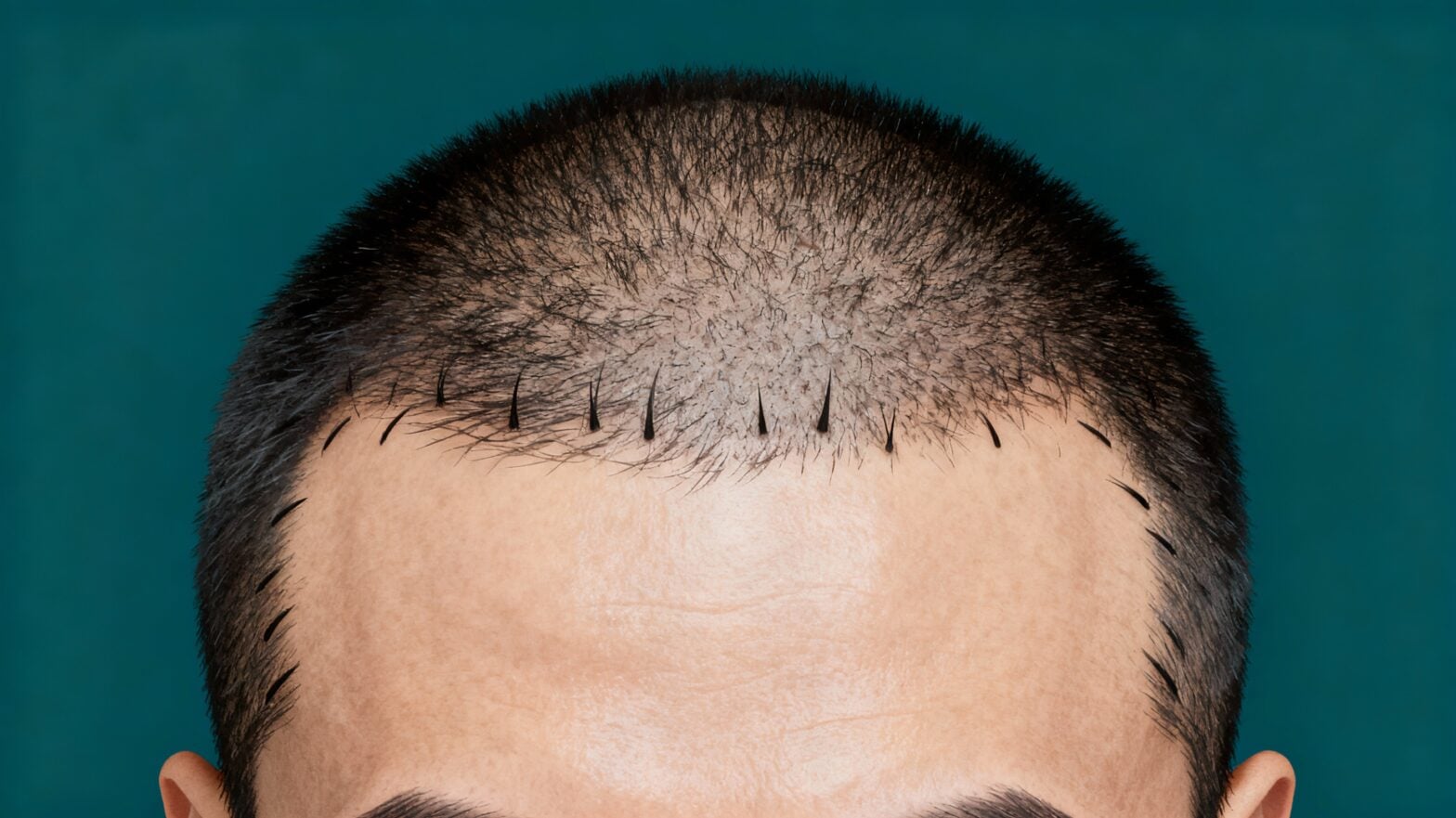
Shock loss refers to the temporary shedding of hair that occurs after a hair transplant procedure. It can affect both the transplanted hair and the existing hair around the recipient and donor areas.
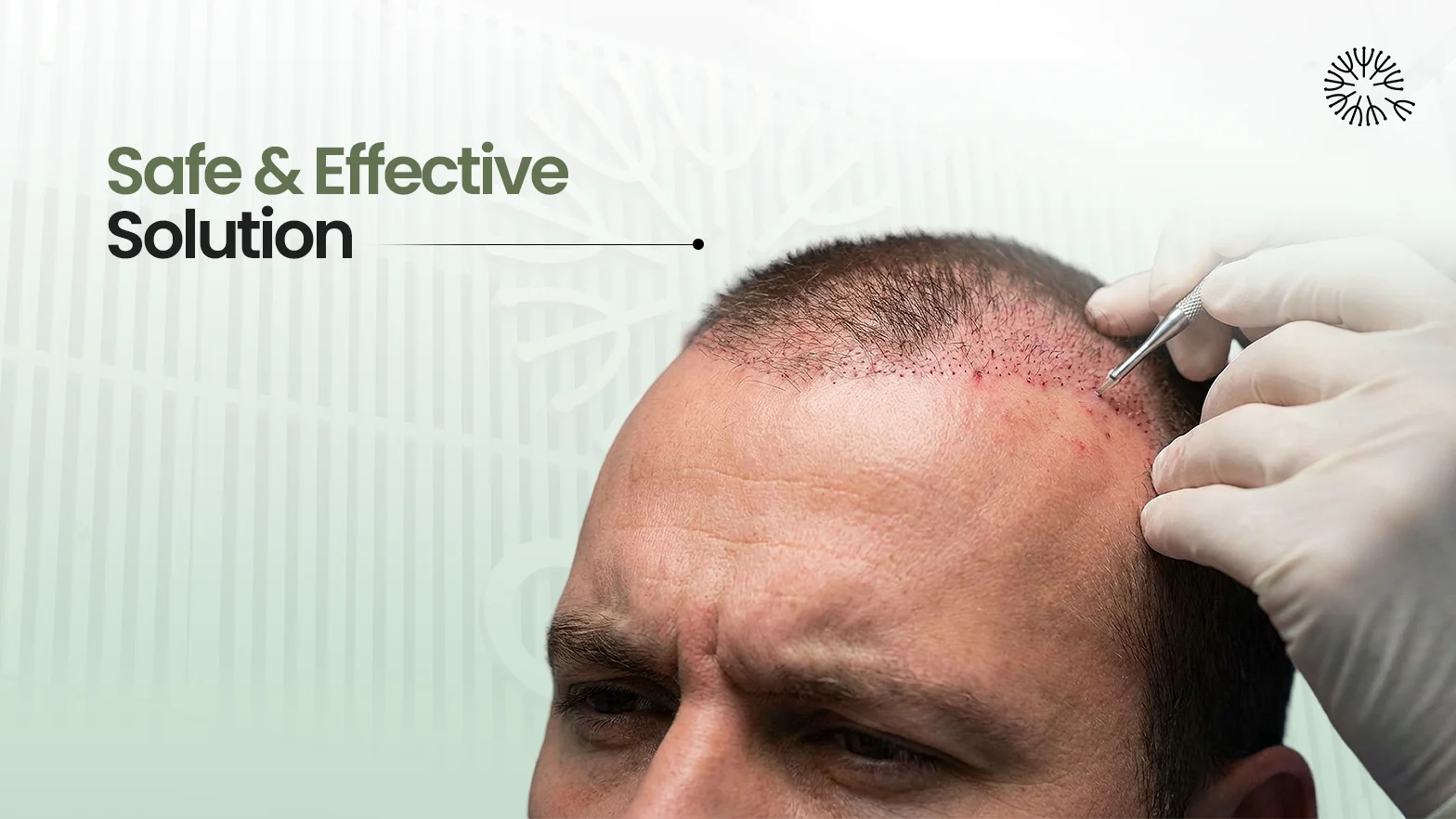
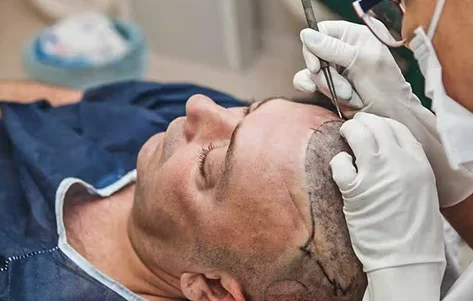
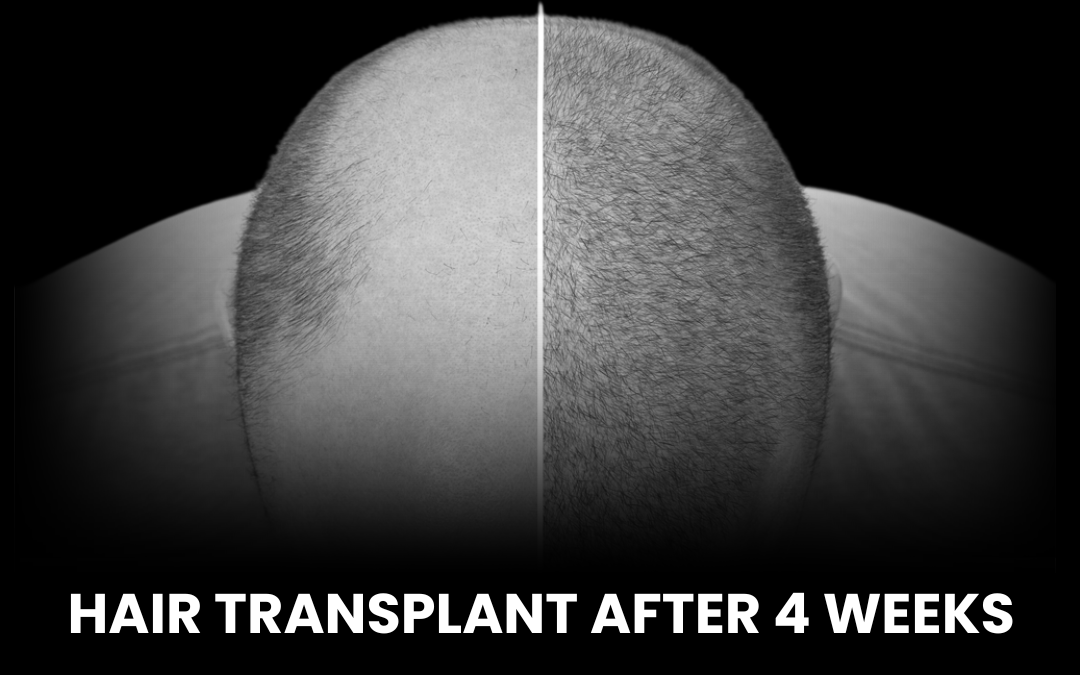
Shock loss happens because the scalp undergoes microtrauma during the hair transplant procedure, even though modern techniques are minimally invasive, your hair follicles still experience a certain level of stress. As a result of this stress, some hair enters the telogen phase (resting phase) prematurely, leading to sudden hair shedding within a few weeks.
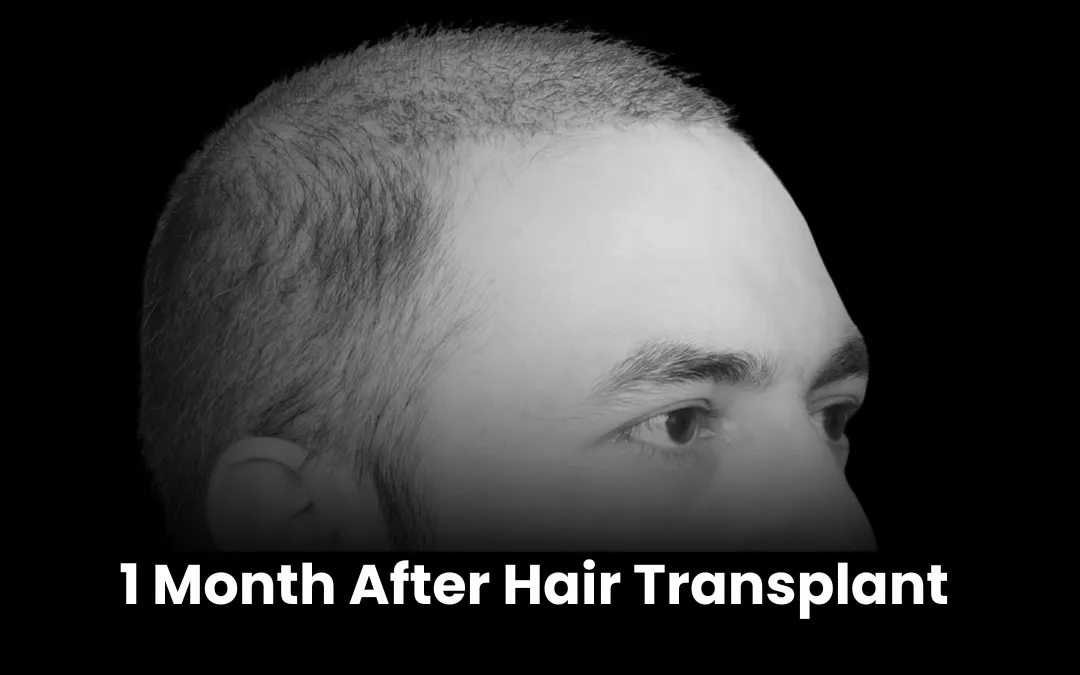
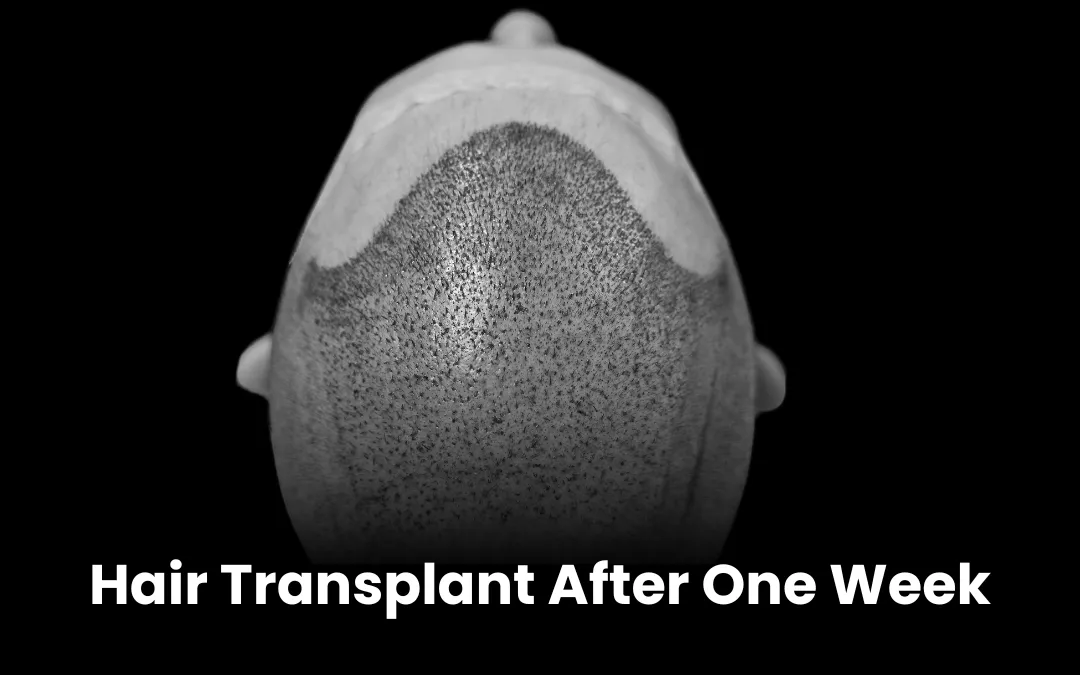
Shock loss is usually seen in patients 2-6 weeks after hair transplant procedure. It may last up to 12 weeks in some patients. However, it is not permanent in most patients.
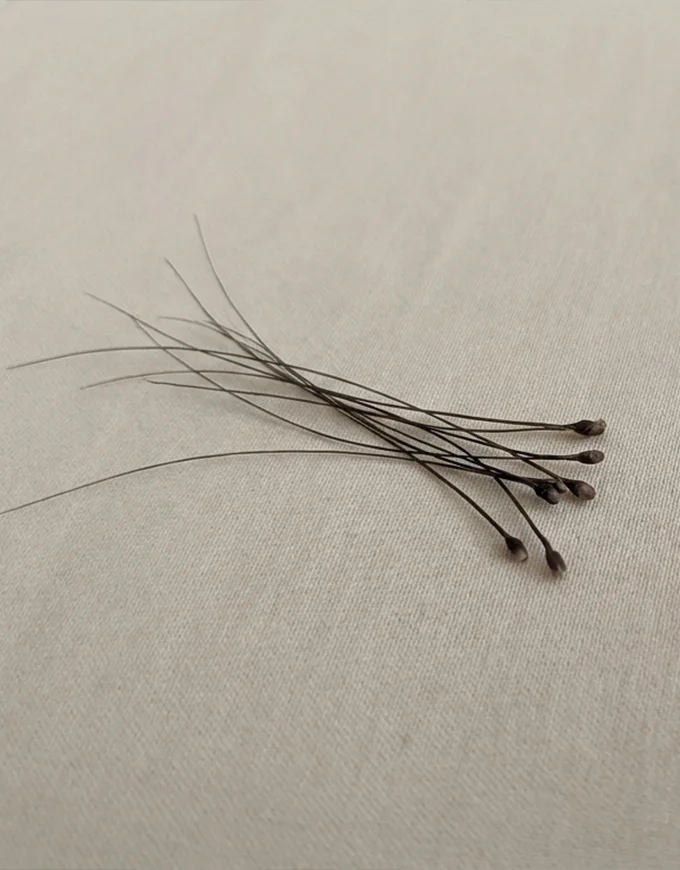
The most important distinction is that shock loss affects the hair shaft, not always the follicle. The follicle remains alive and capable of producing new hair when properly supported during recovery.
Why does shock loss happen after hair transplant?
To understand shock loss, it is important to first understand the basics of the hair growth cycle. Our hair growth cycle consists of three phases. At any given time, each hair follicle on our scalp is in a different stage of this cycle. These three hair growth phases are:
- Anagen (growth phase)
- Catagen (transition phase)
- Telogen (resting phase)
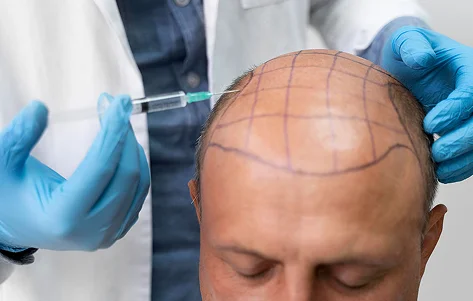
A hair transplant procedure, although performed carefully, creates a controlled level of stress on the scalp. This includes minor tissue injury, temporary inflammation, and changes in blood supply around the treated areas. As a result, some hair follicles, especially the sensitive ones, are pushed prematurely from the anagen phase into the telogen phase. This shift causes hair to undergo shedding, which is what we experience as shock loss.
Several factors contribute to why shock loss occurs including:
Surgical trauma to the scalp
During the process of hair transplant, the scalp is subjected to incisions, slits for grafts and anaesthesia administration. Even with advanced techniques, the implantation process creates micro-injuries that can temporarily disturb the surrounding follicles and cause temporary trauma.
Fluctuation in the blood supply
Hair follicles depend on a steady supply of oxygen and nutrients. Hair transplant procedure can temporarily disrupt the blood supply to the existing follicles. This can trigger a shift and push the follicles into the resting (telogen) phase.
Post-surgical inflammation
Mild inflammation post-surgery is a natural part of healing. However, it can influence nearby hair follicles to lead to temporary shedding.
Presence of weak or miniaturised follicles
Hair that is already thinning or weakening (miniaturing) are more vulnerable to shock loss when nearby hair follicles experience stress during surgery.
Inadequate post-transplant care
Poor scalp hygiene and not adhering to the post-transplant care guidelines prescribed can increase the severity of shock loss.
Note: The extent of shock loss can vary from patient to patient. Even with the same procedure, factors like baseline hair health, scalp condition, and post-transplant care can significantly influence the level of shedding and recovery time.
What are the types of shock loss?
Shock loss is not the same for everyone. Understanding the types of shock loss can help assess the situation more accurately. The types of shock loss include:
- Graft or transplanted hair shedding: This is the most common and expected type of shock loss. Here, the transplanted hair shafts fall out within the first few weeks post-transplant. However, this is temporary as the follicles remain intact and will regrow in a few months.
- Native hair shock loss: This type of shock loss is seen in the existing hair surrounding the transplanted area. This is commonly seen in individuals with existing weaker hair.
- Donor area shock loss: Although less common, this type of shock loss can happen in the donor area if it is overharvested or sensitive.
How to Deal with Shock Loss: Post-Transplant Care
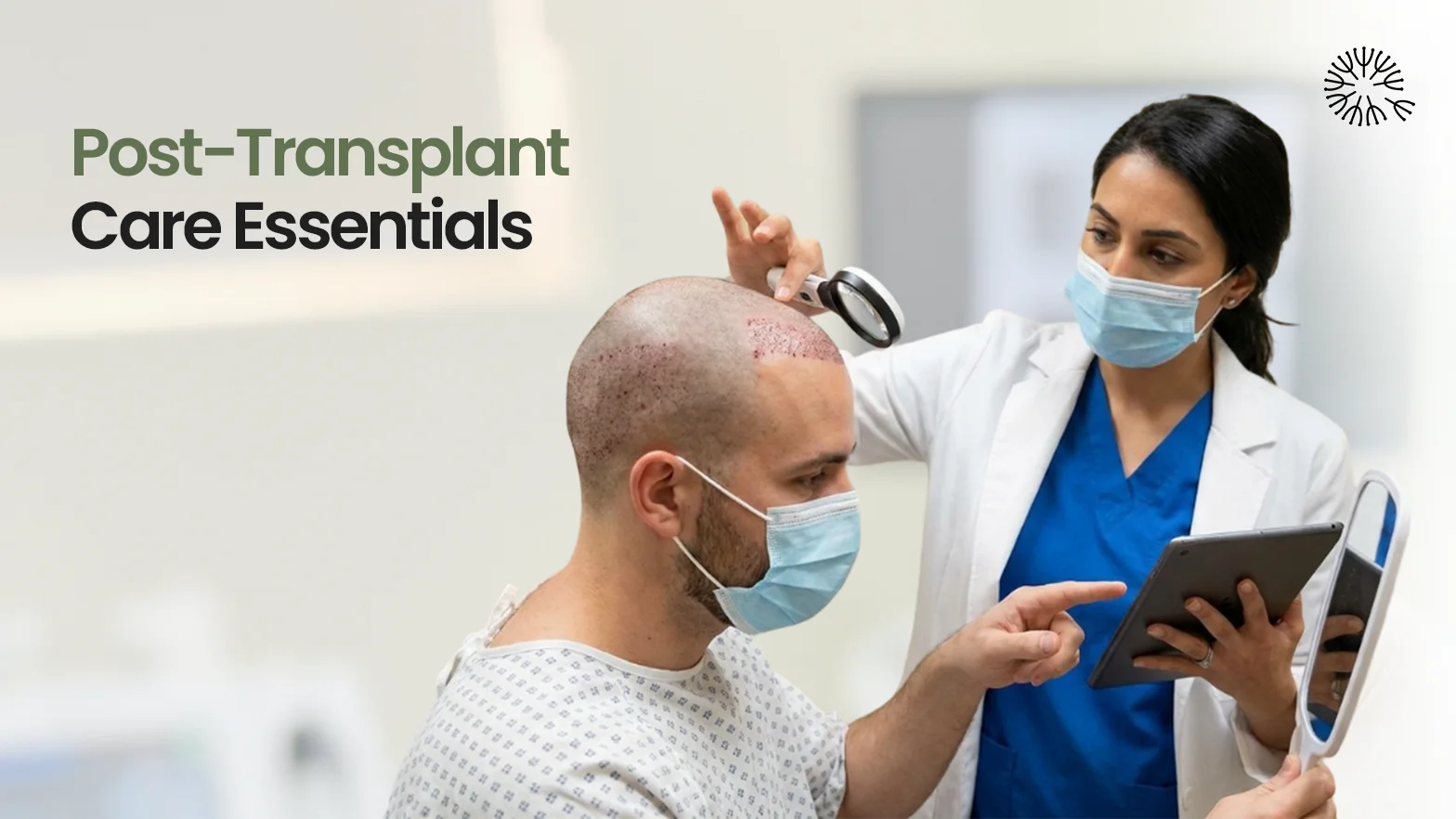
Managing shock loss is about actively supporting recovery. During the recovery period, our goal is to create the ideal environment for hair follicles to heal, stabilise, and re-enter the growth phase. The way you care for your scalp in the first few weeks and months directly impacts how quickly and effectively your hair regrows.
Below are practical, medically recommended steps by QHT Hair transplant experts to help you manage shock loss and improve hair growth outcomes after your transplant.
Gentle Scalp Handling
Your scalp remains sensitive after surgery, and rough handling can worsen shedding. You need to be extremely careful during daily activities like washing and drying your hair. Avoid scratching, rubbing, or applying pressure to the treated areas. Always use clinically recommended, mild shampoos, and gently pat your scalp dry instead of using friction. This minimises additional trauma and protects healing follicles.
Maintain Proper Scalp Hygiene
A clean scalp is essential for proper healing and follicle function. Poor hygiene can lead to irritation or infection, which may worsen shock loss. Follow your doctor’s washing schedule carefully and avoid skipping washes out of fear of hair fall. Use only gentle, prescribed products and avoid harsh chemicals. A healthy scalp ensures better oxygen and nutrient delivery to the follicles.
Avoid Physical Stress on the Scalp
External stress can increase inflammation and delay recovery. Protecting your scalp from physical strain is crucial in the early weeks. Avoid heavy workouts, excessive sweating, and direct sun exposure for at least 2–3 weeks. Do not wear tight caps or helmets, as they can create pressure and disrupt graft stability.
Follow Post-Operative Instructions Strictly
Every transplant is different, and your surgeon’s guidelines are tailored to your scalp condition. Ignoring these instructions can negatively impact your results. Stick to the prescribed routine, including washing methods, activity restrictions, and medication schedules. Consistency in following medical advice plays a key role in reducing shock loss.
Be Patient With the Hair Growth Timeline
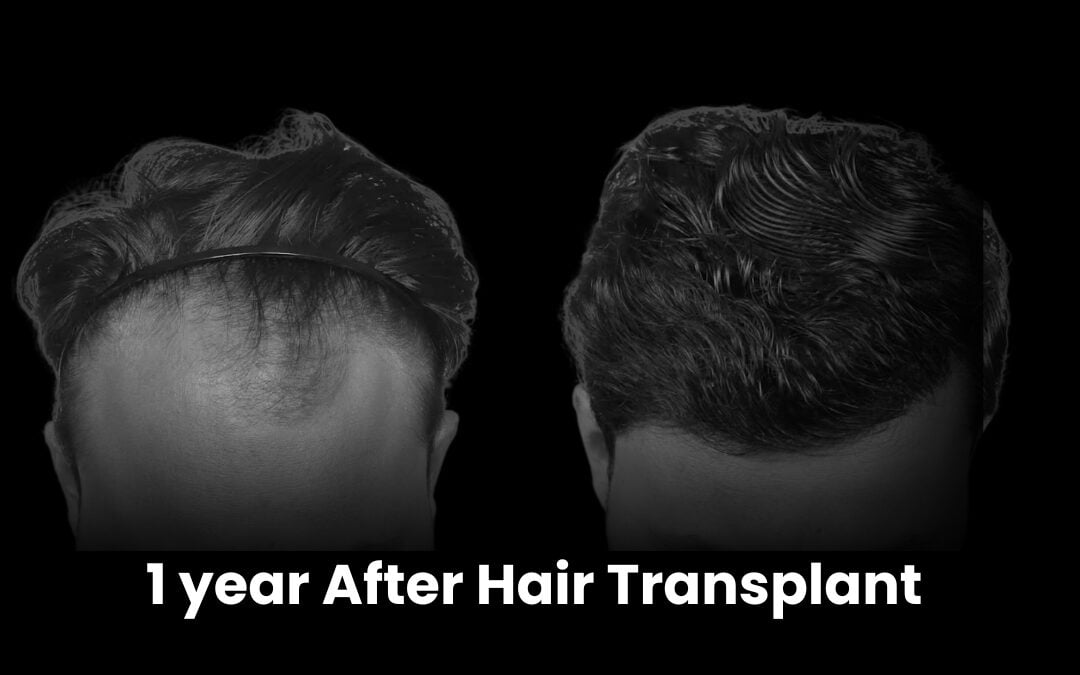
Hair regrowth after a transplant is gradual and requires patience. Shock loss is only a temporary phase in a longer recovery journey. You may start noticing visible improvements around 3–4 months, while significant results typically appear between 6–12 months. Avoid judging your results too early.
Maintain a Nutrient-Rich Diet
Your hair follicles need proper nutrition to recover and grow. A poor diet can slow down regrowth and weaken new hair. Include protein-rich foods, leafy vegetables, fruits, nuts, and seeds in your daily meals. Essential nutrients like iron, zinc, and biotin support stronger and healthier hair growth
Stay Hydrated
Hydration plays a crucial role in transporting nutrients to your hair follicles. Dehydration can affect scalp health and slow recovery. Make sure you drink enough water throughout the day. Well-hydrated skin and scalp create a better environment for follicle function and regrowth.
Avoid Harsh Styling and Chemicals
Newly transplanted hair is delicate and can be easily damaged by aggressive styling or chemical exposure. Avoid hair sprays, gels, heat styling tools, and chemical treatments. Keeping your routine simple and gentle helps protect both transplanted and existing hair.
Do Not Pick or Disturb the Scalp
It can be tempting to touch or pick at scabs during healing, but this can damage grafts and delay recovery. Allow the scalp to heal naturally. Interfering with the treated area can harm follicles and increase the risk of poor growth or infection.
Manage Stress Levels
Stress is a known trigger for hair loss and can worsen shock loss. Your recovery phase should also focus on overall well-being. Incorporate stress-reducing activities like light exercise, meditation, or hobbies. A calm body supports better healing and hair growth.
Avoid Smoking and Excess Alcohol
Lifestyle habits can directly affect your hair growth results. Smoking reduces blood flow to the scalp, while alcohol can interfere with healing. Limiting or avoiding both helps improve circulation and ensures your follicles receive the nutrients they need to recover.
Use Prescribed Medications Consistently
Medications like minoxidil or finasteride are often recommended to support regrowth and protect existing hair. These treatments improve blood flow, stabilise hair loss, and reduce the severity of shock loss. Always follow your doctor’s prescription carefully for the best results.
Protect Your Scalp From Sun Exposure
Your scalp is more sensitive after a transplant and can be easily damaged by UV exposure. Avoid direct sunlight, especially during peak hours. If needed, use a loose-fitting cap or follow your doctor’s advice on safe sun protection methods.
Attend Regular Follow-Ups
Regular check-ups allow your doctor to monitor progress and make necessary adjustments to your treatment plan. These visits help identify any concerns early and ensure your recovery stays on track. Ongoing medical guidance is essential for optimal results.
Takeaway
Shock loss is a common and expected phase after a hair transplant, and in most cases, it is temporary and reversible. While it may look concerning, it does not mean your transplant has failed. It’s important to understand that not all patients experience shock loss in the same way. The intensity of shedding can vary based on your baseline hair health, scalp condition, and how well you follow post-transplant care.
At QHT Clinic, we don’t just perform the transplant, we stay with you through every stage of recovery, including shock loss. We understand that this phase can feel uncertain, which is why our specialists focus on continuous guidance, reassurance, and medically backed care. If you’re planning a transplant or currently experiencing shock loss, you can book a consultation with QHT specialists for personalised guidance.
Frequently Asked Questions
- Can early use of minoxidil prevent shock loss?
Minoxidil may help reduce the severity of shock loss by improving blood flow and supporting follicles. However, it should only be started based on your doctor’s advice.
- Can women experience shock loss after a hair transplant?
Yes, women can also experience shock loss after a hair transplant. Shock loss is not gender-specific. Women with diffuse thinning may sometimes notice it more due to overall lower hair density.
- Can shock loss happen even if the transplant was successful?
Yes, shock loss can occur even after a perfectly successful transplant. It is a normal response of the scalp to surgical stress and does not indicate failure of the procedure.
- Is itching during shock loss normal?
Mild itching can be part of the healing process. However, persistent or severe itching should be evaluated to rule out irritation or infection.
Book a Consultation Today
Latest Videos
-

Rajpal Yadav | Bollywood Actor Hair Transplant Journey at QHT Regrow Clinic Haridwar
Click to Watch
-

FUE Hair Transplant Results | DAYA's FUE Hair Transplant Results
Click to Watch
-

Best Hair Transplant Result 2021 || NW Grade VI A || 3,422 Grafts
Click to Watch
-

Best Hair Transplant Result 2022 | Grade 4
Click to Watch
-

YouTuber Mehtab Saifi Hair Transplant
Click to Watch
-

ACP Pradyuman Hair Transplant - Actor's Hair Transplant
Click to Watch