



Eyebrow Transplant Guide
Are you someone who spends 15 minutes every morning filling patchy eyebrows with makeup? This, patchy, or completely absent brows can be a real concern for both men and women. Eyebrows are more than just facial hair; they define our expressions, frame the face, and protect our eyes from sweat and dust. Temporary solutions like eyebrow pencils or tinted powders cannot address the real issue.
Permanent restoration of eyebrows is becoming a popular choice, especially among women. An eyebrow transplant offers a permanent, safe, clinically-proven solution to give you those natural, thicker, fuller-looking brows.
Our very own QHT technique at QHT clinic provides a hassle-free, faster restoration of eyebrows with excellent results. Our specialists have a proven track record of helping both men and women achieve natural, permanent eyebrows through precision transplantation.
This guide covers everything you need to make an informed decision before undergoing the procedure.
Quick answer box
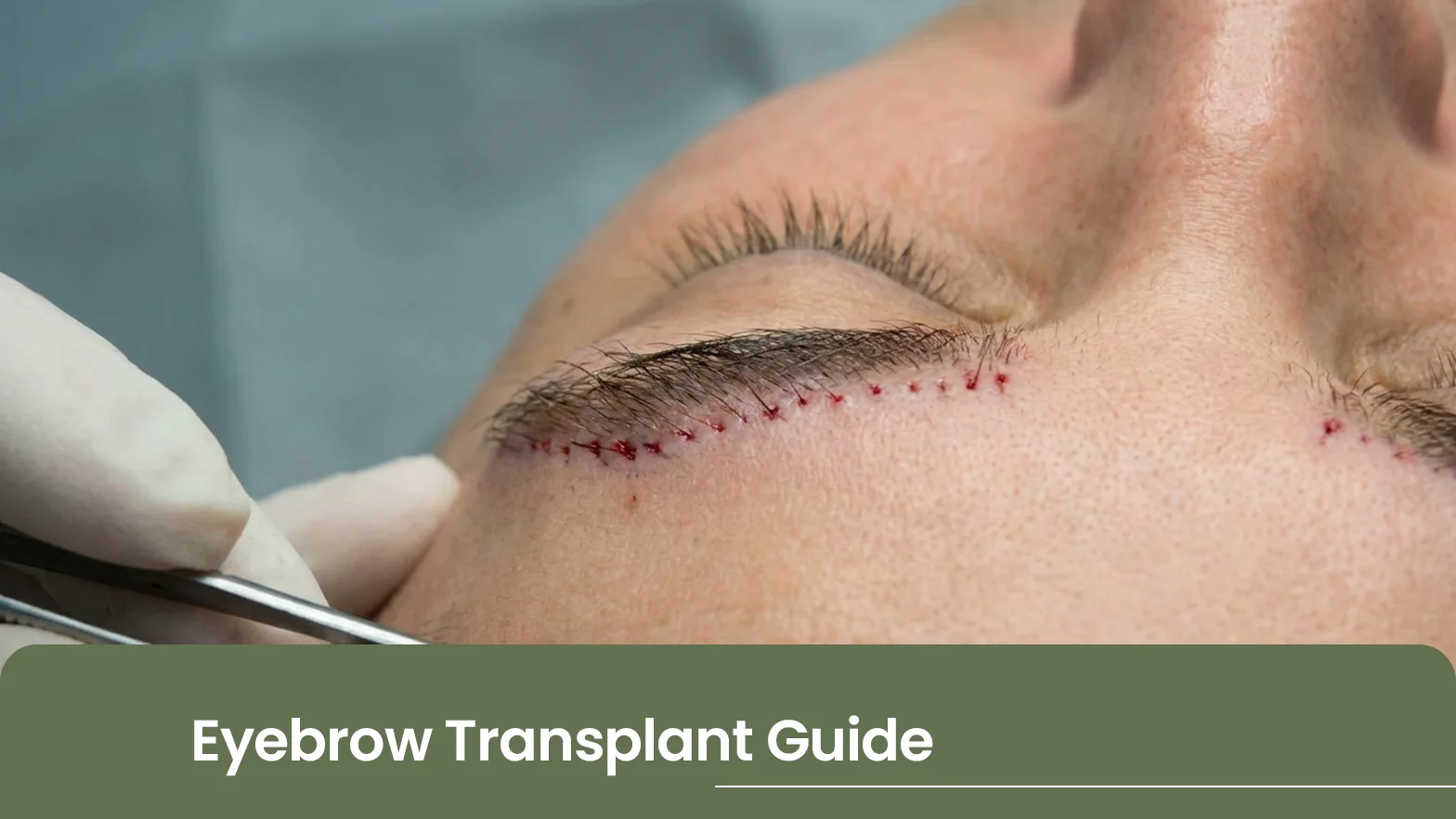
What is an eyebrow transplant?Eyebrow transplant is a procedure performed to fill the patchy or sparse brows using grafts or follicles from the donor area (back of the scalp). This is a minimally invasive procedure in which an individual’s hair follicle is extracted using techniques like FUE, QHT and FUT, and implanted into the eyebrow area at precise angulation to mimic or replicate the natural eyebrow shape. Common reasons for getting an eyebrow transplant
|
Table of contents:
- Why Are Your Eyebrows Thinning? Common Causes
- What is Eyebrow Reconstruction and Who is it For?
- Eyebrow Transplant Techniques: FUE, FUT & QHT
- Step-by-Step Procedure at QHT Clinic
- Post-Operative Care and Recovery Timeline
- Pre- and Post-Procedure Do’s and Don’ts
- Eyebrow Transplant Cost in India
- Myths vs. Facts About Eyebrow Transplant
- Frequently Asked Questions
Why are your Eyebrows Thinning? Common Causes of Hair Loss and Patchy Eyebrows
Eyebrow hair loss, medically termed madarosis, can result from several causes. Understanding the root cause is important before deciding on treatment. Permanently damaged follicles cannot be regenerated with topical remedies and require surgical intervention.
Here is a detailed breakdown of the conditions that lead to eyebrow hair loss.
Genetics
Hair growth is largely controlled by genetics and is inherited from parents. Some people are simply born with thin or sparse eyebrows. There are also specific genetic conditions that lead to bilateral eyebrow loss, such as ectodermal dysplasia, a condition characterised by abnormalities in teeth, nails, sweating function, and hair, resulting in sparse eyebrows as one of its symptoms.
Hypotrichosis is another genetic condition characterised by a defect in hair regeneration.
These conditions cannot be corrected with topical products and require surgical transplantation for full correction.
Autoimmune Disorders
Alopecia areata is a very common cause of bilateral patchy or complete eyebrow loss. It is an autoimmune condition that attacks hair follicles and can also involve the scalp, eyelashes, and other body hair.
Frontal fibrosing alopecia (FFA) accounts for eyebrow loss in 75–94% of affected patients. Hair loss begins with thinning of the lateral brows and progressively advances to partial or complete loss. It is a chronic condition that causes irreversible follicle damage, and eyebrow transplant is a proven solution for this condition.
Localised scleroderma is another autoimmune disorder involving excessive collagen deposition beneath the eyebrows, which can cause both eyebrow hair loss and visible eyebrow depression.
Traumatic Injuries: Scars, Burns or Surgical Scarring
Injuries to the face from burns, accidents, or post-surgical scarring involving the brow area cause permanent damage to hair follicles. This damage is irreversible and cannot be addressed with topical treatments. Eyebrow transplantation is the only effective option to camouflage these scars and restore a natural, fuller brow shape.
Over-Plucking and Repeated Trauma
Some women aggressively shape their brows to maintain a thin look or follow a particular fashion trend. Repeated plucking traumatises the hair follicle and can permanently impair regrowth.
Some patients also present with trichotillomania, an obsessive-compulsive disorder in which individuals repeatedly pull or pluck facial hair, including brows, as a response to stress or anxiety. This compulsive behaviour results in irregular, patchy eyebrows over time.
Nutritional Deficiencies
Zinc is the mineral most closely associated with eyebrow and eyelash alopecia. Deficiencies in Vitamin D, zinc, iron, and biotin have all been linked to hair loss and patchy brows.
Chemotherapy and Radiotherapy
Chemotherapy commonly leads to widespread hair loss, including eyebrows and eyelashes. Hair typically regrows after treatment is completed, but some patients develop permanent alopecia. Similarly, high-dose radiotherapy for cancer treatment can cause irreversible follicular damage, resulting in permanent eyebrow loss.
Infections
Eyebrow loss is one of the earliest signs of lepromatous leprosy, with studies reporting eyebrow loss in 9.3–36.5% of patients with this condition.
Cutaneous syphilis may also result in patchy or sparse eyebrows.
Ringworm infections (tinea) of the face can lead to unilateral or bilateral eyebrow loss.
What is Eyebrow Reconstruction, and Who is it for?
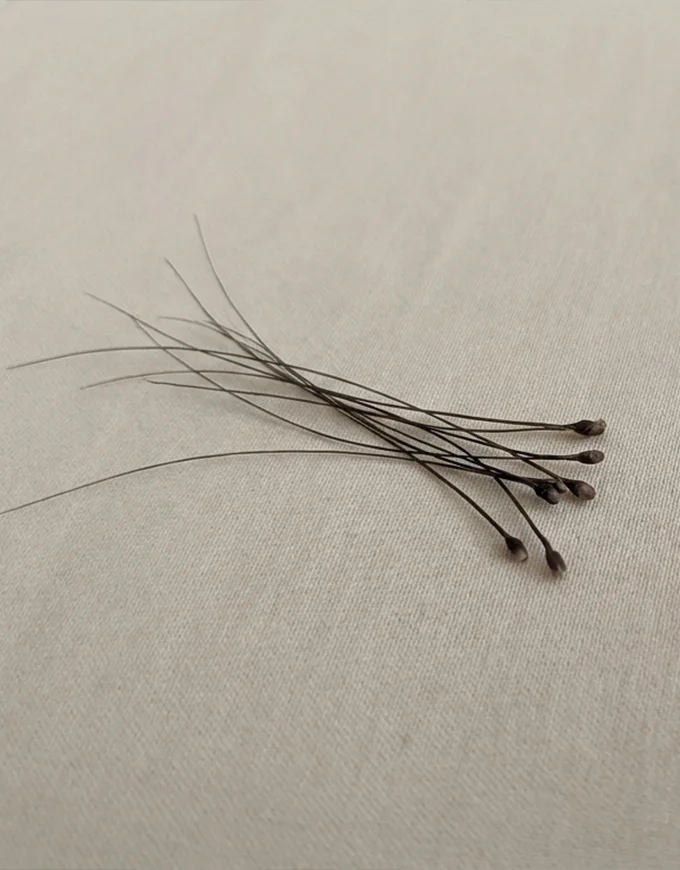
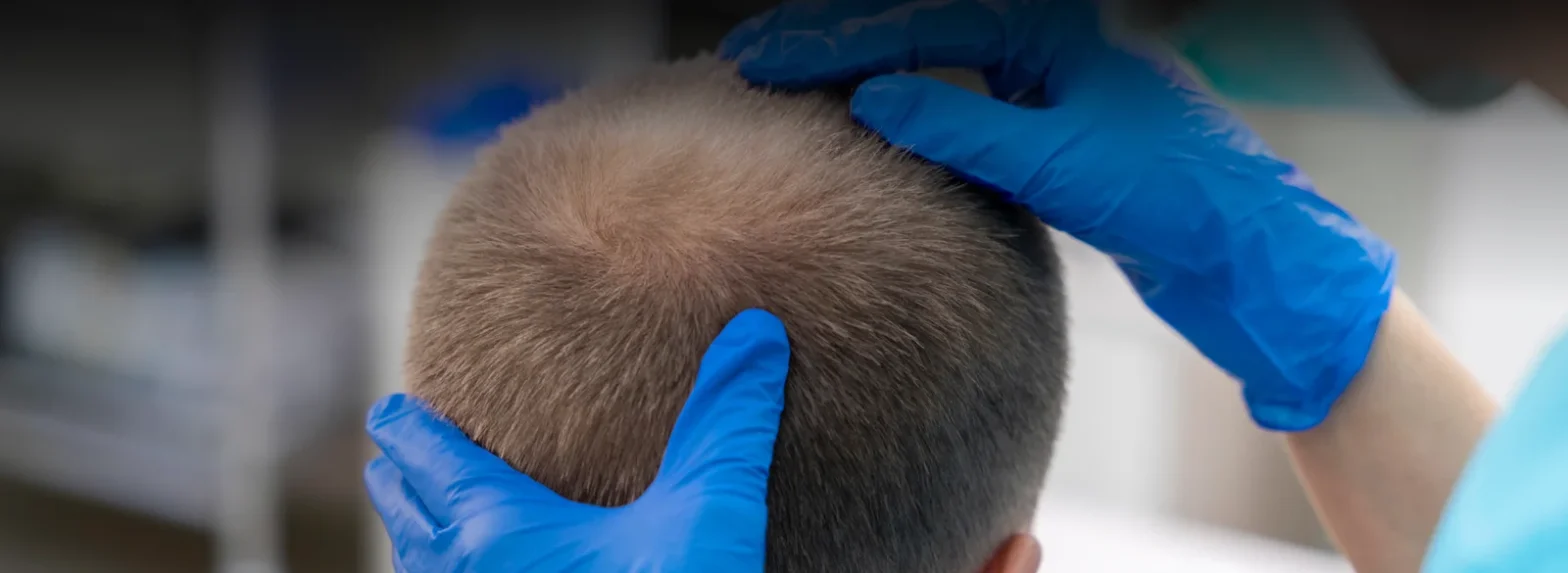
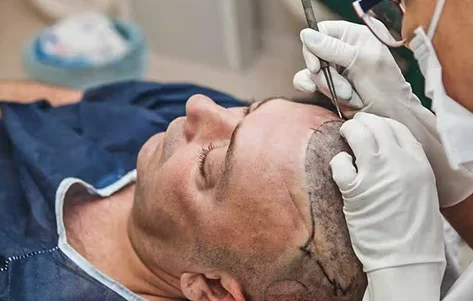
An eyebrow transplant is a permanent, surgical hair restoration procedure performed under local anaesthesia. It involves the extraction of individual hair follicles from the back of the scalp (donor site) and their implantation into the eyebrow at precise angles to replicate natural hair growth.
It is becoming one of the most preferred procedures for eyebrow reconstruction, especially among women. Unlike microblading or eyebrow tattooing, a transplant grows real, living hair according to your desired shape, which can be trimmed and styled just like natural brows. This makes it the best long-term solution.
Who is an ideal candidate?
You are a strong candidate for an eyebrow transplant if:
- Concern: You have sparse or patchy brows due to genetics, trauma, over-plucking, or a medical condition
- Medically fit: You do not have any active underlying medical condition, or if any systemic condition is present (such as thyroid disorders), it is well-controlled with medication.
- Donor area: You have a healthy donor area with adequate hair density at the back of the scalp
- Realistic expectations: You understand the recovery timeline and have realistic expectations of the final result
Any prior cosmetic procedures in the brow area, such as microblading, must be disclosed before treatment. Active skin infections in or around the brow area must be treated and fully cured before undergoing the procedure.
Eyebrow Transplant Techniques
There are three main techniques for eyebrow transplantation. At QHT Clinic, we prefer the minimally invasive options: FUE and QHT.
FUE — Follicular Unit Excision
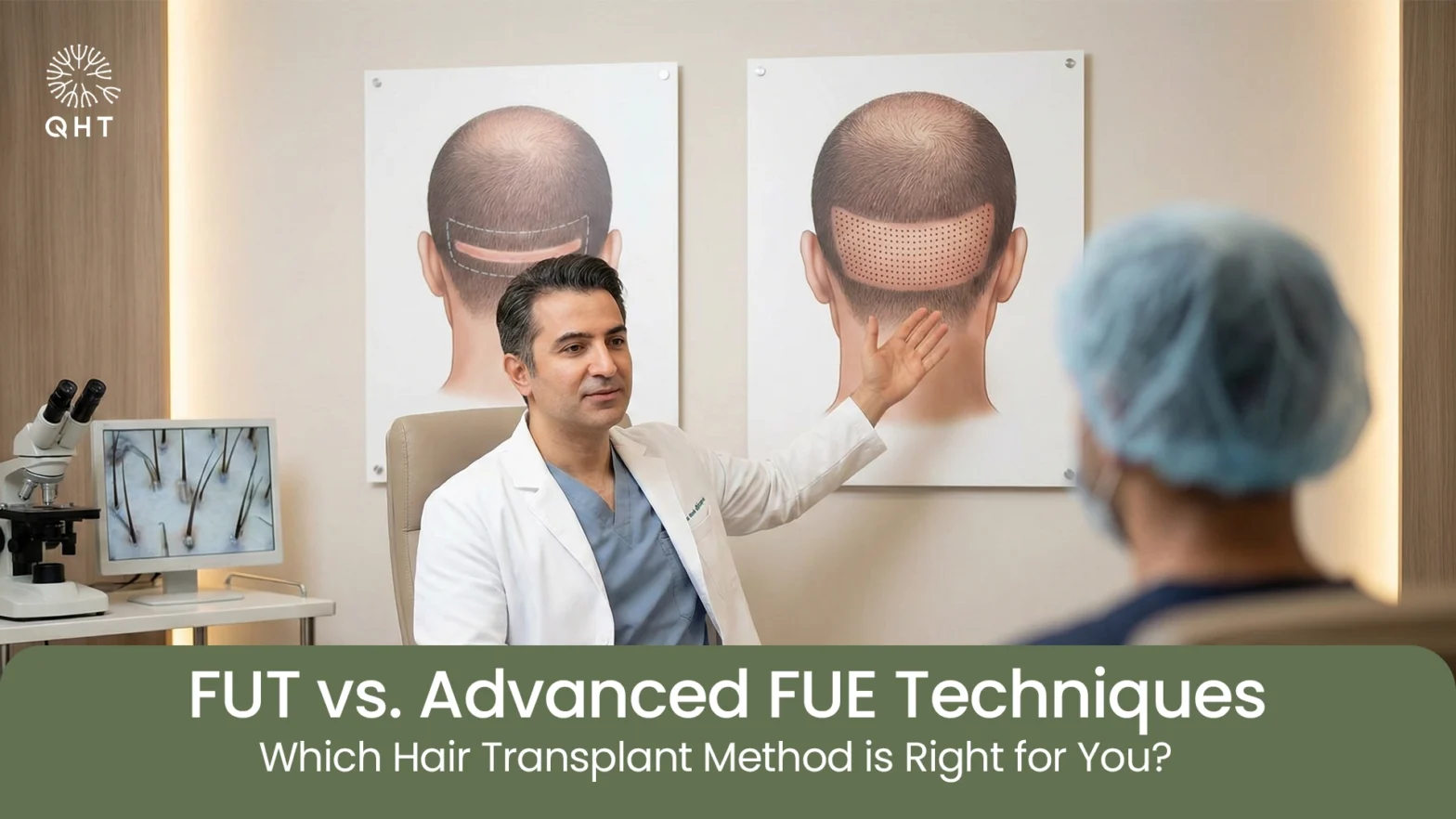
FUE is the preferred method for eyebrow transplantation. It allows the selective harvesting of single-hair grafts from the donor area using fine micropunches. This technique ensures no visible scarring, minimal pain, quick healing, and reduced downtime.
FUT — Follicular Unit Transplantation
FUT is not commonly used for eyebrow transplantation. It involves the removal of a strip of tissue containing hair follicles from the donor area, followed by microdissection of individual follicular units for implantation. While it allows more grafts to be harvested in one session, it leaves a linear scar and requires a longer recovery period.
QHT — Quick Hair Transplant
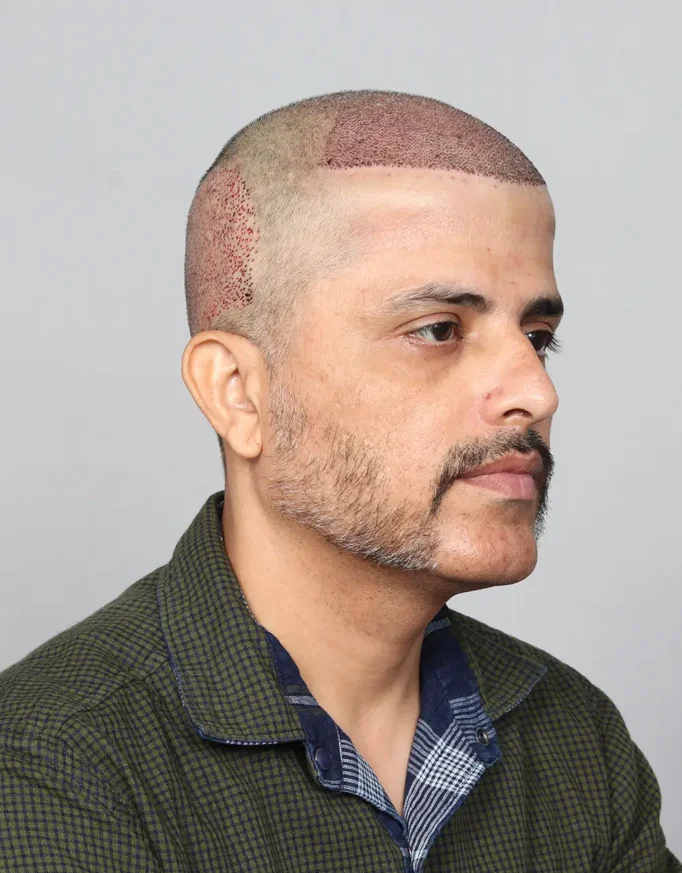
The QHT technique is an advanced version of FUE, developed at QHT Clinic. In this method, extraction and implantation of follicular units occur simultaneously, which allows a faster procedure and better graft survival, as the hair follicles spend less time outside the body. This significantly reduces oxidative stress on the graft, improving density and natural outcomes.
Not sure which technique is right for you? Connect with our experts to understand the best approach based on your goals and expectations.
Step-by-Step Procedure at QHT Clinic
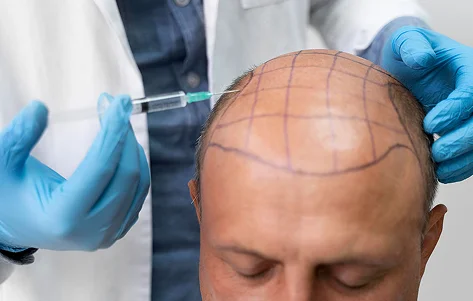
The procedure is performed under local anaesthesia and begins with a thorough evaluation and consultation to understand the patient’s goals and expectations.
Step 1: Initial Consultation and Treatment Planning
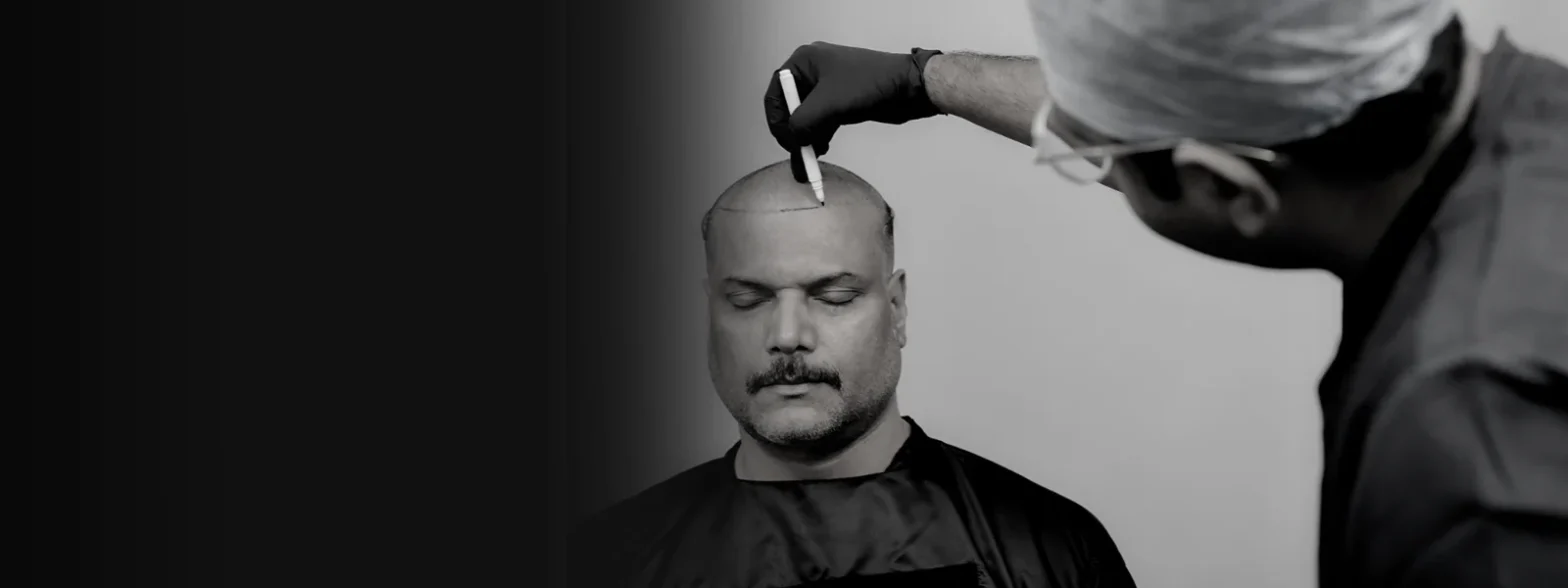
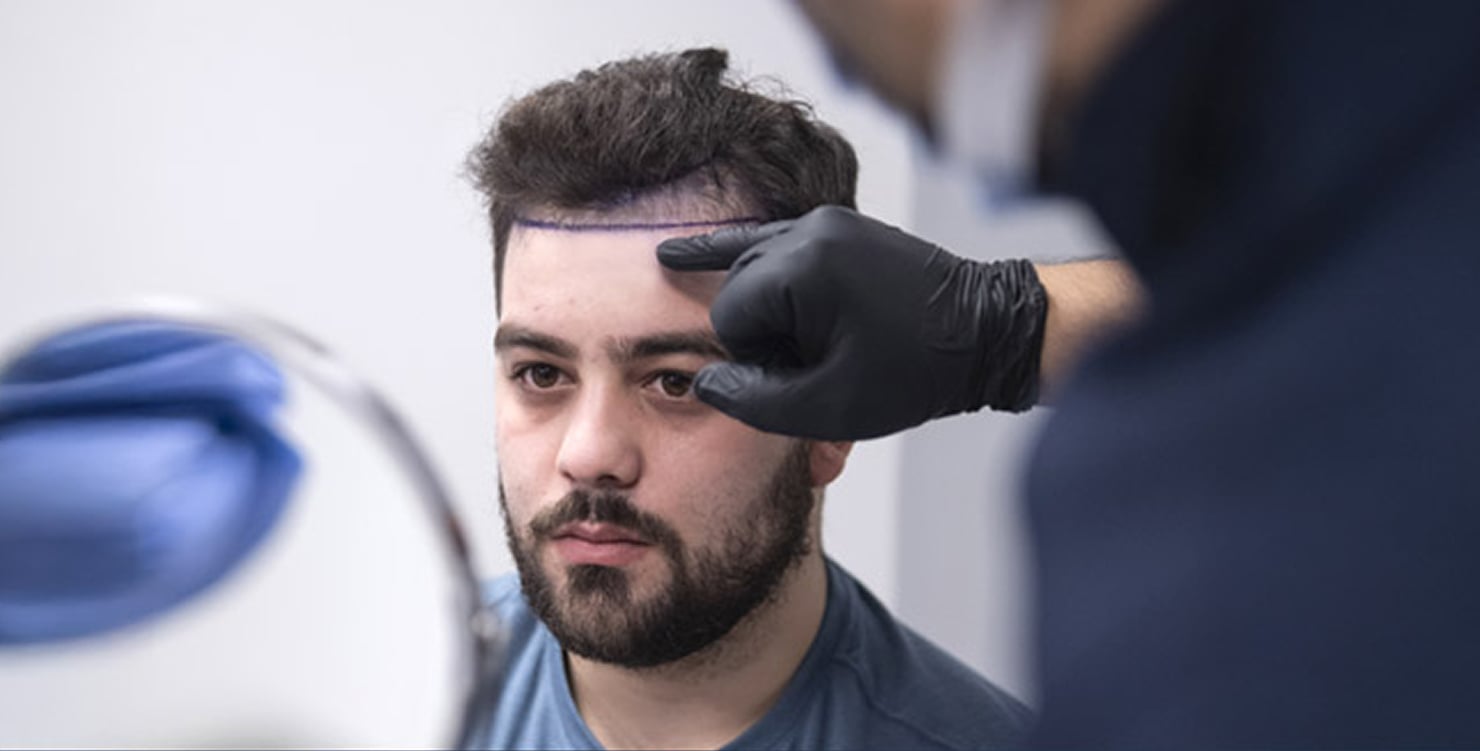
This step is crucial for assessing the quality of donor hair and designing the eyebrow shape according to your facial symmetry, natural hair growth (if present), and aesthetic goals. Active input from the patient is welcomed and is important for aligning expectations with treatment outcomes.
Step 2: Anaesthesia and Donor Site Preparation
The procedure begins with infiltration of local anaesthesia to ensure a comfortable experience.
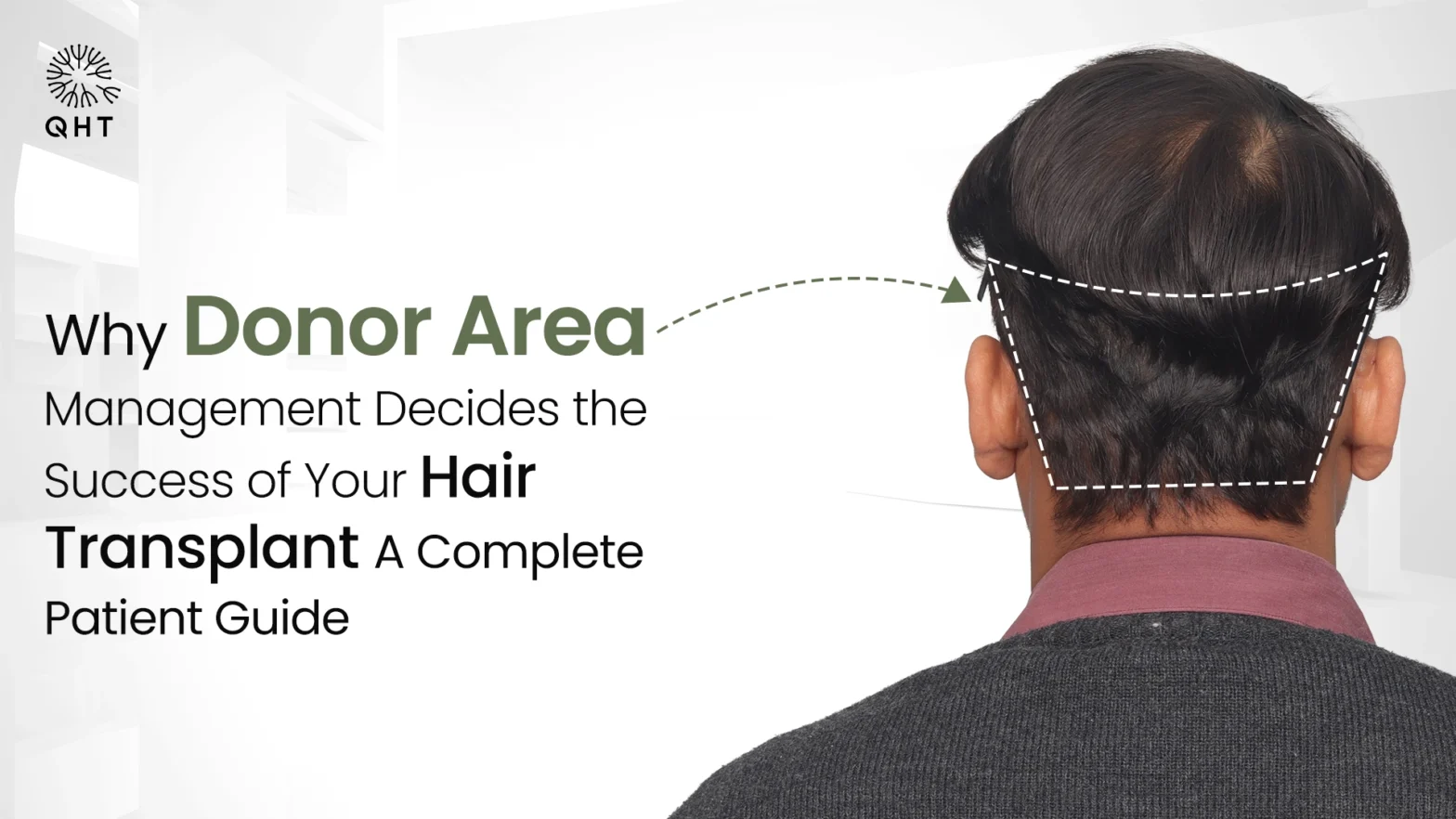
- In FUE and QHT, follicles are harvested from the back of the scalp using micropunches, extracting single-hair follicular units.
- In FUT, a strip of the donor site is removed before follicle extraction and dissection.
Step 3: Graft Preparation
Extracted grafts are sorted and stored in a saline solution to maintain viability. With the QHT technique, the graft out-of-body time is kept to under two hours, a critical feature that directly improves graft survival rate and final density.
Step 4: Implantation
Grafts are transplanted one by one into the recipient site (the eyebrow area) at precise angles, following the natural or desired brow shape. Tiny incisions are created before implantation to guide the direction and angle of each hair.
Post-Operative Care and Recovery Timeline
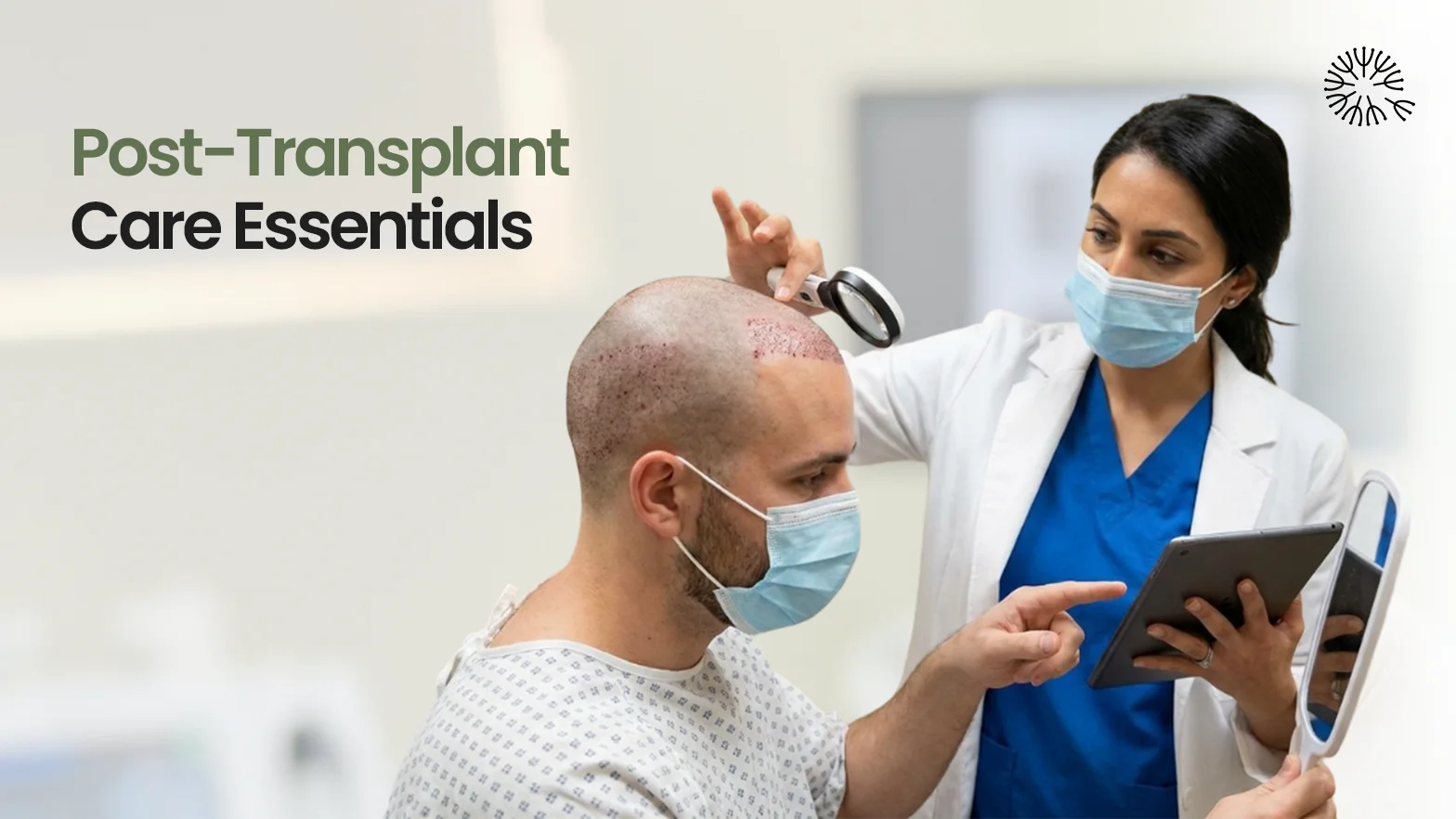
The recovery timeline for an eyebrow transplant is relatively short, but full results take 9–12 months to develop. Here is what to expect at each stage.
Week 1
Minimal pain may be present in the first few days; take prescribed medications for relief. Mild swelling and redness are normal and typically subside within one to three days.
- Do not touch or press on the brow area.
- Cold compresses can help reduce swelling.
- Avoid picking scabs or scratching the area.
- Spray with saline every two to three hours for the first five to seven days to keep the area moist.
- Avoid strenuous exercise.
Week 2
By the second week, swelling and redness should have fully resolved.
- Scabs fall away, and the area can be cleaned gently with a mild cleanser.
- Avoid applying any makeup in the brow region.
Weeks 3–4
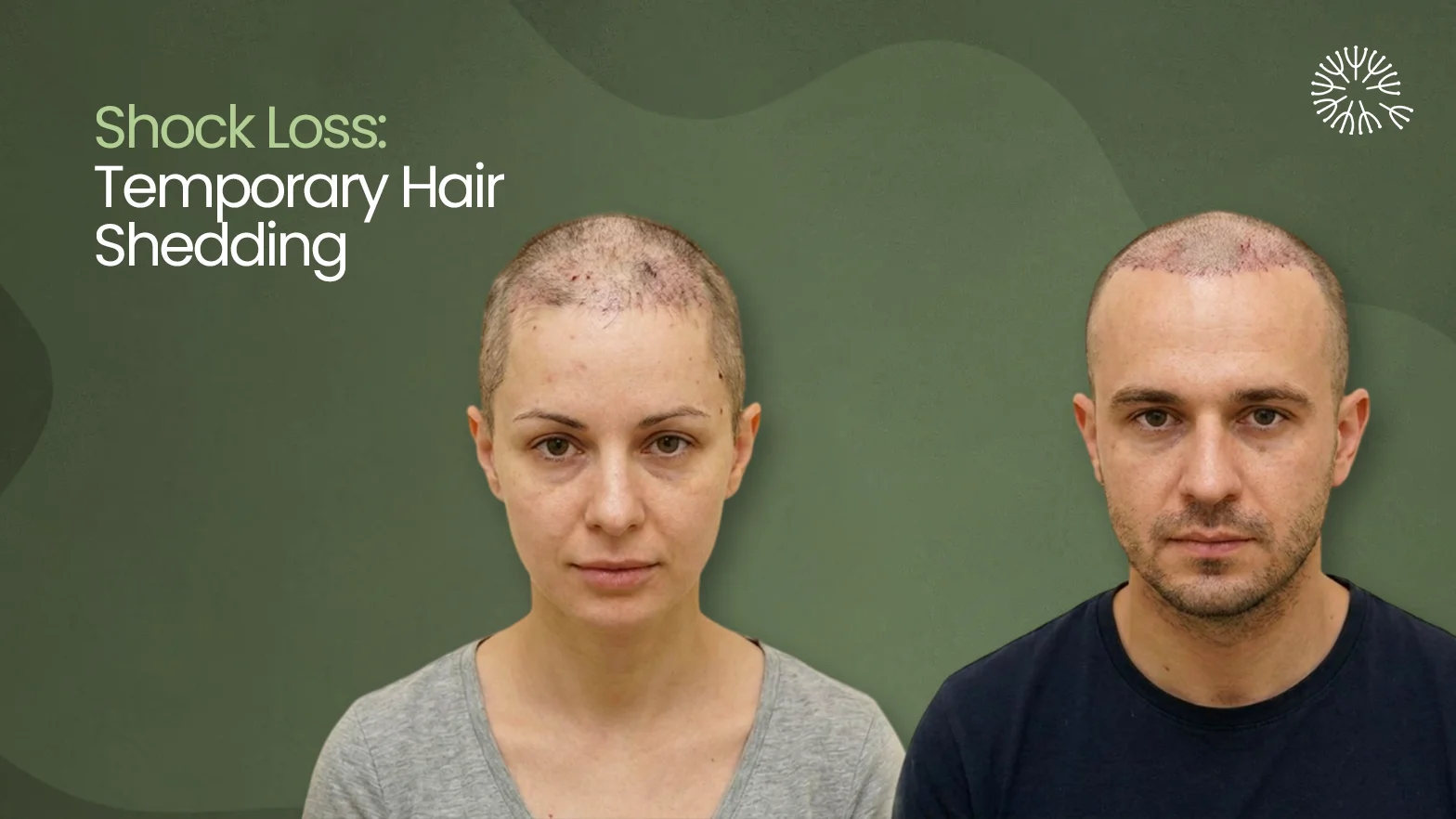
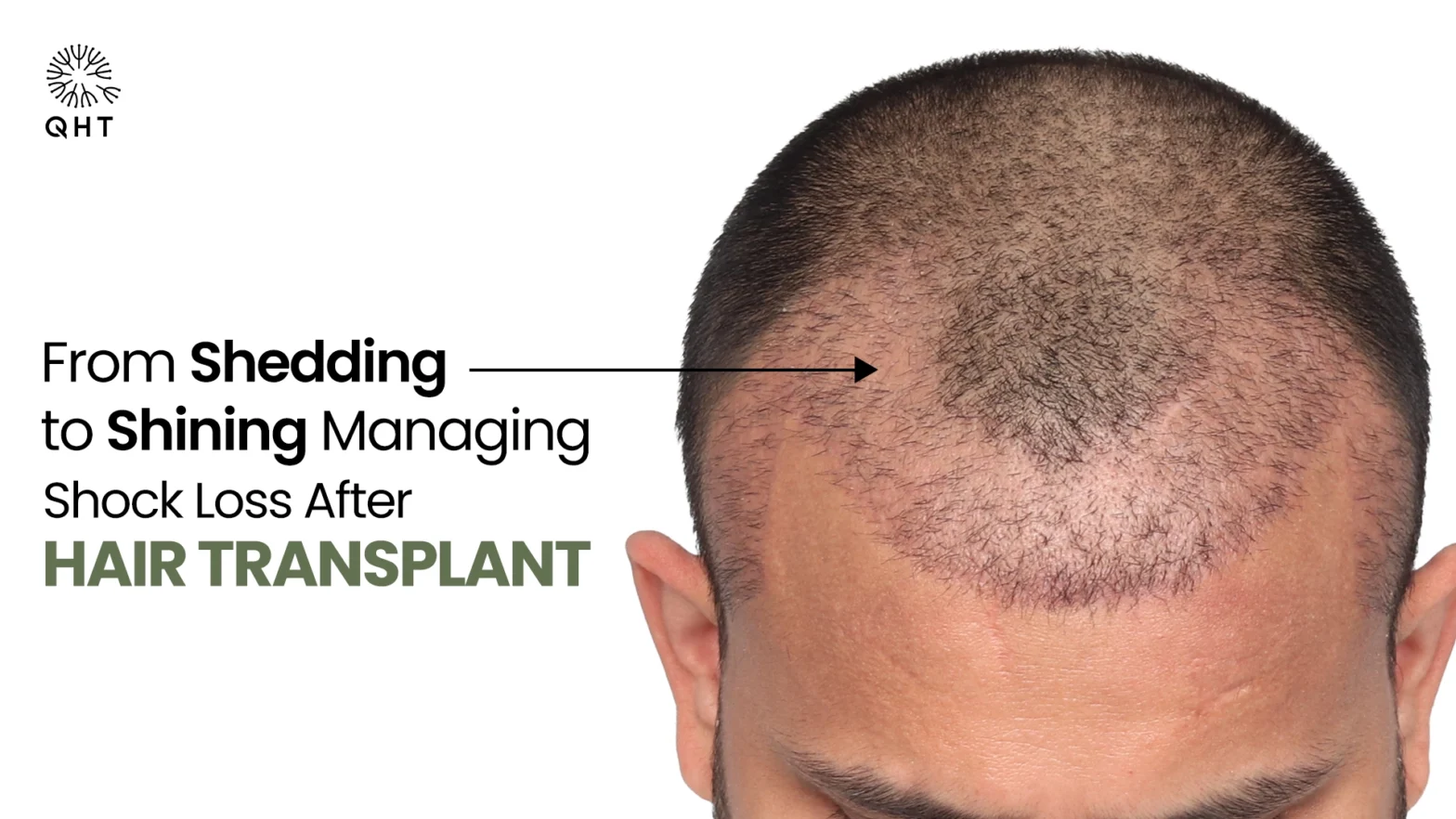
Transplanted hairs may begin to fall out during this period. This is entirely normal and is called shock loss. Do not panic, hair regrowth begins at three to four months.
Months 3–4
New hair growth becomes visible after the shock loss phase. Not all grafts grow simultaneously; full results take nine to twelve months to appreciate. Once regrowth begins, hairs can be trimmed to your preferred shape. Avoid plucking any regrown hairs and maintain a nutritious diet to support growth.
Months 9–12
Complete results are visible by the 9–12 month mark. Hair reaches full density, and normal brow grooming and trimming methods can be used to maintain the desired shape. Transplanted scalp hair grows faster than natural brow hair and will require periodic trimming.
Pre- and Post-Procedure Do’s and Don’ts
Before the Procedure
- Avoid smoking and alcohol: Both slow healing and reduce blood supply to the skin. Avoid them for at least three weeks before the procedure.
- Maintain a healthy diet: Consume foods rich in protein, iron, and Vitamin D to support immune health and recovery.
- Medications: Avoid blood thinners such as aspirin and other anti-inflammatory medications as advised by your doctor. Always consult your doctor before stopping any medication.
- Avoid strenuous exercise: Do not exercise heavily the night before or on the morning of the procedure.
- Have breakfast: Do not come for the procedure on an empty stomach, and avoid caffeine.
After the Procedure
- Avoid smoking and alcohol for at least three weeks after the procedure.
- Avoid exercise for one to two weeks post-transplant.
- Take all prescribed medications on time and hydrate the area with saline as instructed by your doctor.
- Do not apply makeup, tinted sunscreens, or any cosmetic products on the brows until your surgeon gives clearance.
- Sleep with your head elevated to reduce swelling in the first few nights.
- Do not touch, scratch, or apply any pressure to the transplanted area for the first two weeks.
- Do not pluck, wax, or thread the brow area until full growth has been achieved.
Eyebrow Transplant Cost in India
One of the most important questions patients have is whether the procedure is affordable. Compared to other countries, India offers eyebrow transplantation at a fraction of the cost, without compromising on quality or clinical standards.
Cost, however, varies depending on several factors:
- Technique used: The precision and accuracy of the technique influence the price; FUE and QHT may be priced slightly higher than FUT due to the level of skill and technology involved.
- Number of grafts: Every patient has a different face shape and varying extent of eyebrow loss; the number of grafts required, and therefore the cost, varies accordingly.
- Surgeon expertise: Experienced surgeons with a proven track record of successful results are appropriately priced.
- Clinic location and services: Clinics equipped with advanced technology in metropolitan cities may charge more for premium facilities
At QHT, the eyebrow transplant starts at Rs 80,000. For a personalised, accurate estimate, speak directly with our team at QHT Clinic.
Ready to Transform Your Brows? QHT is Here to Help
Thin or patchy brows are not something anyone should have to live with. Filling them in every morning can be both time-consuming and frustrating. An eyebrow transplant offers a permanent solution, and it begins with an accurate diagnosis and personalised treatment planning.
With 15000+ patients treated for more than 10 years, our team at QHT Clinic offers:
- State-of-the-art infrastructure.
- Highly qualified, globally trained surgeons
- A comfortable, patient-centred experience across our clinics nationwide, in Delhi, Hyderabad, Noida, Gurugram and Uttarakhand
- Equipped with US FDA-approved devices.
- Personalised treatment planning based on your individual needs.
- Expert guidance and structured support post-surgery.
Myths vs. Facts About Eyebrow Transplant
Myth 1: Transplanted eyebrows will look unnatural or pencilled-on.
Fact: When performed using FUE or QHT by an experienced surgeon, transplanted brows grow as real hair at the precise angles and directions of natural brow hairs. The result is living, growing hair, not a drawing on skin like a tattoo.
Myth 2: You will only ever need one session.
Fact: While many patients achieve their desired result in a single procedure, complex cases involving extensive scarring or significant hair loss may require a follow-up session. Touch-up sessions or follow-up sessions can only be performed after 9 months.
Myth 3: The transplanted hair stays short like eyebrow hair.
Fact: This is one of the most important things to understand before undergoing the procedure. Transplanted scalp hair retains its scalp growth cycle, which means it will grow longer than natural brow hairs and will require regular trimming. This is a minor, routine maintenance step that you need to follow.
Myth 4: Microblading is just as good as an eyebrow transplant.
Fact: Microblading creates pigmented strokes in the upper skin layers. It is a semi-permanent cosmetic technique that fades within 12–18 months and requires regular touch-ups. An eyebrow transplant grows actual hair follicles that produce permanent, living hair.
Myth 5: Eyebrow transplants are only for women.
Fact: Eyebrow transplantation is performed equally in men, whether for genetic thinning, post-traumatic scar coverage, or restoring brows lost after medical treatments. Both men and women report high satisfaction rates in published clinical studies.
Frequently Asked Questions
- Is an eyebrow transplant permanent?
Yes. Transplanted follicles are taken from a donor-dominant zone of the scalp and retain their growth for life. Once the shock loss phase passes (Weeks 3–4) and new growth begins at Months 3–4, the brows grow permanently.
- How many grafts does an eyebrow transplant require?
The number of grafts needed depends on how sparse the existing brows are, the desired shape, and the size of the area to be covered. A full reconstruction from absent brows requires more grafts than a patchy or thin eyebrow. Your surgeon will calculate the precise number during initial assessment and treatment planning.
- Is the procedure painful?
The procedure is performed under local anaesthesia, so patients typically feel only mild pressure and movement during extraction and implantation. Post-operatively, mild tenderness and swelling for two to three days are normal and manageable with prescribed or over-the-counter analgesics.
- Will there be any visible scarring on my face?
No. The tiny implantation points in the brow area heal within days and are not visible. When FUE is used for donor harvesting, only microscopic dot scars remain at the back of the scalp, which are invisible under normal hair length.
- Can I wear makeup after an eyebrow transplant?
Not immediately. You must avoid applying any cosmetic products, tinted brow gels, pencils, or eyeshadow directly on the transplanted area for at least three to four weeks, or until your surgeon provides clearance.
Book a Consultation Today
Latest Videos
-

Rajpal Yadav | Bollywood Actor Hair Transplant Journey at QHT Regrow Clinic Haridwar
Click to Watch
-

FUE Hair Transplant Results | DAYA's FUE Hair Transplant Results
Click to Watch
-

Best Hair Transplant Result 2021 || NW Grade VI A || 3,422 Grafts
Click to Watch
-
Best Hair Transplant Result 2022 | Grade 4
Click to Watch
-

YouTuber Mehtab Saifi Hair Transplant
Click to Watch
-

ACP Pradyuman Hair Transplant - Actor's Hair Transplant
Click to Watch