



Beard Transplant Complete Guide
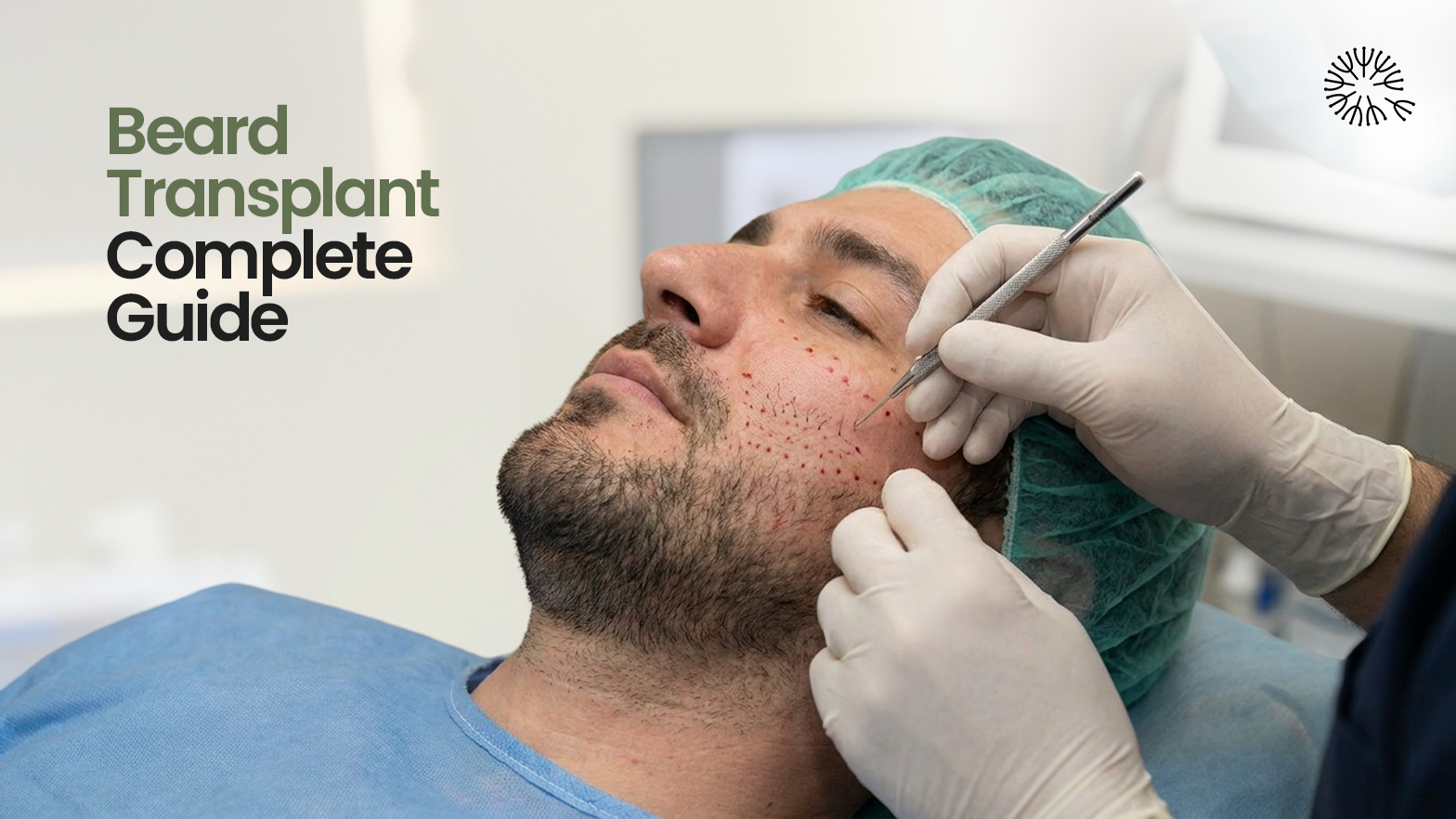
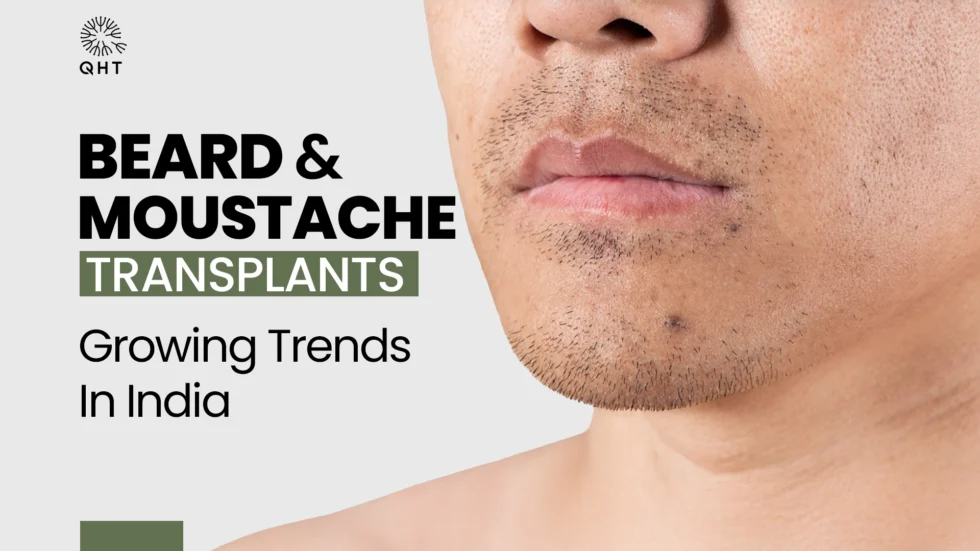
Do you also have a patchy or sparse beard? Facial hair is often linked to masculinity. A patchy or sparse beard can affect a man’s identity and how he is perceived in society. With shifting grooming trends, men are becoming conscious about their appearance and looking for ways to achieve a fuller, thicker beard for a more dominant, stylish, and appealing look.
Beard enhancement, commonly known as a beard transplant, is becoming increasingly popular among men to achieve that desired look. It is a safe, permanent, and clinically backed solution.
At QHT, we have helped thousands of men achieve well-defined, natural beard growth. With the growing demand for beard transplants in India, it is important to understand the procedure and whether it is right for you. This guide will give you in-depth insight into the treatment, including the procedure, cost, and recovery timeline.
Quick answer box
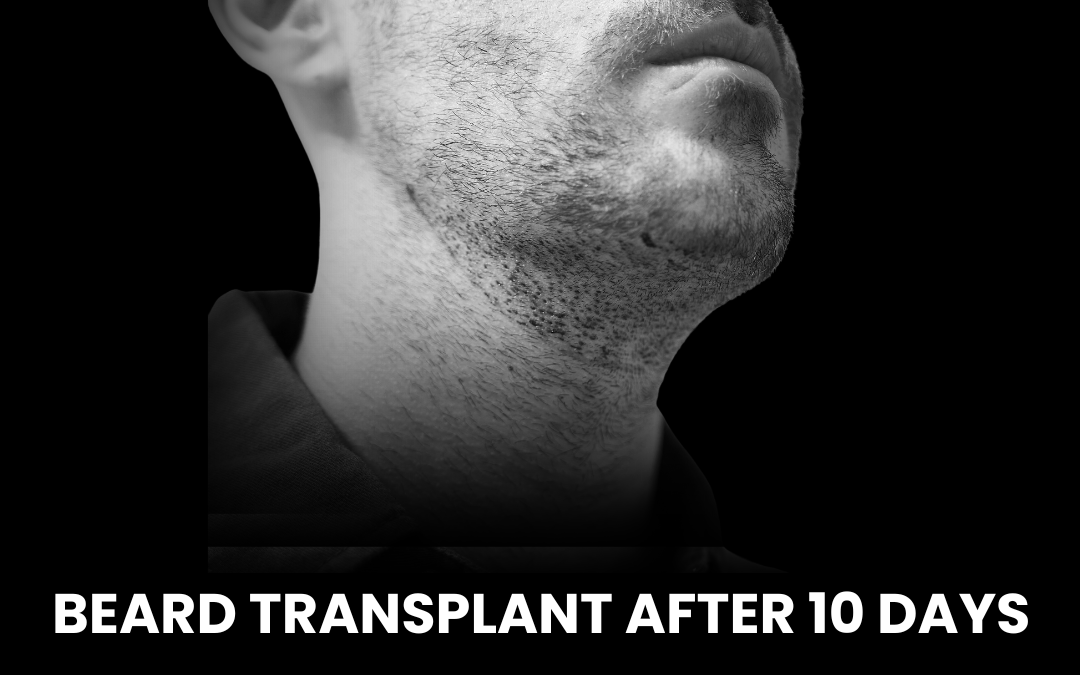
What is a Beard Transplant?A beard transplant is a procedure in which hair follicles are taken from a donor area and transplanted to patchy, sparse, or bald regions of the beard. Hair follicles are extracted from the back of the scalp and implanted into the jawline, cheeks, sideburns, and upper lip to replicate natural growth. The transplanted hair grows permanently and can be styled or trimmed to your preference. With FUE and QHT techniques, you can experience results with no visible scarring and minimal downtime. Why do men choose a beard transplant?
|
Table of contents
- Why Do Men Have a Patchy Beard?
- Are You an Ideal Candidate for Beard Transplant?
- Techniques for Beard Transplant: FUE, FUT & QHT
- Step-by-Step Procedure
- Recovery Timeline
- Post-Operative Care
- Beard Transplant Cost in India
- Myths vs. Facts About Beard Transplant
- Frequently Asked Questions
Why do men have a patchy beard?
There can be many reasons for a patchy or sparse beard. The absence of facial hair can have a psychological impact on men. Understanding the cause of sparse hair growth is important before you decide to get a beard transplant, as the solution depends on an accurate diagnosis.
Here are the most common conditions that result in patchy or bald areas in the beard region.
Genetics
Inheritance plays a very important role in facial hair growth. Beard development is controlled by androgens (male hormones) that act on follicles to produce thick, dark facial hair. The follicle’s response to these hormones is genetically determined; in some individuals, follicles remain unaffected by androgens, resulting in partially hairless or patchy areas in the beard.
In some cases, beard hair can be congenitally absent. Studies have confirmed that facial hair pattern is predominantly controlled by genetic factors.
Alopecia areata barbae
Alopecia areata barbae is an autoimmune disorder in which the body’s immune cells attack hair follicles, resulting in patchy hair loss on the face and scalp. Studies have shown that the beard is the second most common site for alopecia areata in men, accounting for approximately 28% of all cases. The typical age of onset for this condition is between 30 and 40 years.
Scarring from Acne, Burns or trauma
Severe acne, trauma, or burns can cause irreversible damage to hair follicles. The loss of hair-bearing tissue results in cosmetic defects or bald patches in the beard area. A beard transplant can effectively restore coverage over these areas.
Traction alopecia
Traction alopecia is a condition that results from constant pulling force on hair follicles. Men from sikh communities more commonly present with this type of alopecia due to the repeated tying and knotting of the beard as part of their religious beliefs.
Hormonal Disturbances
Hormonal imbalances can significantly impact the hair growth cycle. Thyroid hormones, for example, regulate the frequency of hair cycles; hypothyroidism can reduce the growth phase, while hyperthyroidism can cause hair thinning. Low testosterone levels can also impair beard growth, as androgens play a primary role in facial hair development.
Chronic Stress
Chronic stress is directly associated with telogen effluvium, a condition in which a large number of follicles simultaneously enter the resting phase, causing excessive or rapid hair shedding.
Lifestyle Choice
Poor diet, smoking, and excessive alcohol consumption can impair hair growth and accelerate hair loss, contributing to patchiness. Deficiencies in key nutrients, including Vitamin D, iron, zinc, and biotin, are significant contributors to impaired hair growth.
Medical condition
Patchy beard or facial hair loss can also result from certain medical conditions. Seborrhoeic dermatitis, which affects the scalp, face, and chest, is more prevalent in men than women. If left untreated, it can lead to telogen effluvium or progressive hair thinning.
Trichotillomania is an obsessive-compulsive disorder that causes individuals to repeatedly pull out their own hair from the scalp, beard, or eyebrows, due to stress or anxiety, which can be another cause of beard patchiness.
Are you an Ideal Candidate for a Beard Transplant?
You may be a good candidate for a beard transplant if you have:
- Adequate density in the donor area: If you have an optimum amount of healthy hair in the donor area (back of the scalp).
- Expectations: If you have realistic goals and expectations from the treatment.
- Medically fit: If you do not have any medical condition like active autoimmune disease, skin infections or blood-clotting disorders.
- Concern: You have patchy areas in your beard or a completely absent beard due to scarring, alopecia, or genetics.
- Post-chemotherapy or surgical scarring: If you have lost hair due to recent chemotherapies or have post-surgical scarring.
- Genetic condition: If you have genetic or immune disorders like alopecia areata, you can opt for the treatment after a thorough evaluation.
Techniques for Beard Transplant:
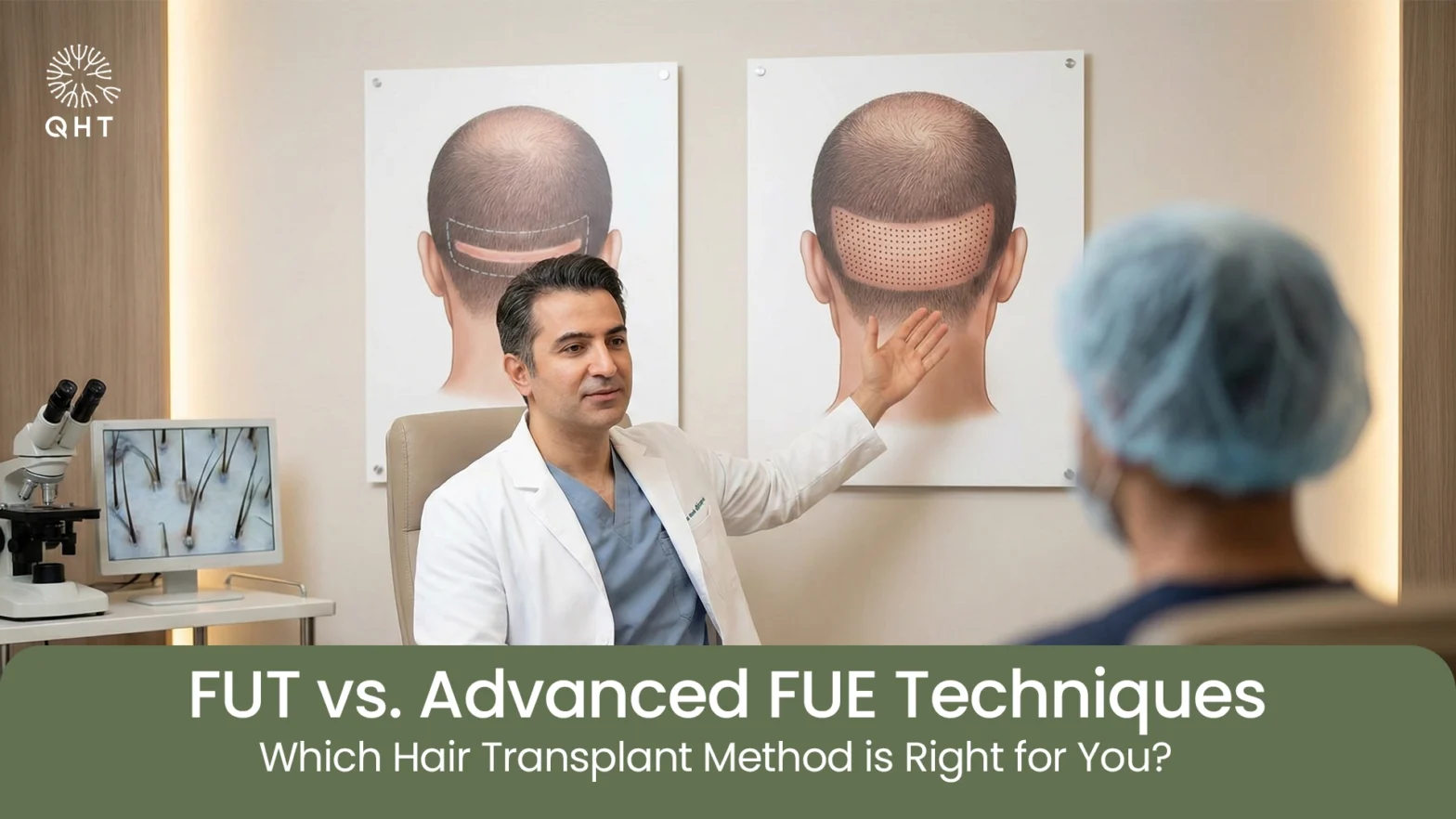
Three principal techniques are used for beard transplantation: FUT, FUE, and QHT. FUT is a more elaborate procedure that leaves a visible linear scar due to the extent of surgical intervention required.
At QHT Clinic, we prefer the more comfortable and minimally invasive approaches, FUE and QHT.
FUE: Follicular Unit Excision
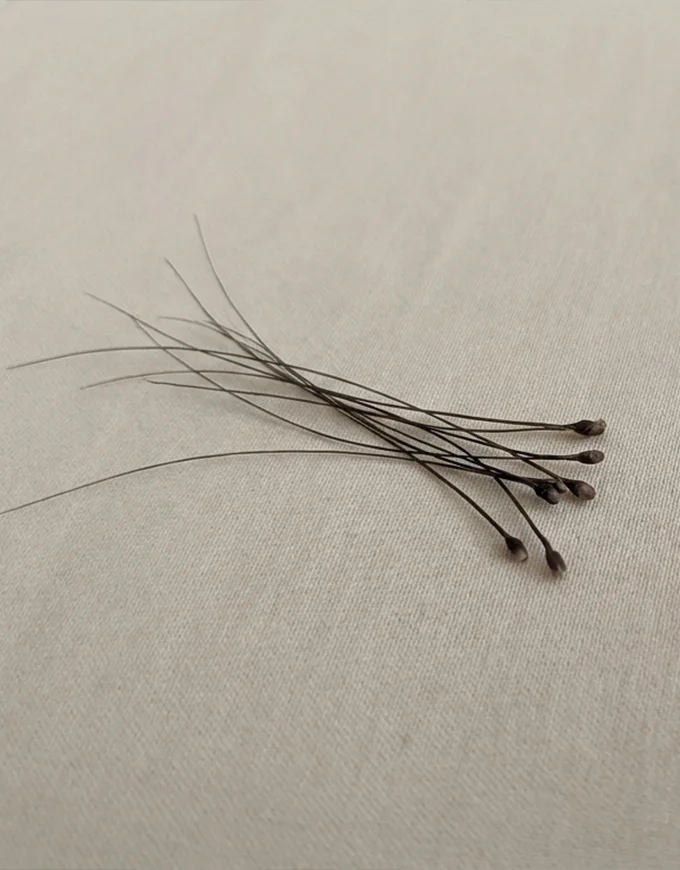
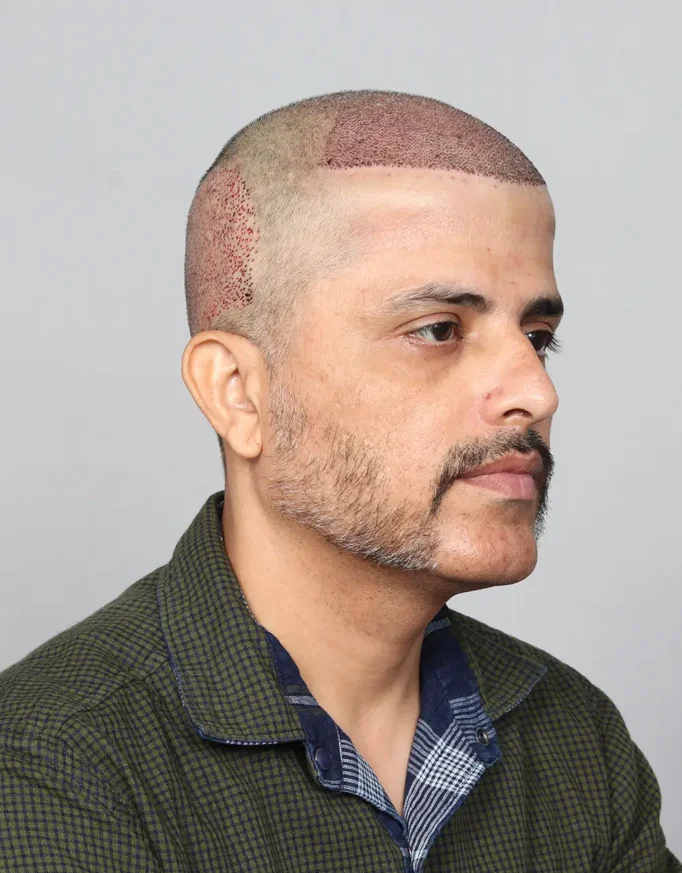
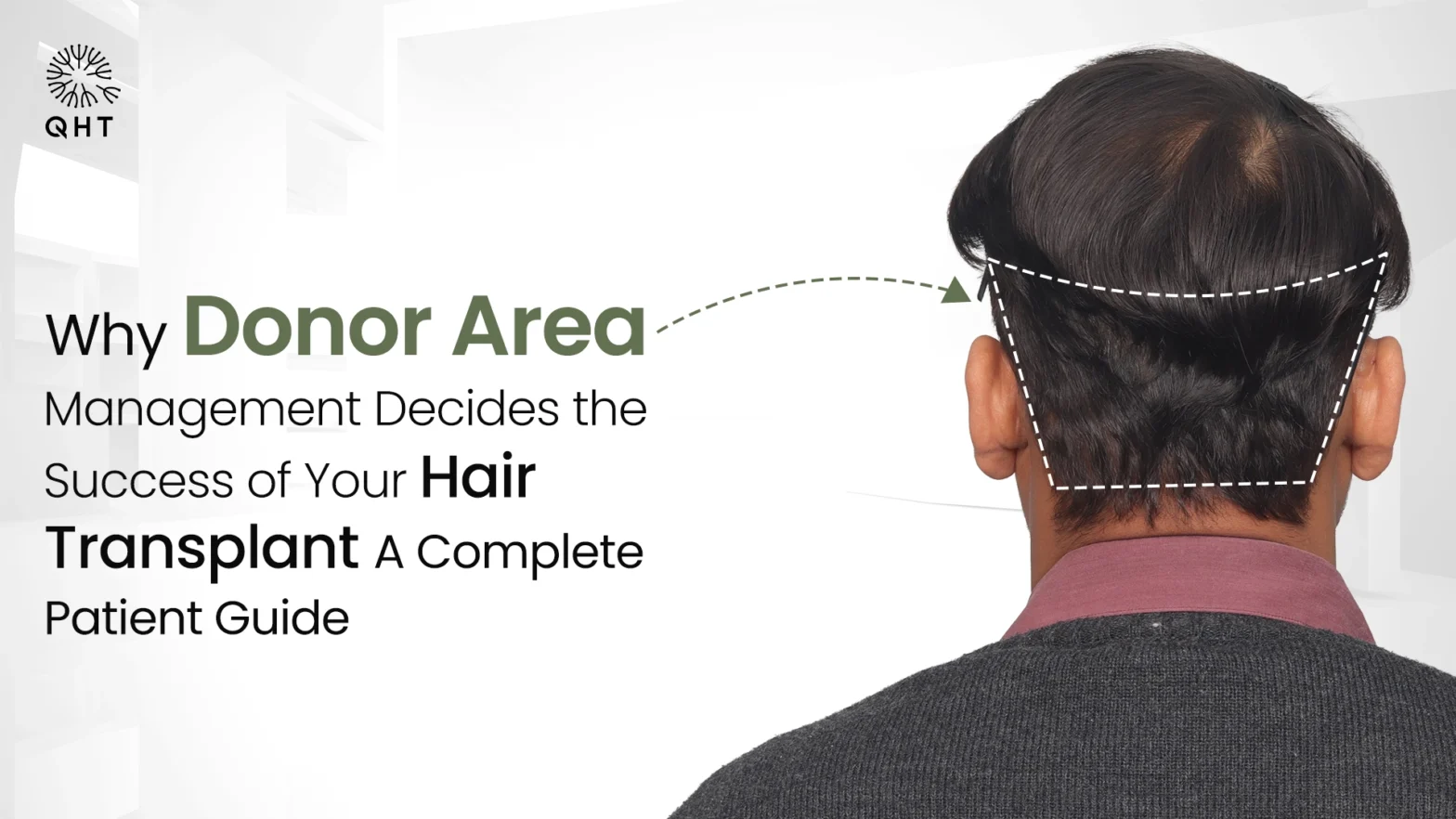
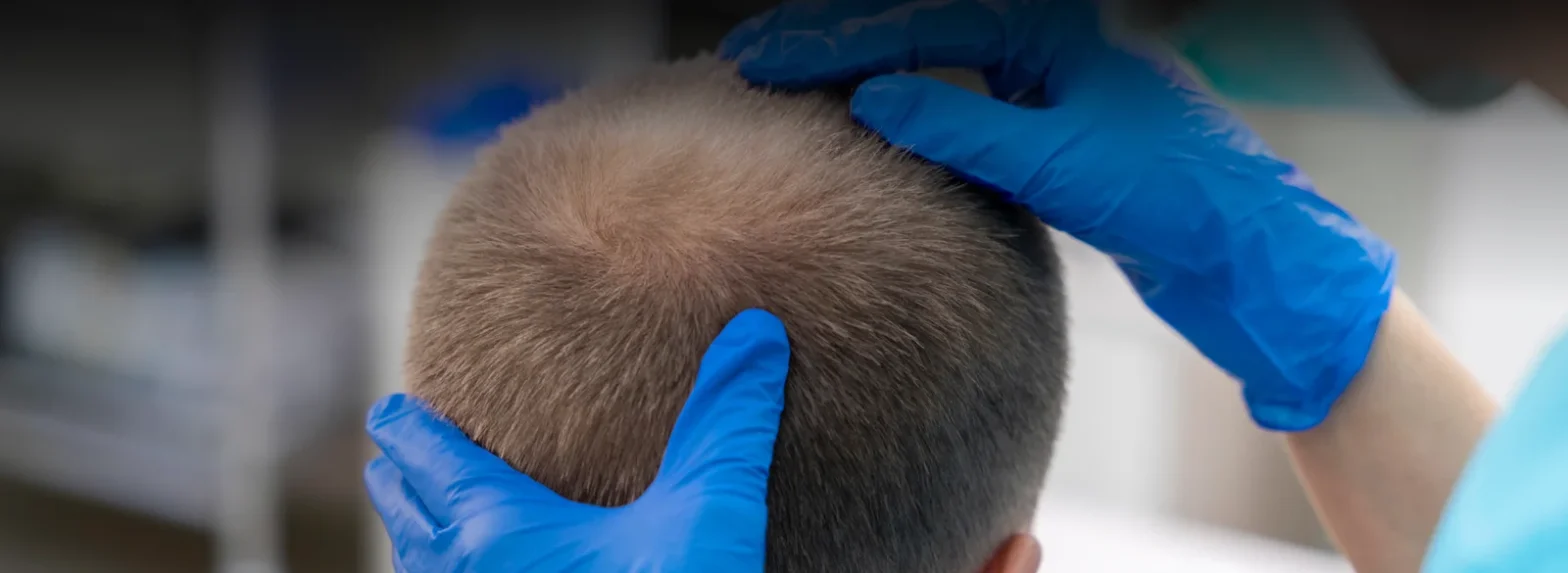
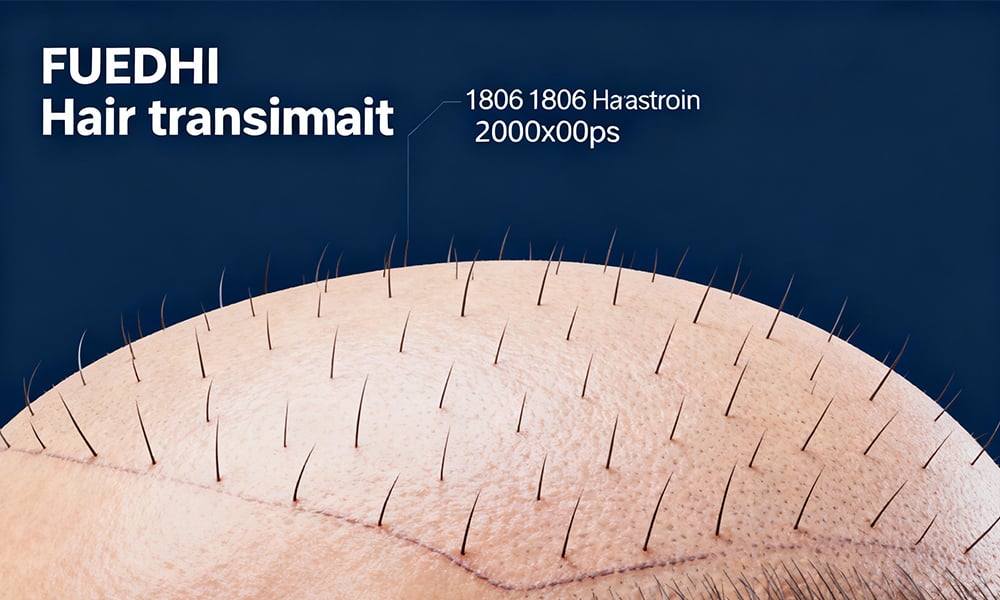
Individual hair grafts are harvested from the back of the scalp using fine micropunches and transplanted into areas with patches or along the outline of the beard. This method leaves no visible scarring and has a significantly reduced recovery period.
QHT: Quick Hair Transplant
QHT’s exclusive method uses a specialised SAVA implanter for rapid and precise graft placement. The technique is faster with higher graft survival rates, greater density, and more natural aesthetic outcomes. This is particularly important in the beard area, where single-hair follicular units must be implanted at precise angles to achieve the correct directional growth pattern.
A key feature of the QHT method is that graft out-of-body time is kept to under two hours, significantly reducing follicular oxidative stress and improving survival.
FUT: Follicular Unit Transplantation
This technique involves the removal of a donor strip containing follicles from the back of the scalp, followed by microdissection to isolate individual follicular units. It allows a higher number of grafts to be obtained in a single session; however, it leaves a visible linear scar at the donor site and has a longer healing period compared to FUE or QHT.
Procedure of Beard Transplant
Our specialists at QHT use advanced techniques to ensure minimal discomfort and deliver natural-looking results tailored to your aesthetic goals.
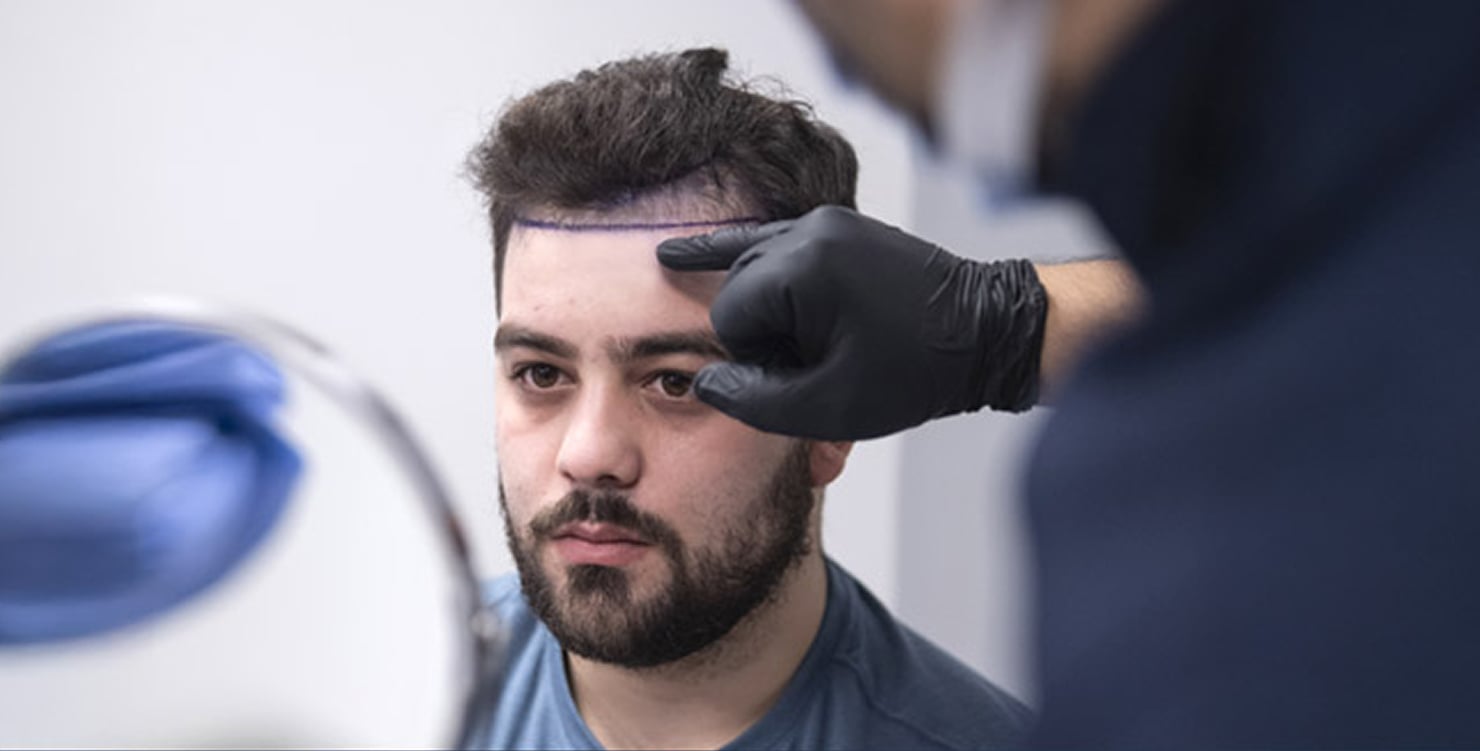
Step 1: Consultation and Treatment Planning
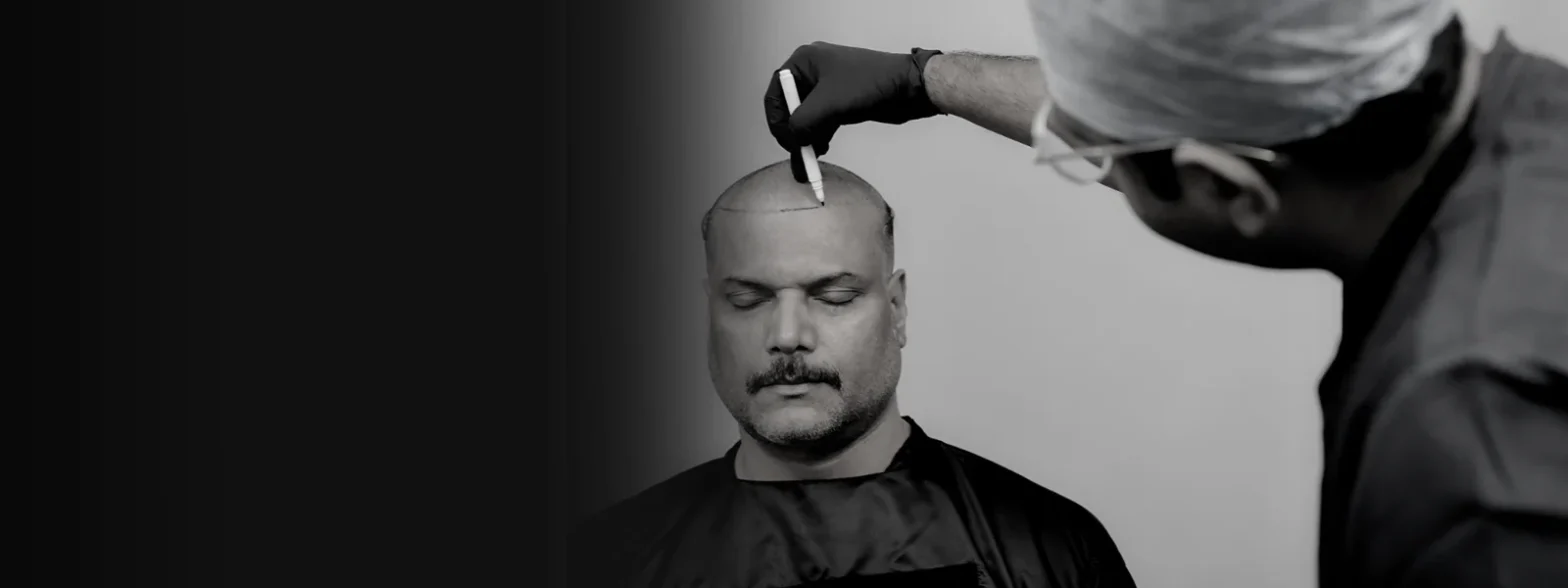
The initial consultation is essential for understanding the patient’s goals. Some patients wish to target a specific area, while others want a full beard. Treatment planning is based on the natural direction of beard growth, facial structure, and donor site density. Research suggests that while all components of the beard matter to men, the goatee and cheek beard are ranked highest in terms of cosmetic importance, followed by the region below the chin, moustache, and sideburns.
Step 2: Donor Hair Follicle Extraction
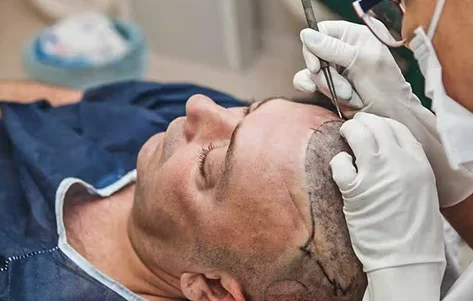
Based on the technique chosen, follicles are harvested from the back of the scalp under local anaesthesia. In the FUE and QHT methods, individual follicular units are extracted using micropunches. FUT, on the other hand, involves the removal of a linear strip of scalp tissue that is microdissected to separate the hair follicular units.
Step 3: Graft Preparation
Extracted grafts are sorted, examined, and kept in a saline solution. With the QHT technique, the total graft out-of-body time is kept to under two hours, which contributes to better follicle survival and improved final results.
Step 4: Recipient Site Preparation
Tiny incisions are created in the beard and moustache region at precise angles that replicate natural facial hair direction.
Step 5: Implantation
Extracted grafts are placed into the prepared incisions using implanters, following the direction of natural hair growth, according to the personalised beard design.
Not sure if a beard transplant is right for you? Get a personalised consultation with QHT experts to assess your beard growth and goals.
Recovery Timeline
The immediate recovery after the transplant is shorter for FUE and QHT. However, to see the full desired results, it takes at least 9–12 months.
Week 1
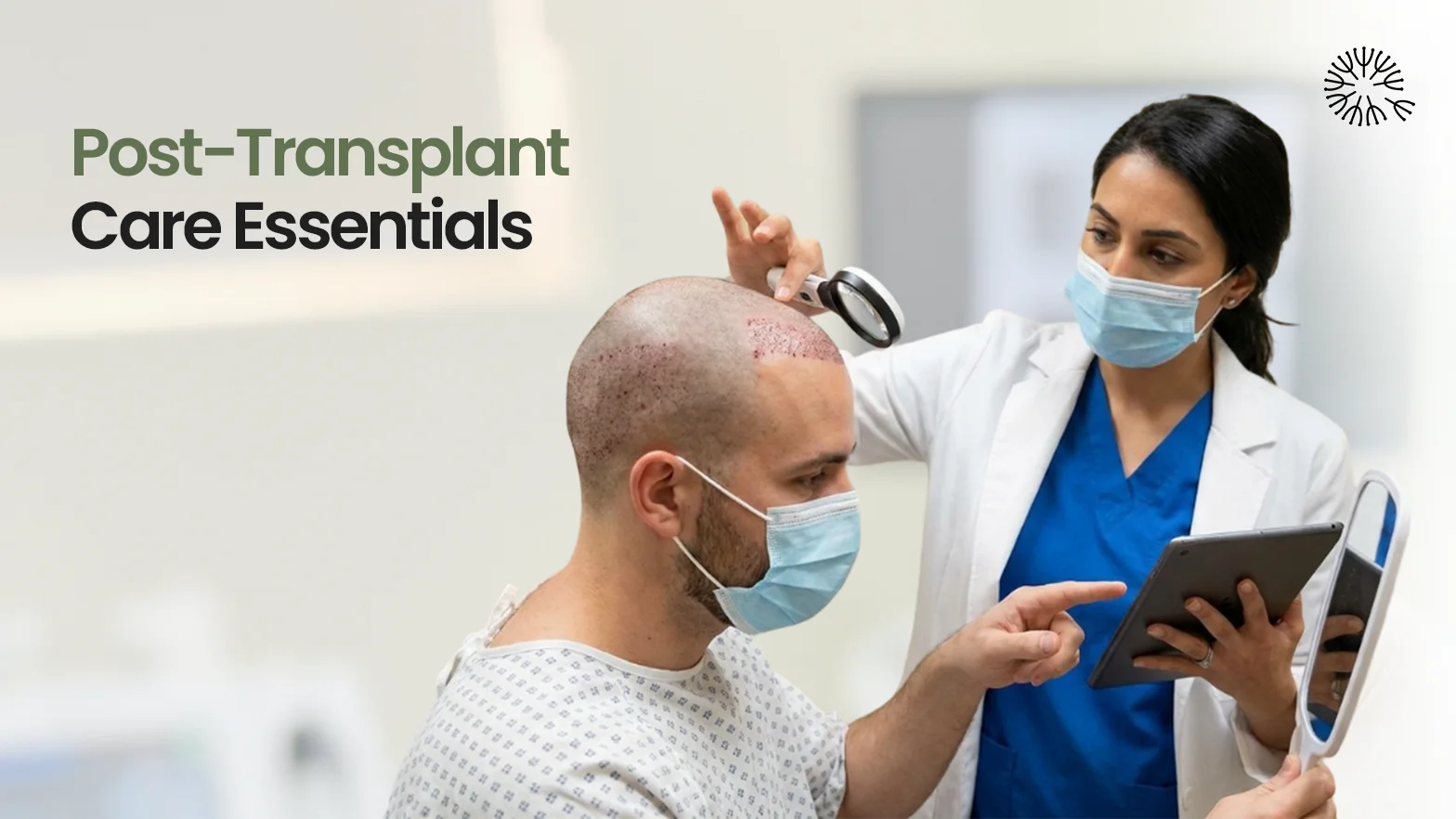
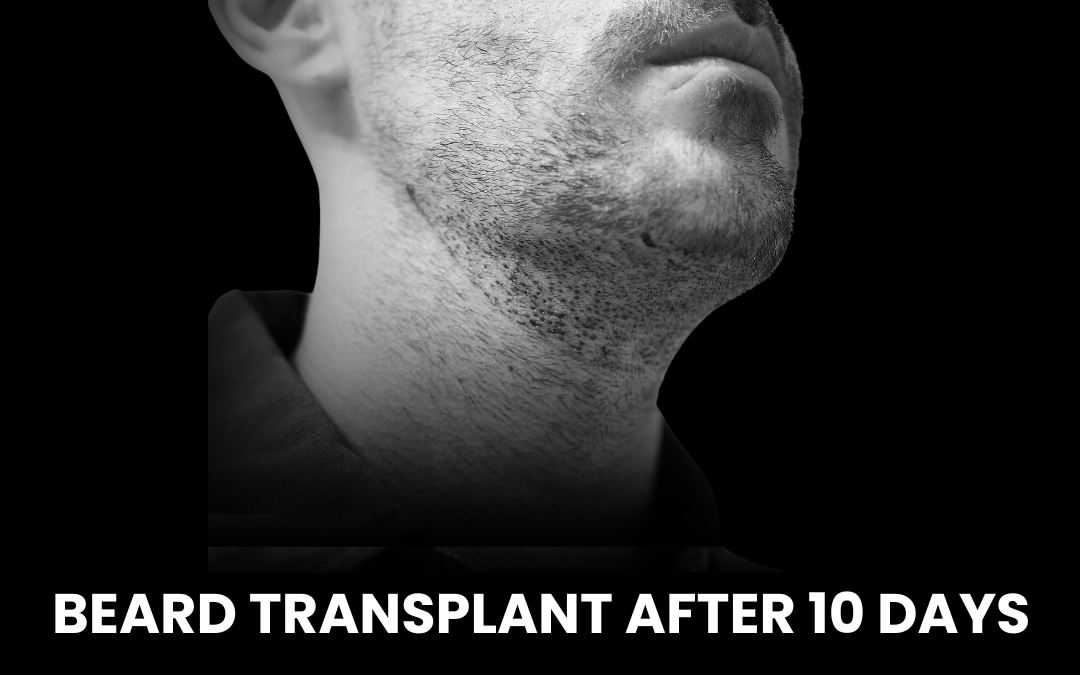
Mild swelling and tenderness are normal in the first 48–72 hours. Slight irritation or itching may persist and can be managed with prescribed medications. Scabs will form around the grafts; do not touch, scratch, or disturb these. Keep the area clean and spray with saline solution as instructed by your doctor for the first five days to keep the region moist.
Week 2-3
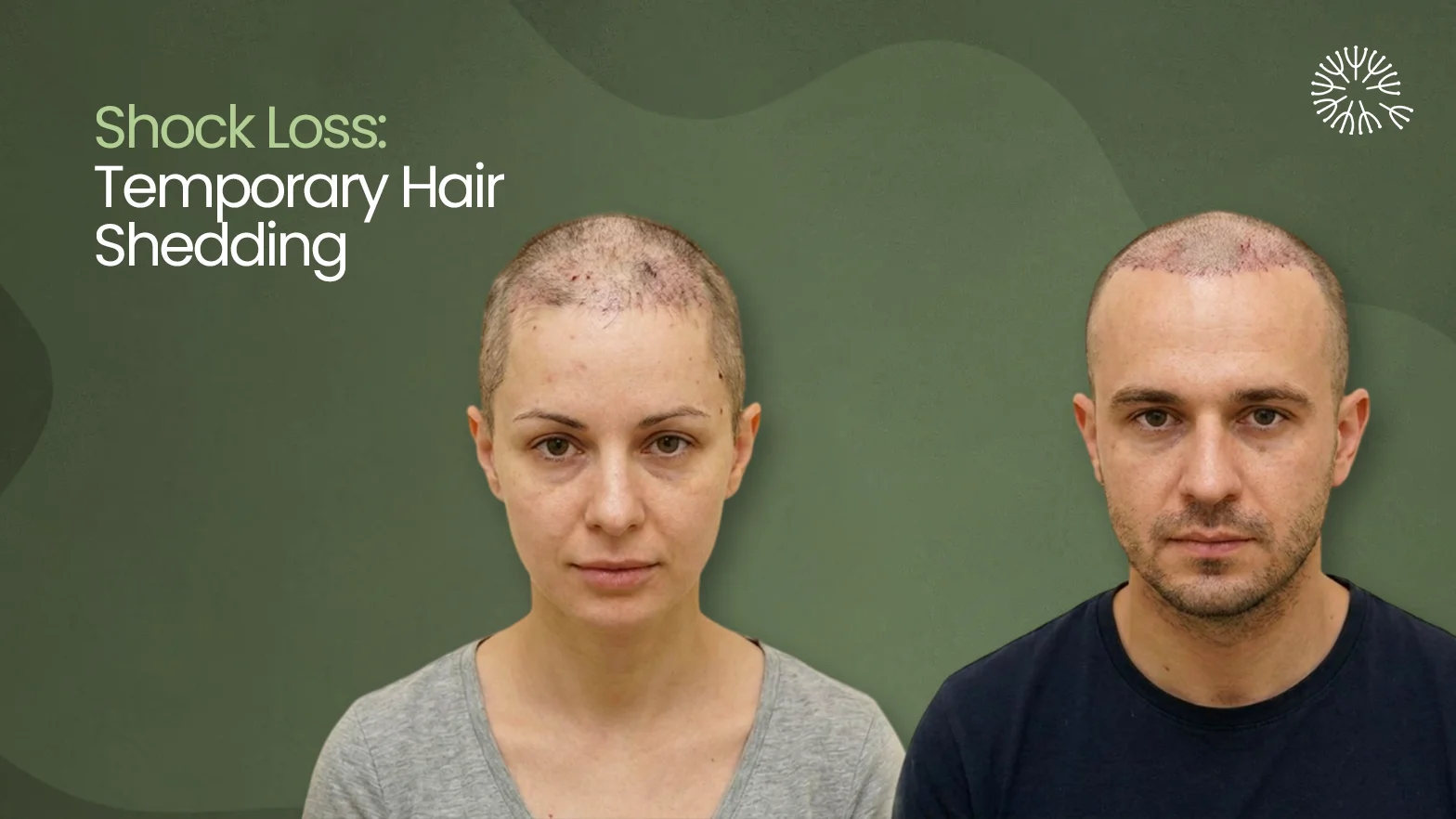
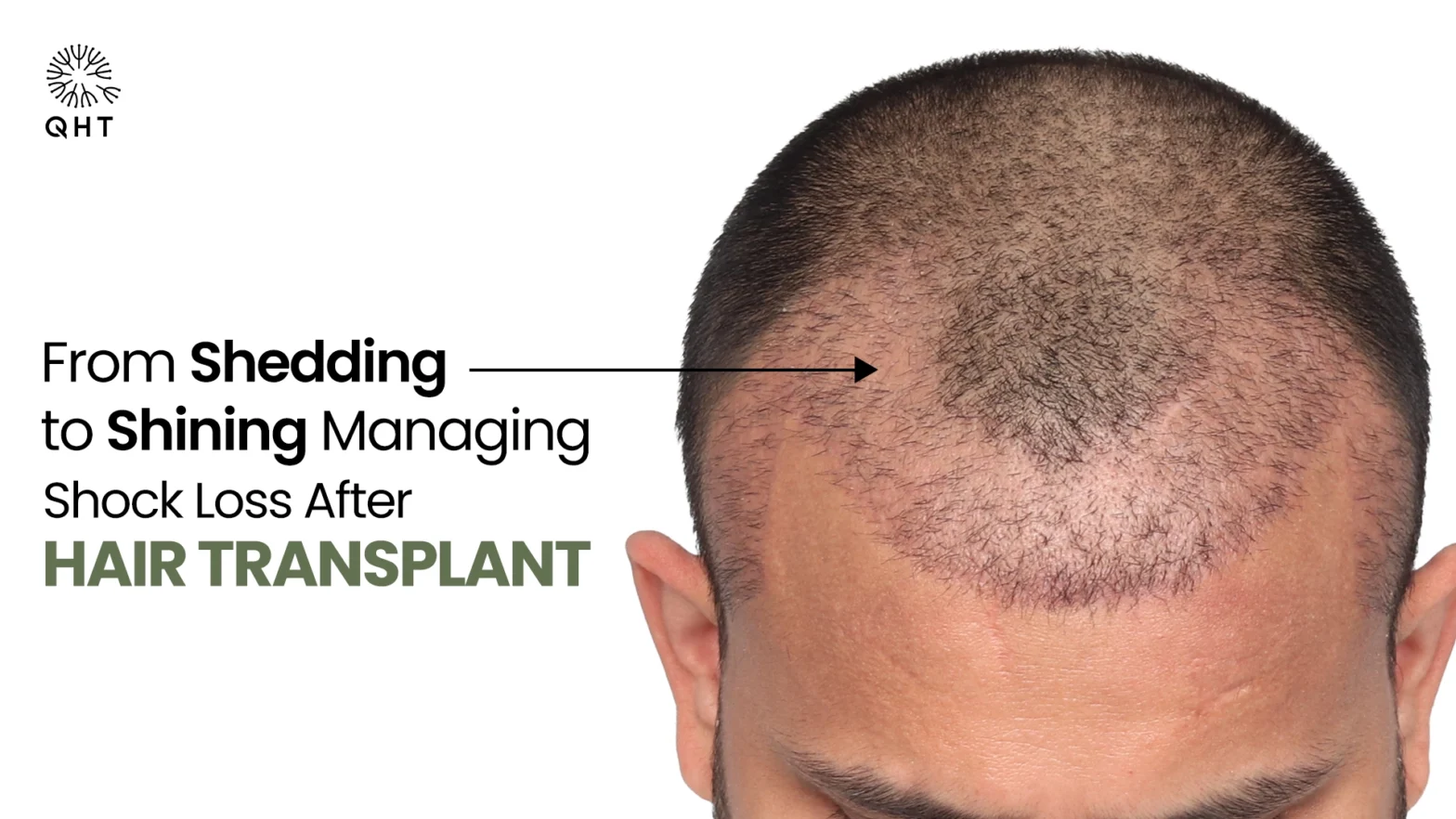
Scabs will mostly fall off during this period. Transplanted hairs may also shed; this is called shock loss and is entirely normal. Do not panic. Hair regrowth has not yet started at this stage, so there is no cause for concern.
Months 3-4:
New hair growth begins. You will start to see a visible difference, and patchiness will diminish progressively over the coming months. Avoid harsh grooming products and maintain a healthy diet and lifestyle to support optimal growth.
Months 9-12:
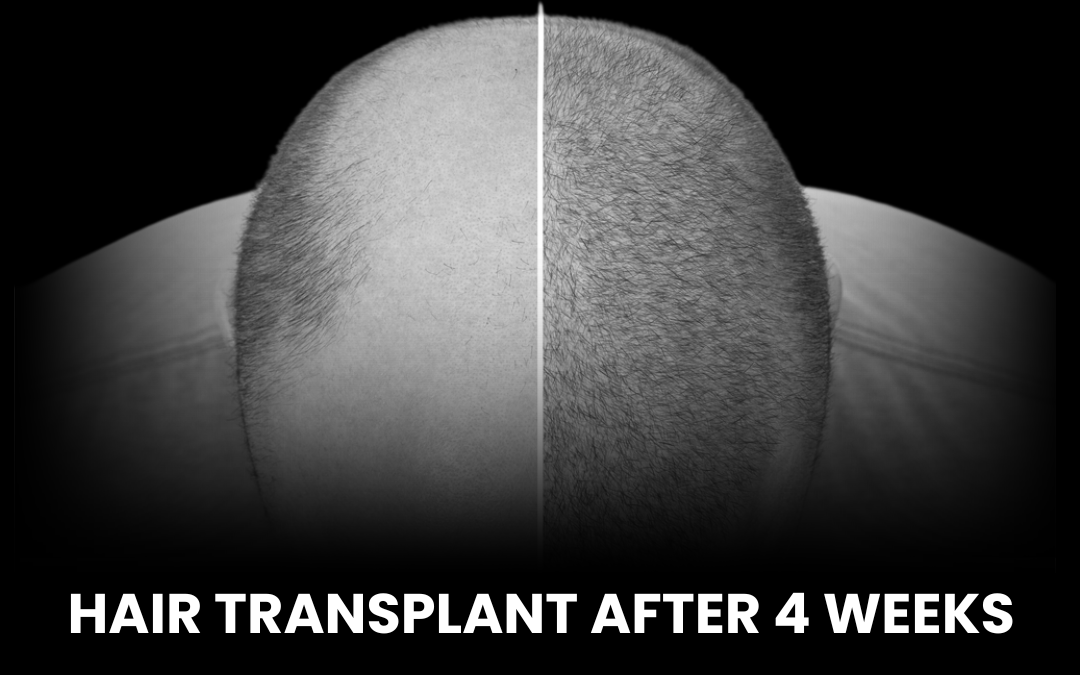
This time frame actually shows the result of beard transplantation. By the 12th month, most men achieve full density. You can groom and style your beard like your natural facial hair.
Postoperative Care
It is important to follow postoperative instructions to protect grafts and prevent dislodgment.
- Keep the transplanted area clean and moist. Spray the area with normal saline as instructed by your doctor for the first five days.
- Take all prescribed medications on time.
- Do not scratch the area with transplanted grafts; use the ointments provided by your doctor to relieve itchiness.
- Do not shave the transplanted area for at least one month.
- Avoid smoking and alcohol consumption, both of which impair healing and graft survival.
- Rest and avoid strenuous physical activity for the first few days.
- Sleep in an elevated position to prevent graft dislodgement.
- Avoid direct sun exposure on the treated area; cover it before stepping outside.
Beard Transplant Cost in India
The cost of a beard transplant depends on several factors, including.
- The technique used: Depending on the technique chosen for beard transplant, the price may vary.
- Number of grafts required: To cover a larger patchy area, more grafts are needed for transplantation, and hence the price can be on the higher side.
- Expertise and experience of the surgeon: Procedures performed by highly qualified and experienced surgeons may be priced higher due to their expertise and track record of successful outcomes.
- Location and reputation of the clinic: Clinics located in metropolitan cities have higher treatment costs. A well-established clinic with advanced facilities and a strong reputation may charge more for the premium services.
For a personalised estimate, book a consultation with our team today
Your Next Step Towards a Natural-Looking Beard with QHT Clinic
A beard transplant is a safe, permanent, and clinically proven procedure that has transformed the confidence and appearance of thousands of men across India. Whether your concern is genetic patchiness, scarring, or an autoimmune disorder, the right approach begins with an accurate diagnosis and a personalised plan.
At QHT Clinic, every case is evaluated by experienced surgeons with extensive clinical exposure and over 15000+ procedures performed with consistent, successful, natural-looking results. Our proprietary technique, Quick Hair Transplant, offers a smooth and quick treatment with 95% graft survival rate.
Our team at QHT is dedicated to providing only the best treatment to all the patients and offering expert support with the surgeons throughout the procedure.
Book your consultation at QHT Clinic to receive personalised expert guidance based on your individual needs.
Myths vs. Facts About Beard Transplant
Myth 1: The transplanted beard will look fake or unnatural.
Fact: When performed using FUE or QHT, grafts are implanted at angles and directions that precisely mimic natural beard growth. Properly placed grafts are indistinguishable from natural hair and can be shaved, styled, and trimmed like natural hair.
Myth 2: Beard transplant results are temporary.
Fact: Transplanted follicles are taken from the scalp’s stable donor zone, which means they retain their original growth characteristics and are resistant to DHT hormone, which is involved in hair loss. Therefore, the results are not temporary but permanent for life.
Myth 3: Any clinic can perform a beard transplant safely.
Fact: The beard area involves critical facial anatomy. Implantation requires skill in the precise placement of grafts in an angled direction. Surgeon experience and technique significantly affect both safety and aesthetic outcomes. Choosing a specialist clinic with documented beard transplant results is essential.
Myth 4: A beard transplant is too painful.
Fact: The procedure is performed under local anaesthesia. Most patients report feeling only mild pressure during the procedure, with manageable soreness for two to three days post-operatively. Over-the-counter medications typically provide adequate comfort during recovery.
Myth 5: Oils and serums can grow a beard just as well.
Fact: Topical oils and supplements cannot create follicles where they have been permanently destroyed. They may support the health of existing follicles, but they cannot address genetic absence, scarring, or immune-mediated hair loss.
Frequently Asked Questions
- Is a beard transplant permanent?
Yes. Transplanted follicles come from the scalp’s donor-dominant zone and retain their resistance to hair loss hormone for life. Once the initial shock loss phase (Weeks 2–3) passes and new growth begins at Months 3–4, the beard grows permanently and can be styled, shaved, and groomed normally.
- How long does the procedure take?
The surgery is a single-day procedure lasting approximately 3–5 hours, depending on the number of grafts. You will be able to go home the same day, and most patients return to work in two to three days.
- Will there be visible scars on my face?
No visible scarring on the face. The tiny implantation sites heal within a few days. If FUE is used for donor extraction from the scalp, only tiny white dots remain at the back of the head, which are invisible under normal hair length.
- When will I see my final results?
New growth begins at Months 3–4, and becomes noticeably thicker by Months 5–9. The full density or desired results are visible by 10–12 months.
- What is the difference between the QHT Technique and standard FUE?
The QHT (Quick Hair Transplant) technique is QHT Clinic’s proprietary procedure, which involves immediate graft implantation and a minimal out-of-body time approach. Standard FUE stores grafts in saline for variable durations before implantation; the QHT method significantly reduces follicular oxidative stress during this window, resulting in higher graft survival rates and better outcomes.
Book a Consultation Today
Latest Videos
-

Rajpal Yadav | Bollywood Actor Hair Transplant Journey at QHT Regrow Clinic Haridwar
Click to Watch
-

FUE Hair Transplant Results | DAYA's FUE Hair Transplant Results
Click to Watch
-

Best Hair Transplant Result 2021 || NW Grade VI A || 3,422 Grafts
Click to Watch
-
Best Hair Transplant Result 2022 | Grade 4
Click to Watch
-
YouTuber Mehtab Saifi Hair Transplant
Click to Watch
-
ACP Pradyuman Hair Transplant - Actor's Hair Transplant
Click to Watch