



What is Finasteride: Uses, Side Effects, and Role in Hair Transplant Care
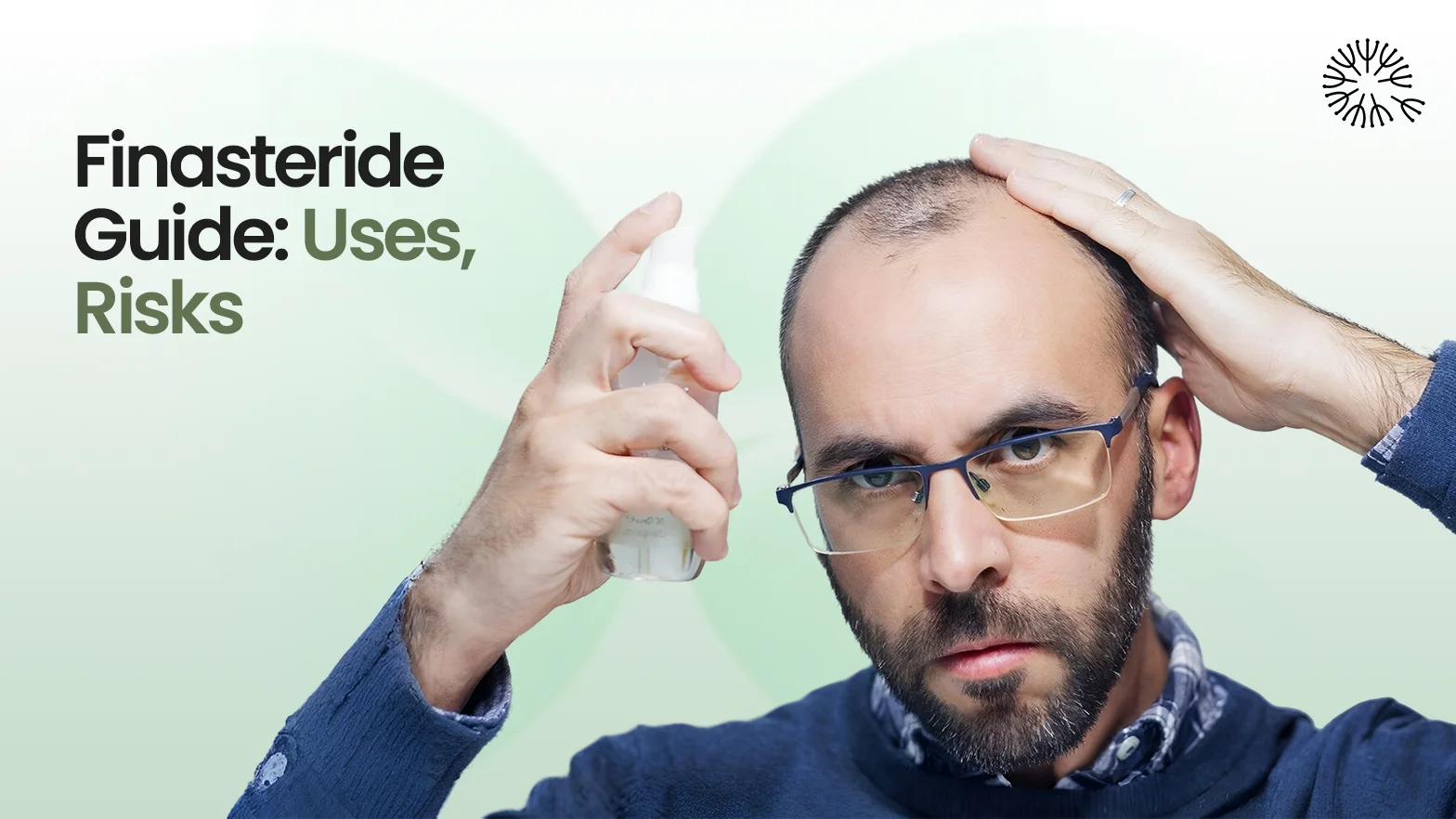
If you have landed here, chances are you have already come across terms like finasteride, hair thinning, or receding hairline, and you are not just casually browsing anymore. You are trying to find out what is finasteride, what actually works, what is worth committing to and whether medication alone will be enough for you.
If you nodded yes to everything mentioned above, then you have come to the right place. Finasteride is a clinically proven medication that is prescribed to slow down hair loss and maintain existing hair density.
This blog will give you a clear understanding of Finasteride. Because we at QHT Clinic have guided thousands of individuals through the exact phase. At QHT Clinic, we don’t believe in guesswork. With a doctor-led approach and 15,000+ patients treated, we help you make the right call for your hair. If you are unsure whether finasteride is right for you, speaking to our specialist can give you the clarity you need.
| Short Answer
Finasteride is a clinically proven treatment that targets the root cause of male pattern hair loss by reducing DHT levels. It helps slow down hair thinning, preserve existing hair, and improve density over time when used consistently. While it is most effective in early to moderate stages, it is often combined with treatments like minoxidil or used alongside hair transplants for better long-term results. Understanding proper usage, expected timelines, and potential side effects is key. A doctor-led approach, like at QHT, ensures safe use, continuous monitoring, and personalised care for achieving sustainable and natural-looking hair restoration outcomes. |
What is Finasteride?
Finasteride is a prescription oral medication used to treat androgenetic alopecia (male pattern baldness). It is approved by the FDA for its role in slowing down hair thinning, and in many cases, improving hair density over time.
How does Finasteride work?
To understand why finasteride is effective, it is important to understand the DHT hormone that drives the most cases of male hair loss.
What is DHT?
Dihydrotestosterone (DHT) is a potent androgen (male hormone) derived from testosterone. The conversion of testosterone to dihydrotestosterone occurs due to the enzyme 5-alpha reductase, which is naturally present in the body.
DHT plays an important role in the development of male characteristics. However, it also has unwanted effects on the scalp, especially in individuals who are genetically predisposed to hair loss.
How DHT Causes Hair Loss?
In individuals sensitive to DHT, the hormone binds to the receptors in the hair follicles, especially in the frontal scalp and crown. Over time, this leads to:
Miniaturisation of follicles (they shrink in size)
- Shorter hair growth cycles
- Thinner, weaker strands
- Eventual cessation of visible hair growth
As this process occurs gradually, hair loss often feels progressive rather than sudden.
How Finasteride Helps with Hair Loss?
Finasteride is a 5 alpha-reductase inhibitor. In simple words, finasteride works by inhibiting the 5 alpha-reductase enzyme, thereby blocking the conversion of testosterone into dihydrotestosterone (DHT). This leads to significantly lower DHT levels in the scalp, which interrupts the hair loss cycle. As a result:
- Follicle miniaturisation slows down or stops
- The hair growth phase (anagen phase) extends
- Existing hair is well-maintained
- Hair thickness in weakened (but still active) follicles is improved
However, it is important to note that finasteride does not regenerate dead follicles. But, it does:
- Strengthen thinning hair
- Reverse early-stage miniaturisation
- Preserve what you currently have
This is why starting early finasteride treatment often leads to better, more noticeable results.
When is Finasteride prescribed?
Finasteride is not prescribed for every type of hair loss. It is specifically recommended when there is a clear pattern of androgenetic alopecia (male pattern baldness) and evidence of ongoing follicle miniaturisation. Timing plays a very important role in finasteride treatment. The earlier it is introduced in the course of hair loss, the more effective it tends to be. The goal of finasteride is to slow progression, preserve existing hair, and improve density over time.
- Early Detection: Finasteride is recommended often at the first noticeable signs of hair thinning, rather than waiting for significant baldness to develop. Early intervention allows the medication to act on still-active follicles, helping slow down the miniaturisation process and maintain overall hair thickness.
- Active thinning: Doctors commonly prescribe finasteride when hair loss is actively progressing, such as a receding hairline or thinning at the crown. At this stage, the follicles are weakened but not inactive, making them more responsive to treatment that reduces DHT levels and stabilises further loss.
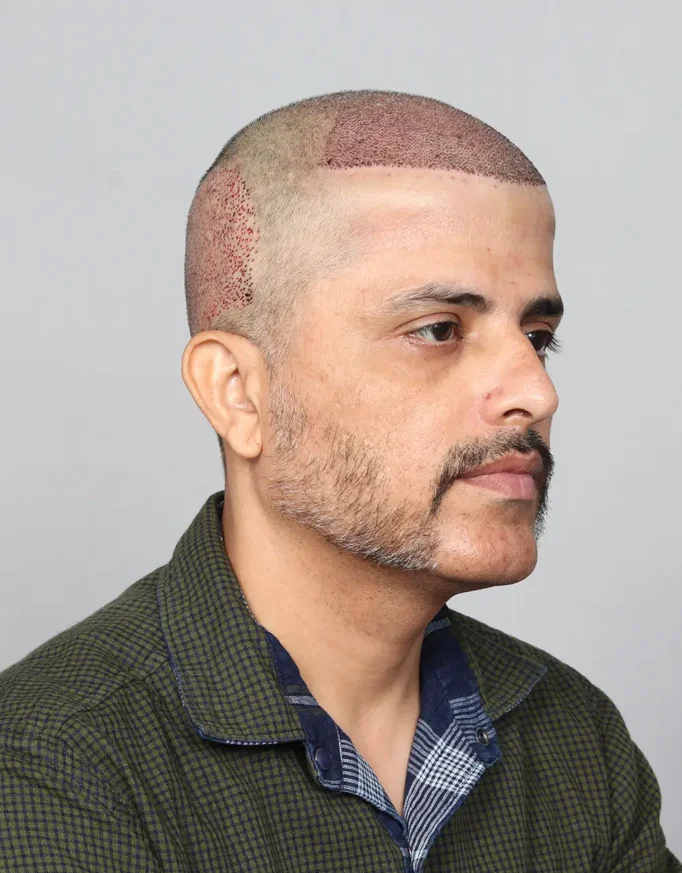
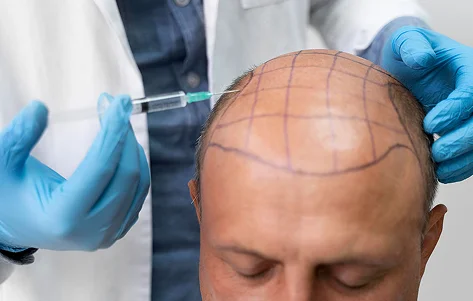
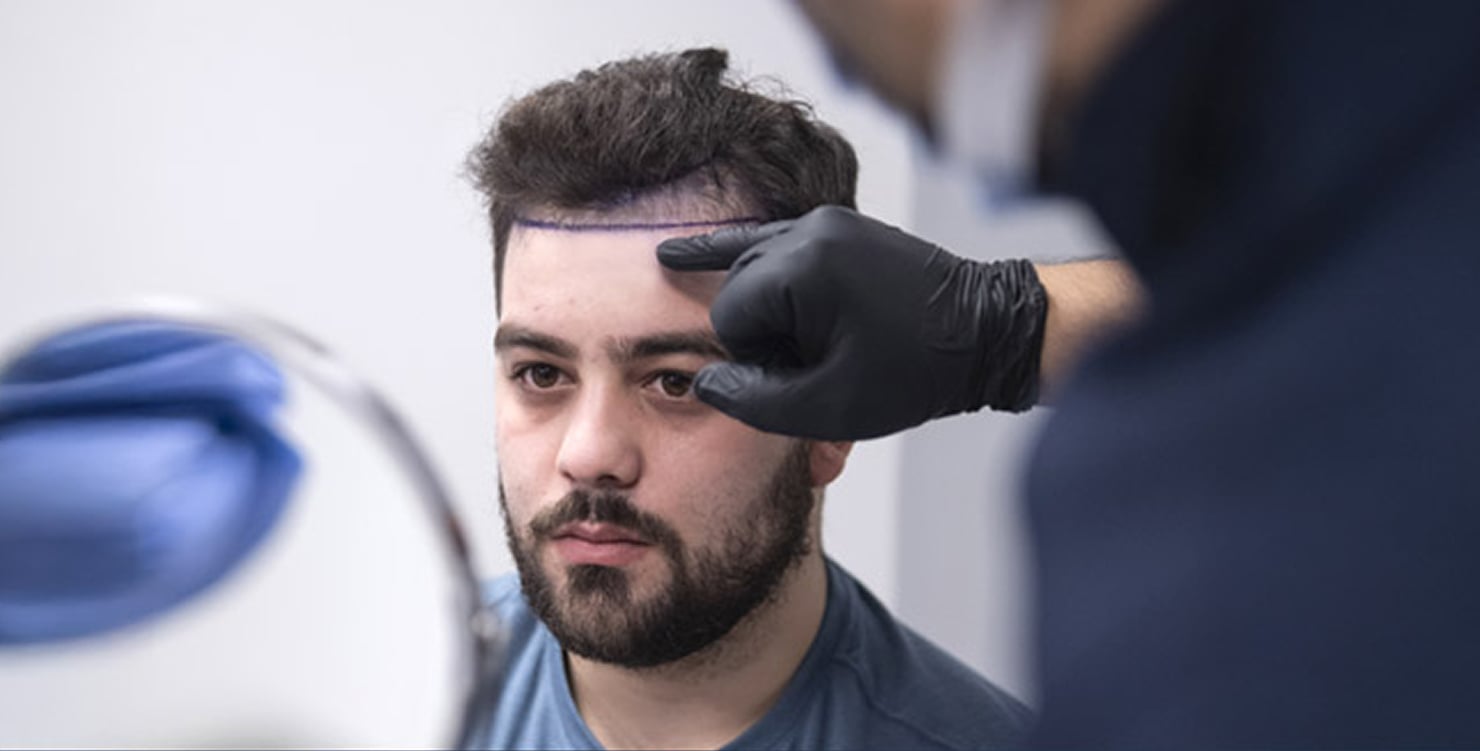
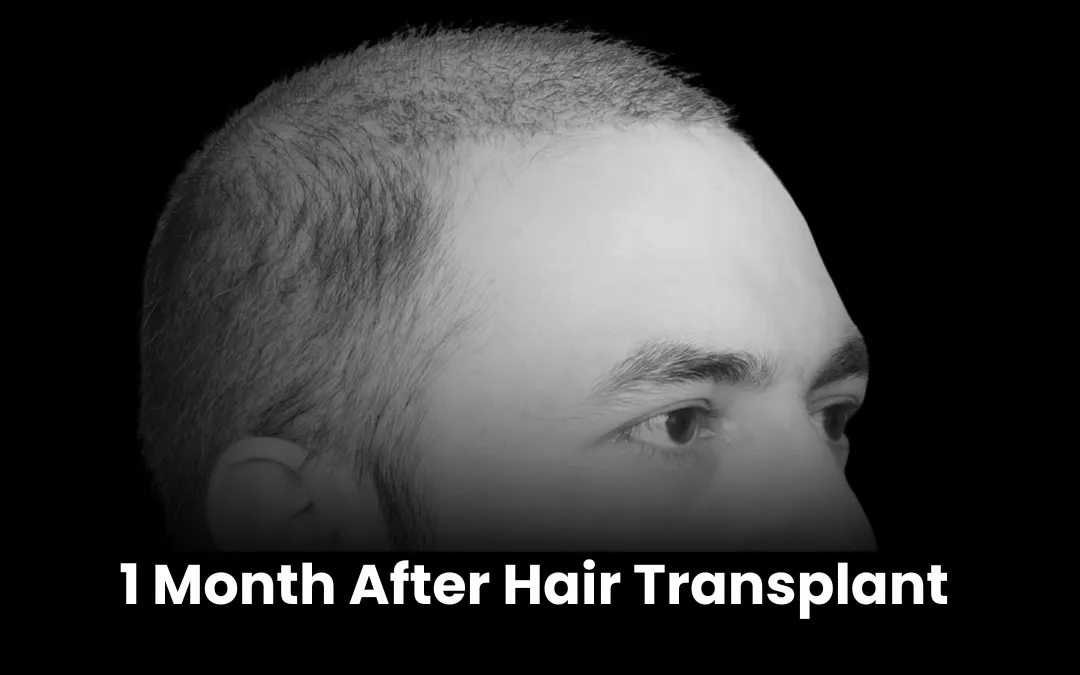
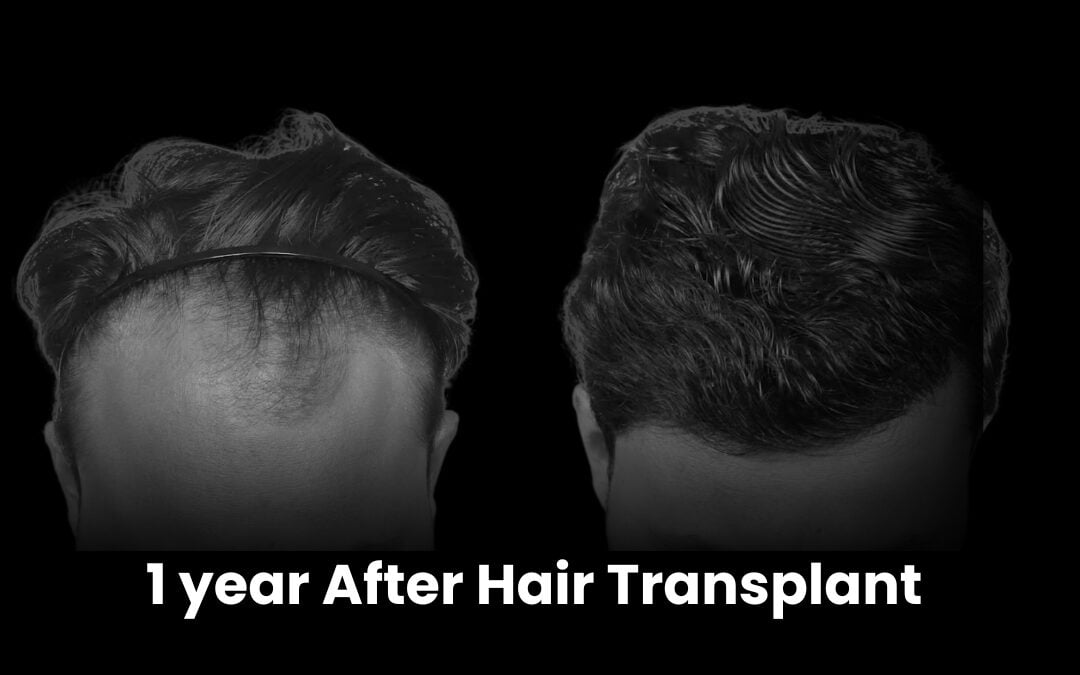
- Post-hair transplant: Finasteride is frequently included as a part of a hair transplant plan both before and after the procedure. It helps protect the existing, non-transplanted hair from future thinning, ensuring that the overall result remains balanced, dense, and natural-looking in the long-term.
- Failure or intolerance to other treatments: In cases, where topical treatments like minoxidil do not provide adequate results or cause irritation, finasteride may be prescribed as an alternative or complementary option.
Who is an Ideal Candidate for Treatment with Finasteride?
Not everyone experiencing hair loss will benefit equally from finasteride. Suitability depends on the stage of hair loss, underlying cause, and individual health profile. Finasteride is most effective in individuals where hair follicles are still alive but weakening. This includes:
- Men with Active Hair Thinning
- Early Stages of Androgenetic Alopecia
- Those Looking to maintain native follicles
Who is Not an Ideal Candidate for treatment with Finasteride?
Finasteride is not suitable for everyone. Its use depends on individual health factors, underlying conditions, and safety considerations. Individuals who are not ideal candidates for finasteride include:
- Men with completely bald areas
- Women (especially during pregnancy)
- Individuals with medical contraindications
- Individuals who have specific liver conditions
- Those with a known allergy or hypersensitivity to finasteride
- Men with pre-existing sexual health concerns
How to take finasteride?
Finasteride is a prescription medicine and must be taken exactly as prescribed by a doctor. Correct usage is the key to getting safe and consistent results with finasteride.
Recommended Dosage
- 1 mg once daily: This is the standard dose prescribed for hair loss.
- With or without food: It can be taken anytime, based on patient convenience.
- Same time daily: It is best to take finasteride at a fixed time daily to maintain consistent levels in the body.
Is Topical Finasteride an alternative to oral?
Topical finasteride (commonly 0.25%) may be considered for individuals who are concerned about oral side effects. Topical formulation is applied directly to the scalp and works locally to reduce DHT levels around the follicles.
Note: A doctor’s evaluation is important to determine whether topical or oral finasteride is the better option based on your hair loss pattern and medical profile.
Finasteride Results Timeline: What to Expect?
Finasteride works by lowering DHT levels quickly, but visible hair changes take time due to the natural hair growth cycle. Most individuals begin to see results within 3-6 months, with more noticeable improvements in thickness and density around 9-12 months of consistent use.
Typical timeline
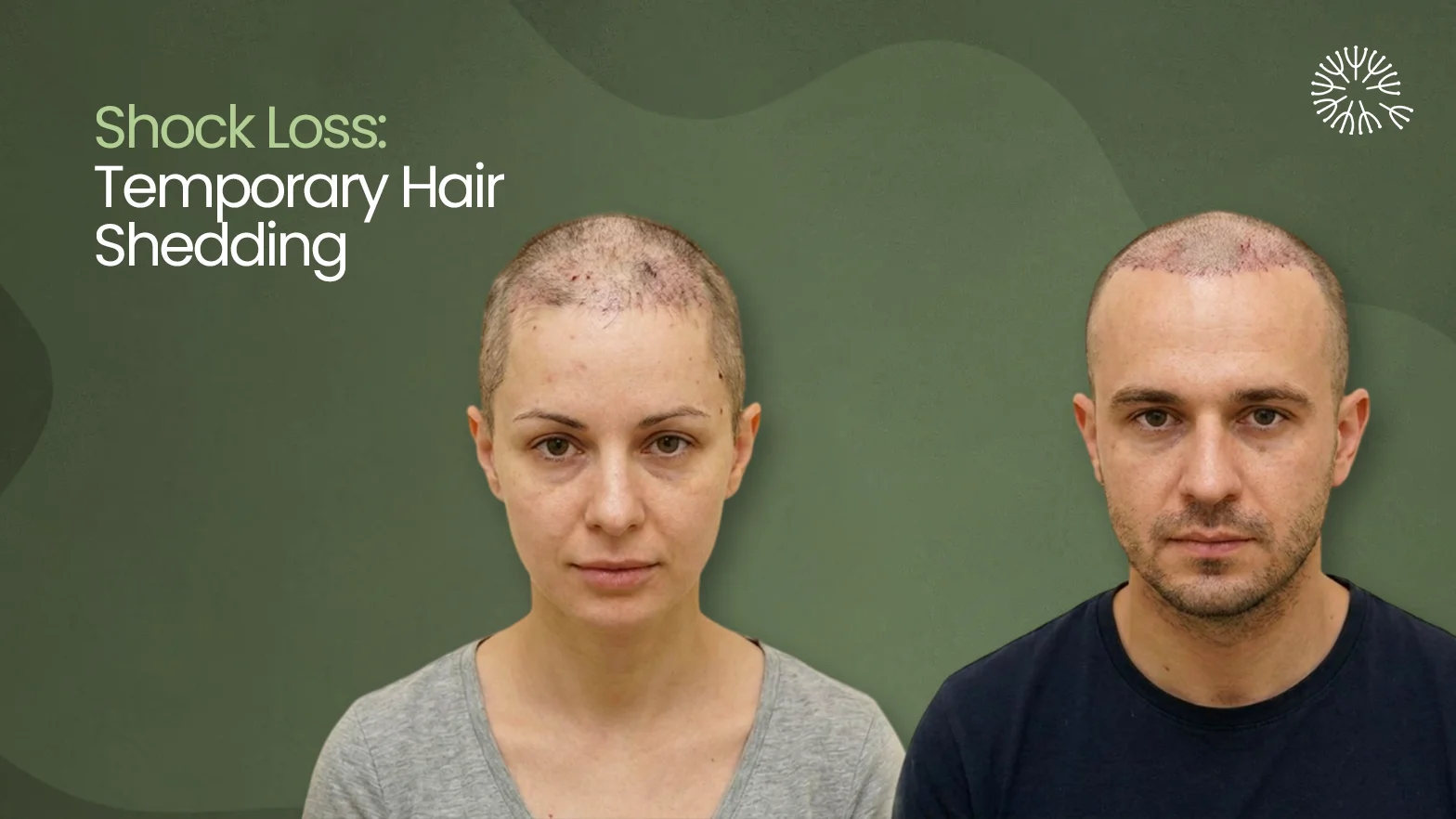
- Months 1-3: DHT levels reduce and hair loss begins to stabilise. Some people may notice temporary shedding as weaker hairs make way for healthier growth.
- Months 3-6: Hair fall usually slows down significantly. Signs of improvement like better texture and reduced thinning may become noticeable.
- Months 6-12: Noticeable improvements in hair thickness and coverage are seen.
- Month 12+: Maximum results are usually achieved with continued use.
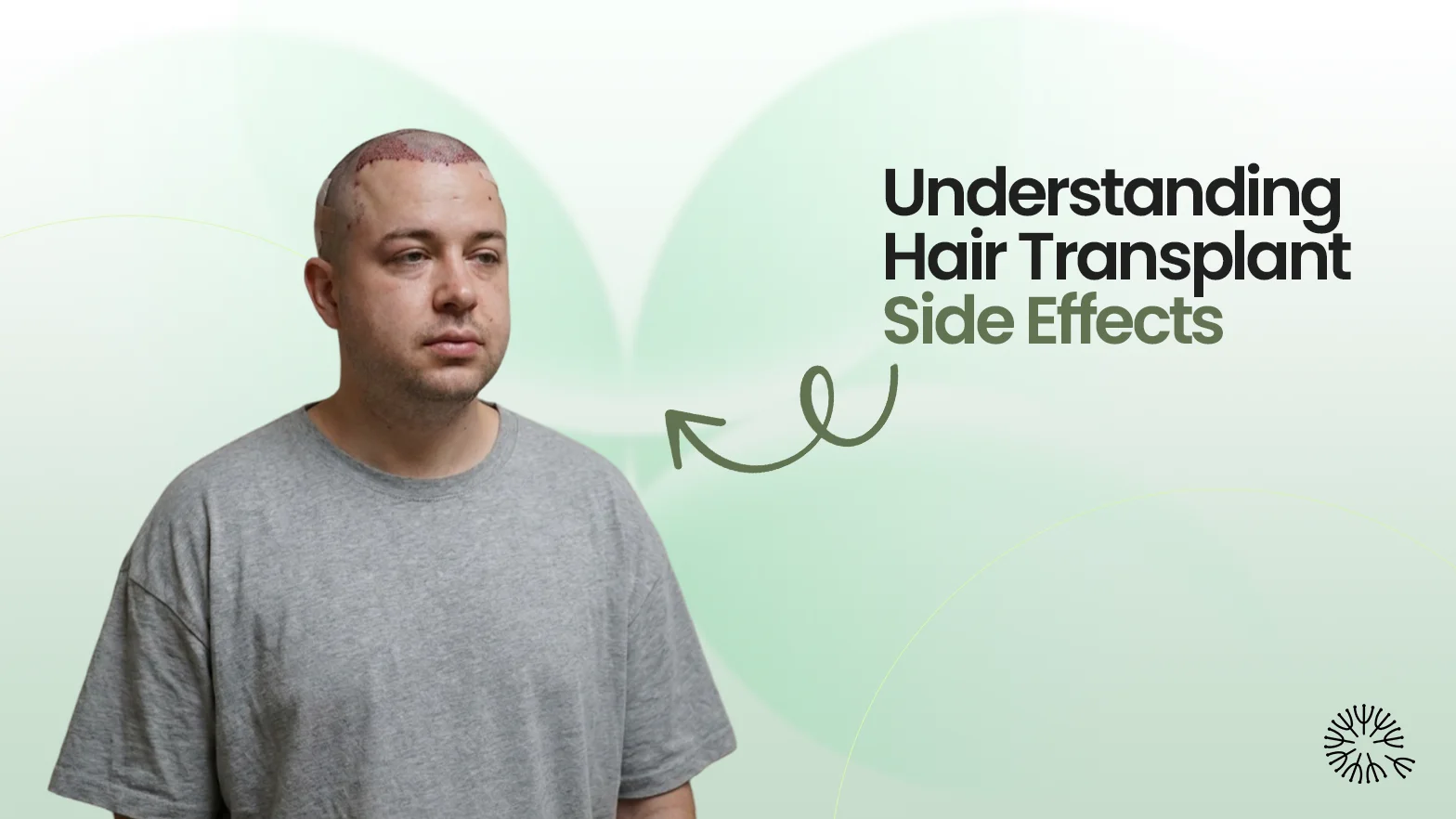
What are the side effects of finasteride?
Finasteride is generally well-tolerated, but like any medication, it may cause side effects in some individuals. Most side effects are uncommon and often reversible, especially when the medication is used under medical supervision.
Common Side Effects of Finasteride
- Sexual Side Effects: A small percentage of men may experience reduced libido, difficulty with erections, or decreased semen volume. These effects are usually mild and often improve with continued use or after stopping the medication.
- Physical Changes: Rarely, some individuals may notice breast tenderness or slight enlargement. Any unusual changes should be discussed with a doctor.
- Dizziness or Lightheadedness: Occasional lightheadedness may occur, especially when standing up quickly, though this is not commonly reported.
- Skin Reactions: Mild reactions such as itching, rash, or irritation can occur in rare cases.
Rare but Important Side Effects
- Mood Changes: Some individuals have reported low mood, anxiety, or depressive symptoms. While uncommon, it is important to monitor mental well-being during treatment.
- Breast Changes: Any lumps, persistent pain, or nipple discharge should be promptly evaluated by a medical professional.
- Prostate Health Considerations: Finasteride affects prostate-related hormones, so any concerns should be discussed with a doctor, especially in long-term use.
Can Finasteride Be Combined with Other Treatments?
Finasteride is often used as part of a combined treatment approach to deliver more comprehensive results. Since hair loss is influenced by multiple factors, addressing it through different mechanisms tends to improve both control over hair fall and overall hair quality.
Finasteride + Minoxidil
This is one of the most widely recommended combinations, as both treatments work in complementary ways to target hair loss more effectively.
- Works through complementary mechanisms: Finasteride reduces DHT levels, which helps slow down follicle miniaturisation, while minoxidil supports hair growth by improving blood flow and prolonging the growth phase.
- Enhances visible outcomes: Together, they help control ongoing hair loss while gradually improving thickness and density over time.
Supportive Measures
Alongside medical treatment, certain lifestyle and care practices can further support hair health and improve results.
- Nutritional support: Adequate intake of protein, iron, and essential vitamins helps support stronger and healthier hair growth.
- Stress management: Managing stress is important, as prolonged stress can contribute to increased hair shedding.
- Proper scalp care: Maintaining a clean and healthy scalp environment allows treatments to work more effectively and supports overall hair health.
When Is Finasteride Needed with a Hair Transplant?
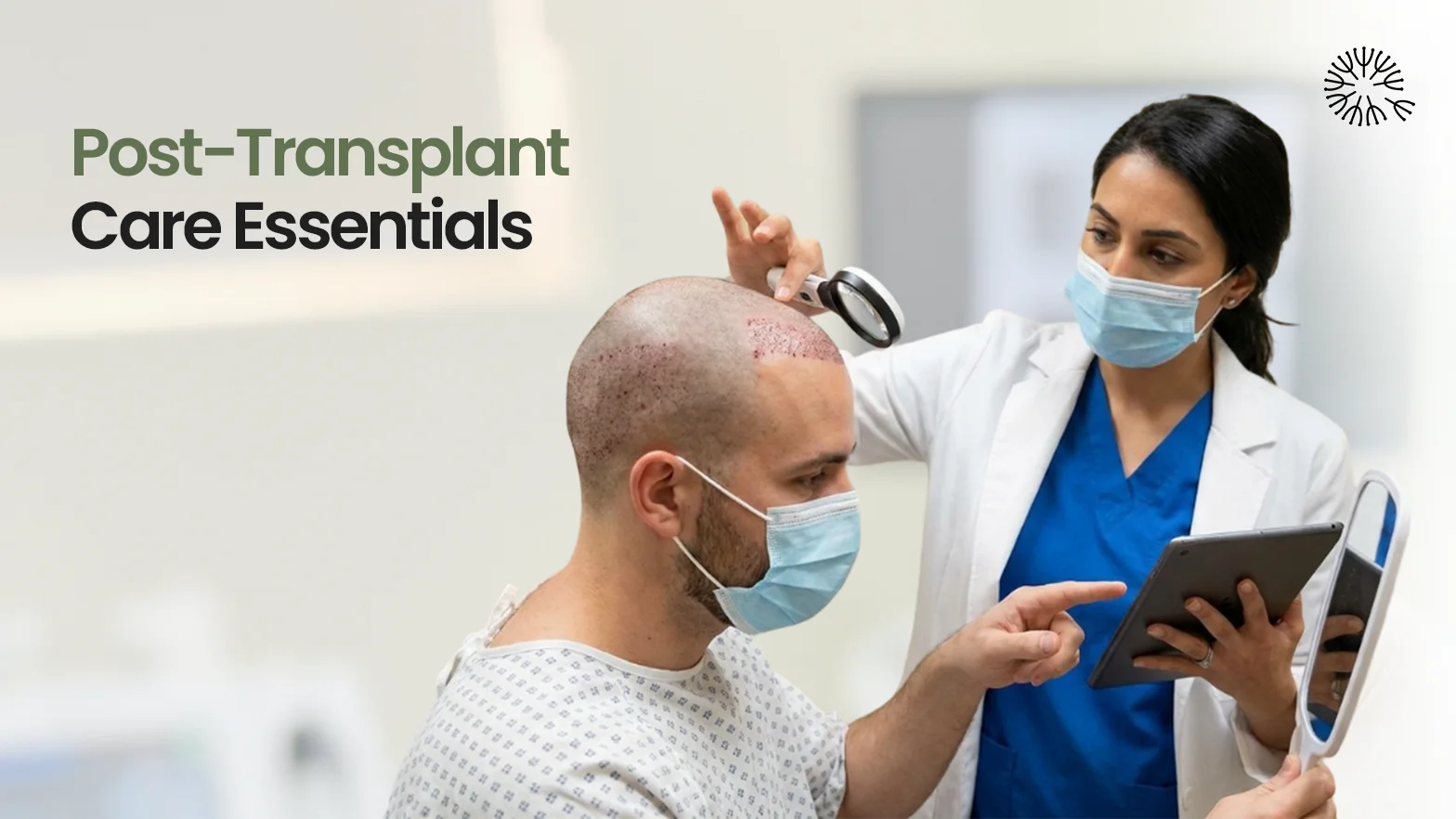
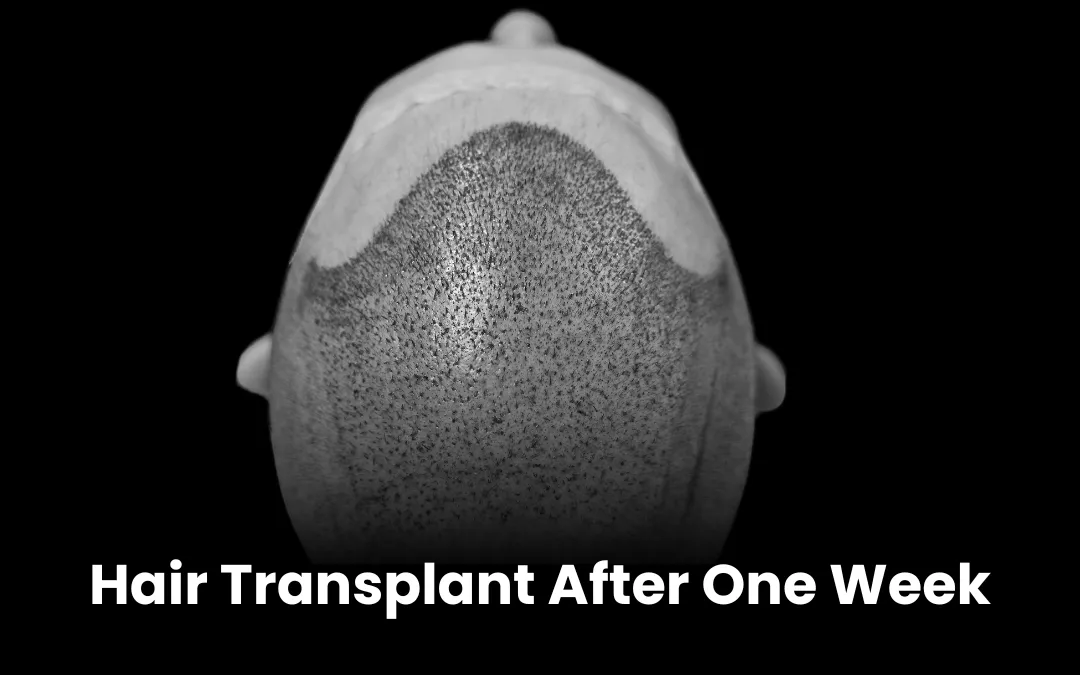
Finasteride plays a critical role in ensuring that hair transplant results remain consistent, dense, and natural-looking over time. While a transplant restores hair in bald areas, it does not stop ongoing hair loss, this is where finasteride becomes essential, both before and after the procedure.
Before a Hair Transplant
Finasteride is often recommended in the preparation phase to stabilise the condition and improve overall outcomes. Before a hair transplant finasteride helps:
- Stabilise ongoing hair loss: It helps control active thinning, ensuring that hair loss does not continue rapidly before the procedure.
- Preserve existing hair: Protects the native hair surrounding the transplant area, which is crucial for achieving a fuller look.
- Improve scalp condition: Creates a more stable and healthier environment, allowing for better planning and placement during the transplant.
After a Hair Transplant
Post-procedure, finasteride becomes important for maintaining results and preventing future imbalance in hair density. After a hair transplant finasteride helps:
- Protect non-transplanted hair: Prevents continued thinning in areas that were not treated surgically.
- Reduce future hair loss: Helps maintain overall fullness as natural hair loss progression continues with age.
- Ensure natural-looking results: Maintains harmony between transplanted and existing hair, avoiding patchy or uneven appearance.
Without finasteride, surrounding native hair may continue to thin over time. This can gradually affect the overall density and compromise the final aesthetic outcome of the transplant.
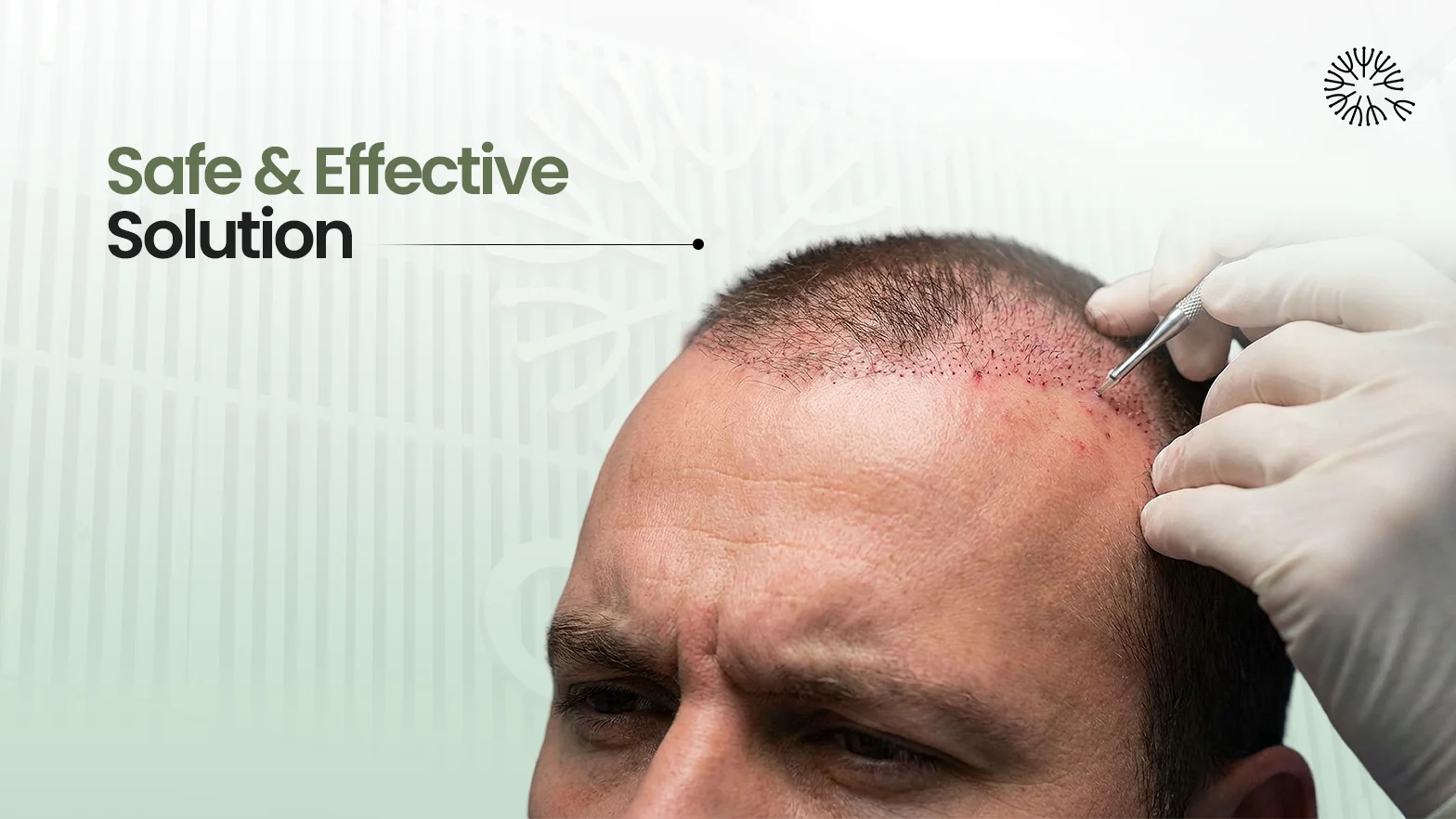
At QHT clinic, our proprietary hair transplant technique, quick hair transplant is designed to ensure natural hairline design, optimal graft survival, and long-term density, especially when combined with medical management with finasteride.
Our clinic uses advanced tools like SAVA implanter, which allows for precision graft placement with minimal trauma, improving both healing and final outcomes.
How QHT Supports Your Finasteride and Hair Restoration Journey?
- Doctor-led diagnosis: Every treatment starts with a detailed medical evaluation to identify the exact cause and stage of hair loss. Finasteride is prescribed only when clinically required.
- Personalised treatment plans: Finasteride is integrated based on individual needs, ensuring it is used effectively for both early hair loss management and advanced cases.
- Pre- and post-transplant support: It is used before a transplant to stabilise hair loss and after the procedure to maintain results and protect existing hair.
- Continuous follow-ups: Our medical team regularly monitors patients on finasteride to track progress, manage dosage, and address any side effects early.
- Comprehensive post-transplant care: Through our sister brand URoots, we provide specialised medications and care protocols to support recovery and long-term hair health.
- Proven patient trust: QHT is trusted by 15,000+ patients and holds a 4.8-star rating from 3,000+ reviews, reflecting consistent, high-quality outcomes.
In conclusion
Finasteride is a clinically proven treatment that targets the root cause of pattern hair loss by reducing DHT levels. With consistent use, it can effectively slow down thinning, preserve existing hair, and improve overall density, making it a cornerstone of long-term hair loss management.
At QHT, we ensure that treatments like finasteride are prescribed and monitored with a doctor-led, personalised approach. If you’re unsure where to begin, a guided consultation can help you understand the right path for your hair with clarity and confidence
Frequently Asked Questions
- What should I tell my doctor before taking finasteride?
Inform your doctor about any existing medical conditions (especially liver, hormonal, or mental health issues) and any medications or supplements you’re taking. Also mention any history of sexual health concerns or plans related to pregnancy (for partner safety guidance).
- What to do if I miss a dose of finasteride
Take the missed dose as soon as you remember on the same day. If it’s close to your next dose, skip it and continue normally. Do not take a double dose.
- Is finasteride safe for long-term use?
Yes, finasteride is generally considered safe for long-term use when taken under medical supervision, with regular monitoring.
- Can I drink alcohol while taking finasteride?
You can usually drink alcohol while taking finasteride, but it is best to do so after consulting your doctor.
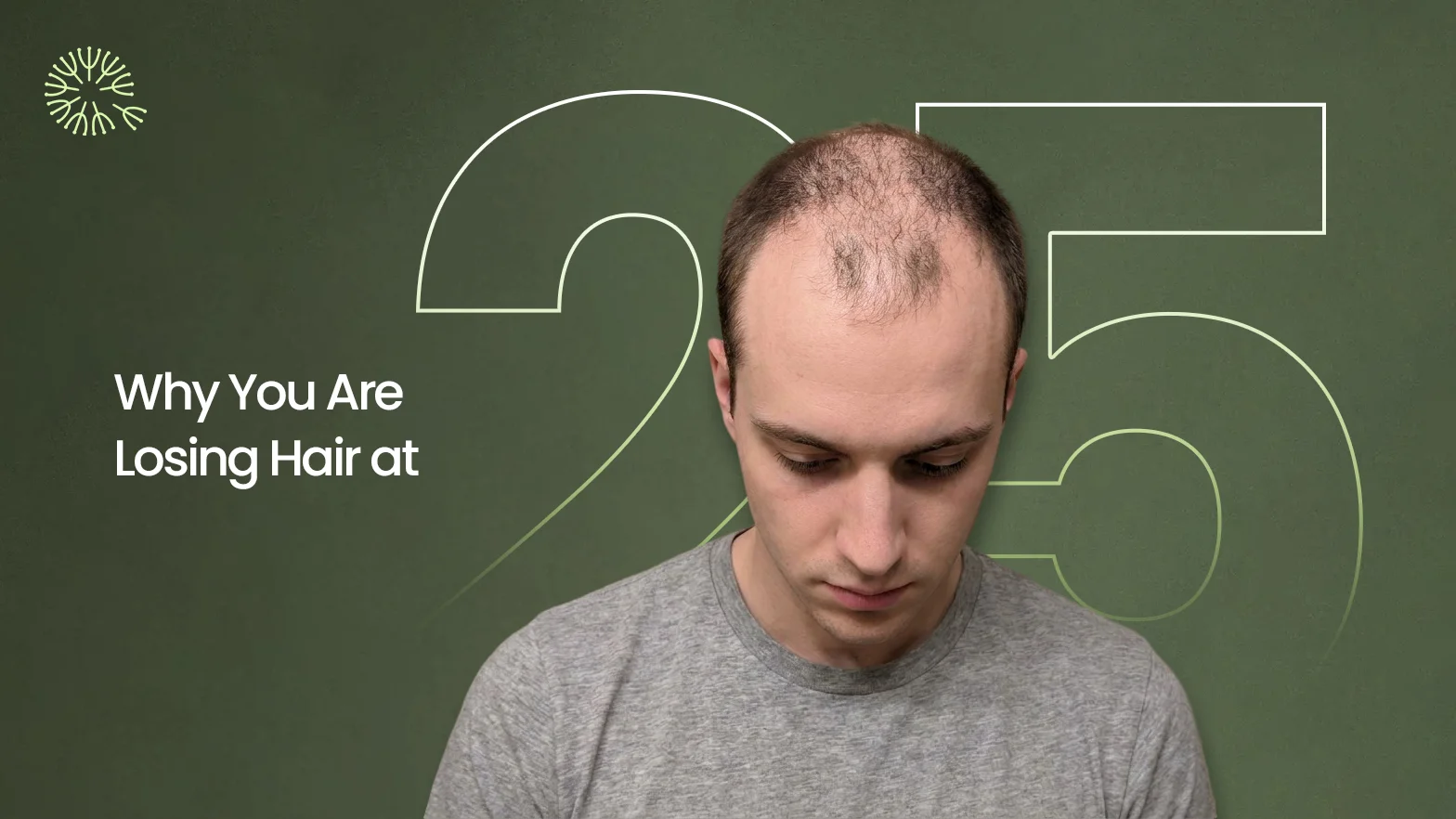
- Is 25 too late to start finasteride?
No, 25 is not too late, finasteride is often most effective when started in your 20s, as hair follicles are still active. Starting now can help slow hair loss and preserve density, but it’s best to consult a doctor to assess your stage and suitability.
Book a Consultation Today
Latest Videos
-

Rajpal Yadav | Bollywood Actor Hair Transplant Journey at QHT Regrow Clinic Haridwar
Click to Watch
-

FUE Hair Transplant Results | DAYA's FUE Hair Transplant Results
Click to Watch
-

Best Hair Transplant Result 2021 || NW Grade VI A || 3,422 Grafts
Click to Watch
-
Best Hair Transplant Result 2022 | Grade 4
Click to Watch
-

YouTuber Mehtab Saifi Hair Transplant
Click to Watch
-

ACP Pradyuman Hair Transplant - Actor's Hair Transplant
Click to Watch