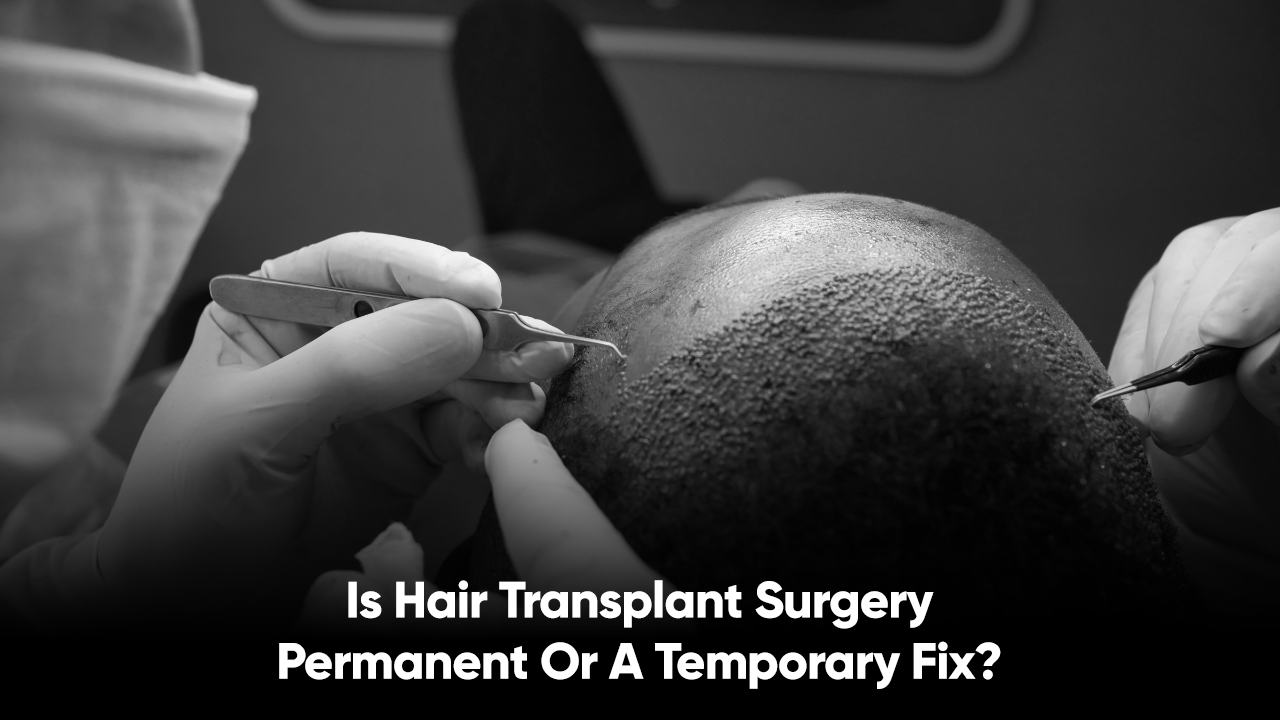




Top 5 Hair Transplant Stories from QHT Clinic
Hair transplant ads on Instagram often appear identical: dramatic music, before-and-after slides, and promises of a new life in 90 days. Trust can be hard to find.
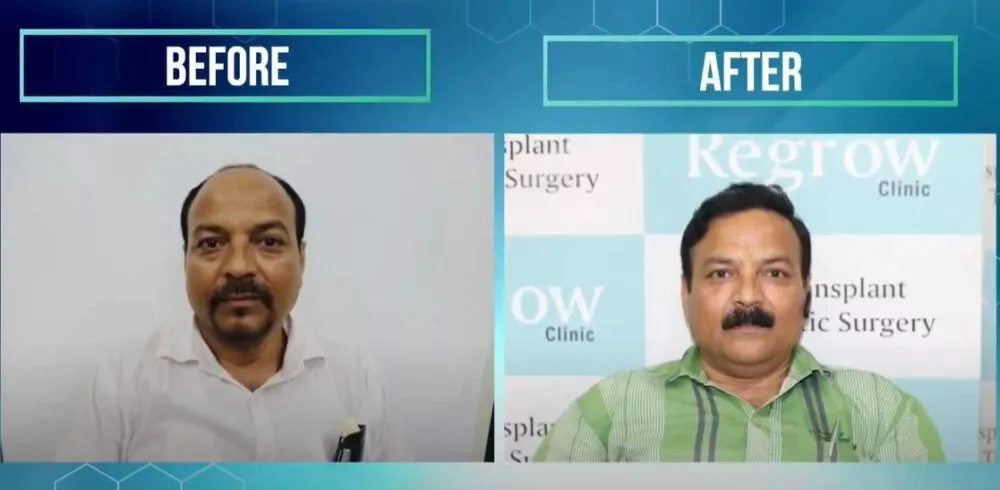
That is the gap this blog tries to fill. No music. No filters. Just five QHT Clinic patients, all featured on our public results gallery, and what their cases actually looked like.
Some of the names you may recognize. One of them is an actor you have seen in films. The others are regular men from Jabalpur, Bangalore, and other parts of India. Their hair loss stages were different. Their treatments were different. Their stories are worth your time.
QHT Clinic has treated 15,000+ patients, holds a 4.8-star rating based on more than 3,000 positive reviews, and operates in Haridwar, Delhi, Gurugram, and Hyderabad. But none of that matters as much as the five faces below.
Quick Answer Box
What makes QHT Clinic’s patient stories trustworthy?QHT Clinic has clear records from over 15,000 patients. The cases cover baldness Grades 2 to 7. You can sort case photos by patient type, graft count, and area treated on the public results page. The hair transplant success stories below are taken from that gallery.
|
Table of Contents
- Why Real Patient Stories Matter More Than Marketing Claims
- 5 Verified Hair Transplant Success Stories from QHT Clinic
- How QHT Designs Each Patient’s Treatment
- Common Myths About Hair Transplants
- Frequently Asked Questions
- Why You Can Trust QHT Clinic
Why Real Patient Stories Matter More Than Marketing Claims
Hair transplant ads are everywhere. Many of them promise quick fixes and full hair in just days. The truth is, not every claim you see online is real.
Real patient stories matter for one simple reason. They are proof. A photo of a real person, with a real name and a clinic record, is hard to fake. It is also easier to trust.
Before-and-after photos help you see what is possible for your hair type. Honest stories help you know what to expect. They cover the small things, too. Things like how long it took to heal. Or how the new hair felt after a few weeks.
The International Society of Hair Restoration Surgery (ISHRS) reports that around 10 percent of hair transplants done worldwide need repair surgery.
That is a big number. It also shows why you must check real results before you pick any clinic. Hair transplant success stories from past patients can save you from a costly mistake.
5 Verified Hair Transplant Success Stories from QHT Clinic
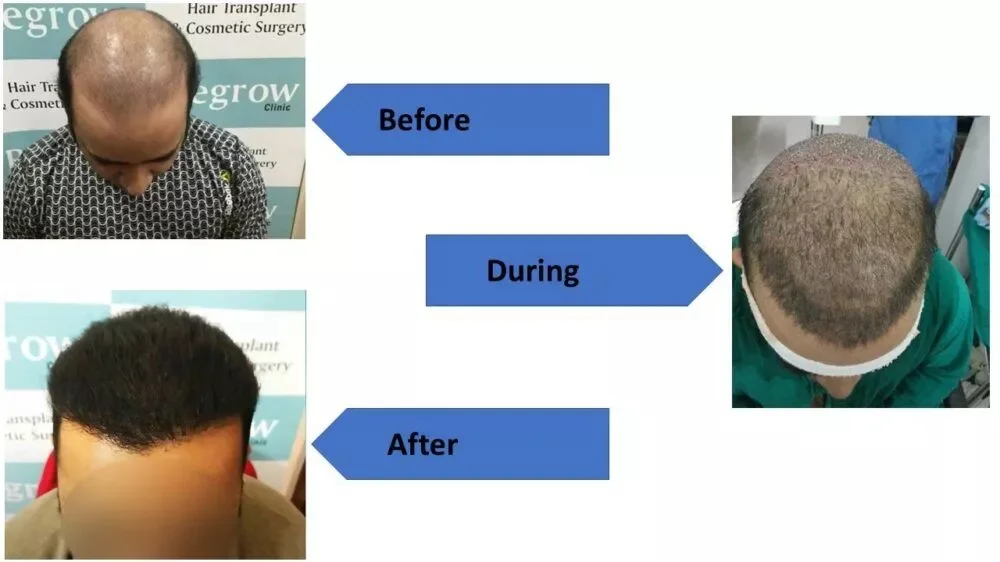
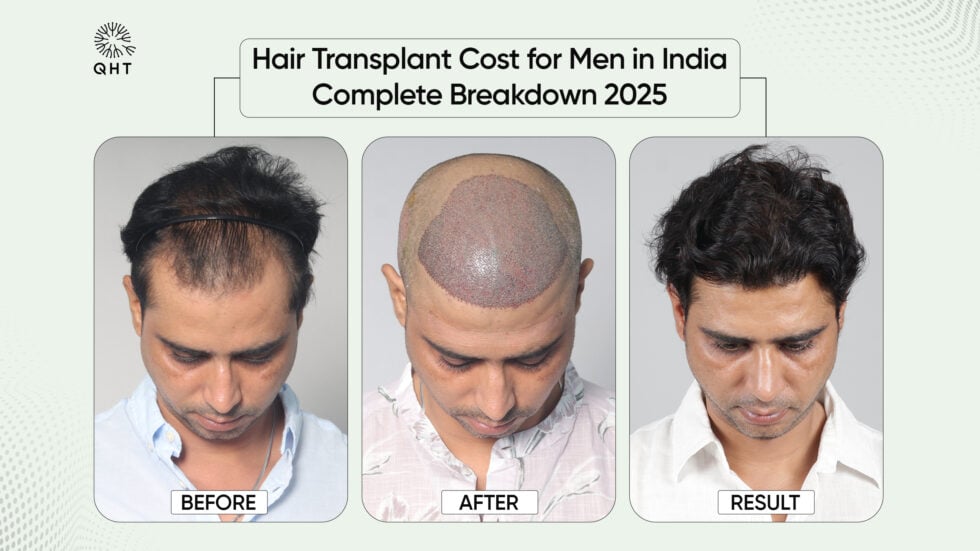
Every patient below is featured on QHT Clinic’s public results gallery. The grafts, baldness grade, area treated, and result timeline are all pulled straight from those records. Nothing is added. Nothing is exaggerated.
Story 1: Rajpal Yadav, Mumbai
- Grade: 2
- Grafts: 1,100 to 2,000
- Area treated: Frontal and temples.
- Results documented at: 12 months
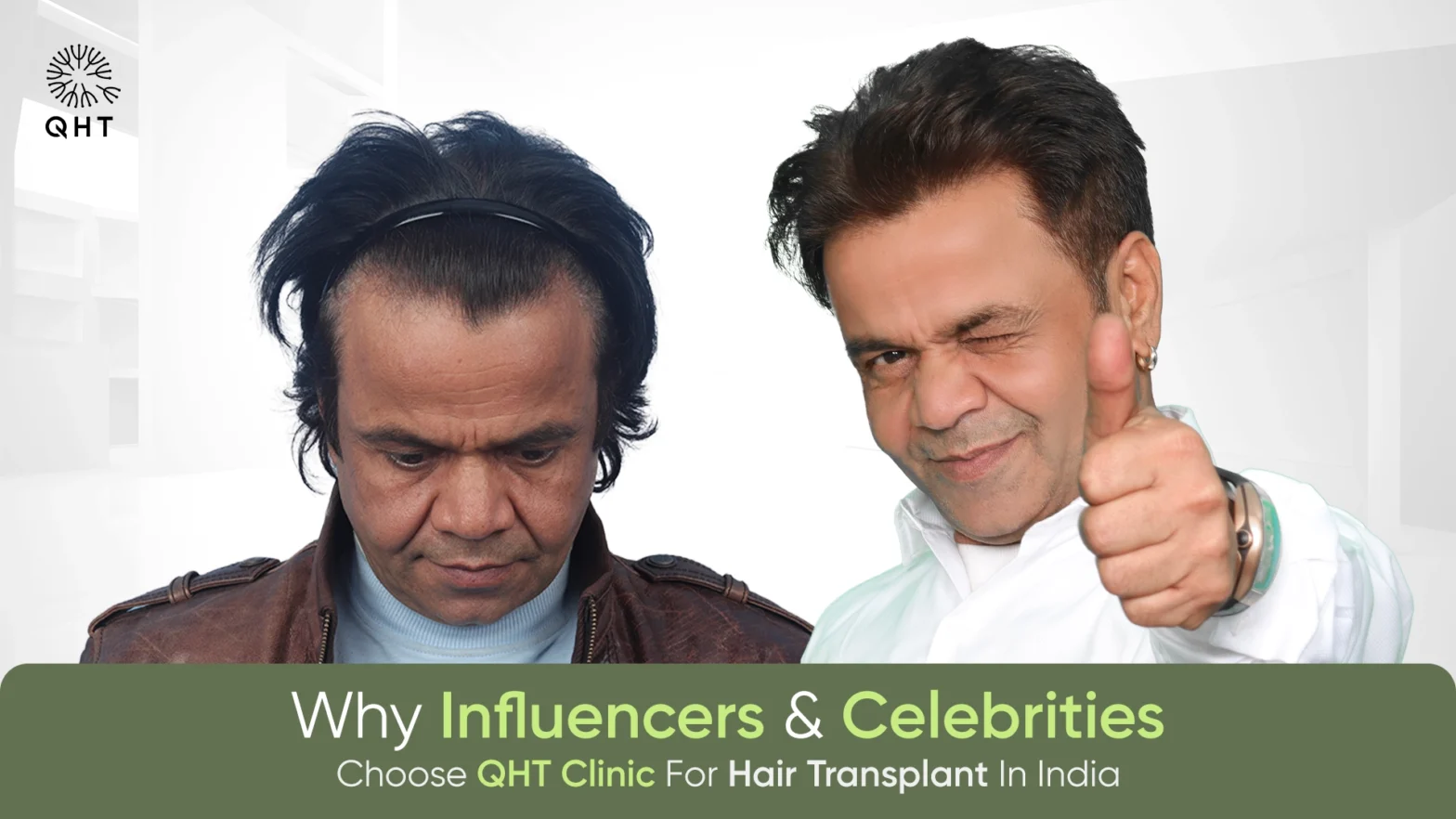
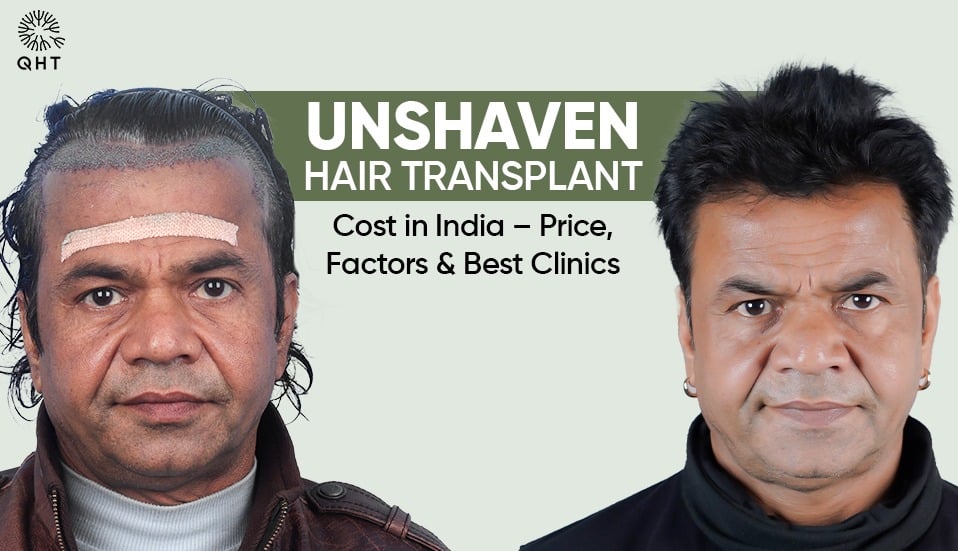
Rajpal Yadav is a familiar face in Indian cinema. He is one of the celebrity patients listed on the QHT Clinic homepage.
His case is interesting for a simple reason. The baldness grade is only 2. That means the hair loss is at an early stage. Most people wait much longer before they consider surgery. Rajpal did the opposite. He acted early.
For someone who works on camera, this choice makes sense. A small graft session was enough to rebuild the frontal area and temples. The work is subtle. It is not a heavy transplant. It is a touch-up that holds well.
Takeaway: You do not need to wait until your hair loss is severe. Early-stage cases often need fewer grafts and look more natural.
Story 2: Kshitij Ahuja, Jabalpur
- Grade: 4
- Grafts: 3,100 to 4,000
- Area treated: Frontal and crown.
- Results documented at: 12 months
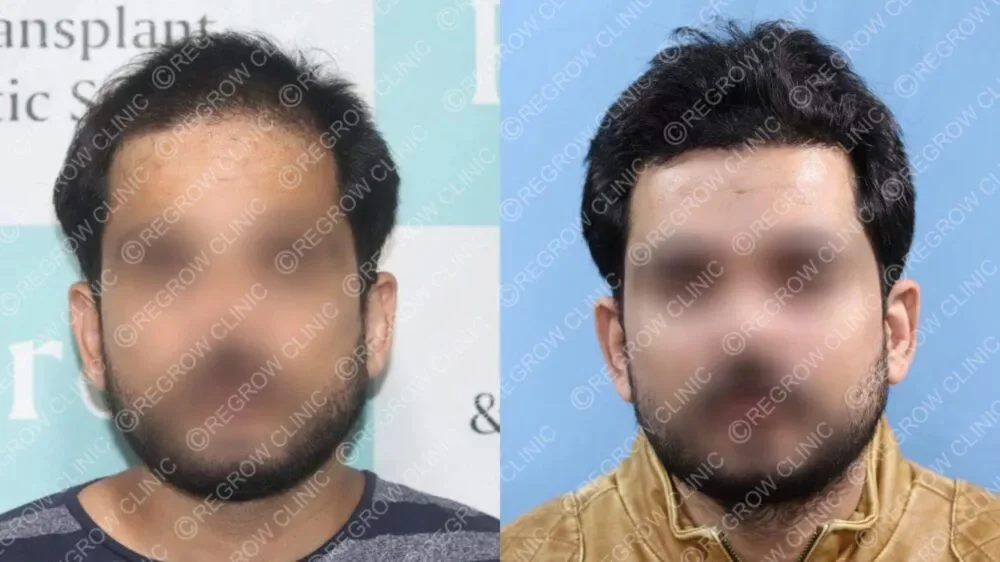
Kshitij is from Jabalpur. His case is recorded as Grade 4 baldness. By this stage, the hairline has clearly moved back, and the crown has started to thin. Two separate areas need work, not just one.
This is the stage most men actually walk into a clinic at. They have lived with it for years. They have tried oils, serums, and home remedies. The mirror keeps telling them it is time.
A case like this needs a higher graft count because two zones are being covered. The frontal area rebuilds the face shape. The crown adds back the density on top.
Takeaway: Mid-stage hair loss is the most common reason men come in. The plan covers more than one area, and the graft count goes up to match.
Story 3: Pranav Meshram
- Grade: 6
- Grafts: 5,100 to 6,000
- Area treated: Frontal, mid-scalp, and crown.
- Results documented at: 12 months
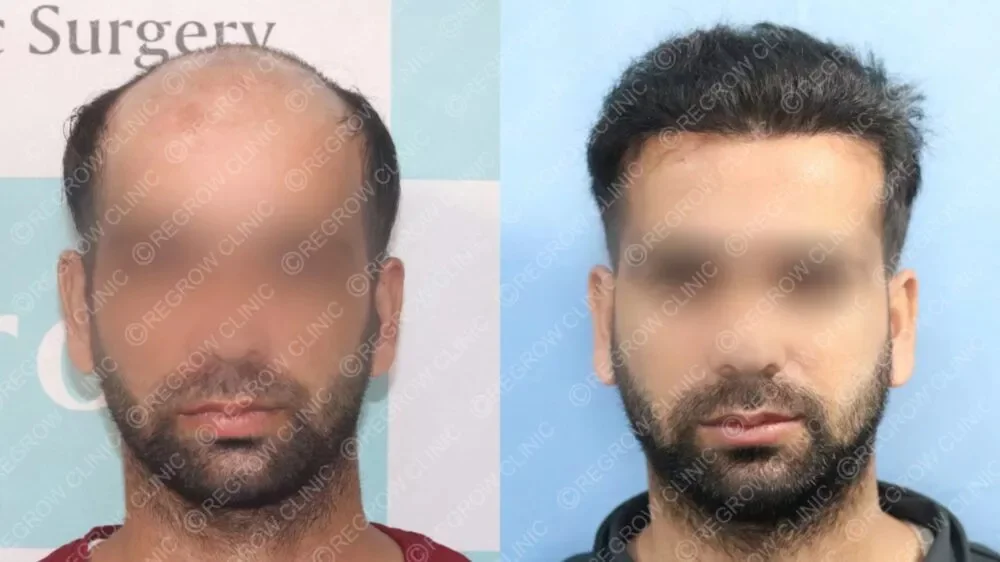
Pranav’s case is at the advanced end. Grade 6 means hair loss has spread across the front, the middle, and the crown. Almost the entire top of the scalp is involved.
A case like this is not simple. The team has to plan how to use the donor area at the back of the head carefully. Donor hair does not grow back once it is removed. So every graft has to count.
The number of grafts here is high because the area to cover is large. The result at 12 months shows that even advanced baldness has a path forward when the plan is solid.
Takeaway: Even Grade 6 cases are treatable, but donor planning matters more than anything else.
Story 4: Praveen Kumar, Bangalore
- Grade: 2
- Grafts: 2,100 to 3,000
- Area treated: Frontal and temples.
- Results documented at: 12 months
Praveen is from Bangalore. His case is recorded as Grade 2 baldness. Like Rajpal, he is in the early stage.
What makes his case different is the graft count. It is slightly higher than Rajpal’s, even though both are at Grade 2. This is normal. Two patients at the same grade can need a different number of grafts. It depends on hair thickness, donor area, scalp size, and what kind of density the patient wants.
This is why a real consultation matters. No two cases are copy-paste, even when the grade matches.
Takeaway: Two patients at the same baldness grade can need very different treatment plans. The grade is only the starting point.
Story 5: Sagar Kumar
- Grade: 4A
- Grafts: 2,100 to 3,000
- Area treated: Frontal and mid-scalp
- Results documented at: 12 months
Sagar’s case is Grade 4A. The “A” is important. It refers to a different pattern of hair loss, where thinning happens across the front and mid-scalp without leaving an island of hair in between.
This pattern needs a careful approach. The team has to add density across a wider zone, not just rebuild one hairline. The 2,100 to 3,000 graft range works well here because the area is wide but not very dense.
His 12-month results are part of the QHT Clinic gallery and show how a diffuse pattern can be treated without losing the natural look.
Takeaway: Pattern matters as much as grade. A 4A diffuse case needs a different plan than a standard Grade 4 case.
The five patients you just read about all started the same way. Not with surgery. With a one-on-one consultation. That is the part most clinics rush. QHT does not. With 15,000+ surgeries done, more than 3 crore grafts evaluated, and the SAVA implanter used for precise placement, every plan is built around your scalp, not a template. You can browse more QHT results to see how different cases were planned and what their 12-month outcomes looked like.
How QHT Designs Each Patient’s Treatment
Every QHT patient gets a plan made for their own case. There is no one-size-fits-all method here. The process has four clear steps.
Step 1: Diagnosis
The first step is finding your baldness grade and pattern. The team looks at your hair loss area, donor health, age, and family history. A clear diagnosis helps the team build the right plan from the start.
Step 2: Picking the Right Technique
QHT offers three main techniques. Each has its own price point and best use case.
- FUT starts at ₹50 per graft. It is useful for advanced baldness where many grafts are needed in one session.
- FUE starts at ₹70 per graft. It is the most popular method around the world. It leaves no long scar.
- QHT starts at ₹100 per graft. This is the patented method. It allows quick graft handling, which helps the survival rate.
The right choice depends on your case. It should not depend on your budget alone.
Step 3: Hairline Design
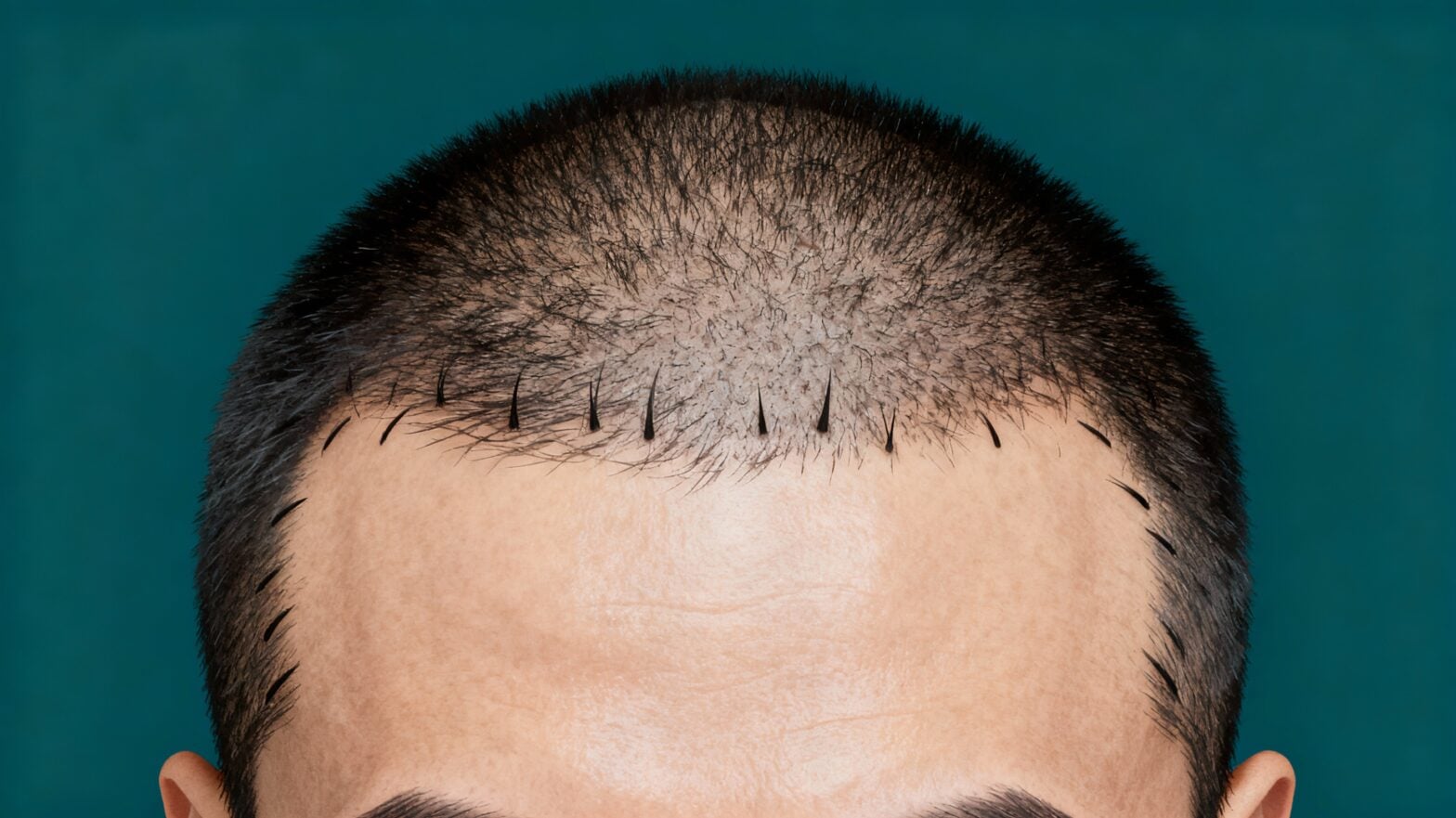
Your hairline must match your face, your age, and your personal style. A young man’s hairline does not suit an older patient’s face. QHT designs each hairline by hand for the patient.
Step 4: Surgery, Recovery, and Long-Term Care
The surgery is done in a clean operating theatre. Most patients go back to normal life in 7 to 10 days. The team also stays in touch after surgery. You get scalp care tips, medicine, and follow-up checks.
Common Myths About Hair Transplants
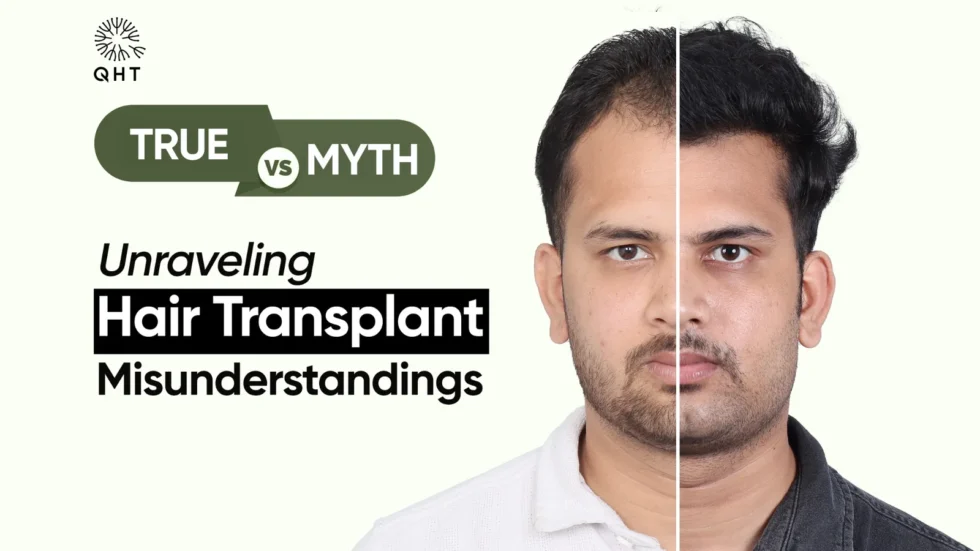
There is a lot of wrong information online about hair transplants. Many people skip the treatment because of these myths. Let us clear them up.
Myth 1 – Transplants always look fake: A skilled team can design a hairline that looks fully natural. No one should be able to spot it.
Myth 2 – The results do not last: Donor hair from the back of the head is not affected by male pattern baldness. It is meant to stay for life.
Myth 3 – Cheap clinics give the same result: Low-cost work often leads to poor results. Many patients then spend more later to repair the damage.
Myth 4 – Recovery takes months: Most patients heal and return to their normal routine in 7 to 10 days with modern methods.
Myth 5 – Anyone can do the surgery: The skill of the team is the biggest factor in graft survival. Always check who is doing your surgery before you book.
Why These Stories Are Trustworthy
Anyone can post a before-and-after photo online. What is harder to fake is the system behind it. Here is what stands behind every QHT Clinic result, including the five you just read about.
Experience
Over 15,000 surgery cases across India. That is not a brochure number. Every case is filed, photographed at multiple stages, and used to refine how the team plans the next one. Experience at this scale is what separates a clinic that is still learning from one that has already seen your case before.
Expertise
Every QHT procedure is carried out by a team, not a single person. A hair restoration surgeon designs your hairline. A dermatologist reviews your scalp health. An anesthetist keeps you comfortable through the session. Technicians handle each graft with care. No part of the process is handed to someone untrained, and no surgery is rushed to fit a daily quota.
Authoritativeness
QHT Clinic owns the patented Quick Hair Transplant technique. It allows the team to extract and place grafts in a shorter window, which protects graft survival. This method is not licensed to other clinics in India. You will only find it at QHT branches in Haridwar, Delhi, Gurugram, and Hyderabad.
Trustworthiness
Pricing is published openly on the website. FUT, FUE, and QHT each have a clear per-graft rate. There are no extra charges added at the end. The full results gallery is public and can be filtered by baldness grade, graft count, age group, and area treated. You can verify any story in this blog by sorting the gallery the same way we did.
Conclusion
Five patients. Five different cities. Five different stages of hair loss. The one thing that connects them is simple. They stopped scrolling, stopped comparing ads, and chose to find out where they actually stood.
That is the part most people skip. They keep researching for months because every clinic online looks the same. The patient stories in this blog are not here to convince you. They are here to show you what an honest hair transplant journey looks like at 12 months, with real graft counts and real grades.
Your case will not be a copy of any of these five. It does not need to be. What matters is that your plan is built around your scalp, your donor area, and your goals, not a template the clinic uses for everyone.
If you would like to know more, you can visit QHT Clinic to meet the team, see the space, and learn what could be the right next step for you.
Frequently Asked Questions
Are QHT Clinic’s patient stories verified?
Yes. Every patient story in this blog is pulled from the public results gallery on the QHT Clinic website. Each case lists the baldness grade, graft count, area treated, and patient type. You can filter the gallery yourself and find the same five cases discussed above.
How much does a hair transplant cost at QHT Clinic?
The cost depends on the technique and graft count. FUT starts at ₹50 per graft, FUE at ₹70, and QHT at ₹100. The full cost for most patients falls between ₹40,000 and ₹5,00,000. A clear quote is shared during your consultation with no hidden charges.
Are the results from a hair transplant permanent?
Yes, when done at a trusted clinic. The hair used in a transplant is taken from the back and sides of the scalp. This donor hair is not affected by male pattern baldness. Once the follicles settle into the new area, they continue to grow naturally.
When should I consult a hair specialist?
The earlier, the better. Most people wait until the hair loss is clearly visible, by which time the donor area may already be under pressure. An early consultation gives you more options and a clear picture of your case, even if you do not want surgery right away.
Can a failed hair transplant from another clinic be repaired?
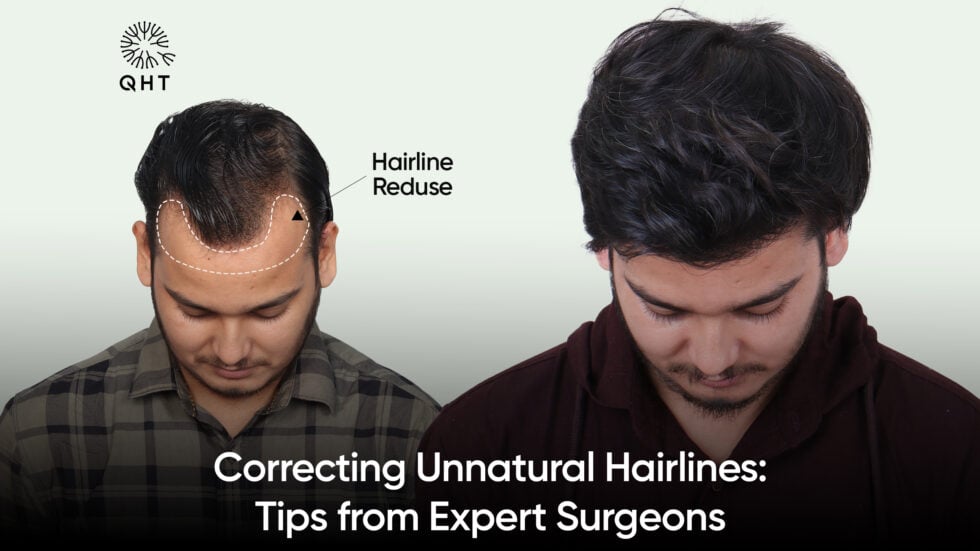
Yes. QHT Clinic offers a dedicated failed hair transplant repair service for patients left with poor results, unnatural hairlines, visible scars, or uneven density. The team studies what went wrong and rebuilds the area with care. Not every failed case can be fully reversed, so an honest consultation comes first.
How long is the recovery after a QHT hair transplant?
Most patients return to their daily routine within 7 to 10 days. The first few days involve mild swelling and basic scalp care. Visible hair growth begins around the third month, and the final result is judged at the 12-month mark, matching the patient stories above.
Book a Consultation Today
Latest Videos
-

Rajpal Yadav | Bollywood Actor Hair Transplant Journey at QHT Regrow Clinic Haridwar
Click to Watch
-

FUE Hair Transplant Results | DAYA's FUE Hair Transplant Results
Click to Watch
-

Best Hair Transplant Result 2021 || NW Grade VI A || 3,422 Grafts
Click to Watch
-
Best Hair Transplant Result 2022 | Grade 4
Click to Watch
-

YouTuber Mehtab Saifi Hair Transplant
Click to Watch
-
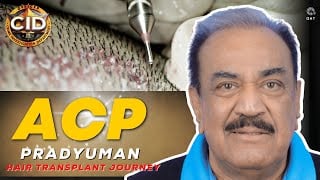
ACP Pradyuman Hair Transplant - Actor's Hair Transplant
Click to Watch