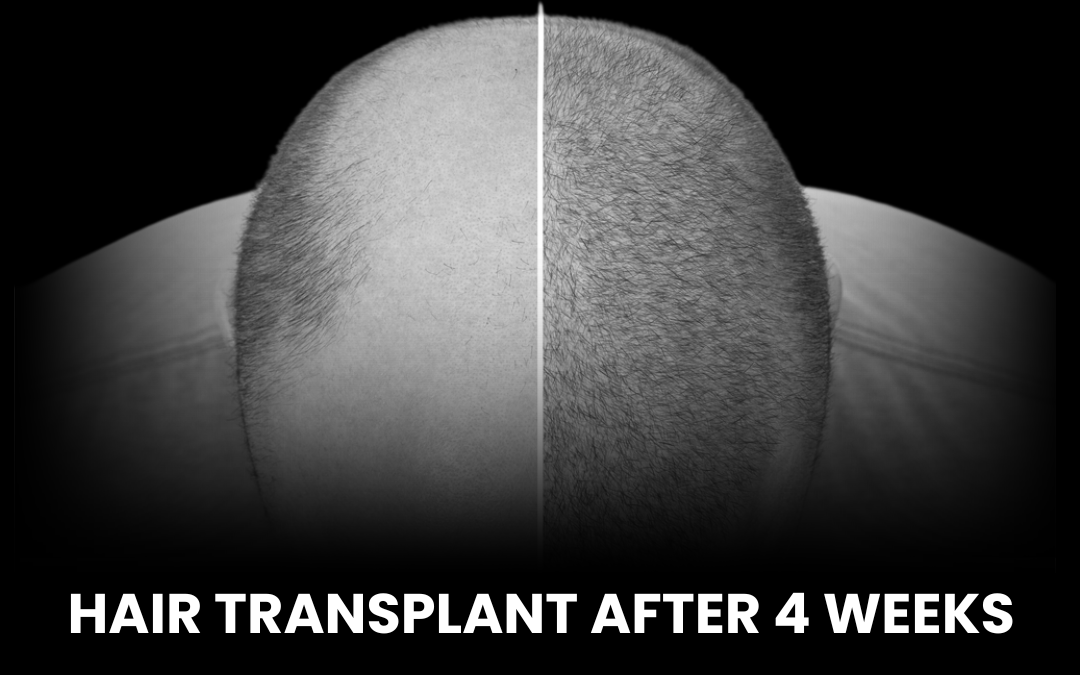




Hair Growth After Transplant: What Helps It Grow In Full
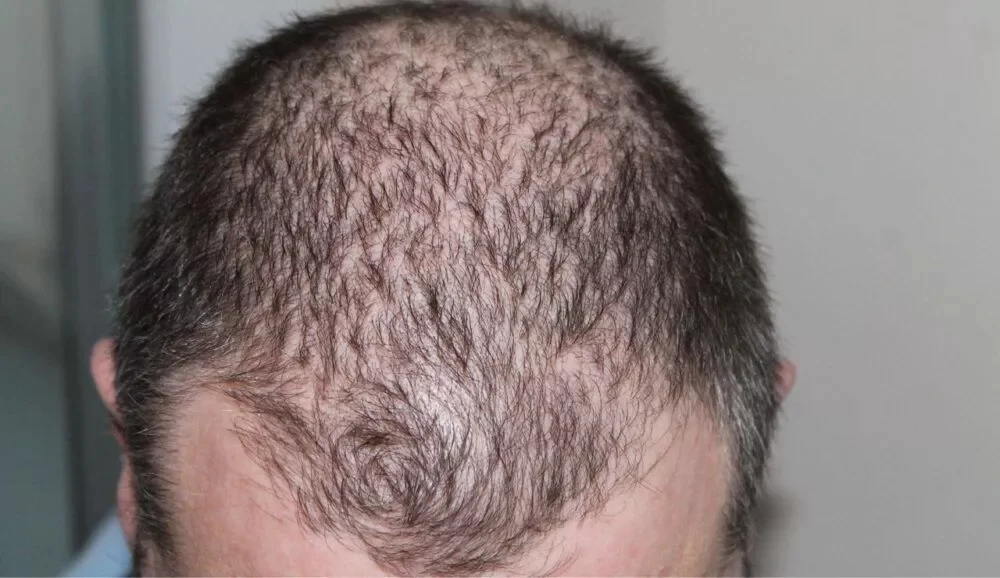
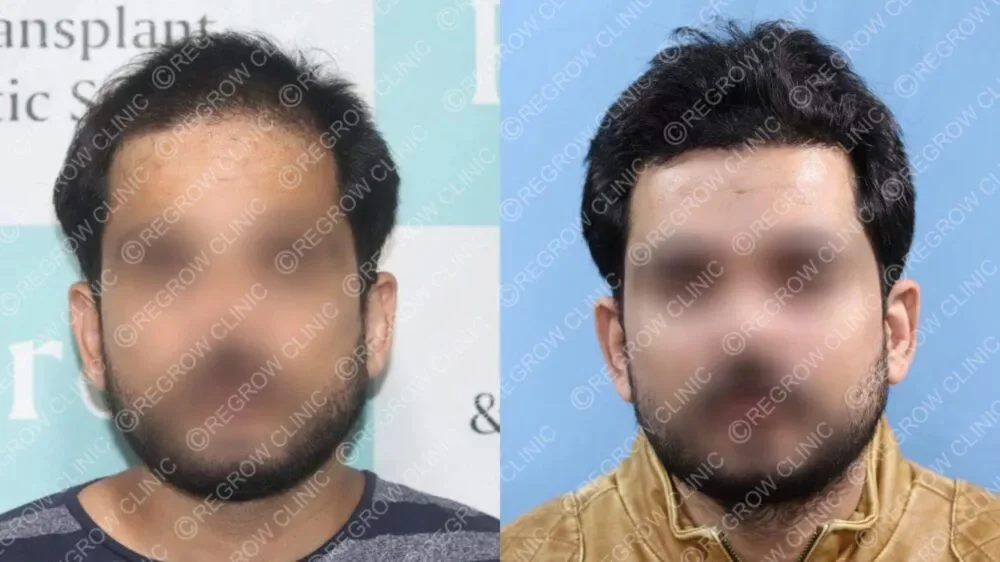
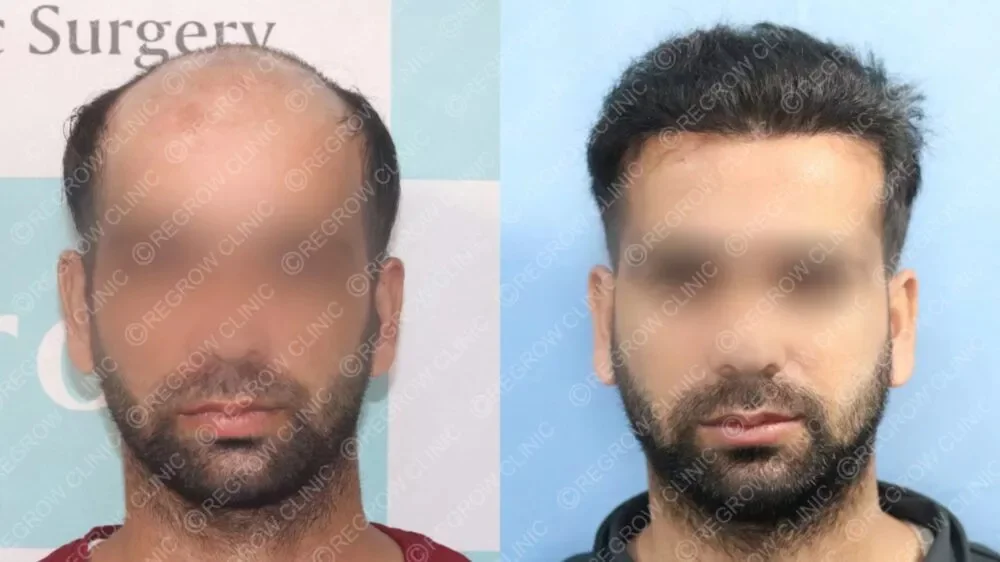
The frightening stretch is over. Your transplanted hairs dropped out a few weeks back, the scalp has settled, and a calmer question has moved in. Will the new hair come in thick, or stay thin and sparse? And can you do anything to tip the odds?
Two things decide how hair growth after transplant turns out, and only one of them is already finished. The first is graft survival, mostly set during the surgery itself. How carefully the grafts are handled affects whether they take hold, and so does how long they sit outside the scalp before placement. The second factor is everything that comes after, across the following months. That part is still open, and a lot of it is down to you.
That second lever is bigger than people expect. The right habits and the right add-ons in the months after surgery can mean denser regrowth that arrives sooner, and the evidence for some of them is stronger than you’d guess. We will get specific about which ones below.
The day-by-day calendar is its own topic. This guide covers the regrowth timeline from the follicle’s side: what each stage means and which steps actually improve the result.
We have guided more than 15,000 patients at QHT Clinic through these months. Want a clear read on how your own grafts are likely to fill in? Book a consultation and a QHT specialist can look at your donor area and spell out what your result is likely to be.
Quick Answer Box
What Controls Hair Growth After a Transplant?Hair growth after a transplant depends on two things: how many grafts survive, and how well you support healing. Survival is set during surgery. The rest is in your hands. Good nutrition, gentle scalp care, and following your surgeon’s plan all protect the result. What to look for:
|
Will Transplanted Hair Grow Normally?
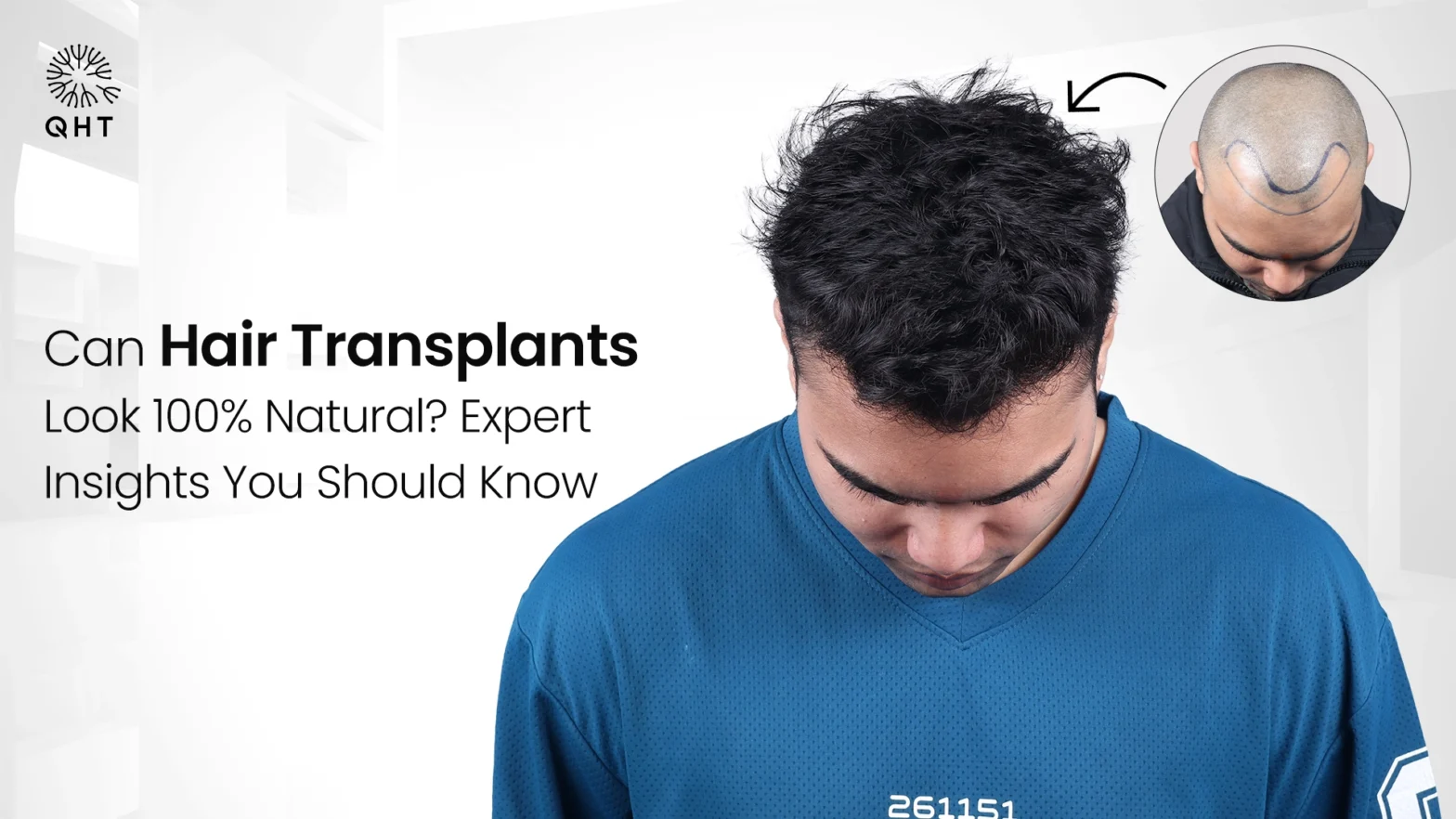
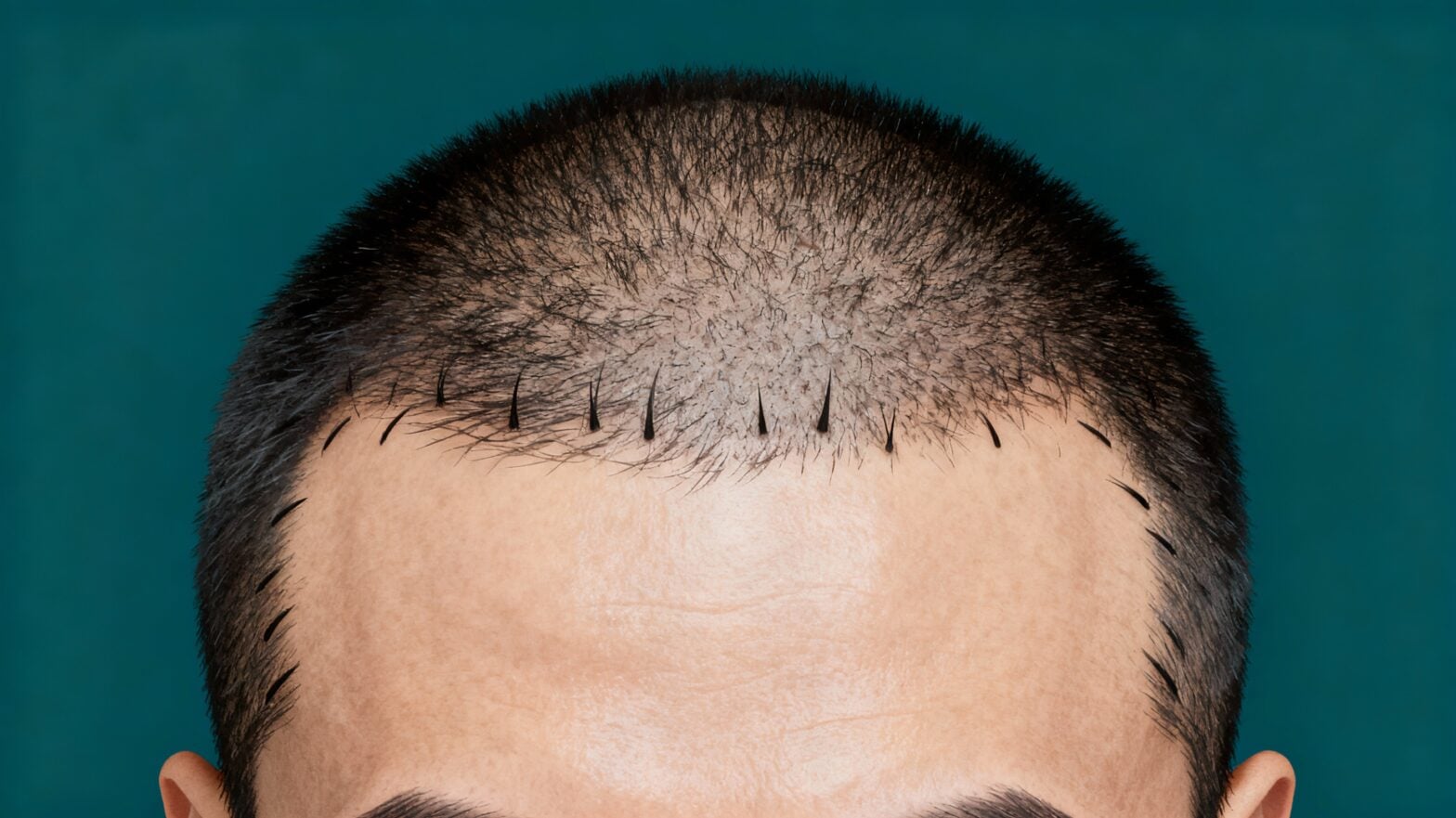
Behind the question sits a picture nobody says out loud: stiff tufts of hair poking out of bare skin, the way it looks when hair is pushed into a doll’s scalp. That look was real once. It came from old plug grafts, the method modern hair transplantation moved away from. Surgeons now harvest individual follicular units from the back of the scalp, and that shift is what produces a fuller, more natural result. Once the moved grafts heal into place, they should keep growing hair the way those follicles always did.
So the short answer is yes. Transplanted hair does grow normally. The longer answer is the useful one, because it explains why some people get denser hair growth after a transplant than others.
Why Transplanted Hair Keeps Growing
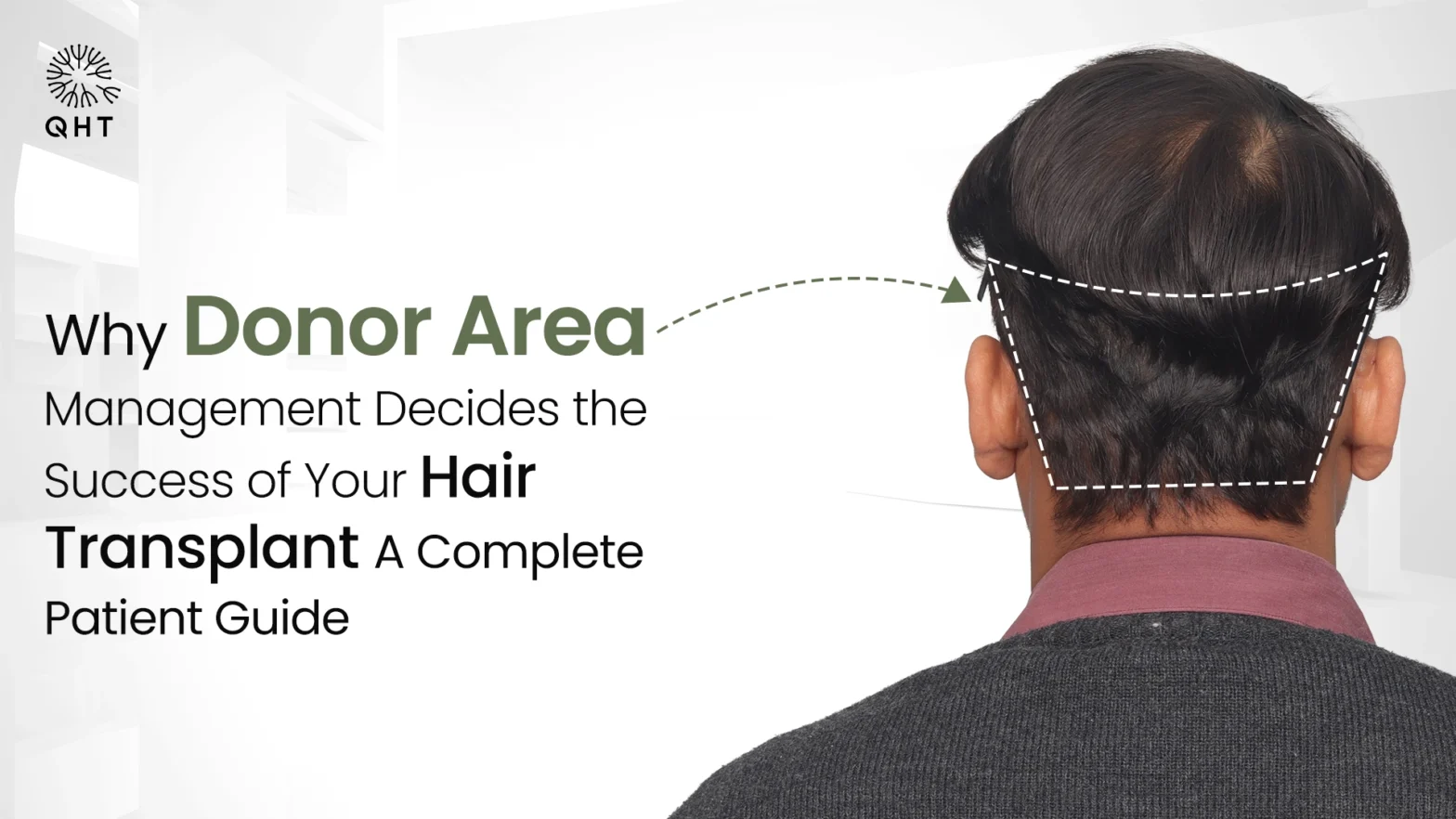
Pattern baldness is not random. It runs on a hormone called DHT, which slowly shrinks the follicles that are sensitive to it until the hair they make turns fine and then quits. The follicles at the back of your scalp do not react to DHT that way. They are androgen-resistant, meaning the hormone barely touches them, and that resistance moves with them when a surgeon relocates them to a thinning area.
That is the real reason a transplant holds. The relocated follicles keep their old programming, so the hormone that thinned the top of your head has little say over them.
One honest caveat belongs here. The hair you did not move can still thin as the years pass, because DHT goes on acting on the follicles that remain sensitive to it. This is why some people come back for a touch-up procedure, or work out a plan to protect the native hair sitting between the grafts. The transplant stays put. The rest of your scalp keeps aging on its own schedule.
Graft Survival Rate, and Why it Decides Your Density
Speed gets all the worry. Density is decided by something quieter: the graft survival rate. This is the share of transplanted follicles that take hold in their new spot and go on to grow hair. When most of the grafts survive, the area fills in. When too many fail to wake up, it stays sparse no matter how patient you are. Strong survival is the foundation of good hair growth after transplant.
So what sets the rate? Most of it is decided in the operating room. Survival depends on how gently each graft is handled and stored. Technique matters. So does ischemia time, the window the follicles spend outside the scalp before they are placed back in, which the surgical team works to keep short. How the grafts are extracted and positioned counts as well, alongside patient factors such as smoking and other health conditions.
Placement is one of those technical factors. At QHT Clinic we set the grafts with the SAVA implanter, which gives the surgeon control over the angle and depth of each follicle, so it sits in the same direction your existing hair grows. Across more than 15,000 procedures, that care at the placement stage is part of how we protect graft survival, and all of it happens before you grow a single new strand.
How Transplanted Hair Grows
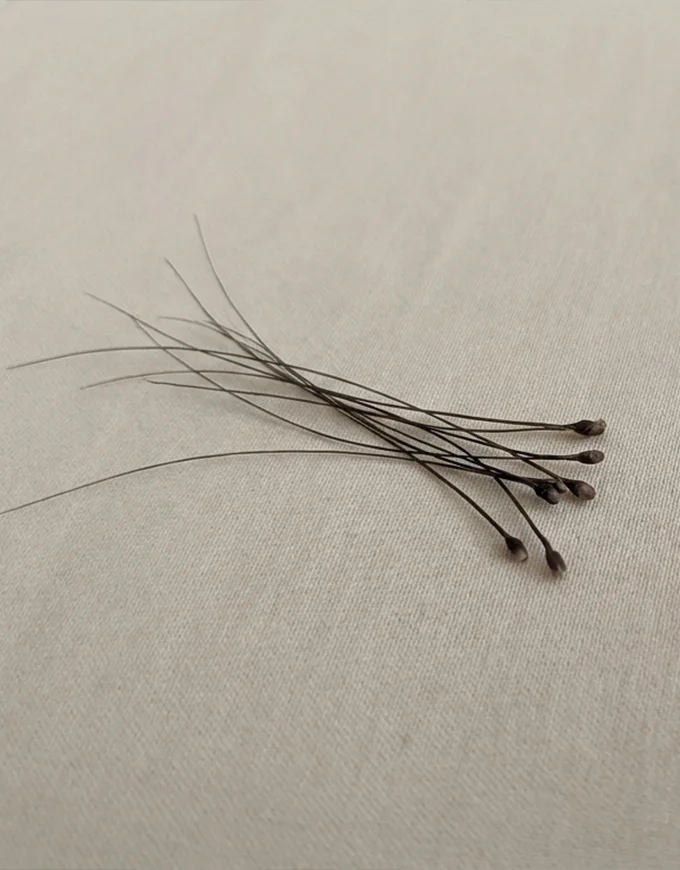
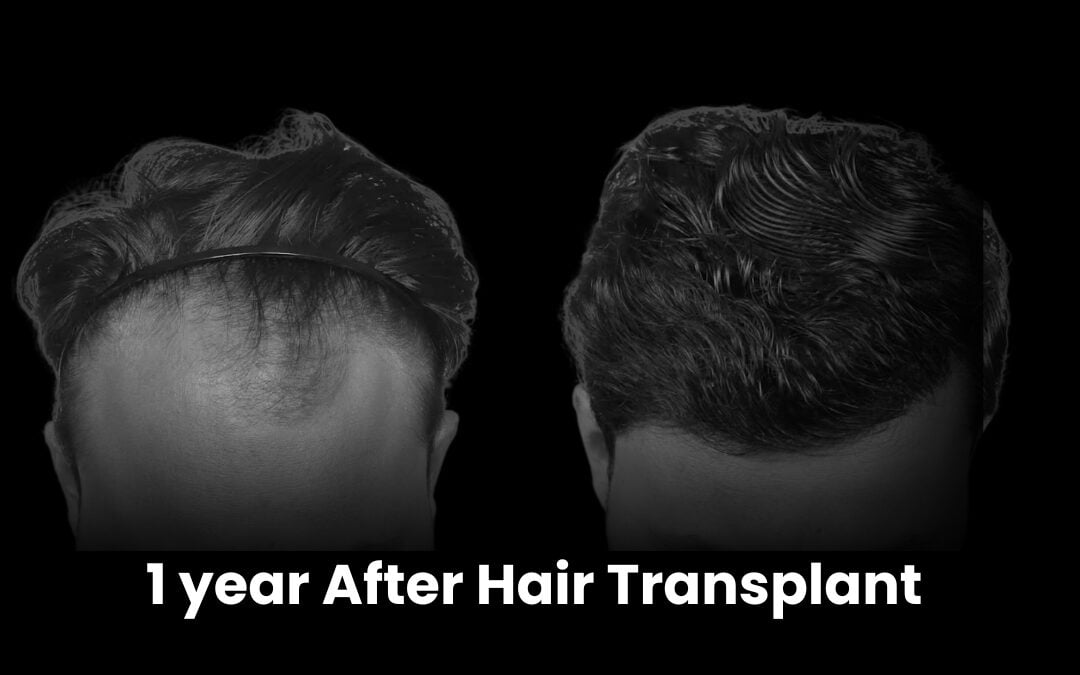
A transplanted hair can take a full year to reach its final thickness. The first strands surface fine and pale, sometimes so light you tilt your head to the mirror to find them. Caliber is what’s happening, and understanding it stops you misreading thin early hair as a dead graft.
Hair is not all one thickness. Vellus follicles make fine, short hairs under 0.03 mm across. Terminal follicles make the thick hairs over 0.06 mm that give a scalp real coverage. Pattern baldness works by shrinking sensitive terminal follicles down toward that fine vellus size, a process called miniaturization, pushed along by DHT.
A transplant runs the other way. It moves terminal follicles from the donor zone, and they keep their donor characteristics, caliber included, once relocated. A thick donor hair stays a thick hair. Pigment travels with the graft as well, since the colour is made by melanocytes in the base of each follicle.
Why Caliber Decides How Full You Look
Two people can get the same graft count and walk away looking different. Hair with a wider shaft covers more scalp surface, so thicker-caliber hair reads as denser even at the same number of grafts. This is also why your final hair growth after transplant depends so much on the donor hair you started with.
The Follicle Keeps Its Own Clock
Hair grows on a long cycle. The active growing phase, anagen, runs 2 to 6 years, and at any given moment most of your scalp hair is sitting in it. Moving a follicle does not rewrite that schedule. The grafted follicle still has to travel through its cycle before it produces a mature hair, which is why progress here is measured in months, not weeks.
How Regrowth Works After a Transplant: The Four Stages
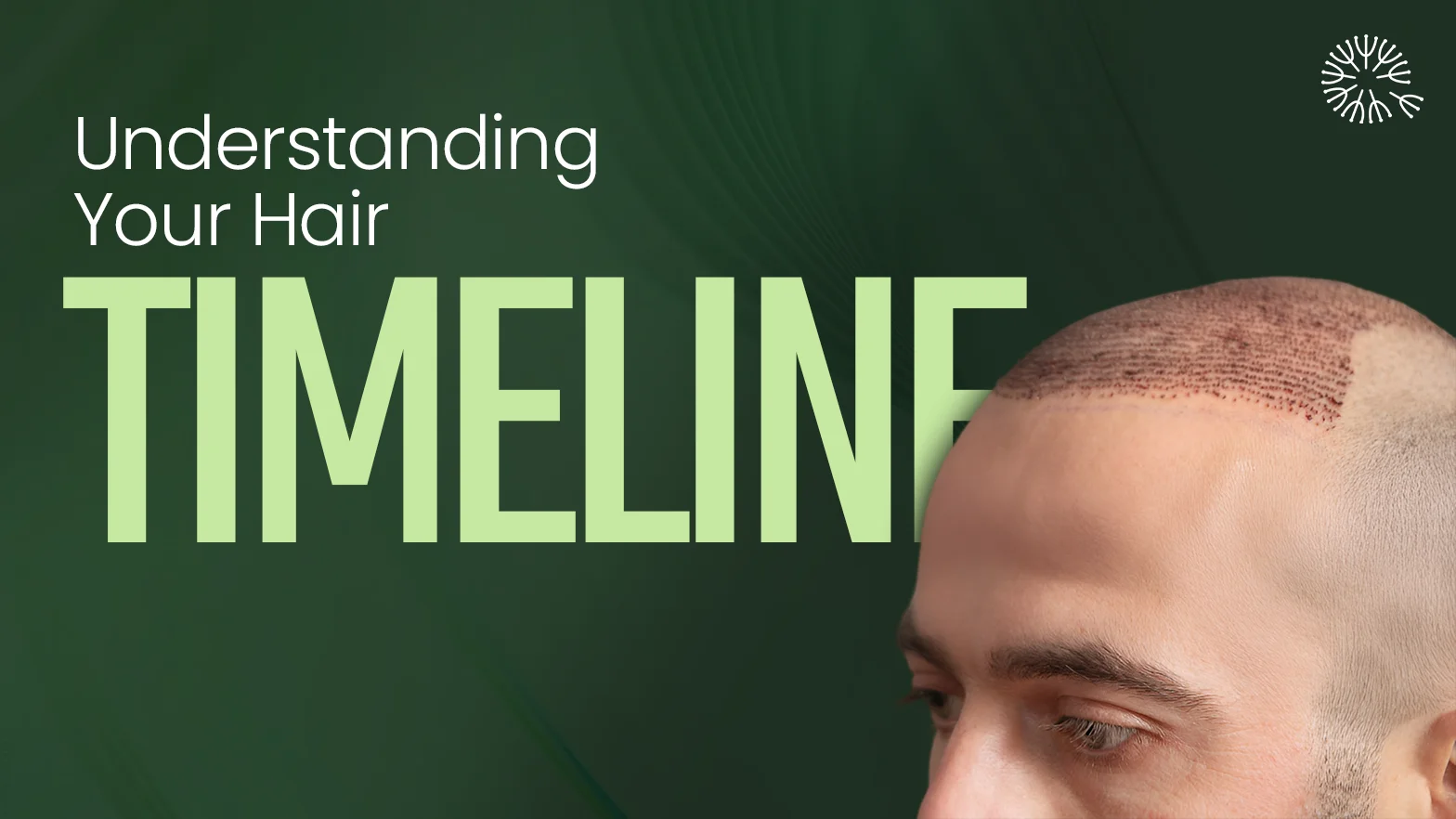
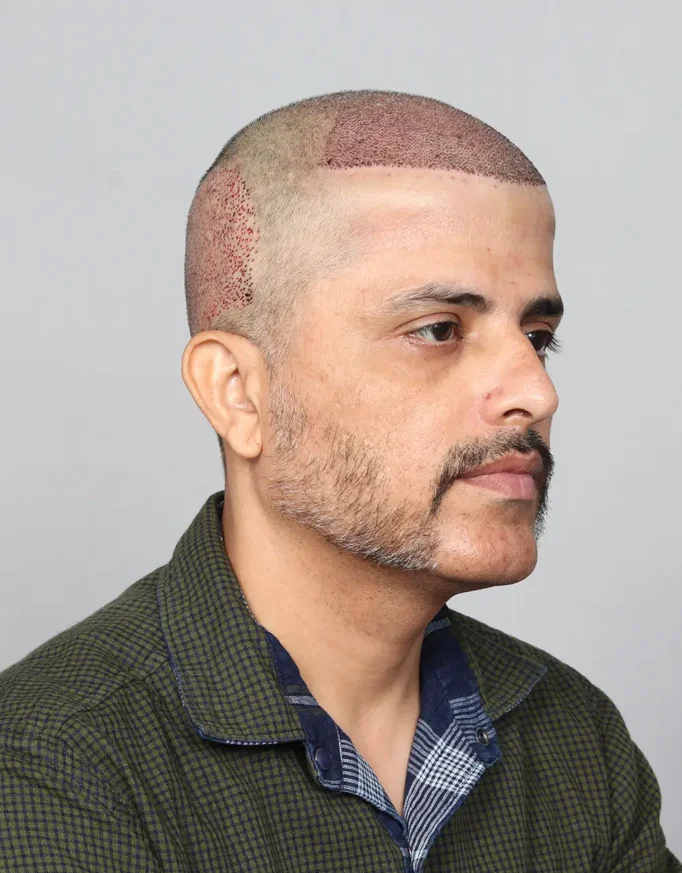
In our follow-ups, the month-three panic is almost a ritual. A patient sees bare scalp and assumes the grafts died. They rarely have. Regrowth moves through a set sequence, and each phase looks different on top, so follow what the follicle is doing rather than what the mirror shows.
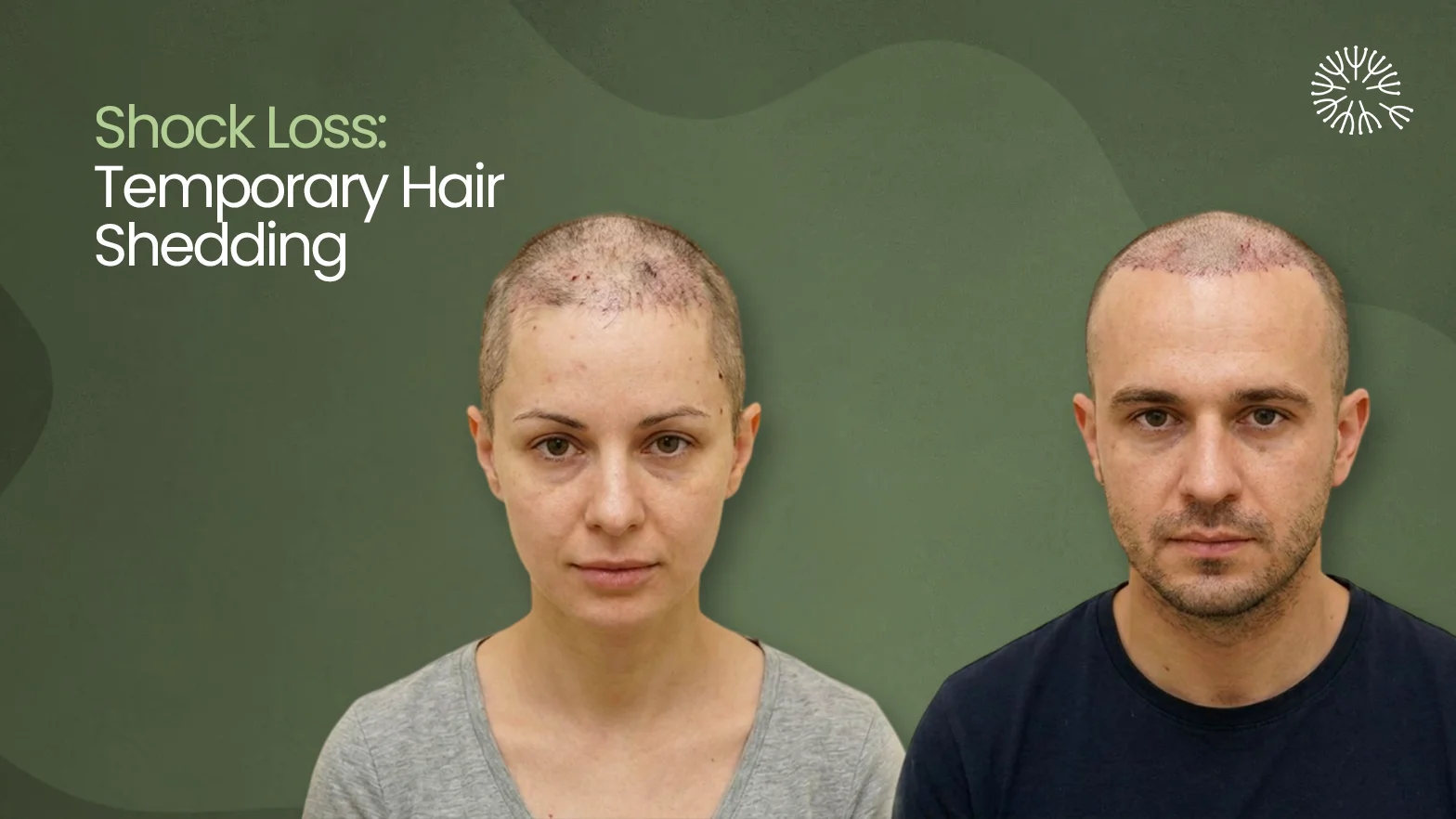
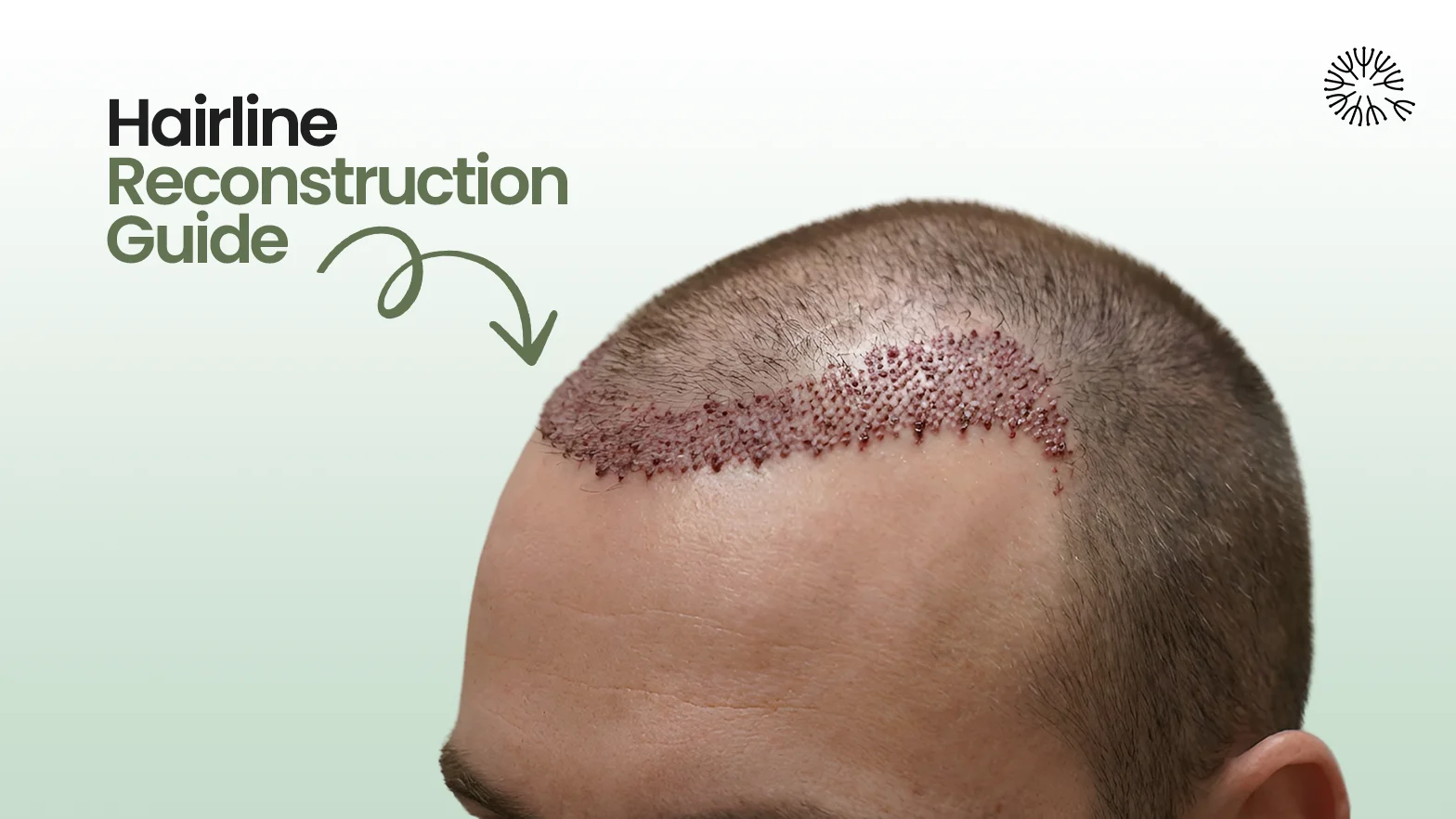
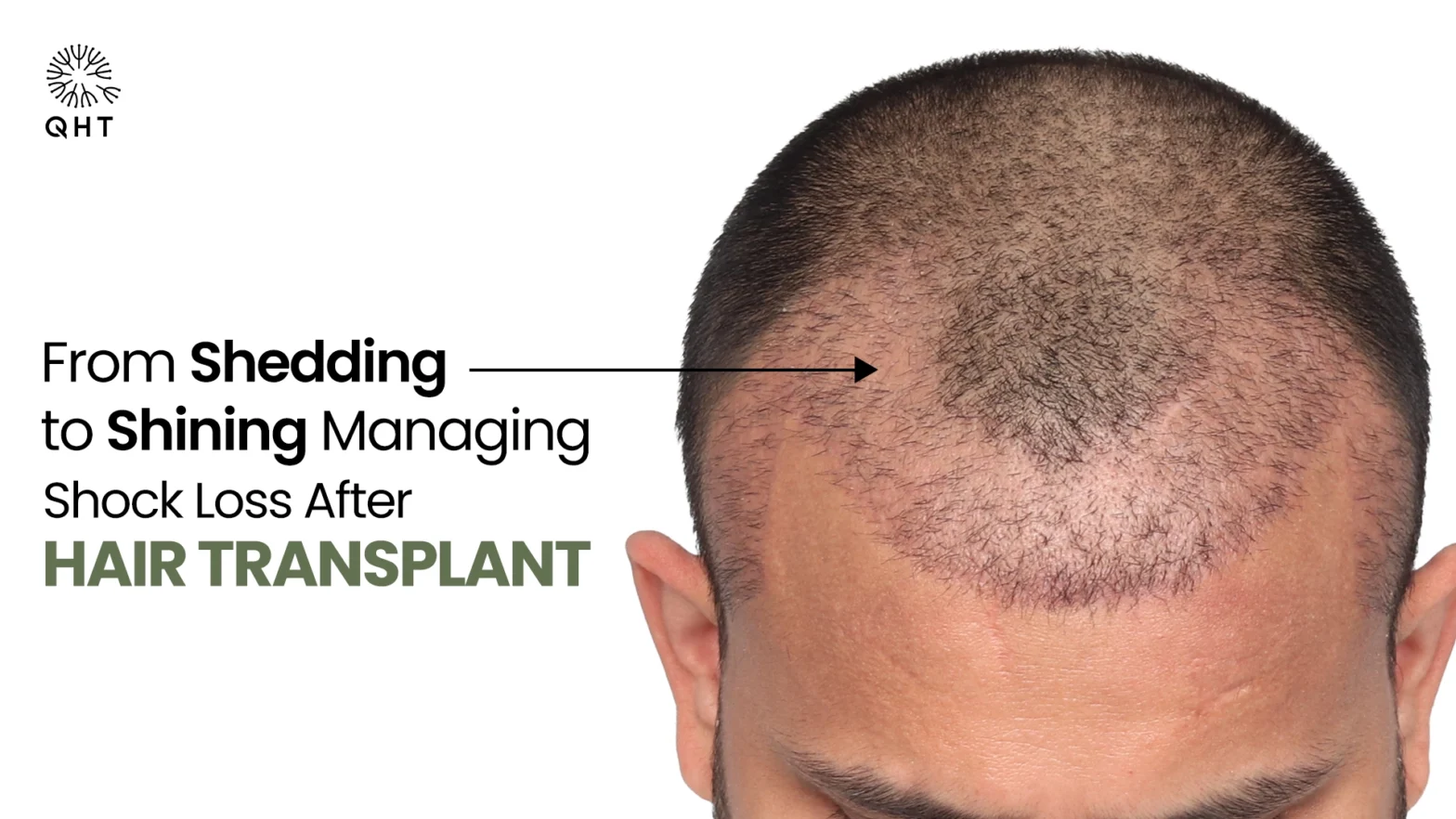
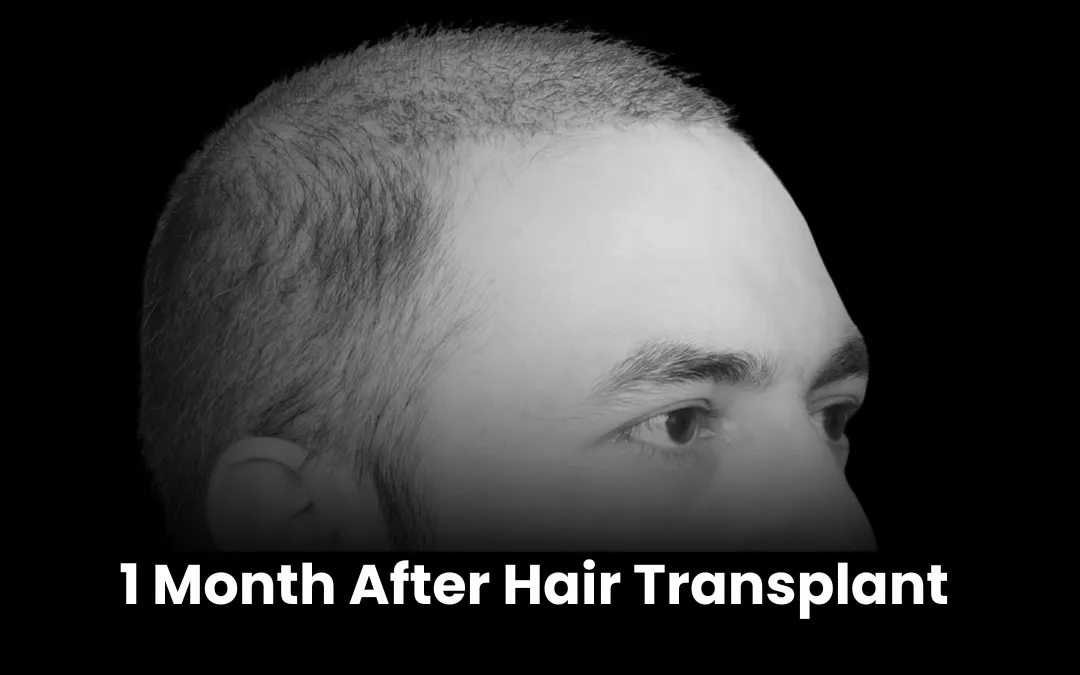
Shedding: Soon after surgery the transplanted hairs fall out. Surgeons call this shock loss. The hair goes; the follicle stays.
Dormancy: The follicle settles into a resting phase. This pause can run 2 to 3 months, and nothing shows on top while it lasts.
Emergence: The follicle then switches back into its active growing phase, and new hair starts to come through.
Maturation: The hair thickens and takes on the colour of the hair around it, the caliber process described earlier.
What You Can Do To Support Hair Growth After Transplant
Most of your result is locked in before you walk out of the clinic. The donor density you started with, the caliber of your hair, the contrast between hair and skin colour: these mostly decide how full the area can look, and they are settled at surgery. A few things stay in your hands afterward. None of them rewrites the biology, but they give the grafts a fair shot at full hair growth after transplant.
Eat for Healing, Not for Hype
Food is the easiest lever you have. Getting enough protein, iron, zinc, biotin and vitamin D supports hair growth. The review reported that iron and vitamin D levels were linked to less hair loss. Read that the practical way: aim to cover these through what you eat, and use supplements to fix a real shortfall rather than as a general booster.
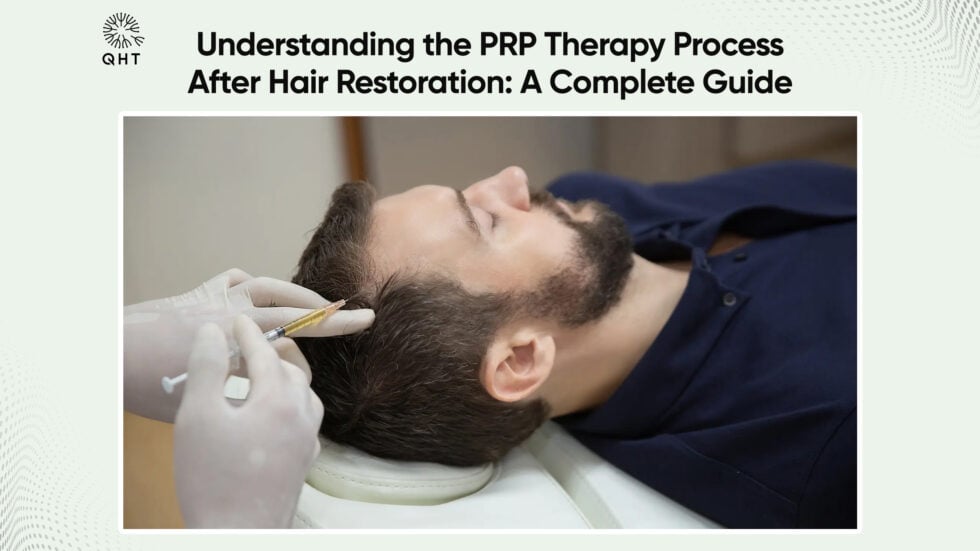
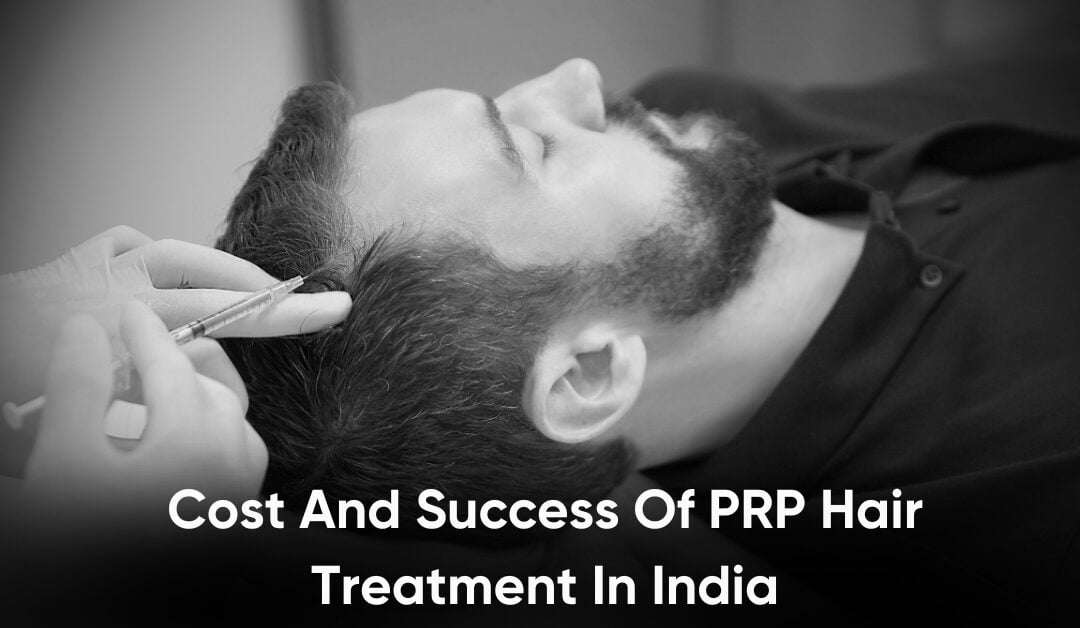
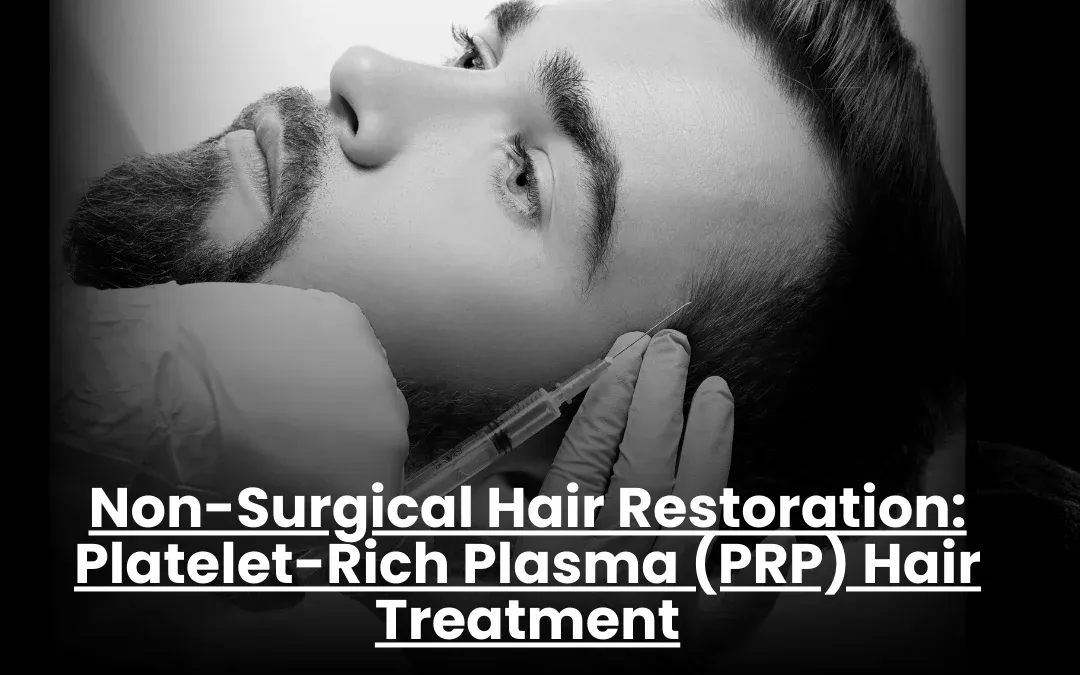
PRP and What it Actually Does
Every add-on patients ask us about, PRP is the only one with controlled-trial evidence behind it. Across three controlled studies of 217 patients, pairing PRP with surgery was linked to denser regrowth, better follicle survival, and new hair arriving sooner. The ceiling matters too: the trials differed in method, and the authors want more standardised data before any strong claim. So we treat PRP the way the evidence does, as genuine support and not a guarantee. At QHT we don’t add it to every case. We reach for it most when your real trigger, e.g. donor supply is tight or a patient wants to push for earlier onset, and at your consultation, we’ll tell you plainly whether PRP earns its place in your case.
Minoxidil and Finasteride
These two are the most widely used medical treatments for pattern hair loss, and they are prescription-led for good reason. Finasteride works by lowering DHT, the hormone behind follicle miniaturization. Your transplanted hair came out of the donor zone, so it does not need that shield. The native hair still sitting between your grafts is the part that does. Both drugs appear on the list of options that slow loss and support regrowth. Whether you start either one, and when, is a decision for your surgeon, not something to begin on your own.
Scalp Care While it Heals
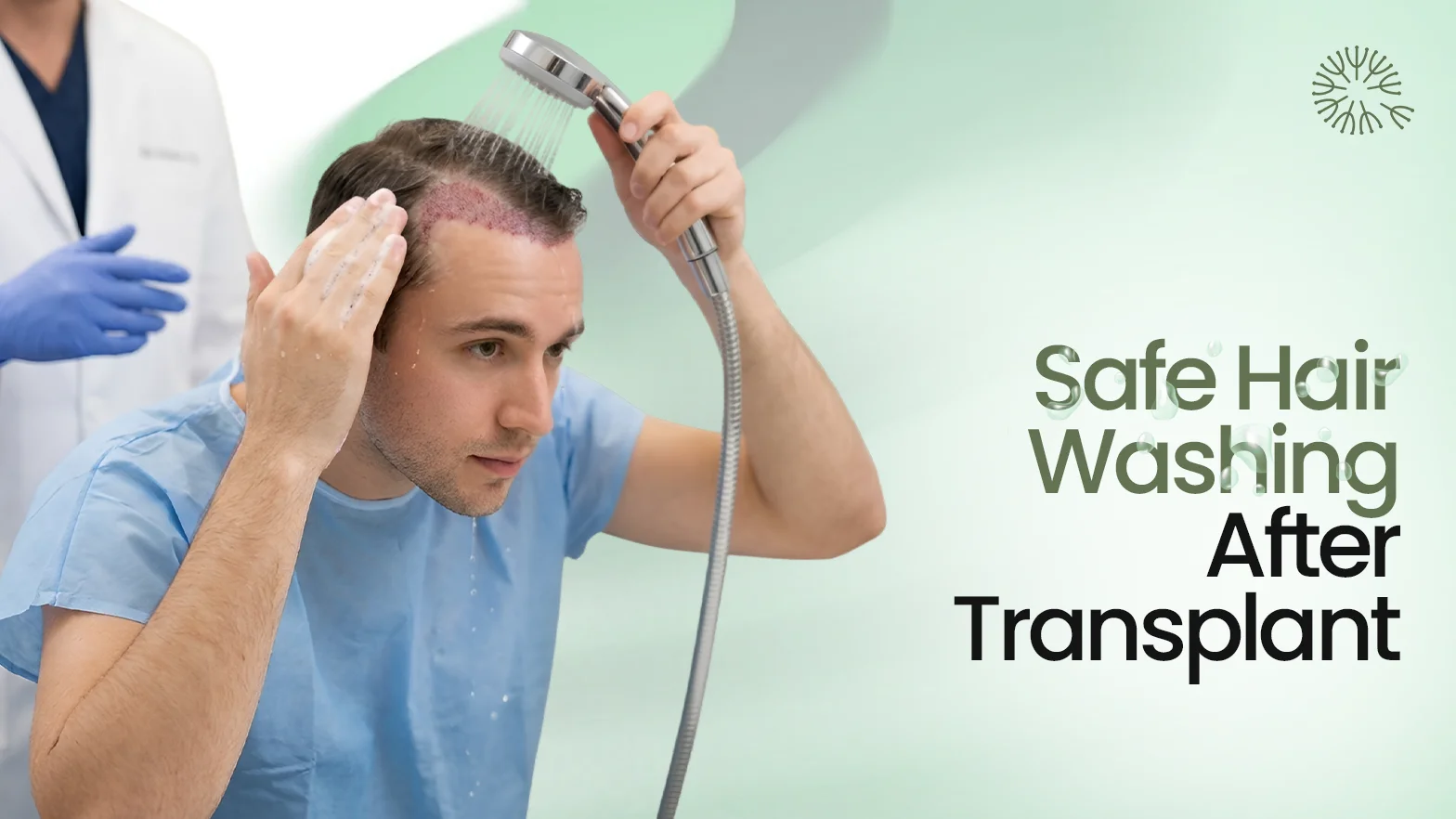
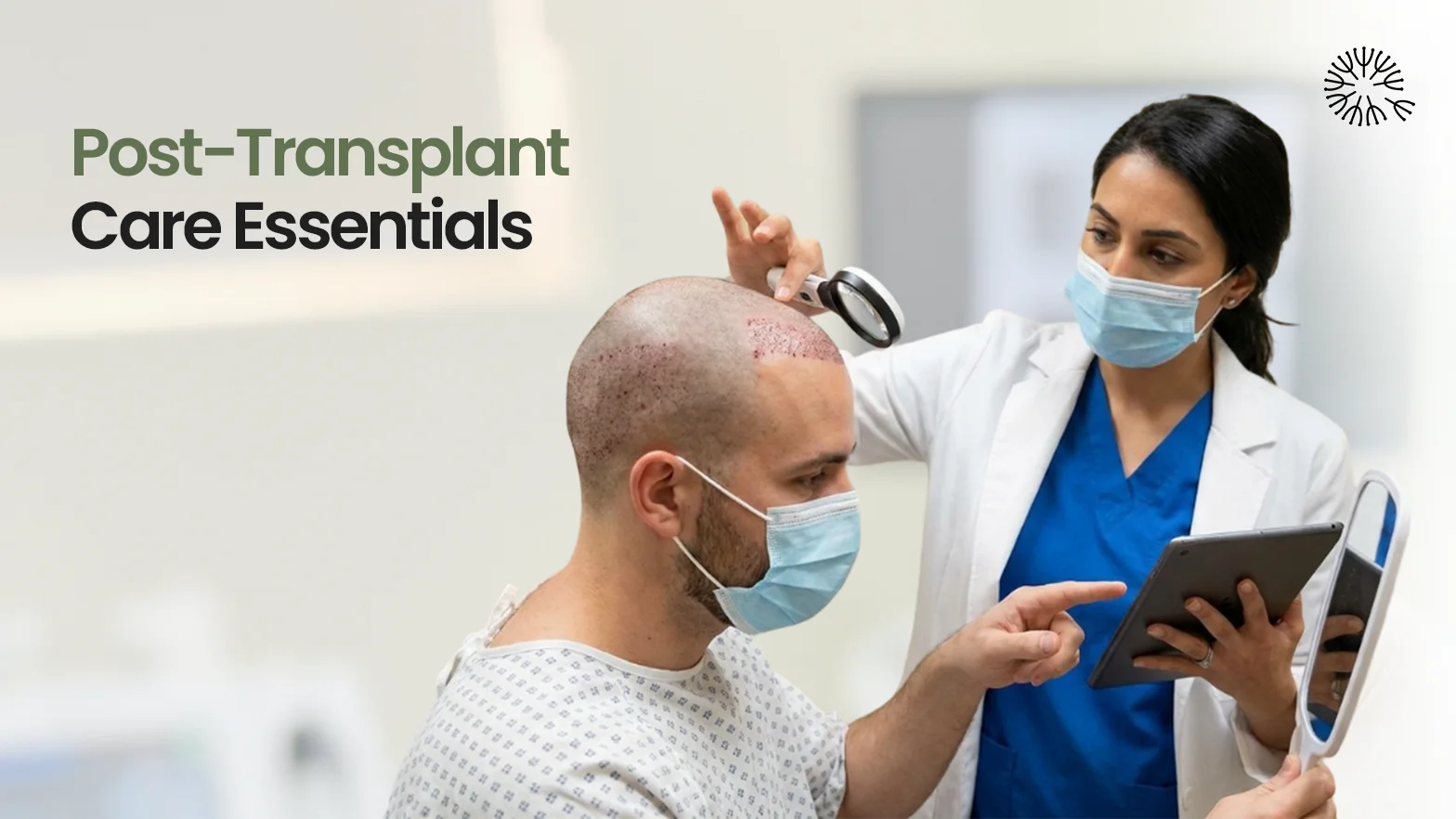
The first two weeks are when a careless hand can still cost you grafts the surgery saved. Keep water pressure low and let it run over the scalp, not at it. No rubbing, no scratching, no picking at crusts however much they itch.
Skip heat styling and direct sun while the skin is still closing. None of this is fussy. It’s the gap between a graft that roots and one that lifts out before it gets the chance.
At QHT, every patient leaves with a written aftercare plan keyed to their exact procedure, so follow yours to the letter. It outranks any general tip, including the ones on this page.
Lifestyle that Helps or Hurts
Two habits turn up in the research. Smoking is a recognised risk factor that can worsen outcomes after a transplant. Alcohol earns a line too, since a higher intake of alcoholic drinks has been linked to more hair loss. Easing off both is one of the few no-cost things you can do for the result.
Mistakes That Slow Your Growth
A strong result is mostly built on the operating table, but a handful of habits afterward can pull against it. None of these undoes a transplant by itself. Stacked across the first months, they quietly chip away at the result you paid for.
- Treating supplements like a booster: Save the iron and vitamin D for people who are actually low on them. Pills don’t stack extra hair onto a healthy diet.
- Smoking or heavy drinking through recovery: Both are linked to worse outcomes, and the healing months are the worst stretch to keep either going.
- Self-prescribing the medication: Minoxidil and finasteride are genuine treatments for pattern loss, but starting either one on your own, with no surgeon setting the timing, is a gamble with your result.
Signs Your Growth Is on Track, and Signs to Flag
Two recovery signals look frightening and aren’t. Two more are worth a call. Knowing which is which saves you weeks of needless worry.
Normal, even when it unsettles you:
- The early shedding. Transplanted hairs fall out soon after surgery, a temporary effect known as shock loss.
- A quiet spell with nothing on top. The relocated follicles sit in a resting phase that runs roughly 2 to 3 months before activity picks back up.
Worth contacting your surgical team:
- Anything pointing toward infection or scarring. Both are recognised risks of the procedure, so a sign heading that way deserves a prompt call rather than a wait-and-see.
- Grafts that do not seem to be taking. Graft failure is a known risk as well, and your surgeon is the person equipped to judge it.
- New growth that has not shown up well past the point your surgeon told you to expect it.
After thousands of these recoveries, the pattern is steady: most worries turn out to be ordinary healing, and the few that aren’t are far easier to fix early. When something feels off, call the team that did your surgery.
Conclusion
The hardest number in the whole process, how many grafts take and grow, was settled on the day of your surgery. That figure is banked. Nothing you do in month four changes what happened in the operating room.
What is left is smaller, slower, and yours. The follicle runs on a multi-year clock, so most of the job is patience. The rest is a short list the research backs: eat to cover any real deficiency, ease off smoking and heavy drinking through recovery, and consider PRP if your surgeon judges it a fit for your case.
If you are partway through and unsure whether your regrowth timeline is on track, you do not have to read your own scalp alone. Sit with a QHT specialist and we will tell you plainly where your result stands and what, if anything, is worth doing next.
Frequently Asked Questions
Does transplanted hair grow like normal hair?
Yes. They come from the donor zone at the back of the scalp and keep their traits when moved, so once the grafts heal they grow just as they always did.
How can I make my hair transplant grow faster?
You cannot rush it. Each follicle runs on a long growth cycle, and relocating it does not shorten that clock. What you can do is support the process. PRP alongside surgery has been linked to growth starting sooner, and keeping your iron and vitamin D up helps, especially if you were running low.
Does PRP help hair growth after a transplant?
The evidence is encouraging. Adding PRP was linked to denser regrowth and stronger follicle survival, with new hair arriving sooner. It also sits among the recognised options for stimulating regrowth. Treat it as support, though, since the trials varied in method and researchers want more standardised data.
Can I use minoxidil after a hair transplant?
Often yes, but whether and when is your surgeon’s call. Minoxidil is one of the most widely used treatments for pattern hair loss, and it appears among the nonsurgical options that help slow loss and support regrowth. Starting it on your own, without the timing set by your surgical team, is not a risk worth taking.
Why is my transplanted hair growing thin and wispy?
Some of this comes down to caliber. Fine vellus hairs measure under 0.03 mm across, while thicker terminal hairs run above 0.06 mm. Transplanted follicles keep the caliber of the donor hair they came from, so hair lifted from a finer part of the scalp grows in finer.
Does diet affect hair transplant growth?
It plays a supporting role. Enough protein, iron, zinc, biotin and vitamin D supports hair growth, and that iron and vitamin D supplementation had a positive effect on alopecia. The same review linked heavier alcohol intake to more hair loss. Food sets the conditions. It does not stand in for the surgery.
What counts as a good graft survival rate?
Graft survival is the share of transplanted follicles that take hold in their new spot and go on to grow hair. The higher it is, the denser your coverage. Most of it is decided during surgery, in how gently each graft is handled and how briefly it stays outside the scalp before placement.
Book a Consultation Today
Latest Videos
-

Rajpal Yadav | Bollywood Actor Hair Transplant Journey at QHT Regrow Clinic Haridwar
Click to Watch
-

FUE Hair Transplant Results | DAYA's FUE Hair Transplant Results
Click to Watch
-

Best Hair Transplant Result 2021 || NW Grade VI A || 3,422 Grafts
Click to Watch
-

Best Hair Transplant Result 2022 | Grade 4
Click to Watch
-

YouTuber Mehtab Saifi Hair Transplant
Click to Watch
-

ACP Pradyuman Hair Transplant - Actor's Hair Transplant
Click to Watch