



How to Choose the Best Hair Transplant in Gurgaon

If your hairline is receding and is in reverse gear, the urge to get it fixed is not surprising; it’s inevitable. If you have already tried and tested with temporary fixes and are actively searching for “ hair transplant in Gurgaon”, you’re not alone.
You are already one step ahead of many people if you are looking for permanent hair restoration treatment options. But here is what truly matters: choosing the right clinic. It’s not about finding the cheapest option in the city; it’s about trusting qualified, experienced surgeons who know what they are doing and have a proven track record of satisfied patients.
Time to put a stop to endless searching and start taking real action. At QHT Clinic, we have spent a decade building our reputation with our results, technique and post-operative care.
This guide is for someone who wants to understand the key factors that make a clinic the right choice for treatment, and make an informed decision based on facts and not just on sponsored ads.
Quick answer box
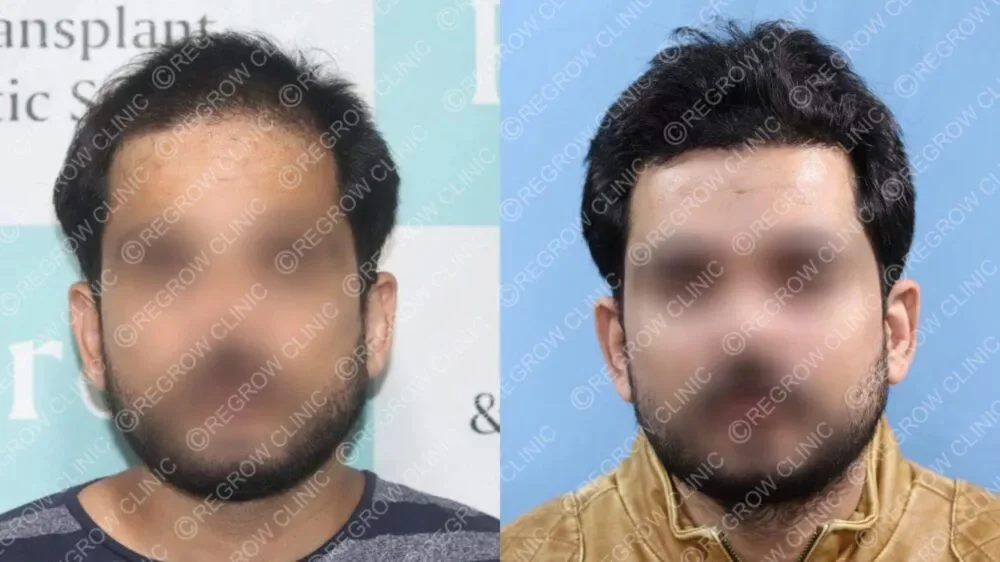
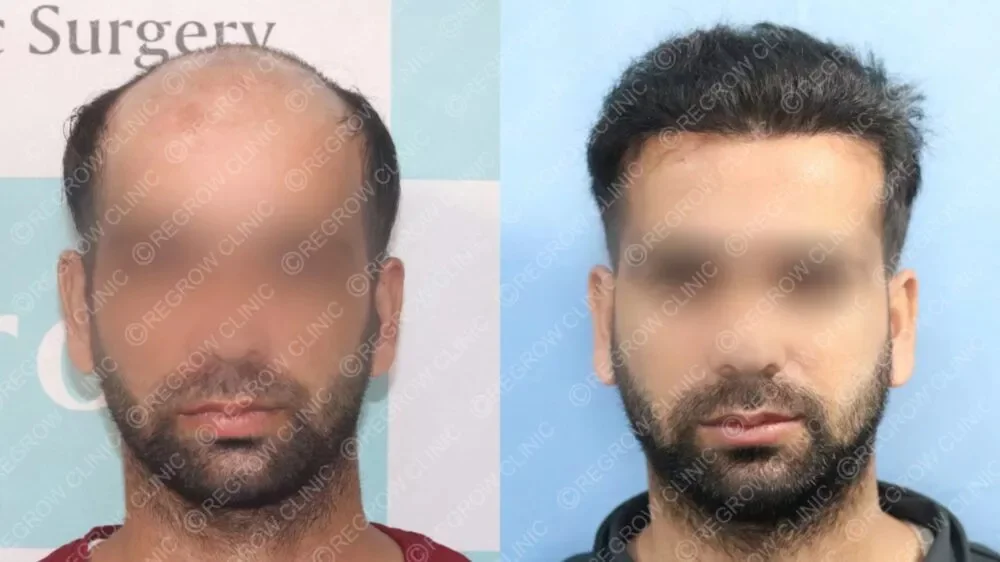
Is a Hair Transplant Worth it in Gurgaon?Yes, especially when done at the right clinic. Hair transplant is a permanent hair restoration procedure that covers bald areas or receding hairline with your own hair, typically taken from the back of the scalp. Unlike temporary solutions, the results are natural and give you the freedom to style and groom your hair as you prefer. With access to highly experienced surgeons, Gurgaon is rapidly becoming one of the most active medical hubs. At QHT Clinic, our expert team brings you experienced surgeons who specialise in advanced techniques like FUE and QHT, performed in a state-of-the-art infrastructure to ensure safety, precision and natural-looking results. When searching for the best hair transplant in Gurgaon, consider these key features to ensure your time, money, and results are worth it.
|
Table of contents
- Why you may need a hair transplant: understanding hair loss
- Hair transplant technique available in Gurgaon
- How to choose the best hair transplant clinic in Gurgaon
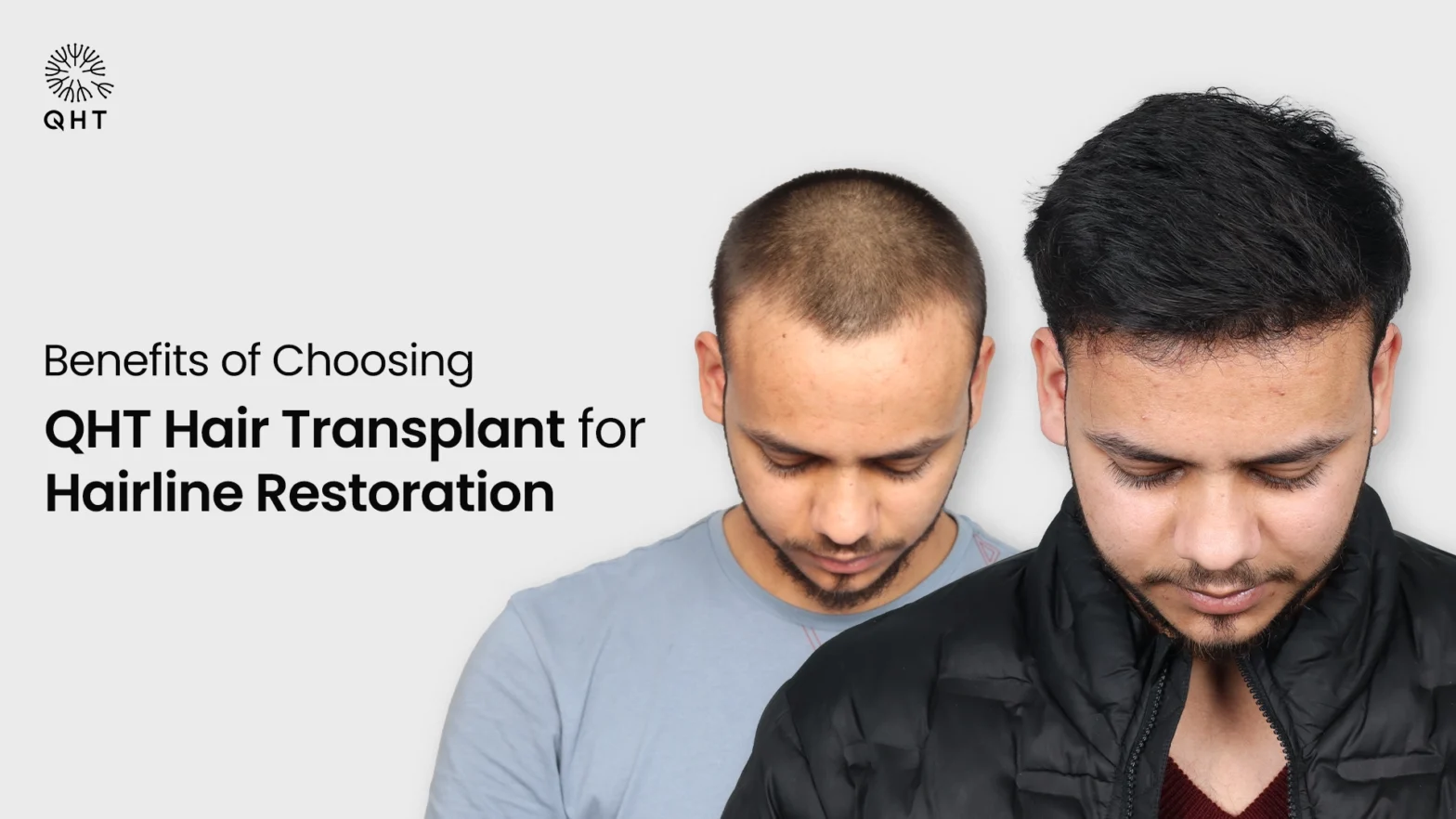
- Benefits of choosing QHT for your treatment
- Common myths about hair transplant (Busted)
- Frequently asked questions
Why You May Need a Hair Transplant: Understanding Hair Loss
Before exploring treatment options, it is crucial to understand the underlying cause of hair loss and why it cannot be effectively treated with topical solutions alone.
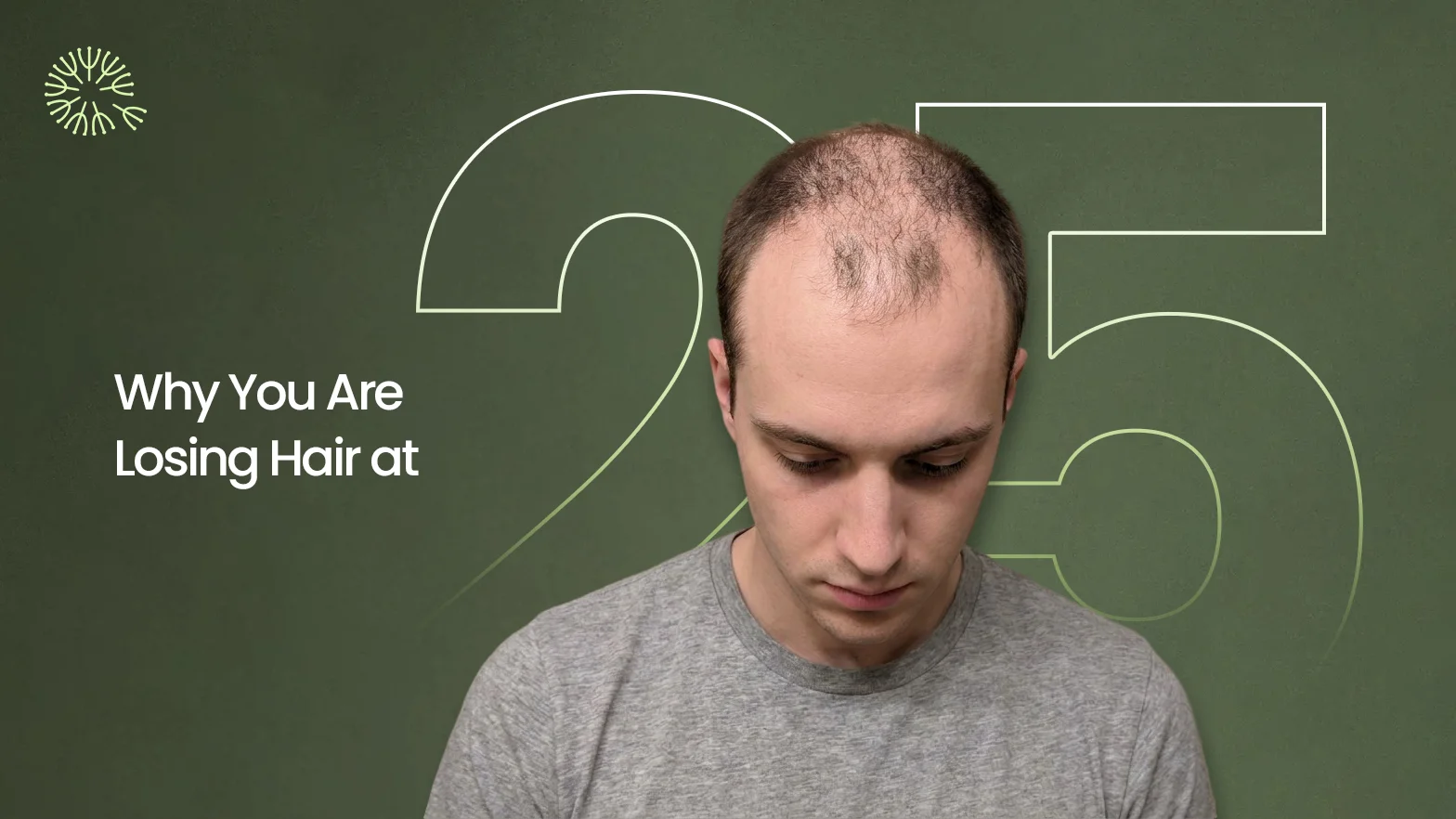
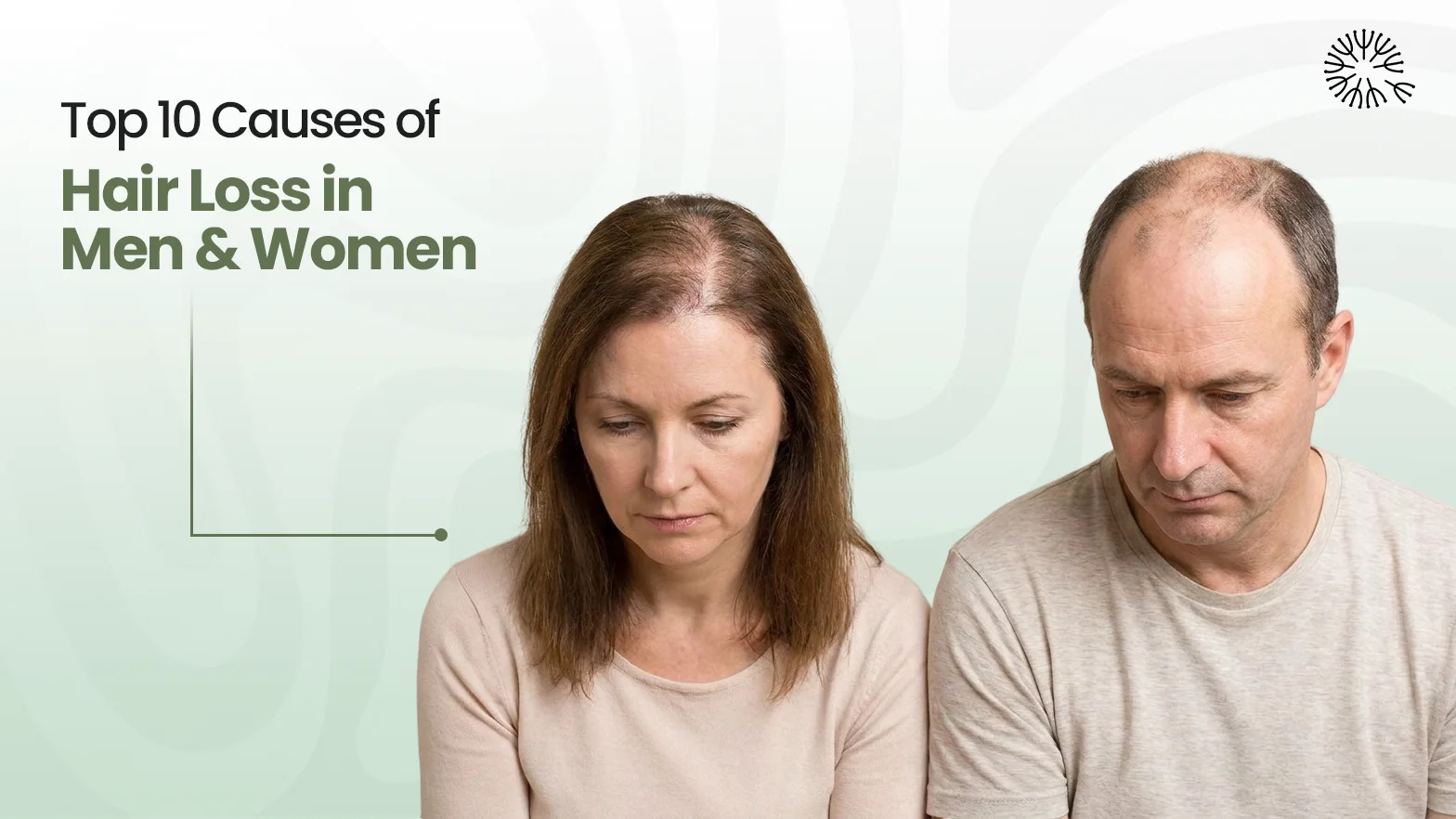
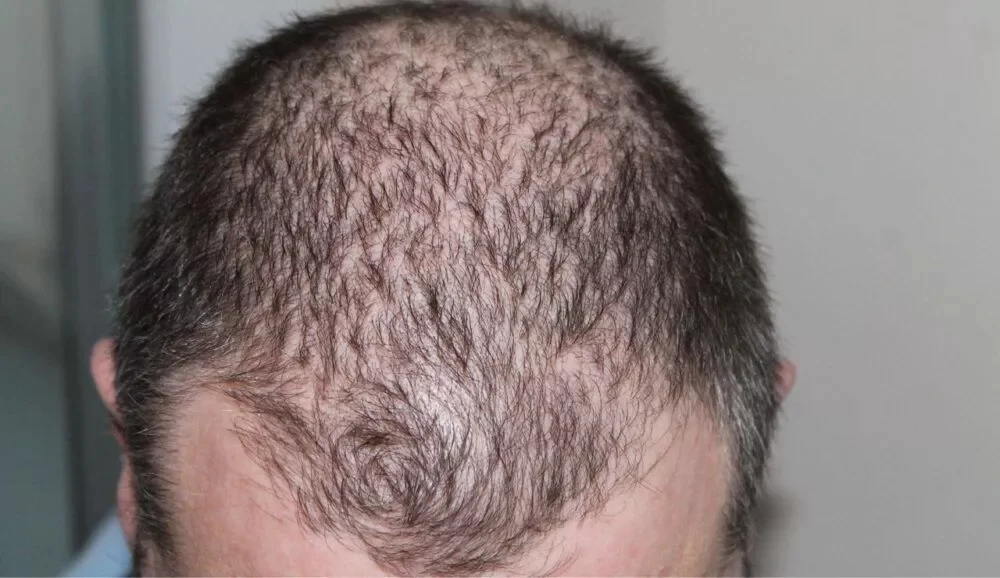
Patterned hair loss, also known as Alopecia, is the most common type of hair loss seen in both men and women. Alopecia refers to partial or complete hair loss, caused by disruption in the hair growth cycle or damage to the hair follicles resulting from genetic conditions, infections, medications or hormonal factors.
Androgen-related alopecia alone affects about 80% of men and 50% of women, making it a leading cause of hair loss.
The Hair Growth Cycle:
The hair growth cycle has 3 primary phases:
- Anagen: The active growth phase lasting for 7-8 years
- Catagen phase: It is a transitional phase where progressive shrinkage of the hair follicle occurs for 2-3 weeks
- Telogen: It is the resting phase, lasting up to 12 weeks before the new cycle restarts.
In androgenetic alopecia, hair loss is primarily driven by a hormone called dihydrotestosterone (DHT), derived from the male hormone testosterone. In individuals with a genetic predisposition, the hair follicles are highly sensitive to DHT. This leads to miniaturisation/shrinkage of follicles with time, shortening of the growth phase, and conversion of thick terminal hair to thin strands of hair.
Causes of Hair Loss:
Hair loss can result from multiple factors
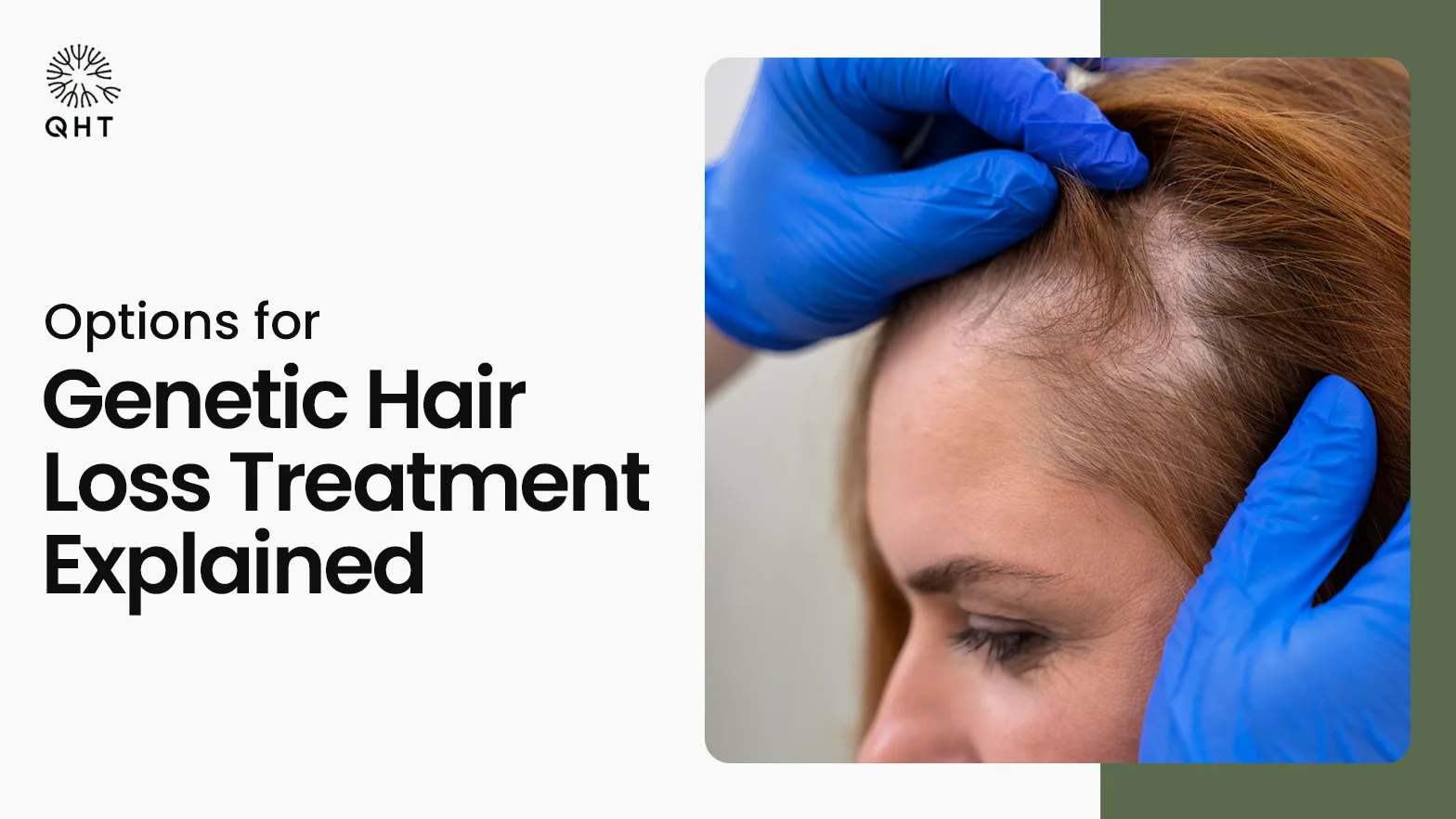
- Genetics: Androgenetic alopecia, a hereditary condition, is the leading cause of hair thinning and hair loss in both men and women, with male-pattern and female-pattern hair loss being especially common in the Indian population.
- Hormonal changes: Conditions such as thyroid disorders can significantly contribute to disruption in the hair growth cycle. Women may also experience hair loss due to PCOS, postpartum hormonal changes, and menopause.
- Medications: Certain medications used for psychiatric disorders, cancer treatment, or heart disease may trigger hair loss as a side effect.
- Stress-related alopecia: Elevated cortisol levels due to chronic stress can trigger telogen effluvium (prolonged resting phase resulting in diffuse hair shedding)
- Traumatic injuries, burns or infections: Physical injuries or untreated scalp infections can cause permanent damage to hair follicles, leading to irreversible hair loss.
Techniques Available in Gurgaon for Hair Transplant:
Not all techniques are the same, and not every technique is suitable for every patient. The selection of technique depends on the extent of baldness, scalp condition, and individual treatment goals.
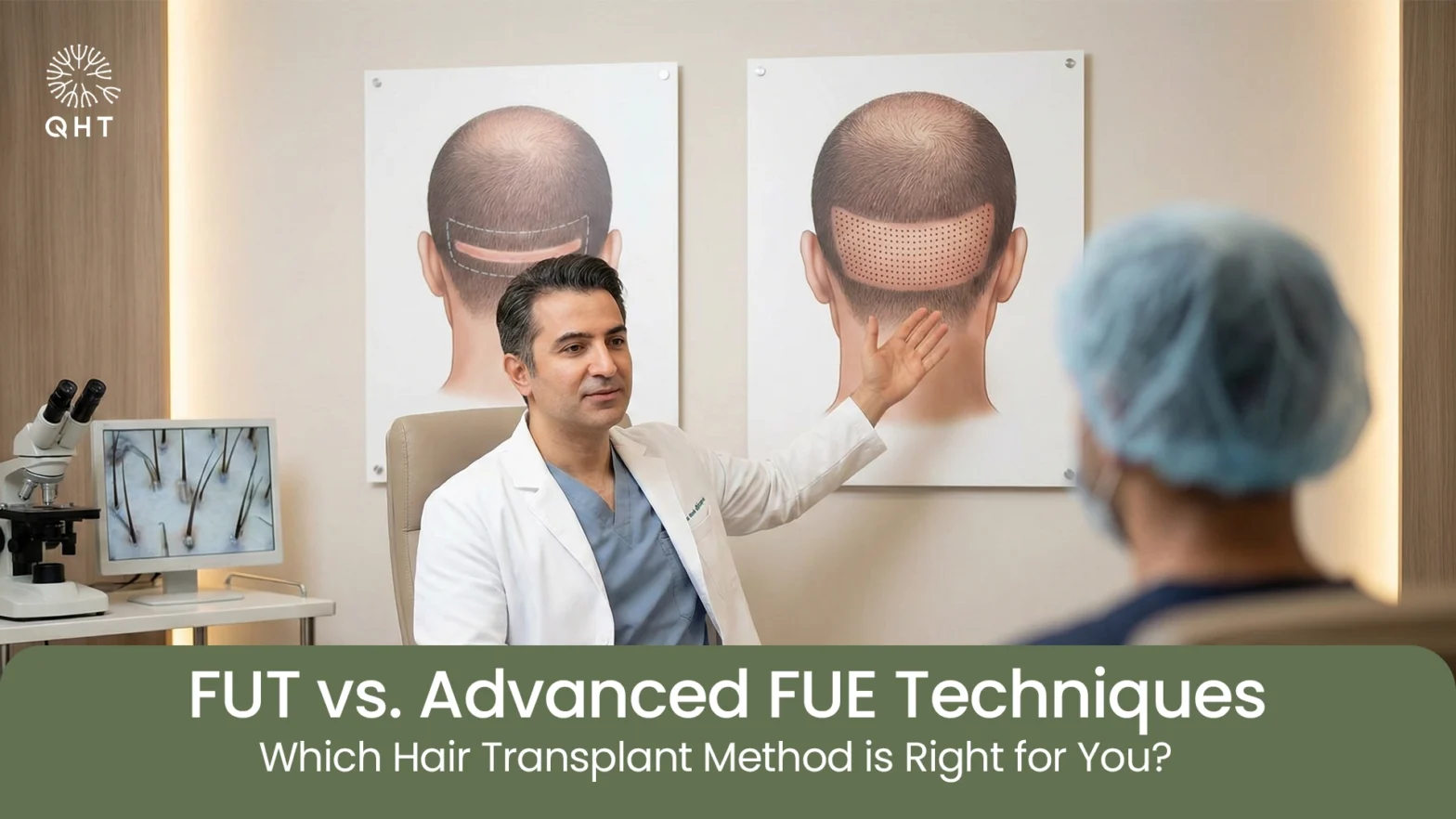
FUE (Follicular Unit Excision)
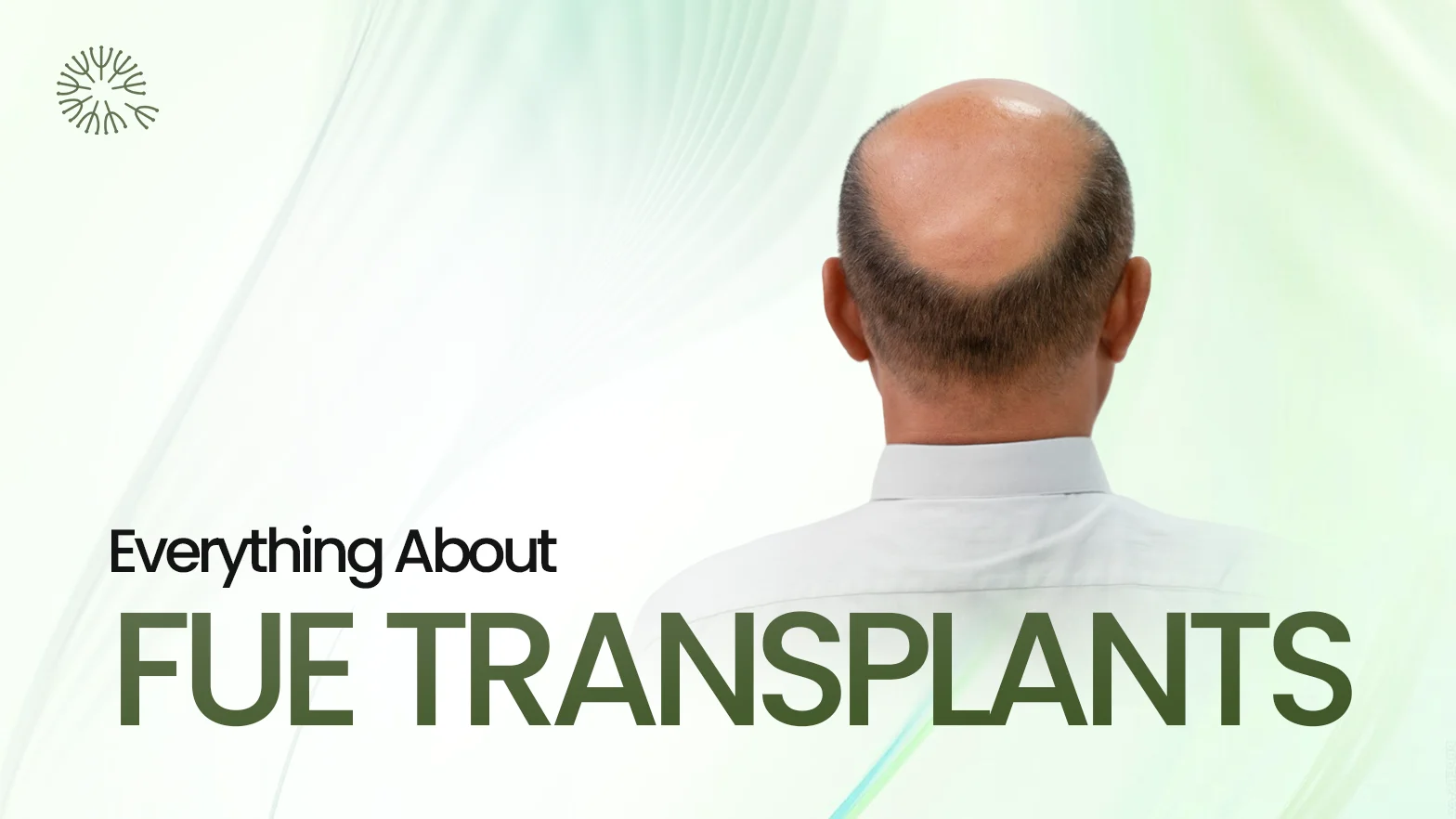
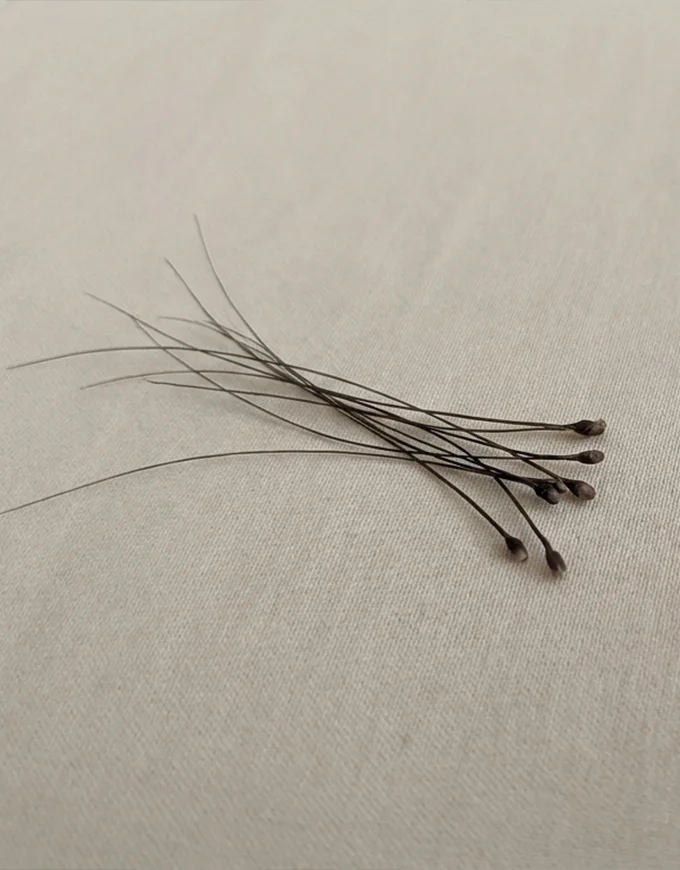
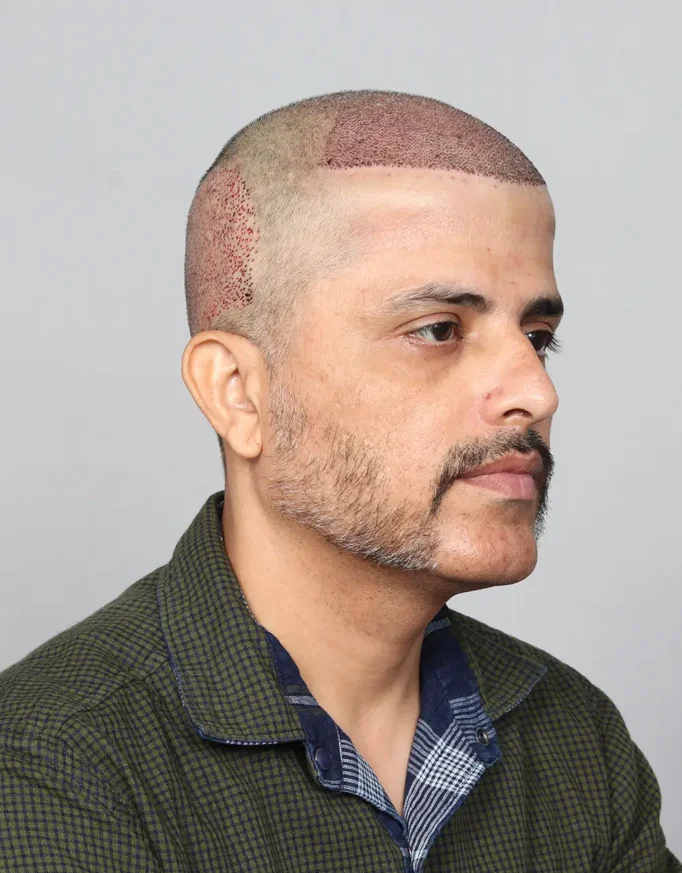
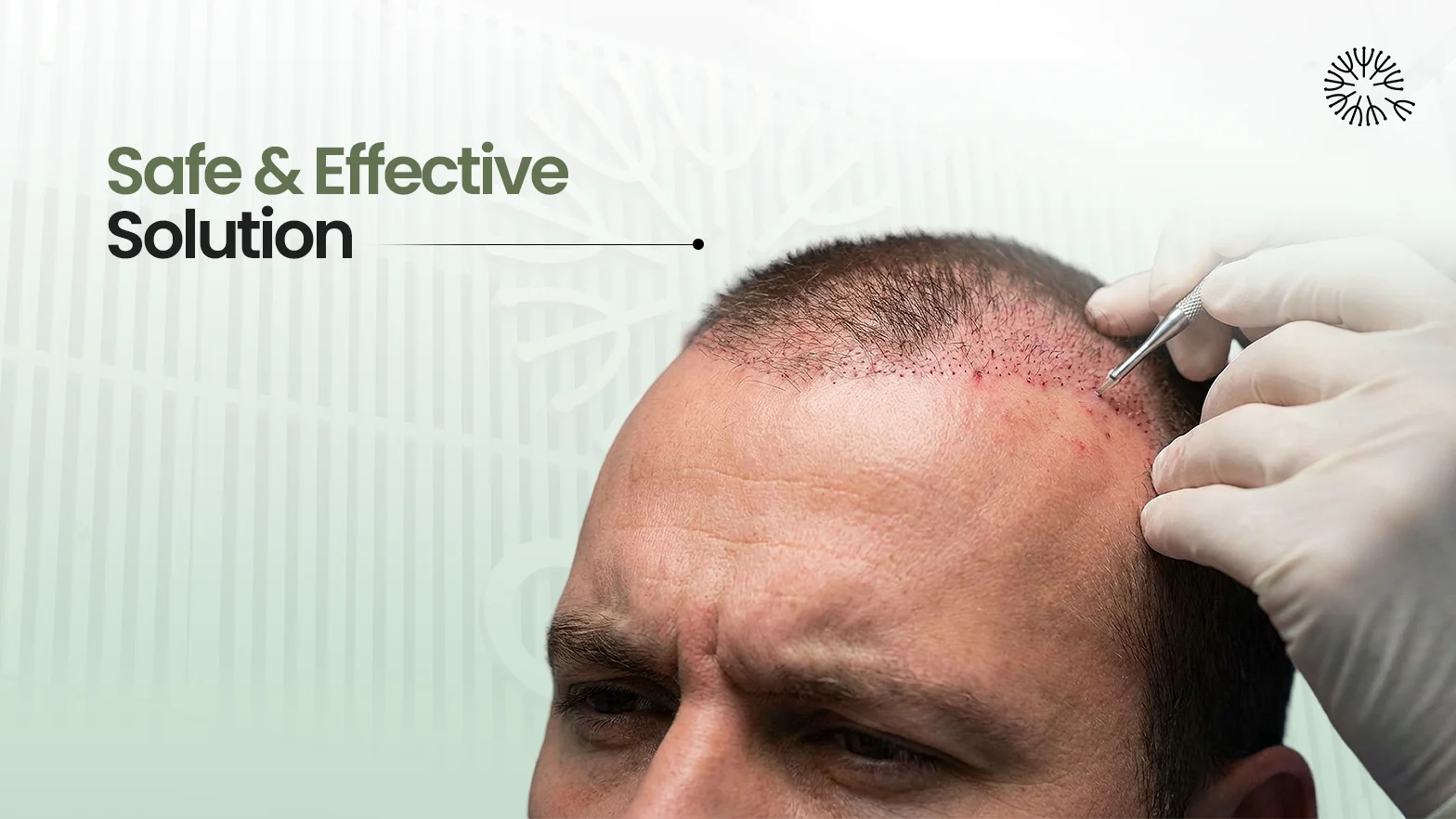
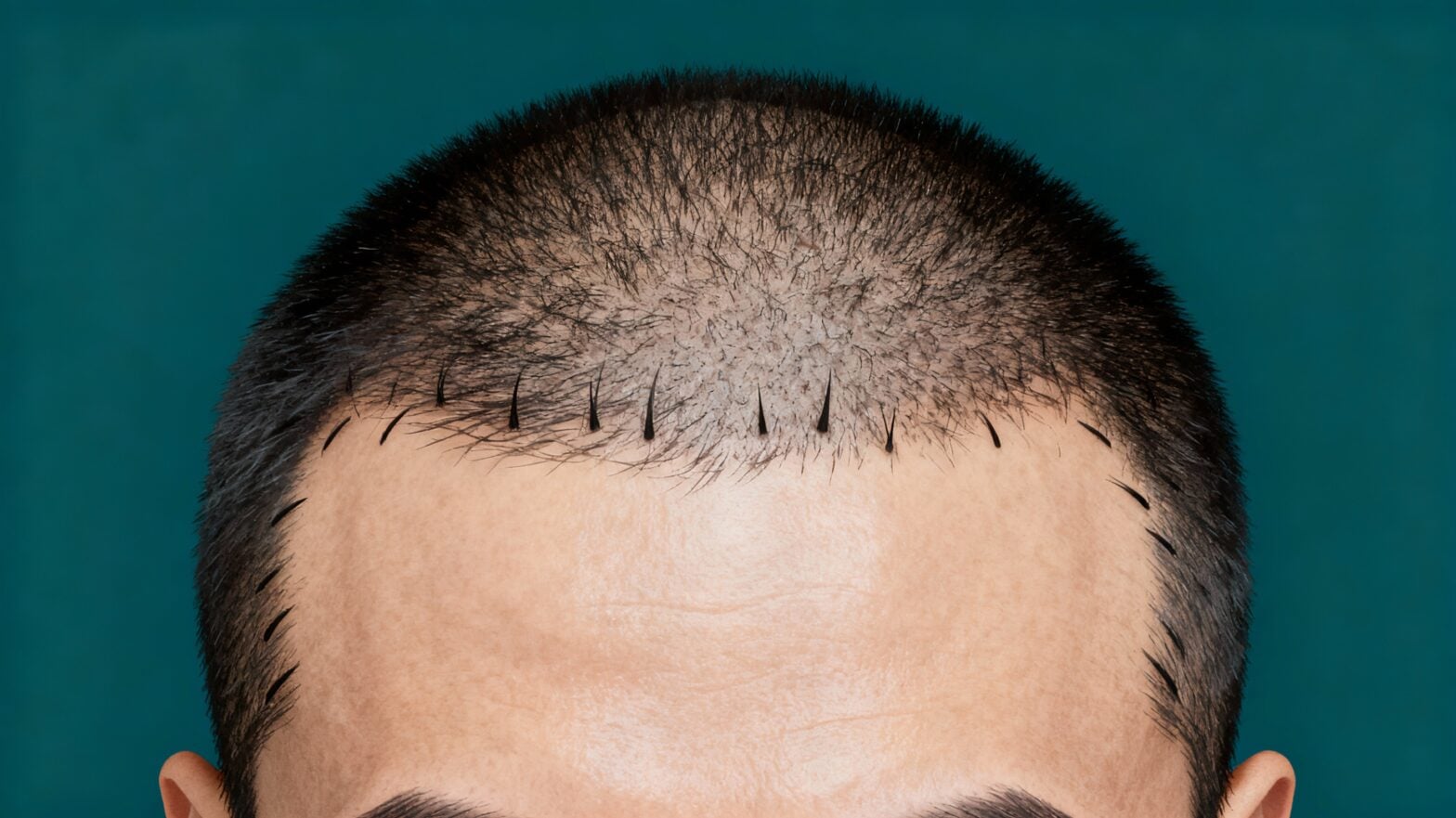
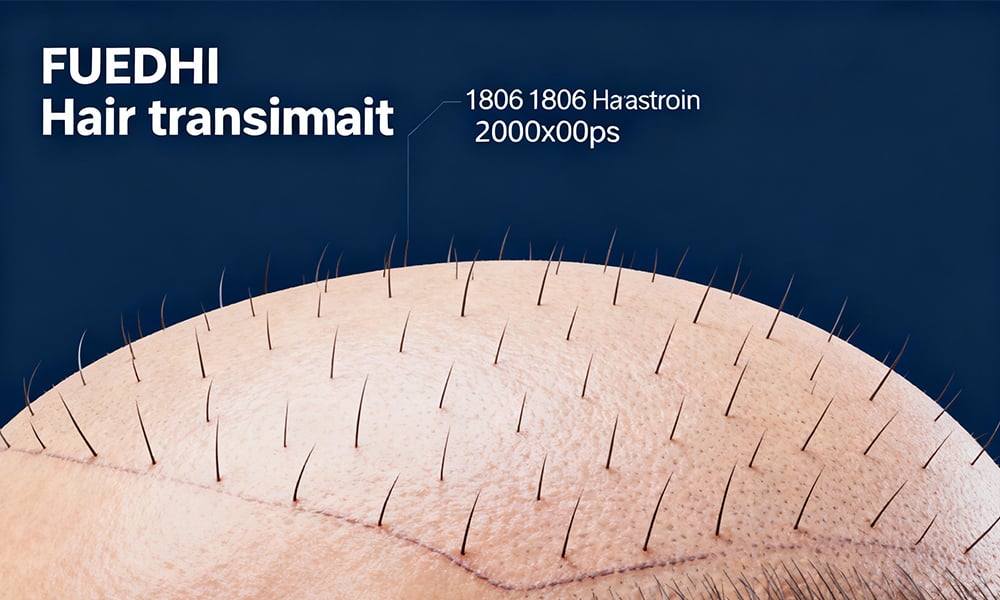
The most widely used technique for hair transplant globally. It involves the extraction of individual follicular units from the donor area (back of the scalp) and their transplantation into bald, thinning areas.
This technique leaves no linear scar, offers faster healing and carries minimal downtime.
FUT (Follicular Unit Transplantation)
This technique involves removing a strip of scalp from the donor area. The follicular units are microdissected under magnification and transplanted to the recipient area.
It is less commonly performed as it is more invasive and best suited for patients who require a large number of grafts in a single session.
QHT(Quick Hair Transplant)
A proprietary and advanced form of FUE, developed and offered exclusively at QHT Clinics. This technique involves simultaneous harvesting and implantation of the grafts. It offers better graft survival by reducing its out-of-body time.
How to Choose the Best Hair Transplant Clinic in Gurgaon
Gurgaon has many clinics that offer the treatment. However, selecting the right clinic requires careful evaluation of some critical factors.
1. Surgeon’s Credentials and Expertise
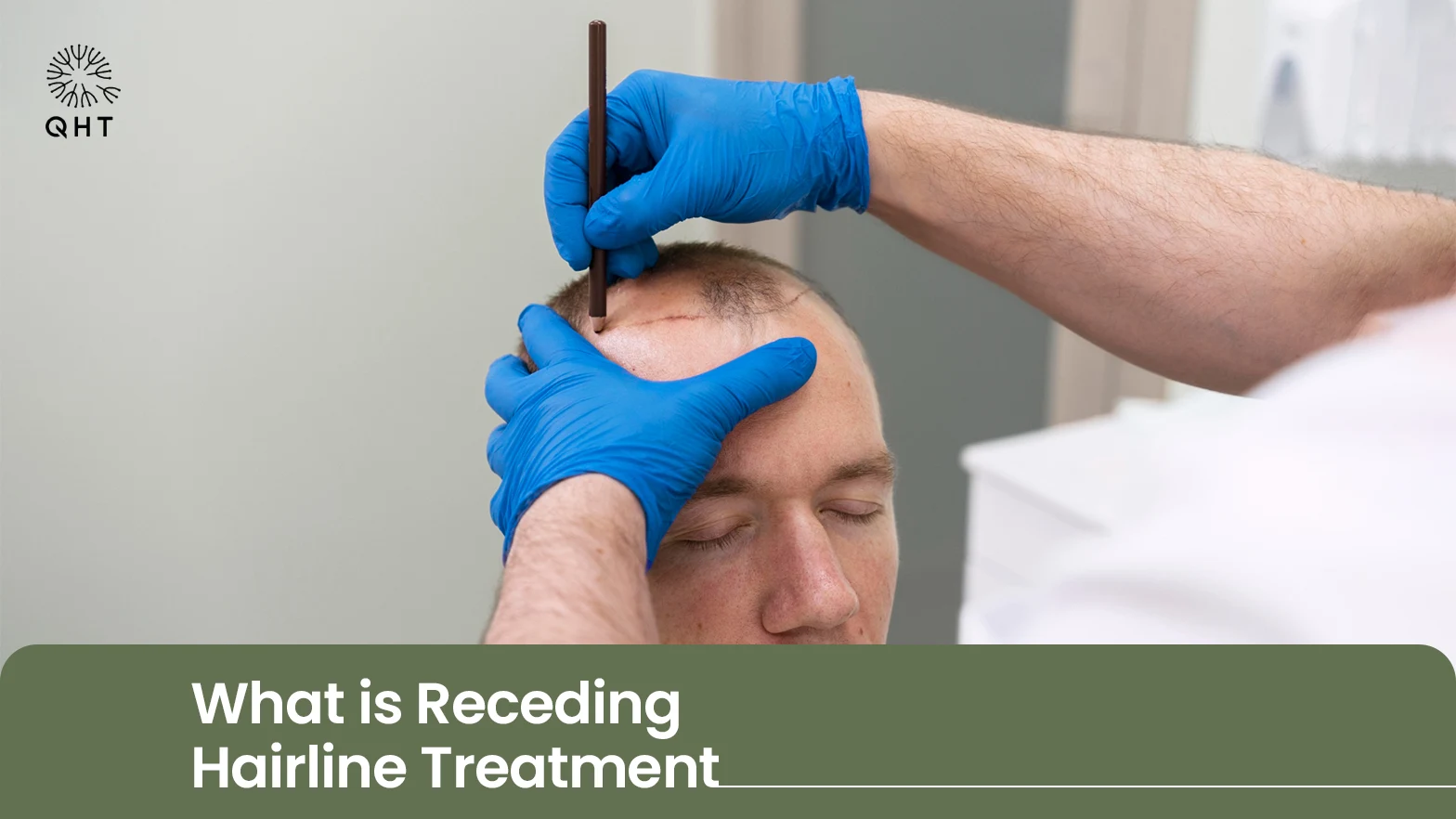
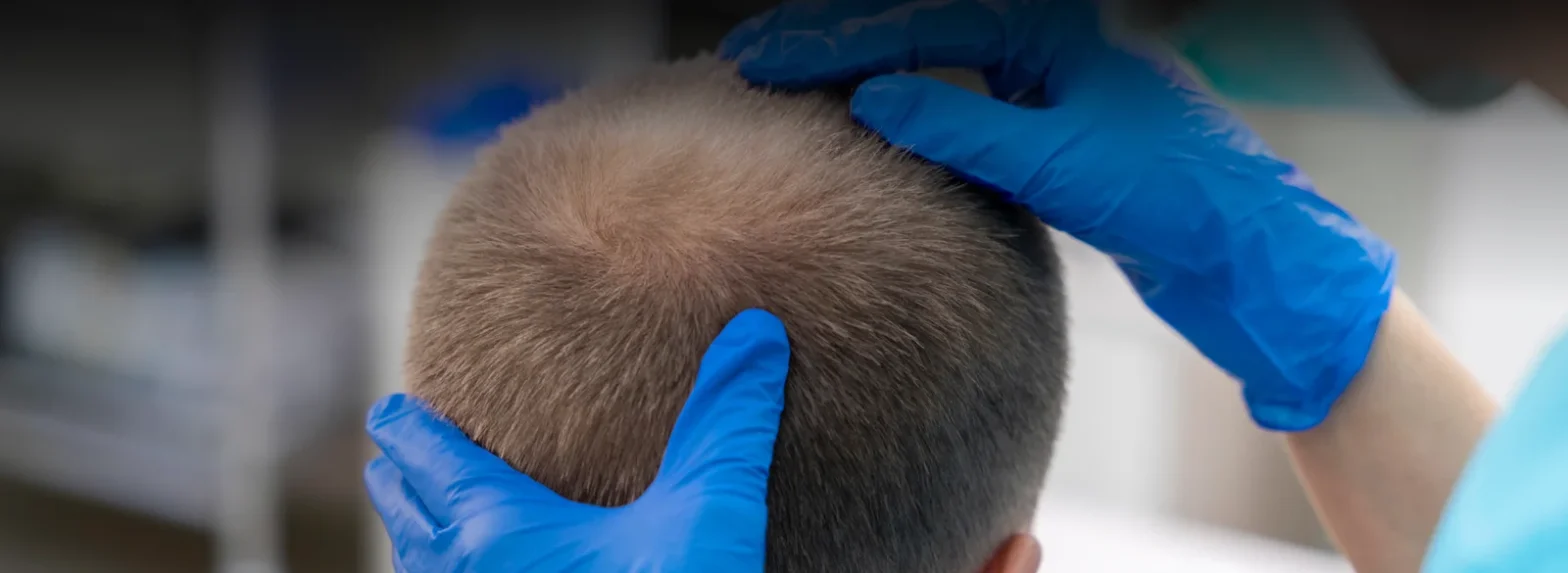
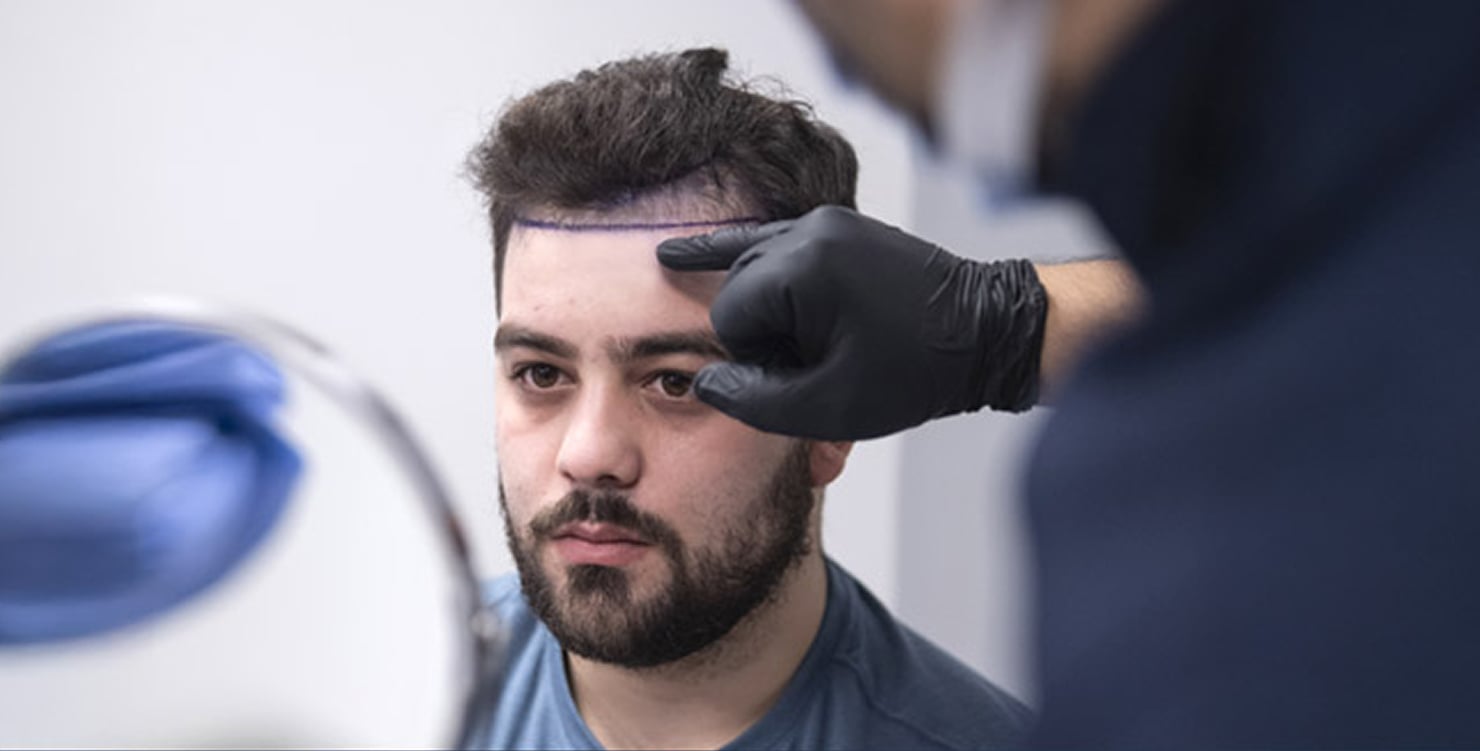
The most important factor to consider is the surgeon’s credentials and hands-on experience. A certified or qualified surgeon undergoes rigorous training to perform these procedures with accuracy and precision. The experienced surgeon analyses the root cause before proceeding with the treatment.
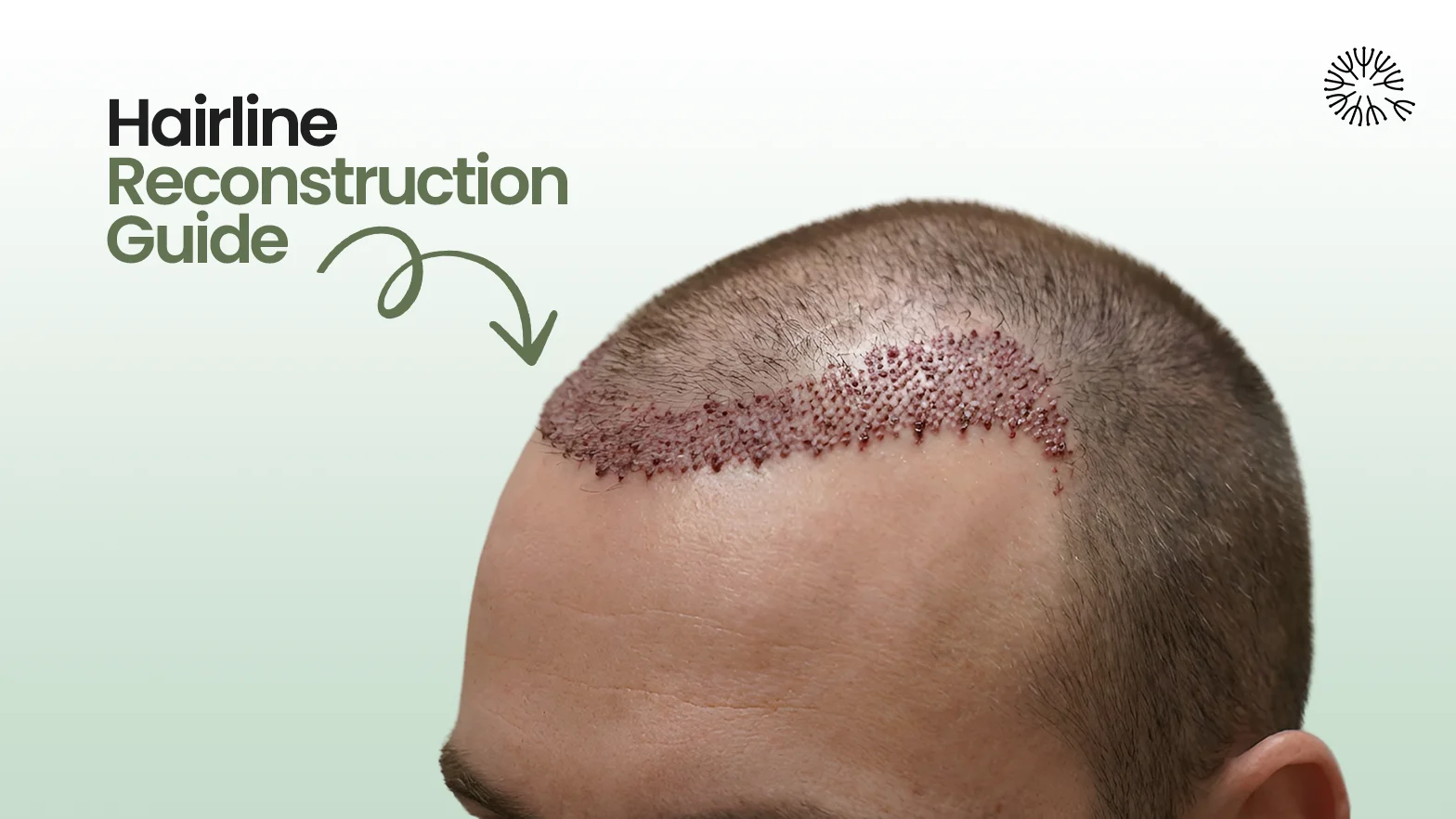
Their expertise in graft placement at correct angulations and depth is what provides a patient with natural-looking hair restoration, especially at the hairline and facial region.
All key steps should be handled by surgeons and not delegated to technicians.
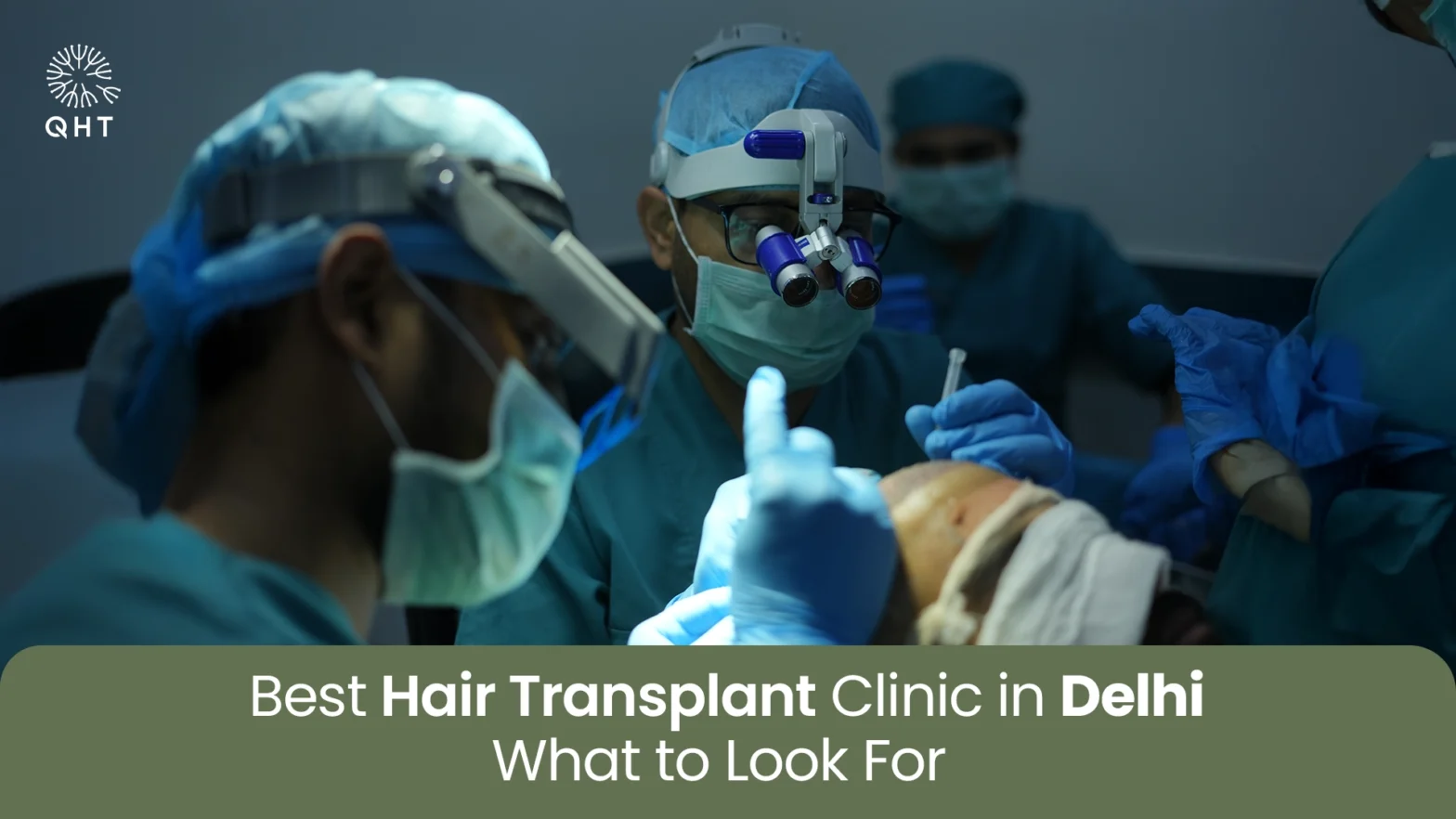
2. Clinics’ Infrastructure and Surgical Environment
Advanced tools developed in recent years allow better graft harvesting with minimal damage to the scalp. Hair transplant is a surgical procedure, and sterilisation is a non-negotiable aspect of the treatment. It is important to ensure that the clinic is equipped with digital scalp evaluation tools, follows proper sterlisation protocols, and has a structured post operative follow up system in place.
3. Transparency in Pricing:
A price is finalised only after a complete evaluation of the scalp. Any estimate given on the phone, without examining your scalp condition, cannot be trusted. The cost of the treatment varies depending on the surgeon’s expertise, the location and infrastructure of the clinic, and the number of grafts needed for transplant.
Only after thorough examination can the prices be estimated.
4. Postoperative care
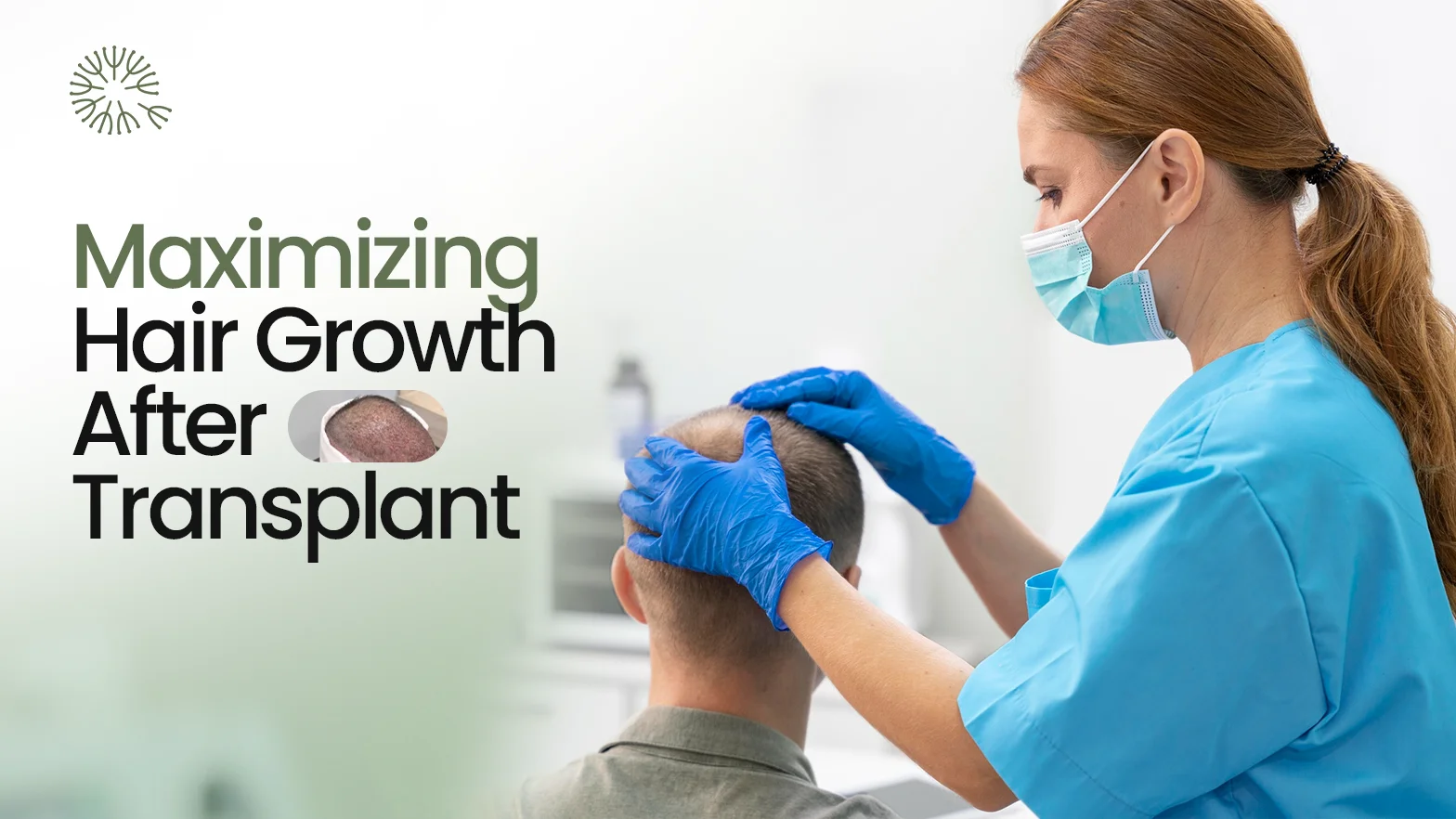
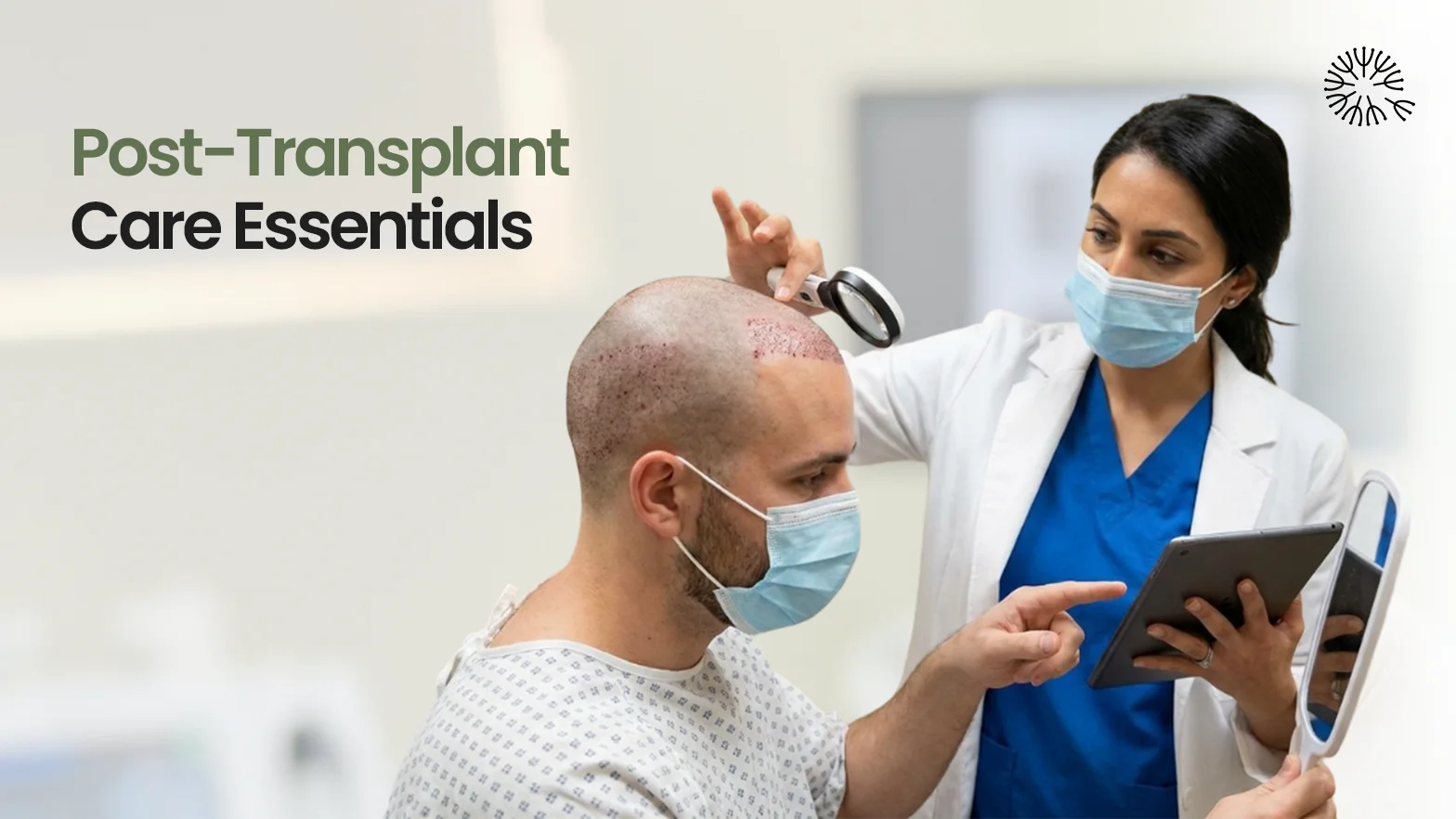
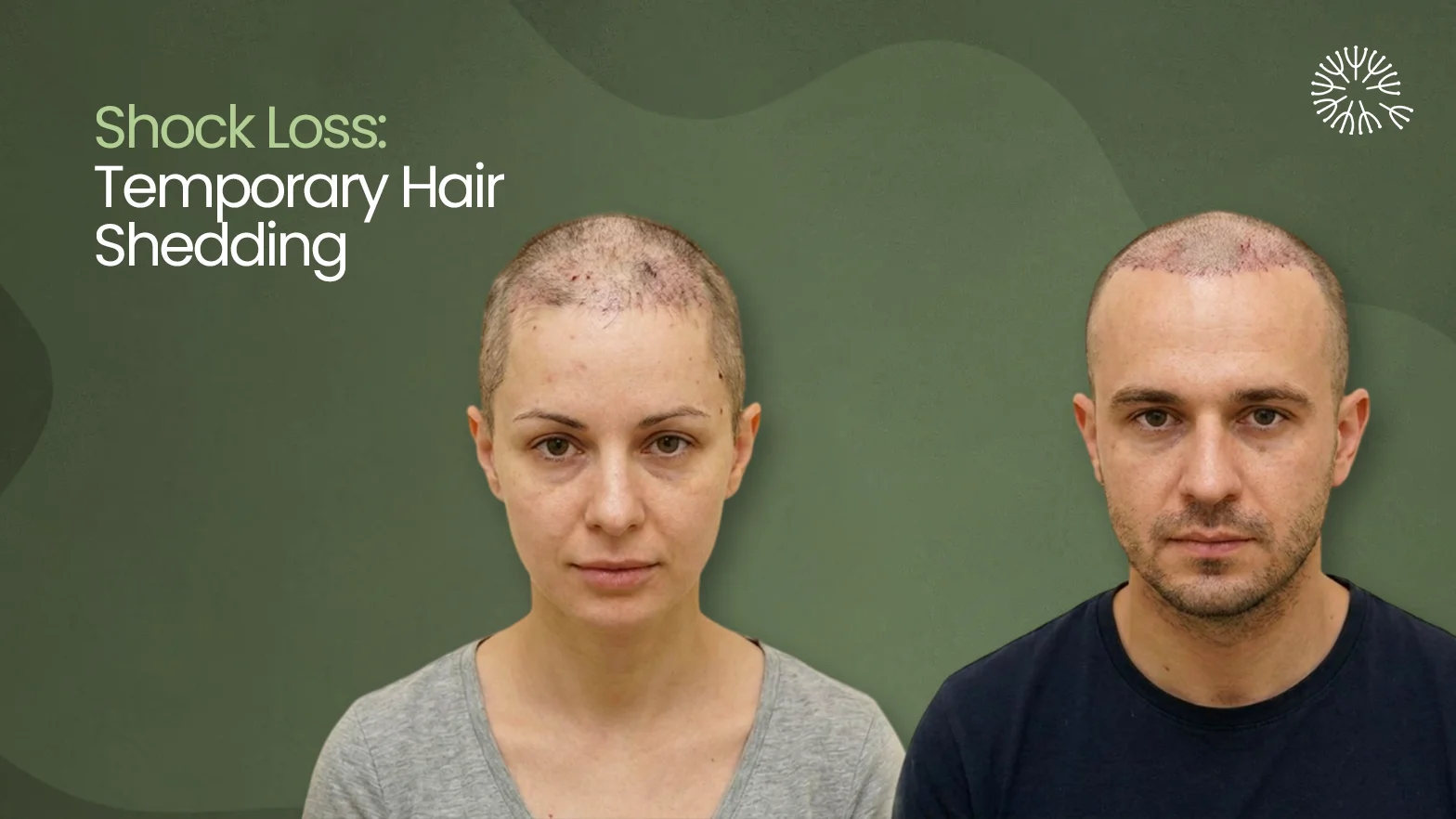
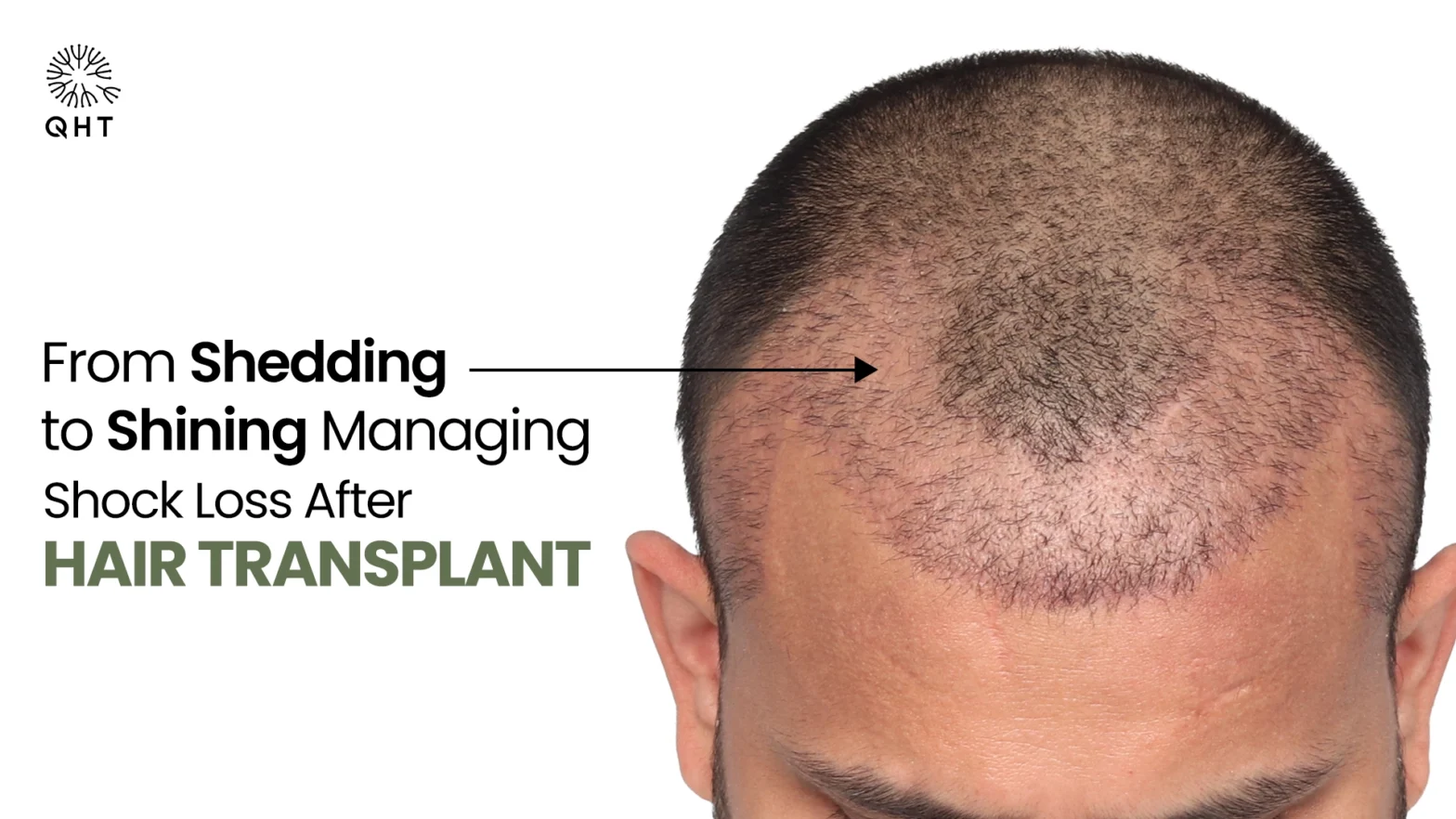
The surgery is only the beginning of the treatment. The long-term success is largely determined by post-surgical care. A clinic should have a proper system in place to support the patients post-surgery. The shedding of hair in the first 2 weeks after surgery due to shock loss is a very common occurrence and can lead to panic if the patient is not properly educated. Having a structured postoperative care plan, clear communication, and regular follow-up appointments are important to guide the patient through the phase of recovery.
Setting up realistic expectations
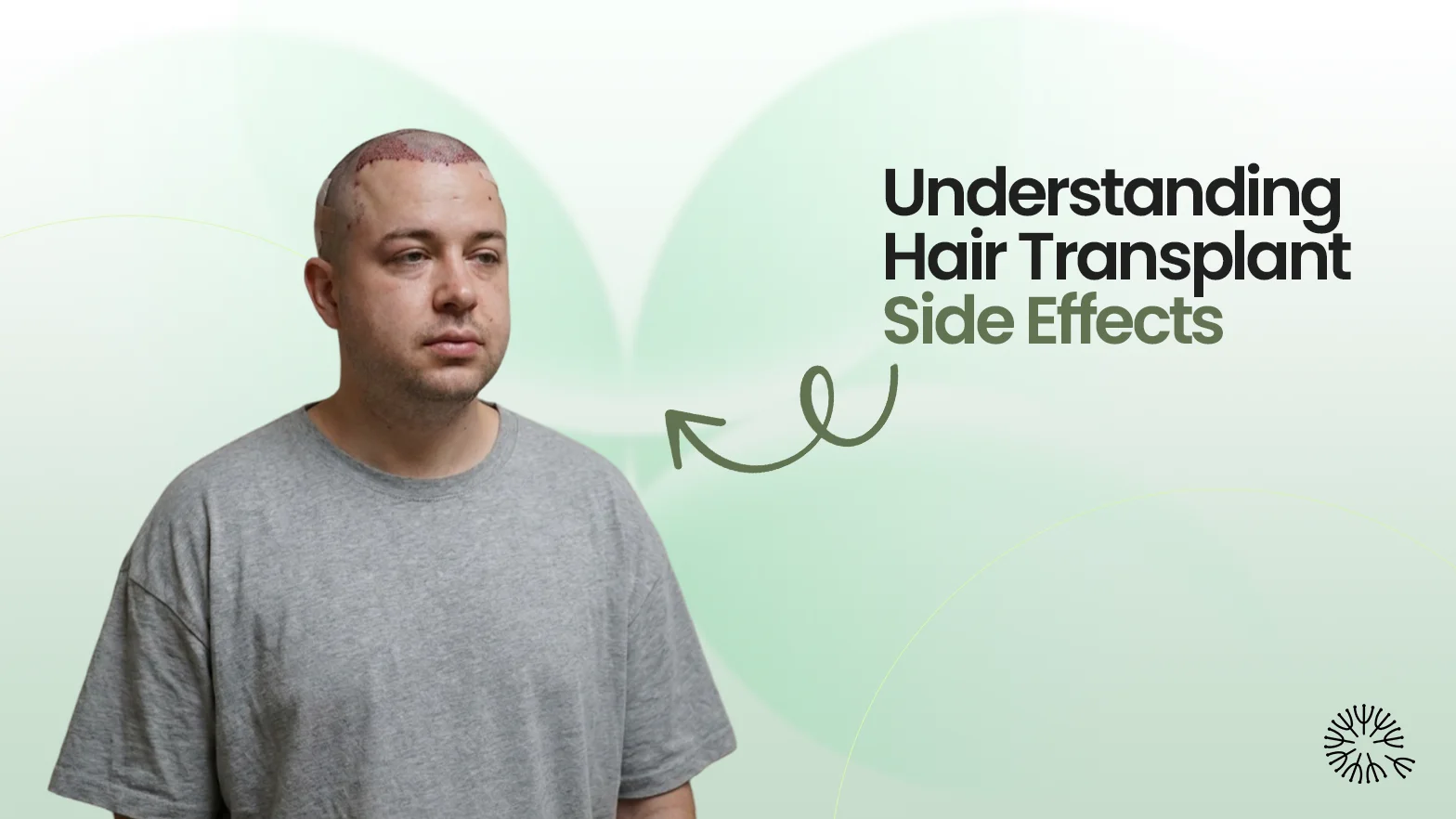
Communicating with the patient about the results and recovery timeline for the treatment is important. Overselling any treatment without proper evaluation of the cause of hair loss, donor density and the patient’s medical history can interfere with the desired results. Being transparent about the limitations of the procedure and clearly explaining the risks is extremely important. Patients should be guided about measures to reduce the risk and complications that may arise if certain habits are not kept in check.
If you are experiencing a receding hairline, hair thinning or have bald patches, you can connect with our experts for a clear evaluation and professional insight.
Book a free consultation with QHT to start your hair transplant journey today.
Benefits of Choosing QHT for the Treatment:
Choosing the right clinic makes the treatment journey easier. It takes about 9 months to see the full results of a hair transplant. Navigating the recovery period without support can be stressful.
At QHT Clinic, we ensure that every patient gets:
- Scalp analysis with 10x magnification for accurate diagnosis
- All procedures are performed by qualified surgeons.
- Customised treatment plans tailored to each patient’s hair type, density and goals.
- Advanced techniques are used for better graft survival rate and successful outcomes; the QHT technique is specially designed for faster healing.
- World-class OT with sterile environment.
- Structured post-operative care plan and a dedicated team for follow-up.
- 15000+ patients successfully treated.
Final Thoughts:
Choosing the clinic for the best hair transplant in Gurgaon should not be based on promotional offers. Take your time to evaluate and compare the options available. Hair transplant is a procedure that demands accuracy, precision and deep understanding of aesthetics.
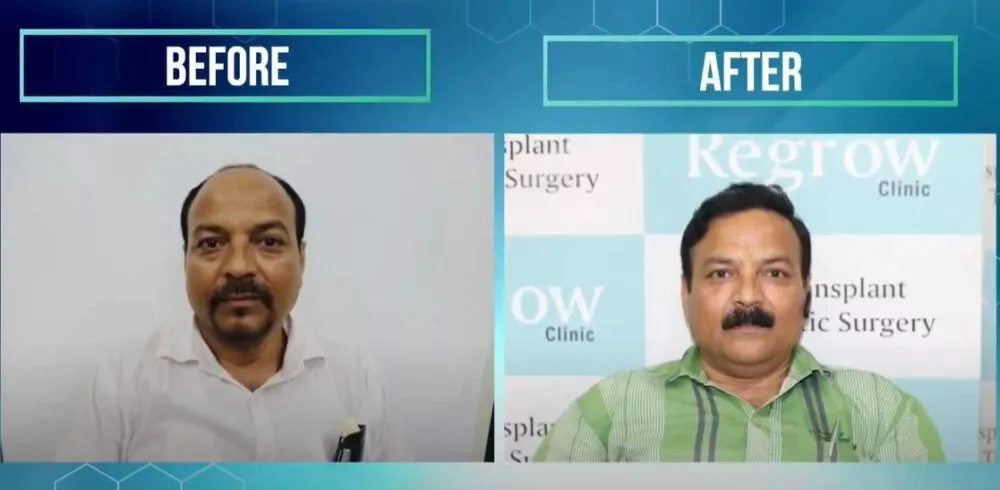
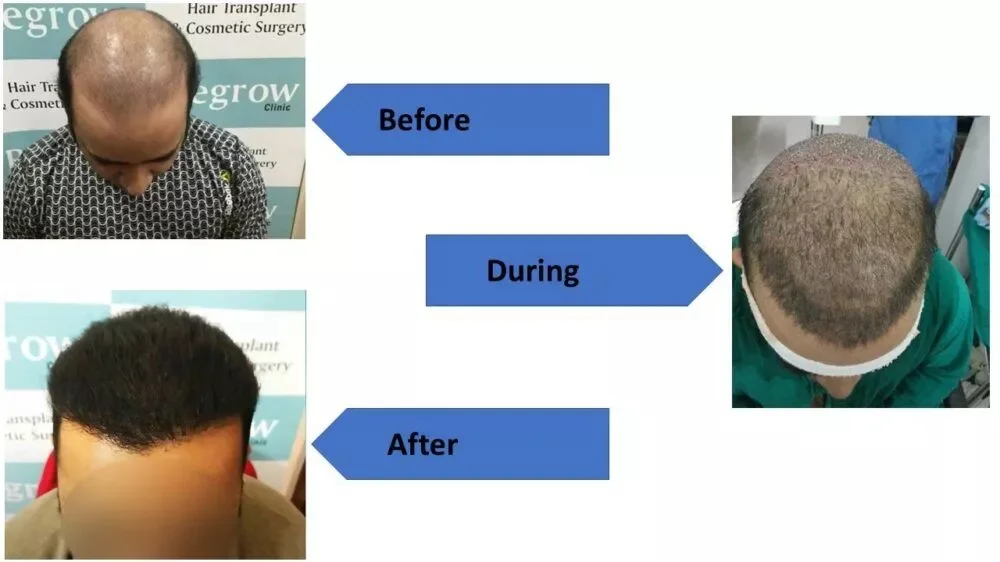
Look for the factors that truly matter and make a difference: proven results, patient testimonials, transparent communication, and a clinic that prioritises patient safety.
Hair transplant is a life-changing experience. It restores not just your hair, but your confidence as well.
At QHT, we prioritise patient comfort, clarity and results. Book a free consultation at QHT Clinic Gurgaon to get a personalised assessment and understand the procedure in detail.
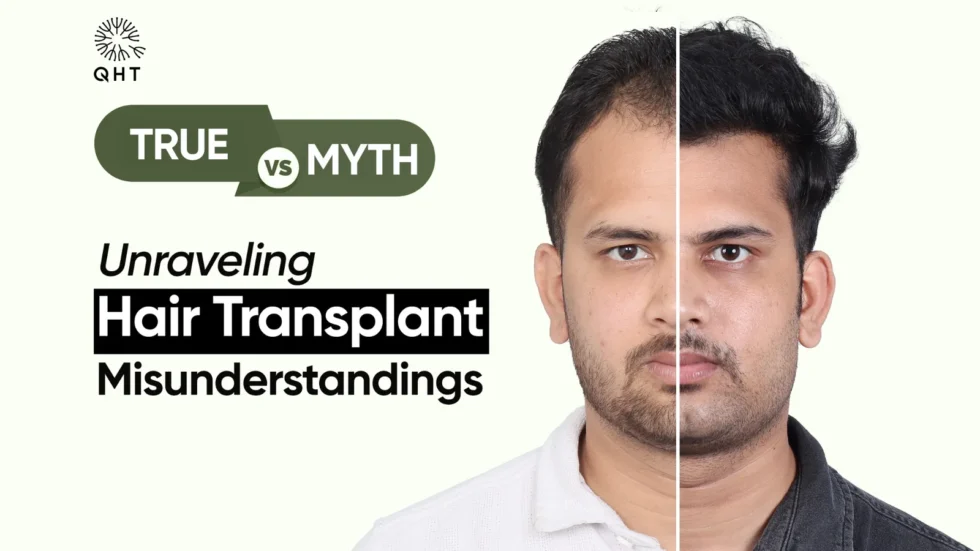
Common Myths about Hair Transplant
Myth 1: Hair Transplant looks Fake
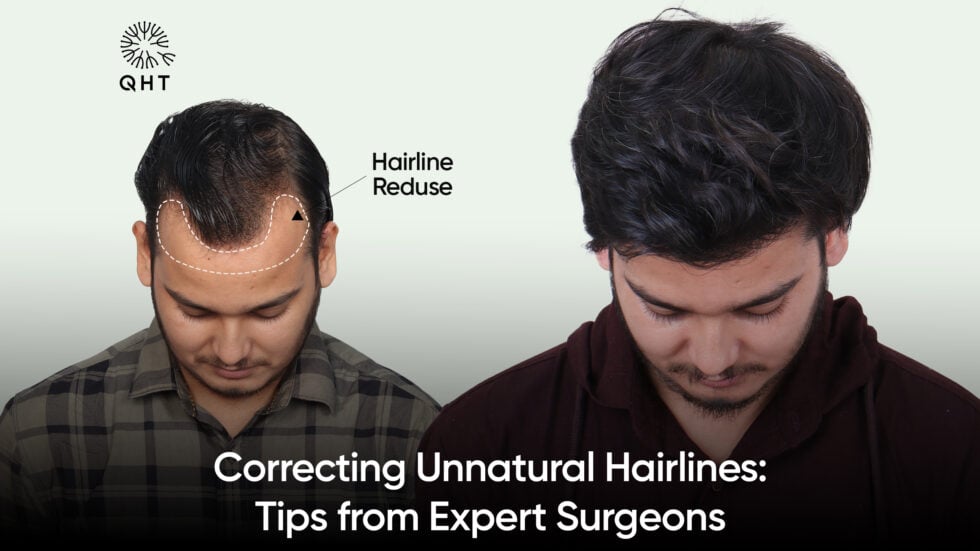
Fact: A hair transplant only looks fake when performed by inexperienced, unqualified individuals. A well-designed treatment plan involves precise angulation and density distribution of grafts, which contribute to completely natural results.
Myth 2: Transplanted Hair Eventually Falls Off
Fact: Transplanted hair is taken from the donor dominant zone. This zone is genetically resistant to DHT, and hence, the new hair is also resistant to this hormone even after relocation. The results last for a lifetime and are permanent.
Myth 3: Hair Transplant is only for Severely Bald Men
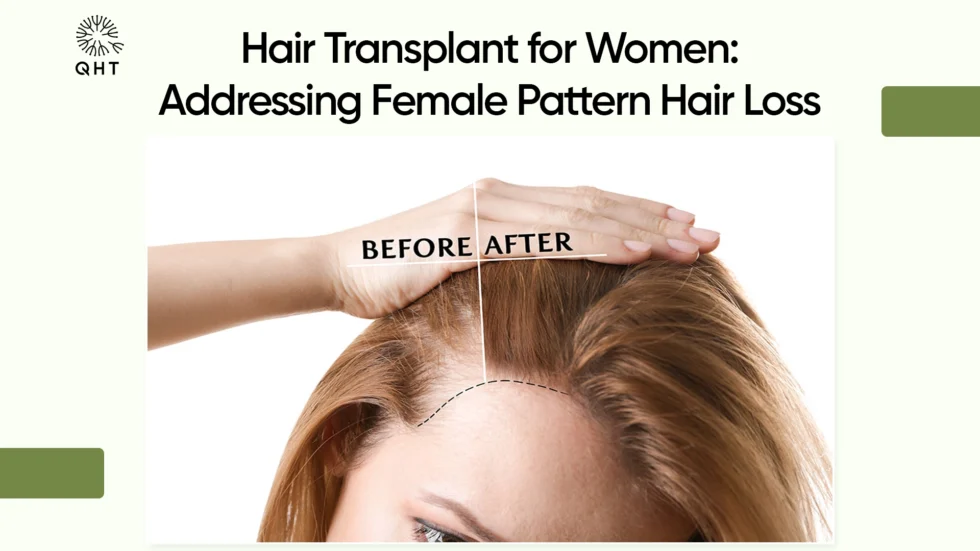
Fact: Hair transplant is suitable for anyone experiencing hair loss resulting in bald areas, excessive hair thinning, receding hairline or sparse facial hair, such as beard or eyebrows. It is not exclusive to men. Women with permanent hair loss are equally valid candidates for the treatment.
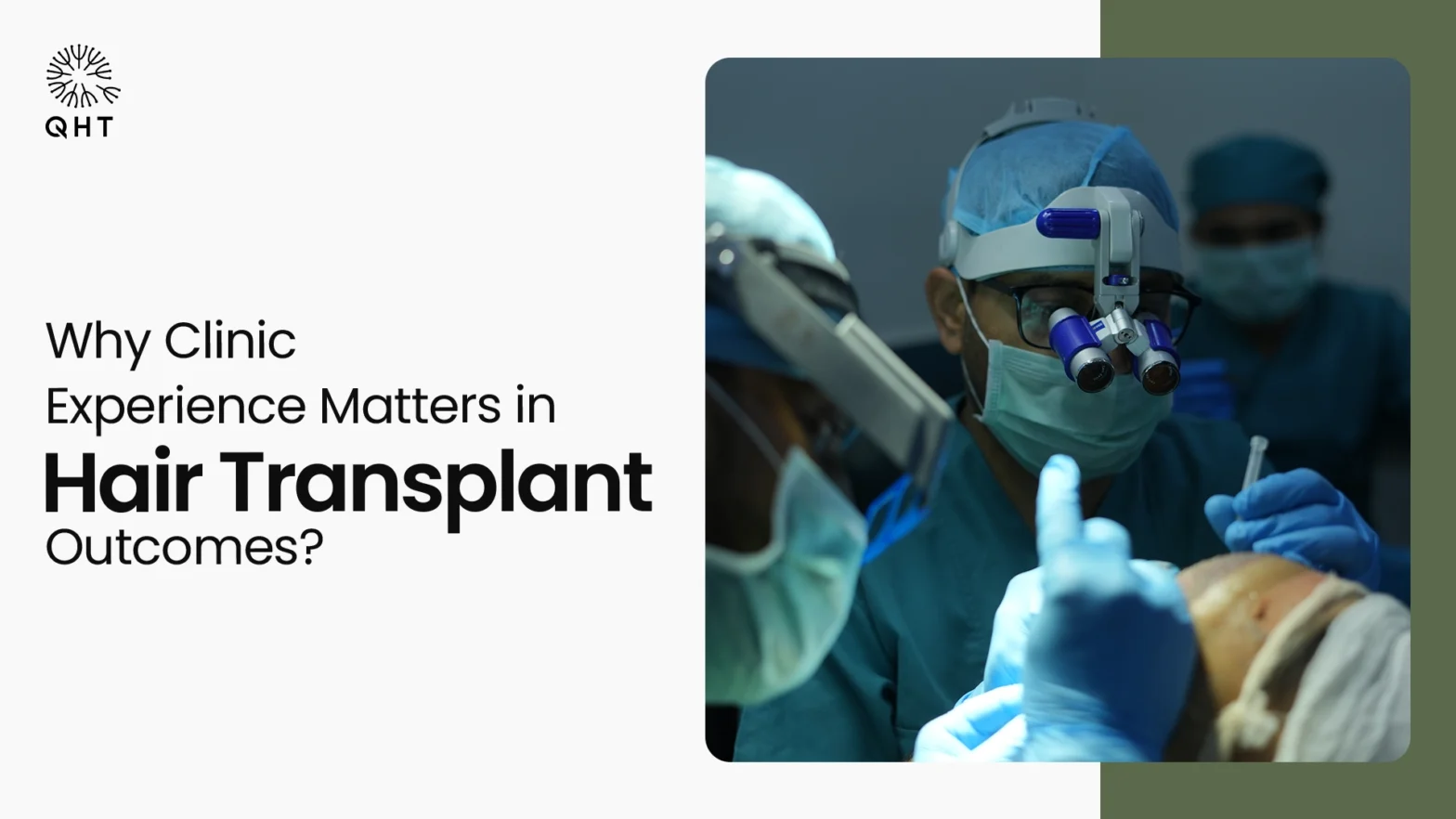
Myth 4: The clinic’s Reputation has Nothing to do With Hair Transplant Outcomes
Fact: Results from the treatment directly depend on the expertise of the surgeons. A reputable clinic with experienced surgeons, advanced technology and a structured process consistently delivers better results. Choosing clinics randomly based solely on price or convenience without proper research can increase the risk of becoming a candidate for a repair treatment in the long run.
Myth 5: Transplanted Hair Needs Special Care
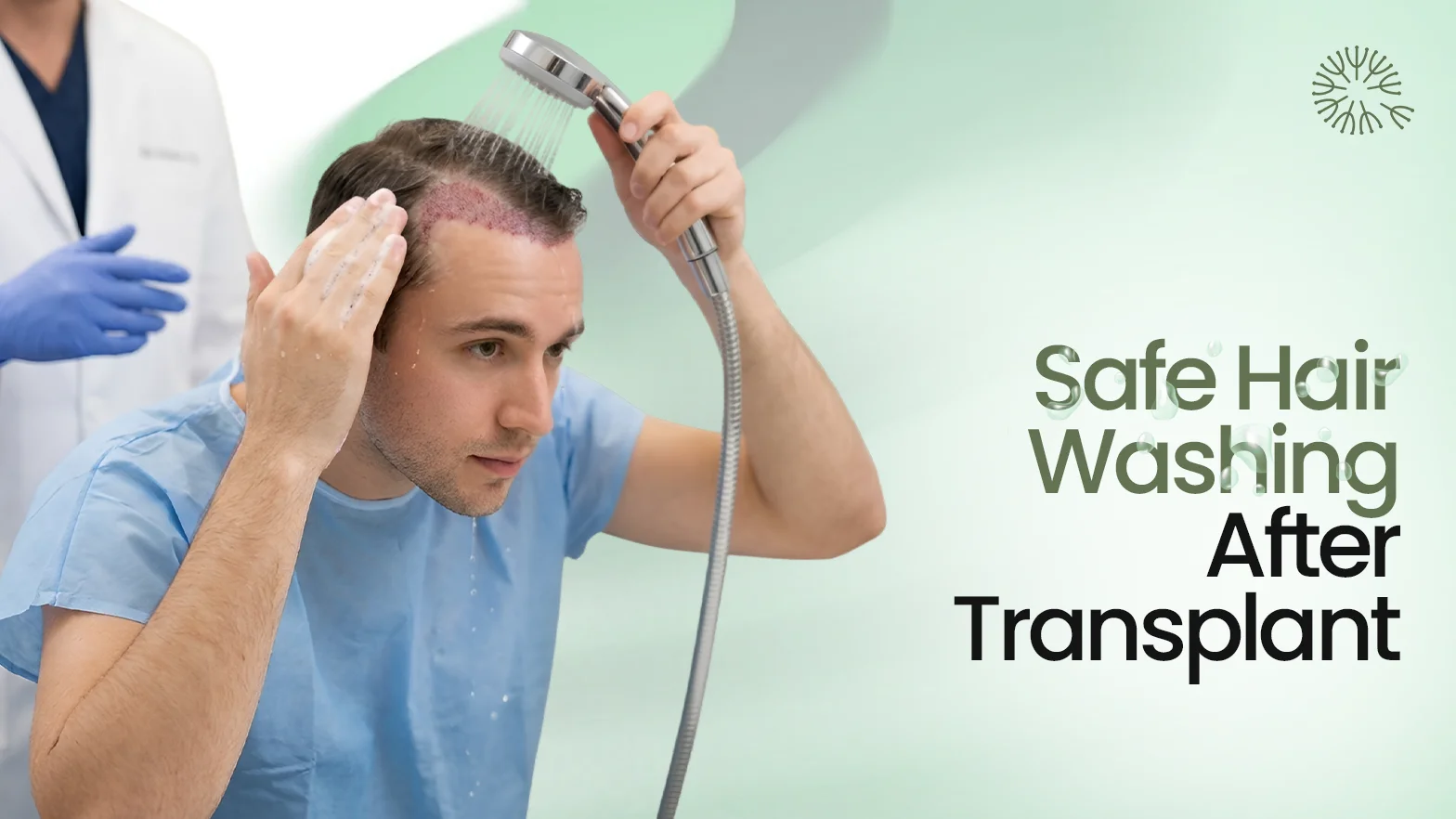
Fact: For the first few days following surgery, careful handling of grafts is essential. Once the growth starts at around 4-5 months, the transplanted hair can be trimmed, groomed or styled like natural hair.
Frequently Asked Questions
- Is a hair transplant painful?
No. A hair transplant is performed under local anaesthesia to give you a pain-free experience throughout the procedure. Mild discomfort after the procedure can be managed with prescribed medication.
- Can I reverse hair loss with topical solutions?
Not all types of hair loss can be treated with topical therapies. Patients with irreversible damage to hair follicles need surgical intervention; medications can only help with stimulation in the early stages of hair loss.
- How long does it take to see the results of a hair transplant
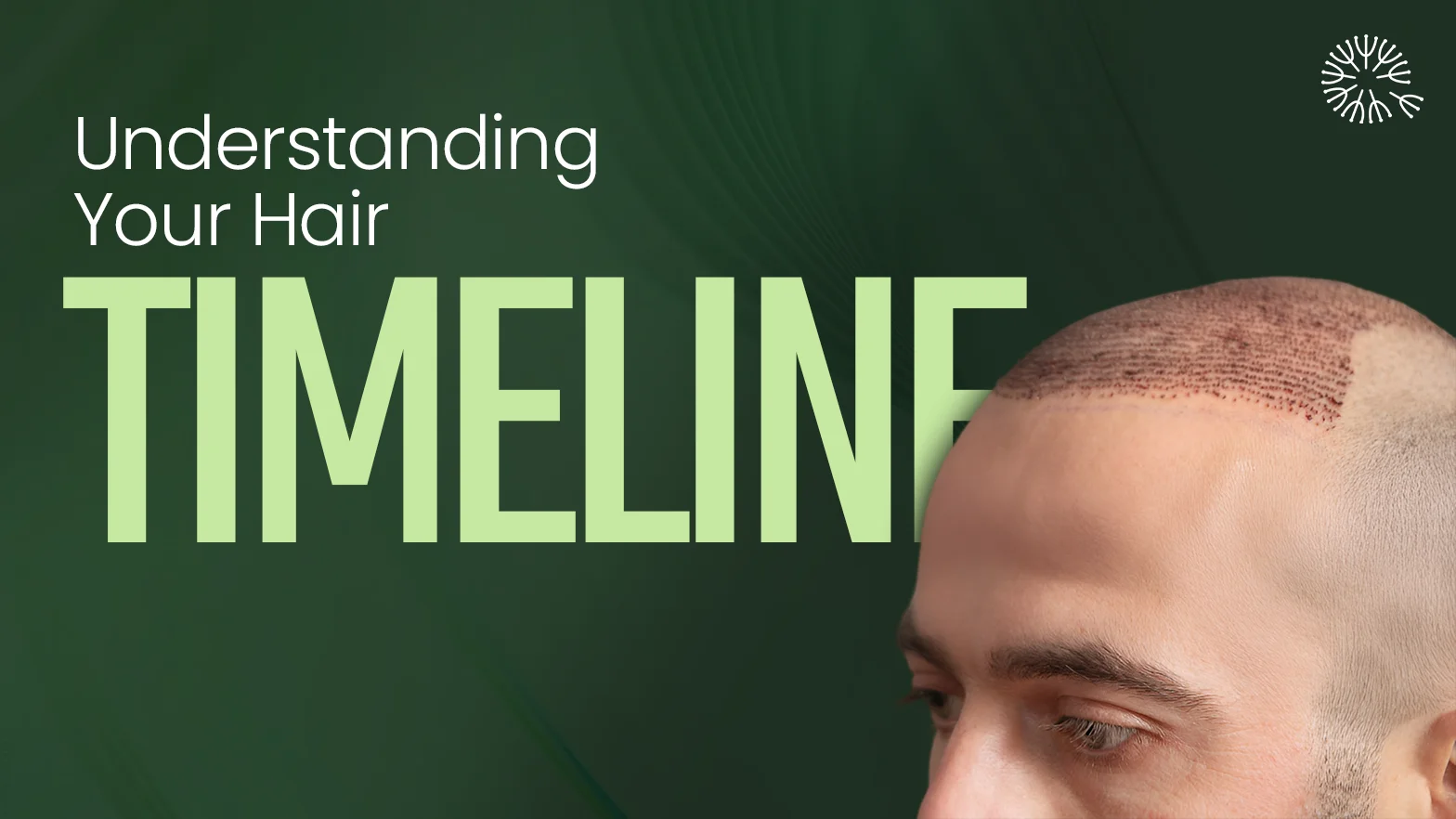
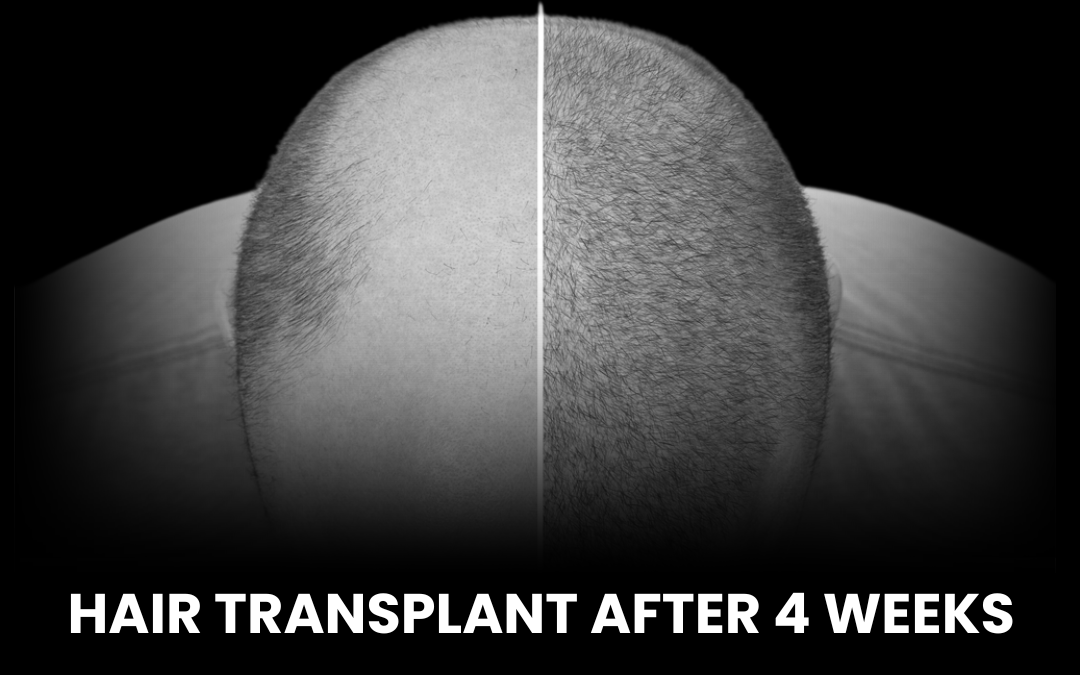
After 2 weeks of hair transplant, the implanted grafts fall off; this is called shock loss and is completely normal. In 3 months, regrowth is visible, and about 9 months are required to appreciate the full density and growth of the hair.
- Can I get a beard or eyebrow hair transplant in Gurgaon?
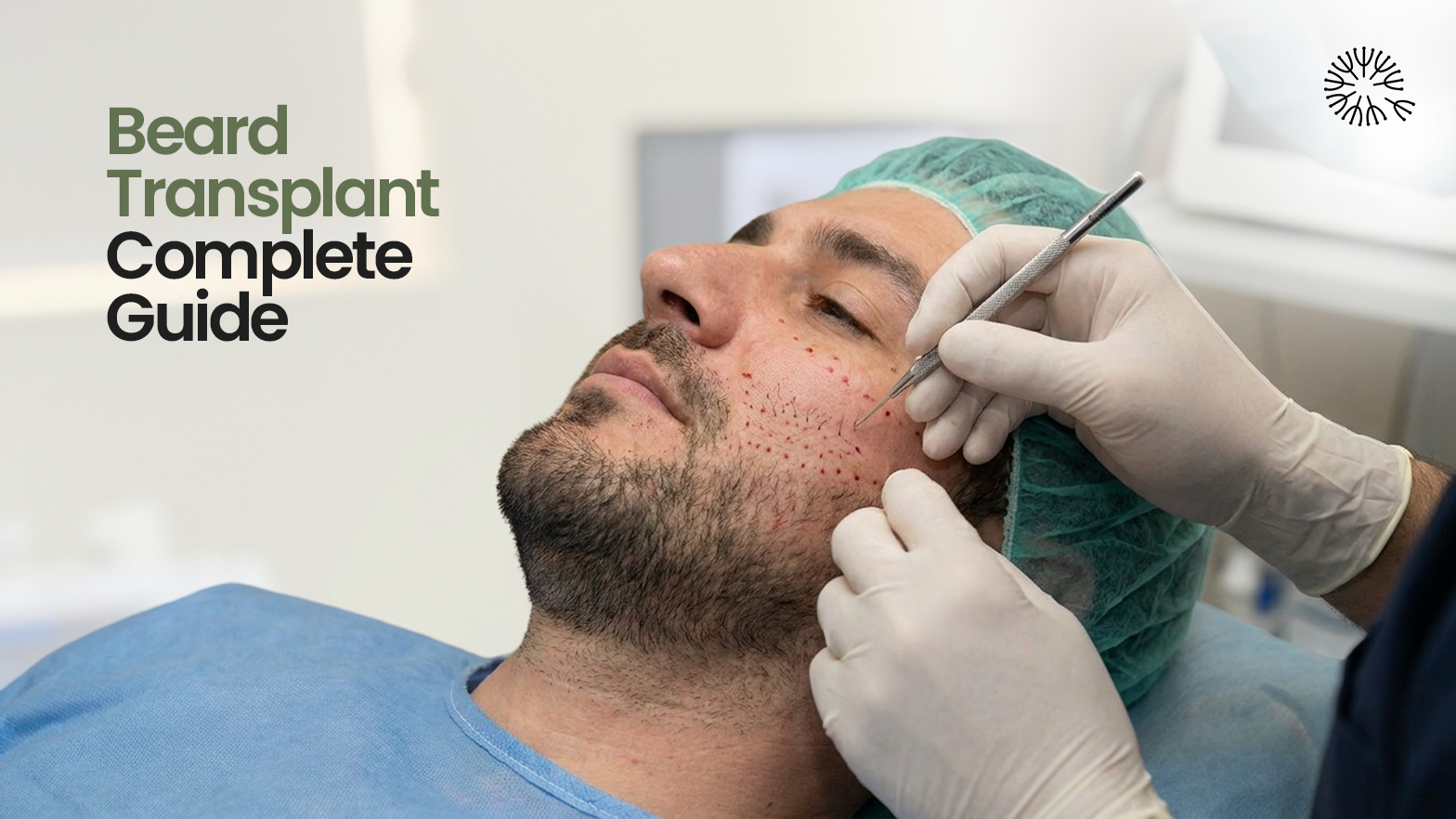
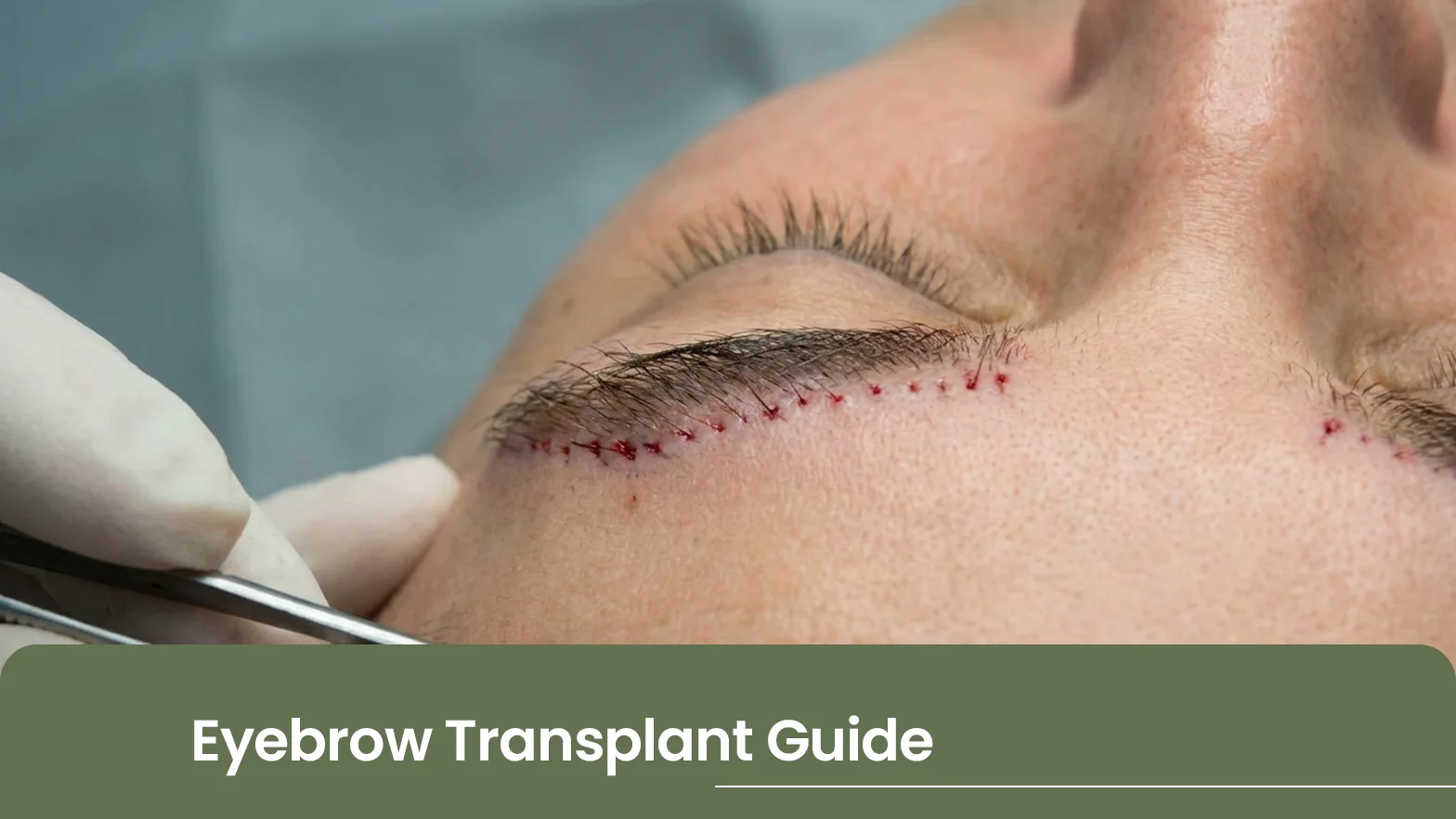
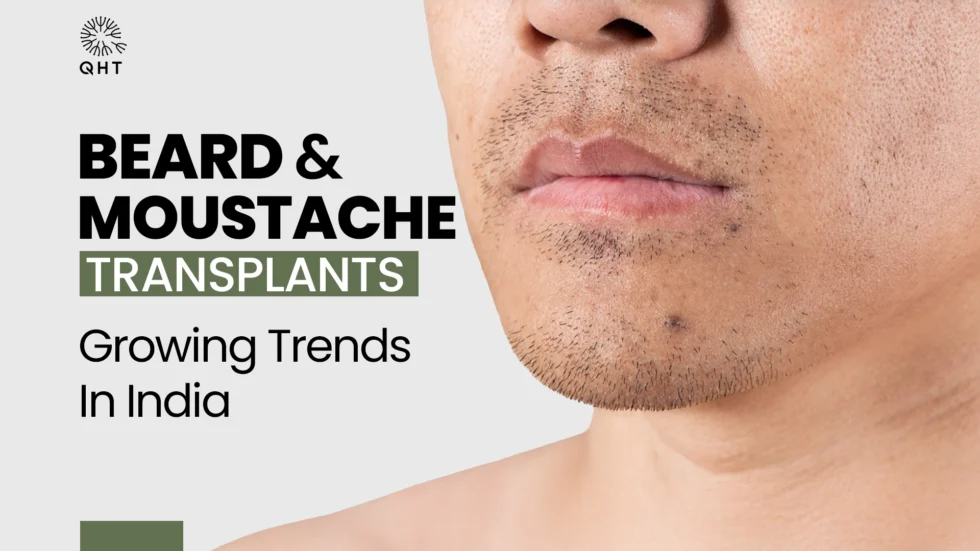
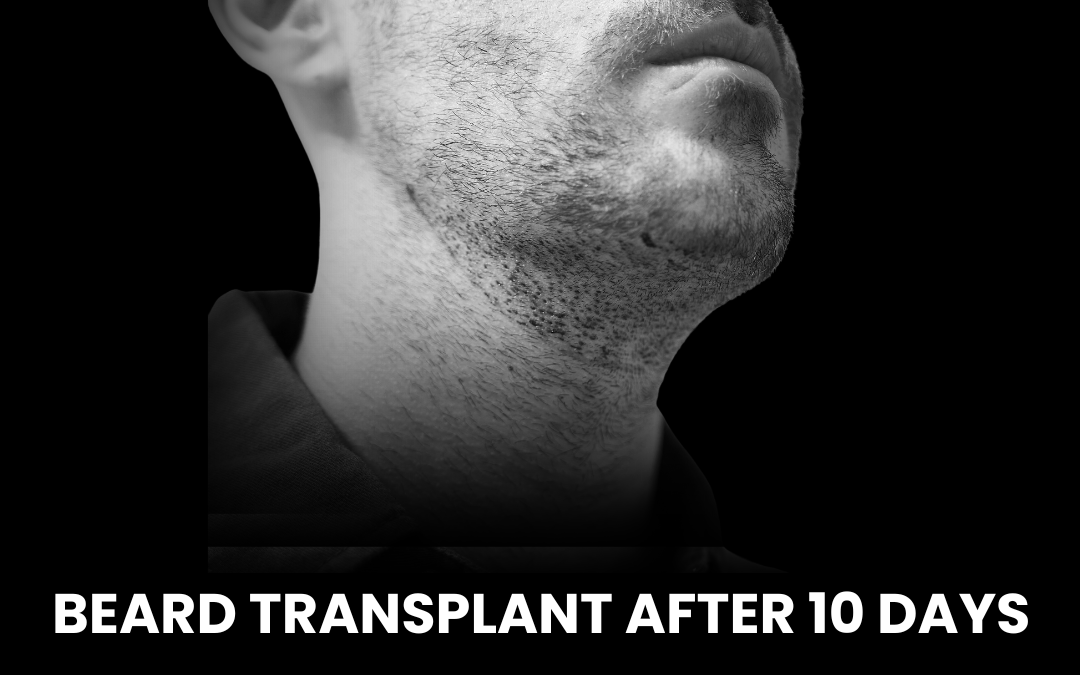
Yes. A hair transplant can be done for facial hair, including eyebrows, beard, and moustache. QHT clinic in Gurgaon offers a comprehensive range of services to give you natural-looking results for all types of hair transplants
- What is the cost of a hair transplant?
The hair transplant Cost in Gurgaon varies in different cities. In metropolitan cities, the cost can be on the higher end. Depending on the techniques used, the number of grafts used, and additional treatments, the price can vary. At QHT, the hair transplant procedure starts from 1 lakh. A precise estimate can only be provided after scalp evaluation.
Book a Consultation Today
Latest Videos
-

Rajpal Yadav | Bollywood Actor Hair Transplant Journey at QHT Regrow Clinic Haridwar
Click to Watch
-

FUE Hair Transplant Results | DAYA's FUE Hair Transplant Results
Click to Watch
-

Best Hair Transplant Result 2021 || NW Grade VI A || 3,422 Grafts
Click to Watch
-

Best Hair Transplant Result 2022 | Grade 4
Click to Watch
-

YouTuber Mehtab Saifi Hair Transplant
Click to Watch
-

ACP Pradyuman Hair Transplant - Actor's Hair Transplant
Click to Watch