



FUE Hair Transplant: How the Procedure, Results, and Recovery Work

Two patients book in the same week. Same age. Same hair loss. One walks out with a thin scar across the back of his head. The other walks out with nothing to hide. That is the gap between FUT and FUE, and it is why FUE has taken over.
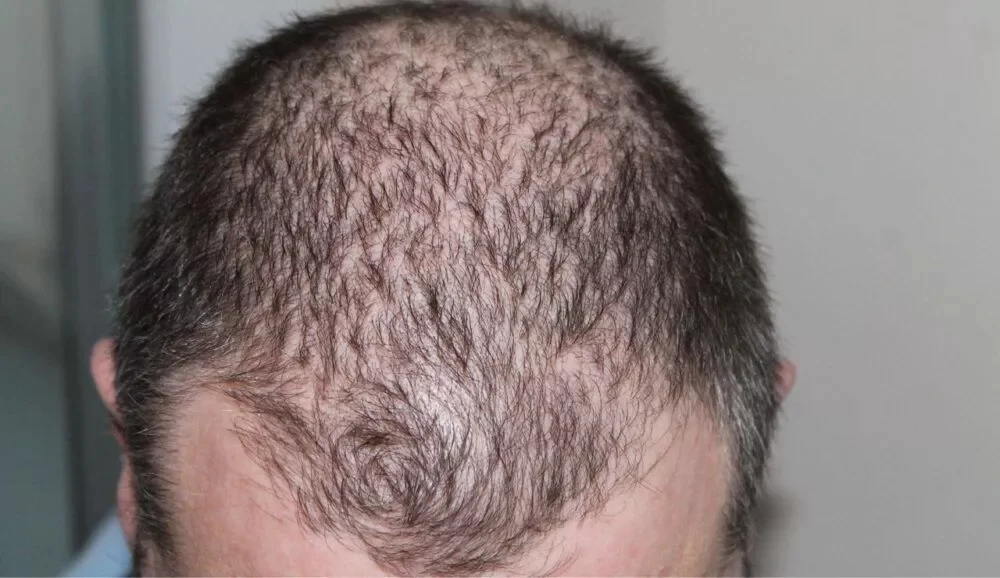
Hair loss is common. Androgenetic alopecia, the medical name for pattern baldness, affects up to 50% of men and women, and the risk climbs with age. A receding hairline or a thinning crown is not rare. It is one of the most widespread conditions in the world.
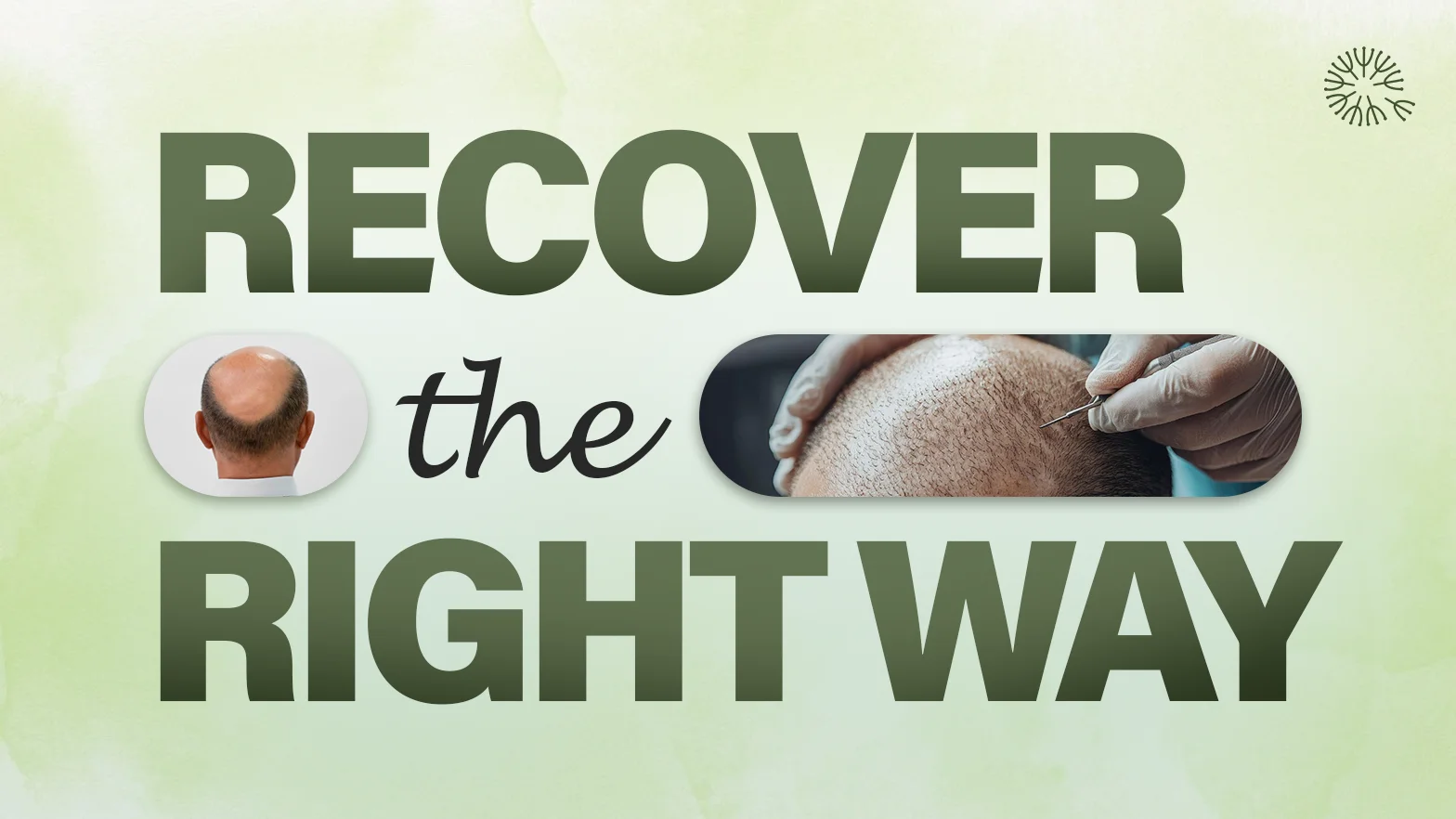
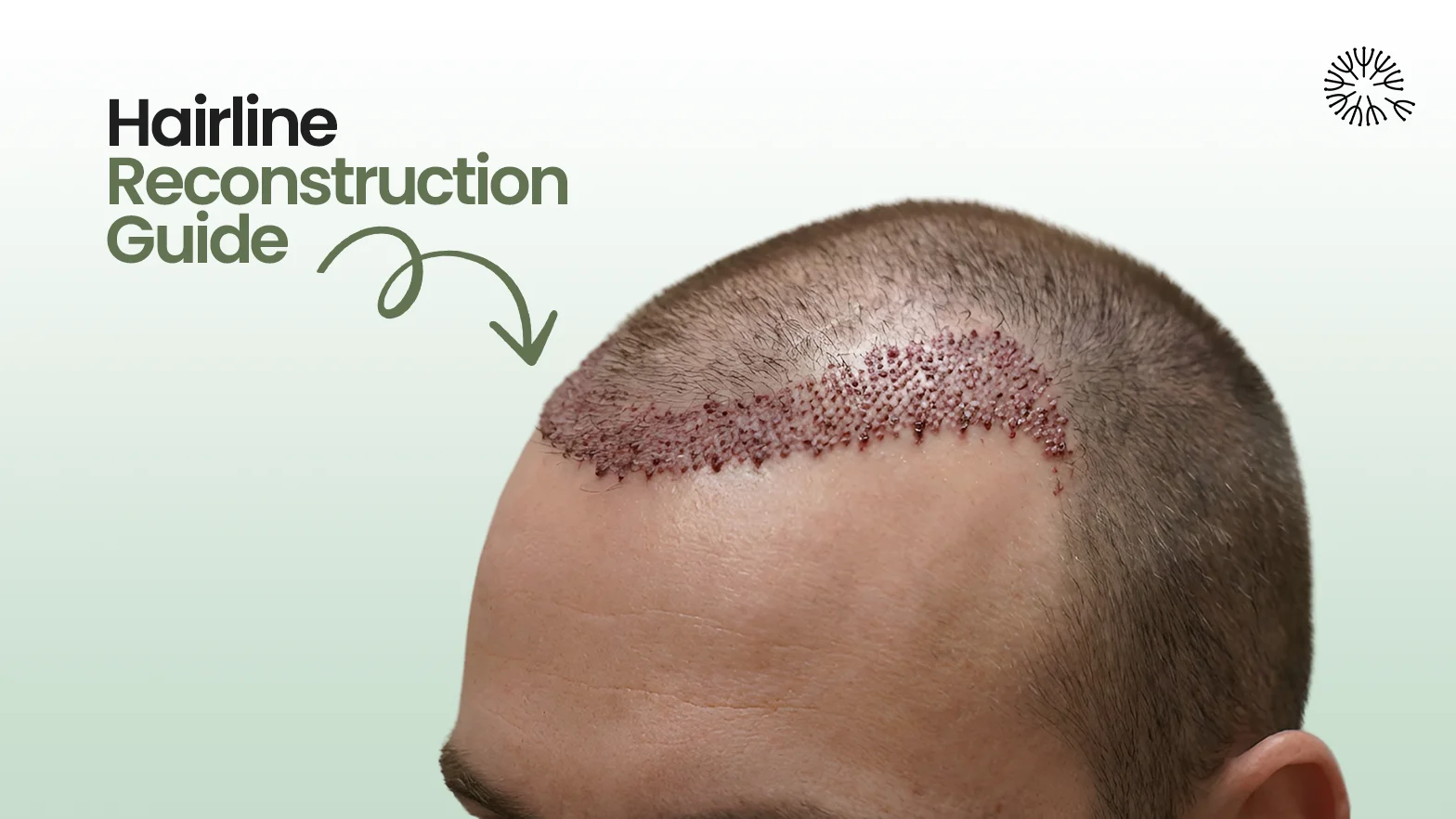
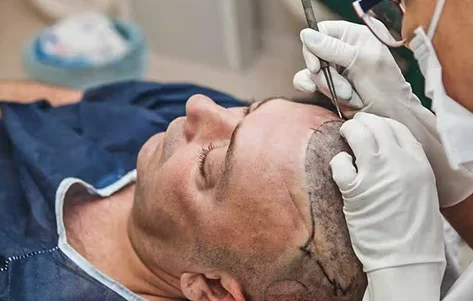
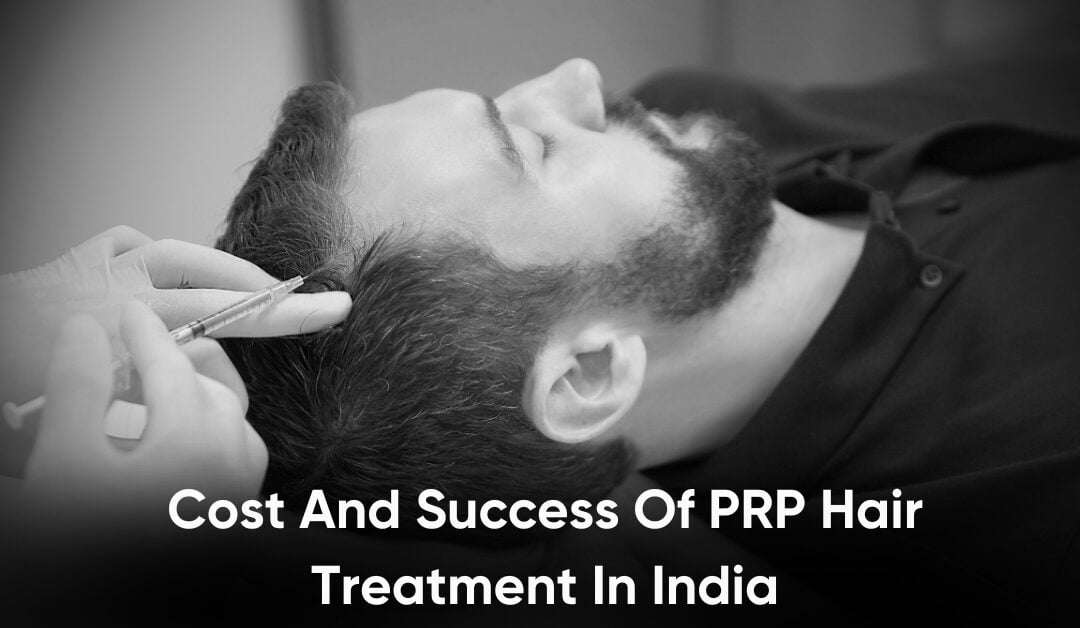
So what happens in an FUE hair transplant? A surgeon lifts healthy follicles from the back of your scalp and places them into the thin areas, one at a time. No strip of skin is cut. No long scar. The new hair is your own, so it looks like you.
Here is the part that surprises almost everyone. The transplanted hair does not grow straight away. It sheds first. Then it comes back over the months that follow. The rest of this guide walks you through every stage, from surgery day to the final result.
Want to know if you are a good candidate for FUE? A free scalp assessment at QHT Clinic checks your donor area and your stage of hair loss, so you get a clear, personalised answer before you decide anything. Book a free consultation to get started.
Quick Answer Box
Key Facts About FUE Hair TransplantFollicular unit extraction is a minimally invasive hair transplant. The surgeon removes single hair follicles from a donor area, usually the back of the scalp, and places them where hair is thin or gone. The method leaves no linear scar, and the results look natural and permanent.
|
What Is an FUE Hair Transplant?
Most patients pick FUE for one reason. No one can tell they had surgery.
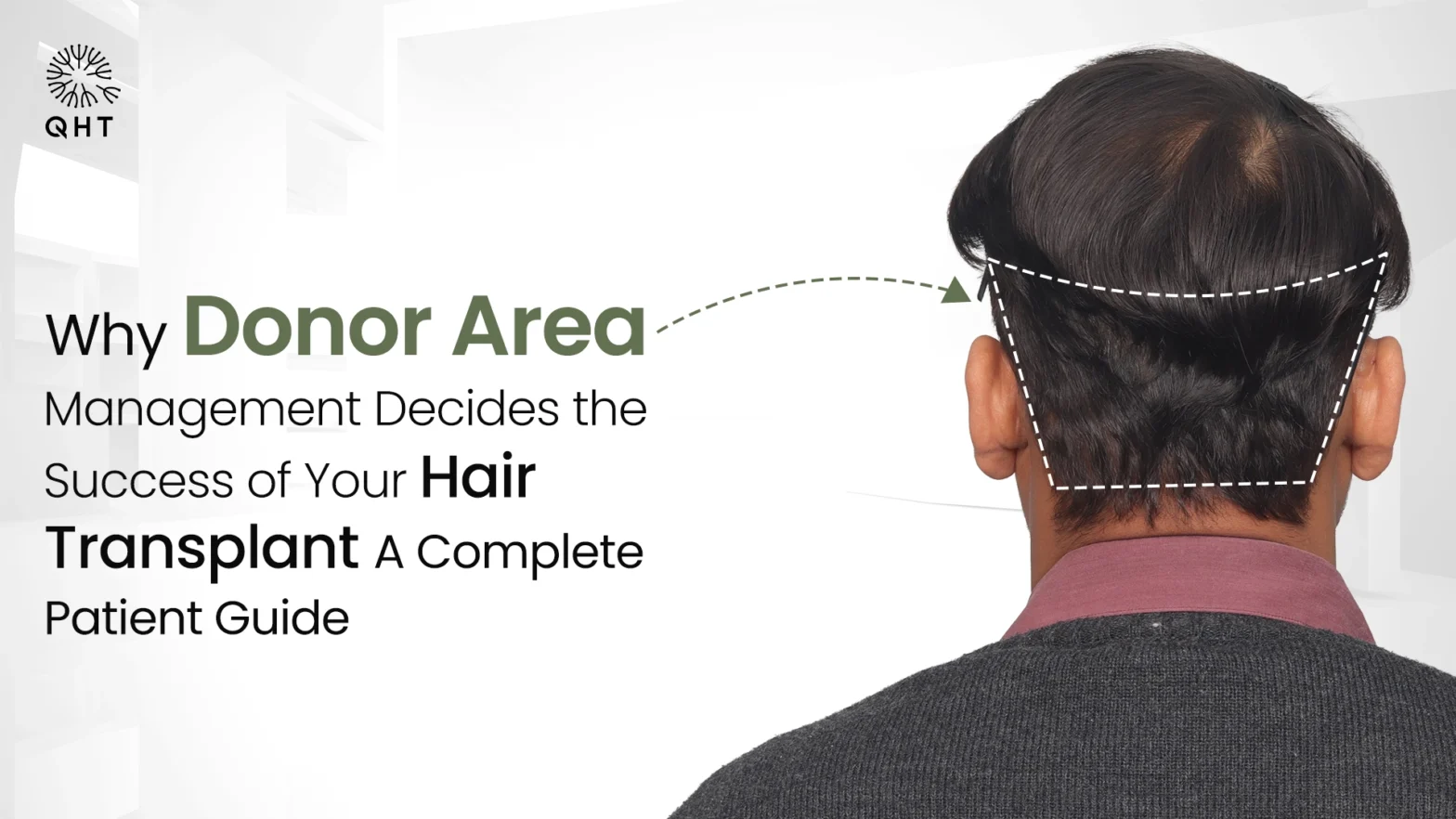
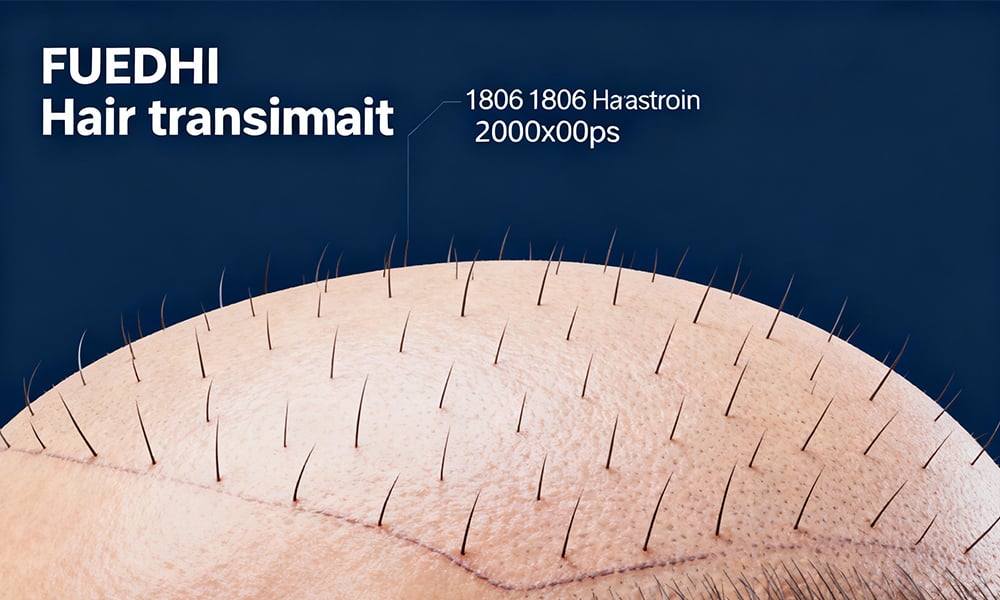
FUE, short for follicular unit extraction, is a minimally invasive way to treat hair loss. The surgeon takes healthy follicles from a donor area, usually the back of the scalp, and moves them to the spots where hair has thinned. Each follicle comes out on its own. No strip of skin is cut, so there is no linear scar. That is the main reason FUE is now the more common of the two methods.
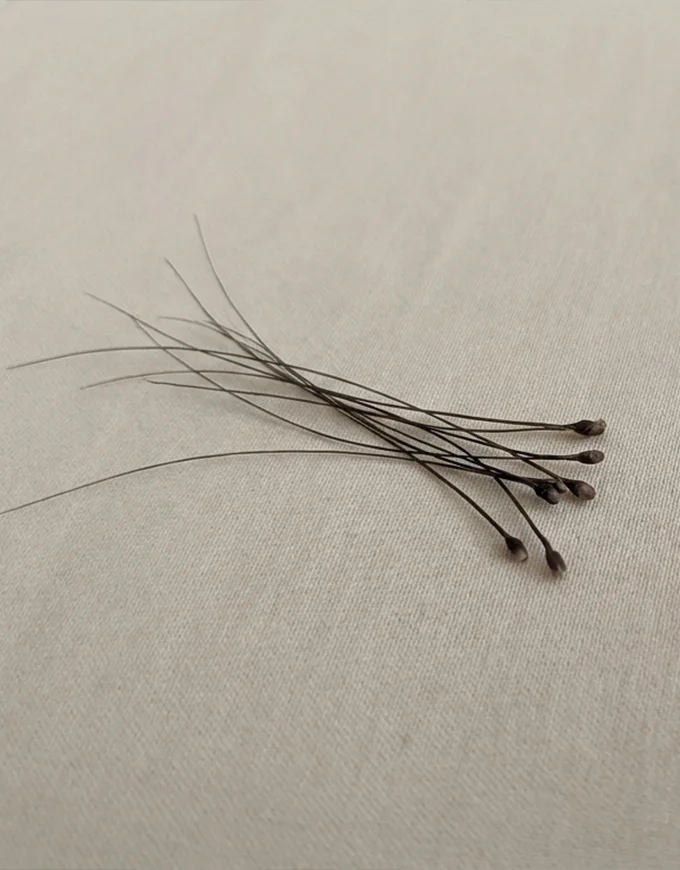
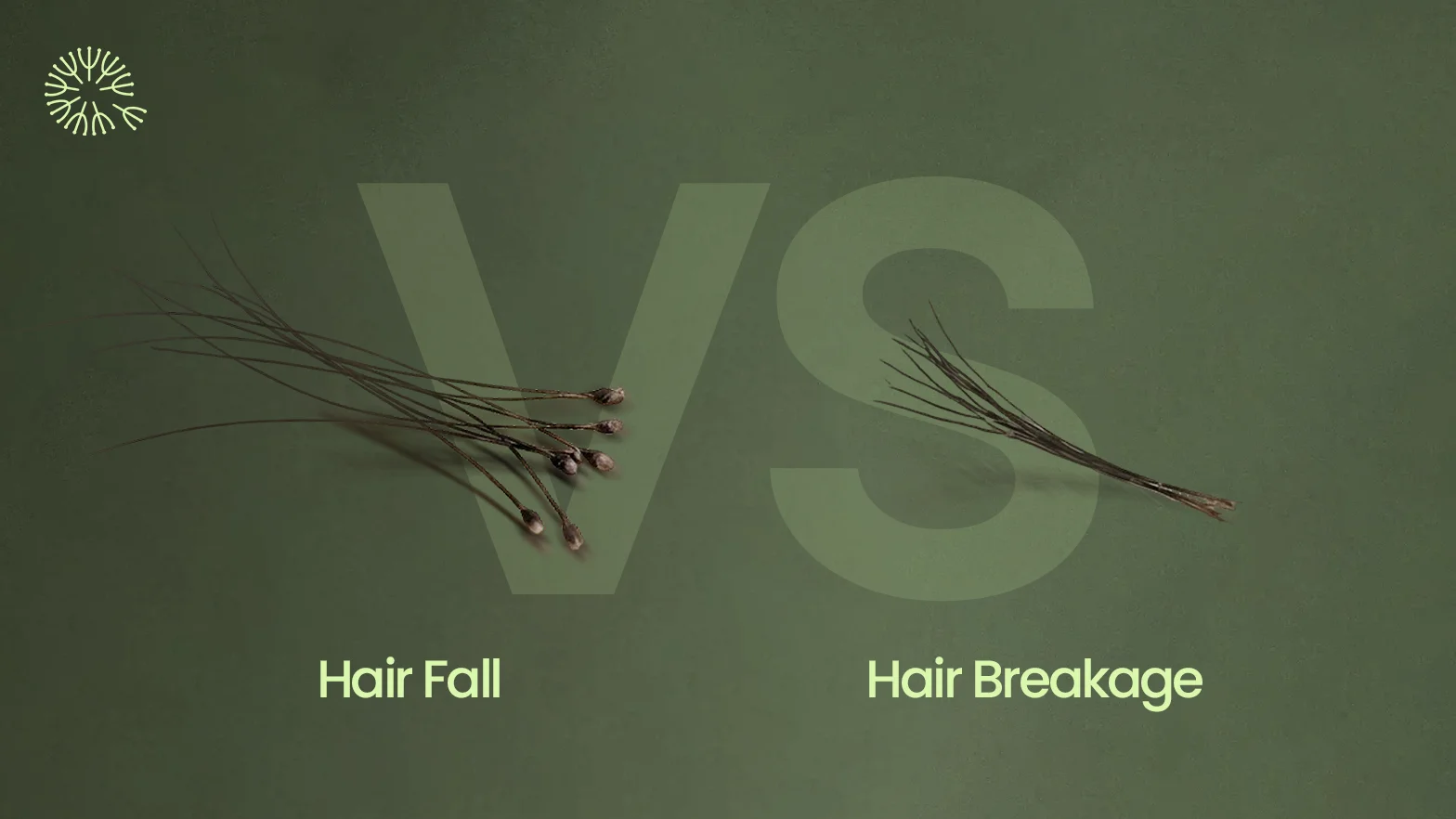
So what is a follicular unit? It is a natural cluster of 1 to 4 hairs that grow from the same point.
The donor hair matters more than people expect. Hair at the back and sides is not sensitive to the hormones that drive pattern baldness, so it keeps growing even after it moves. That is why the result lasts once the hair settles.
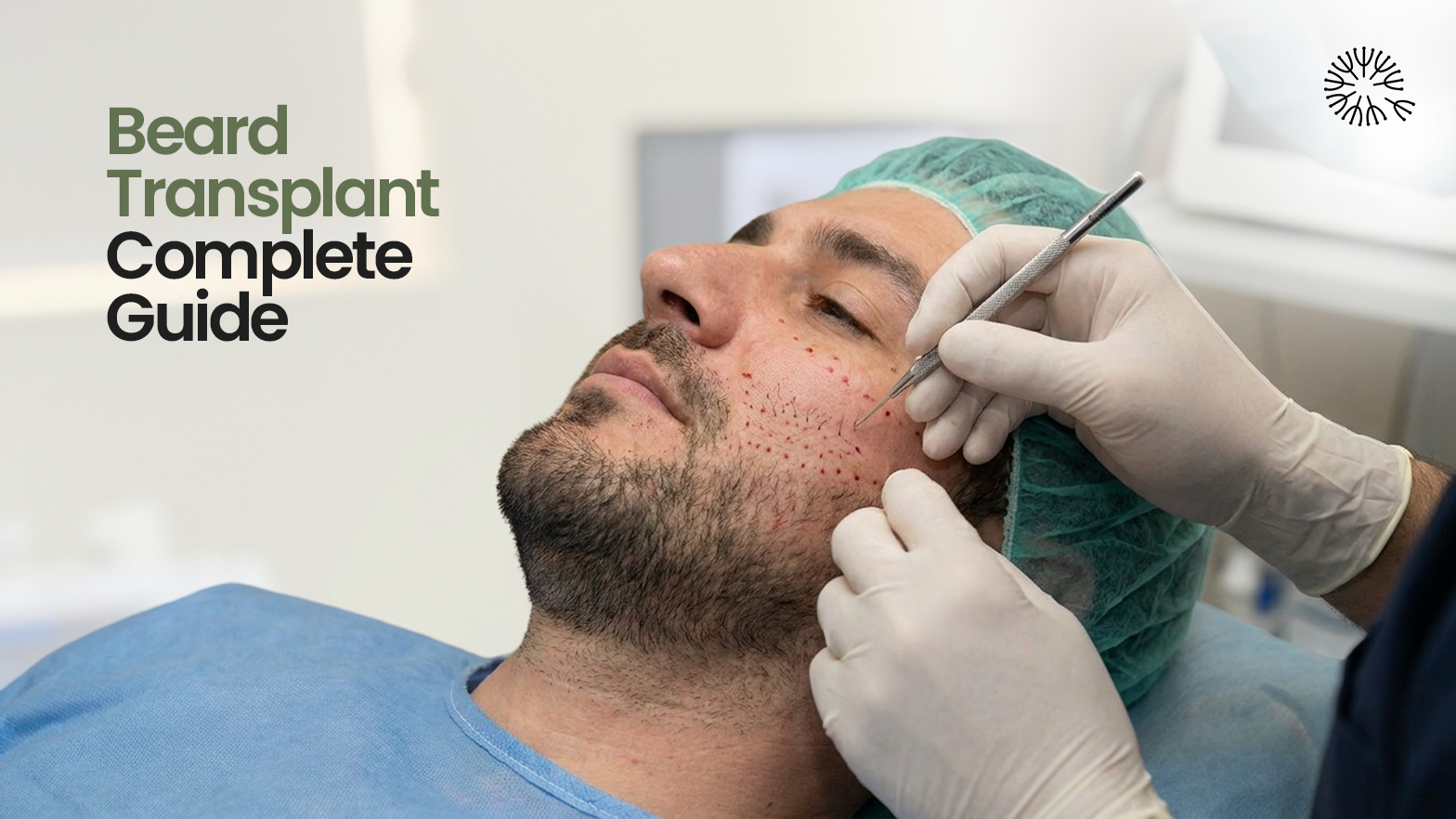
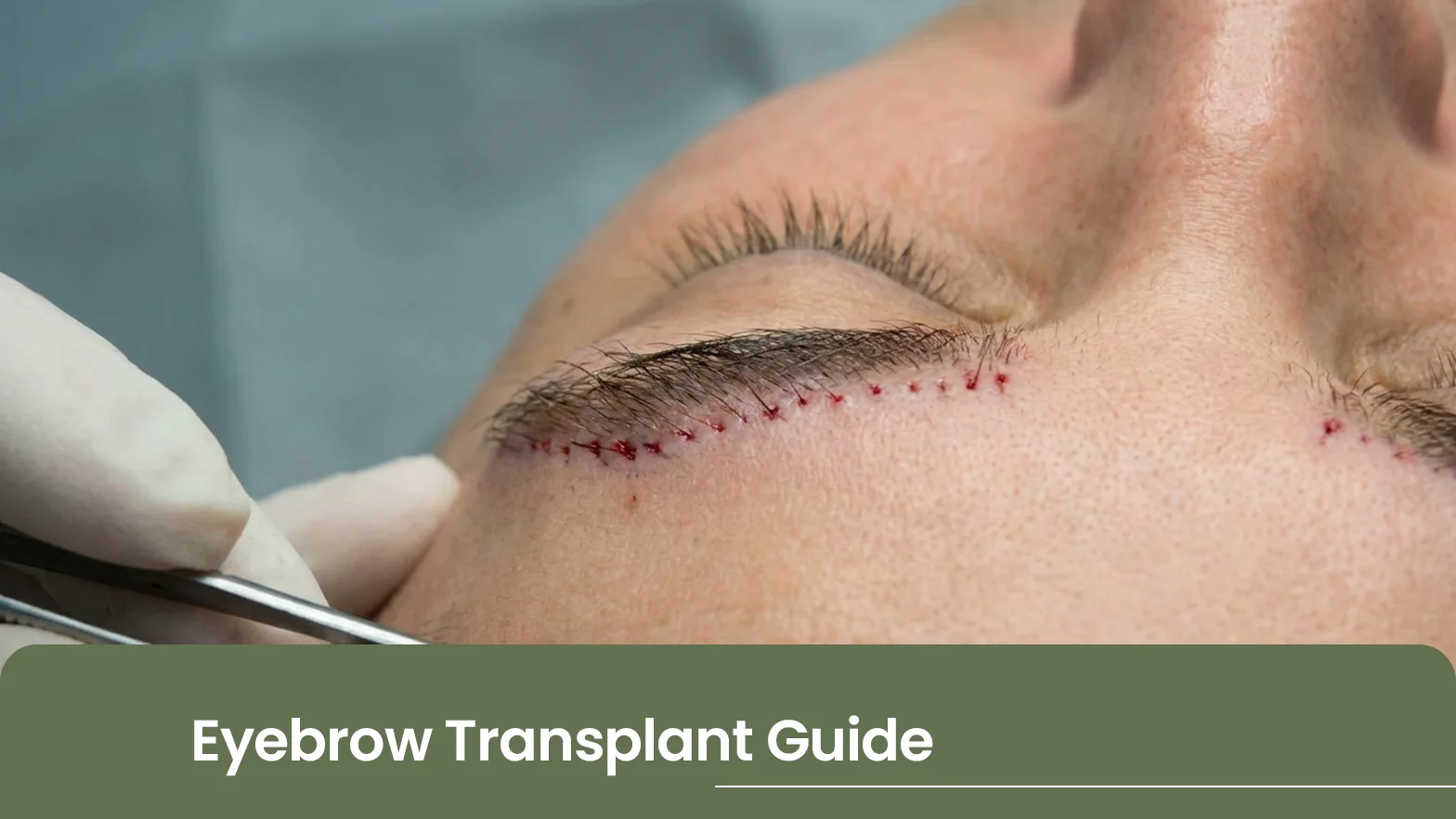
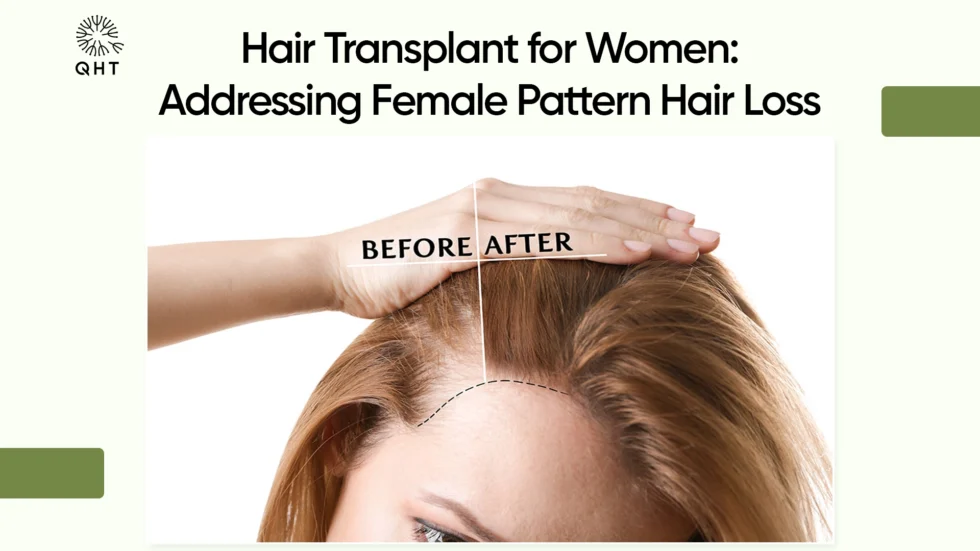
FUE is used most often for male and female pattern hair loss, known in medicine as androgenetic alopecia. It can also restore eyebrows and beards, for example after a burn or an injury.
One thing we plan before anything else at QHT is the donor area. Take too much from the back and it thins for good. That is a mistake no second session can fix.
FUE vs FUT: What Is the Difference?
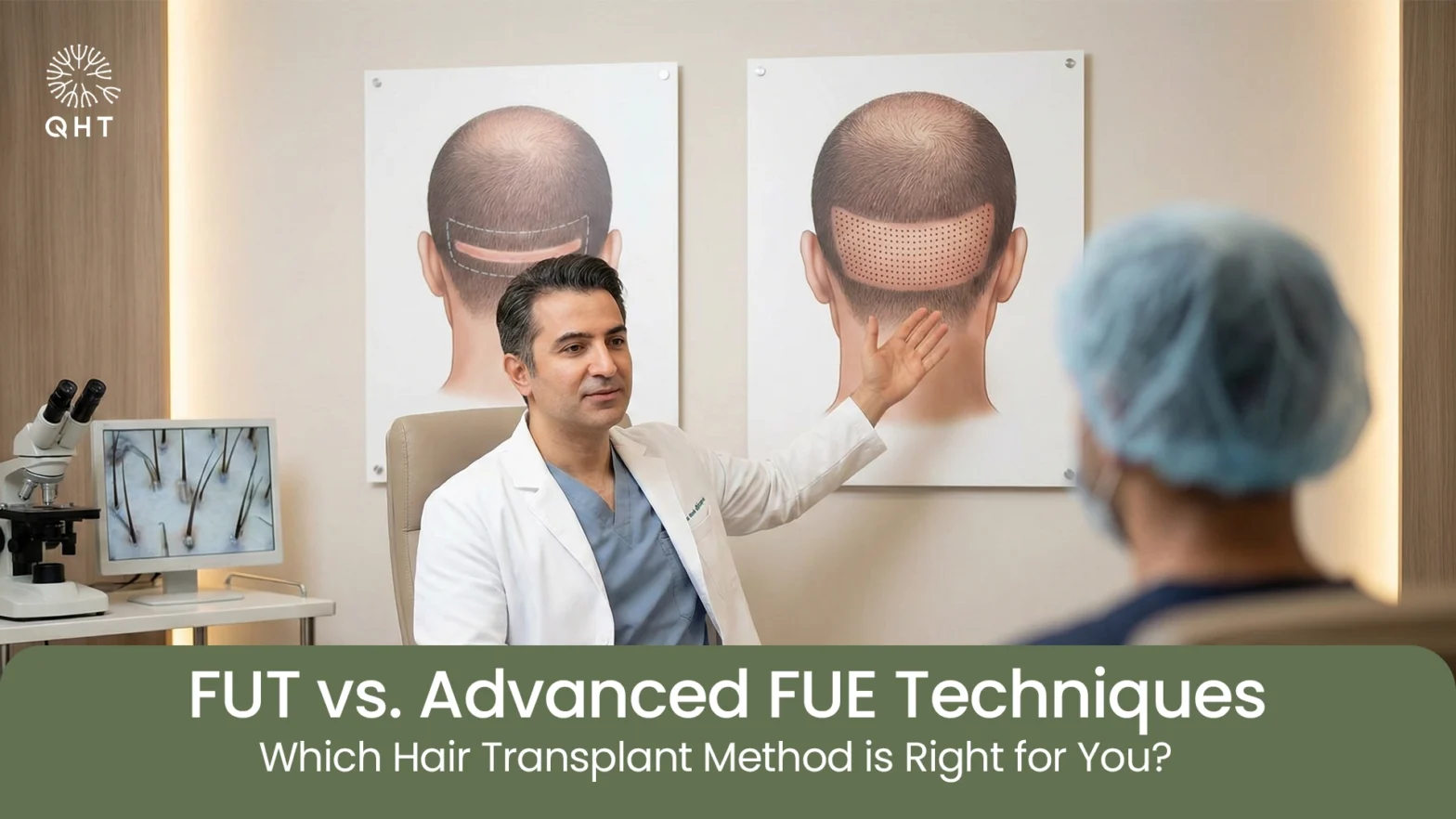
FUE is not the only way to move hair. The other main method is FUT, often called the strip method. Both work. The real difference is how the surgeon collects the donor hair.
In FUT, the surgeon removes a thin strip of scalp and splits it into grafts. FUE skips the strip and takes each follicle on its own. No strip means no linear scar. That single choice shapes the whole comparison below.
| Feature | FUE | FUT |
| Scarring | No linear scar; less visible marks | A linear scar where the strip is taken |
| Recovery | Less pain after surgery and faster healing | The strip wound needs more healing time |
| Hairstyle flexibility | Suits short haircuts, since there is no line to hide | Longer hair helps cover the scar |
| Grafts per session | Taken one by one, so harvesting is slower | A large number of grafts from one strip, which suits advanced baldness |
FUE wins on one thing. No long scar. But FUT still earns its place. When someone needs a very high graft count in one session, the strip method can hand over more grafts at once. The right fit comes down to your hair loss and how much donor hair you have. That is a call your surgeon makes with you, not for you.
Who Is a Good Candidate for FUE?
FUE works for many people. Not for everyone. The outcome rests on a few things the surgeon checks before booking anything. Some you can guess. Others need a proper scalp exam.
Good candidates
The strongest candidates have a clear, stable pattern of hair loss, usually at least 50% thinning or balding in one or more areas. The scalp should be healthy. The donor area at the back of the head needs enough good-quality hair to move. Your general health counts too. Conditions that slow healing, such as poorly controlled diabetes, can lower the chance of a good result. One more thing matters. A good candidate understands that a transplant creates the look of density, not the full head of your younger years.
Who may not be suitable
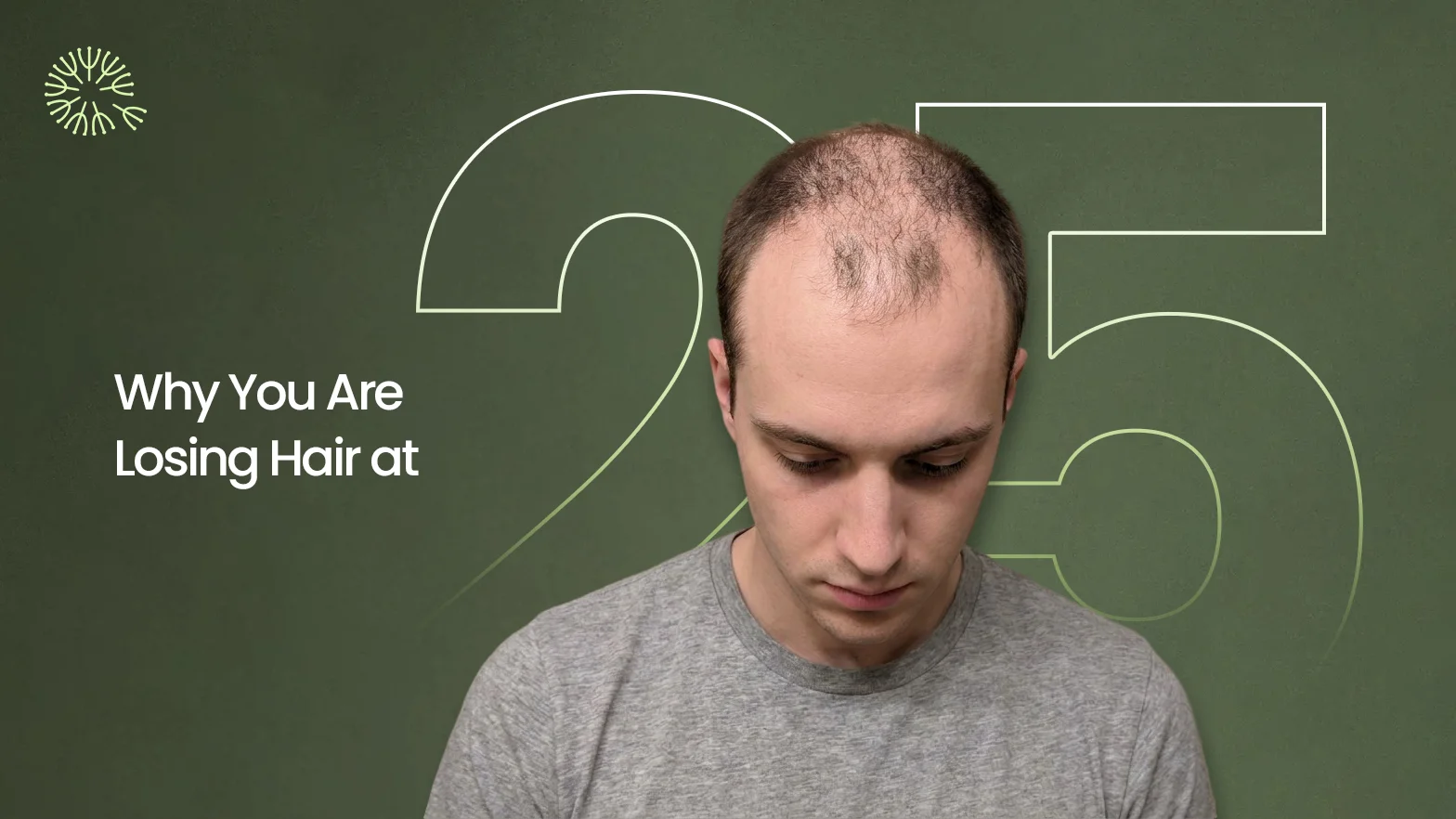
A thin donor area is the main limit. When donor density drops below 40 follicular units per square centimetre, the area is less suitable for harvesting. Timing is the other issue. People with rapid or unstable hair loss are usually advised to try medical treatment for 6 to 12 months first, so the loss settles before surgery. Age plays a part. In young men, hair loss often moves fast. Transplant too early and you can burn through the donor supply, which hurts long-term results. That is why surgery is generally considered only after age 25.
At QHT, the scalp assessment is done by the surgeon who would perform your procedure, not a technician, drawing on more than 15,000 procedures across every grade of hair loss. Here is the simple test we keep coming back to. If you would still want this done even if no one ever noticed, you are ready.
How the FUE Procedure Works, Step by Step
A full FUE session runs through all of this in one sitting. Most take 4 to 8 hours, depending on how many grafts you need. You stay awake the whole time, the area stays numb, and most people go home the same day.
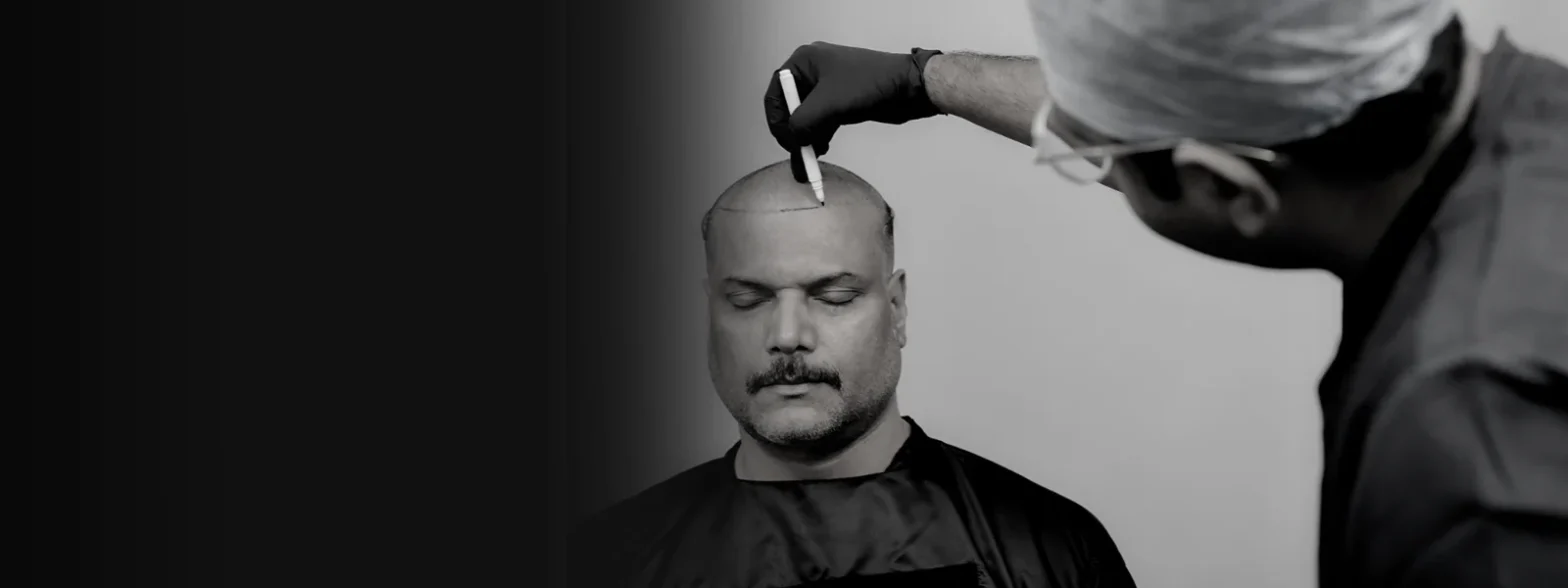
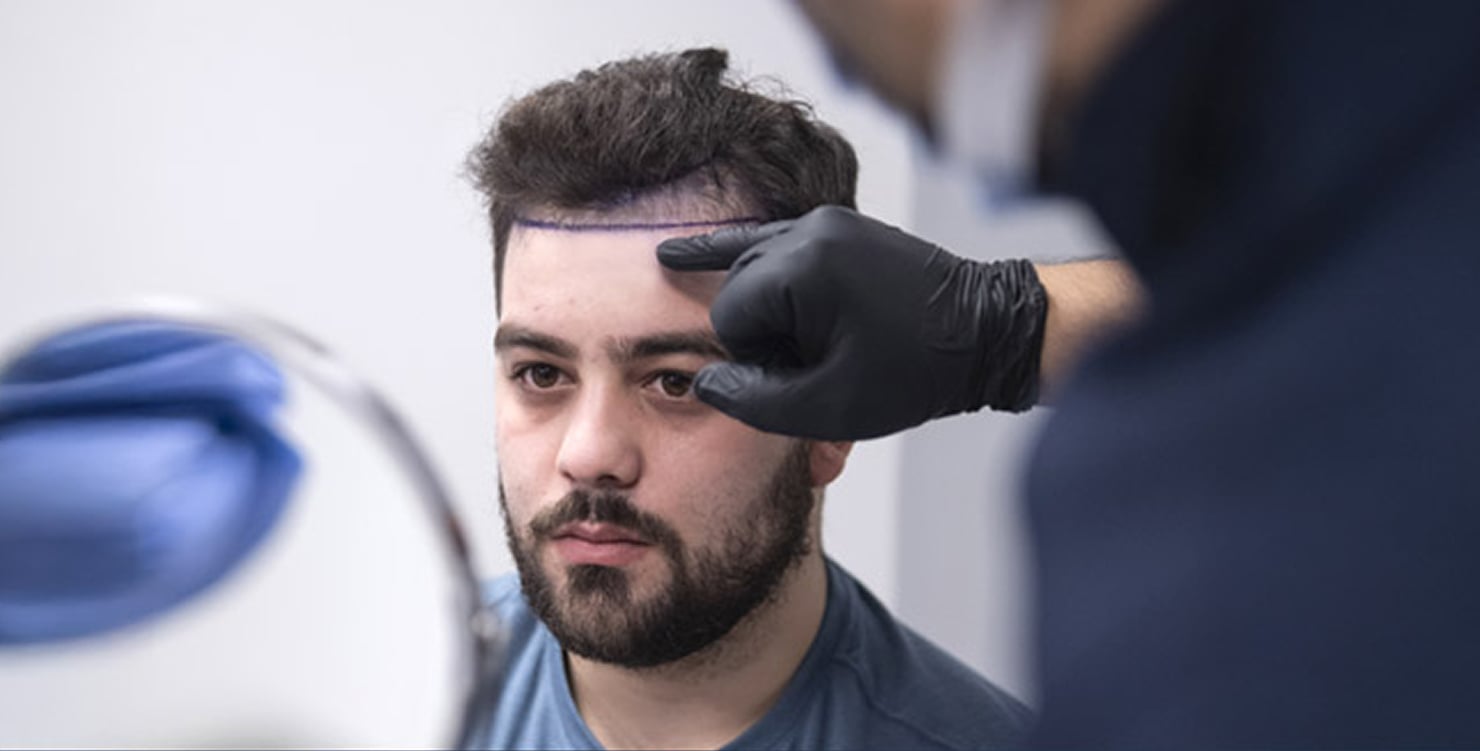
- Consultation and scalp assessment: Everything starts with a proper check of your scalp. The surgeon studies your hair loss pattern and your donor area, then calculates how many grafts you need.
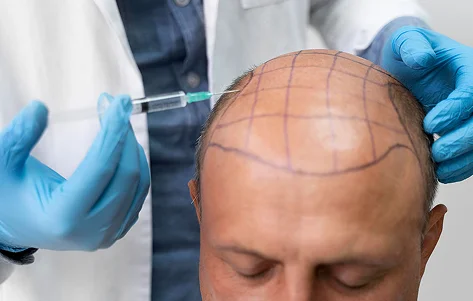
- Preparation and local anaesthesia: The donor area is trimmed short so the follicles are easy to see. The scalp is then numbed with a local anaesthetic, so you do not feel pain while the surgeon works.
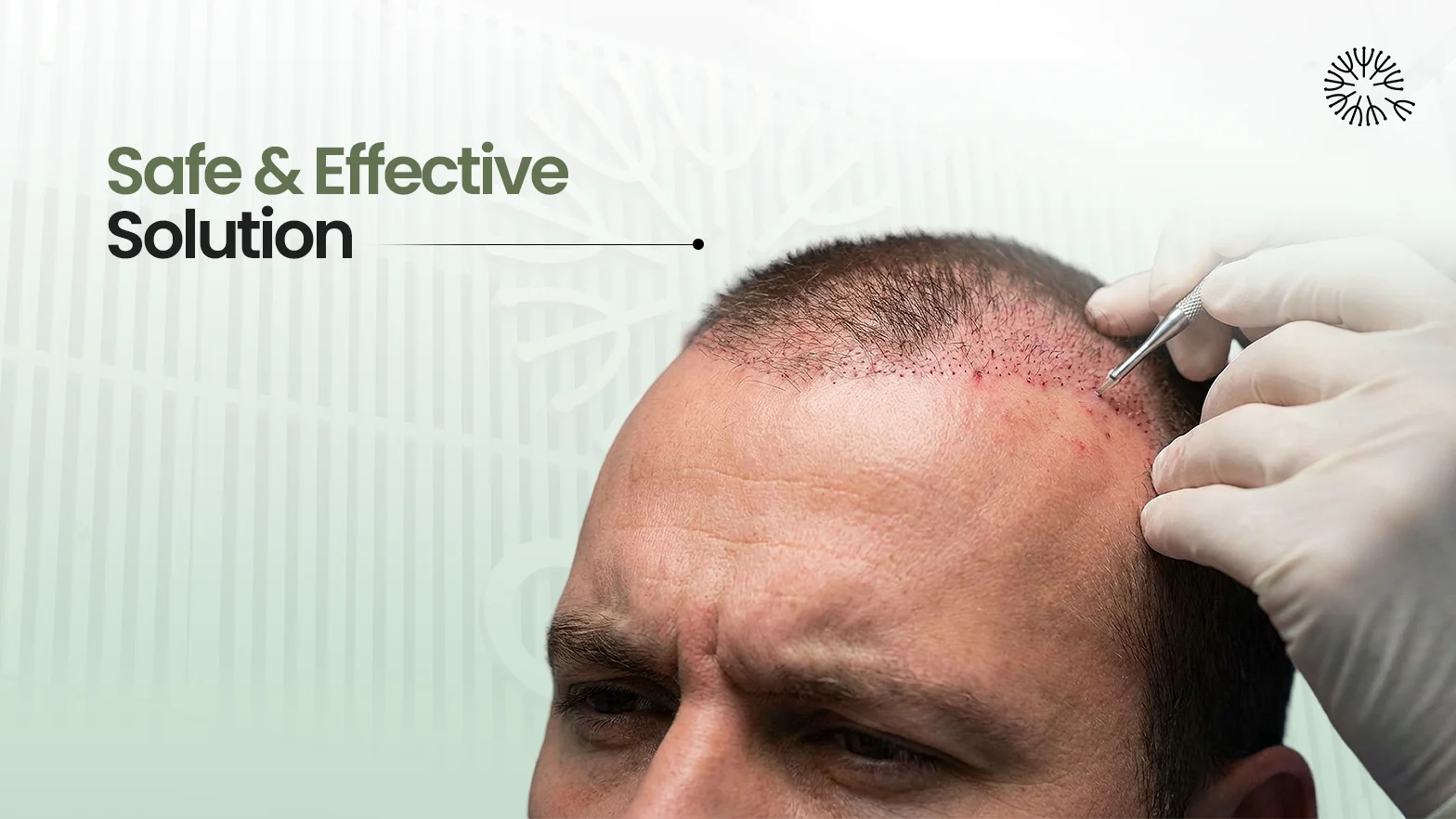
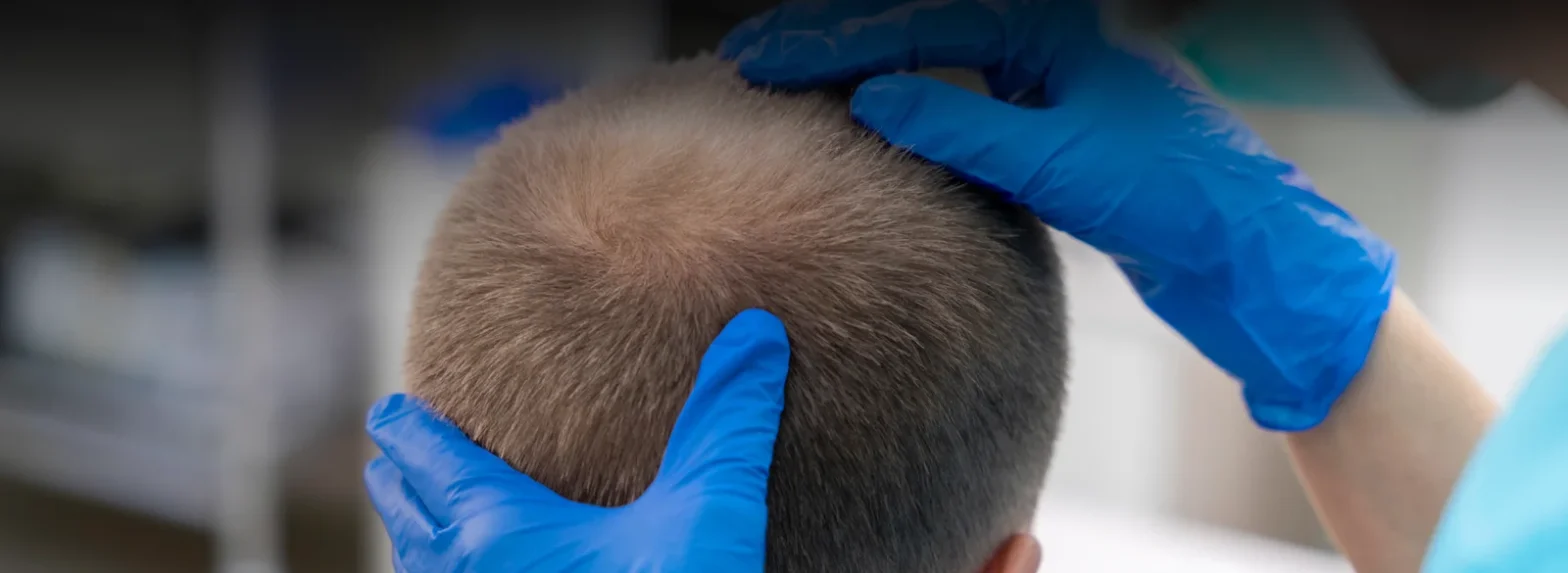
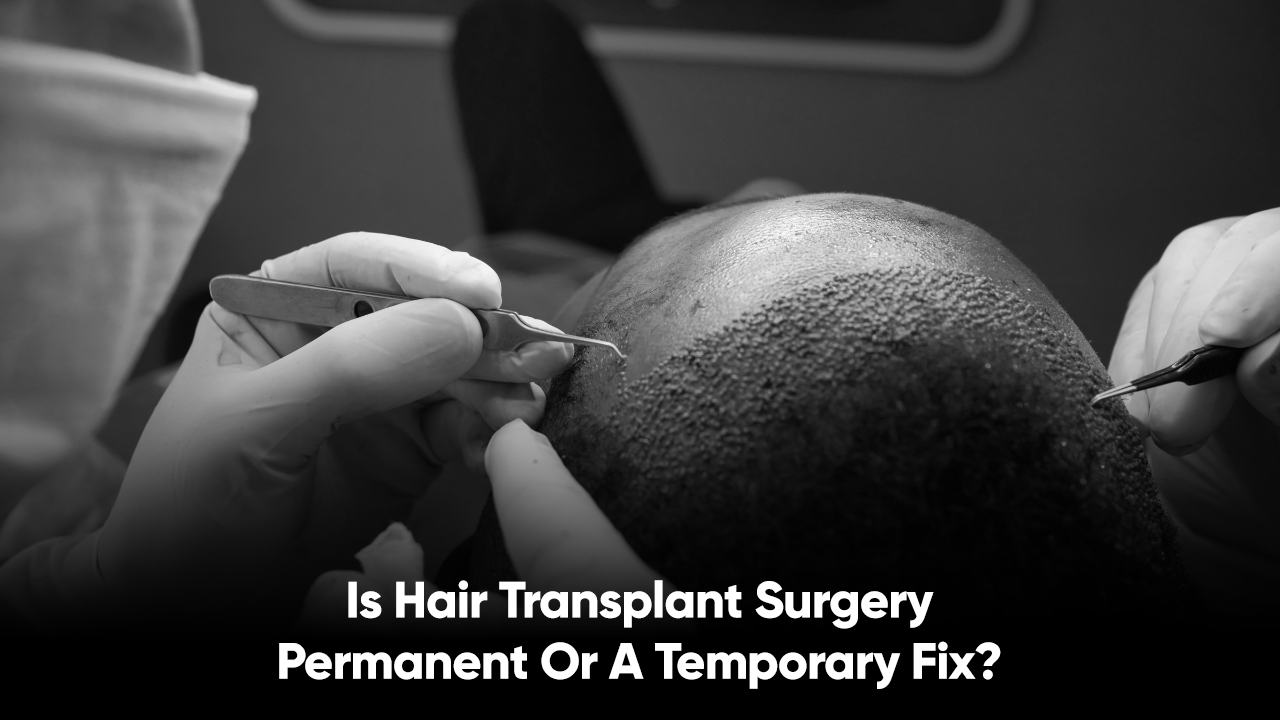
- Follicle extraction with a micro-punch: Next comes the part that defines FUE. The surgeon uses a small punch tool, usually 0.8 to 1.2 mm wide, to remove each follicle from the donor area one at a time.
- Graft preparation and storage: Once out, the grafts cannot sit around. They go into a chilled saline solution, because follicles can dry out and become unusable within a few minutes.
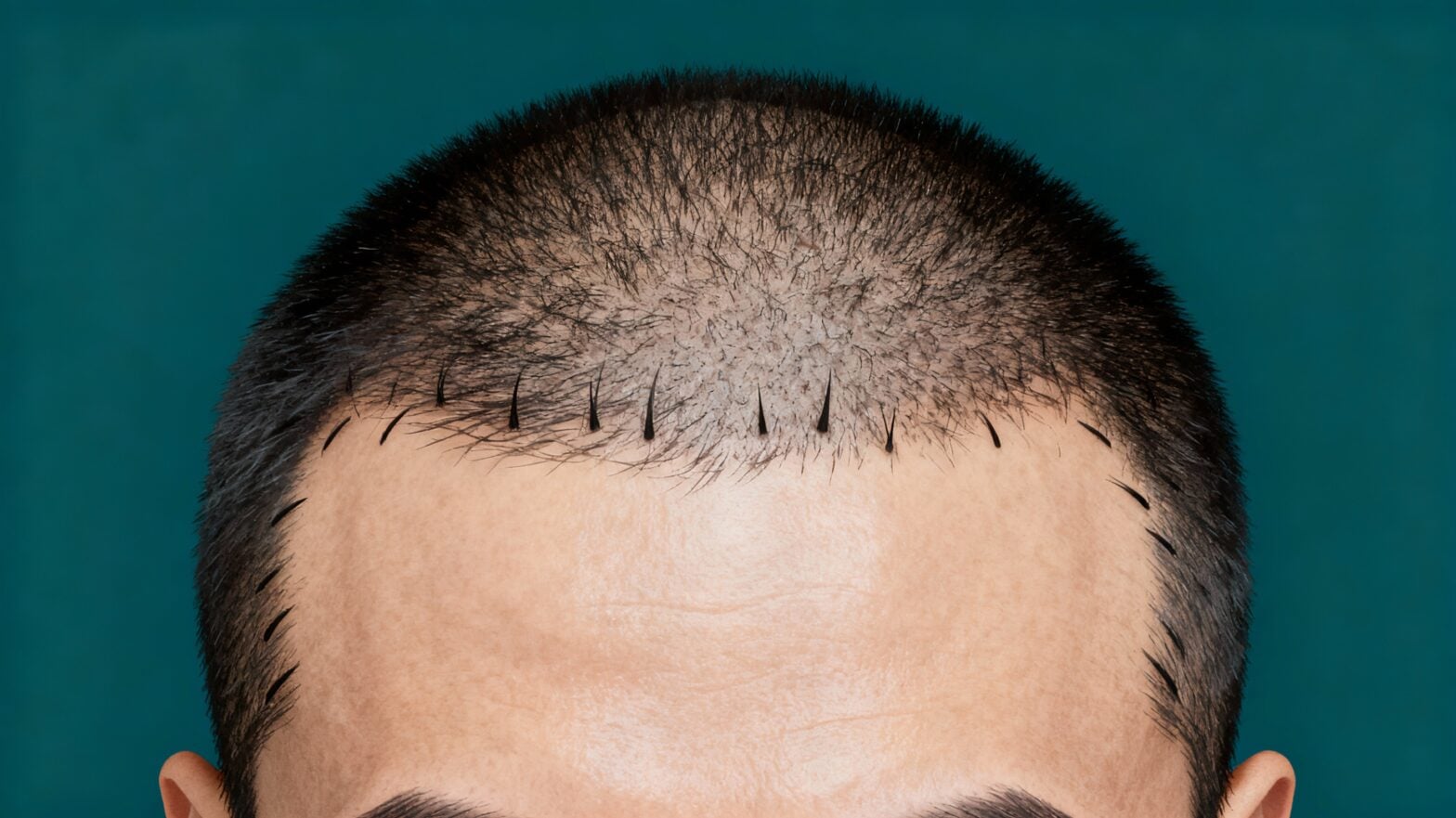
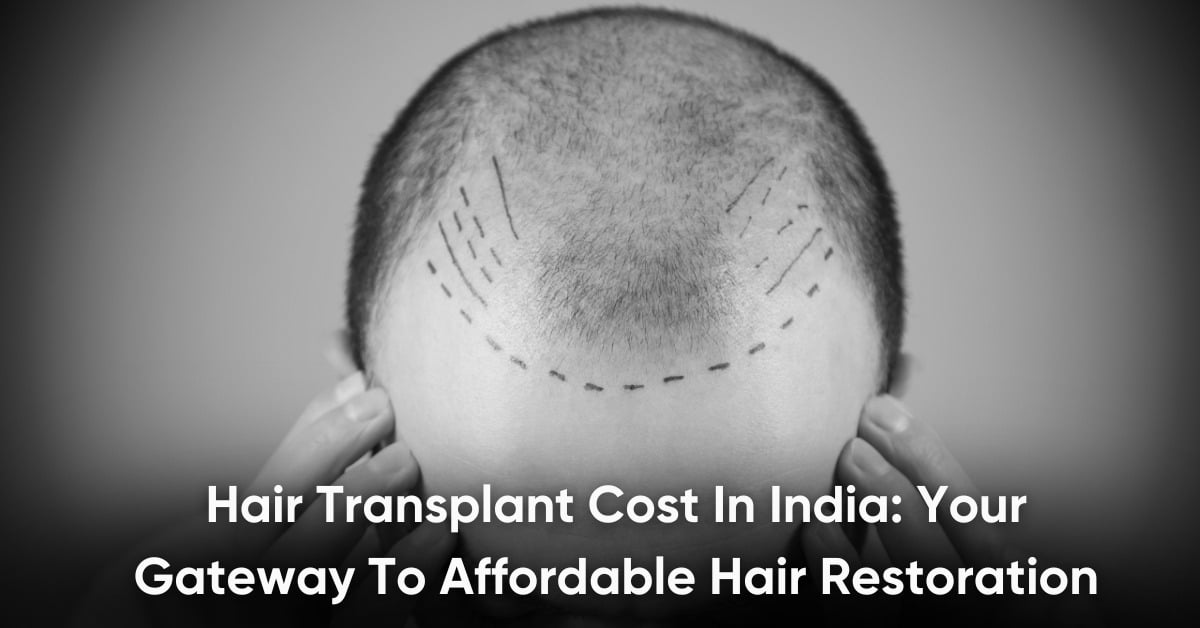
- Recipient site creation: The surgeon then makes tiny openings in the thinning area. These follow your natural hairline and the angle your hair already grows in, and they are placed carefully so the hair you still have is not damaged.
- Implantation along the natural growth direction: Last, each graft is set into its opening by hand. The direction matters here, since matching your natural growth pattern is what makes the result look real
At QHT Clinic, the surgeon who plans your grafts is the one who places them. No hand-off to a technician halfway through. Six steps, one day, then the wait begins.
Types of FUE
FUE is not one fixed technique. What changes is how the surgeon lifts each follicle.
Manual FUE
The surgeon holds a small punch, 0.8 to 1.2 mm wide, and lifts out each follicle by hand. The punch is turned in a gentle oscillating motion or pushed straight in, just deep enough to free the graft without cutting it. The result leans heavily on the surgeon’s hand and experience.
Motorized FUE
This method swaps the hand motion for a powered punch that spins at a set speed. The rate often runs between 1,000 and 2,000 rotations per minute, which can make extraction faster than the fully manual approach.
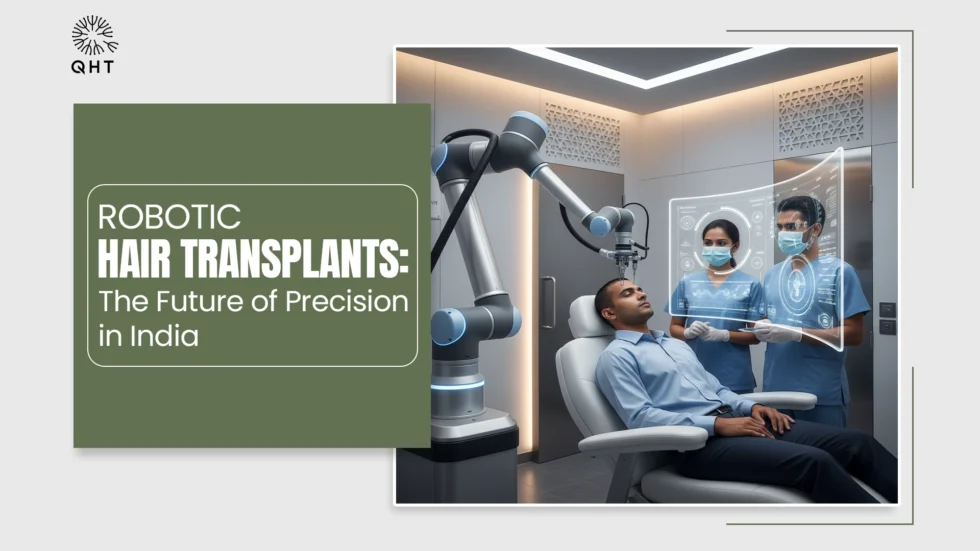
Robotic FUE
A robotic system assists with harvesting the grafts. Reports suggest it can work faster and transect fewer follicles, though solid head-to-head studies comparing it with other methods are still lacking.
Out of body time matters too. Grafts that stay outside the body too long can grow poorly. Quick Hair Transplant, is the QHT clinic’s own advanced form of FUE. It works under 10X magnification and pairs extraction with immediate implantation to keep that time short, under 2 hours.
FUE Hair Transplant Results: What to Expect
FUE results do not show up overnight. The hair needs time to settle and grow. Knowing the stages keeps you calm when little seems to happen early on.
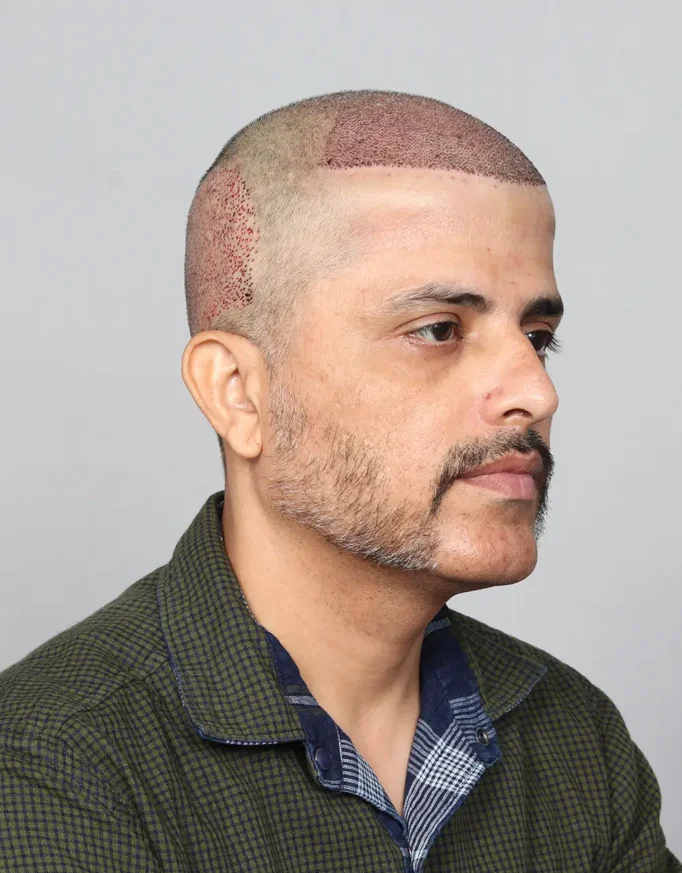
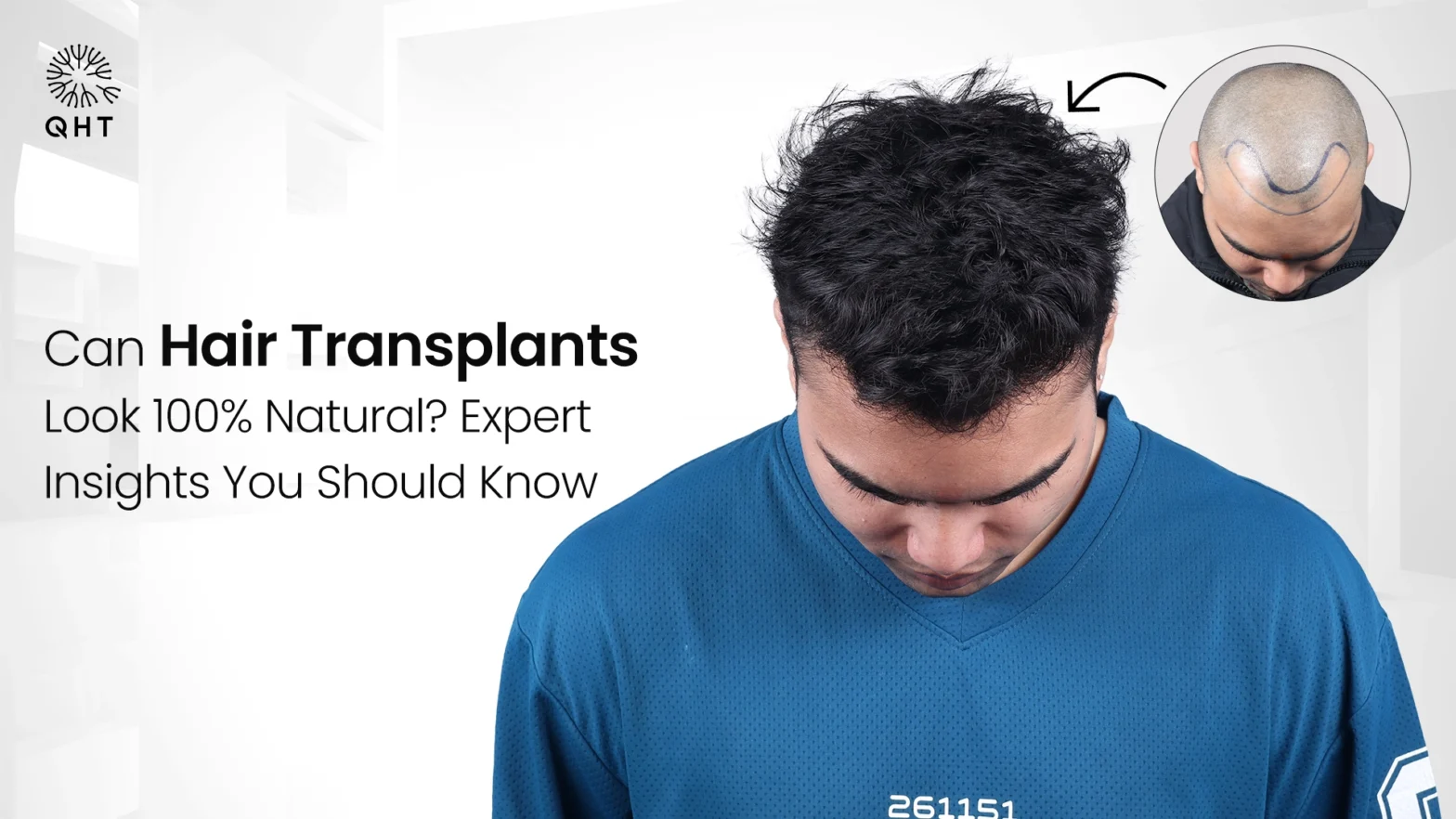
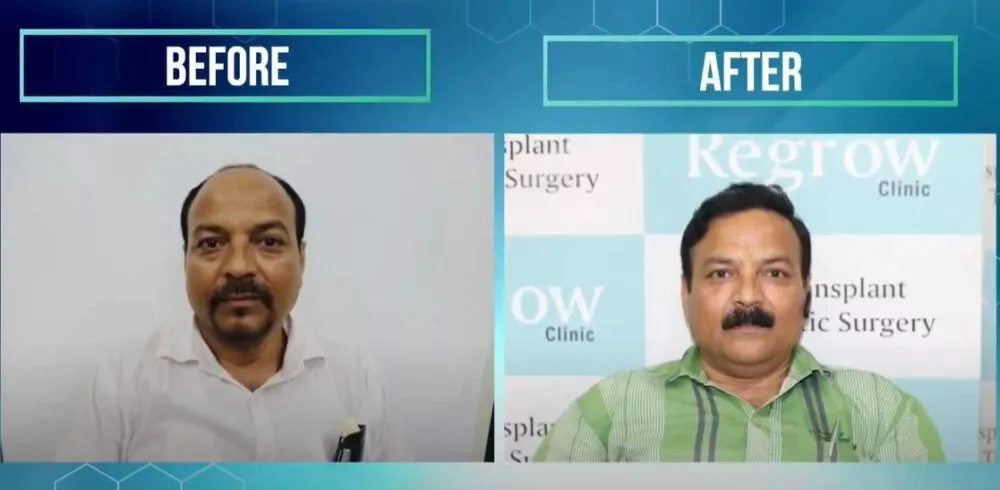
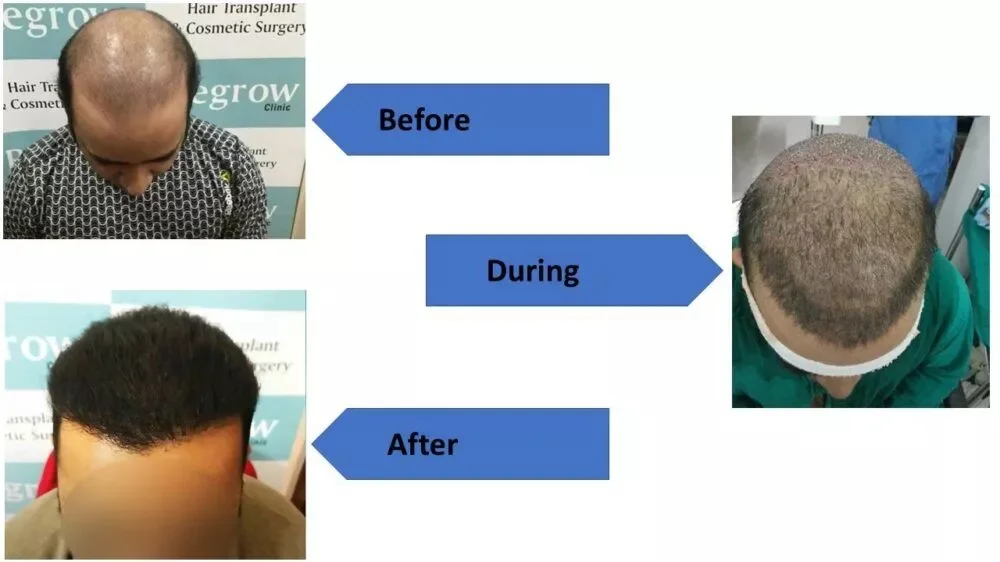
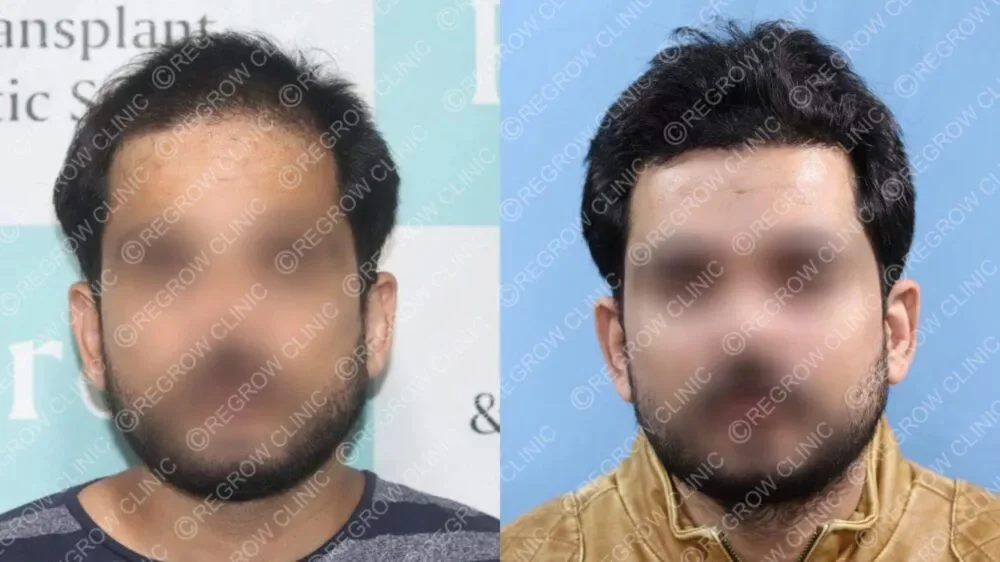
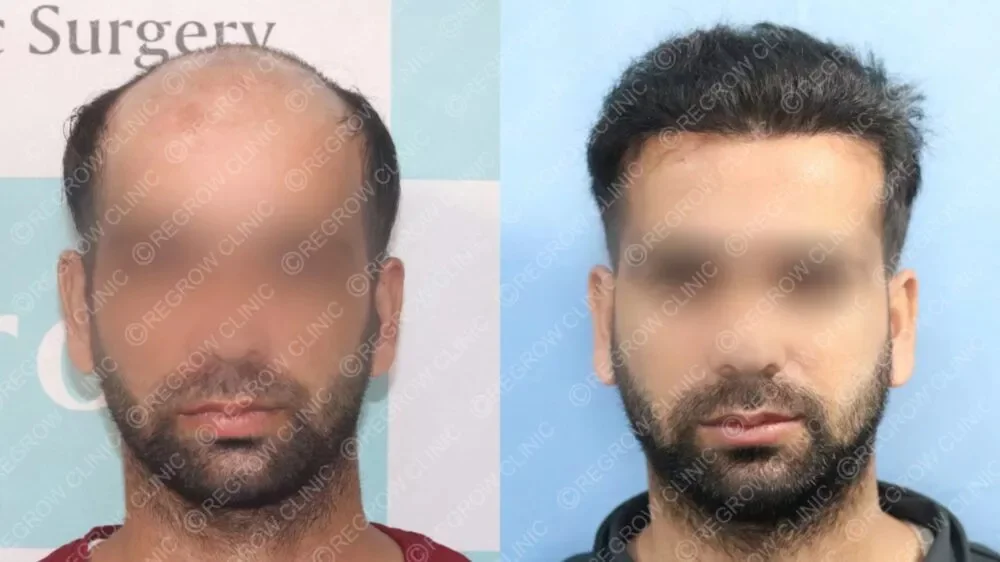
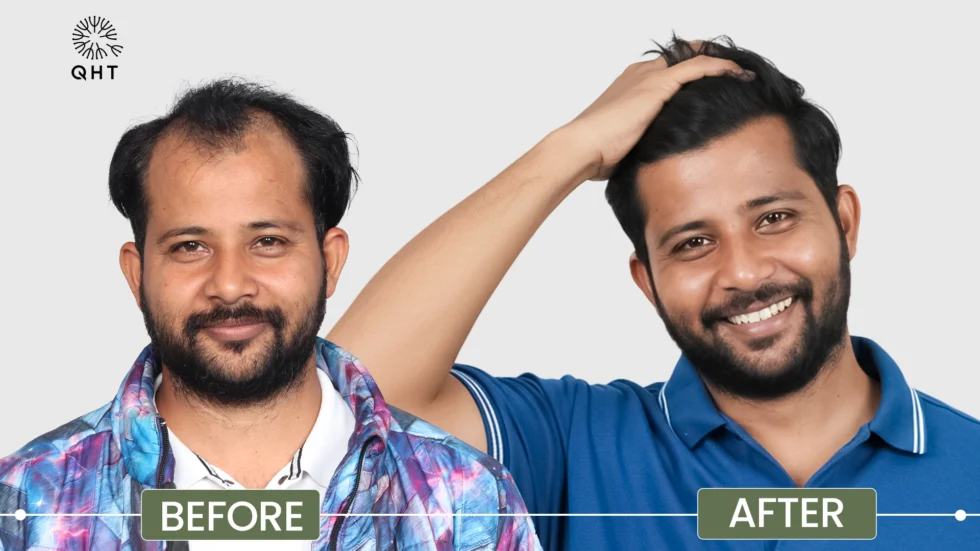
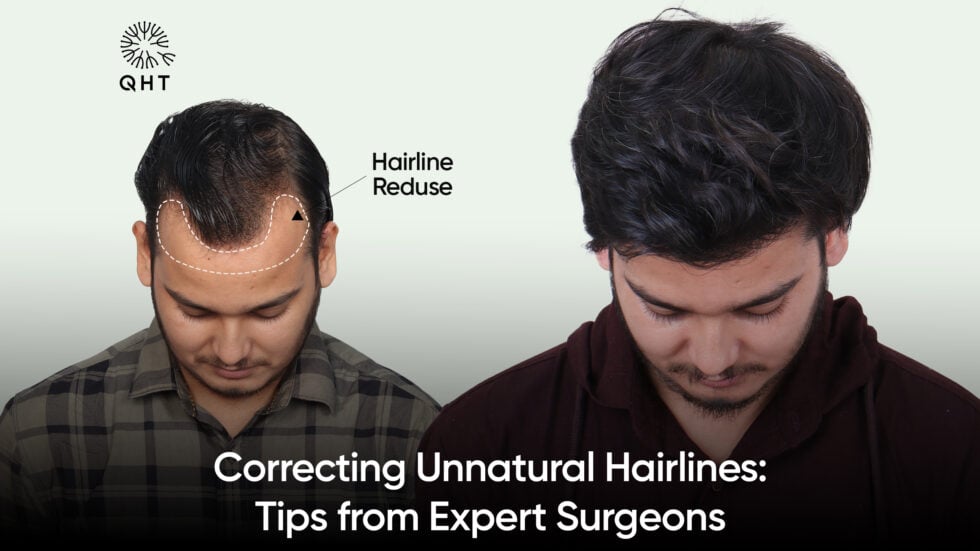
The look is natural because each follicle follows the direction your existing hair already grows. Done well, even your barber will struggle to spot the work. What a transplant cannot do is hand back the density of your younger years. It builds the look of fuller hair. Your untouched hair may keep thinning too, so some people return for a second session later. The result is real. It just makes you wait for it.
Growth Timeline
Here is the rough path most people follow after surgery.
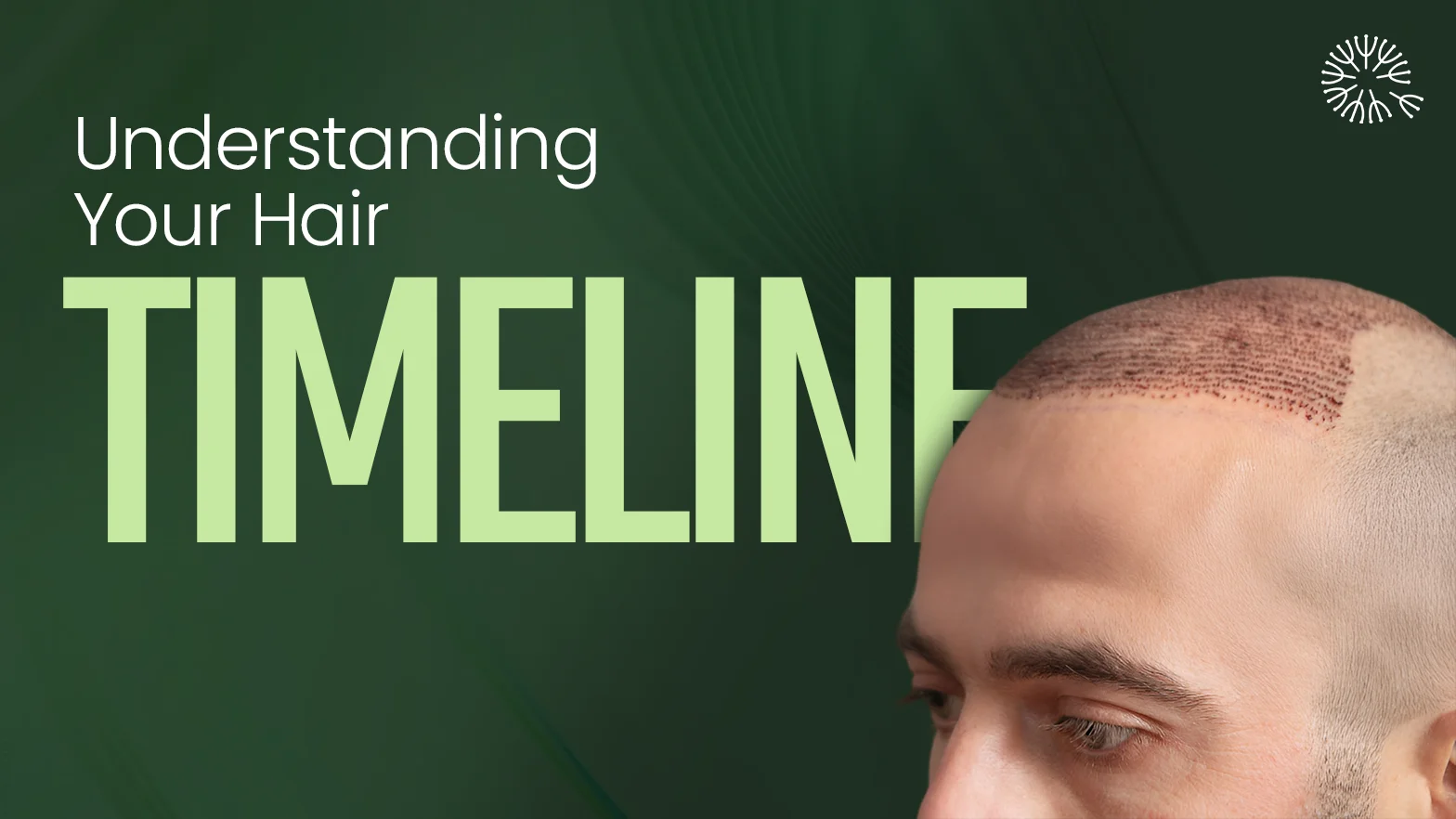
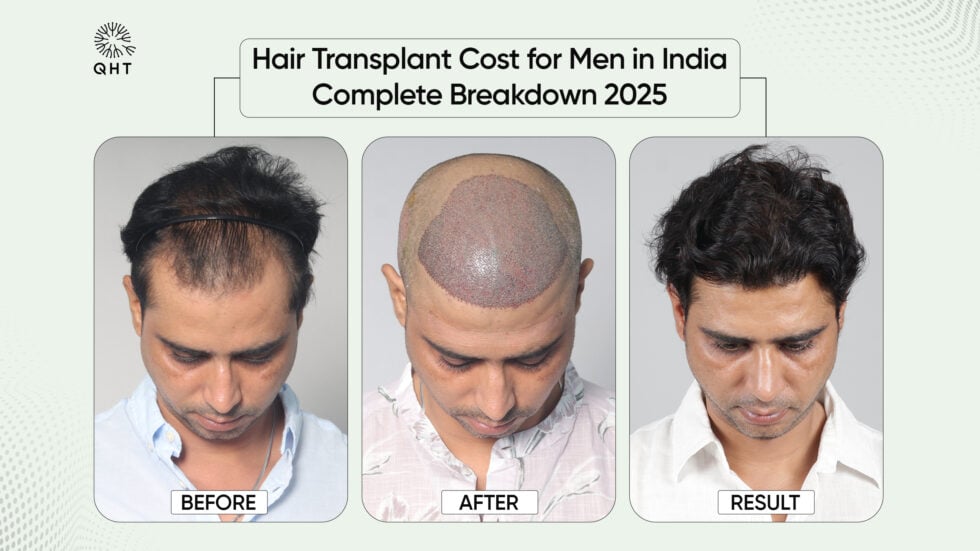
| Timeframe | What happens |
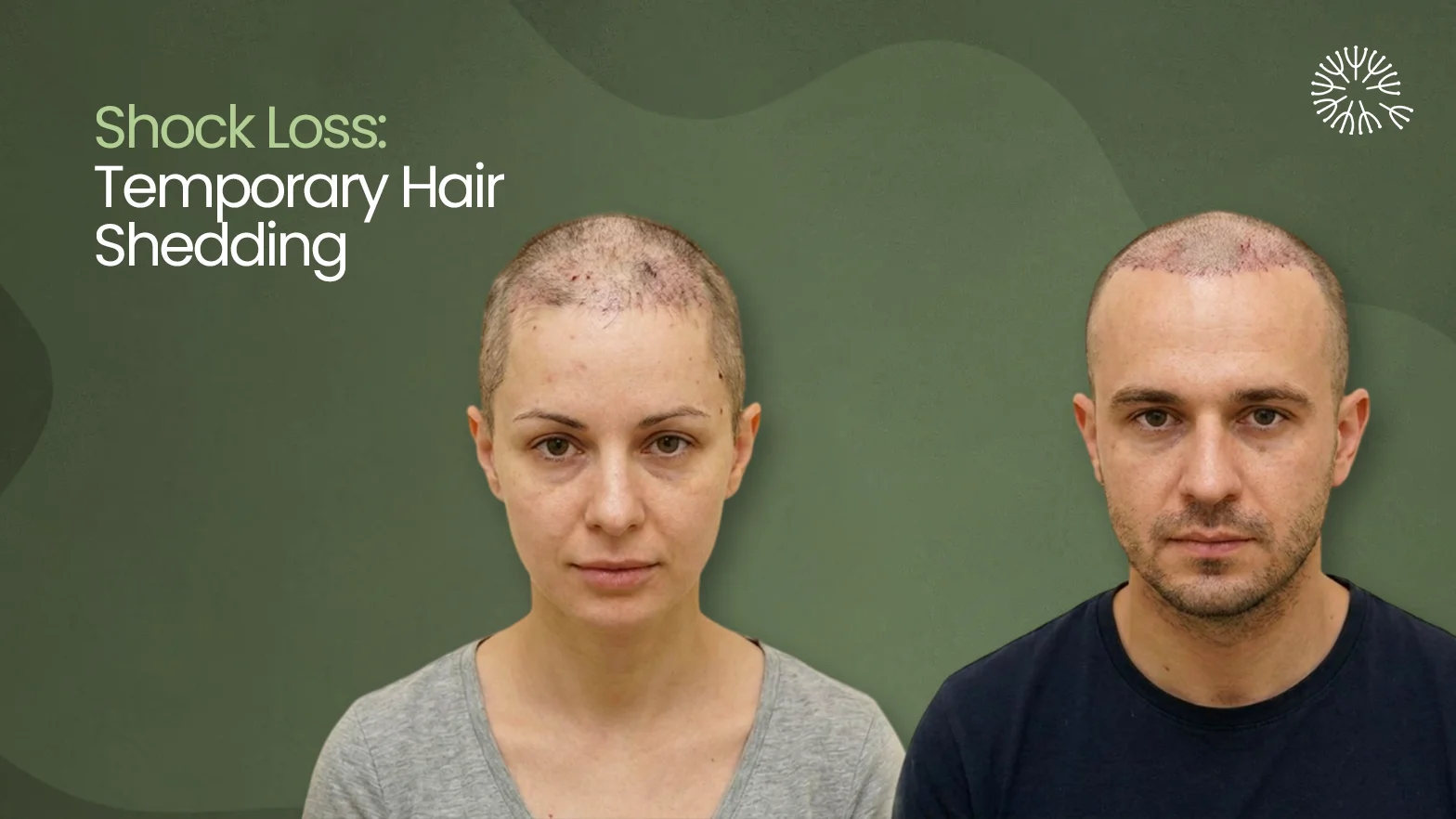
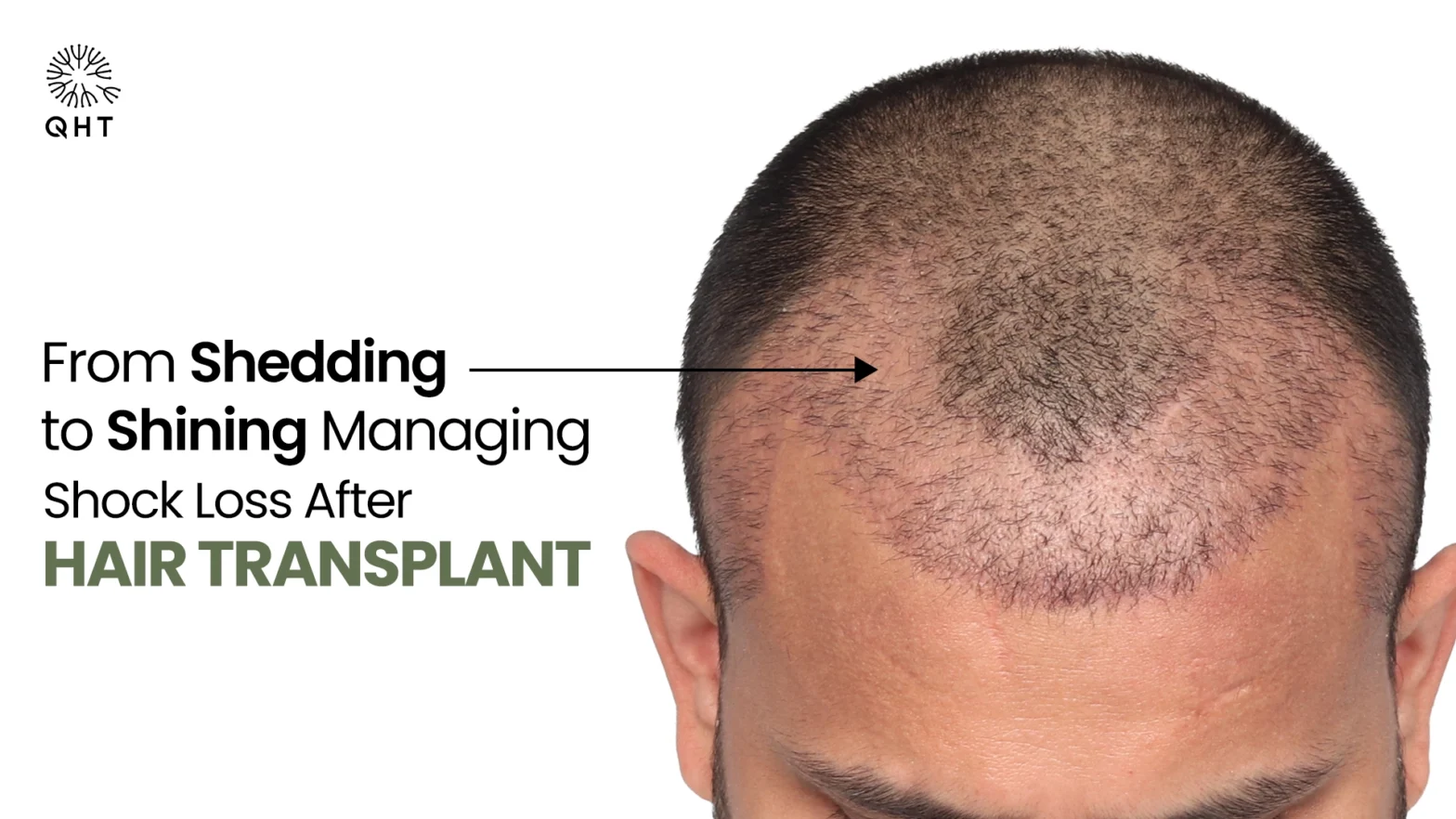
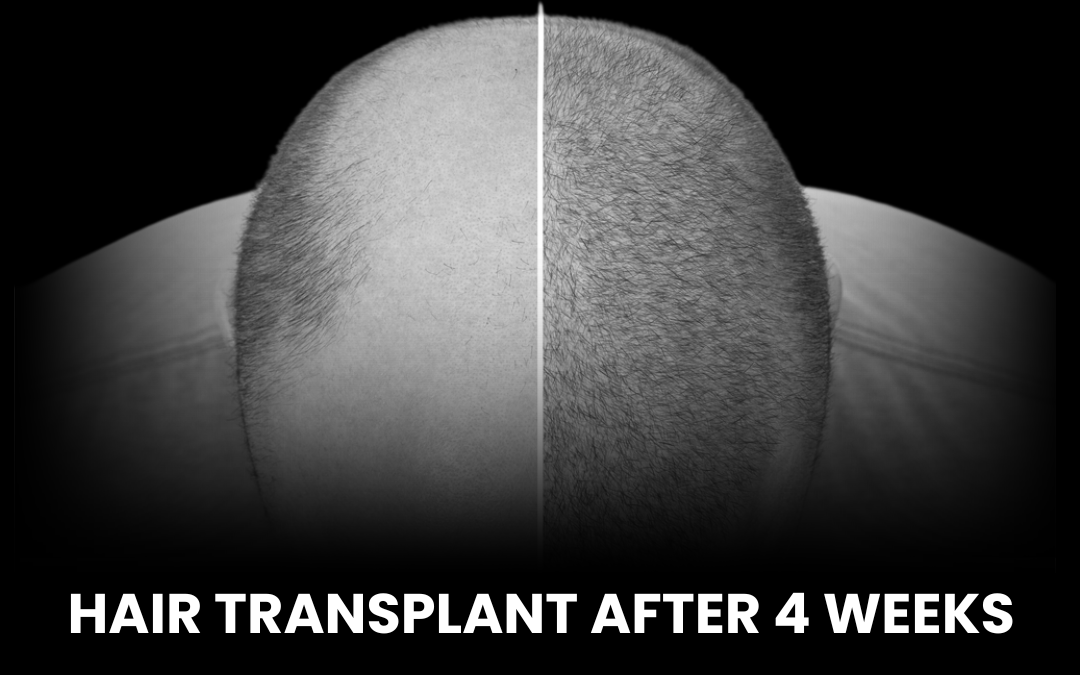
| First few weeks | The transplanted hairs shed. This is a normal part of the cycle (Shock Loss). |
| Around 3 months | New hair starts to grow. |
| 6 months | Density becomes more visible as the grafts mature. |
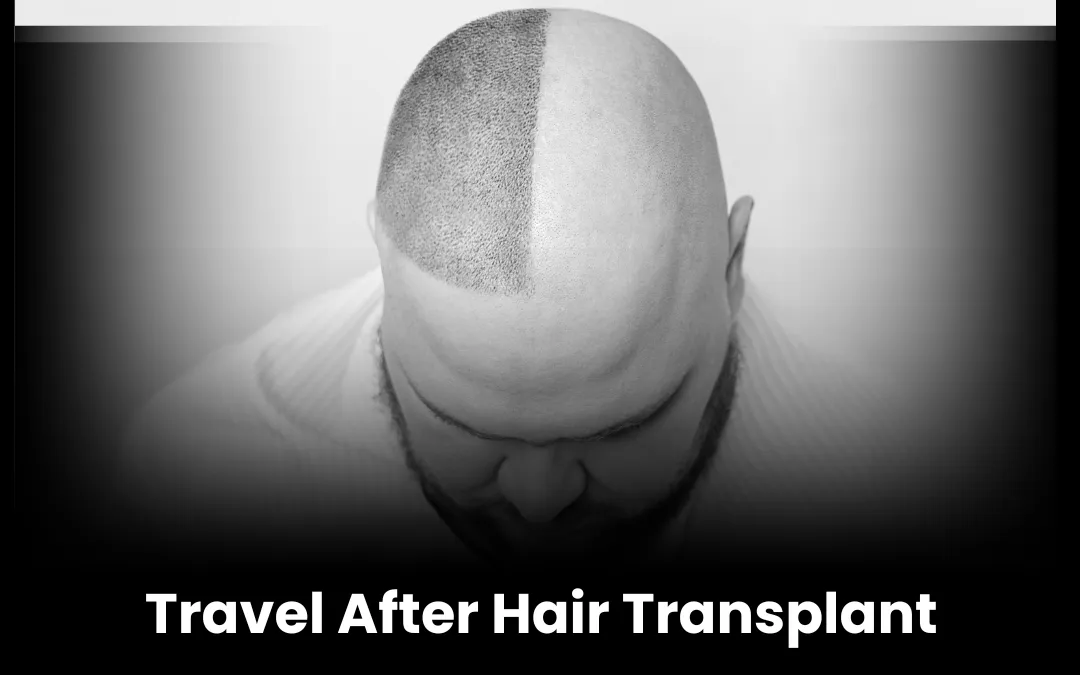
| Around 12 months | Most people see the final result |
What Affects Your Results
Surgeon skill: The success of the surgery depends a lot on the skill and experience of the surgeon. Poor planning or an inexperienced hand can leave an unnatural hairline or grafts set at the wrong angle.
Donor quality: Thicker donor hair gives fuller coverage.
Graft survival: Grafts can grow poorly if they are injured during the procedure or left outside the body for too long.
Aftercare: Following your surgeon’s instructions after the procedure raises your chance of a good result.
Notice the pattern. Surgeon skill, donor quality, graft survival, almost all of it sits with the surgeon and your own biology. Only aftercare is in your hands.
FUE Recovery Timeline and Aftercare
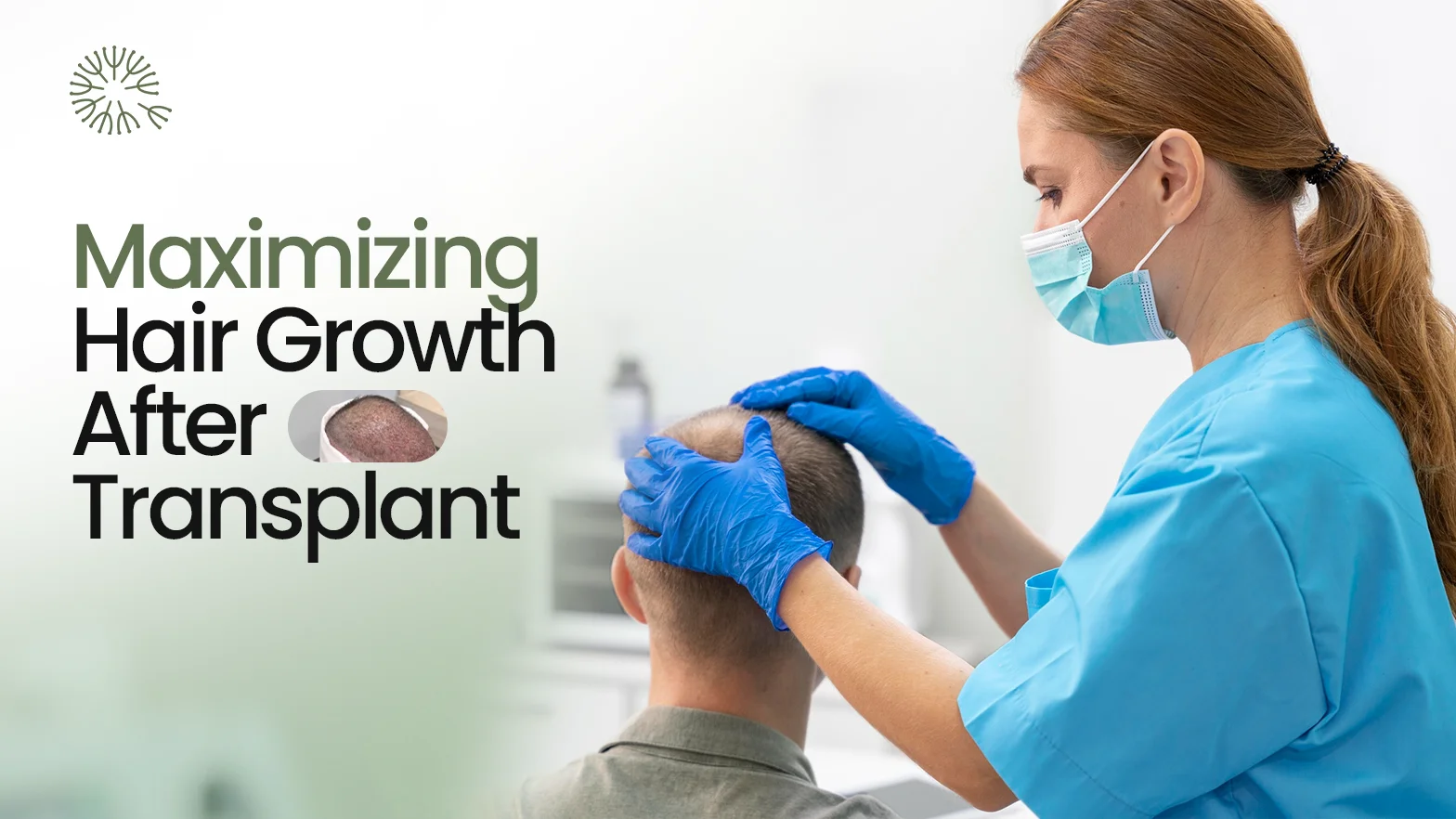
Recovery after FUE is steady, and most people find it easier than they feared. Many are back at their desk within a few days. The scalp still needs care in the early going. Here is how healing usually unfolds.
First 48 hours
The first two days are about protecting the new grafts. Sleep with the head of your bed raised 15 to 30 degrees during the first week to keep swelling down. Crusts begin to form around the grafts within the first two to three days, so handle the area gently and avoid rubbing it.
Days 3 to 10
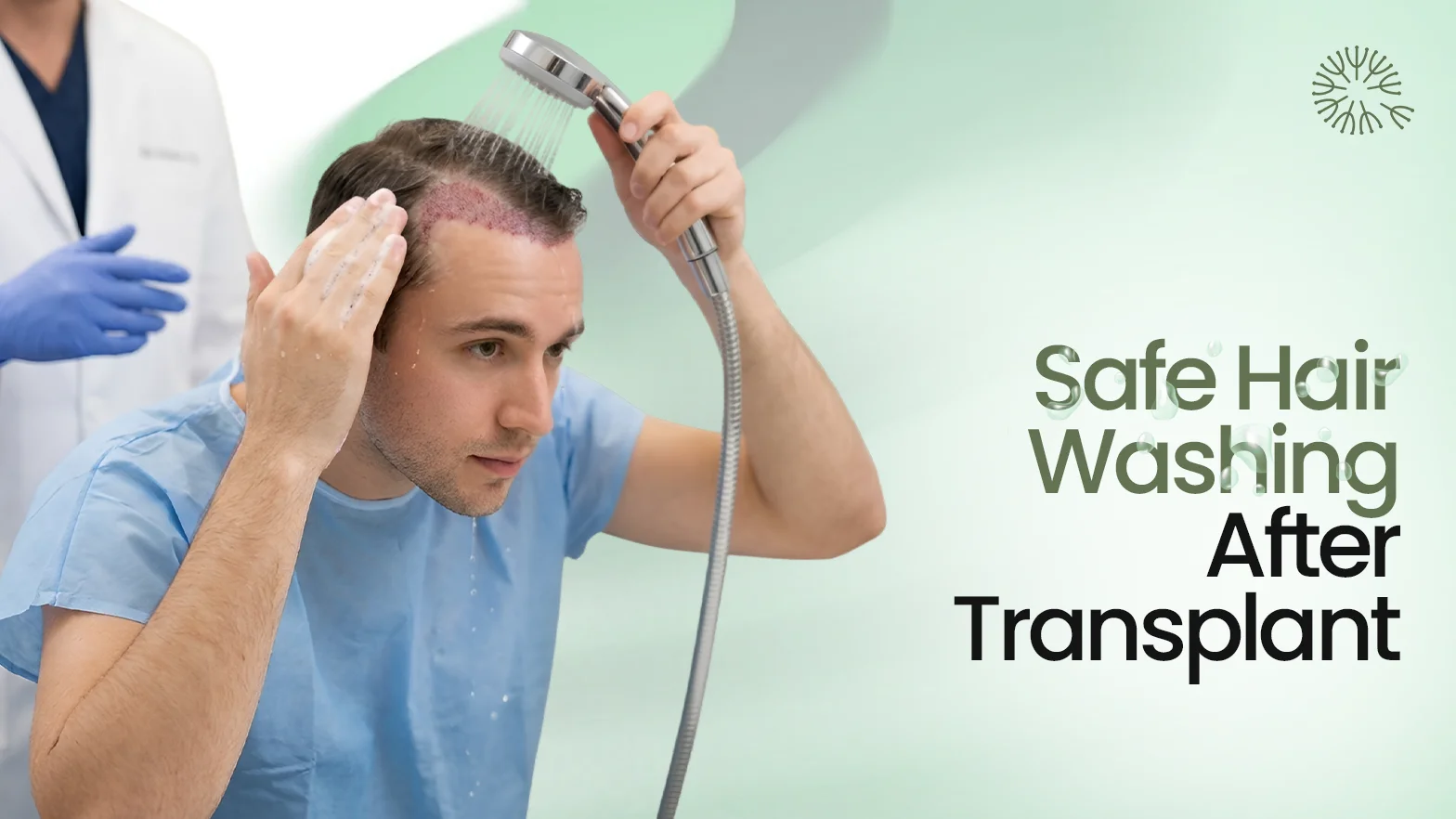
This is when the scabs do their work and fall away. Early, gentle washing within the first 24 to 72 hours helps the skin heal faster and lowers the risk of infection. The crusts usually clear by 7 to 10 days with proper care.
Weeks 2 to 4
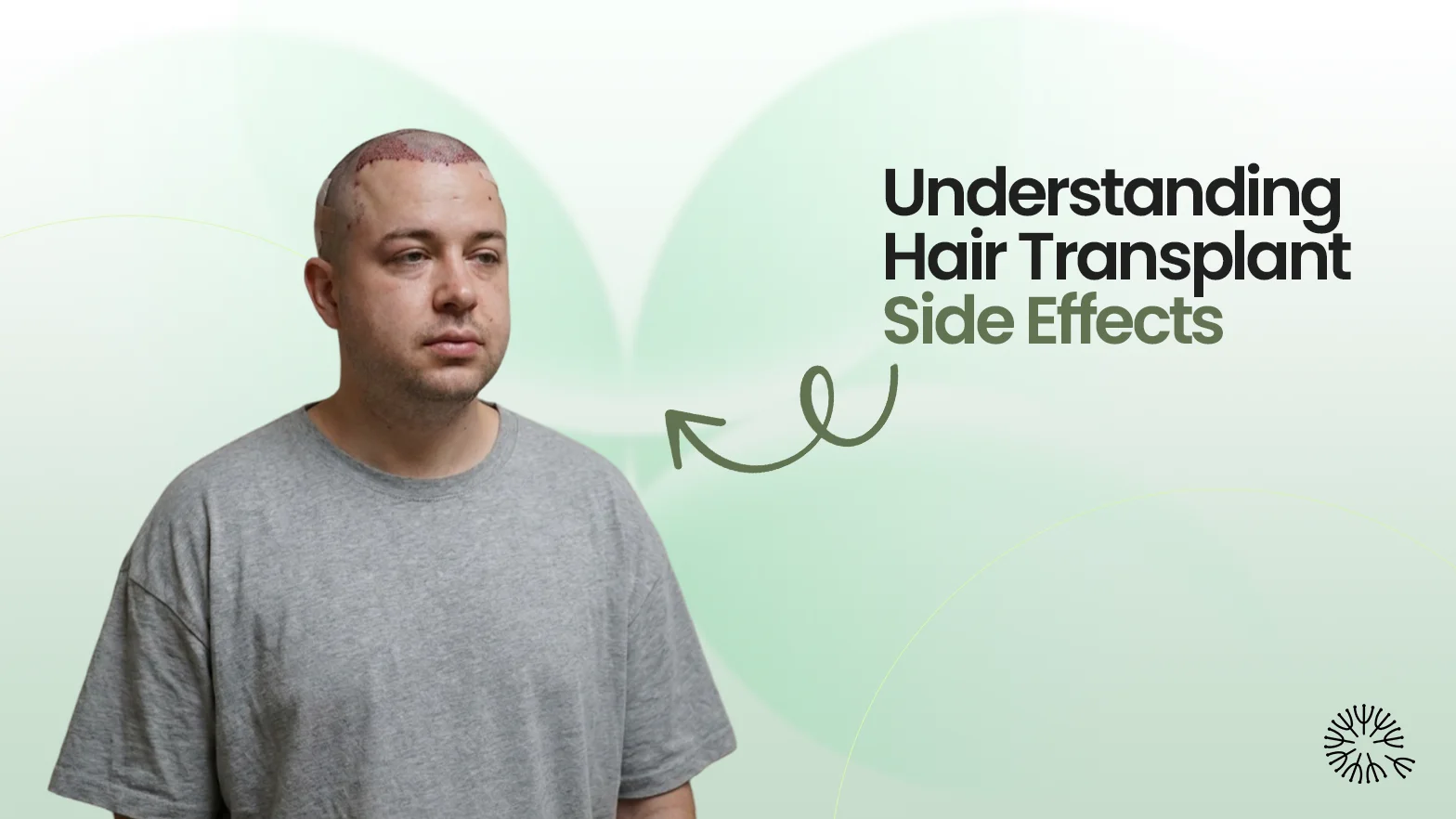
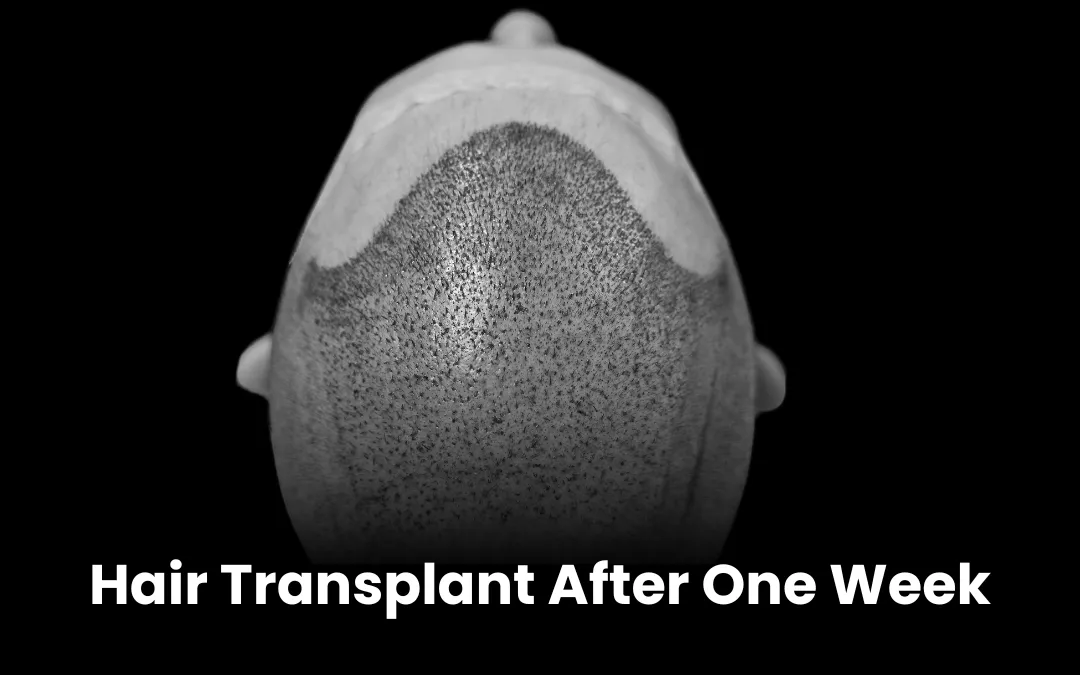
Around week 2, the transplanted hair falls out. Yes, it falls out. Patients panic. They should not. The follicle is resetting, not failing. This shedding usually starts 2 to 8 weeks after surgery, and regrowth begins around the 3-month mark. Any redness around the grafts settles in most people within 2 to 4 weeks. The most common call we get in week 2 is panic about shedding. It is the one thing we promise will happen.
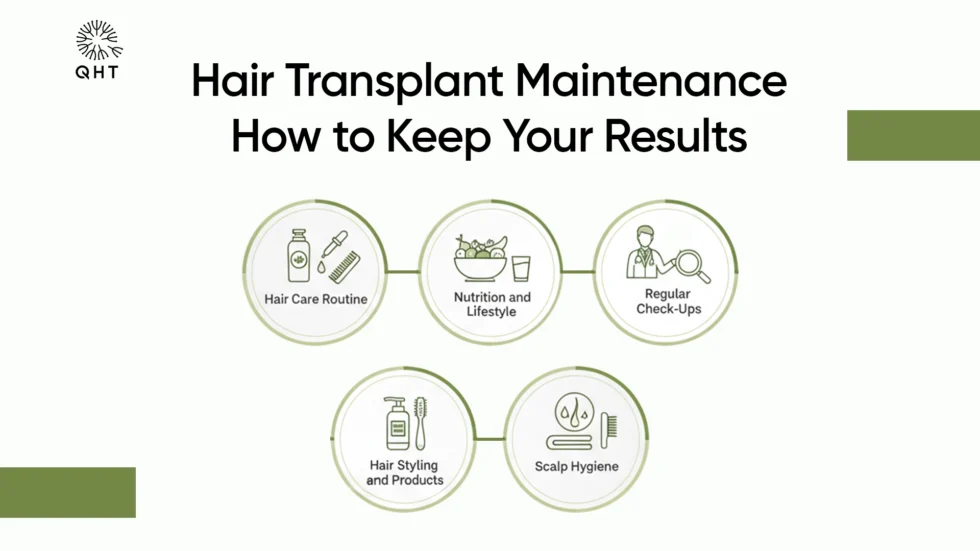
Simple aftercare checklist
- Wash with a neutral, mild shampoo and no rubbing, starting 24 hours after surgery.
- Skip heavy lifting and hard exercise for the first week.
- Keep the donor and recipient areas out of direct sun for about a month.
- Stop smoking around surgery, since long-term cessation gives the best healing.
The hard part is not the healing. It is waiting out the shedding.
Risks and Side Effects of FUE
FUE is generally safe. Most effects are mild and pass on their own. The common ones are short-lived. Swelling of the forehead is the most frequent early finding, peaking at 2 to 3 days and settling within 5 to 7 days. Redness around the grafts, crusting, and a round of temporary shedding are also expected during early healing.
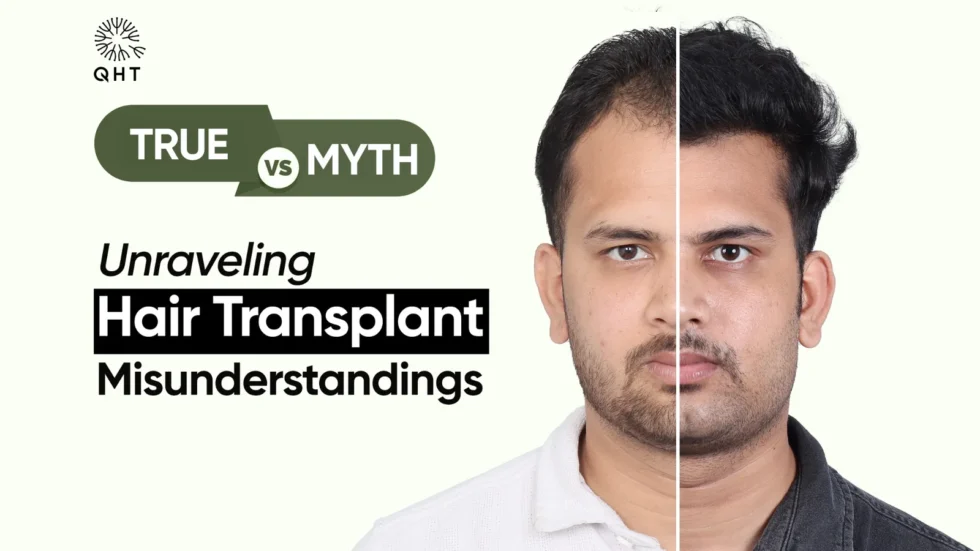
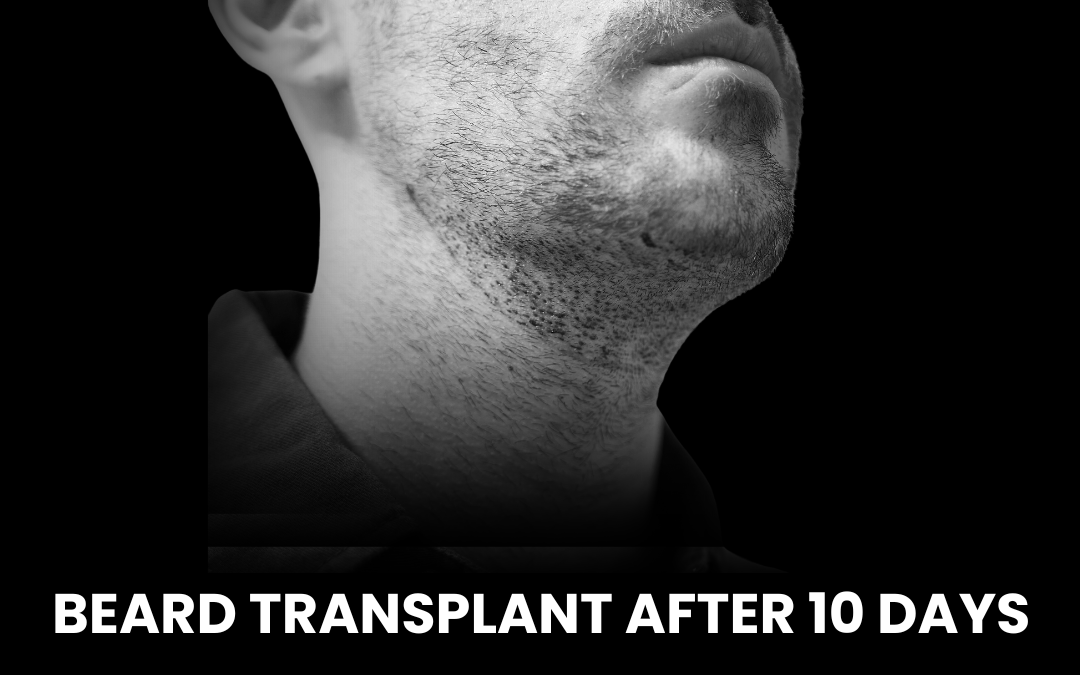
People often ask about scars. FUE avoids a linear scar, but it is a myth that it leaves none at all, since each punch creates a tiny wound that heals with some fibrosis. These marks show up as small dot-like spots that are hard to see, though they can be more noticeable in darker skin or very short haircuts.
Serious problems are uncommon. Across large studies, overall complication rates sit between about 1.2% and 4.7%, with major events being rare. The number that keeps those rates low is not the technique. It is who is holding the punch.
How Much Does FUE Cost in India?
The cost of an FUE hair transplant in India is not one fixed price. Two things move it the most: the number of grafts you need and the technique you pick. Both are settled only after a proper scalp assessment. For a full breakdown, see our guide on FUE hair transplant cost in India.
Frequently Asked Questions
Does an FUE hair transplant hurt?
Not during the procedure. The scalp is numbed with a local anaesthetic, so you stay awake but should not feel pain while the surgeon works. Afterward, some mild soreness is normal. It is usually well controlled with simple non-opioid painkillers.
Is FUE Hair Transplant Permanent?
In most cases, yes. The follicles taken from the back of the head resist the hormones that cause pattern baldness, so they keep growing after the move. One thing to keep in mind: your original, untouched hair can still thin over time. That is a separate process.
How long does an FUE hair transplant last?
The transplanted hair is meant to last, because the donor follicles stay resistant to balding. Your other hair may keep thinning, so the overall look can shift with age. Some people choose a follow-up session later to keep the coverage even.
When will transplanted hair start to grow?
First comes a surprise. The transplanted hairs fall out within the first few weeks, which is a normal part of the cycle. New growth usually begins around the 3-month mark, and most people see the full result near 12 months.
How many grafts will I need?
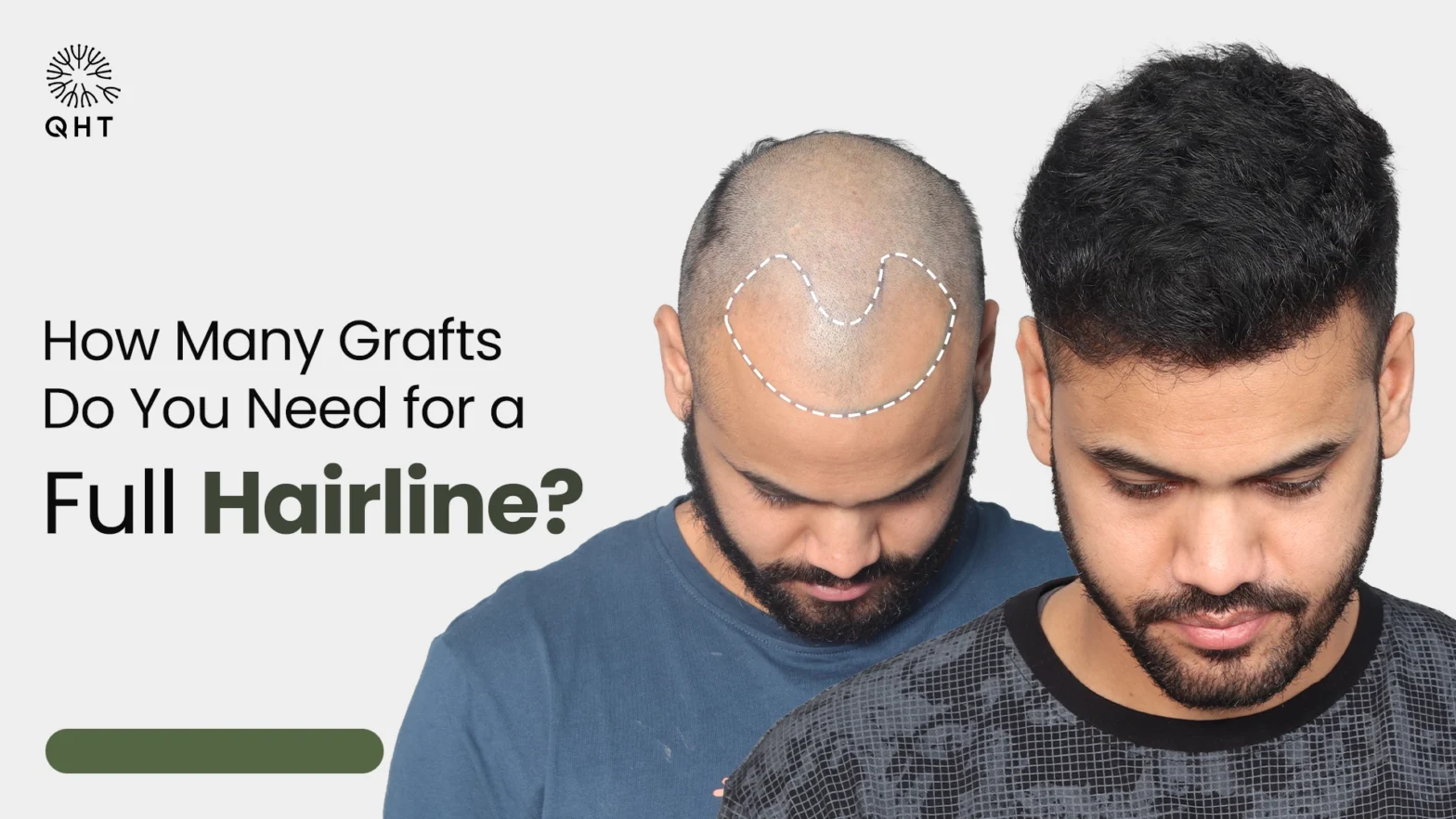
There is no single answer. The number depends on how large your thinning area is and the density the surgeon plans for it. This is worked out from your own scalp during the assessment.
Can an FUE hair transplant fail?
Yes. The cause is almost always one of three things: grafts damaged during surgery, grafts left outside the body too long, or poor aftercare. The first two sit with the surgeon. The third sits with you. A touch-up session can fill in thin spots later.
Is FUE better than FUT?
FUE leaves no linear scar and heals faster, while FUT can supply a large number of grafts from a single strip, which suits more advanced baldness. Both work well, so the better fit depends on your hair loss and your donor area.
Book a Consultation Today
Latest Videos
-

Rajpal Yadav | Bollywood Actor Hair Transplant Journey at QHT Regrow Clinic Haridwar
Click to Watch
-

FUE Hair Transplant Results | DAYA's FUE Hair Transplant Results
Click to Watch
-

Best Hair Transplant Result 2021 || NW Grade VI A || 3,422 Grafts
Click to Watch
-
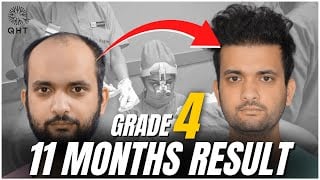
Best Hair Transplant Result 2022 | Grade 4
Click to Watch
-

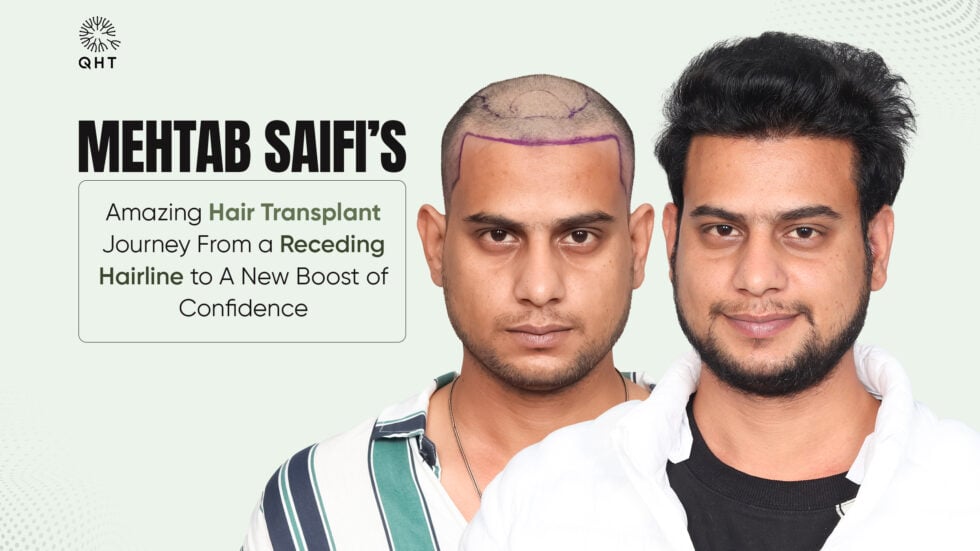
YouTuber Mehtab Saifi Hair Transplant
Click to Watch
-
ACP Pradyuman Hair Transplant - Actor's Hair Transplant
Click to Watch