



Hair transplant Side effects
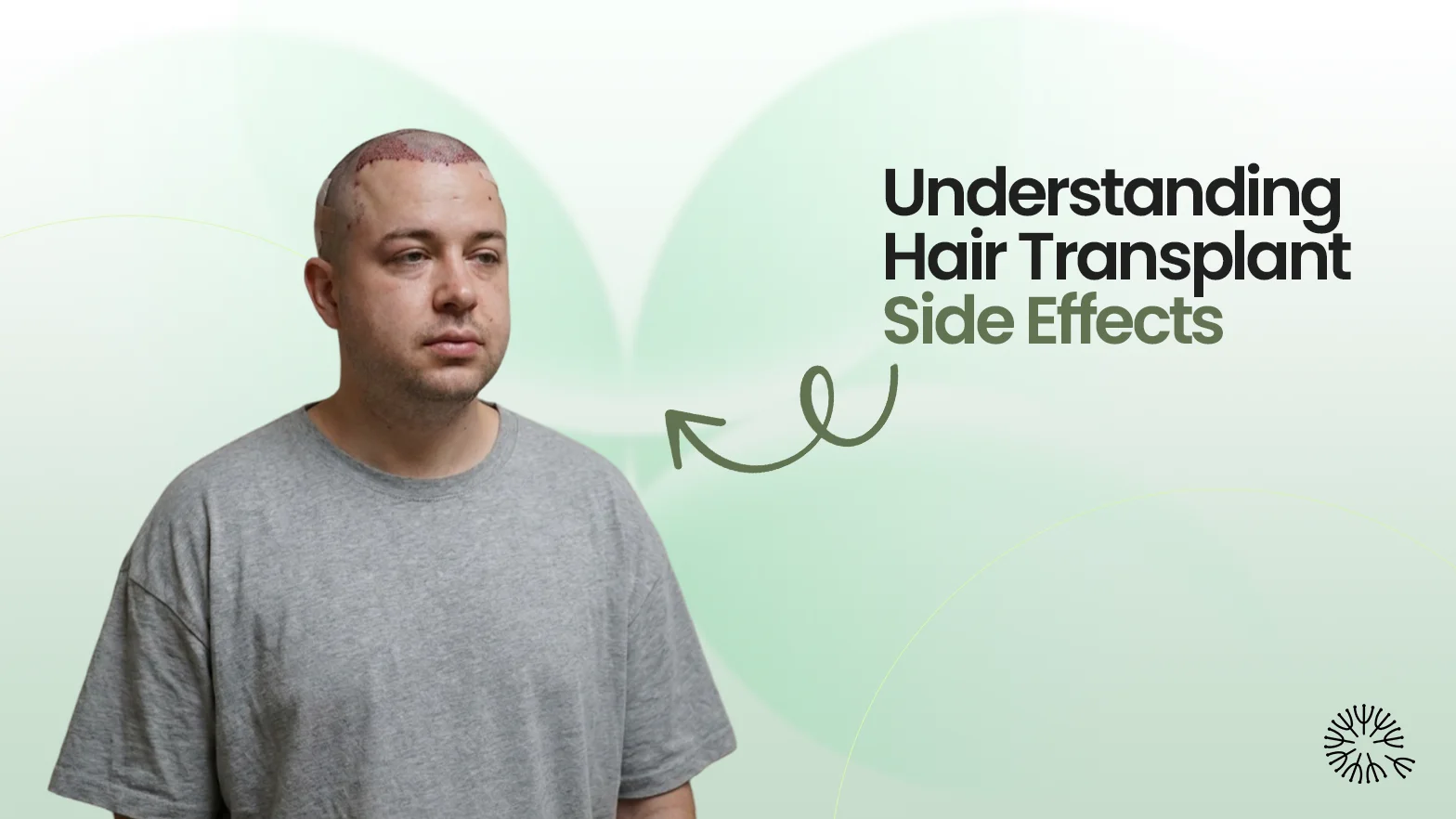
A hair transplant is a life-changing procedure for individuals dealing with hair loss, thinning and receding hairlines. It often brings a renewed confidence and long-term results. However, like any surgical procedure, it is natural to wonder about side effects of hair transplant surgery.
The truth is, like any surgical procedure, a hair transplant also comes with certain side effects and potential risks. While most of these side effects are mild, temporary and a normal part of the healing process, some symptoms may need prompt medical attention.
Understanding the difference between expected recovery signs and possible complications can help reduce procedure related anxiety and ensure timely care.
It is also important to remember that no concern is too small to discuss with your doctor. Whether you notice mild swelling, have discomfort or experience temporary shedding, it is absolutely fine to speak to your doctor about it.
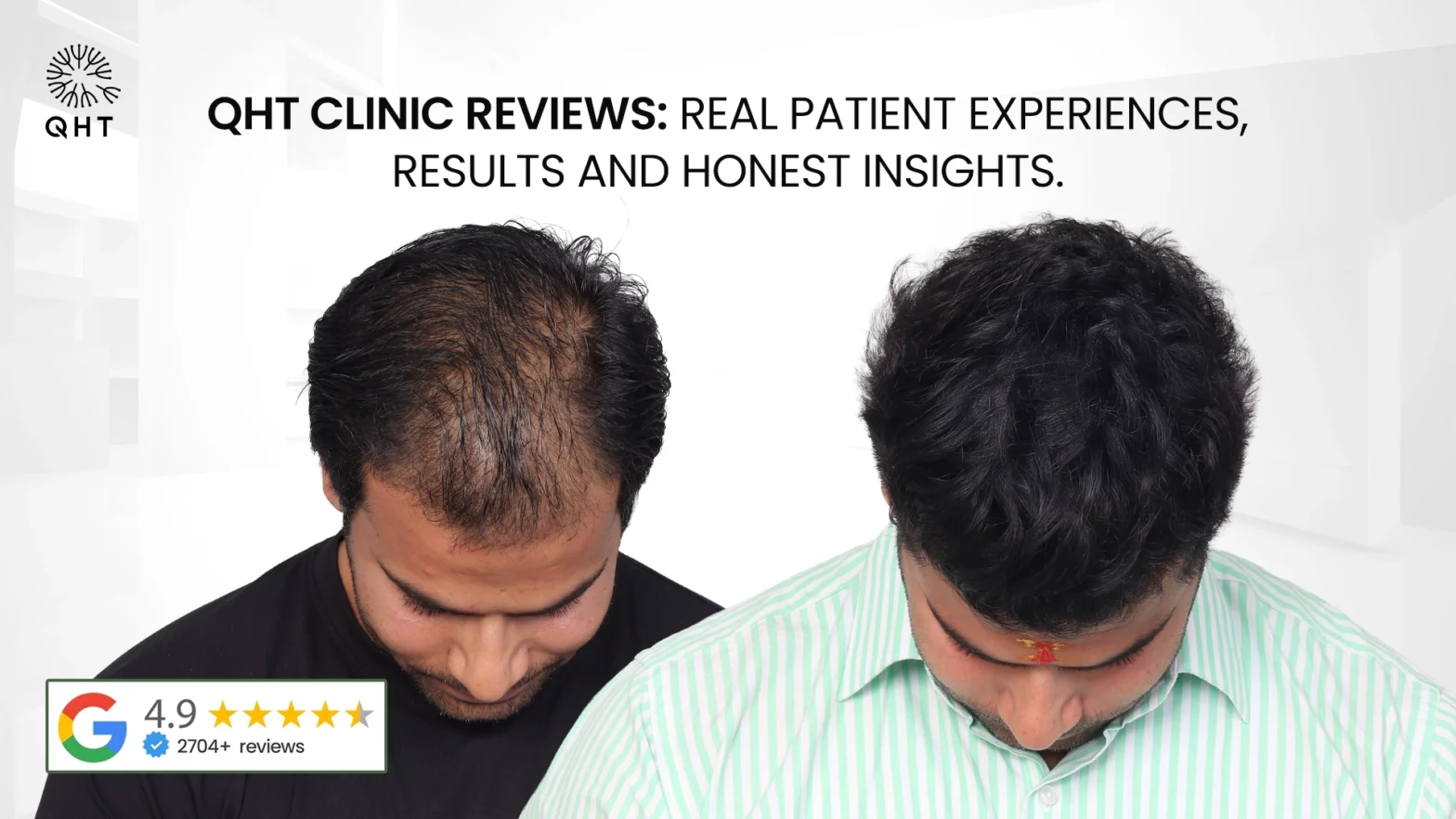
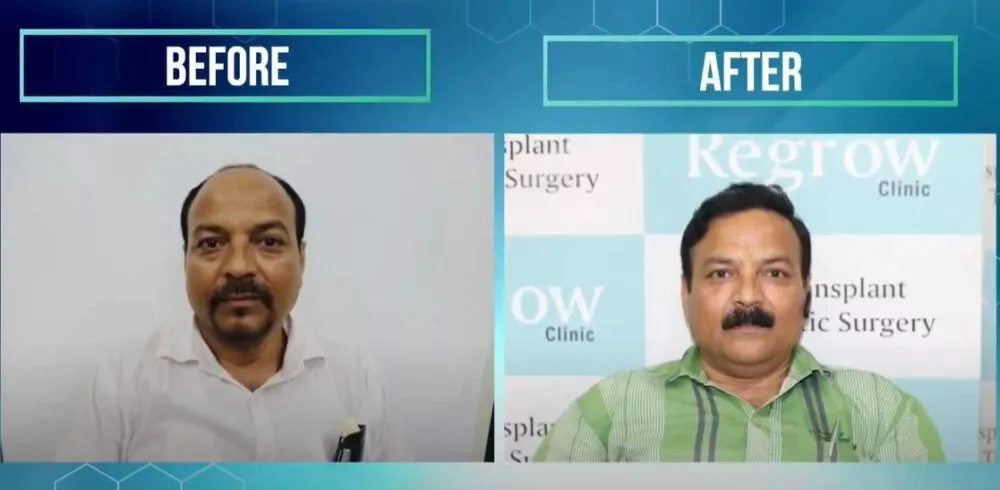
To ensure you feel supported at every step our QHT clinic doctors are always available to address any concerns you may have, because your well-being remains our priority throughout the recovery journey. From answering post-transplant queries to guiding you through aftercare and healing timelines, our expert help is always within reach. QHT clinic’s dedication to its patients reflects in the reviews we receive from our patients.
In this blog, we will be learning about common side effects of hair transplant surgery and what is normal during recovery. We will also delve into the symptoms that indicate it may be time to seek medical advice.
| Quick Answer
Most hair transplant aftercare concerns are manageable and part of normal healing. Common side effects include swelling, redness, scabbing, itching, and temporary hair shedding (shock loss). These usually resolve within a few days to weeks with proper post transplant care. Rare complications like infection, folliculitis, or prolonged swelling may occur but are treatable if addressed early. Following your doctor’s aftercare instructions such as, gentle washing, avoiding sweating, and protecting grafts is key to ensuring healthy hair growth and optimal results. If you notice unusual symptoms like severe pain, pus, or persistent swelling, consult your doctor promptly. |
What are the common side effects of hair transplant?
Most side effects after a hair transplant are temporary and an expected part of the healing process. Since the procedure involves extracting and implanting follicles into the scalp, it is normal for the skin and surrounding tissues to react for a short period. These symptoms usually settle within a few days to a few weeks with proper aftercare. However, if you are worried about any side effects, you can always reach out to your doctor.
Common hair transplant side effects include:
1. Swelling
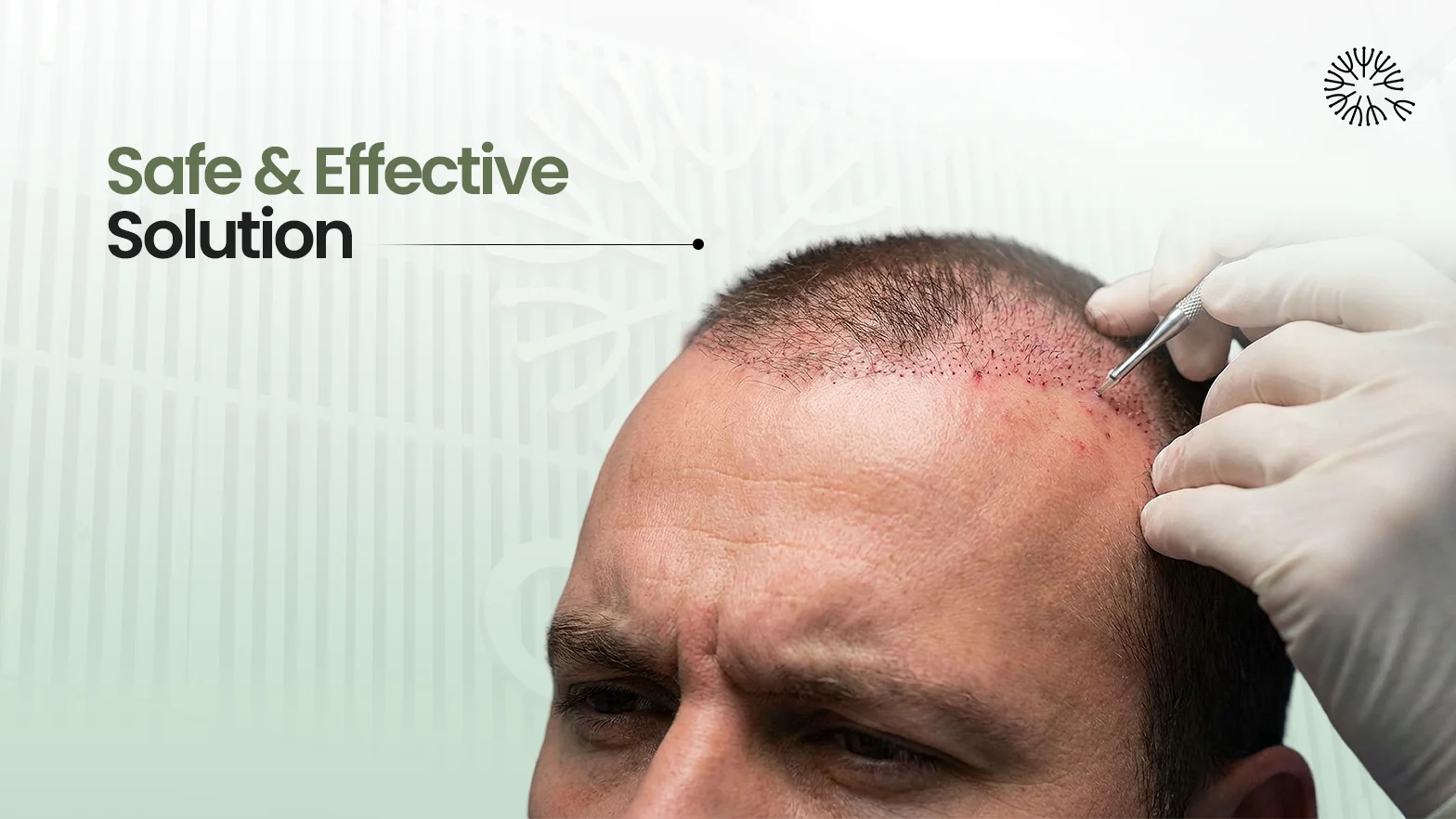
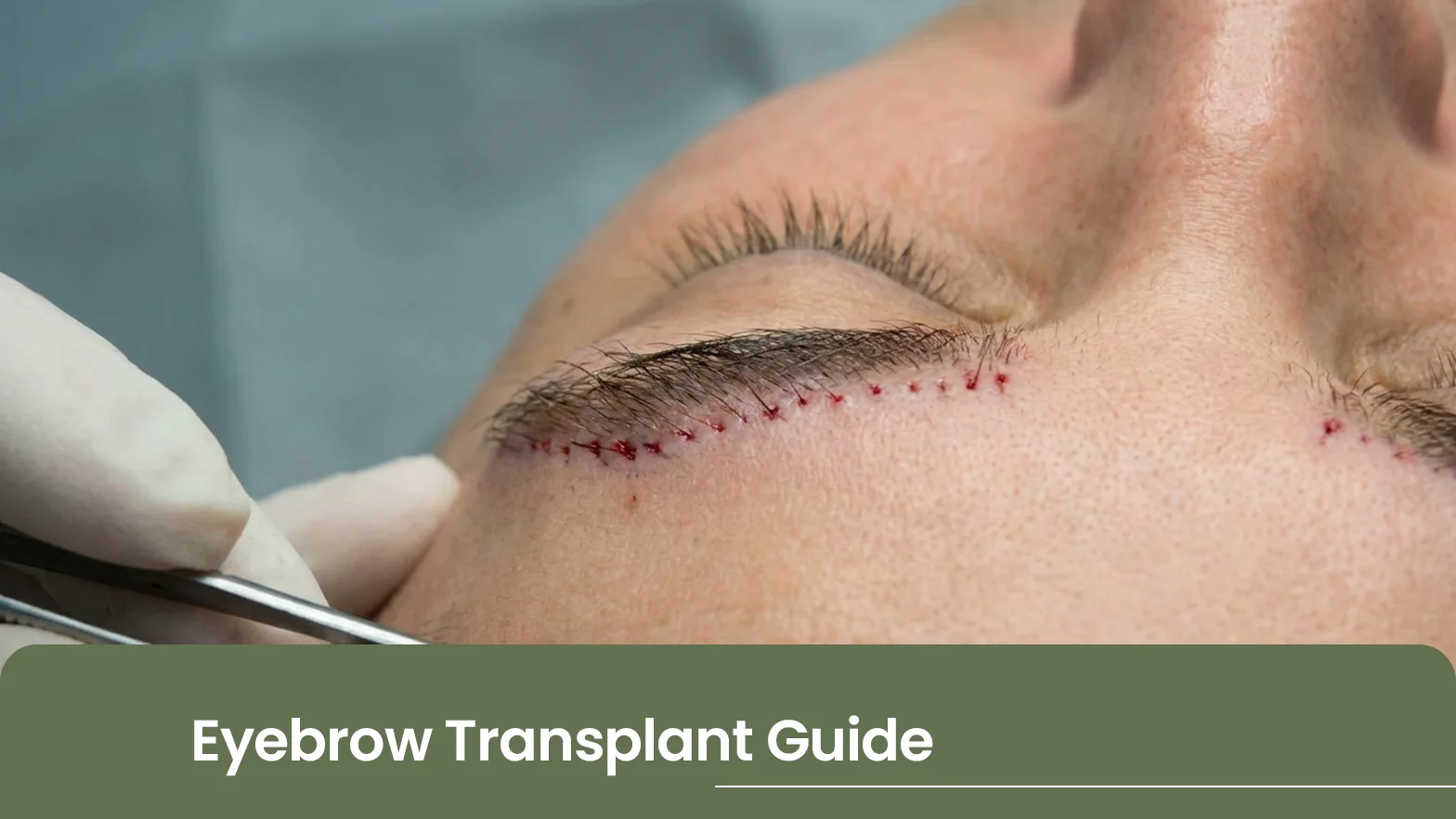
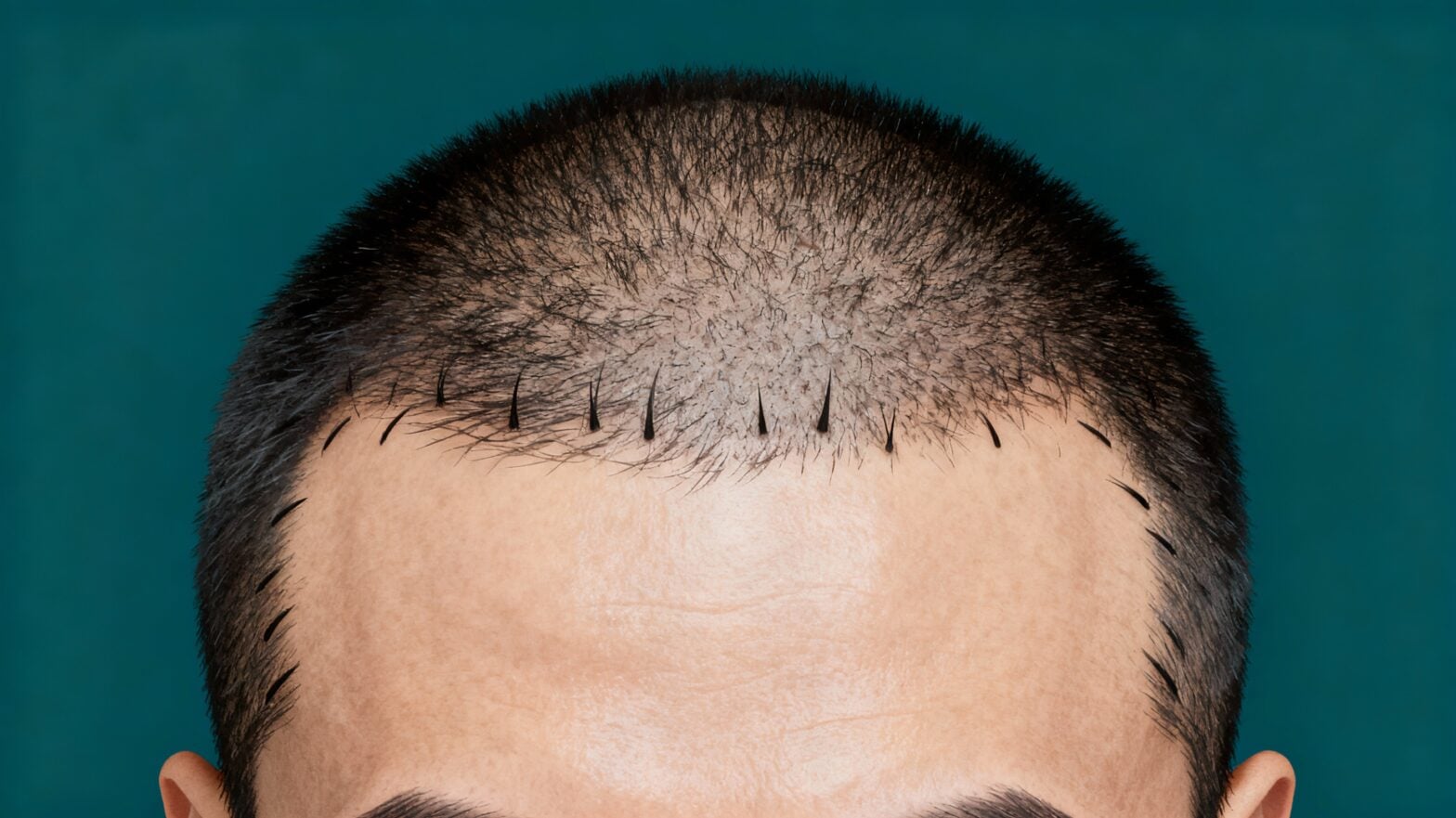
Mild swelling around the forehead, scalp or even near the eyes is one of the most common post-transplant procedure effects. Swelling typically appears within 2-4 days post-hair transplant and resolves in a week or two.
2. Redness and tenderness
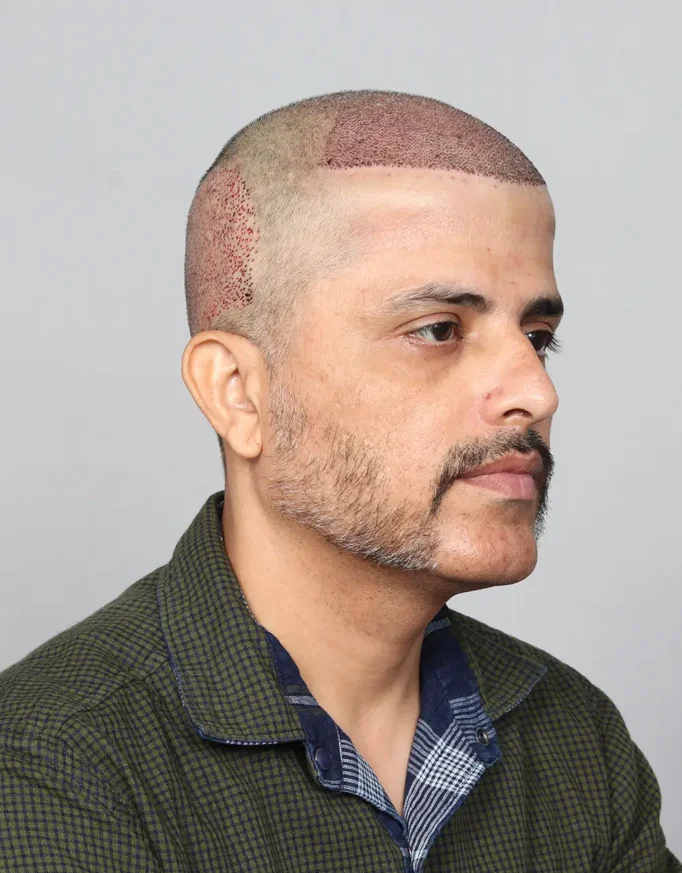
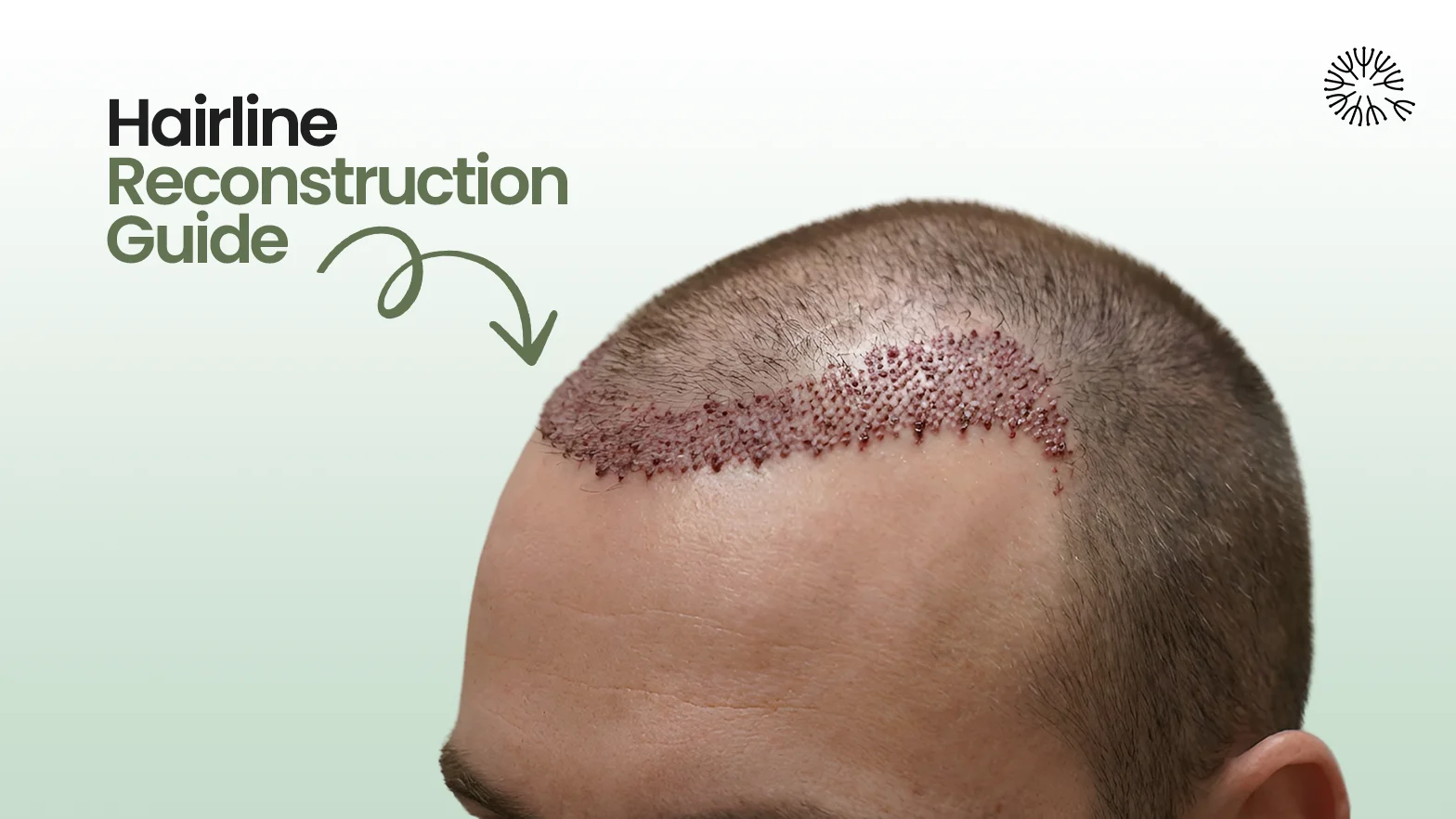
The recipient and donor area may appear slightly red and feel sensitive to touch for a few days after hair transplant. This happens because the scalp undergoes multiple tiny incisions during the hair transplant. In most cases, redness starts fading from week 3 or 4 post-transplant. In many cases redness subsides significantly or is gone completely after 2 months of transplant.
3. Scabbing and crusting
Small scabs and crusts forming around the implanted grafts are a natural part of wound healing. These scabs usually last for about 7-14 days. The crusts are usually made from the blood and serum that dried up and protects the new grafts. It is important to not scratch or pick on these scabs and crusts as it may disturb the newly placed graft.
4. Itching
Itching is a very common symptom that occurs as the scalp begins to heal and new skin forms. This is usually temporary and can be managed with prescribed sprays, moisturising lotions, or gentle washing as advised by the doctor. Remember, it is important to not give into the urge to scratch the itch.
5. Temporary hair shedding (shock loss)
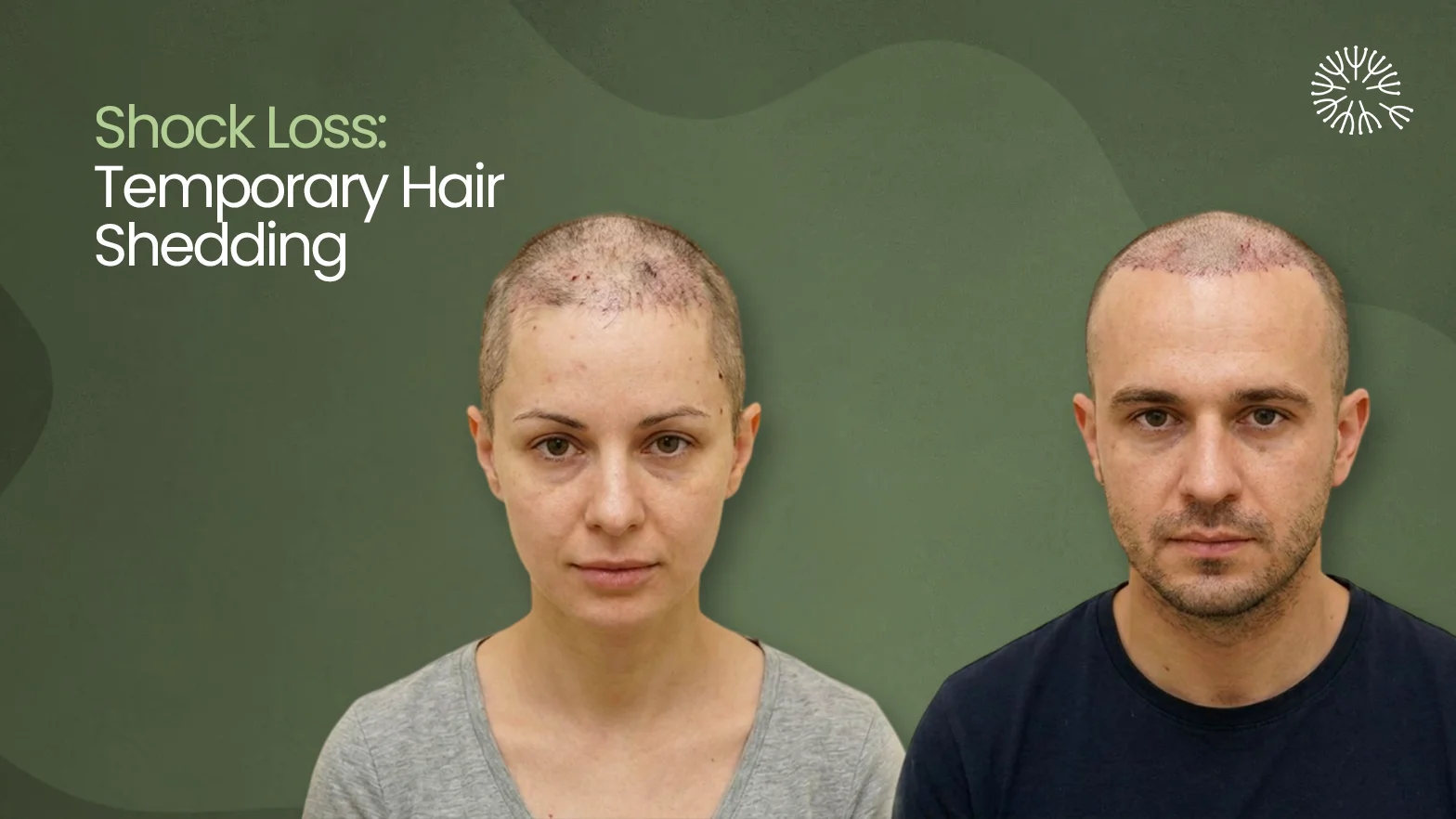
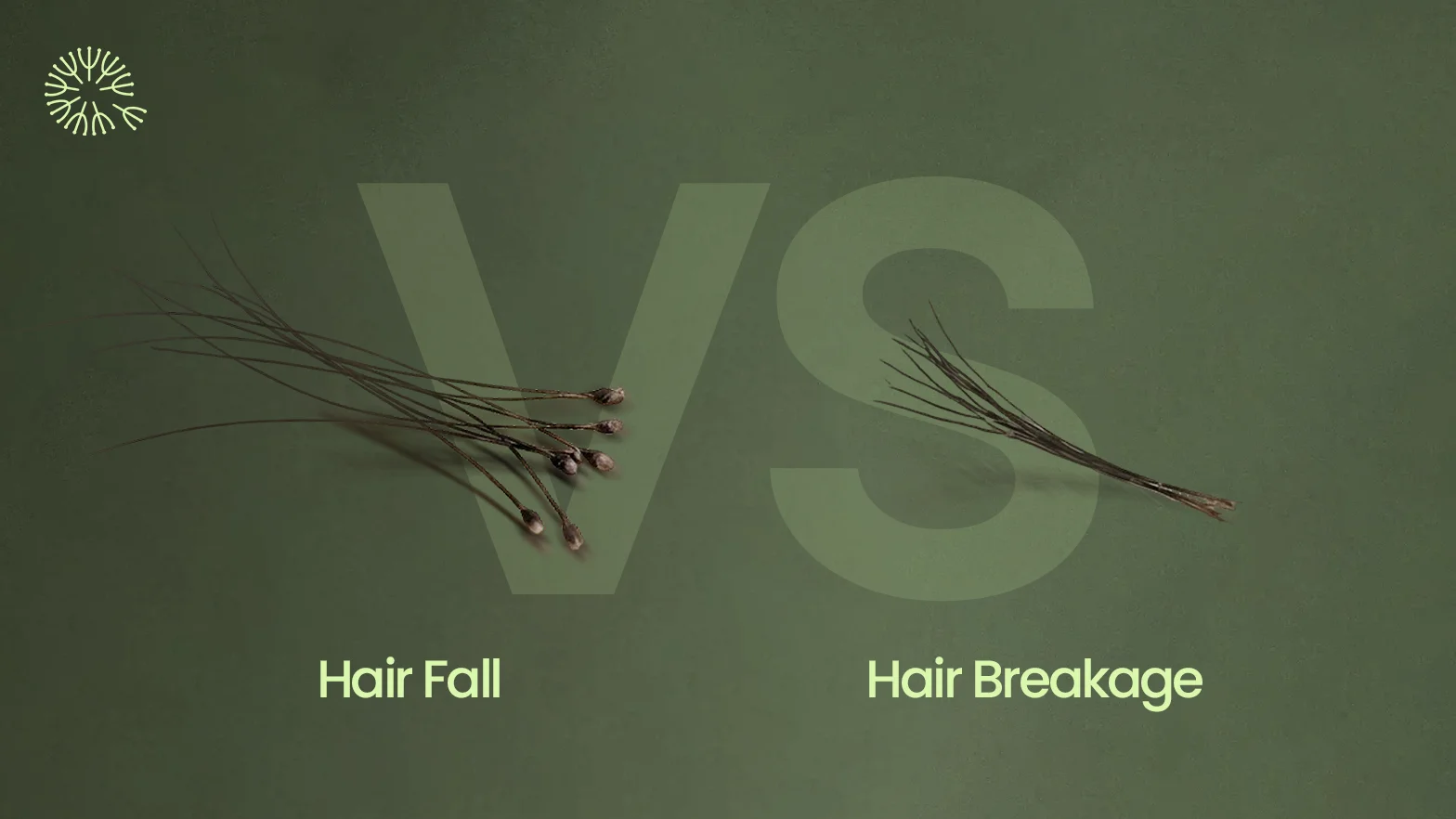
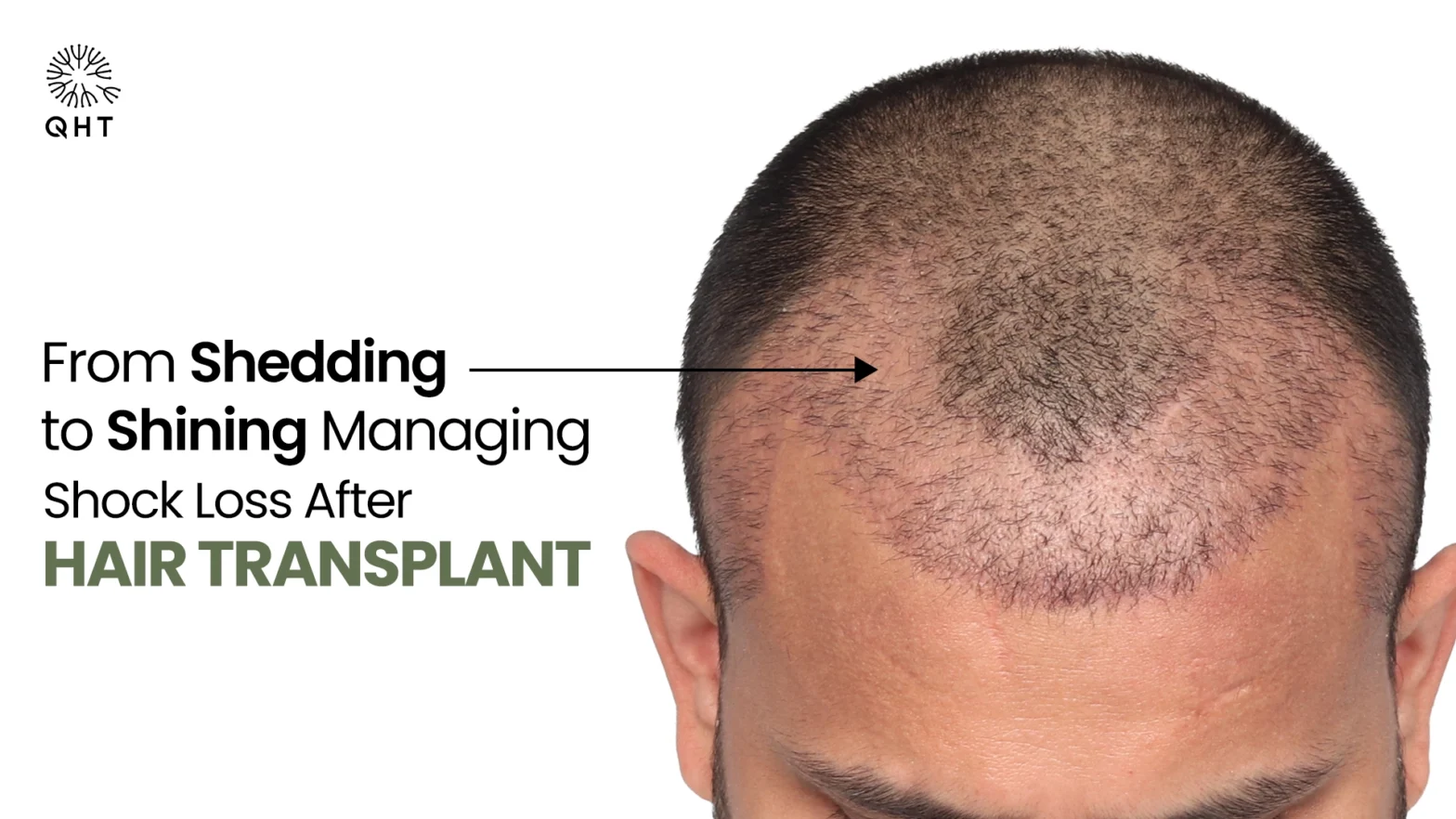
One side effect that really scares most patients is noticing shedding of the transplanted hair within 2-6 weeks after the surgery. While this can be alarming, it is a normal phase called shock loss. Hair shedding post-transplant is a sign that healing is happening. Hair regrowth generally starts happening after 4-6 months of transplant.
6. Mild Numbness or tingling
Some patients may feel temporary numbness, reduced sensation, or tingling in the donor or recipient area. This usually happens due to minor nerve irritation during the procedure and typically improves over the next few weeks.
Note: These side effects are commonly seen after hair transplant surgery and usually resolve with time. However, recovery timelines may vary from person to person depending on the technique used and individual healing response.
What are some rare side effects of hair transplant?
While uncommon, there are certain side effects that may occur in a small number of patients. These side effects are generally manageable when identified early and discussed with the treating doctor. Rare hair transplant side effects include:
1. Folliculitis
This refers to small pimple-like bumps that may appear around the recipient or donor areas. It can happen when hair begins to regrow and becomes trapped under the skin. In most cases, it is mild and can be treated with topical medication.
2. Prolonged swelling or redness
If swelling or redness lasts for longer than expected or worsens with time, it may require medical attention. In some cases, prolonged swelling or redness may occur due to delayed healing.
3. Infection
Although rare, infection can occur if the scalp is exposed to bacteria during the healing period. The signs of infection may include increasing pain, warmth, pus, or fever. If you notice these signs post-hair transplant, seek medical attention immediately.
4. Delayed hair growth
In some cases, new growth may take slightly longer than the average 3-4 months. This is not always a cause for concern, as hair growth cycles vary between individuals.
Note: Rare side effects of transplant are often treatable when addressed early. If anything feels unusual during recovery, speak to your doctor.
What are the risks associated with hair transplant procedure?
Like any surgical procedure, hair transplant also carries some risks. However, when performed by a skilled medical team using proper clinical protocols, these risks can be reduced significantly. Risks of hair transplant procedure include:
1. Poor graft survival
In some cases, not all transplanted follicles may survive or grow as expected. This can happen due to poor handling of grafts, reduced blood supply, or inadequate post-procedure care.
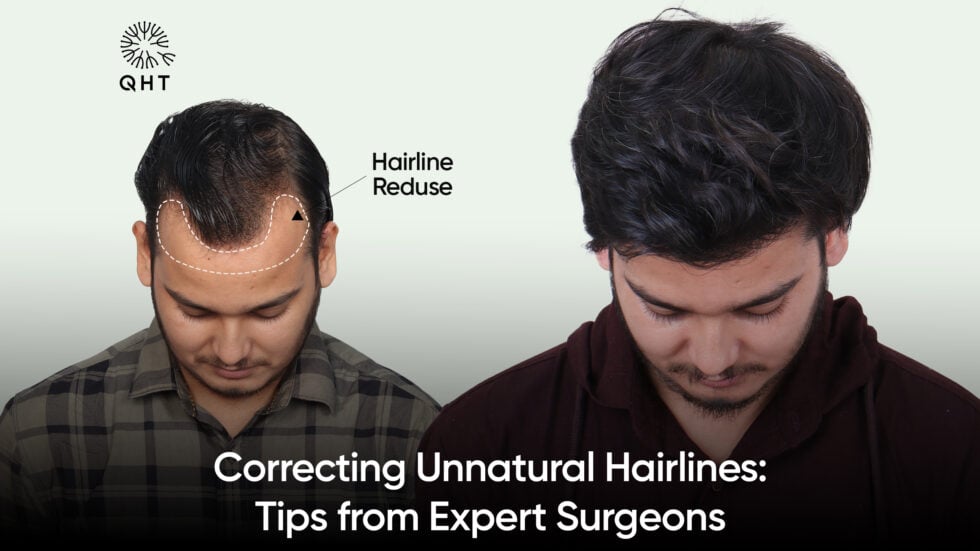
2. Unnatural hairline design
An incorrectly planned hairline may affect the natural appearance of the final result. This is why detailed consultation and hairline mapping before the procedure are essential.
3. Uneven density
Sometimes the transplanted area may appear patchy if the graft placement is not evenly distributed. A skilled surgeon helps minimise this risk through precise implantation.
4. Donor area overharvesting
Removing too many grafts from the donor area can lead to visible thinning at the back of the scalp. This is a technique related risk and highlights the importance of an experienced medical team.
5. Reaction to anaesthesia or medication
In rare cases, some patients may experience sensitivity to local anaesthesia or prescribed medications. Hence, informing your doctor about allergies and medical history is important.
While these hair transplant risks may seem scary, the good news is that most of these risks are largely preventable with proper pre-procedure assessment, skilled execution, and dedicated after care support.
When to See a Doctor After a Hair Transplant (Warning Signs)
Most side effects after a hair transplant are mild and temporary, but certain symptoms require immediate medical attention. Contact your doctor without delay if you notice:
- Severe or increasing pain that does not improve with prescribed medication
- Excessive swelling, especially spreading to the eyes or face beyond the first few days
- Persistent bleeding or pus discharge from the scalp
- Fever, chills, or feeling unwell, which may indicate infection
- Intense redness, warmth, or foul smell from the treated area
- Painful bumps, cysts, or widespread itching with rash
- Sudden loss of multiple grafts or patchy gaps forming in the transplanted area
These signs may indicate infection, inflammation, or poor healing and should not be ignored. Early medical intervention helps prevent complications and protects your final results.
How QHT minimises hair transplant risks?
One of the biggest concerns patients have is the risk associated with hair transplant surgery. At QHT Clinic, our patented quick hair transplant procedure is designed to significantly reduce many of the common complications associated with traditional techniques. Some of the key benefits of QHT include:
1. Minimal trauma to the scalp
The QHT technique uses a highly controlled implantation process that reduces unnecessary stress on the scalp tissue. This helps minimise redness, swelling and post procedure discomfort.
2. Better graft survival
Each follicular unit is carefully extracted during the procedure and implanted using precision-driven methods. This supports stronger graft survival and improves the chances of healthy regrowth.
3. Reduced risk of overharvesting
One of the major risks in hair transplant surgery is excessive extraction from the donor area which can lead to visible thinning. QHT focuses on strategic graft harvesting to maintain donor density and preserve the natural look of the back scalp.
4. Natural hairline design
Poorly designed hairlines can lead to unnatural looking results. With QHT every hairline is customised according to facial structure, age, hair texture and future hair loss patterns. This reduces the risk of artificial results.
5. Lower risk of patchy density
Uniform graft placement and density planning help create even coverage, reducing the chances of patchy or uneven growth.
6. Faster healing and recovery
Because the technique is minimally invasive and designed to reduce scalp trauma, many patients experience quicker healing, less scabbing and a smoother recovery.
7. Enhanced patient safety
At QHT every procedure is backed by thorough assessment, hygiene protocols and continuous medical supervision to ensure patient safety remains the top priority.
At QHT, risk reduction is built into every step of the procedure through a combination of experience, planning, and advanced technique. With 15,000+ successful hair transplant surgeries performed across our clinics in Delhi, Gurugram, Haridwar, and Hyderabad, we follow a structured and evidence-based approach to ensure safety and natural results.
Takeaway
Feeling worried about the side effects of hair transplant surgery is completely normal. However, most side effects of hair transplant like itching, swelling, scabbing and temporary hair shedding are a manageable part of the expected healing process.
The key is to understand what is temporary and what needs attention. At QHT Clinic, we guide our patients about proper aftercare, and ensure the highest standards of hygiene are maintained before, during and after hair transplant procedure. To learn more about QHT, you can speak to our specialist.
Frequently Asked Questions
- Can I wash my hair if I have scabs or redness post-hair transplant?
Yes, you can wash your hair if you have scabs or redness post-hair transplant but only after consulting your doctor. Follow all the instructions given by your doctor about washing hair post-transplant. Do not rub your scalp aggressively when washing hair as it can disturb the grafts.
- Can sweating affect my hair transplant results?
Excessive sweating in the first few days can irritate the scalp and increase the risk of infection or delayed healing. This is especially relevant in hot and humid climates. It is usually advised to avoid gym, intense walking, and sun exposure for at least 7-10 days post-hair transplant.
- Will sleeping position affect the side effects?
Yes, sleeping position plays an important role in the first week. Sleeping flat may worsen swelling around the forehead and eyes. Patients are generally advised to sleep with the head elevated at a 30–45 degree angle for the first few nights to minimise puffiness and protect the grafts.
- What if one side of my scalp looks more swollen than the other?
Mild uneven swelling can happen and is usually not a cause for concern, especially during the first 2–3 days. Fluids may settle differently depending on your sleeping posture and scalp response. However, if one side becomes significantly painful, warm, or increasingly red, it should be reviewed by your doctor.
- When can I return to work after a hair transplant?
Most patients can return to desk-based work within 3–5 days, depending on their comfort level and visible swelling or redness. If your work involves physical activity, outdoor exposure, or wearing a helmet, it may be better to wait 7–10 days. By around day 10–14, swelling and scabbing are usually significantly reduced.
- Is slight bleeding normal after the procedure?
Yes, minor spotting or light bleeding during the first 24–48 hours is generally normal because of the tiny implantation sites created during surgery. However, persistent bleeding that continues beyond this period or does not stop with gentle pressure should be discussed with your doctor.
- Can I wear a cap or helmet after a hair transplant?
It is usually advised to avoid tight caps, helmets, or anything that rubs against the grafts for at least 7–10 days, unless specifically approved by your doctor. Pressure and friction during the early healing phase may disturb the newly implanted follicles.
- How long do hair transplant side effects last?
Most common side effects like redness, swelling, and scabbing are temporary and resolve within 7–14 days. Mild shedding (shock loss) may occur in the first few weeks, but this is a normal part of the hair growth cycle and recovery process.
- Can hair transplant side effects be permanent?
Permanent side effects are rare when the procedure is done correctly. In experienced hands, most issues are temporary and manageable. Proper technique, hygiene, and post-transplant care play a key role in preventing long-term complications.
Book a Consultation Today
Latest Videos
-

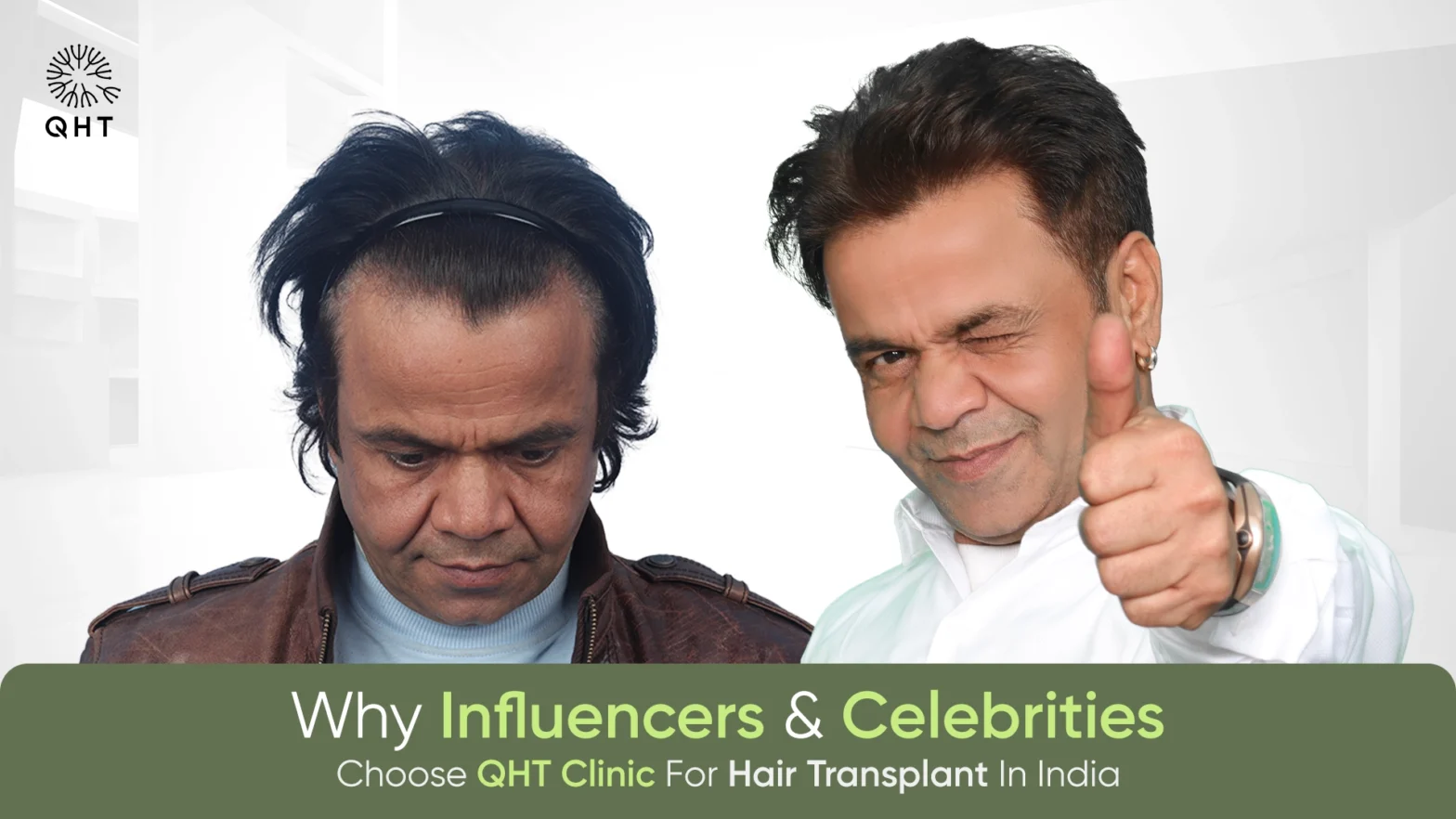
Rajpal Yadav | Bollywood Actor Hair Transplant Journey at QHT Regrow Clinic Haridwar
Click to Watch
-

FUE Hair Transplant Results | DAYA's FUE Hair Transplant Results
Click to Watch
-

Best Hair Transplant Result 2021 || NW Grade VI A || 3,422 Grafts
Click to Watch
-

Best Hair Transplant Result 2022 | Grade 4
Click to Watch
-

YouTuber Mehtab Saifi Hair Transplant
Click to Watch
-

ACP Pradyuman Hair Transplant - Actor's Hair Transplant
Click to Watch