



Hair Transplant Results Timeline: What to Expect Month by Month
Week three after your transplant. You look in the mirror and the new hair is falling out. You panic. No one warned you this would happen. If that is where you are right now, you are asking the same question as someone who has not even booked yet: when do hair transplant results actually show up? The worry sits in the gap between the surgery and the hair.
Here is the part that helps. That shedding is built into the process, not a sign that something failed. Transplanted hairs fall out about 2 to 3 weeks after surgery, and for most people new growth begins around 3 to 6 months after the procedure. So the bare stretch in between is normal, and it has an end point. Knowing the dates turns a scary phase into a waiting phase.
So when is it finished? For most people the full result lands near the 12 month mark, and it arrives in stages rather than all at once. Every stage looks different. One of them unsettles people enough that they assume the graft did not take, when it actually did. This guide walks through the hair transplant results timeline month by month, so you can tell what each phase should look like and know exactly when to stop second-guessing it.
If you want a realistic timeline for your own case, or you are partway through recovery and not sure you are on track, a QHT specialist can review your situation in person. Get an assessment based on your own hair rather than a general estimate.
Quick Answer Box
When Do You See Hair Transplant Results?Hair transplant results come in stages, not overnight. The transplanted hair falls out within 2 to 3 weeks, which is normal. New growth starts around month 3 or 4. From there the density keeps building. Most people see the full result by about month 12. What happens, stage by stage:
|
Why Hair Transplant Results Take Time
Most people want to know how long a hair transplant takes to grow before they want to know anything else. The honest answer starts with biology, not the surgery. Your scalp holds somewhere between 100,000 and 150,000 hair follicles, and at any given moment around 90% to 95% of them are in their active growing phase, which can run for 2 to 6 years.
Hair works on a slow clock. Moving a follicle does not speed up the rate at which it produces hair. The transplanted follicles have to travel through the same growth cycle as every other hair on your head, and that cycle sets the pace.
The Hair Growth Cycle (Anagen, Catagen, Telogen, Exogen)
Hair does not grow in one continuous push. It runs through four stages, and your transplanted hair has to move through these same hair transplant growth stages before the result shows up.
Anagen is the active Hair growth phase. A follicle can stay in it for 2 to 6 years, which is why so much of your hair is busy growing right now. Next comes catagen, a short wind-down that lasts only about 2 to 3 weeks. Then the follicle drops into telogen and rests for roughly 2 to 3 months, growing nothing at all. Exogen is the shedding stage, when old resting hairs let go at a rate of about 25 to 100 a day and new growing hairs come up to replace them.
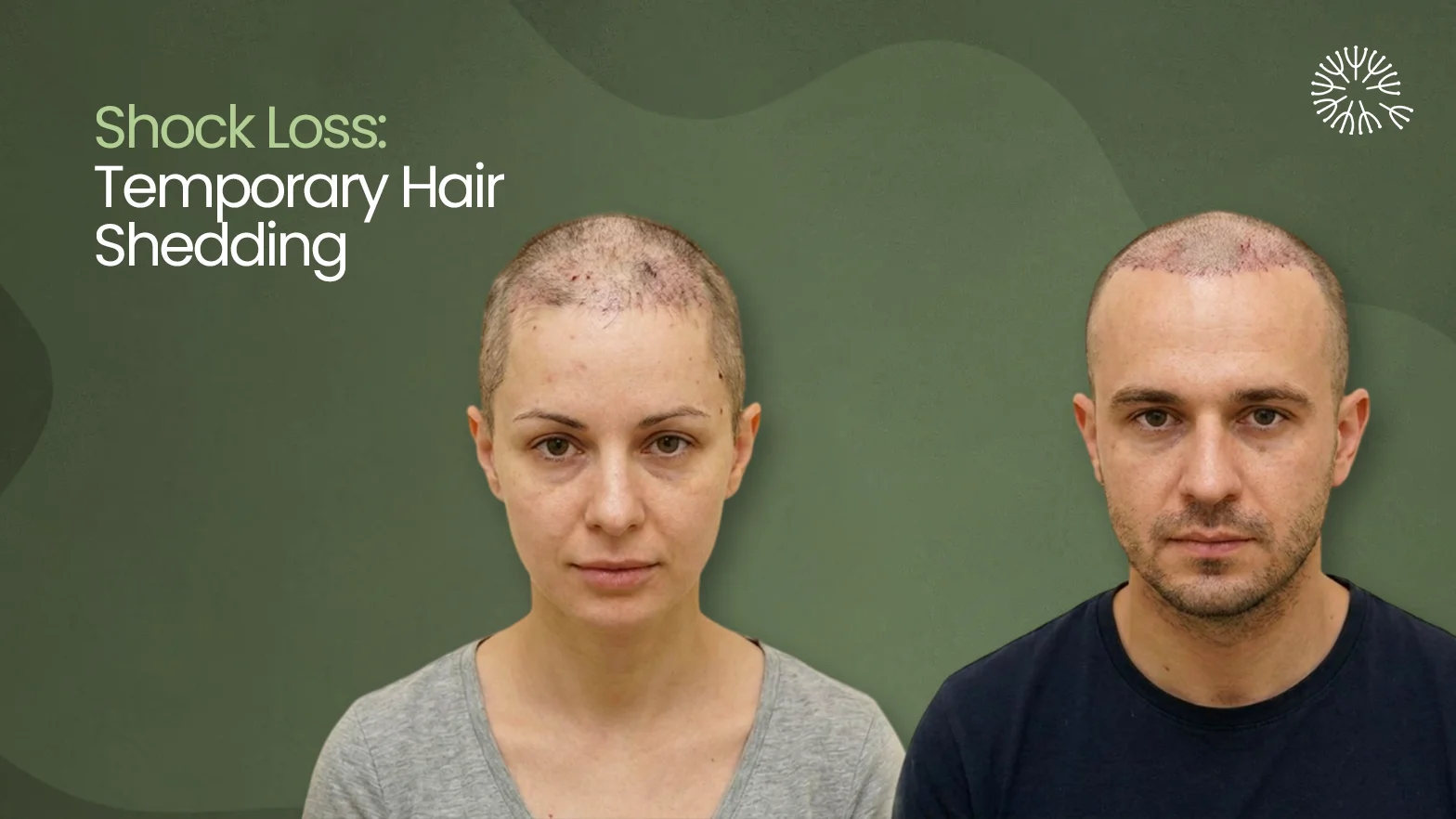
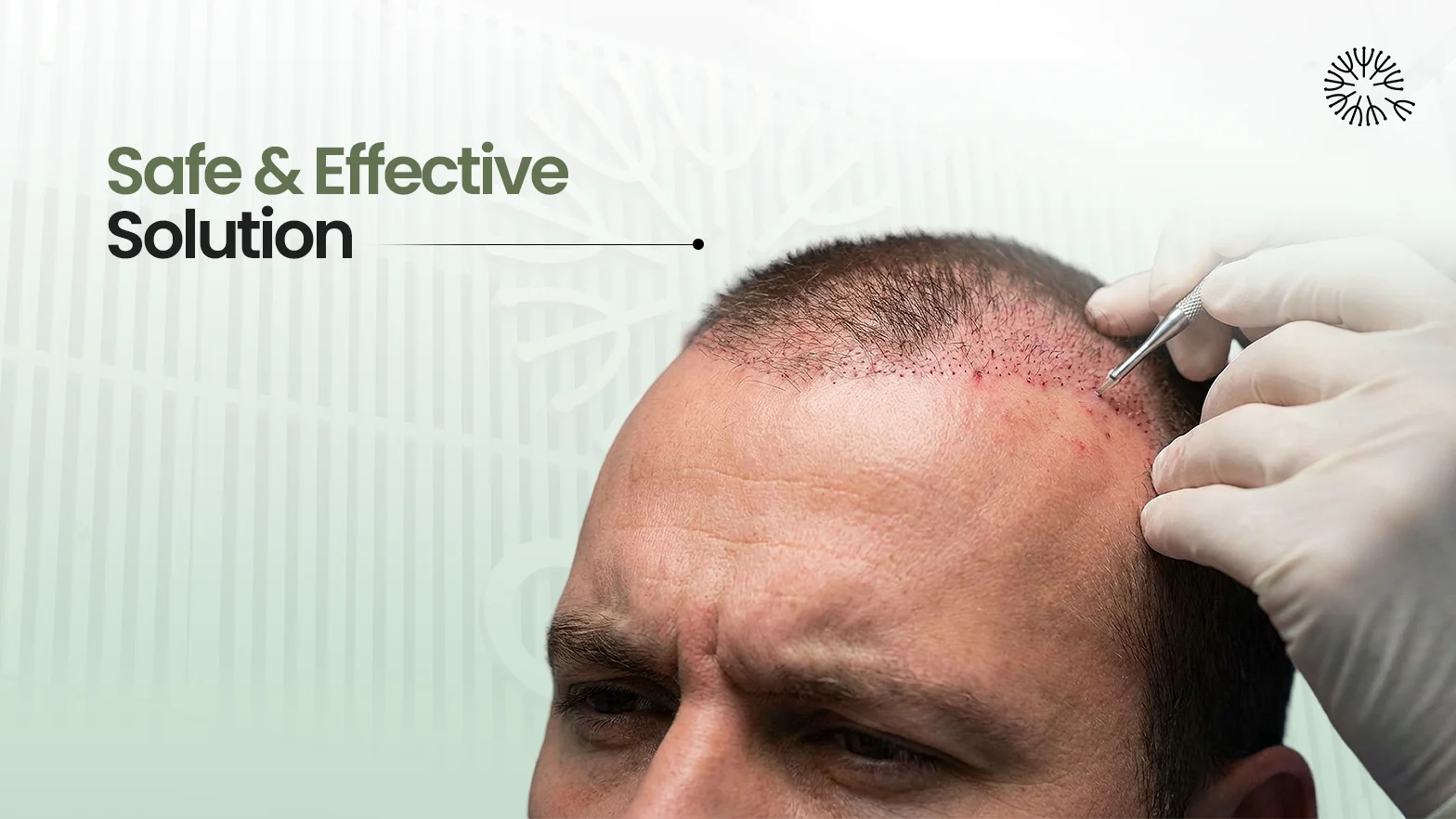
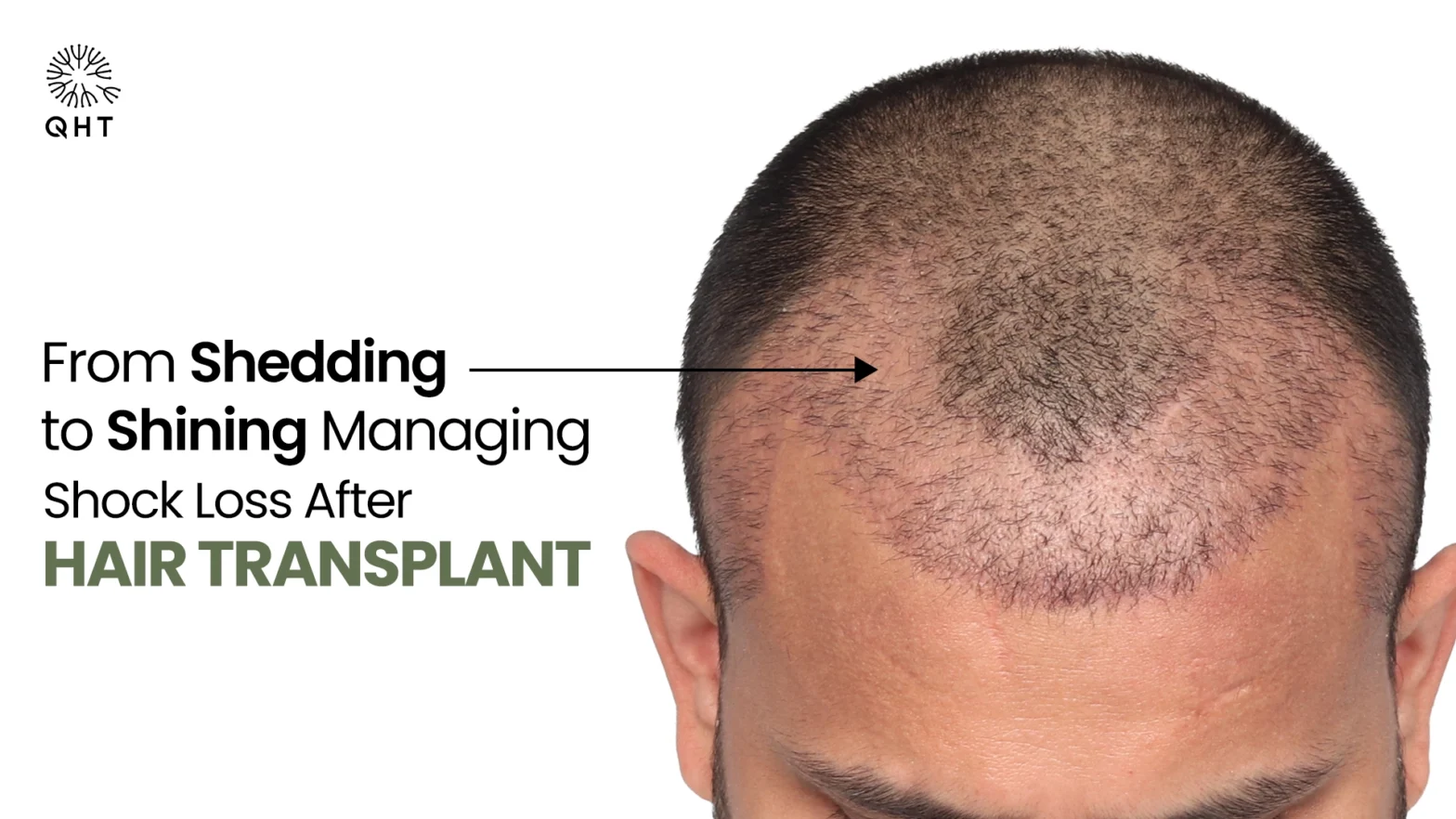
Now put a transplant into that picture. The transplanted hairs shed within 2 to 3 weeks of surgery. Surgeons also warn about temporary shock loss, where some hair falls out soon after the procedure; this is a known, short-term effect, not a sign that the graft failed. The follicle stays alive under the skin. It rests the way any follicle rests in telogen, and then it begins a fresh growth phase. New hair from those follicles starts to appear around 3 to 6 months after surgery. So the bald-looking gap in between is the follicle resetting, not the transplant failing.
This is why hair transplant results are measured in months rather than weeks. Each phase has to finish before the next batch of hair pushes through.
Hair Transplant Results Timeline: Month by Month
The hair transplant growth stages run on the same biological clock as the rest of your scalp, so the changes arrive in a set order. After surgery, a moved follicle first sits in its resting phase, which normally lasts about 2 to 3 months before it pushes out a new hair. That one fact explains most of what follows. Here is what FUE hair transplant results month by month tend to look like, stage by stage.
Days 1 to 7 (Immediately After Surgery)
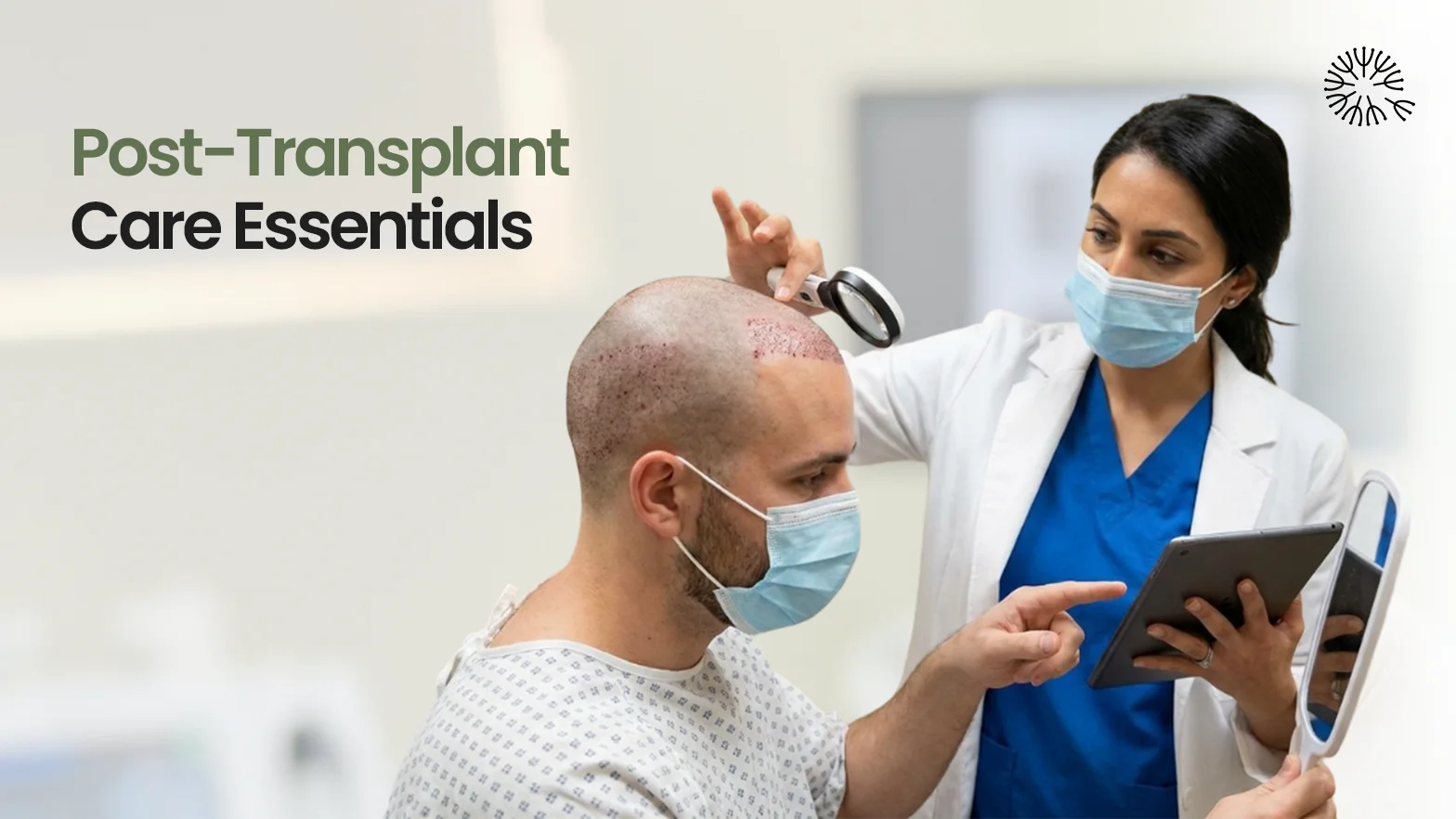
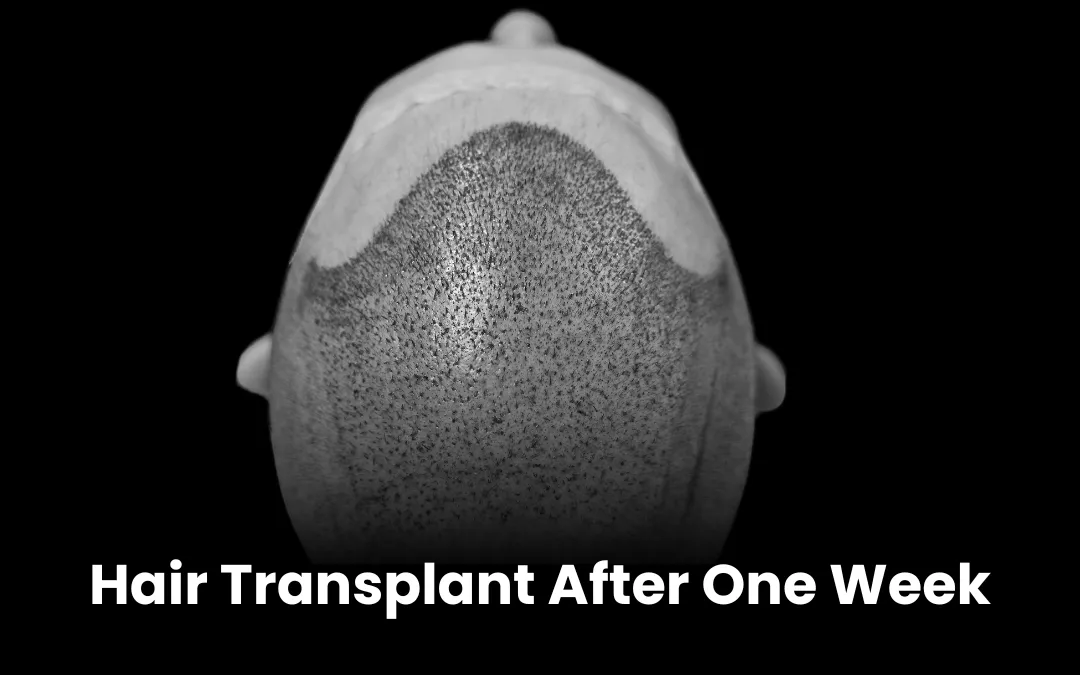
Your scalp may feel tender for the first few days, and your surgeon may give you medication to manage it. Stick closely to the aftercare instructions you were sent, and leave the grafts alone while the area settles.
Weeks 2 to 4 (The Shedding Phase)
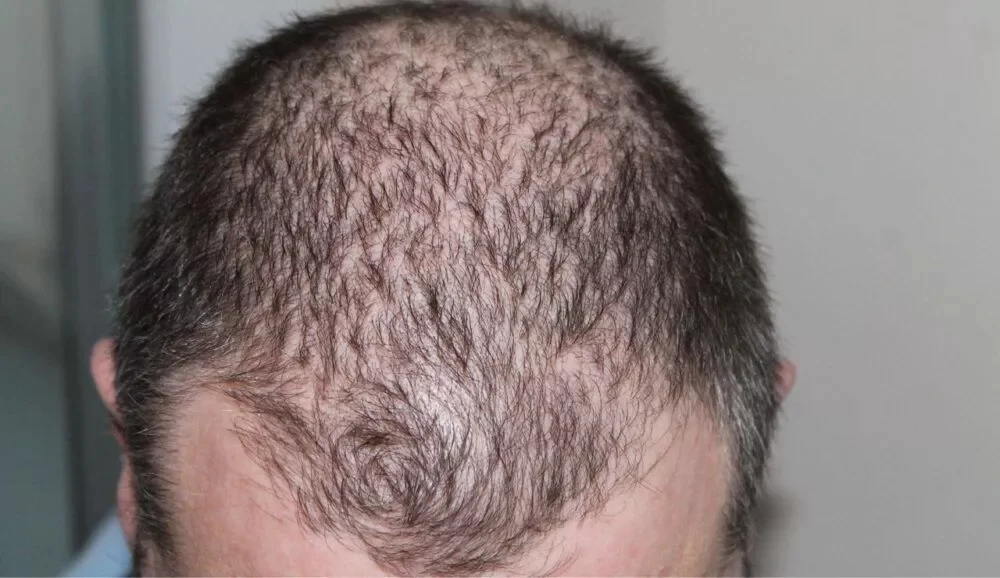
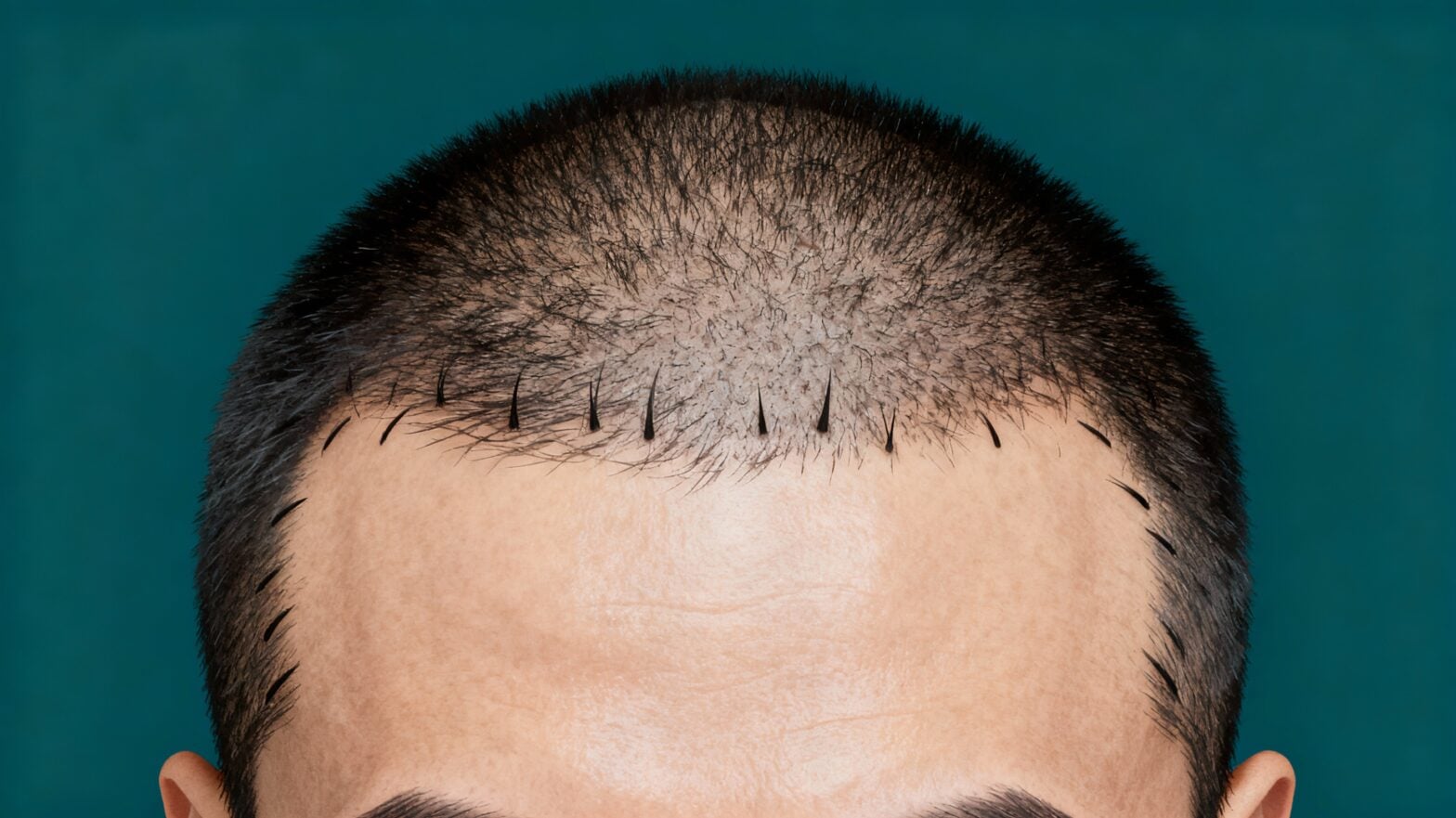
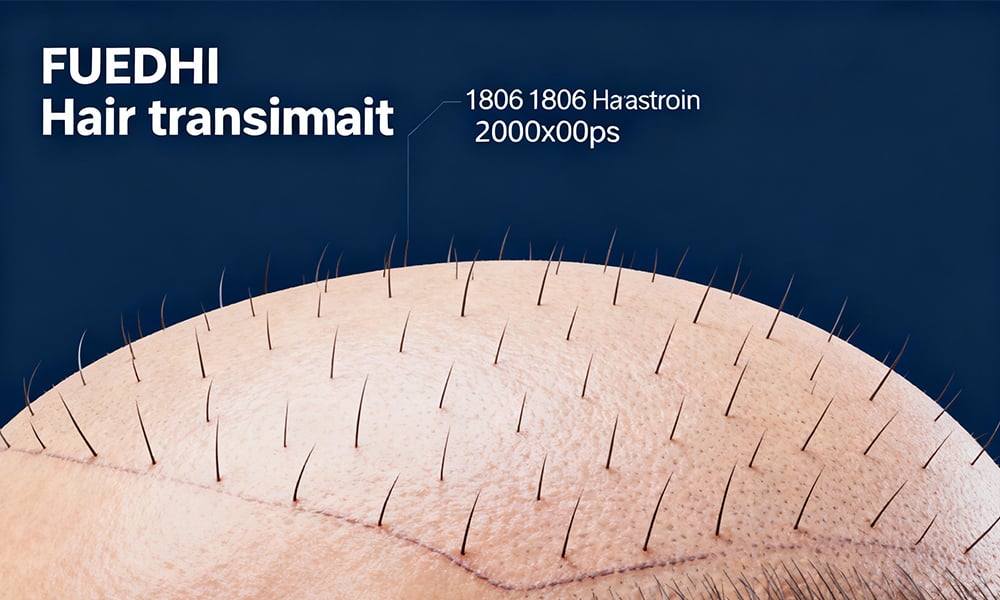
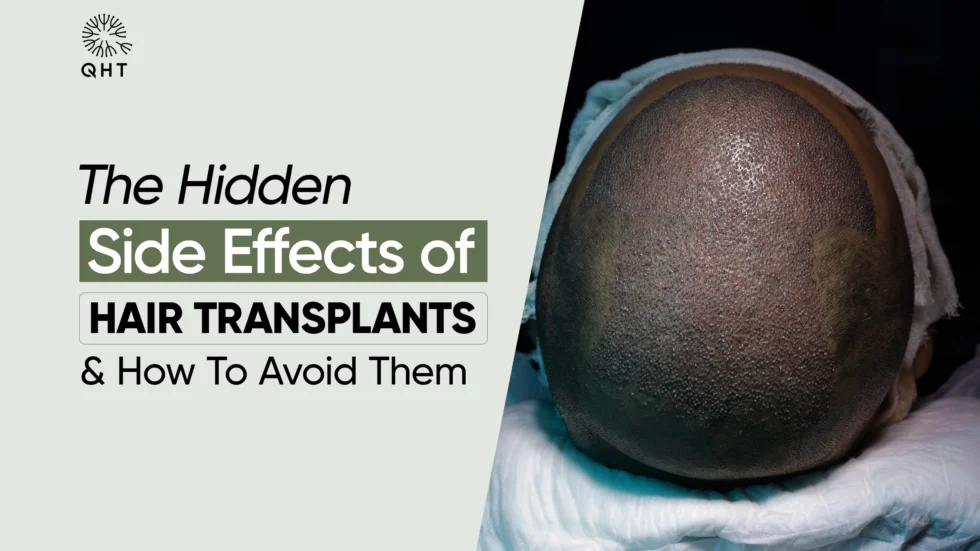
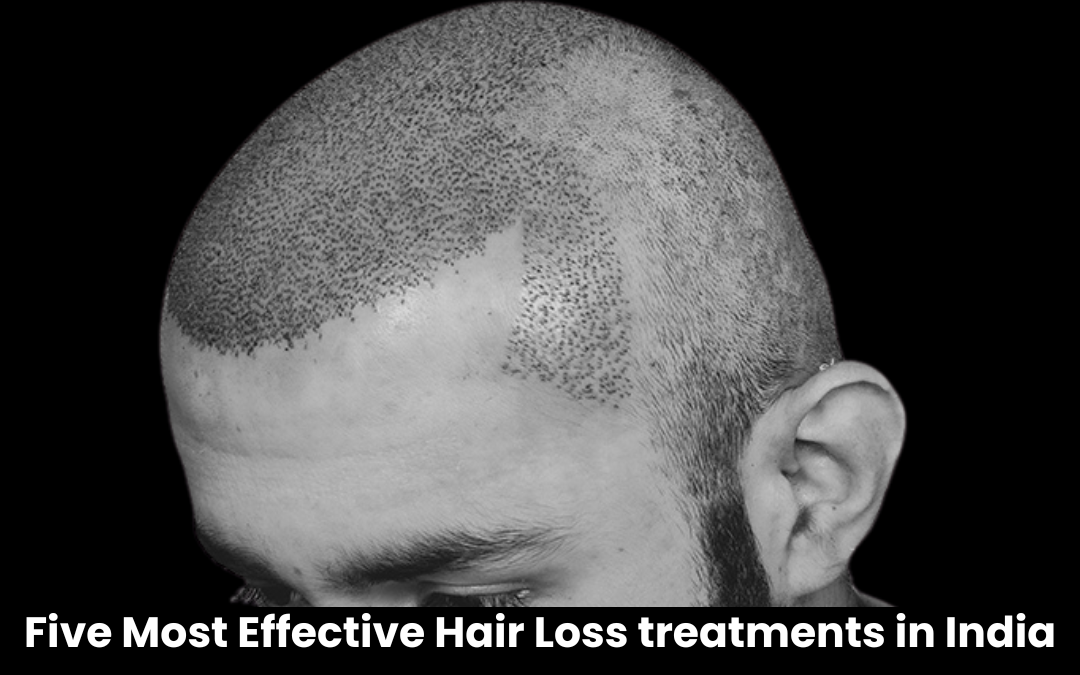
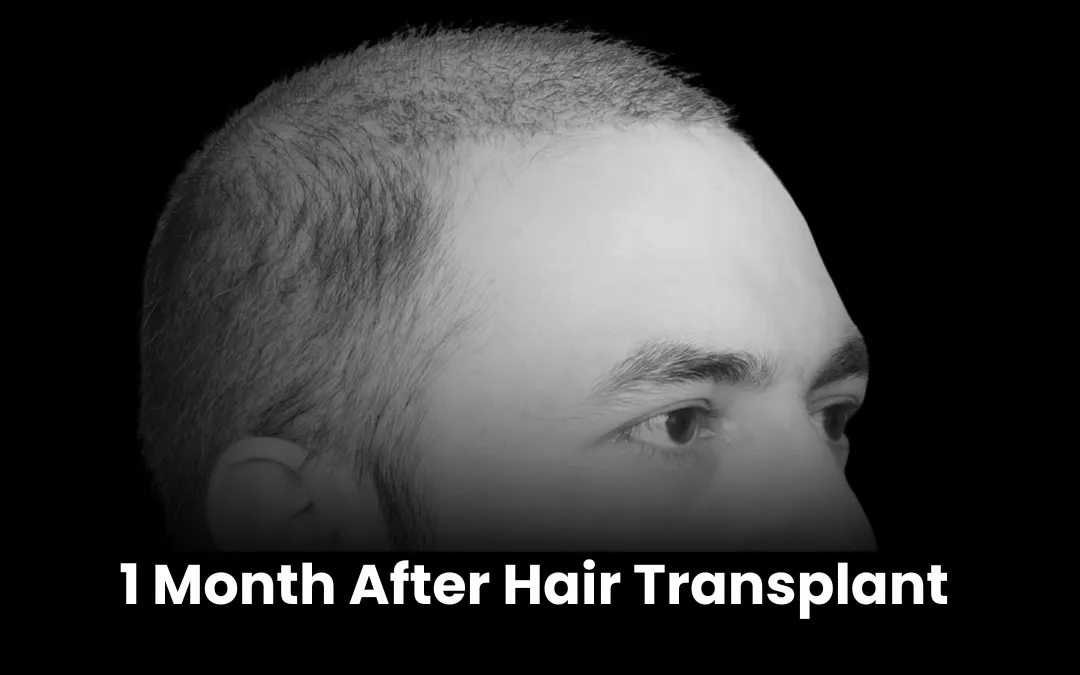
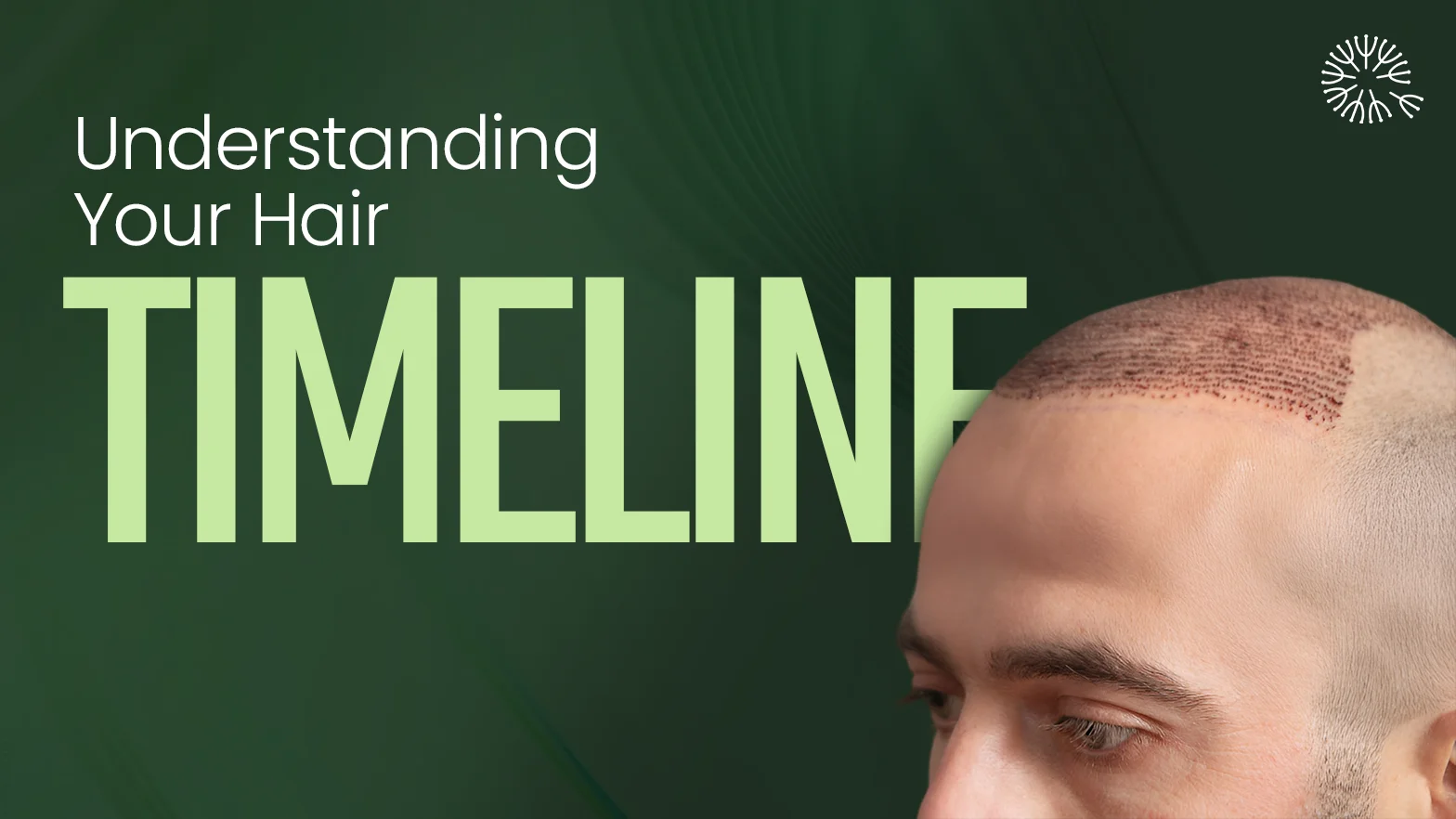
This is the hair transplant shedding phase, and it throws people off badly. The transplanted hairs shed within 2 to 3 weeks. Your surgeon will have called this shock loss, a temporary effect and not a failed graft. What you lose is the visible shaft. The follicle stays in the scalp and gets ready to grow again.
In 15,000+ procedures, the question we hear most at week 3 is the same four words: did it fail? It did not. What you are seeing is the follicle resetting, and it happens to nearly everyone.
Months 2 to 3 (The Quiet Phase)
This is the stage that rattles people, because the scalp can look bare and nothing seems to be moving. The follicles are resting. A normal resting phase lasts roughly 2 to 3 months, and the transplanted follicles pass through it like any other hair. No growth on top does not mean the grafts failed. It means they have not switched back on yet.
Months 3 to 4 (First New Growth)
Hair transplant after 3 months is when new growth begins. You’ll see those first hairs somewhere between months 3 and 6. The early hairs look thin and wispy, and they do not all arrive together. That patchiness is normal at this point.
At QHT, month 3 is when the panic emails stop. The first thin hairs show up, and patients finally believe the wait was worth it.
Months 4 to 6 (Density Builds)
Through this window the new hairs keep coming and slowly thicken. Hair transplant after 6 months looks fuller than month three, but you are not finished yet. The growth here stays inside the 3 to 6 month range most people follow.
Months 6 to 9 (Rapid Improvement)
The transplanted hairs keep filling in and strengthening across these months. This is the stretch where patients tell us “finally.” Around month 7 is when colleagues and friends start to notice, without knowing why.
Months 9 to 12 (Final Results)
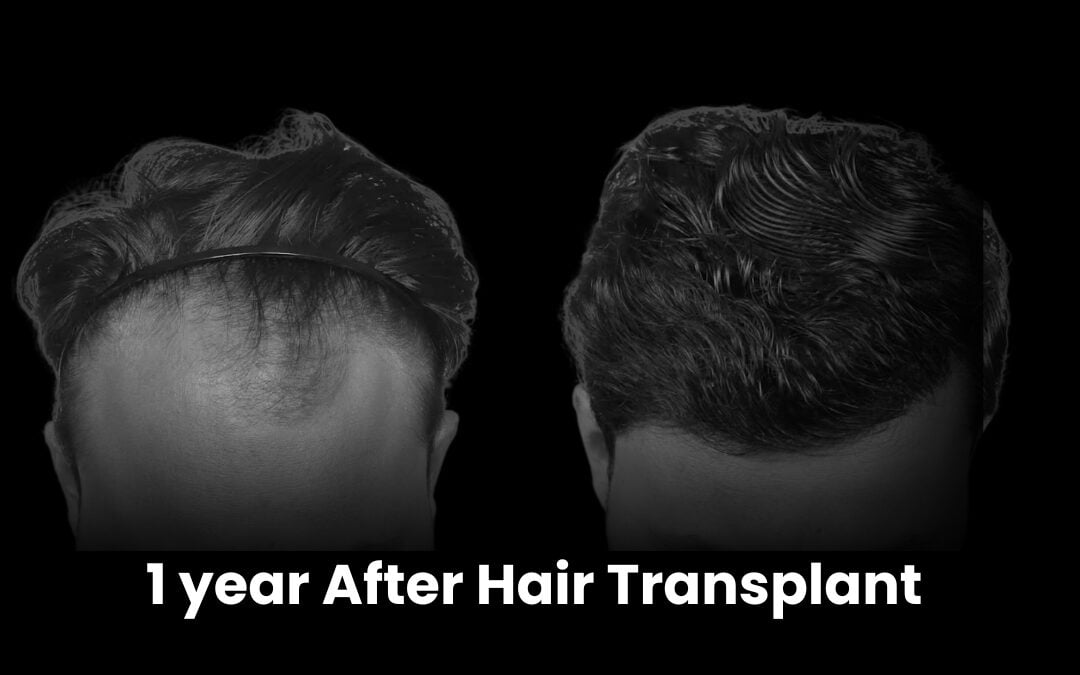
By the time you reach hair transplant after 1 year, most of the growth has come through and the transplanted hair behaves like the hair around it. Hair transplant results after 1 year in India follow the same stages.
Recovery is easier with a plan. QHT Clinic sets up a personalized aftercare routine for each patient and online follow up by doctors to check your hair growth, including post-surgery medicines and supportive options like PRP when they are needed.
Before and After: What Real Results Look Like at Each Stage
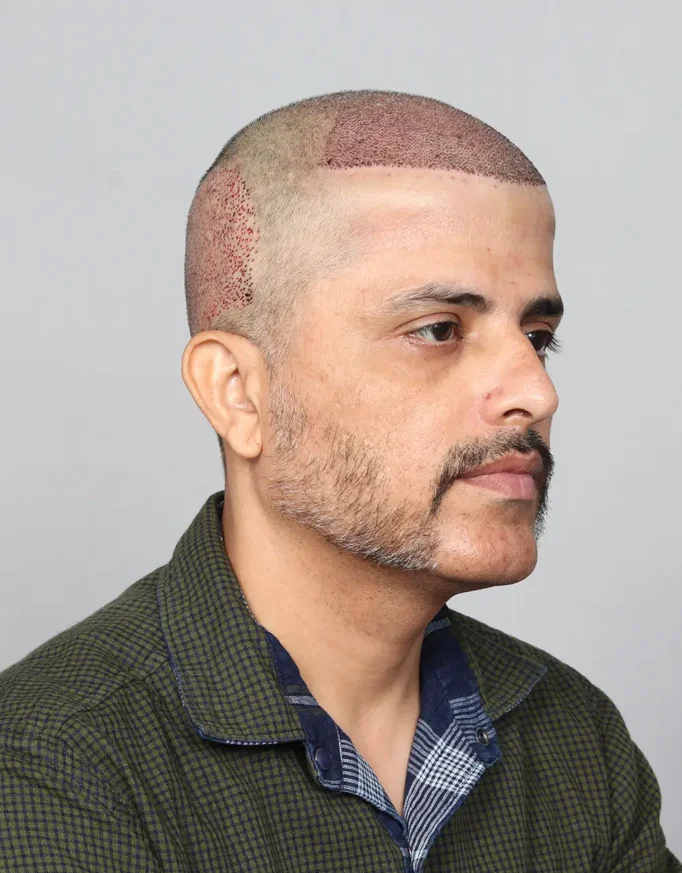
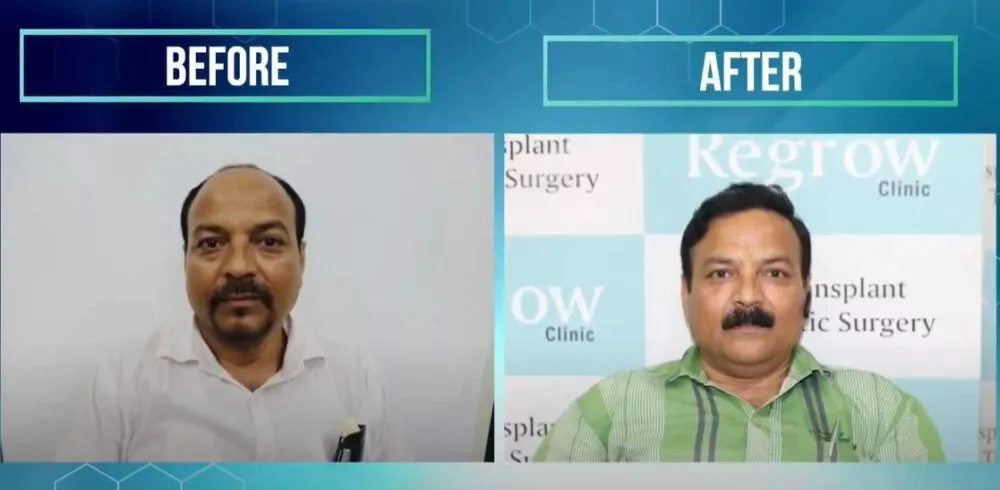
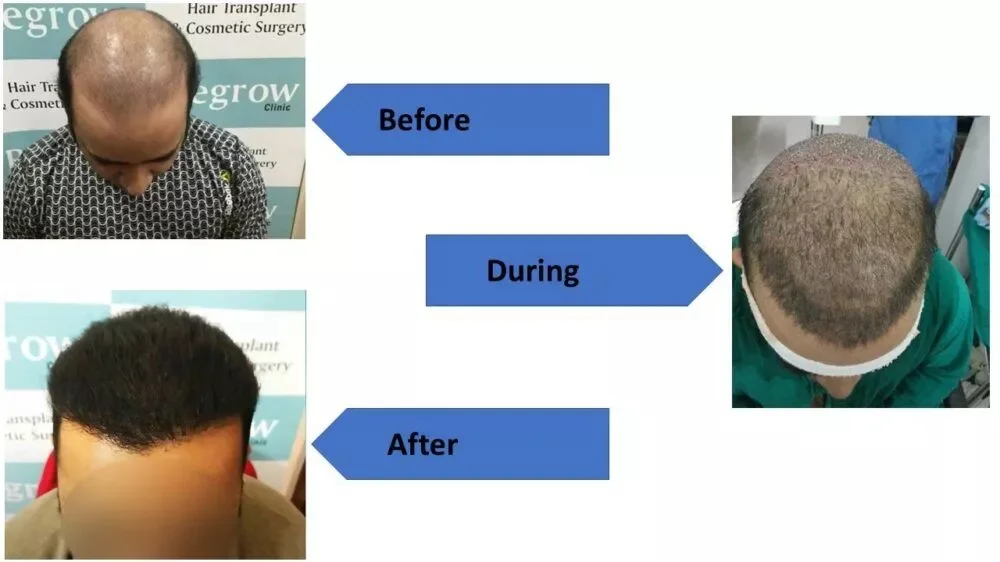
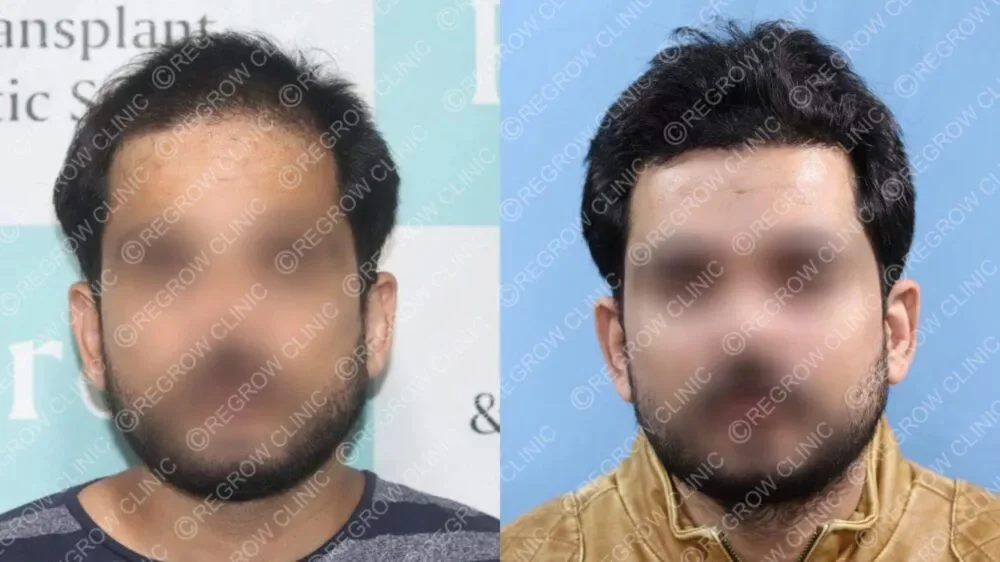
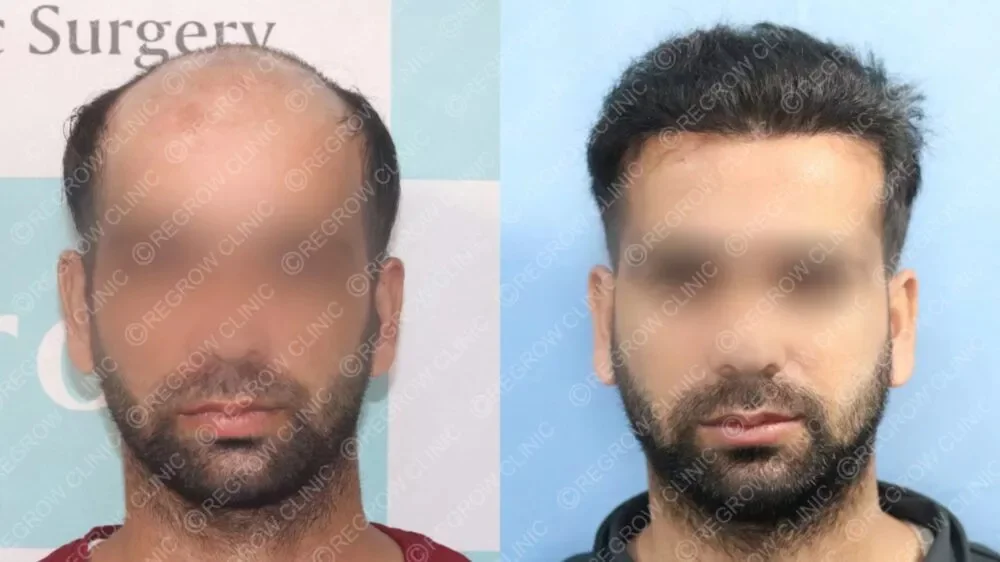
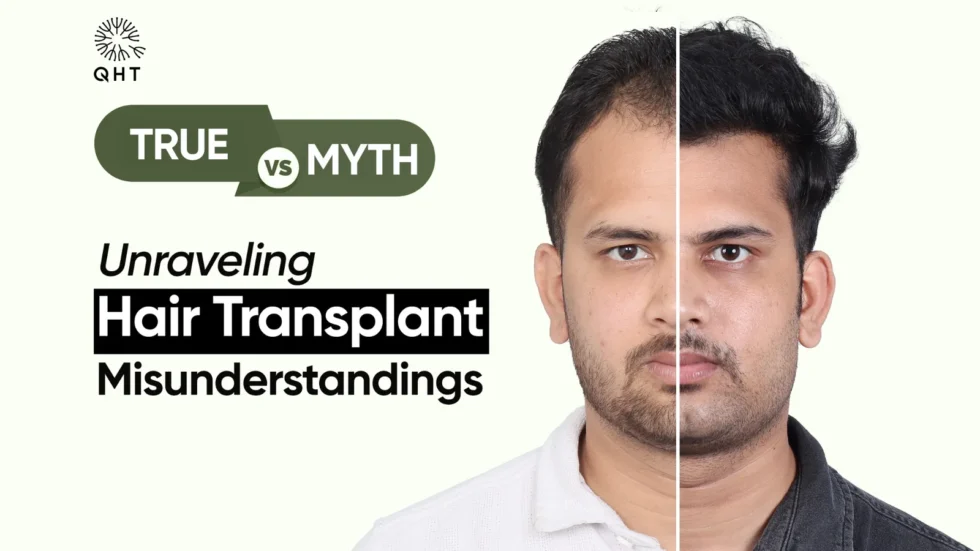
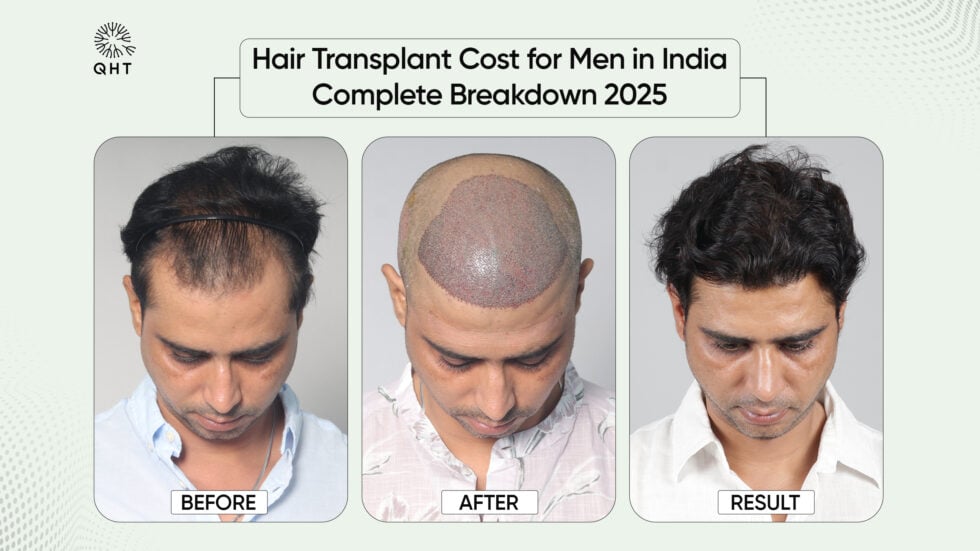
A before and after photo only makes sense once you know when it was taken. New growth from a transplant does not begin until 3 to 6 months after surgery, so any picture from before that window shows a scalp that is still mid-process, not the result. This is where people go wrong. They compare their week-three scalp to someone else’s month-twelve photo and decide the surgery failed.
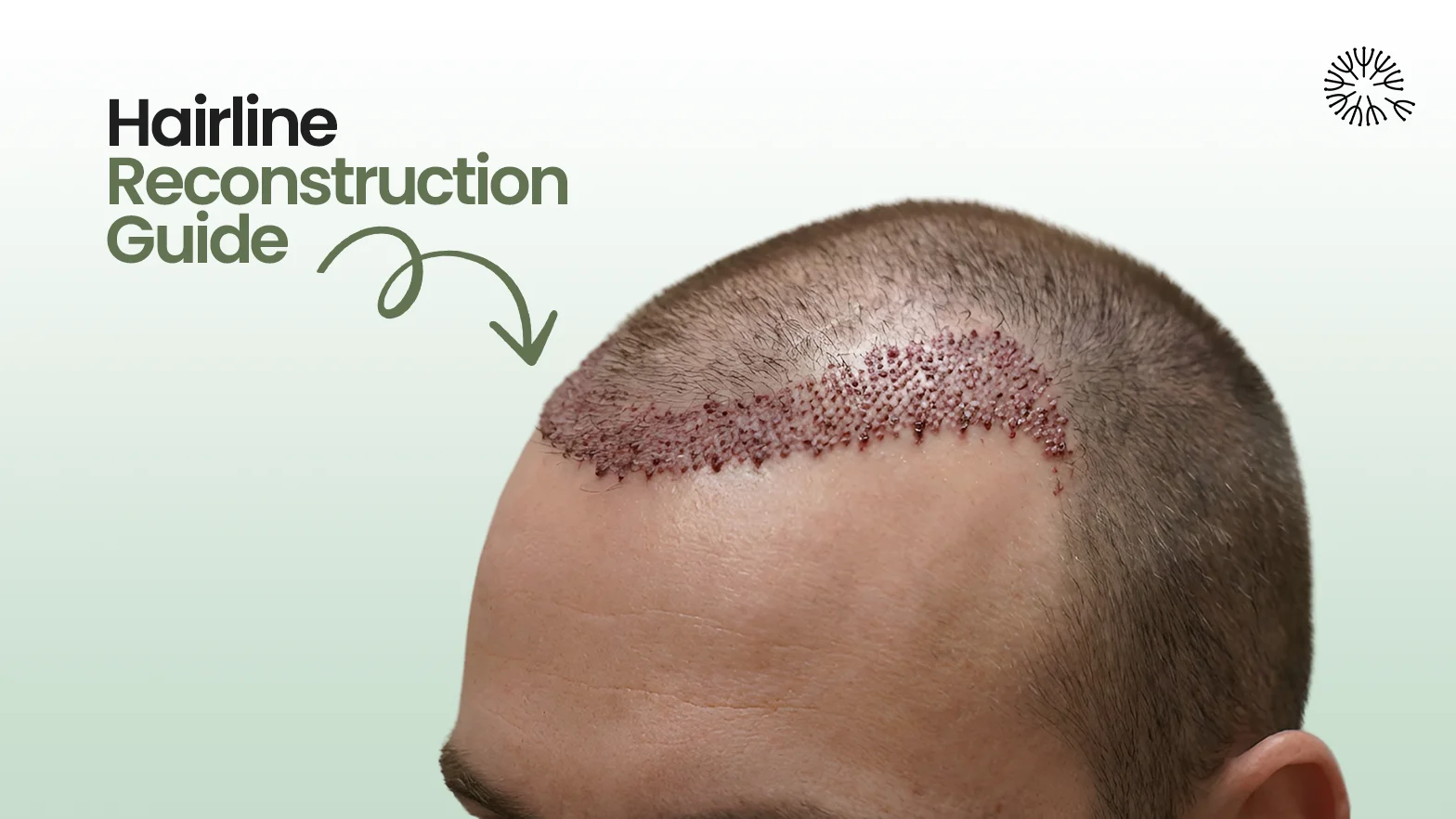
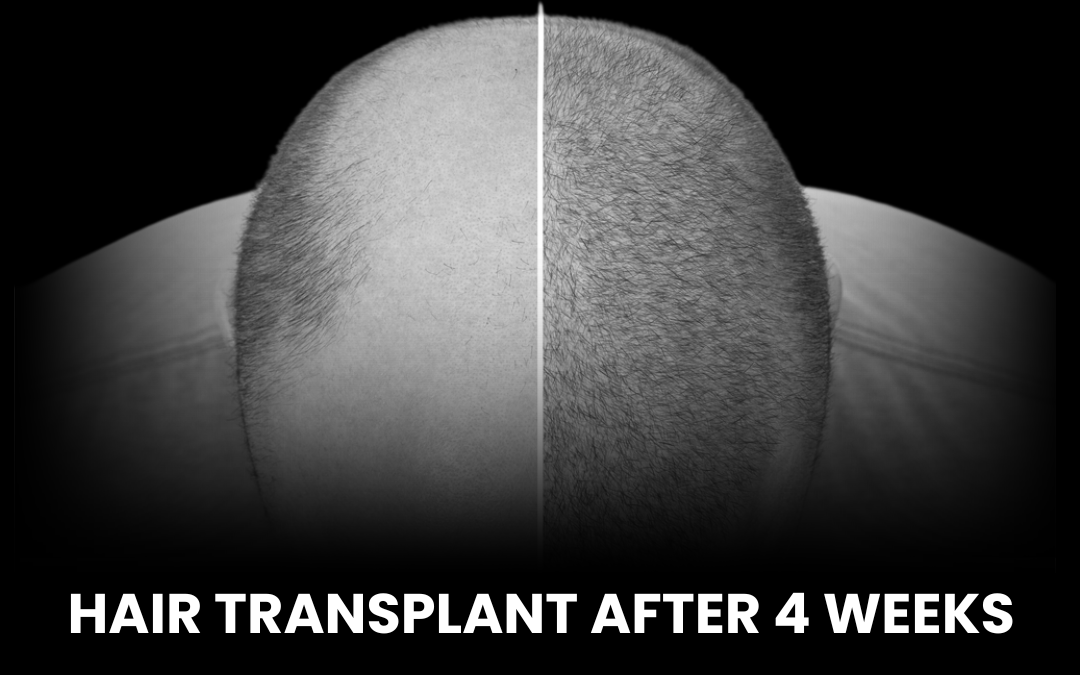
In the first month, the “after” can look the same as the “before,” or slightly thinner, because the transplanted hairs shed within 2 to 3 weeks of surgery. That is the shedding phase, and it is expected. A photo taken here is the low point, not the outcome.
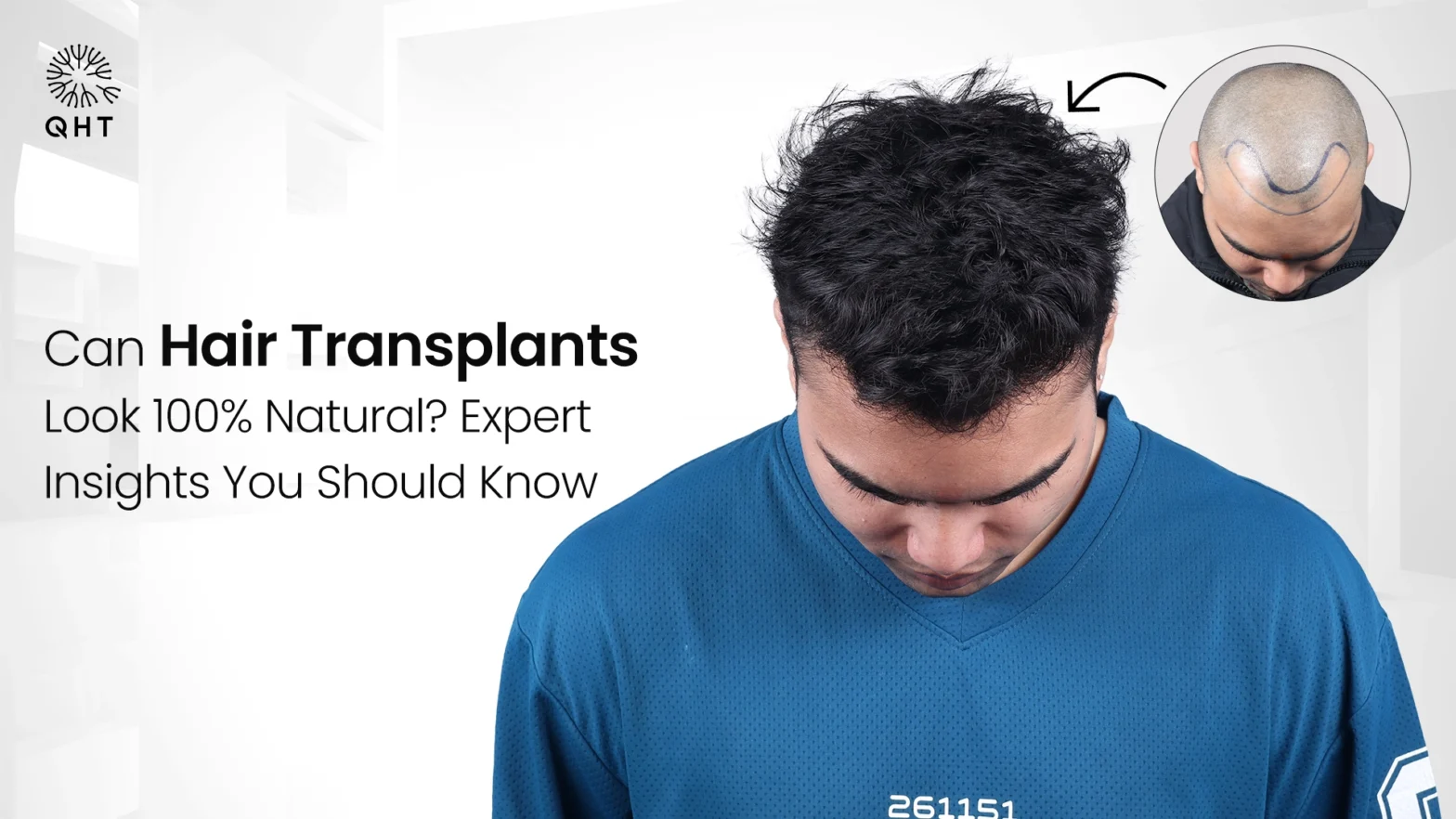
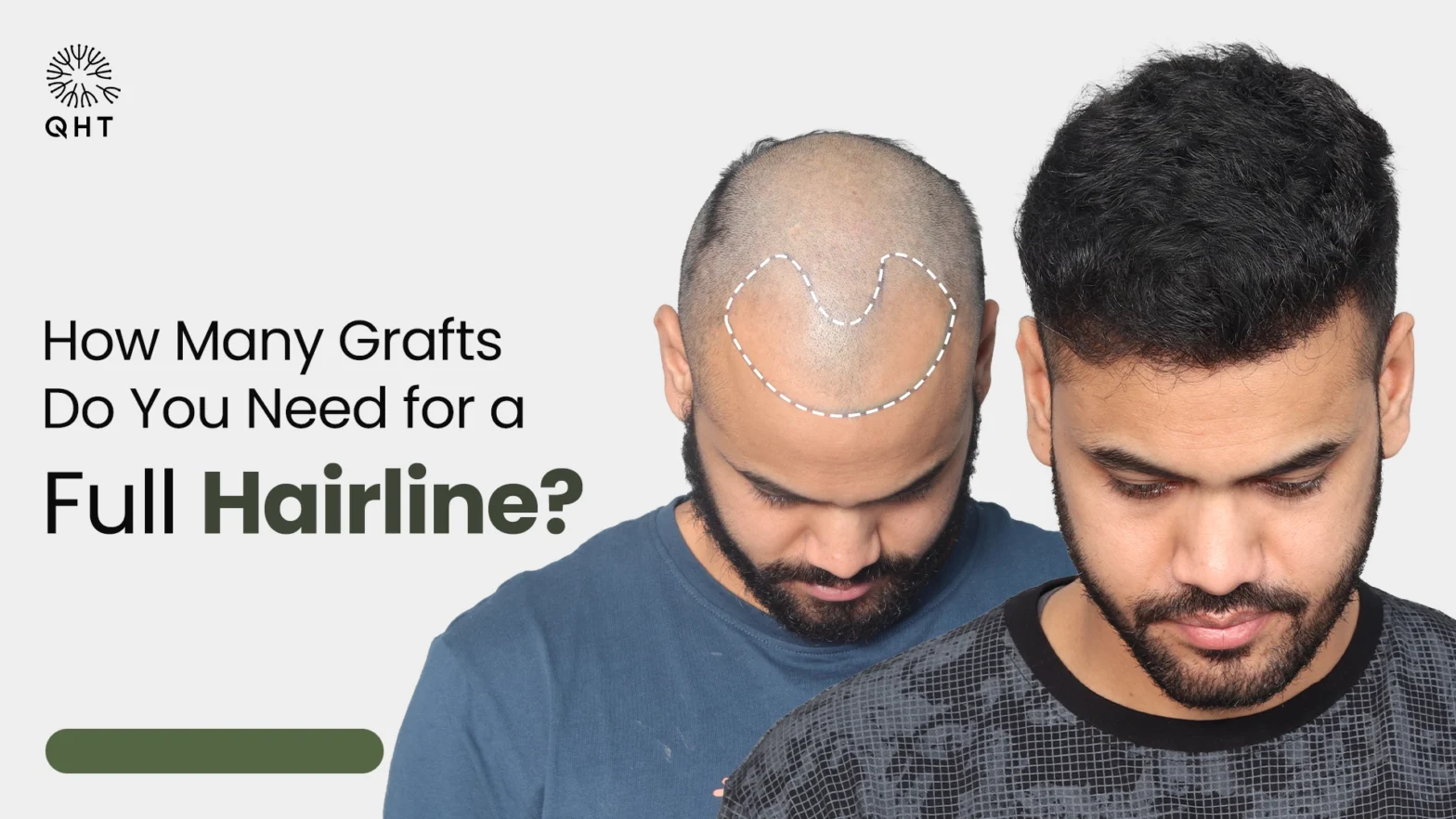
Through months two and three, a before and after transplant comparison still shows little change on top, since the follicles are resting for roughly 2 to 3 months before they grow again. The honest before and after starts to appear once new hair pushes through from around month three onward, and it keeps filling in over the months that follow as the hair in the transplanted area continues to grow. So the fair comparison is your starting photo against one taken much later, not against the bare stretch in the middle.
We tell every patient the same thing. Take a photo today. Then another every month, same spot, same light. That log is worth more than any reassurance we can give you over the phone. Compare your month-six shot to your day-one shot, never to a stranger’s result.
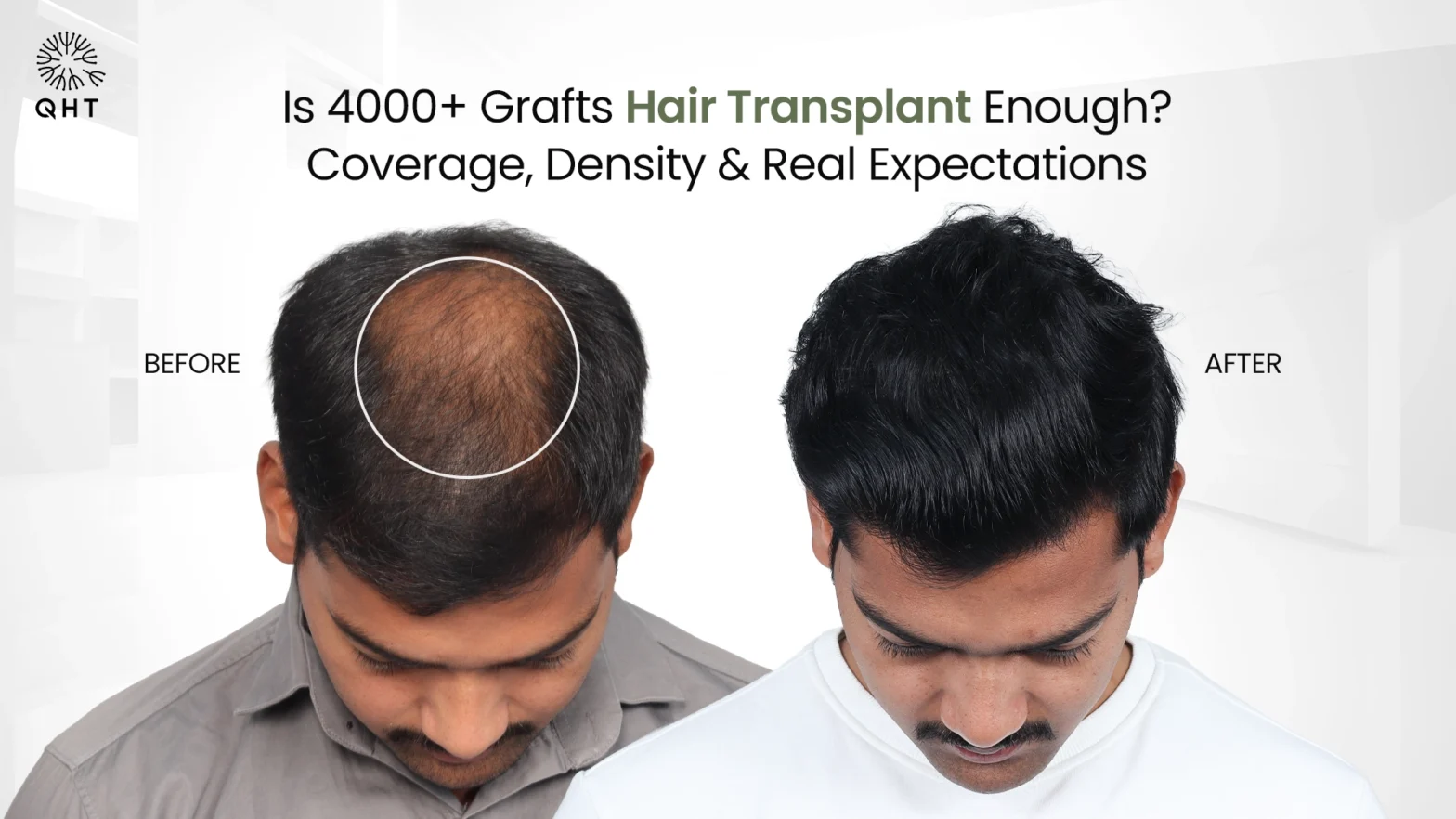
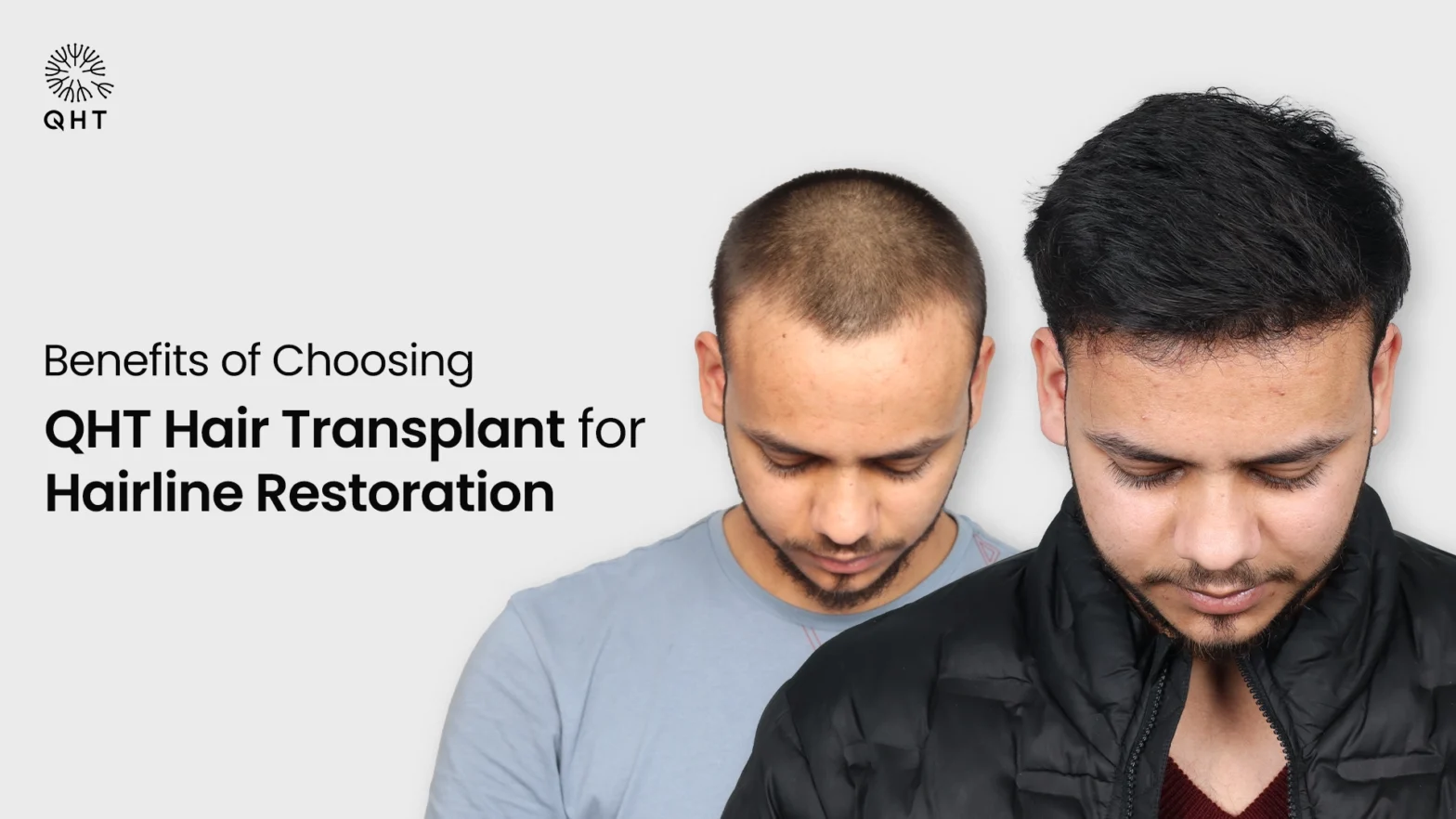
See real QHT patient before-and-after results here: QHT results gallery
What Affects Your Results Timeline
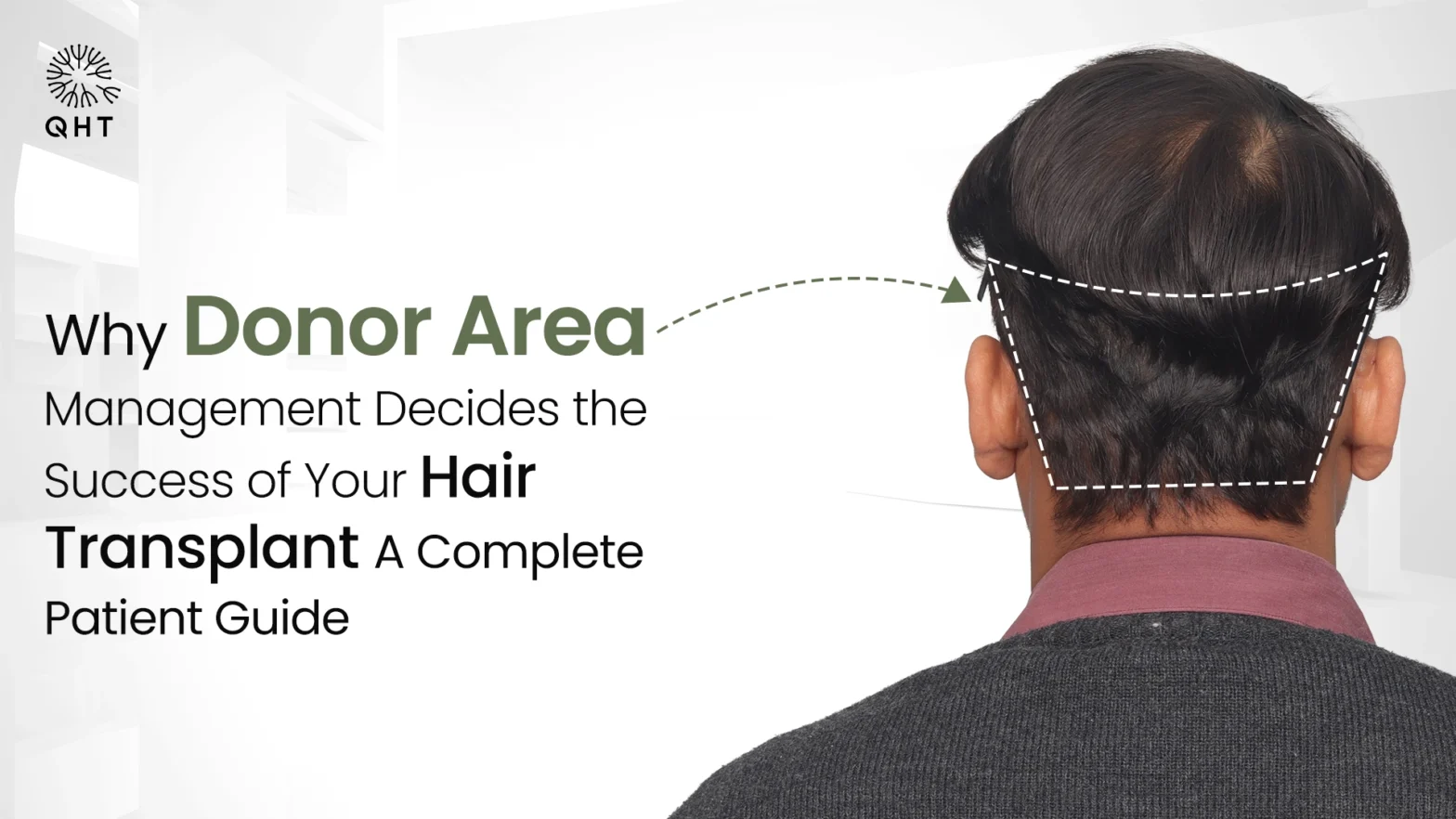
The month by month pace is fairly steady from one person to the next, because it follows the same growth cycle. What varies more is how full the result ends up looking, and several things decide that before the first graft is placed. Donor supply is the big one. The safe donor area at the back of the scalp holds around 65 to 85 follicular units per square centimetre. A zone above 80 units counts as an excellent donor, while one below 40 is far less suitable. The more healthy hair there is to move, the fuller the coverage can be.
Here are the factors that shape your result:
- Donor supply: A denser donor area gives the surgeon more grafts to redistribute, which raises the ceiling on how full the final coverage can look.
- Hair thickness: Thicker hair shafts cover more scalp surface per strand, so coarser hair tends to read as denser even at the same graft count. Two people with identical sessions can end up looking different for this reason alone.
- Hair and skin colour: When hair colour sits close to skin tone, the scalp looks fuller with fewer grafts. Higher contrast, such as dark hair on fair skin, needs more precise placement to look natural.
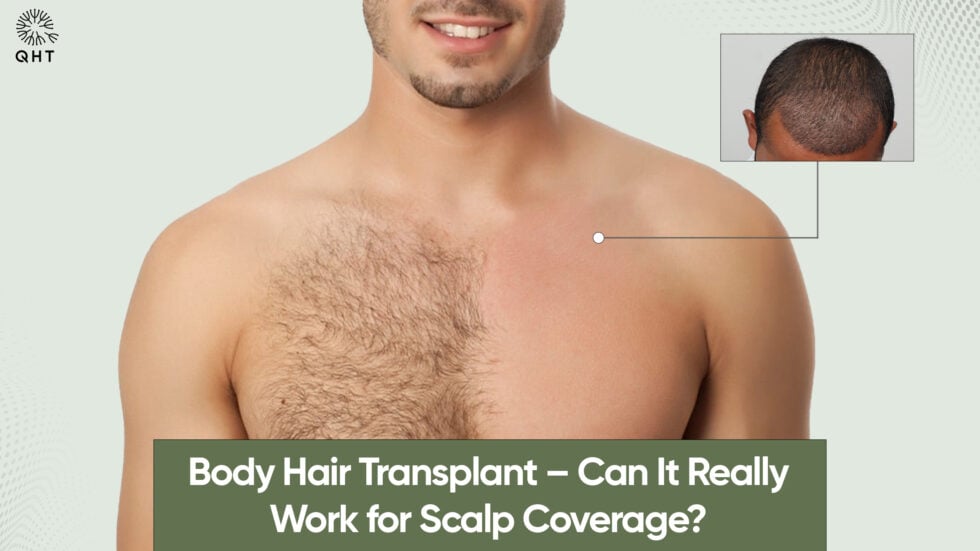
- Technique: FUE hair transplant results month by month follow the same growth cycle as other methods, so the technique does not speed up regrowth. What it changes is the donor site. FUE avoids the linear scar left by the older strip method and is often chosen for younger patients or those who keep their hair short.
- General health: A healthy candidate gives the procedure the best footing. Medical conditions that interfere with healing can compromise the outcome, which is why your suitability is assessed before surgery.
- Aftercare: The early routine carries real weight. Following the aftercare instructions you are given, and managing soreness with the medication your surgeon provides, supports the scalp through healing.
Hair transplant results after 1 year in India follow the same month by month stages seen anywhere else.
When to Contact Your Surgeon
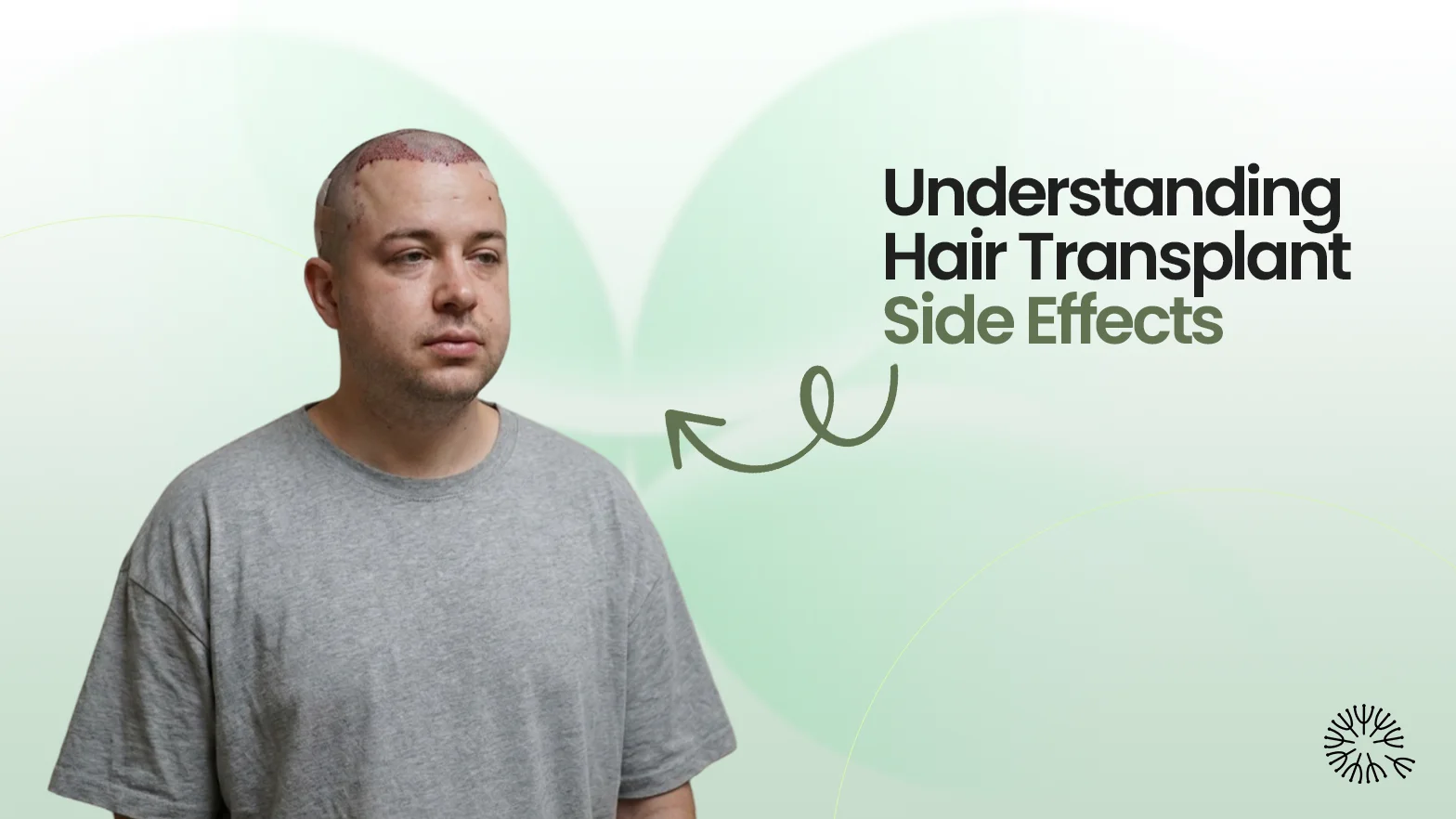
Most of what happens in the first year is normal, including the early shedding and the quiet stretch when nothing seems to grow. A few things are worth a call rather than a wait. Infection and scarring are recognised risks of the procedure, so any sign that points that way is a reason to check in with the clinic that treated you. Your surgeon set the aftercare plan and knows your case, which makes them the right person to judge whether what you are seeing is part of normal healing.
If you are unsure about anything during recovery, contact your surgical team. That is what the follow-up relationship is for, and it is always better to ask early than to sit on a worry.
After 15,000+ procedures, here’s the rule we give patients: if you are second-guessing whether to call, call. We would rather reassure you in 2 minutes than have you worry for 2 weeks.
Conclusion
A hair transplant rewards patience more than anything else you bring to it. The early weeks look like a setback because the moved hairs shed, and the months right after can feel still while the follicles rest. Neither of those is the surgery going wrong. It is the growth cycle behaving normally, just on hair that has been relocated. Watched over a full year, the change tends to come slowly at first and then pick up, with most of the result in place by around the one-year mark.
A before and after transplant comparison only means something when both photos are yours and the later one is taken months down the line, not when you hold your week-three scalp against a stranger’s finished result. Photograph the same spot in the same light each month. If something genuinely seems off, ask your surgical team rather than guessing your way through it.
Knowing the hair transplant results timeline does one useful thing above all. It tells you when to simply wait and when a question is actually worth raising, so you spend the year informed instead of anxious.
If you would rather not track this alone, QHT Clinic can map it out with you, drawing on more than 15,000 hair transplant surgeries and the SAVA implanter for precise graft placement. A specialist will assess your donor area and your stage of hair loss. Stop comparing your week three to a stranger’s month twelve. Book a consultation, and we will give you a timeline that is yours.
Frequently Asked Questions
When do you see hair transplant results?
The transplanted hair sheds within about 2 to 3 weeks of surgery, so the first month shows very little. New growth begins around 3 to 6 months after the procedure, and it keeps filling in over the months that follow.
Is it normal to shed transplanted hair?
Yes. The transplanted hairs fall out within 2 to 3 weeks, an effect surgeons call shock loss, and it is expected rather than a failure. Only the visible shaft drops. The follicle stays alive in the scalp and grows a new hair later.
How long until full hair transplant results?
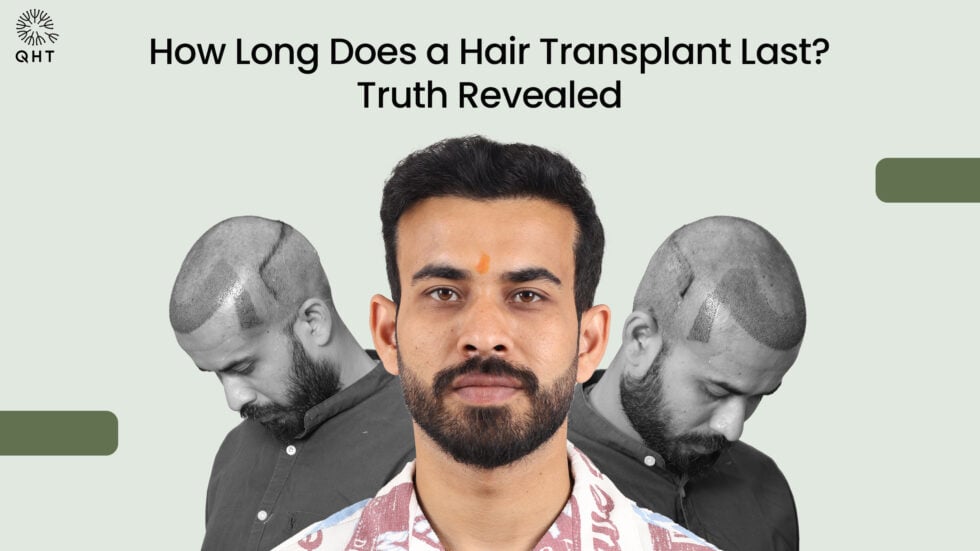
New growth starts around 3 to 6 months after surgery and continues to build in the transplanted area over time. Final results land around month 12, though the exact point varies from one person to the next.
Why is my crown taking longer to grow than my hairline?
The crown is normally the slowest area to fill in. The hairline often reaches its final look around month 12, while the crown can take 12 to 18 months. Its spiral growth pattern makes early coverage look thinner than it is, and crown grafts tend to start growing later than those at the front. A patchy crown at month 12 is usually the crown finishing last, not the transplant failing. If it still concerns you, send your surgical team a photo.
Why is there no growth at 2 months?
Because the follicles are resting. After being moved, they sit in a normal resting phase that runs roughly 2 to 3 months before they grow again. A bare-looking scalp at this stage is the cycle doing its job, not the grafts failing.
Do hair transplant results last forever?
The transplanted follicles come from the back of the scalp, where hair resists the hormone that drives pattern baldness, so they hold on to that resistance after the move. Your untreated hair can still thin with age, which is why the rest of the scalp may need a plan of its own.
Book a Consultation Today
Latest Videos
-

Rajpal Yadav | Bollywood Actor Hair Transplant Journey at QHT Regrow Clinic Haridwar
Click to Watch
-

FUE Hair Transplant Results | DAYA's FUE Hair Transplant Results
Click to Watch
-

Best Hair Transplant Result 2021 || NW Grade VI A || 3,422 Grafts
Click to Watch
-

Best Hair Transplant Result 2022 | Grade 4
Click to Watch
-

YouTuber Mehtab Saifi Hair Transplant
Click to Watch
-

ACP Pradyuman Hair Transplant - Actor's Hair Transplant
Click to Watch