



Hairline Reconstruction Guide
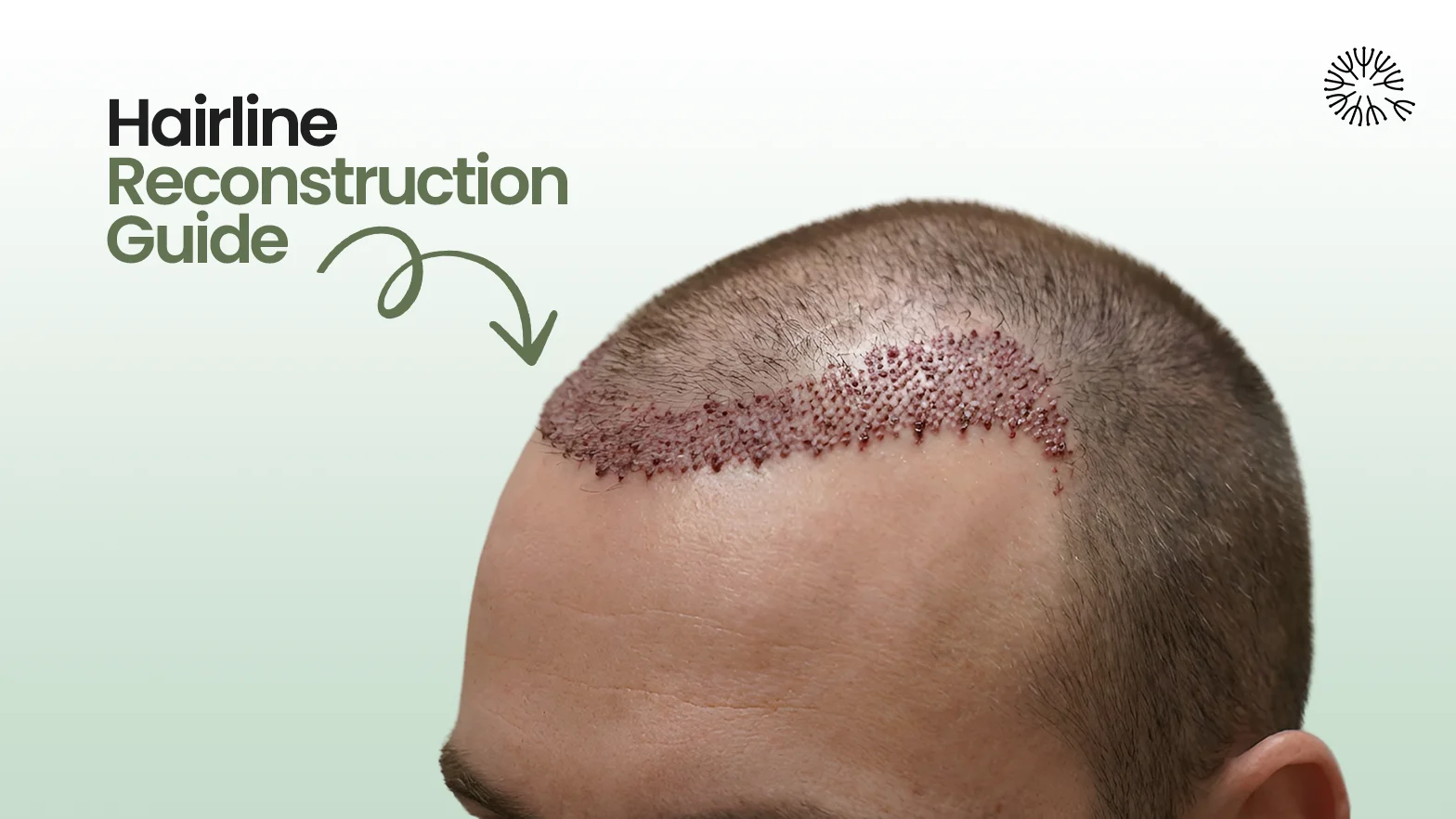
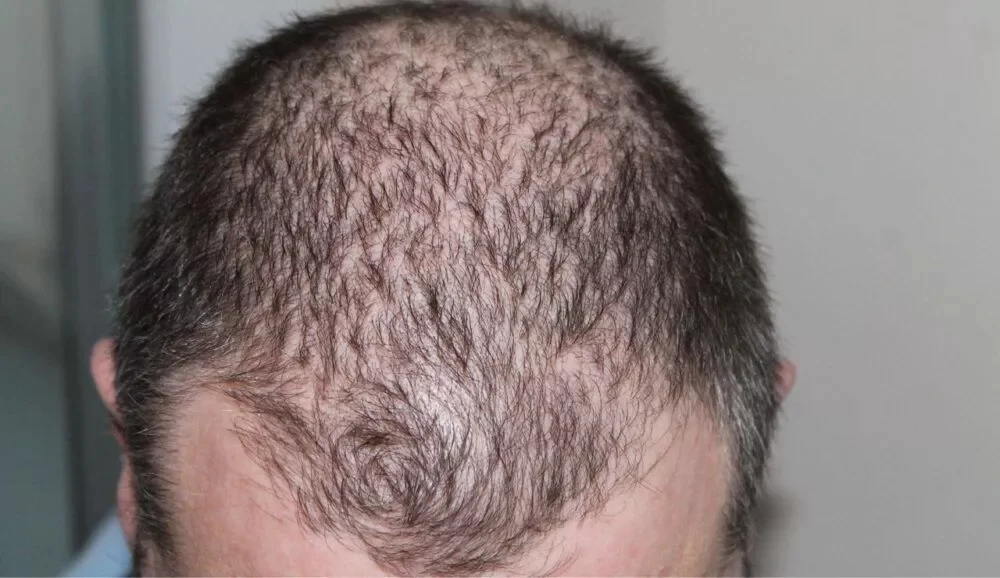
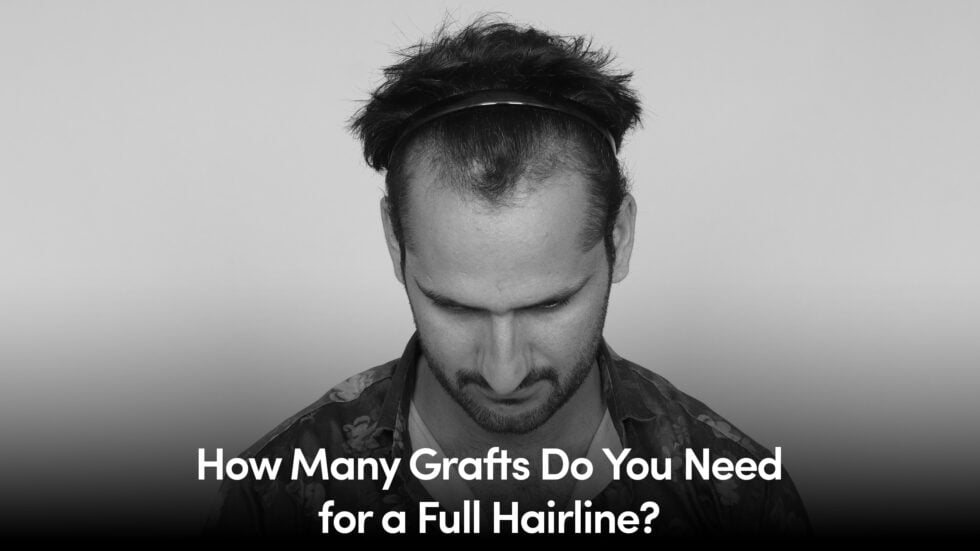
Watching your hairline recede is not just a cosmetic concern; it chips away at your confidence and self-esteem little by little, causing not just body image issues but also difficulties in interpersonal relationships. If you have been struggling with a receding hairline, you are definitely not alone.
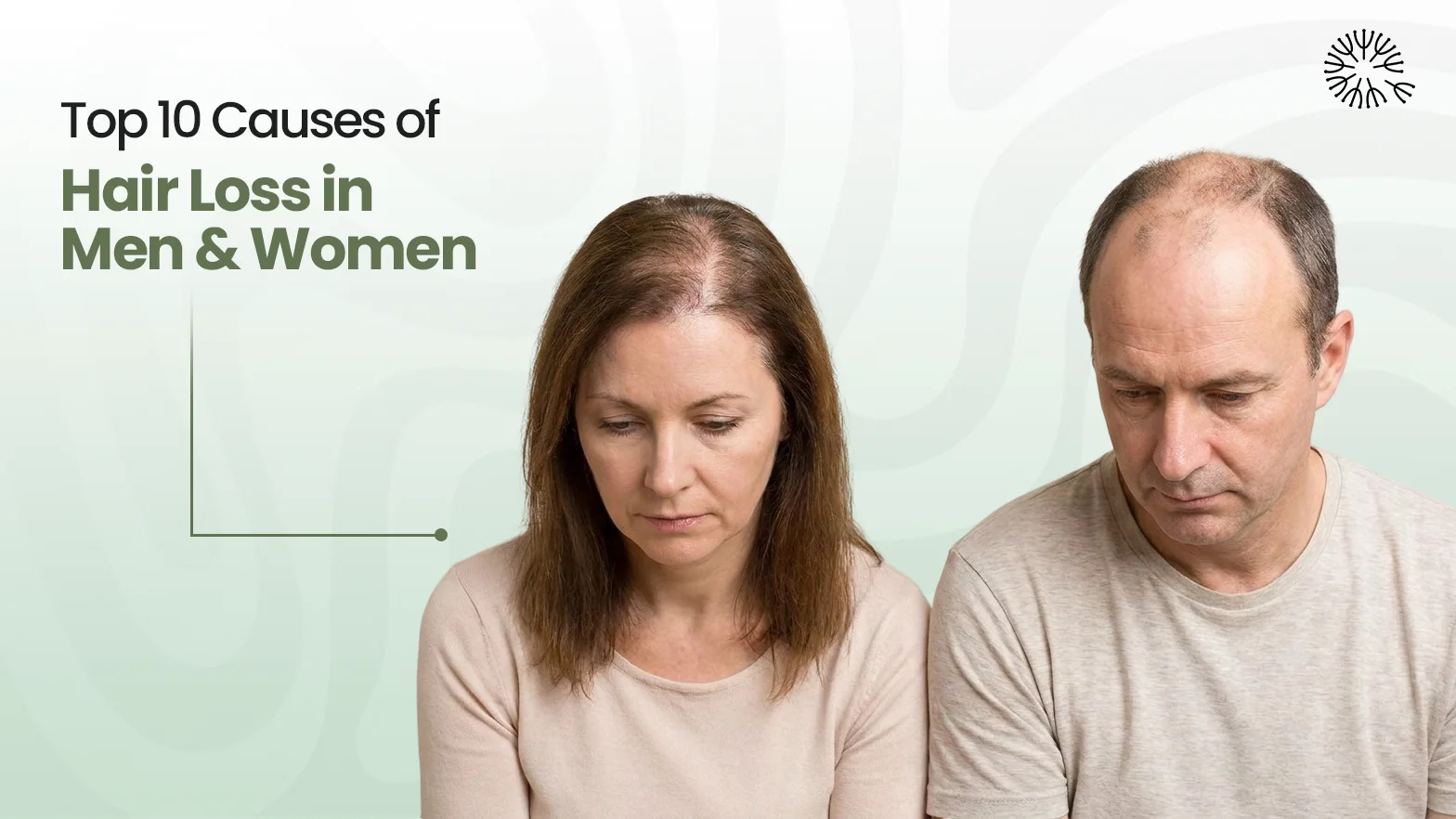
Studies suggest that androgenetic alopecia is the most common cause of hair loss and affects up to 80% of men and 50% of women over their lifetime.
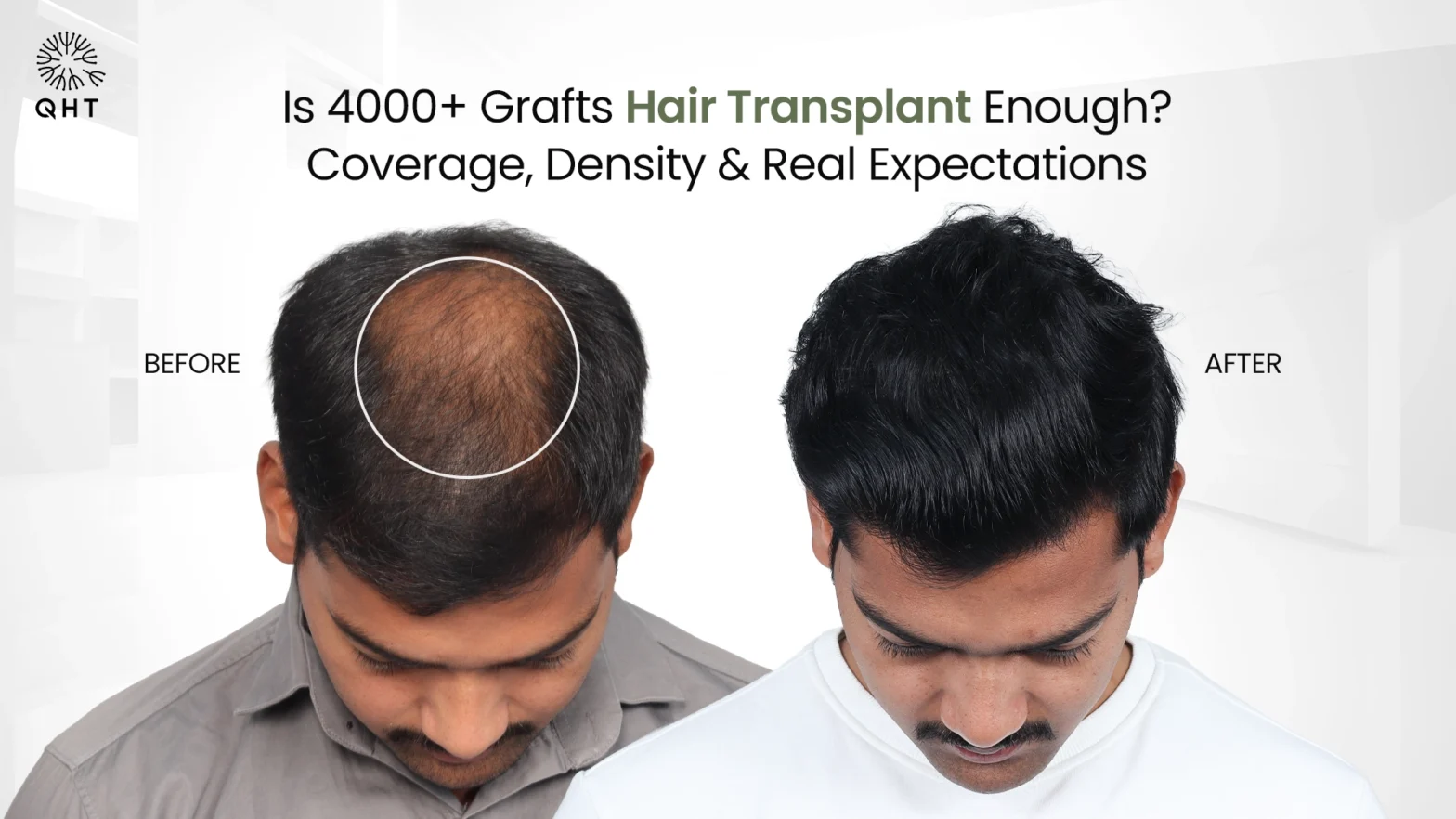
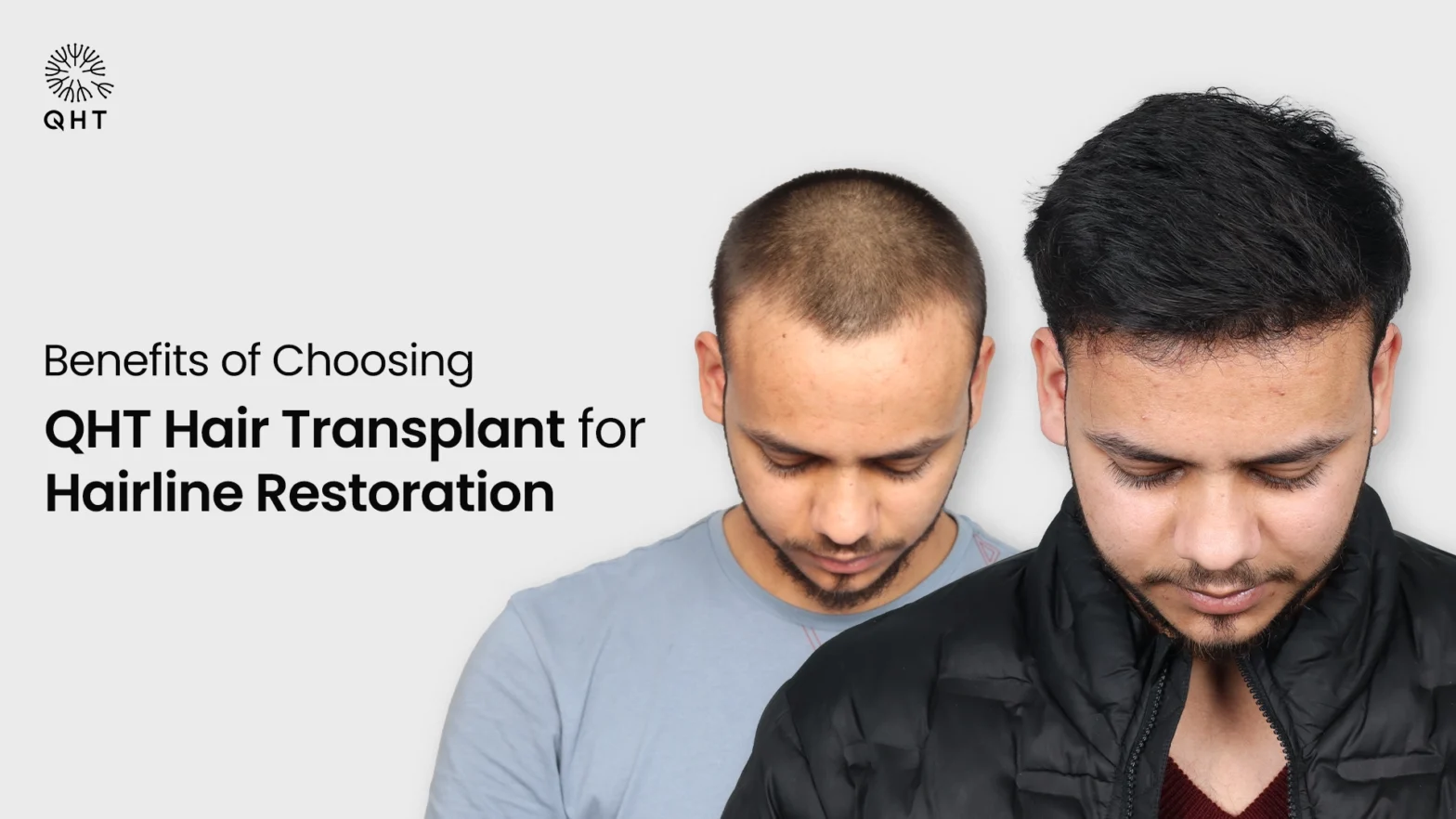
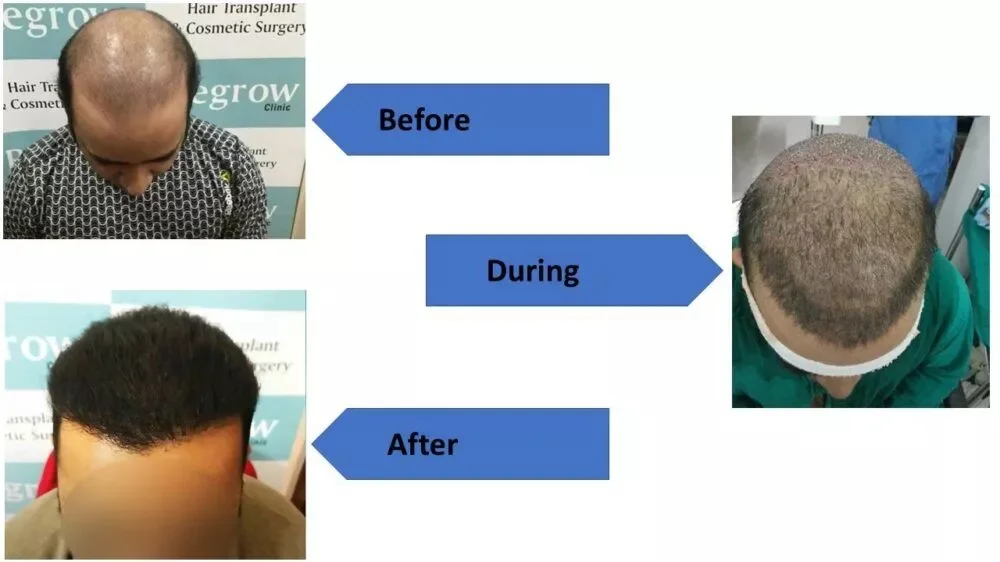
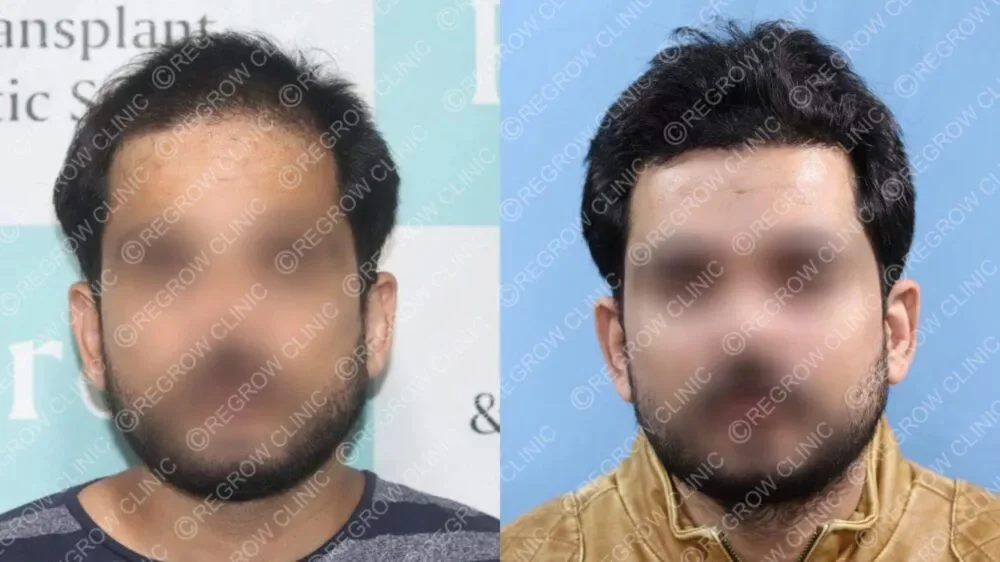
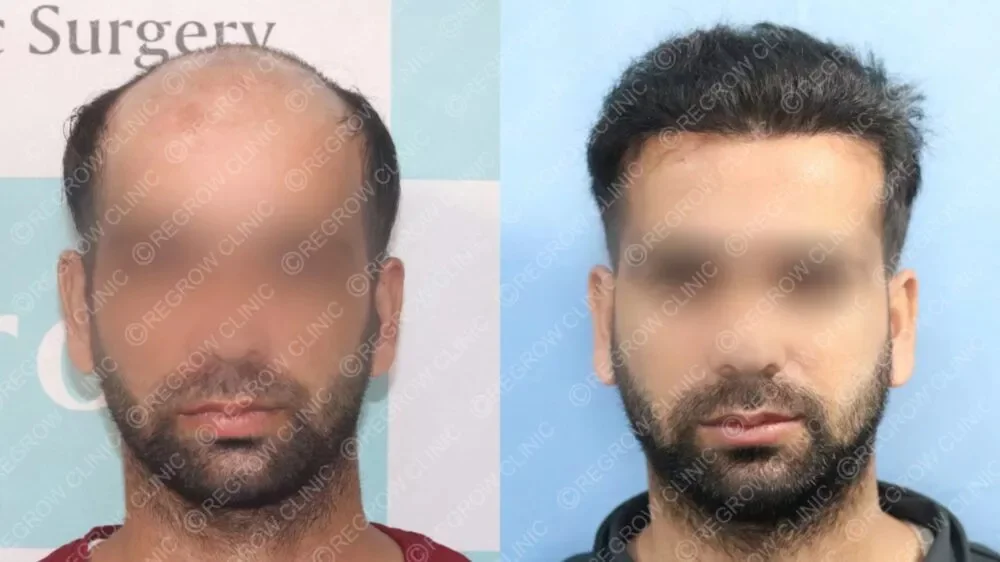
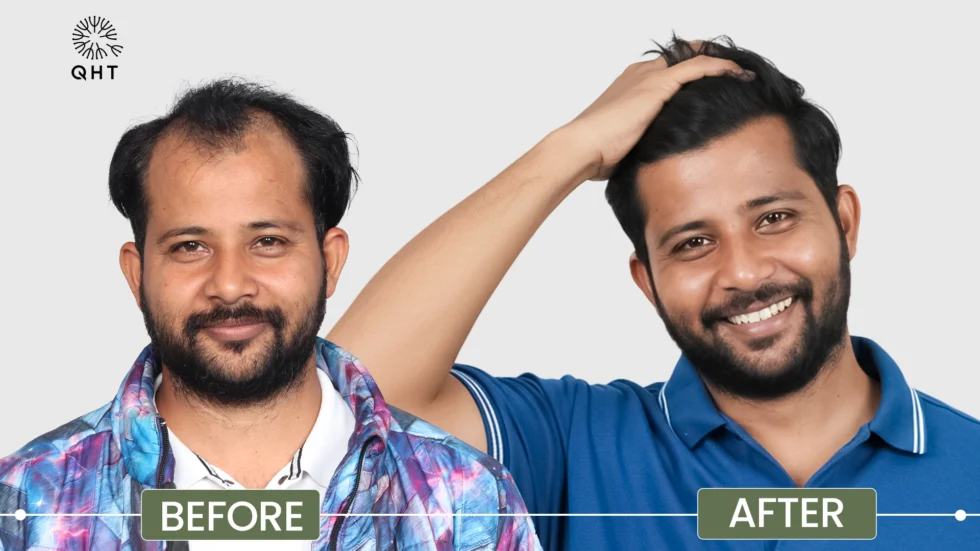
Medications and home remedies may take time to show their effect, and in some cases, the results are not permanent. Hairline reconstruction procedures, on the other hand, offer a permanent solution that blends naturally with your existing hair.
At QHT Clinic, our team of expert doctors use advanced techniques, like the QHT technique for hairline restoration, to deliver long-lasting, natural results. We have helped thousands of patients regain their confidence and address the root cause of their hair loss with precision care.
Not sure where to begin? Book a free personalised consultation with QHT hair transplant experts to get personalised solutions.
Quick answer box:
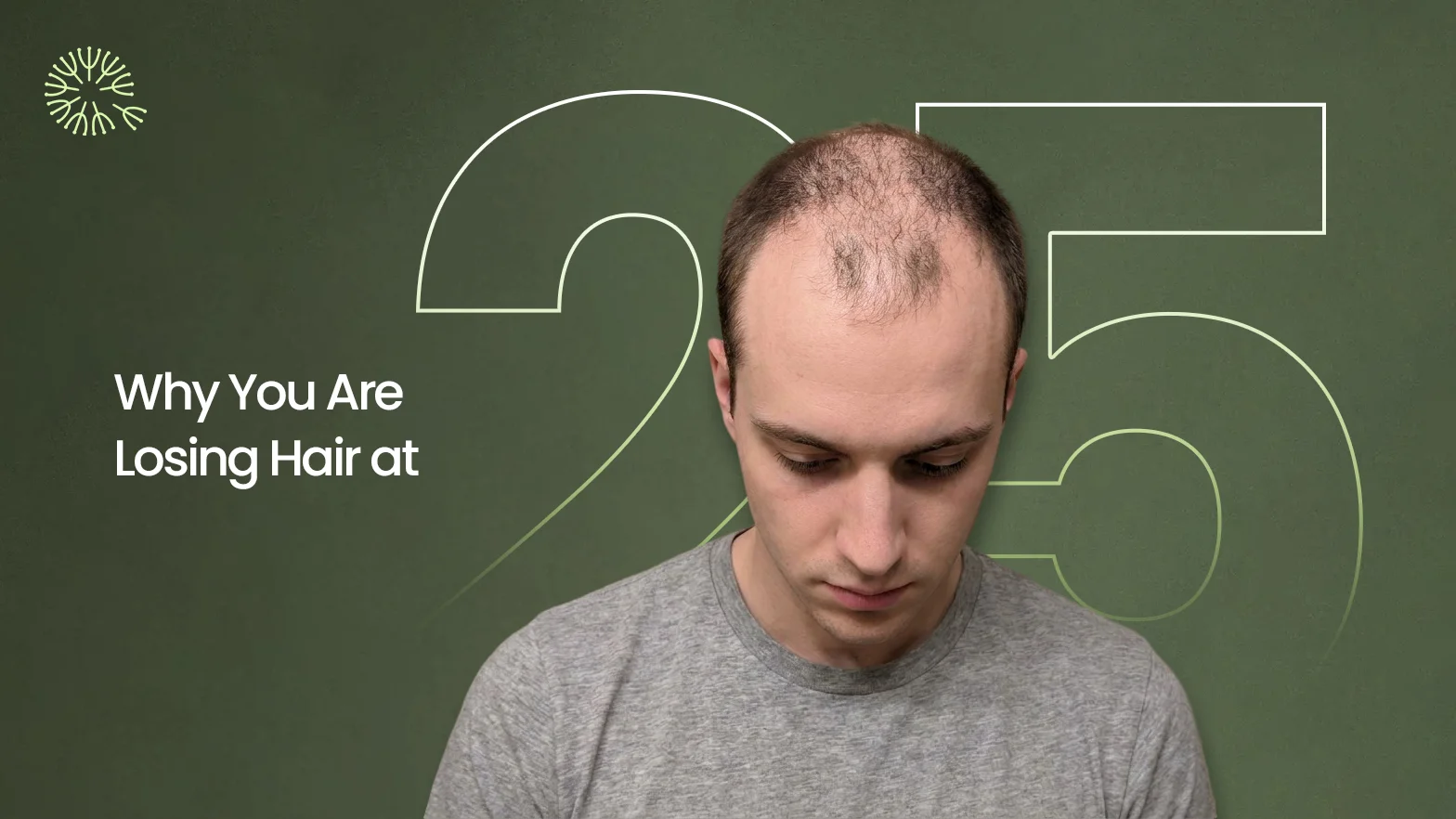
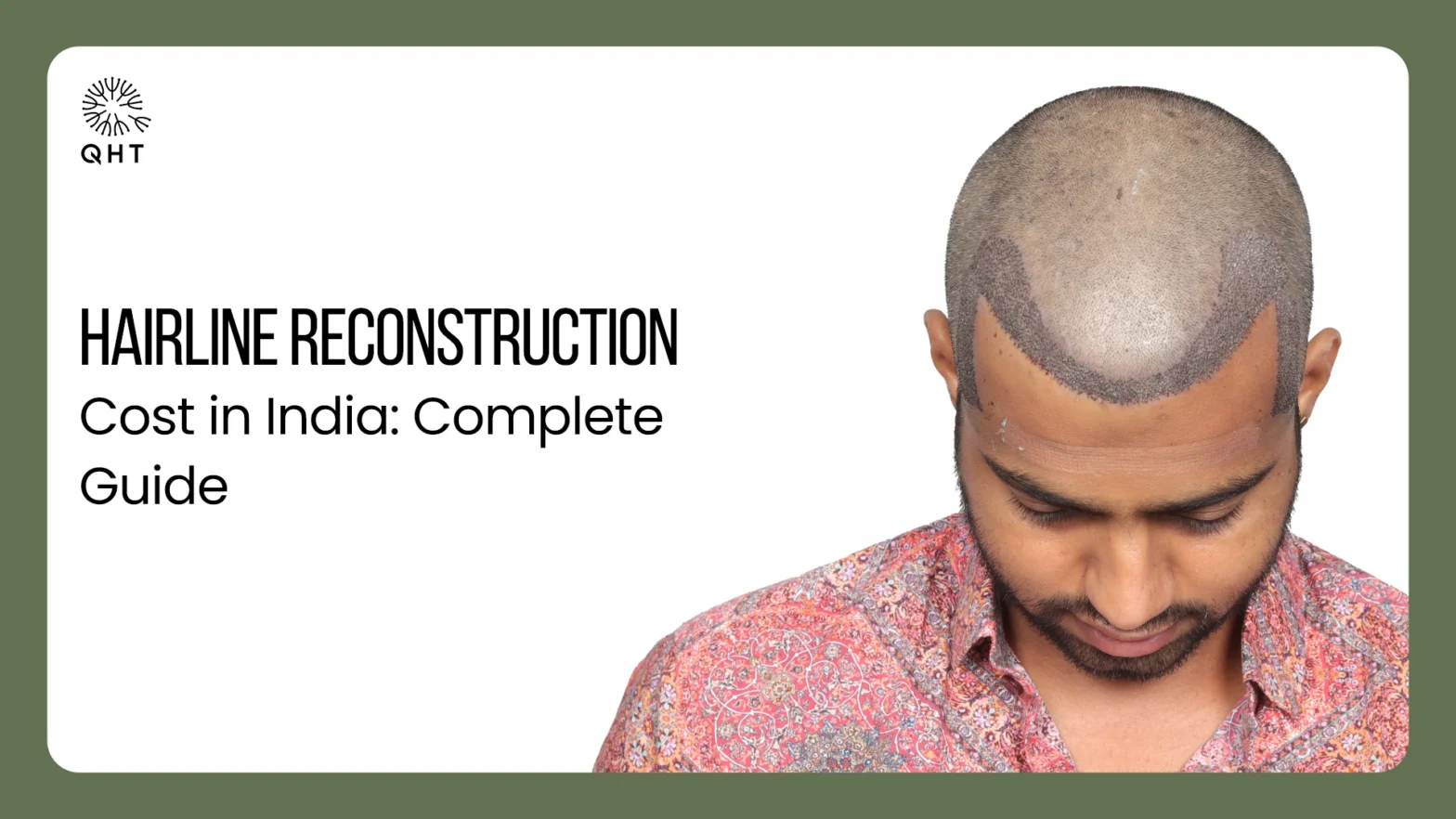
What is hairline reconstruction?Hairline reconstruction is a procedure involving hairline restoration using hair transplantation techniques to cover bald or thinning areas and recreate the natural hairline. Hair reconstruction plans are personalised for each patient, based on their individual needs, the extent of hair loss, overall health and their long-term goals. Studies show that even college-going men are not immune to this issue; approximately 40% of young men begin noticing hairline thinning as early as age 19. Common techniques for hairline reconstruction:
|
Table of contents
- Understanding hair loss: The science behind receding hairline
- Common Reasons for Hair Loss
- Who is the ideal candidate for the Hairline Reconstruction Treatment
- Treatment Techniques for Hairline Reconstruction
- Step-by-Step Procedure of Hairline Reconstruction
- Pre and Post-Operative Care
- Final Thoughts
- Common Myths- Busted
- Frequently Asked Questions.
Understanding Hair Loss: The Science Behind Receding Hairline
Hair loss is a very common condition affecting both men and women, with the general age of onset being 30–40 years, although it is becoming increasingly common in young adults. The most frequent cause is androgenetic alopecia, which leads to recognisable, progressive loss of hair. To better understand hair loss, we must first understand the three stages of hair growth.
1. Anagen (Growth phase): This is the phase of active growth of hair from the follicle, lasting 7-8 years.
2. Catagen (Transition Phase): In this phase, the hair stops growing as the follicle begins to shrink and its nutritional supply decreases
3. Telogen (Resting Phase): In this stage, the follicle rests, and the hair falls out, after which the cycle repeats
In case of hair loss and baldness, the telogen phase is prolonged due to hormonal, environmental, or genetic factors. The key hormone involved is DHT (dihydrotestosterone), which shrinks the hair follicle by prolonging the resting phase, resulting in baldness or hair loss.
Common Reasons for Hair Loss
There are several causes behind hair loss. Understanding these causes is important to devise the right treatment plan. The common hair loss reasons include:
1. Age
With advancing age, hair thinning and baldness become increasingly evident. Androgenetic alopecia can begin in the teenage years, but is most commonly seen in men over the age of 50. Women typically experience it more frequently after menopause.
2. Hormonal Factors
Testosterone (a male hormone) is converted to DHT (5-dihydroxytestosterone), which targets hair follicles at the front and crown of the scalp. In genetically susceptible individuals, these follicles progressively miniaturise, becoming thinner and shorter with each hair cycle until they stop producing hair altogether. The effect is particularly prominent on the scalp and beard.
In women, hormonal imbalances play a vital role in hair loss. In conditions such as PCOS, DHT activity is increased, and in thyroid disorders, the hair growth cycle is disrupted. Additionally, hormonal shifts during the postpartum period and menopause also result in hair thinning and hair loss.
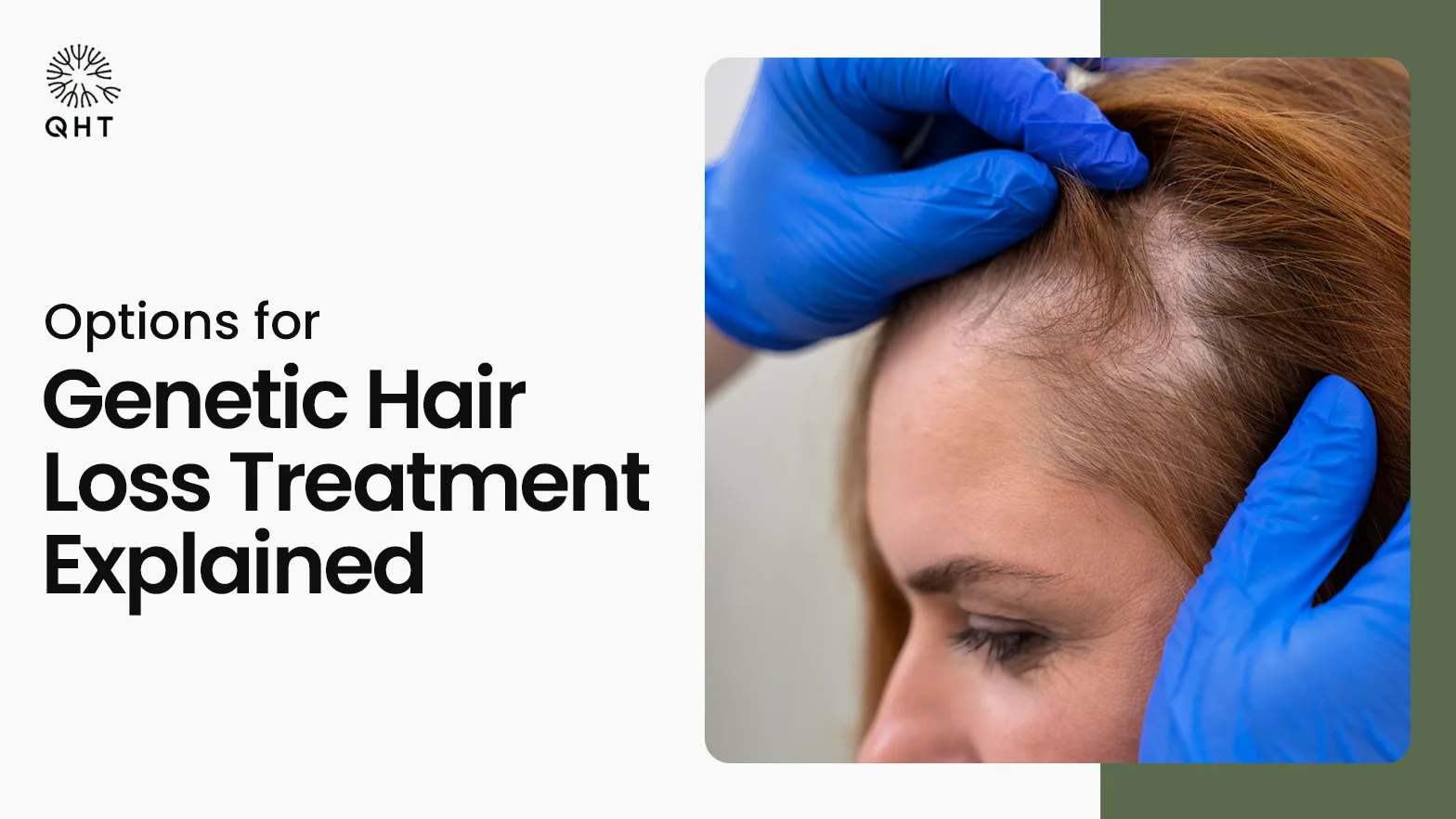
3. Androgenetic alopecia
Androgenic alopecia can affect men and women of all ages. It is a genetic condition, characterised by an immune response that attacks the body’s own hair follicles. Androgenic alopecia commonly affects the scalp, beard, eyebrows, and eyelashes. Hair loss in this case can be patchy or present as complete baldness.
Androgenic alopecia can be further classified into:
- Cicatricial (Scarring) Alopecia: A form of scarring alopecia that typically begins at the centre of the scalp and spreads outward. The hair follicles are permanently damaged, making early intervention essential.
- Traction Alopecia: This is hair loss caused by chronic tension on the follicles and is most commonly seen in individuals who regularly wear tight hairstyles over extended periods.
- Telogen Effluvium: A condition in which more hairs than usual enter the resting phase simultaneously, resulting in shedding exceeding 100 hairs per day.
- Chemotherapy-Induced Alopecia: Hair thinning that continues six months after completion of chemotherapy.
4. Hereditary Pattern Hair Loss
It is common in both men and women over the age of 65, also known as male or female pattern baldness. Genetic factors cause follicle shrinkage and eventual cessation of the anagen (growth) phase or complete termination of regrowth.
5. Medications and treatments
ACE inhibitors, beta blockers, fluconazole, and certain psychiatric medications are known to contribute to hair loss. Hence, it is important to see a doctor to diagnose the cause of hair loss.
6. Nutritional deficiencies
In the absence of other medical conditions, lack of essential nutrients, such as iron, zinc, biotin and proteins, can lead to hair loss. People following strict diets or women with very heavy menstrual flow often have these nutritional deficiencies.
7. Lifestyle
Poor lifestyle habits like smoking and excessive alcohol consumption can significantly affect your hair health and increase the risk of androgenetic alopecia.
8. Stress
Psychological stress can elevate stress hormone levels in the body, triggering telogen effluvium; hair regrowth is often possible once the underlying stressor is resolved.
Who is the Ideal Candidate for the Hairline Reconstruction Treatment?
The most ideal candidates for hairline reconstruction are individuals with patterned alopecia. However, most patients experiencing hair loss can be suitable candidates for hairline reconstruction treatment.
You may be a good candidate if you:
- Have a visibly receding hairline
- Have good quality and adequate density of hair in the donor area
- Hold realistic expectations for the treatment
- Are medically fit overall, with no active scalp or skin infections
- Have used medications consistently for one to two years without satisfactory results
At QHT, we believe every patient deserves a personalised plan, not just a generic solution. Our experts assess your scalp, donor density, and hair loss pattern before recommending any technique.
Worried about hairline transplant cost? Book your consultation to get an estimate.
Treatment Techniques for Hairline Reconstruction
There are three primary methods used for hairline reconstruction.
FUT – Follicular Unit Transplantation
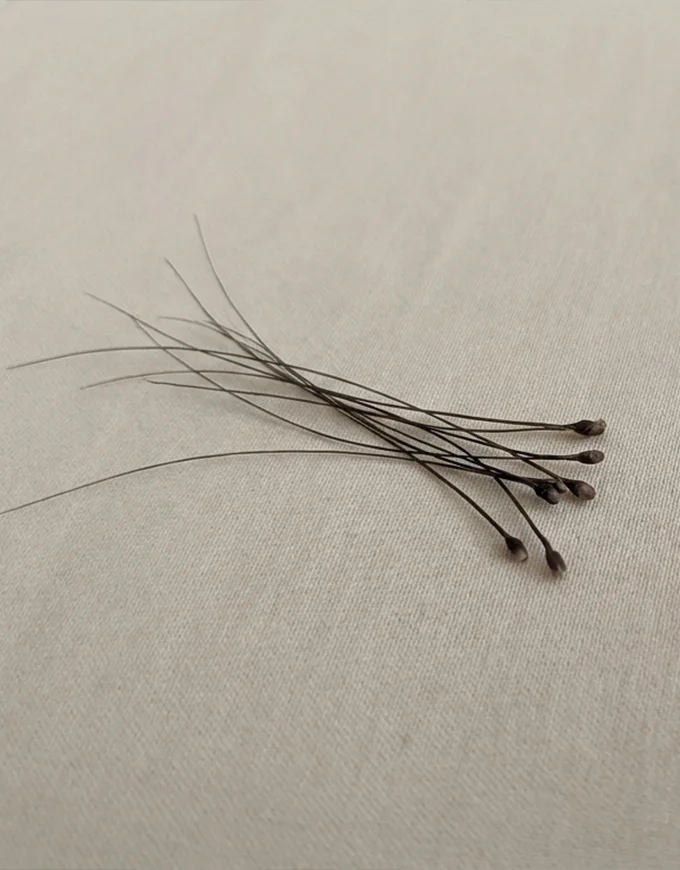
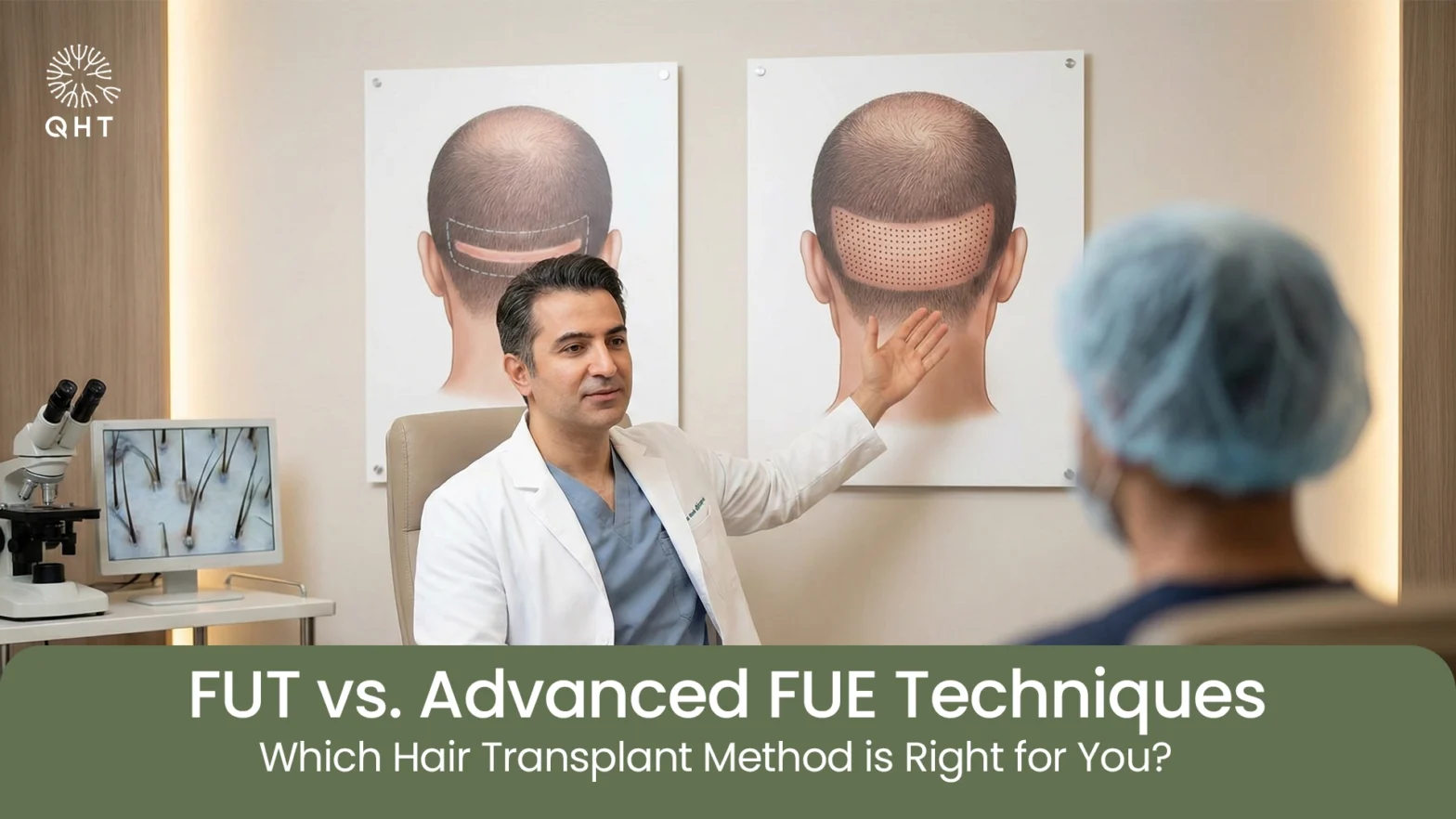
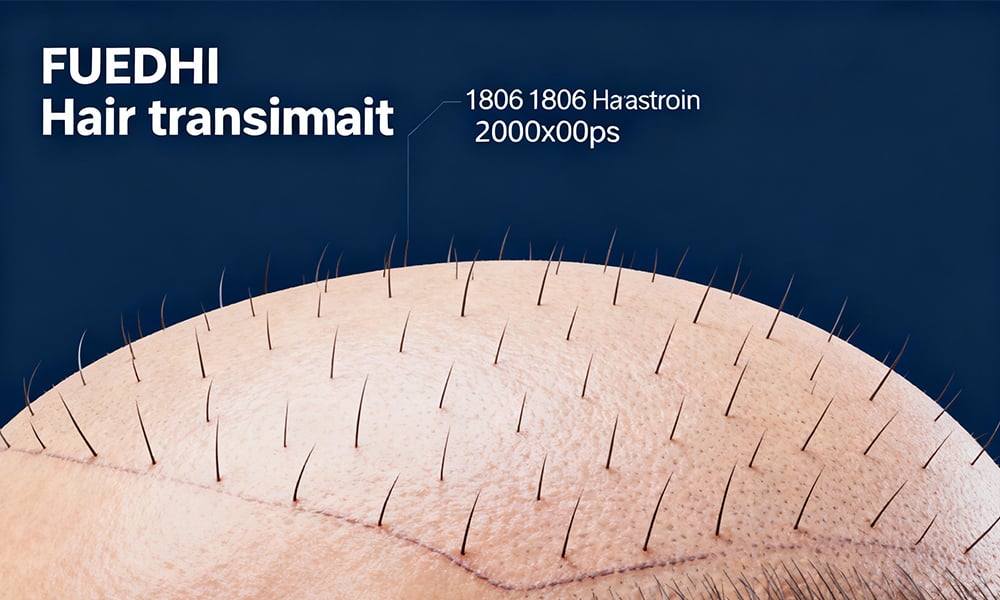
In FUT, a section of scalp is removed from the back of the head. It is carefully dissected into individual follicular units, which are then transplanted to the receding hairline or balding areas. FUT allows a large number of grafts to be moved in a single session, making it especially useful for individuals with advanced hair loss.
Best suited for: Patients with extensive hair loss requiring a high graft count in one session.
FUE – Follicular Unit Excision
It is a minimally invasive technique in which individual hair follicles are extracted from the donor site and transplanted to the thinning or bald recipient area. Unlike FUT, it does not require the removal of a section of scalp and hence prevents scar formation.
Best suited for: It is ideal for candidates who like to wear short hairstyles.
QHT: Quick Hair Transplant
A technique unique to QHT Clinics that involves the rapid transplantation of extracted follicles to the recipient area using a special implanter pen.
By significantly reducing the out-of-body time for follicles, the QHT technique ensures
- Precise placement
- Optimal density
- Enhanced graft survival rates
- Reduces downtime
- Delivers highly natural results.
Not sure which technique is right for you? Book a free consultation with us today and get expert help.
Step-by-Step Procedure of Hairline Reconstruction
Every hairline reconstruction procedure begins with a careful evaluation of the scalp, hair type, and density. The specific steps may vary depending on the technique chosen.
1. Consultation and planning
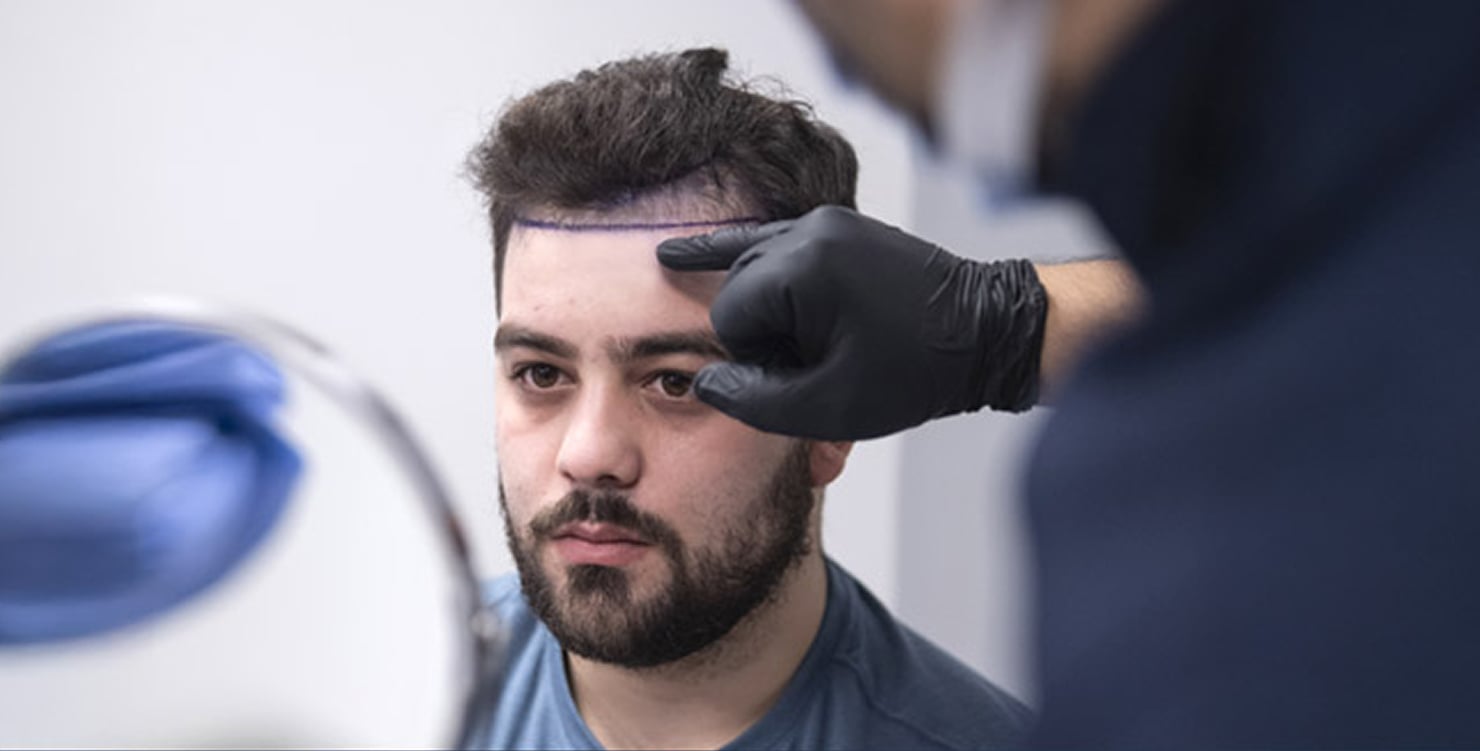
Medical history and thorough evaluation mark the beginning of treatment planning. This is followed by hairline planning, which is a crucial step as it defines the patient’s face shape. The colour, texture, and density of the donor hair play a vital role in the planning to ensure natural-looking results.
2. Preparation of donor area
The area under the procedure is numbed before beginning the procedure. For FUE, FUT, and QHT, the method of extraction of follicles is different.
- FUE: The entire donor area on the back of the scalp is trimmed 1-2 mm in length, and grafts are extracted with special micropunches. The extracted grafts are preserved for transplantation to the donor site.
- FUT: This is an elaborate procedure involving four key steps: extraction of the donor strip, dissection of the strip into follicular units, creation of recipient incisions at the hairline, and insertion of grafts. The procedure typically takes 4–6 hours.
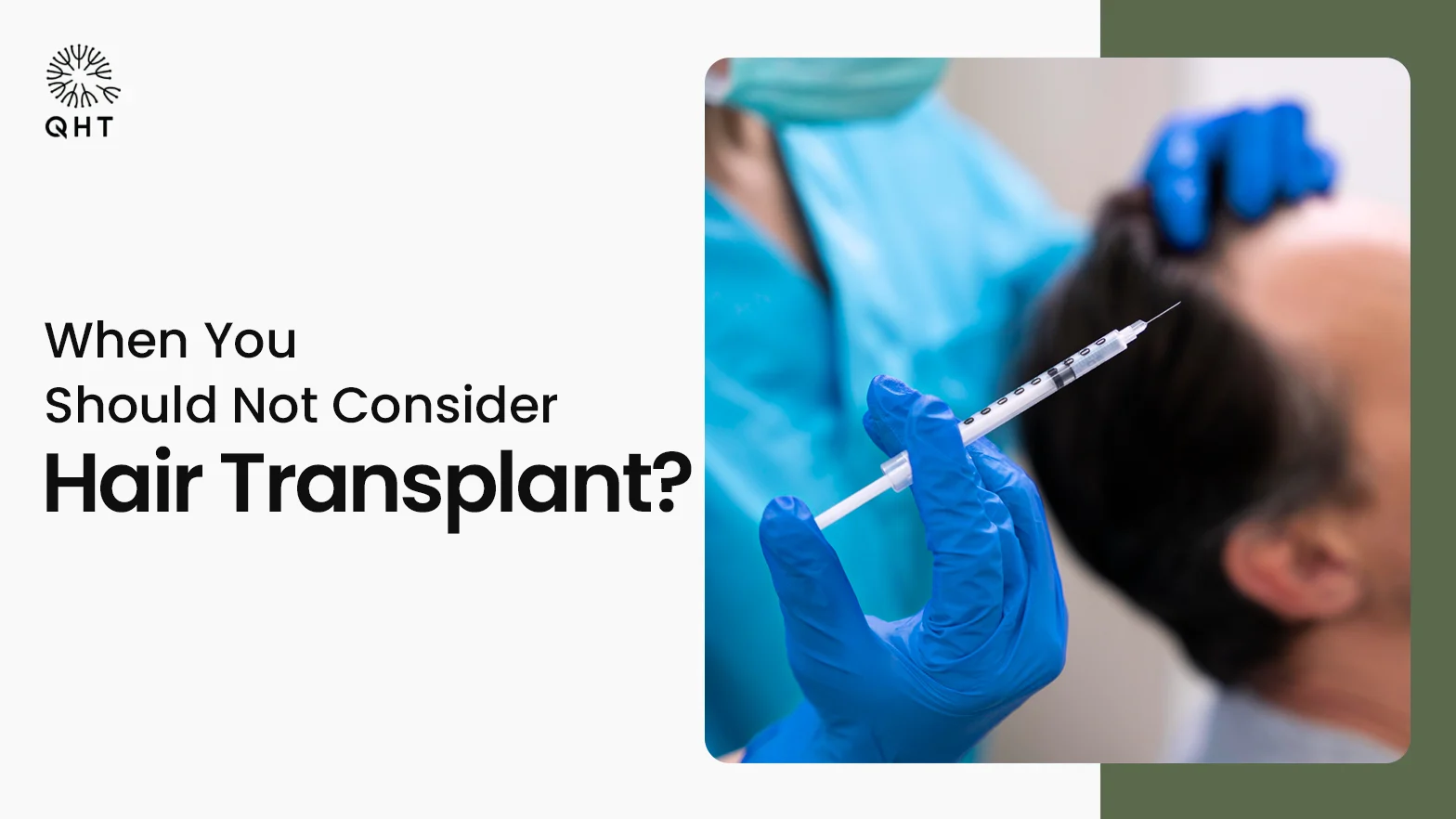
- QHT: Our proprietary rapid procedure involves the efficient extraction of hair follicles using the SAVA implanter. Recipient site slits are created in advance, tailored to the thickness of each graft. The extracted grafts are then implanted with precision under 10x magnification.
3. Graft Preparation
Harvested follicles or grafts are preserved in a saline solution. For the FUT technique, additional dissection of grafts from the donor strip is required under magnification.
4. Preparation of the Recipient Area
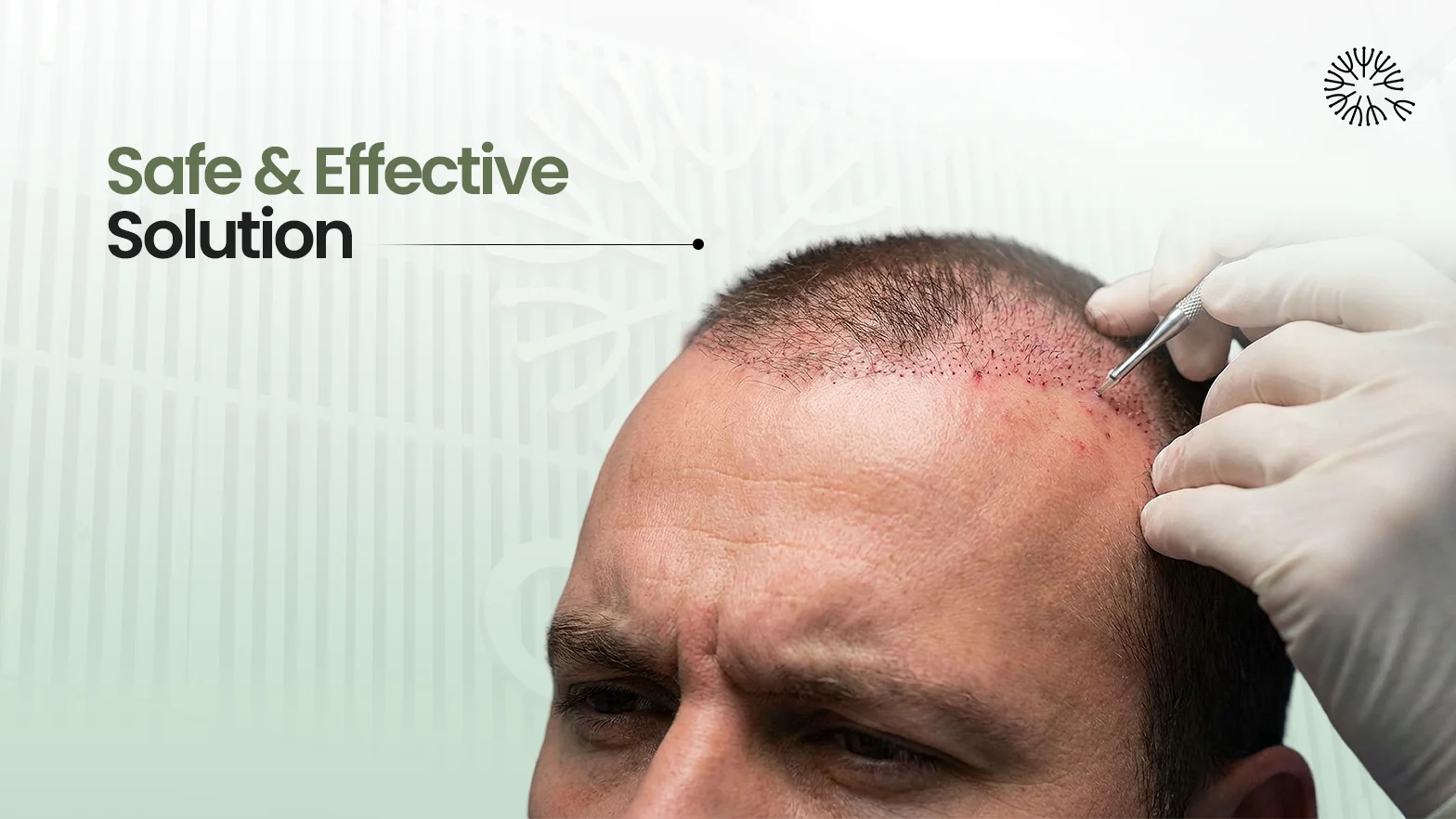
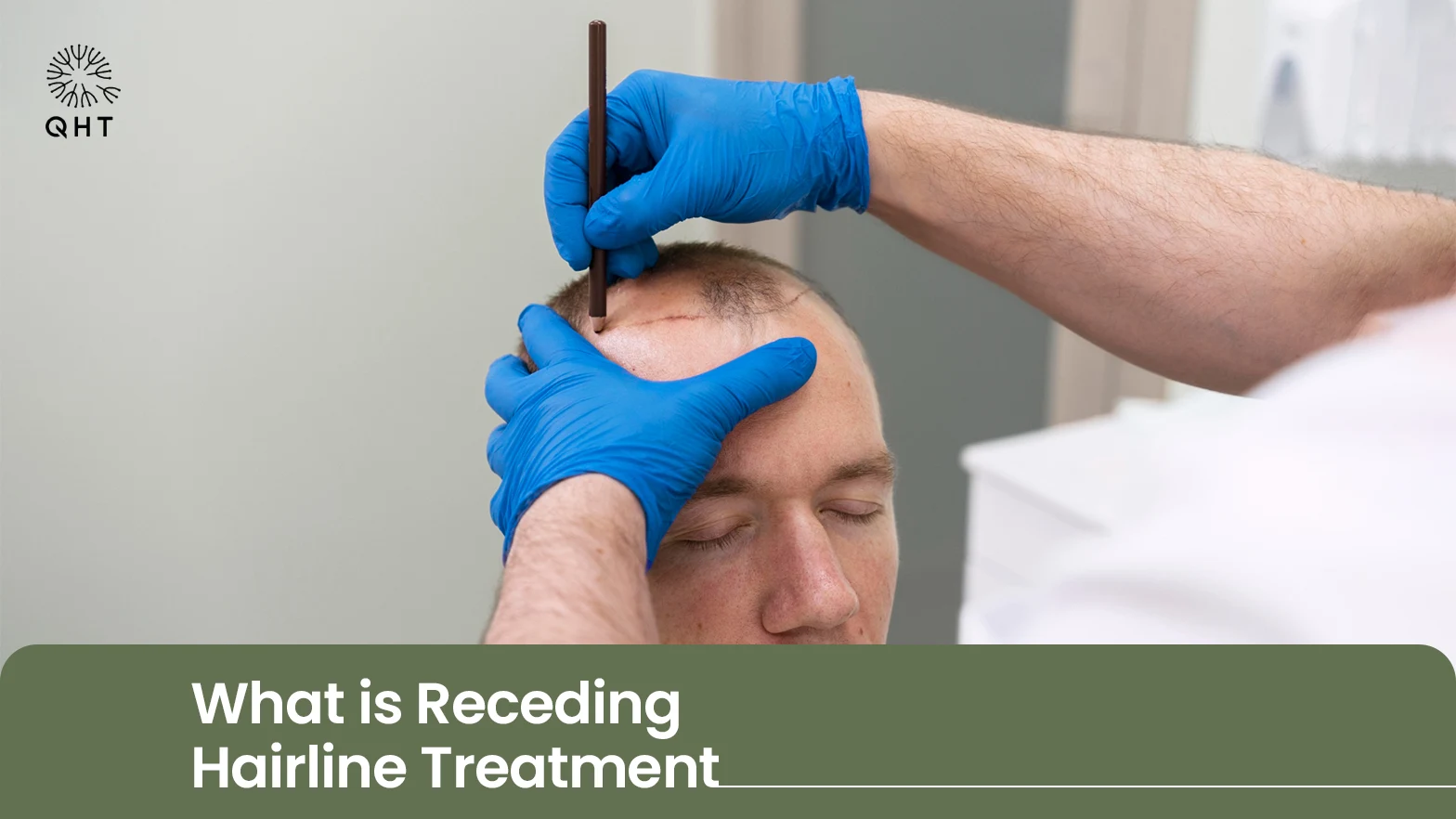
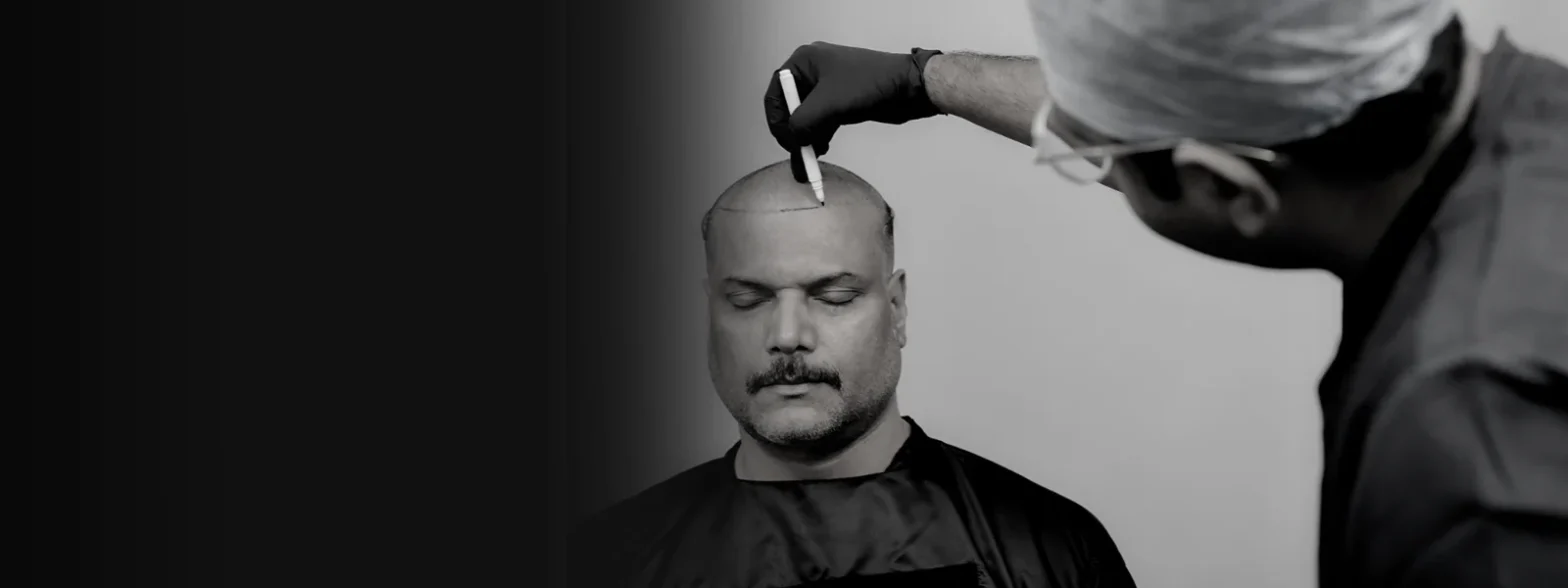
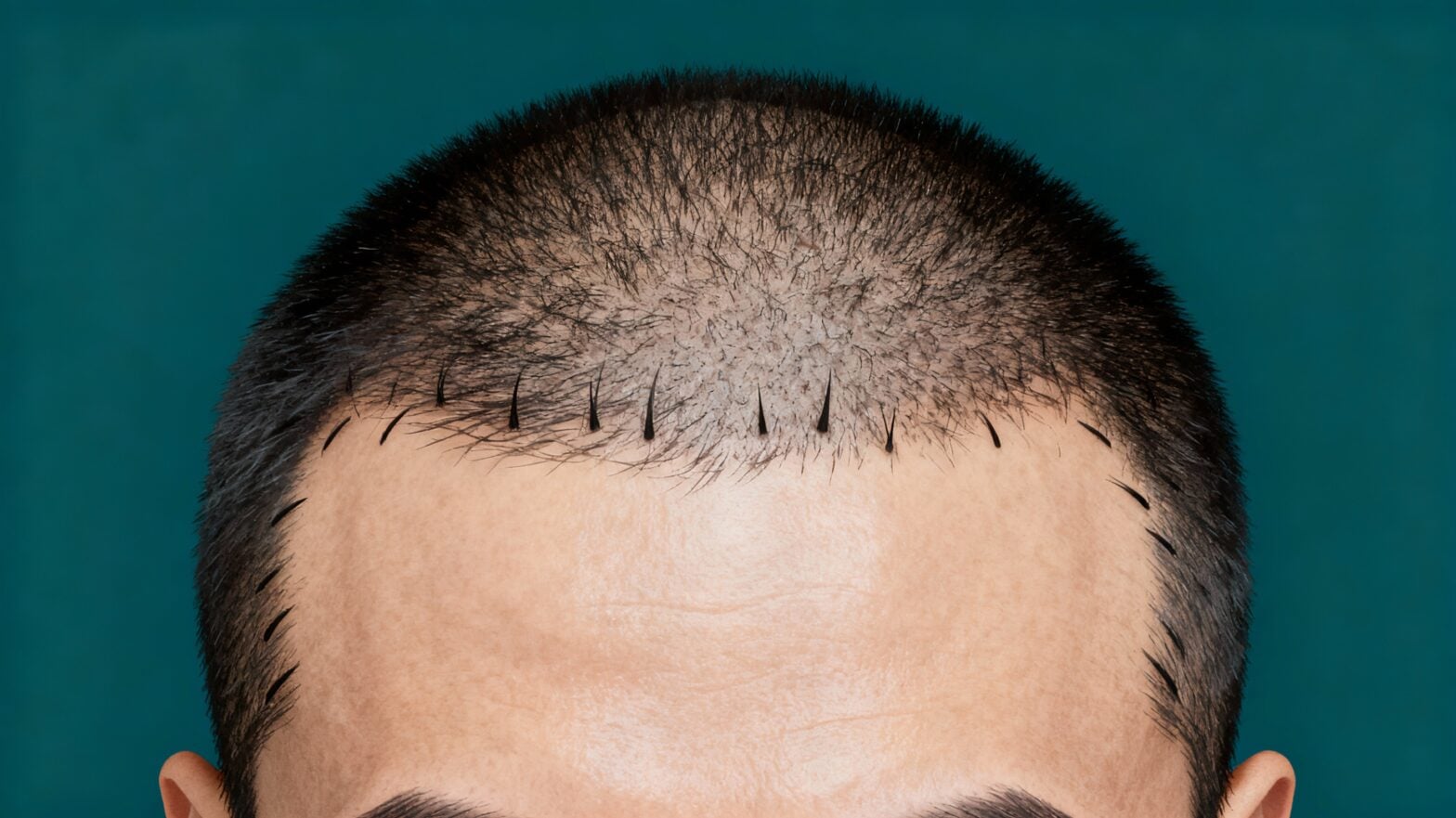
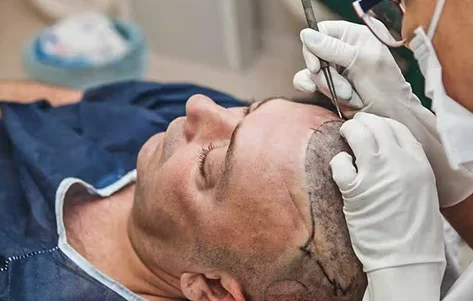
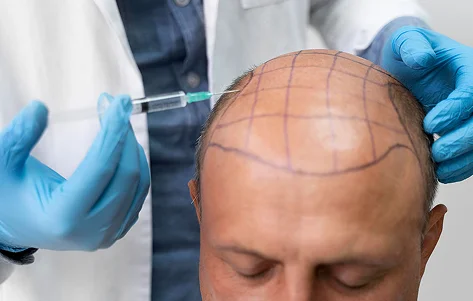
The recipient area is numbed with local anaesthesia. The hairline is drawn following the natural direction of hair growth in that region. Grafts are then placed using an implanter through pre-made angled slits, carefully following the hairline pattern.
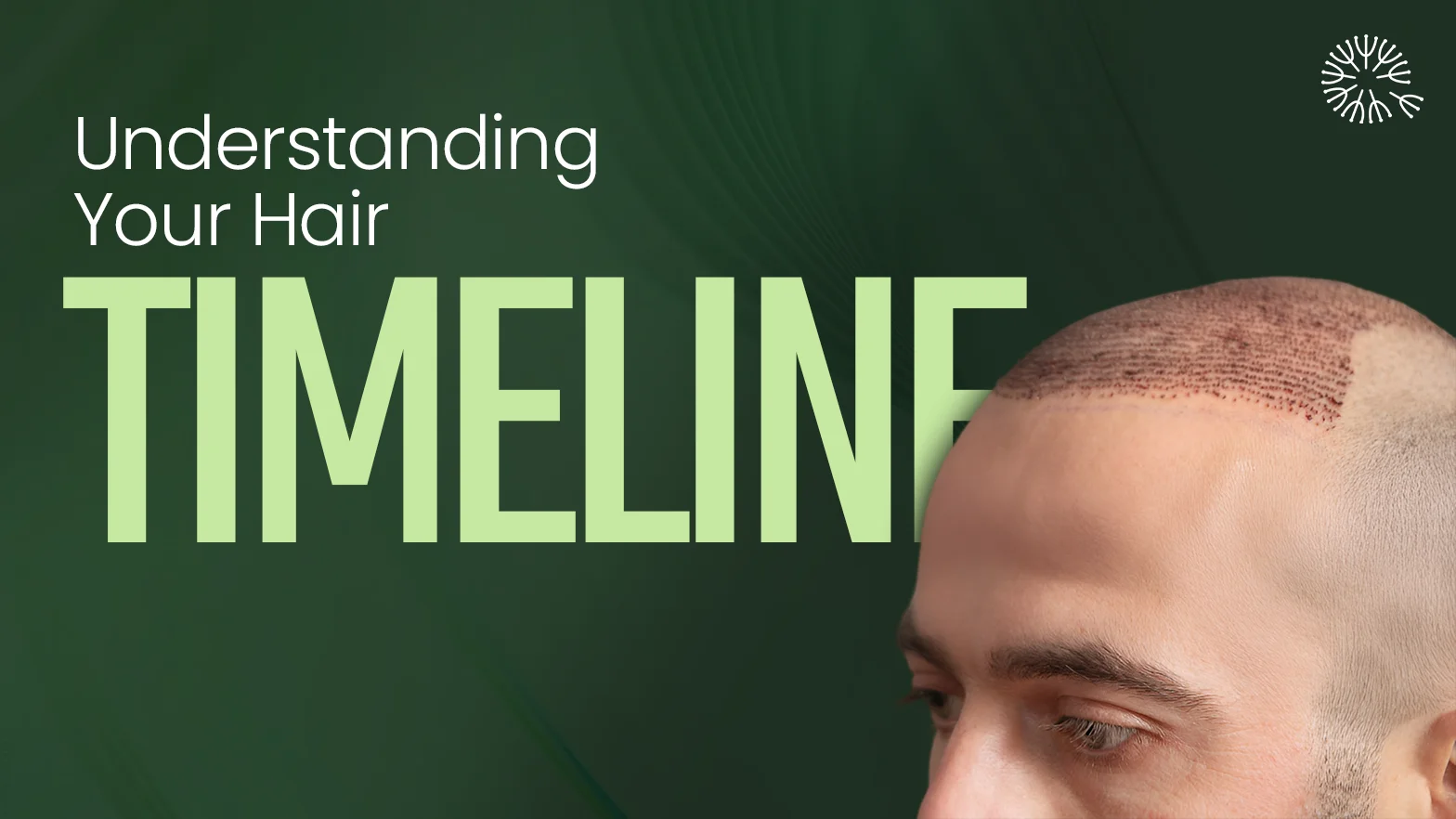
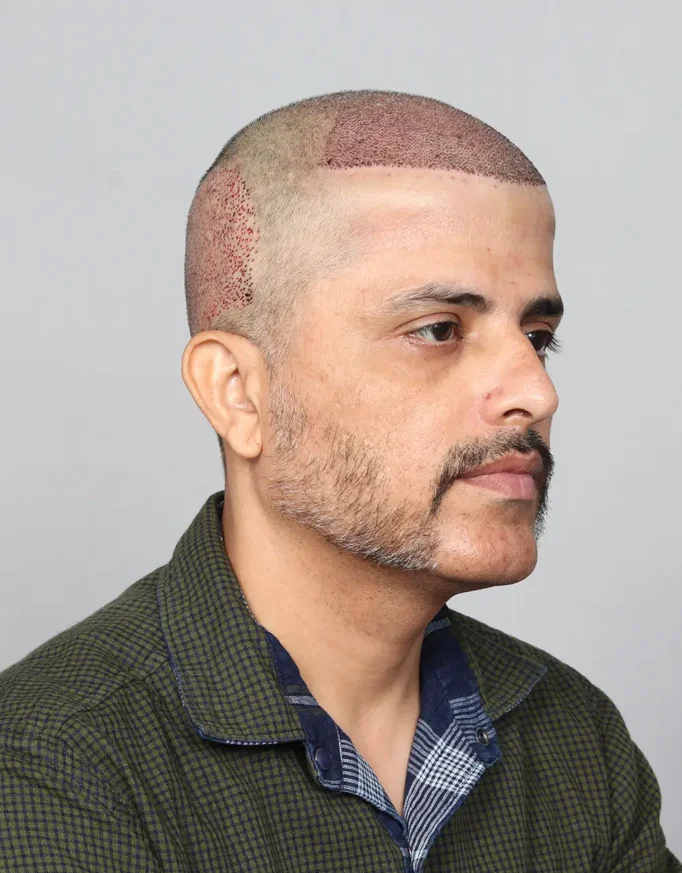
It takes about 6-9 months to fully appreciate the results of hair transplantation. New hair growth is visible mostly after 3 months of the procedure.
Pre and Post-Operative Care
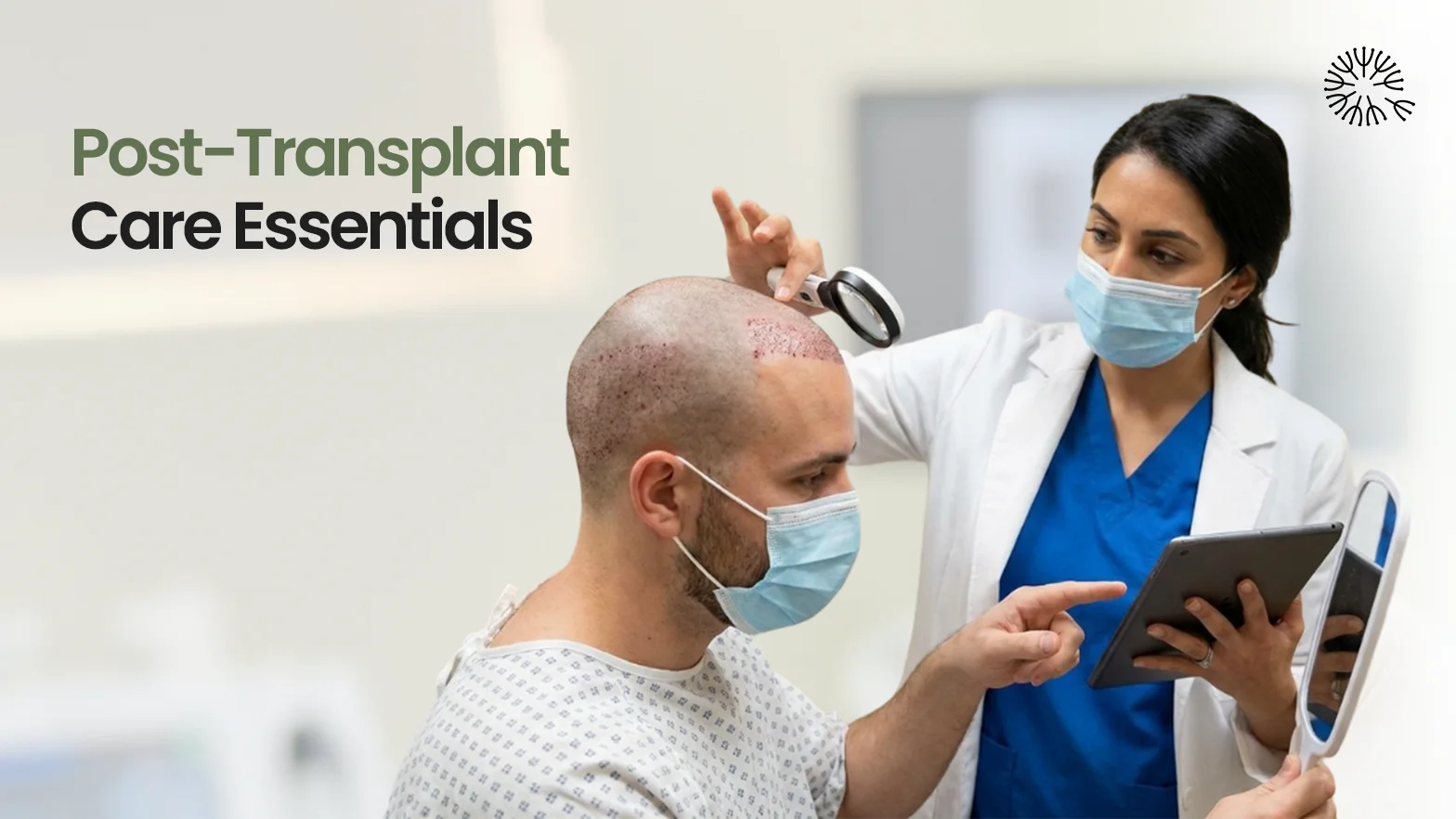
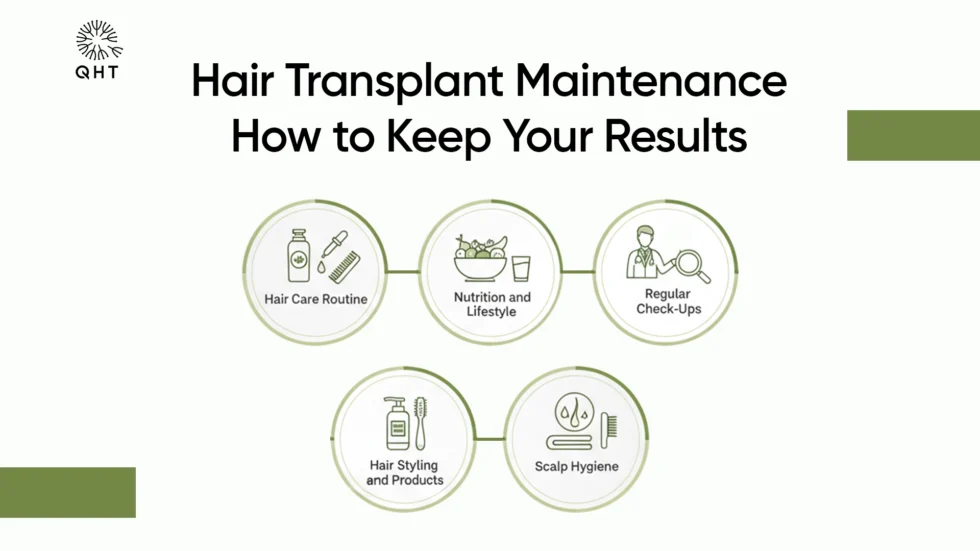
For any treatment to be successful, following both pre- and post-operative instructions is very important.
Before the Procedure:
- Communicate all medical history, medications, and allergies to your doctor. Certain systemic conditions, such as diabetes and hypertension, can affect candidacy and outcomes.
- Wash your hair with antiseptic shampoo the night before and on the morning of the procedure.
- If you are on blood thinners such as aspirin, consult your physician about stopping them before the procedure.
- Avoid smoking and alcohol consumption; cessation of smoking at least 3 weeks before the procedure is strongly advised to reduce the risk.
After the Procedure
- Moisten the treated area with saline solution every 2–3 hours during the first 24 hours.
- Avoid strenuous exercise for at least 5 days post-procedure.
- Do not rub or scratch the scalp for the first 4 days.
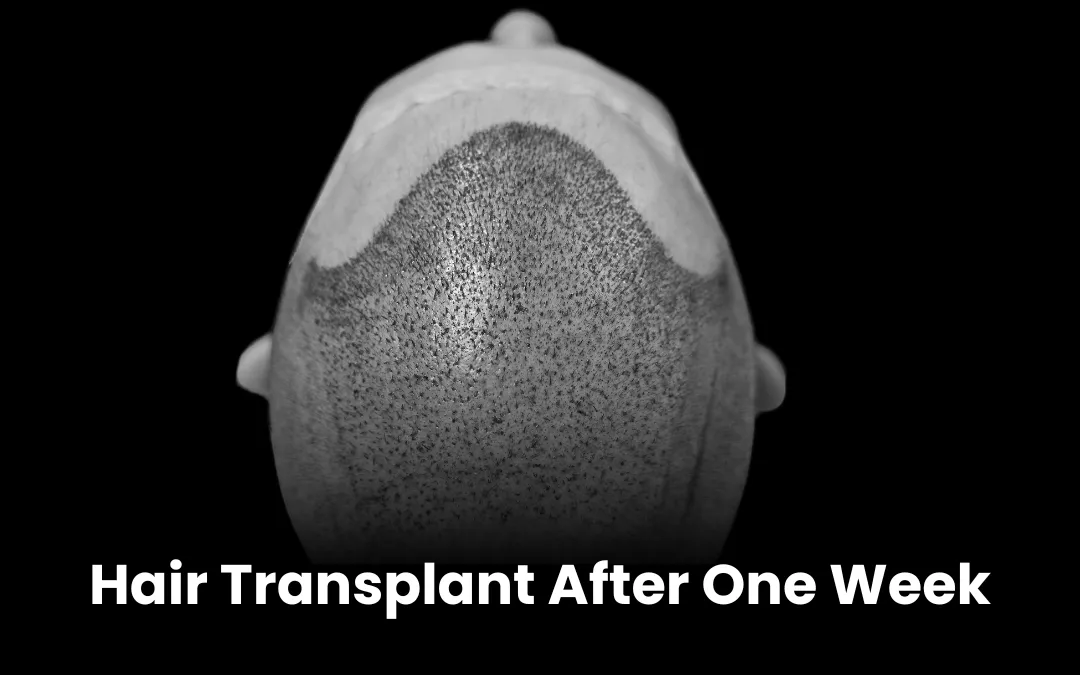
- Mild swelling is common for 3–5 days; small scabs may begin to fall off by the end of the first week.
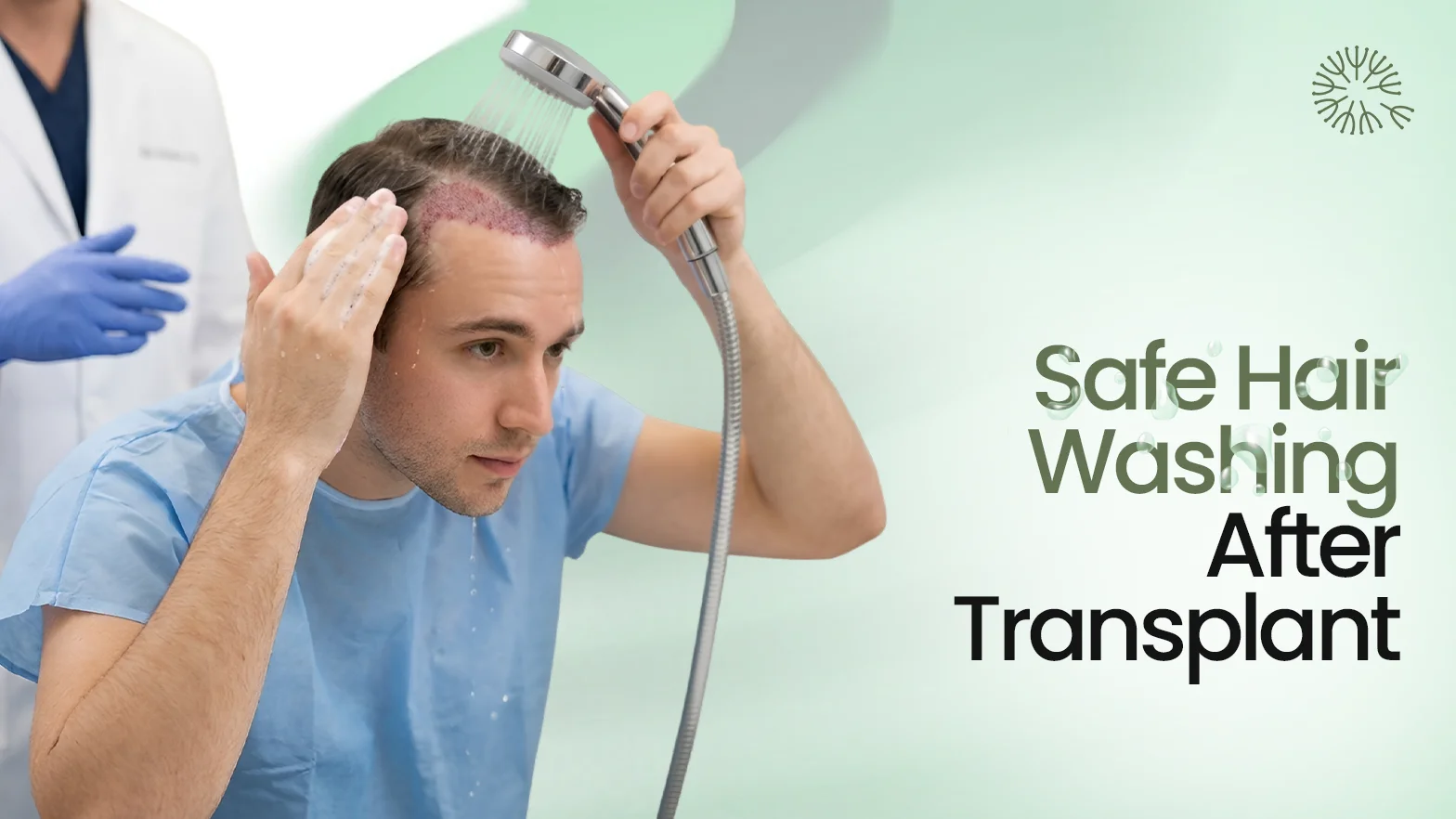
- Wash the area gently with shampoo for the first 4–7 days; resume normal washing thereafter.
- Sleep with your head elevated for the first week after surgery.
- Avoid hair styling products for the first week.
- Apply topical medications like minoxidil or finasteride as instructed by your doctor.
Final Thoughts
Hairline recession does not have a quick-fix solution. Once a follicle is permanently damaged, it cannot be revived through home remedies. Without proper diagnosis and expert care, the treatments will not yield desirable results. Each patient is different, and a personalised approach that targets the root cause is essential for the success of the procedures.
Hair fall is not the same for everyone. At QHT, we understand this, which is why our experts provide customised plans tailored to your individual needs.
Book your consultation today to get painless, quick and long-lasting results.
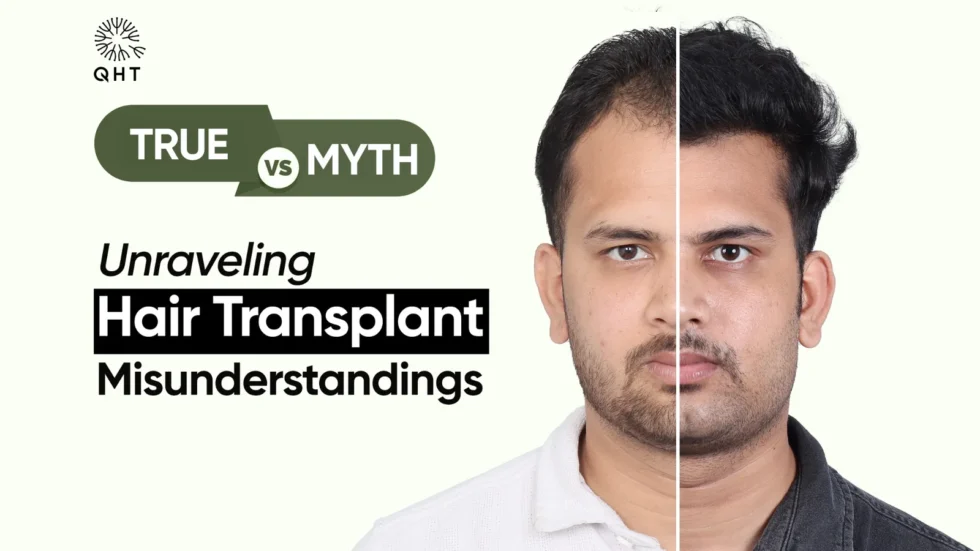
Common Myths- Busted
What People Believe vs. What the Evidence Says
1. MYTH: Oils and home remedies can regrow a receded hairline.
FACT: Oils such as rosemary oil have gained popularity in recent years and may support scalp stimulation. However, there is currently insufficient data to support their efficacy in reversing genetically or hormonally driven hair loss. These remedies cannot restore a follicle that has been permanently damaged.
2. MYTH: Hairline reconstruction looks unnatural.
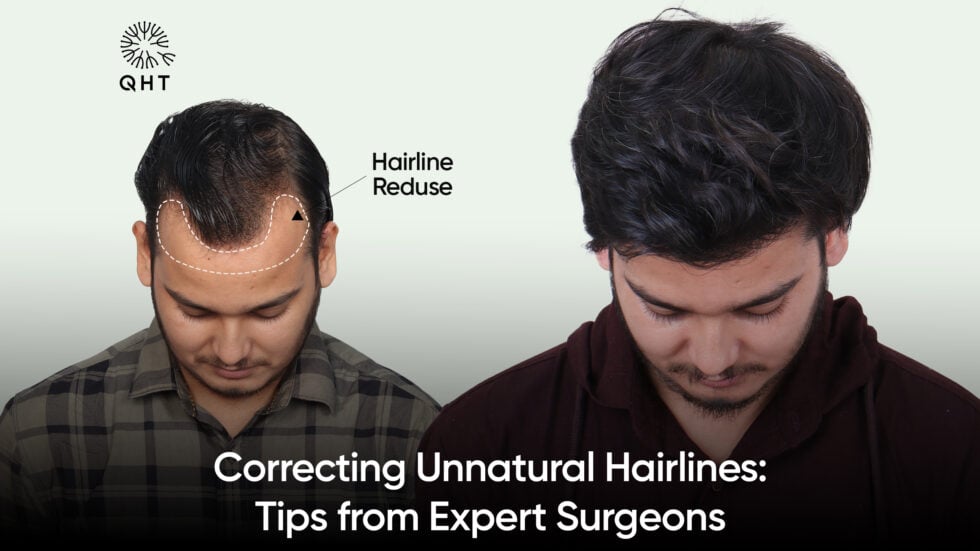
FACT: Modern techniques, FUE, FUT, and the QHT method, when performed by qualified trichologists with careful hairline design, produce results that are indistinguishable from natural hair. The era of ‘plug’ transplants is long past.
3. MYTH: Hairline Transplant cost is unaffordable.
FACT: Hair transplants are more accessible than ever. QHT offers affordable, high-quality services with transparent per-graft billing and flexible EMI options.
4. MYTH: The procedure is extremely painful.
FACT: With minimally invasive techniques and local anaesthesia, the procedure is smooth and largely discomfort-free. For post-operative tenderness, OTC pain medications are provided to keep you comfortable during recovery.
Frequently Asked Questions
- How do I know if I am suffering from hair loss?
Losing around 100 hairs per day is considered normal. When daily shedding consistently exceeds this over a prolonged period, or when you notice visible thinning, hairline recession, or scalp showing through the hair, it is time to seek professional help. Early diagnosis significantly improves treatment outcomes.
- Is hairline reconstruction permanent?
Yes. Grafts are harvested from the back of the scalp, which is typically a DHT-resistant donor zone. Transplanted follicles retain this resistance after transplantation, a principle known as donor dominance. This means the transplanted hair continues to grow for life. However, areas of the scalp that have not been transplanted remain susceptible to further loss, making concurrent medical treatment (finasteride, minoxidil) important for long-term maintenance.
- How long does it take to see the results of hairline reconstruction?
New hair growth typically becomes visible from around 3 months after the procedure. Full results, including final density and natural blending, are appreciable at 6–9 months post-surgery.
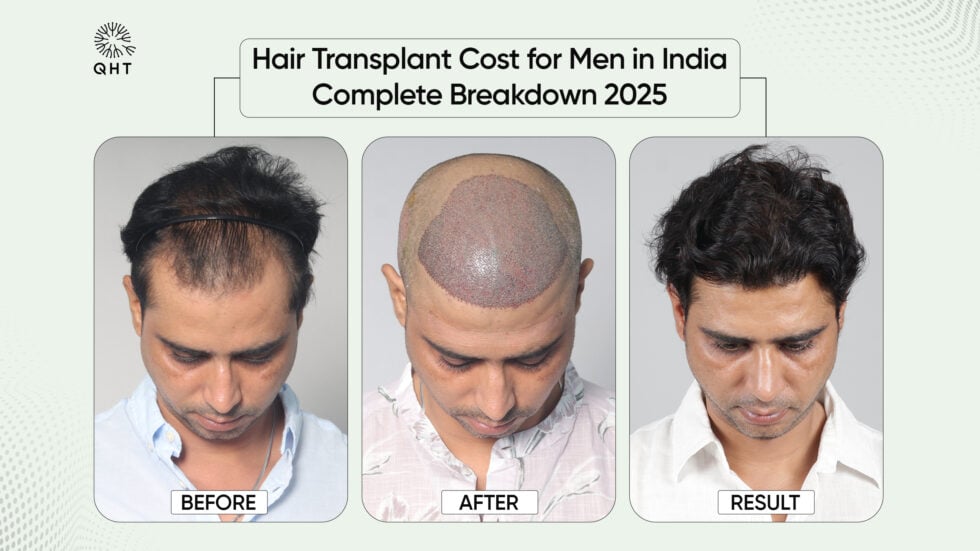
- What is the cost of hairline reconstruction in India?
The cost of hairline reconstruction varies from clinic to clinic and depends on several factors: the surgeon’s expertise and experience, the technique used, clinic infrastructure and location, number of grafts required, additional treatments and aftercare, and the grade of baldness. QHT offers affordable, high-quality FUE and QHT procedures with transparent per-graft billing. Contact us for a personalised cost estimate.
- Why is hairline recession becoming more common in young people?
Lifestyle choices and dietary habits play a significant role in premature hair thinning and shedding. Chronic stress is another well-recognised contributing factor. Additionally, increased awareness and access to information mean younger individuals are seeking evaluation earlier, which is a positive trend, as early intervention yields the best outcomes.
Book a Consultation Today
Latest Videos
-

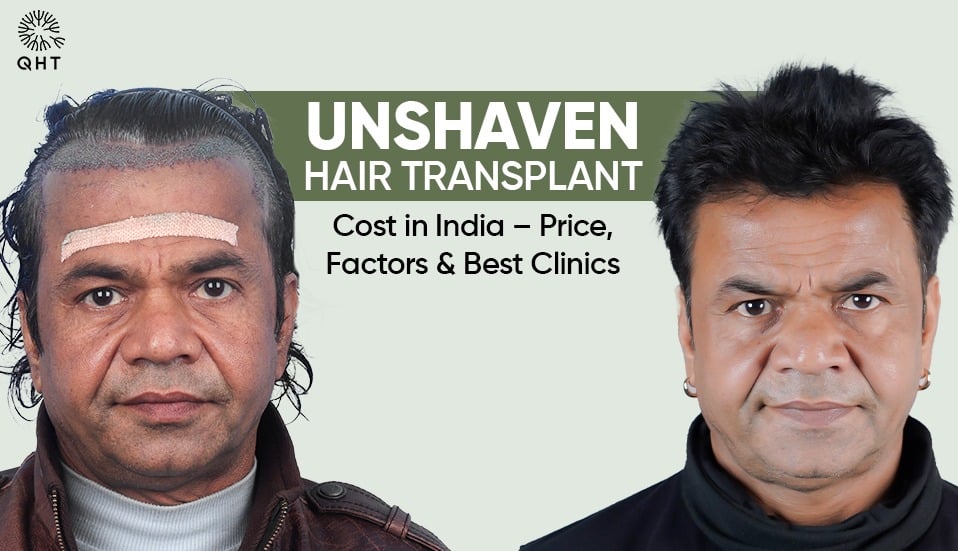
Rajpal Yadav | Bollywood Actor Hair Transplant Journey at QHT Regrow Clinic Haridwar
Click to Watch
-

FUE Hair Transplant Results | DAYA's FUE Hair Transplant Results
Click to Watch
-

Best Hair Transplant Result 2021 || NW Grade VI A || 3,422 Grafts
Click to Watch
-
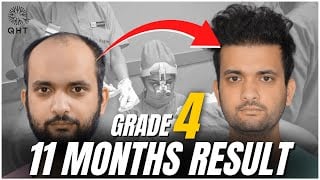
Best Hair Transplant Result 2022 | Grade 4
Click to Watch
-

YouTuber Mehtab Saifi Hair Transplant
Click to Watch
-
ACP Pradyuman Hair Transplant - Actor's Hair Transplant
Click to Watch