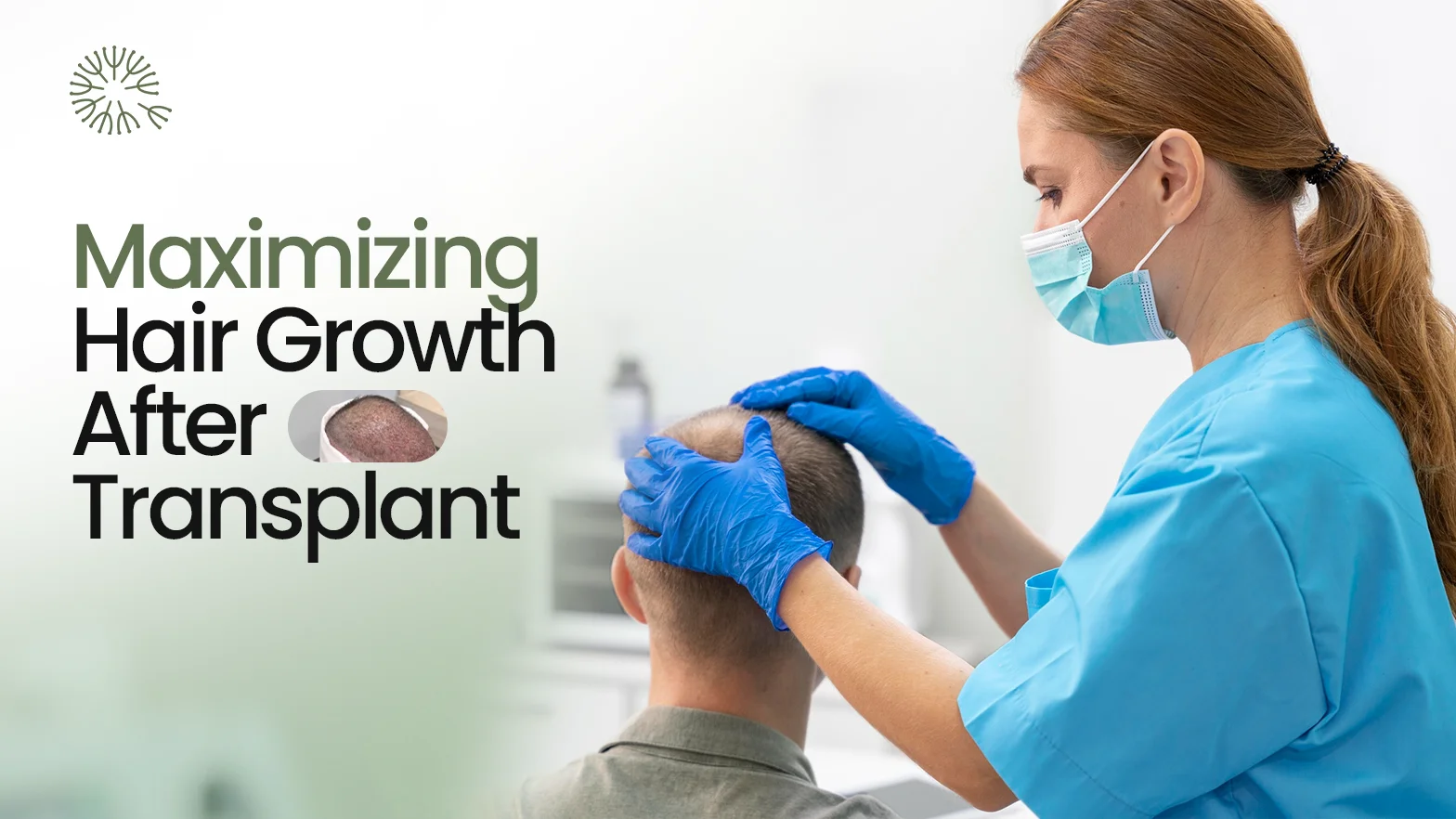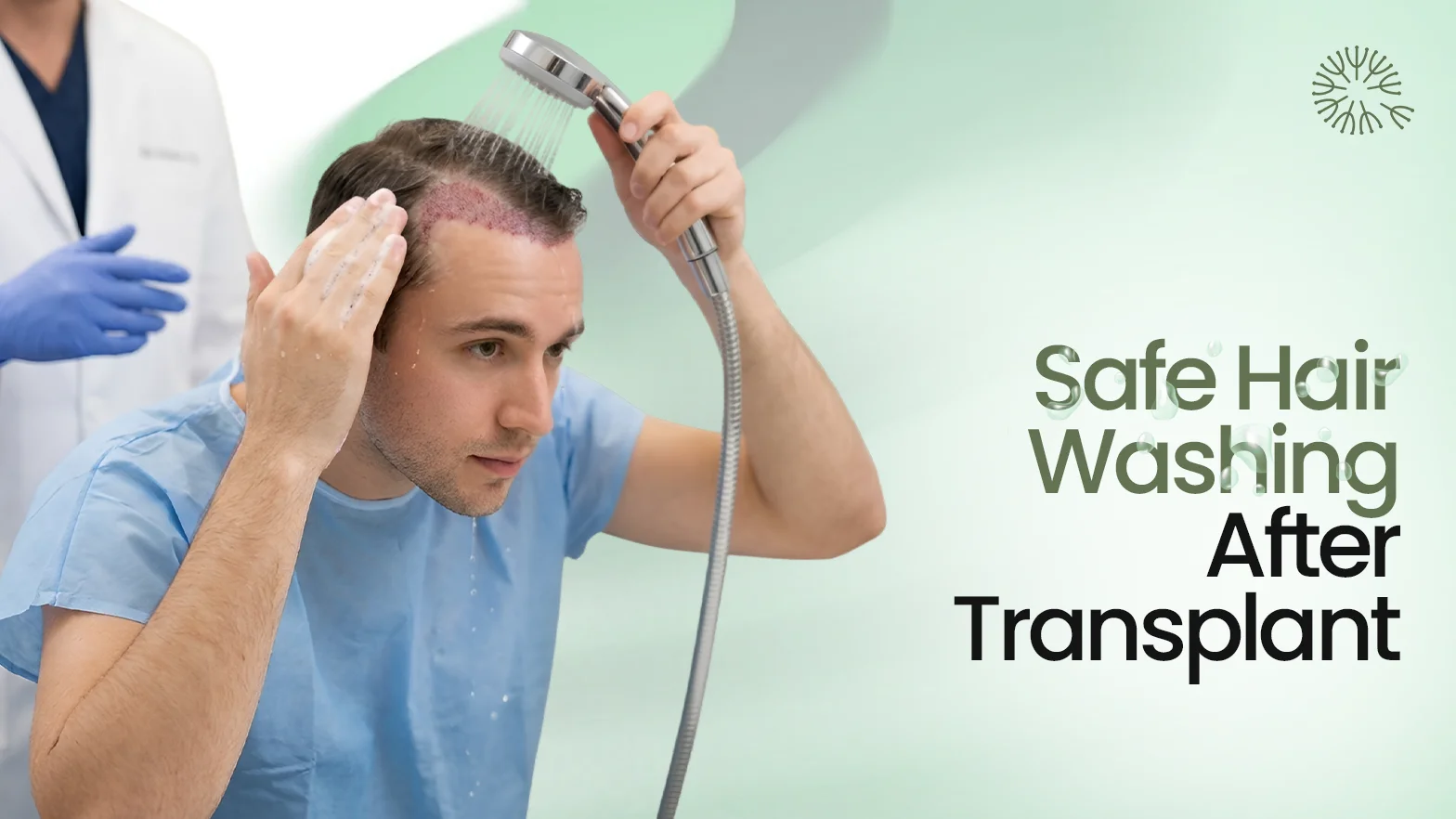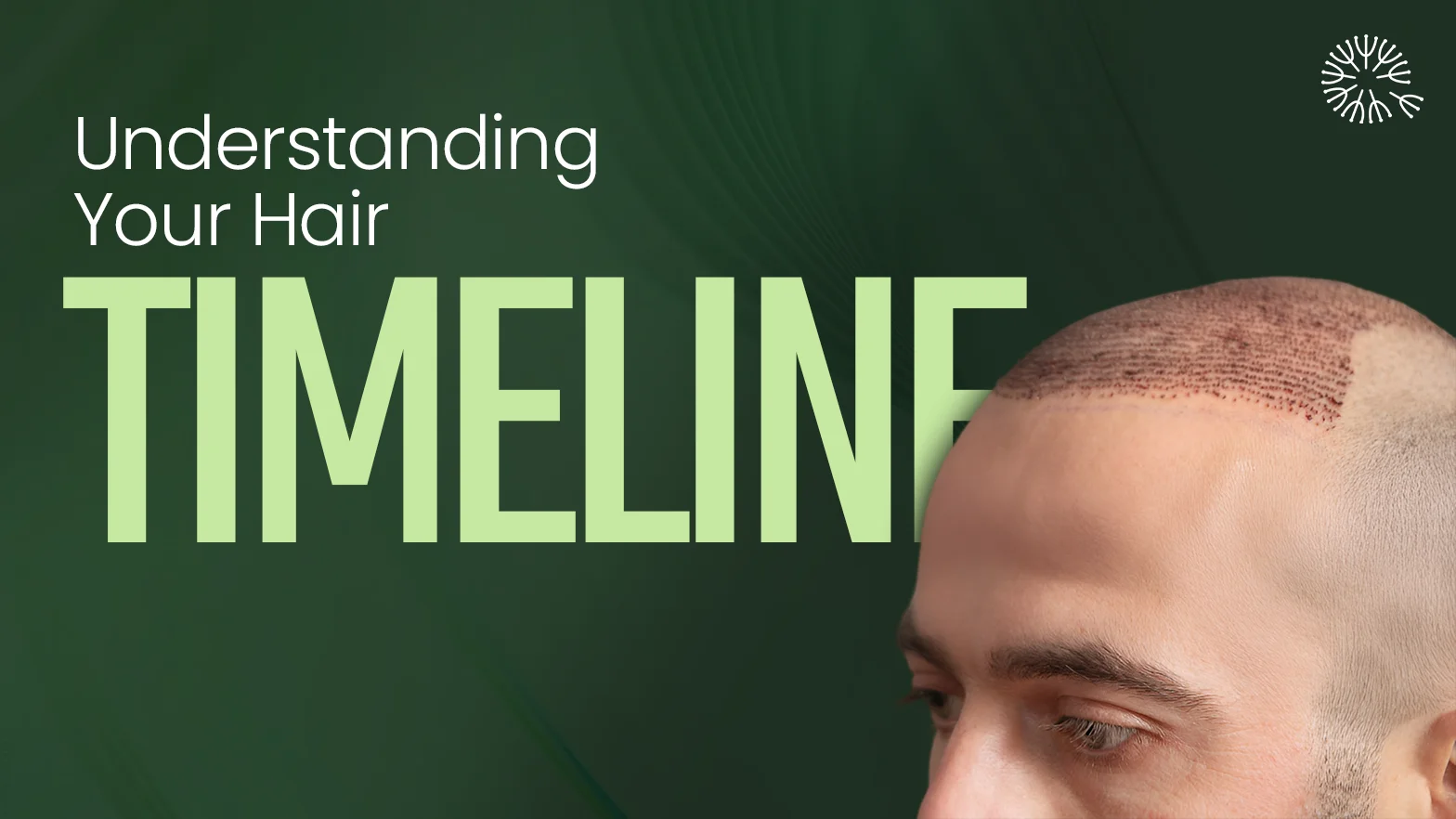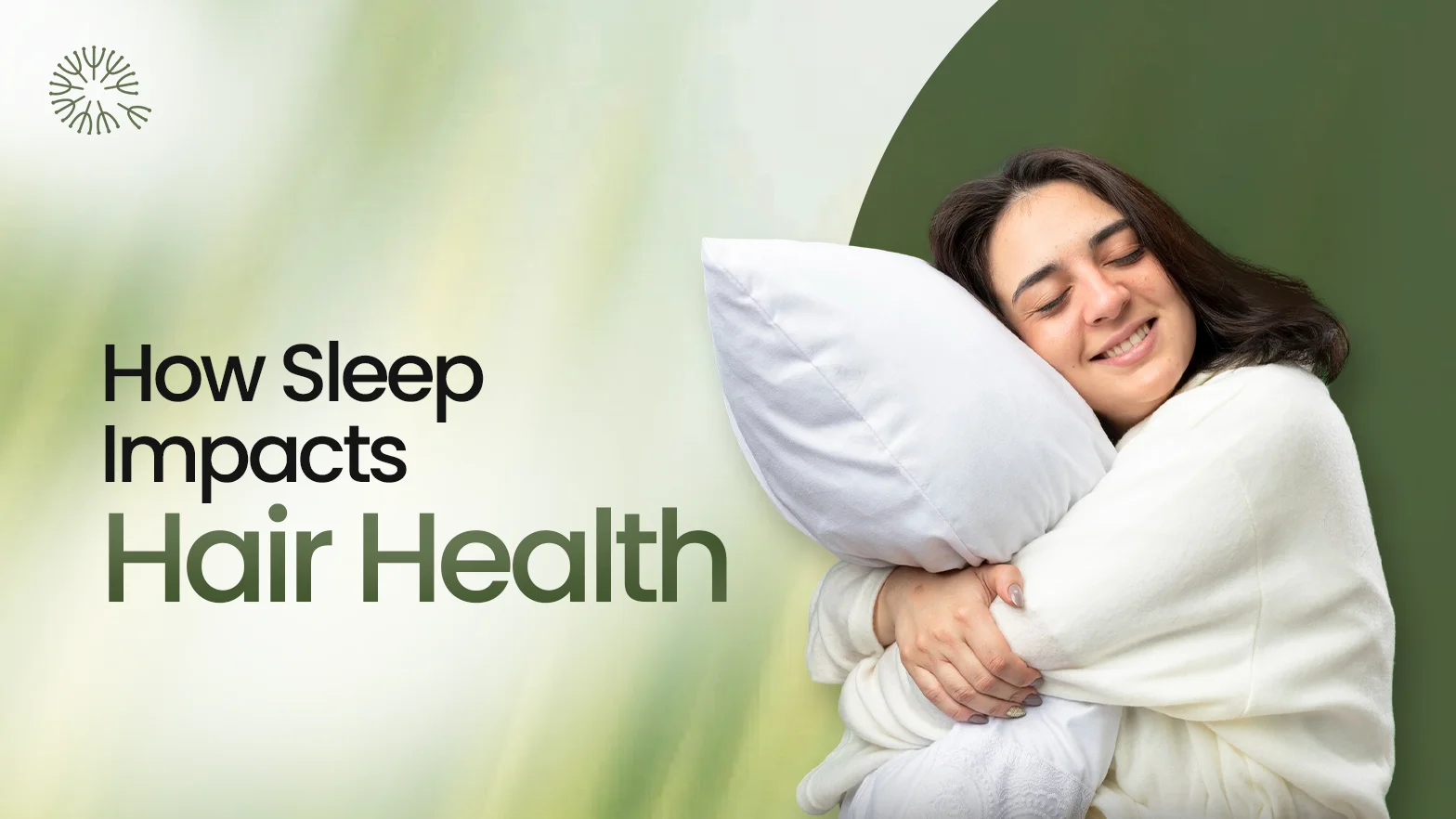




5 Common Mistakes to Avoid After a Hair Transplant
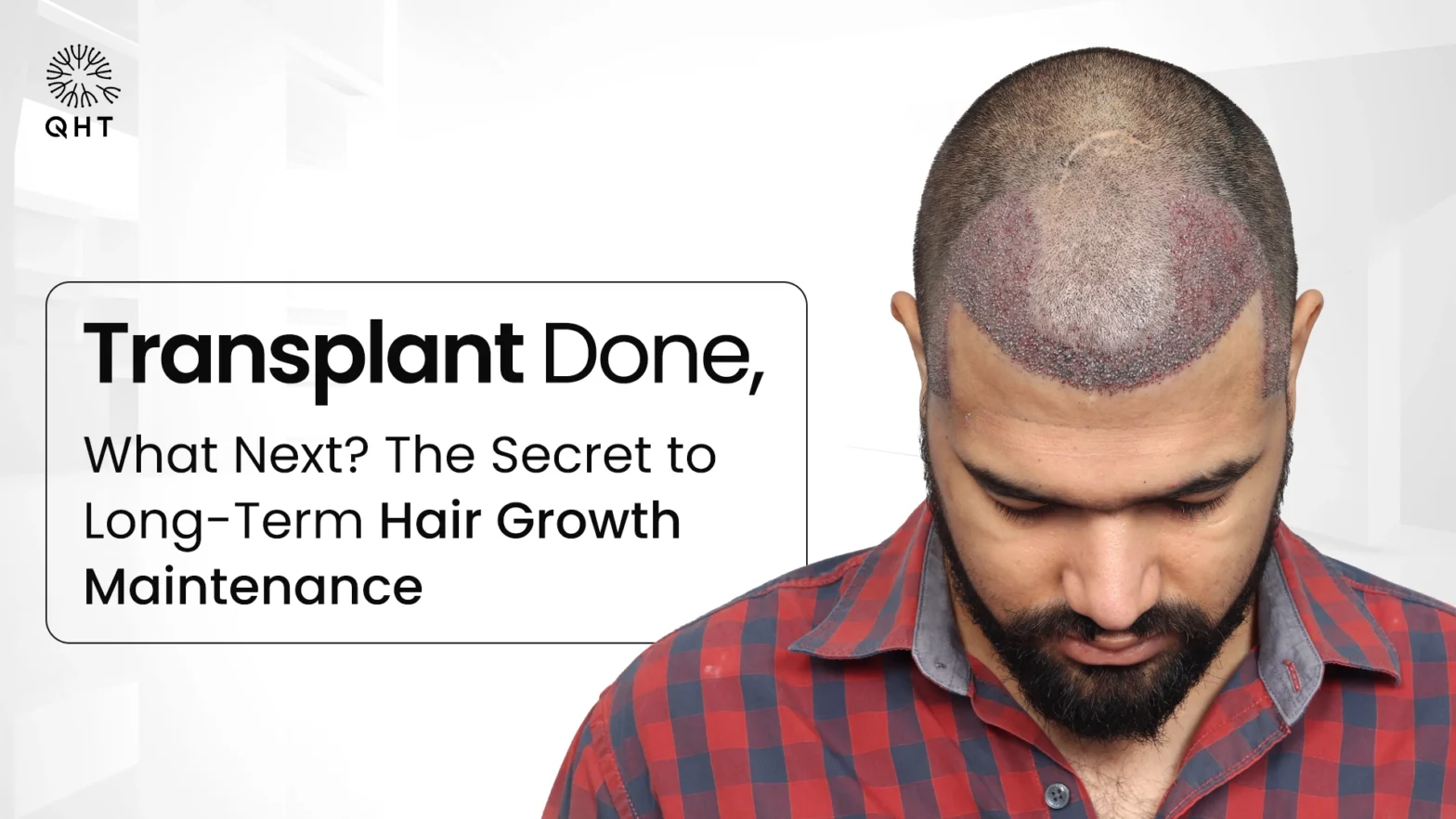
Your hair transplant is done and it’s finally time to head home. There is a sense of relief, maybe even excitement as you look forward to fuller, healthier hair. But alongside that happiness, there’s often a quieter thought in the background: What happens next? Can I touch my scalp? When do I wash my hair?
This phase, right after the procedure, is where many patients feel the most uncertain. And unfortunately, this is also where small mistakes can quietly impact your final results. Yes, you read that right. Hair transplant is just the beginning, what you do after matters just as much.
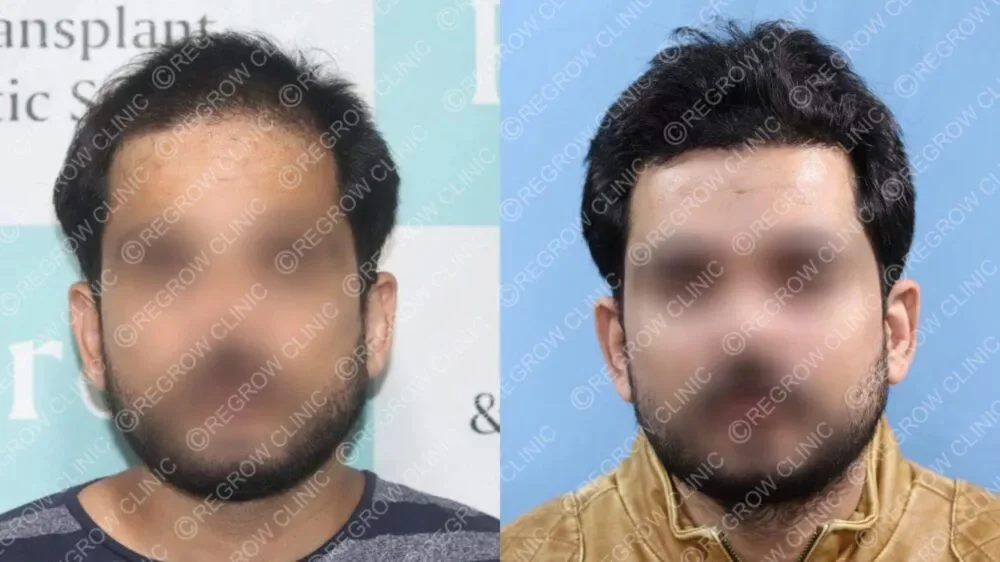
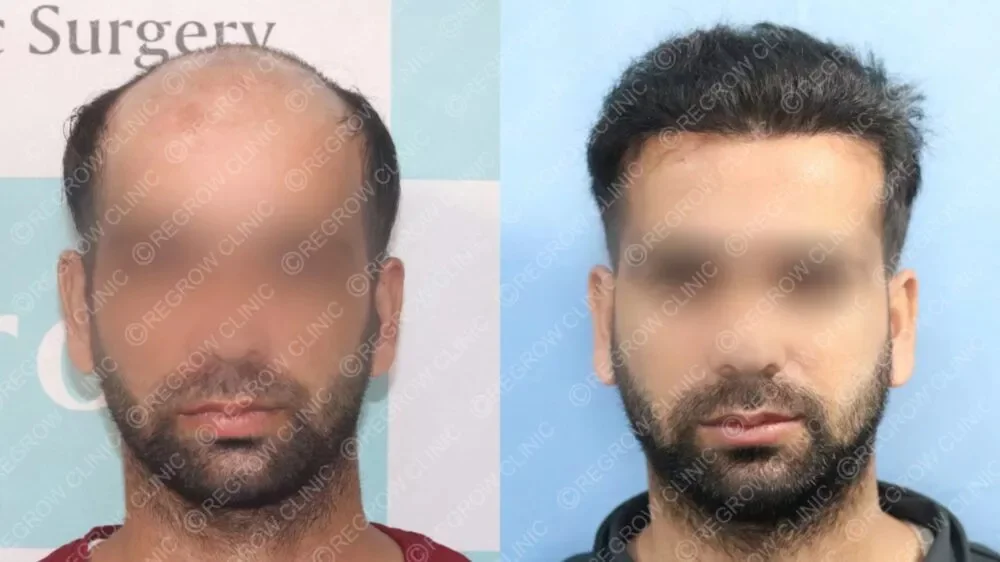
Many patients unknowingly make small errors that affect growth, density, or graft survival. If you have recently had a procedure or are planning one, understanding these post hair transplant mistakes can protect your results.
At QHT Clinic, this stage is given as much importance as the procedure itself. With structured aftercare guidance, clear instructions, and regular follow-ups, we support our patients through every step of recovery so that they are never left guessing. If you are looking for post hair transplant care guidance, QHT along with URoots is here to help. Contact our hair specialist today to learn more.
| Quick Answer
A hair transplant does not end with the procedure; your results depend heavily on how well you manage recovery. Common post hair transplant mistakes include touching or scratching the scalp too soon, not following the correct scab removal timeline, resuming physical activities early, skipping medications or aftercare routines, and sleeping in the wrong position. These mistakes can affect graft survival and delay healing. By following proper guidance, maintaining patience during the growth phase, and adhering to aftercare instructions, you can protect your results and support healthy, natural hair growth. |
5 Post Hair transplant Mistakes Most People Commonly Make
Mistake 1: Touching or Scratching the Scalp Too Soon
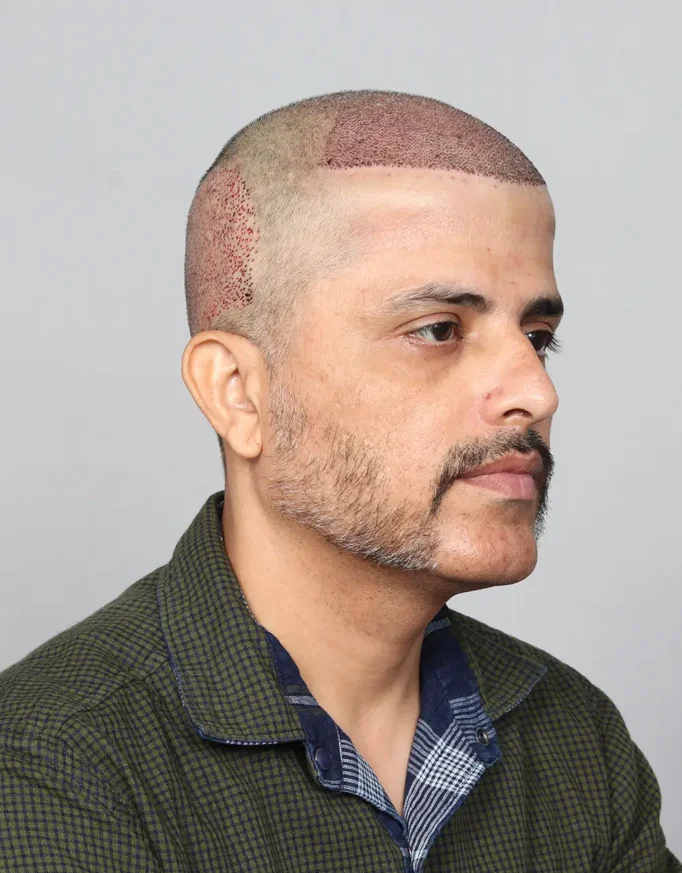
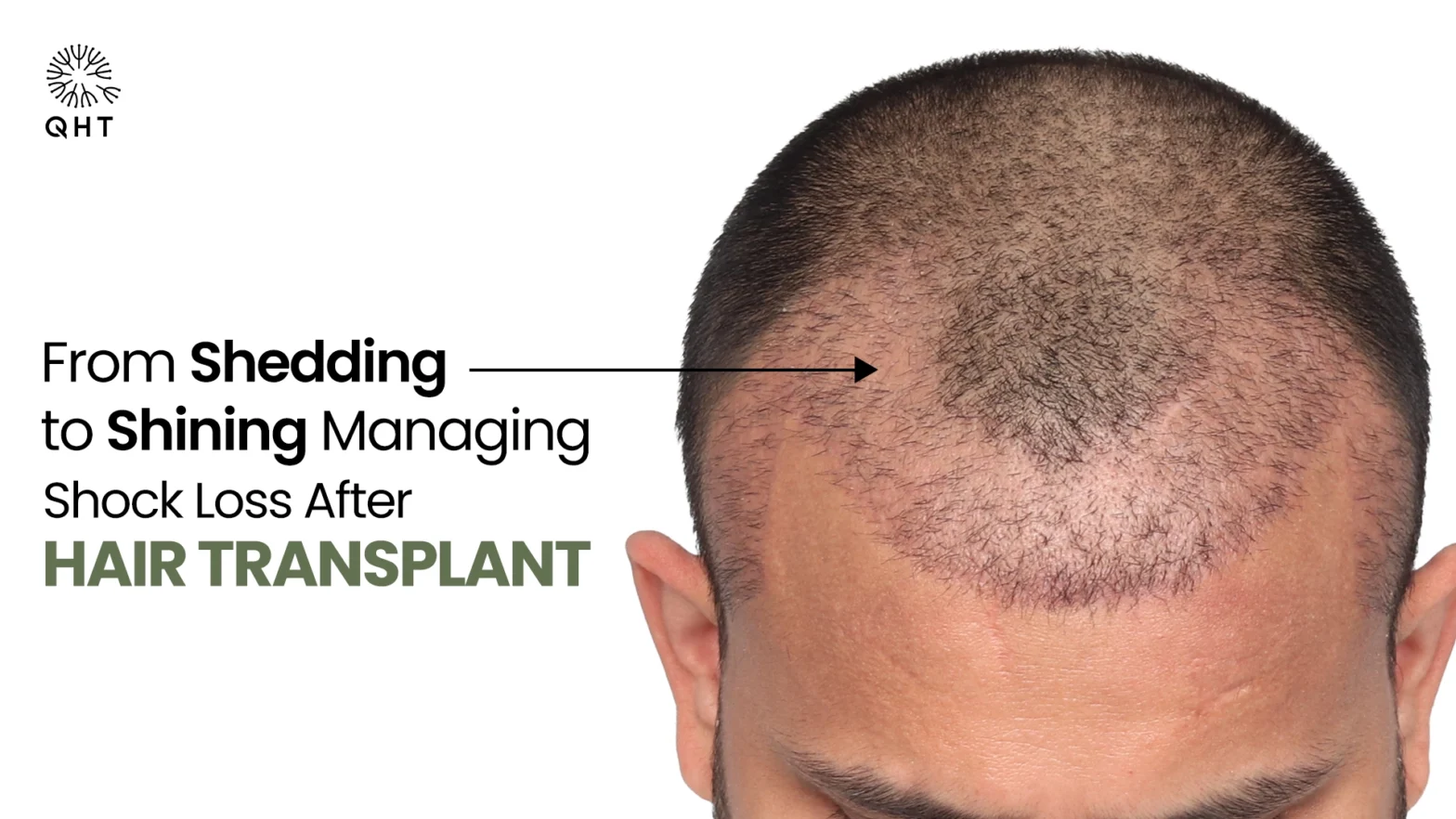
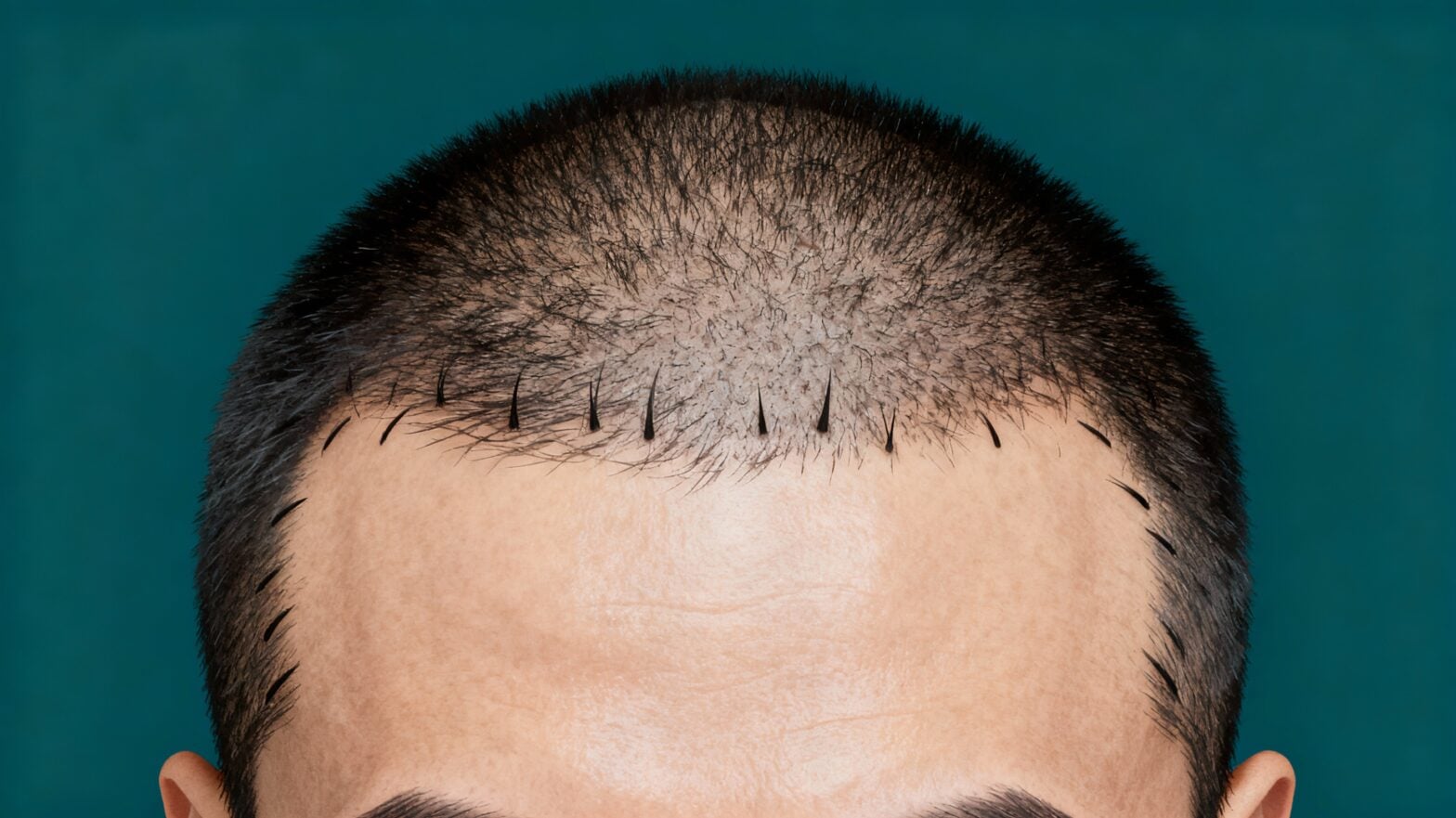
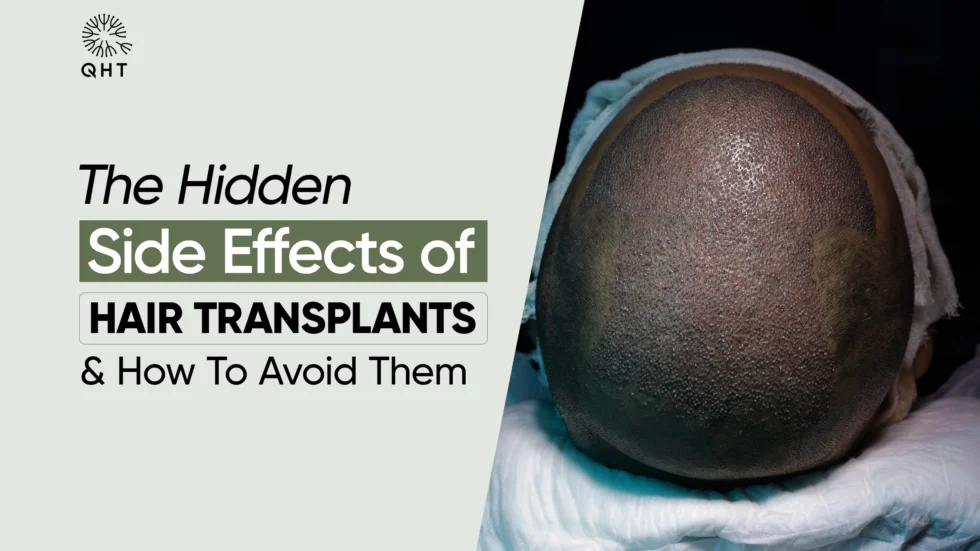
In the first few days after a hair transplant, the implanted grafts are extremely delicate. They are placed into tiny recipient sites in the scalp and need time to anchor securely. During this early healing phase, even minor friction, like touching, rubbing, or scratching can dislodge these grafts before they settle properly.
What makes this tricky is that itching is a very common part of healing. As the scalp begins to recover, dryness, scab formation, and mild irritation can create an urge to scratch. Many patients don’t realize that even light contact, especially with unclean hands, can not only disturb grafts but also increase the risk of infection. Something as simple as adjusting your hair in the mirror or absentmindedly touching your scalp can impact the survival rate of transplanted follicles.
How to avoid it?
- Follow a strict no-touch rule for at least the first 5–7 days
- Use saline sprays or doctor-prescribed soothing solutions to reduce itching
- Keep your scalp clean but untouched, following the washing method advised
- Avoid wearing anything that may rub against the scalp, like tight caps
- Be mindful during sleep, use recommended positions to prevent accidental contact
Mistake 2: Ignoring the Hair Transplant Scabs Removal Timeline
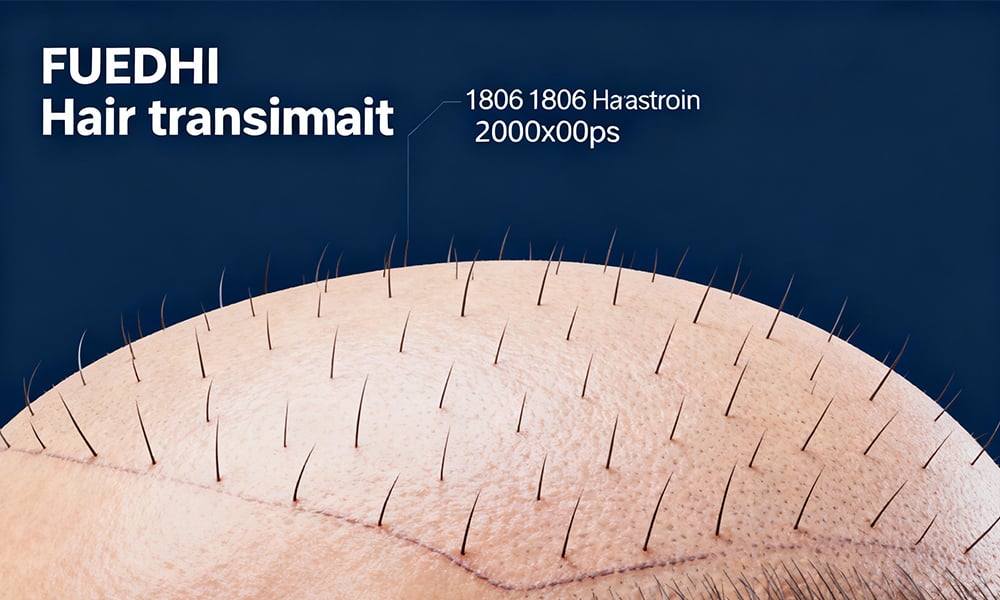
Scab formation is a natural part of the healing process after a hair transplant. These scabs form around each graft as the scalp repairs itself. However, many patients either try to remove them too early, out of concern for appearance or avoid washing their hair altogether, allowing scabs to stay longer than recommended.
Removing scabs prematurely can pull out the grafts along with them, as they may not yet be fully secured in the scalp. On the other hand, leaving scabs for too long can lead to delayed healing, scalp irritation, and even an increased risk of infection due to buildup.
This is why following the correct hair transplant scab removal timeline is critical. It’s not just about hygiene; it’s about protecting the integrity of every graft.
How to avoid it?
- Follow the recommended hair transplant scab removal timeline (typically 7–10 days)
- Start washing your hair exactly when your doctor advises
- Use gentle, low-pressure washing techniques and ensure there is no rubbing or scrubbing
- Allow scabs to soften and fall off naturally, rather than forcing removal
- Reach out to your clinic if scabs persist beyond the expected timeframe
Mistake 3: Resuming Normal Activities Too Quickly
After the procedure, many patients feel physically fine and assume they can quickly return to their normal routine. However, the scalp is still in a sensitive healing phase, and activities like exercising, sweating, or stepping out in direct sunlight can negatively impact graft survival.
Excessive sweating can create a moist environment that increases the risk of infection and irritation. Physical strain can also raise blood pressure, potentially leading to bleeding in the treated area. Sun exposure, especially in hot climates, can damage the healing scalp and affect pigmentation or graft health.
Even everyday habits like wearing helmets, caps, or being exposed to dust and pollution can create friction or introduce contaminants to the area.
How to avoid it?
- Avoid heavy workouts and gym activities for at least 10–14 days
- Stay away from direct sunlight, especially during peak hours
- Avoid environments with dust, sweat, or pollution exposure
- Delay wearing helmets, tight caps, or anything that touches the scalp
- Ease back into your routine gradually, based on your doctor’s guidance
Mistake 4: Skipping Medications or Aftercare Routine
Post-transplant medications and care routines are designed to support healing, prevent infections, and improve overall results. However, once the immediate discomfort subsides, some patients become inconsistent with their medications or stop following the recommended routine altogether.
Skipping antibiotics can increase the risk of infection, while ignoring prescribed lotions or growth stimulants may slow down recovery or affect hair quality. Similarly, not following the advised washing routine can lead to poor scalp hygiene, scab buildup, or irritation.
This usually happens because patients underestimate the importance of aftercare or assume that the procedure alone guarantees results. In reality, consistent care is what helps maintain graft health and ensures optimal growth.
How to avoid it?
- Take all prescribed medications exactly as directed, without skipping doses
- Follow the post-transplant washing and care routine consistently
- Use only doctor-approved products on your scalp
- Don’t stop medications early, even if everything feels normal
- Attend follow-ups to ensure your recovery is on track
Mistake 5: Sleeping in the Wrong Position After a Hair Transplant
Sleep is when your body heals, but after a hair transplant, the way you sleep can directly impact your results. In the initial days, the transplanted grafts are still settling into the scalp and are highly sensitive to pressure and friction.
Sleeping flat on your side or stomach can cause your scalp to rub against the pillow, increasing the risk of dislodging grafts. Even unintentional movements during sleep can create enough friction to disturb the implanted follicles. Additionally, lying flat can increase swelling in the forehead area, which is a common post-transplant concern.
Many patients aren’t fully aware of how important sleeping posture is during recovery. After a long day, it’s natural to fall back into your usual sleeping habits, but during this phase, that comfort can come at the cost of graft safety and healing.
How to avoid it?
- Sleep with your head elevated at a 30–45 degree angle for the first few days
- Use 2–3 pillows or a neck pillow to maintain position and avoid turning
- Try to sleep on your back only, avoiding side or stomach positions
- Place pillows around you to restrict movement during sleep
- Follow your clinic’s guidance on how long to maintain this position
General Post-Transplant Care Tips You Shouldn’t Ignore
While avoiding common mistakes is important, consistent aftercare habits play an equally critical role in ensuring optimal healing and long-term results. These simple yet effective practices help create the right environment for healthy graft survival and hair growth.
- Sleep with Your Head Elevated
Keeping your head elevated for the first few days helps minimize swelling and prevents unnecessary pressure on newly implanted grafts during sleep.
- Maintain Proper Hydration and Nutrition
A well-balanced diet rich in vitamins, proteins, and minerals supports tissue repair, while adequate hydration promotes faster healing and overall scalp health.
- Avoid Smoking and Alcohol
Smoking and alcohol can interfere with blood circulation and slow down the healing process, potentially affecting graft survival and hair growth outcomes.
- Follow Scalp Hygiene Instructions Carefully
Maintaining a clean scalp using the recommended washing techniques helps prevent infections, supports healing, and ensures proper scab management.
- Attend All Follow-Up Appointments
Regular follow-ups allow your doctor to monitor progress, address concerns early, and guide you through each stage of recovery.
Together, these habits may seem simple, but they play a crucial role in protecting your results and supporting healthy, natural hair growth.
How QHT Helps With The Right Guidance?
- Continuity of care beyond the procedure: At QHT clinics, care does not stop after the transplant, as patients are consistently guided through recovery with regular follow-ups to ensure proper healing and timely support.
- Trusted by 15,000+ patients: QHT is trusted by over 15,000 patients, reflecting a strong track record of delivering not just procedures, but reliable outcomes backed by long-term care.
- Integrated post-transplant care with URoots: QHT is the only brand in India that provides dedicated post-transplant medications and products through its partner brand, URoots, ensuring clinically aligned and high-quality recovery support.
- Personalised recovery protocols for every patient: Each patient receives a customised aftercare plan based on their individual scalp condition and healing needs, helping improve graft survival and overall results.
- Structured follow-ups and progress monitoring: Regular follow-ups are conducted to monitor progress closely, address concerns early, and guide patients through each stage of recovery.
- Clear and guided aftercare instructions: Patients are provided with step-by-step instructions covering washing, medication, and daily care, reducing confusion and ensuring proper adherence.
- Nutritional guidance to support recovery: QHT also offers nutritional guidance to support internal healing, strengthen hair follicles, and promote healthier hair growth over time.
- Continuous medical guidance to reduce risks: With ongoing medical supervision, patients are less likely to make common post-transplant mistakes, leading to safer recovery and more predictable outcomes.
Takeaway
A hair transplant is not just about the procedure. It’s about how well you care for your scalp in the days and weeks that follow. Most post-transplant concerns arise from simple, avoidable mistakes, and with the right approach, your grafts can heal and grow exactly as expected. Staying patient, following aftercare instructions, and understanding the recovery timeline can significantly improve your final results.
At QHT clinic, care continues long after the procedure with structured guidance, regular follow-ups, and personalized recovery support. If you have any doubts or need clarity during your recovery, reaching out for the right guidance can make all the difference. Connect with QHT for expert-backed post-transplant care tailored to your needs.
Frequently Asked Questions
Does sweating affect hair transplant results?
Yes, excessive sweating in the early days can increase the risk of infection and irritation. It can also interfere with graft healing, which is why strenuous activity should be avoided initially.
Is going out in the sun a mistake after a hair transplant?
Yes, direct sun exposure can damage the sensitive scalp and affect healing. It can also increase redness and irritation, which may impact graft health.
Does a hair transplant require long-term maintenance?
Yes, maintaining results may require ongoing care such as medications, proper nutrition, and follow-ups. This helps protect existing hair and supports the long-term success of the transplant.
Can I wash my hair daily after a transplant?
Daily washing is usually allowed after the initial healing phase, but only with gentle techniques and doctor-recommended products. Over-washing or harsh rubbing should be avoided to protect grafts.
When can I resume work after a hair transplant?
Most patients can return to non-physical work within 3–5 days. However, if your job involves physical activity, sweating, or sun exposure, it’s best to wait at least 10–14 days.
Book a Consultation Today
Latest Videos
-

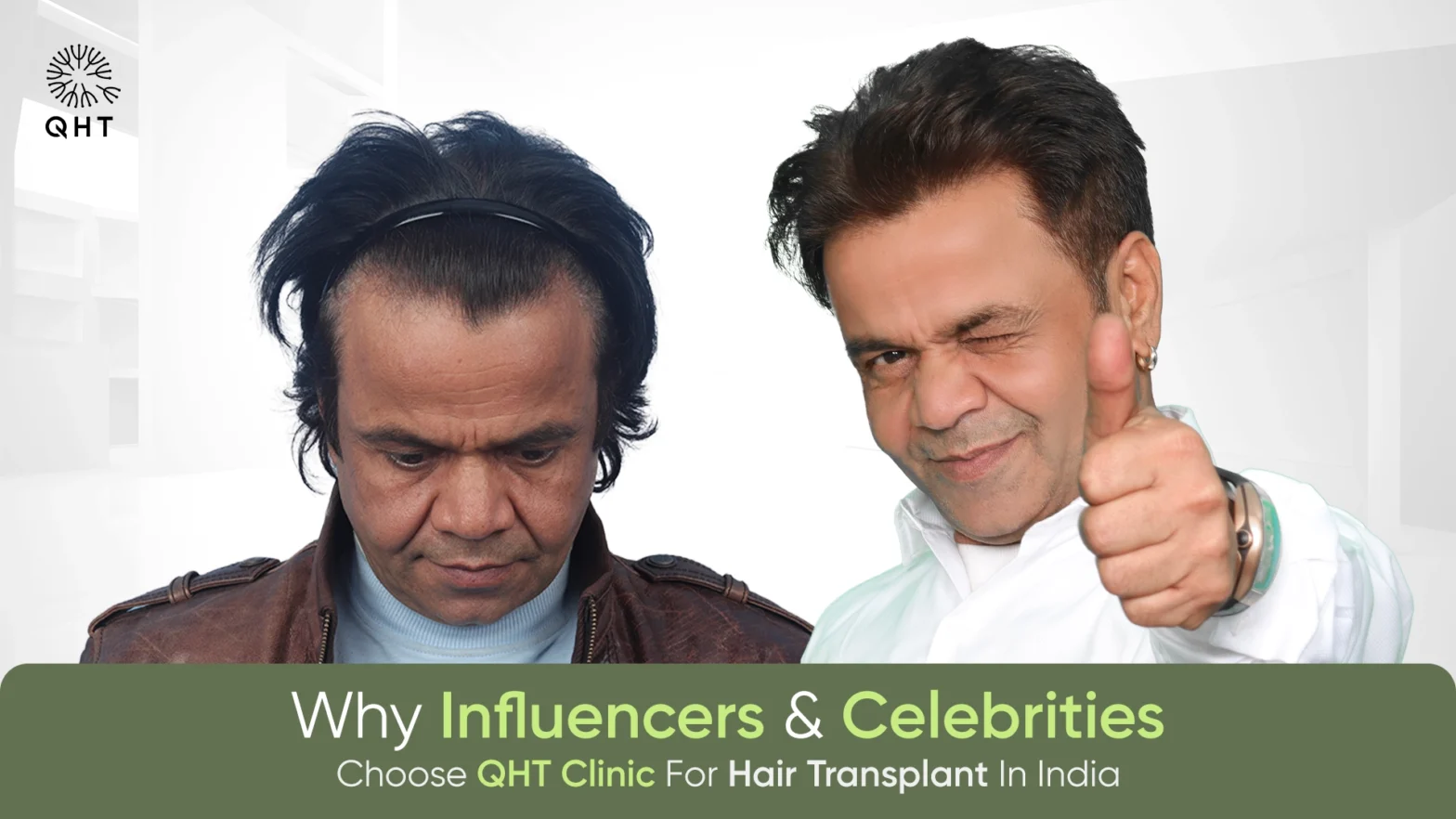
Rajpal Yadav | Bollywood Actor Hair Transplant Journey at QHT Regrow Clinic Haridwar
Click to Watch
-

FUE Hair Transplant Results | DAYA's FUE Hair Transplant Results
Click to Watch
-

Best Hair Transplant Result 2021 || NW Grade VI A || 3,422 Grafts
Click to Watch
-

Best Hair Transplant Result 2022 | Grade 4
Click to Watch
-

YouTuber Mehtab Saifi Hair Transplant
Click to Watch
-

ACP Pradyuman Hair Transplant - Actor's Hair Transplant
Click to Watch