What is normal healing versus a warning sign
What a safe clinic and surgeon should have
Red flags to check before you book
Start your safety assessment from Kolkata
A hair transplant is generally considered a safe procedure for most healthy adults. It is a minimally invasive treatment carried out under local anaesthesia, and the side effects that follow are usually mild and settle within the first two weeks. If you are asking whether a hair transplant is safe in Kolkata, the honest answer depends on how the treatment is planned and carried out.
Global data supports this. According to the ISHRS, around 10% of hair transplant cases worldwide need corrective surgery at a later stage. This figure does not mean the procedure is unsafe. It shows that most complications are linked to how and where a transplant is done, rather than to the treatment itself.
The safety of a hair transplant depends on a few clear factors. The skill of the surgeon and the standard of the operating room carry most of the weight, while your recovery depends largely on how closely you follow the aftercare advice. A transplant performed in a sterile setting by a trained surgeon who has properly examined your scalp is a low-risk procedure. The same surgery, when rushed in a poorly maintained setup, is where the chance of complications increases.
For patients in Kolkata, the process is arranged a little differently. QHT does not operate a surgical theatre in the city. Your assessment begins online, where a doctor reviews your scalp, your pattern of hair loss and your medical history before advising whether surgery is suitable. If it is, the procedure is carried out at our nearest centre in Hyderabad or Delhi.
A few medical points explain why the procedure remains low risk. It is performed on an outpatient basis, so you return home the same day. Only the treatment area is numbed, which means you stay awake throughout and general anaesthesia is not required. The treatment plan is also reviewed by a qualified surgeon before any work begins on your scalp.
Every surgical procedure carries some side effects. The difference is that most of them are mild and follow a predictable pattern. They appear soon after the procedure and ease off as the scalp heals. Knowing what to expect takes a lot of the worry out of recovery, and it helps you tell normal healing apart from a real problem. The common hair transplant side effects in patients are the same for most of the patients because they come from the surgery itself.
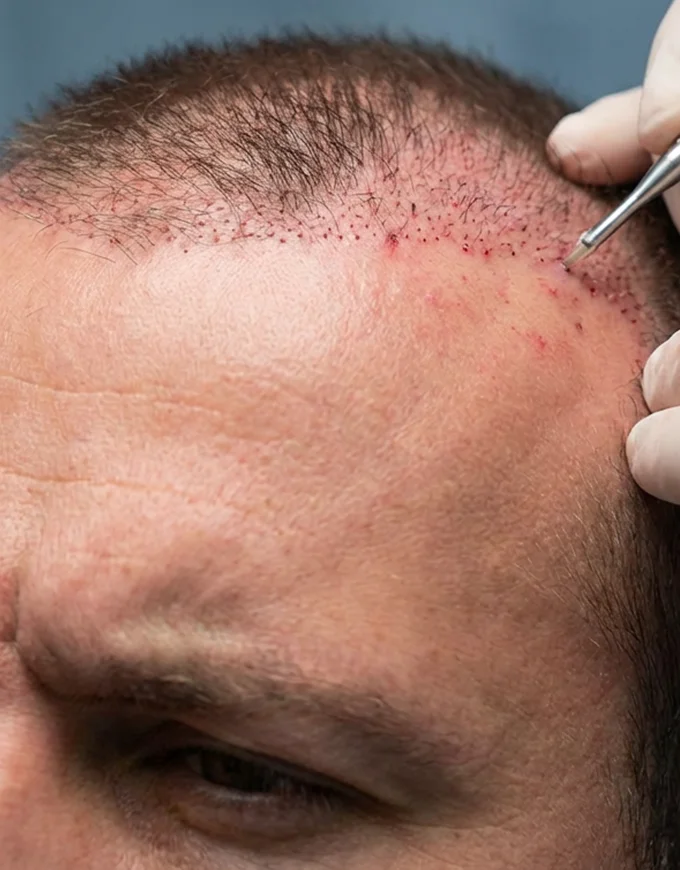
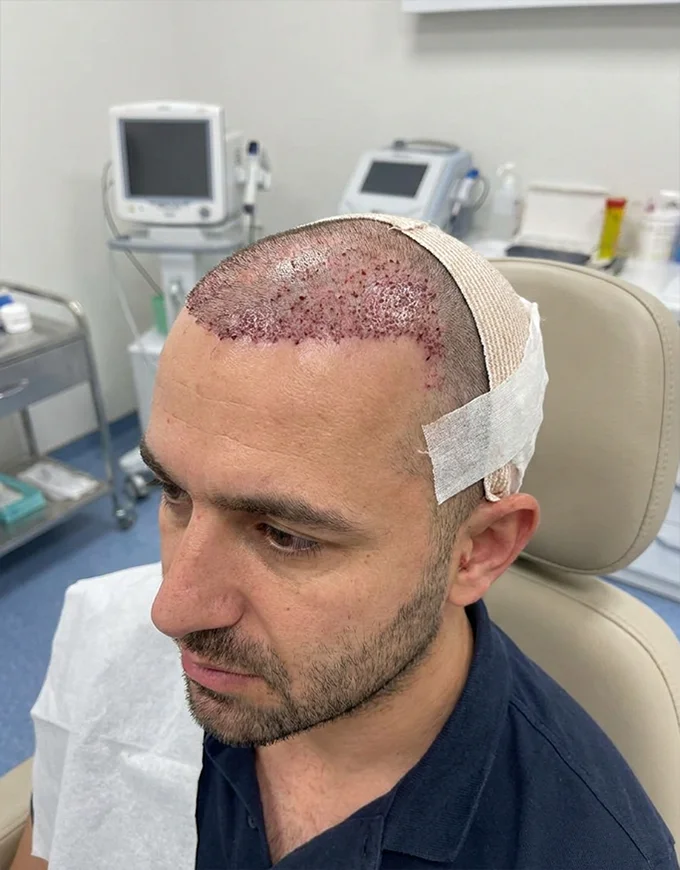
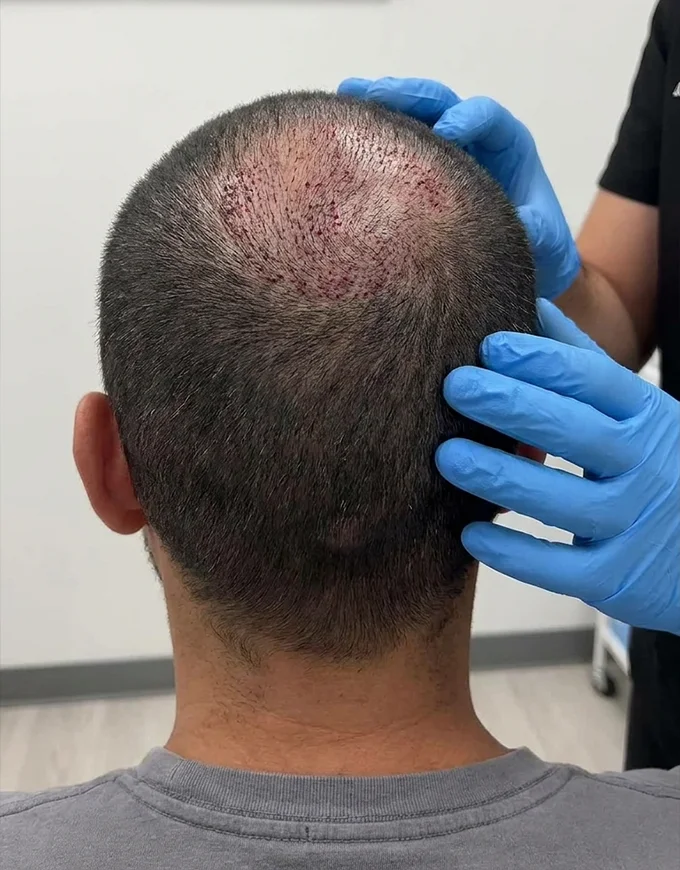
In the first few days, the treated area and sometimes the forehead may swell a little. The scalp often looks red, and small scabs form around each graft as it settles into place. Mild itching is common while the skin heals. For most people this stage lasts up to two weeks and then clears on its own. The main thing to avoid is scratching or picking at the scabs, since that can disturb the new grafts.
Once the local anaesthesia wears off, some tenderness in the donor and recipient areas is normal. The discomfort is usually mild and settles with the pain relief your doctor prescribes. A few patients notice numbness or a tight feeling across the scalp. This happens because small nerves are affected during the procedure, and the sensation returns slowly over several weeks as those nerves recover.
Shock loss is the side effect that tends to worry people the most, mainly because it catches them off guard. A few weeks after surgery, some of the transplanted hairs, and sometimes nearby native hairs, may shed. This is a temporary reaction called telogen effluvium, where the stress of the procedure pushes hair into a resting phase. The follicles themselves are not lost. New growth usually starts around three to four months later, and the shed hairs are gradually replaced. Shock loss is more noticeable in people who already have a fair amount of thinning. In some cases the doctor may advise minoxidil or finasteride to support regrowth and reduce the effect.
Safety at QHT begins before the procedure and continues long after it. For patients in Kolkata, the first thing to know is that we do not run a clinic in the city. This is not a drawback. It is the reason the whole process is built around a careful online assessment first.
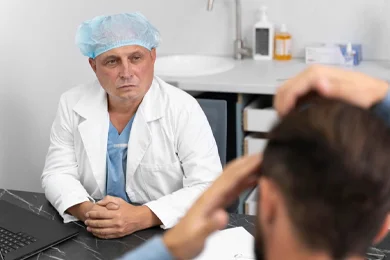
Your journey starts with an online scalp evaluation. A doctor looks at the condition of your scalp, studies your pattern of hair loss and goes through your medical history. If a transplant is not the right step, you may be advised medicines or a non-surgical treatment instead. If surgery is recommended, it is carried out at our nearest centre in Hyderabad or Delhi, where the full surgical setup is available. This way, no one travels for a procedure they do not actually need, and that careful filtering is itself part of safe hair restoration in Kolkata.
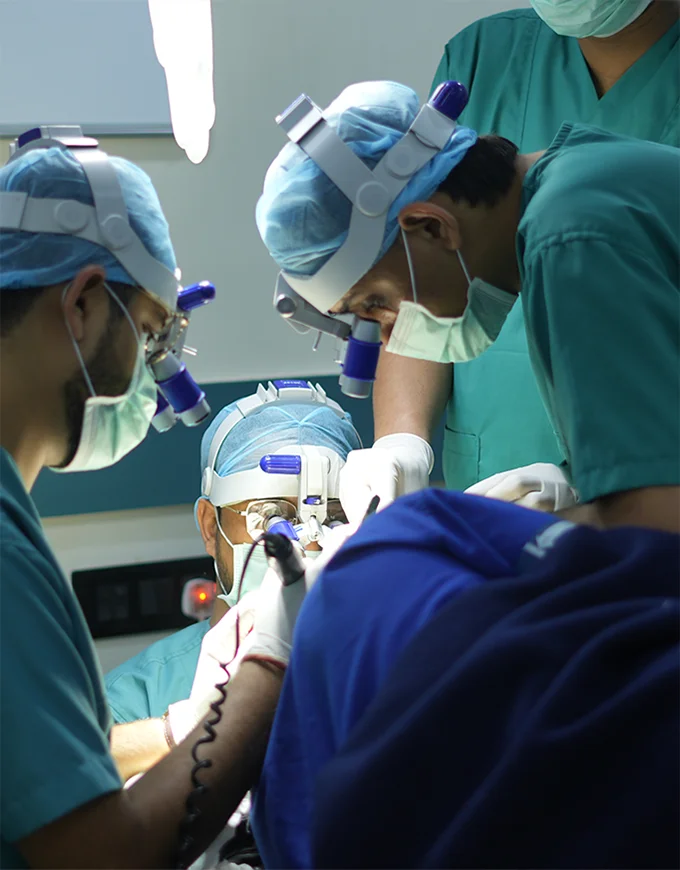
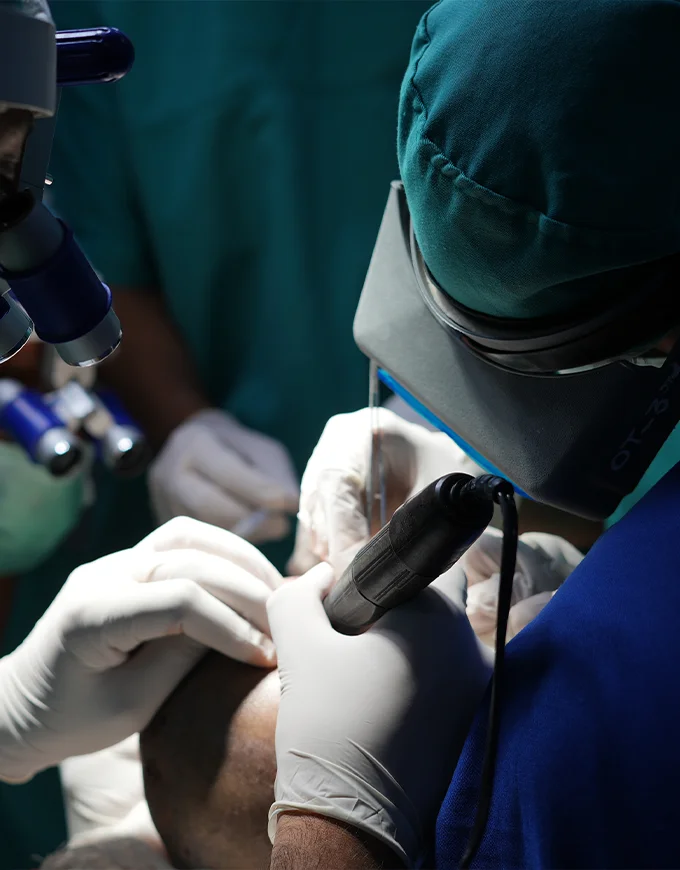
A hair transplant at QHT is never a one-person job. A qualified surgeon plans the hairline and performs the key steps of the procedure. A dermatologist checks the health of your scalp before anything begins. An anaesthetist manages the local anaesthesia and keeps you comfortable, while a dedicated care team supports you through recovery and follow-up. Each role lowers the chance of something being missed.
The procedure takes place in a sterile, well-equipped operating theatre, with single-use instruments to reduce the risk of infection. The surgery is also led by the surgeon rather than handed over entirely to assistants. The surgeon carries out the parts that decide your final result, and the trained team supports the rest. In clinics where technicians work without proper supervision, the risk of a poor outcome goes up sharply.
QHT reports a typical graft survival rate of more than 95 percent. It is worth being clear about what that figure means. It is a typical, observed result across many procedures, not a promise for every patient. Your own outcome depends on your hair type, the extent of your hair loss and how closely you follow the aftercare plan. A responsible clinic explains this openly instead of guaranteeing a fixed number. This honest approach is the foundation of hair transplant safety in Kolkata.
In India, a hair transplant counts as a surgical procedure, so certain safety standards are expected. Not every clinic follows them, and no single stamp proves a place is safe. Whether a hair transplant is safe in Kolkata comes down to whether the clinic and the surgeon meet these basics.
A few things are worth checking. Look for accreditation such as NABH or ISO, a properly sterilised operating theatre, single-use instruments, and a qualified anaesthetist handling the anaesthesia. The surgeon matters most of all. Confirm their medical qualification and experience, ask how many procedures they have carried out, and make sure the surgeon, not a technician, designs the hairline and places the grafts. This kind of surgeon accreditation in Kolkata is one of the clearest signs of a clinic worth trusting.
There is a reason this matters. The ISHRS estimates that about 10% of hair transplant cases worldwide need corrective surgery later, usually after poor technique or weak hygiene, which is how many patients end up needing failed hair transplant repair.
The side effects covered earlier are routine. Complications are a different matter. They are far less common, and in most cases they can be prevented. When they do occur, the cause usually traces back to the clinic or the technique rather than to bad luck. Understanding the main hair transplant complications in Kolkata, and what drives them, helps you steer clear of the clinics most likely to cause them.
Infection is uncommon when the procedure is done in a clean, controlled setting. In a properly run clinic, the rate usually stays under one to two percent. The risk climbs quickly when hygiene is poor, instruments are reused, or aftercare advice is ignored. Keeping the scalp clean as directed, and finishing any prescribed antibiotics, keeps the danger low. Reducing the infection risk in a hair transplant in India comes down to sterile technique on the clinic’s side and careful aftercare on yours.
All surgery leaves some mark, and a hair transplant is no exception. How much depends on the method. FUE removes follicles one at a time and leaves tiny dot scars that are easy to hide, even with short hair. FUT removes a strip of skin and leaves a single linear scar, which a longer hairstyle can cover. The scarring risk with FUE is generally lower and far less visible. People who are prone to keloid or hypertrophic scarring face a higher chance of raised scars, so this is something to mention during your consultation. An honest surgeon will adjust the plan, or advise against surgery, if your skin type carries that risk.
A handful of other complications are tied directly to the operator’s skill. Minor bleeding during surgery is normal and easily controlled, but heavy bleeding can signal rushed technique. Folliculitis, an inflammation around the new follicles, can appear when grafts are placed too tightly or hygiene slips. Poor graft survival tends to follow when follicles spend too long outside the body or are handled roughly. Over-harvesting from the donor area can leave that region looking thin and patchy, which is hard to reverse. An unnatural hairline, set too low or at the wrong angle, is one of the clearest signs of an inexperienced surgeon. Almost every one of these hair transplant failure causes comes back to who is holding the instruments.
Most of the risk in a hair transplant is within your control if you choose carefully. A few steps make a real difference:
Screening exists to catch problems before they turn into complications. Not everyone is a suitable candidate for surgery, and these checks are how an unsuitable case is spotted early.
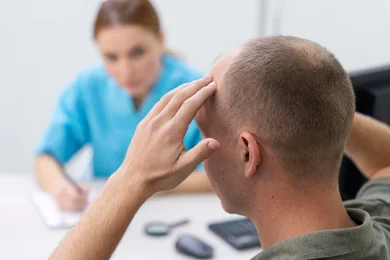
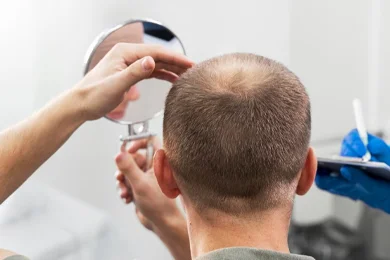
Before any procedure, QHT reviews your medical history, current medications and any allergies. Certain conditions, such as a bleeding disorder or uncontrolled diabetes, raise the risk and need to be flagged in advance. The doctor also assesses your donor area, maps your hair-loss pattern on the Norwood scale, and checks whether your expectations match what surgery can realistically deliver. Relevant blood tests are usually done before the surgery date.
For patients in Kolkata, this pre-op medical screening begins online. Your scalp evaluation and history are reviewed remotely first, so an unsuitable case is identified well before anyone travels for surgery.
A hair transplant uses local anaesthesia only. The area being treated is numbed, and you stay awake and aware throughout. There is no need to be put to sleep, which removes the more serious risks that general anaesthesia can carry.
Serious reactions to local anaesthesia are rare. The most you are likely to feel is a brief stinging as the injections go in, and that settles within minutes. This is also where the pre-op screening earns its place. Knowing your allergies and medications in advance lets the team choose the safest approach for you. For anyone asking whether a hair transplant is safe in Kolkata, the anaesthesia is rarely the part worth worrying about, and proper screening is what keeps hair transplant anaesthesia safety high.
The first week after surgery is when the grafts are most vulnerable, so aftercare carries real weight. The instructions are simple, but following them closely is what protects the result.
In the first few days, wash the scalp gently and only as you are told. Sleep slightly propped up to limit swelling. Stay away from sweat, heavy exercise and direct sun, and resist the urge to scratch the scabs no matter how itchy they feel. Your doctor will usually prescribe antibiotics or other medication. Finish the full course even if everything looks fine, because stopping early is a common way for infections to take hold.
A few signs mean you should call the clinic without waiting:
For patients in Kolkata, this FUE post-op safety care does not end at the centre door. Your recovery is monitored remotely through follow-ups, so any concern can be checked even after you have returned home.
Take your time going through them. Notice the change at each stage, since a beard keeps thickening for months after surgery. Some men came in for a single patch. Others had the cheeks and jaw rebuilt from sparse growth, so look for a case close to your own situation.
Factors that Affect the Final Cost
Some factors that may affect the number of grafts required include:
More grafts needed means a higher total cost.
Skilled, doctor-led care affects the final price.
FUT, FUE, and QHT each have a different per-graft rate.
Post-surgery support and reviews add to the value.
Global bodies such as the World Health Organization encourage an evidence-based approach to medicine and following ethical guidelines when discussing the options available to patients for surgical procedures.
Yes, for most healthy adults. A hair transplant is a minimally invasive procedure done under local anaesthesia, and serious complications are uncommon when it is done properly. Safety depends on the surgeon, the operating setup and your aftercare, not on the city. For Kolkata patients, the assessment starts online, and surgery, if advised, is carried out at the nearest QHT centre in Hyderabad or Delhi.

Most side effects are mild and short-lived. You may notice swelling, redness, small scabs and itching in the first week or two, along with some tenderness and temporary numbness. A few patients also experience shock loss. These are signs of normal healing rather than a failed procedure.
No, it is temporary. Shock loss is a short shedding phase called telogen effluvium, where the stress of surgery pushes some hairs into rest. The follicles are not lost, and new growth usually begins around three to four months later.
It is rare in a clean, controlled setting, usually under one to two percent. The risk goes up sharply with poor hygiene, reused instruments or ignored aftercare. Keeping the scalp clean as directed and finishing any prescribed antibiotics keeps it low.
The procedure itself is not painful, because it is done under local anaesthesia. The area is numbed while you stay awake, and the most you are likely to feel is a brief stinging as the injections go in. Serious reactions are rare, especially when your allergies and medications are checked beforehand.
The transplanted follicles are usually permanent, since they are taken from areas resistant to hair loss. Your original native hair, however, can keep thinning over time. Because of this, the doctor may advise medication or maintenance treatment to protect your overall density in the years ahead.
Your care begins with an online consultation from Kolkata. A doctor reviews your scalp, hair-loss pattern and medical history, then advises whether surgery is the right step. If it is, the procedure is performed at the nearest QHT centre in Hyderabad or Delhi, and your recovery is followed up remotely once you are back home.
Choose carefully before anything else. Pick an accredited facility and a qualified surgeon who performs the key steps personally, get a proper diagnosis, and share your full medical history. After surgery, follow the aftercare closely, especially in the first 72 hours, and attend your follow-up appointments so any issue is caught early.