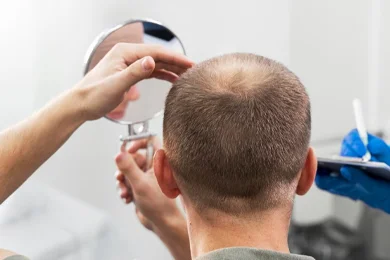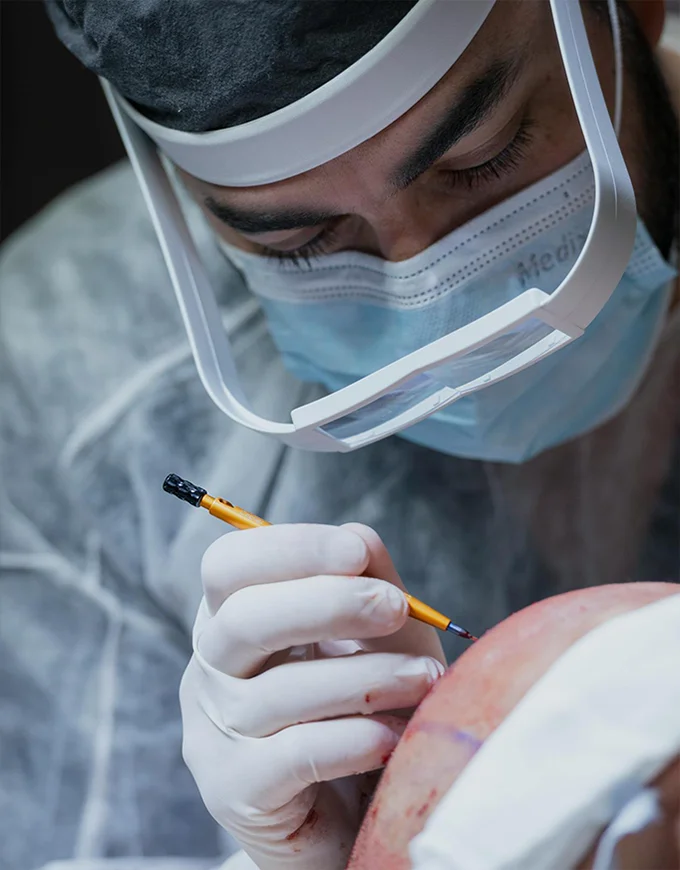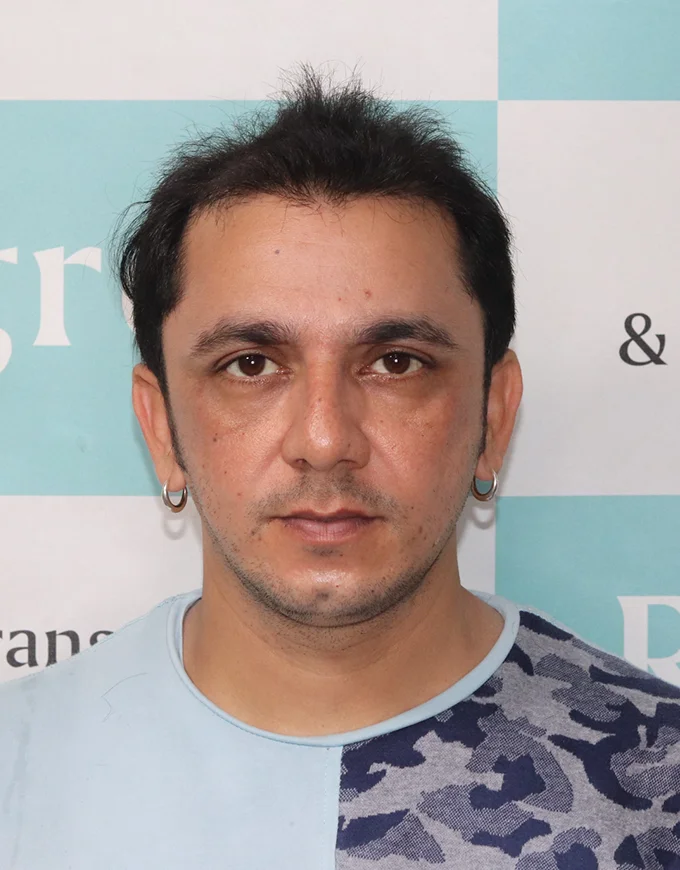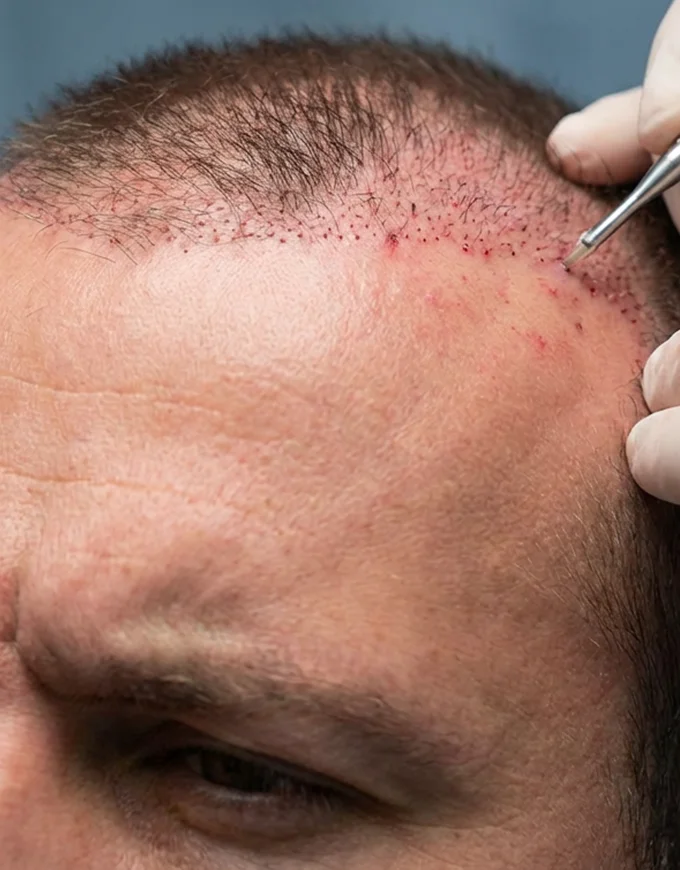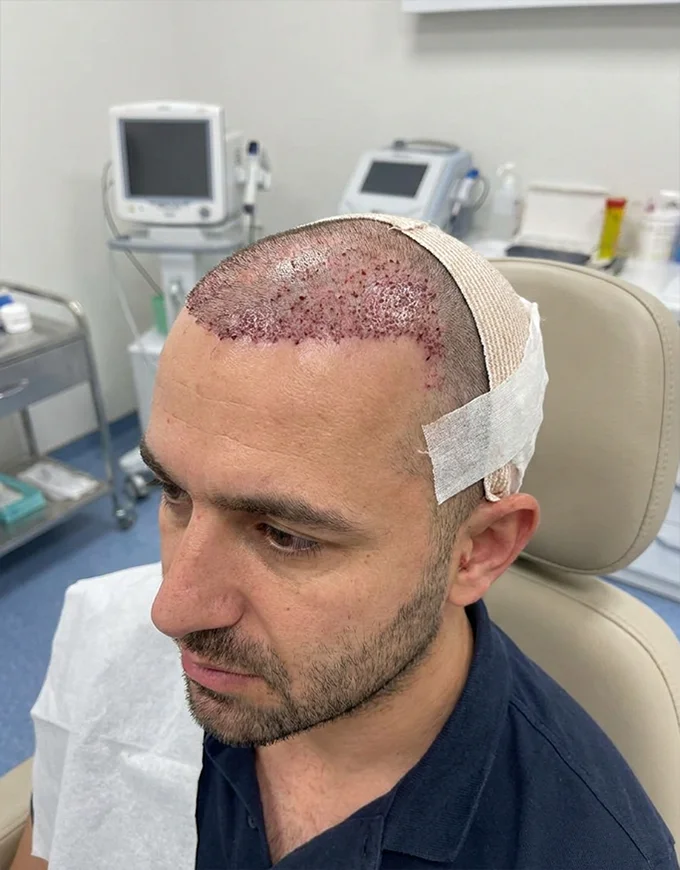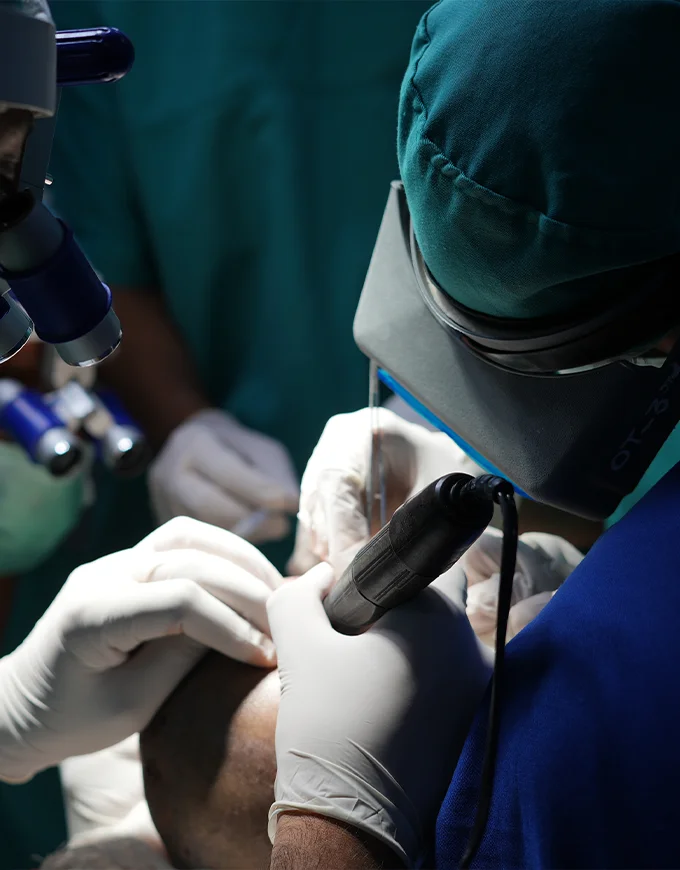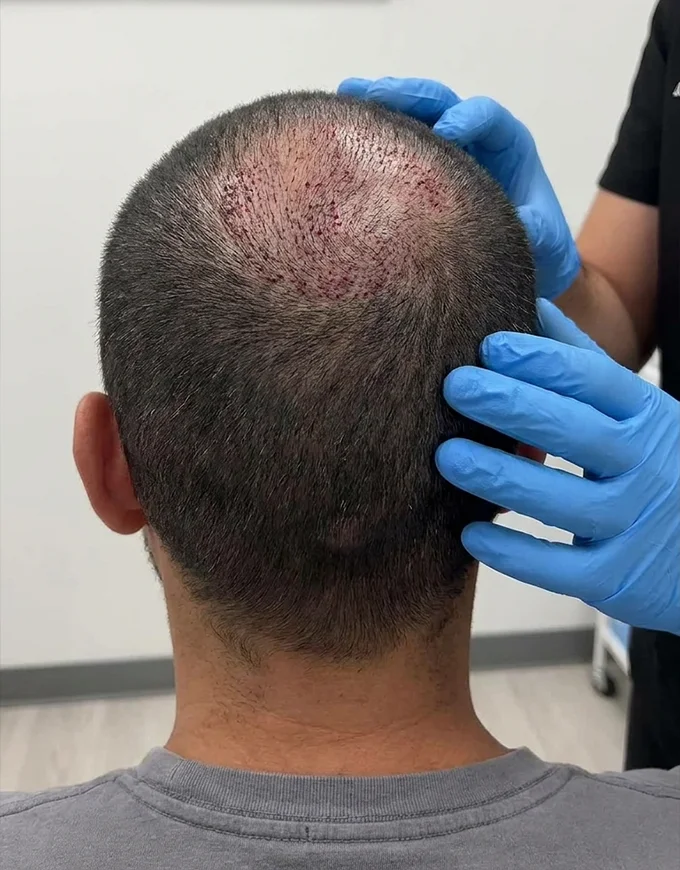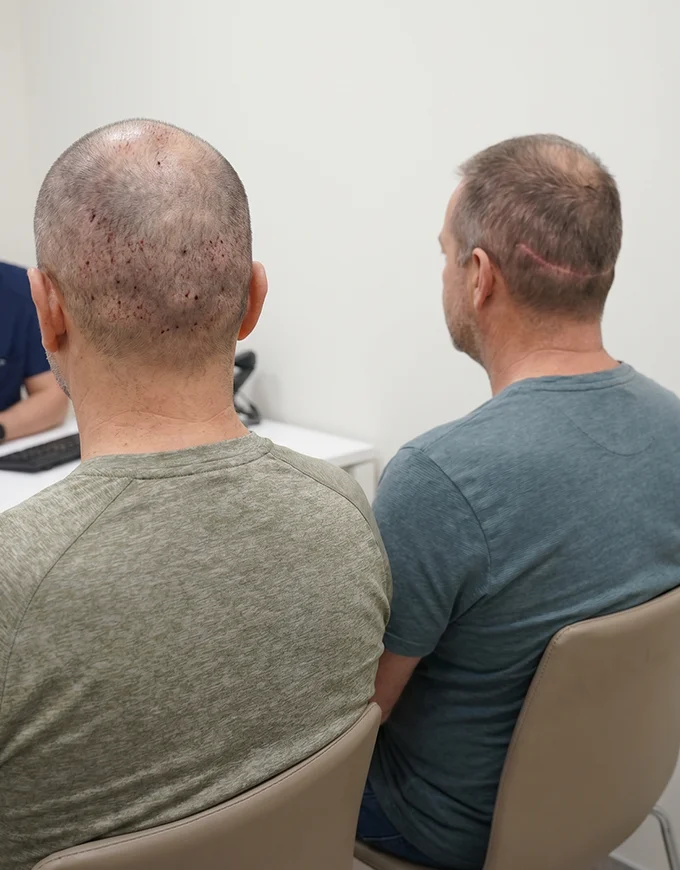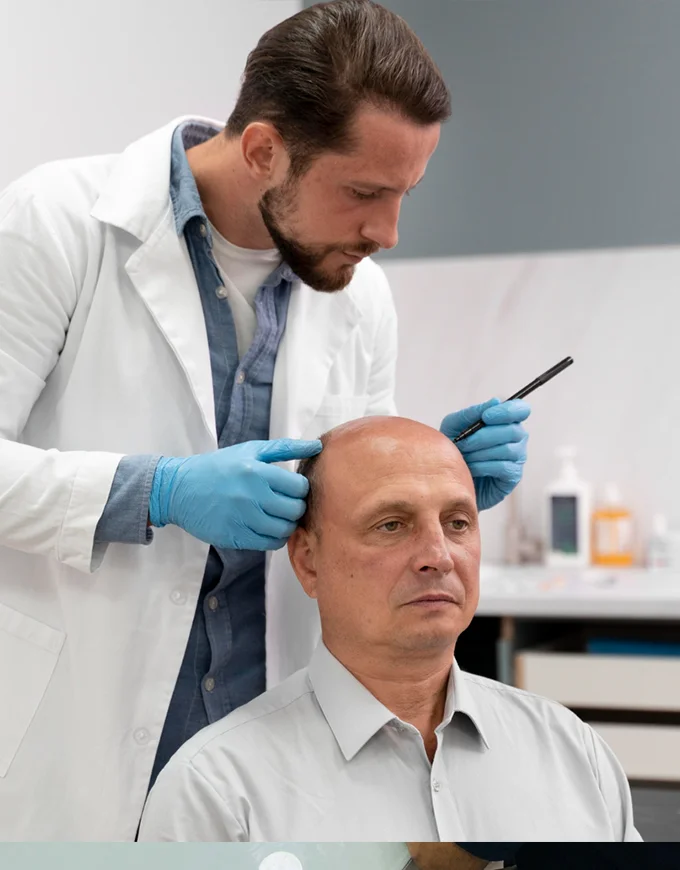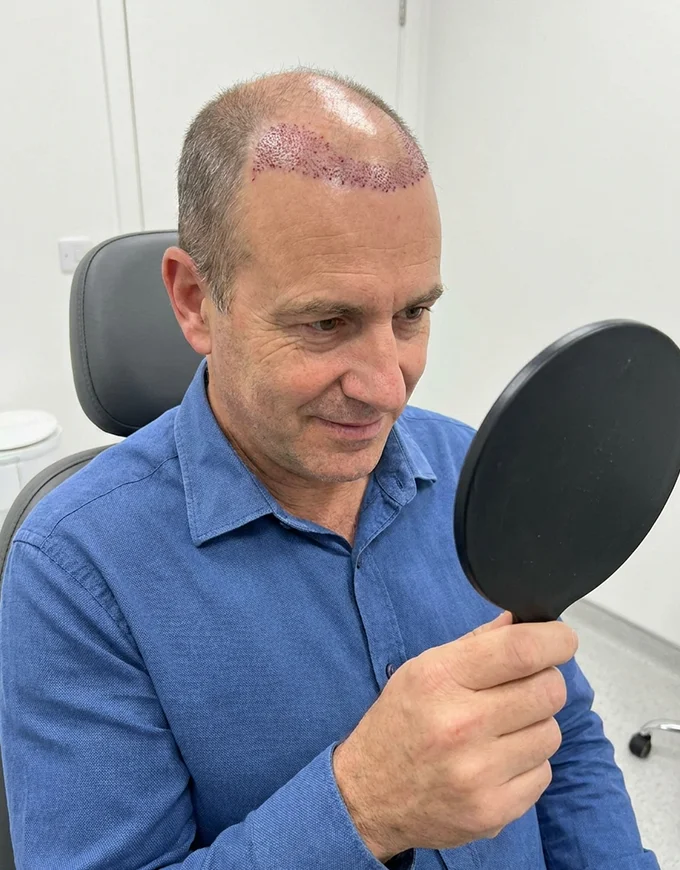


Personalised graft estimation and hairline design tailored to the patient’s goal
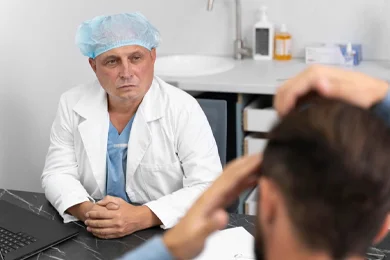
One-on-one scalp evaluation with experienced surgeons
Scheduled post-op follow-up to track progress.
Full cost transparency, pay only the quoted price
A hair transplant is a permanent surgical procedure. Before committing to the procedure, it’s natural to have questions about the treatment process, recovery timeline, safety and cost. Getting answers to hair transplant FAQs in Kolkata can help with making an informed decision. Before seeking answers to the other related questions, it is important to understand what a hair transplant actually is and how it works.
Most individuals in the world experience hair loss, with the most common cause resulting in thinning and baldness being androgenetic alopecia. Unlike other hair loss conditions, this genetic condition involves permanent miniaturisation of hair follicles, which results in the inability to grow hair altogether.
The hormone DHT targets genetically susceptible hair follicles and causes progressive shrinkage, leading to premature shedding and eventually permanent cessation of hair growth.
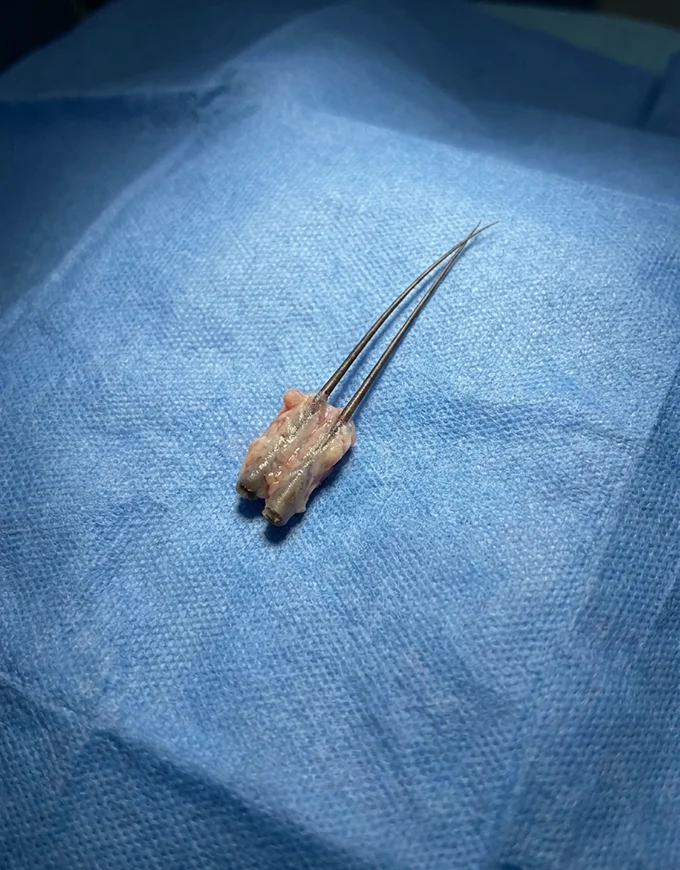
In a hair transplant, the hair from DHT-resistant donor zones, the back and sides of the scalp, is extracted and implanted into thinning or balding areas like the hairline, midscalp and crown area. The transplanted hair continues to grow for a lifetime and blends seamlessly with the native natural hair.
The common techniques used for hair transplant include FUE (Follicular Unit Extraction), FUT (Follicular Unit Transplant), and QHT (Quick Hair Transplant).
The technique selection is based on hair loss stage and donor area.
This is one of the most common questions that patients ask during consultations in Kolkata, and the simple answer is Yes, in most cases. The concept of hair transplant is based on donor dominance, which means the follicles from the DHT-resistant zone are transplanted into the recipient zones, and continue to behave like hair from the original donor region.
The non-transplanted hair may continue to shed if androgenetic alopecia continues to progress with age. Other factors that can lead to hair loss of existing non-transplanted, natural hair include stress, scalp conditions, nutritional deficiencies, and medical conditions. In such cases, maintenance therapies are required to preserve the existing natural hair.
Not every individual experiencing hair loss is a good fit for hair transplant surgery. Most hair loss conditions can be treated by making lifestyle changes, reducing stress, or addressing nutritional deficiencies. To determine the candidacy for the treatment, a detailed evaluation is required.
You are a good candidate for a hair transplant if you fulfil the following criteria.
It is important to disclose medical history before starting treatment to avoid any complications.

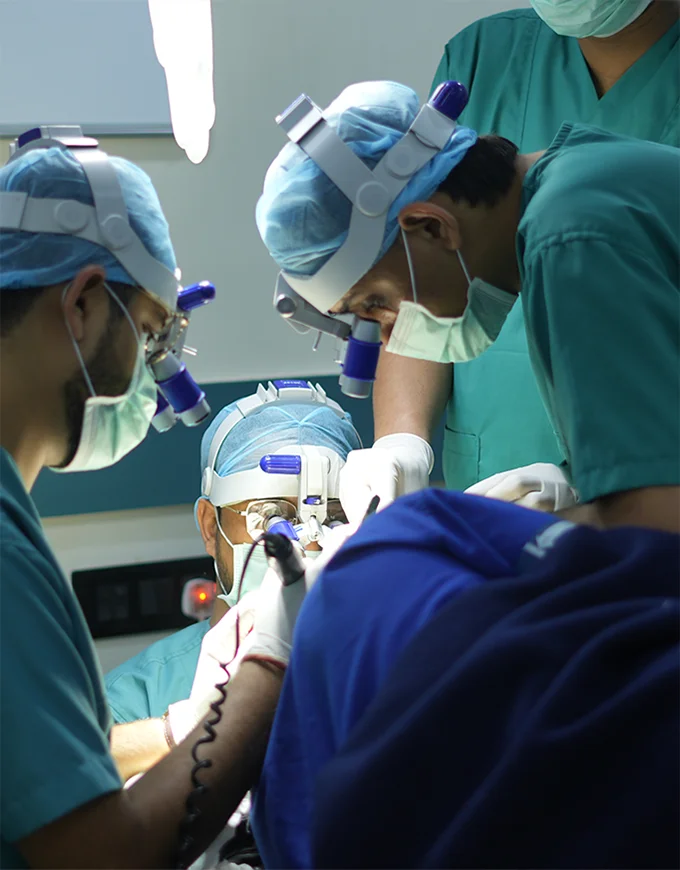
The duration of the procedure depends on the technique used and the number of grafts to be implanted in a single session. On average, a hair transplant procedure takes between 4 and 6 hours. In a single session, usually 3000-4000 grafts can be implanted. For advanced cases, multiple sessions are recommended.
A smaller session with 800-1500 grafts can take around 3-4 hours, while larger sessions with 3000+ grafts can take more than 4 hours.
FUT procedure takes less time as compared to FUE and QHT techniques, as it involves strip removal for graft extraction, while FUE and QHT involve individual follicular extraction, which generally takes longer.
Long hair FUE can typically take 7-9 hours because of the hair length. The surgeon has to carefully work between long hair strands without affecting the length of the remaining hair.
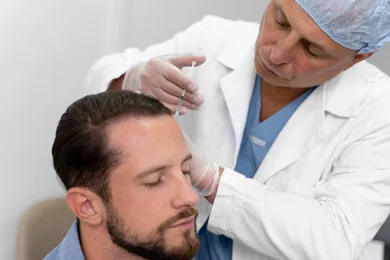
No, the hair transplant procedure is performed under local anaesthesia, which makes the treatment painless and comfortable. The donor and recipient areas are numbed before the procedure is started. The patient may feel a brief pinching or stinging sensation at the injection site. Once the area is fully numb, patients can feel light pressure during the procedure, but no pain.
After surgery, mild tenderness and swelling in the donor and recipient areas are quite normal. It can be easily managed with prescription medications and usually resolves within days. For FUT patients, the discomfort at the donor site can take longer to resolve due to the incision and sutures. The overall experience is mostly painless and comfortable.
The cost of a hair transplant is a major concern for most patients in Kolkata. It appears higher upfront, but it is a one-time investment and, in the long run, is the most cost-effective option for permanent hair restoration.
The total cost for a hair transplant varies from patient to patient and depends on the number of grafts needed, hair loss extent, technique used for hair transplant, clinic’s location and infrastructure, and surgeon’s expertise. The cost can be charged on a per-graft basis, which means the number of grafts is multiplied by the rate per graft for the technique. The average cost in Kolkata for a hair transplant starts from ₹40 per graft and can go up to ₹150 per graft in premium clinics. At QHT, the cost of a hair transplant starts from ₹50 per graft.
| Technique | Per-Graft price at QHT Clinic |
| FUT | Starts from ₹50 |
| FUE | Starts from ₹70 |
| QHT | Starts from ₹100 |
To make the procedure accessible and affordable, QHT Clinic offers seasonal discounts and no-cost EMI options. Ask the clinic for a complete cost breakdown and payment options to avoid financial strain.
QHT Clinic has a track record of delivering successful results across 15,000+ patients. With a documented 95% graft survival rate, the surgeons have consistently replicated natural hairline designs and visible density. QHT Clinic offers precise execution and diligent aftercare to ensure long-term results. The hair transplant surgeons prioritise thorough consultation, digital scalp evaluation and medical history review to tailor the treatment plan suited to the patient’s needs. This approach helps in catering to unique challenges and helps achieve the best possible outcome for each case.
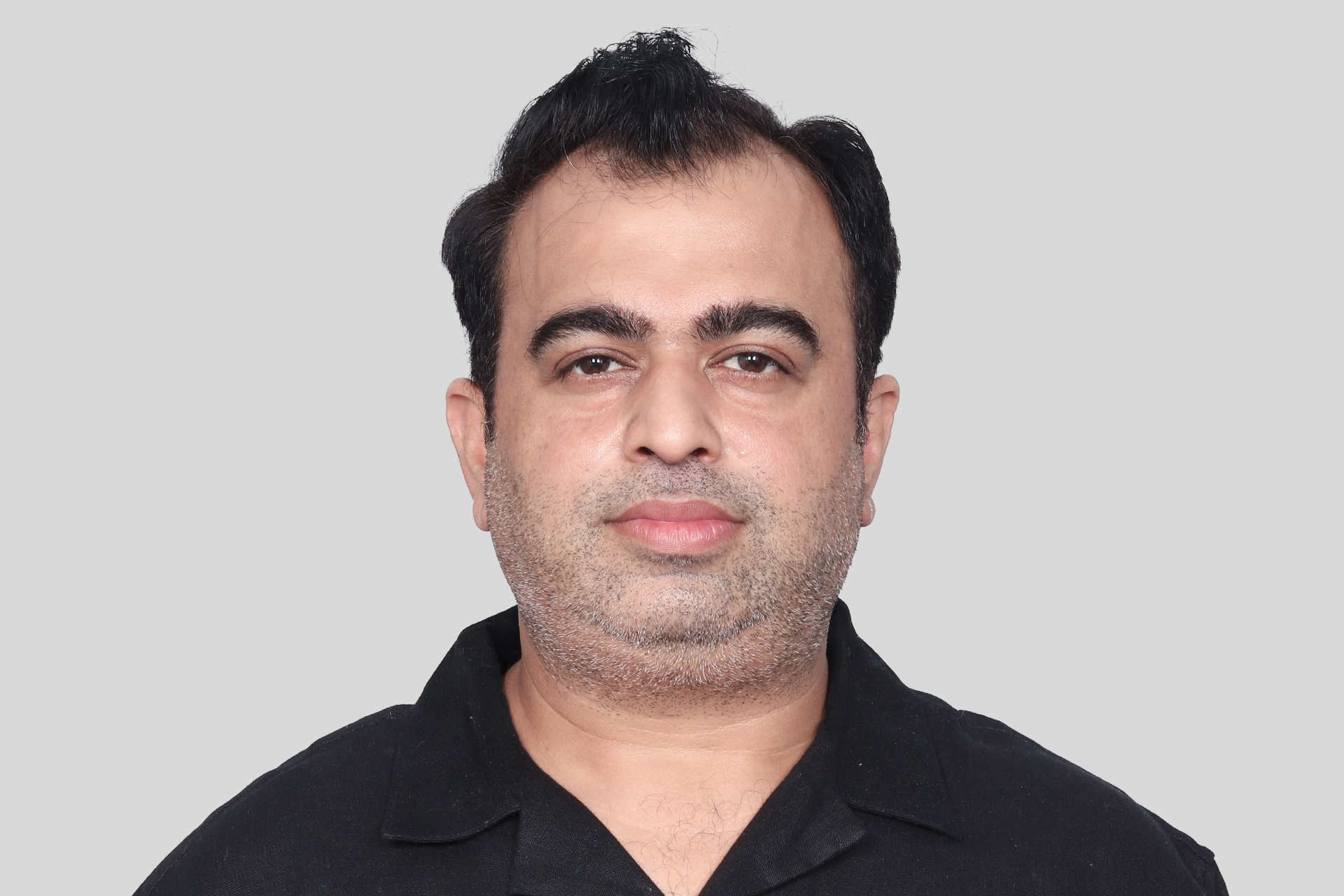
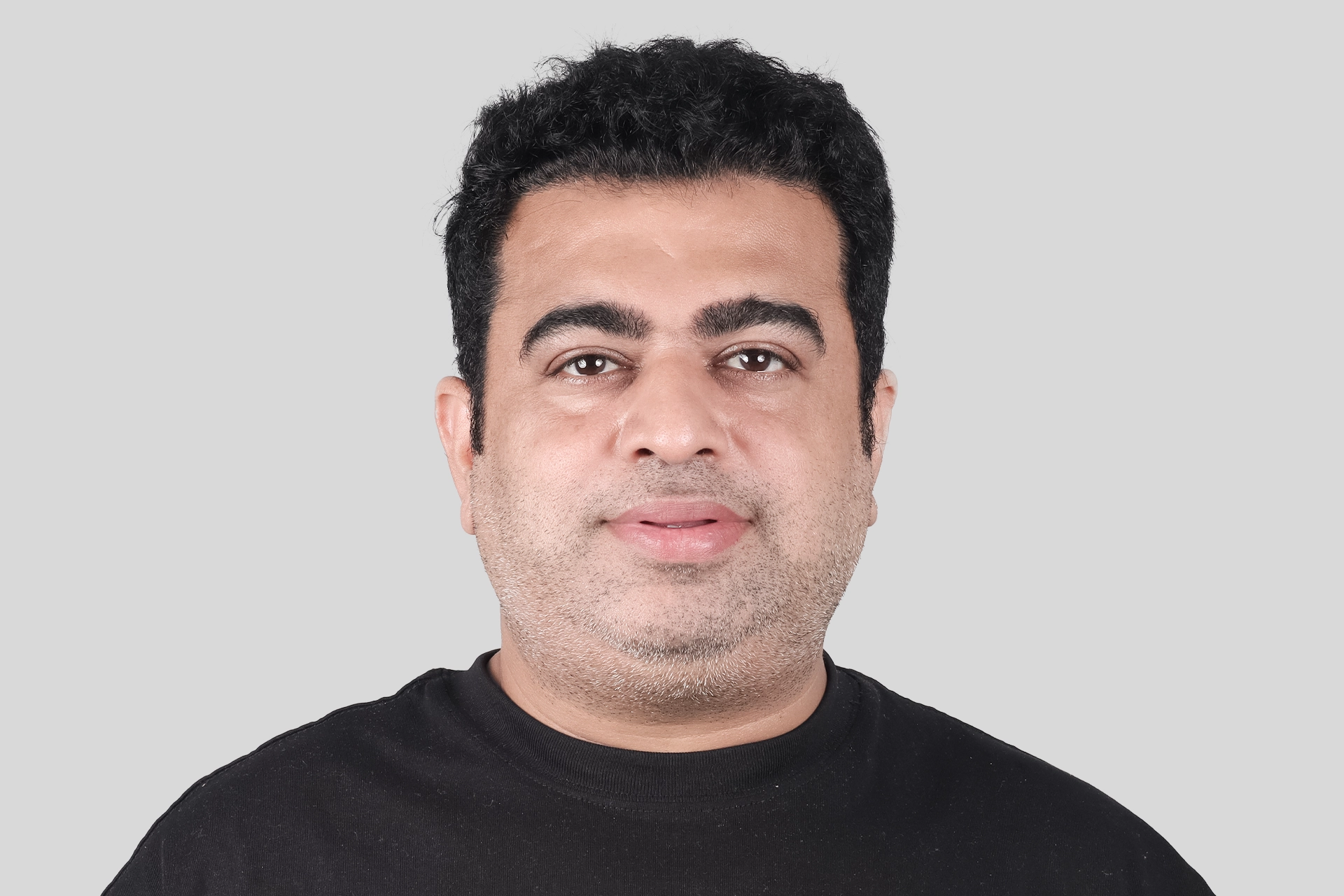
Before and after results at QHT are documented month by month for each Norwood stage, which gives you an insight into what is achievable at your current hair loss stage.
Hair transplant results are not immediate. It takes months for new growth to appear, with the density gradually increasing over time.
Growth follows a predictable pattern, and for most patients, the growth timeline looks like:
Day 1-14: Healing phase, small scabs from around transplanted grafts, which thicken over time and gradually fall off. Avoid touching them or scratching the area.
Weeks 2-4: Shock loss; the transplanted hair shafts fall. The follicles remain intact underneath the scalp and begin transitioning to the active growth phase.
Months 3-4: Fine, short hair starts to grow. The hair is light at this stage, but continues to grow during these months.
Months 6-8: Hair becomes thicker, denser, and pigmented. Most patients achieve half of the density by 6 months.
Months 9-12: Final results are mostly achieved by month 12. The hair density becomes better and blends with natural hair. For patients with slow growth, this period may extend up to 18 months.
Growth pace depends on healing speed, nutrition and overall health. It’s important to be patient and follow post-operative instructions for the best results.
Yes. Women can get a hair transplant in Kolkata. Female pattern hair loss is one of the most common causes of hair thinning in women and results in widening of the part line, diffuse thinning at the midscalp and crown region with intact hairline. Other contributors include chronic stress, hormonal changes during pregnancy and menopause, or from medical conditions like PCOD. nutritional deficiencies, mainly iron, vitamin D, zinc and biotin, also result in hair loss.
For women to get a hair transplant, the hair loss pattern should be stable, and any underlying hormonal imbalance should be addressed before the surgery. For women, FUT is typically favoured, as it does not include shaving of the donor region, and the linear scar can be easily concealed by long hair. However, no-shave FUE and QHT options are also available if the patient is looking for a minimally invasive scarless procedure.
The donor area in women is also mostly affected by androgenetic alopecia, so the planning of hair transplant is strategic and a bit complex as compared to men.
Both FUE and FUT are clinically proven and trusted techniques. The right choice of treatment approach depends on the specific case, the number of grafts needed in a single session, lifestyle choices, and recovery preferences.
| Parameter | FUE | FUT |
| Extraction Method | Individual follicle extraction using motorised micropunches | Strip of scalp harvested from the donor zone containing hair follicles |
| Scarring | Tiny dot-like scars | Thin Linear scar |
| Recovery | Faster; 5-7 days | Longer, 10-14 days, requires suture removals |
| Grafts Extracted in a Single Session | Lower in a single session | Yields the highest number of grafts in a single session |
| Best Suited for | Most stages of Norwood Grade (2-7)
Individuals with short hairstyles and an active lifestyle |
Advanced Cases (Norwood Grade 5-7)
Individuals with longer hair |
| Cost | Generally higher due to precision and advanced extraction tools | Lower than other techniques. Grafts are microdissected from a strip of the removed scalp. |
Following pre-operative and post-operative instructions is a crucial part of the treatment process and directly influences the treatment outcomes. Strict compliance with the instructions is important to maximise treatment results and avoid risks and complications.
QHT Clinic offers a free first consultation with experienced hair transplant surgeons to help patients with their queries and concerns. Each procedure is directly led by certified hair transplant surgeons with extensive experience across 15,000+ procedures and 100,000+ patient evaluations. QHT Clinic believes in full transparency and complete disclosure to keep treatment journey stress-free and comfortable. The QHT treatment process includes scalp assessment, pre-surgical planning, hairline design, extraction and implantation of grafts and post-surgical follow-up appointments.
QHT’s proprietary technique, Quick Hair Transplant, is a modern, advanced approach that delivers a documented 95% graft survival rate by reducing graft out-of-body time to less than 2 hours. This technique reduces oxidative stress on hair follicles, which means maximum density is achieved with harvested follicles without wasting any graft.
QHT Clinic is based in 4 major locations for easy accessibility for Kolkata patients and has dedicated in-house surgical teams with ABHRS certified hair transplant surgeons, dermatologists, oral and maxillofacial surgeons, and anaesthetists, including Dr S. Mishra, Dr A.A. More, Dr P. Yadav and many more highly skilled specialists. Whichever location you choose, our team is here to guide you every step of the way.
At QHT Clinic, we use clinically proven hair transplant techniques to give you the results you desire. Our goal at QHT is to deliver precision-executed results that blend seamlessly with your existing hair to create a denser, more natural-looking hair transplant that blends seamlessly with your existing hair.
Factors that Affect the Final Cost
Some factors that may affect the number of grafts required include:
More grafts needed means a higher total cost.
Skilled, doctor-led care affects the final price.
FUT, FUE, and QHT each have a different per-graft rate.
Post-surgery support and reviews add to the value.
Global bodies such as the World Health Organization encourage an evidence-based approach to medicine and following ethical guidelines when discussing the options available to patients for surgical procedures.
No surgical procedure can guarantee a 100% success rate. Success depends on donor hair health, surgical technique and precision, post-operative care and individual healing response. NABH-accredited facilities and procedures led by surgeons ensure better graft handling protocols and safety standards that help achieve successful outcomes.
No. Scratching the donor or recipient area during the initial recovery period disrupts te recovery and increases the risk of infection. Avoid touching both donor and recipient zones until completely healed. The scabs around transplanted follicles should be allowed to fall on their own.
Avoid smoking, alcohol consumption, strenuous exercises, including swimming, weight lifting, gym and other athletic activities. Avoid stepping out in direct sunlight, and cover your head with a loose hat to protect the grafts from sunlight. Do not scratch the scabs around grafts and avoid going to saunas in the initial weeks.
If you notice swelling that does not subsides even after 3-4 days, have increasing pain, pus discharge, fever or foul odour, it may indicate infection. Severe reactions like chest pain, dizziness, unexpected bleeding and abdominal pain are rare, but if present, immediately contact your doctor.
Most patients return to desk-based work within 2-5 days. Individuals with physically demanding jobs may require a longer recovery period. Heavy exercising or activities must be avoided for 3-4 weeks.
Transplanted grafts do not damage existing hair when performed correctly. However, some temporary shedding of nearby native hair may occur, known as shock loss.