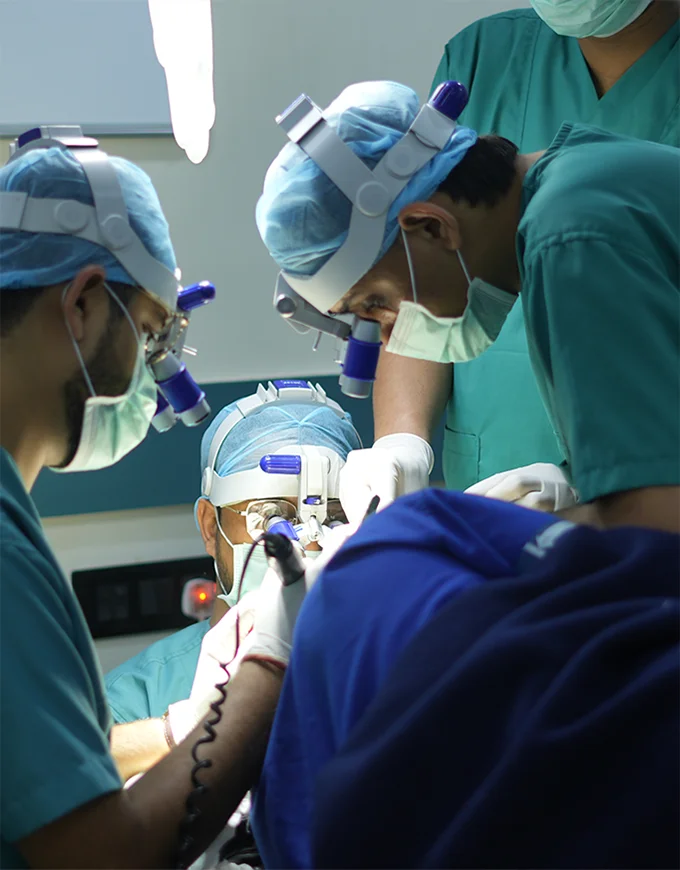
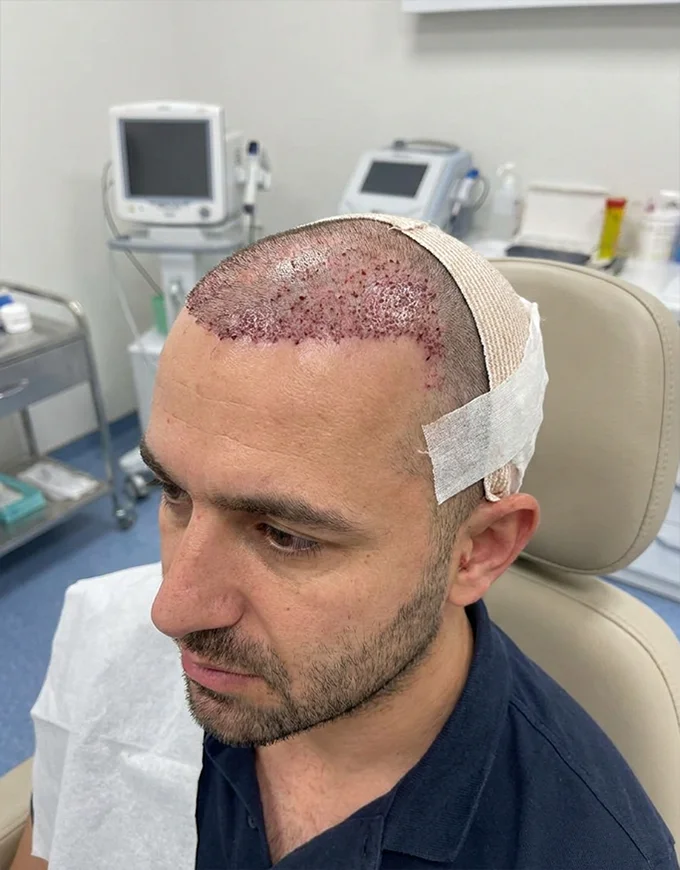
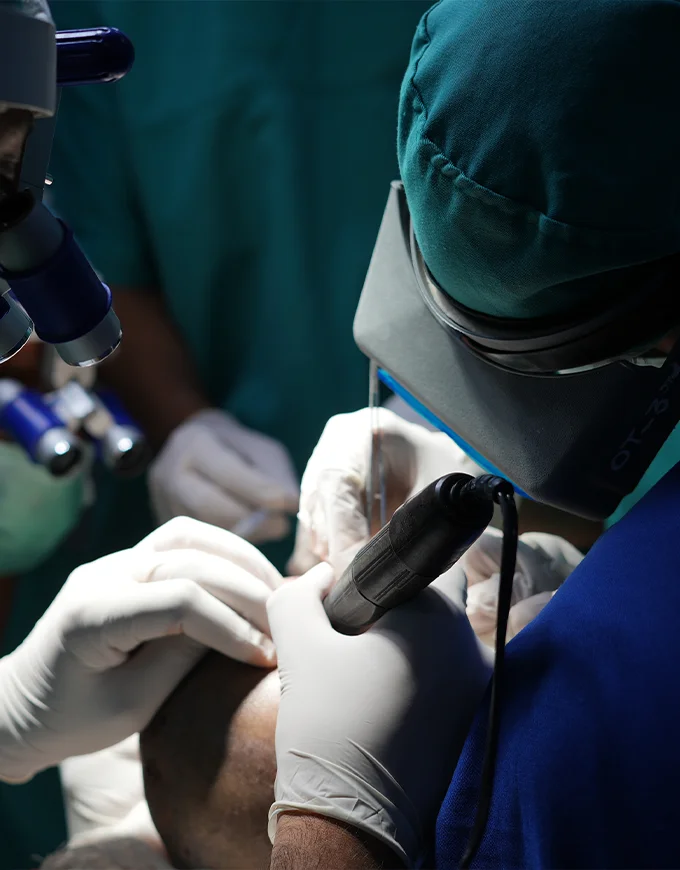
FUE extraction and implantation run together to limit graft out-of-body time
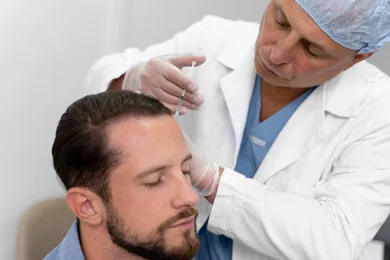
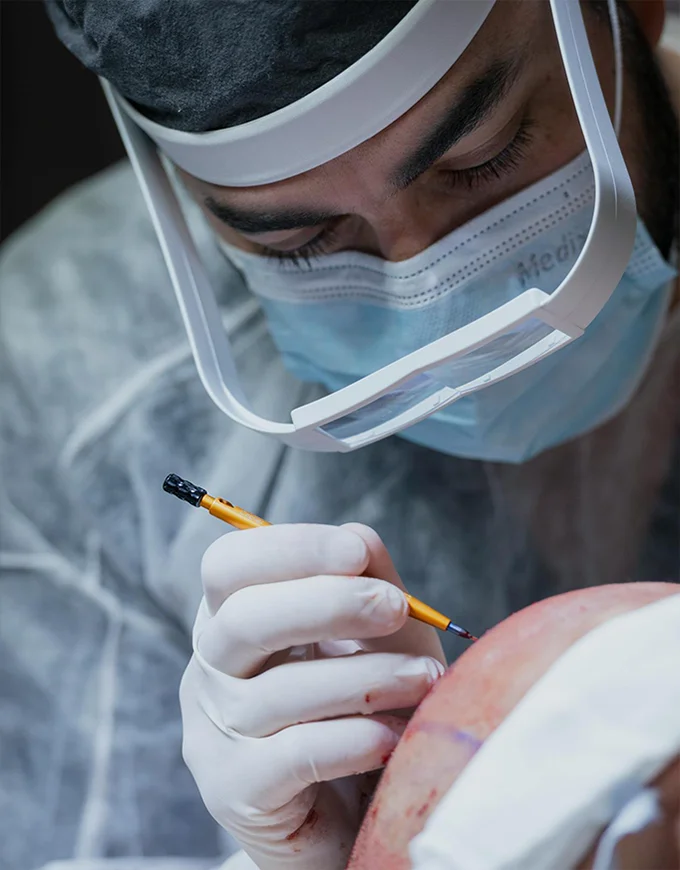
SAVA implanter for precise, controlled placement
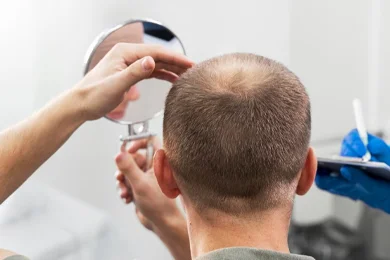
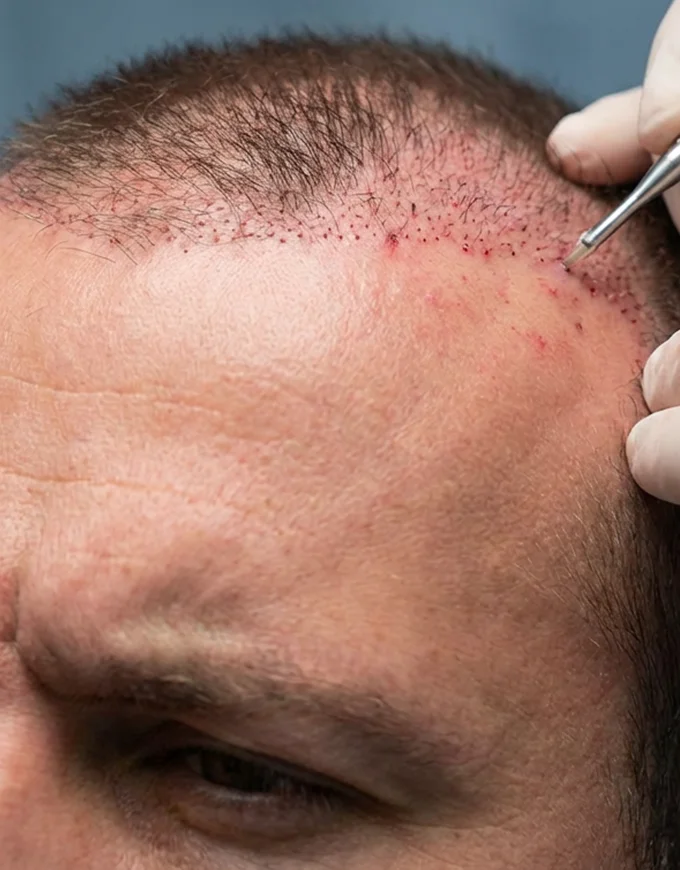
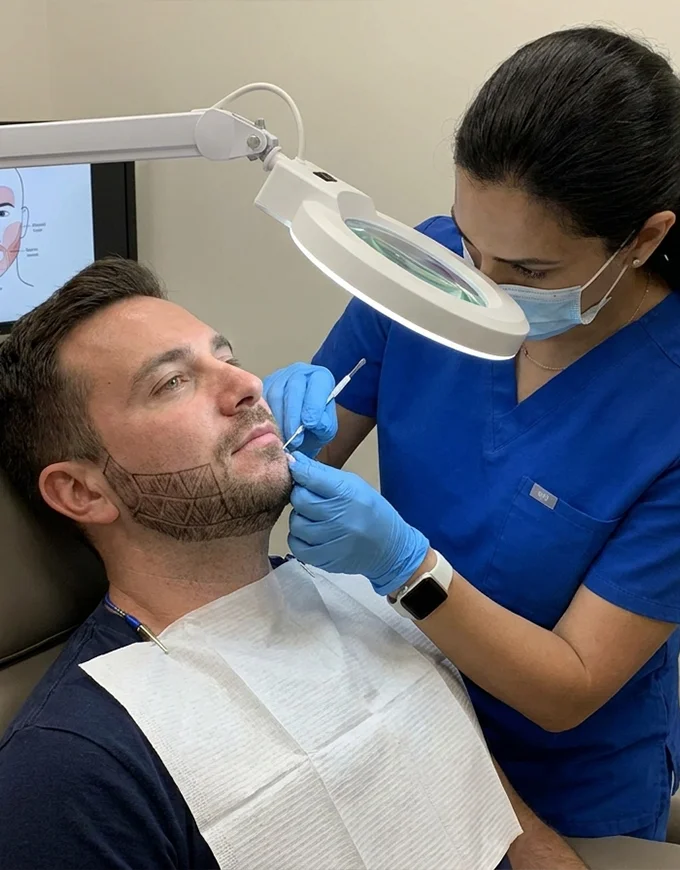
Tiny dot-like marks at the donor area
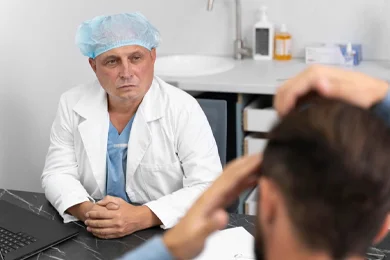
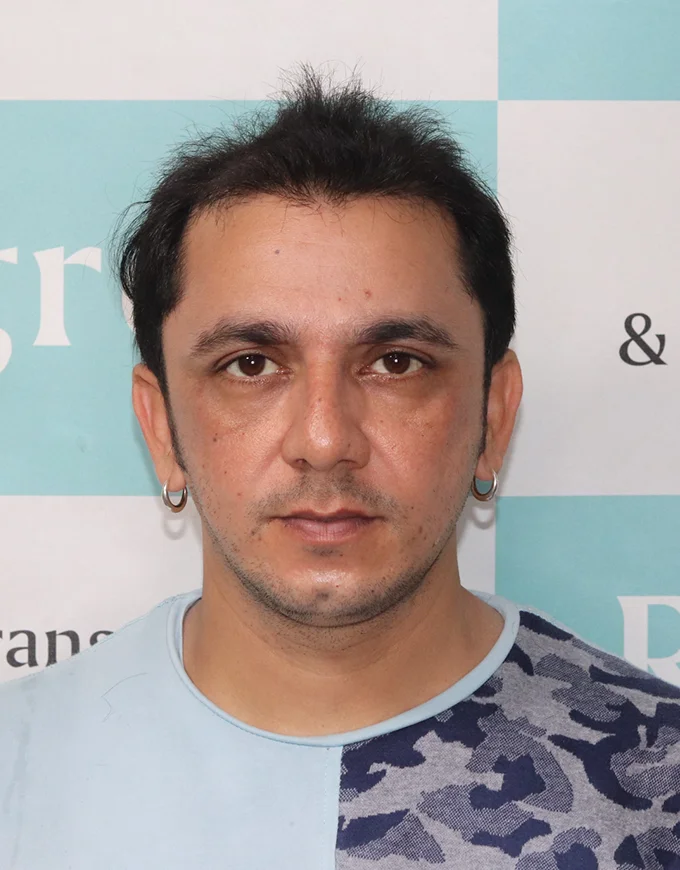
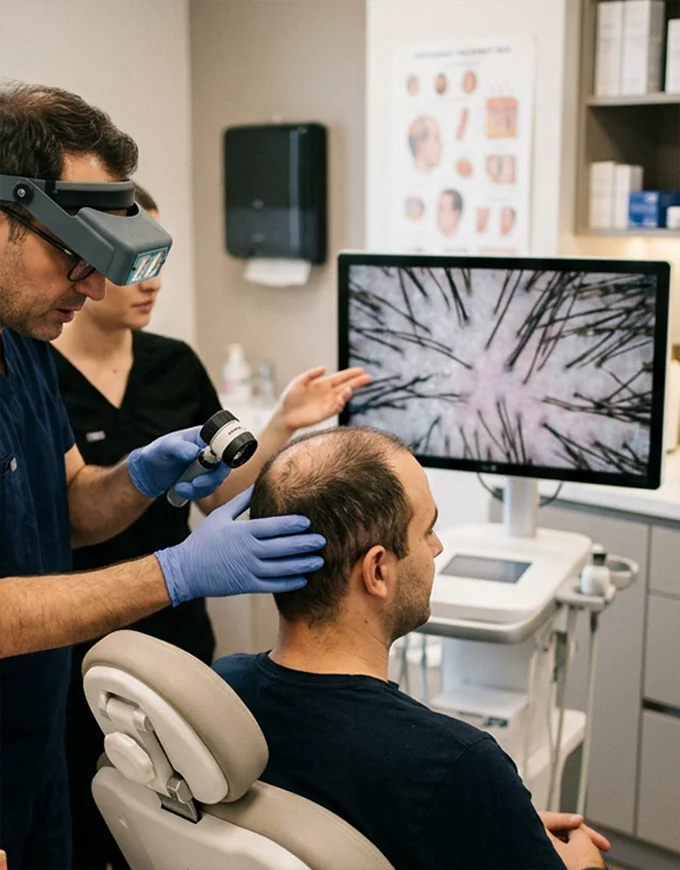
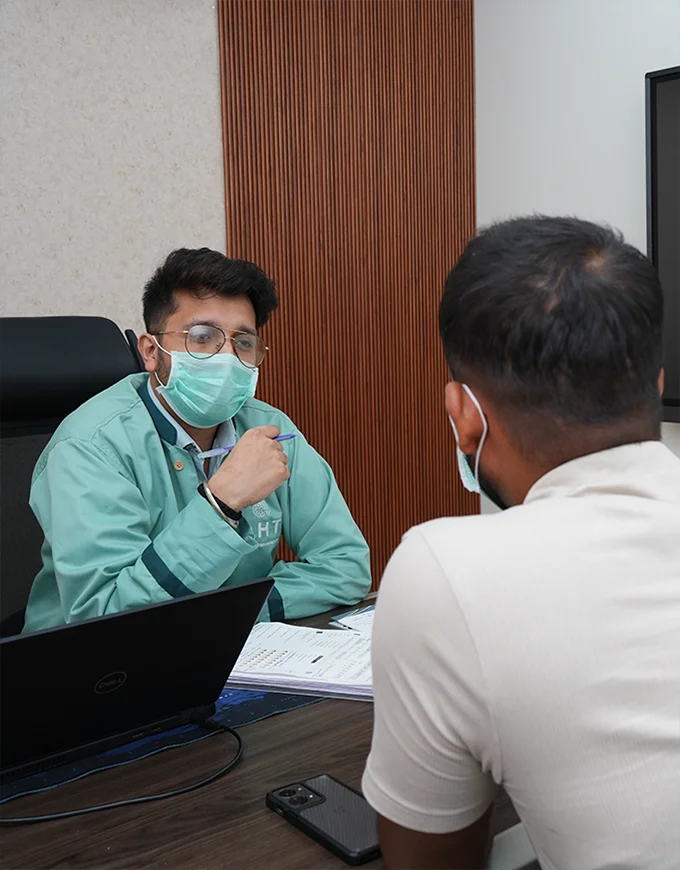
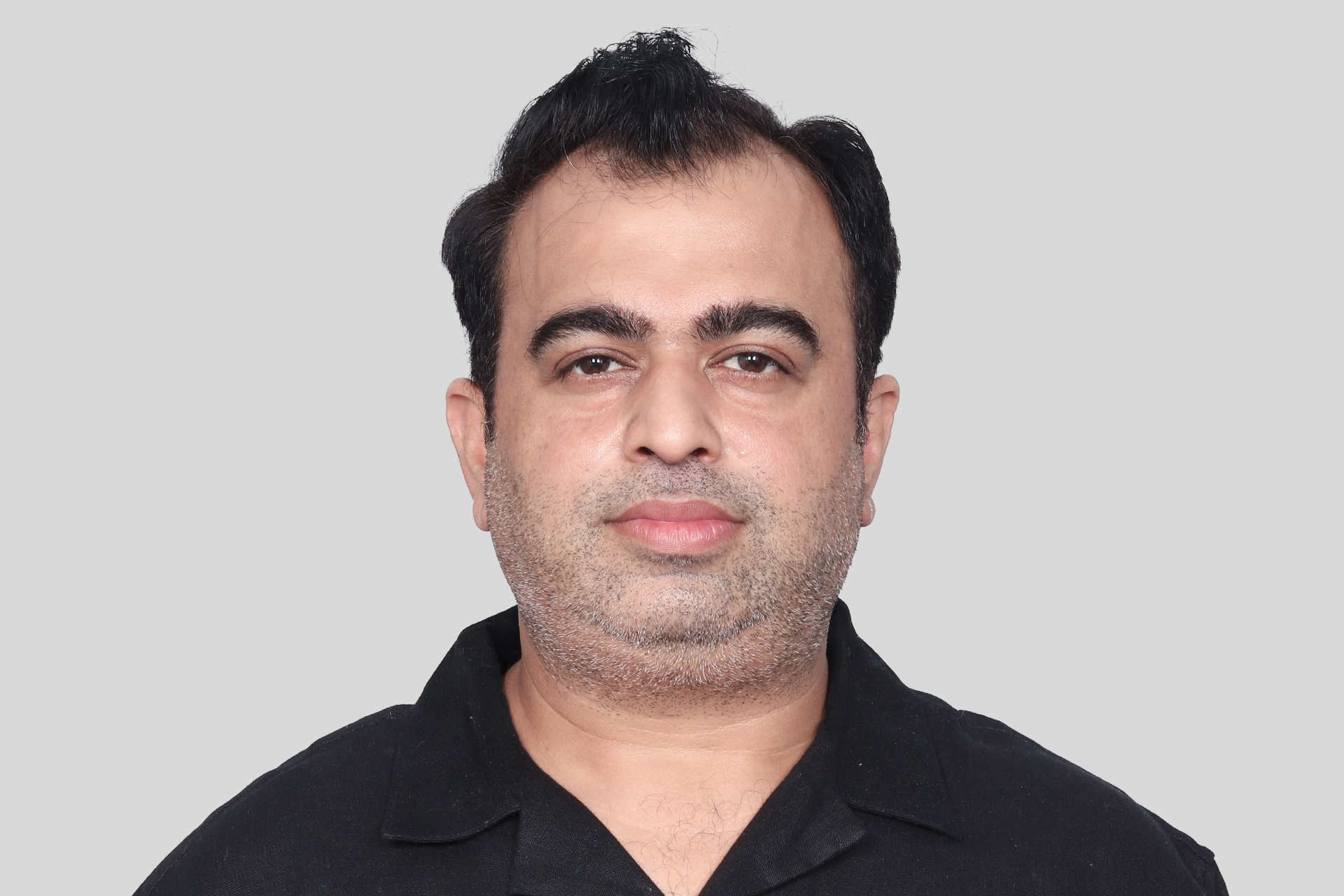
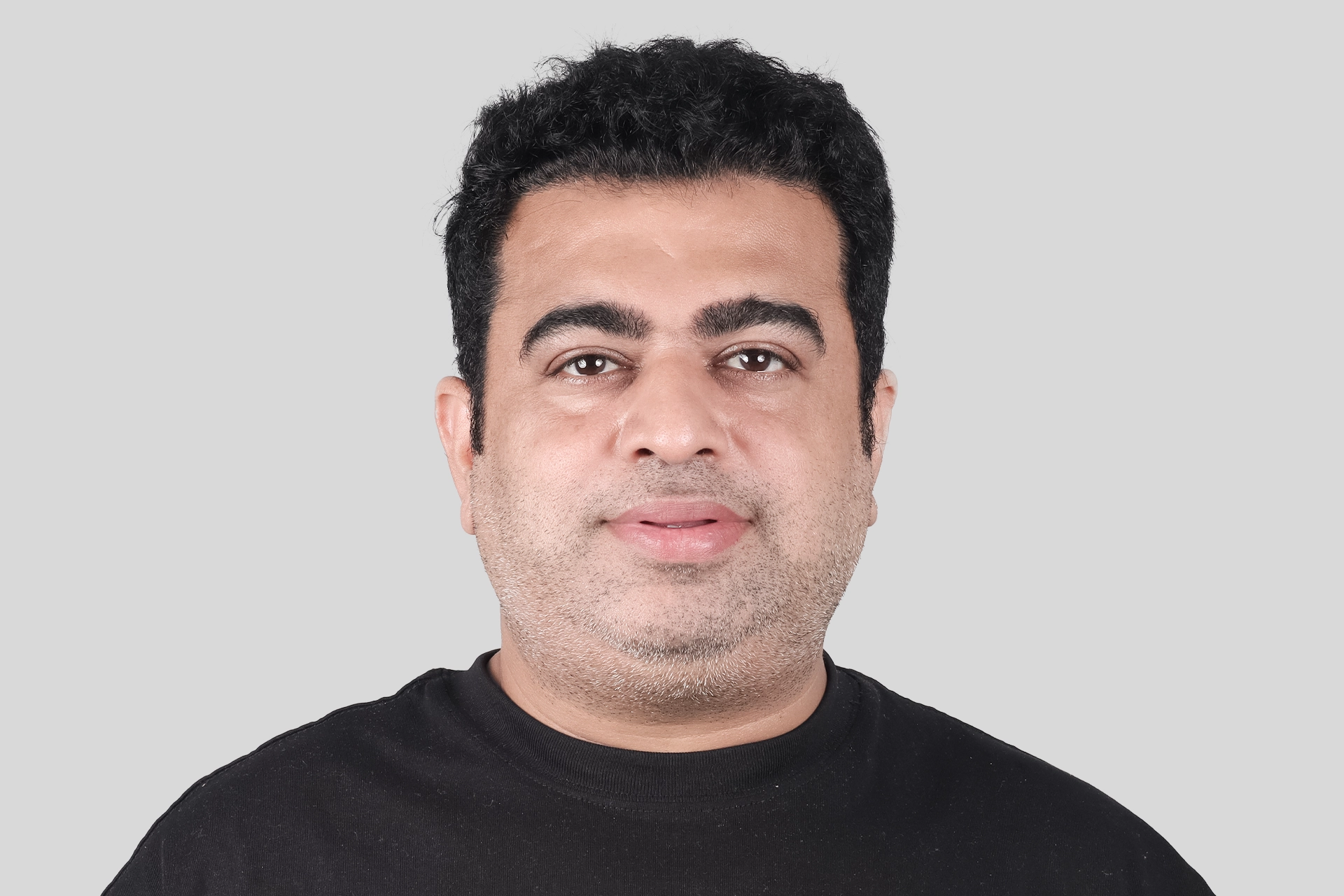
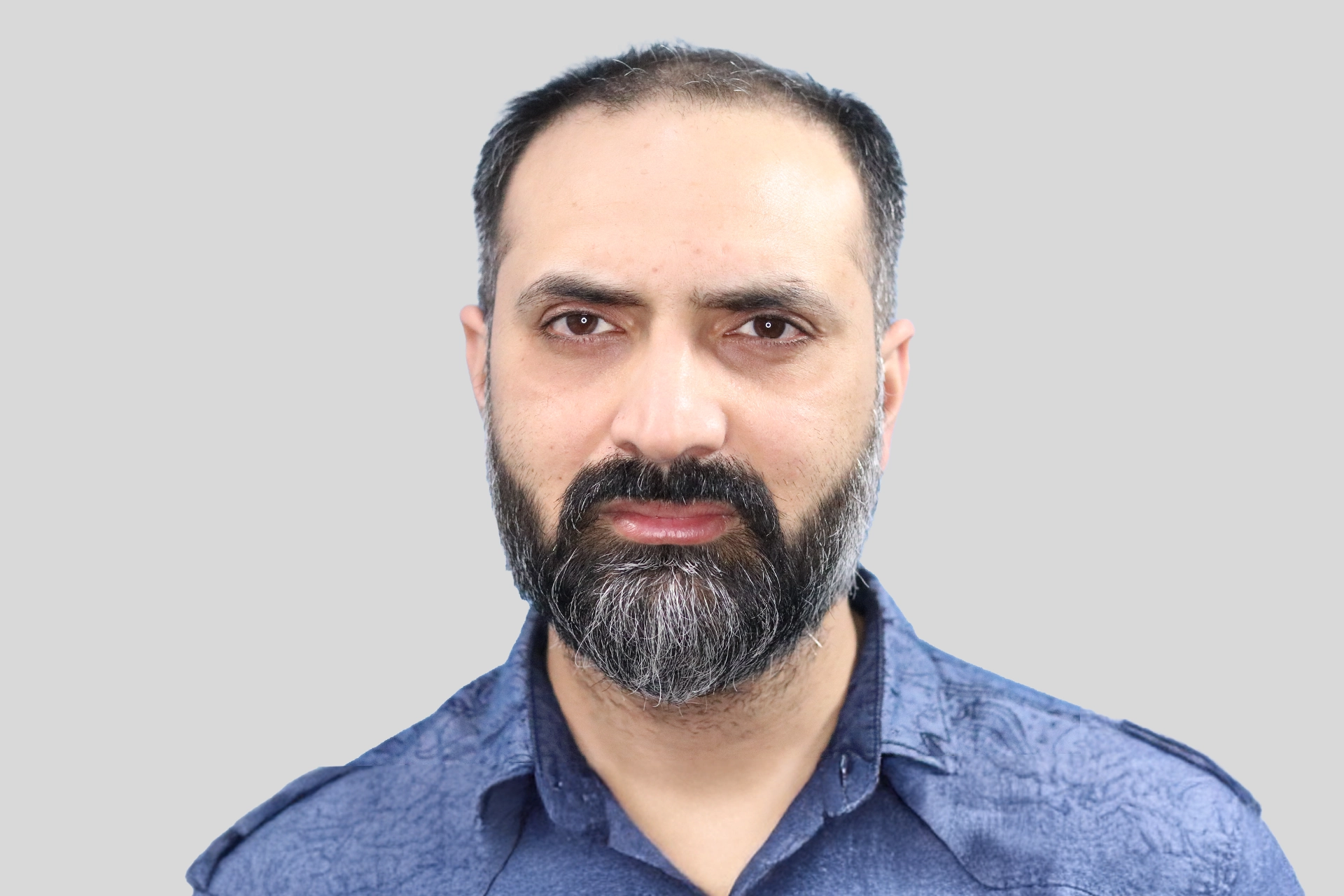
Surgeon, dermatologist, anaesthetist & technicians
If you are looking for an FUE hair transplant in Kolkata, the first thing to know is that there are two main types of hair transplant surgery, FUT and FUE. In FUT, a thin strip of skin is removed from the back of the scalp. In FUE, also called follicular unit extraction, the surgeon takes out the follicles one at a time. This difference decides how much scarring you have and how quickly you heal. Many patients are not sure which method is right for them, and that confusion is normal.
For patients in Kolkata, there is one more thing to think about. The weather here stays humid for most of the year. Hard water, city dust, and a long monsoon can be hard on a thinning scalp and make aftercare a little more demanding. So the real question is not only which method is better in general, but which one suits your scalp and your daily routine.
At QHT Clinic, this is sorted out before any talk of dates or graft counts. Our doctor checks your scalp in an online consultation, asks what is troubling you, and confirms the type of hair fall you have. In some cases, surgery is not needed at all. If medicines or other treatments can slow your hair loss or improve density, the doctor will tell you that first, rather than suggest a procedure you can avoid. When a transplant is the right choice, you are told clearly why FUE, FUT, or our own QHT method suits your case.
QHT also has its own hair transplant technique. The extraction and implantation are done side by side, so the grafts stay outside the body for a shorter time, usually under two hours. Less time outside the body supports better graft survival and gives denser results.
A quick word on how it works for you. QHT does not have a clinic in Kolkata. We treat Kolkata patients at our nearest QHT clinic, so the whole process can be done in one trip. Your final plan, including the graft count and whether you are suitable for surgery, is confirmed at the consultation. Results vary from person to person.

FUE stands for follicular unit extraction. In simple terms, it moves healthy hair from one part of your head to the bald or thinning part. The hair is not borrowed from someone else, and it is not artificial. It is your own hair, shifted to where you need it more.

The key is where the hair comes from. The back and sides of the scalp hold follicles that are built to resist the hormone behind male pattern baldness. These follicles keep growing for life, even after they are moved. That is why an FUE hair transplant in Kolkata patients can give results that last, because the moved hair carries its resistance with it.
First, the donor area at the back of the head is trimmed and numbed. The numbing is done with local anesthesia, so you stay awake but feel no pain during the work. Most patients feel only a small pinch from the first injection.
Next, the surgeon removes follicles one by one using a fine punch tool. Each unit holds one to four hairs. These units are kept safe in a special solution while the next stage is prepared.

After that, tiny sites are made in the bald area at the correct angle and direction. This step decides how natural the result looks, because real hair does not grow straight out. It leans and flows in a pattern, and good FUE copies that pattern.
Living in Kolkata does not put a quality hair transplant out of reach. The process is built so that most of the early steps happen from home, and only the procedure itself needs you to travel. Here is how each stage works.
Your first step is an online consultation, which you can do from home in Kolkata over a video or phone call. The doctor looks at clear photos of your scalp, checks the pattern and stage of your hair fall, and goes through your medical history. You can ask your questions here and get a straight answer on whether FUE suits you and how many grafts you are likely to need.
If you decide to go ahead, the FUE procedure is done at your nearest QHT clinic. This is where the follicular unit extraction in Kolkata patients actually takes place once they reach us. The consultation does the planning. The clinic visit does the surgery.
The procedure is usually completed in a single visit, so you do not need to come back again and again for the surgery itself. We share clear guidance on what to plan for, how long to keep aside, and what to expect on the day, so you can book your own travel and stay with the full picture in hand.
Follow-up is handled remotely. After you return to Kolkata, you stay in touch with the team over call or video. You send photos at set points, and the doctor checks your healing and growth from there. For most routine check-ins, this remote follow-up is enough, so distance does not get in the way of proper aftercare.
This setup works best for a few kinds of patients. People with busy work schedules who cannot sit through many local visits. Those who want an experienced surgical team and are willing to travel once for it. Patients who have had a poor result elsewhere and want a careful second opinion before anything is done.
In your online consultation, the doctor grades your hair loss on the Norwood scale, a simple chart that maps how far baldness has moved. This grade, along with your donor strength, sets your likely graft count and the plan for the day.
On the day itself, the donor area is numbed with local anesthesia. You stay fully awake. There is a brief sting as the first injection goes in, and after that, the area goes numb, so the extraction and implantation that follow are not painful. Many patients listen to music or check their phone through it.
Because QHT runs extraction and implantation together, the work moves in one flow rather than two long blocks. A typical FUE procedure in Kolkata patients runs about four to eight hours, depending on how many grafts are needed. Smaller cases finish sooner. Larger ones may include a short break for a meal.
Standard FUE works well, but it has one weak point that most patients never hear about. There is a gap between the moment a follicle is removed and the moment it is placed back. During that gap, the graft sits outside the body. The longer it waits, the more stress it takes, and stressed grafts do not always survive.
QHT was built around closing that gap. Instead of removing all the grafts first and planting them later, our team runs the two steps together. As follicles are extracted, they are implanted at the same time. This keeps the out-of-body time short, usually under two hours. A shorter wait means the grafts stay healthier, and healthier grafts give better growth and fuller density.
The tools matter too. The follicles are placed using a SAVA implanter, which lets the surgeon control the depth, angle and spacing of each graft with a steady hand. That control is what makes the difference between a hairline that looks planted and one that looks like it was always there.
There is also a person behind every stage, not just a single operator. A hair transplant surgeon plans and performs the work. A dermatologist checks the health of your scalp. An anesthetist looks after your comfort during the procedure, and trained technicians support the graft handling. More hands on the process means fewer things are rushed.
QHT reports a graft survival rate of 95 percent or higher with this approach. Treat that as what we have seen across our cases, not a fixed promise for every scalp, since healing and hair behaviour differ from one person to the next. What stays true for everyone is the aim behind the method. Get each graft in fast, place it with care, and give it the best chance to grow.
Both methods move your own hair and both give permanent growth. The difference is in how the hair is taken from the donor area, and that one difference shapes almost everything else, from your scar to your recovery to the kind of haircut you can keep.
FUT removes a strip of skin and leaves a thin line scar that stays hidden only if your hair is long enough to cover it. FUE takes follicles one by one and leaves small dot marks instead. Here is how they compare on the things patients actually ask about.
| What Patients Ask | FUE | FUT |
| How is hair taken | Follicles removed one by one | A strip of skin is removed |
| Scar left behind | Tiny dot marks, no line scar | One thin line scar at the back |
| Short haircuts | Fine, marks stay hidden | Scar may show on very short cuts |
| Healing speed | Faster, less soreness | Slower, the line needs more care |
| Grafts in one session | Good for small to large cases | Strong for very large sessions |
| Best suited to | Most patients, scalp and beard work | Advanced baldness needing many grafts |
The biggest advantage of FUE is the look of the donor area afterward. With no line scar, you can crop your hair short at the back and sides without anything giving the procedure away.
Healing is the next gain. The small openings from each extraction close over in a few days, so the soreness is mild and short. Most patients are back to desk work quickly, well before the hair itself starts to show change.
FUE is also flexible. The same method works for the scalp, the beard, and the eyebrows, because follicles can be picked one by one from more than one donor site. That makes it useful even when the scalp donor area is limited.
For patients who keep short hairstyles or want a careful, natural hairline, this scarless hair transplant in Kolkata approach is usually the one that fits. The marks fade, the hair grows in as your own, and daily care stays exactly as it was before.
This is where a lot of confusion starts, so it helps to clear one thing first. A graft is not the same as a hair. One graft is a natural cluster that holds one to four hairs. So when a plan says 3,000 grafts, the actual hair count is much higher, often closer to 6,000 to 9,000 hairs.
The number you need depends on how much area is thin or bald and how thick you want it to look. A receding hairline takes far fewer grafts than a bald crown.
Take a common example. A patient with a receding front and early crown thinning may need around 3,000 grafts. In one QHT session, that case can usually be completed in a single day, because extraction and implantation run together and keep the flow moving. A smaller hairline touch-up might need only 1,500. A more advanced case can cross 4,000.
The honest part is that no number is fixed from a photo alone. Your real graft count is judged when the doctor checks your donor density and hair loss stage.
The first 7 to 10 days do most of the work. In this window the grafts settle into place and the donor area closes over. Small scabs form around each graft, and these are a normal part of healing.
Kolkata’s heat and humidity make the scalp sweat, and sweat on fresh grafts can cause itching and raise the chance of infection. During monsoon, the damp air keeps the scalp moist for longer, which slows the drying the grafts need. A little extra care in this climate goes a long way.
A few things help in the early days. Keep your head cool and stay out of direct heat where you can. Pat away sweat gently with a clean tissue instead of wiping or rubbing. Skip the gym, steam, swimming, and heavy outdoor work until the doctor clears you, since all of these bring sweat or dust to the area. Sleep with your head raised for the first few nights to ease swelling.
Do not scratch, even when the itch is strong. Do not wear a tight helmet or cap over fresh grafts. Do not wash the scalp until you are told how and when, and when you do start, use only the gentle method the doctor shows you. Direct sun on a healing scalp is best avoided, so a loose cover on the way out is sensible once the grafts are stable.
Your aftercare is monitored by the QHT team online, so you do not need to visit the clinic again for follow-up care.
In the first 2 to 4 weeks, the transplanted hairs shed. This is normal and expected, not a failure. The follicle stays safely in place under the skin. Only the visible shaft falls, and it grows back stronger. This phase is called shedding, and it worries people only when no one has warned them about it.
From about month 3 to month 4, new growth begins. It comes in fine and thin at first, almost like baby hair. Through months 6 to 9, this hair thickens and fills in, and the change becomes clear to you and to others. Fuller results usually settle by 9 to 12 months, and the final texture and density show by then.
Individual results vary. Donor quality, the stage of hair loss treated, and how closely the aftercare is followed all play a part, so two patients can move along this timeline at a slightly different pace.
When you travel out of your city for a procedure, you want to know the standards first. That is fair. Here is what QHT holds itself to during an FUE hair transplant in Kolkata patients travel for, laid out point by point.
Put together, these are the reasons a patient skips a quick local option and travels instead. Not a brand name, but a set of standards you can ask about, one by one, in your consultation.
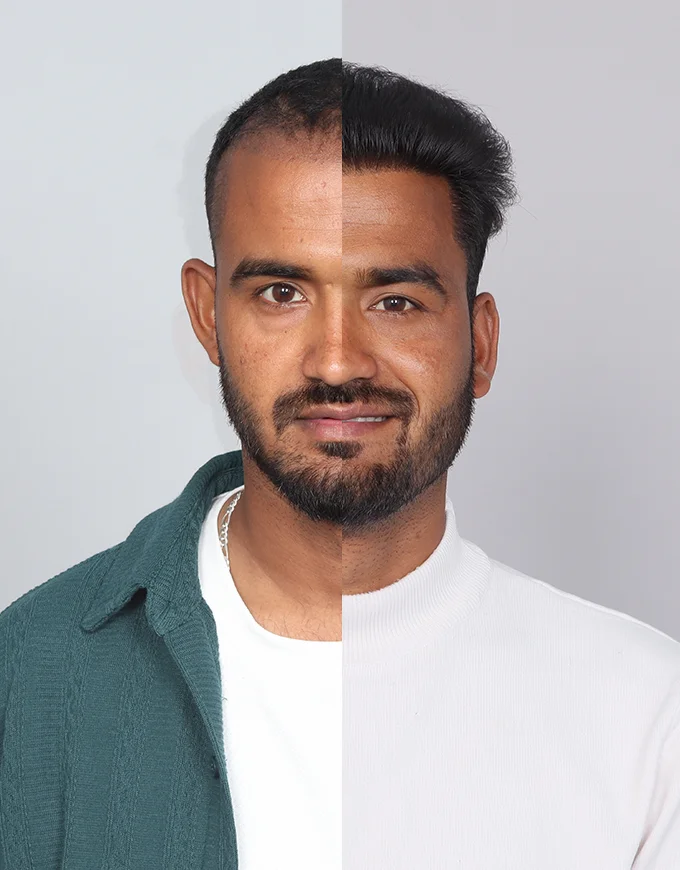
Real before-and-after photos help you see what is possible for a case like yours. The QHT results gallery has cases from many Norwood grades and graft ranges. You can filter the gallery by grade or by graft count. This makes it easy to find patients with a hair loss pattern close to yours.
Factors that Affect the Final Cost
Some factors that may affect the number of grafts required include:
More grafts needed means a higher total cost.
Skilled, doctor-led care affects the final price.
FUT, FUE, and QHT each have a different per-graft rate.
Post-surgery support and reviews add to the value.
Global bodies such as the World Health Organization encourage an evidence-based approach to medicine and following ethical guidelines when discussing the options available to patients for surgical procedures.
Yes, because it comes from follicles that resist the hormone behind balding. That part stays for life. What it cannot do is stop your other, untreated hair from thinning later. So the graft is permanent, but your overall look can still change with age, which is why the doctor also checks whether you need support like medicines alongside it.
It does not leave the long line scar that FUT does. What it leaves is tiny dot-like marks in the donor area, each about the size of a pinpoint. These fade with time and stay hidden under normal hair length. That is the honest meaning of a scarless hair transplant in Kolkata, no line, just small marks that settle.
The work itself is not painful, because the scalp is numbed with local anesthesia first. You feel the small sting of the first injection, and after that the area is numb. Most patients sit through the day comfortably, and any soreness afterward is mild and short.
The transplanted hair sheds in the first few weeks, which is normal. New growth starts around month 3 to 4, thickens through months 6 to 9, and looks fuller by 9 to 12 months. Results vary from person to person, so this is a guide, not a fixed clock.
Neither is better for everyone. FUE suits most patients who want quicker healing and short hairstyles, while FUT can be the smarter choice when a very high graft count is needed at once. The follicular unit extraction route is the more popular one today, but the right pick depends on your donor area and stage of hair loss, confirmed in your consultation.
QHT does not run a clinic in Kolkata. You can begin with an online consultation from home, and the FUE hair transplant is then carried out at your nearest QHT clinic, with follow-up handled remotely once you are back.