

Hair Transplant Recovery Timeline in Kolkata | Week-by-Week Guide

Understand the full recovery timeline after a hair transplant in Kolkata. From the first days of healing to full hair growth, get a personalised care plan from QHT experts.

Book a consultation today
Hair Transplant Recovery Timeline Kolkata
Surgeon-Guided Aftercare
Realistic Regrowth Timeline
Structured Post Operative Care
Phased Recovery Overview
Surgeon-Guided Aftercare
Realistic Regrowth Timeline
Structured Post Operative Care
Phased Recovery Overview
Visible Growth in 3 Months

New hair appears typically within 3-4 months


Visible Growth in 3 Months
Post-Surgery Support

Structured post-surgery support for 12 months.

Post-Surgery Support
Minimal Downtime

Most patients resume light daily activities within a week.

Minimal Downtime
Surgeon-Led Procedures

Surgeon-guided treatment and aftercare to deliver natural-looking results.



Surgeon-Led Procedures
Understanding Hair Transplant Recovery in Kolkata

Understanding Hair Transplant Recovery in Kolkata

Understanding Hair Transplant Recovery in Kolkata

The hair transplant recovery timeline in Kolkata follows a predictable pattern, but in high humidity, patients may require extra care with scalp hygiene, sweat management, and sun protection. Recovery for most patients is smooth and follows the same biological stages: the grafted follicles heal, followed by a temporary shedding phase, and new growth begins around 3 months, with gradual density improvement over time. For most patients, hair transplant downtime in Kolkata is minimal, with desk jobs often resumed within a few days. 

Understanding the complete recovery process, from the first 48 hours through the 12-month mark, helps patients set realistic expectations, stay compliant with aftercare instructions, and avoid unnecessary anxiety during phases like shock loss or the dormant period. This guide provides a practical day-by-day hair transplant recovery timeline that patients in India can expect after hair transplant procedures

Day 1–3: What to Expect Immediately After Hair Transplant

Day 1–3: What to Expect Immediately After Hair Transplant

Day 1–3: What to Expect Immediately After Hair Transplant

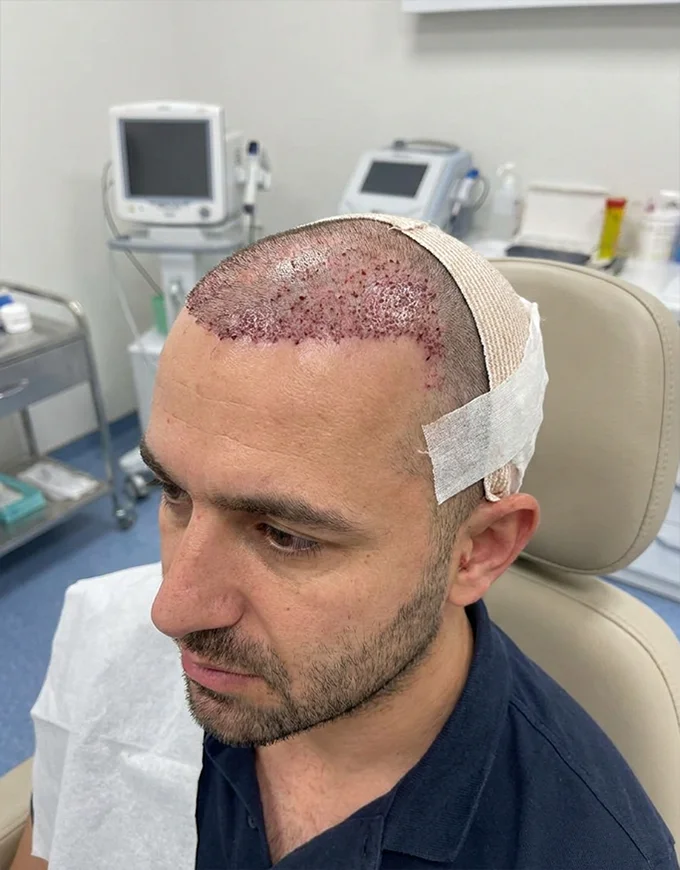
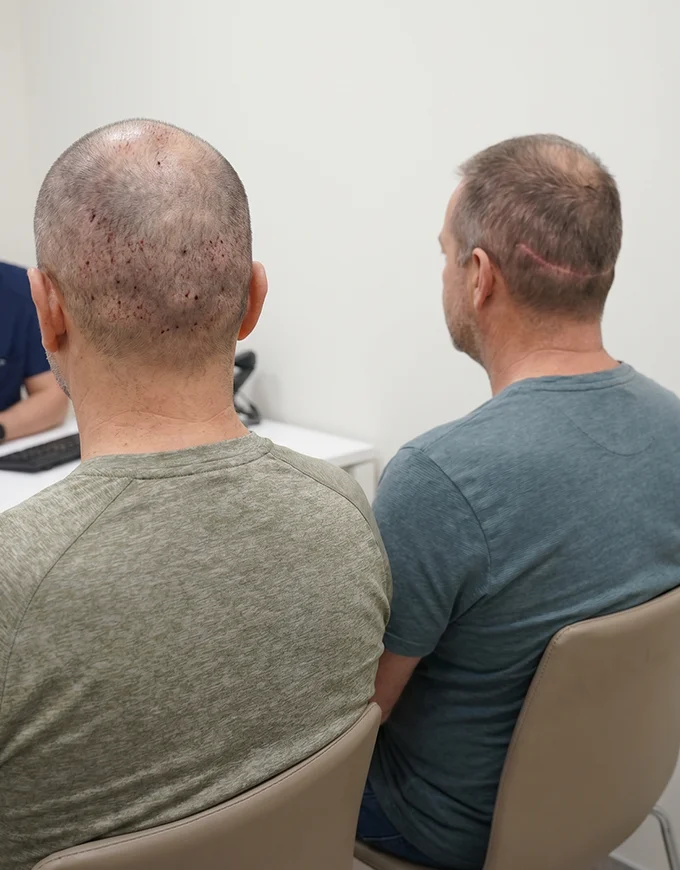
The first 48-72 hours after a hair transplant are crucial. The newly placed grafts are still in the process of establishing a blood supply, and any friction, pressure or impact on the scalp can displace the grafts before they anchor securely. 

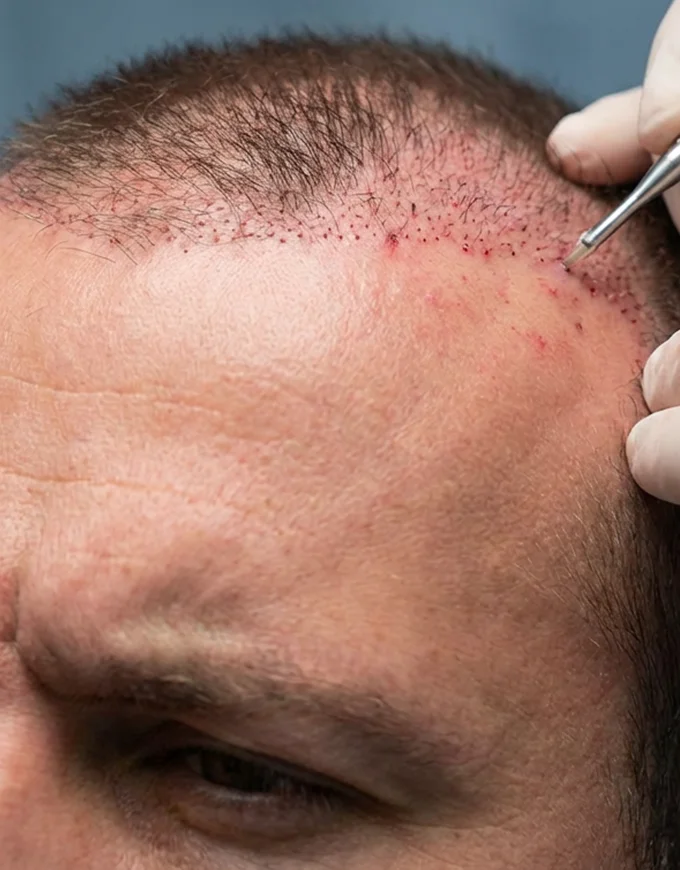
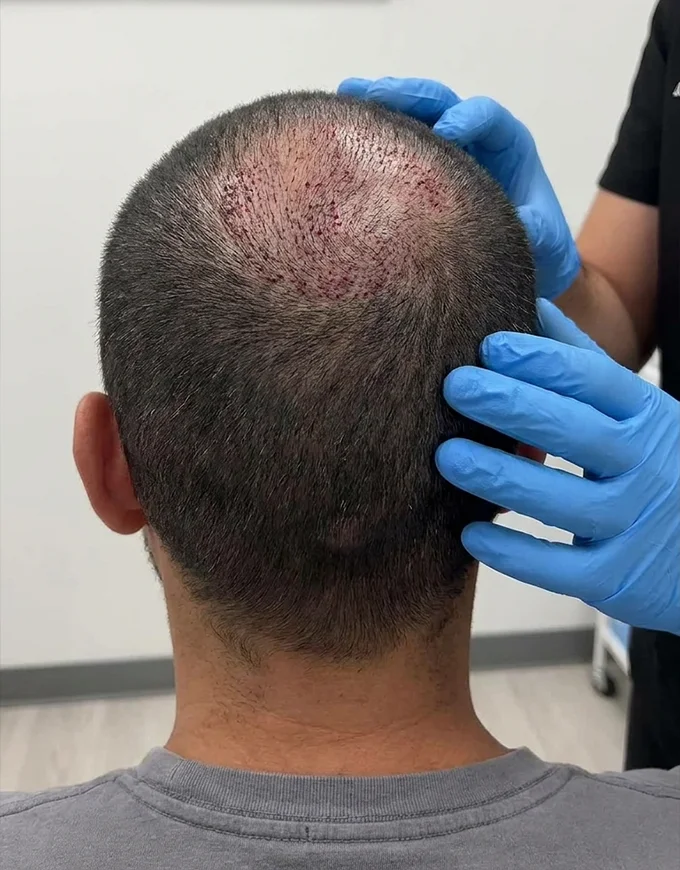
Mild tenderness, redness and swelling in the donor and recipient zones are common, and sometimes the swelling may extend to the forehead and eyes within the first 72 hours. Small scabs begin to form around the grafts. 

Sleep with your head elevated during this time at 15 to 30 degrees. Do not scratch, touch or rub the grafted area. For FUT patients, tightness around the donor area can be felt during this time. 

If you are travelling to Kolkata after the procedure, plan your journey carefully. Avoid travelling immediately after the procedure and allow at least 48-72 hours before undertaking long journeys. Keep the scalp covered with a loose hat before stepping out in the sun.

Week 1: Scabbing, Swelling & Initial Healing

Week 1: Scabbing, Swelling & Initial Healing

Week 1: Scabbing, Swelling & Initial Healing

The overall hair transplant healing time in Kolkata varies depending on the technique used, but the most visible healing occurs within the first 7-14 days. By day 4, the swelling goes down, and small scabs around transplanted grafts begin to thicken and harden. The scalp appears more settled during week 1, and many patients can return to light desk jobs. For FUT patients, this timeline may extend up to 14 days, as the sutured donor zone takes time to heal. The FUE recovery timeline in Kolkata is minimal and usually lasts up to 5-7 days.  

Kolkata’s warm and humid conditions may result in increased perspiration; it is important to keep the scalp clean. Follow your surgeon’s guidelines for washing your scalp to avoid the risk of graft displacement or infection. Avoid outdoor activity during peak hours and humidity. 

Also, avoid tight helmets, tight caps or other headgears. Also, avoid any strenuous physical activity, heavy lifting, or exercise for the first few weeks. 

Week 2–4: Shock Loss Phase – Is It Normal?

Week 2–4: Shock Loss Phase – Is It Normal?

Week 2–4: Shock Loss Phase – Is It Normal?

Hair transplant scab timeline extends up to 2 weeks. By the second week, scabs start to fall on their own. Do not scratch or pick on these scabs; allow them to detach naturally. Around week 2-4, many patients notice that transplanted hair begins to fall out. This is called shock loss, and it is a completely expected and well-documented part of the hair transplant recovery process.

The transplanted hair shafts fall out while the hair follicles remain intact beneath the scalp. This happens as the follicles enter the resting phase to transition into the active growth phase in 3 months. Shedding does not indicate that the transplant has failed. New hair will emerge from the follicles as the growth cycle progresses. 

This phase can be mentally exhausting, but it is important to understand that this phase is completely normal.  

By the end of week 4, the scalp is mostly healed and completely settled.

Month 2–4: Dormant Phase – Why Isn't Hair Growing Yet?

Month 2–4: Dormant Phase – Why Isn't Hair Growing Yet?

Month 2–4: Dormant Phase – Why Isn't Hair Growing Yet?

Months 2-4 can feel quiet, as no visible changes are apparent. The transplanted hair has shed, and follicles are in the resting phase. It is common to be worried during this time, but patience is key here. In this phase, patients can continue the scalp care and topical treatment regimen as prescribed by the surgeon. Attend all the follow-up consultations and maintain a healthy, balanced diet. 

In some patients, the new fine hair can appear at around month 3, but the growth timeline varies from person to person. Refrain from comparing your progress to that of other individuals; the journey is not the same for everyone. 

Month 5–8: New Hair Growth Begins

Month 5–8: New Hair Growth Begins

Month 5–8: New Hair Growth Begins

This stage marks the beginning of the new hair growth timeline after transplant, when dormant follicles enter the active growth phase and start producing visible hair. For many patients, the new growth becomes evident by month 5. Fine, new hair starts to emerge from transplanted follicles. The hair may appear lighter in colour and thinner in texture than your existing hair, but with time, this hair blends seamlessly with your existing hair. Growth is not uniform at this stage. The growth at the frontal hairline shows earlier regrowth than the crown region. The difference in growth is due to a variation in the blood supply.

By month 6, these fine hairs thicken and become pigmented. Half of the density is usually achieved during this timeline. 

Light grooming is allowed during this period, but it is very important to follow the scalp care routine and topical regimen to support growth.

Month 9–12: Final Results & Full Density

Month 9–12: Final Results & Full Density

Month 9–12: Final Results & Full Density

By month 9, the transplanted hair has matured substantially. The pigment has settled, and the texture and direction of growth follow the natural hair. Coverage appears fuller and denser than in the preceding months. 

Most patients achieve near-complete density by the 12th month. The transplanted hair integrates with the surrounding native hair, and the overall results are indistinguishable. 

Hair can be groomed and styled to personal preference.

Month 12–18: Long-Term Maintenance & Hair Health

Month 12–18: Long-Term Maintenance & Hair Health

Month 12–18: Long-Term Maintenance & Hair Health

For some patients, the recovery progresses more slowly, and the full results may not be obtained until the 18-month mark. Especially the crown region usually takes longer to achieve full density. The transplanted hair is taken from the DHT-resistant zone and hence continues to grow, but the natural hair can still be influenced by androgenetic alopecia and shed progressively. It is important to follow a topical therapy regimen and adjunctive therapies like PRP, LLLT and GFC, if needed, to maintain the overall density.

Long-term maintenance is a non-negotiable part of genetic hair loss.

Do's & Don'ts During Hair Transplant Recovery

Do's & Don'ts During Hair Transplant Recovery

Do's & Don'ts During Hair Transplant Recovery

To ensure optimal healing and recovery, it is important to follow the postoperative instructions given by your doctor. 

Do’s 

  • Sleep with your head elevated to 15-30 degrees during the initial recovery period.
  • Use the shampoo and washing routine provided by your doctor. 
  • Attend all follow-up appointments.
  • Take prescribed medications and apply topical solutions as directed by your doctor.
  • Eat a balanced diet. A proper hair transplant diet recovery plan should include adequate protein, iron and vitamins to support healing and new hair growth.
  • Stay hydrated and keep your scalp cool. 
  • Resume your blood thinning and other prescriptions after 24-48 hours of surgery as advised by your surgeon. 

Don’ts 

  • Avoid smoking and alcohol consumption for at least 2 weeks. 
  • Avoid hairstyling products for 2 weeks.
  • Avoid direct exposure to sunlight during the initial weeks. 
  • Avoid heavy, strenuous activity for the first few weeks after surgery. 
  • Avoid swimming pools, saunas or steam rooms until cleared by your surgeons. 
  • Do not scratch, pick, or rub the grafted area or scabs. 
  • Do not wear tight helmets, caps, or headbands for the first 2-3 weeks.
When to Contact Your Surgeon Post-Op

When to Contact Your Surgeon Post-Op

When to Contact Your Surgeon Post-Op

Most of the symptoms post-surgery can be managed with prescription medication. The pain and swelling gradually subside after 3 days, and most of the healing is complete by week 4.

Unusual symptoms requiring emergency care are rare; however, if you experience any of the following symptoms listed below, contact your surgeon immediately. 

  • Pain that is not controlled by prescribed medication and worsens with time. 
  • Swelling that does not subside even after 5 days of surgery, and becomes red, warm, and increasingly tender.
  • High fever with pain and swelling. 
  • Discharge, foul odour from the recipient or donor area may suggest infection. 
  • Numbness or persistent loss of sensation of the scalp. 
  • Folliculitis or bleeding at the recipient or donor zone.
Why Kolkata Patients Choose QHT Clinic for Hair Transplant

Why Kolkata Patients Choose QHT Clinic for Hair Transplant

Why Kolkata Patients Choose QHT Clinic for Hair Transplant

QHT Clinic has a proven record of successful hair transplant surgeries across 15,000+ patients. QHT Clinic provides structured, comprehensive post-operative support for up to 12 months at no additional cost to all patients. 

QHT clinical standards

  • 95% Graft Survival Rate: Achieved with precise graft handling protocols that reduce the out-of-body time of grafts to less than 2 hours and support higher graft viability. 
  • 10x Magnification Graft Selection: Every graft is assessed under 10x magnification to ensure only healthy follicular units are used. 
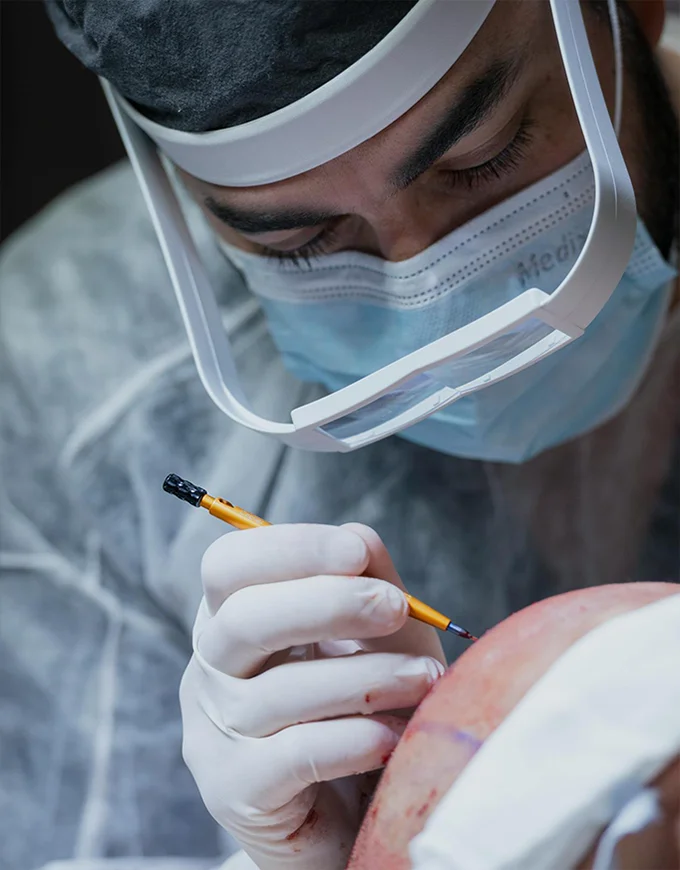
  • Advanced Technique: QHT (Quick Hair Transplant), a proprietary technique of QHT Clinic, allows precise graft placement at the correct angle and depth using a SAVA implanter pen. This technique allows simultaneous extraction and placement of grafts, reducing out-of-body time and delivering a 95% graft survival rate. 
  • Chilled PRP Saline Storage: The grafts are stored in chilled PRP-enriched saline storage to maintain viability throughout the procedure.
  • Structured Post Surgery Support: Dedicated support team to monitor growth and schedule follow-up appointments. 
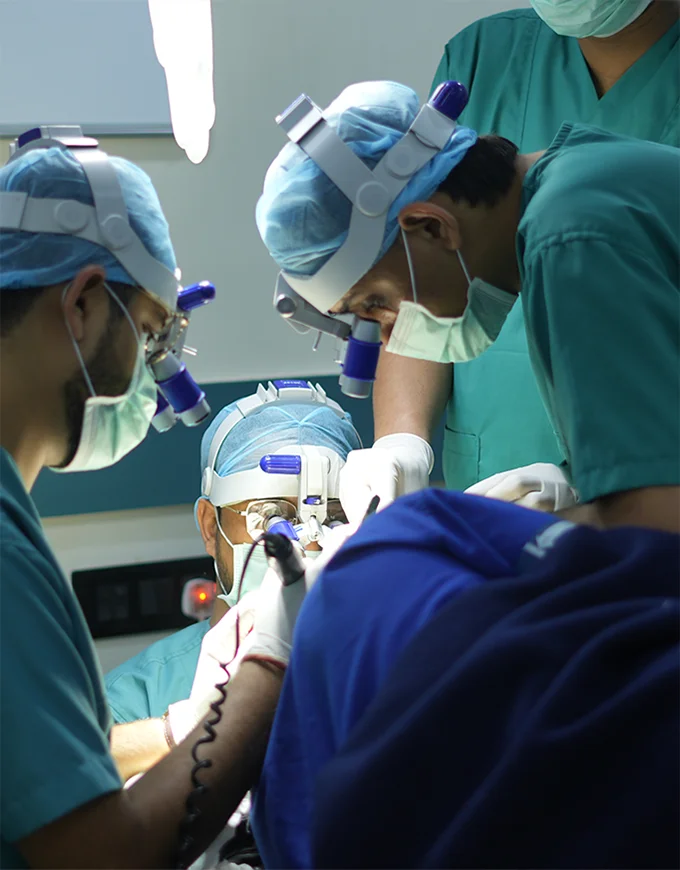
  • Surgeon-Led Procedures: Each step of the treatment journey from consultation to postoperative follow-up is directly overseen by surgeons. The team at QHT Clinic is highly skilled and comprises ABHRS-certified hair transplant surgeons, dermatologists, anaesthetists, and oral and maxillofacial surgeons with more than 17 years of experience in the field. Dr S. Mishra, Dr A.A. More, Dr A. Bagrodia and many highly qualified surgeons across 4 branches of QHT Clinic.

QHT Clinic is easily accessible to Kolkata patients through its four branches located across the country: Delhi, Gurgaon, Hyderabad, and Haridwar. You can choose the branch that is most convenient for you and start your hair restoration journey with QHT Clinic.

Best and Natural-looking Hair Transplant Results

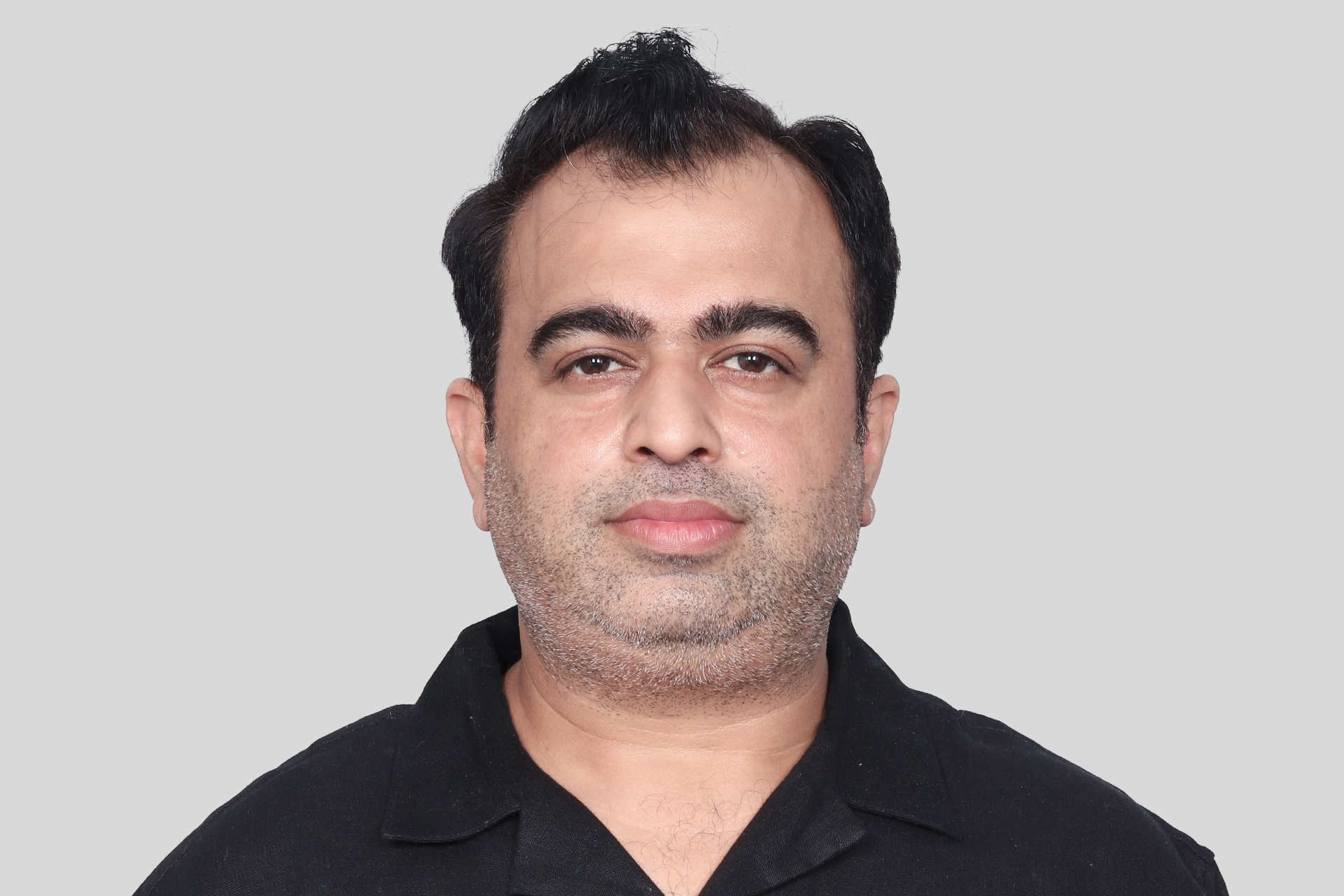
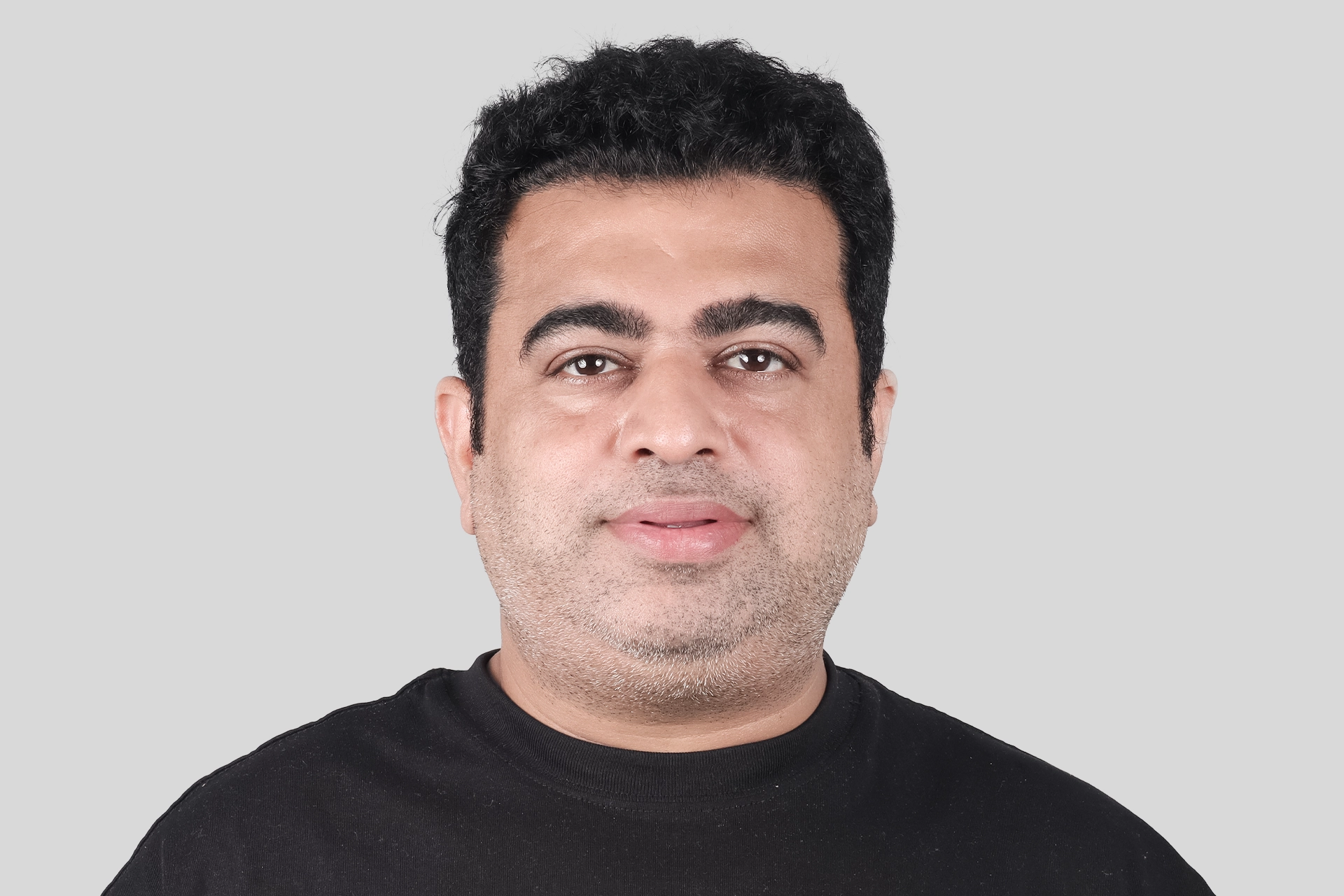
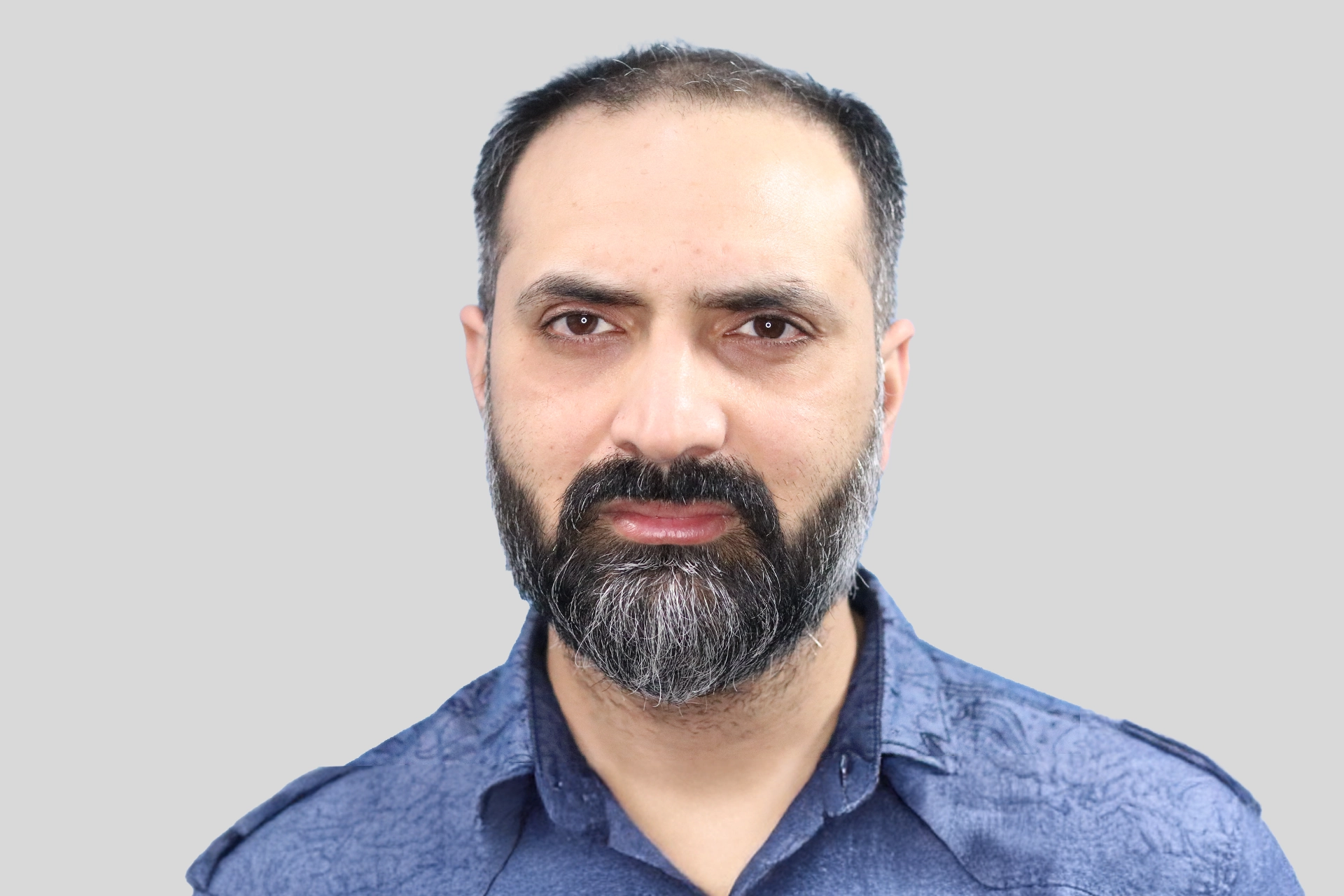
At QHT Clinic, we use clinically proven hair transplant techniques to give you the results you desire. Our goal at QHT is to deliver precision-executed results that blend seamlessly with your existing hair to create a denser, more natural-looking appearance.

Result Vector
Devendra Before Image
Devendra After Image
Harsh Sharma  Before Image
Harsh Sharma  After Image
Probir Das Before Image
Probir Das After Image
Ajay  Before Image
Ajay  After Image
Dheerendra Before Image
Dheerendra After Image
Amit Kumar  Before Image
Amit Kumar  After Image

Hair Transplant Cost in India

7

Factors that Affect the Final Cost

  • The total number of grafts needed
  • The technique chosen
  • Any add-on therapies like PRP or GFC
  • Post-procedure care needs
Type of hair transplant Approximate Cost (INR)
Follicular Unit Extraction Starts from ₹ 70 Per Graft
Quick Hair Transplant Starts from ₹ 100 per graft
Follicular Unit Transplantation Starts from ₹ 50 Per Graft
Factors Affecting the Cost

Some factors that may affect the number of grafts required include:

  • Number of Grafts
    Number of Grafts

    More grafts needed means a higher total cost.

  • Surgeon and Team
    Surgeon and Team

    Skilled, doctor-led care affects the final price.

  • Technique Chosen
    Technique Chosen

    FUT, FUE, and QHT each have a different per-graft rate.

  • Aftercare and Follow Up
    Aftercare and Follow Up

    Post-surgery support and reviews add to the value.

Frequently Asked Questions

Global bodies such as the World Health Organization encourage an evidence-based approach to medicine and following ethical guidelines when discussing the options available to patients for surgical procedures.

01
When can I wash my hair after a hair transplant?

Gentle scalp washing may begin within the first few days, but only using the specific steps and products advised by your surgeon. Do not use your regular shampoo until you have been cleared to do so. The first wash after the hair transplant is done at QHT Clinic.

02
Is shock loss after a hair transplant permanent?

No. Shock loss is a temporary and expected phase. The transplanted hair shafts shed, but the hair follicles remain intact beneath the scalp. New hair growth emerges from the same follicles as the recovery cycle progresses.

03
Why is no hair growing in the second month?

The second month falls within the dormant phase of recovery. The follicles are resting between shedding and active growth. This is a normal, expected stage. Visible regrowth typically begins around months three to four.

04
When can I start going to the gym again?

Light walking may be possible in the early days post-procedure. Vigorous exercise, weight training, swimming, and contact sports should be avoided until your surgeon clears you — typically no earlier than 2 to 3 weeks after the procedure.

05
Can I travel back to Kolkata by flight after the procedure?

Air travel is generally safe from around day 3 to 5 post-procedure, but your surgeon will confirm the right timing based on your individual recovery. Most Kolkata patients plan their return journey 3 to 5 days after their procedure.

06
When can I colour or dye my hair after a transplant?

Hair colouring and chemical treatments should be avoided for at least 4 to 6 weeks post-procedure. Always confirm with your surgeon before resuming any chemical hair care treatments.

07
When can I return to work after a hair transplant?

Most patients return to desk-based work within 2-5 days. The exact hair transplant downtime Kolkata patients experience depends on the number of grafts transplanted and the technique used.

Book Your Consultation and Start Your Hair Restoration Journey with QHT Clinic

A successful hair transplant depends on the surgeon's expertise, the clinic’s safety standards, graft-handling protocols and postoperative care. At QHT Clinic, every patient receives a personalised recovery plan, structured, surgeon-led support throughout a 12-month healing journey.

Book a Consultation at QHT Clinic Today