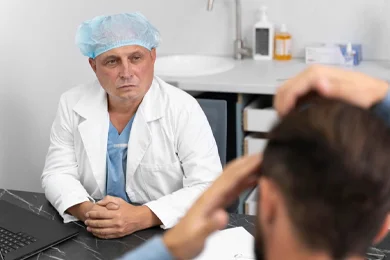
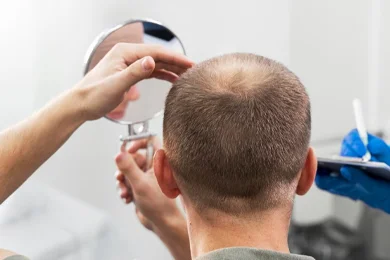
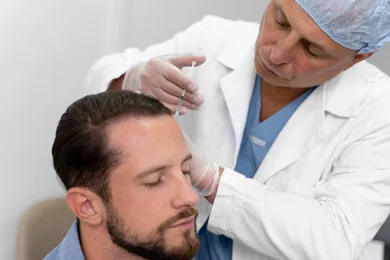
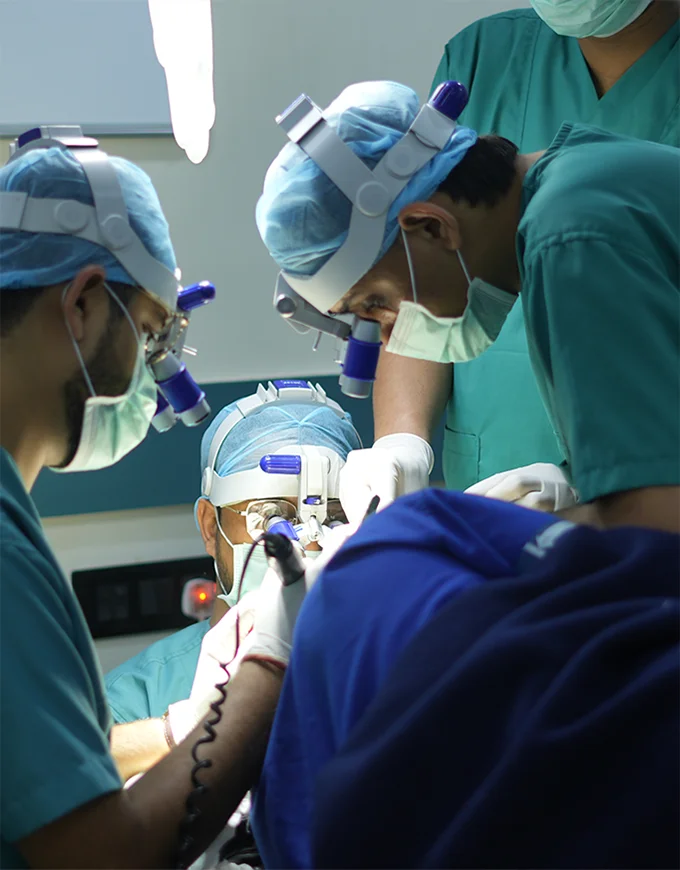
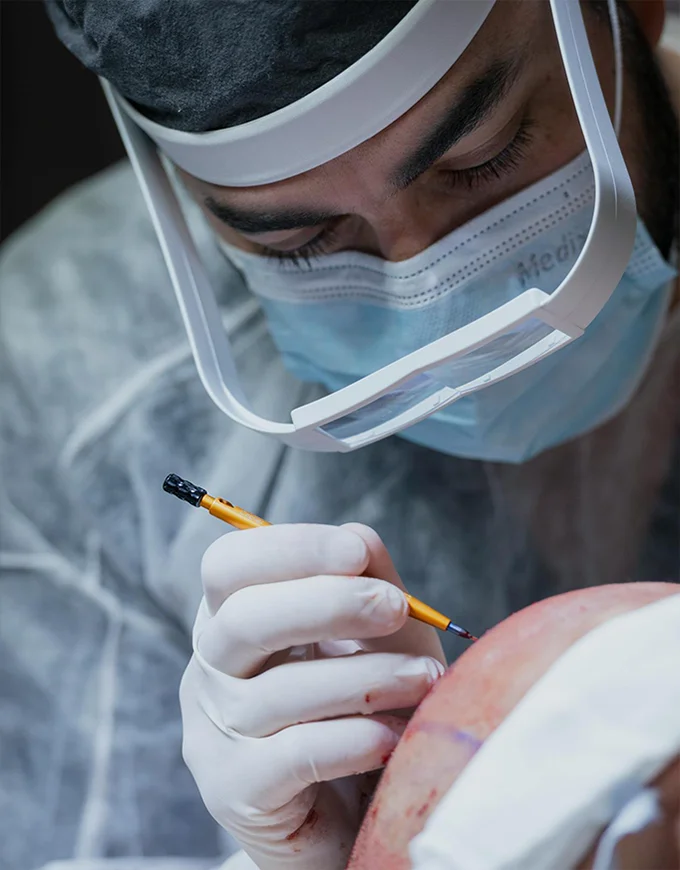
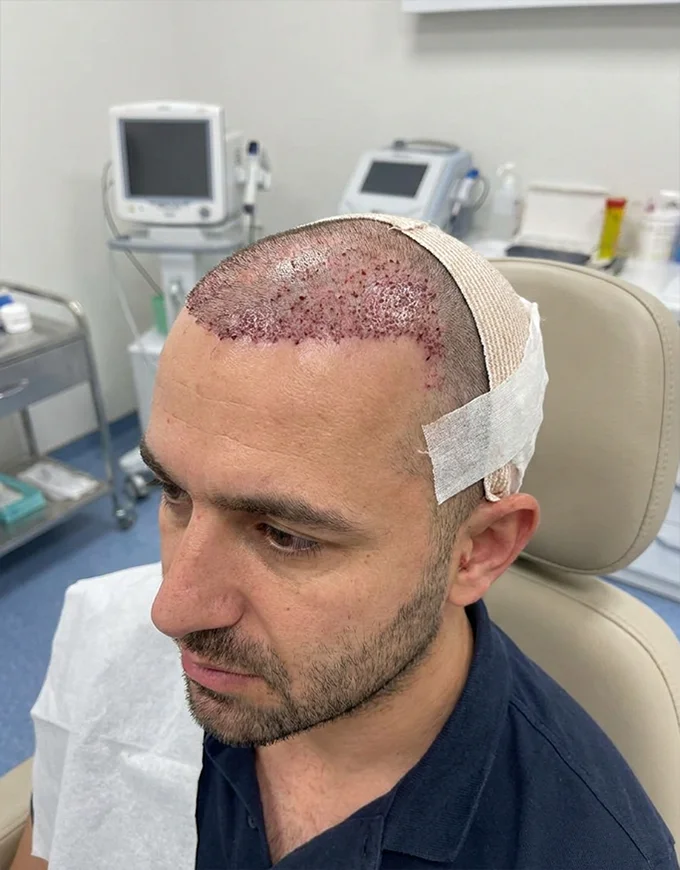
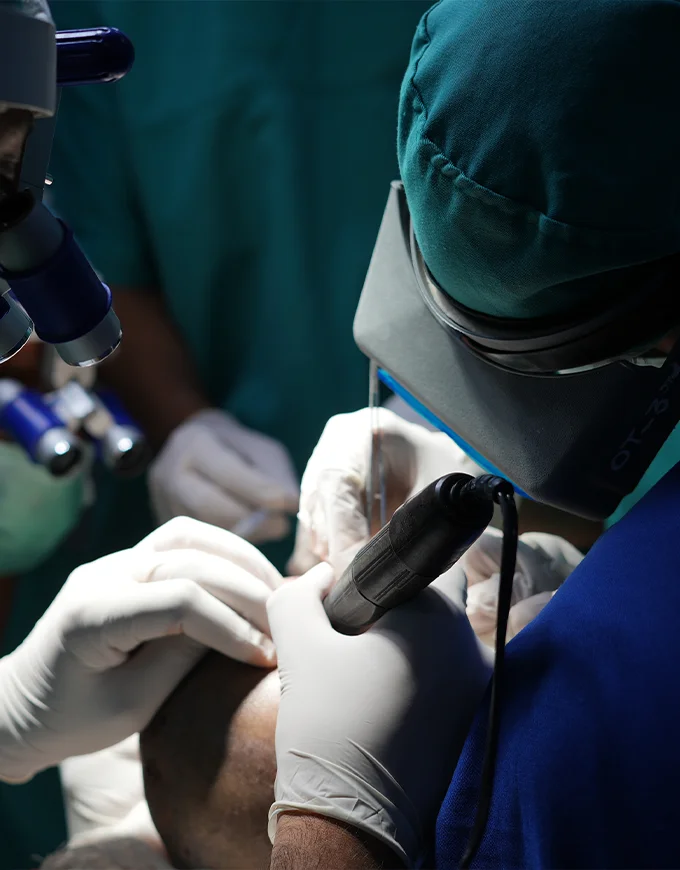
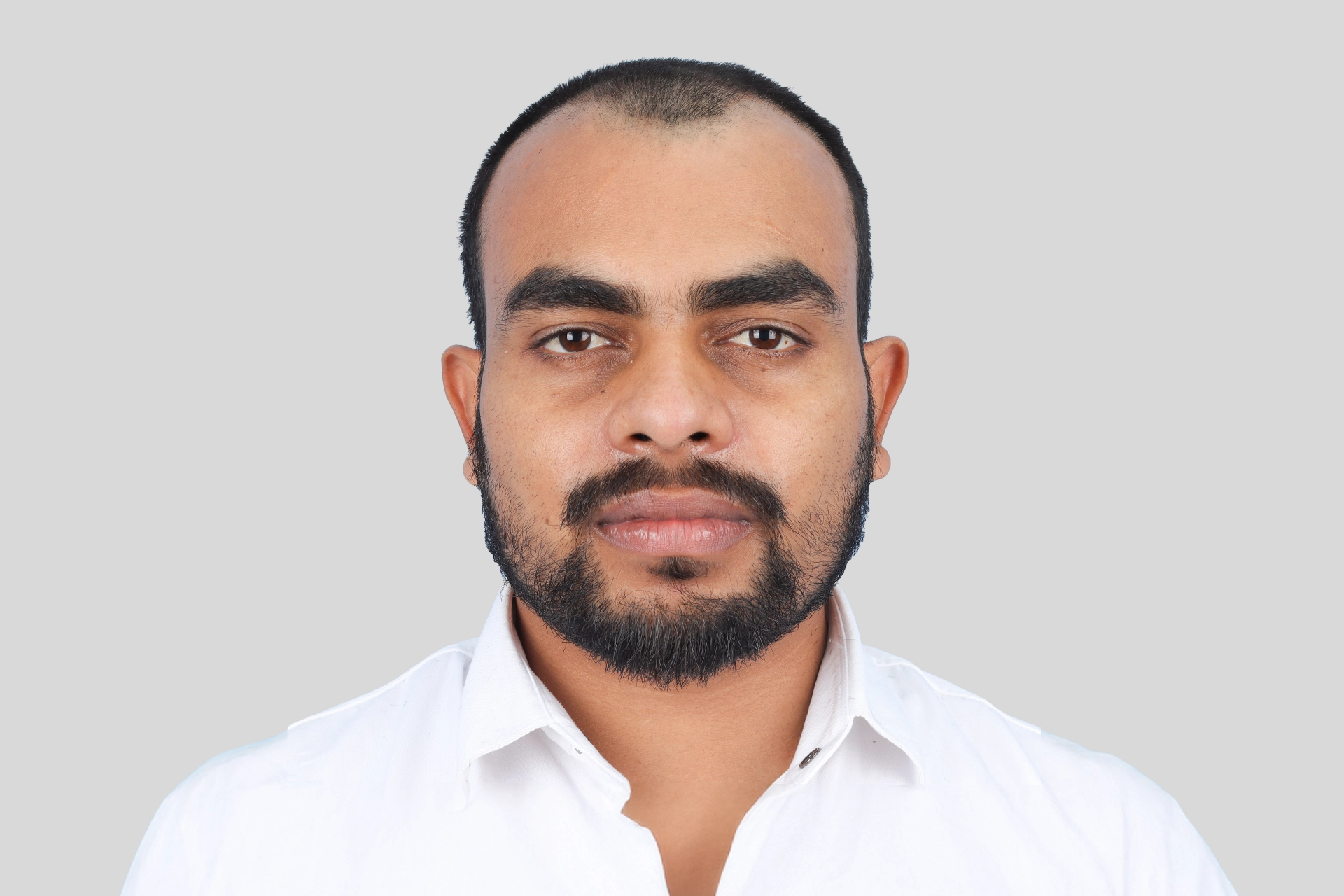
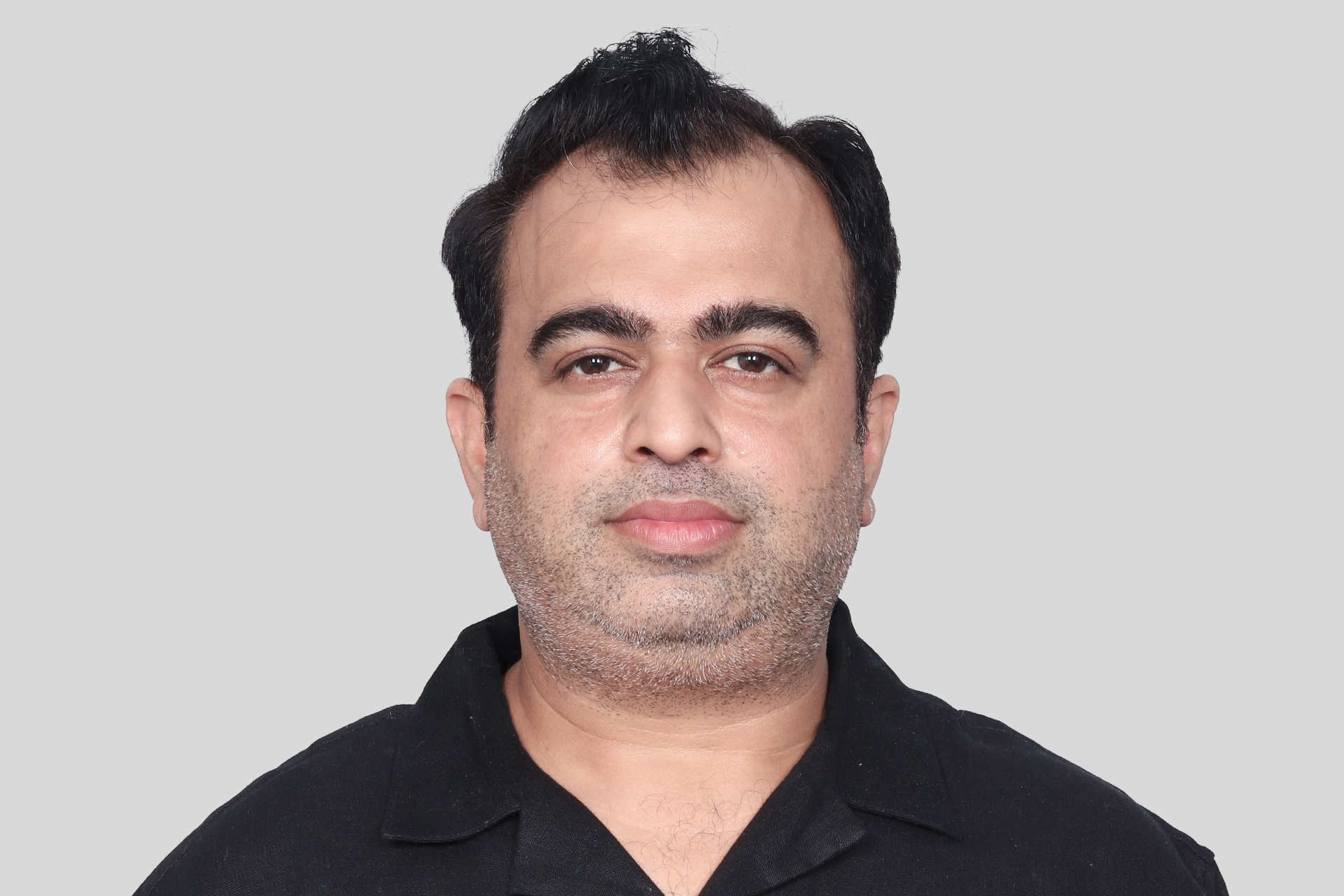
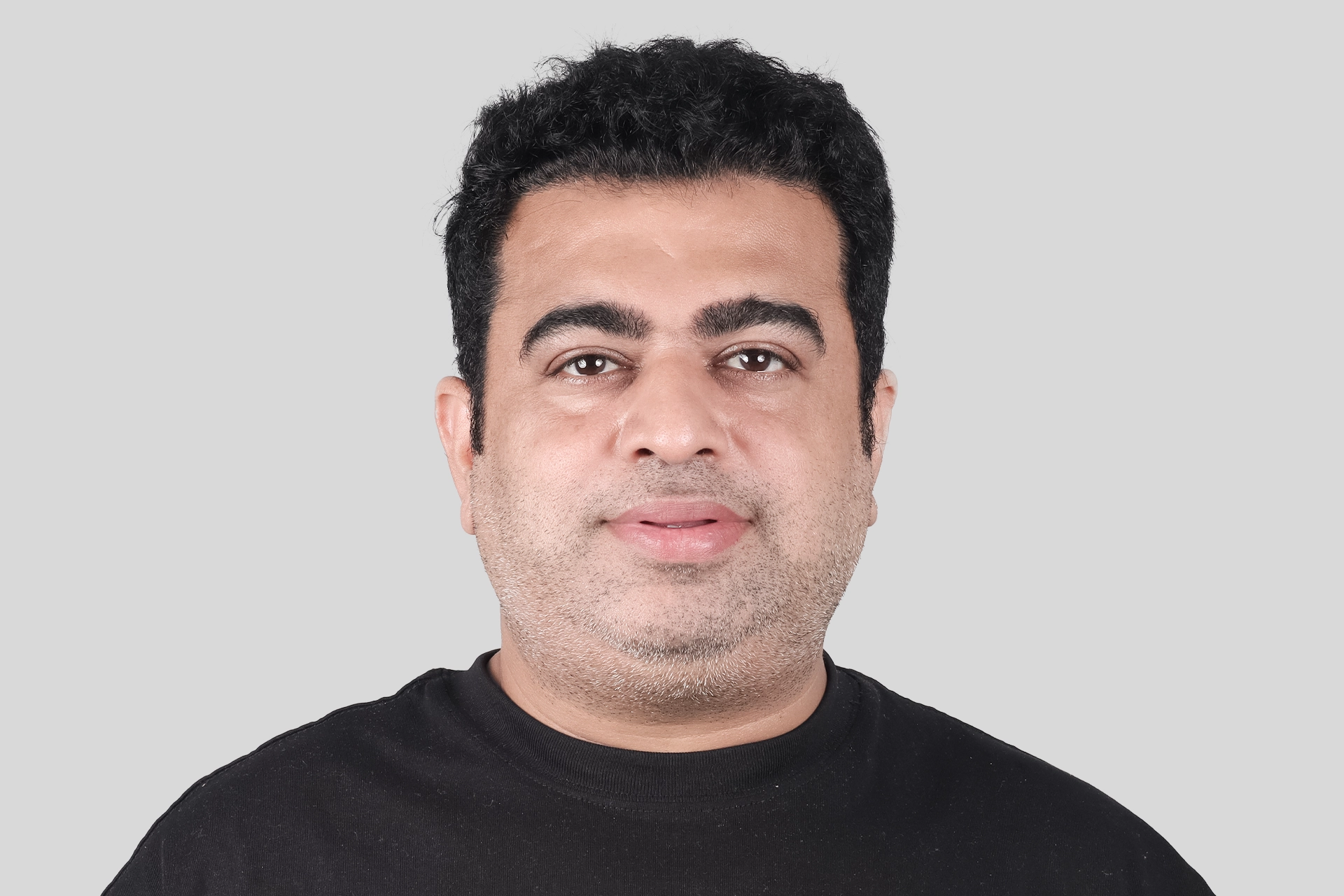
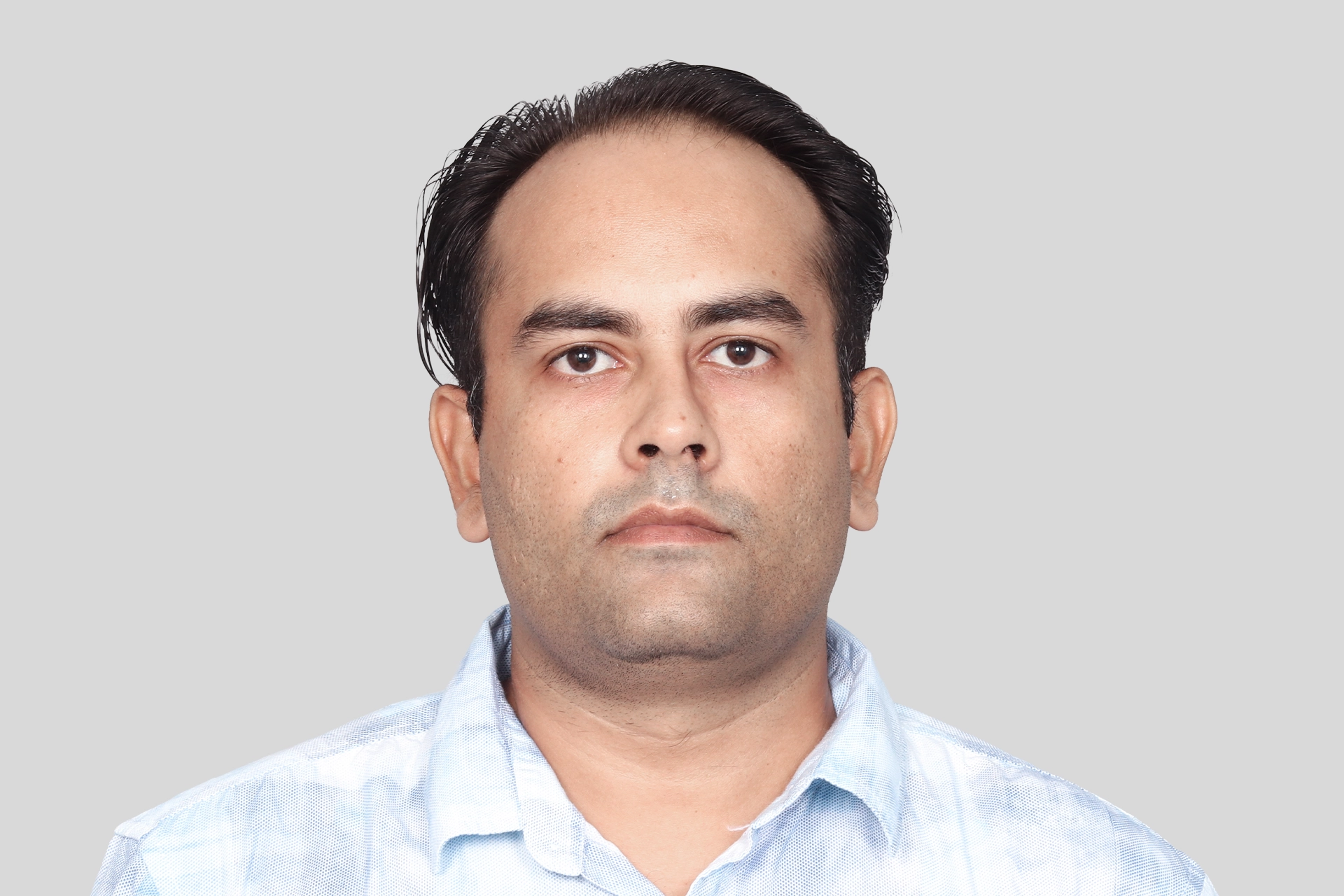
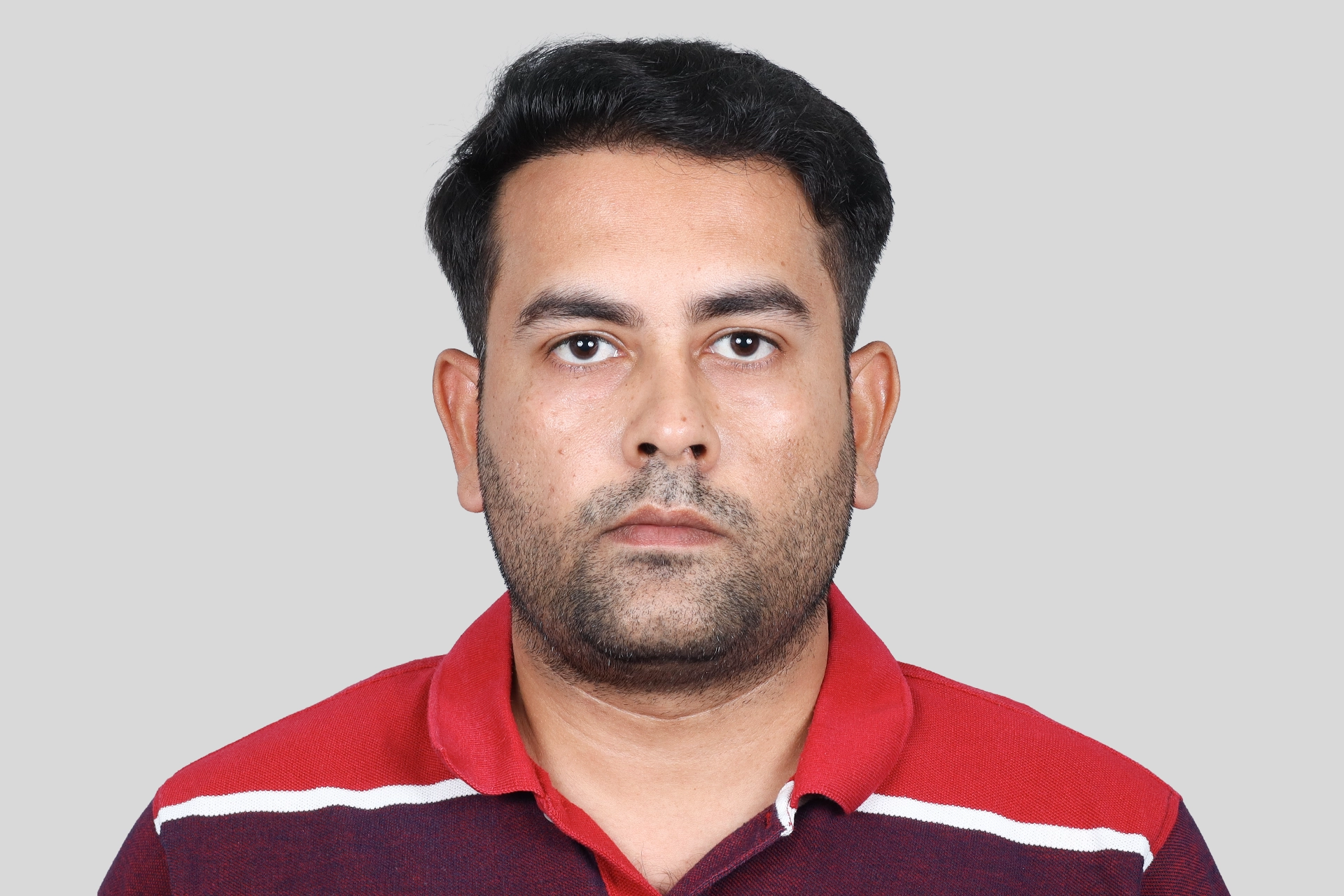
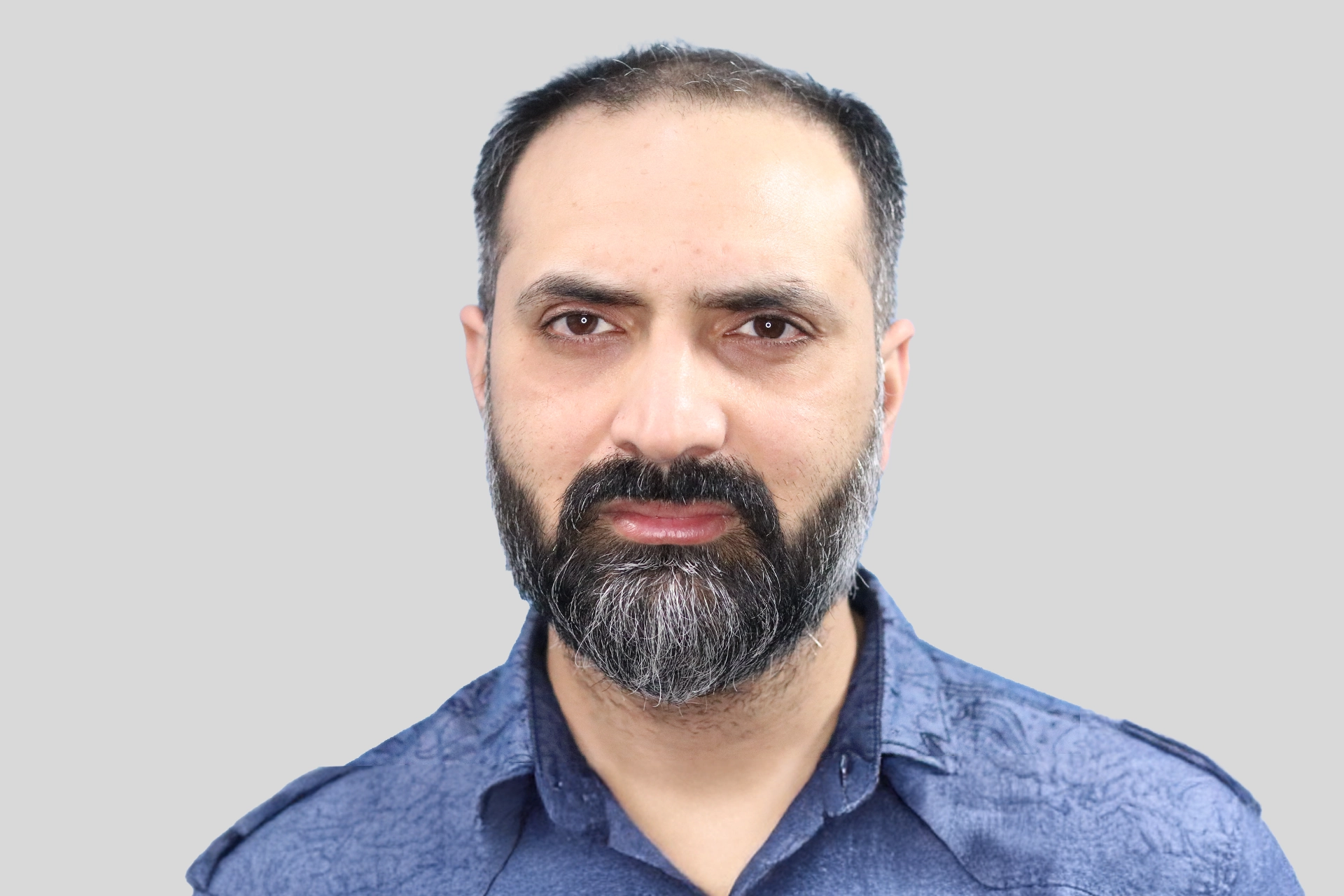
Direct one-on-one clinical assessment with qualified surgeons
Personalised hairline design and density planning for your current hair loss stage.
All procedures are performed by registered, qualified surgeons
Extensive experience across the treatment of all hair loss stages.
QHT Clinic has served patients from across India and around the world for over a decade. QHT operates across four major cities in India: Delhi, Gurgaon, Hyderabad, and Haridwar.
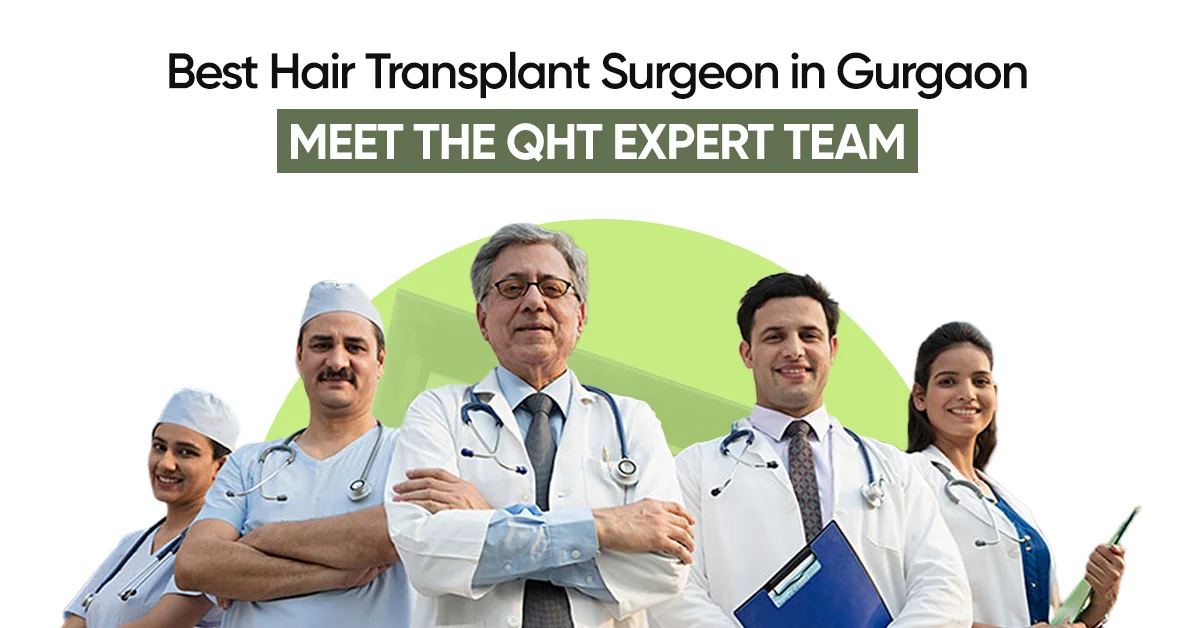
There is no compromise on patient safety; each procedure is performed by qualified surgeons and is not delegated to technicians. The surgical team includes highly skilled plastic surgery experts, MD dermatologists, Oral and Maxillofacial surgeons, and anesthesiologists.
QHT’s broader surgical network includes Dr A. Bagrodia (MD, Dermatology, QHT Haridwar), Dr S. Anand (MDS, Oral and Maxillofacial Surgeon, QHT Gurgaon), Dr A. Rajvanshi (MDS, Oral and Maxillofacial Surgeon, QHT Hyderabad), Dr S. Maheswari (MD Anaesthesiology, QHT Delhi) and many more doctors with additional ABHRS certifications and ISHRS memberships.
Regardless of which branch you choose, all clinics uphold the same standards of care and safety: qualified surgeons, improved graft-handling protocols, personalised treatment planning, detailed scalp and donor-area assessment, dedicated operating theatres, and structured postoperative care for all patients.
Understanding the credentials of hair transplant surgeons in India is important when choosing a clinic before proceeding with the procedure. According to the National Medical Commission of India, a procedure involving surgical intervention must be performed by a trained registered medical practitioner. All steps, including patient evaluation, surgical planning, procedure execution, and postoperative care, should be conducted by a qualified medical professional rather than delegated to unqualified staff.
The degrees recognised by NMC for facial and hair transplant surgery include:
QHT’s Surgical team spans several qualifications recognised by the NMC. All surgeons across the 4 branches have a track record of handling a full range of hair loss cases with precision, delivering natural-looking results for over 15,000 patients both nationally and internationally.
Demand for hair transplant procedures in Kolkata has increased significantly in recent years. With more and more clinics offering these services, it can be challenging to make the right choice. The bigger challenge is to verify the credibility of the professional performing the procedure at these clinics. Patients searching for the best hair transplant doctor in Kolkata should focus on qualifications, surgical experience, and direct surgeon involvement.
The expertise and involvement of the hair transplant surgeon directly influence the procedure outcome and its overall success.
Several factors are worth examining carefully before committing to any clinic.
Ask about the surgeons’ qualifications, specialisation and registration with the State Medical Council under the National Medical Commission, India. Only a registered medical practitioner under the NMC is allowed to perform hair transplants in India.
The consultation gives an insight into the surgeon’s clinical competence and approach. An experienced hair transplant specialist in Kolkata takes time with scalp assessment and procedure recommendation, evaluating scalp health, donor density, hair loss stage, scalp laxity and any underlying factors contributing to hair loss. The consultation helps determine the technique, graft estimate, final cost and projected timeline of results. Any professional giving estimates without a one-on-one scalp assessment is a red flag.
Getting visual evidence of a surgeon’s work builds trust. Directly ask for before-and-after photos, or go through the clinic’s website to see the results of patients with a similar hair loss pattern. A credible clinic will provide a well-documented month-by-month hair growth journey of the patients post-procedure. Review the clinic’s social media channels to verify if the patients are verified and real.
Membership with ISHRS (International Society of Hair Restoration Surgery) or ABHRS (American Board of Hair Restoration Surgery) certification reflects the surgeon’s engagement with international bodies and standards of training in hair transplantation. A hair transplant surgeon with additional certifications also reflects the commitment to continuous learning and professional development in the field.
While not essential, it adds to the credibility, indicates professional commitment and ongoing education.
Directly confirm the involvement of the surgeon in consultations, presurgical planning, surgical execution and post-procedure follow-ups. A surgeon should perform the procedure personally and not supervise or delegate to untrained staff.

The quality of a hair transplant depends heavily on the surgeon’s skill set and treatment approach. The natural hairline design, graft placement for adequate density and donor area management all require clinical judgement and technical expertise.
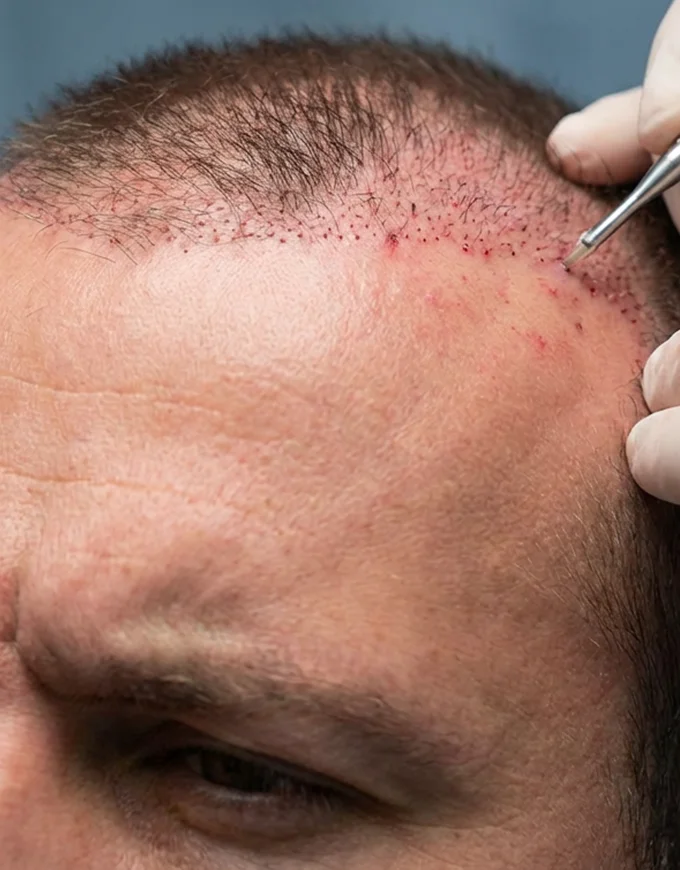
A natural hairline is asymmetric and irregular, with forward and outward angulation of hair. The hairline should be age-appropriate, complementing the facial structure of the patient with a feathered appearance. The hairline design is also affected by curl pattern and hair texture. A hair transplant surgeon designs a personalised hairline for each patient and does not follow a generic template.
Moreover, the frontal hairline requires single hair follicular units to avoid a doll-like or pluggy appearance. Single hair grafts produce a soft, natural appearance just like a natural hairline.
An experienced surgeon considers all the factors and plans the position and shape of the hairline according to the patient’s age, future hair loss progression, facial structure and personal preferences of the patient.
Grafts must be implanted at the correct angle, direction and depth to follow the natural growth pattern in each scalp zone. The angulation of hair varies across different regions of the scalp, and any error in the parameters produces unnatural and unsatisfactory results.
A surgeon assesses the growth pattern and chooses the accurate technique and tools for the individual case for graft placement and to achieve natural-looking density.
QHT surgeons use advanced tools like motorised micropunches for graft extraction and the SAVA implanter pen for graft placement at the correct angle and depth to follow the native hair growth pattern and reduce trauma to the recipient site.
Successful outcomes depend largely on surgeon expertise, patient selection, surgical planning and postoperative care. Hair transplant procedures performed by surgeons often deliver high success rates. The total number of procedures performed by a surgeon demonstrates the experience and track record in delivering natural results.
QHT’s surgical team across all 4 branches have collectively performed 15,000+ hair transplant procedures, conducted 100,000+ patient evaluations and implanted more than 30 million grafts. QHT reports graft survival rates of up to 95%, reflecting the quality of surgical care and the expertise of surgeons.
The QHT website provides detailed information about the treated patients, with well-documented video and photographic journey representing hair loss stages, donor density challenges, grafts placed, scalp conditions and patient-specific complexities.
A hair transplant consultation in Kolkata is a valuable opportunity to evaluate the quality of care and the surgeon’s experience before committing to the procedure. Patients looking for a qualified hair transplant surgeon in Kolkata should ask the following questions:
It is important to disclose any medical conditions or prescriptions to your surgeon to have a realistic and transparent treatment plan for your case.
Every QHT procedure is conducted under NABH-accredited safety standards. All protocols are strictly followed to ensure patient safety.
Before commencing the procedure, a full clinical assessment with digital scalp analysis, donor zone evaluation, hair loss stage recognition, medical history review, blood panels, and hormonal profiling, when indicated, is a standard component of the preoperative assessment process. Written consent is obtained, and realistic expectations and achievable outcomes are discussed transparently.
All QHT procedures are performed with strict safety protocols, maintaining hygiene and sterile conditions in a dedicated operating theatre. All QHT Clinics are NABH-accredited, which means the surgical environment, equipment, and infection control practices meet national healthcare standards.
The surgeon remains involved at all times through consultation to postoperative follow-up appointments. Supporting staff are also trained in patient management and handling emergency conditions if they occur.
A high graft survival rate indicates that the majority of transplanted grafts remain viable and successfully establish the density in the recipient area.
At QHT Clinic, we use clinically proven hair transplant techniques to give you the results you desire. Our goal at QHT is to deliver precision-executed results that blend seamlessly with your existing hair to create a denser, more natural-looking appearance.
Factors that Affect the Final Cost
Some factors that may affect the number of grafts required include:
More grafts needed means a higher total cost.
Skilled, doctor-led care affects the final price.
FUT, FUE, and QHT each have a different per-graft rate.
Post-surgery support and reviews add to the value.
Global bodies such as the World Health Organization encourage an evidence-based approach to medicine and following ethical guidelines when discussing the options available to patients for surgical procedures.
A hair transplant surgeon is a qualified medical professional trained to perform hair restoration procedures. Their responsibilities include patient assessment, donor area evaluation, surgical planning, graft extraction, graft implantation, postoperative care, and long-term treatment planning.
No medical procedure can guarantee a 100% success rate. Results depend on several factors, including donor hair quality, hair transplant doctor’s credentials and expertise, graft handling, scalp health, and adherence to postoperative instructions. When performed by experienced surgeons using established protocols, hair transplantation can achieve high graft survival rates and natural-looking results.
You can verify a surgeon’s qualifications through their medical registration, professional memberships, educational background, years of experience, and documented patient results. Patients should also ask whether the surgeon personally performs the procedure rather than delegating critical steps to technicians.
An ABHRS-certified doctor in Kolkata should not be a mandatory requirement. ABHRS certification reflects an additional commitment to hair restoration education and international standards. It should be considered an additional credibility factor rather than the sole criterion for selecting a surgeon. A surgeon with other NMC-approved degrees without this certification is equally qualified to perform the hair transplant procedure.
Yes. A consultation helps assess hair loss progression, donor availability, medical treatment options, and long-term planning. Many patients benefit from medical management before considering surgery. You can book a remote consultation with QHT doctors before travelling to the nearest branch.