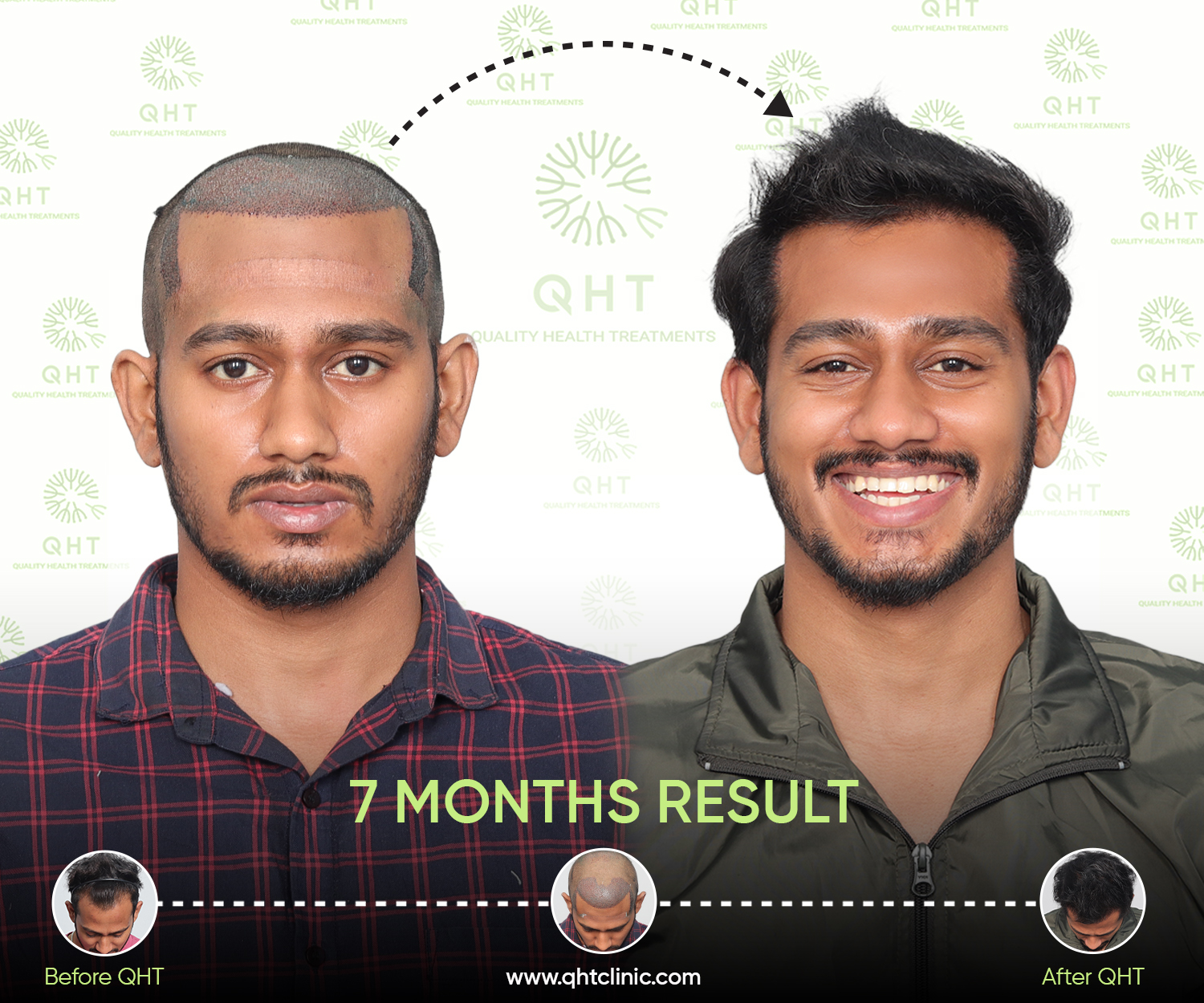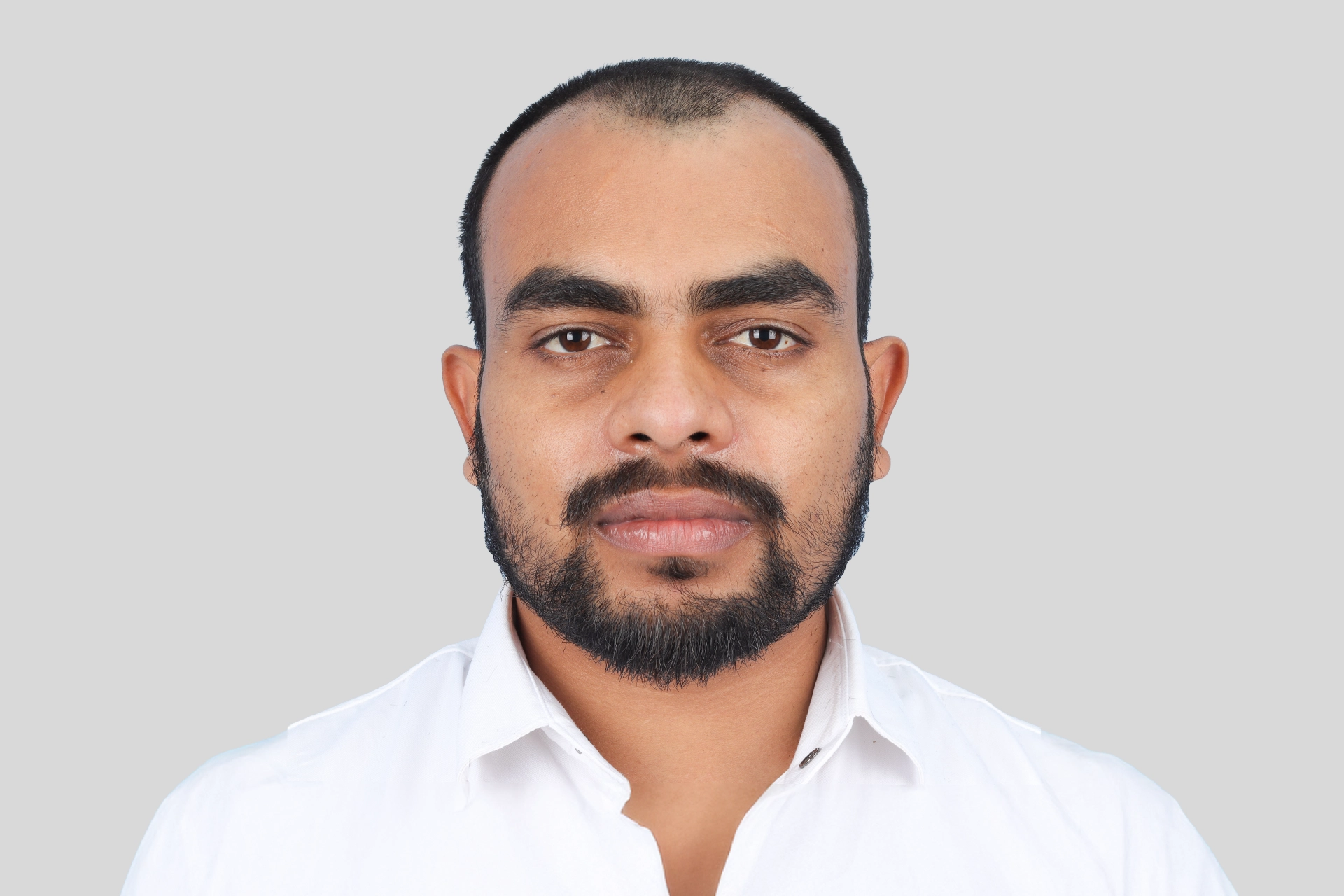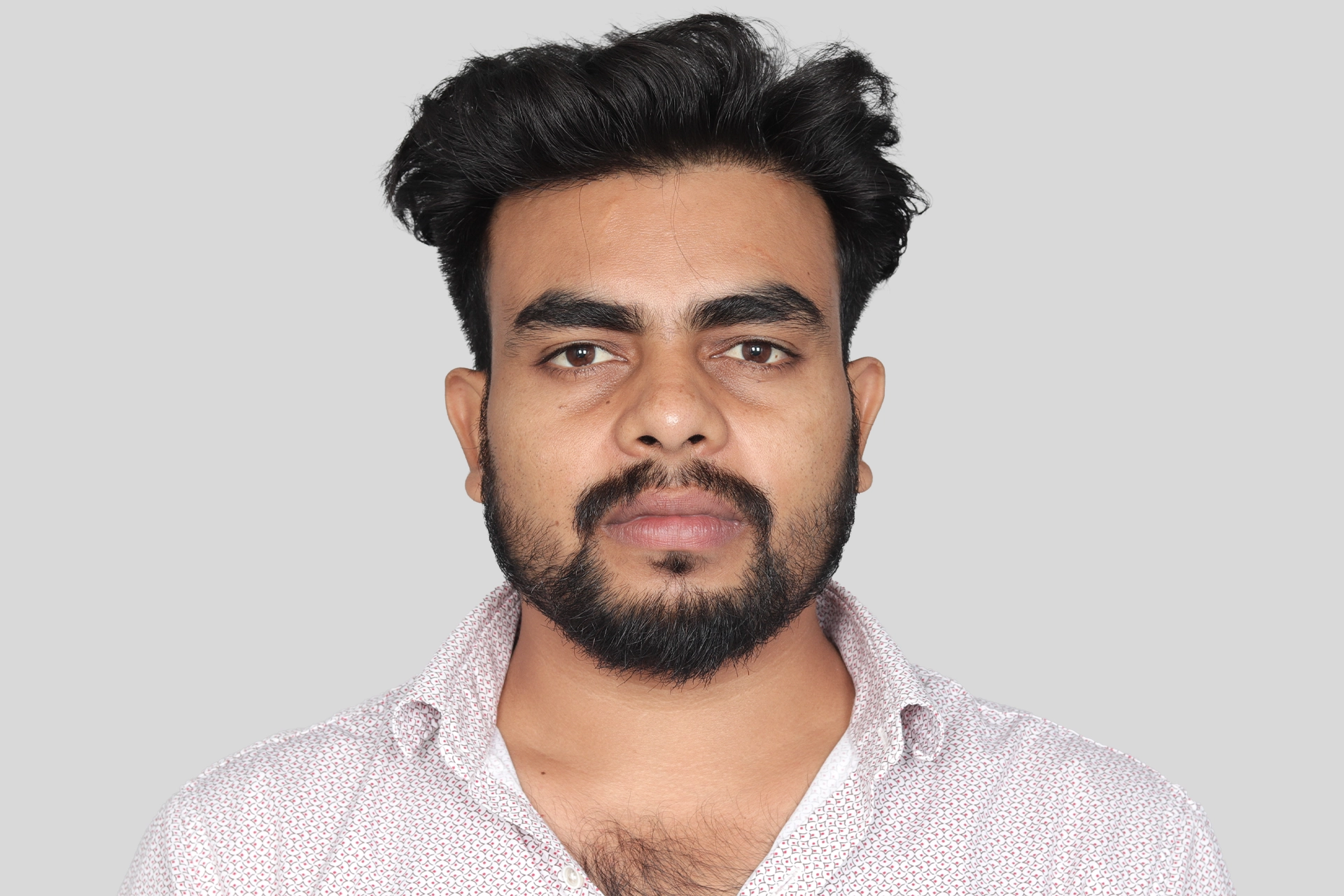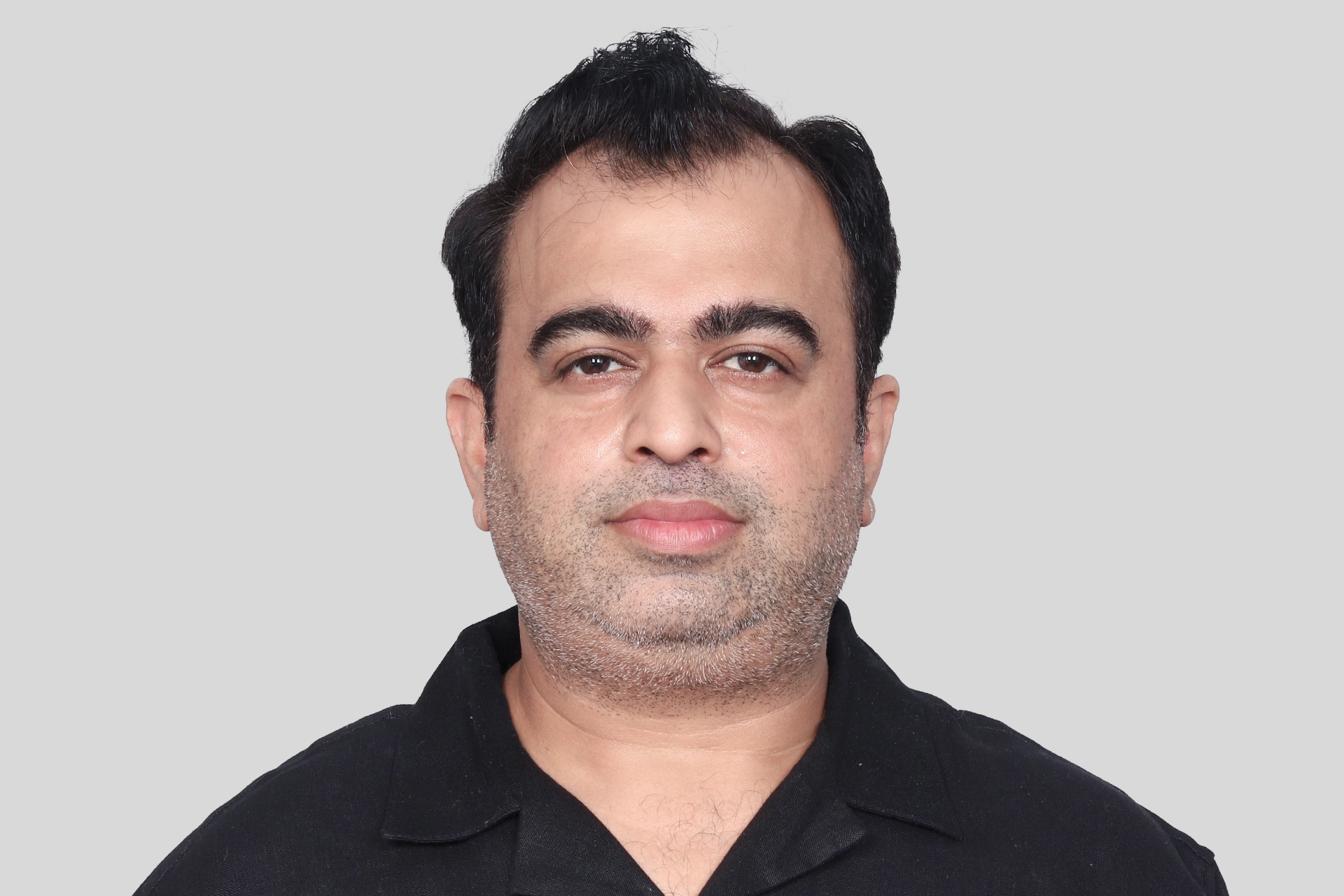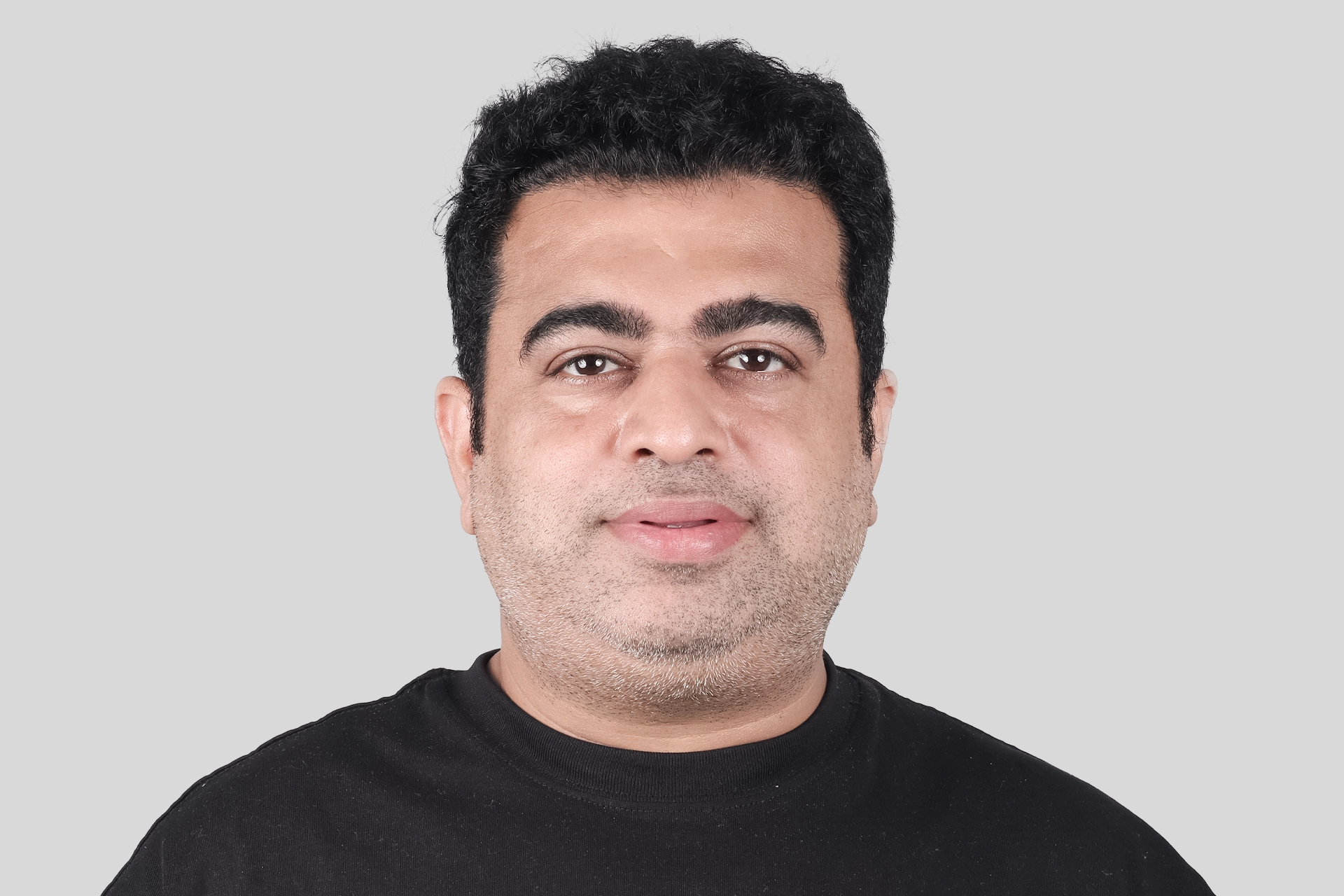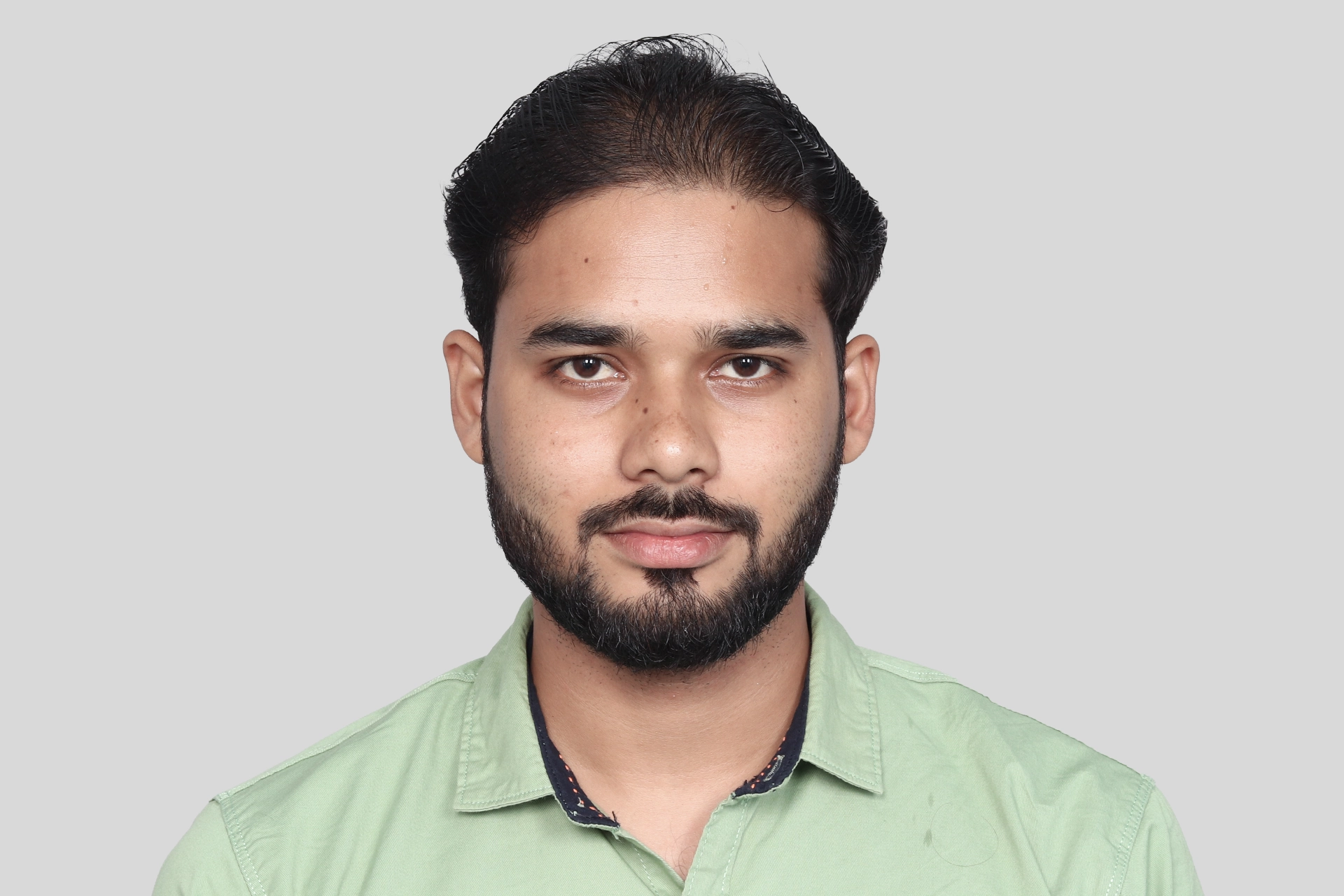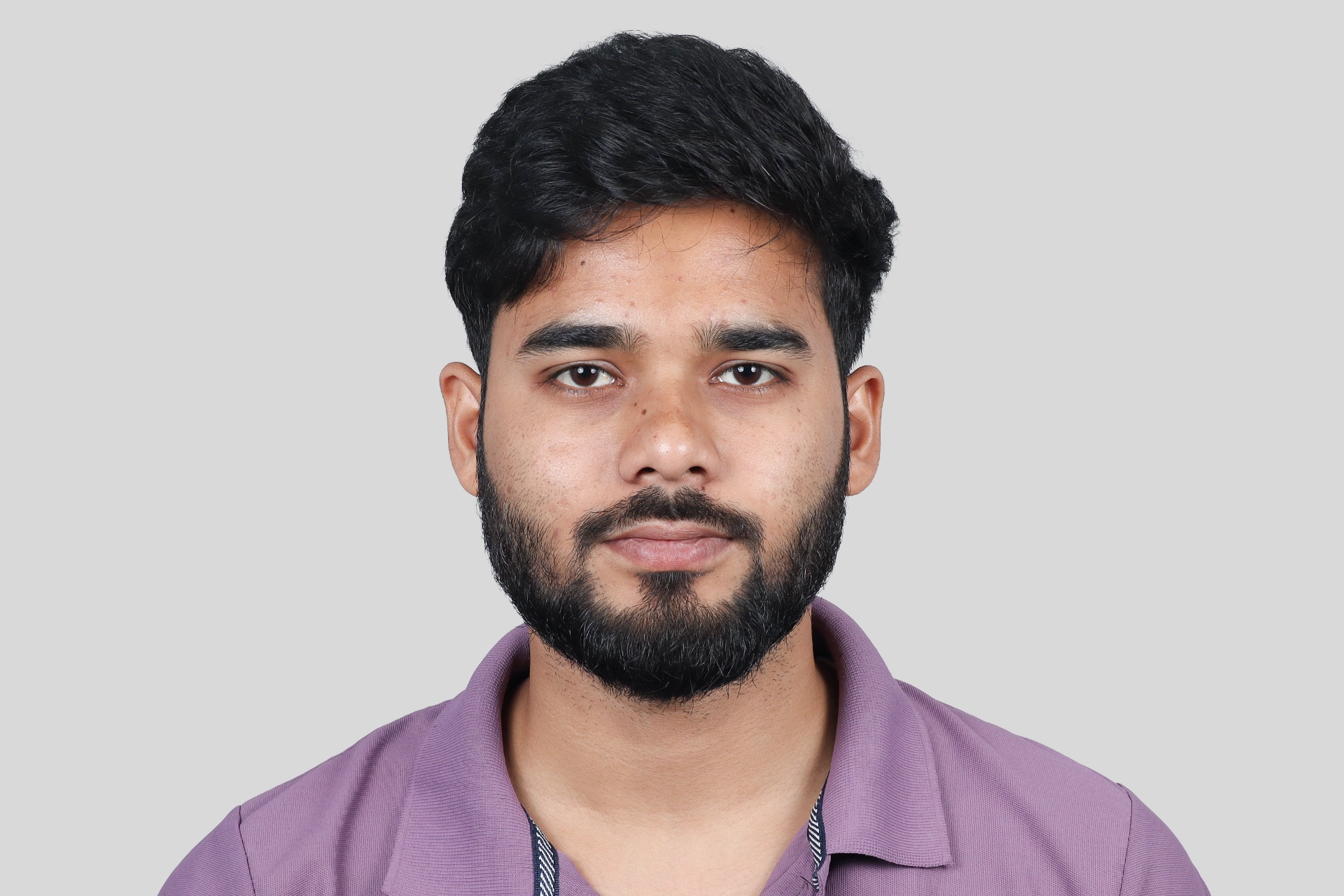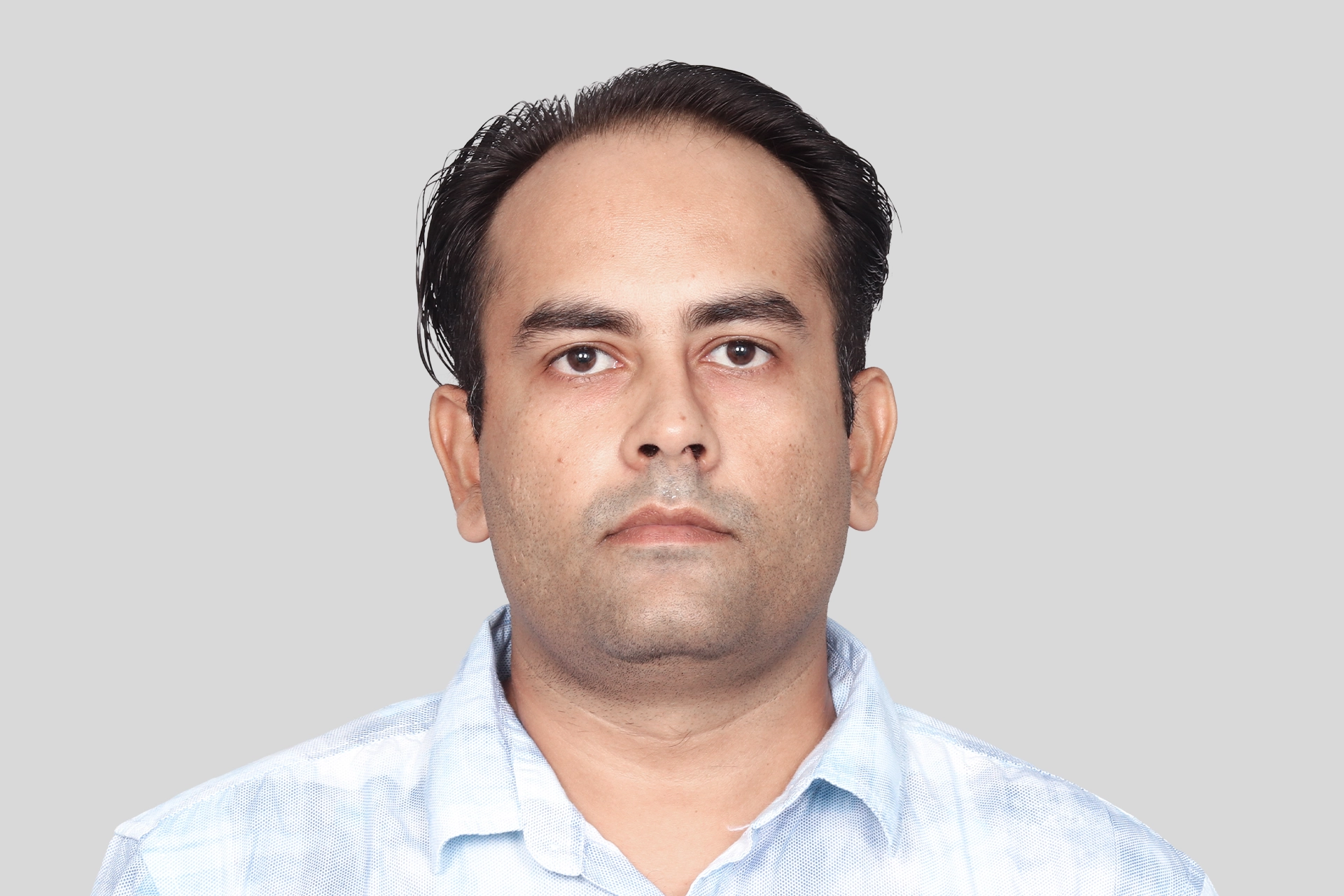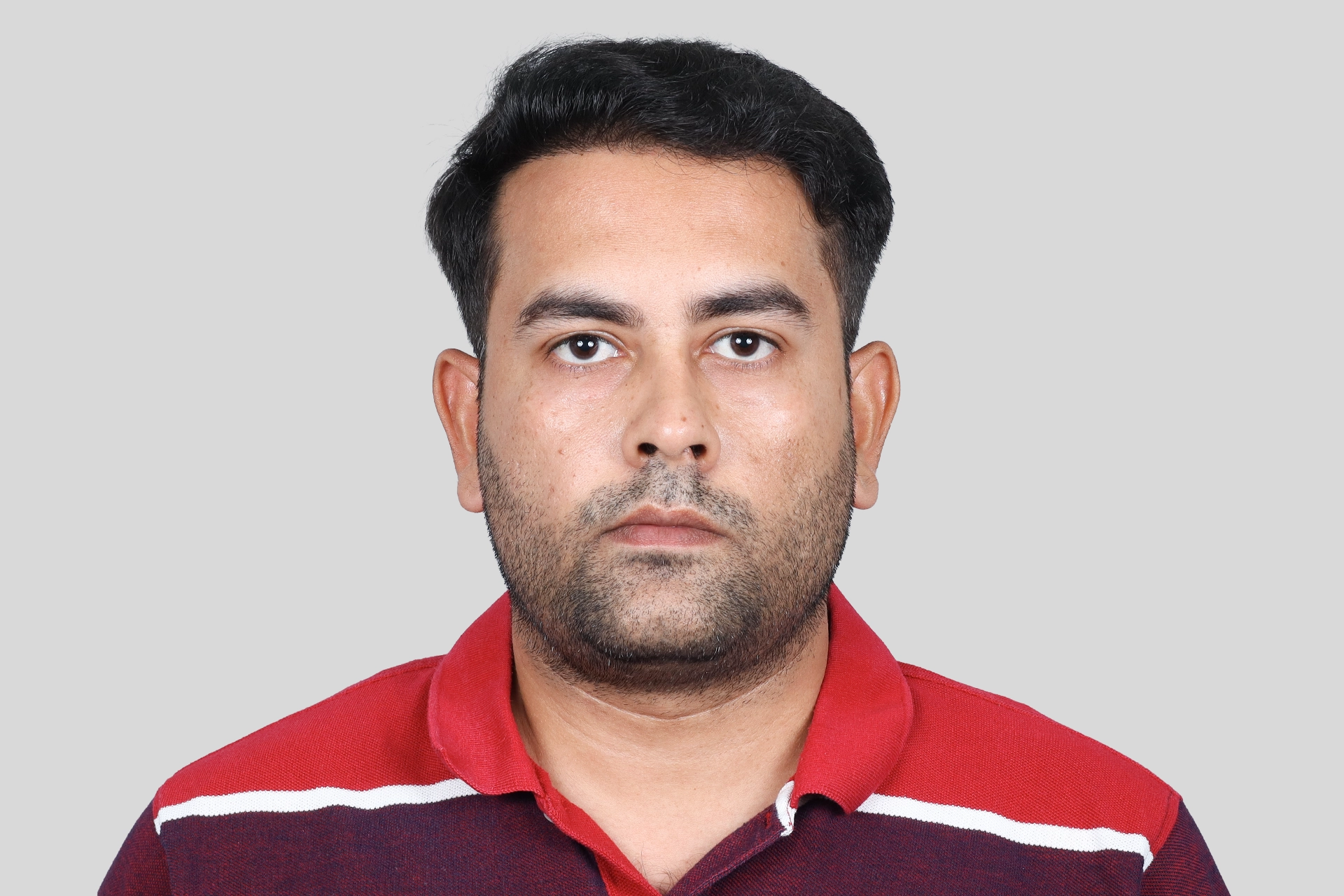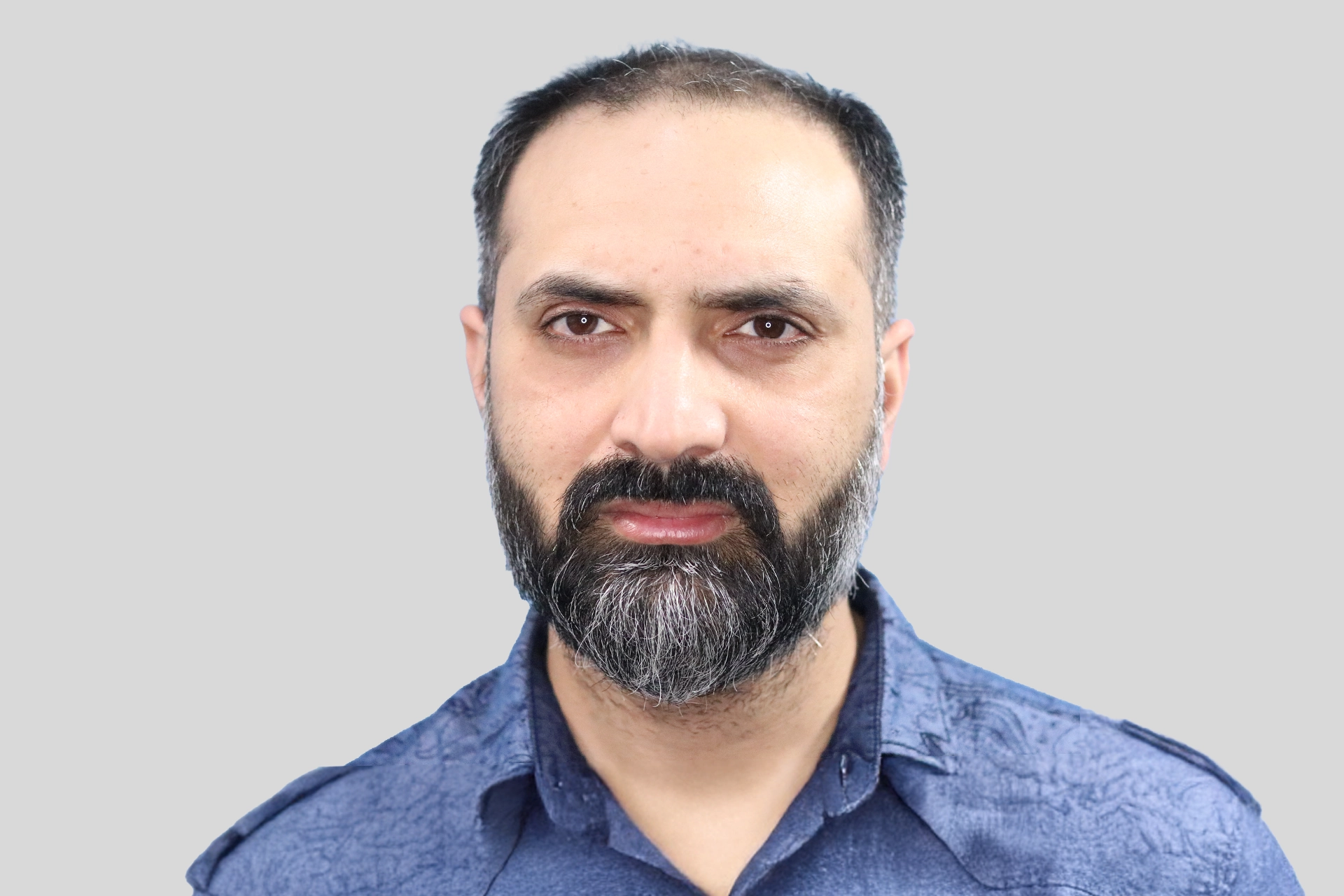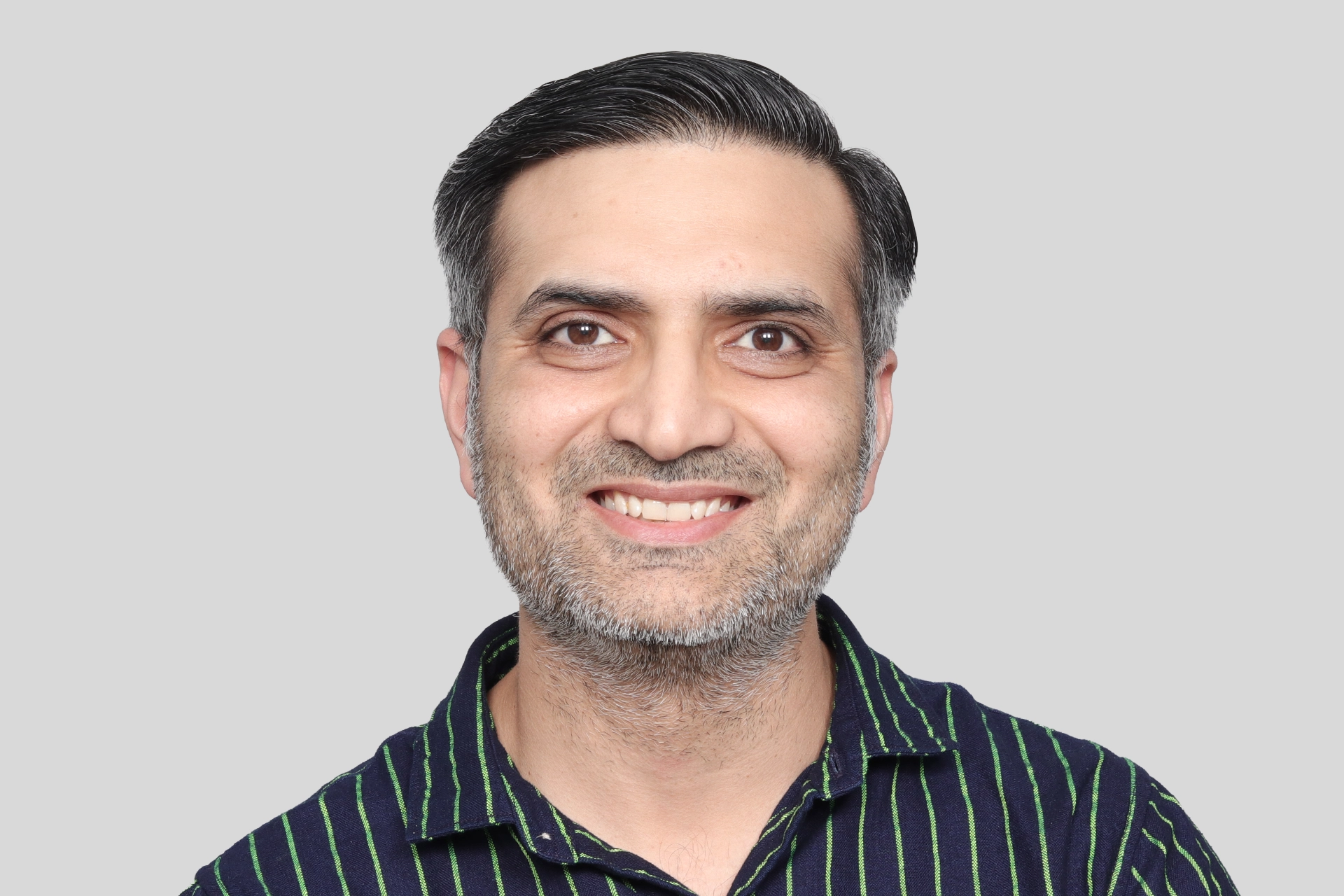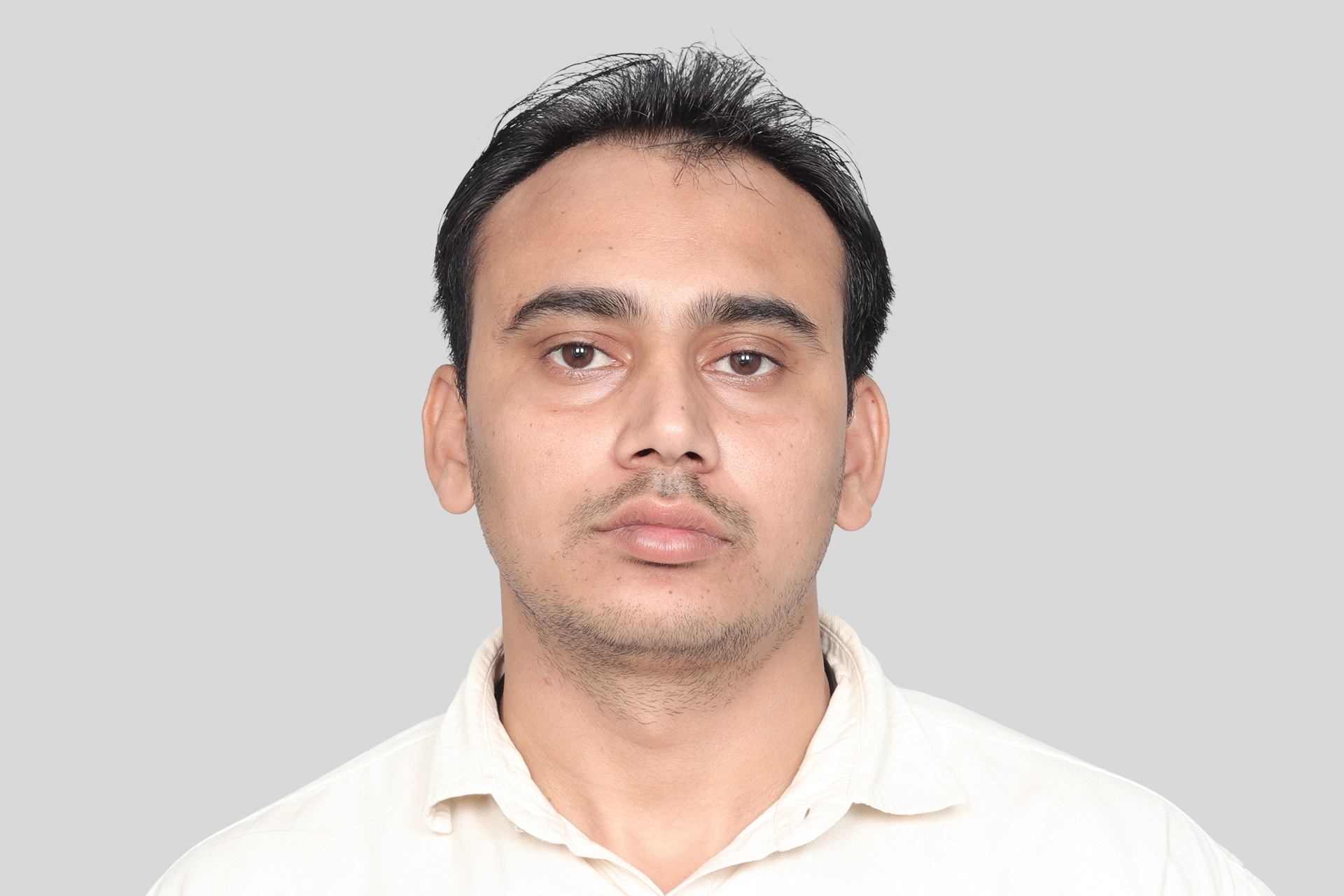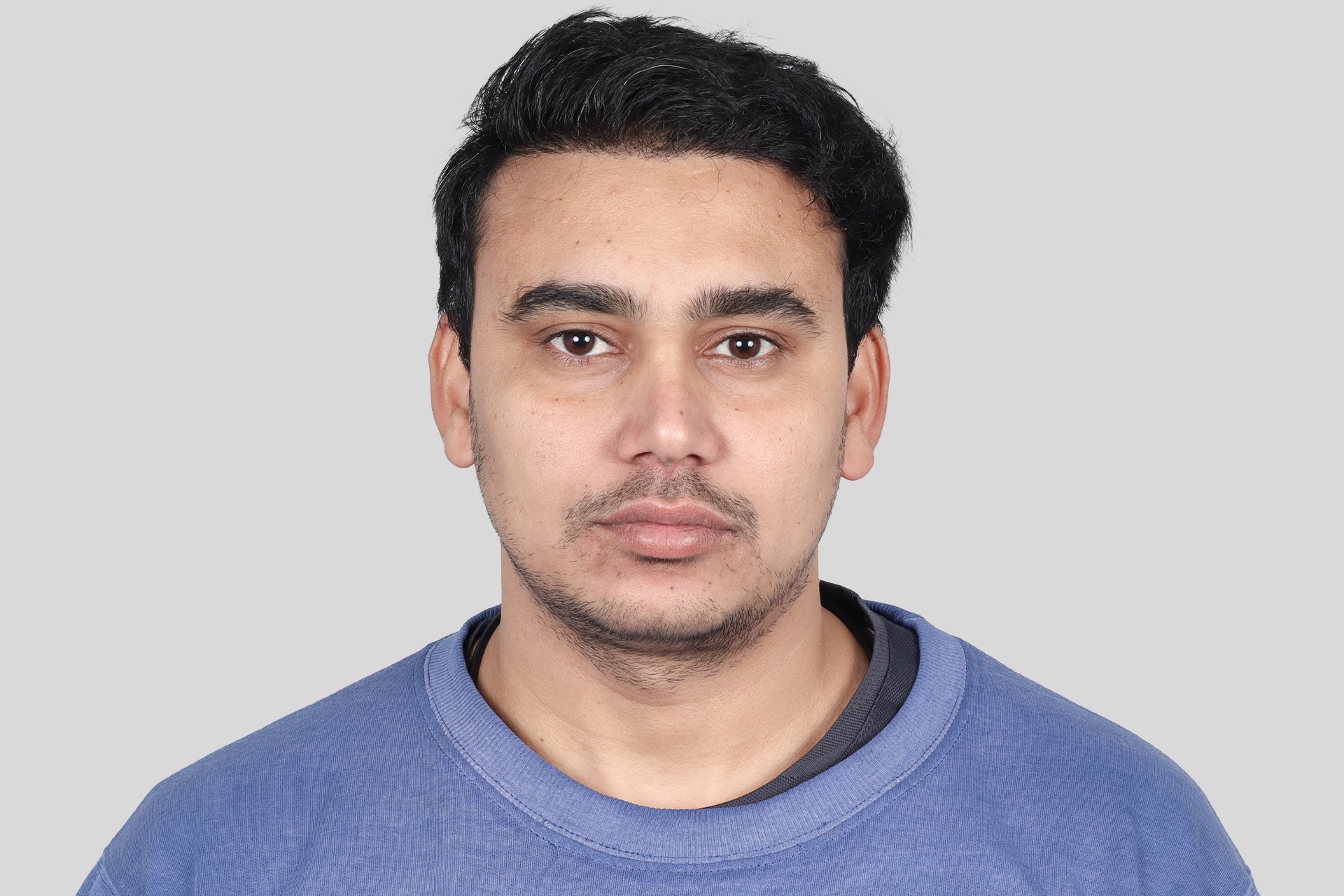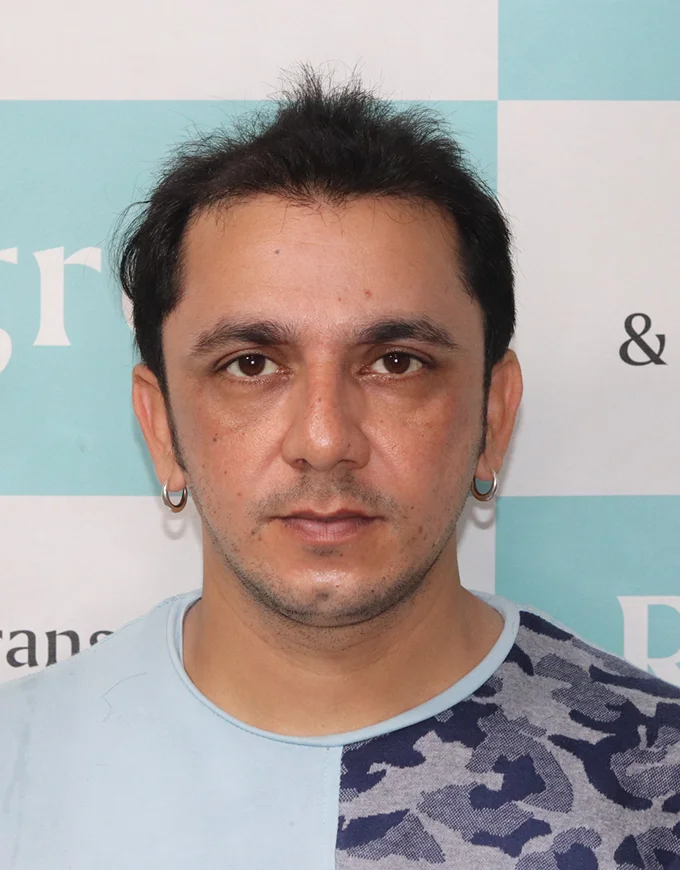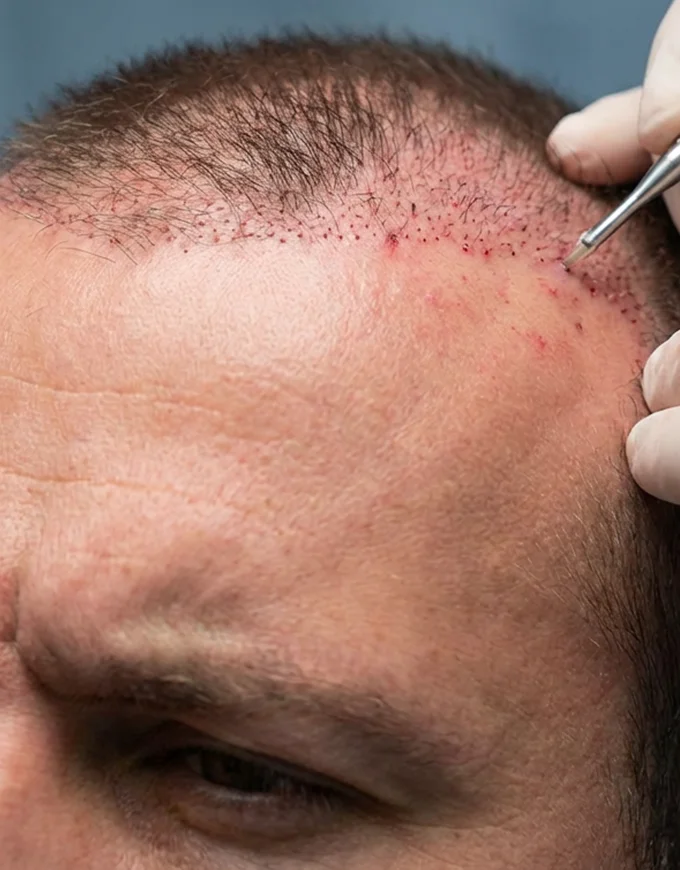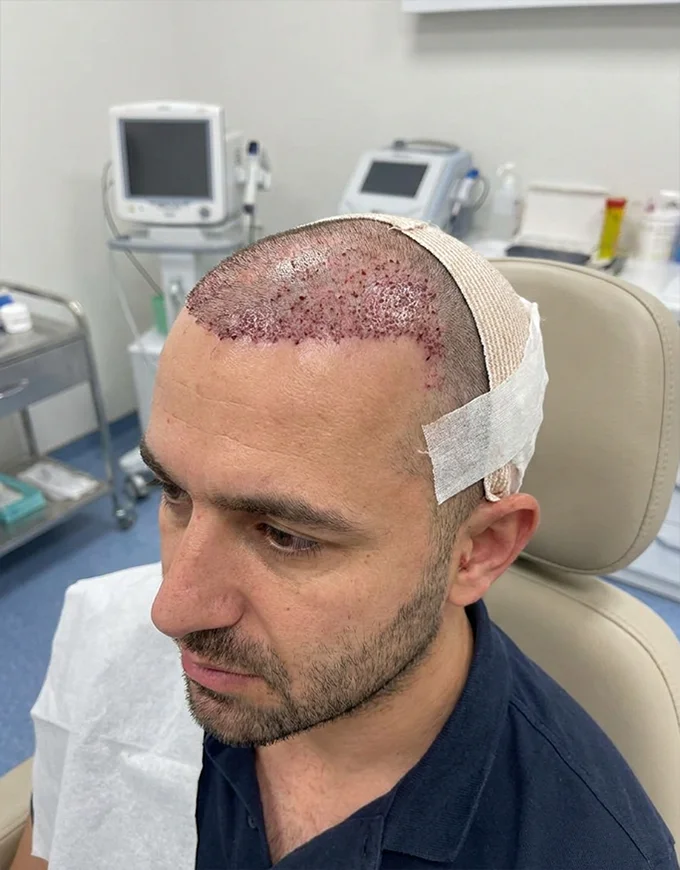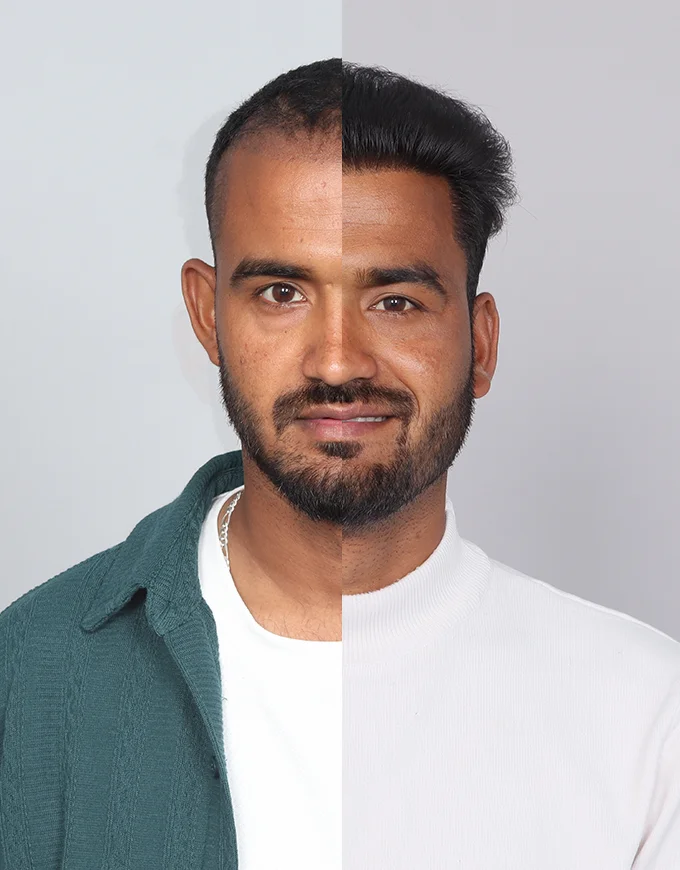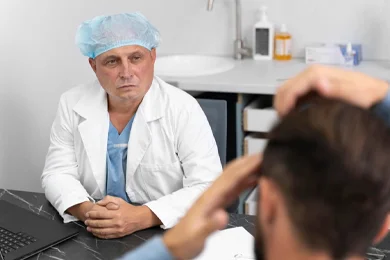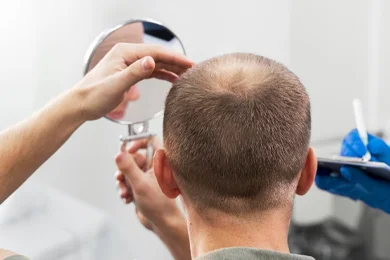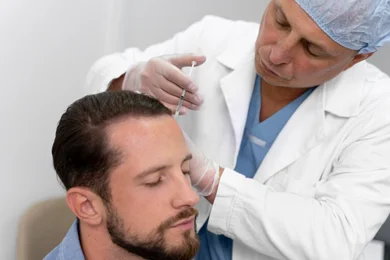


Real before-and-after photos help you see what is possible for a case like yours. The QHT results gallery has cases from many Norwood grades and graft ranges. You can filter the gallery by grade or by graft count. This makes it easy to find patients with a hair loss pattern close to yours.
The method decides two things: how natural the result looks, and how little trace it leaves behind. Everything else is detail.
FUE lifts your hair out in its natural clusters, one follicular unit at a time, from the back and sides of your head. No strip of scalp is cut away. That is the difference that earns the name on this page: scarless FUE, with no linear donor scar, so the donor area shows no line even under a short cut.
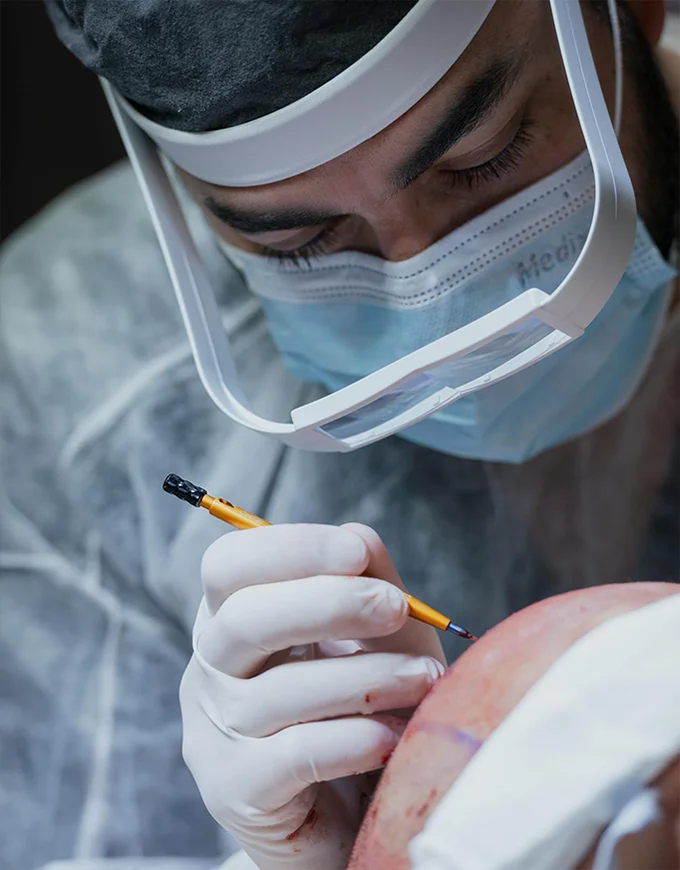
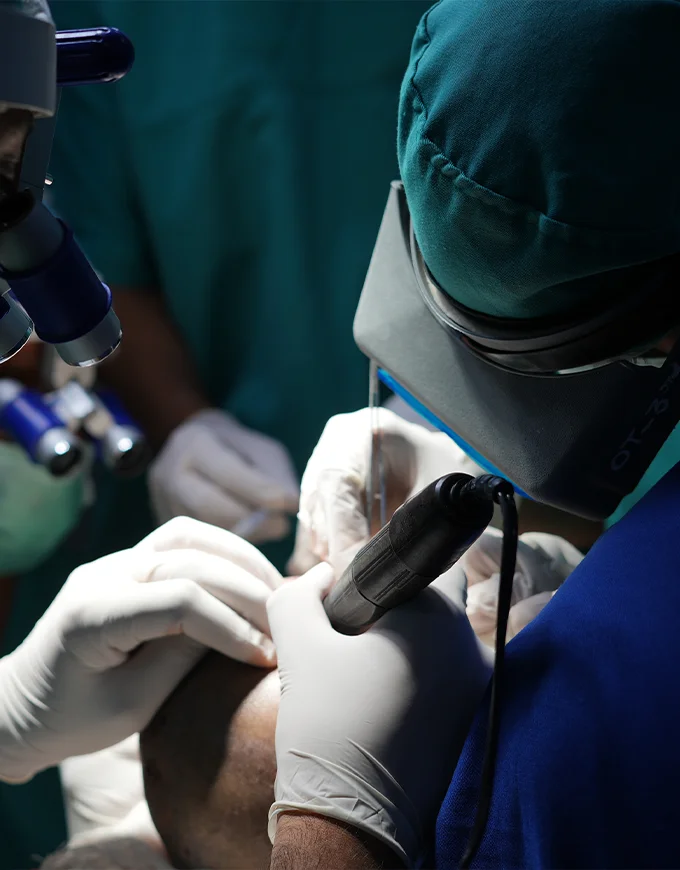
QHT runs its own patented version, and it changes the clock. Extraction and implantation happen together instead of in two separate blocks, which keeps grafts outside the body for under two hours. Short time outside is what protects a follicle, and the survival rate the team tracks sits above 95%. A SAVA implanter pen places each graft.
One figure is worth carrying into any clinic you visit: the ISHRS reports that roughly one in ten transplants worldwide ends up needing corrective surgery. Method is what decides which side of that number your result lands on.
Walk into the QHT process and the first person you meet is not a scalpel. It is a coordinator, then a dermatologist, then a surgeon, in that order.
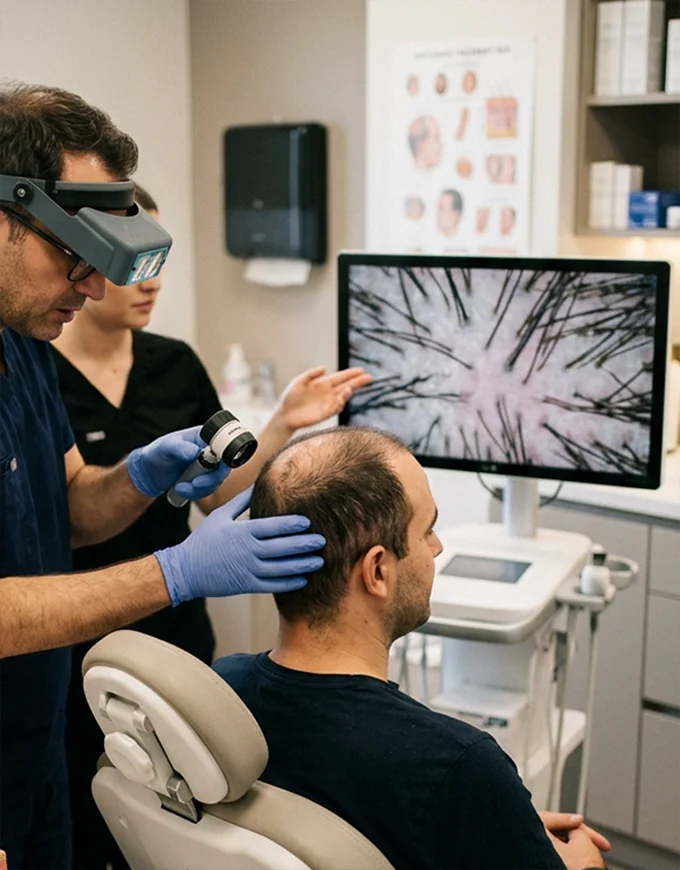
The free consultation runs on purpose. A coordinator explains the process, the cost, and what results are realistic for you. A dermatologist checks the health of your scalp. A surgeon reads your pattern of loss and designs the hairline if a transplant fits. For a Jaipur patient, all of this happens before a single train is booked.
Suitability comes down to two things the consultation looks at: how much hair the donor area can spare, and how far the loss has gone. FUE fits a wide span of loss, from early thinning through to more advanced stages.
Where the loss is still early and the scalp is holding its own, surgery may not be the first step, and the team will say so plainly. The call is made on your scalp, never on a rule of thumb.
Sometimes the honest answer is “not yet, try medicine.” Better to hear it on a video call than after the journey.
How does a Jaipur patient get an FUE result from a clinic that sits outside the city? Four steps, and only one of them needs a train or a drive.
It starts on your phone. You send clear scalp photos, and a QHT coordinator walks you through how the procedure works and what the cost covers. Nothing here asks you to leave Jaipur. By the end you know where you stand, before a single ticket is booked.
Your face gets studied on its own terms. A surgeon maps a hairline to your age and features while a dermatologist checks scalp health. The hairlines that still look natural years on are the ones drawn for a face, not copied off a chart. The plan is locked before surgery day, so nothing is improvised once you arrive.
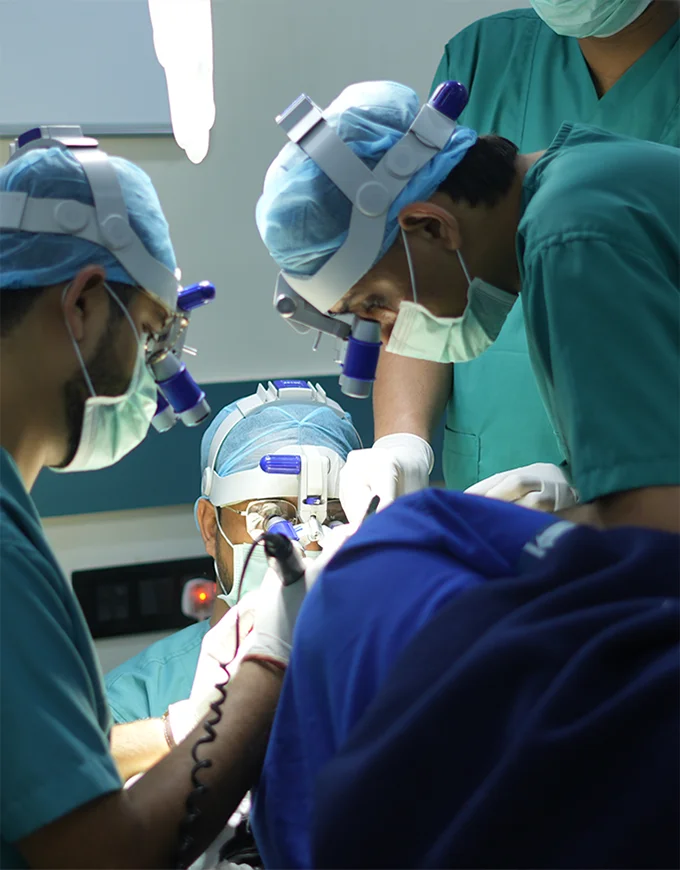
Now the travel. You come to your nearest QHT clinic, Delhi or Gurgaon, for a single planned visit. The donor area is numbed first, so lifting the grafts stays painless. Extraction and implantation run together in a dedicated theatre, each graft set by the surgical team. You drive or fly in once, for the procedure itself.
The hard part for an outstation patient is not the surgery. It is the weeks after, back home, wondering whether a shed hair means something went wrong. QHT monitors your recovery from a distance, with scalp-care guidance and check-ins you handle from Jaipur, as late as day nine for a concern. You heal in your own bed, watched by the team that operated.
Your transplant is one trip, planned around a decision you have already watched take shape on screen.
Both techniques pull from the same donor area. They part ways at the scar.
| Factor | FUE | FUT |
| How follicles are taken | Lifted one unit at a time | A donor strip is removed, then split into grafts |
| Donor-area mark | No linear scar | A thin linear scar, hidden under the hair above it |
| Recovery | Faster | Longer than FUE |
| Best suited to | Norwood 2 to 7 | Norwood 4 and up |
| Starting cost per graft | From ₹70 (QHT method from ₹100) | From ₹50 |
The donor supply itself is assessed in your consultation, not guessed from a chart. FUT’s single strip yields the most grafts in one visit; FUE trades that for an unscarred donor area.
The right answer is the one a surgeon reaches looking at your scalp, not the one a page argues for.
Run a trimmer over the back of a healed FUE donor area and you find nothing to hide. That is the headline advantage, and it carries the rest.
The transplanted hair is your own, so once it grows in, it stays: permanent, not a touch-up you keep booking. Healing beats the old strip surgery.
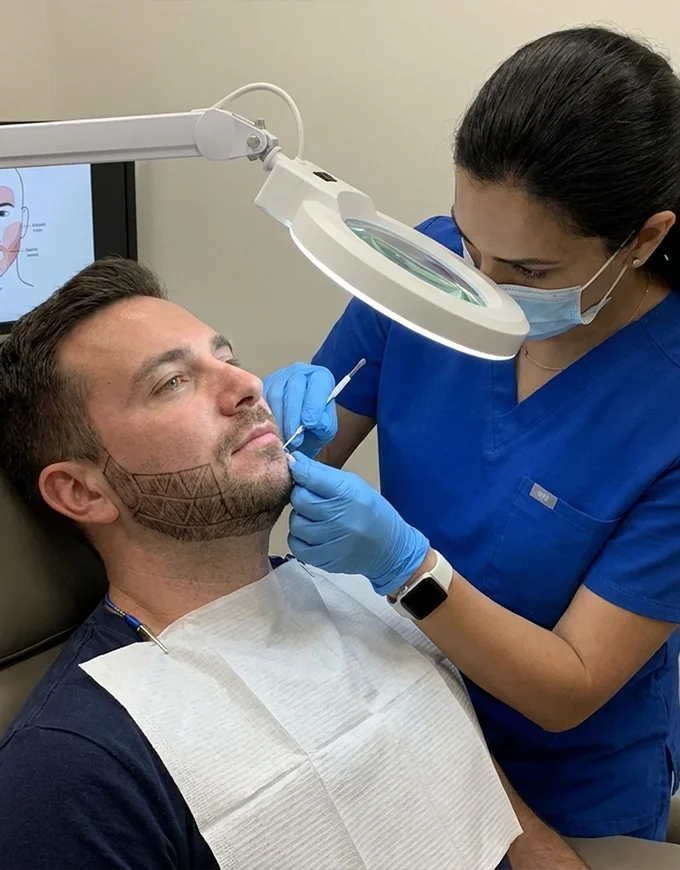
And the technique is not only for scalps. QHT uses FUE to rebuild a thin, patchy beard, while donor density is protected rather than stripped.
The survival rate behind all of it stays above 95%, held across 15,000+ cases.
Graft count is not a package you choose. It is a number a surgeon reaches after reading your scalp.
At QHT the figure is set by one thing: how much your donor area can safely give against the area you want covered. That assessment happens in consultation, after the dermatologist checks scalp health. Donor supply is the ceiling, never a price tier.
So a search for “3,000-graft FUE” is asking the wrong question. The right one is what your own donor area supports, and that answer is yours alone.
Price is the first thing searched and the last thing most clinics explain. QHT quotes it after the plan, and the starting points are on the record.
Your graft count does most of the work. On top of that sit the surgeon and team, the technique you choose, and the aftercare built into the quote.
Starting per-graft prices:
A FUE hair transplant in Jaipur is quoted once, in full, after the scalp check. Nothing moves between the consult and the chair.
The first 48 hours do the heavy lifting. Careful sleeping, a hands-off scalp, and the hardest part of the whole recovery is already behind you.
After that it moves quickly. Visible signs settle between days 7 and 10, and most people plan ten days between surgery and returning to work.
That is the leave a Jaipur patient actually needs to book, no more. Follow-ups continue once you are home, so distance from the clinic is not distance from care.
Ten days off the calendar buys back the hairline. Few trades read that cleanly.
Month three is when most people quietly decide the grafts failed. The transplanted hairs shed, the mirror looks worse than day one, and the doubt sets in. It is the most predictable stage of the whole process.
Here is the real sequence. The transplanted hairs shed in the first 2 to 4 weeks. New hair starts to show at month 3 to 4, thin at first. Coverage fills out around month 12, and the final result lands between 12 and 18 months. Growth speed differs from one patient to the next.

Distance is the only real objection a Jaipur patient has. Here is why it costs you nothing.
QHT runs on a patented method, a surgeon-designed hairline, and a team of QHT-trained experts: surgeon, dermatologist, anaesthetist, technicians, and a patient-care team.
For out-of-city patients, the clinic arranges the logistics, down to transport and meals, so the trip is handled rather than improvised. The survival rate behind the work holds above 95%.
The proof is public, and that is the point. 15,000+ transplants. A 4.8-star record across 3,000+ verified reviews. The best FUE clinic for a Jaipur patient is the one that shows its results before asking for the journey.
Factors that Affect the Final Cost
Some factors that may affect the number of grafts required include:
More grafts needed means a higher total cost.
Skilled, doctor-led care affects the final price.
FUT, FUE, and QHT each have a different per-graft rate.
Post-surgery support and reviews add to the value.
15,000+ transplants, real results on record.
4.8-star rating, 3,000+ reviews you can read.
A qualified doctor plans and places every graft.
Online scalp check, then one planned visit to Delhi NCR.
Global bodies such as the World Health Organization encourage an evidence-based approach to medicine and following ethical guidelines when discussing the options available to patients for surgical procedures.
No. QHT treats Jaipur patients through a free online consultation, then the procedure at the nearest QHT clinic.
The scalp check, hairline design, and planning happen online. One planned visit covers the procedure, and follow-ups continue after you return home. For out-of-city patients the clinic arranges logistics such as transport and meals.
That is set in consultation, once a dermatologist has checked your scalp and a surgeon has read your pattern of loss. Your donor supply sets the number.
Yes. The transplanted hair is your own, and once it grows in, it stays.
FUE leaves no linear donor scar. The donor area shows no line, even under a short cut.
The first 48 hours are the most demanding. Visible signs settle by days 7 to 10, and most people plan ten days before returning to work.