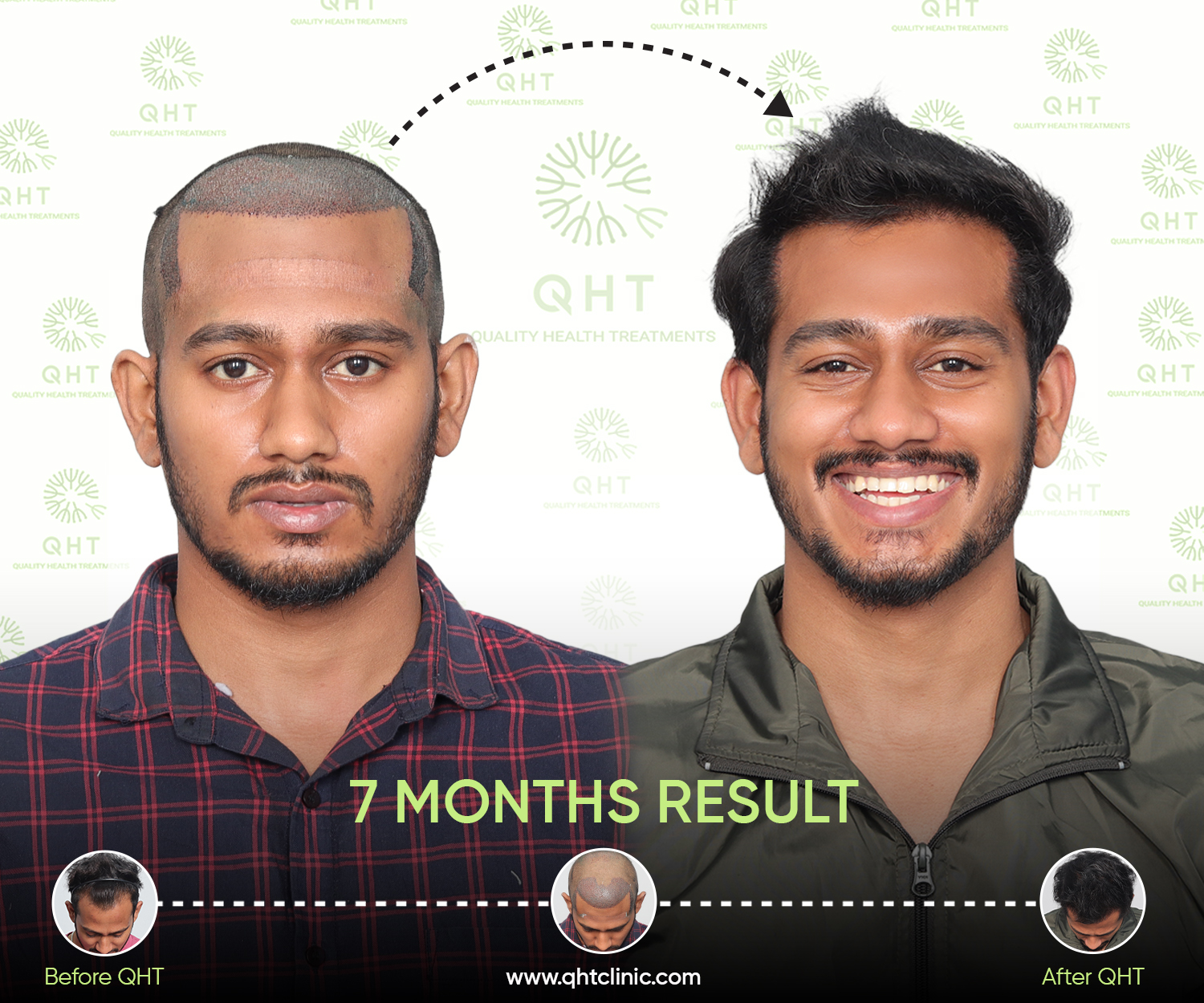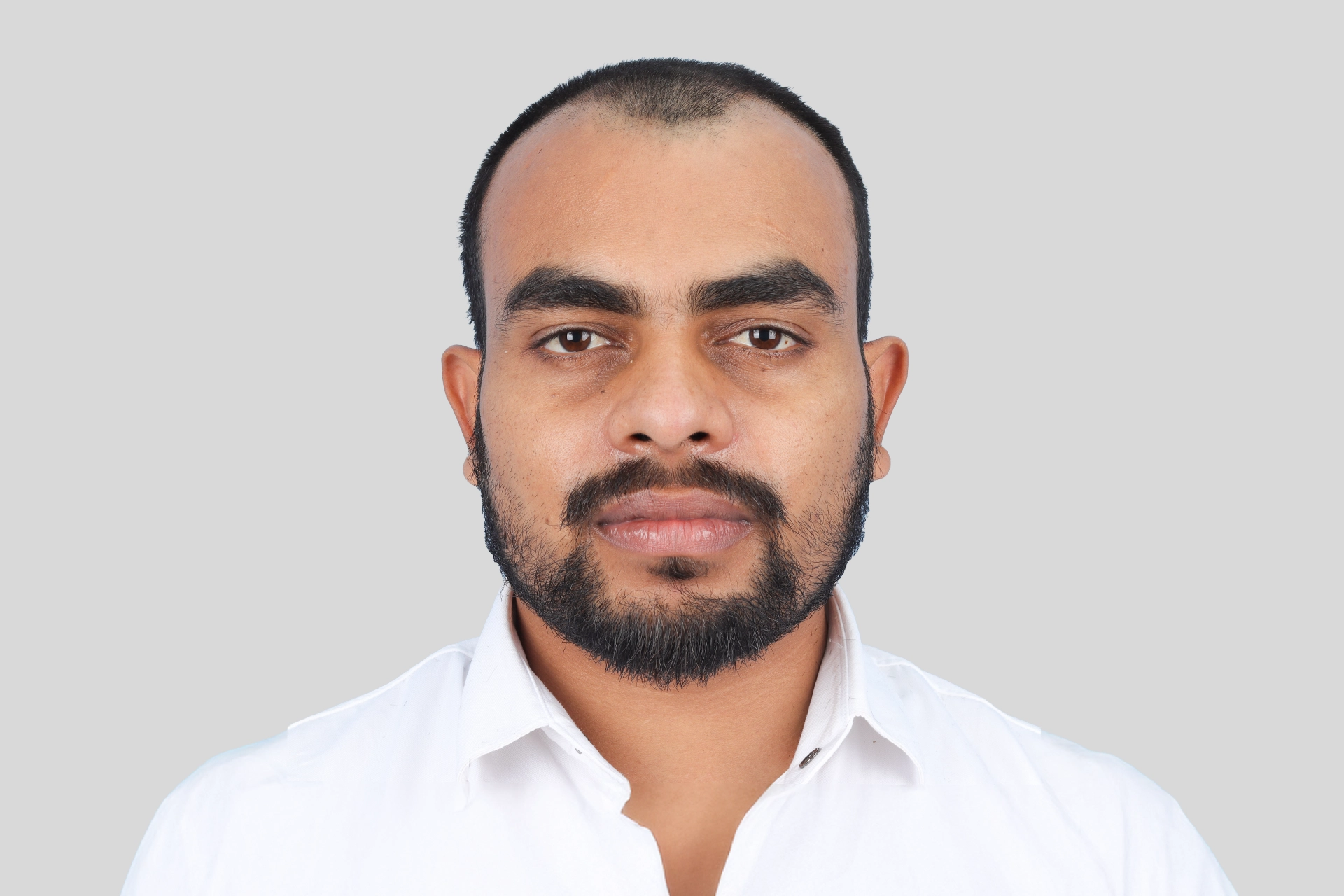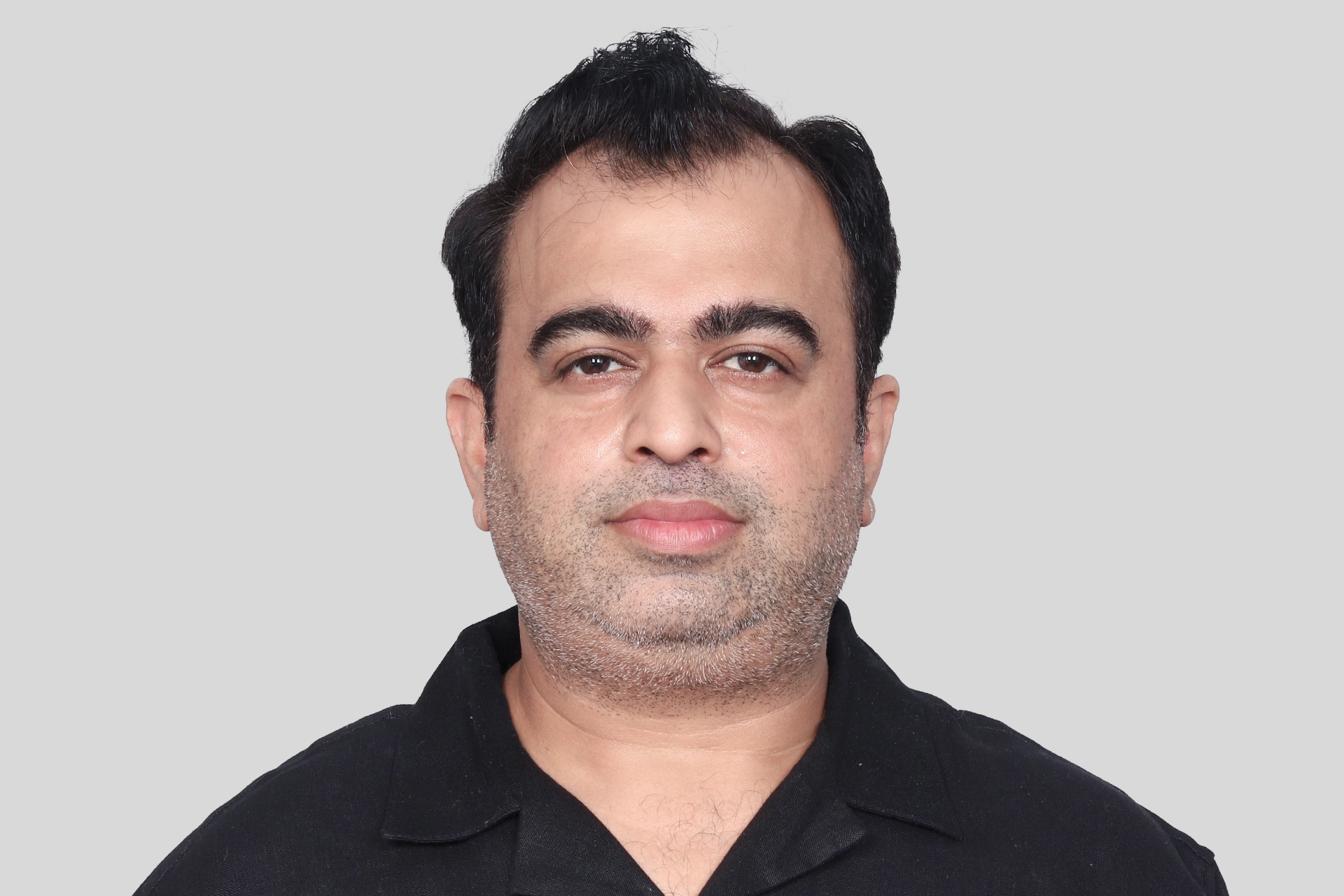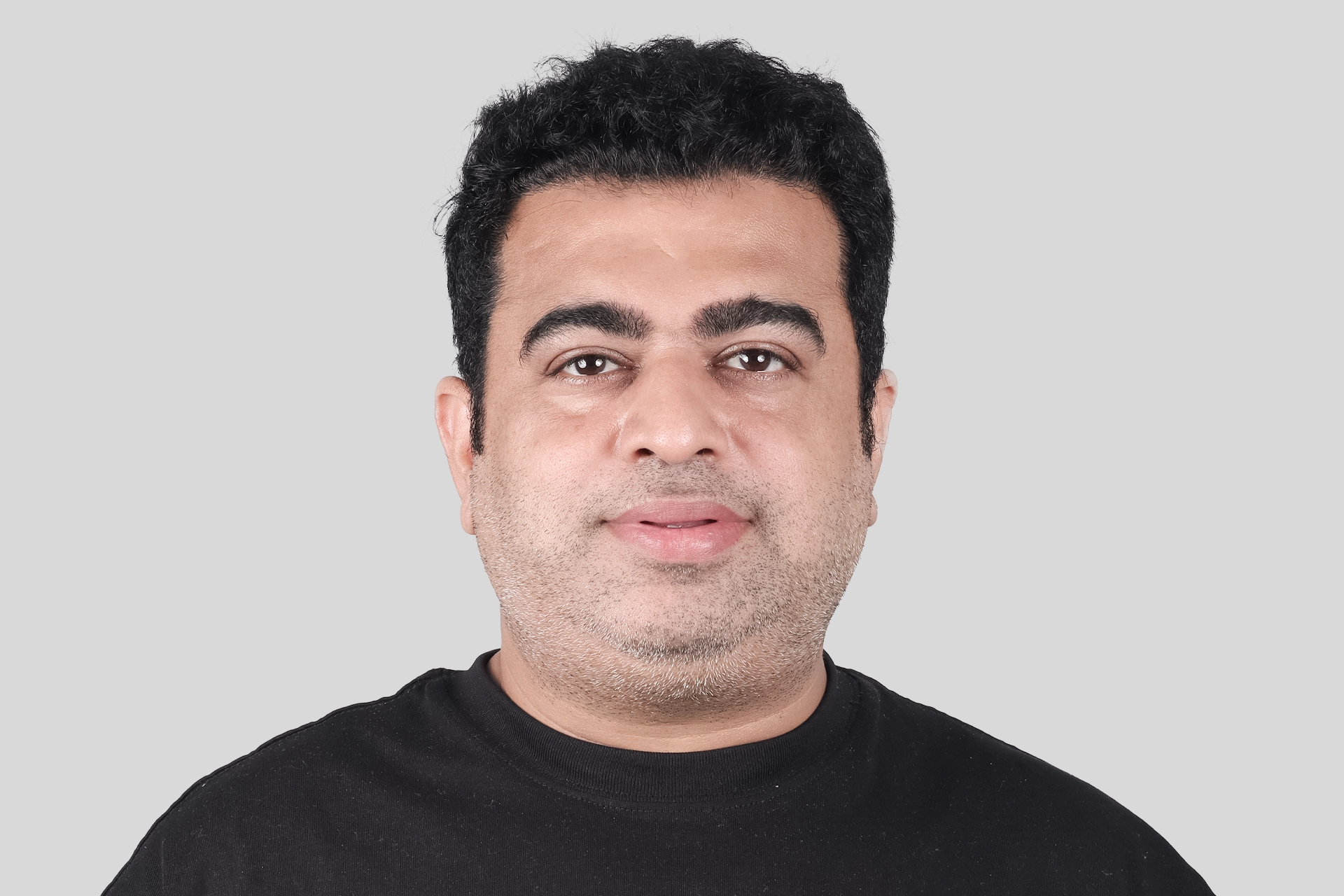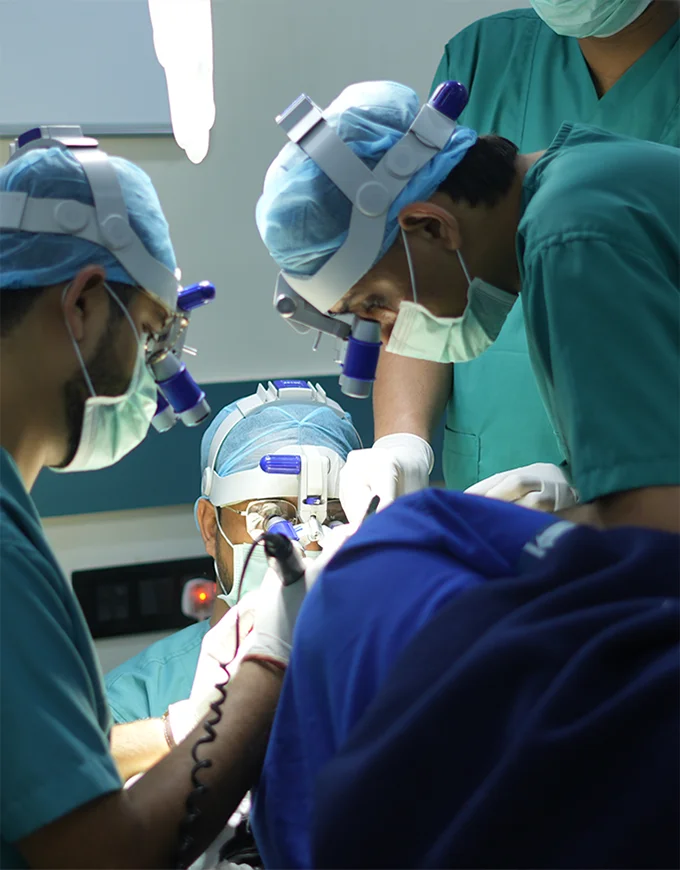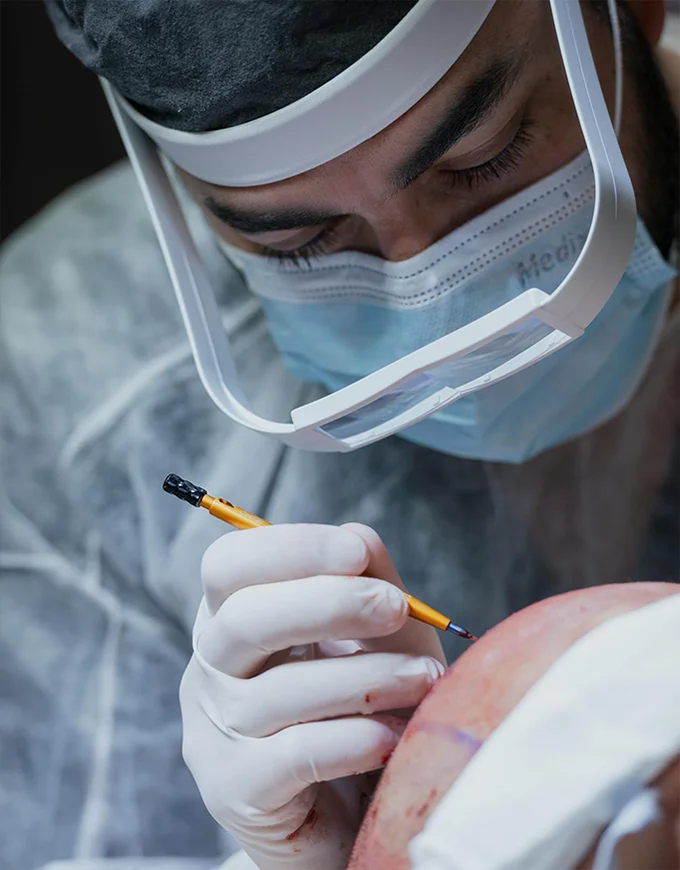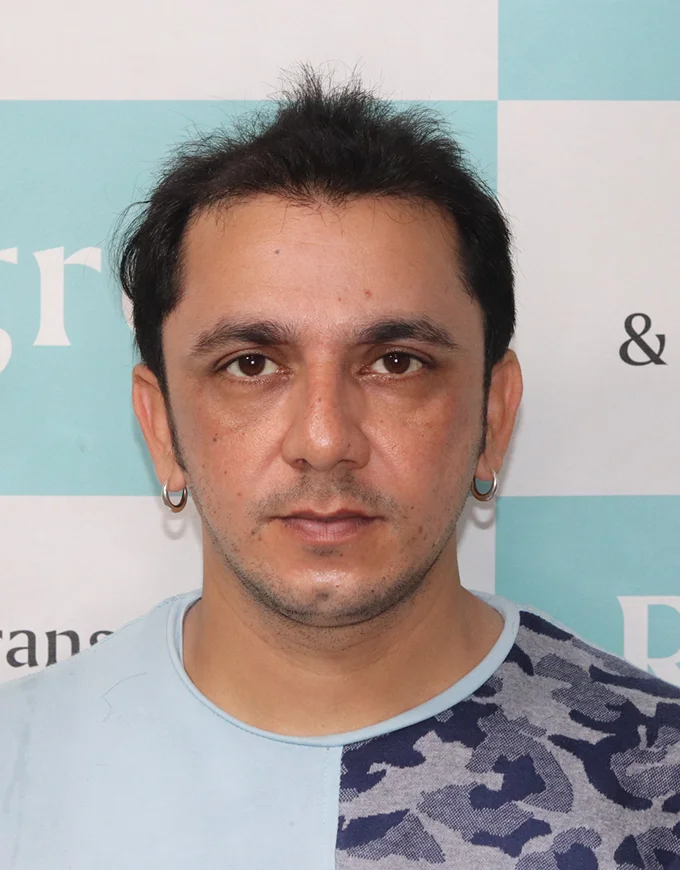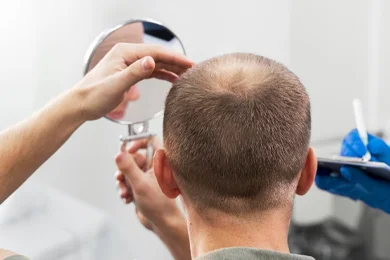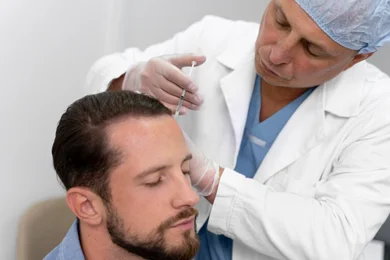


At QHT Clinic, we use clinically proven hair transplant techniques to give you the results you desire. Our goal at QHT is to deliver precision-executed results that blend seamlessly with your existing hair to create a denser, more natural-looking appearance.
Your scalp will feel tight, like a sunburn you are not allowed to touch.
These first 48 to 72 hours are the most important stretch of the whole recovery. In this window, the newly placed grafts are hooking into their blood supply, and that connection is what keeps them alive.
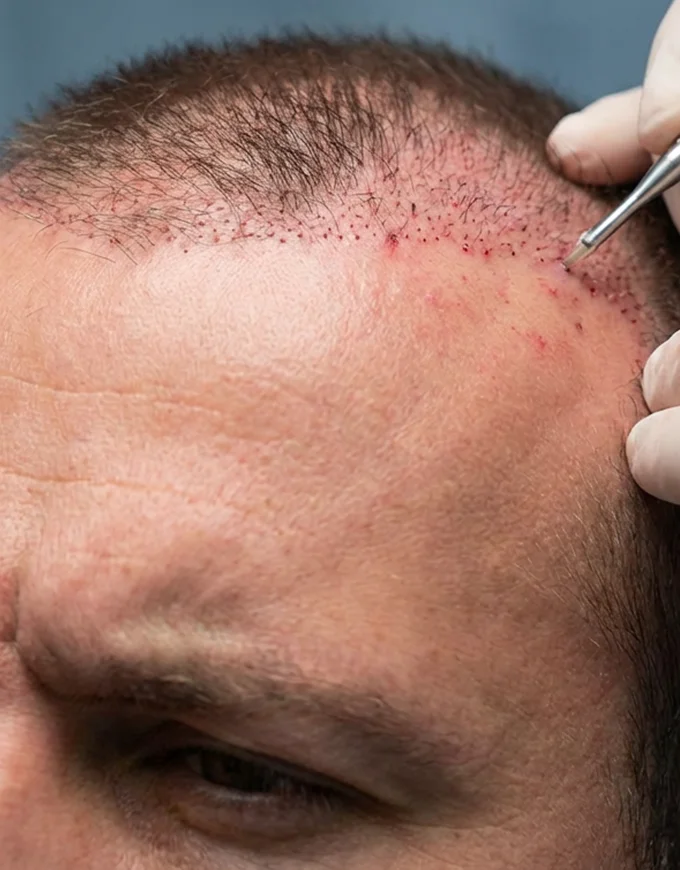
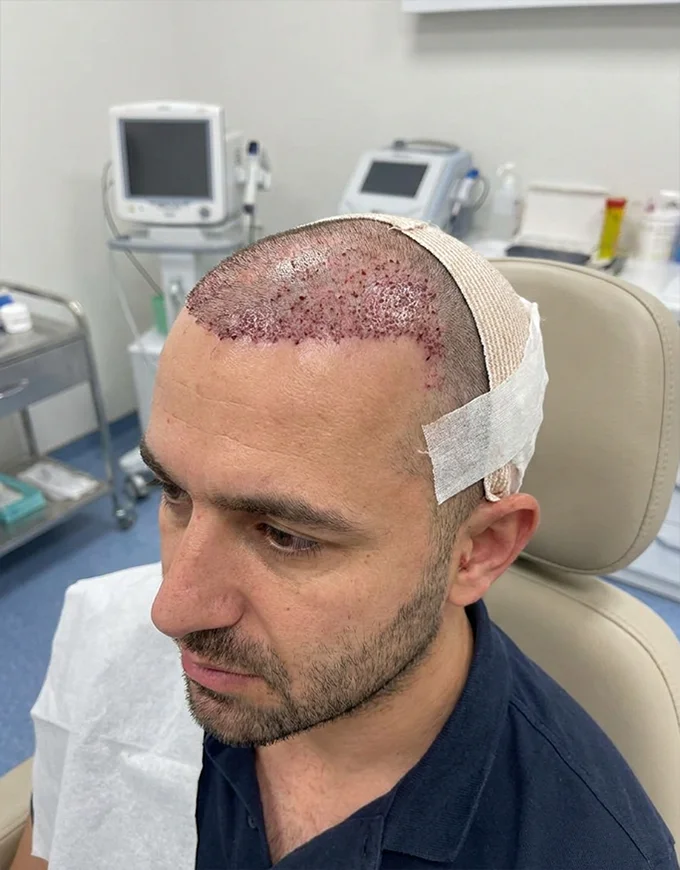
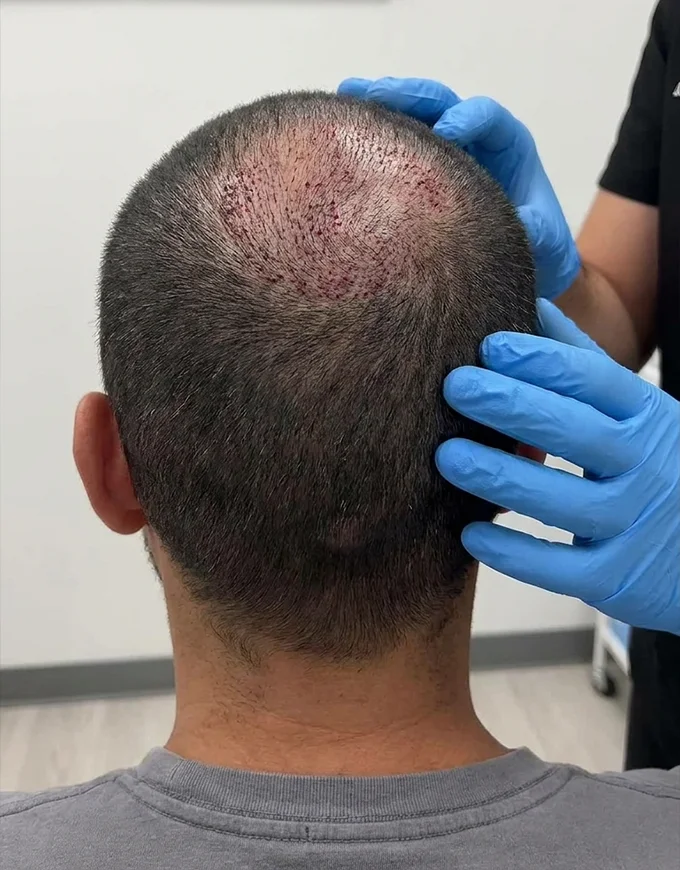
Swelling builds and peaks within 48 hours, then starts to come down on its own. Expect redness, tiny crusts around each graft, a little puffiness on the forehead, and patches of numbness. None of it means trouble.
What you do in these three days matters more than at any other point. Sleep with your head propped up. Take the pain and anti-inflammatory medicine your surgeon gives you. If swelling bothers you, press ice on the forehead, never on the grafts. Keep your hands off the top of your head.
The question everyone asks before surgery is when they can get back to work. Desk jobs and light activity are realistic by 5 to 7 days, which is the real downtime for a hair transplant in Jaipur: a week off, not a month.
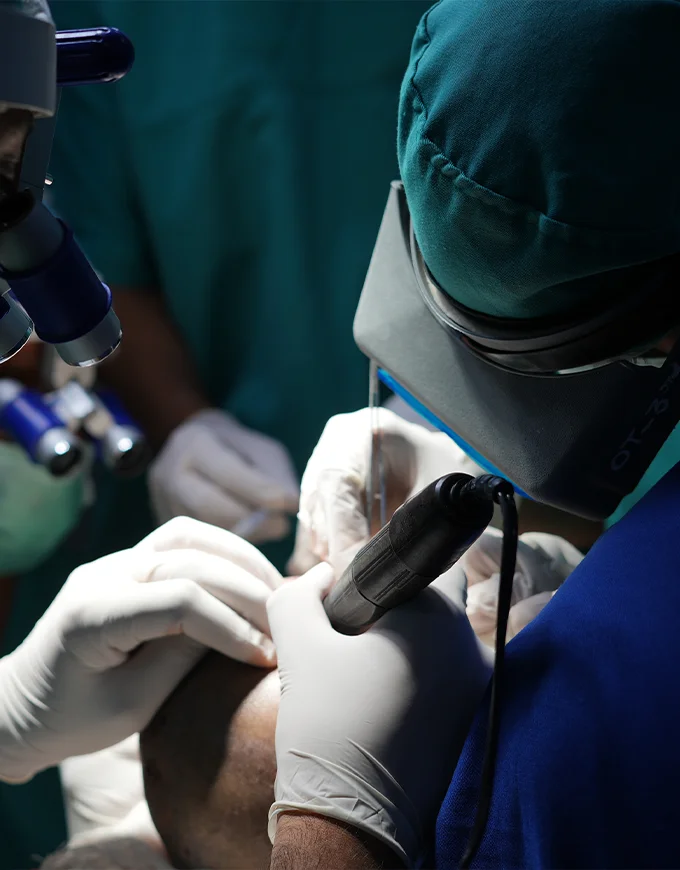
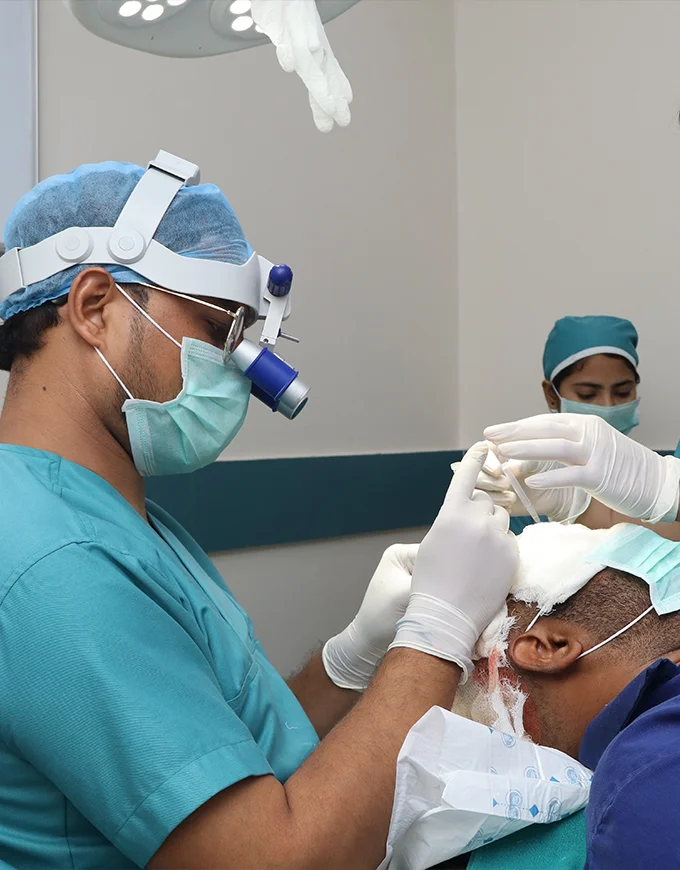
Our surgeons run extraction and implantation together so each graft spends under 2 hours outside the body. That out-of-body time is one of the few things in the room that decides whether a graft survives, and shaving it down is deliberate.
The first three days look far worse in the mirror than they are under the skin.
By day 4, the crusts around each graft firm up into small scabs.
The swelling and tenderness fade across the week. The scabs sit over the grafts like a field of tiny dots, and they will come loose on their own.
Do not pick them. Pull a scab too early and you can pull the graft out with it, which is the one week-one mistake that costs you a result. Keep the scalp clean using the shampoo and topical products your clinic hands you, because a clean scalp is how you avoid infection.
Three things to stay away from this week: direct sun on the scalp, any comb or brush over the new area, and tight headgear that can knock a graft loose.
That last one is the real problem in Jaipur. The city runs on two-wheelers, and a helmet pressing down on fresh grafts undoes a week of careful healing in one ride. Take a car or an auto until your surgeon clears you to wear anything on your head. Dust is the second issue, so keep the windows up.
Patients come into week one braced for pain. What actually tests them is the boredom and the urge to touch.
Week one asks for discipline more than it asks for toughness. That is the whole job for an FUE recovery timeline in Jaipur’s first seven days.
At the end of week 2, the hair your surgeon just placed begins to fall out. This is supposed to happen.
First, the good part: the scabs separate and drop off on their own around the second week. If you had an FUT procedure, the sutures come out between day 10 and day 14. Then the shedding starts, and it frightens people who were not warned.
The visible shaft falls. The root stays. What you see on the pillow is the old hair letting go so a new one can grow from the follicle still sitting under your skin. This phase is well documented and completely expected.
Your energy comes back in this stretch too. Strenuous exercise can restart by the end of week 4. Hold off on lifting weights and swimming for 3 to 4 weeks, and skip saunas and steam rooms through the early weeks of recovery.
This is also the stage patients panic about, and your surgeon is in Delhi or Gurugram, not down the street. QHT gives you remote access to the support team across the full 12-month recovery. Send a photo, ask the question, get an answer. Guessing is the worst option.
The message we field most in week three is some version of “did the grafts die?” They did not.
Shedding is the surgery working, not the surgery failing.
Months two and three go quiet. Too quiet.
The follicles are resting, and the mirror gives you nothing to show for it. Your scalp looks close to how it did before, and this is the point where confidence dips. New hair begins to push through around month 3, with some patients seeing it closer to the 3 to 4 month range.
Here is what the quiet stretch actually costs people: the ones who stop taking monthly photos now are the same ones who later swear nothing ever grew. The photos, when they bother to compare them, say otherwise.
At the month-3 check, the scalp often looks unchanged to the patient. The follicles are busy under the surface, they just have nothing to show at the top yet.
Nothing visible is not the same as nothing happening.
By month 5, you start to recognise yourself in photos again.
Fine, pale hairs come through first and slowly thicken into real hair. The front of the hairline fills in ahead of the crown, so the change you most wanted to see tends to arrive first.
By month 6, half of your final density is in. Early hairs sometimes look wiry or curl oddly; the texture settles as they mature.
With 95%+ graft survival, the hair that arrives in these months is the hair that stays. This is not a phase that gives you density and then takes it back.
Month 6 is the halfway mirror, and it is the first one that genuinely looks like progress.
Month eleven, and someone who last saw you a year ago does a double take.
The hair thickens, takes on its full colour, and blends into the hair you always had until you cannot tell the line between them. Most patients reach full density by the 12-month mark. This is the point to judge your result, and not a day before it.
We ask patients to hold their verdict until month 12. Anything you assess before then is a work in progress being graded as a finished one.
Twelve months is when the before photo finally stops mattering.
The transplant is permanent. The hair around it is not.
Transplanted hair resists DHT, the hormone that drives pattern thinning, which is why it stays for life. Your original hair never had that protection, and it can keep thinning next to a transplant that never will.
Meanwhile the crown, which lagged behind the front, keeps building density for several months past the one-year stage.
Holding on to your natural hair is the real task now. Topical minoxidil and finasteride are options for maintaining the natural growth you still have.
Your surgeon might add a therapy like PRP, GFC, or LLLT on top. Ask your surgeon before you start or change any of this, because the right mix depends on your hair, not on a blog.
For ongoing upkeep, QHT’s doctor-backed hair care line is built around maintenance rather than quick fixes: treatments, not cosmetics, with no promise of a miracle.
And some readers never needed surgery in the first place. If your loss is early, a medical plan can protect what you have, and that is exactly the kind of thing a consultation sorts out before anyone books an operation.
Keeping the result is a habit, not a one-time event on an operating table.
Most recovery problems trace back to a handful of avoidable mistakes.
Do
Don’t
This is the stage where post hair transplant care in Jaipur is won or lost, and the single most broken rule here is the helmet. One commute is all it takes.
| Activity | When |
| Return to desk work | 5–7 days |
| First hair wash | As your surgeon advises |
| Strenuous exercise | End of week 4 |
| Weights and swimming | After 3–4 weeks |
| Sauna or steam room | Avoid through early weeks |
| Helmet or tight cap | Only once your surgeon clears it |
Healing in Jaipur while your surgeon sits in Delhi works on one condition: you know the line between normal and not.
Most of what alarms patients is normal. Swelling, itching, scabs forming and falling, the week-two shedding, redness that fades over the weeks: all expected, none of it needs a call.
What does need a call is anything that moves the wrong way.
Distance is only a risk if you are on your own, and you are not. QHT keeps you connected to the support team across the entire 12-month recovery, with scheduled follow-ups through that year.
Reach the care team on WhatsApp or by phone, send a photo, and get a real answer the same way thousands of recovery questions get handled.
Message your QHT care team on WhatsApp the moment something feels off. That is what they are there for.
Factors that Affect the Final Cost
Some factors that may affect the number of grafts required include:
More grafts needed means a higher total cost.
Skilled, doctor-led care affects the final price.
FUT, FUE, and QHT each have a different per-graft rate.

Post-surgery support and reviews add to the value.
A surgeon maps every graft
One specialty, no cross-sell
Plan from home, operate in NCR
Real results, shared with consent
Global bodies such as the World Health Organization encourage an evidence-based approach to medicine and following ethical guidelines when discussing the options available to patients for surgical procedures.
The surface heals fast. Scabs clear by around the end of week 2, and the scalp looks settled soon after. The full result, meaning complete density, takes 12 months.
Start on the day your surgeon advises, then keep the scalp clean using the shampoo and topical products your clinic provides.
Yes. Around the end of week 2, the transplanted shafts shed while the follicles stay alive under the skin and regrow. It is an expected, well-documented phase, not a failure.
New hair begins to emerge around month 3. Half your final density shows by month 6, and full density arrives by month 12.
Strenuous exercise can resume by the end of week 4. Hold weights and swimming until 3 to 4 weeks have passed, and stay out of saunas in the early weeks.
Most patients are back at a desk job and light activity within 5 to 7 days.
Yes. Start with a free consultation. The procedure is done at QHT’s Delhi or Gurugram centre, and the 12-month recovery is supported remotely, so you travel for the surgery and heal at home in Jaipur.
That is what the consultation is for. A surgeon reviews your hair-loss stage and your donor area and recommends the honest path. For early loss, minoxidil and finasteride can maintain your natural hair without surgery at all.