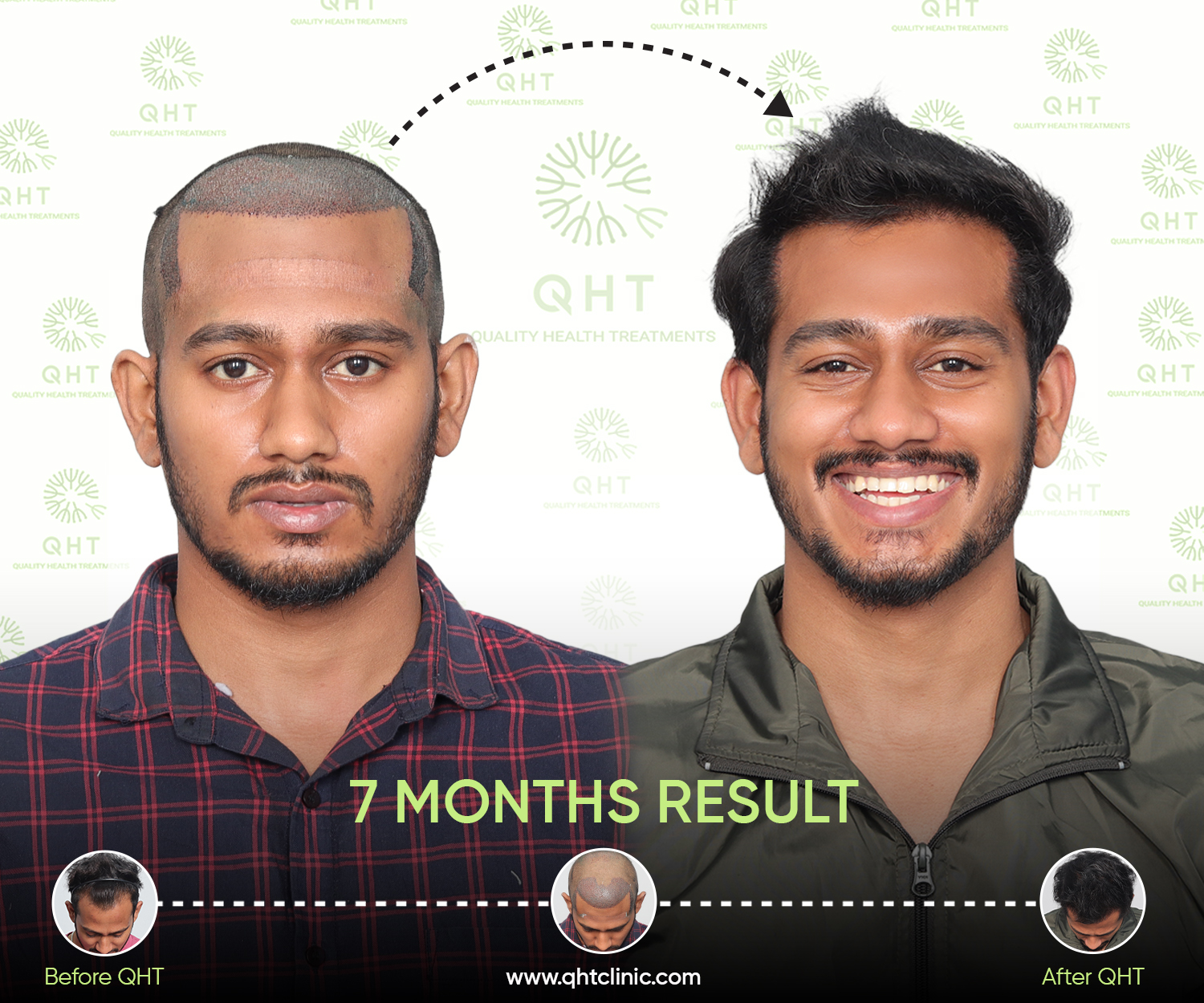
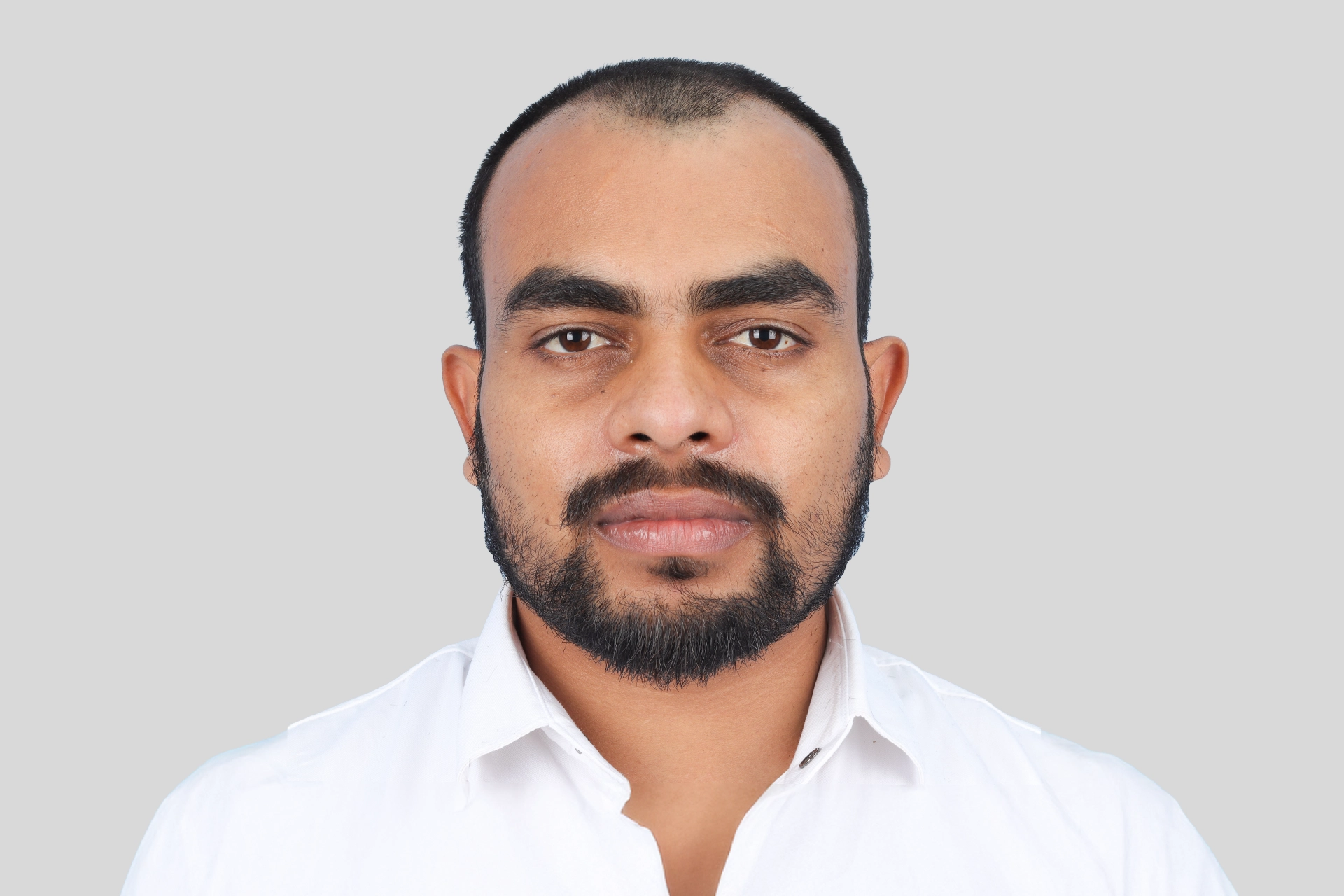
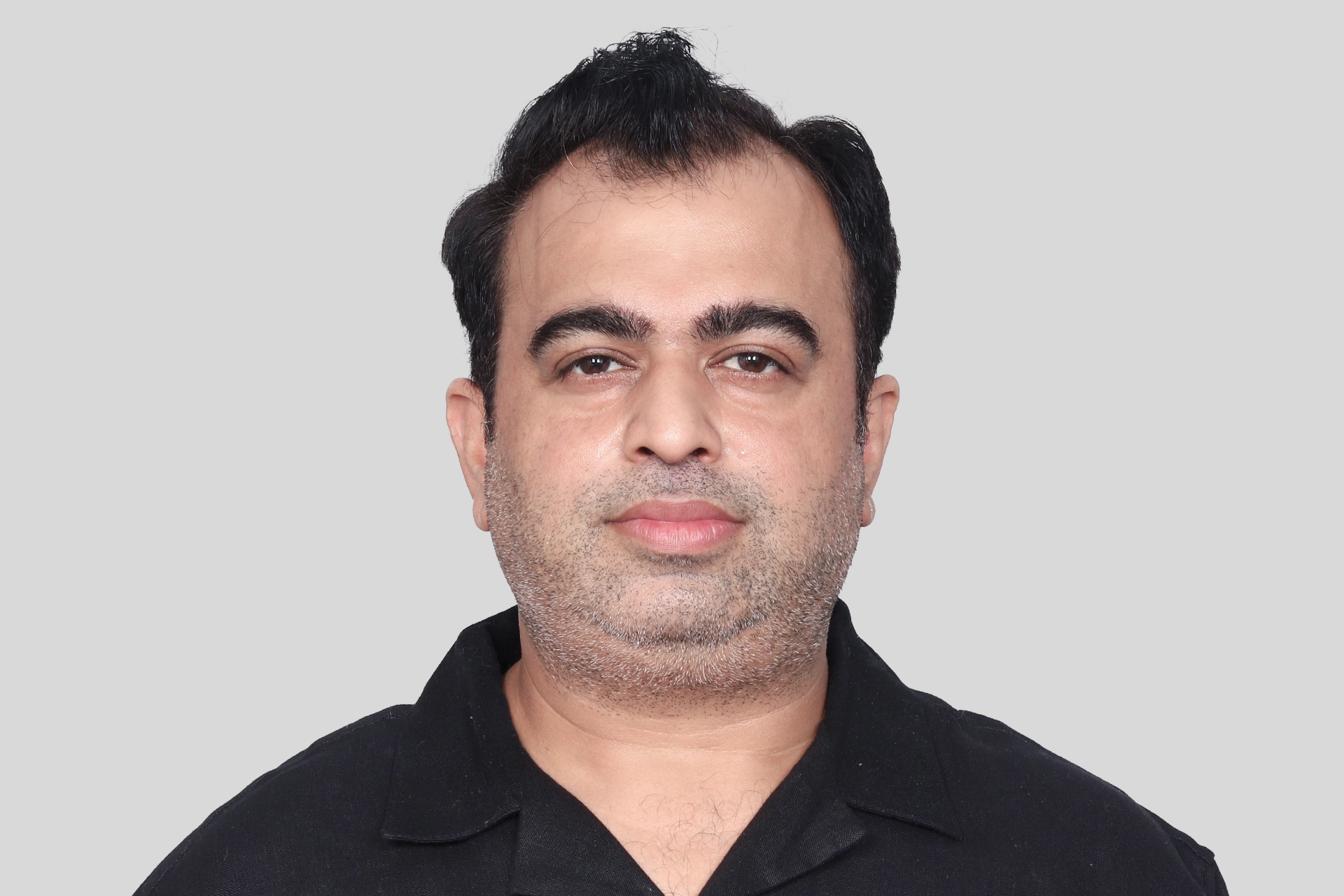
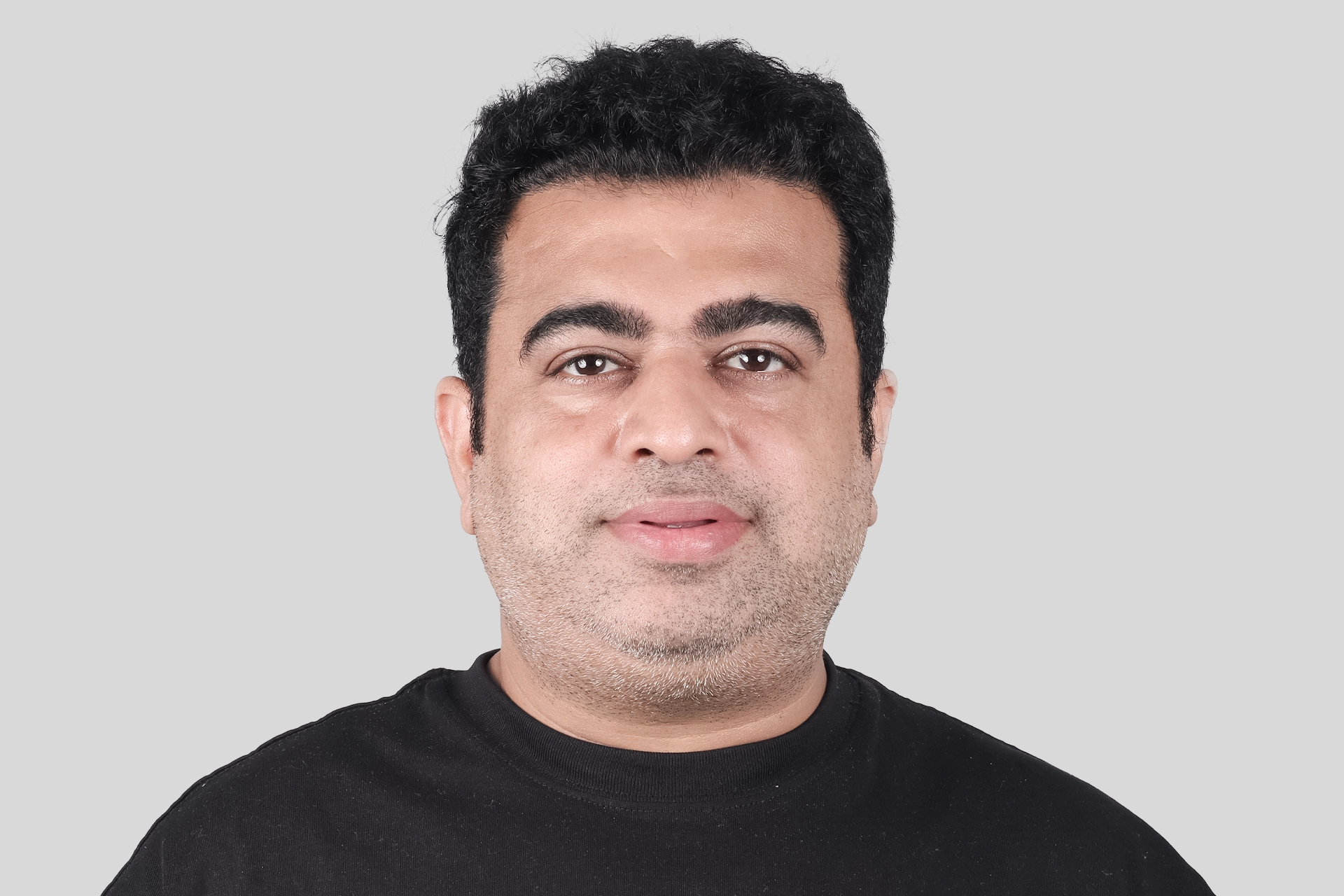
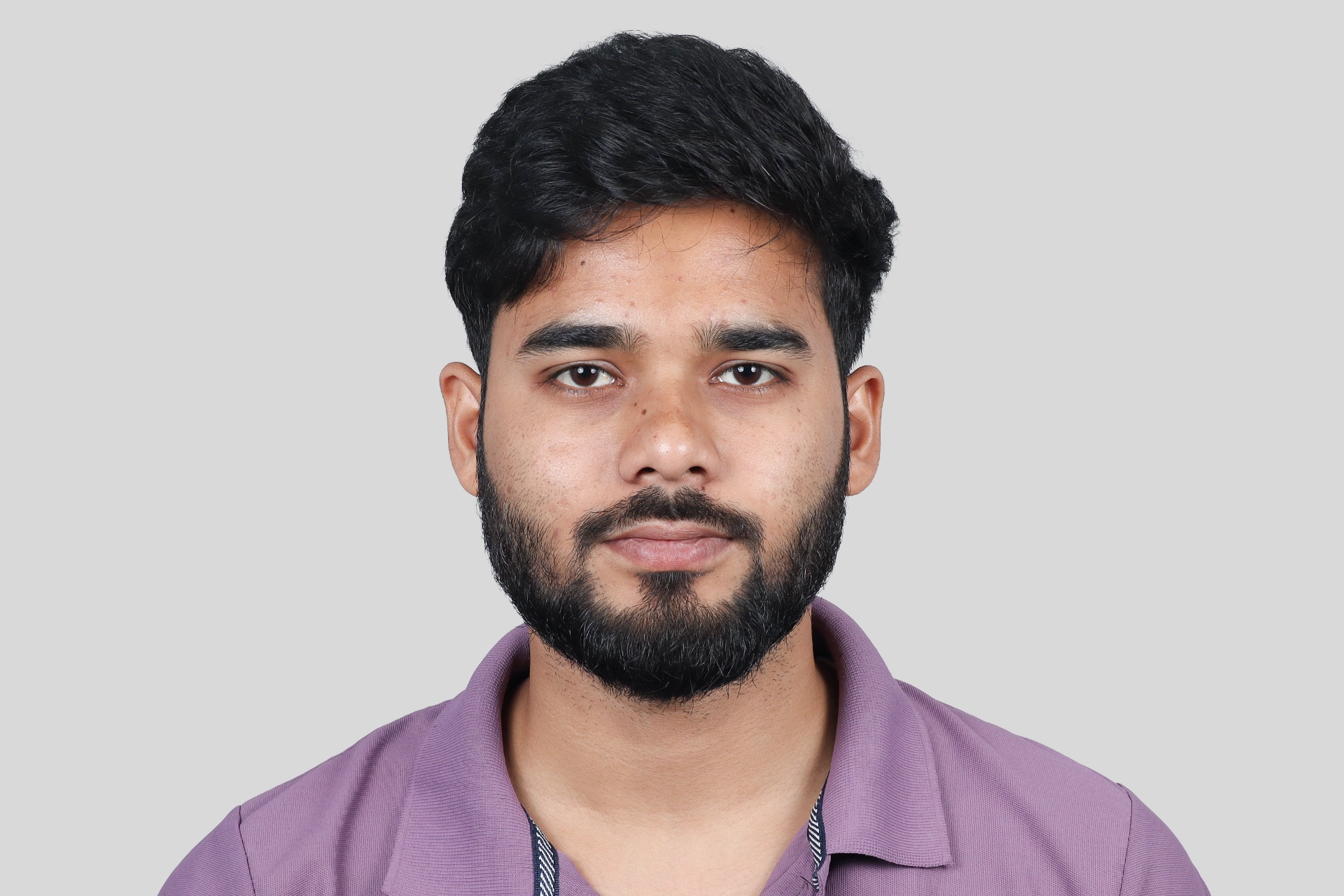
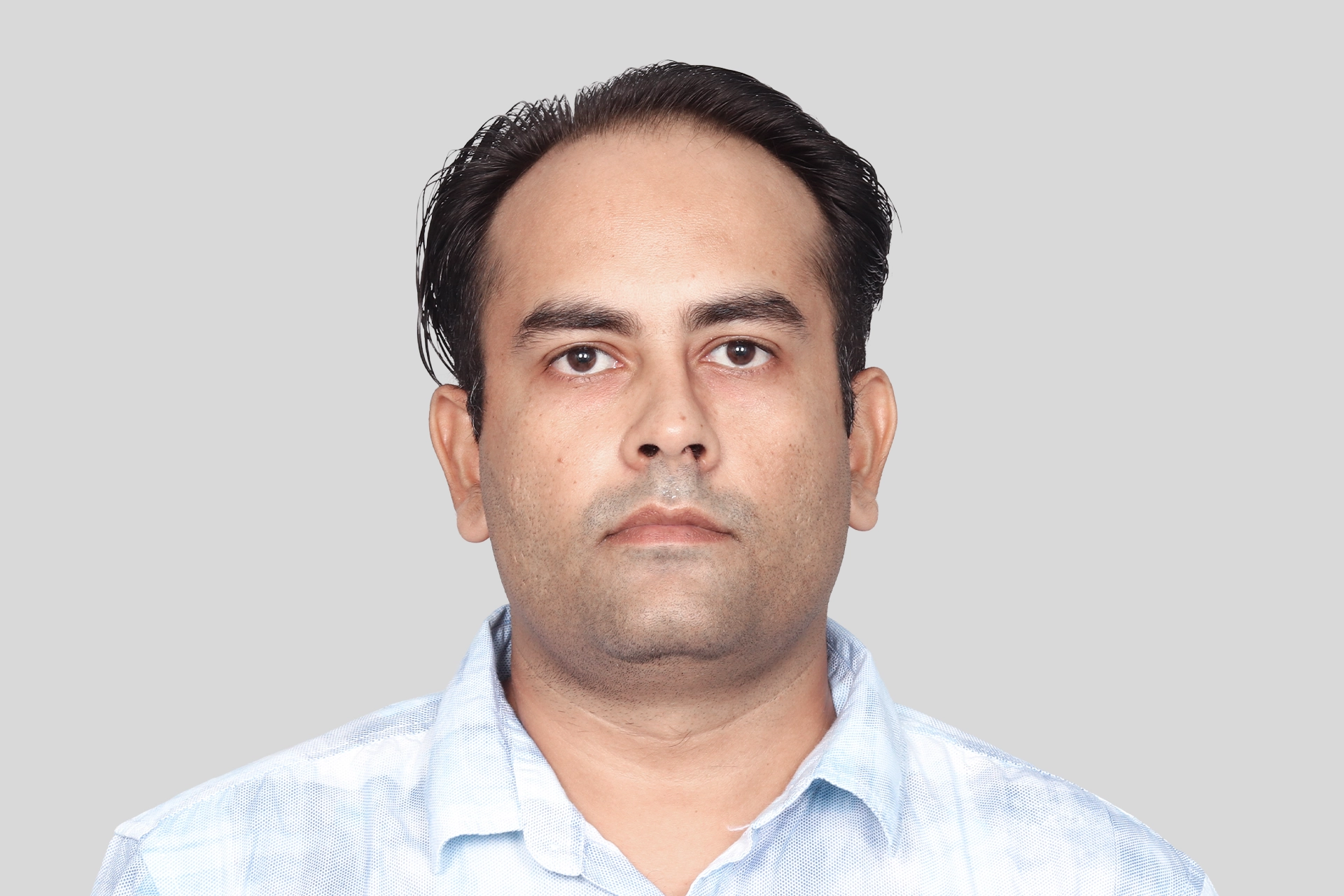
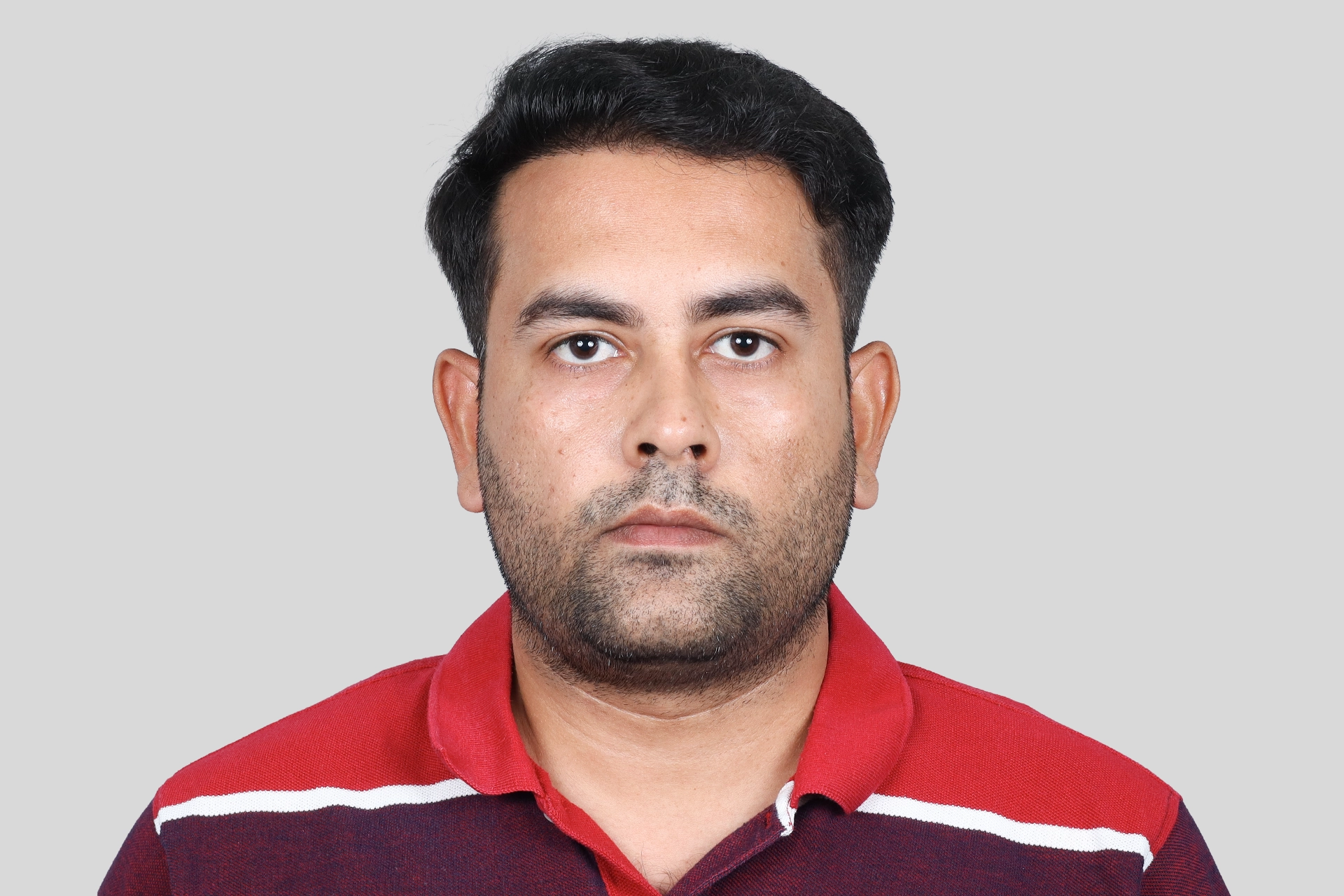
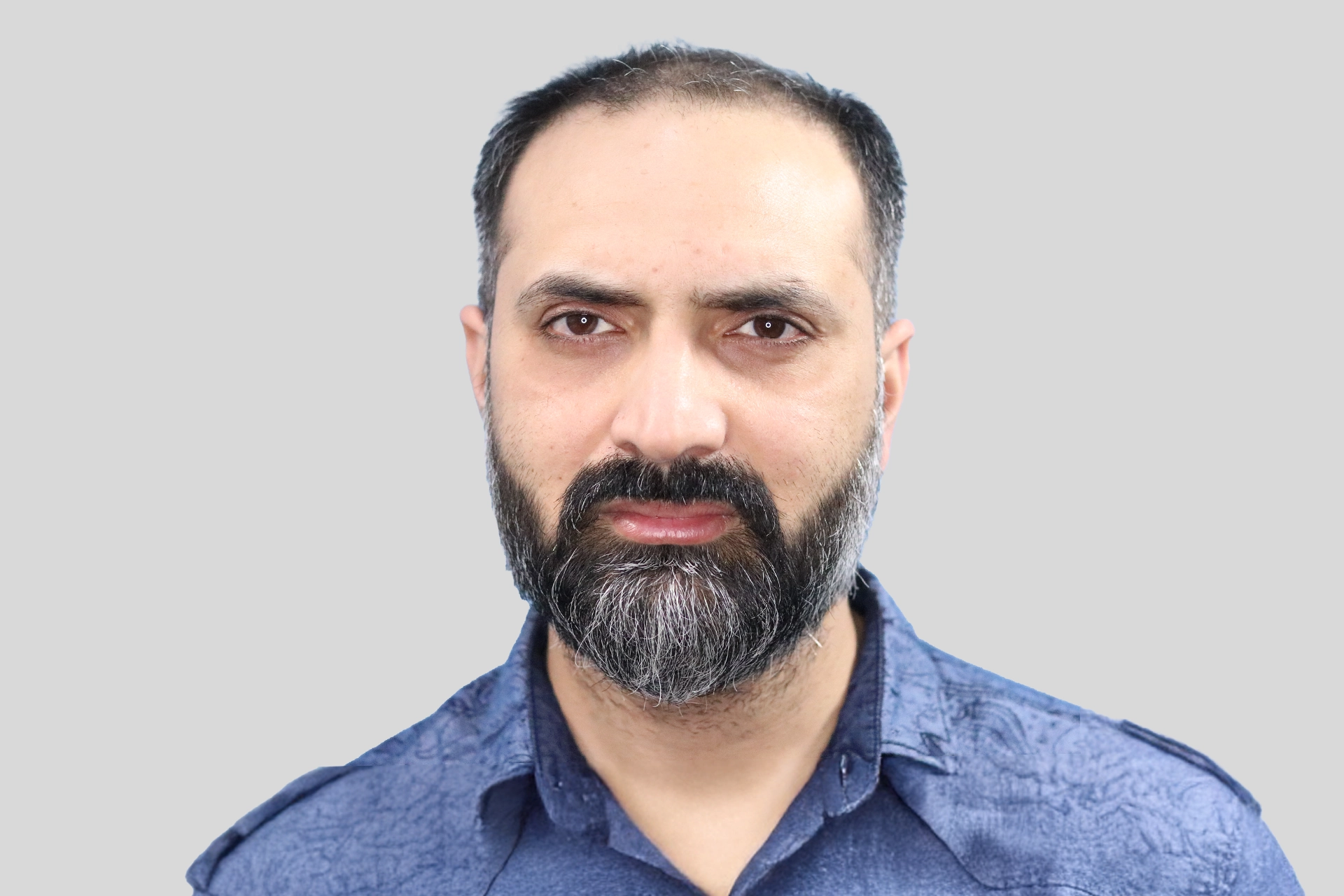
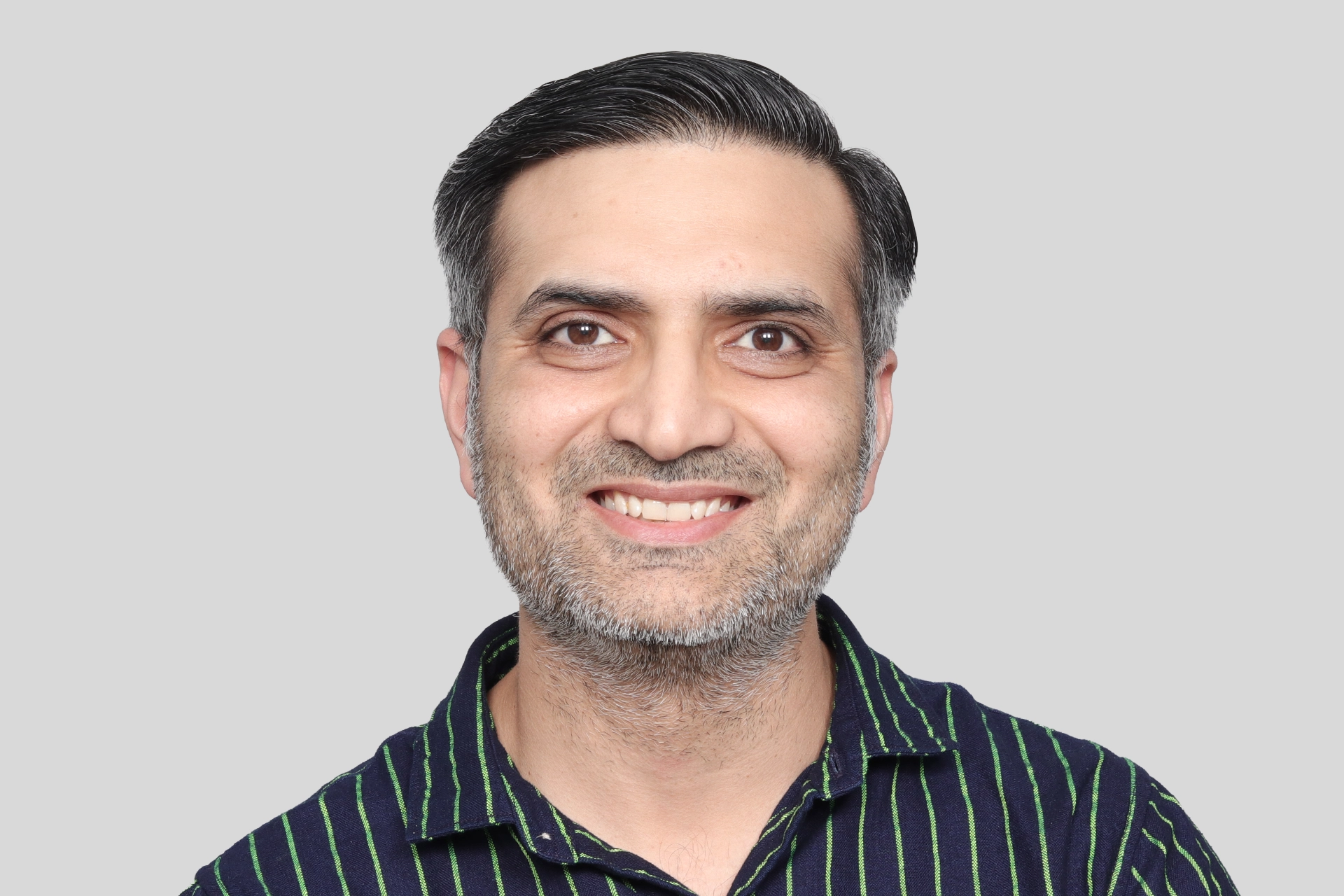
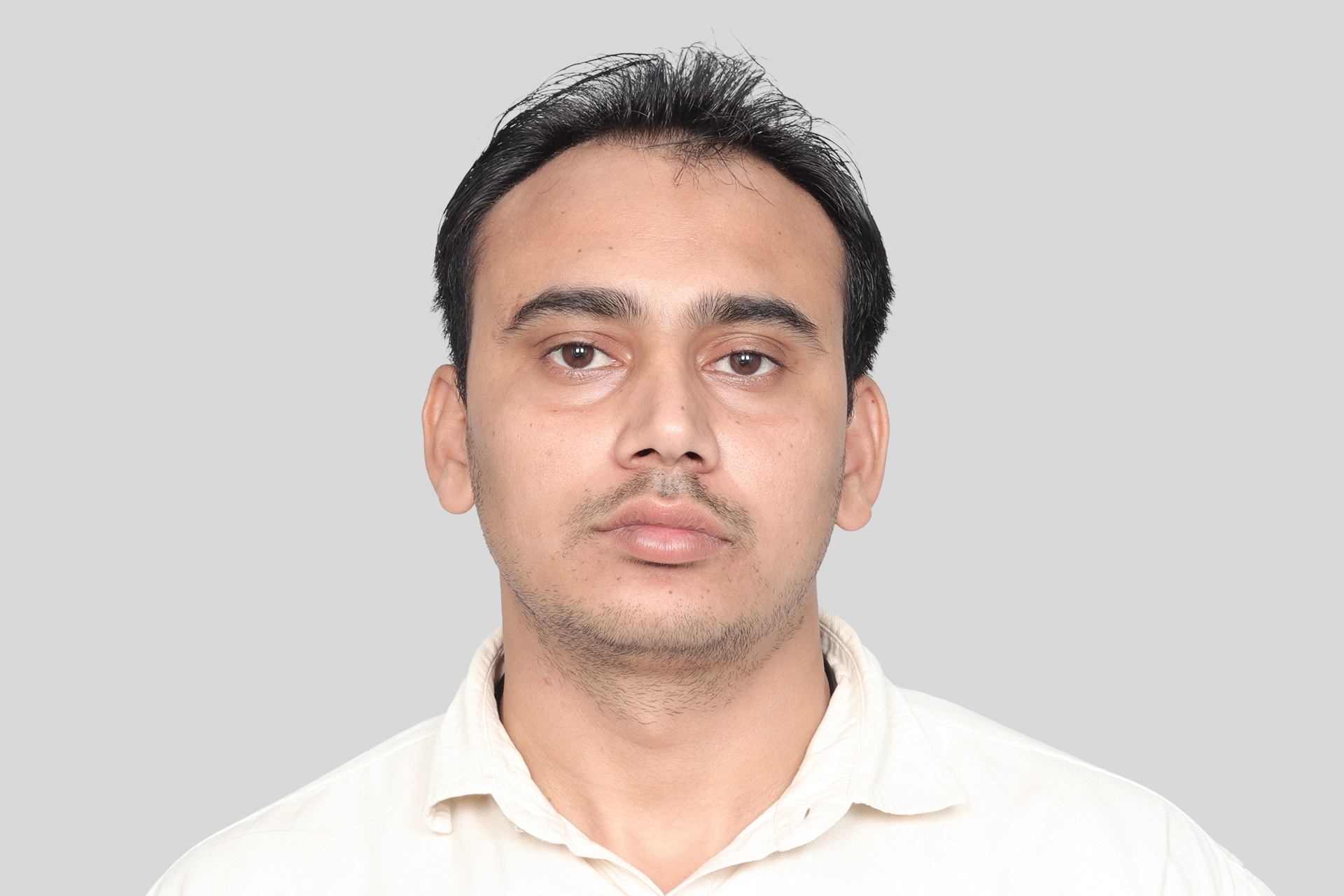
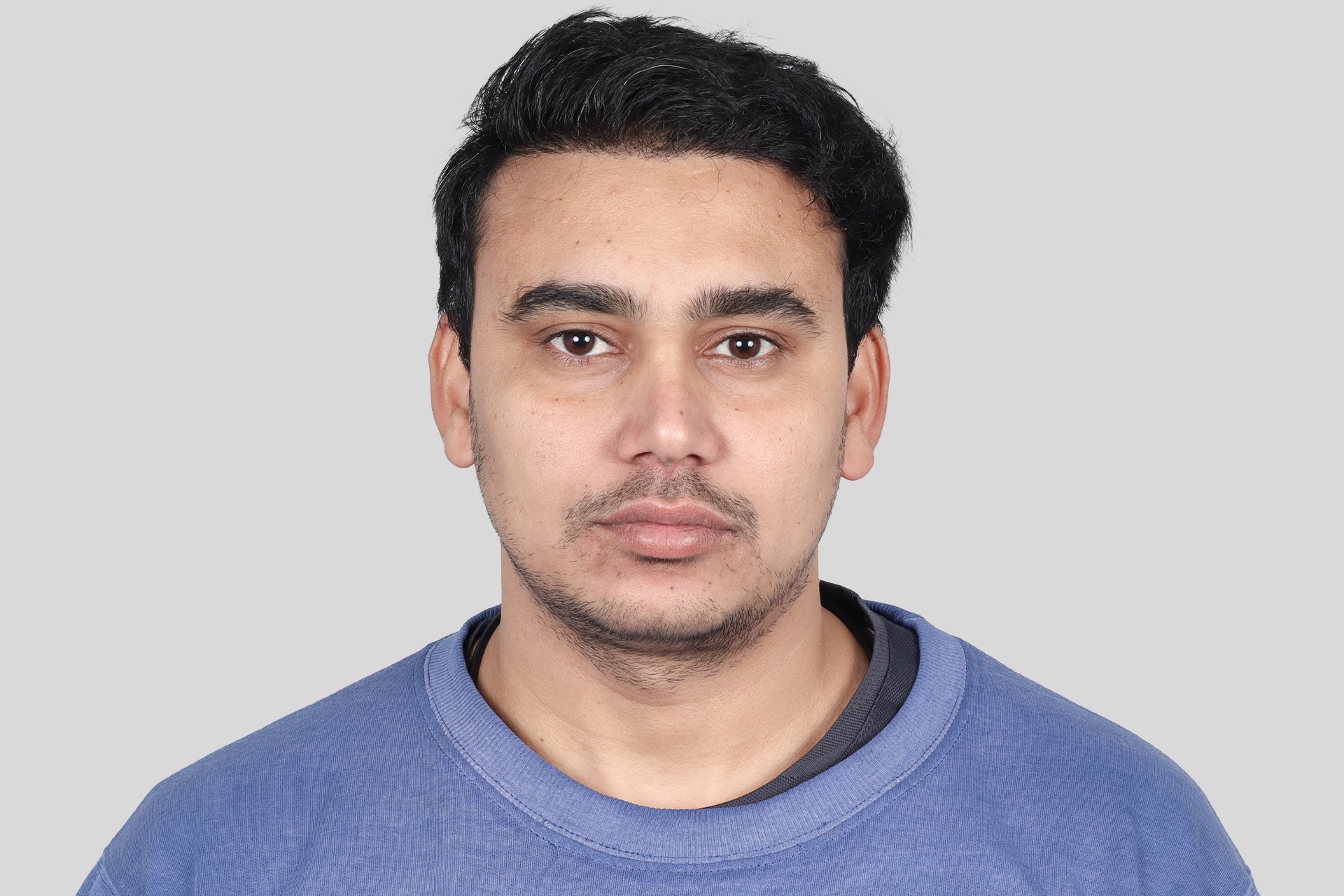
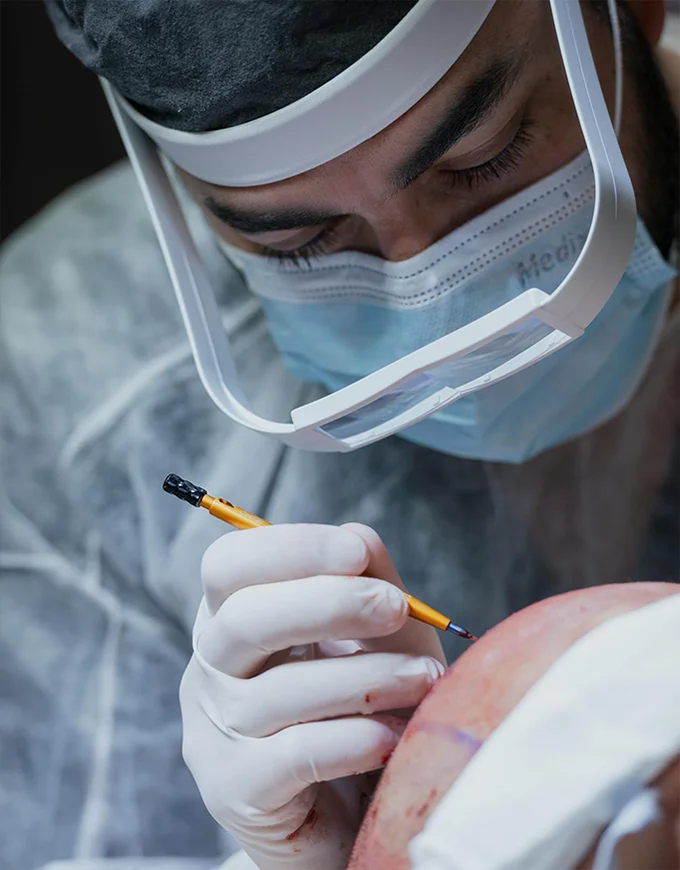
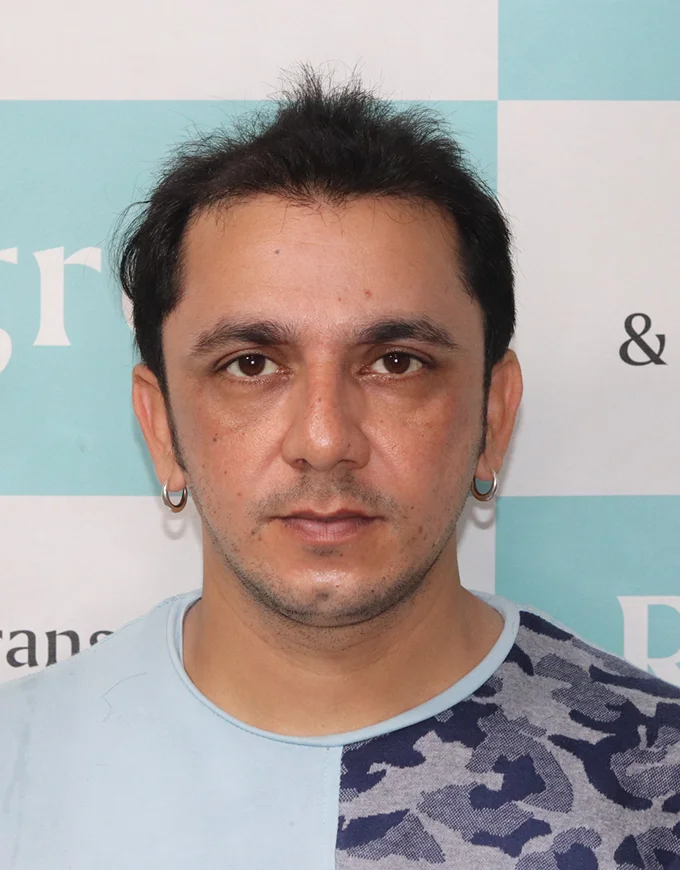
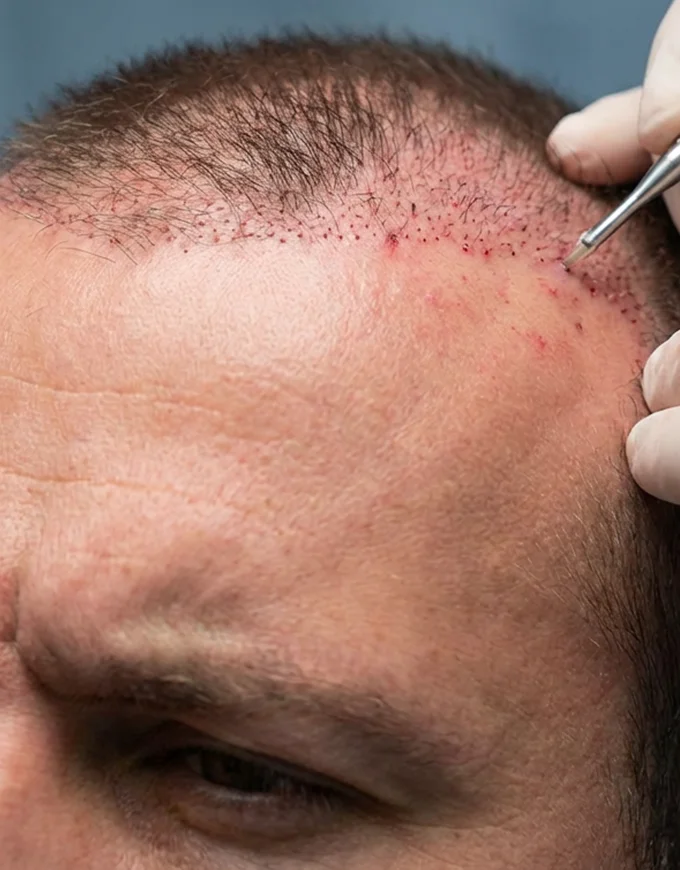
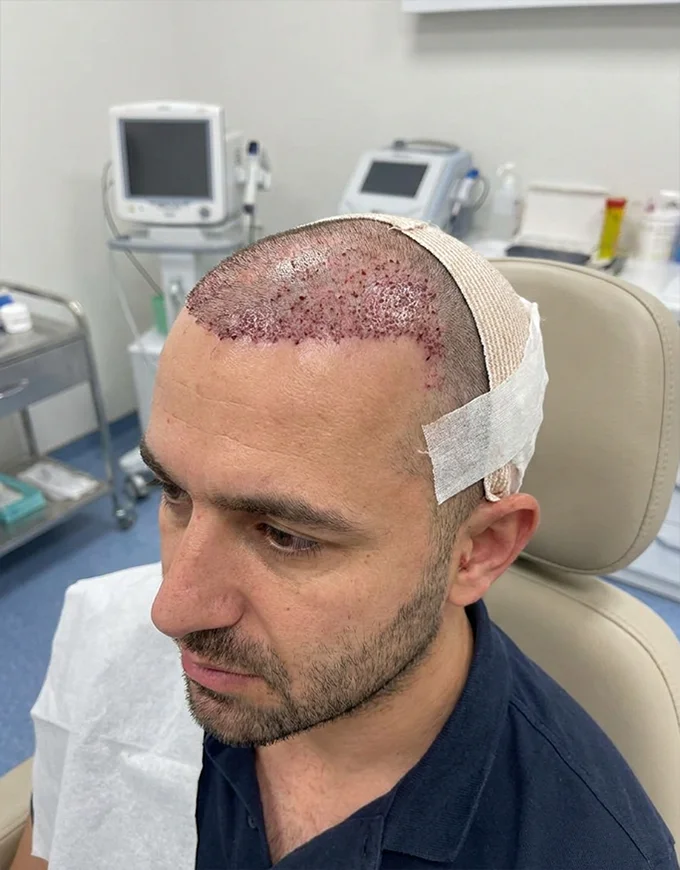
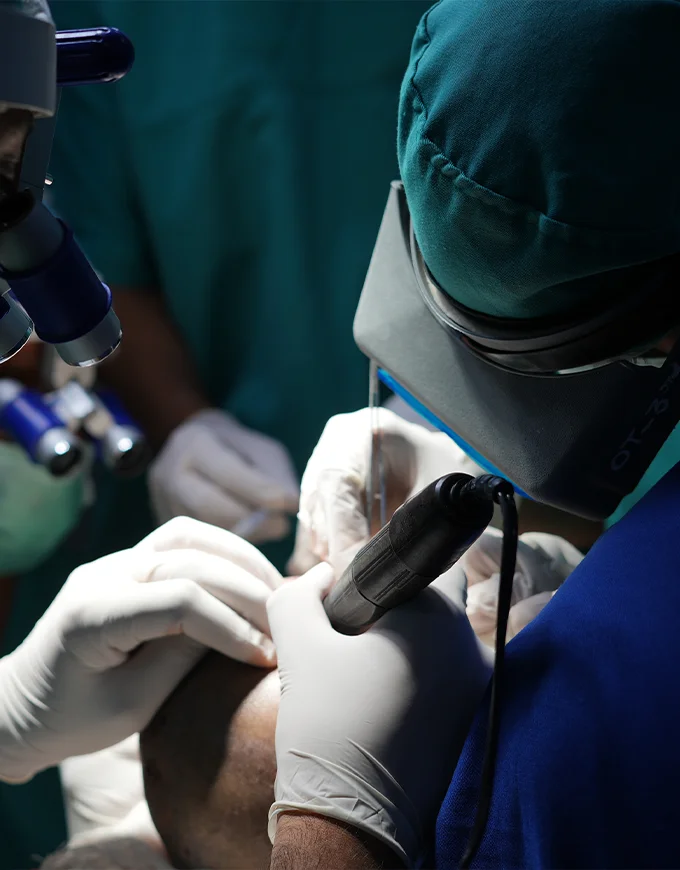
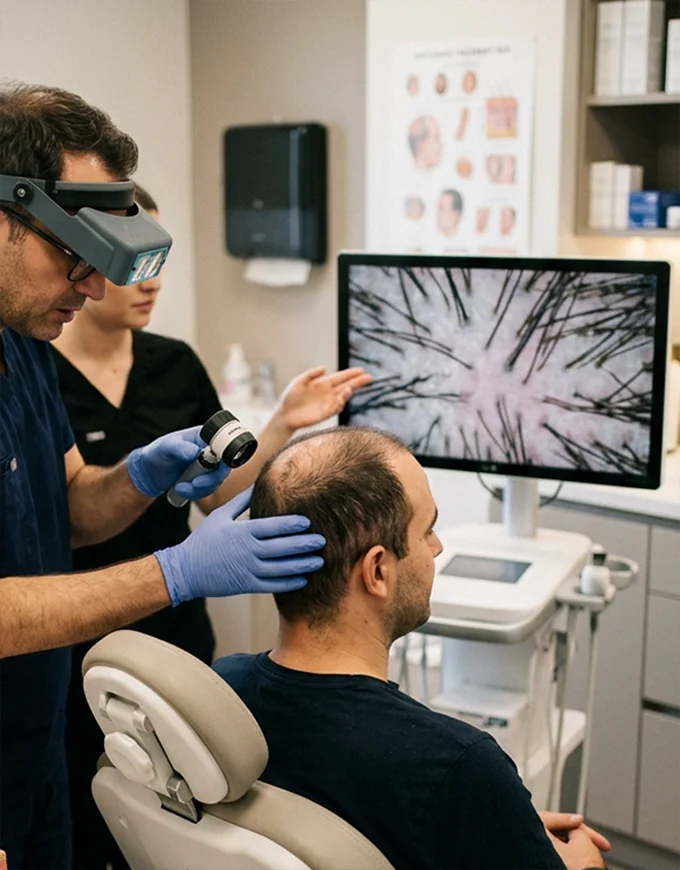
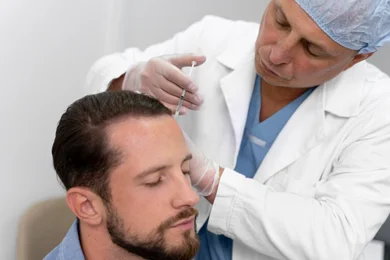
The photos below show real hair transplant results of patients who were treated at QHT Clinic. With the patient’s Norwood grade, graft count, the technique used, and the number of months after the procedure. This way, you can see how the hair looked before, and how it grew back over time. Take your time to go through them and notice the change at each stage.
Most before-and-after photos online are built to flatter. Brighter light in the “after.” A damp comb-forward pretending to be new density. Sometimes a scalp that belongs to a stranger. A hair transplant is surgery, so the stakes are real and the photo you trust should earn it.
So judge these the hard way. The hair transplant results in Jaipur patients can trust are the ones that survive a cold, careful look.
A real pair holds up only when both shots were taken the same way. Same camera distance. Same light. Nothing moved to improve the “after.” QHT documents every case to ISHRS and ABHRS photography standards, the two global benchmarks for honest result photography, with no filter laid over the truth.
Honest galleries follow rules, and the rules exist to stop clinics flattering their own work. Here is what a trustworthy pair should always show you.
Look at three places on every pair. The hairline edge, where fakery looks like a drawn line and real work scatters softly. The crown, where thin coverage is hardest to hide. The donor zone, which should look evenly thinned rather than patchy.
A clinic that shows you all of this is handing you the hair transplant photos Jaipur patients deserve before committing to anything.
Trust the pair that survives the hard look. Skip the one that only works in soft light.
You will probably panic around month two. Nearly every patient does. The new hairs fall out, the scalp looks exactly like it did before surgery, and a quiet voice insists the whole thing failed. It did not. Here is the real schedule, stage by stage.
Week 1: Small scabs form around each graft. Expect mild tenderness, a little redness, and some swelling that starts easing by day 3 or 4. If you came in from Jaipur, plan a 2 to 3 day stay near the centre before heading home. A same-day flight or train back is not advised while the grafts are this fresh.
Month 1: The scabs drop off and the transplanted shafts shed. The clinical name is telogen effluvium, but all it means is the follicle resetting to grow a fresh hair. Shedding eases by the end of week 3 or 4. It is not failure, even though it looks like it.
Month 2: Nothing visible happens. The follicles are resting. This is the quietest month and the one that tests your nerve.
Months 3 to 4: Fine, pale hairs push through. They look sparse at first and gain colour as they lengthen. By the end of month 4, most patients spot real change in the recipient area.
Month 6: Around 50% of your final density is in. Thinning areas are covering over, scalp shows through less, and the direction is finally obvious in the mirror. This is the hair transplant 6 month result Jaipur patients tend to photograph and send us at their online review.
Months 9 to 12: Transplanted follicles are almost all active now, blending in length and texture with your own hair until the line between them disappears. Peak density lands around month 12 and the hairline is fully defined. For some, thickening carries on to 18 months. The hair transplant 1 year result Jaipur patients see is essentially the finished look, with only fine refinement left.
Because our Jaipur patients are not around the corner, we hold these reviews through dated photos online at each milestone. Distance does not mean healing alone.
Hair that takes a year to arrive is hair that stays for life.

“Will it actually work on my head?” The answer rides on how far your hair loss has travelled, not on the city you book in. Surgeons map that on the Norwood-Hamilton scale, which sorts male pattern baldness into seven stages and sets the graft count, the number of sessions, and the density you can honestly reach.
| Norwood grade | What it looks like | Grafts needed | Honest outlook |
| Grade 1 | Little to no recession | Surgery not needed | Held with topical minoxidil and finasteride |
| Grade 2 | Early recession at the temples, crown untouched | 800–1,200 | One session usually restores a full hairline |
| Grade 3 | M-shaped recession, crown sometimes starting | 1,200–1,800 | The ideal stage to operate; hairline and mid-scalp done in a single session |
| Grade 4 | Temple and crown loss with mid-scalp thinning | 1,800–2,500 | Strong density achievable from the hairline through the crown |
| Grade 5 | Larger bald zones front and back, the bridge between them narrowing | 2,500–3,500 | Good cosmetic coverage with careful planning |
| Grade 6 | Horseshoe pattern, the mid-scalp bridge gone | 3,200–4,200+ | Depends on donor supply; the front is filled first, then the crown |
| Grade 7 | The most advanced loss, donor zone itself affected | 4,000–6,000+ | Front prioritised; beard or chest hair may be used if the scalp donor runs short |
The honesty is in the bottom rows. By Grade 6 and 7 the donor area has a hard ceiling, and once donor hair is taken it does not grow back. A good surgeon spends those grafts where they change a face most rather than thinning them across a whole scalp.
That is why two people at the same grade can get different advice, and why the hair transplant success rate Jaipur patients ask about is really a question about donor supply and surgical judgement.
The hairline frames your face. The crown sits at the back where only other people and unkind photos ever catch it. They are different jobs, and they finish on different clocks.
The front is the hardest aesthetic call a surgeon makes. Single-hair units go right at the edge to keep it soft and feathered. The line is deliberately a little irregular, because a ruler-straight hairline reads as fake instantly.
Each graft is angled to copy how your hair once grew, which is what keeps it from looking like doll’s hair. The design is built for your face now and for your face at fifty, not off a template. Get it right and nobody can tell. Get it wrong and everybody can. The natural hairline results Jaipur patients come to us for stand or fall on that one decision.
The crown is a different animal and a tougher one. Hair there grows in a whorl, so grafts have to chase the spiral, and the larger area swallows more grafts than the front. Blood flow to the crown is slower, so crown transplant results Jaipur patients should expect take 12 to 18 months to mature.
There is a sting in the tail. The native hair ringing the transplant stays exposed to DHT, the hormone that shrinks follicles, so it keeps thinning unless it is protected. Plan a crown without planning for that, and a strong result gives way again in a few years.
Judge your hairline at a year. Judge your crown closer to eighteen months. Lining them up on the same day only misleads you.
Three techniques, and the biggest practical difference shows up on the back of your head. FUE is the international gold standard, minimally invasive, leaving tiny dot scars at the donor site that vanish under grown hair.
| Feature | FUE | FUT | QHT |
| How grafts are handled | Removed one follicle at a time, then placed | Removed as a strip of donor scalp | Extracted and implanted together using the SAVA implanter pen |
| Shaving | Donor area trimmed | No shaving needed | Donor area trimmed |
| Grafts per session | Up to 3,000 | Highest yield, 4,000+ | 3,000+ |
| Best suited to | Grade 2–5 | Advanced loss above Grade 5, and women who keep long hair | Grade 2–5 |
| Recovery | 5 to 7 days | 10 to 14 days | 5 to 7 days |
| Scarring | Tiny dot scars | A linear scar at the donor site | Tiny dot scars that fade to undetectable |
The technique should be matched to your scalp and your goals, never sold off a price list. The reason graft survival matters so much here comes down to time: the shorter a follicle spends outside the body, the better its odds of taking, which is the thinking behind QHT doing extraction and implantation in one motion. FUE stays the most popular method worldwide, and for a lot of patients it is exactly right.
Roughly one in ten hair transplants worldwide ends up needing corrective surgery, going by ISHRS figures. That number should make you slow down before chasing the cheapest quote in town, because the city on a signboard is not what decides your result. Five things are.
Surgeon skill sits at the top. Graft survival, the growth angle, the spread of density, all of it comes down to a trained hand and sound judgement, and an error in either can force a correction later.
Donor quality comes next, because thick, healthy donor hair sets the ceiling on how full you can go, and that supply is finite. The extent of your baldness matters too: advanced loss means a limited donor has to be rationed, with the frontal zone taking priority.
Then there is post-op compliance, since the grafts are fragile in the first weeks and skipped instructions cost you density. Last is your general health. People in good health heal cleanly, while uncontrolled diabetes, hypertension, or thyroid trouble can slow healing and drag out growth.
The verified hair transplant results Jaipur patients should chase are the ones attached to a surgeon with a documented record, not a discount across the road. Choose the hand that holds the implanter. The rest is negotiable.
Our surgeons turn patients away. Not often, but it happens, and it is the surest sign of an honest consultation. Someone arrives wanting a teenager’s hairline on a Grade 6 scalp, and the truthful answer is that the donor area cannot pay for it.
What you can expect:
What you cannot expect:
There is a quieter truth here, and it matters most for a Jaipur patient booking online. Not everyone needs surgery. Catch the loss early and medicine alone may hold your hair, and a straight surgeon will tell you so rather than booking a theatre slot. The real hair transplant results Jaipur patients remember are the ones that matched what they were promised going in.
The transplant is one afternoon. Protecting the hair around it is the next ten years. Transplanted grafts are permanent, but your native hair is still fair game for androgenetic alopecia, and if it keeps thinning you get bald patches framing a transplant, sometimes enough to need a second one.
Medicine does the heavy lifting. Finasteride blocks DHT, the hormone behind the loss, while minoxidil improves blood flow to the follicles and keeps them from shrinking. Some patients who do not respond to topical finasteride are moved to the oral form. These only work while you keep using them, so this is a long-term habit, not a short course.
Three more things carry the result. Post-op care comes first: no touching or scratching the grafts, shield the scalp from direct sun, and skip strenuous exercise for 3 to 4 weeks while everything settles.
Adjunct therapies like PRP, LLLT, or GFC support the new growth and curb miniaturisation, though they need repeat sessions to pay off. And nutrition does quiet work in the background, so a blood panel once a year catches the common shortfalls, iron and vitamin D3 among them, before they ever reach your scalp.
For Jaipur patients, all of this runs remotely. Prescriptions and progress reviews reach you without a drive to Delhi for every check.
Protect the hair you kept, and the transplant keeps looking its best for years.
Factors that Affect the Final Cost
Some factors that may affect the number of grafts required include:
More grafts needed means a higher total cost.
Skilled, doctor-led care affects the final price.
FUT, FUE, and QHT each have a different per-graft rate.
Post-surgery support and reviews add to the value.
A documented count of completed transplants, not a slogan. Ask to see them.
Public and unedited. Read them yourself before you book anything.
The doctor who reviews your scalp is the one who places every graft.
A free online scalp check first, then one planned trip to Delhi NCR.
Global bodies such as the World Health Organization encourage an evidence-based approach to medicine and following ethical guidelines when discussing the options available to patients for surgical procedures.
No. QHT’s main clinic is in Haridwar, with centres in Delhi (Rohini) and Gurugram and a consultation office in Kolkata. Jaipur patients are treated at the Gurugram or Delhi centre.
It starts with a free online consultation. You share photos, a surgeon assesses your grade and donor area, and if surgery suits you it is scheduled at the nearest centre. Follow-ups run online.
Plan a 2 to 3 day stay near the centre after surgery. Travelling home by flight or train the same day is not advised while the grafts are fresh. With FUE or QHT, most people are back at a desk job within 5 to 7 days.
Transplanted hair sheds in the first month, then regrows. New growth shows around months 3 to 4, about half your density by month 6, and the fuller result near month 12, with some thickening up to 18 months, especially at the crown.
QHT reports a graft survival rate of 95%. For context, ISHRS data suggests roughly one in ten cases worldwide needs corrective surgery, which is why the choice of surgeon matters more than the choice of city.
Yes. The online consultation is built for exactly this, so you learn whether you qualify before committing to any travel.
Not everyone needs surgery. Early loss is often held with medicine, and other options include PRP or GFC. A surgeon decides what fits at your consultation.