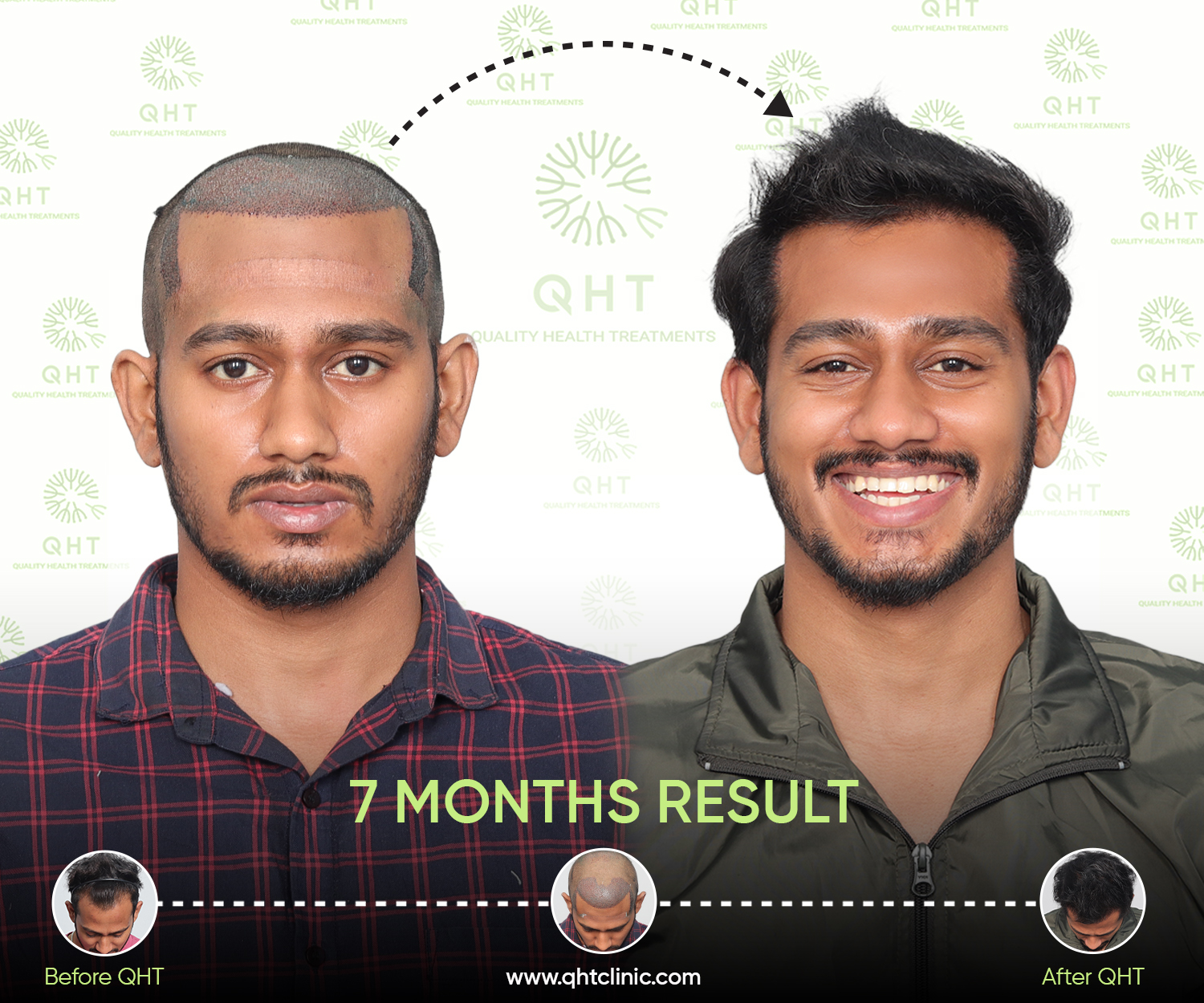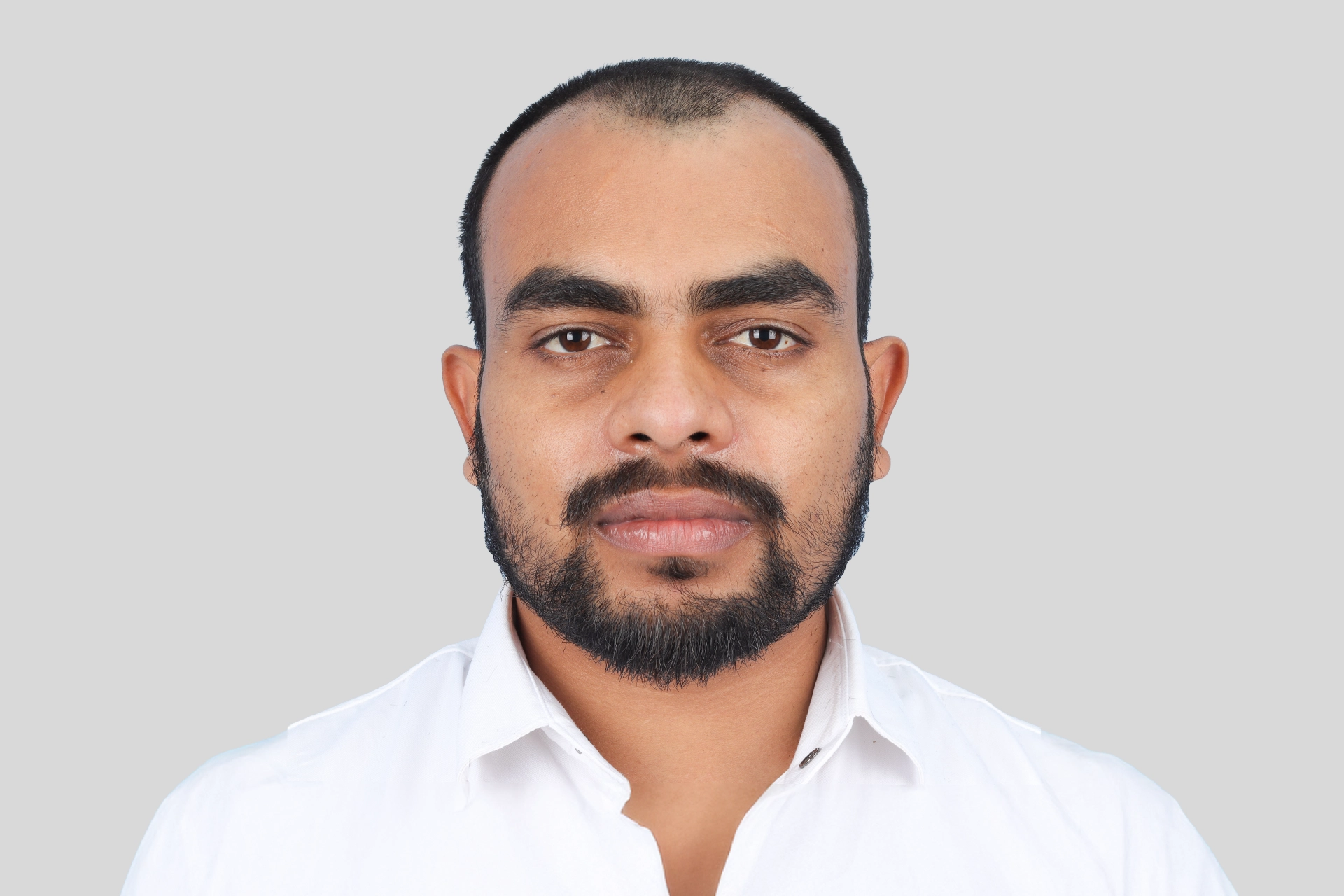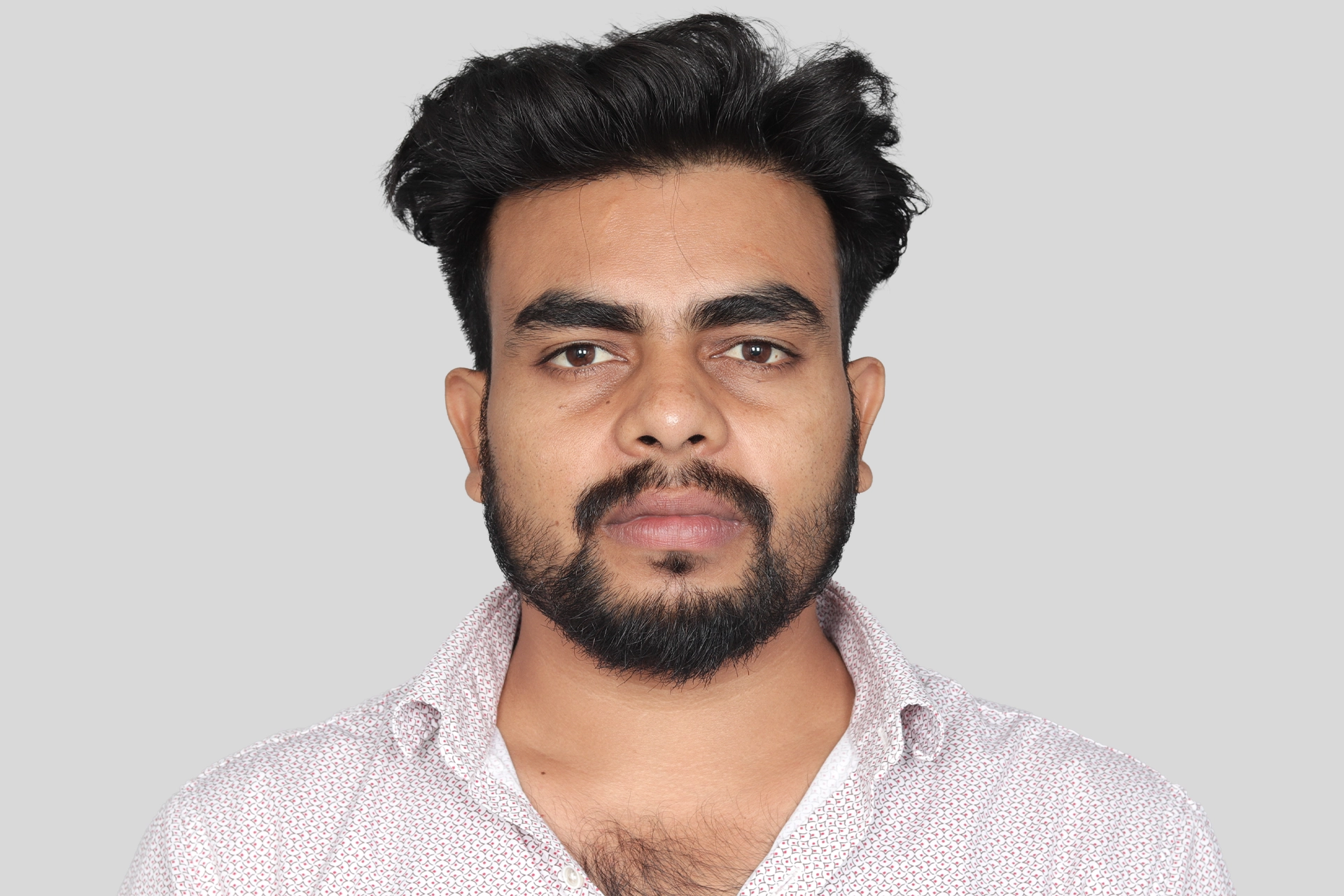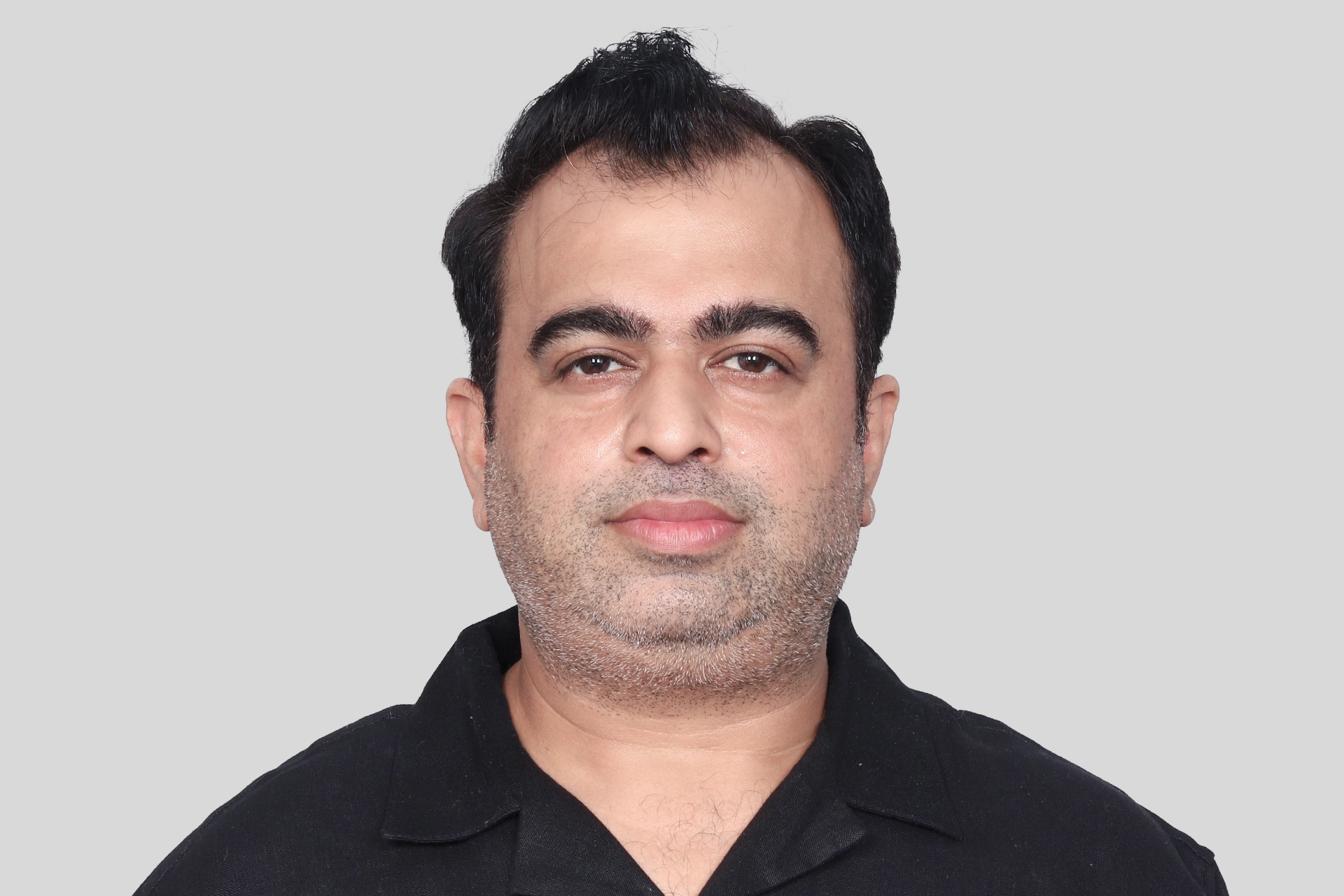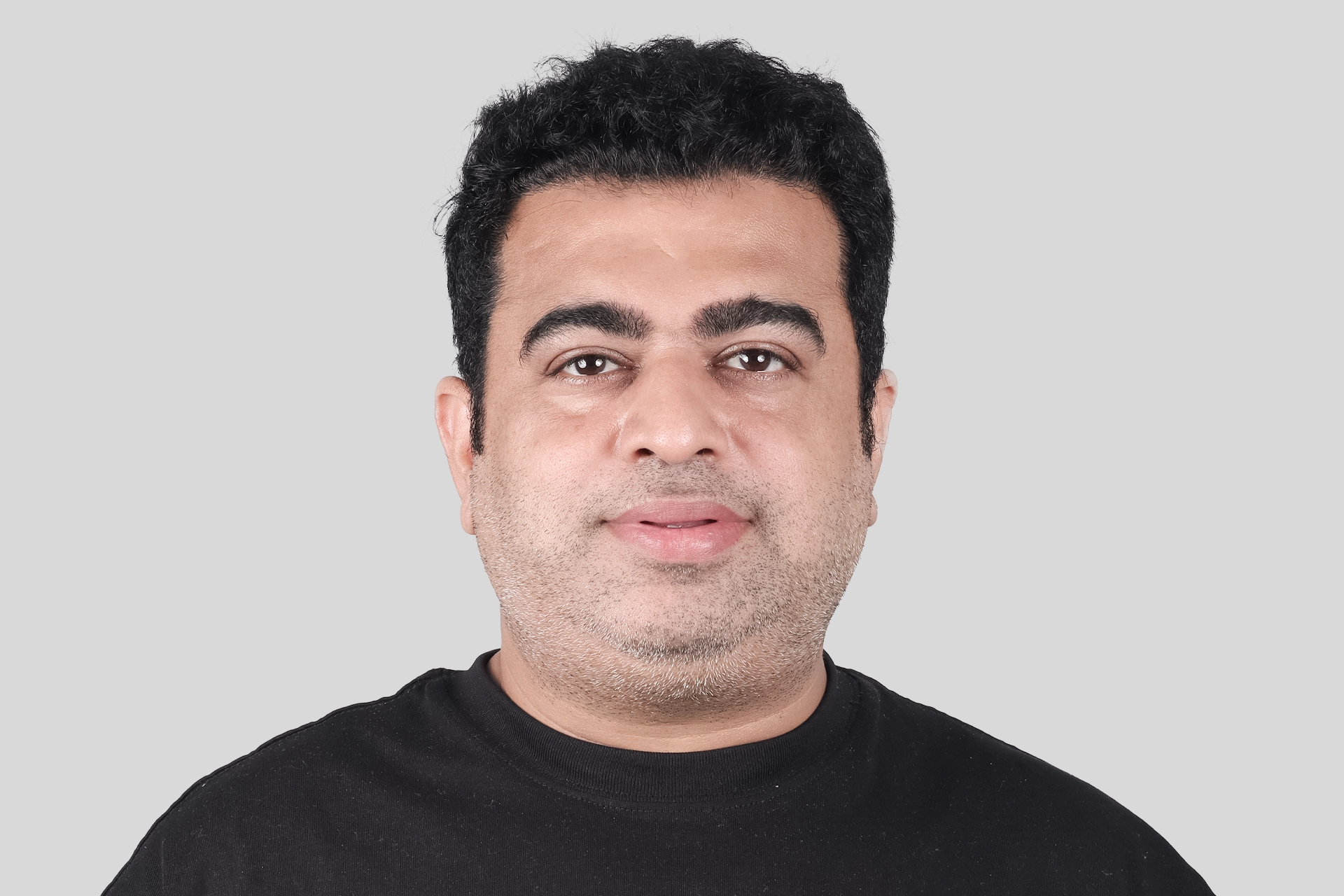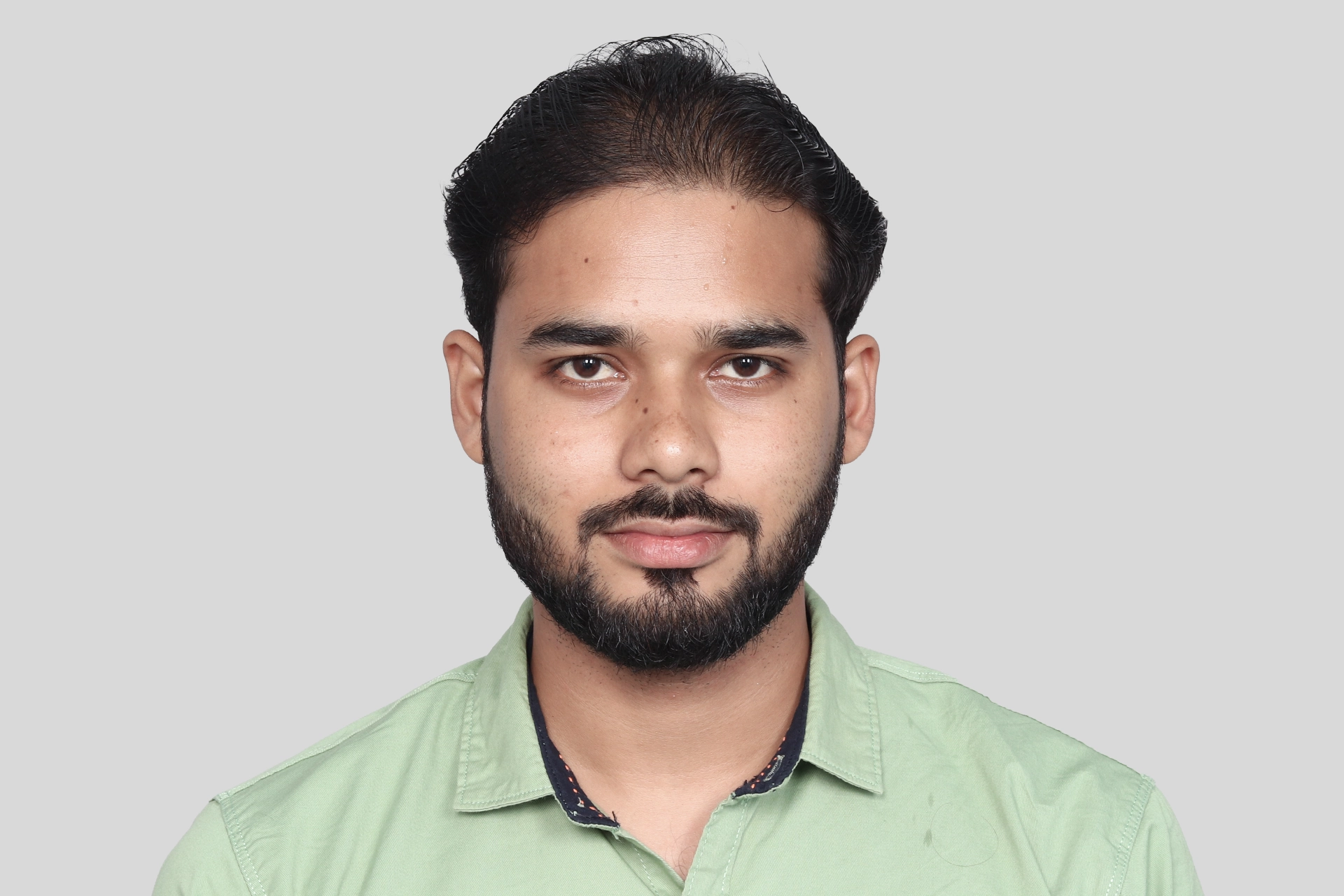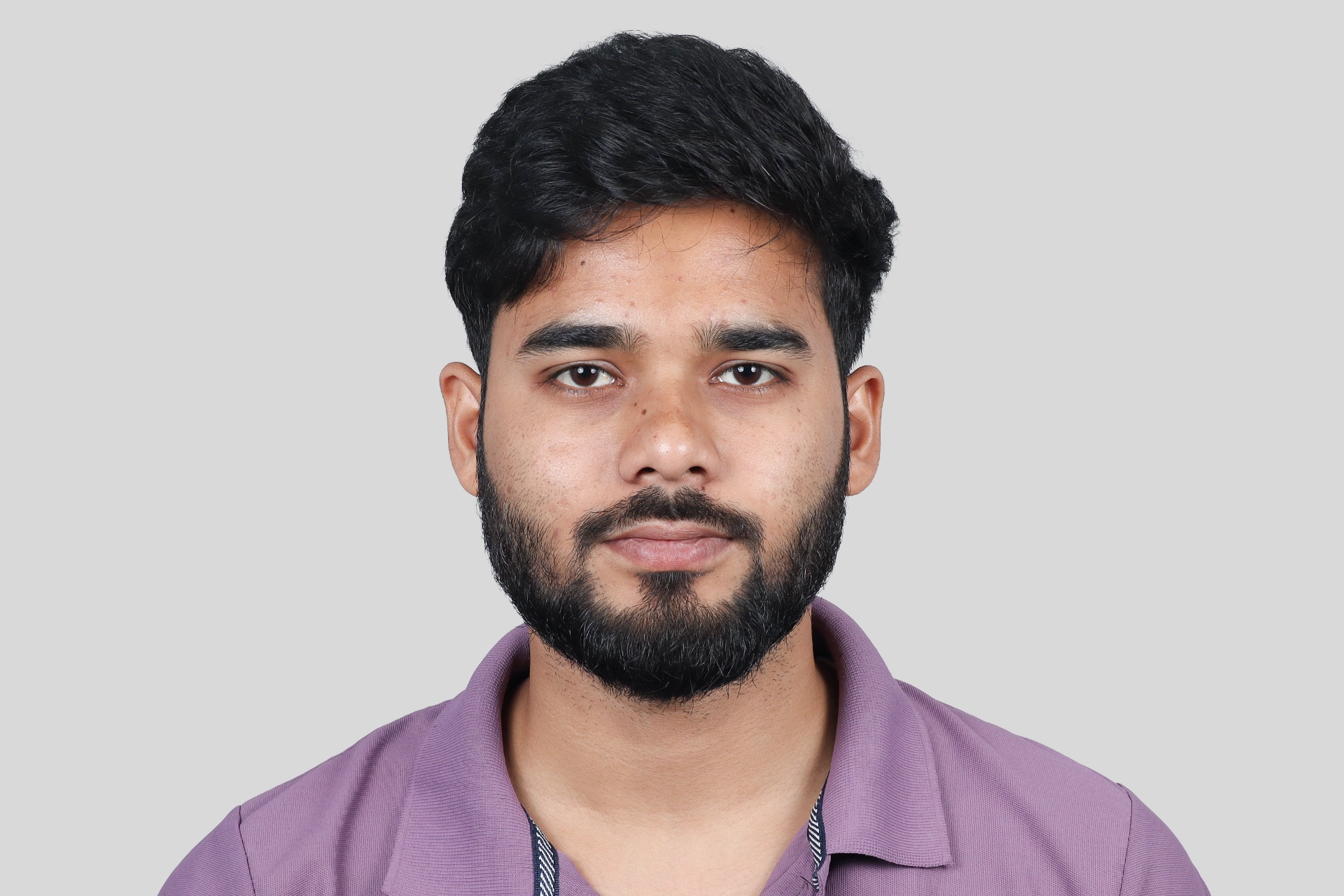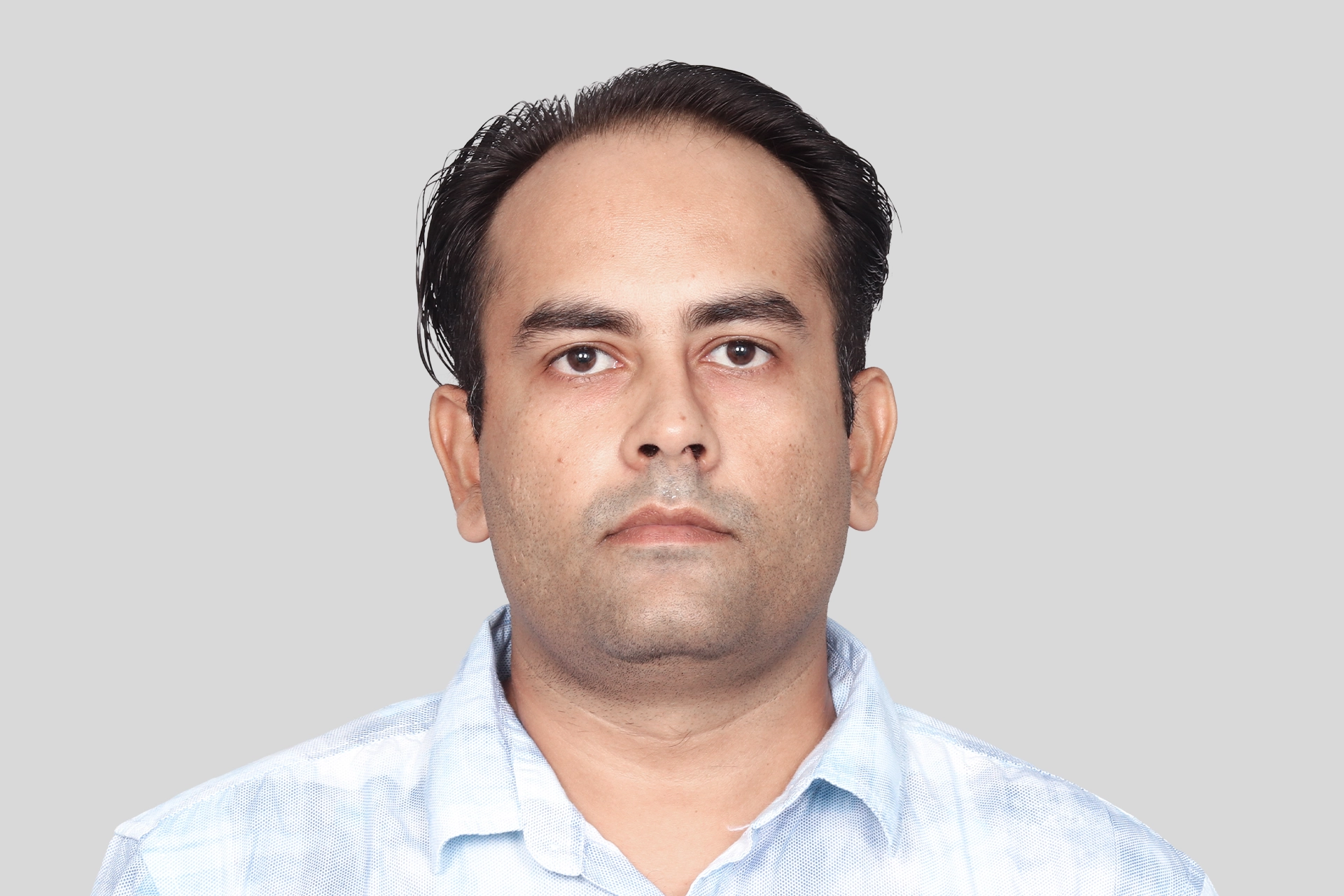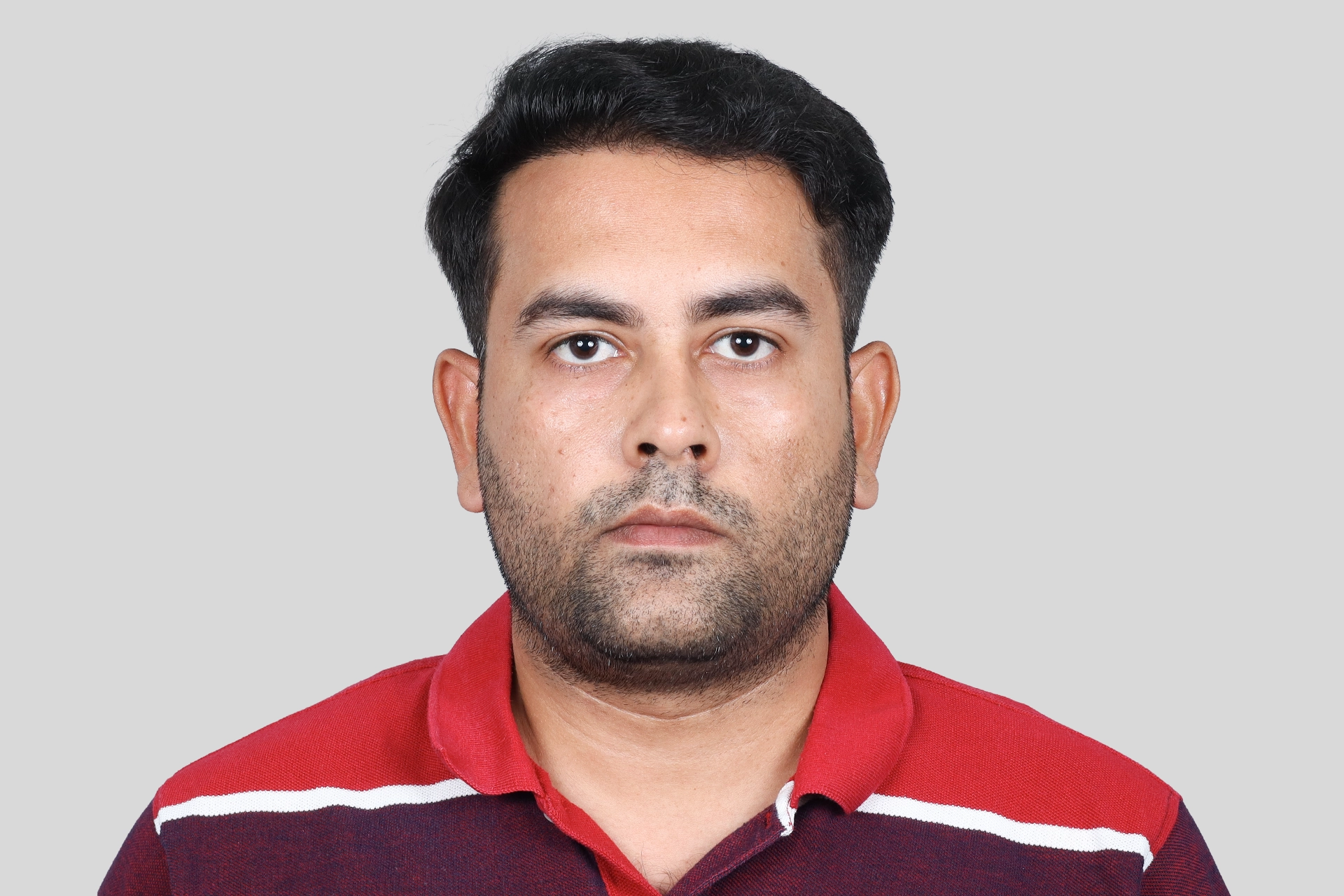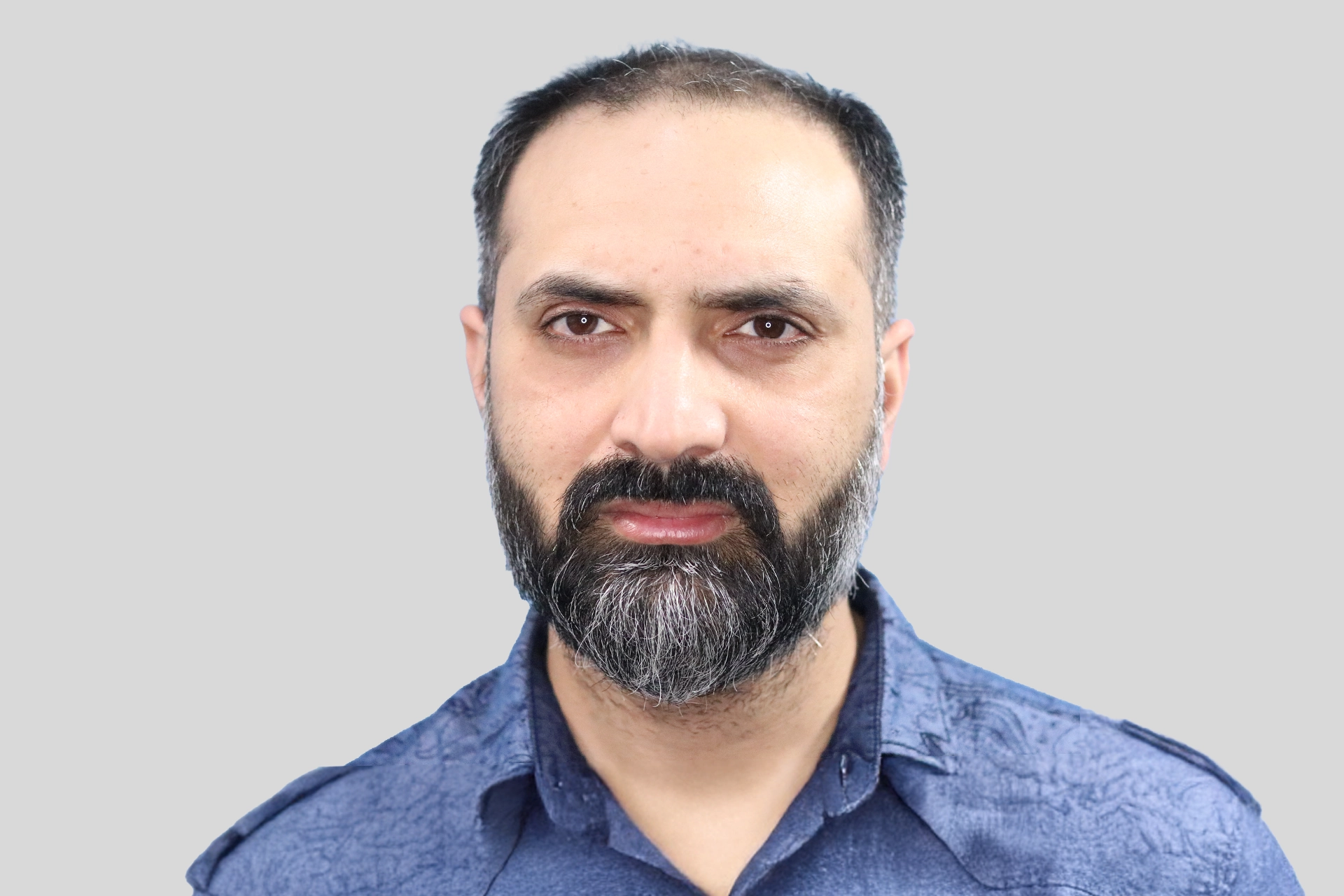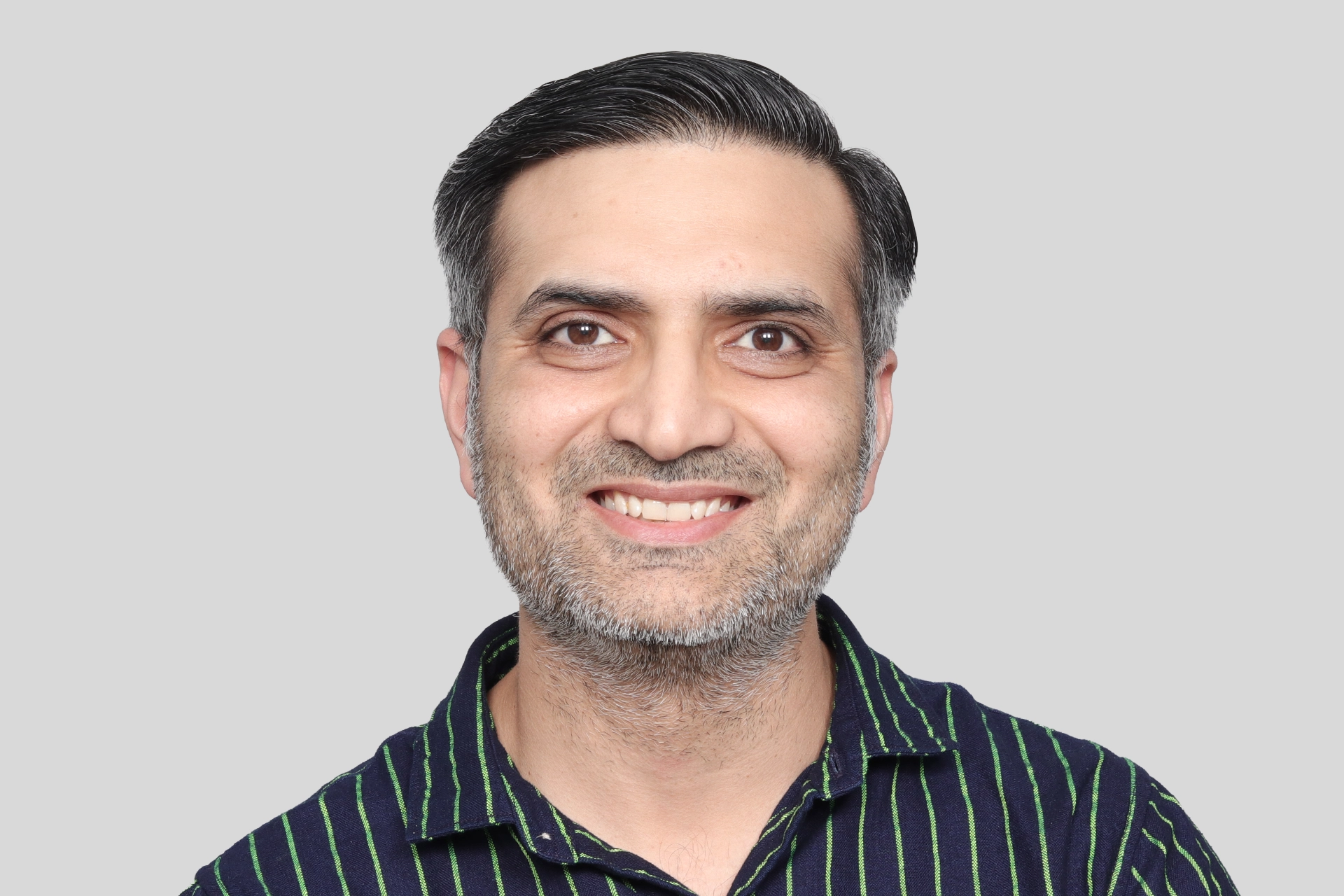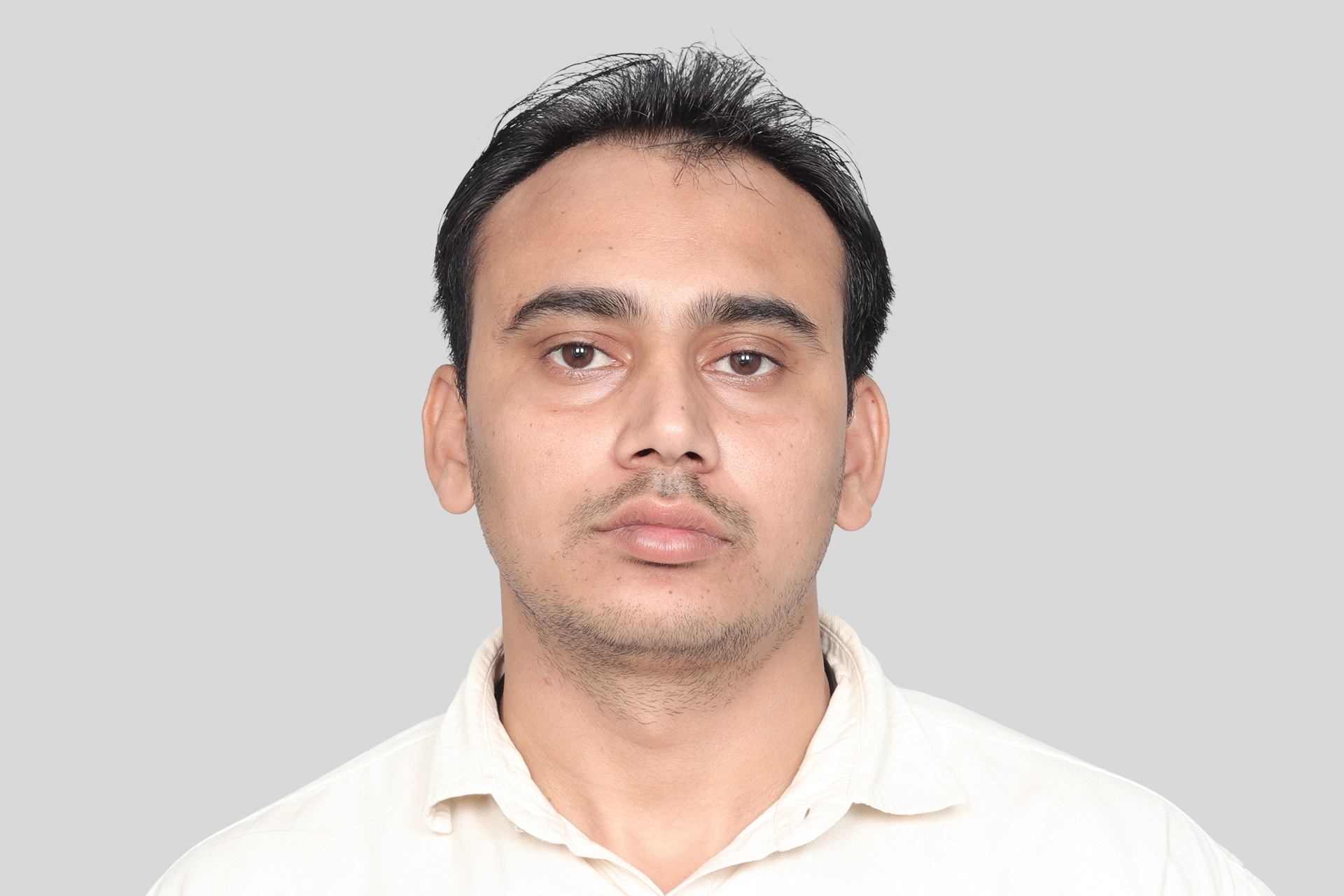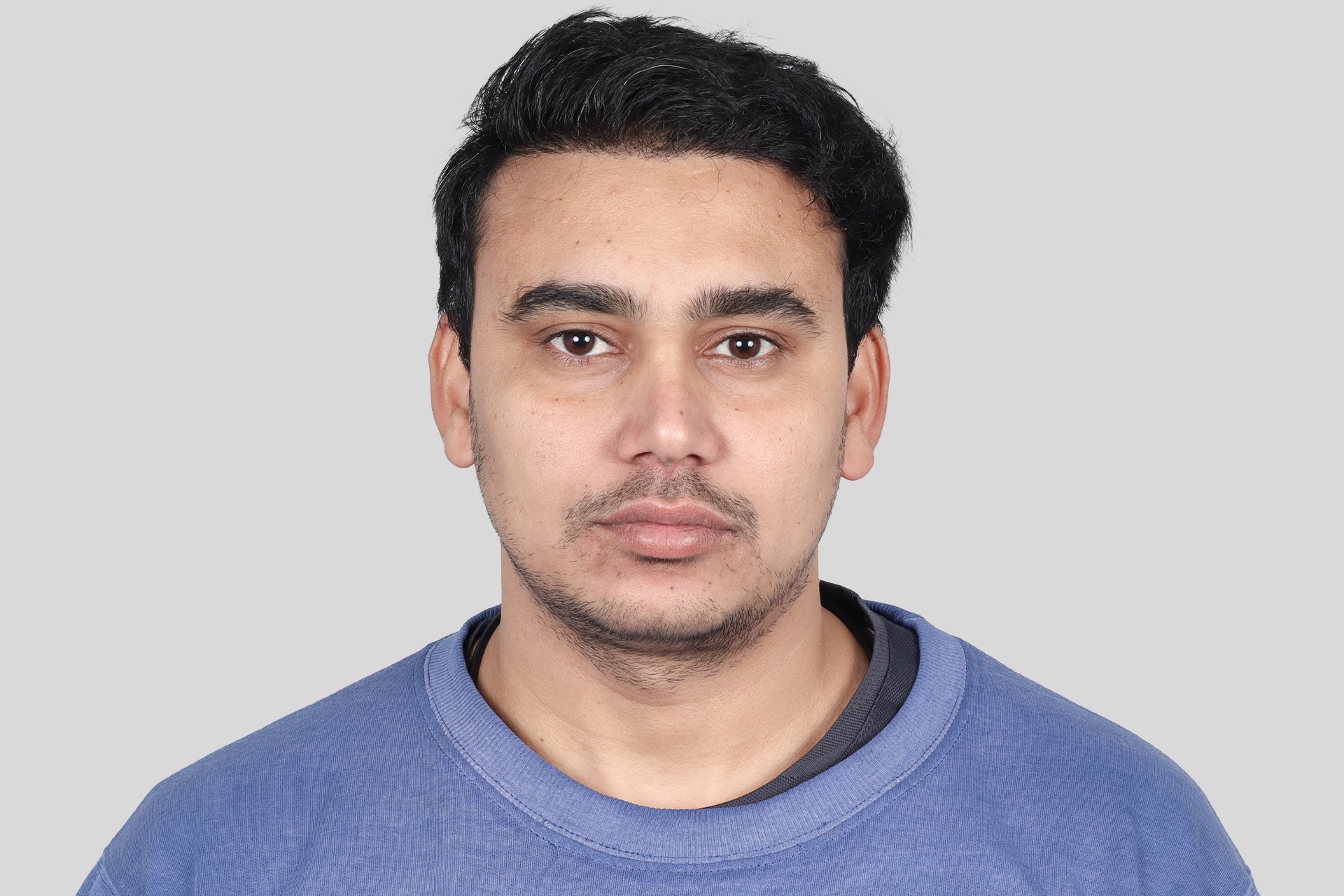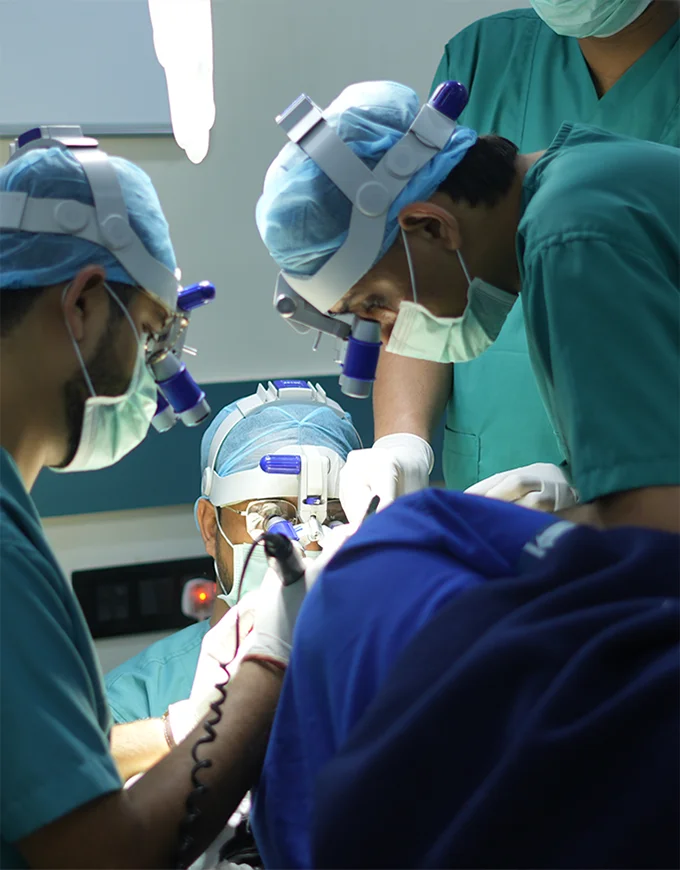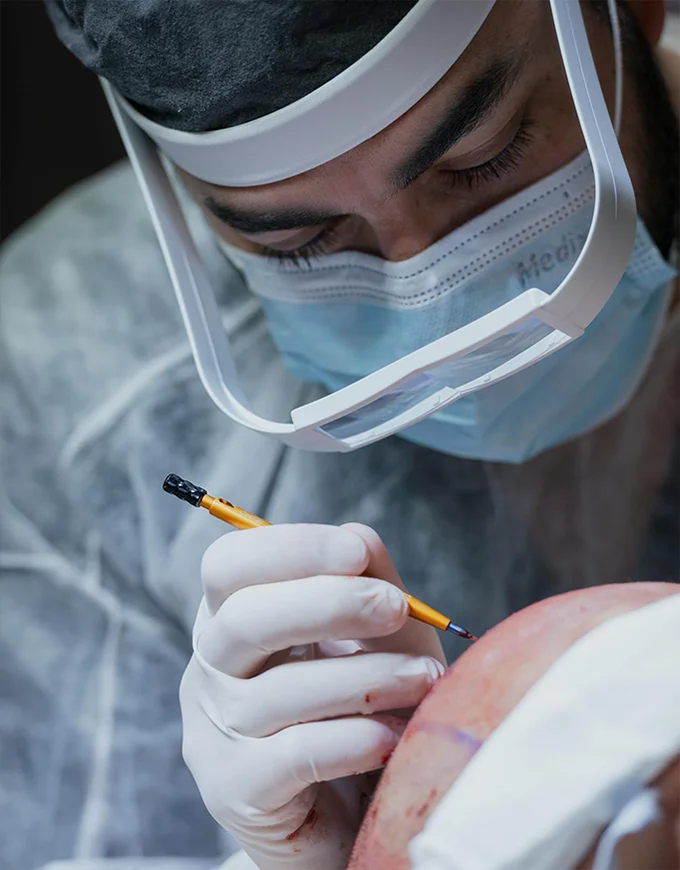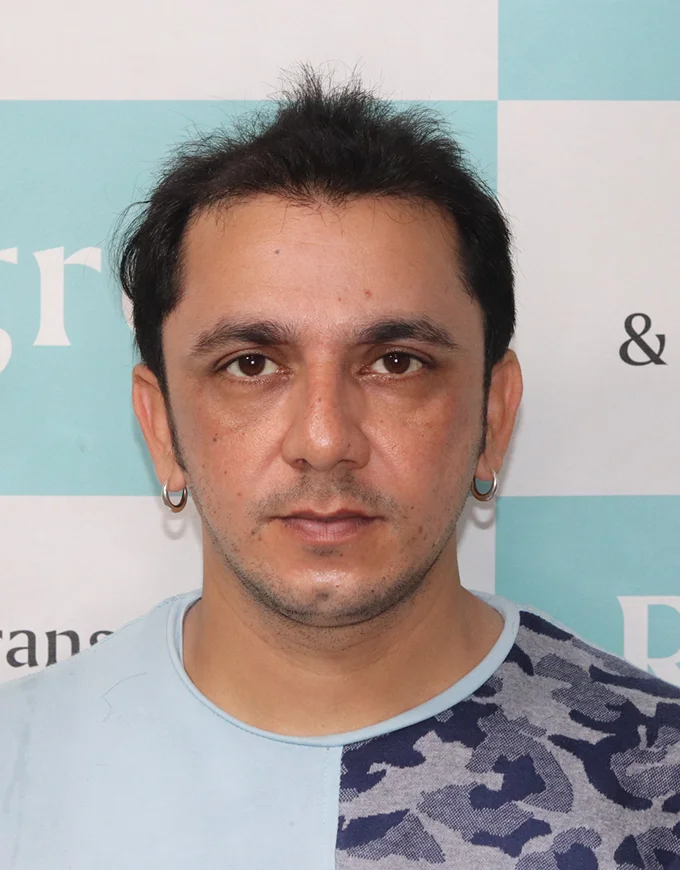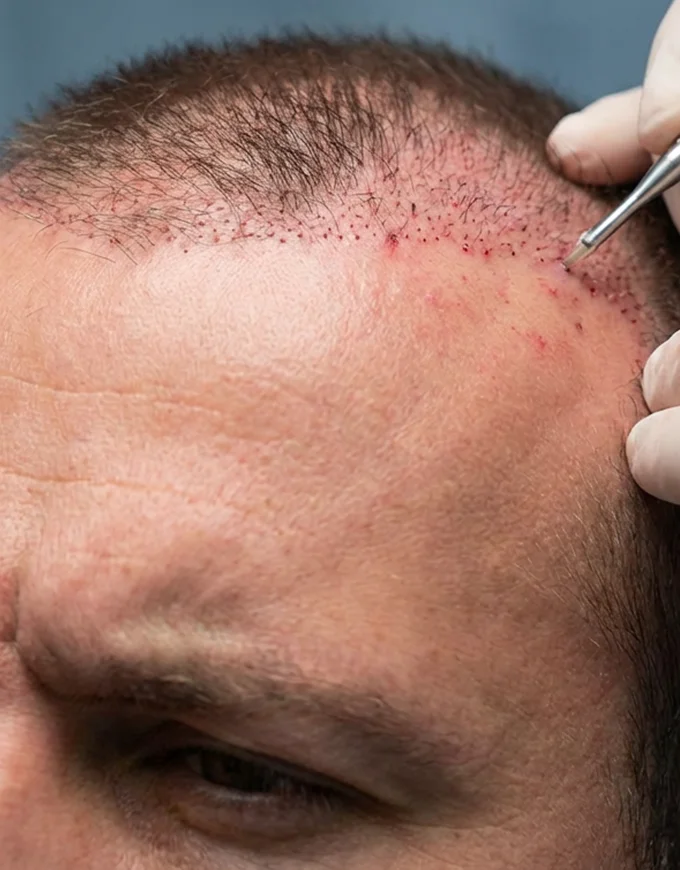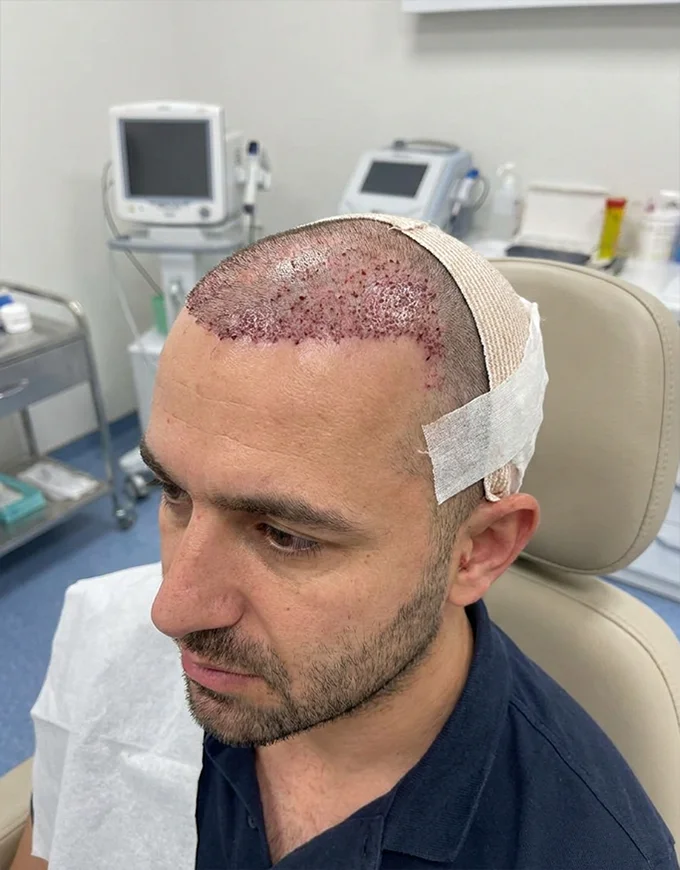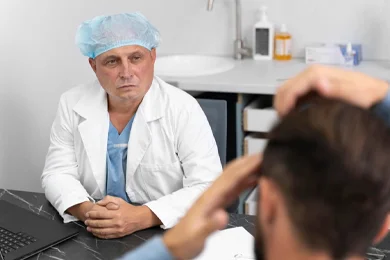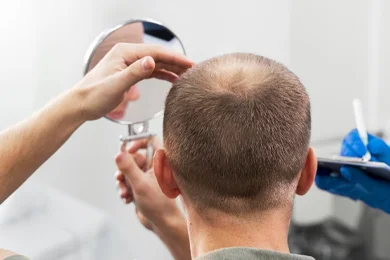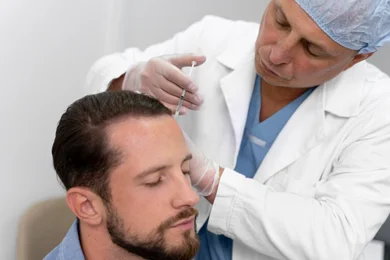


The photos below show real hair transplant results of patients who were treated at QHT Clinic. With the patient’s Norwood grade, graft count, the technique used, and the number of months after the procedure. This way, you can see how the hair looked before, and how it grew back over time. Take your time to go through them and notice the change at each stage.
Set two Jaipur quotes side by side and the gap can run to a lakh for the same head. The reason is rarely some secret ingredient. It sits quietly under the bold package figure: the rate charged for each graft.
Most clinics price FUE by the graft. A graft is a small cluster of one to four hairs, lifted from the thick donor zone at the back and sides. Count the grafts your scalp needs, multiply by the rate, and that is the spine of your bill.
In Jaipur, the rate falls between ₹50 and ₹150+ a graft, so a full procedure lands anywhere from ₹40,000 for early thinning to ₹4,00,000+ for advanced loss. QHT’s FUE opens at ₹70 a graft, written down after a scalp check.
The question that starts almost every Jaipur video call is the same one: why is this quote half that one? Nine times in ten, one clinic counted grafts straight and the other tucked the rate out of sight.
A low headline with a hidden rate is not a bargain. It is a deposit on a bigger bill.
Your graft count writes the cheque, not your postcode. Early loss needs fewer grafts, somewhere from 800 to 2,500. Advanced loss can push past 4,000. Surgeons map this with the Norwood scale, a chart that runs from light recession at Grade 2 to near-total loss at Grade 7.
The grade you guess in the mirror and the grade a surgeon measures are often two different numbers. The measured one sets the price.
| Norwood Grade | Hair Loss Pattern | Approx. Grafts | QHT (from ₹70) |
| Grade 2 | Mild hairline recession | 800 to 1,200 | ₹56,000 to ₹84,000 |
| Grade 3 | Defined M-shaped recession, some crown thinning | 1,200 to 1,800 | ₹84,000 to ₹1,26,000 |
| Grade 4 | Crown thinning with mid-scalp involvement | 1,800 to 2,500 | ₹1,26,000 to ₹1,75,000 |
| Grade 5 | Bald patches, a narrowing bridge of hair | 2,500 to 3,200 | ₹1,75,000 to ₹2,24,000 |
| Grade 6 | Horseshoe pattern, heavy frontal and crown loss | 3,200 to 4,000 | ₹2,24,000 to ₹2,80,000 |
| Grade 7 | Near-total loss, limited donor area | 4,000 to 5,000+ | ₹2,80,000 to ₹3,50,000 |
Indicative figures for planning only. Your real graft count and price are locked after a scalp assessment.
So a 2,000-graft case and a 4,000-graft case are not two versions of the same price. They are two different procedures. Fewer grafts, placed well, beats a bigger number chased for its own sake.
A per-graft rate is not the full price. It is one line of the bill. The rest of the lines are where a transplant is won or lost, and a fair clinic shows you all of them upfront.
At QHT, FUE begins at ₹70 a graft, and the package runs from the first scalp scan to the last follow-up. You pay for listed services only. Here is what sits inside it:
A patient travelling in from Jaipur pays the same package as anyone else. There is no out-of-city surcharge, and the graft rate holds steady across every QHT branch.
Turn any quote over and hunt for that follow-up line. A clinic that bills you for each visit afterwards never really quoted you the whole price.
Nothing walks onto the bill on surgery day.
Four methods, four price tags, one scalp. FUT sits lowest because the strip it takes leaves a visible line. FUE and the QHT method ask more, and the money buys finer tools, careful graft handling, and a higher survival rate.
The QHT method is advanced FUE taken a step further. Grafts are placed with the SAVA implanter pen at the right angle and depth, and out-of-body time drops below 2 hours, which lifts survival to 95%. Per-graft rates shift from city to city, so the ranges below are indicative.
| Graft Count | FUE (₹50 to ₹150/graft) | FUT (₹40 to ₹100/graft) | QHT technique (from ₹100/graft) |
| 1,000 grafts | ₹50,000 to ₹1,50,000 | ₹40,000 to ₹1,00,000 | ₹1,00,000 |
| 2,000 grafts | ₹1,00,000 to ₹3,00,000 | ₹80,000 to ₹2,00,000 | ₹2,00,000 |
| 3,000 grafts | ₹1,50,000 to ₹4,50,000 | ₹1,20,000 to ₹3,00,000 | ₹3,00,000 |
| 4,000 grafts | ₹2,00,000 to ₹6,00,000 | ₹1,60,000 to ₹4,00,000 | ₹4,00,000 |
The QHT column is the proprietary QHT technique, which starts at ₹100 a graft. QHT’s standard FUE starts at ₹70 a graft, as shown in the rate tables above.
Every figure here is a starting total, so the single QHT numbers sit at the floor of that rate, not at the top of a market range like the FUE and DHI columns. Your final quote follows a scalp assessment.
When a Jaipur patient asks which method to pick, the honest answer starts with the donor area, not the discount. The cheapest technique on paper often costs the most in regret.
Under 2 hours. That is how long a graft spends outside the body with the QHT method, and it is the whole reason the technique exists. The Quick Hair Transplant method is QHT Clinic’s own, a reworked FUE with tighter graft handling and implantation.
Grafts are extracted and implanted in one flow, not harvested and parked for hours. The SAVA implanter pen places each one at the correct angle and depth, so new growth falls in line with the hair around it.
Shorter out-of-body time is what holds the survival rate at 95%, and a higher survival rate means more of the grafts you paid for actually grow into density you can see.
You will not find this method at a general Jaipur hair clinic. It runs at QHT centres in Gurugram, Delhi, Haridwar and Hyderabad, all open to Jaipur patients. The method is the product. The travel is just logistics.
The cheapest quote in Jaipur is often the one with the most blanks. You simply cannot see them on day one.
Plenty of clinics post a low rate, then add charges once you have already said yes. Ask for a written breakdown of what the price covers before you commit, and the blanks have nowhere to hide.
Charges that tend to appear later include:
According to the International Society of Hair Restoration Surgery, 10% of transplants worldwide need corrective or repair work. A surgeon who is hands-on at every stage is how you stay out of that 10%. Before you book any Jaipur clinic, run this checklist:
A written, itemised, all-inclusive quote is not a formality. It is your proof against surprises.
Why does one scalp cost ₹90,000 and a similar one twice that? A handful of levers explain almost all of it.
Extraction system comes first. Most serious clinics use motorised punches; manual extraction can cost less but raises the transection rate, which is the share of grafts damaged on the way out. Graft count is the biggest single driver, set by your Norwood grade and the size of the area being covered.
Then there is the surgeon. A certified surgeon working every stage shows up in the price, and work handed to technicians is cheaper for a reason you feel later. Graft handling matters too, because the storage method before implantation decides how many grafts survive, and better protocols add to the cost.
Location plays its part. A sterile, NABH-standard theatre with an in-house surgical team costs more to run, and metro clinics usually price above Tier-2 ones, which is the real story behind “FUE cost Delhi vs Jaipur.”
QHT holds the same rate across all its branches, so a Jaipur patient treated at the Gurugram or Delhi centre pays the national rate, not a metro premium. Last comes recovery support: structured medicines and follow-ups scheduled around your routine, so the weeks after surgery stay calm.
Compare clinics on these six things and the cheapest quote usually stops looking like the best one.
Nobody keeps three lakh sitting idle in the bank for a transplant. QHT plans around that, with EMI options through its banking and finance partners.
No-cost EMI is available through eligible partners, subject to approval, with no extra interest on the total and the amount split into easy monthly instalments. Where no-cost EMI does not apply, a standard EMI plan steps in.
Seasonal discounts run through the year and bring the price down further. You can also pay in one go by cash, debit or credit card, or bank transfer.
For patients coming in from Jaipur, the QHT team sorts the finance before the trip, not after. They walk you through the plans and the documents each one needs for approval, so you travel with the money settled and your head on the surgery, not the sum.
The cost decides the timeline for most patients. The plan is how they move it forward.
Spread across 10 years, the serums, pills and sessions can cross ₹10,00,000. A transplant is paid for once. That single line is the honest case for FUE.
A quality FUE transplant is a one-time spend because it is permanent. The follicles moved into the thin areas are resistant to DHT, the hormone behind male pattern baldness, so they keep growing for life and behave like the hair they sit beside.
Treatments such as minoxidil, finasteride, PRP, GFC and LLLT work only while you keep them up, and the gains slip away once you stop. Wigs and concealer sprays quietly drain the wallet year after year.
Add a decade of that upkeep together and it rivals the one-time cost of surgery, except the temporary route also carries fading results and a hairline that genetics keeps pushing back. Pay once for hair that stays, or pay forever for hair that leaves on a schedule.
You can settle the cost question from your living room in Jaipur. QHT has no centre in the city, but it runs clinics in Gurugram, Delhi, Haridwar and Hyderabad, each giving every patient a written quote for listed services and 12 months of post-operative care at no extra charge.
With 15,000+ hair transplant surgeries and thousands of scalp evaluations behind it, QHT has built a name as one of India’s leading hair restoration centres.
An in-house surgical team and the QHT technique, with its 95% graft survival rate, have delivered natural results for patients across the country and beyond.
Every centre is kitted out with advanced tools and strict hygiene protocols, and your surgeon stays involved from the first consultation through surgery and every follow-up.
A free online consultation is open to Jaipur patients who want a personalised graft estimate and an indicative cost before booking an in-person visit. It answers the real question early: are you ready for surgery, or would medical treatment serve you better for now?

Restore your hair with confidence at QHT. With medical precision, modern technology and clinics across India, QHT offers doctor-led, personalised hair restoration. From consultation to surgery to post-op care, the team guides you the whole way.
Factors that Affect the Final Cost
Some factors that may affect the number of grafts required include:
More grafts needed means a higher total cost.
Skilled, doctor-led care affects the final price.
FUT, FUE, and QHT each have a different per-graft rate.
Post-surgery support and reviews add to the value.
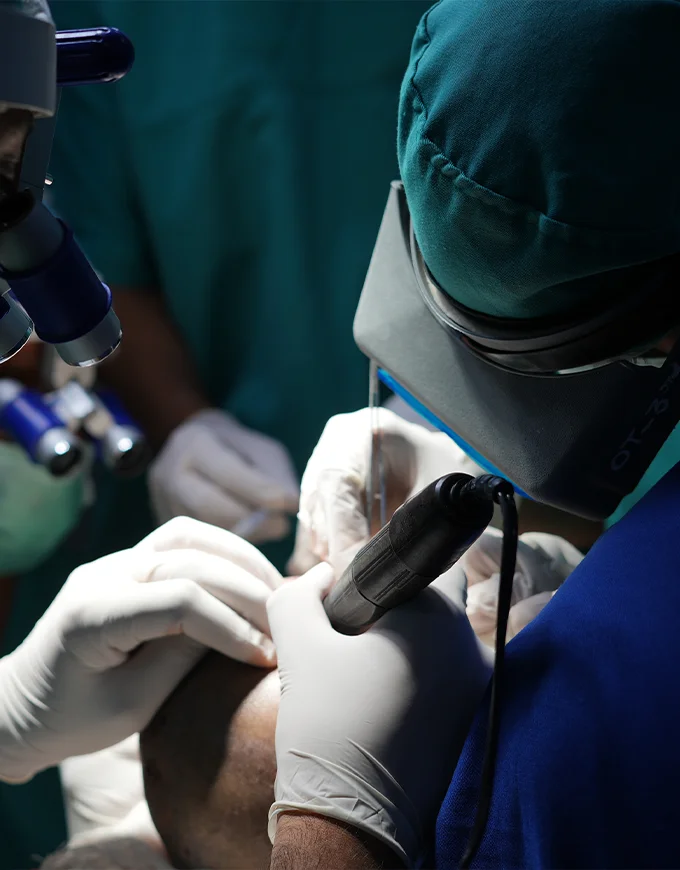
Motorised micropunches lift each graft cleanly, with 10x magnification guiding every move.
FUE leaves only tiny dot marks at the donor area, and they fade as you heal. No long line.
A per-graft rate you can check, written down before you commit. Nothing added afterwards.
Back at your desk within a few days of the procedure.
Global bodies such as the World Health Organization encourage an evidence-based approach to medicine and following ethical guidelines when discussing the options available to patients for surgical procedures.
FUE in Jaipur runs from ₹50 to ₹150+ per graft, shaped by the clinic, the surgeon and the technology used. A full procedure usually lands between ₹40,000 and ₹4,00,000+, depending on how many grafts your scalp needs. QHT’s FUE starts at ₹70 a graft, quoted in writing after assessment.
No. The nearest QHT centres are in Gurugram and Delhi, with Haridwar also within reach. A free online consultation comes first, so Jaipur patients get a graft estimate and a cost before they travel.
FUE suits patients who want minimal scarring, a quicker recovery and the freedom to wear short styles. FUT can work when a very large number of grafts is needed and the donor area is strong. The right call depends on your loss pattern, donor quality and the surgeon’s assessment.
FUE is safe and minimally invasive in the hands of an experienced surgeon working in a proper surgical setup. Short-lived swelling, redness or mild soreness can follow, while the risk of infection or poor growth drops sharply with good technique and aftercare.
Yes. FUE uses DHT-resistant donor follicles that keep growing for years after the transplant. Your surrounding native hair can still thin with age, so some patients plan ahead with medical treatment for ongoing loss.
Local anaesthesia keeps the surgery itself largely painless. Mild tightness or tenderness for a few days afterwards is normal and settles with the prescribed medicines.