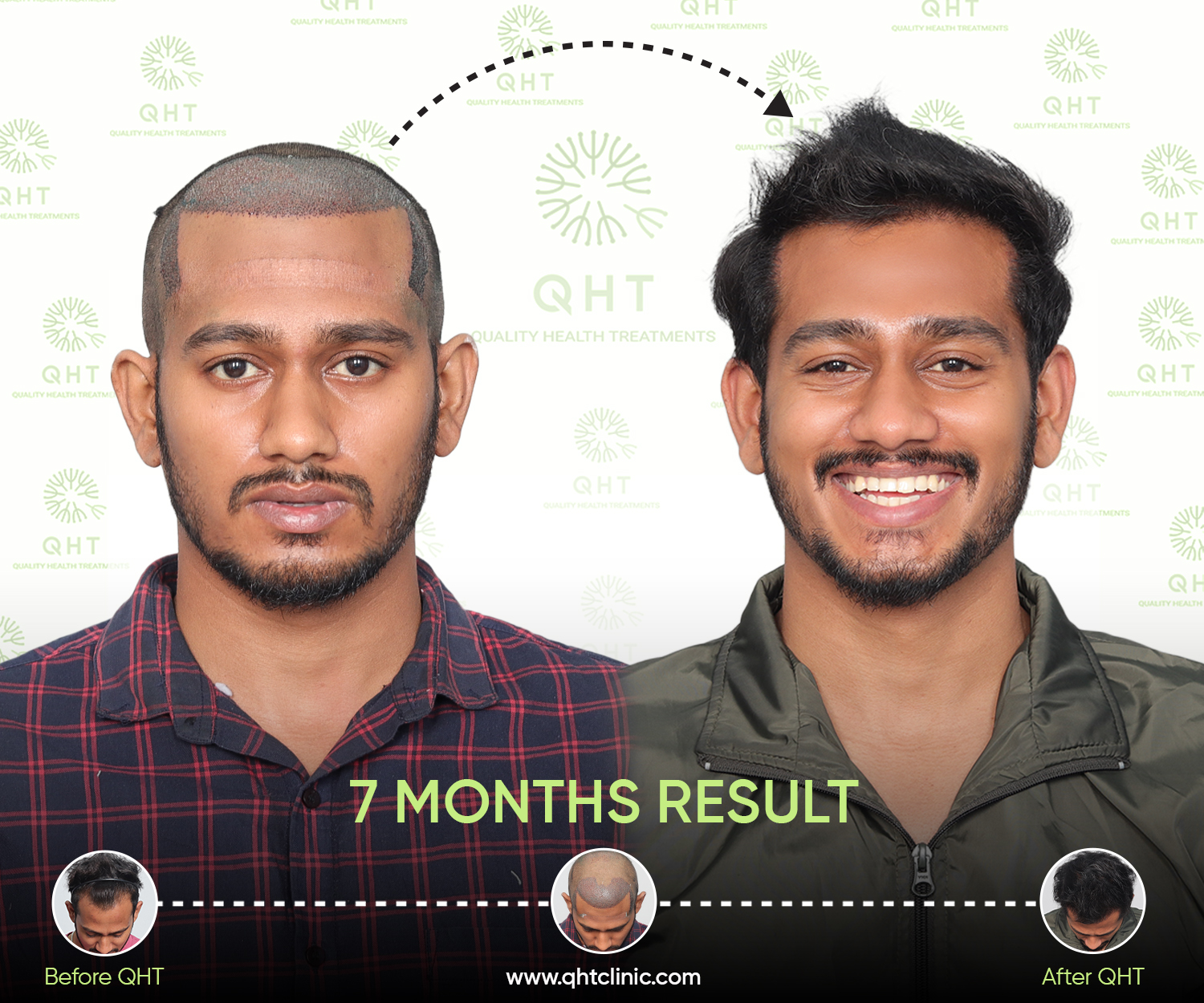
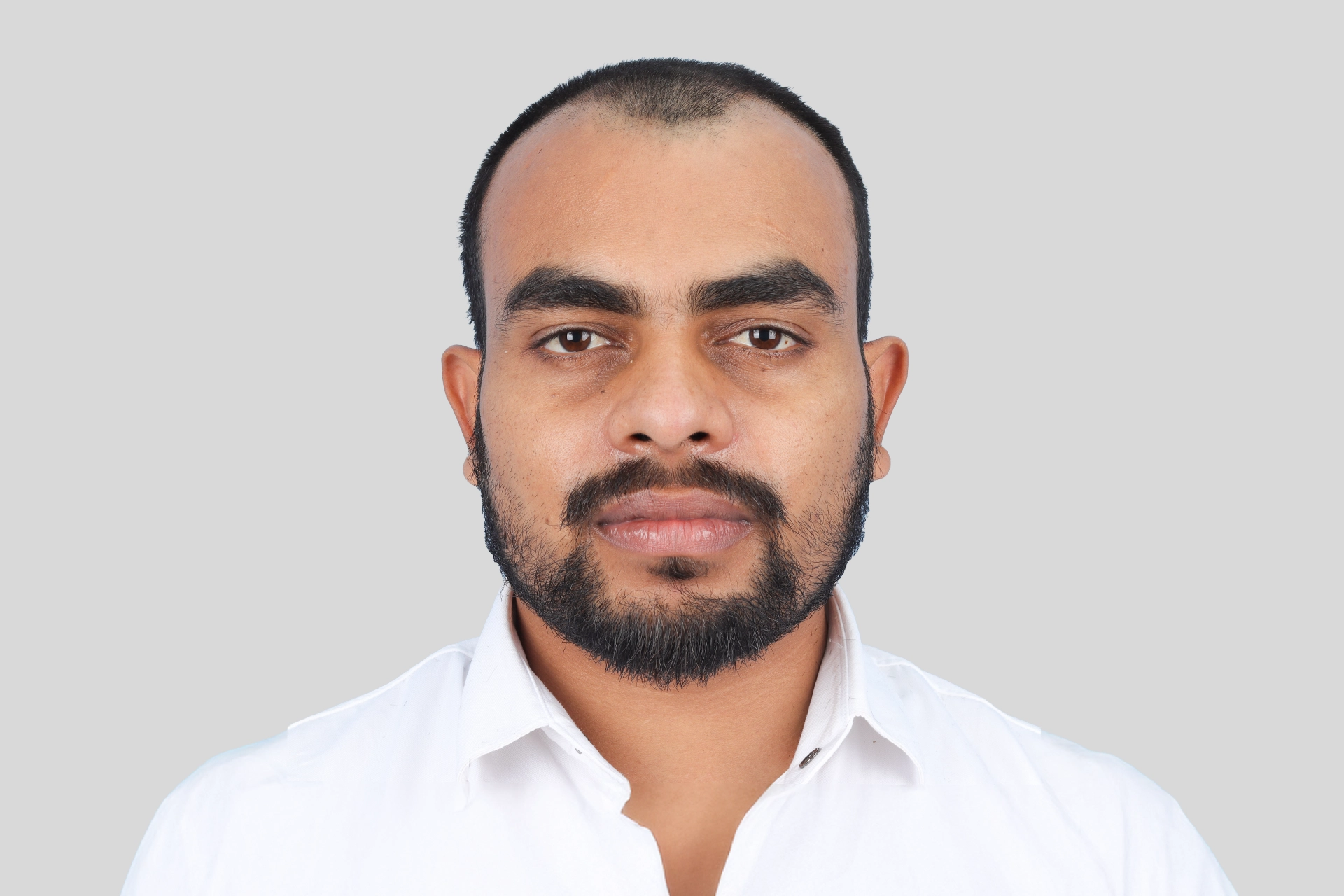
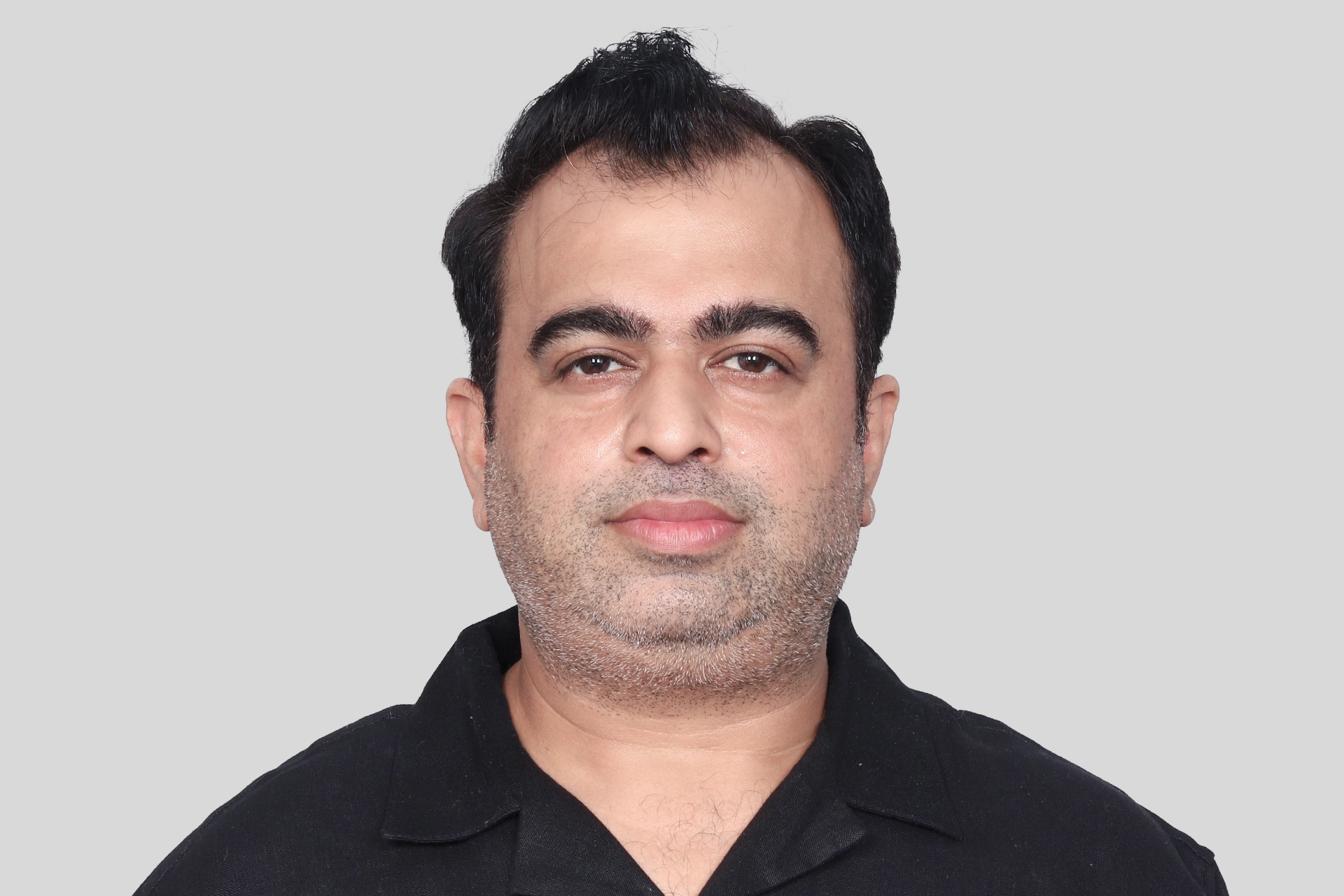
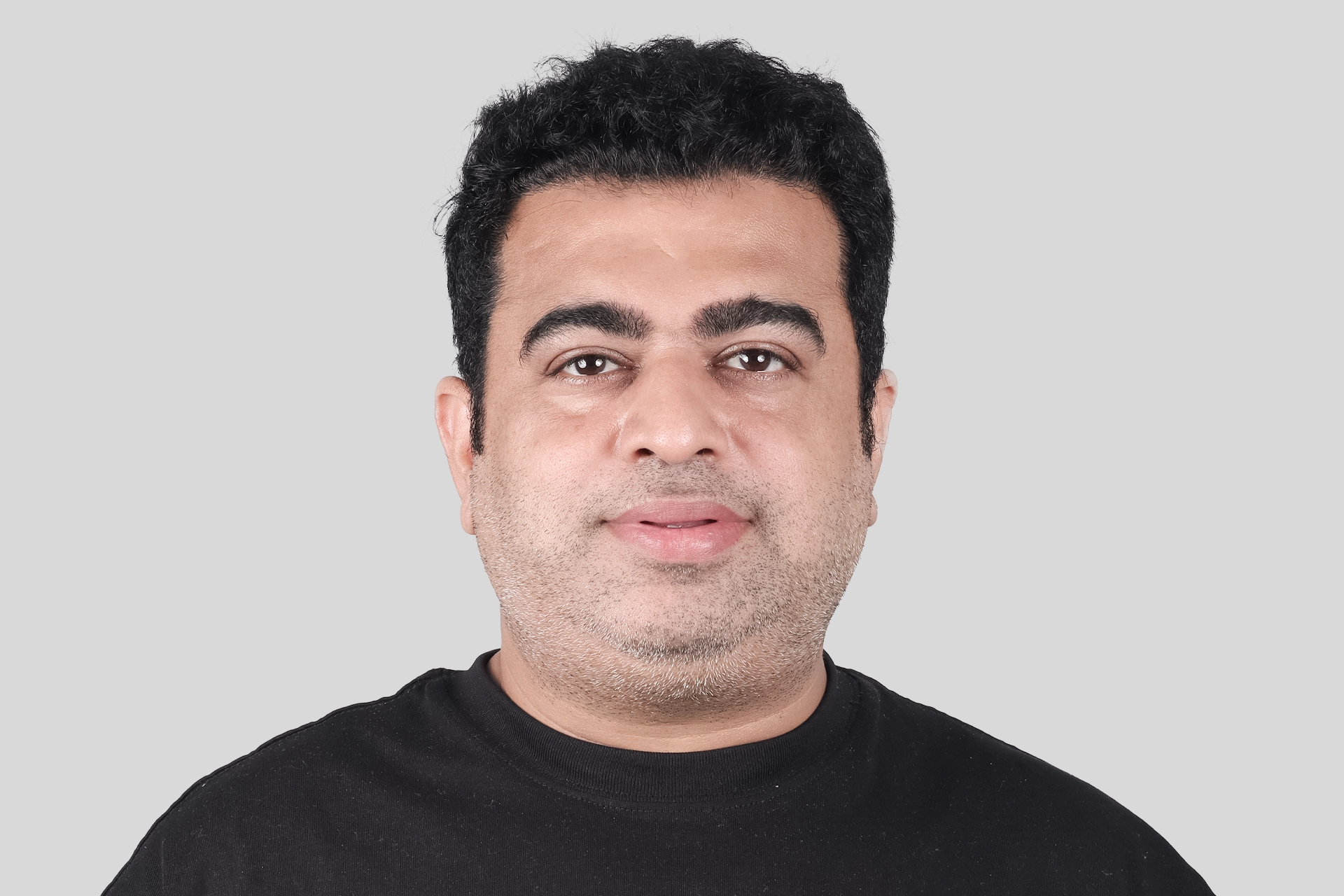
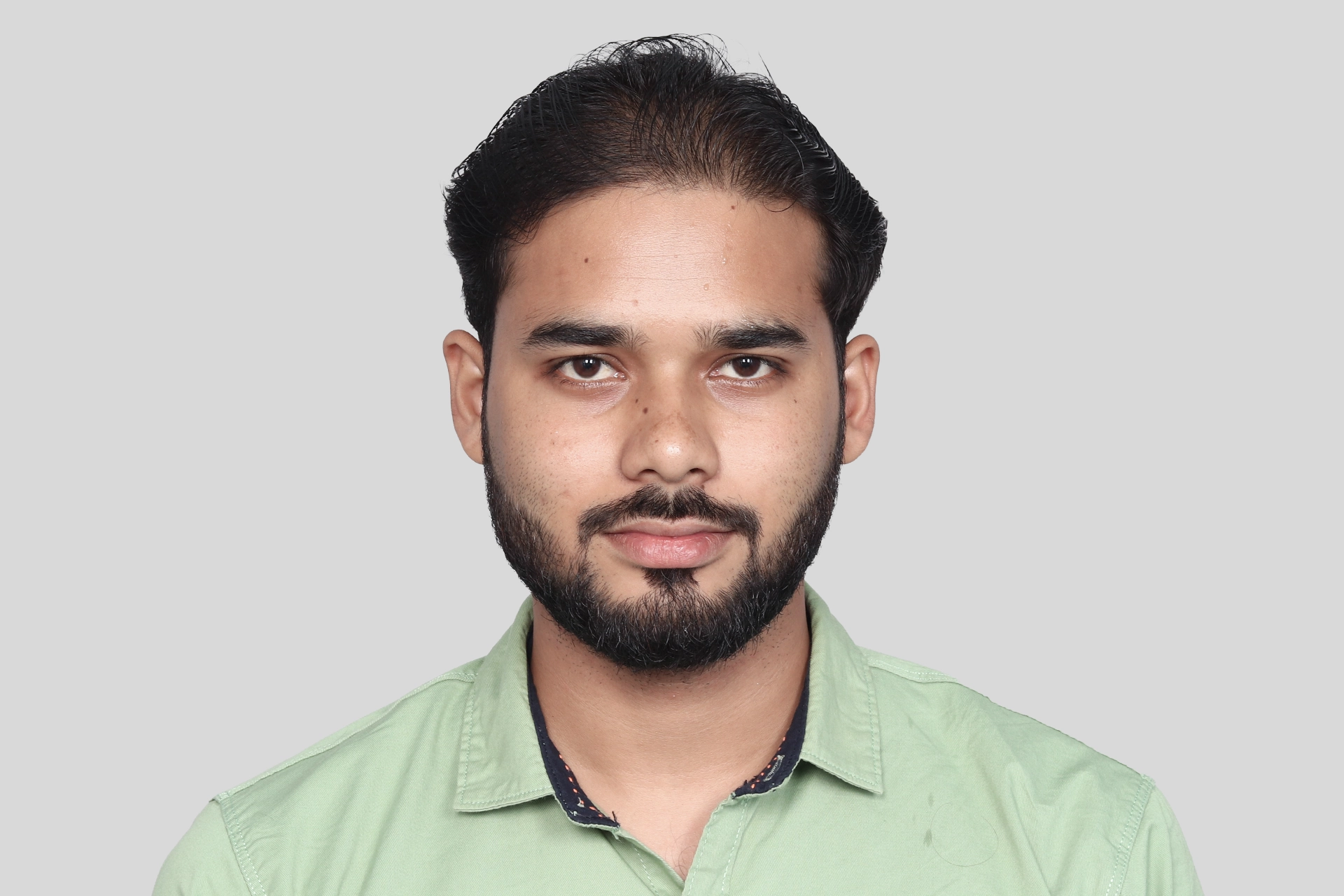
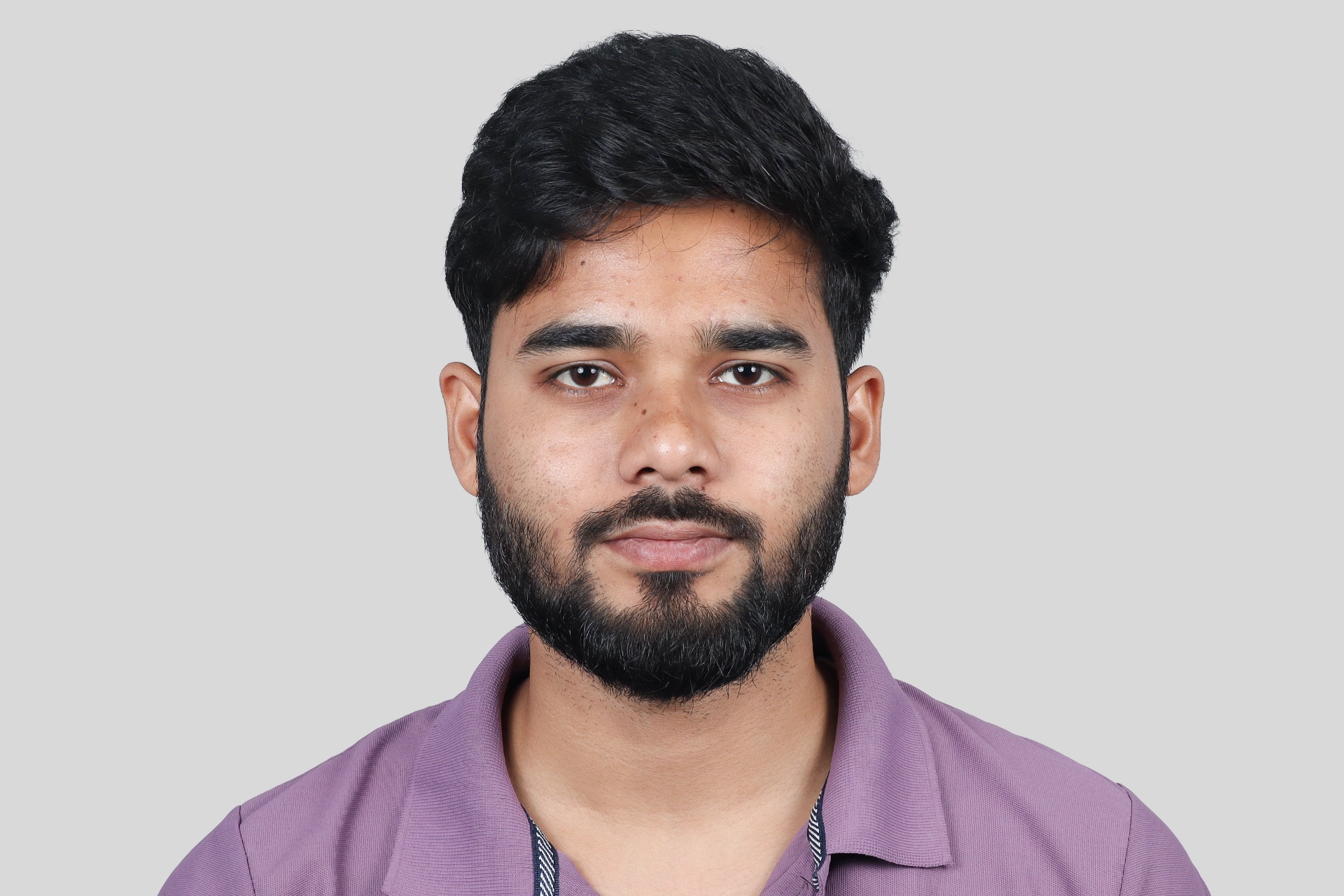
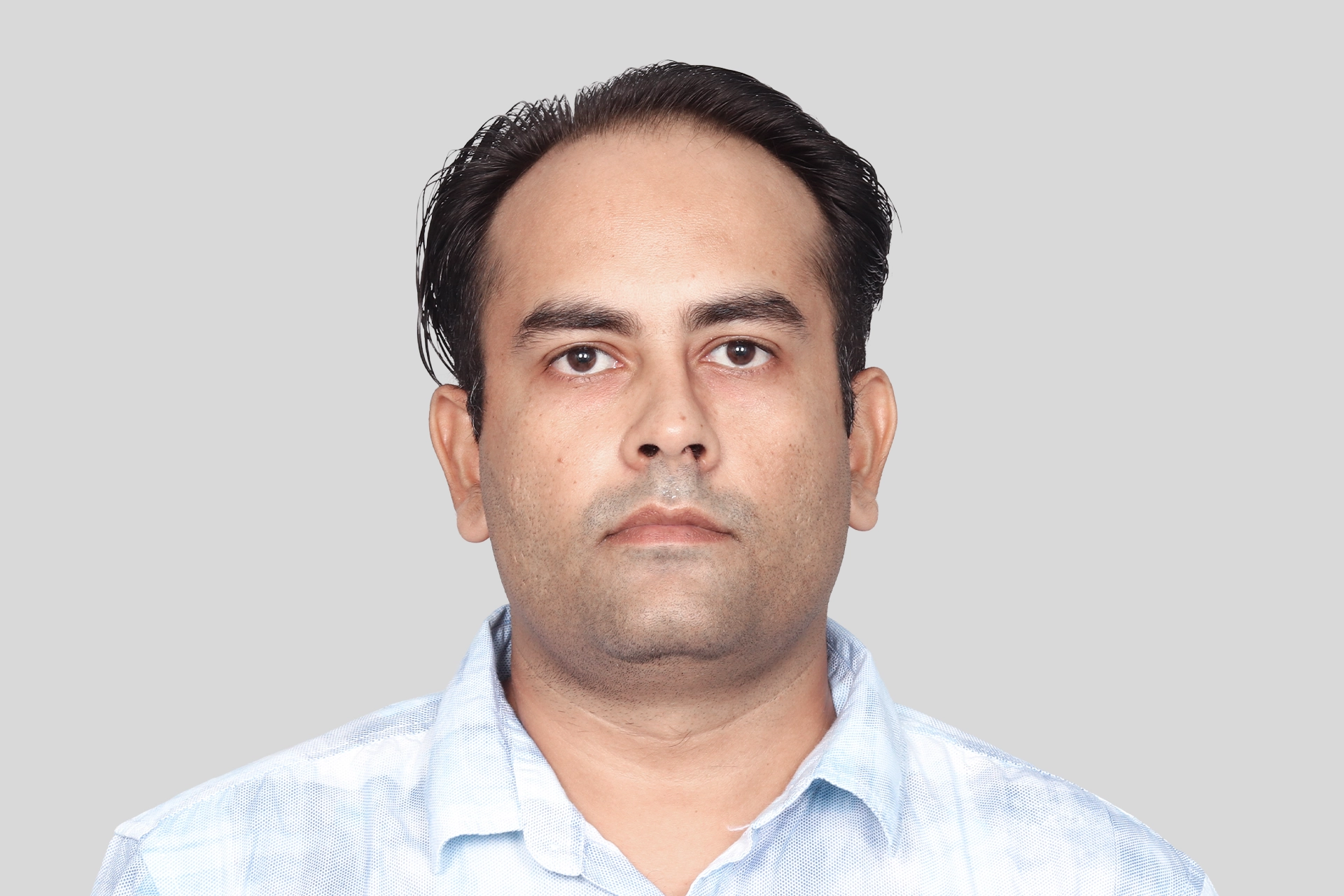
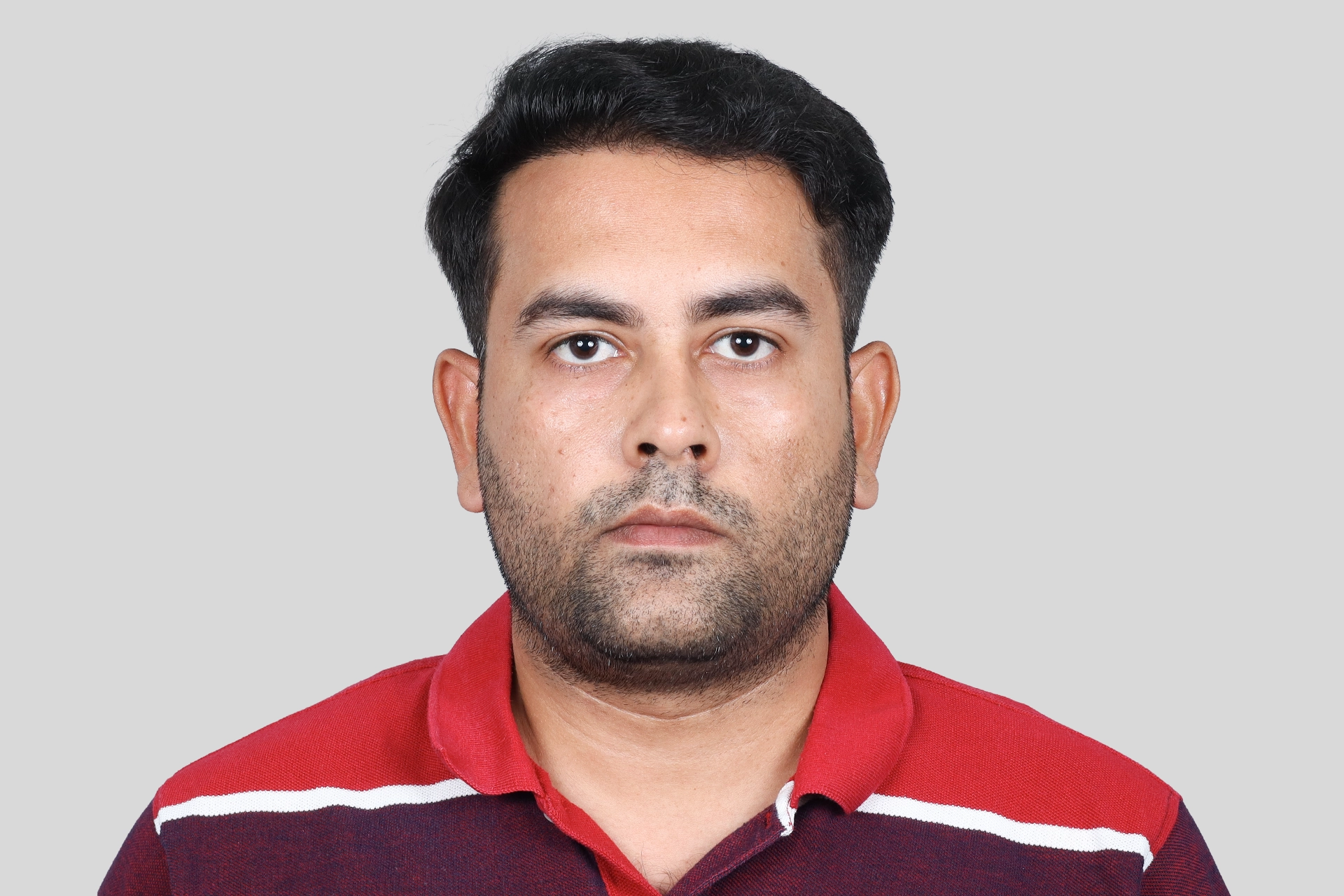
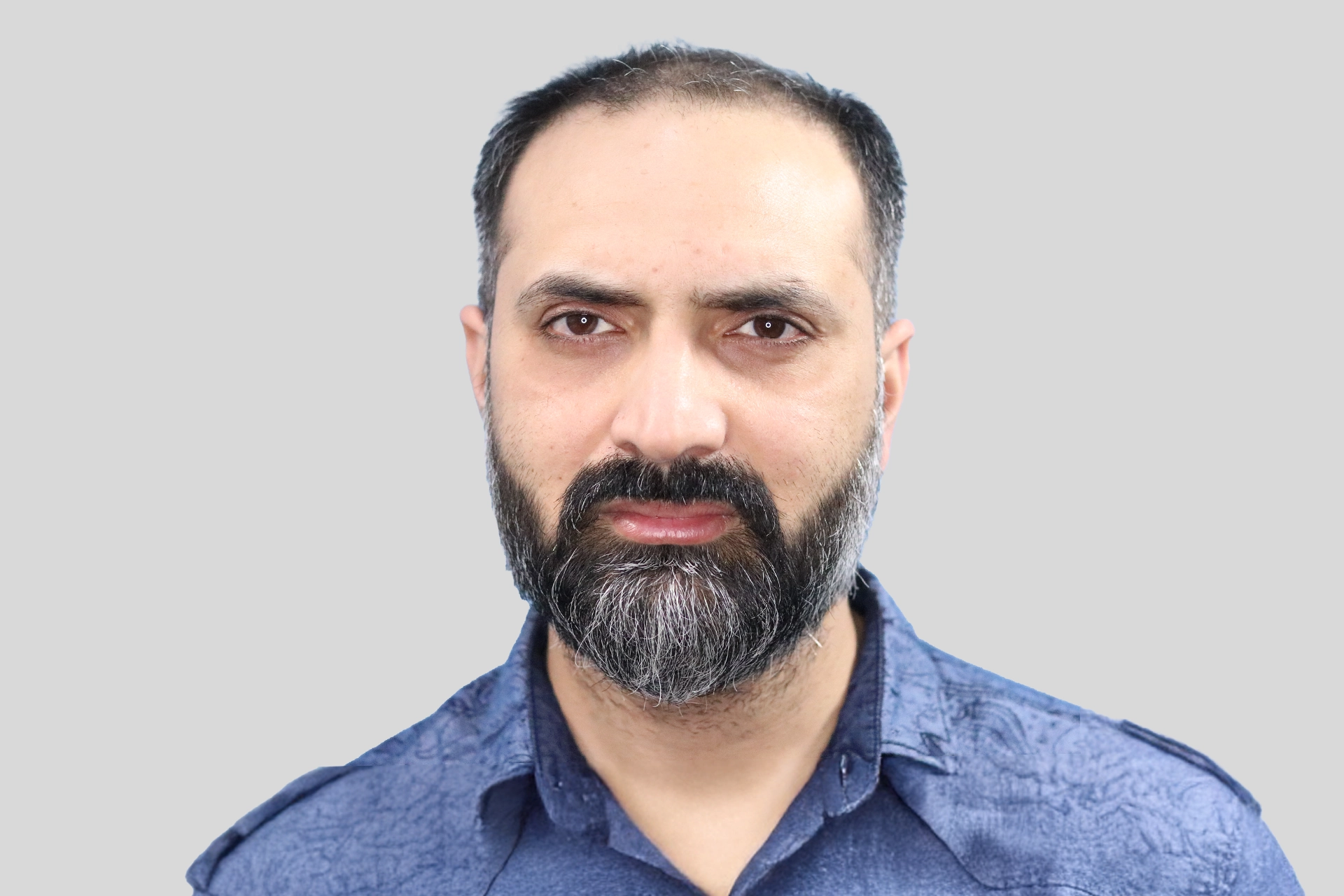
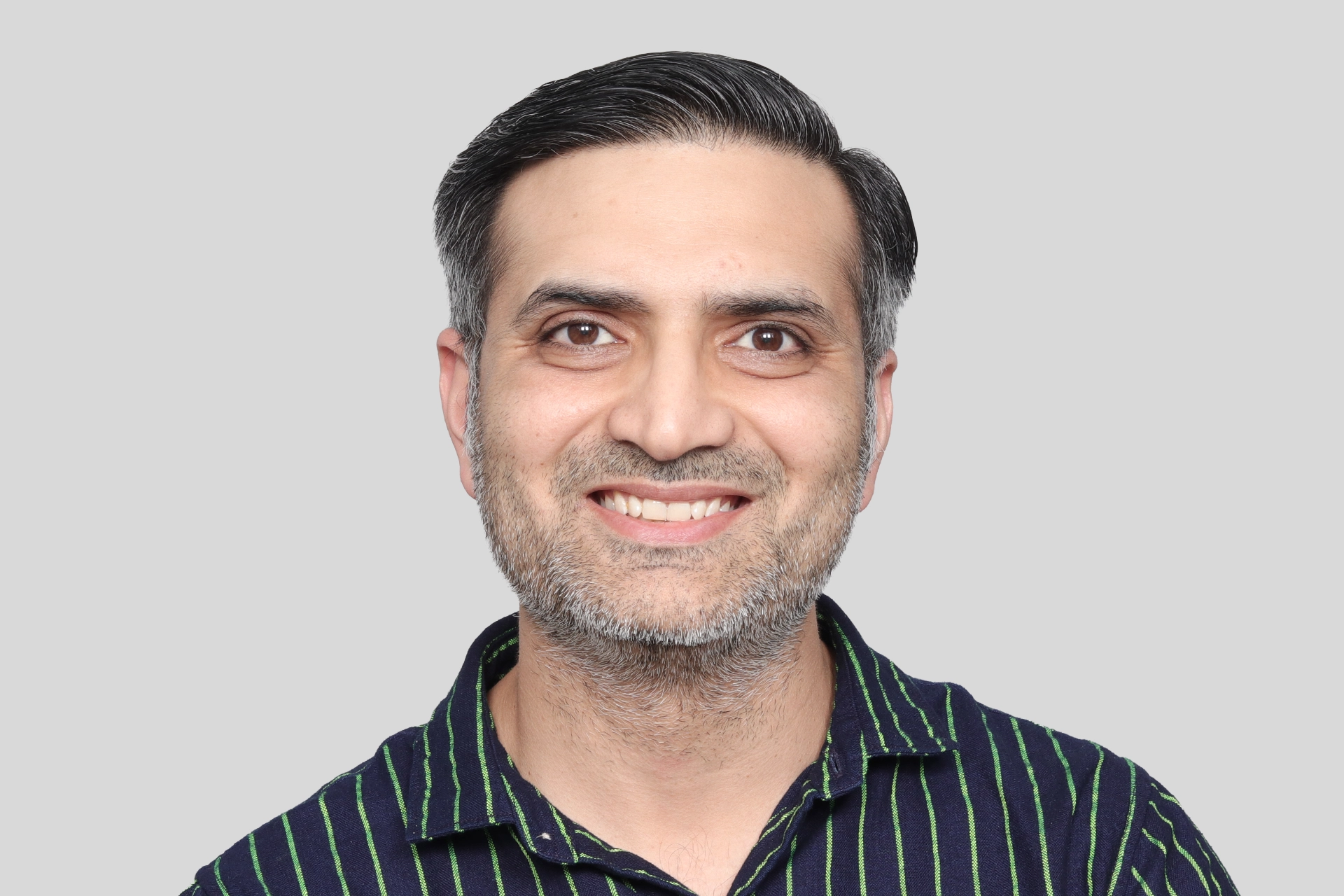
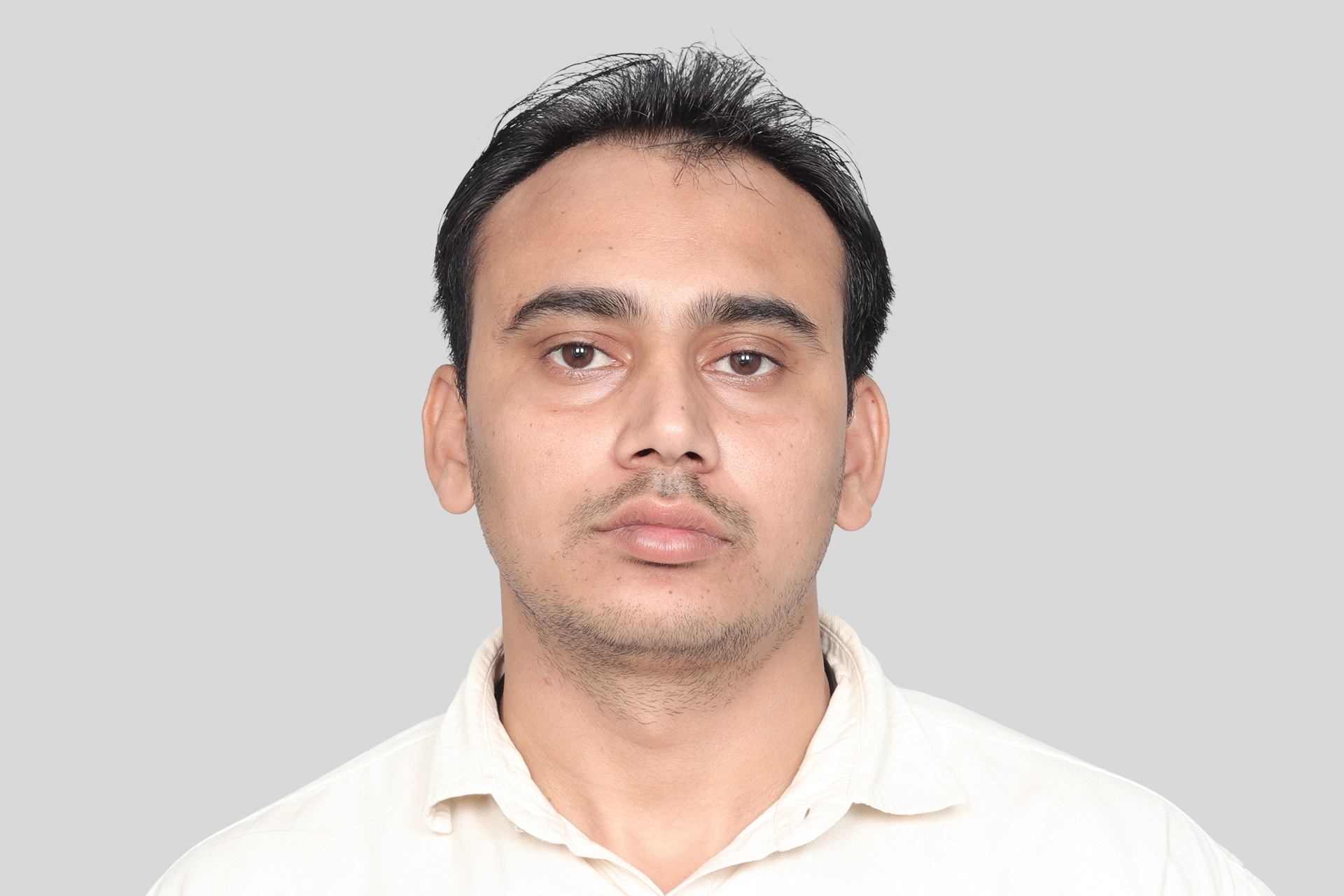
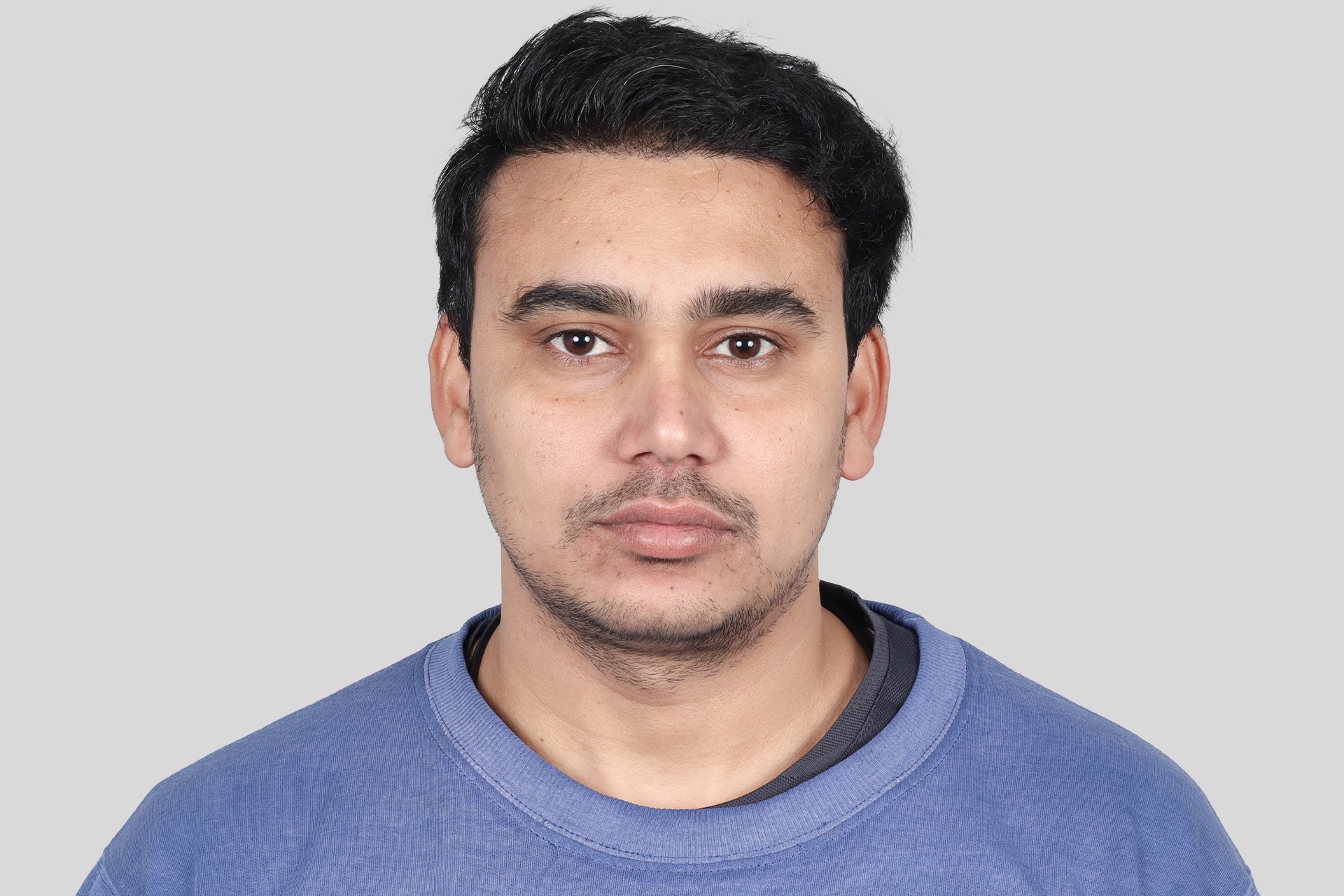
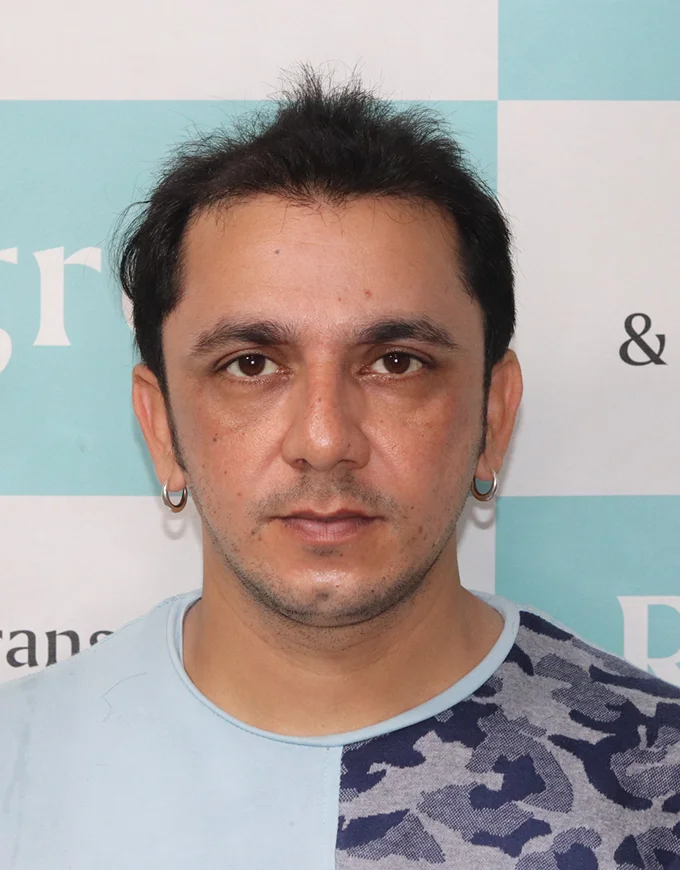
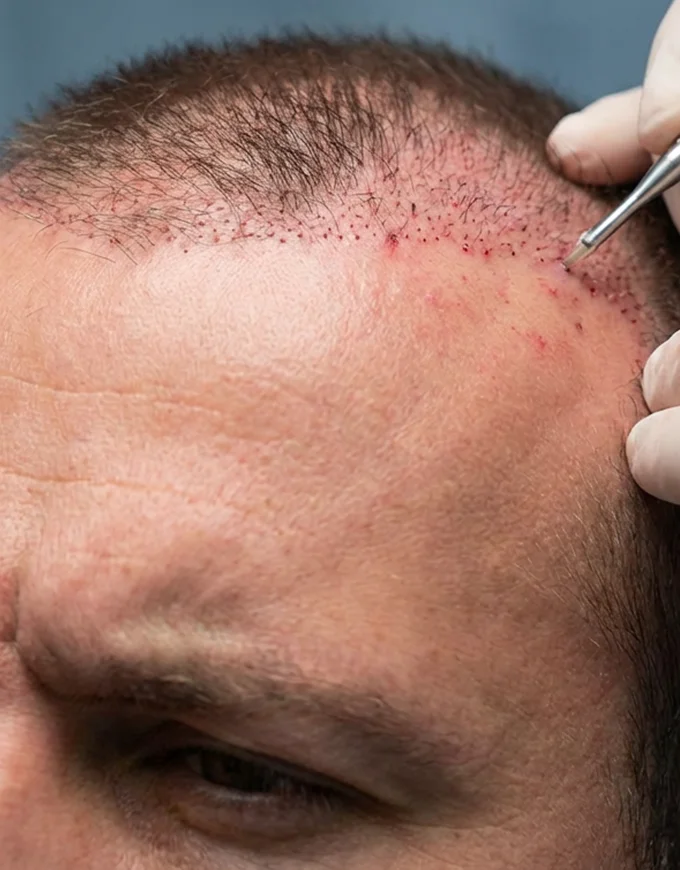
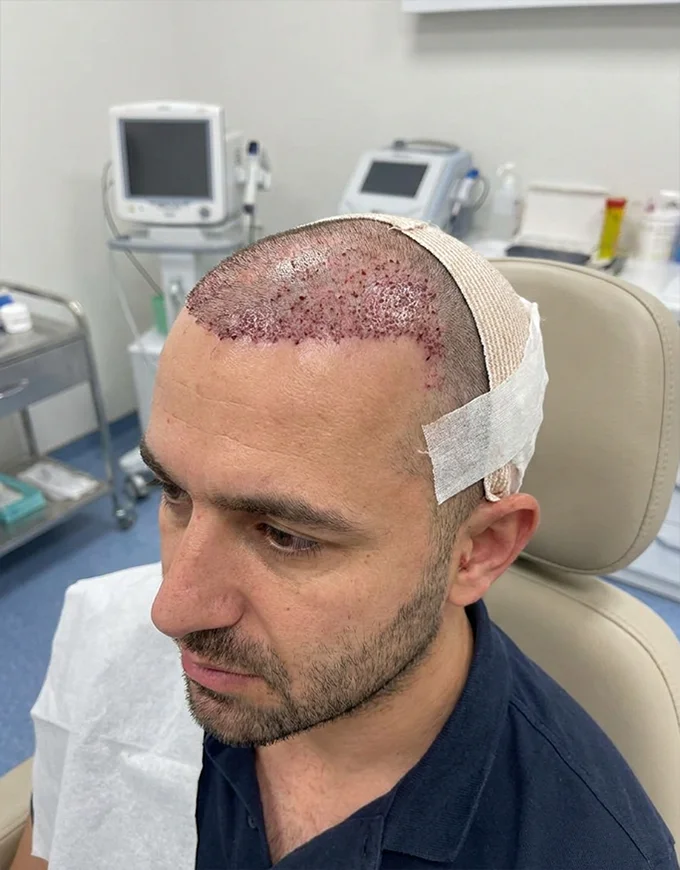
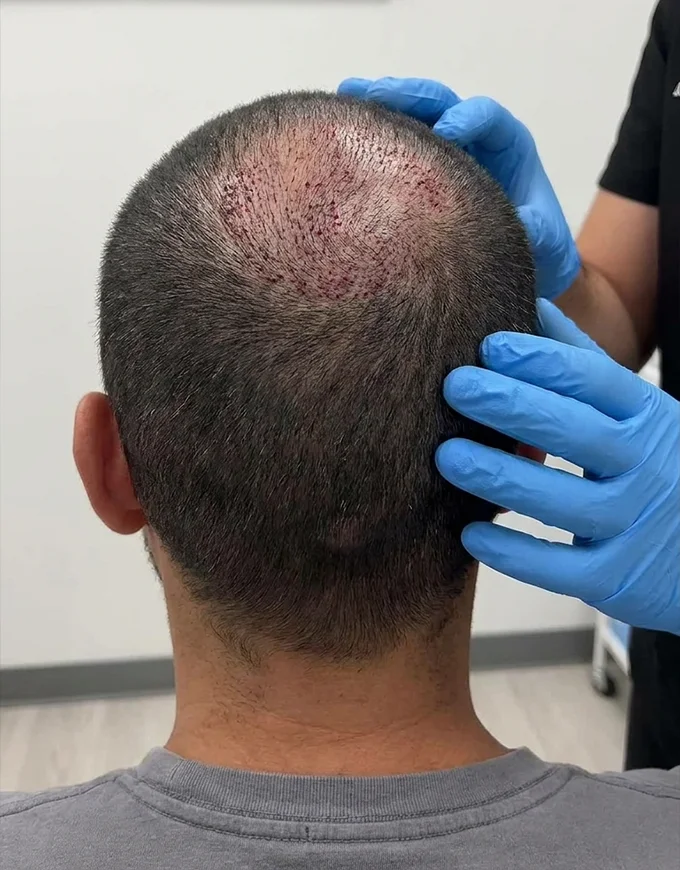
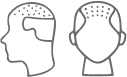
Take your time going through them. Notice the change at each stage, since a beard keeps thickening for months after surgery. Some men came in for a single patch. Others had the cheeks and jaw rebuilt from sparse growth, so look for a case close to your own situation.
Roughly one in ten hair transplants done worldwide ends up needing a second, corrective surgery. That number, which the ISHRS tracks, is not a verdict on the operation. It is a verdict on who performed it.
A hair transplant moves your own hair from the back of your head to the thinning areas. Nothing foreign goes in. When a trained surgeon does it in a clean setting, the body accepts its own follicles and heals.
In our follow-ups, the pattern is plain. Turn over almost any “failed” result and you find a rushed clinic or an untrained hand behind it, not a dangerous procedure.
That is why the honest answer to is hair transplant safe in Jaipur depends far less on the city and far more on the table you end up on.
A good surgeon will tell you when the answer is no. We would rather lose the case than take a scalp that is not ready.
Your scalp has just had a procedure. It is going to let you know, and that is the part people misread.
Almost everything you feel in the first two weeks is healing, not harm. Patients panic over things that were always on the schedule.
Here is the normal arc:
In our follow-ups, the message we get most is a worried one about swelling on day 3. It is also the one we worry about least.
From our own cases, patients are through the visible stage and back to routine inside 7 to 10 days. The scalp looks worse before it looks like nothing ever happened.
None of this is a complication. Knowing the difference is what keeps a normal recovery from feeling like an emergency.
Start with the part most clinics bury: we do not have a clinic in Jaipur. We are not going to pretend otherwise to win your booking.
Here is what actually happens when a Jaipur patient comes to us.
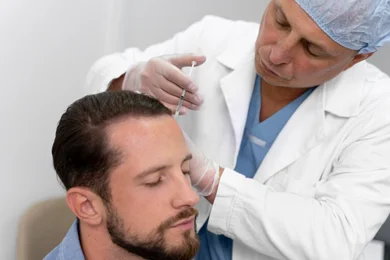
First, a free online consultation. A surgeon sees your scalp over video, reads your pattern, and makes the first real decision of the whole process: do you need surgery, or will a non-surgical route such as GFC or PRP serve you better? Plenty of people leave that call without a surgery date, and that is a good outcome.
If surgery is right, you travel to the nearest branch. For Jaipur, that means Delhi (Rohini) or Gurugram (Sector 46), whichever suits your travel. You pick at the consult.
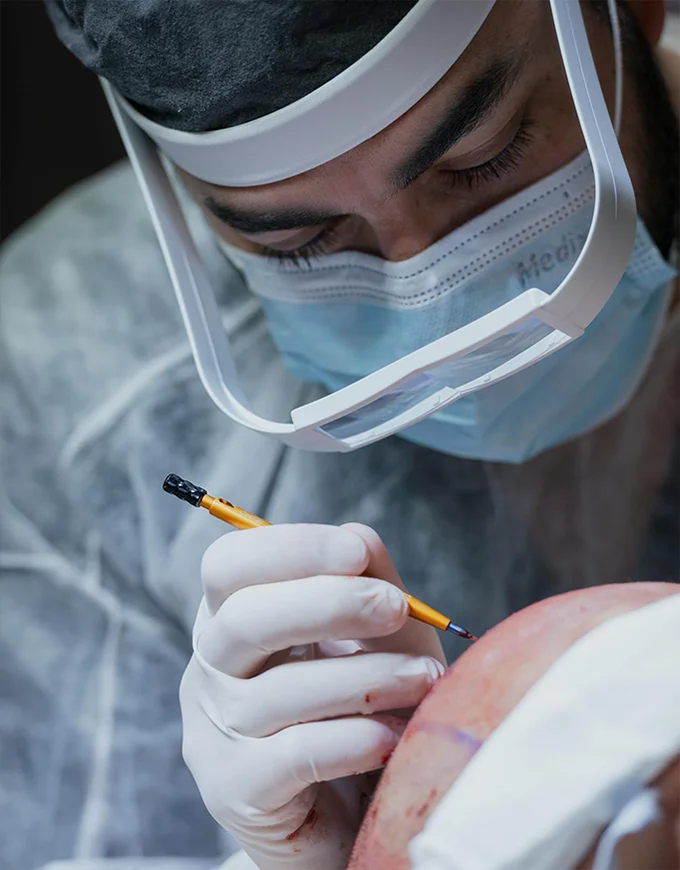
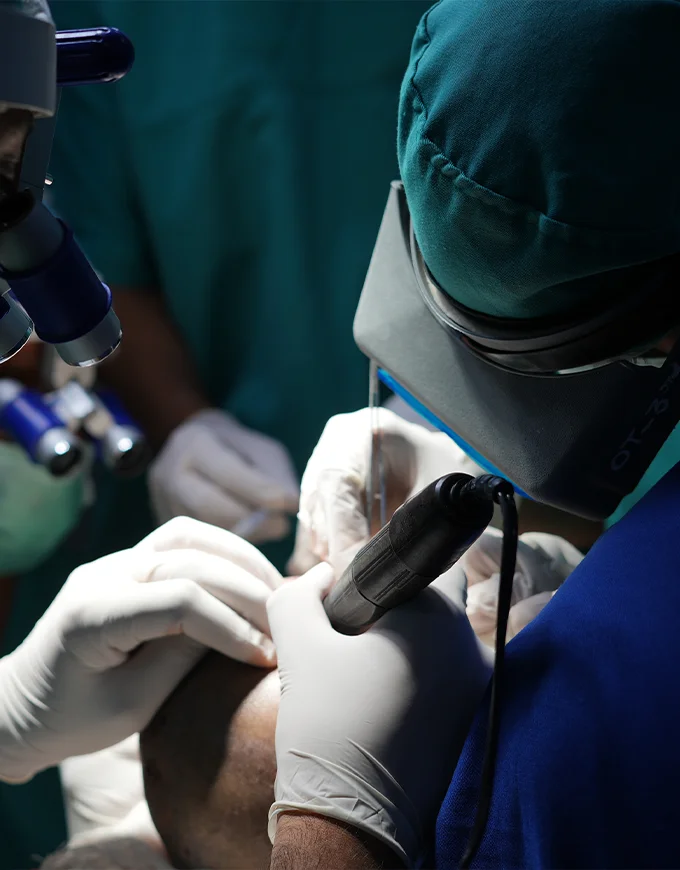
The safety is built into how we operate, not into a slogan. Our QHT technique extracts and implants follicles at the same time using a SAVA implanter pen, which keeps grafts out of the body for under two hours.
Shorter time outside the scalp is what protects graft survival, and ours runs above 95%. The surgery runs in a dedicated operating theatre held to NABH hygiene standards, with every graft handled under 10x magnification so the follicle is not crushed on the way in.
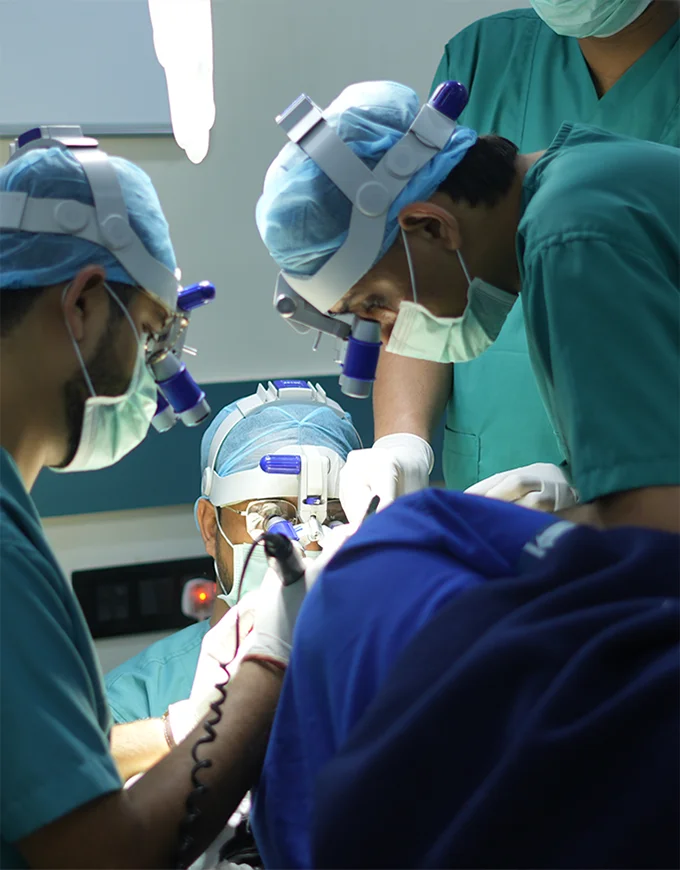
A surgeon leads the procedure, backed by a dermatologist and an anaesthetist. It is never handed to technicians working alone. Behind that sit 15,000+ results and a 4.8 Google rating across more than 3,000 verified reviews.
Then you go home to Jaipur, and the aftercare travels with you. For the first 12 months we run a structured remote follow-up. You send photos at set checkpoints, a WhatsApp line stays open for the worried 2am question, and if something looks wrong we move fast to get you seen near home.
Distance is a logistics problem. We would rather solve that than have you sit in an unvetted chair ten minutes from home.

Price is the first thing patients compare. It should be the last.
A hair transplant is minor surgery, and it carries every duty that surgery carries. QHT runs each case against the regulatory and hygiene guidelines that apply to a surgical procedure in India, because ignoring the rulebook is exactly how a good candidate ends up with a bad result.
Hold any clinic in Jaipur to the bar you would hold us to. The person operating should be a qualified surgeon, not a technician left to run the table on their own.
You want a proper, clean operating setup behind that door, not a converted side room. And the number you are quoted should be the number you pay, with nothing bolted on once you have committed.
One honest word on the marketing. You will see clinics advertise an “FDA approved hair transplant technique” in India. Read it slowly.
Regulators approve drugs and clear specific devices. A method like FUE or FUT is not a product that carries a stamp, so a clinic leaning hard on that phrase is selling you a feeling dressed up as a fact.
A clinic that follows the guidelines when no one is watching is the one you want holding the punch.
The serious problems are real. They are also uncommon, and they rarely arrive without a reason behind them.
Here is the honest list, with what drives each one and how it gets prevented:
In our follow-ups, the patients who hit trouble are rarely the ones who were honest at screening. We can only protect what we are told.
Rare is not the same as impossible. You lower the odds the boring way, by choosing the hands over the discount.
The screening is where most “failed transplants” are actually prevented, long before anyone picks up an instrument.
For a Jaipur patient, a lot of this happens on the first online call. We read your pattern and your donor area, and we decide whether you are even a surgical candidate or whether GFC or PRP is the smarter route. For FUT specifically, your Norwood grade matters: that technique suits more advanced loss, grades 4 through 7.
Before any date is set, we check the things that quietly decide whether a surgery goes well:
Say no early and you save a patient a surgery they did not need. That call is the most useful thing we do all day.
Will it hurt. That is the question nobody says out loud, and it is the real one holding people back.
The surgery is done under local anaesthesia only. No general anaesthesia, no being put to sleep, which takes the heaviest risk any surgery carries off the table. You stay awake the whole way through.
What the day feels like surprises most patients. Once the first injections numb the scalp, you feel pressure and movement, not pain. People scroll their phone, take a call, eat lunch, even nod off. The numbness fades over a few hours after you head out.
An anaesthetist stays in the room for this, not a technician guessing at it. The dose is matched to your body. If a patient feels faint or notices a racing heart, which is uncommon, that is exactly the person trained to catch it and settle it on the spot.
The drug is routine. The person watching you while it works is what makes it safe.
The surgery is the easy day. The next two weeks are where you either protect the result or undo it.
Sleep propped up on your back so nothing presses the new grafts. Keep your hands off the area, no touching and no washing yet. Take the medication you are sent home with, on time.
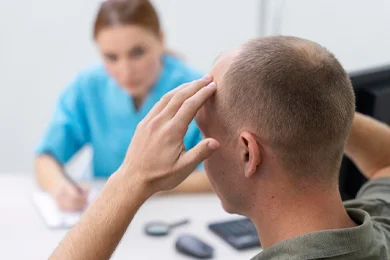
Begin gentle washing the way your surgeon shows you, letting water run over the grafts instead of scrubbing. Scabs form and then flake away on their own by day 10 to 14. Leave them to it. The swelling from the first week settles here too.
This is also when shock loss can appear. Some transplanted hairs, and sometimes thinning hair nearby, shed in the weeks after surgery. It looks like the grafts failed. They did not. The follicle stays in place and pushes out new hair over the months that follow.
Ease back into the gym and your normal washing routine, and let daylight reach the scalp again. Keep strong, direct sun off it until everything has fully settled.
Spreading redness, pus, a fever, or pain that climbs instead of fading are not part of normal healing. Call us. Do not try to wait it out.
For Jaipur patients this stretch happens 270 kilometres from the clinic, so the photo check-ins and open WhatsApp line do the watching from here.
Protect the first two weeks and the next twelve months take care of themselves.
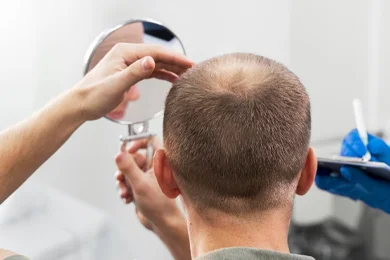
You will not judge a clinic by its surgery. You will judge it by everything around the surgery, because that is all you can see before you commit.
Here is what should make you stand up and leave:
The same checklist is how you should judge us. A clinic confident in its hands invites that scrutiny. Run from the ones that flinch at it.
Factors that Affect the Final Cost
Some factors that may affect the number of grafts required include:
More grafts needed means a higher total cost.
Skilled, doctor-led care affects the final price.
FUT, FUE, and QHT each have a different per-graft rate.
Post-surgery support and reviews add to the value.
Never a technician, every case.
Reimplanted in under 2 hours.
Delhi or Gurugram, travel once.
Medicine first, surgery only if required.
Global bodies such as the World Health Organization encourage an evidence-based approach to medicine and following ethical guidelines when discussing the options available to patients for surgical procedures.
No. QHT does not run a branch in Jaipur. Jaipur patients start with a free online consultation, and if surgery is right, the procedure happens at the nearest branch in Delhi (Rohini) or Gurugram (Sector 46).
You settle everything online first. A surgeon assesses your scalp over video, you pick the branch that suits your travel, and you make a single trip for the surgery. The 12-month follow-up then runs remotely through photo checkpoints and an open WhatsApp line.
During surgery, no. It is done under local anaesthesia, so you feel pressure, not pain, and stay awake throughout. Afterwards the scalp is tender for a few days as it heals.
It can, though it is uncommon. Failure almost always traces to poor execution or an unregulated clinic: grafts mishandled, a donor over-harvested, hygiene cut short. A proper surgeon and a clean setup remove most of that risk before the first graft is taken.
That is the first thing the consultation decides. Not everyone needs surgery. For some patients a non-surgical route like GFC or PRP is the smarter call, and a good surgeon will tell you so rather than sell you a procedure.
Patients are through the visible stage and back to routine inside 7 to 10 days.