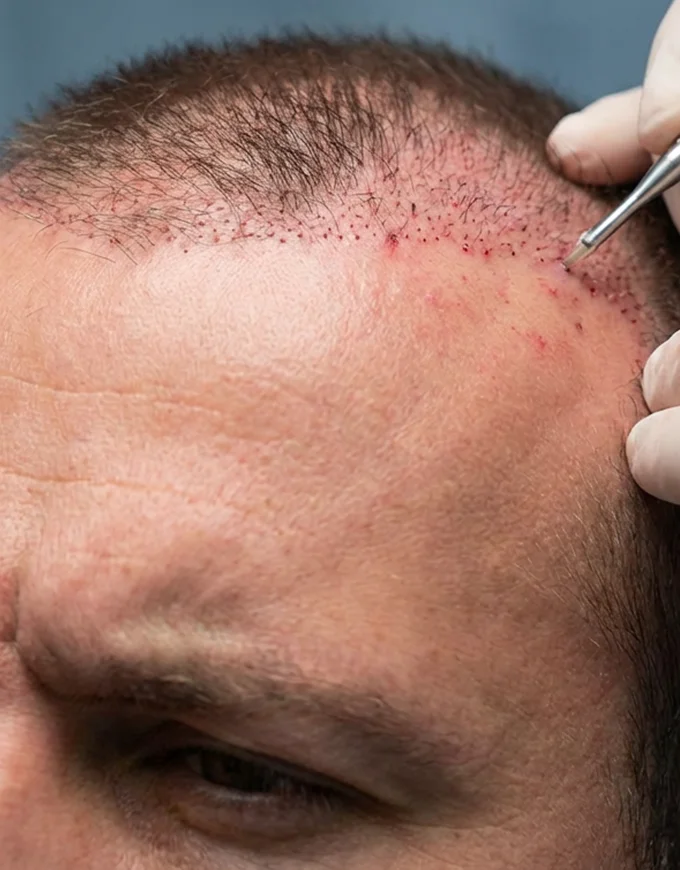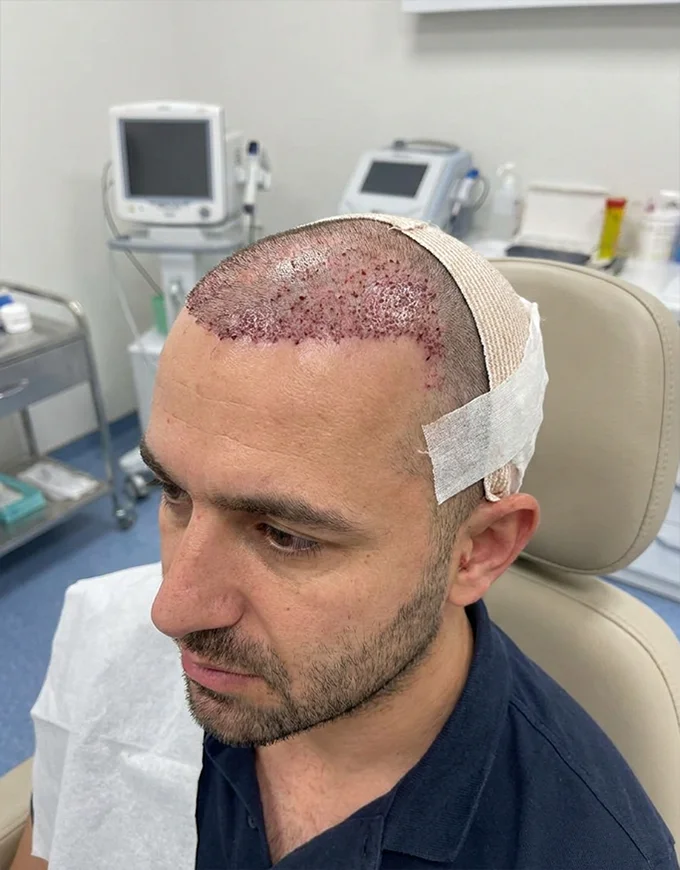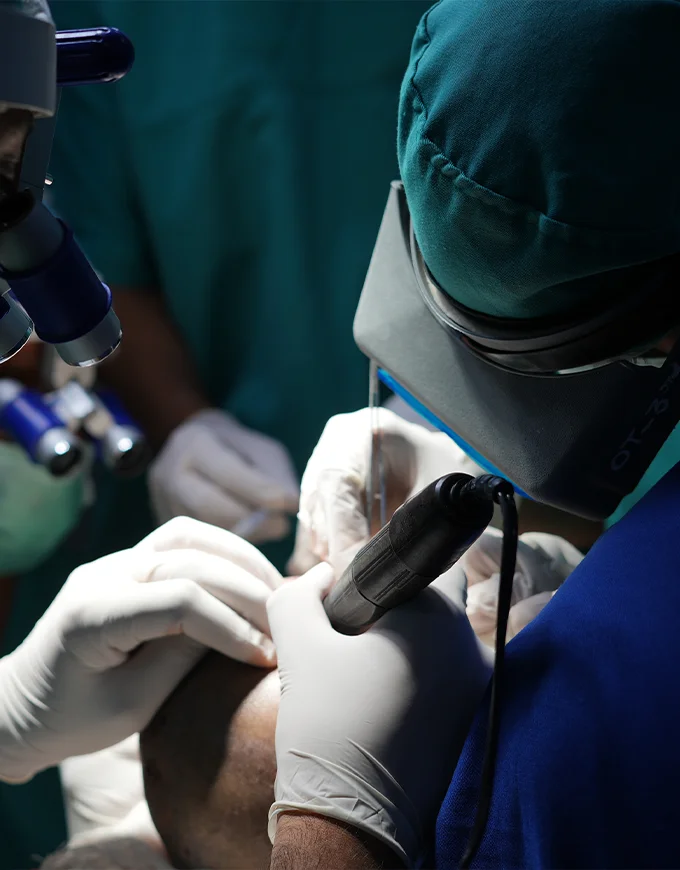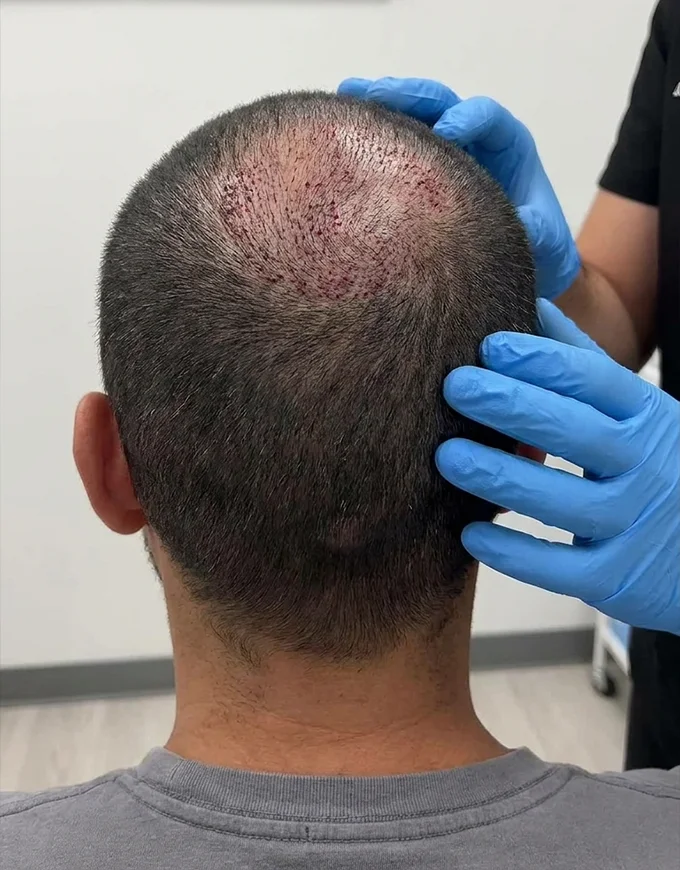


Hair Transplant FAQs in Jaipur | All Questions Answered by QHT Experts

QHT treats people from Jaipur every week. The first step just happens on a screen instead of in a waiting room. A surgeon from the team looks at your photos and your hair history, free of charge, and tells you straight whether surgery is the right move or whether you should try medicine first. So this is the hair transplant FAQ Jaipur patients keep asking for. Real answers to the doubts that keep you up at 1 a.m. Booking comes later, and only if it earns its place.

Book a Free Online Consultation
Hair Transplant FAQs in Jaipur
95% graft survival rate
15,000+ scalps restored
Surgeon-led, every case
Remote aftercare to Jaipur
95% graft survival rate
15,000+ scalps restored
Surgeon-led, every case
Remote aftercare to Jaipur

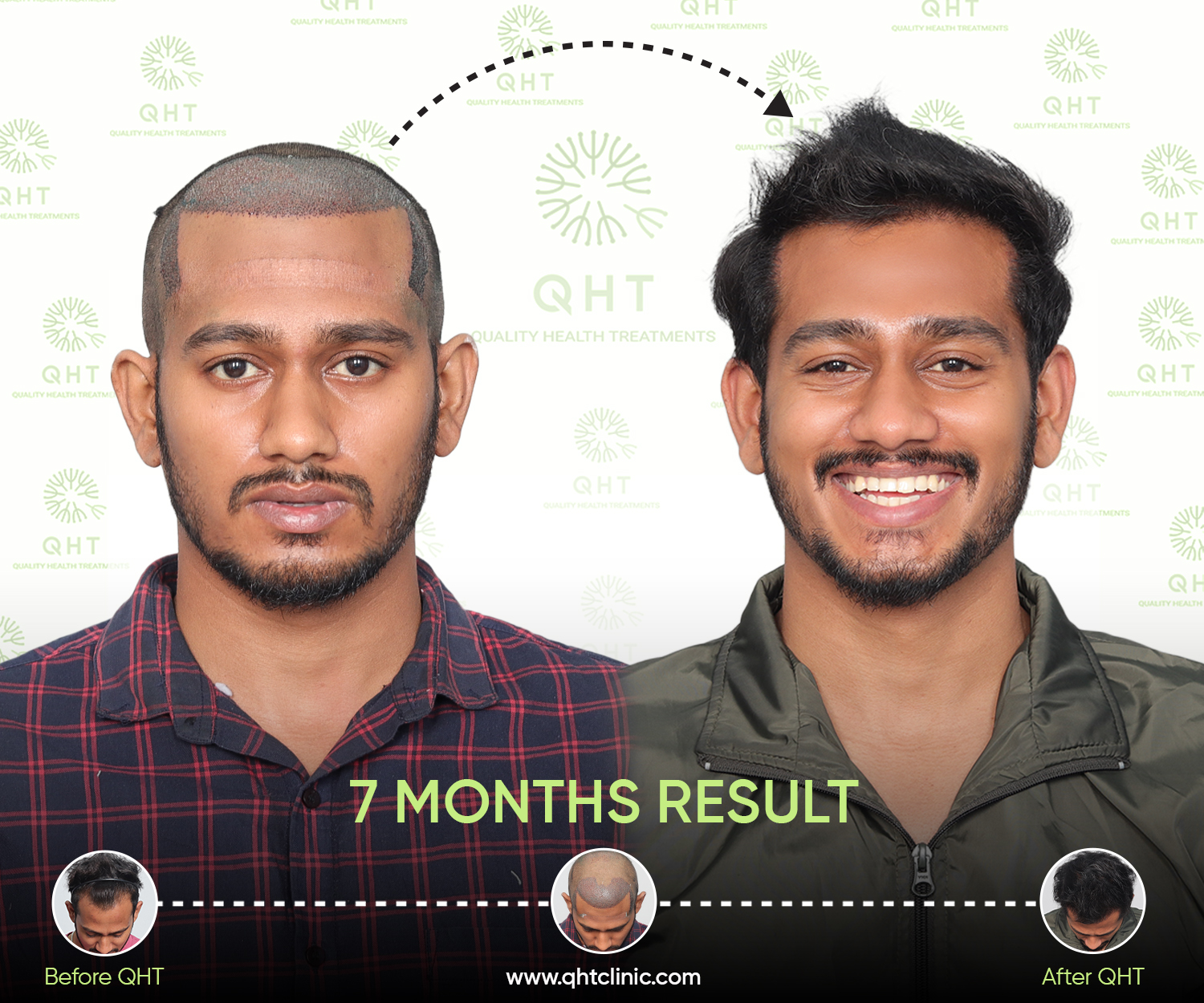
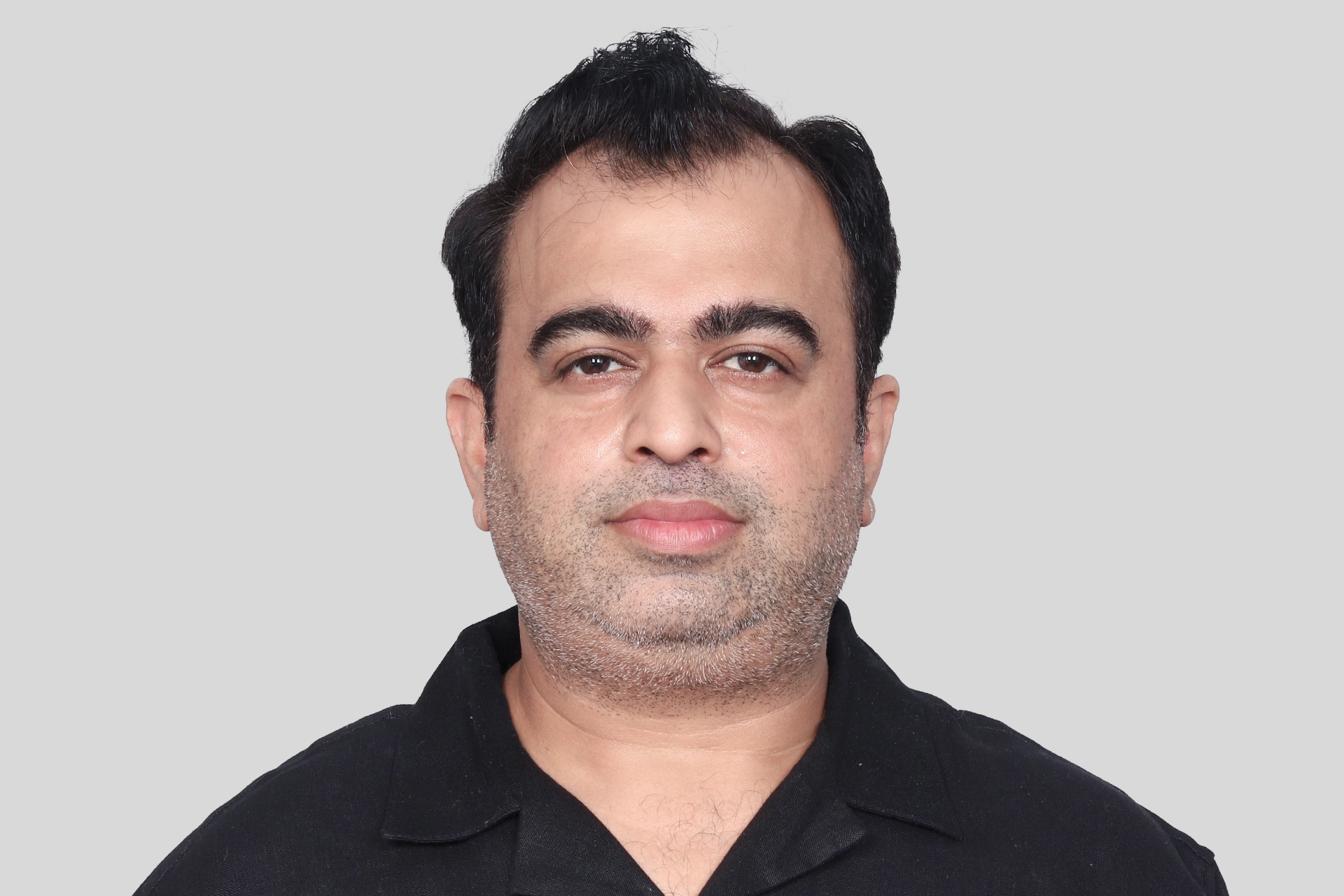
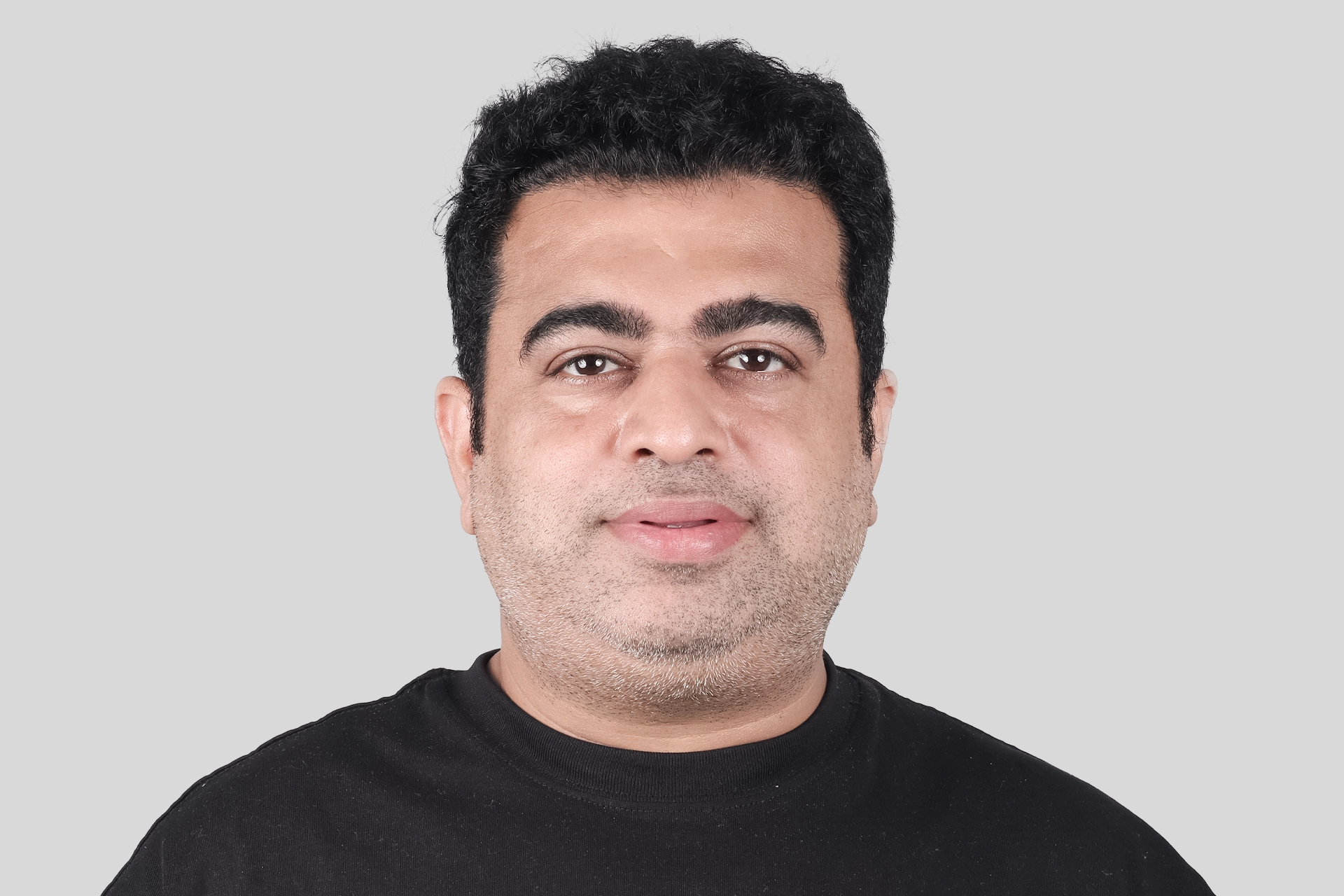
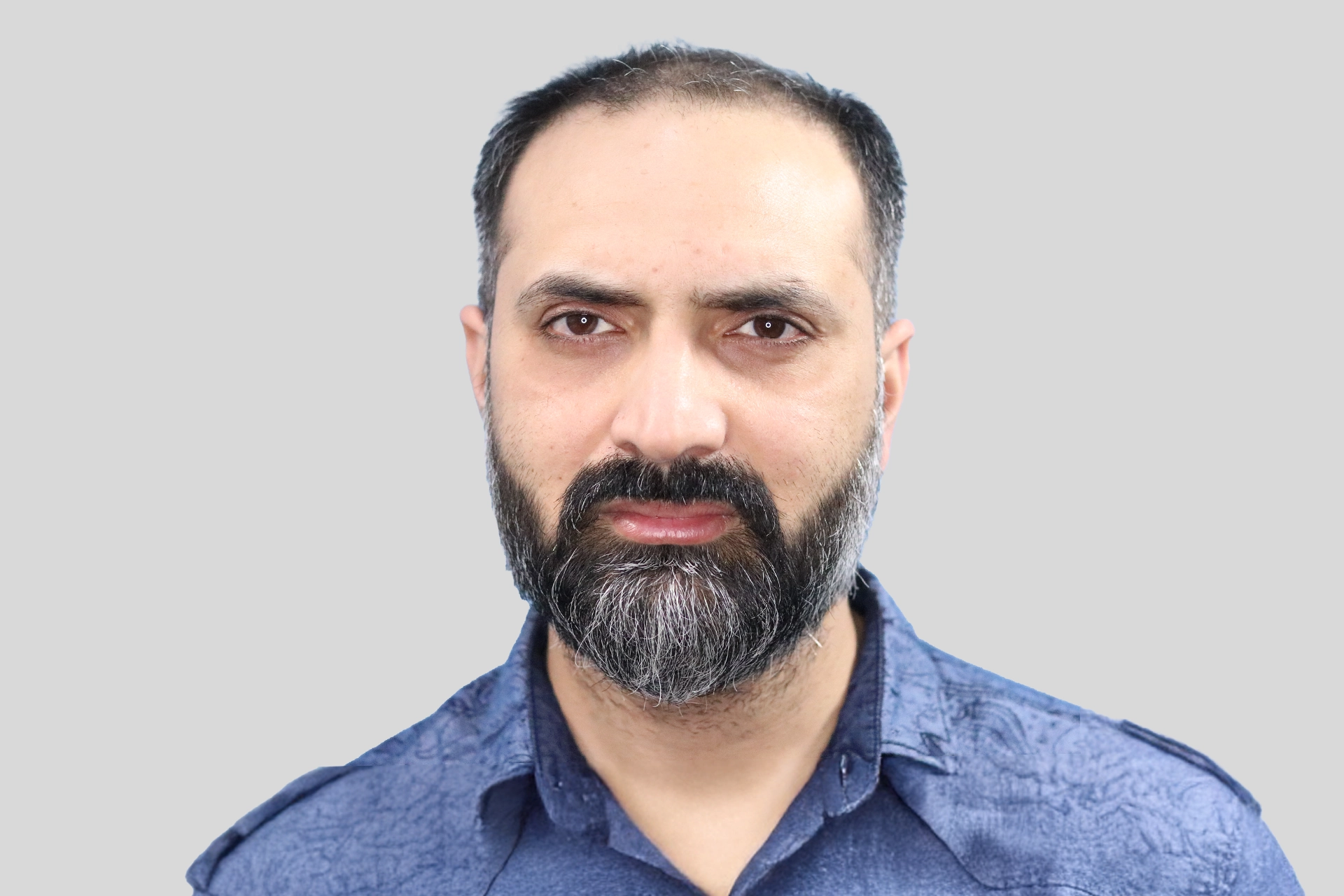
Best and Natural-looking Hair Transplant Results

At QHT Clinic, we use clinically proven hair transplant techniques to give you the results you desire. Our goal at QHT is to deliver precision-executed results that blend seamlessly with your existing hair to create a denser, more natural-looking hair transplant that blends seamlessly with your existing hair.

Result Vector
Devendra Before Image
Devendra After Image
Harsh Sharma  Before Image
Harsh Sharma  After Image
Probir Das Before Image
Probir Das After Image
Ajay  Before Image
Ajay  After Image
Dheerendra Before Image
Dheerendra After Image
Amit Kumar  Before Image
Amit Kumar  After Image
General Questions About Hair Transplant in Jaipur

General Questions About Hair Transplant in Jaipur

General Questions About Hair Transplant in Jaipur

A Jaipur patient’s first contact with QHT is a video call, not a commute.

Here is how the path runs. You send recent photos of your scalp. A QHT surgeon reviews them on a free online consultation and gives you an honest read: surgery now, medicine first, or wait and watch.

If surgery is the answer, you travel to the nearest QHT clinic in the Delhi-NCR region, either Rohini in Delhi or Gurugram. By road that is a morning’s drive from Jaipur. A flight is under an hour.

Your safety on the table has nothing to do with which city you live in. It rests on the surgeons and the operating theatre, and the people who would perform your procedure have worked on 15,000+ patients.

The care team you deal with is set: a hair transplant surgeon, a dermatologist, and a consultation coordinator who walks you through the process and cost before you commit to anything.

What about the days after you fly home to Jaipur? You are not left to manage them alone. QHT runs your aftercare remotely, tracking how you heal and answering questions from a distance, so the gap between your city and the clinic never shows up in the result.

Distance is a logistics problem, and logistics problems have solutions. Baldness that goes untreated does not.

Is Hair Transplant Permanent? Will Results Last?

Is Hair Transplant Permanent? Will Results Last?

Is Hair Transplant Permanent? Will Results Last?

You have probably been told that transplants fade after a few years and leave you worse off. It is the fear that stops people from booking.

QHT presents its outcomes as life-long results, built on a 95%+ graft survival rate. That survival number is the heart of the promise: the grafts that take, stay.

Why transplanted hair keeps growing when the rest of your hair gave up comes down to where the follicles start.

Donor hair resists DHT, the hormone that shrinks follicles and drives pattern baldness. Move those follicles to a thinning zone and they keep behaving like donor hair, which means they keep growing.

Two honest caveats ride along with that. The spot the grafts came from does not refill, so your donor area is a resource you spend once.

And the native hair you still have keeps thinning on its own clock, which is why a maintenance plan sits next to surgery rather than after it.

The grafts that survive the first month are the grafts you keep for good.

Am I a Good Candidate for Hair Transplant?

Am I a Good Candidate for Hair Transplant?

Am I a Good Candidate for Hair Transplant?

Not everyone who asks for surgery needs it. Saying so costs clinic bookings, which is exactly why most won’t say it.

The free consultation exists to answer this question before you spend a rupee on a procedure. A dermatologist sits on the QHT care team for this reason, not as decoration. Sometimes the scalp is ready for grafts. Sometimes the smarter first step is medicine or a non-surgical route, and surgery waits.

What makes someone a strong candidate comes down to how far the loss has travelled. Surgery earns its place once baldness reaches a settled grade.

If your thinning is early and moving fast, the surgeon may tell you to wait, because planting grafts into a shifting pattern can leave gaps a year later.

Your health history shapes the answer too. Thyroid trouble, diabetes, any blood thinner you take: it all goes on the table at consultation. And when surgery is not the right step yet, QHT points you to PRP, GFC, or its URoots hair-strength kits instead.

A good clinic tells you when not to operate. Ask for that honesty on your first call.

How Long Does the Procedure Take in Jaipur?

How Long Does the Procedure Take in Jaipur?

How Long Does the Procedure Take in Jaipur?

Under 2 hours. That is the number QHT is built around, and it is not the one patients mean when they ask this question.

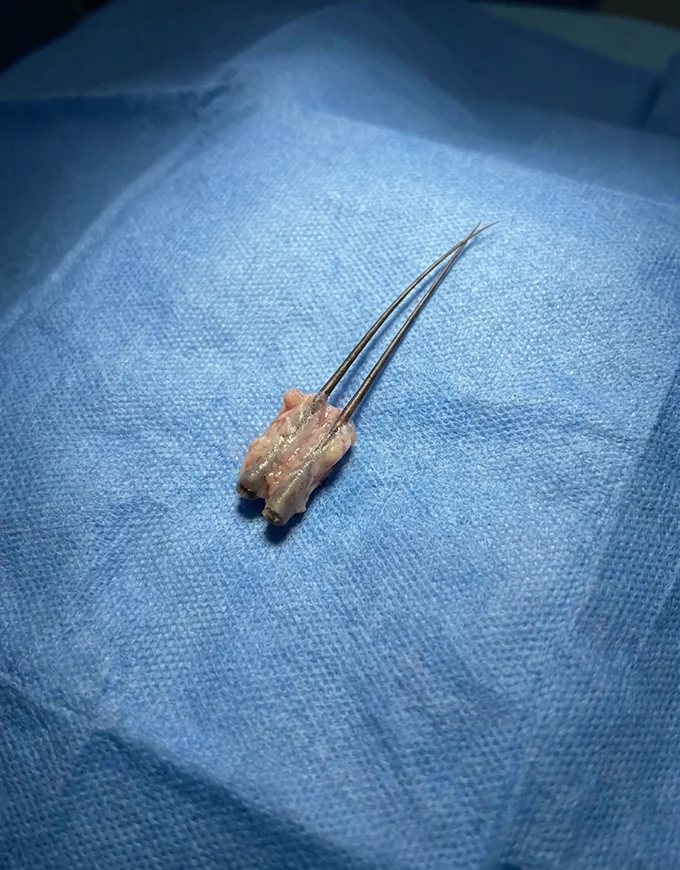
Those 2 hours are the graft out-of-body time: how long your follicles spend outside your scalp between removal and placement.

QHT keeps it short because its technique does extraction and implantation at the same time, using the SAVA implanter pen. The less time a graft waits, the better its odds of surviving. That is the whole point of the design.

Total time in the chair is a different number, and it scales with graft count. Single sessions have run from 3,000 to 5,000 grafts.

QHT runs the procedure as a single outpatient day. You come in, the work gets done, and you stay long enough for the immediate check on your grafts before heading back. Nobody flies in and out the same evening, so plan a short stay in Delhi-NCR, not a round trip in an afternoon.

Short out-of-body time is not a marketing line. It is the reason the survival rate holds.

Is It Painful? What Anaesthesia Is Used?

Is It Painful? What Anaesthesia Is Used?

Is It Painful? What Anaesthesia Is Used?

The part people dread is the numbing, not the hours that follow it.

Local anaesthesia is the whole story on the day. No general anaesthesia, no being put under. You stay awake, the scalp goes numb, and the QHT technique is built to be a painless one.

Afterward, patients report mild soreness and some swelling for a few days, both kept in check with medication.

Once you know what the discomfort actually is, it stops running the decision.

How Much Does Hair Transplant Cost in Jaipur?

How Much Does Hair Transplant Cost in Jaipur?

How Much Does Hair Transplant Cost in Jaipur?

The cheapest quote in Jaipur is rarely the cheapest transplant. QHT prices its own signature technique at ₹100 per graft, and the bargain numbers floating around the city carry a cost you cannot see on the sheet.

Here is what QHT charges by method:

  • QHT technique: ₹100 per graft, with full procedures running ₹80,000 to ₹5,00,000
  • FUE: ₹70 per graft, ₹56,000 to ₹3,50,000
  • FUT: ₹50 per graft, ₹40,000 to ₹2,50,000

Your final figure tracks the graft count your case needs and the technique you choose. A grade 2 hairline and a grade 5 crown are not the same job, so they are not the same price.

One thing worth settling early. Health insurance in India does not cover this. It counts as an elective, cosmetic procedure, so you budget for it directly, though QHT does offer EMI options to spread the payment.

The money you save at a bargain clinic disappears the day you pay someone else to fix the result.

What Is the Success Rate at QHT Jaipur?

What Is the Success Rate at QHT Jaipur?

What Is the Success Rate at QHT Jaipur?

95 out of 100. That is the graft survival rate QHT reports, and it is the single number worth interrogating before you choose anyone.

Survival is protected by the short out-of-body window covered earlier, the SAVA implanter doing the placing. Industry data gives that number its weight: the ISHRS reports that 1 in 10 hair transplant cases need corrective surgery later. A high survival rate is what keeps you out of that statistic.

Ask every clinic for their survival rate. Then ask how they measure it.

When Will I See Full Hair Growth After Transplant?

When Will I See Full Hair Growth After Transplant?

When Will I See Full Hair Growth After Transplant?

Month three is when people quietly decide the transplant failed. They are early, and they are wrong.

The early recovery is quick. QHT puts it at 7 to 10 days to get past the visible healing stage. Growth runs on a slower, separate clock.

Around week 3, the transplanted hairs shed and fall out. That is the moment people panic, and the moment they shouldn’t.

New growth starts in the 3 to 4 month window, when you can style it again. Thickening carries on through months 6 to 9, and the full result lands at about month 12.

The result you are paying for shows up on a twelve-month clock, not a twelve-day one.

Can Women Get Hair Transplant in Jaipur?

Can Women Get Hair Transplant in Jaipur?

Can Women Get Hair Transplant in Jaipur?

Hair loss is not a men’s problem that women occasionally borrow. It lands on women differently, and it gets assessed differently.

A dermatologist is part of the QHT team, and for female patients that assessment is where everything starts. The cause has to be found before a single graft is planned.

Men lose hair in a clear pattern, front to crown. Women thin differently, right across the top, while the hairline often holds. That diffuse loss can trace back to something a graft would never fix, so the dermatological work-up comes first to find what is actually driving it.

Done right, a woman’s transplant starts with a diagnosis, not a quote.

What Is the Difference Between FUE and FUT?

What Is the Difference Between FUE and FUT?

What Is the Difference Between FUE and FUT?

One method leaves a thin line across the back of your scalp. One does not. That single difference drives most of the choice.

QHT runs three techniques, priced earlier in this page. Its own QHT method places grafts as they are extracted, with the SAVA pen, aimed at dense, natural coverage without the wait that costs grafts.

Where FUE and FUT part ways:

Factor FUT FUE / QHT
Scarring One thin, concealable linear line No linear scar
Donor harvesting A single strip of scalp, then closed Follicle by follicle
Best suited to Norwood 4 to 7, heavier loss Norwood 2 to 7
Turnaround Longer Quicker than FUT

QHT’s own method sits closest to FUE. No linear scar, but extraction and placement happen in one motion, which is what drives the density it is known for. The surgeon matches the method to your Norwood grade and how much donor hair you have to work with.

Pick the method that fits your scalp, not the one with the loudest ad.

Pre & Post-Op Precautions - What Must I Follow?

Pre & Post-Op Precautions - What Must I Follow?

Pre & Post-Op Precautions - What Must I Follow?

The first week carries more weight than the next twelve months of waiting.

QHT builds Pre-Op and Recovery into its stated patient journey, with recovery landing in that 7 to 10 day window mentioned earlier. What you do inside that window matters.

Before surgery, tell the team every medicine you take, any blood thinner included. After surgery, the rules are easy to follow and easy to get wrong:

  • Keep your hands off the grafts. No touching, no scratching.
  • Wash the way you are shown, not the way you always have.
  • Avoid the gym and swimming, and keep the grafts out of strong sun, until the team clears you.

You go home with a customised aftercare kit, and the team tracks your healing from a distance. Treat the grafts gently for one week. You protect a result you will wear for life.

Hair Transplant Cost in India

7

Factors that Affect the Final Cost

  • The total number of grafts needed
  • The technique chosen
  • Any add-on therapies like PRP or GFC
  • Post-procedure care needs
Type of hair transplant Approximate Cost (INR)
Follicular Unit Extraction Starts from ₹ 70 Per Graft
Quick Hair Transplant Starts from ₹ 100 per graft
Follicular Unit Transplantation Starts from ₹ 50 Per Graft
Factors Affecting the Cost

Some factors that may affect the number of grafts required include:

  • Number of Grafts
    Number of Grafts

    More grafts needed means a higher total cost.

  • Surgeon and Team
    Surgeon and Team

    Skilled, doctor-led care affects the final price.

  • Technique Chosen
    Technique Chosen

    FUT, FUE, and QHT each have a different per-graft rate.

  • Aftercare and Follow Up
    Aftercare and Follow Up

    Post-surgery support and reviews add to the value.

The surgeon does the hard part

Maps and places every graft.

The surgeon does the hard part
Hair is all we do

One focus, no cross-sell.

Hair is all we do
Plan from Jaipur, travel once

Consult online, operate in Delhi-NCR.

Plan from Jaipur, travel once
Surgery only if you need it

Medicine first when that fits.

Surgery only if you need it

Frequently Asked Questions

Global bodies such as the World Health Organization encourage an evidence-based approach to medicine and following ethical guidelines when discussing the options available to patients for surgical procedures.

01
Is there a QHT hair transplant clinic in Jaipur?

No. QHT does not operate a clinic in Jaipur. Jaipur patients begin with a free online consultation, and if surgery is advised, travel to the nearest QHT clinic in Delhi-NCR (Rohini or Gurugram).

02
How do Jaipur patients get a hair transplant with QHT?

It starts with a free online consultation where a QHT surgeon reviews your photos and history. If you are a candidate, the procedure is done at a Delhi-NCR clinic, and your aftercare is then handled remotely once you are home.

03
How far is the nearest QHT clinic from Jaipur?

The nearest QHT clinics are in Delhi-NCR, Rohini and Gurugram, reachable by a morning’s drive or a flight under an hour from Jaipur.

04
Is a hair transplant covered by health insurance in India?

No. It counts as an elective, cosmetic procedure, so health insurance in India does not cover it. QHT offers EMI options to help spread the cost.

05
Is a hair transplant painful?

It is done under local anaesthesia, so you stay awake while the scalp is numbed, with no general anaesthesia. Afterward, expect mild soreness and some swelling for a few days, both managed with medication.

06
How many grafts will I need?

This depends on your grade of hair loss and is set during consultation. QHT sessions have ranged from 3,000 to 5,000 grafts in a single sitting, per patient reviews.

07
What is QHT's hair transplant success rate?

QHT reports a 95%+ graft survival rate, supported by short graft out-of-body time and the SAVA implanter.

08
Will the transplanted hair fall out again?

The transplanted hairs shed around week 3, then regrow for good. They come from a DHT-resistant donor zone, so they keep growing where thinning hair gave up. QHT frames the result as life-long.

09
Can women get a hair transplant at QHT?

Yes. Because women tend to thin across the top rather than in a set pattern, a dermatologist first finds the cause of the loss before any graft plan is made.

10
Do I get aftercare support once I return to Jaipur?

Yes. QHT follows your recovery remotely for a full year, and you go home with a customised aftercare kit, so distance from the clinic does not compromise your result.

Still Have Questions? Talk to Our QHT Team

You have read this far, which means a doubt or two is still sitting with you. That is the right reason to talk to a surgeon, not a salesperson.

The first consultation is free and it is online, so Jaipur costs you nothing but half an hour. You will get a straight answer on whether you are a candidate, which technique fits, and whether surgery or medicine should come first.

QHT's work carries a 4.8 rating across 3,000+ Google reviews, so you are not taking that call on faith alone.

Book your free online consultation and get a real opinion on your scalp.

The best time to ask your questions is before the procedure, not after someone else's.

Book a Free Online Consultation