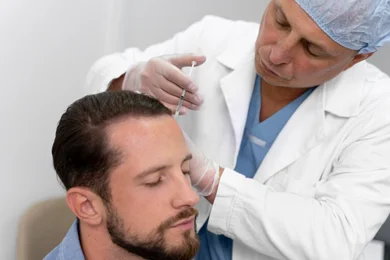
Is Hair Transplant Safe in Jaipur? Risks, Safety & What to Expect

You are in Jaipur, you have opened a dozen clinic websites, and every one of them calls itself the safest and the best. That is the hard part. The surgery is not the gamble most people think it is. The clinic you hand yourself to is. QHT does not run a branch in Jaipur, so your first step with us costs nothing and risks nothing: a free online consultation where a surgeon looks at your scalp and tells you the truth, including whether you need surgery at all or whether medicine would do the job.

Book a Free Online Consultation
Is Hair Transplant Safe in Jaipur
95% graft survival rate
15,000+ scalps restored safely
Surgeon-led, every single case
Remote aftercare, back in Jaipur
95% graft survival rate
15,000+ scalps restored safely
Surgeon-led, every single case
Remote aftercare, back in Jaipur

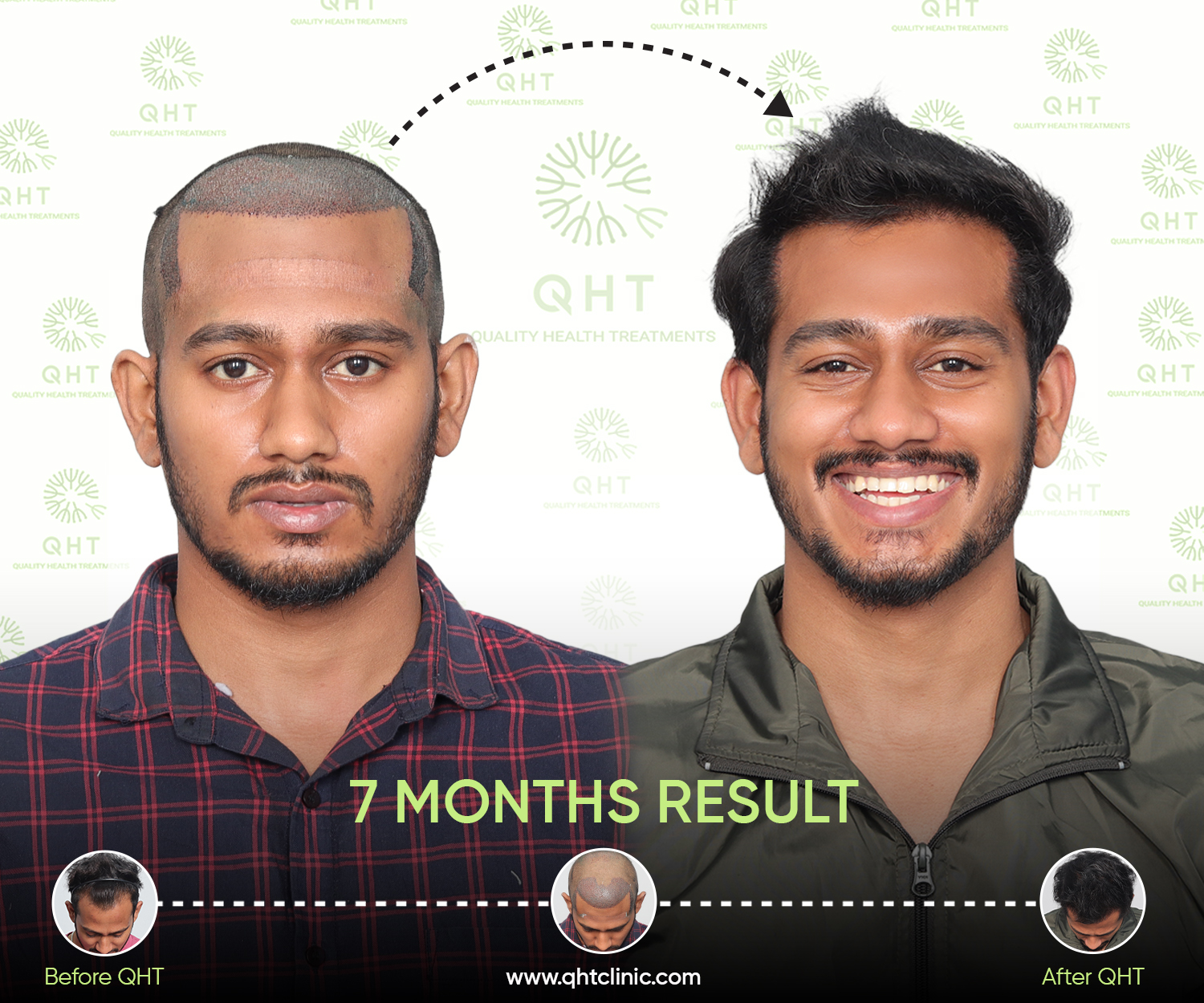
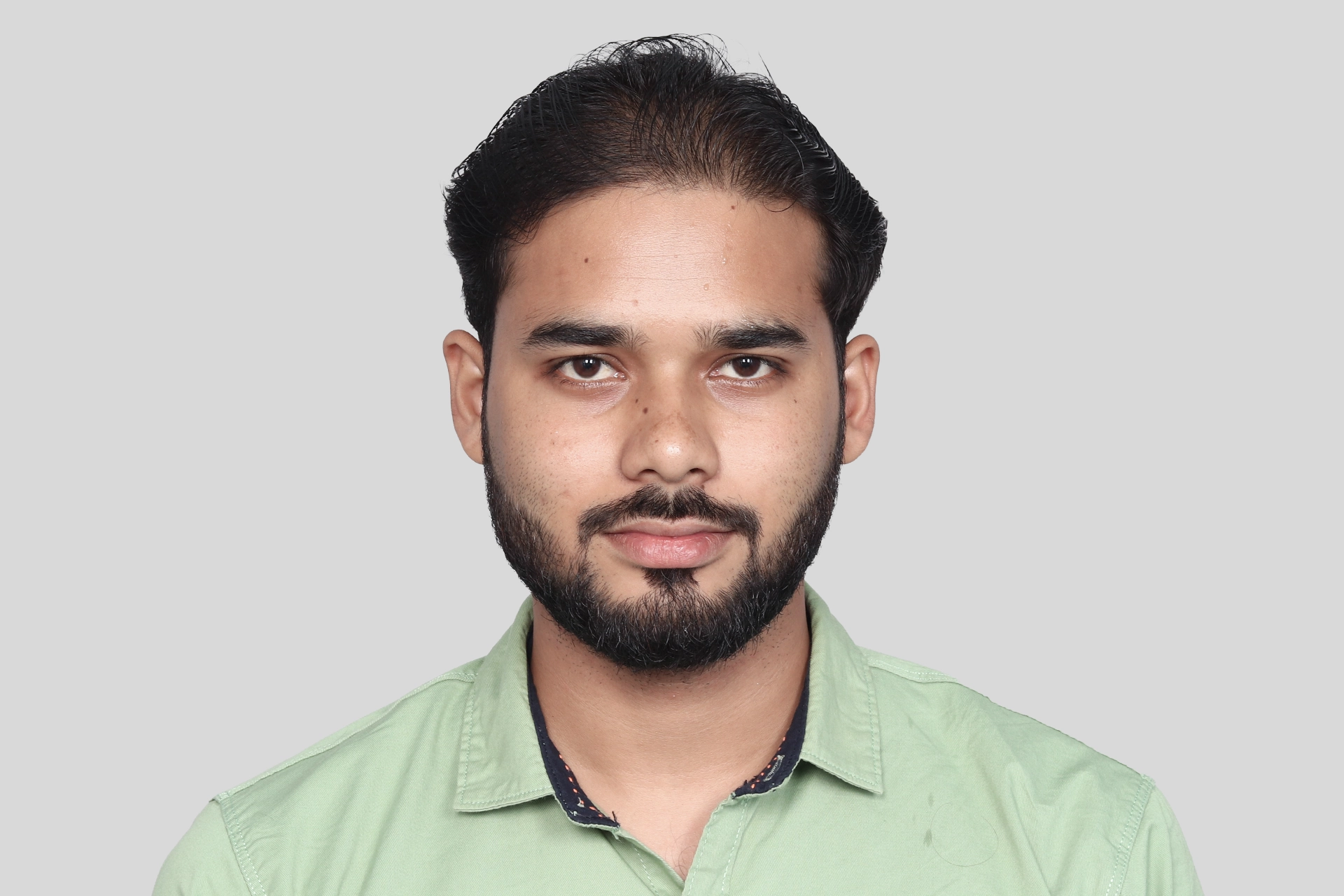
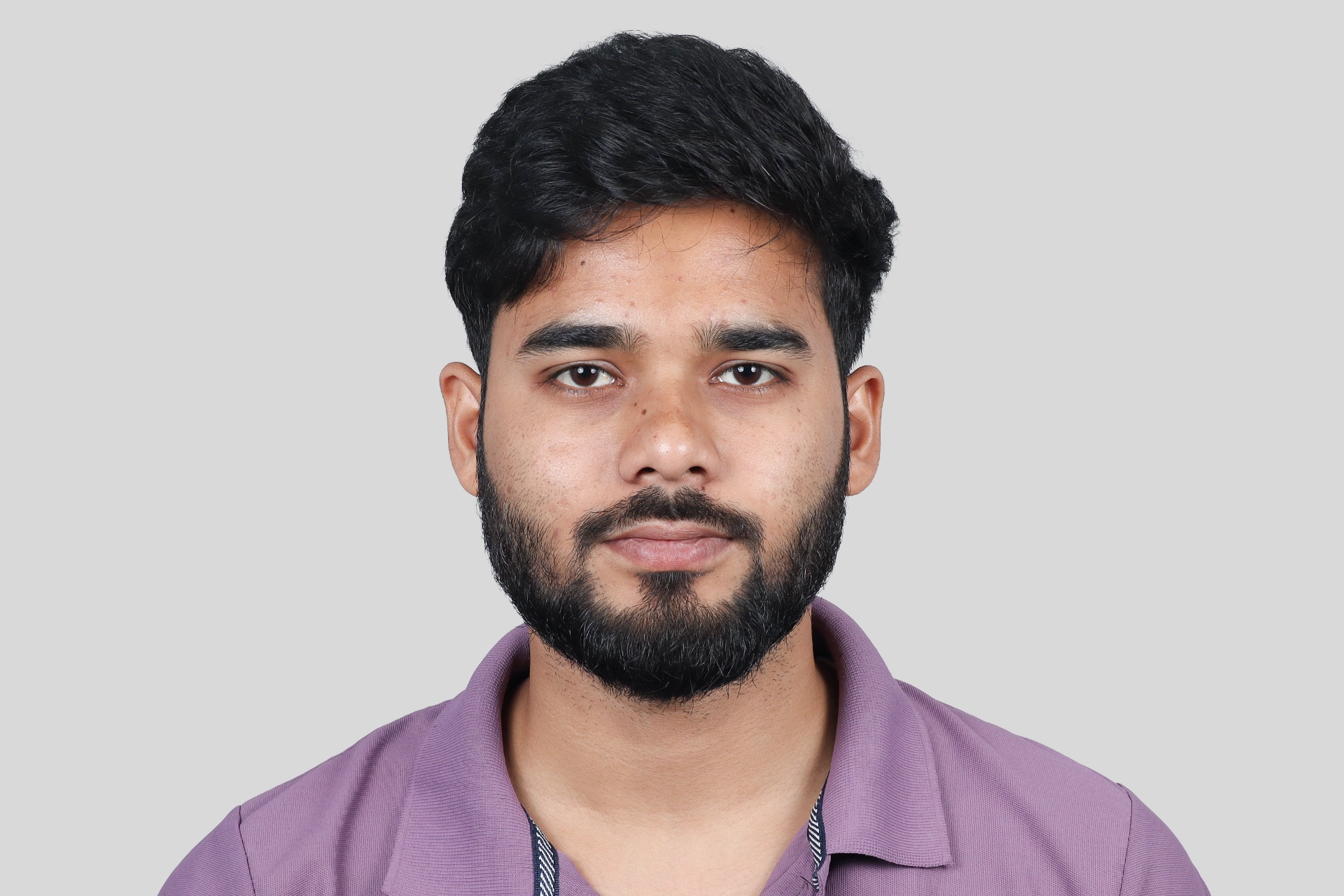
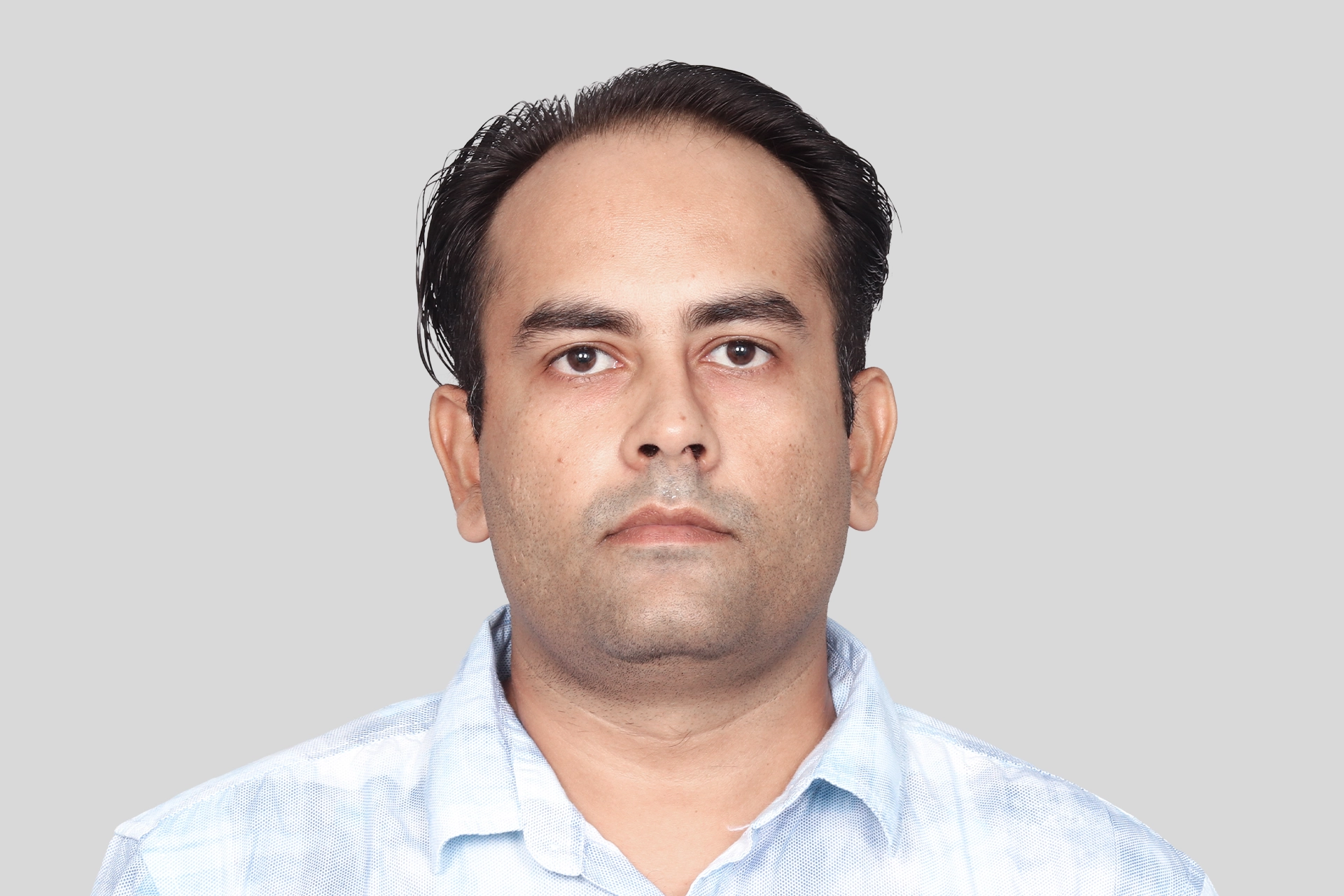
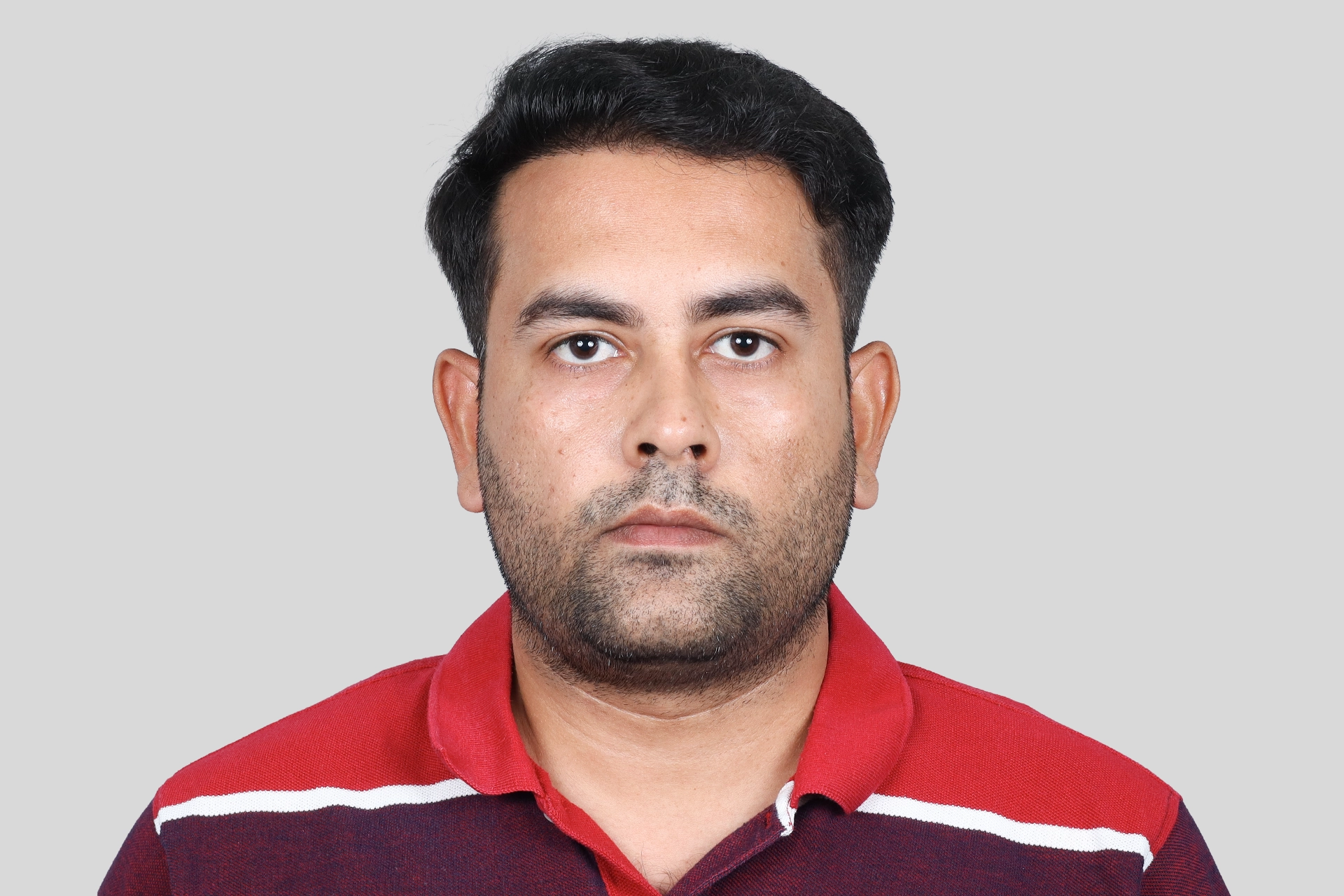
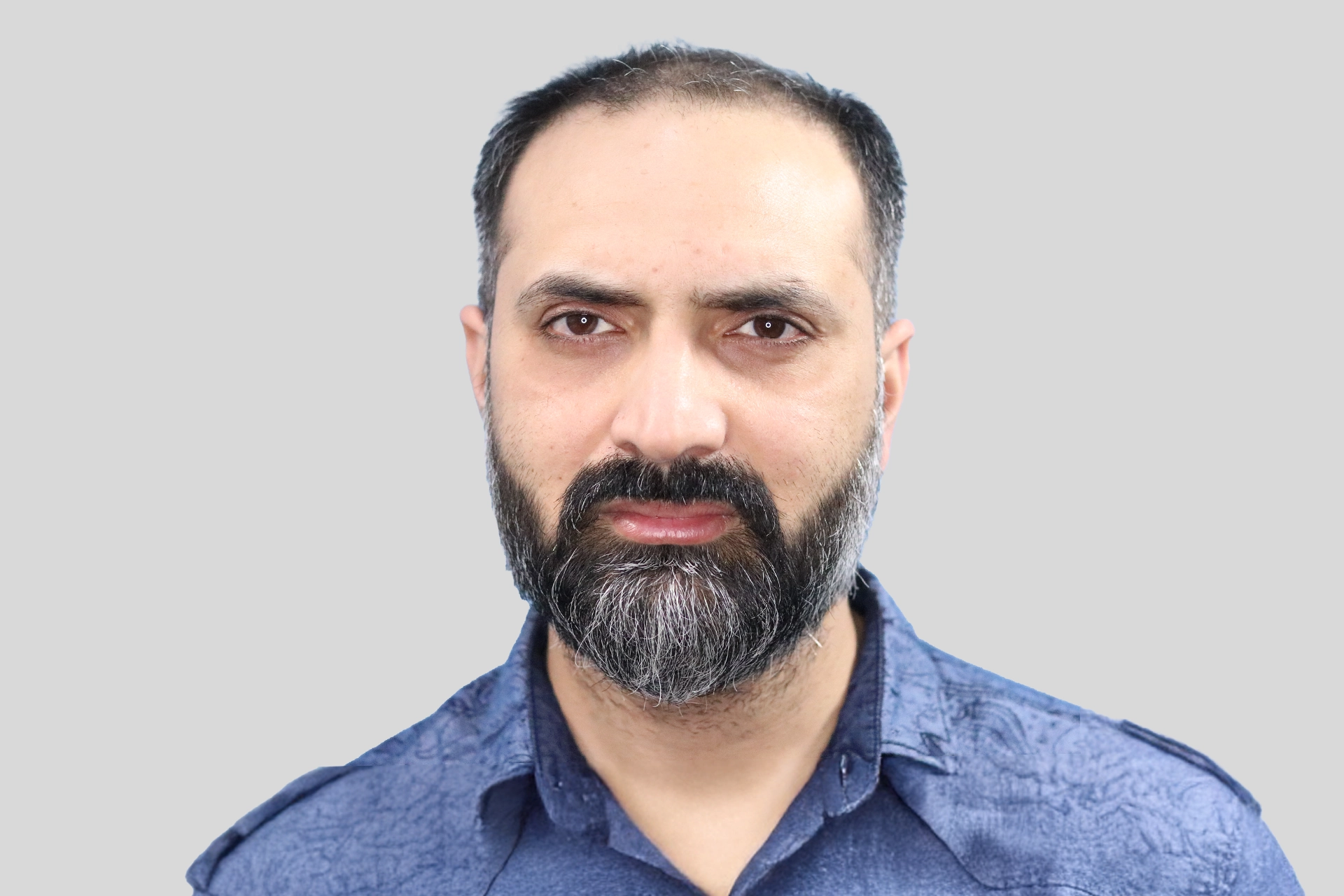
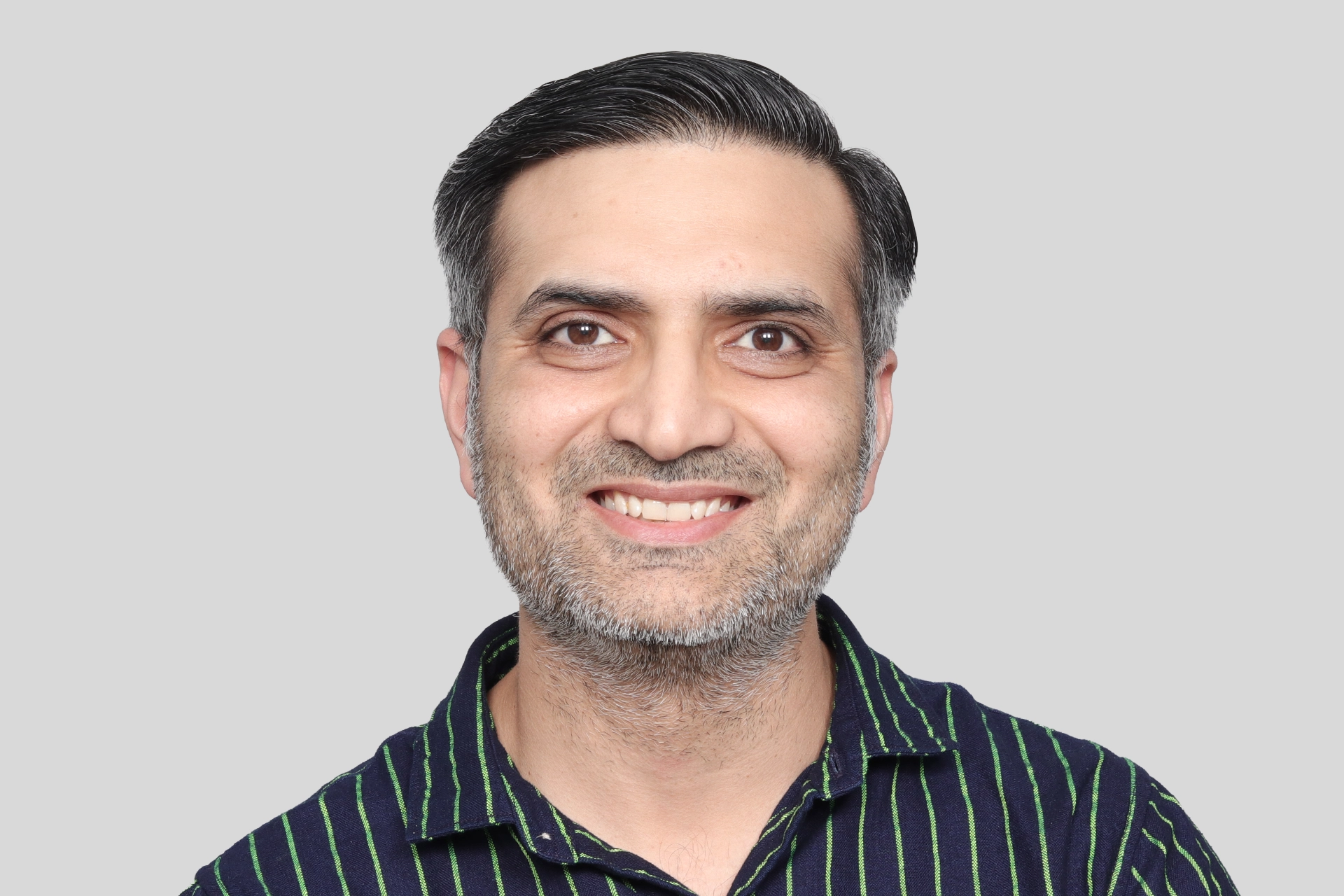
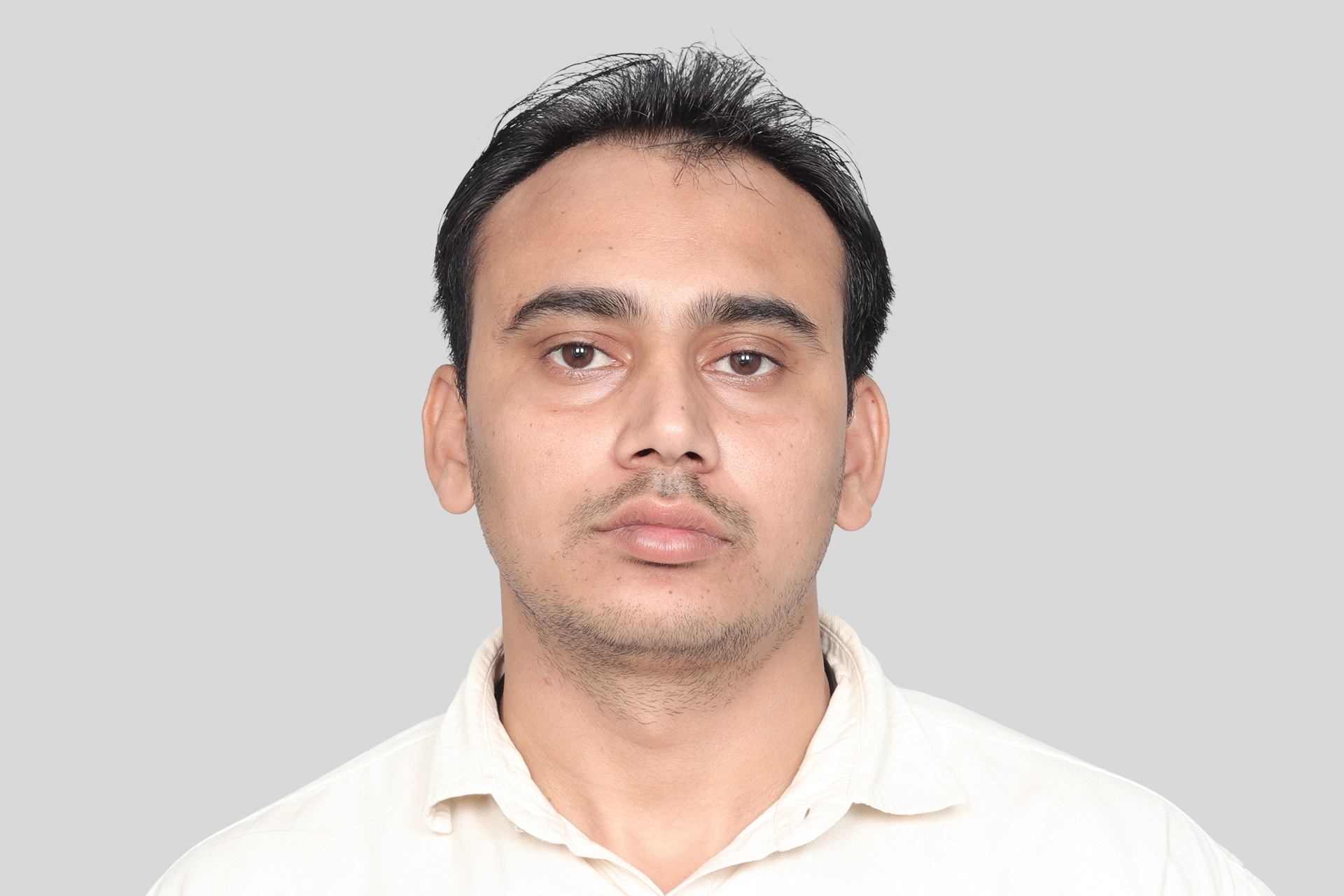
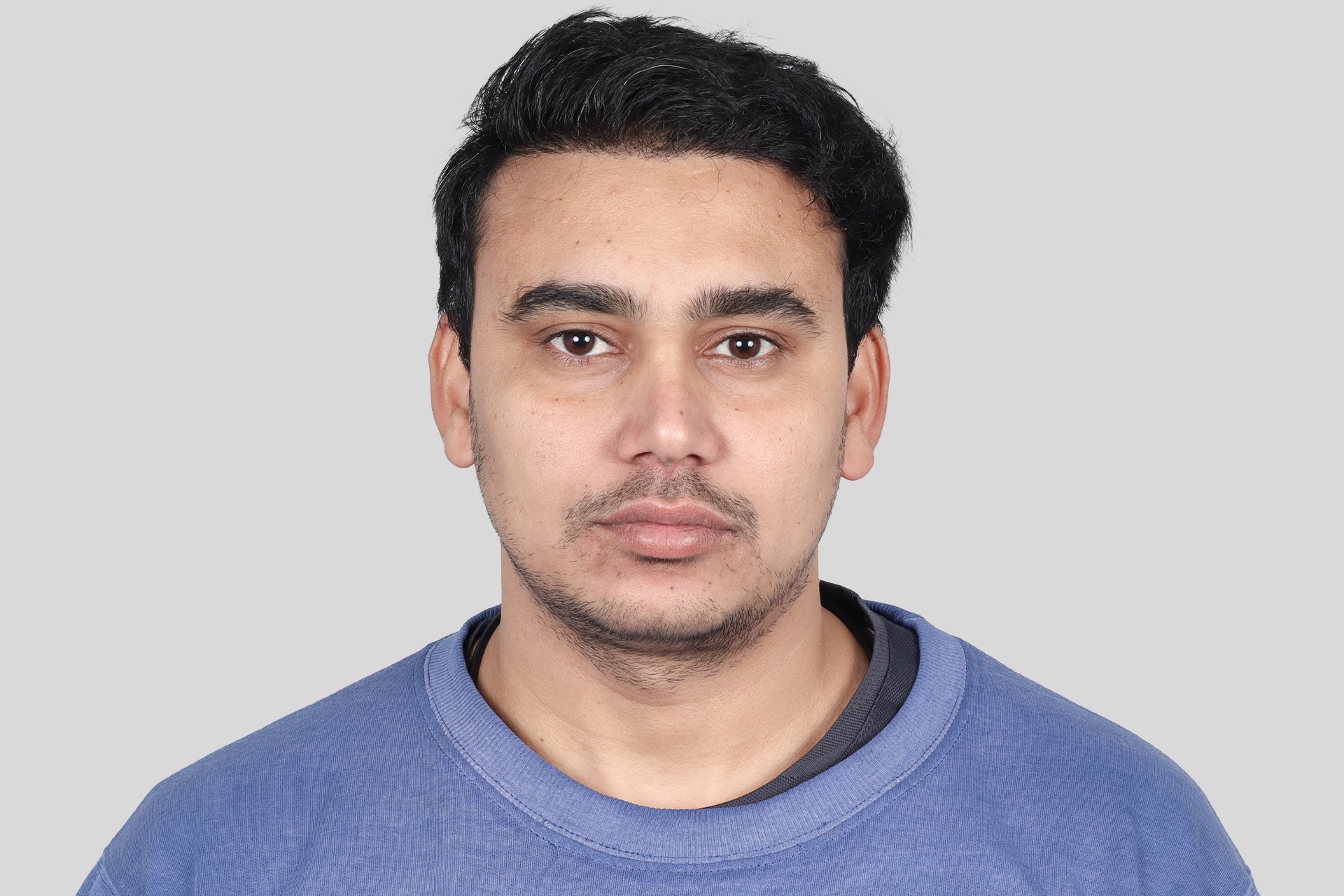
Before and After: Beard Transplant Results Gallery

Take your time going through them. Notice the change at each stage, since a beard keeps thickening for months after surgery. Some men came in for a single patch. Others had the cheeks and jaw rebuilt from sparse growth, so look for a case close to your own situation.

Result Vector
Devendra Before Image
Devendra After Image
Harsh Sharma  Before Image
Harsh Sharma  After Image
Probir Das Before Image
Probir Das After Image
Ajay  Before Image
Ajay  After Image
Dheerendra Before Image
Dheerendra After Image
Amit Kumar  Before Image
Amit Kumar  After Image
Is Hair Transplant a Safe Procedure? Medical Perspective

Is Hair Transplant a Safe Procedure? Medical Perspective

Is Hair Transplant a Safe Procedure? Medical Perspective

Roughly one in ten hair transplants done worldwide ends up needing a second, corrective surgery. That number, which the ISHRS tracks, is not a verdict on the operation. It is a verdict on who performed it.

A hair transplant moves your own hair from the back of your head to the thinning areas. Nothing foreign goes in. When a trained surgeon does it in a clean setting, the body accepts its own follicles and heals.

In our follow-ups, the pattern is plain. Turn over almost any “failed” result and you find a rushed clinic or an untrained hand behind it, not a dangerous procedure.

That is why the honest answer to is hair transplant safe in Jaipur depends far less on the city and far more on the table you end up on.

A good surgeon will tell you when the answer is no. We would rather lose the case than take a scalp that is not ready.

Common Risks & Side Effects of Hair Transplant

Common Risks & Side Effects of Hair Transplant

Common Risks & Side Effects of Hair Transplant

Your scalp has just had a procedure. It is going to let you know, and that is the part people misread.

Almost everything you feel in the first two weeks is healing, not harm. Patients panic over things that were always on the schedule.

Here is the normal arc:

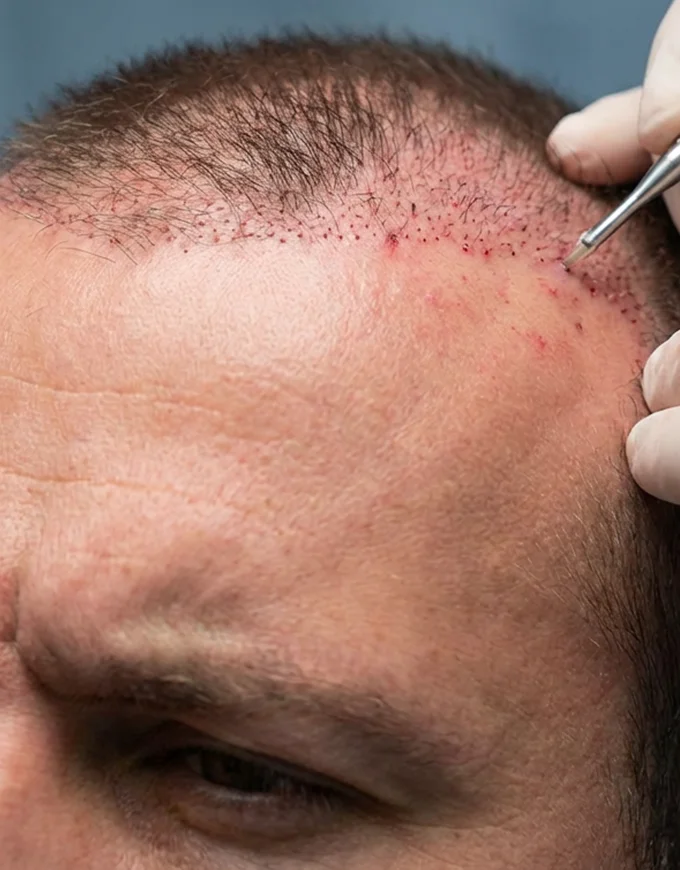
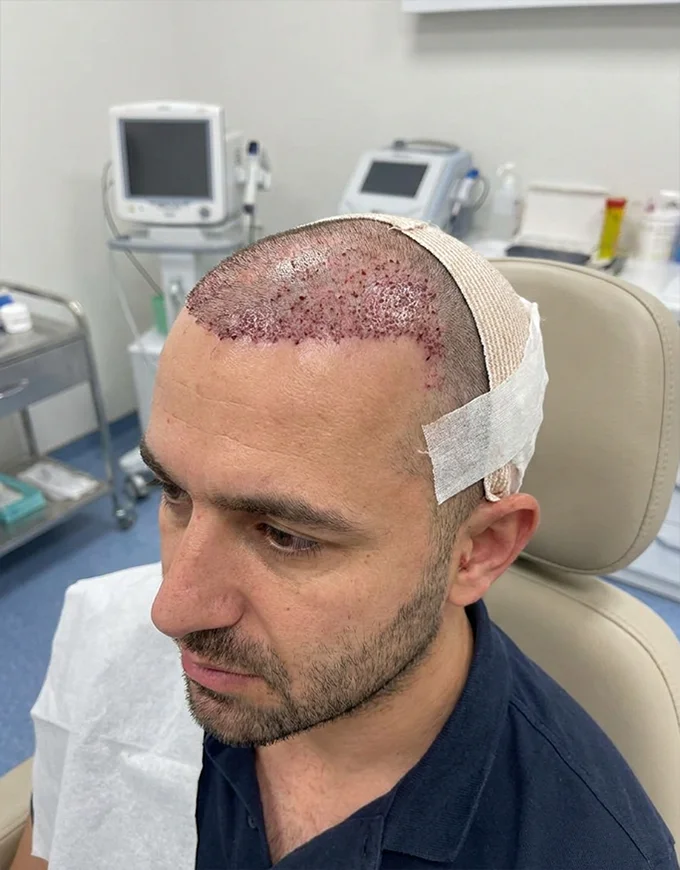
  • Swelling shows up on day 2, on the forehead and above the eyes. It peaks by day 3 or 4, then drains away. By day 6 it is gone.
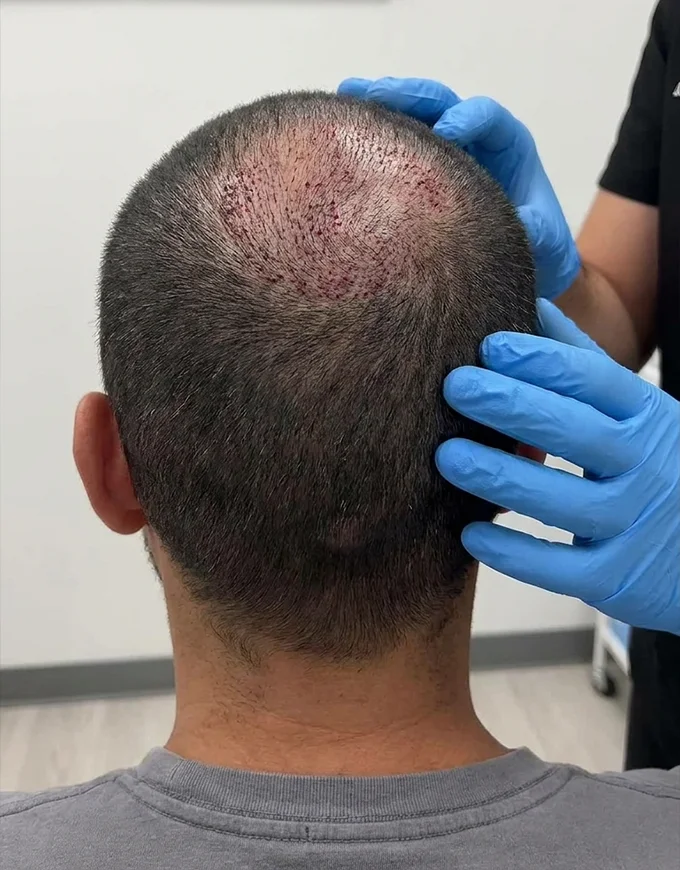
  • The transplanted area stays pink and raw-looking for a week or two before it quietens down.
  • Tiny scabs form over each graft in the first few days. Leave them alone and they flake off on their own by day 10 to 14.
  • Itching arrives as those scabs dry, by day 4. It nags, but it is a good sign.
  • A little bleeding or oozing on the first day is ordinary.
  • Numbness in the donor or recipient area lingers for a few weeks before full feeling returns.

In our follow-ups, the message we get most is a worried one about swelling on day 3. It is also the one we worry about least.

From our own cases, patients are through the visible stage and back to routine inside 7 to 10 days. The scalp looks worse before it looks like nothing ever happened.

None of this is a complication. Knowing the difference is what keeps a normal recovery from feeling like an emergency.

How QHT Clinic Ensures Maximum Safety in Jaipur

How QHT Clinic Ensures Maximum Safety in Jaipur

How QHT Clinic Ensures Maximum Safety in Jaipur

Start with the part most clinics bury: we do not have a clinic in Jaipur. We are not going to pretend otherwise to win your booking.

Here is what actually happens when a Jaipur patient comes to us.

First, a free online consultation. A surgeon sees your scalp over video, reads your pattern, and makes the first real decision of the whole process: do you need surgery, or will a non-surgical route such as GFC or PRP serve you better? Plenty of people leave that call without a surgery date, and that is a good outcome.

If surgery is right, you travel to the nearest branch. For Jaipur, that means Delhi (Rohini) or Gurugram (Sector 46), whichever suits your travel. You pick at the consult.

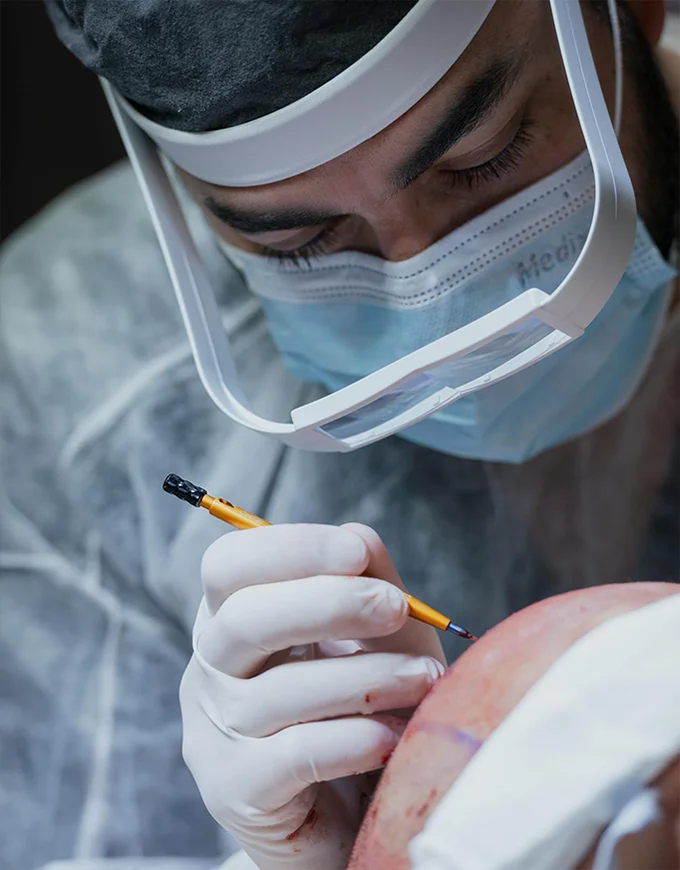
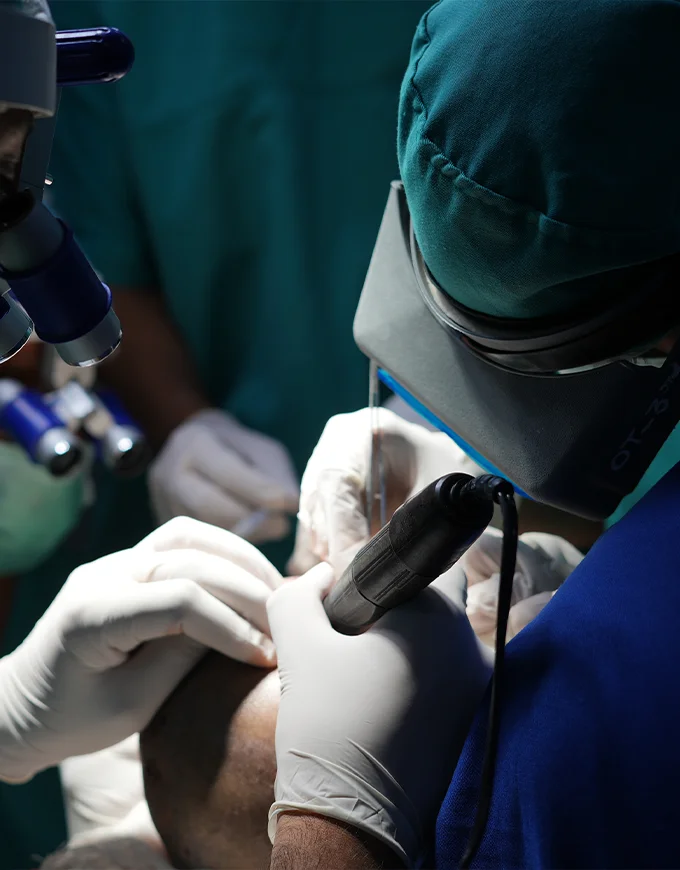
The safety is built into how we operate, not into a slogan. Our QHT technique extracts and implants follicles at the same time using a SAVA implanter pen, which keeps grafts out of the body for under two hours.

Shorter time outside the scalp is what protects graft survival, and ours runs above 95%. The surgery runs in a dedicated operating theatre held to NABH hygiene standards, with every graft handled under 10x magnification so the follicle is not crushed on the way in.

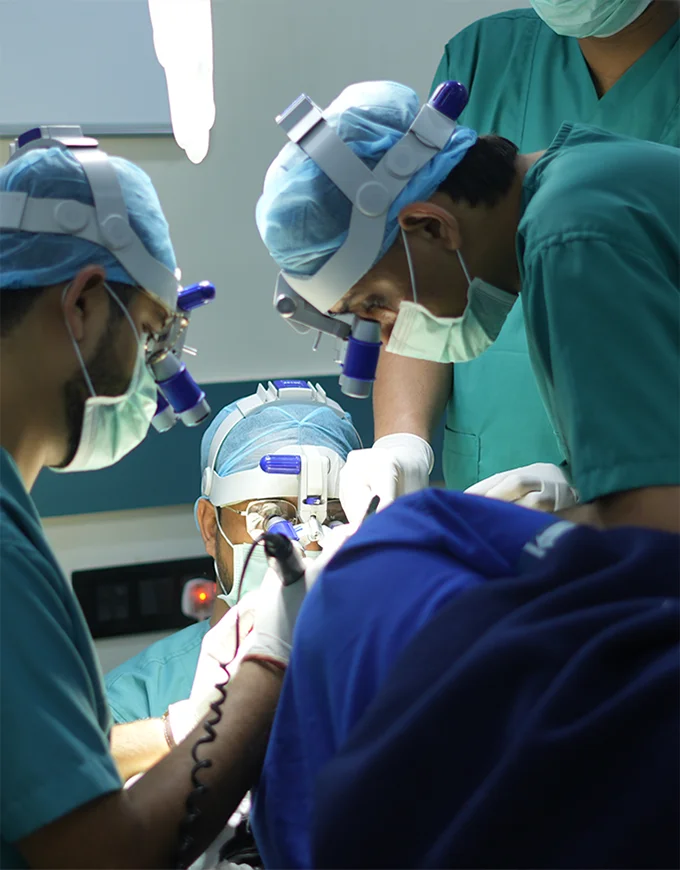
A surgeon leads the procedure, backed by a dermatologist and an anaesthetist. It is never handed to technicians working alone. Behind that sit 15,000+ results and a 4.8 Google rating across more than 3,000 verified reviews.

Then you go home to Jaipur, and the aftercare travels with you. For the first 12 months we run a structured remote follow-up. You send photos at set checkpoints, a WhatsApp line stays open for the worried 2am question, and if something looks wrong we move fast to get you seen near home.

Distance is a logistics problem. We would rather solve that than have you sit in an unvetted chair ten minutes from home.


What Are the Safety Standards for Hair Transplant in India?

What Are the Safety Standards for Hair Transplant in India?

What Are the Safety Standards for Hair Transplant in India?

Price is the first thing patients compare. It should be the last.

A hair transplant is minor surgery, and it carries every duty that surgery carries. QHT runs each case against the regulatory and hygiene guidelines that apply to a surgical procedure in India, because ignoring the rulebook is exactly how a good candidate ends up with a bad result.

Hold any clinic in Jaipur to the bar you would hold us to. The person operating should be a qualified surgeon, not a technician left to run the table on their own.

You want a proper, clean operating setup behind that door, not a converted side room. And the number you are quoted should be the number you pay, with nothing bolted on once you have committed.

One honest word on the marketing. You will see clinics advertise an “FDA approved hair transplant technique” in India. Read it slowly.

Regulators approve drugs and clear specific devices. A method like FUE or FUT is not a product that carries a stamp, so a clinic leaning hard on that phrase is selling you a feeling dressed up as a fact.

A clinic that follows the guidelines when no one is watching is the one you want holding the punch.

Rare Complications & How to Avoid Them

Rare Complications & How to Avoid Them

Rare Complications & How to Avoid Them

The serious problems are real. They are also uncommon, and they rarely arrive without a reason behind them.

Here is the honest list, with what drives each one and how it gets prevented:

  • Infection: The scalp is opened in hundreds of tiny points, so the risk lives in the room, not the surgery. A sterile operating setup and the right antibiotics shut this down before it starts.
  • Heavy or keloid scarring: With FUE the extraction points are pinpoint and fade, so visible scarring traces to a rushed hand or a patient prone to keloids. Screening for that history is the guard.
  • Poor graft survival: Grafts fail when they sit outside the body too long or get crushed on handling. Our window stays under two hours and placement happens under 10x magnification, which is why survival holds above 95%.
  • Lingering numbness: Losing some feeling for a few weeks is ordinary. It turning permanent is not, and that comes from working too deep in the donor area.
  • An over-harvested donor: Take too much and the back of the head thins for good. A surgeon who plans for your hair loss ten years out, not just today, leaves the donor intact.
  • Scalp necrosis: This is the rare one everyone fears, where tissue loses its blood supply. It shows up in aggressive, overloaded sessions, almost never in a conservative one.

In our follow-ups, the patients who hit trouble are rarely the ones who were honest at screening. We can only protect what we are told.

Rare is not the same as impossible. You lower the odds the boring way, by choosing the hands over the discount.

Pre-Op Medical Screening at QHT - What We Check

Pre-Op Medical Screening at QHT - What We Check

Pre-Op Medical Screening at QHT - What We Check

The screening is where most “failed transplants” are actually prevented, long before anyone picks up an instrument.

For a Jaipur patient, a lot of this happens on the first online call. We read your pattern and your donor area, and we decide whether you are even a surgical candidate or whether GFC or PRP is the smarter route. For FUT specifically, your Norwood grade matters: that technique suits more advanced loss, grades 4 through 7.

Before any date is set, we check the things that quietly decide whether a surgery goes well:

  • Blood work, including clotting, a diabetes marker (HbA1c), and viral markers. These catch the problems that do not show on your scalp.
  • Blood pressure, because an uncontrolled reading changes how the day is managed.
  • Your medications, with blood thinners the ones we care about most.
  • Smoking, which starves healing grafts of blood and has to be paused around the surgery.
  • Any history of keloids, since that skin scars differently and the plan adapts to it.
  • Donor density, measured properly, so we know you have the hair to spend before we promise anything.

Say no early and you save a patient a surgery they did not need. That call is the most useful thing we do all day.

Anaesthesia Used - Is It Safe?

Anaesthesia Used - Is It Safe?

Anaesthesia Used - Is It Safe?

Will it hurt. That is the question nobody says out loud, and it is the real one holding people back.

The surgery is done under local anaesthesia only. No general anaesthesia, no being put to sleep, which takes the heaviest risk any surgery carries off the table. You stay awake the whole way through.

What the day feels like surprises most patients. Once the first injections numb the scalp, you feel pressure and movement, not pain. People scroll their phone, take a call, eat lunch, even nod off. The numbness fades over a few hours after you head out.

An anaesthetist stays in the room for this, not a technician guessing at it. The dose is matched to your body. If a patient feels faint or notices a racing heart, which is uncommon, that is exactly the person trained to catch it and settle it on the spot.

The drug is routine. The person watching you while it works is what makes it safe.

Post-Op Safety: Infection Prevention & Wound Care

Post-Op Safety: Infection Prevention & Wound Care

Post-Op Safety: Infection Prevention & Wound Care

The surgery is the easy day. The next two weeks are where you either protect the result or undo it.

First 72 hours

Sleep propped up on your back so nothing presses the new grafts. Keep your hands off the area, no touching and no washing yet. Take the medication you are sent home with, on time.
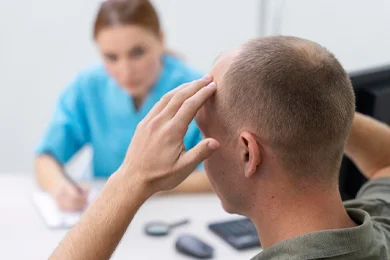
Day 4 to 14

Begin gentle washing the way your surgeon shows you, letting water run over the grafts instead of scrubbing. Scabs form and then flake away on their own by day 10 to 14. Leave them to it. The swelling from the first week settles here too.

This is also when shock loss can appear. Some transplanted hairs, and sometimes thinning hair nearby, shed in the weeks after surgery. It looks like the grafts failed. They did not. The follicle stays in place and pushes out new hair over the months that follow.

After 14 days

Ease back into the gym and your normal washing routine, and let daylight reach the scalp again. Keep strong, direct sun off it until everything has fully settled.

Signs that need a call, not a wait

Spreading redness, pus, a fever, or pain that climbs instead of fading are not part of normal healing. Call us. Do not try to wait it out.

For Jaipur patients this stretch happens 270 kilometres from the clinic, so the photo check-ins and open WhatsApp line do the watching from here.
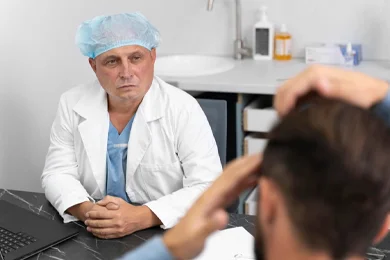
Protect the first two weeks and the next twelve months take care of themselves.
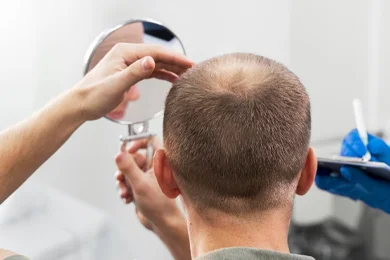
Red Flags: How to Spot an Unsafe Clinic in Jaipur

Red Flags: How to Spot an Unsafe Clinic in Jaipur

Red Flags: How to Spot an Unsafe Clinic in Jaipur

You will not judge a clinic by its surgery. You will judge it by everything around the surgery, because that is all you can see before you commit.

Here is what should make you stand up and leave:

  • A technician doing the procedure while the “doctor” is a name on the wall. A surgeon should be in the room and accountable for the result.
  • No named, qualified surgeon you can actually look up.
  • A per-graft price far below everyone else. Cheap grafts mean a rushed clinic making it up on volume.
  • A quote that grows after you have said yes. Honest pricing is stated in full, up front, with nothing added later.
  • Pressure to pay and book the same day.
  • Before-and-after photos that are clearly not that clinic’s own patients.
  • No written consent form, no pre-op blood tests, no proper operating theatre. Each one is a corner cut on your safety.

The same checklist is how you should judge us. A clinic confident in its hands invites that scrutiny. Run from the ones that flinch at it.

Hair Transplant Cost in India

7

Factors that Affect the Final Cost

  • The total number of grafts needed
  • The technique chosen
  • Any add-on therapies like PRP or GFC
  • Post-procedure care needs
Type of hair transplant Approximate Cost (INR)
Follicular Unit Extraction Starts from ₹ 70 Per Graft
Quick Hair Transplant Starts from ₹ 100 per graft
Follicular Unit Transplantation Starts from ₹ 50 Per Graft
Factors Affecting the Cost

Some factors that may affect the number of grafts required include:

  • Number of Grafts
    Number of Grafts

    More grafts needed means a higher total cost.

  • Surgeon and Team
    Surgeon and Team

    Skilled, doctor-led care affects the final price.

  • Technique Chosen
    Technique Chosen

    FUT, FUE, and QHT each have a different per-graft rate.

  • Aftercare and Follow Up
    Aftercare and Follow Up

    Post-surgery support and reviews add to the value.

A surgeon does the surgery

Never a technician, every case.

A surgeon does the surgery
Grafts beat the clock

Reimplanted in under 2 hours.

Grafts beat the clock
Closer than you think

Delhi or Gurugram, travel once.

Closer than you think
We’ll say no when needed

Medicine first, surgery only if required.

We’ll say no when needed

Frequently Asked Questions

Global bodies such as the World Health Organization encourage an evidence-based approach to medicine and following ethical guidelines when discussing the options available to patients for surgical procedures.

01
Is there a QHT hair transplant clinic in Jaipur?

No. QHT does not run a branch in Jaipur. Jaipur patients start with a free online consultation, and if surgery is right, the procedure happens at the nearest branch in Delhi (Rohini) or Gurugram (Sector 46).

02
How do Jaipur patients get treated if the clinic is in Delhi or Gurugram?

You settle everything online first. A surgeon assesses your scalp over video, you pick the branch that suits your travel, and you make a single trip for the surgery. The 12-month follow-up then runs remotely through photo checkpoints and an open WhatsApp line.

03
Does a hair transplant hurt?

During surgery, no. It is done under local anaesthesia, so you feel pressure, not pain, and stay awake throughout. Afterwards the scalp is tender for a few days as it heals.

04
Can a hair transplant fail, and what causes it?

It can, though it is uncommon. Failure almost always traces to poor execution or an unregulated clinic: grafts mishandled, a donor over-harvested, hygiene cut short. A proper surgeon and a clean setup remove most of that risk before the first graft is taken.

05
Do I need surgery, or will medication regrow my hair?

That is the first thing the consultation decides. Not everyone needs surgery. For some patients a non-surgical route like GFC or PRP is the smarter call, and a good surgeon will tell you so rather than sell you a procedure.

06
How long is recovery before I travel back to Jaipur?

Patients are through the visible stage and back to routine inside 7 to 10 days.

Consult Our Certified Surgeons for a Safe Transplant

The worst version of this decision is the rushed one, made from a Jaipur waiting room because a salesperson was good at their job.

There is a smaller first step. Book a free online consultation and let a QHT surgeon tell you where you actually stand: whether you are a surgical candidate, or whether medicine alone gets you there, before anyone books travel to Delhi or Gurugram. No deposit, no pressure, no chair.

You came here asking one question. Get it answered by someone who will say no when no is the right answer.

Book your free online consultation