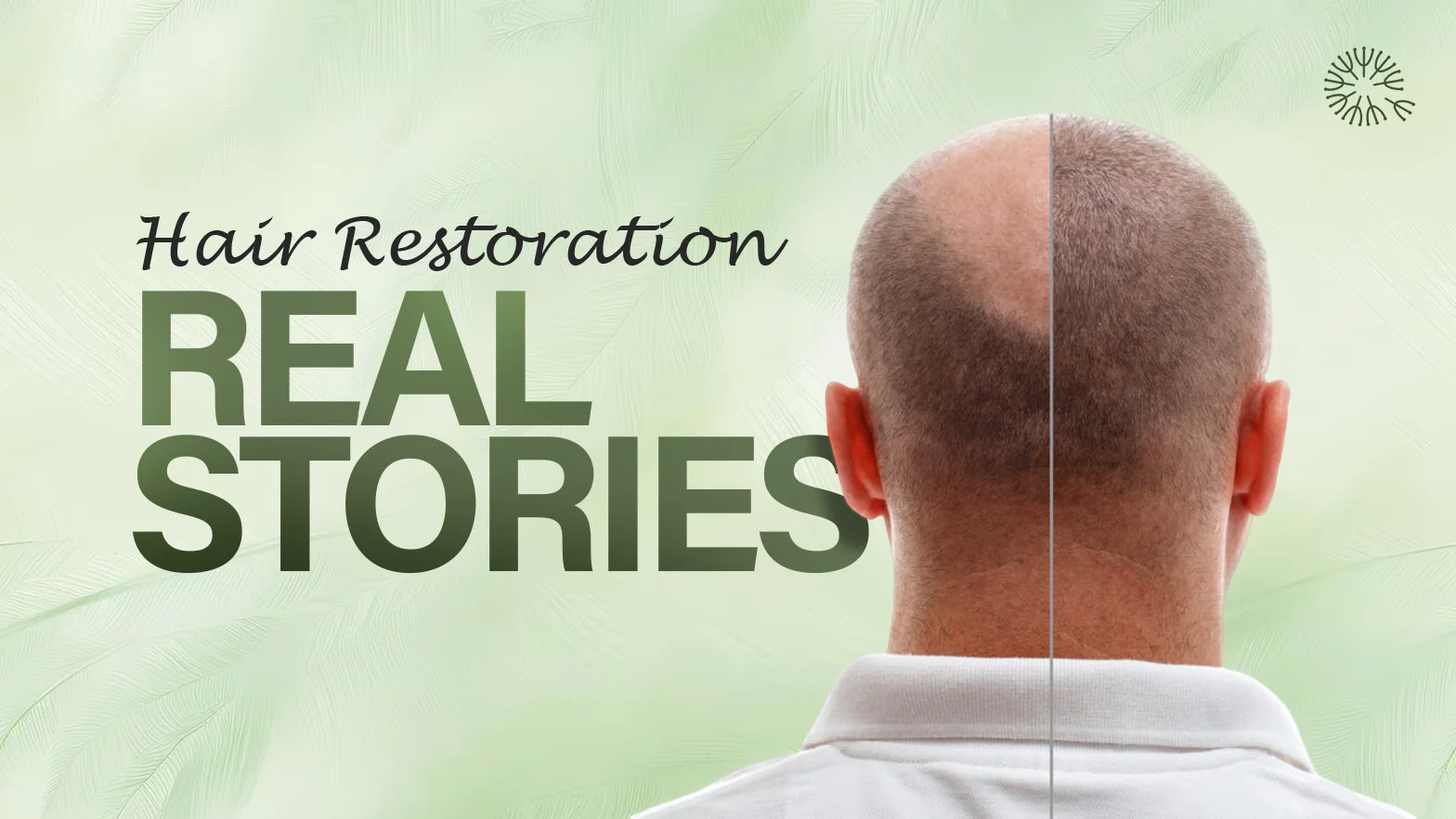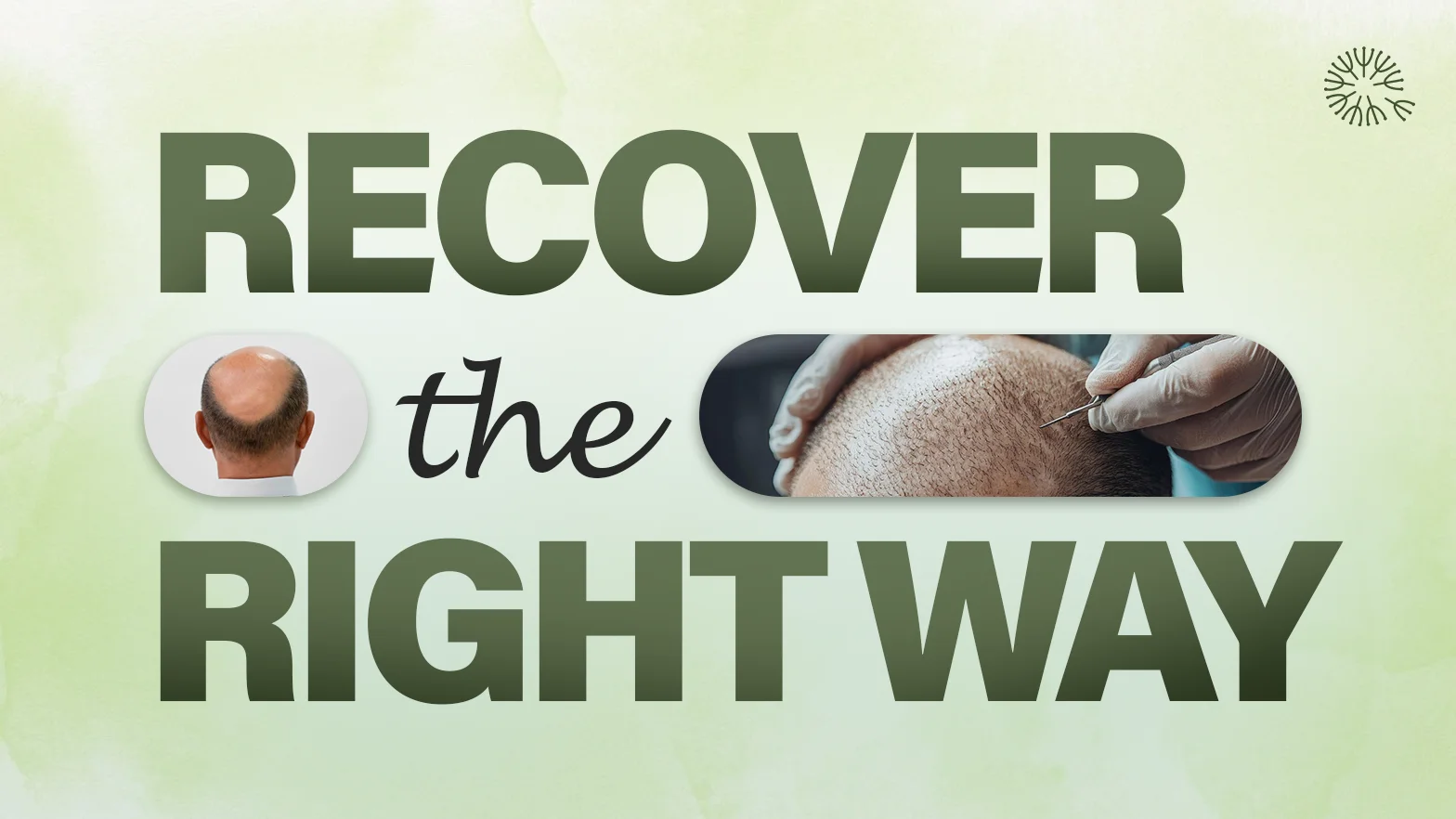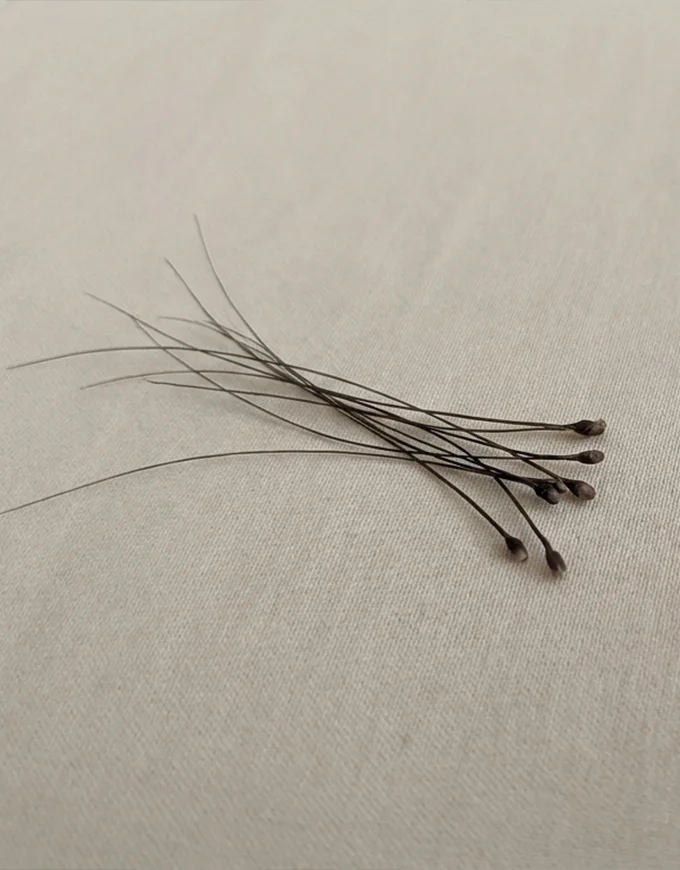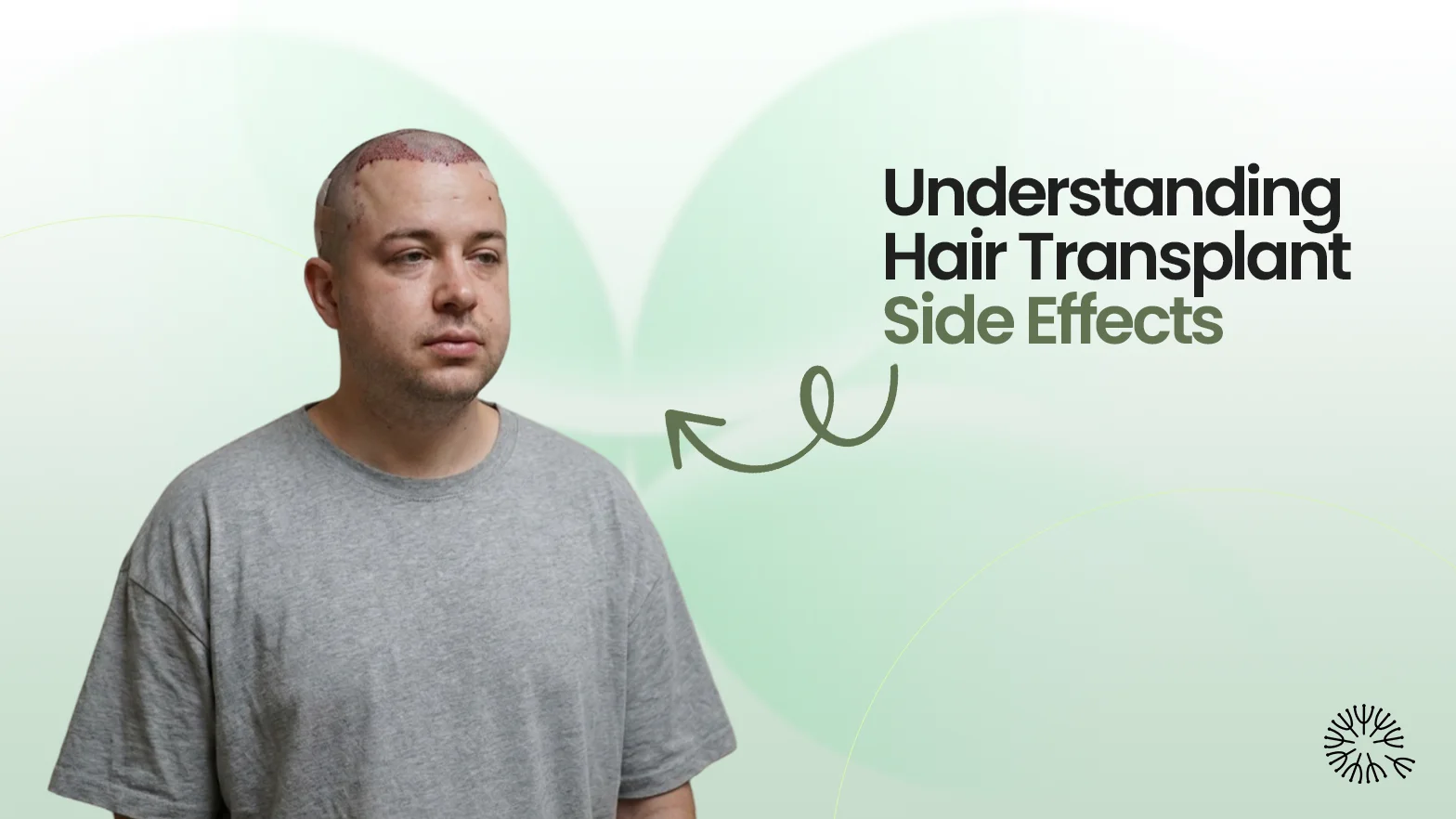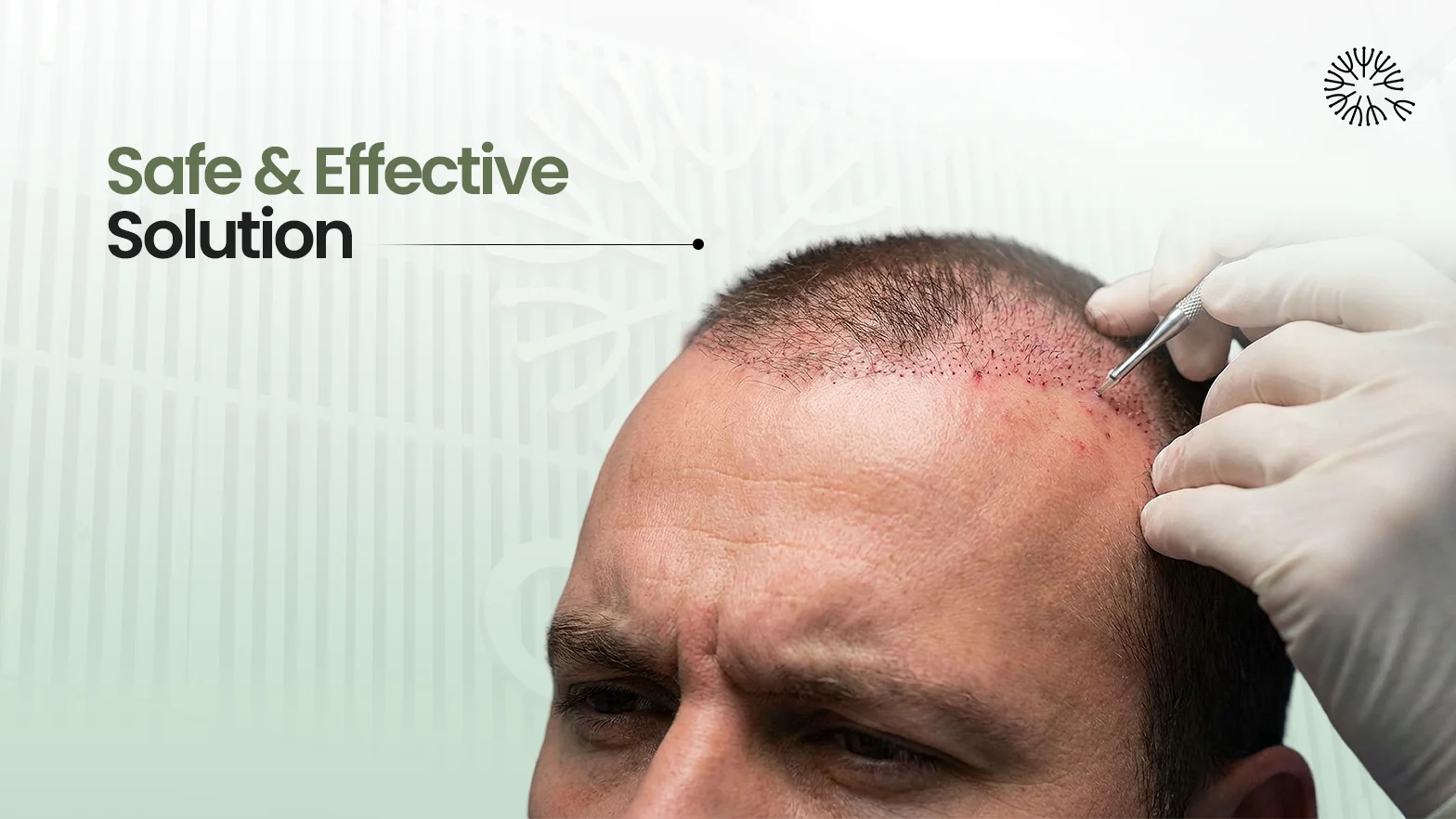




When You Should Not Consider Hair Transplant
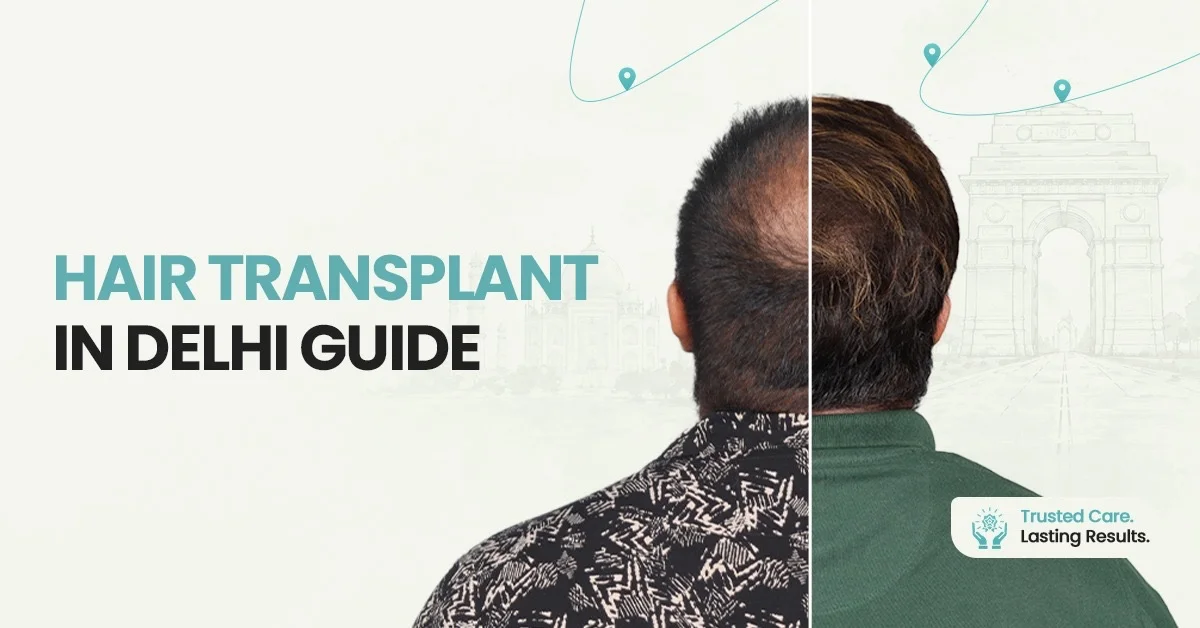
Hair Transplant in Delhi: When You Should Not Consider the Procedure?
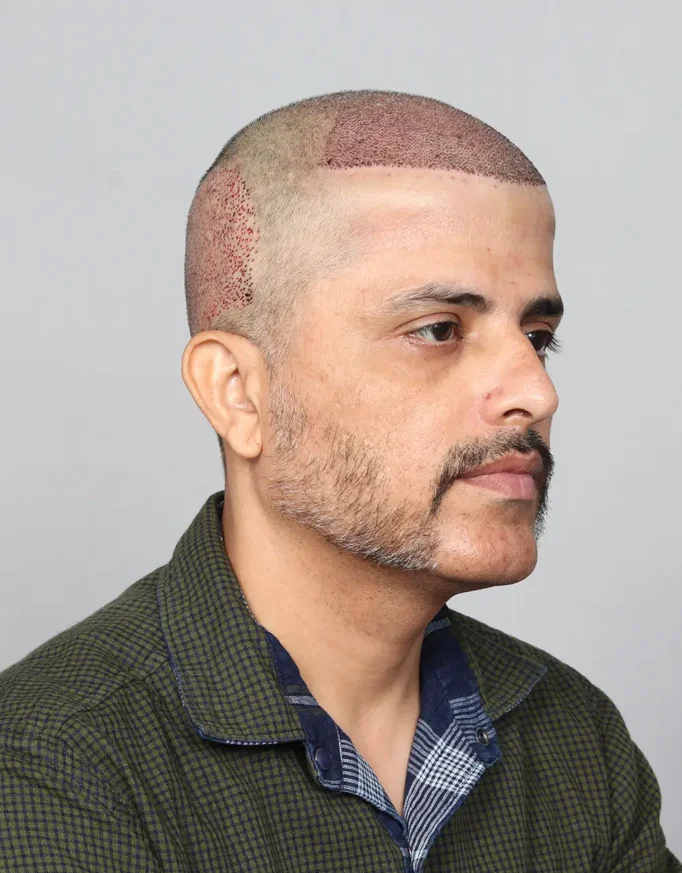
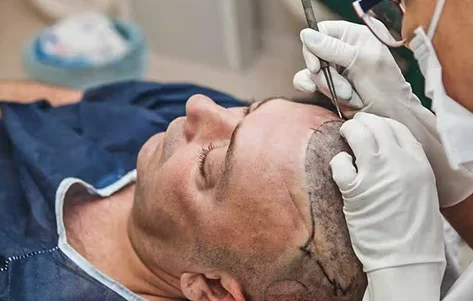
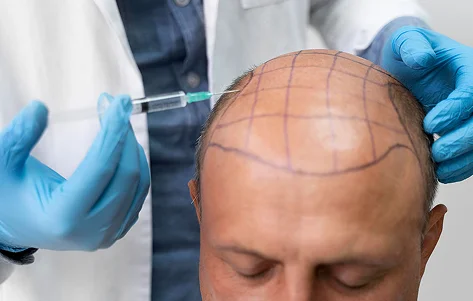
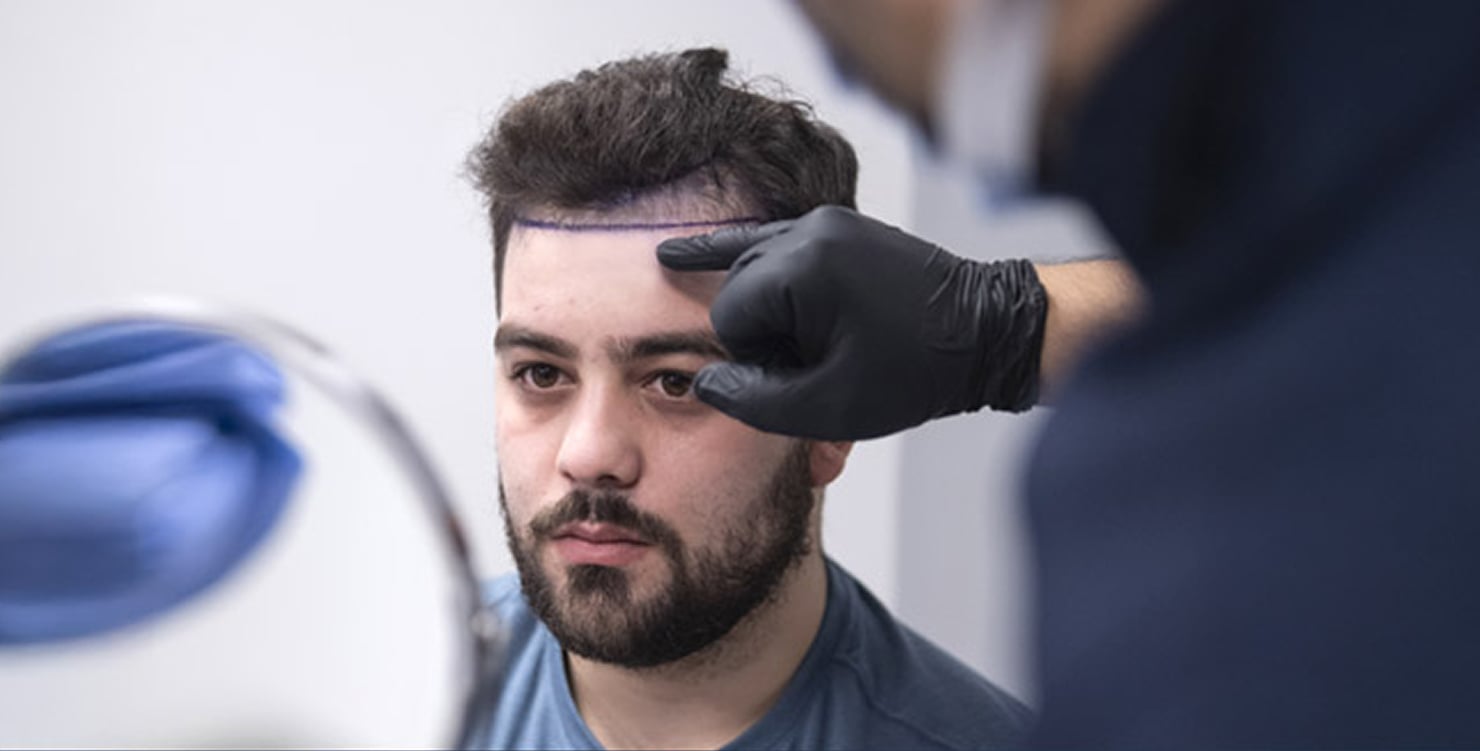
People experiencing hair loss may think of hair transplant as their only solution. While hair transplant is an effective treatment, it may not be for everyone. Yes, you read that right. Unfortunately, not everyone with hair loss will be a good candidate to receive a hair restoration surgery as a solution. In fact, going through a hair transplant procedure for the wrong reasons or at the incorrect time may cause permanent damage. This is why it is important to ensure you are an ideal candidate for a hair transplant procedure before undergoing one.
At QHT Clinic, we often come across patients who want surgical options right away. However, we closely look at their condition to understand if they are an ideal candidate for a hair transplant. There are cases where we have recommended our patients to go for medical stabilisation, a lifestyle change or continued monitoring. As a credible hair transplant clinic in Delhi we always ensure to think about our patients’ well-being first.
In this blog we will be learning about when it is appropriate to pursue a hair transplant, the reasons for considering this option and how to care for the scalp for optimal health. It is equally important to understand the limitations of surgical treatment as it is important to understand the treatment options available.
Quick Answer Box
✔ Don’t consider a hair transplant if:
- You have unstable hair loss
- You do not have enough donor hair
- You have untreated medical conditions
- Your expectations are unrealistic
✔ Important things to remember:
- You need to stop your active hair loss before considering surgery
- Surgery does not replace medical management
Table of Contents
- Reasons For Not Proceeding Into A Hair Transplant
- Active Hair Loss: Reason For Delaying Surgery
- Lack of Donor Area
- Health complications needing careful examination
- Selecting The Best Hair Transplantation Clinic In India
- How to Stop Hair Fall Based on the Root Cause
- Misconceptions Regarding Hair Fall Treatment
- Frequently Asked Questions
Is Hair Transplant for Everyone?
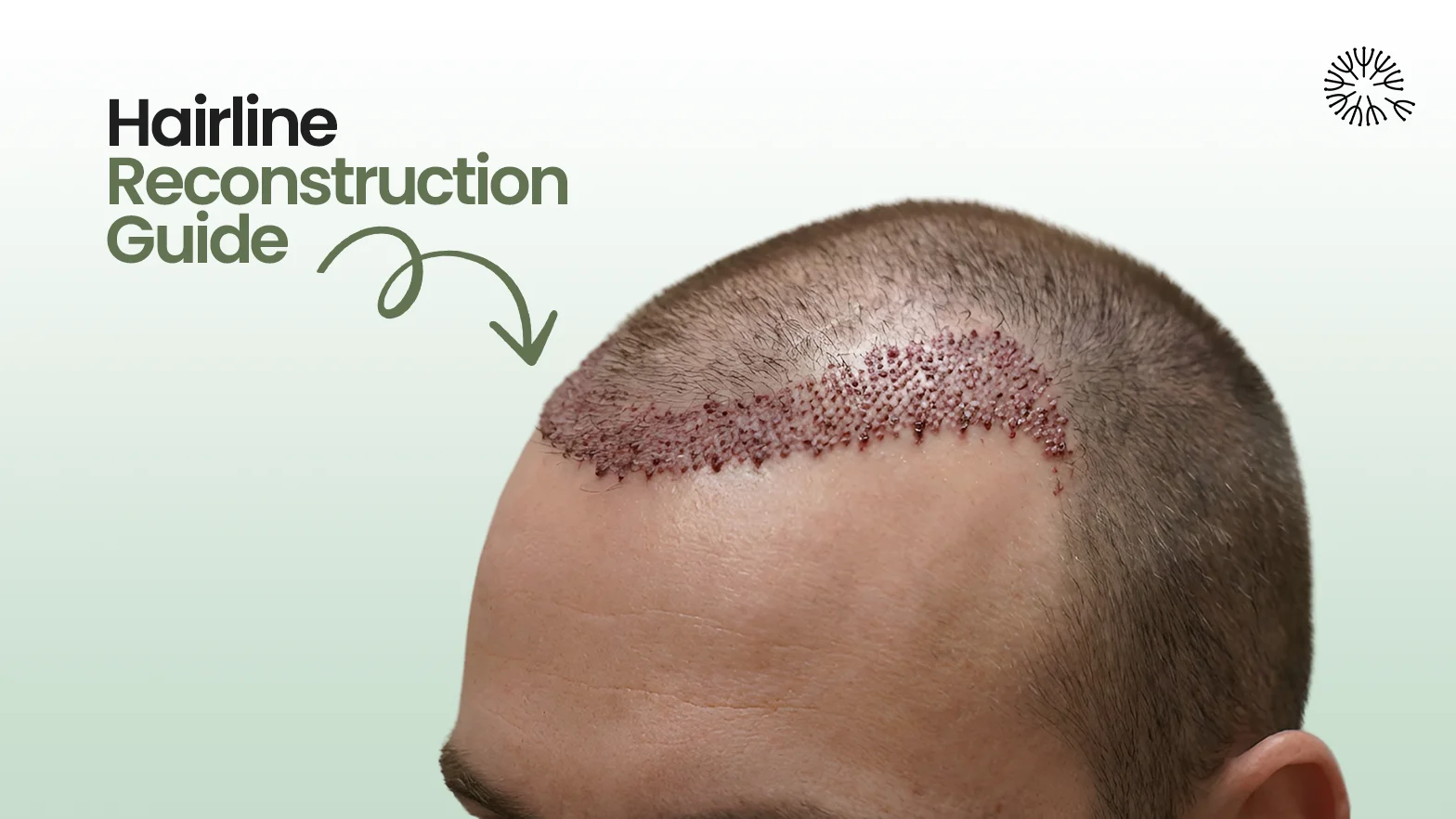
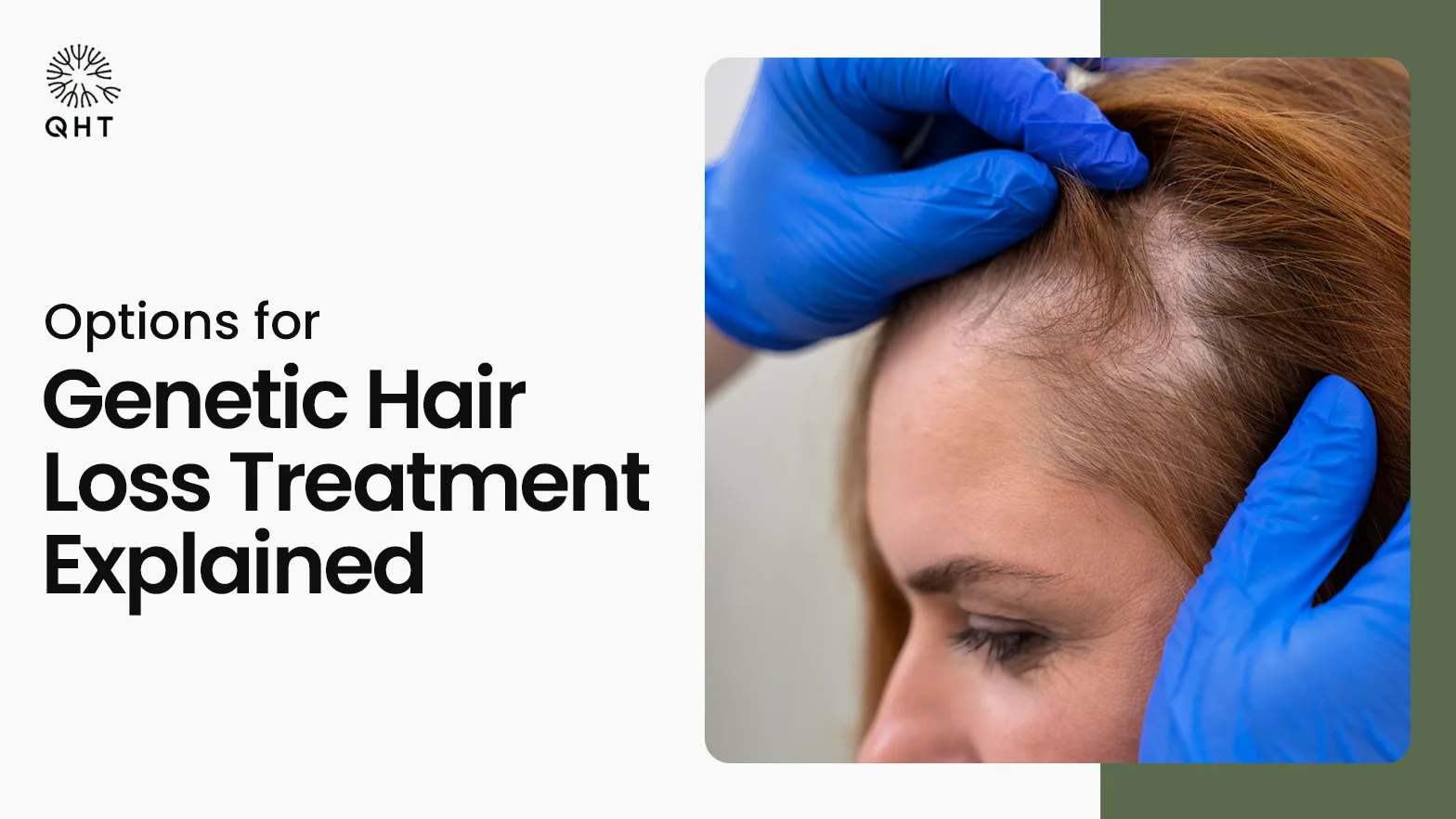
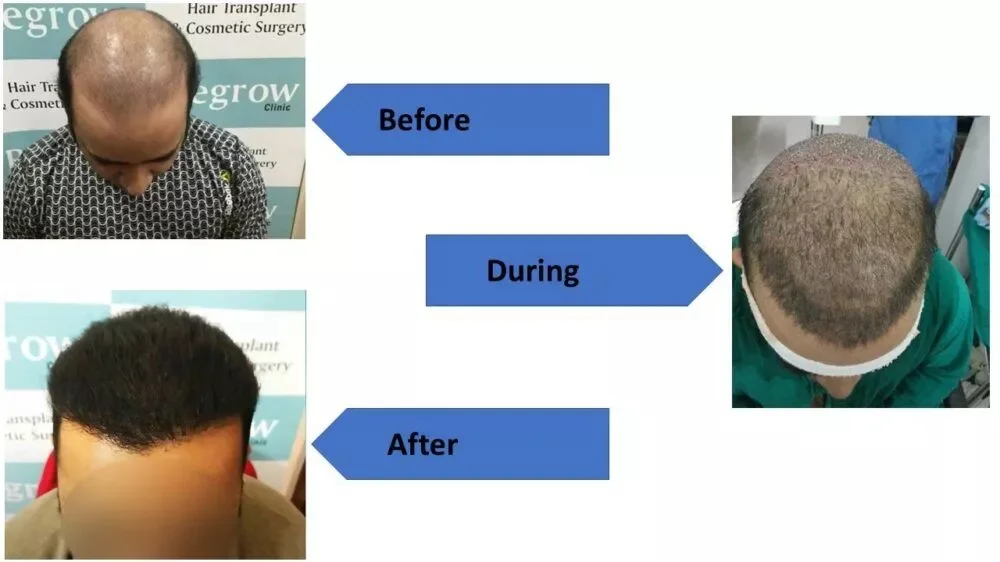
While hair transplants are used to surgically move existing hair from one part to another, they are not effective in stopping hair loss. Many patients believe that hair transplants can solve their continuing hair loss problem, but – this is not the case always.
Undergoing hair transplants without treating the underlying cause of hair loss will usually result in less dense and more patchy results. There may be different causes of hair loss, and each cause requires a different medical treatment. Hair transplants can only be a part of the treatment for hair loss.
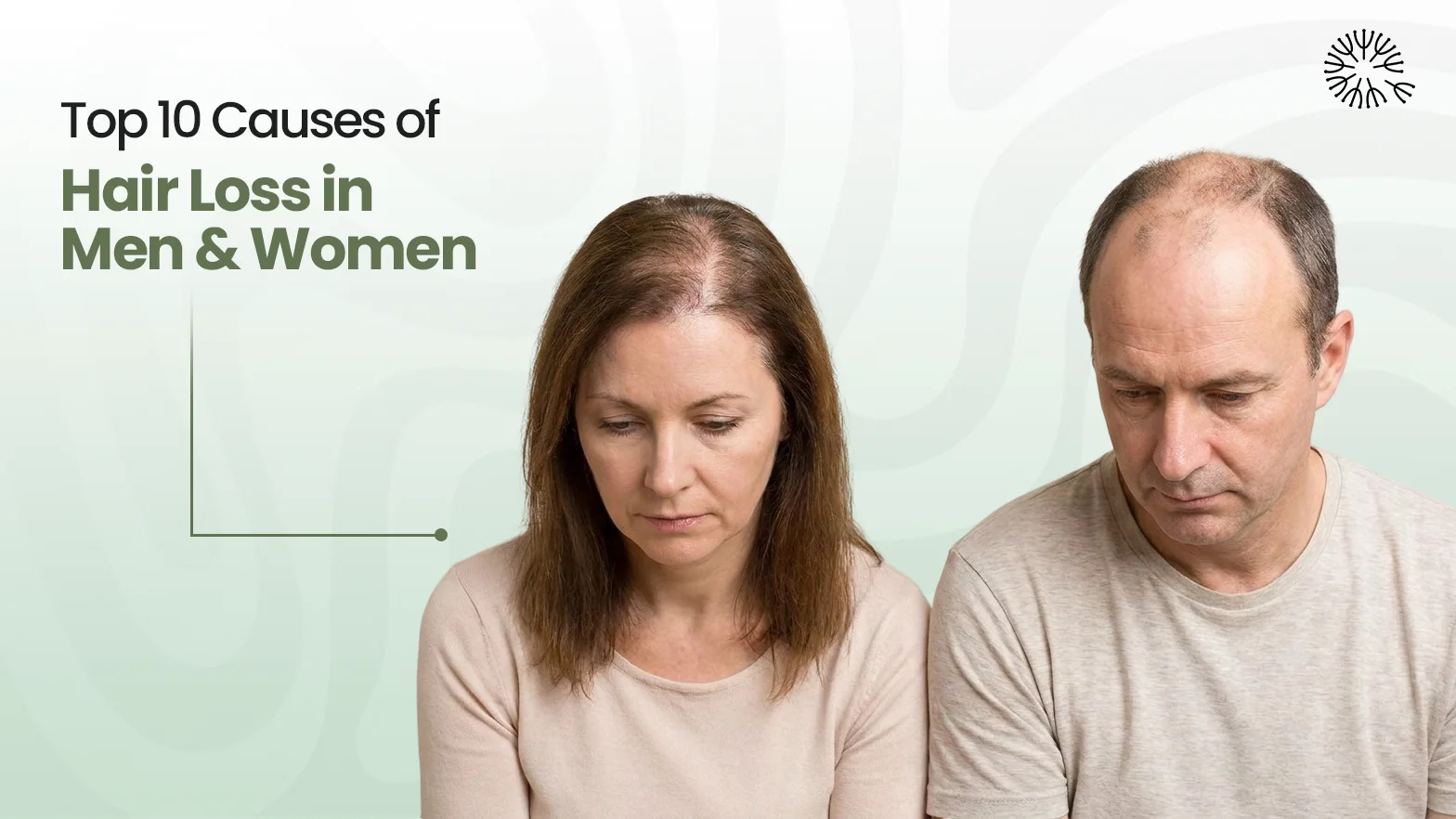
Hair loss can be due to:
- Genetics
- Hormonal Imbalances
- Inadequate nutritional intake
- Stress-related
- Scalp-condition related
Each of these conditions can be treated in different ways using a combination of nutritional therapy, stress reduction therapy, medications and hair transplants.
Reasons For Not Proceeding Into A Hair Transplant
A hair transplant is a medical procedure, which is complex in nature and requires detailed evaluation. It is not an ideal treatment option for every patient. There may be several factors as to why a hair transplant may not be suitable for a patient and knowing about them is important in order to make an informed decision.
Active Hair Loss: Reason For Delaying Surgery
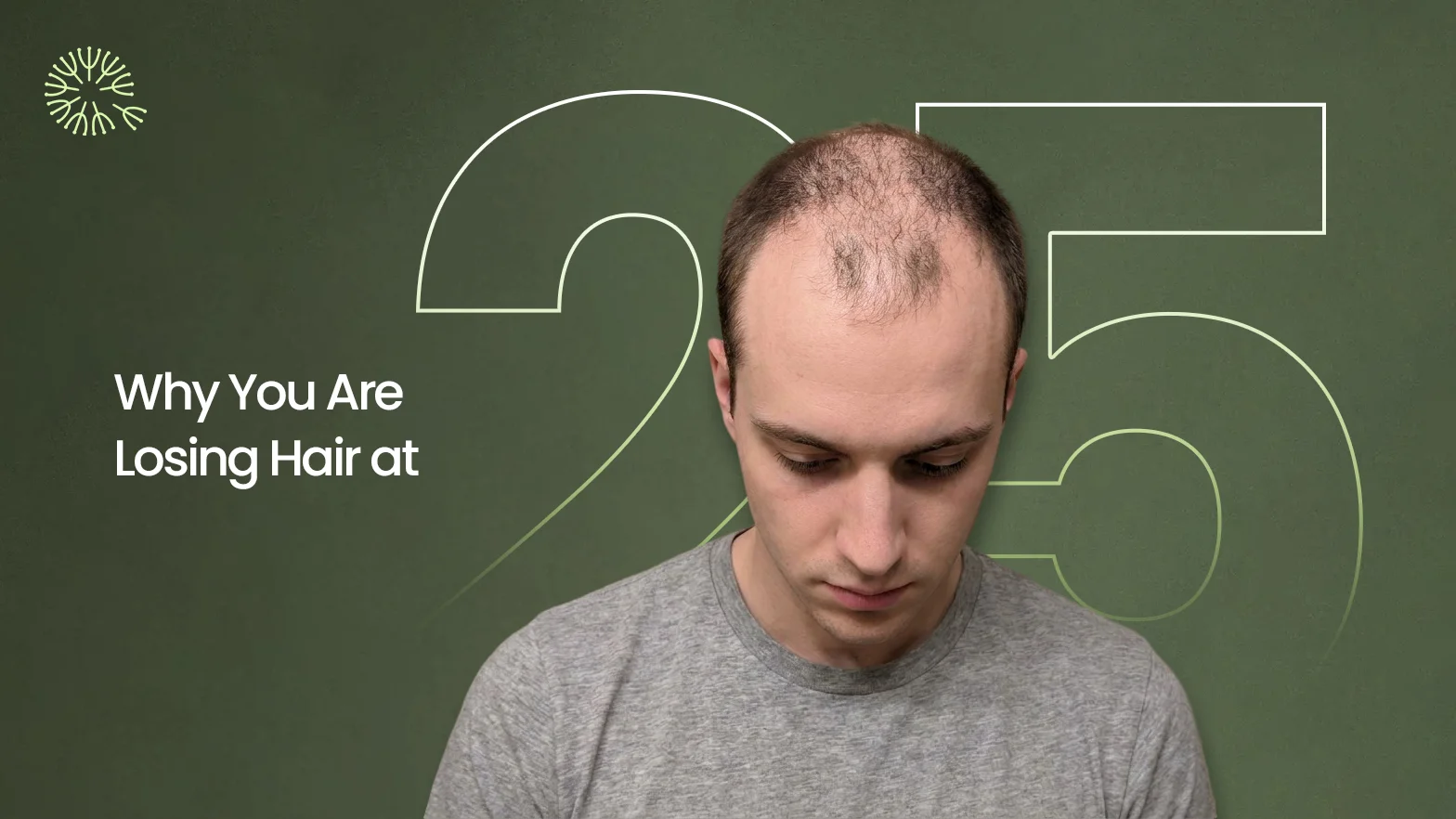
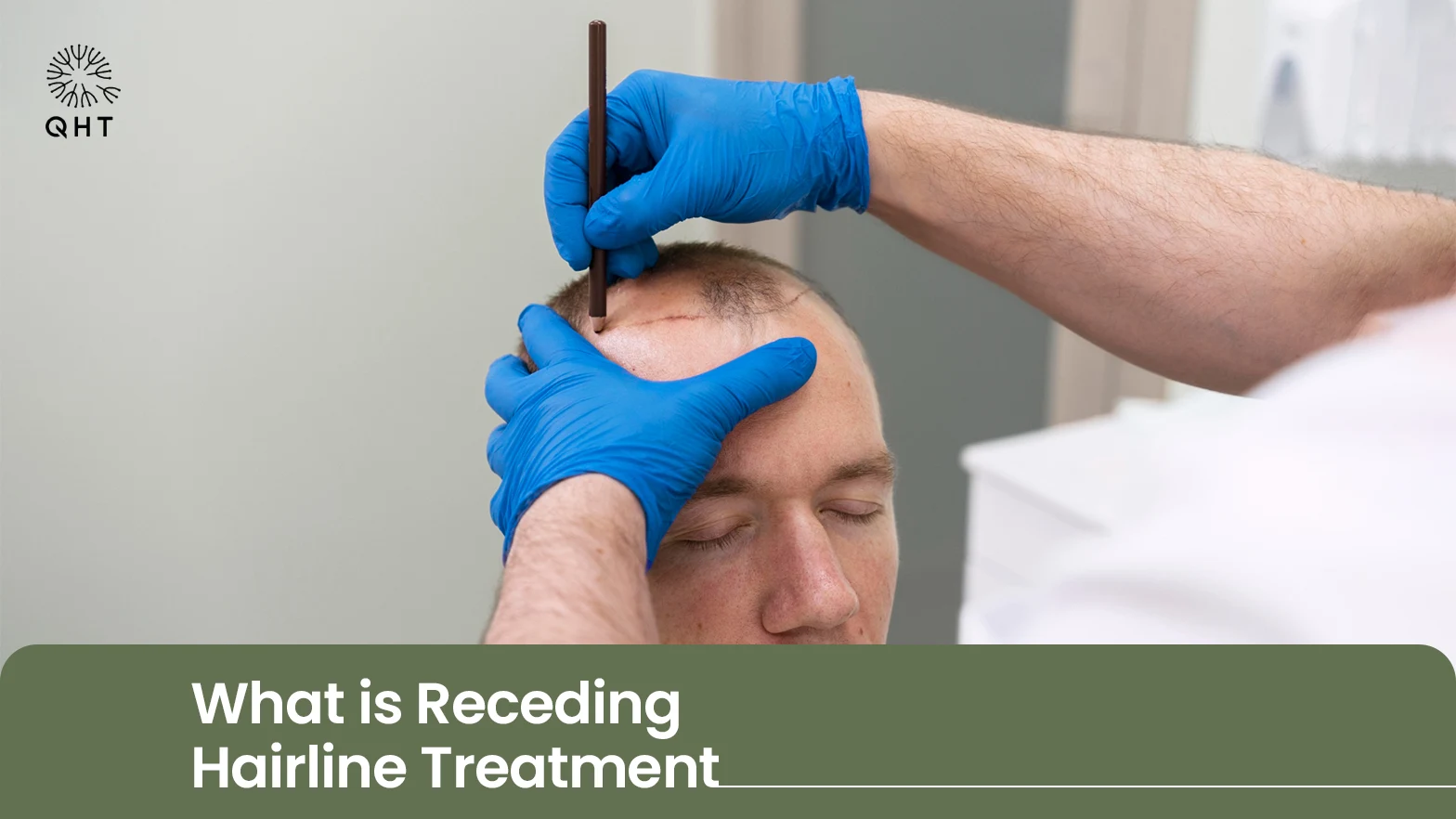
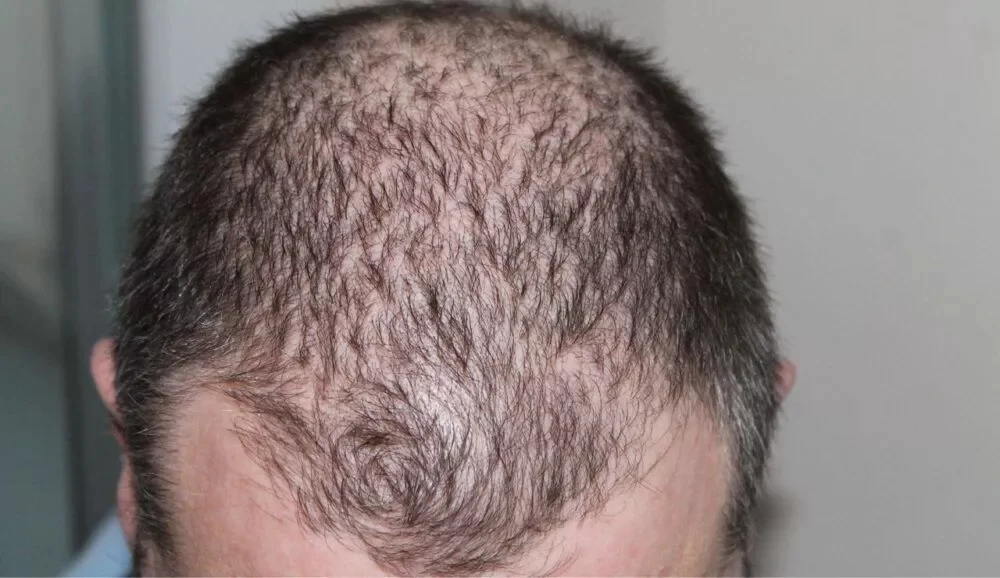
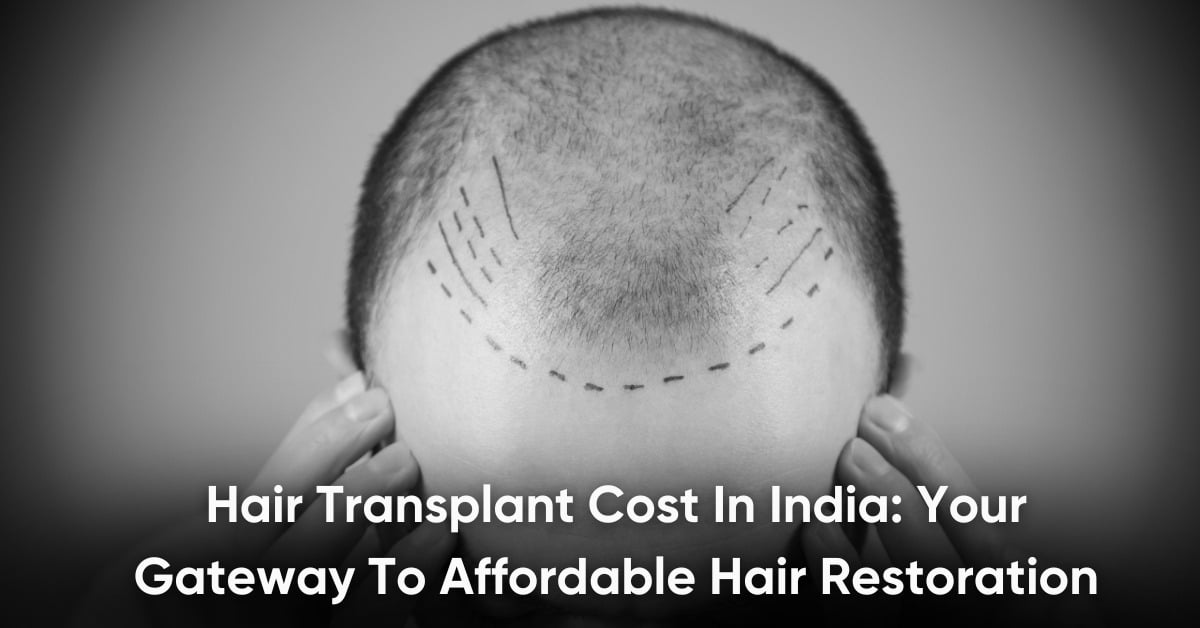
Patients are not typically good candidates for hair transplants if they experience hair loss which is currently ongoing or uncontrolled.
Problems associated with active hair loss are:
- Transplanted hair will survive, but the native hair might continue falling resulting in overall hair thinning.
- Results can look uneven within a few months of the procedure
- Patients may have to undergo several procedures in future
As a reputed Hair transplant clinic in Delhi, we first diagnose the underlying cause of hair loss. For the next step, we evaluate the patient’s progression continuously until the hair loss has been stabilised prior to developing a surgical plan for any hair replacement.
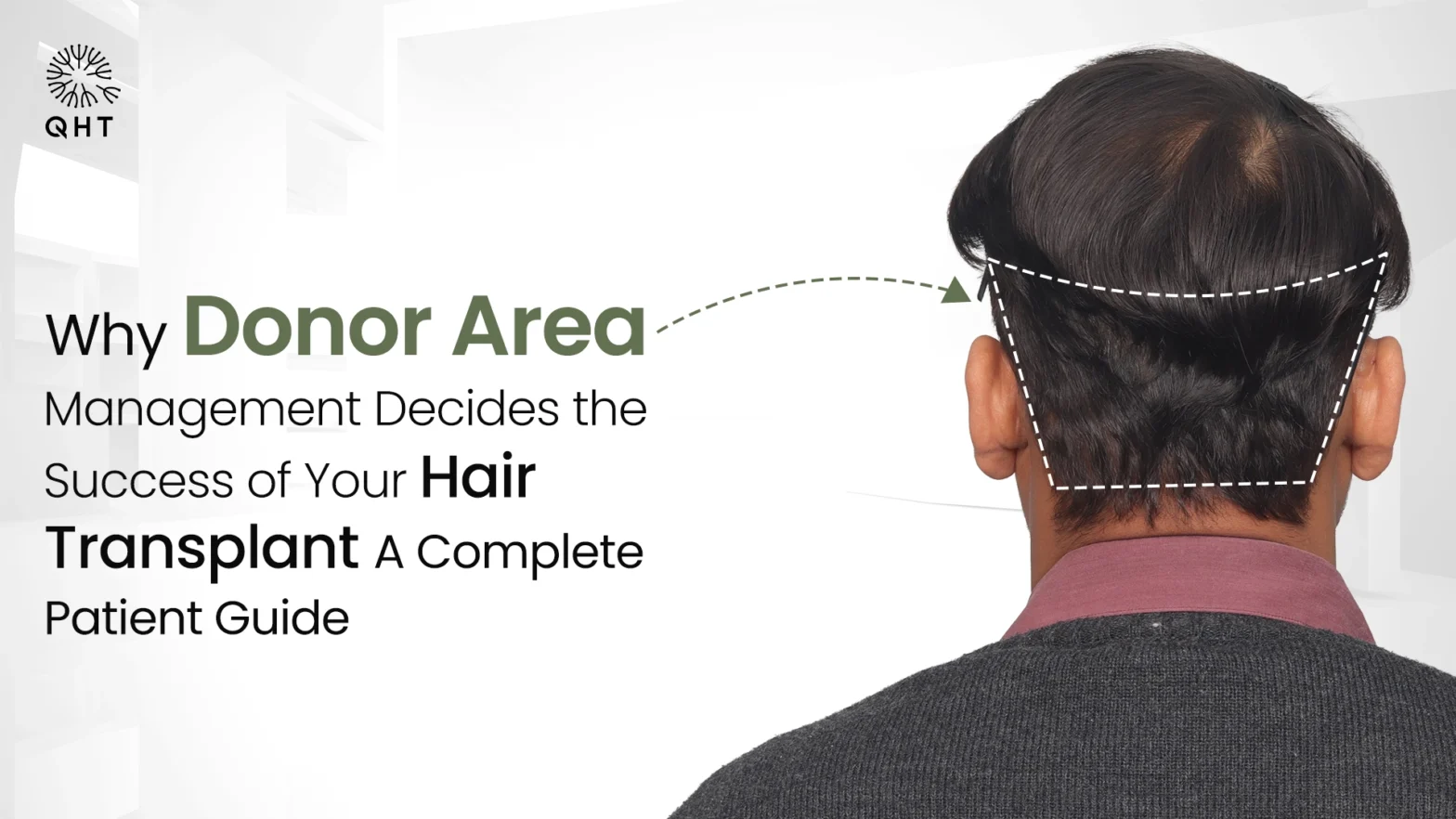
Lack Of Donor Area
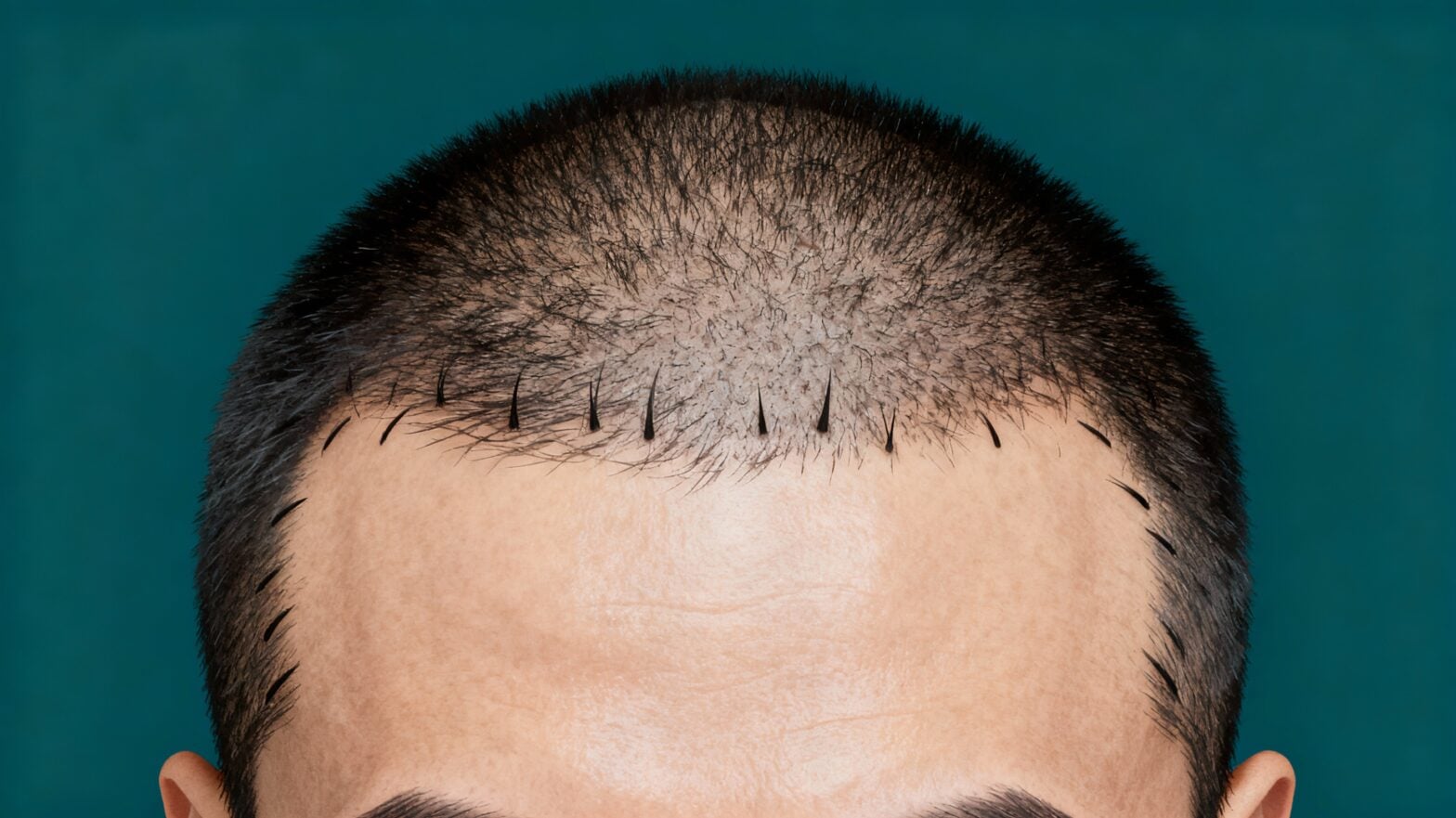
People often don’t have enough healthy donor hair for hair transplants. There are many reasons for a lack of adequate donor hair such as:
- Advanced baldness
- General thinning across the entire scalp
- Past overharvesting
- Poor quality of the existing hair shaft
Health complications
Certain medical conditions can result in unsafe or ineffective results from hair transplant surgery. The following medical conditions must be stable before a hair transplantation:
- Thyroid disorders
- Severe deficiencies of vitamins or minerals
- Scalp inflammation resulting from autoimmune diseases
- Uncontrolled diabetes
- Skin infections that have been chronic in nature
If the above conditions are not resolved prior to performing a hair restoration procedure, you are at an increased risk for:
- Poor graft survival rates
- Delayed healing
- Infections
Unrealistic Expectations
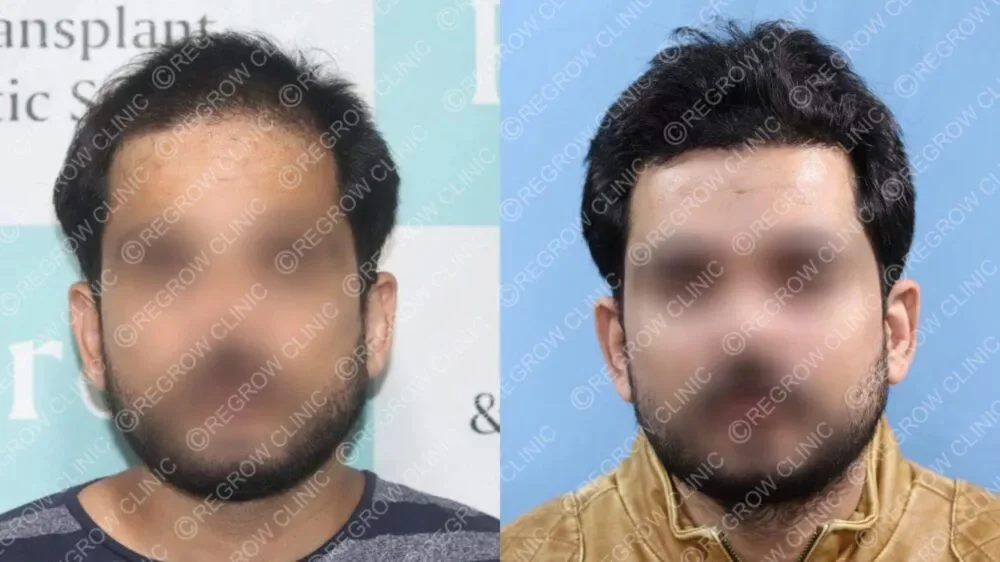
A hair transplant cannot restore lost density or guarantee perfect results as it uses the existing donor follicles that are available to redistribute lost density. Some patients experiencing baldness for a long time may expect full coverage and will find that they are disappointed after the procedure. Setting realistic expectations will help patients in the long run.
Selecting The Best Hair Transplantation Clinic In India
For a successful hair restoration in India, technology and location alone do not define the result, but patient selection does.
Patient selection is extremely important in choosing a quality clinic in Delhi NCR region which will allow them access to quality surgeons and the latest technological advancements. However, the most crucial factor is to know when to decline having a surgery.
Appropriate patient selection ensures:
- A natural hairline design
- Sustainable density of hair
- Preservation of donor area
How to Stop Hair Fall Based on the Root Cause?
A comprehensive approach to treating hair loss includes balancing hormonal levels, protecting the hair follicles and changing lifestyle habits.
- Hormonal imbalance: Consult a doctor to get with hormonal imbalances in the body with proper medical care before planning for a hair transplant.
- Nutrition: Eating enough protein, iron, zinc, vitamin D and B vitamins help supply essential nutrients for healthy hair growth and development.
- Scalp health: There are numerous treatments available for reducing inflammation, regenerating the tissue and increasing microcirculation.
- Lifestyle and Stress Management: Changing irregular sleep patterns, avoiding smoking, drinking, exercising regularly and drinking enough water can help stabilise short-term hair loss.
If hair loss is not stabilised after adhering to above factors, then patients may be recommended for undergoing a hair transplant.
Misconceptions Regarding Hair Fall Treatment
Misconceptions regarding hair treatments are common. Many times, these misconceptions may build false hopes among patients. Knowing the difference between these misconceptions and reality helps patients in setting realistic expectations and enjoying long-term results.
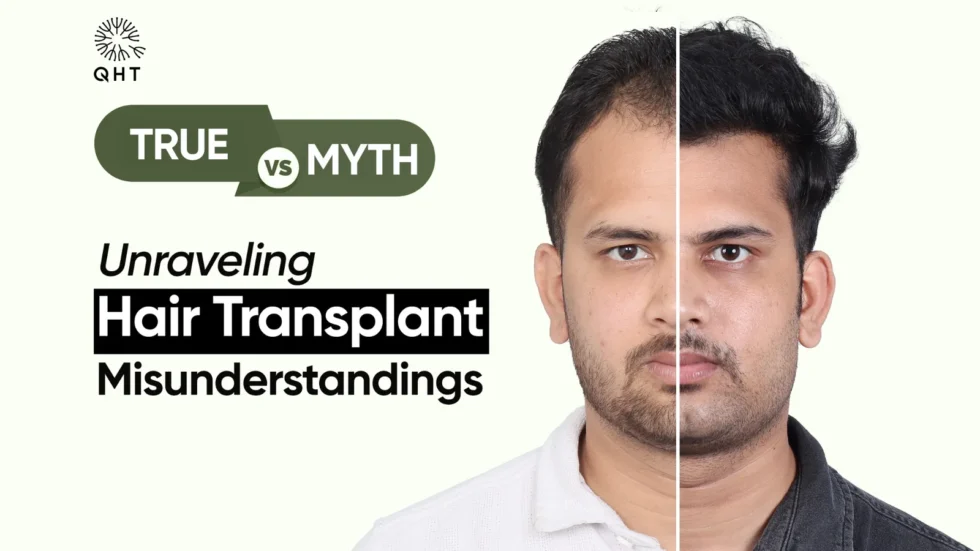
Myth 1: Transplantation will completely cure my baldness.
Truth: A hair transplant replaces existing hair from donor hair to thinning area. It does not cure hair loss.
Myth 2: Doing a hair transplant early in life will result in best outcomes
Truth: Early hair transplant without proper planning and scalp evaluation can lead to unnatural hair growth patterns in future.
Myth 3: Anyone can be a suitable candidate for a hair transplant
Truth: Many candidates often require a medicinal treatment rather than a surgery for restoring hair. Not everybody is a suitable candidate for a hair transplant surgery.
Frequently Asked Questions
- Can a hair transplant fail, if it is performed while still experiencing hair loss?
Yes, if your balding is not stable, hair density will vary and you will most likely need to have additional surgery to correct any problems caused by previous surgery.
- Can I have a hair transplant if I am currently being treated for an illness or other medical problems?
You can have a hair transplant after you are medically stable and have been cleared for surgery by a physician.
- Are there any alternatives to hair transplant surgery?
Yes, there are many methods besides surgery that can successfully treat hair loss through disease management and lifestyle changes.
- What is the right age for a hair transplant?
There is no universally right age for undergoing a hair transplant. Patients are considered an appropriate candidate when they have donor hair availability and good health overall. However, undergoing hair transplants at a very young age is also not recommended.
- Will it hurt after a hair transplant?
In most of the cases patients do not feel pain after undergoing the procedure. However, in some cases people might experience mild numbness, itchiness, swelling which will subside in a few days.
- When can I resume my work after a hair transplant?
Resuming work varies from patients to patients. Often patients return to their desk job after a week of hair transplant, however engaging in physical activity should be avoided for at least 2 to 3 weeks after surgery.
Book a Consultation Today
Latest Videos
-

Rajpal Yadav | Bollywood Actor Hair Transplant Journey at QHT Regrow Clinic Haridwar
Click to Watch
-

FUE Hair Transplant Results | DAYA's FUE Hair Transplant Results
Click to Watch
-

Best Hair Transplant Result 2021 || NW Grade VI A || 3,422 Grafts
Click to Watch
-
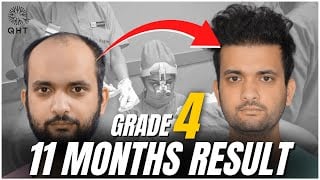
Best Hair Transplant Result 2022 | Grade 4
Click to Watch
-
YouTuber Mehtab Saifi Hair Transplant
Click to Watch
-

ACP Pradyuman Hair Transplant - Actor's Hair Transplant
Click to Watch