



What are the Effective Hair Loss Treatments for Genetic Baldness?
Genetic Hair Loss Treatment
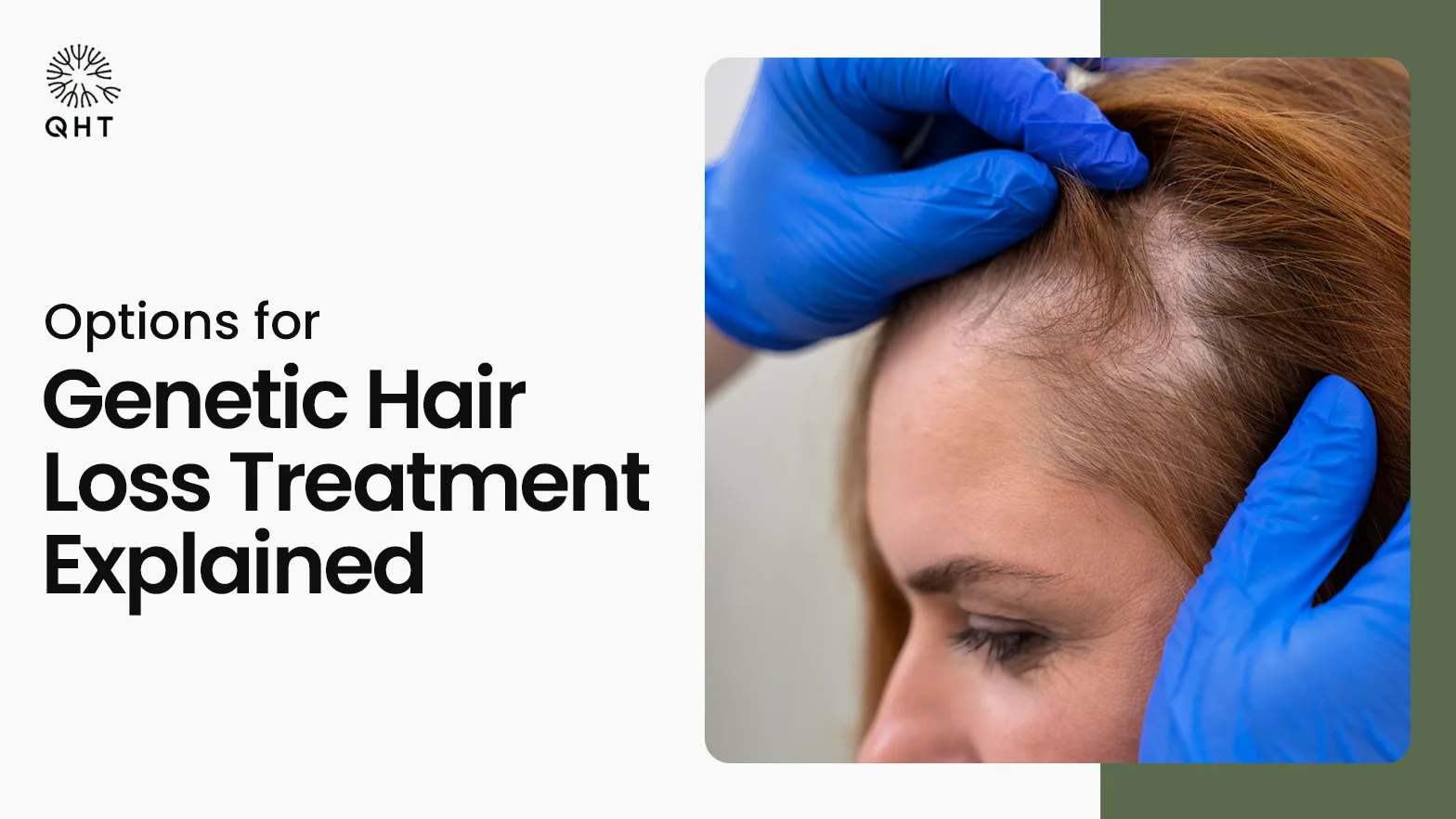
Genetic baldness is often the cause of gradual thinning of hair at the temple, hairline, or crown area. If you have family members who have experienced or are currently experiencing this type of hair loss, it is natural to be worried.
Genetic hair loss treatment is not a quick fix. It is a structured plan that requires a proper diagnosis and medically guided treatment. At the QHT Clinic, our experts first evaluate the underlying hair loss problem and then create an appropriate plan, which will help slow down, stabilise and deal with the hair loss problem.
In this blog, we will learn about genetic hair loss, including its causes and the best possible methods of dealing with it today. Understanding what genetic hair loss is gives us a better chance to control the progression of the condition and make the right treatment decisions for long-term hair health.
Quick Answer Box
- Most forms of long-term baldness are due to genetic hair loss, known as androgenetic alopecia.
- Some of the popular treatment options for genetic hair loss include minoxidil, finasteride, PRP, low-level laser therapy, and hair-transplant surgery.
- Early intervention can prevent the progression of hair loss to severe levels.
- A holistic treatment plan for androgenetic alopecia combines medication, lifestyle habits, and follow-ups with attending doctor.
Table of Contents
- What is genetic baldness?
- What are the common signs of hereditary baldness?
- What are the main medical genetic hair loss treatment options?
- How do the common medications work in genetic hair loss treatment?
- What daily habits and scalp care support hereditary hair fall control?
- Frequently asked questions
- Conclusion
What is genetic baldness?
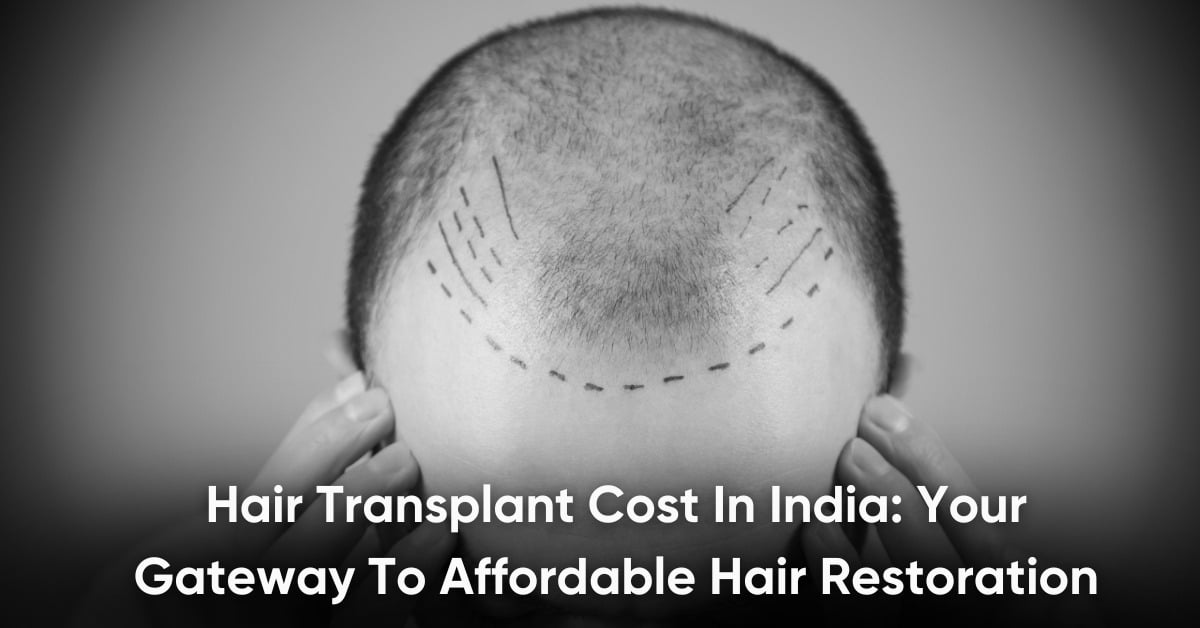
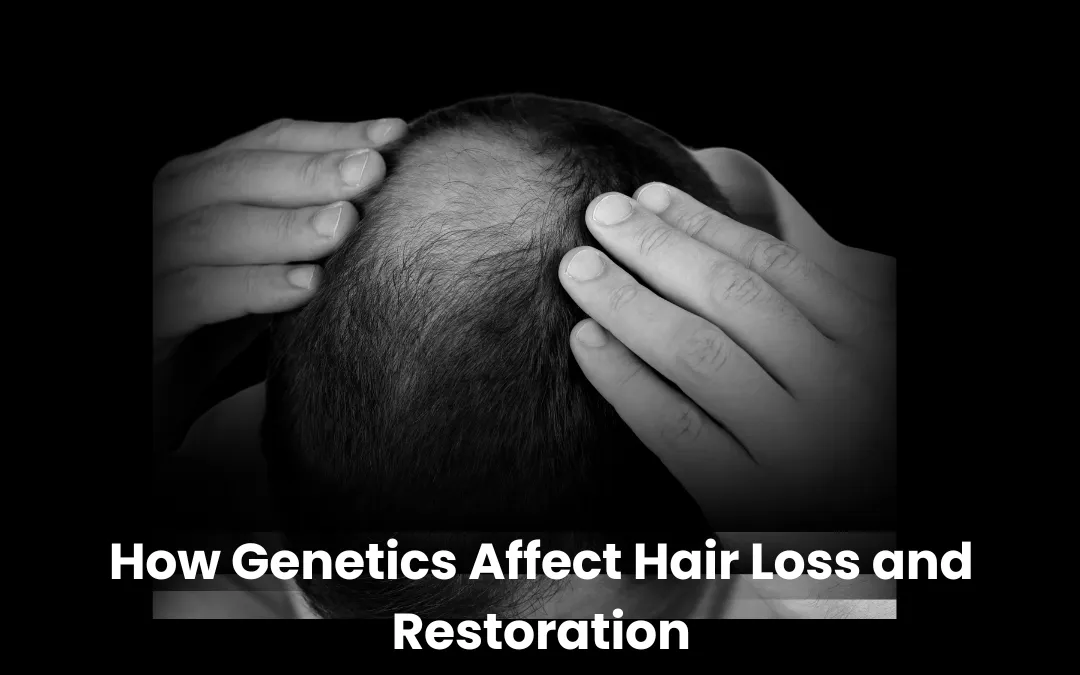
Genetic baldness, also known as androgenetic alopecia is one of the most common causes of hair loss around the world. It occurs when the hair follicles are sensitive to dihydrotestosterone, a hormone known to cause hair follicle shrinkage. With time, this hormone can lead to hair thinning and also impact the growth pattern of follicles.
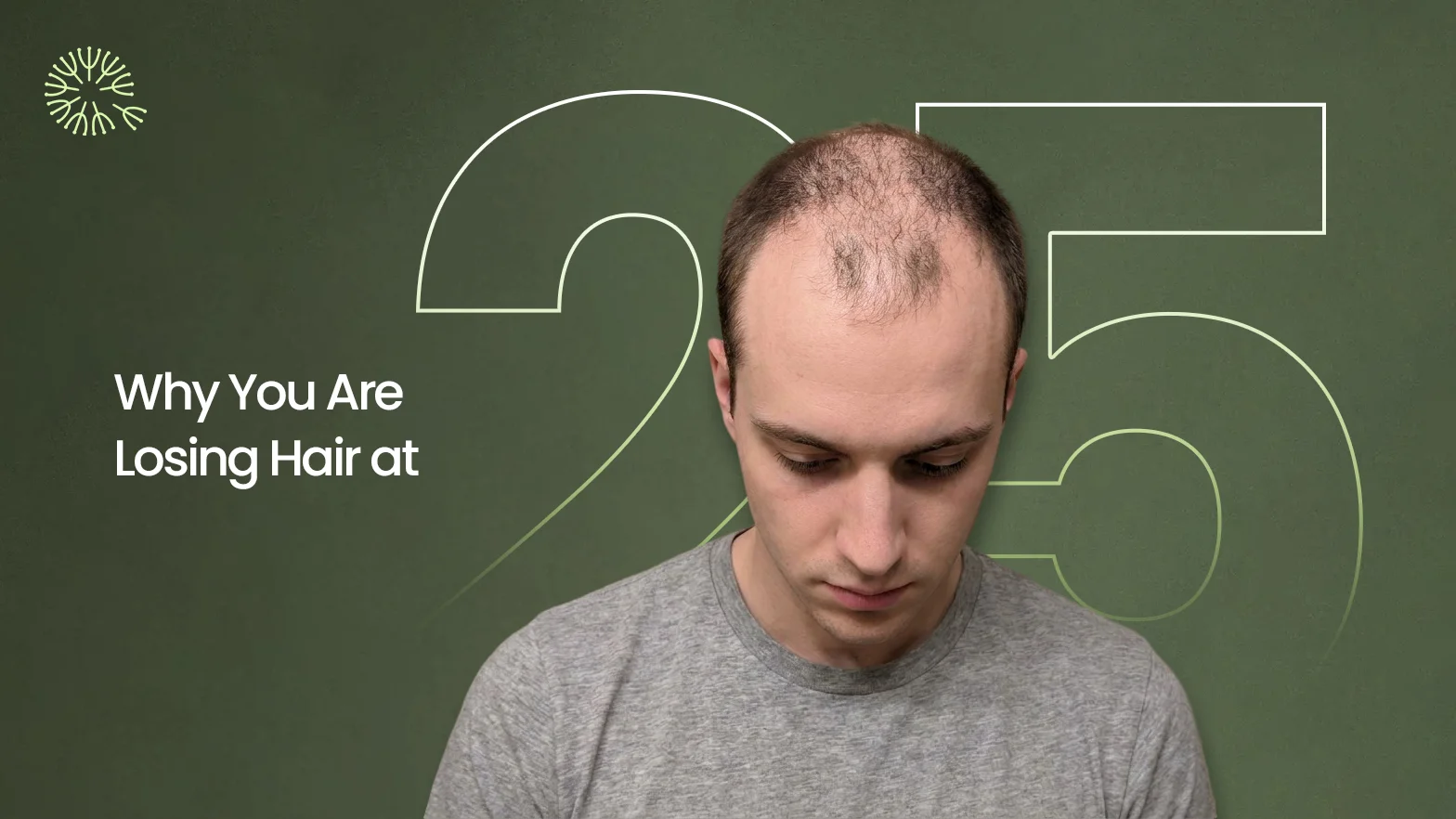
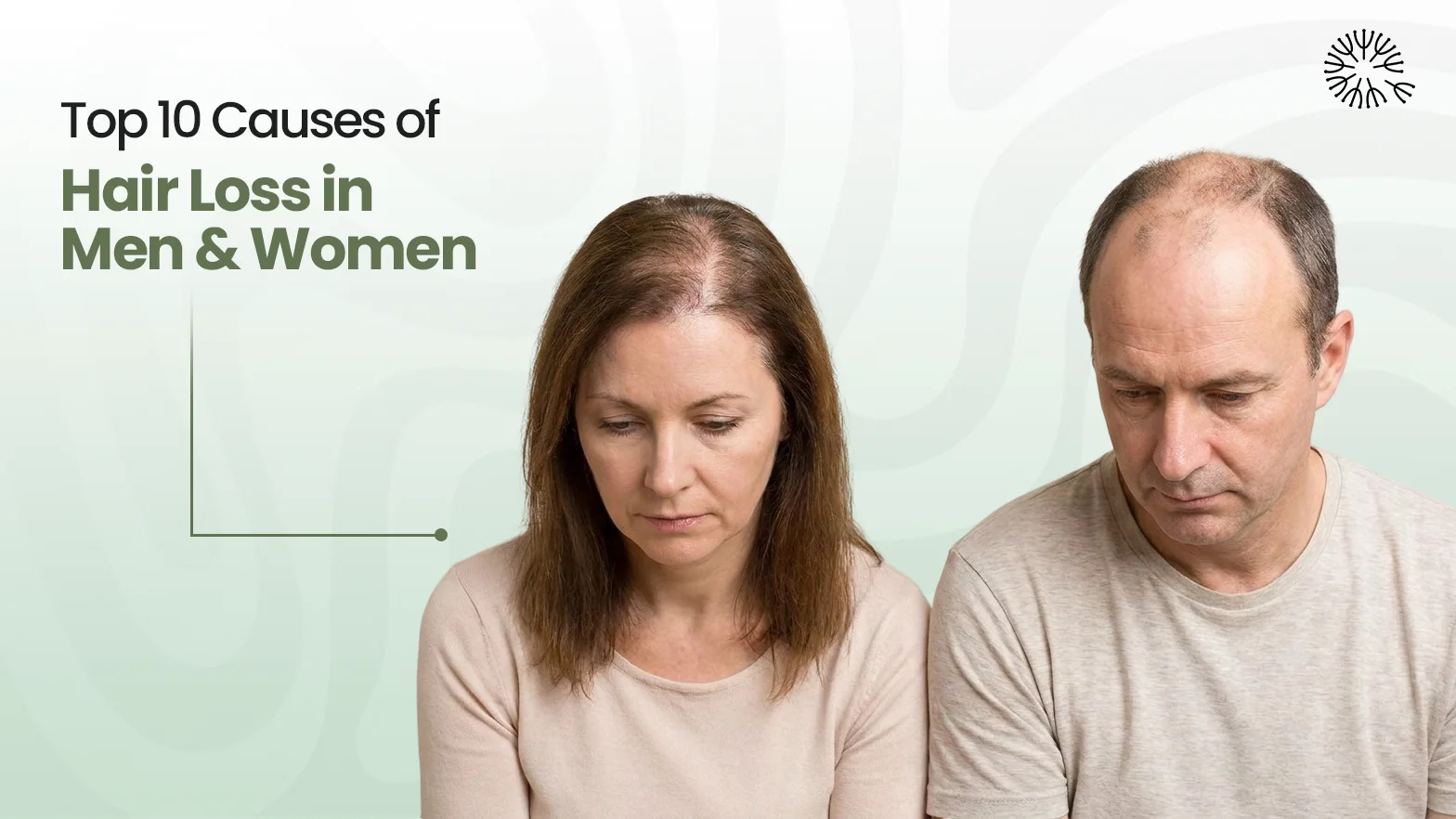
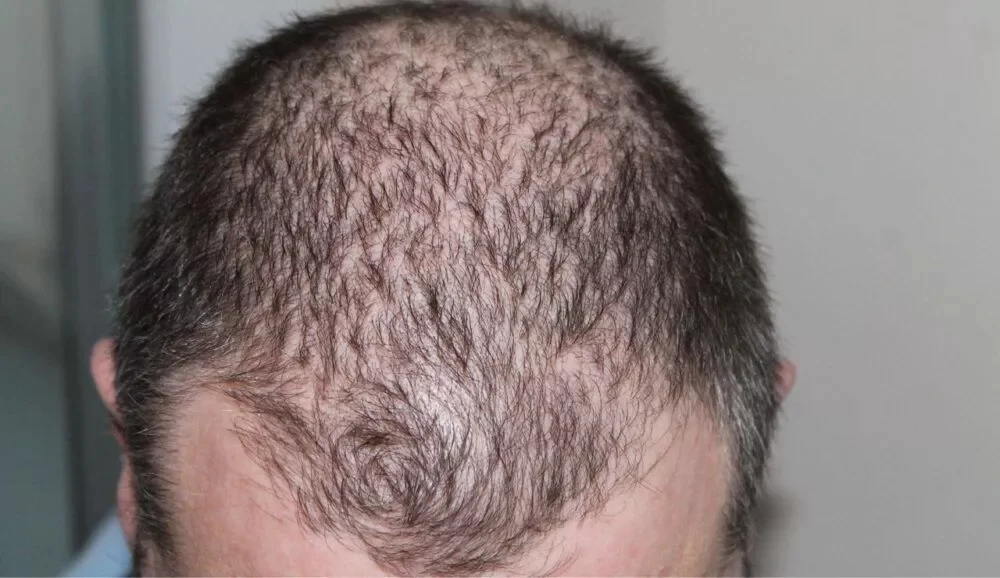
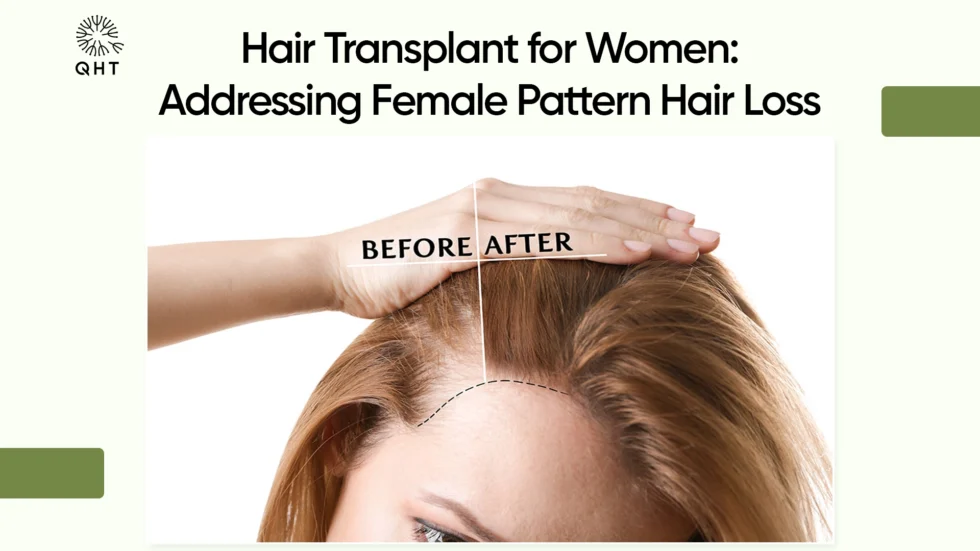
In case of men, hair thinning usually occurs at the temple and the crown region whereas women experience diffuse thinning across the scalp along with widening of the middle part. The major issue with hair thinning is that it occurs slowly, and hence, most people miss out on its early signs.
Understanding female and male pattern baldness helps determine appropriate genetic hair loss treatment plan and also prevent further progression.
What are the common signs of Genetic baldness?
When you are aware that your hair thinning is due to genetic hair loss, it is easier to select the most appropriate androgenetic alopecia treatment plan. The signs of genetic hair loss typically include:
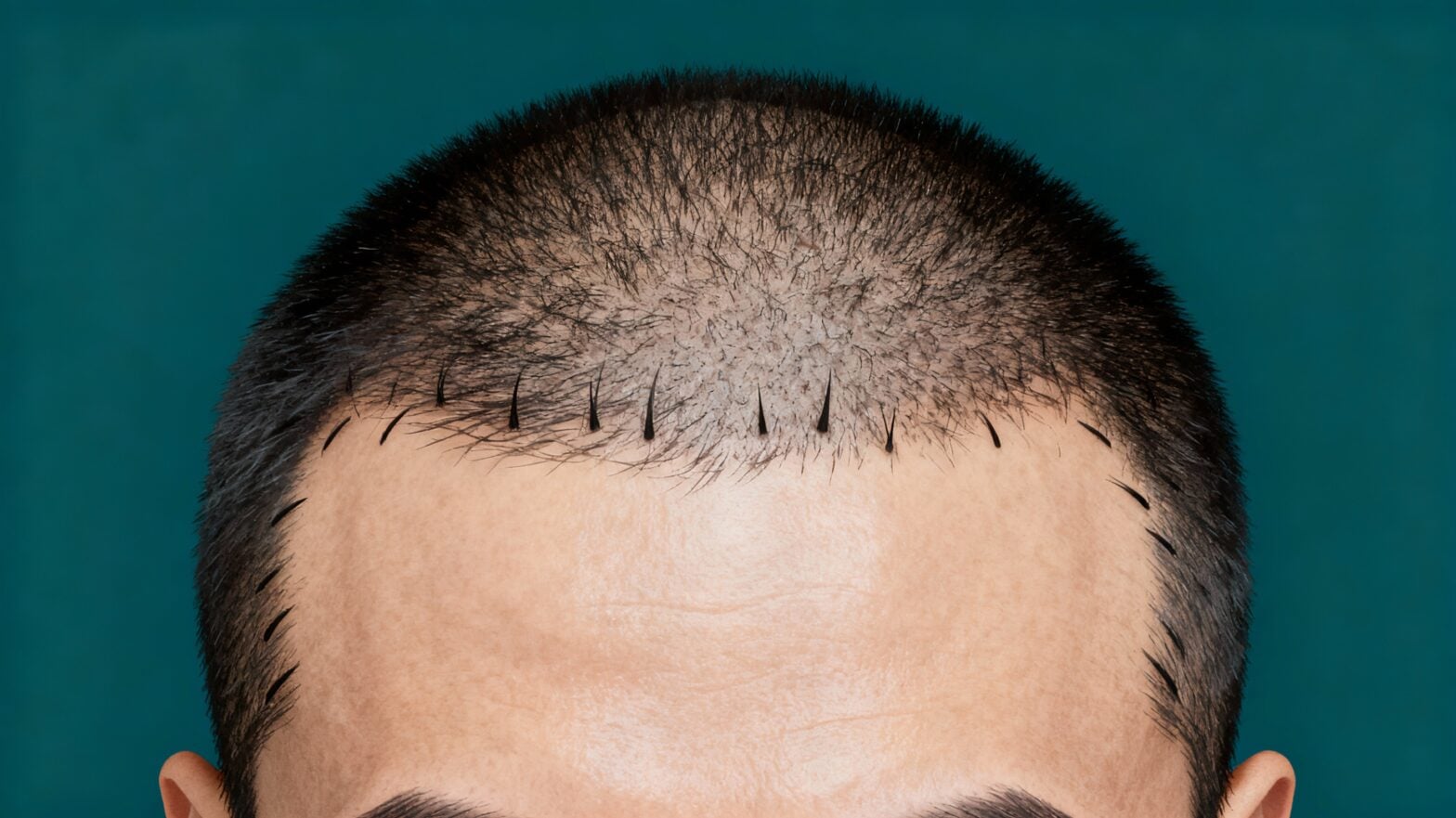
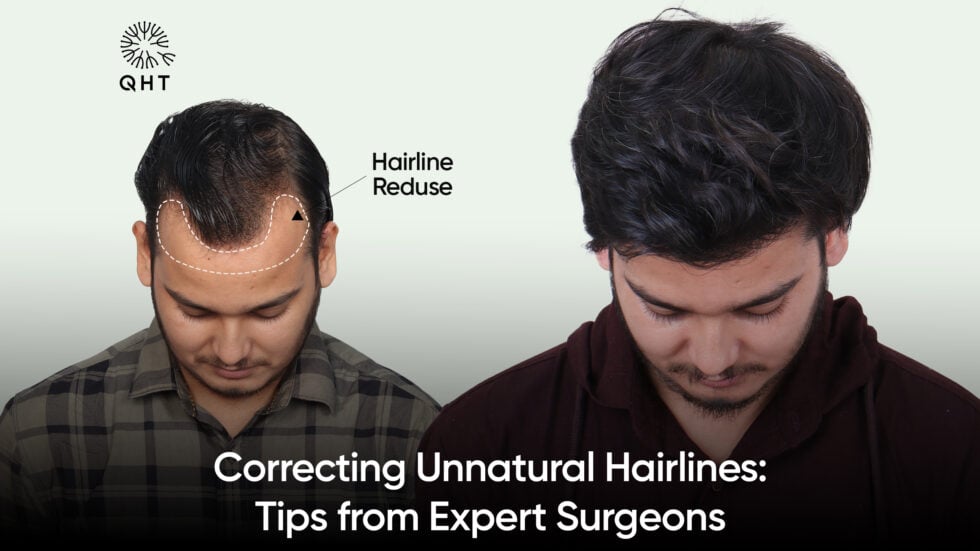
- Gradual thinning of hair on the front hairline or at the temples. This thinning may form an “M” shape in men.
- An increasing width of the central parting, thinning around the crown area and overall thinning, in both men and women.
- Similar hair loss patterns can be seen in one or more of the parents or close family members.
It is highly likely that you have androgenetic alopecia if you have been losing hair for several months and if the amount of hair in the crown area is continually decreasing in volume. Consult a dermatologist or hair care specialist to get a thorough evaluation of your scalp and family history to confirm your diagnosis and get an individualized treatment plan to deal with your situation.
What are the main medical genetic hair loss treatment options?
A combination of treatment approaches helps slow down the shedding, stimulate hair follicle activity and promote regrowth. Since androgenetic alopecia is the result of genetic factors as well as hormonal influence; most treatment protocols begin after a dermatologist has assessed your scalp, overall general health and reviewed your family history. Some of the most common genetic hair loss treatments are:
- Medications: Several medications like Minoxidil, Finasteride can help deal with genetic hair loss. The medicines deal with hair shrinkage and strengthen existing hair follicles. They should be strictly taken under doctor’s prescription.
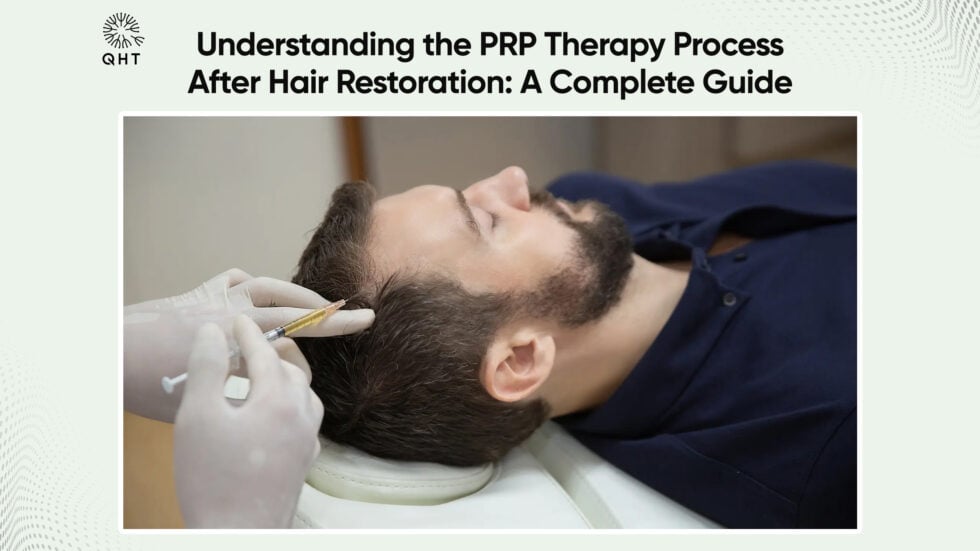
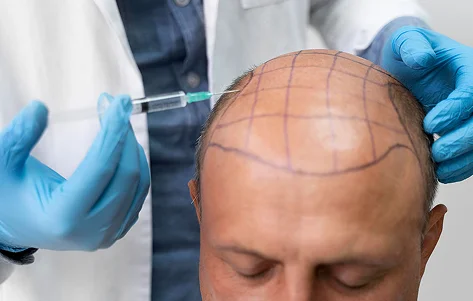
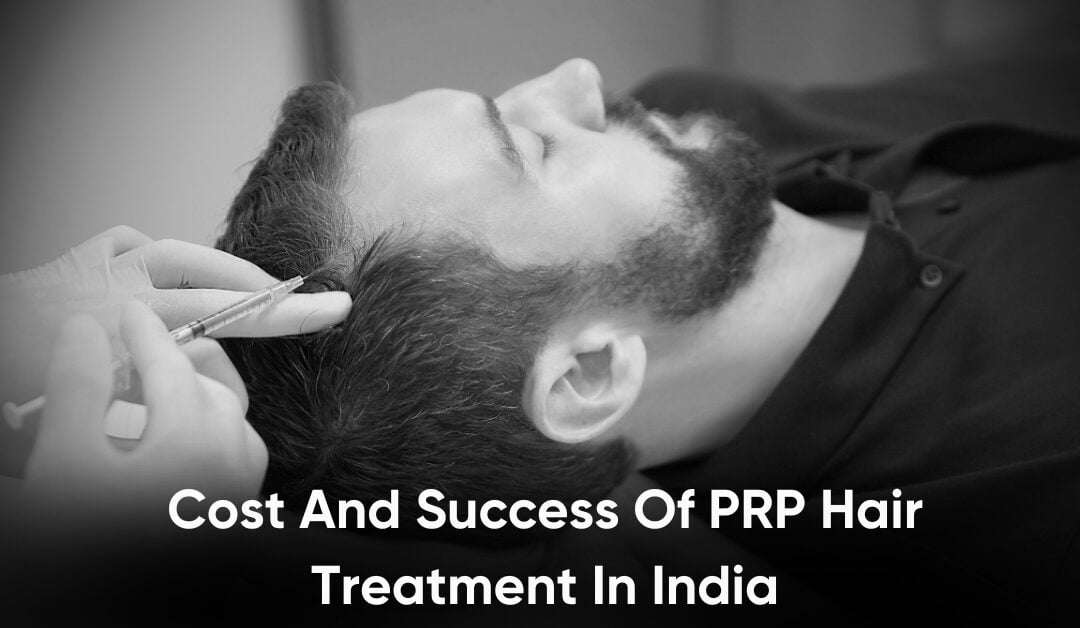
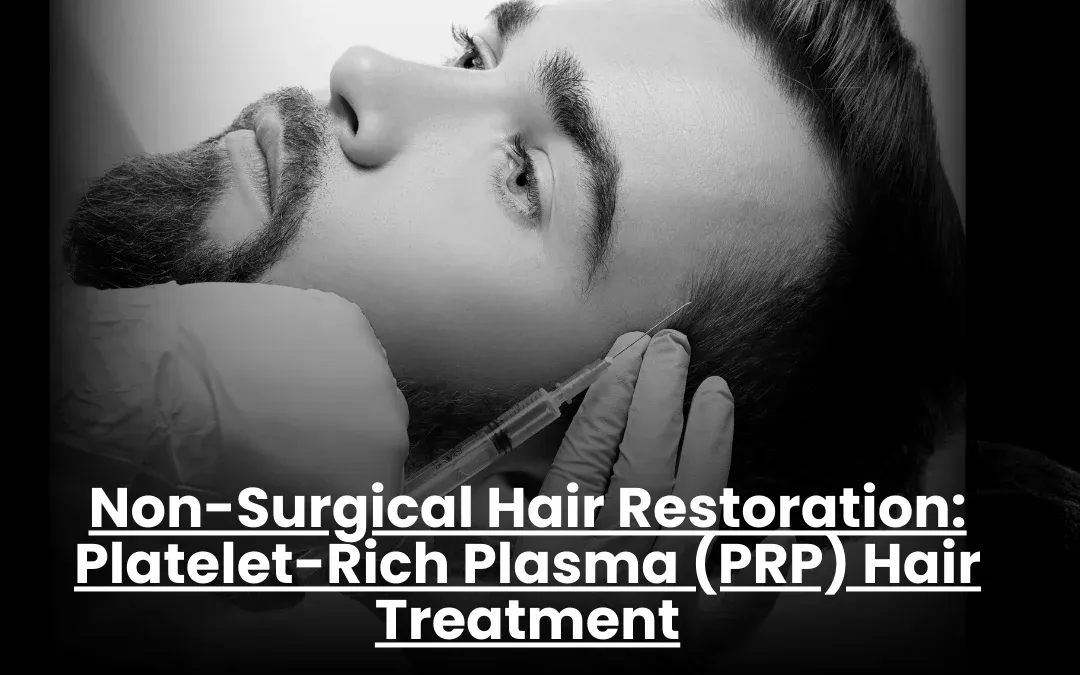
- Platelet-rich plasma (PRP): This technique uses one’s own growth factors in the body to stimulate hair growth and strengthen existing hair.
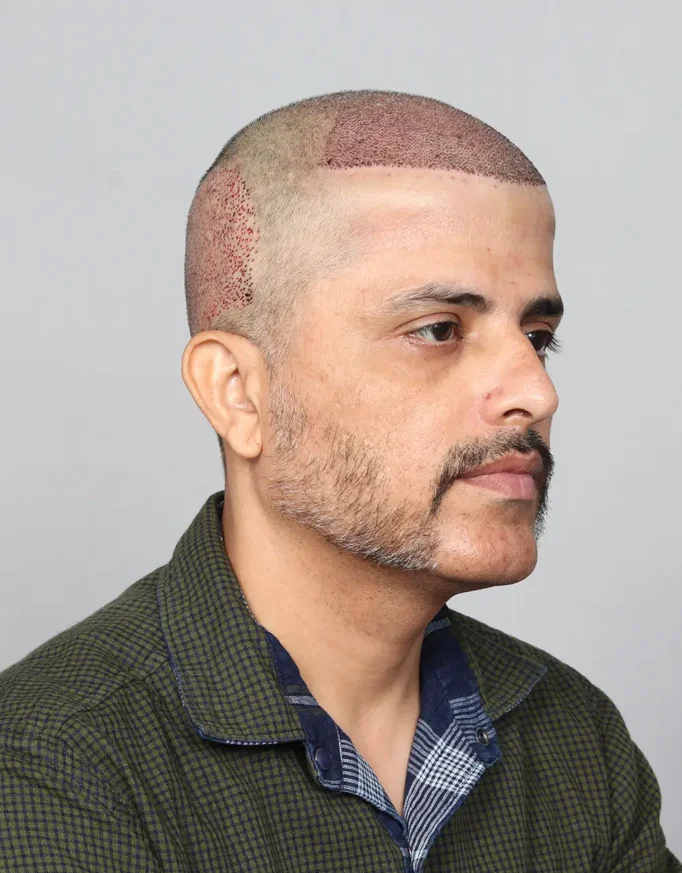
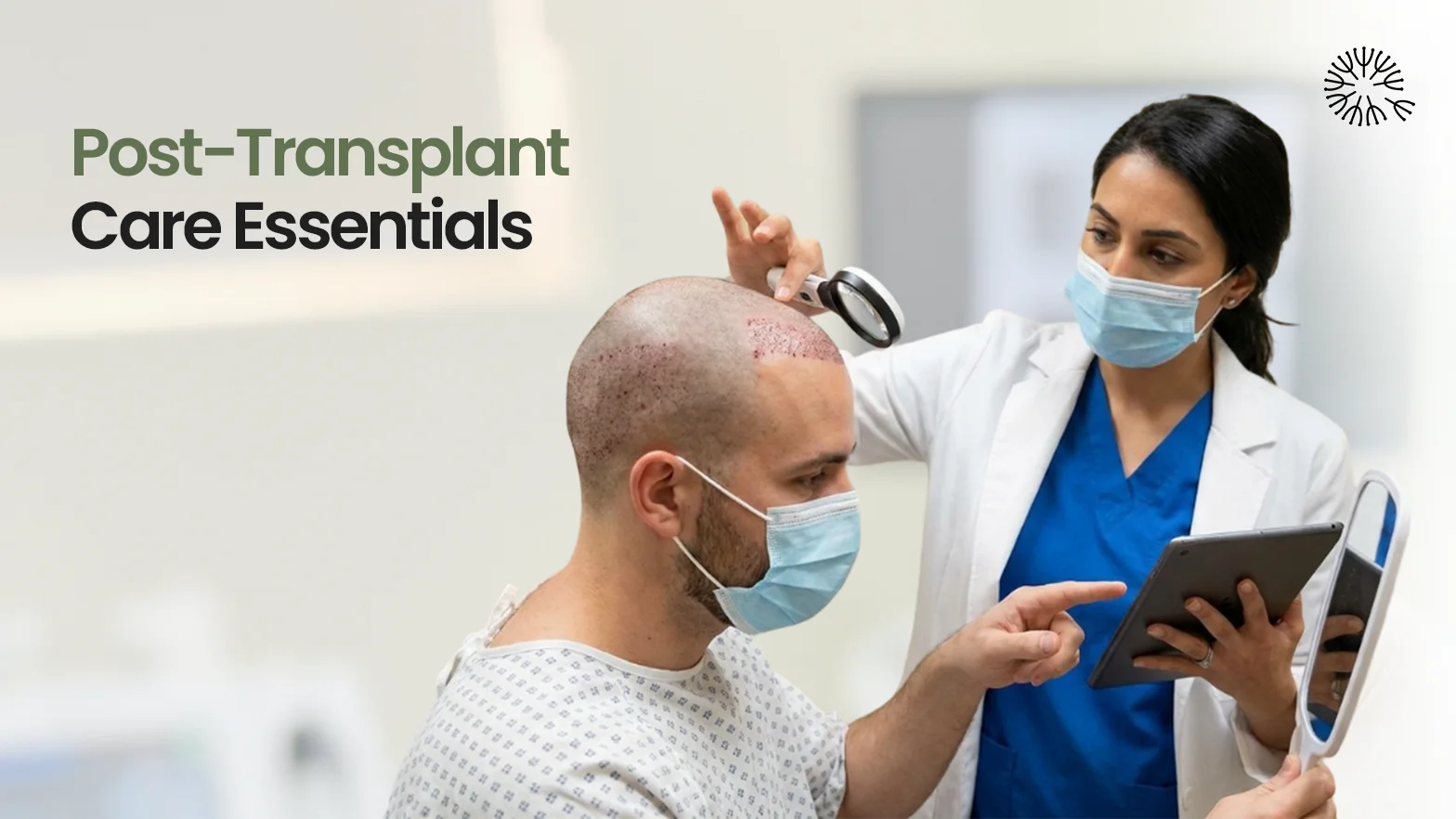
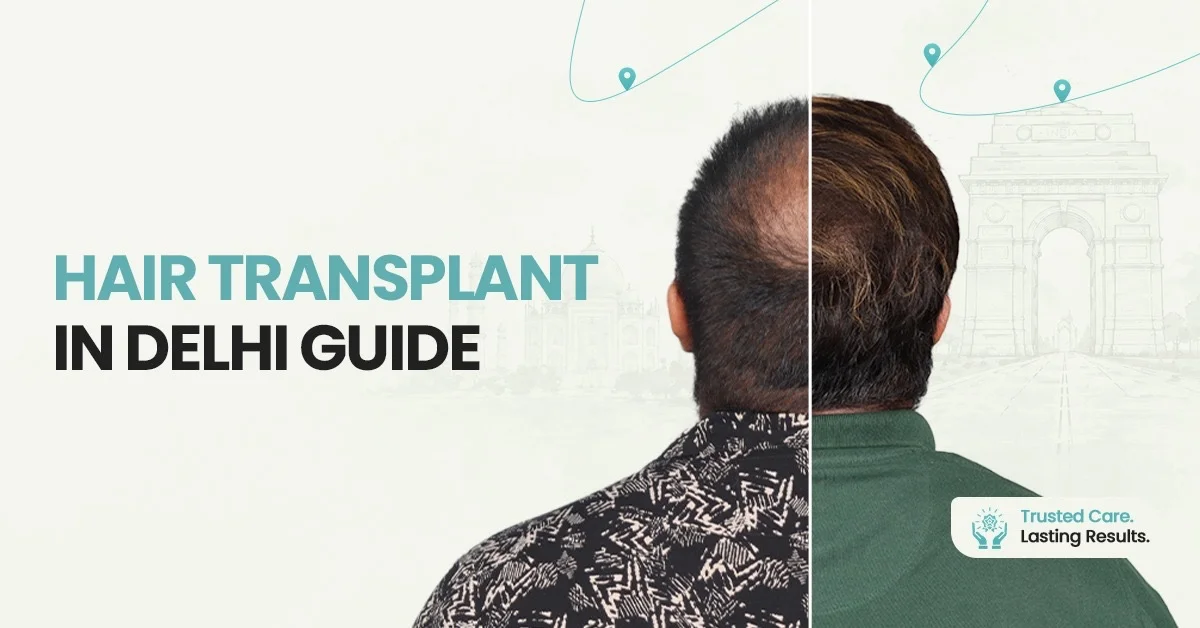
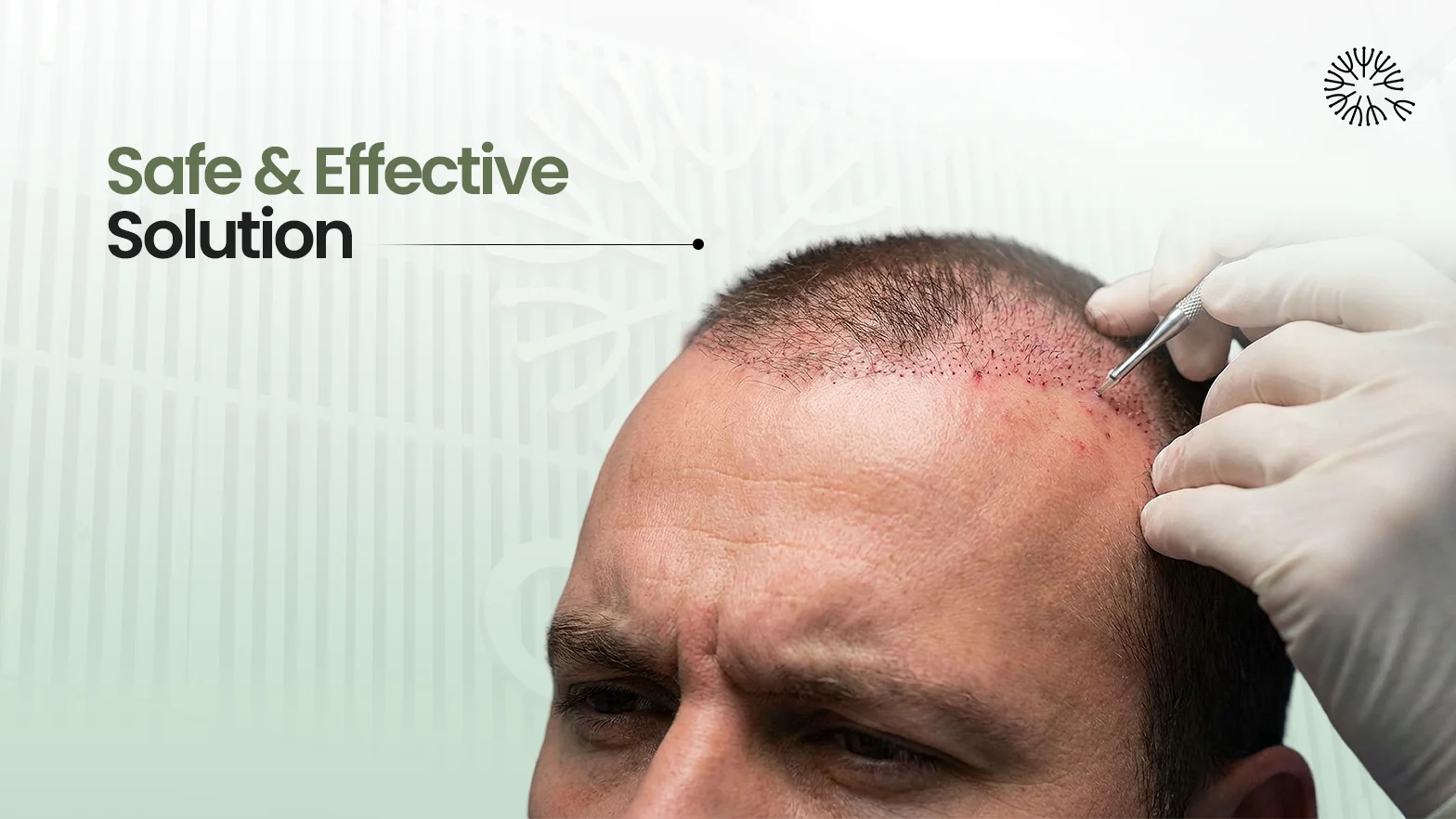
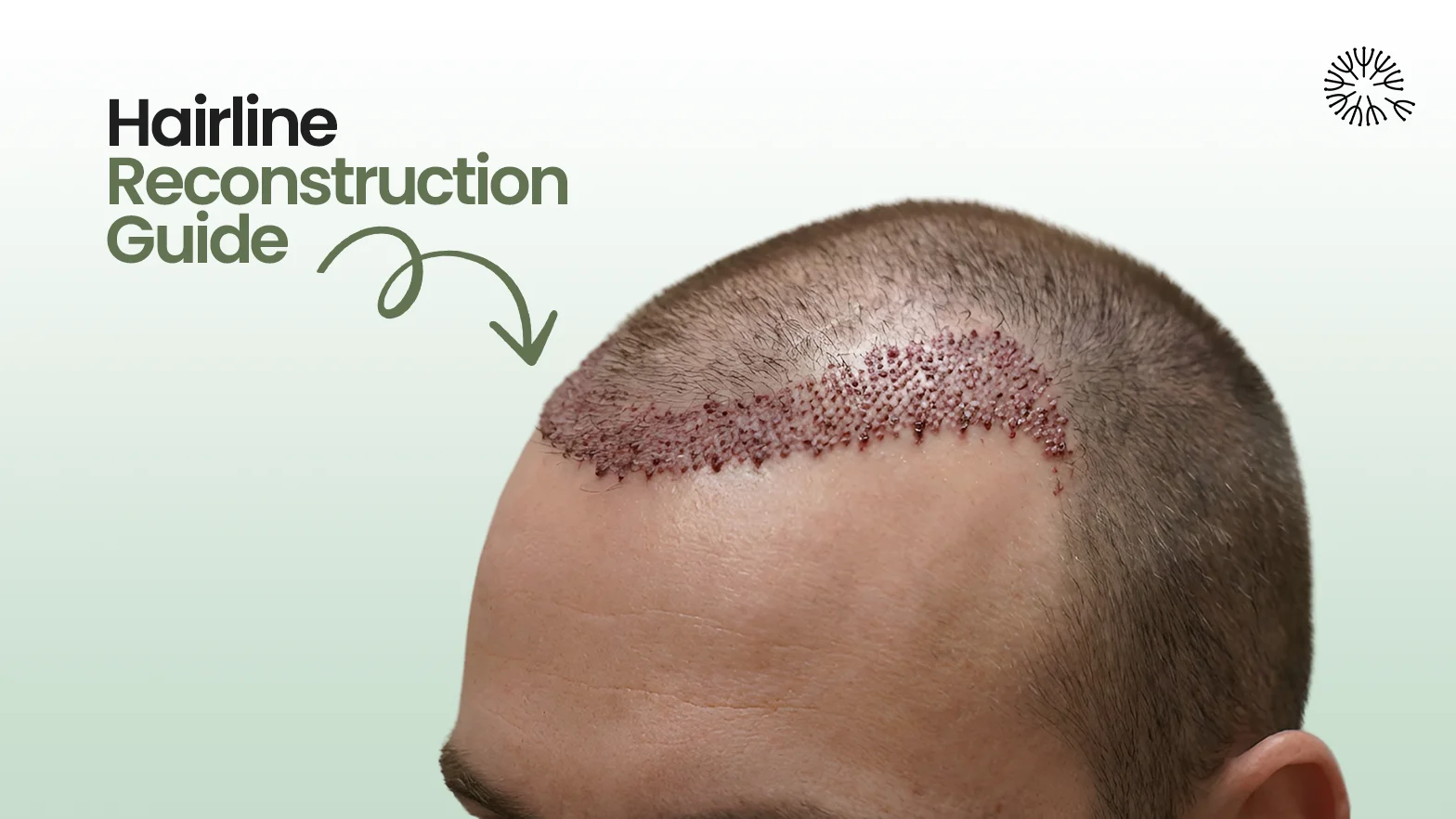
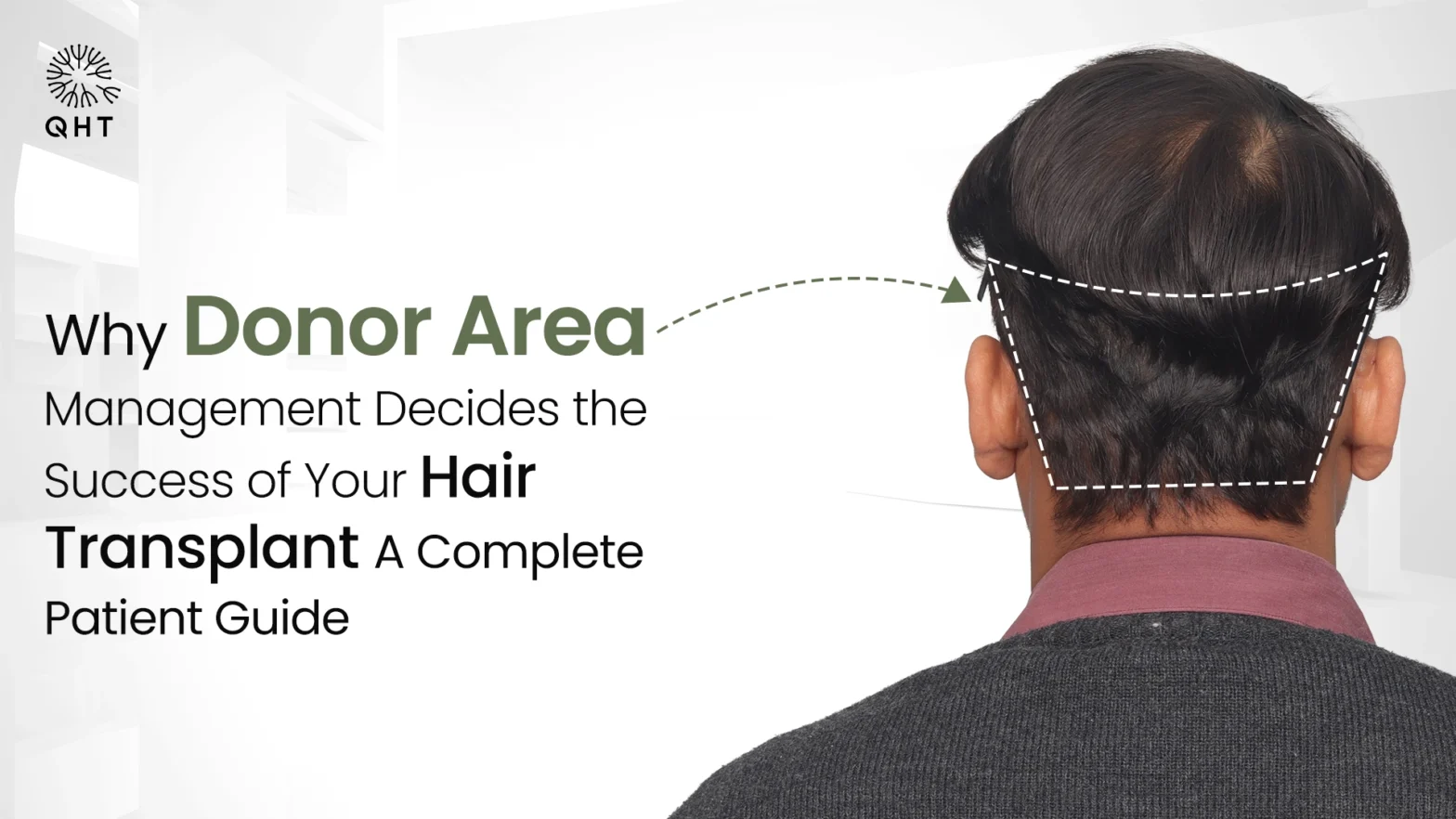
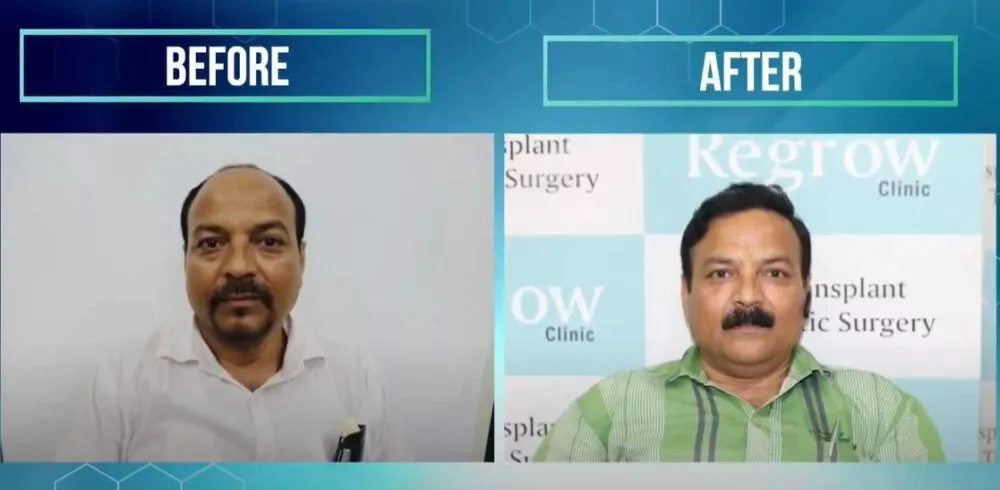
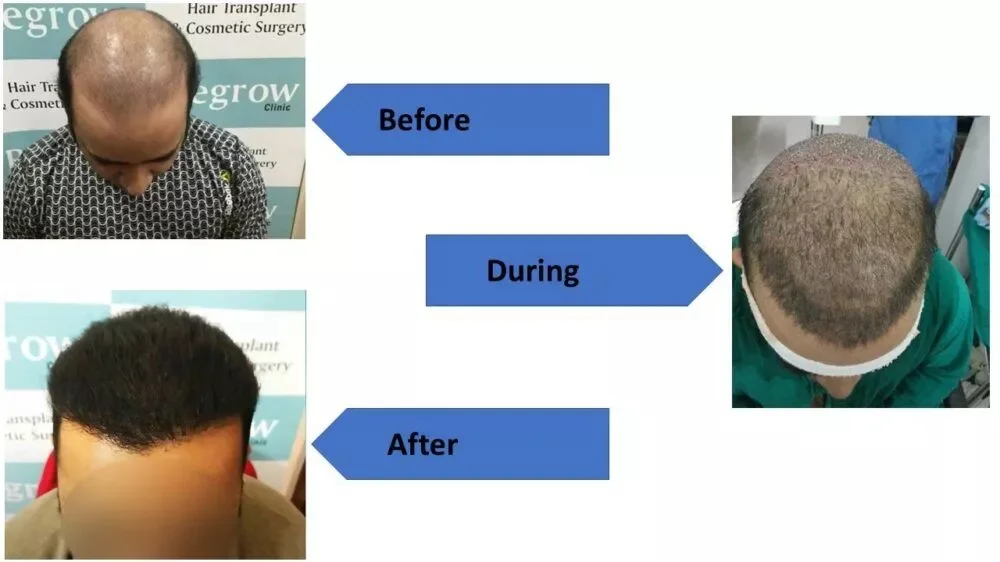
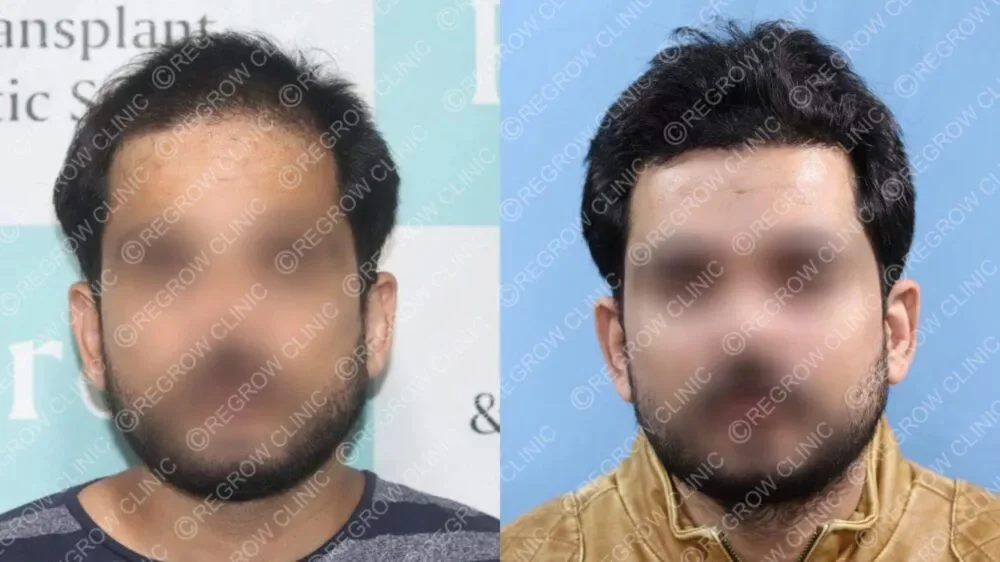
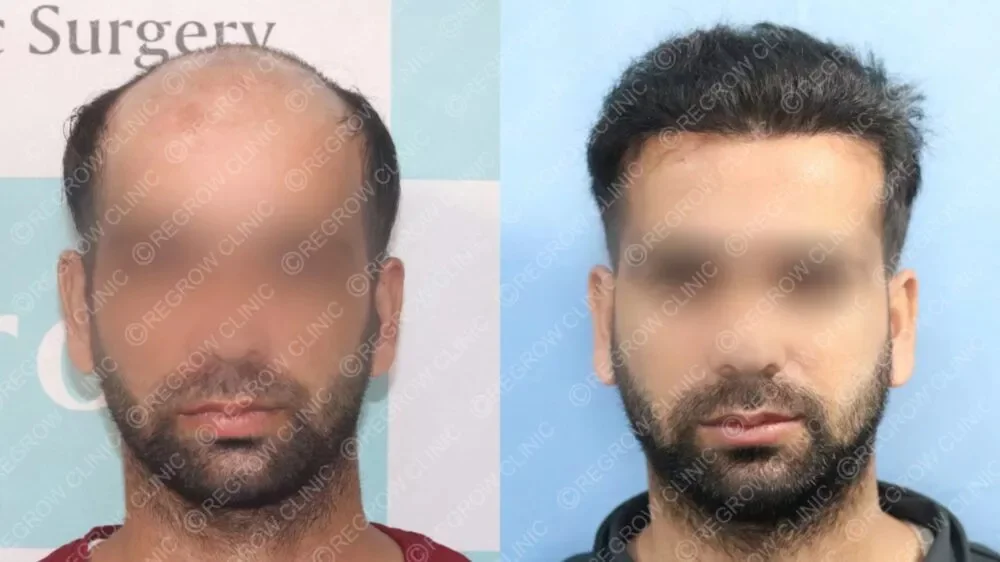
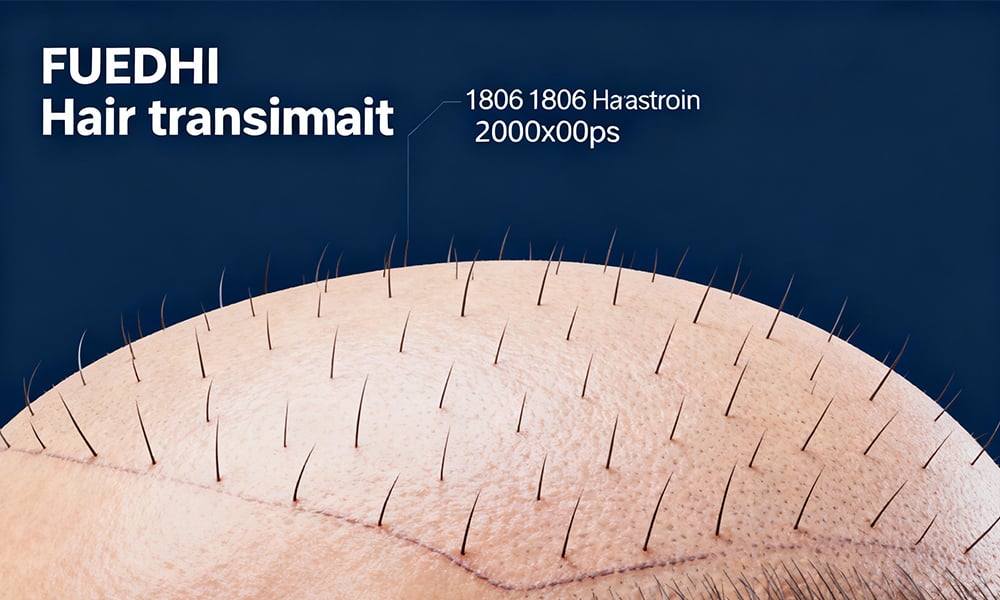
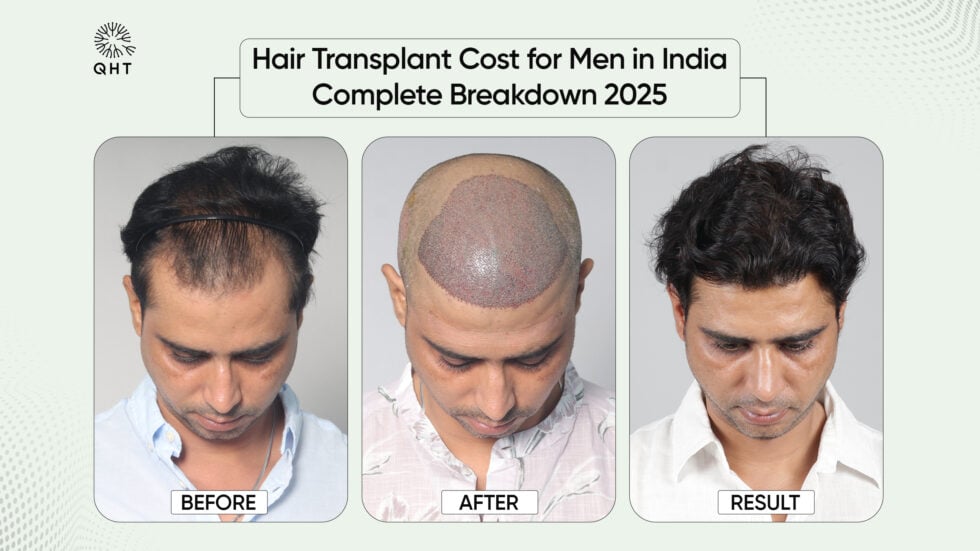
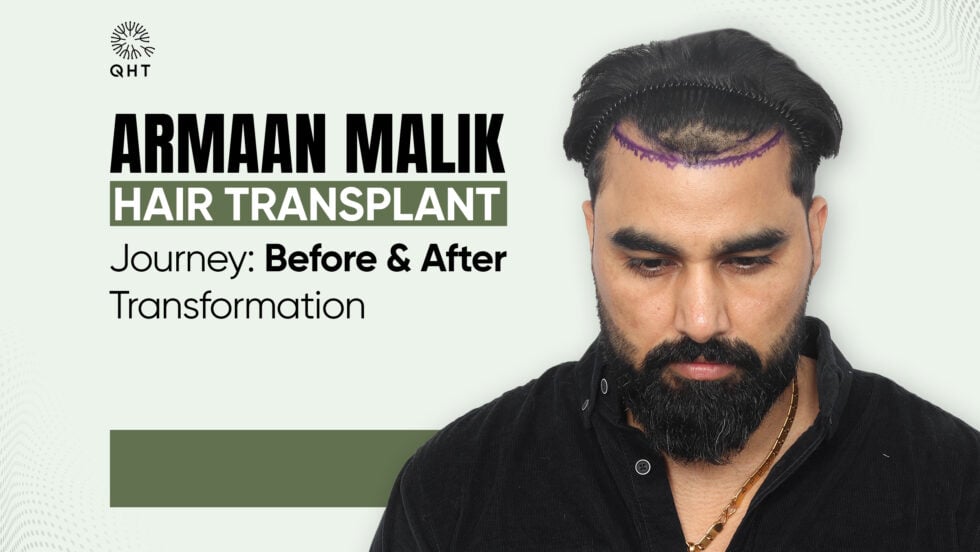
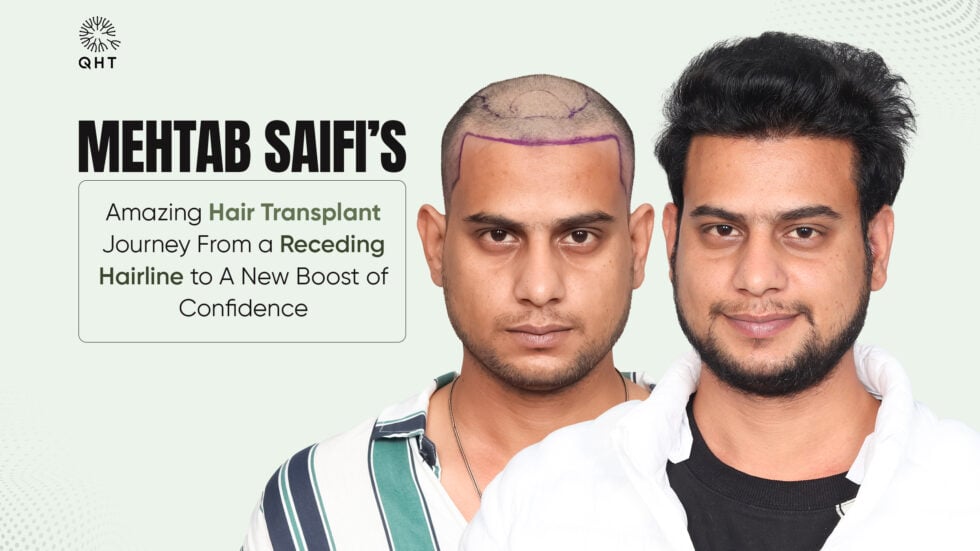
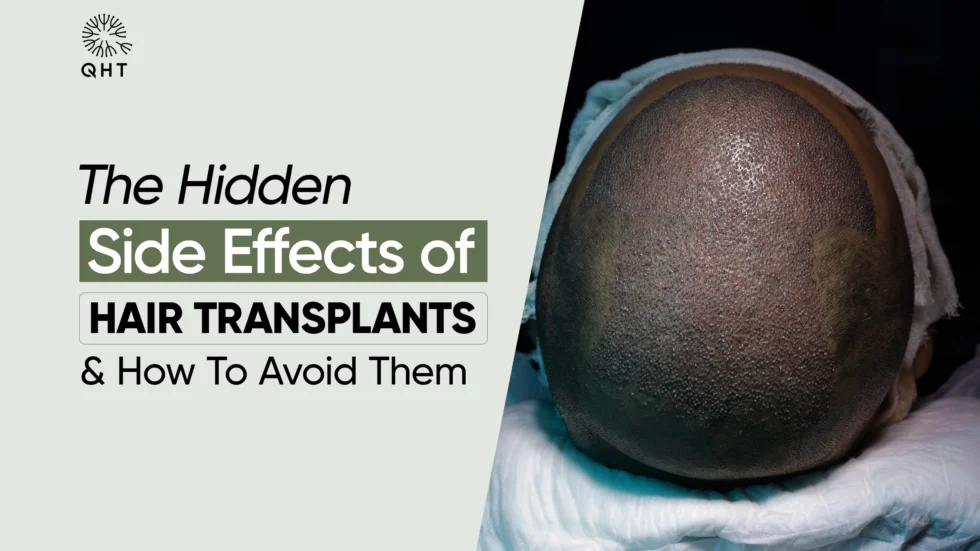
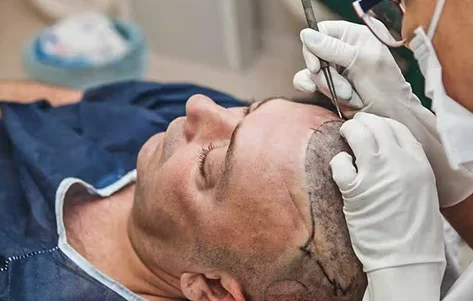
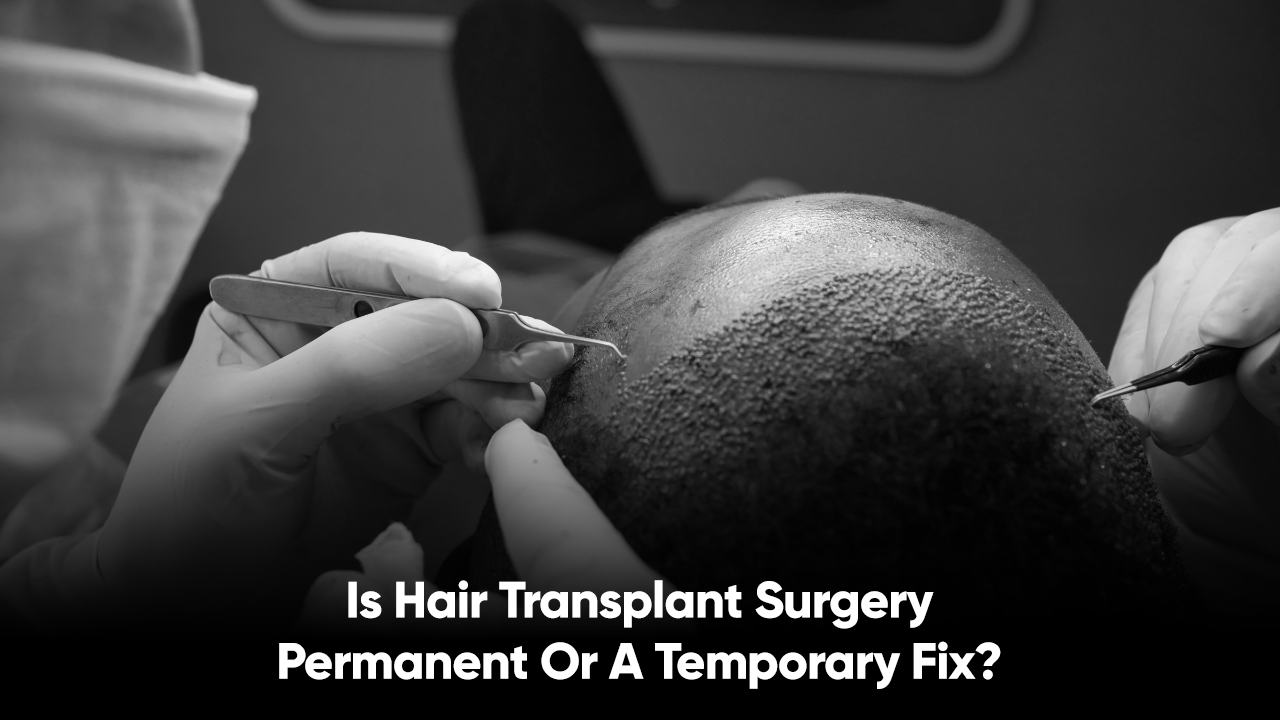
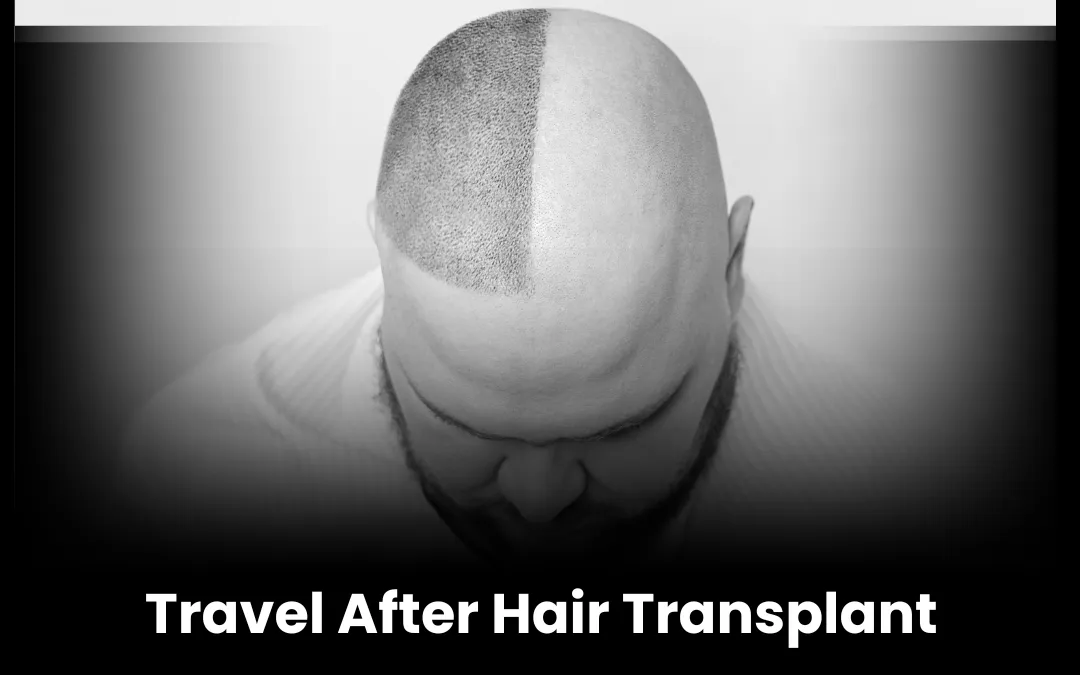
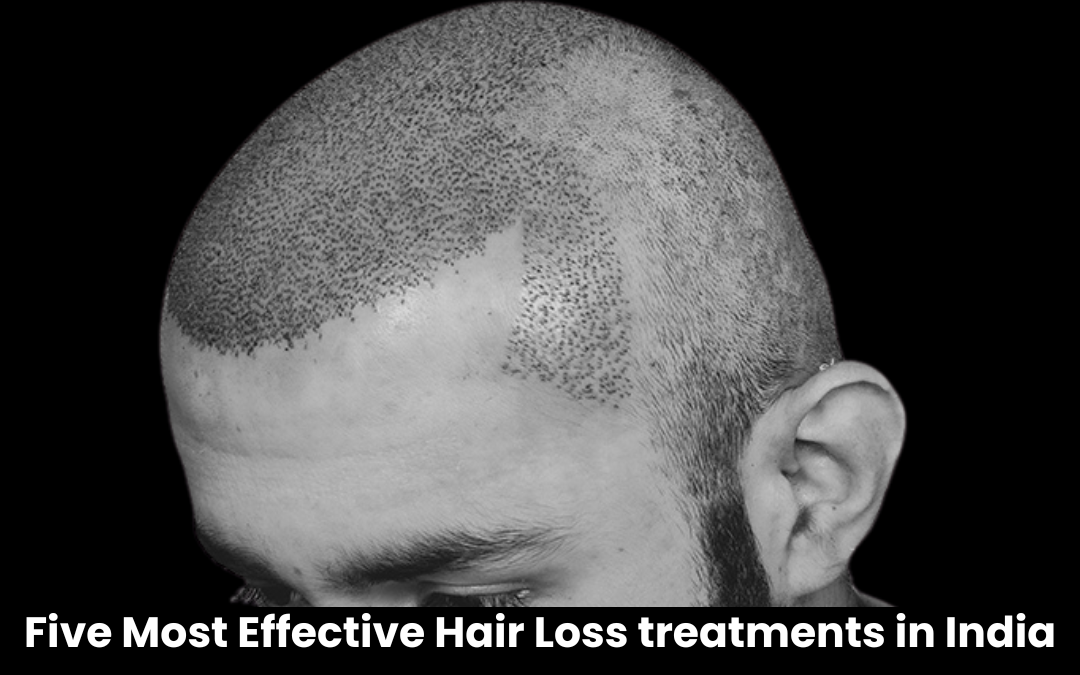
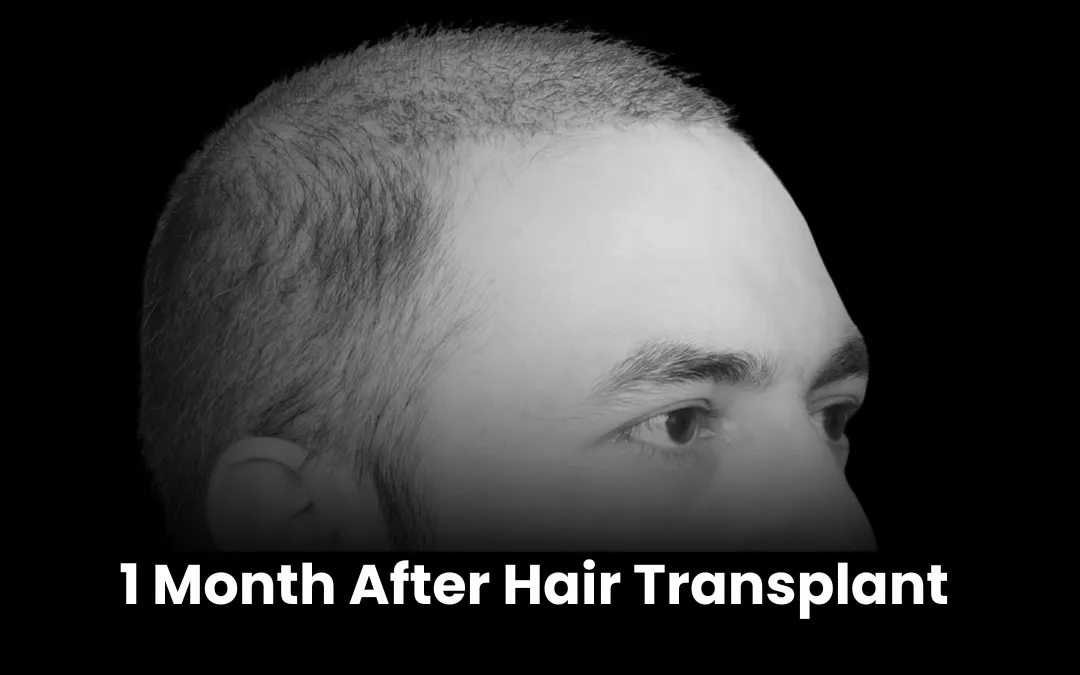
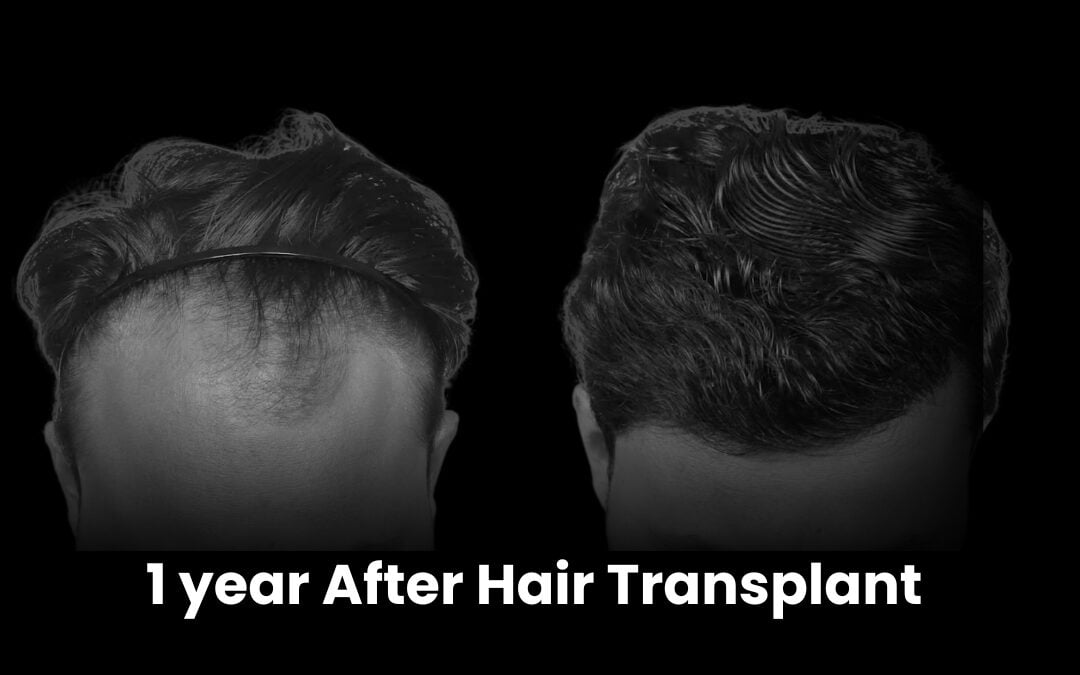
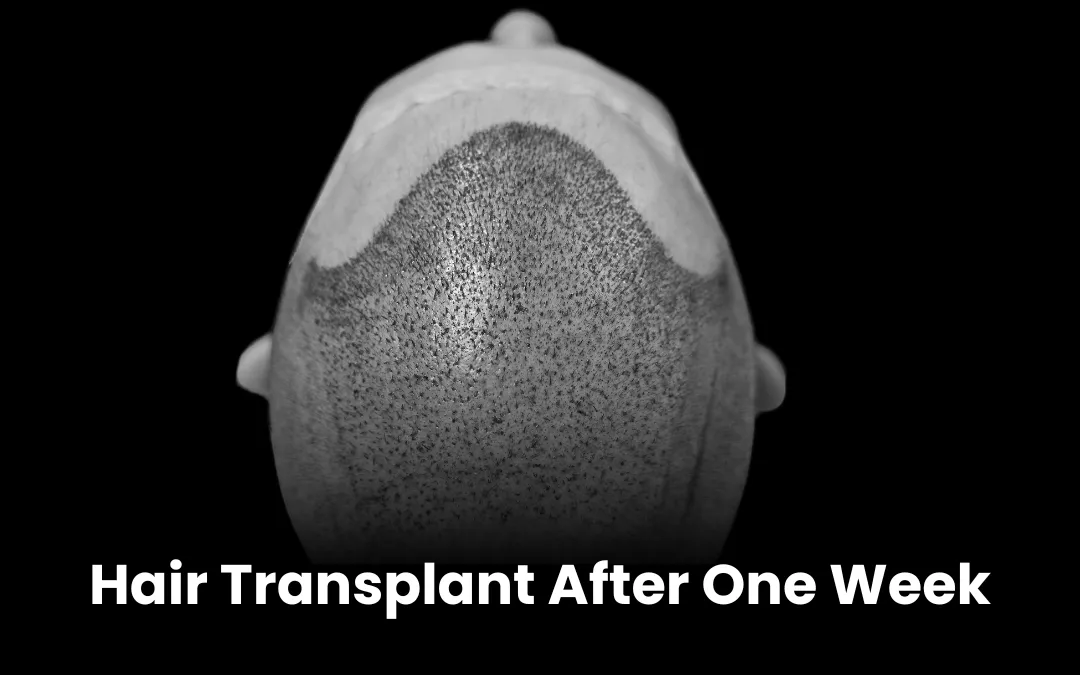
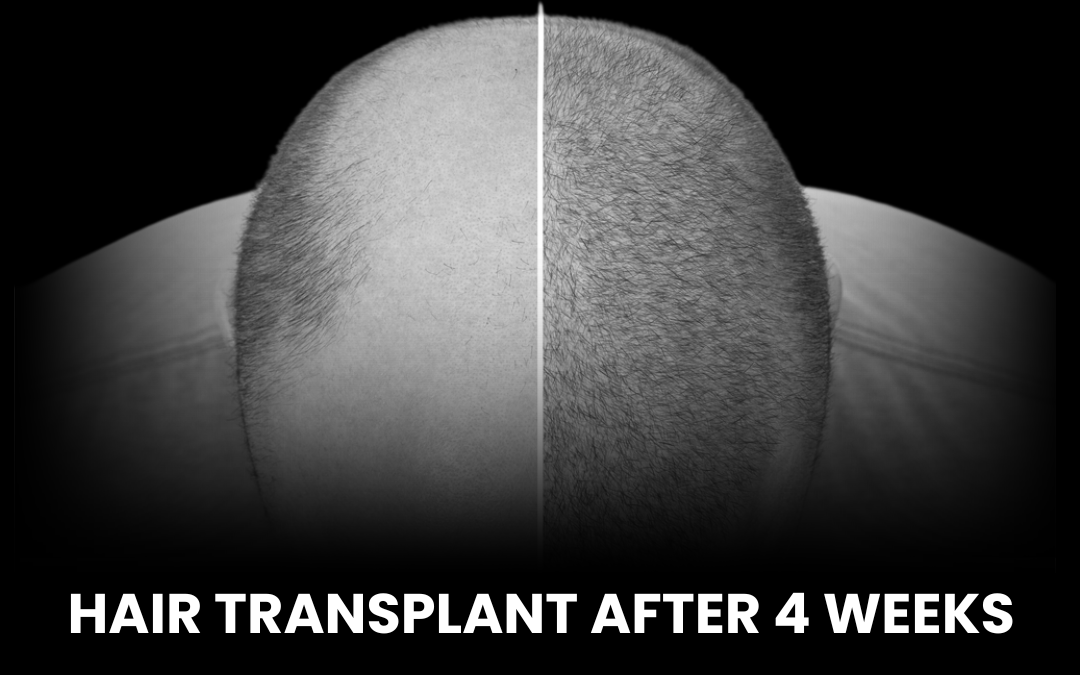
- Hair Transplant: In case of severe genetic hair loss, hair transplants become the ideal treatment option. In hair transplants, donor hairs are extracted from the donor area (sides and back of the scalp) and implanted in the areas of thinning. The transplanted hair continues to grow like existing hair and eventually blend in with existing hair.
These above treatment options typically are long-term solutions and not quick fixes. Many medical professionals will recommend using gentle hair care practices, nutrition, and stress management in addition to the treatment for better results.
Note: Medical treatments for genetic hair loss must be done under a doctor’s guidance. Avoid self-medicating as it may worsen hair loss.
How do common medications work in genetic hair loss treatment?
Medications for treating genetic hair loss usually work by preventing the follicle weakening that is caused due to hormonal sensitivity. Medications help in maintaining healthier hair and prevent hair thinning in future. Medications do not cure hair loss, but can aid in controlling its progression and will require medical supervision. Below are some of the popular and widely prescribed medications by doctors that help deal with genetic hair loss. The medications must be taken under strict medical supervision and should not be self prescribed.
Minoxidil
Minoxidil is an approved medication in both oral and topical form based on the patient and local regulations. By decreasing the length of the telogen (rest) phase of the hair cycle, minoxidil promotes more hair follicles to enter the anagen (hair growth) phase instead of remaining inactive for long periods of time. Consistent use of Minoxidil often leads to reduced hair fall and increased density of hair, however, results vary widely between individuals.
Finasteride
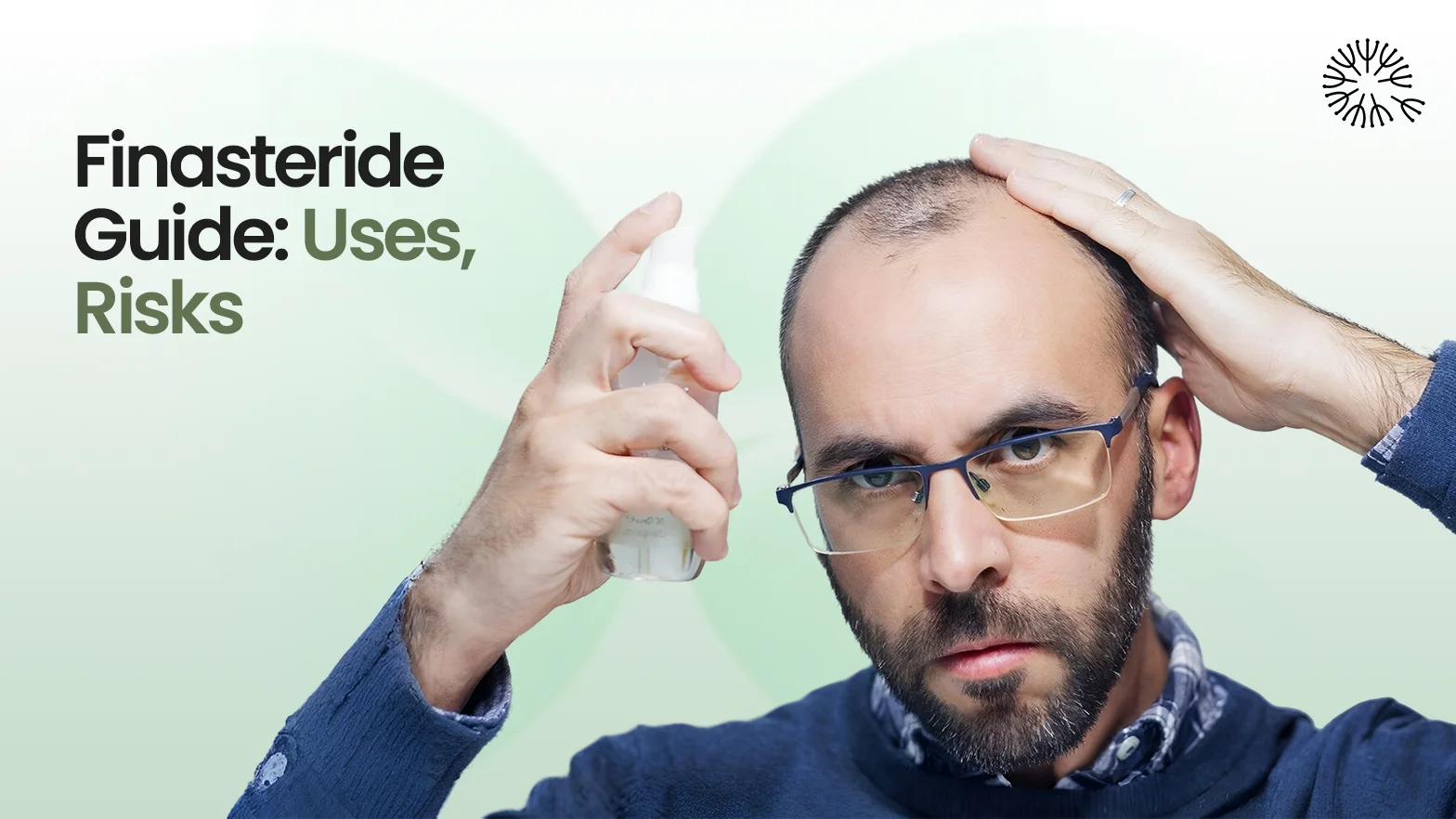
A medication that helps treat male pattern baldness, and occasionally, under medical supervision, can be prescribed to female patients as well. Finasteride is involved in the inhibition of the enzyme 5a-reductase which is responsible for converting testosterone to dihydrotestosterone (DHT), which causes hair follicles to shrink when a person has a genetic predisposition to male or female pattern baldness. Thus, decreasing the amount of DHT in the scalp decreases the rate at which hair follicles shrink and may help in slow hair thinning.
What daily habits and scalp care support hereditary hair fall control?
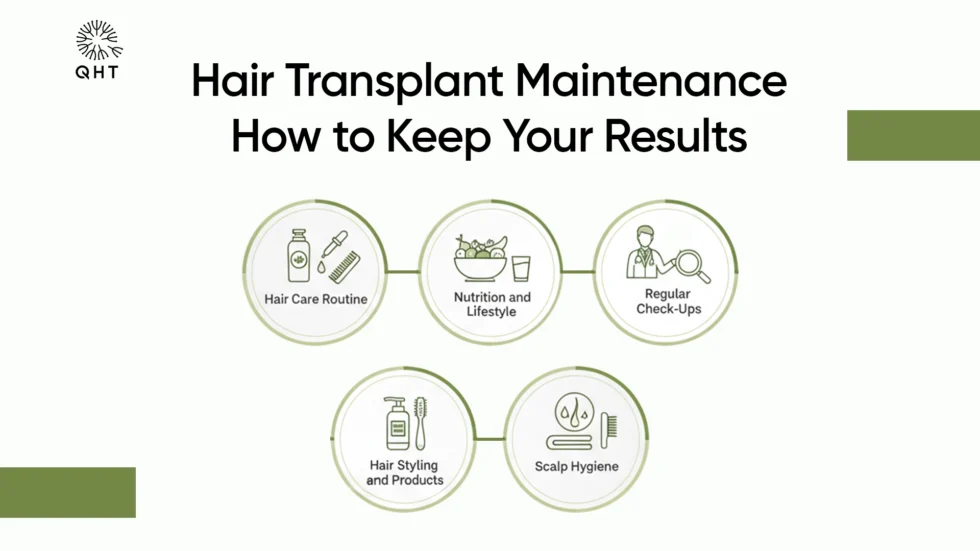
Our lifestyle has a significant impact on our hair loss rate and treatment response. A hereditary hair loss solution includes both medical treatment and scalp-care practices. Here are some examples of healthy habits that may help you maintain good hair health:
- A balanced diet containing protein, iron, vitamin D, B and zinc, and B vitamins will help maintain healthy hair follicles.
- Stress worsens hair fall. Managing stress by following a regular sleep schedule, engaging in physical activities and practising mindfulness based activities like yoga, deep breathing can help deal with hair loss due to stress.
- Tight hairstyles, frequent heat-styling, and harsh chemical processes that pull or weaken the scalp or hair can also contribute to increased shedding.
- Use of mild sulfate-free shampoos, as well as gently massaging the scalp with fingers can promote blood circulation in the scalp and minimize irritation and shedding.
These simple habits combined with an appropriate treatment plan for androgenetic alopecia will yield the best outcome in controlling hereditary hair loss in the long-term.
Conclusion
Genetic baldness is gradual in nature; however, it can be well managed through a proper treatment strategy. The combination of medical treatments, good scalp care, and consistent monitoring creates opportunities to slow the rate of hair loss and support the growth of existing hair. With appropriate professional guidance as well as a structured plan, you may maintain a healthier hair and ultimately achieve a more stable long-term result.
Book your appointment at QHT Clinic and get an individualised treatment plan for your hair loss today. Our knowledgeable staff will help you find the correct treatment strategy that will treat your genetically related hair loss.
Frequently Asked Questions
How to deal with genetic baldness in men?
Genetic baldness often runs in families and it cannot be prevented. With the right treatment plan given by your hair care professional, you can stabilise your hair loss. A combination treatment plan including medications, PRP therapy, appropriate nutrition intake, maintaining regular sleep cycle and adhering to scalp care routines may help.
How can I maintain my hair health naturally?
You can maintain your hair health by following a healthy lifestyle pattern which may include having a balanced diet, following a scalp care routine and maintaining a regular sleep cycle.
Is stress related to genetic hair loss?
Stress is not the leading cause of genetic hair loss, however prolonged stress can lead to hair shedding and visible hair loss over time.
Is there any one particular treatment for dealing with genetic hair loss?
Usually a combination of treatment strategies including medications, lifestyle changes, PRP therapy and more can help deal with hair loss better than one particular treatment approach.
Can women also experience genetic hair loss?
Yes, women may also undergo genetic hair loss. Hair loss occurs in the form of diffuse thinning and widening of the middle part in case of women.
Can I try natural and herbal products for dealing with genetic hair loss?
In most of the cases, natural and herbal products help in improving the scalp health. They do not prevent genetic hair loss. A professional consultation will guide you towards your correct treatment plan.
How does PRP Therapy work?
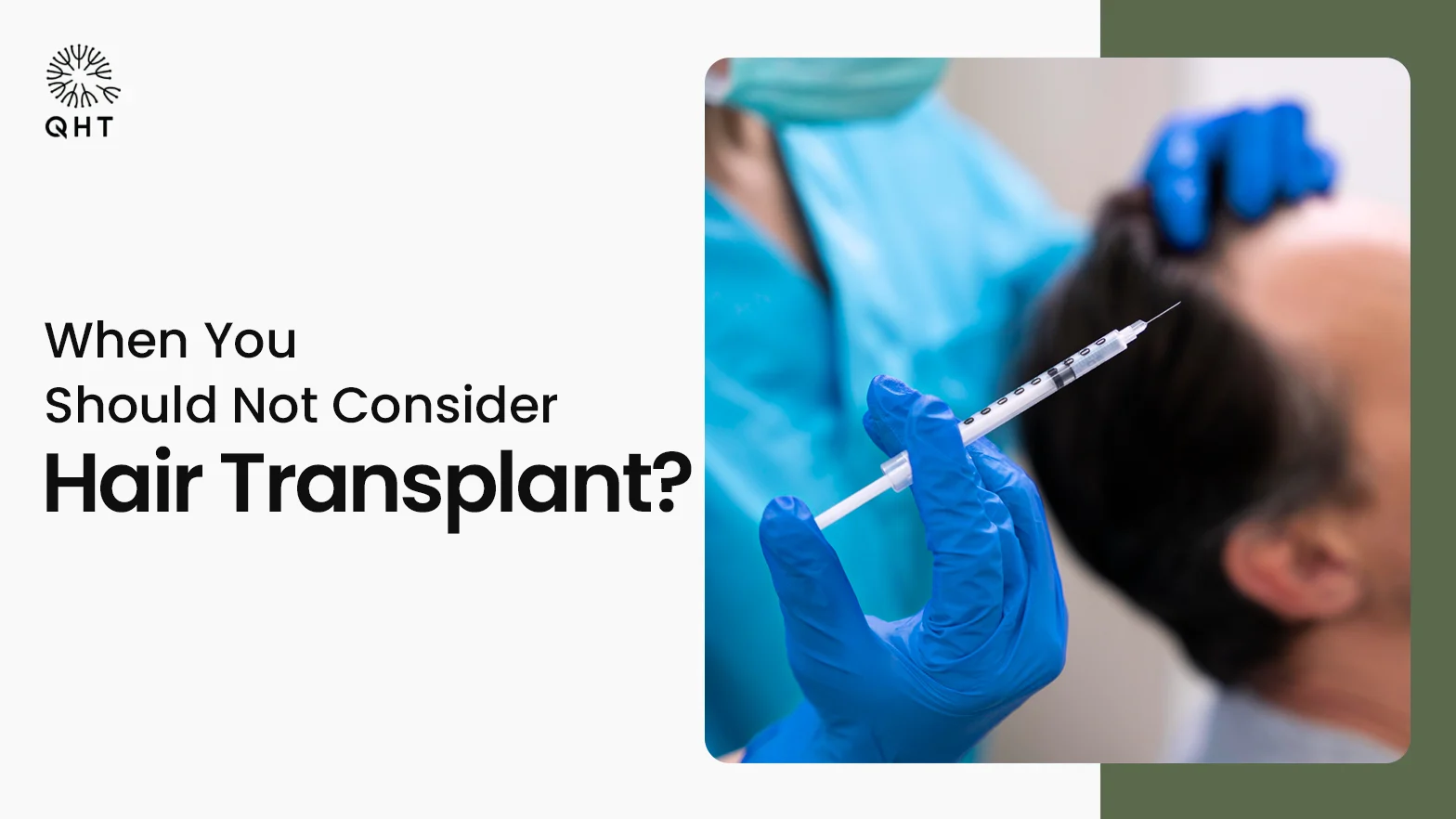
Platelet-rich plasma (PRP) therapy injects one’s own growth factors into the scalp that helps the existing hair follicles to strengthen and also stimulates new hair growth.
Book a Consultation Today
Latest Videos
-

Rajpal Yadav | Bollywood Actor Hair Transplant Journey at QHT Regrow Clinic Haridwar
Click to Watch
-

FUE Hair Transplant Results | DAYA's FUE Hair Transplant Results
Click to Watch
-

Best Hair Transplant Result 2021 || NW Grade VI A || 3,422 Grafts
Click to Watch
-

Best Hair Transplant Result 2022 | Grade 4
Click to Watch
-

YouTuber Mehtab Saifi Hair Transplant
Click to Watch
-

ACP Pradyuman Hair Transplant - Actor's Hair Transplant
Click to Watch