



Permanent Hair Loss Treatment: Myth or Reality?
Experiencing hair loss can be very upsetting, especially if you are trying different ways to stop it and none of them have worked so far. Many individuals seek permanent hair loss treatments hoping that it will solve their problem in one step and guarantee long-term results.
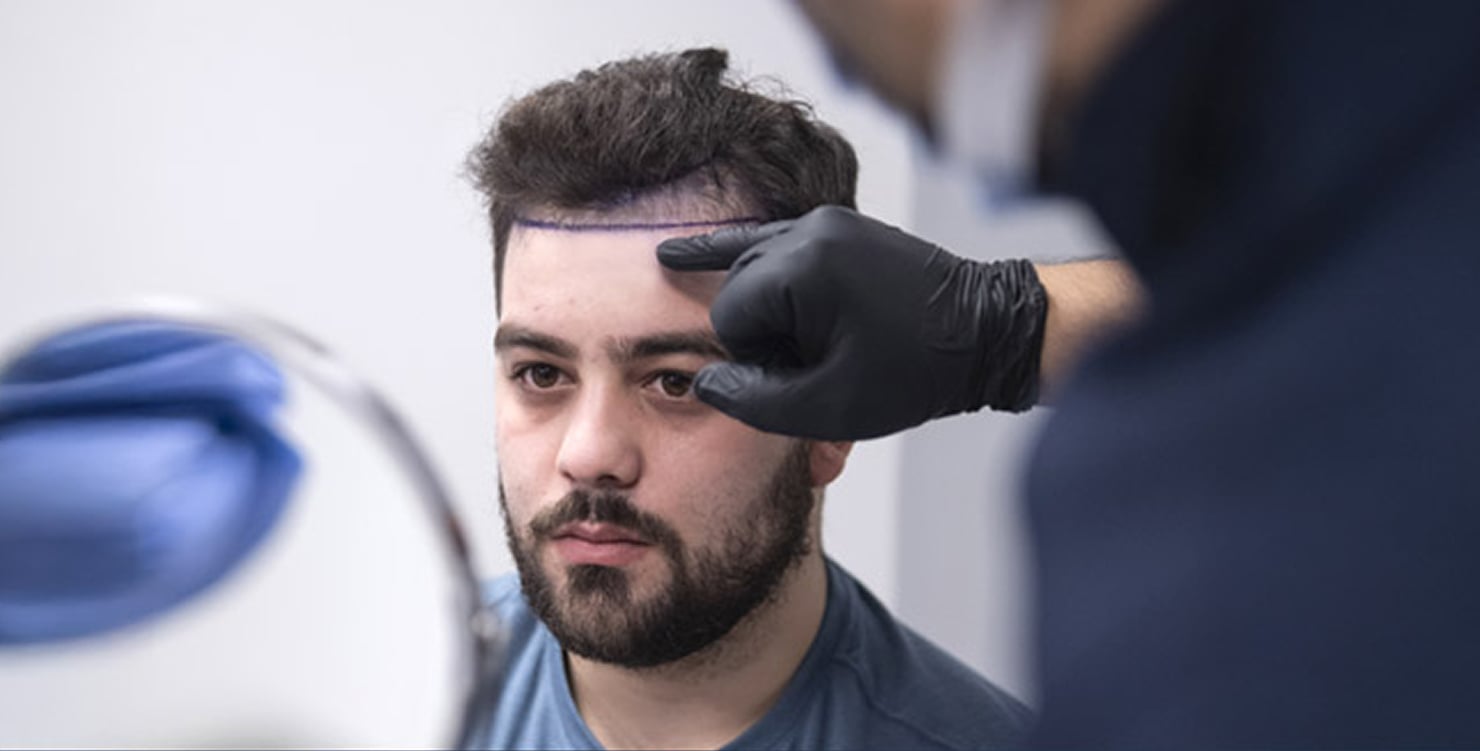
The specialists at QHT Clinic guide patients through proper scalp evaluations and assessments to determine the root cause of their hair loss. On that basis, they recommend effective and permanent solutions to promote long-term hair health as opposed to temporary ones.
This blog explains what permanent hair loss treatment is, and how you can achieve desirable results in the long-term. By understanding this, you can make informed and realistic choices about your available treatment options.
Quick Answer Box
- A permanent hair loss treatment is a long time commitment and not a quick fix for the problem.
- Some of the treatment options for dealing with permanent hair loss are medications (Minoxidil, Fonateride), PRP therapy, low level laser therapy, and hair transplant.
- Hair transplants can provide stable, long-term results for appropriate candidates but will still require adequate follow-up care.
- If there is an underlying medical cause, rapid loss of hair or hereditary thinning; home remedies alone cannot deal with the situation, making a medical evaluation crucial.
Table of Contents
- When does hair loss become permanent?
- How do medicines work for long term hair restoration?
- When can hair‑transplant surgery be a permanent hair solution?
- Myths About Hair Fall Treatment
- Frequently Asked Questions
- Conclusion
When does hair loss become permanent?
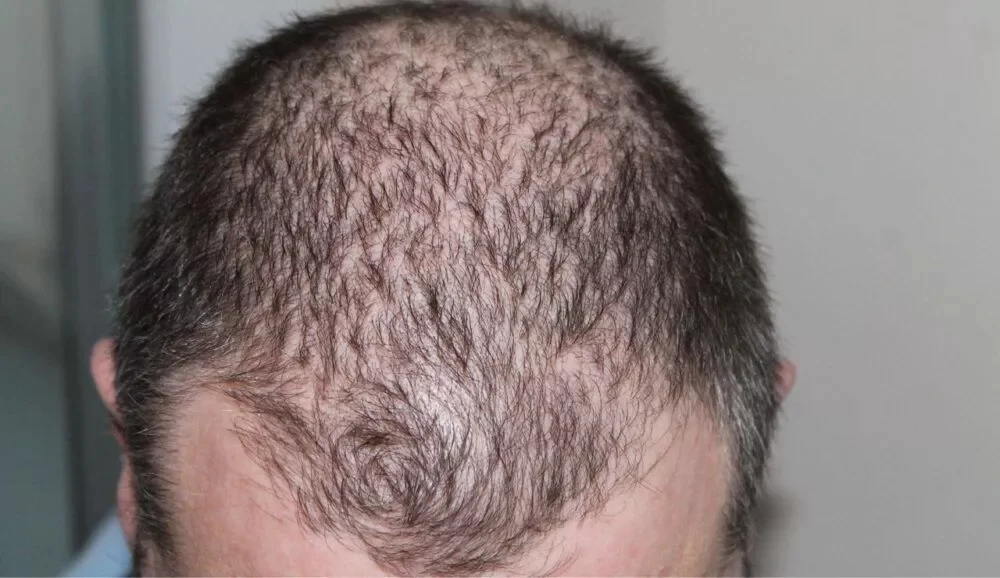
When hair follicles become damaged to the point where they cannot produce new hair, then the hair loss becomes permanent. However, permanent loss of hair does not occur in all cases. Some forms of hair loss are temporary that can be managed by treating the underlying cause, whereas others may continue to worsen over time.
Permanent hair loss typically results from the irreversible damage or destruction of hair follicles. This may happen due to longstanding androgenetic alopecia, where the hair follicles begin to shrink. In addition to androgenetic alopecia, some other medical conditions like inflammatory scalp disorder, untreated autoimmune disorders, severe burns, traumatic scalp injury may also lead to permanent hair follicle damage.
How do medicines work for long term hair restoration?
Long-term hair restoration medications will be prescribed for you when:
- You are experiencing continuous and progressive hair loss
- The cause of your hair loss is genetic or related to hormones
- Your hair follicles are still alive
- Your hair is in the early to moderate stages of thinning
The goal of these medications will be to prevent further hair loss and to maintain existing hair.
Minoxidil and finasteride are often the most important medications prescribed when it comes to treating long-term genetic or chronic hair loss. They are usually prescribed by hair care professionals after undergoing a thorough scalp evaluation and determining the cause of hair loss.
Minoxidil
Minoxidil is a widely prescribed medication that helps in dealing with hair loss. It comes in both liquid and foam form. The frequency of application varies among individuals depending upon the doctor’s instructions.
Minoxidil affects the hair growth cycle by helping the hair follicles move from the resting phase (telogen phase) to the active growth phase (anagen phase). It extends the time that hair follicles remain in the growth stage which leads to hair fall reduction and also helps finer hair to thicken over time. You may notice positive growth results from minoxidil after months of regular use as directed. Being inconsistent or stopping Minoxidil midway, during the treatment timeline may lead to hair fall again, bringing you back to stage one of your hair restoration journey.
Finasteride
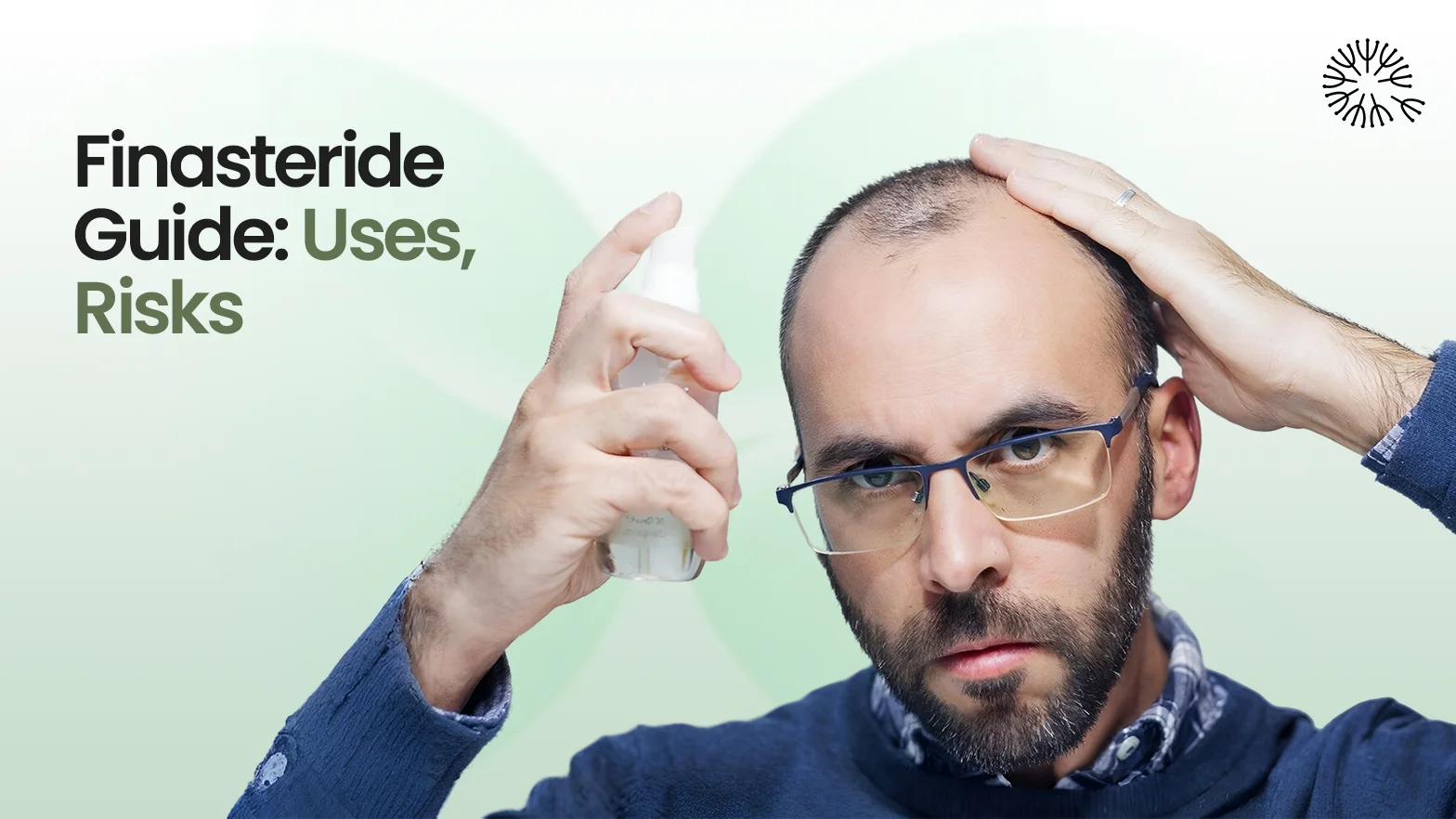
Finasteride is often prescribed for men for treating male pattern baldness and in selective cases to women. Finasteride works by inhibiting the enzyme 5-alpha-reductase, which is responsible for converting testosterone into dihydrotestosterone (DHT).
In androgenetic alopecia, DHT attaches itself to sensitive hair follicles gradually causing those
follicles to become smaller and thinner over time. One way that finasteride helps prevent the progression of male pattern baldness is by reducing the amount of DHT in the scalp, which slows the miniaturisation of hair follicles.
Finasteride is a long-term solution for men experiencing hair loss due to male pattern baldness, and when discontinued, you may experience hair loss again. Since, Finasteride impacts the hormonal activity in the body, it is important to take it under strict medical supervision for safety and effectiveness.
NOTE: Use Minoxidil or Finasteride only after consulting a doctor. Avoid self-medicating as it may worsen hair fall.
When can hair‑transplant surgery be a permanent hair solution?
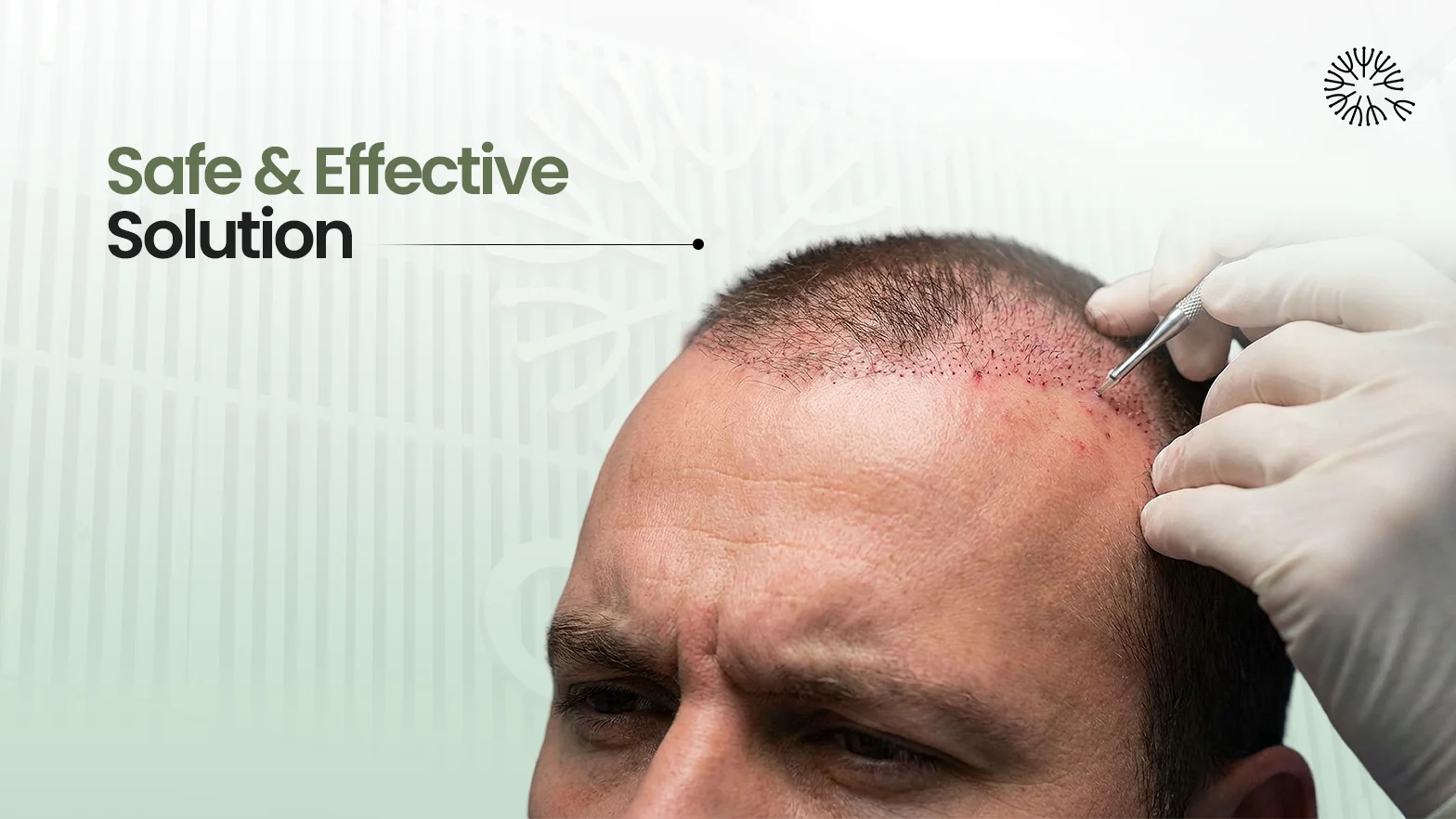
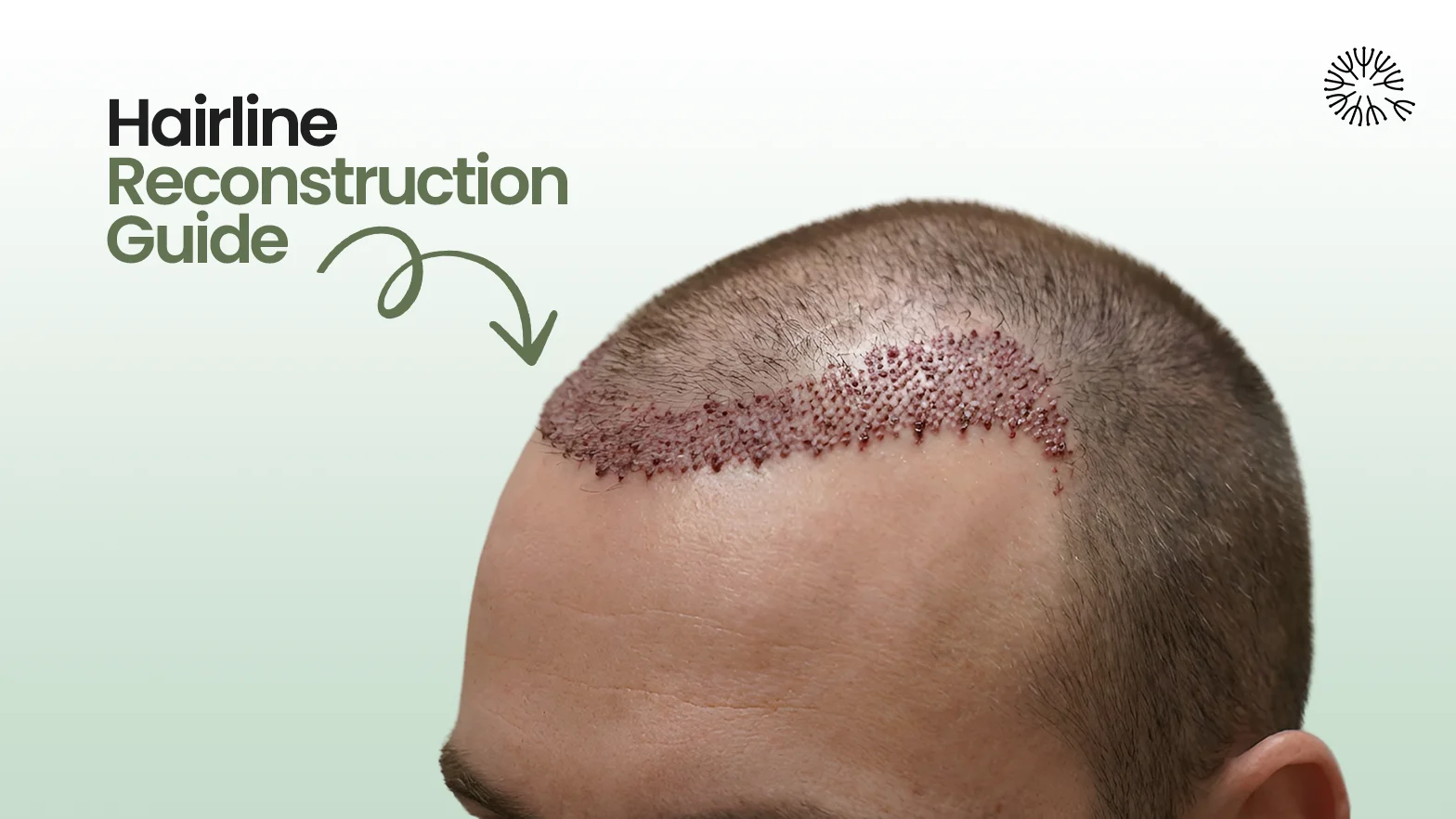
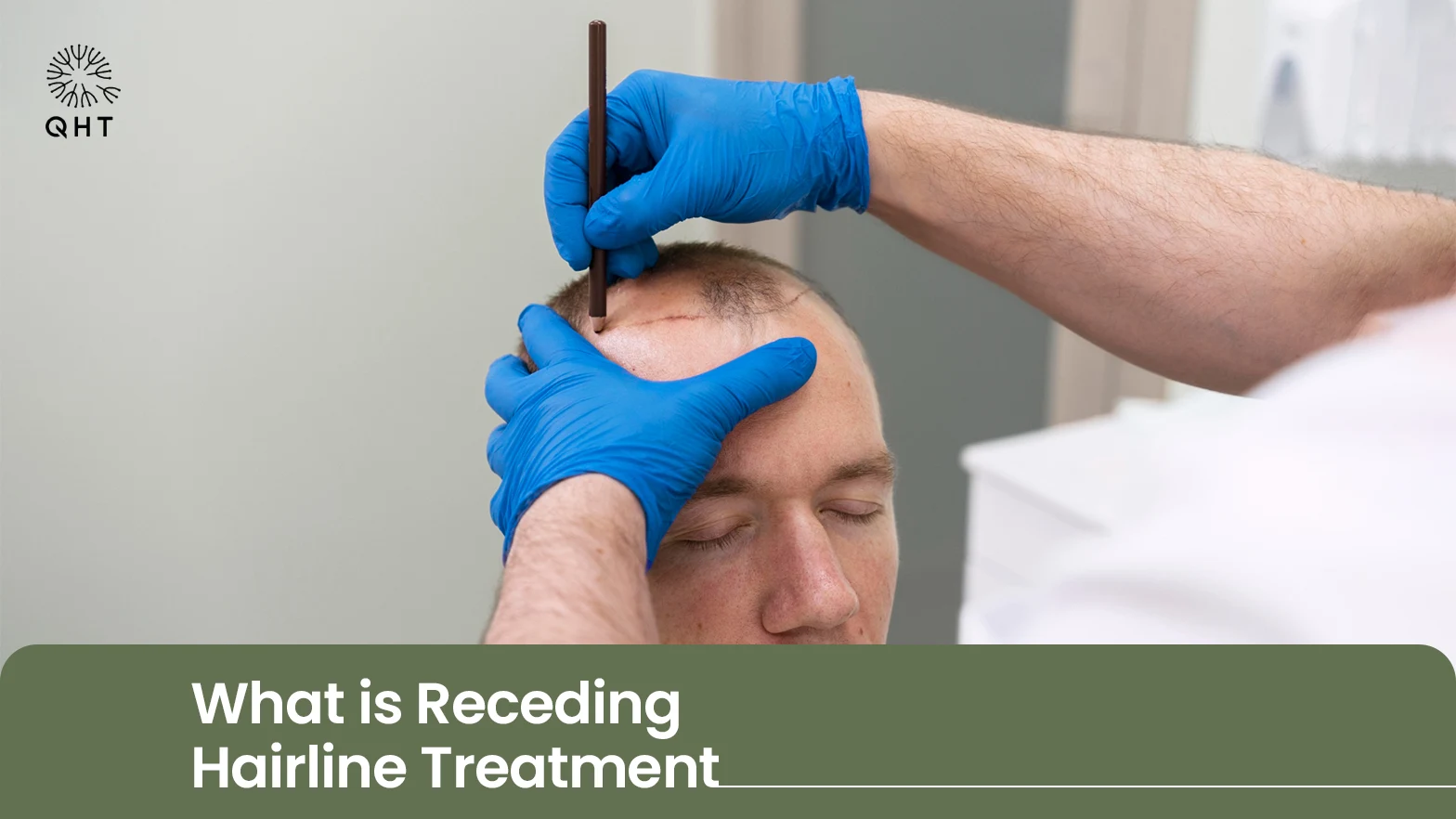
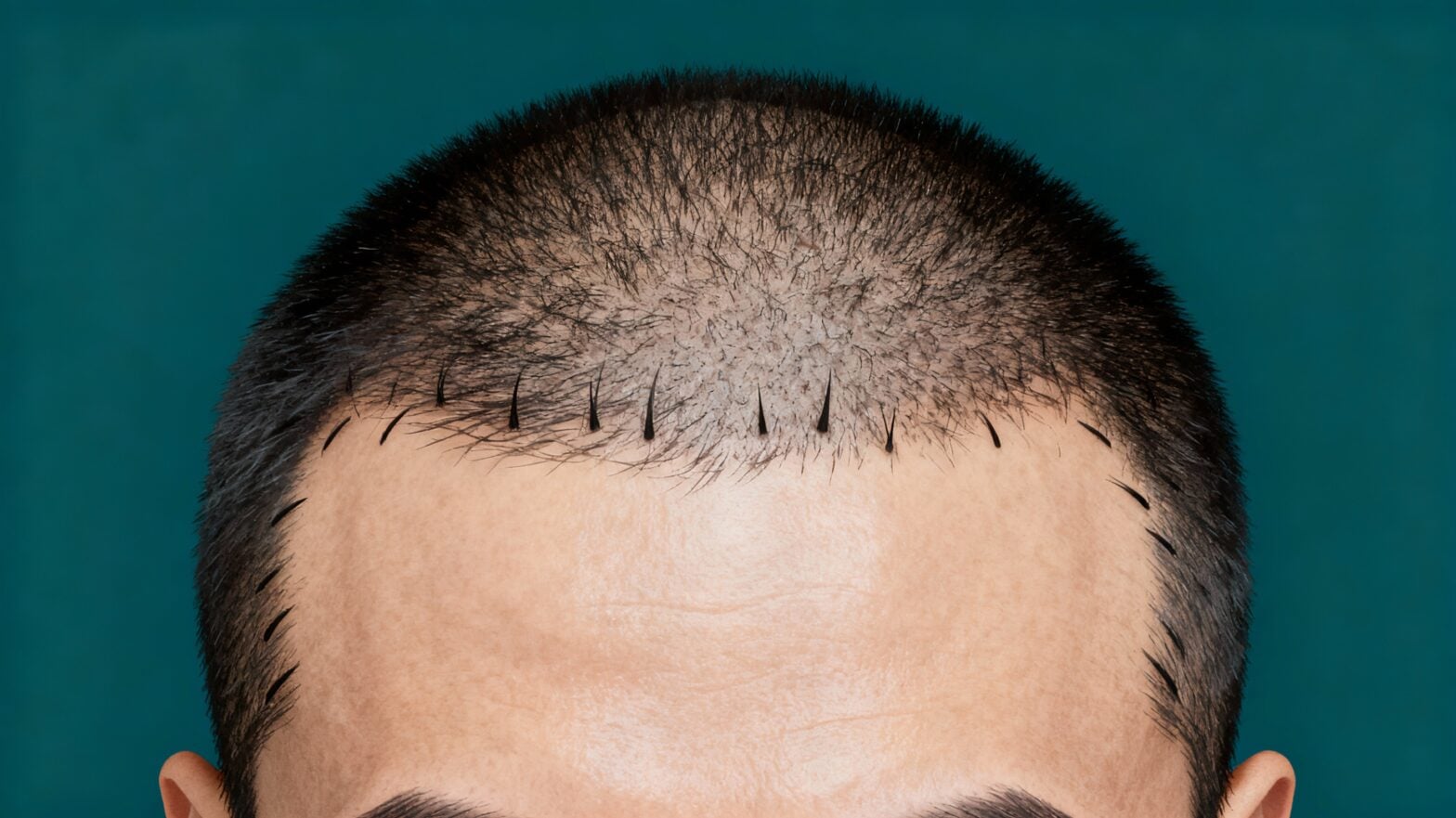
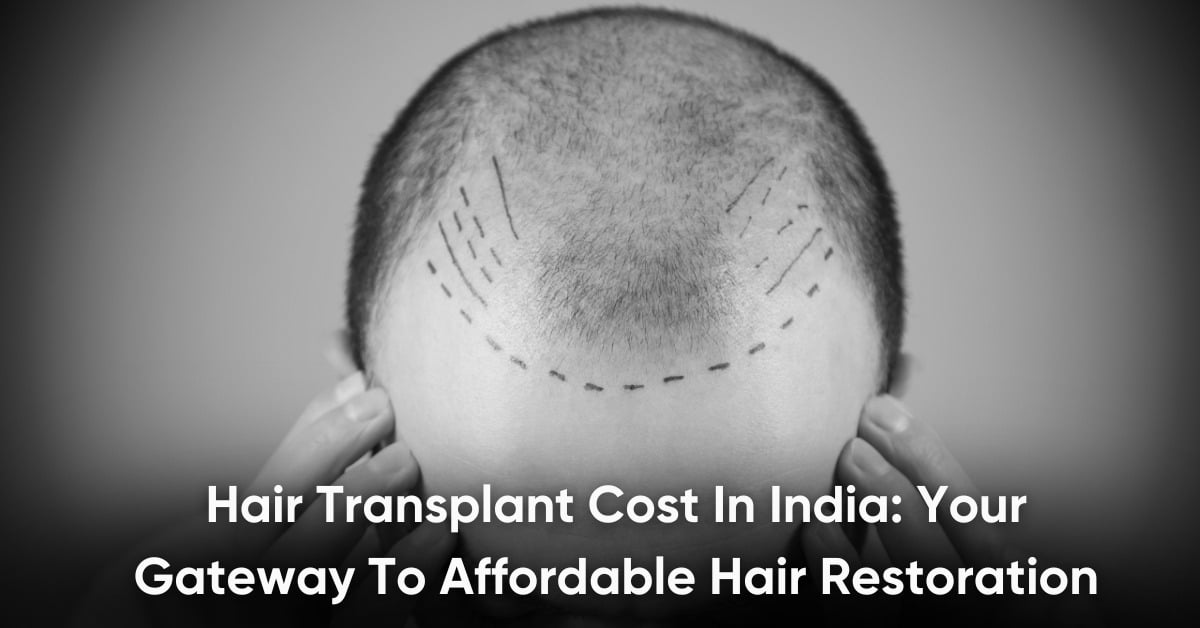
A hair transplant surgery can only be considered as a permanent solution when the active hair loss condition of the patient is stabilised. It is the most effective solution for individuals with sufficient healthy donor hair and no active or rapidly progressing hair loss. Surgery is usually recommended only after underlying causes such as hormonal imbalance or nutritional deficiencies are addressed, ensuring that the results remain stable in the long term.
The two main types of hair transplant methods often practiced are:
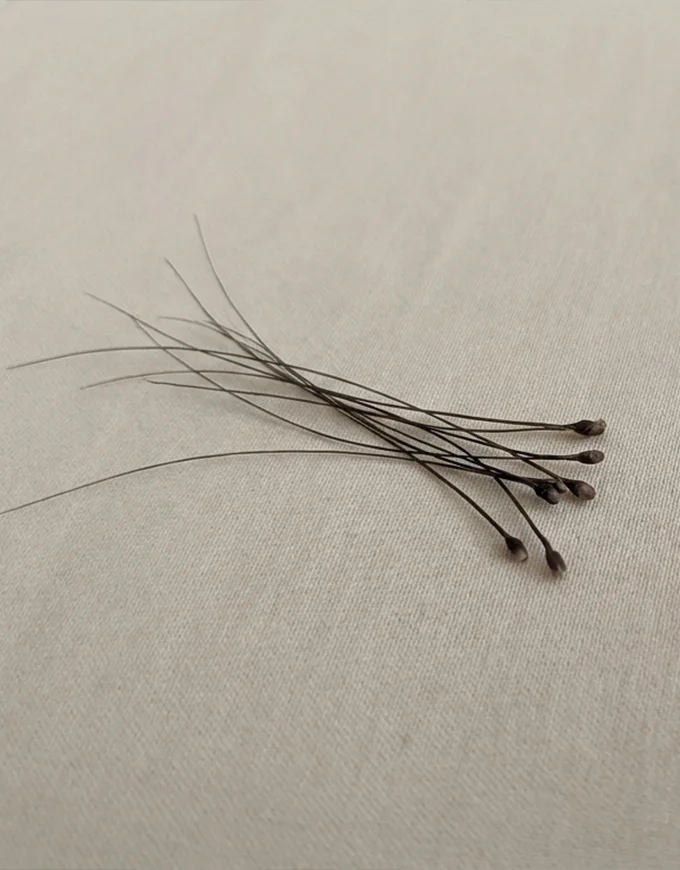
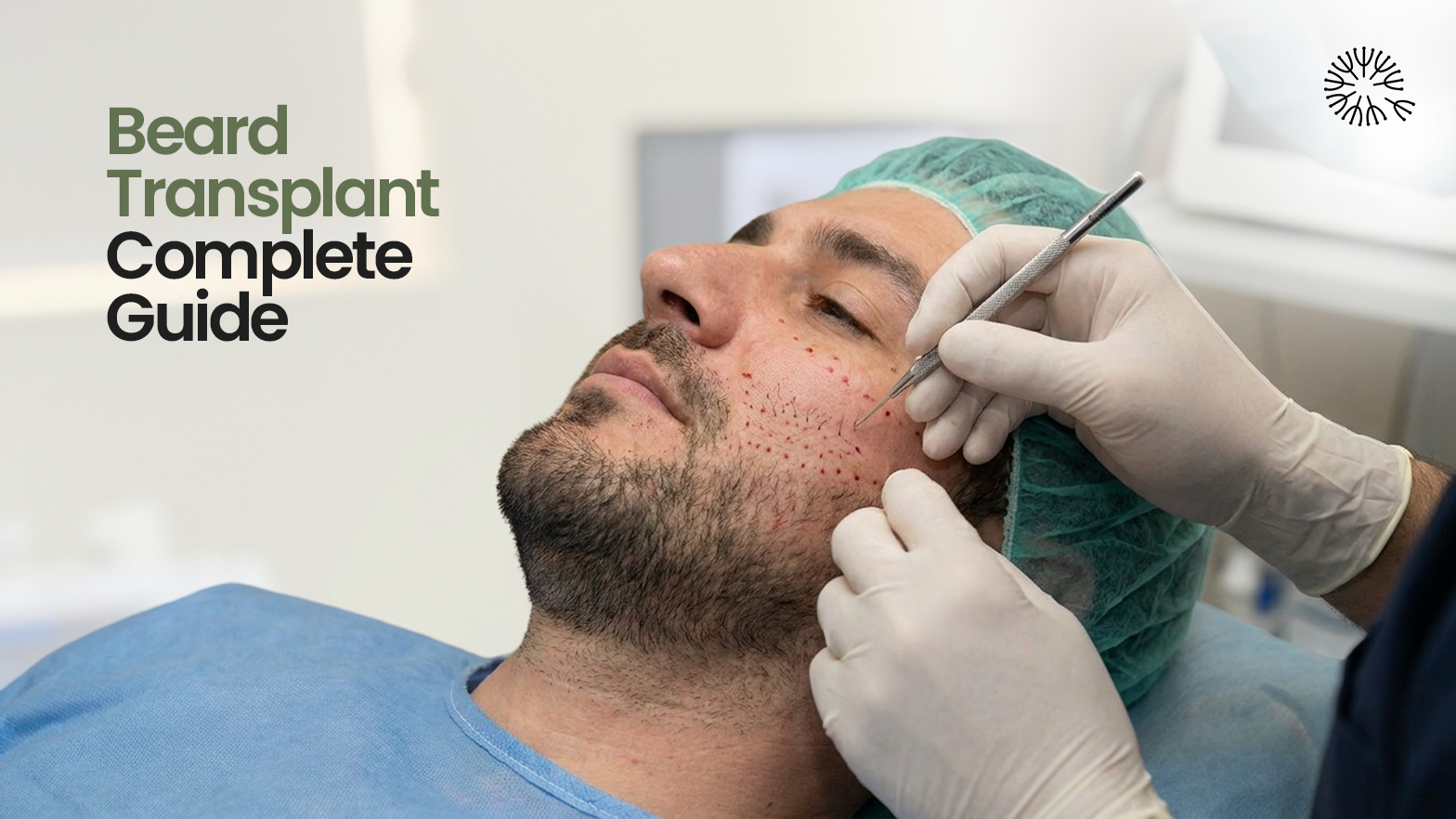
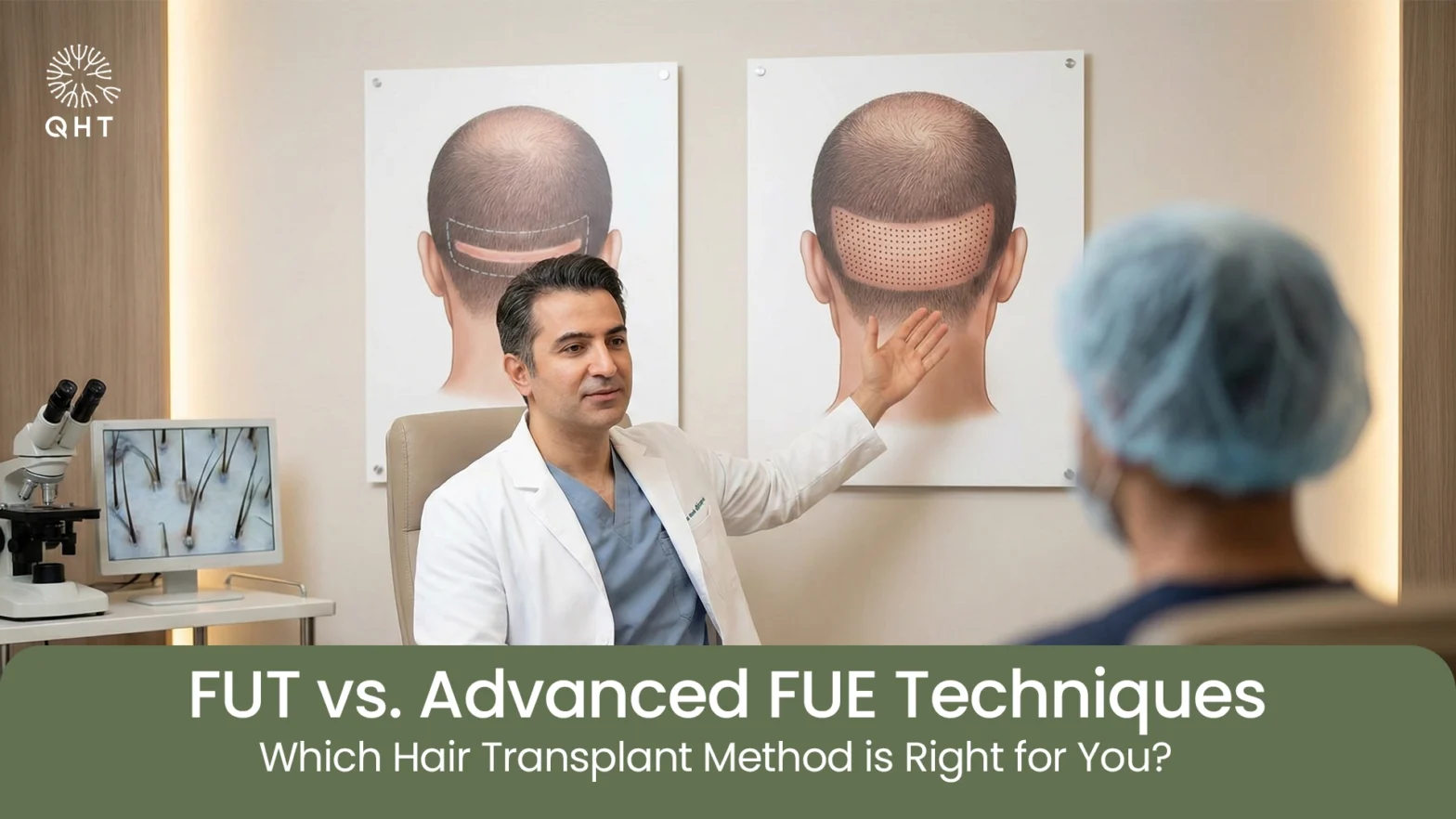
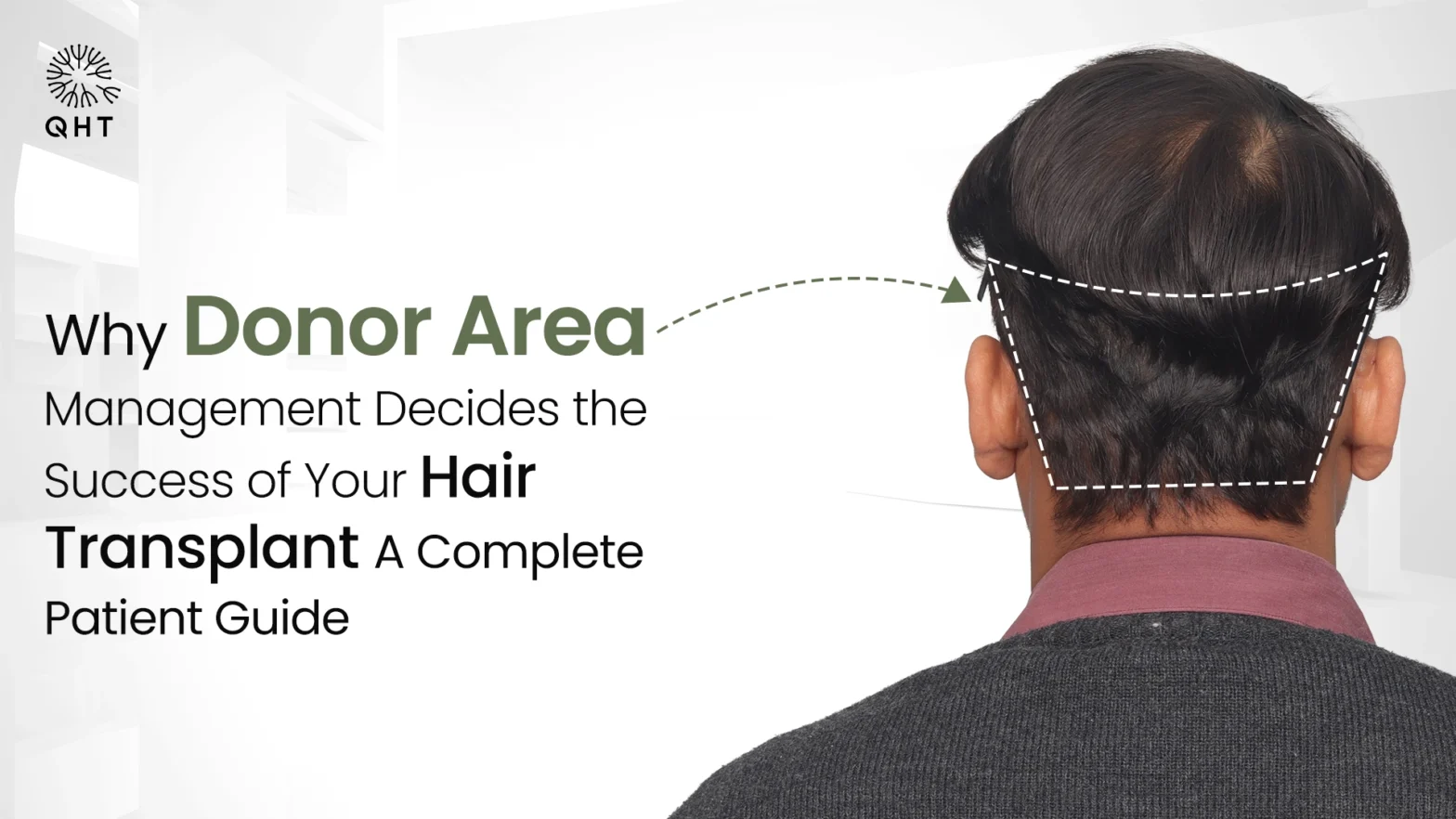
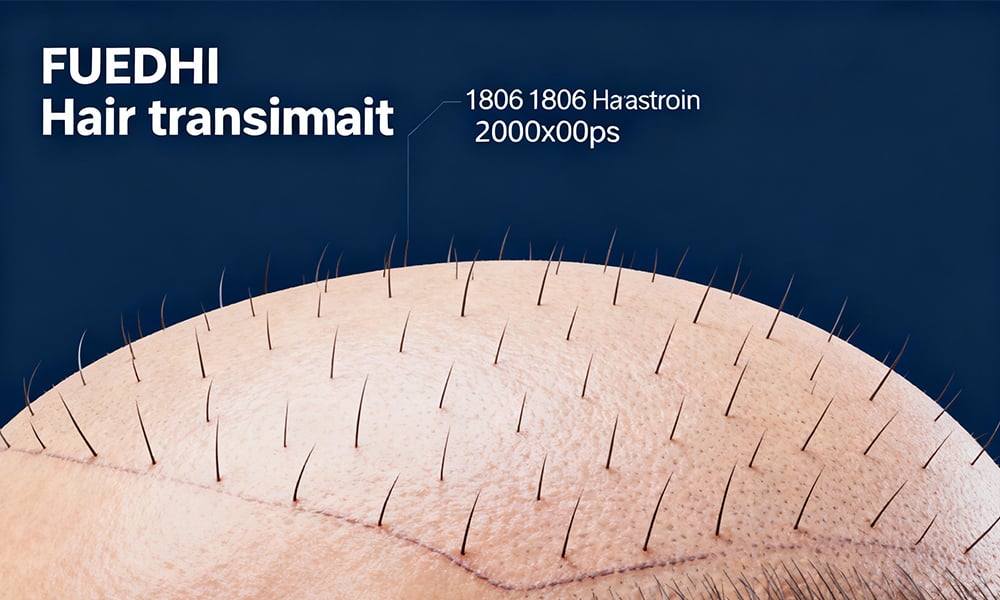
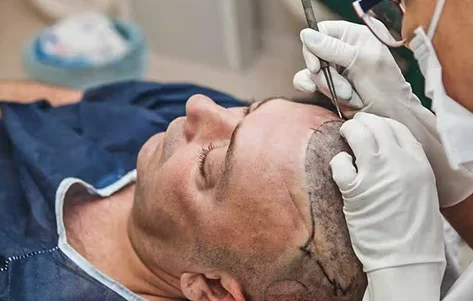
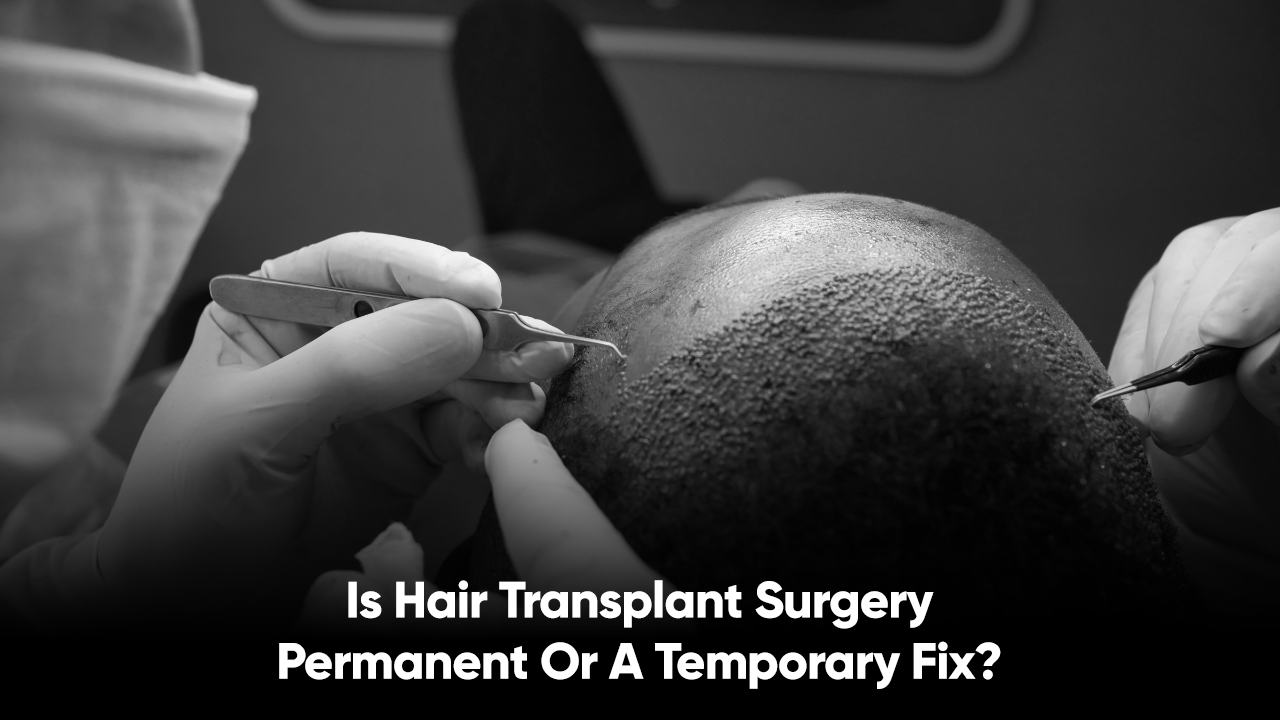
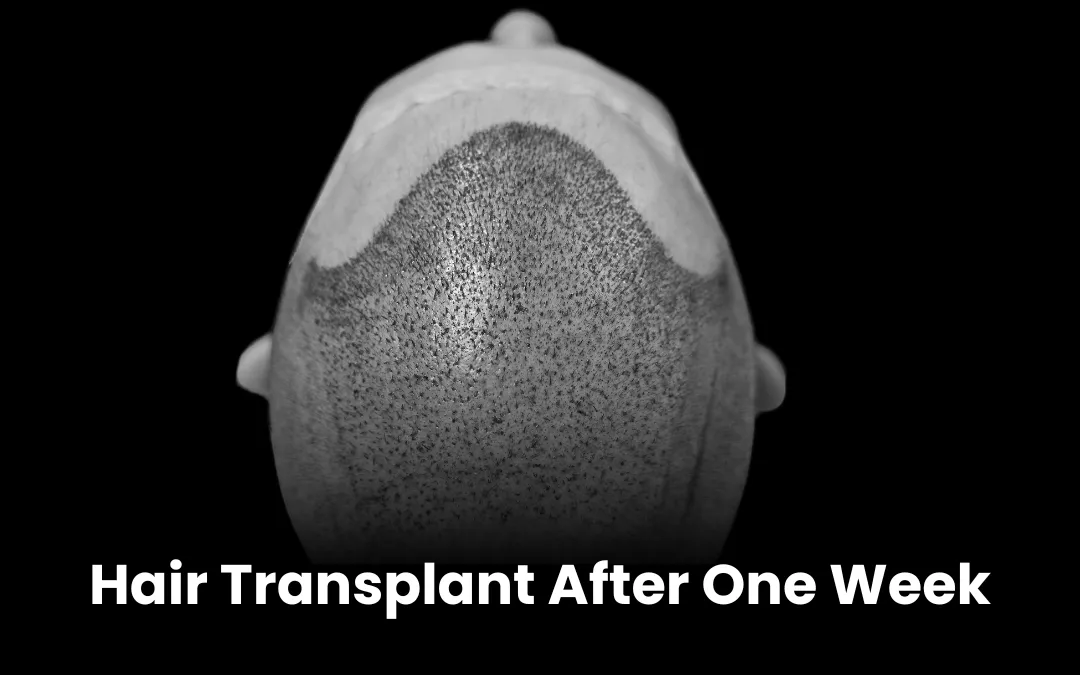
- Follicular Unit Extraction (FUE): In this technique the follicular units are removed from the donor area of the scalp (usually the back or sides of the head) and transplanted into the desired recipient area (the area experiencing hair loss).
- Follicular Unit Transplantation (FUT): Using FUT, the surgeon removes a strip of skin from the donor area, dissects it into follicular units, and then transplants those units into the recipient area.
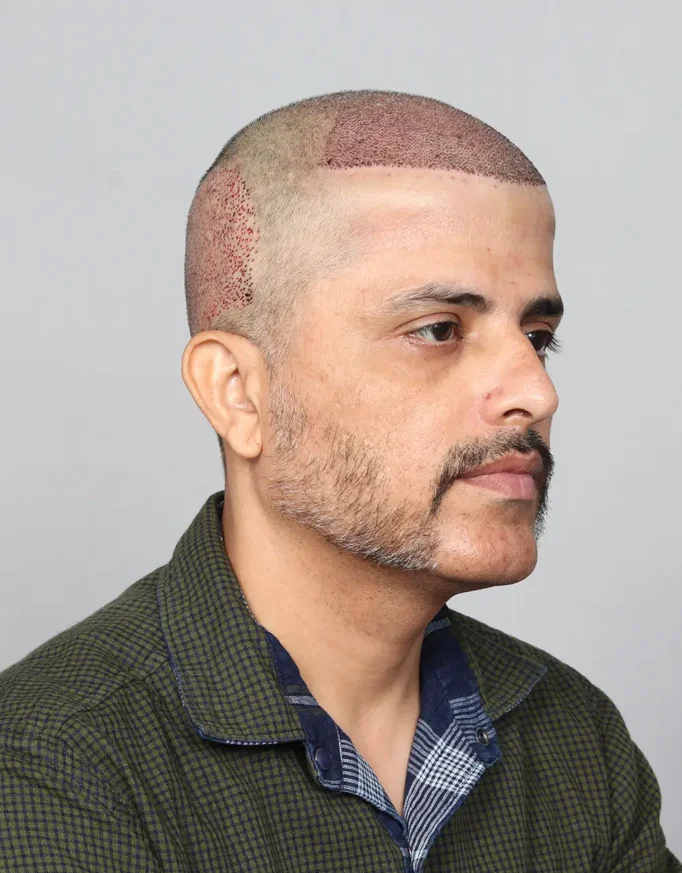
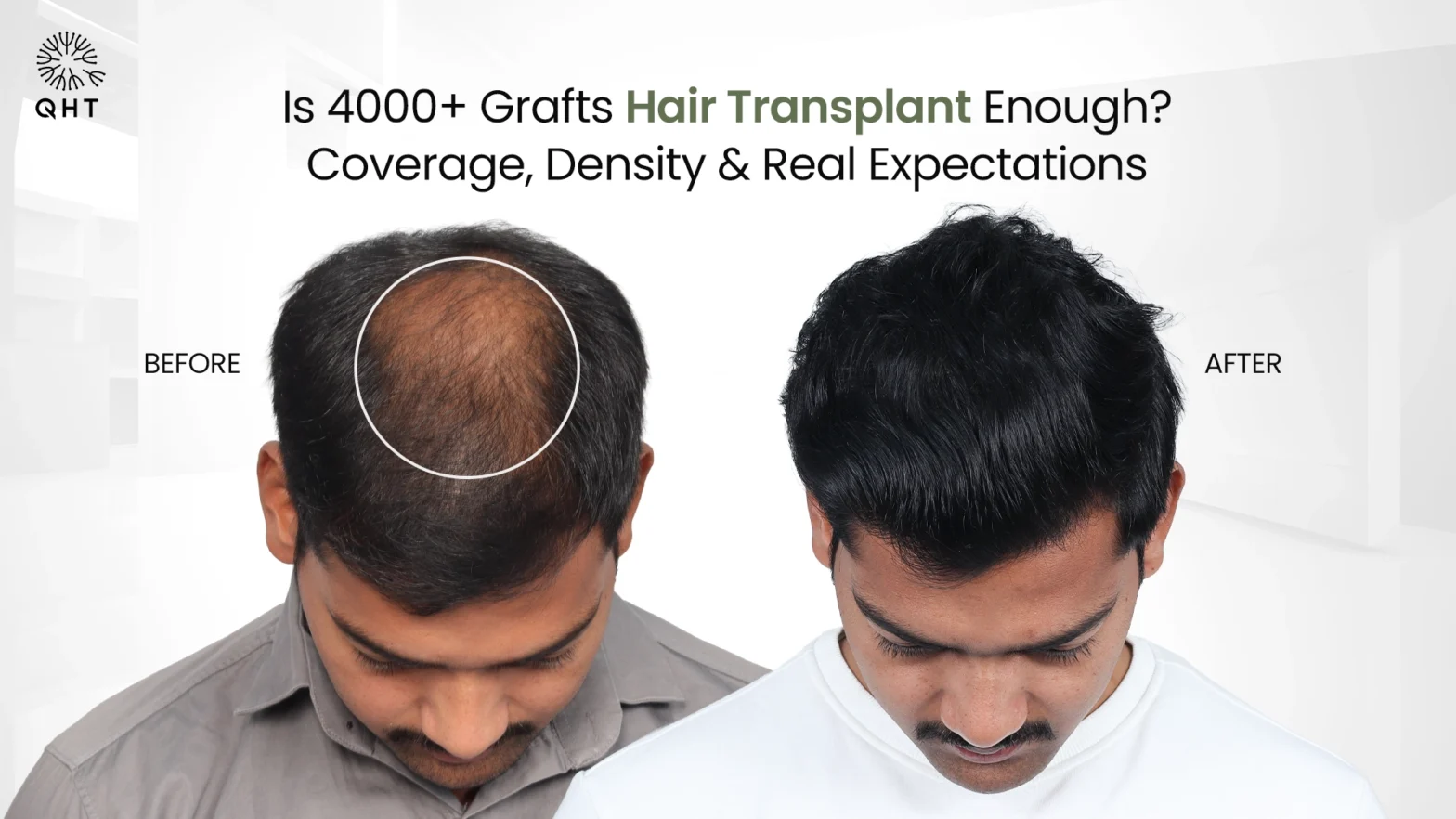
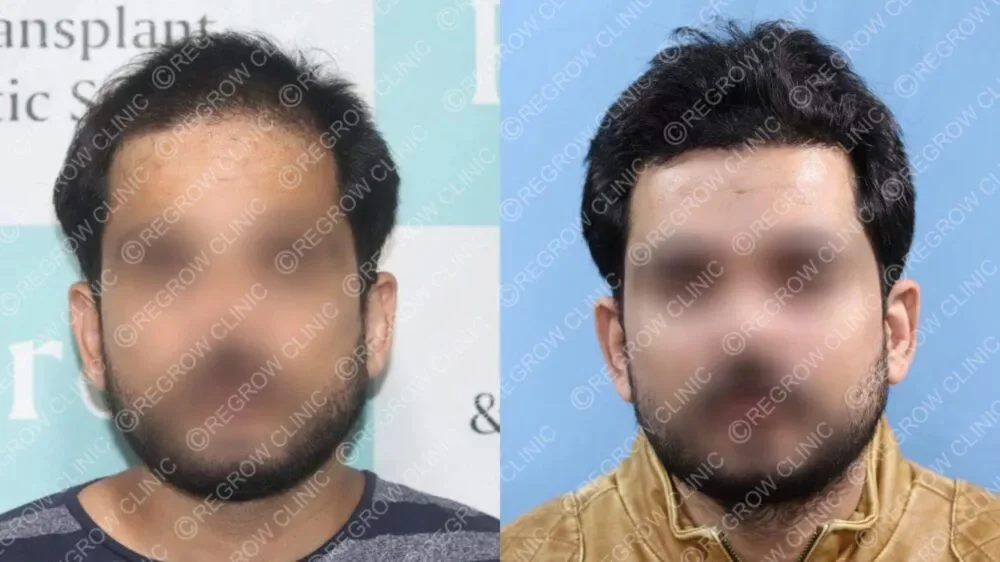
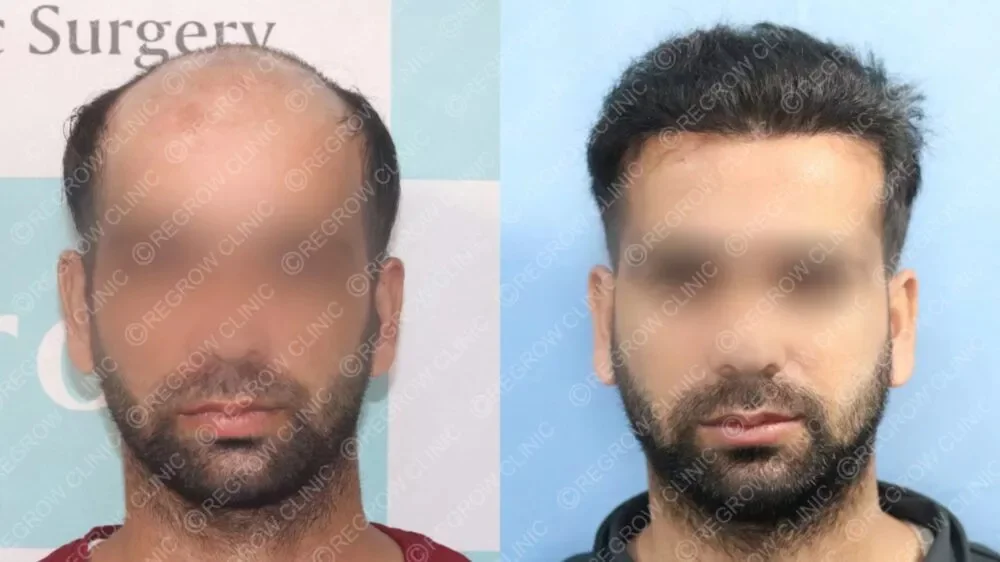
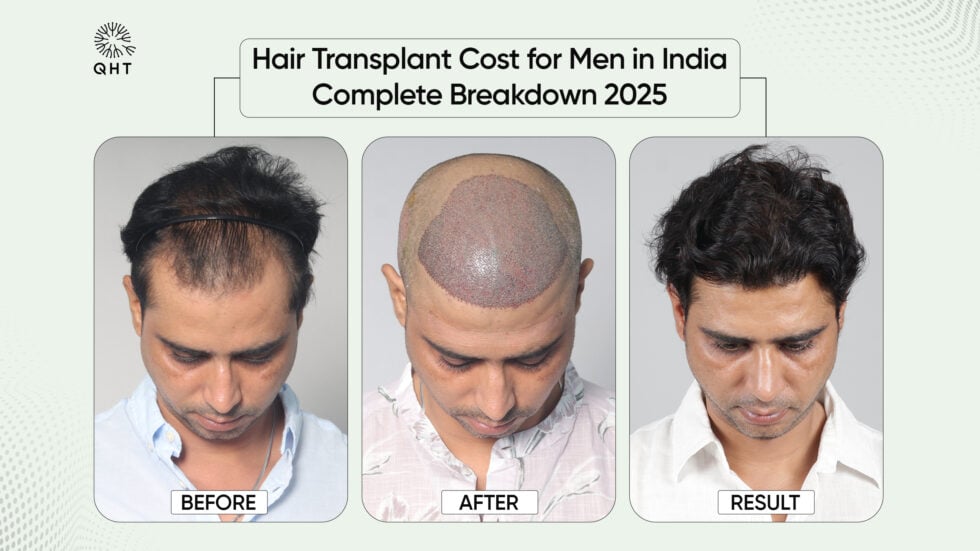
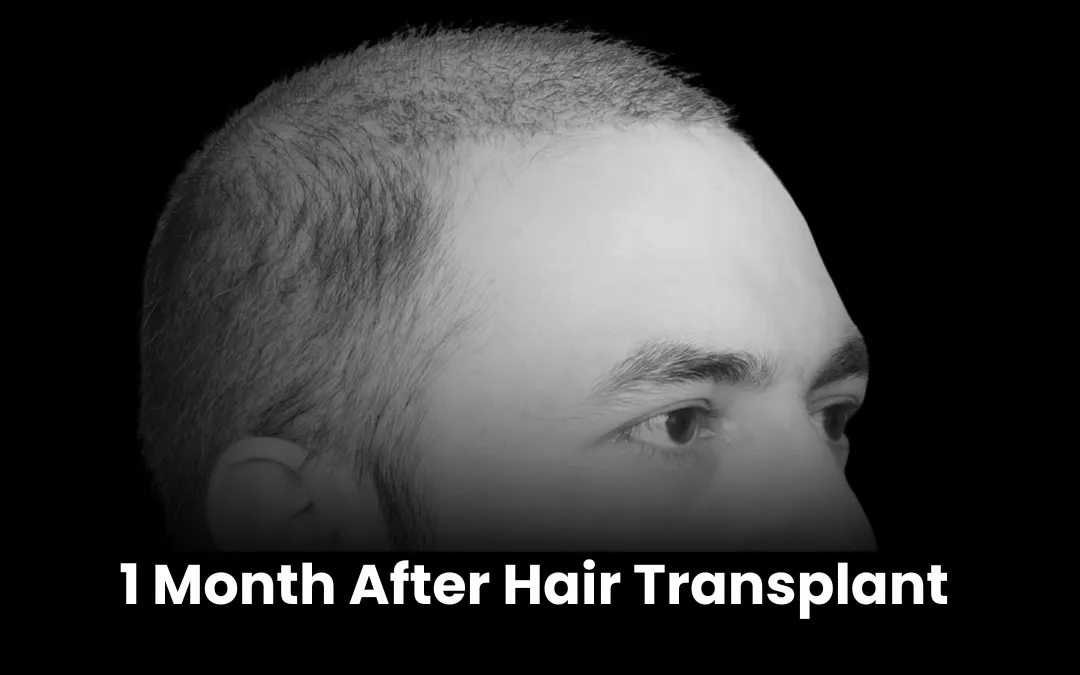
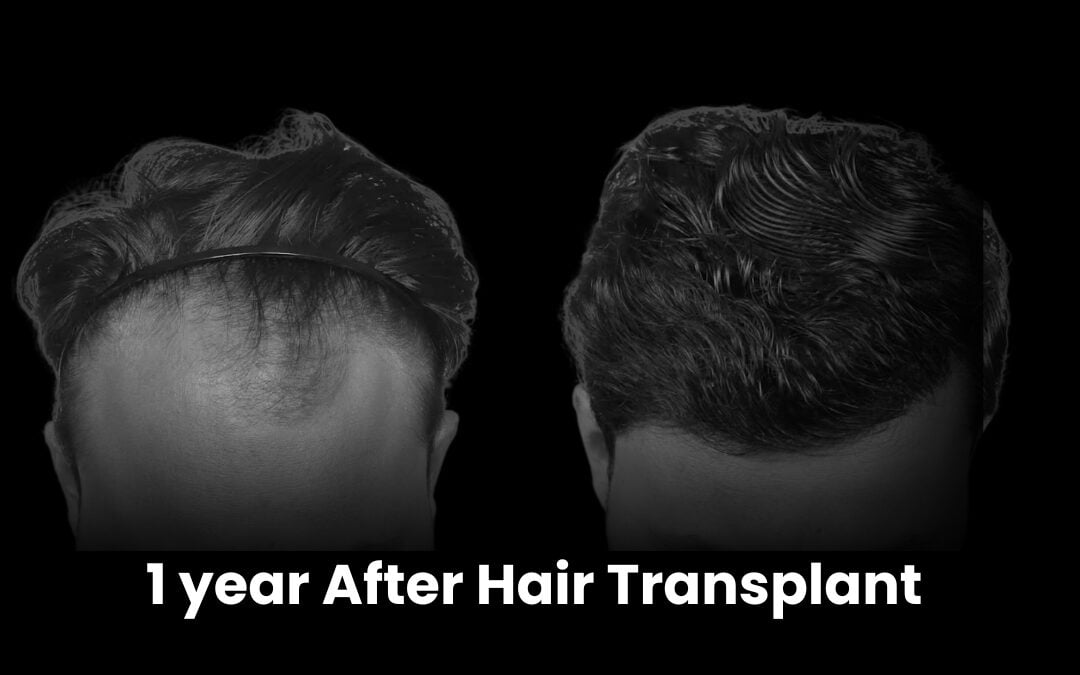
The hair follicles that are taken from the back and sides of the scalp are less sensitive to hormones that are responsible for genetic thinning. Hence, follicles from these areas when transplanted to other areas keep growing naturally. You can see hair growth in 4 to 6 months after the transplant with final results being visible by 9 to 12 months.
Myths About Hair Fall Treatment
There are many misconceptions regarding hair loss treatment which leads patients to have false hope or create unnecessary anxiety about their diagnosis. Having a clear understanding of these different myths will help the patient to select an appropriate course of action and maintain realistic expectations.
Myth 1: Permanent hair loss treatment guarantees no future hair loss.
Truth: Hair shedding may happen even after undergoing permanent hair loss treatment, as the non-transplanted hair follicles may continue to shed.
Myth 2: One treatment approach can work for all patients.
Truth: Treatment approach varies from patient to patient depending upon the underlying cause of hair loss, hence there is no one particular treatment for all patients.
Myth 3: Natural hair loss remedies give permanent results
Truth: While natural remedies can help with maintaining scalp health and stimulate healthy hair growth, they cannot bring inactive hair follicles back to life.
Myth 4: Hair loss will never occur again after treatment
Truth: Hair loss may continue if proper aftercare instructions are not followed by the patient after treatment.
Frequently Asked Questions
Which medications are best for dealing with hair loss?
Some of the effective medications that help deal with hair loss are Minoxidil and Finesteride. Both medications should be taken under strict medical supervision and should not be self prescribed.
Do I need to undergo a surgery to achieve permanent hair?
Not everyone needs to undergo a surgery to achieve permanent hair. The need for surgery is often determined after a thorough scalp evaluation and surgeon assessment. Often doctors suggest medications before suggesting surgical options.
How can I reverse my hairfall?
Hairfall can be reversed by targeting the underlying cause of it and adopting a combination treatment approach as prescribed by the doctor. A combination treatment often involves medications, lifestyle modifications, nutritional corrections, PRP Therapy and more.
Can PRP Therapy stop my hair fall?
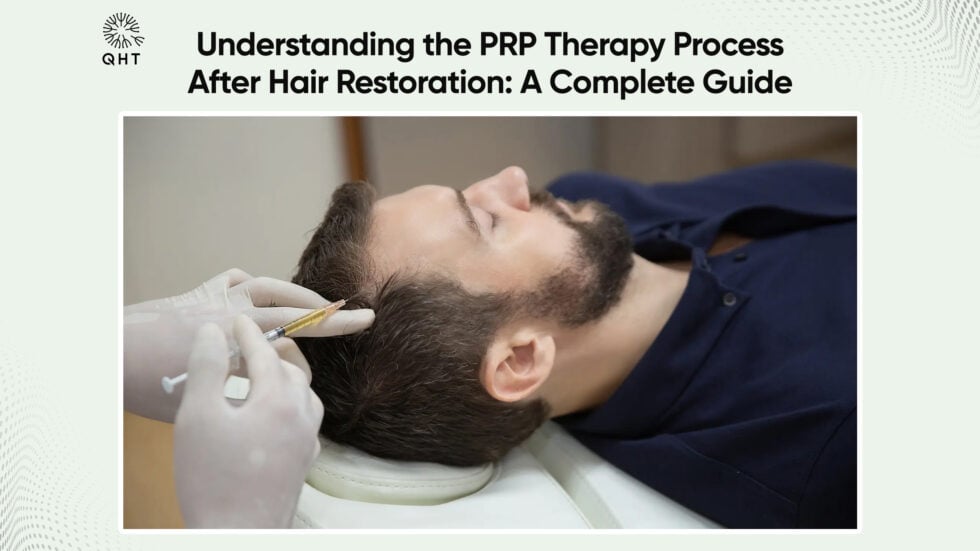
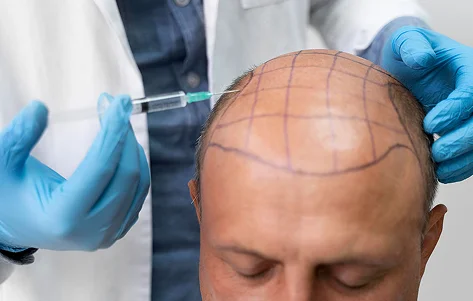
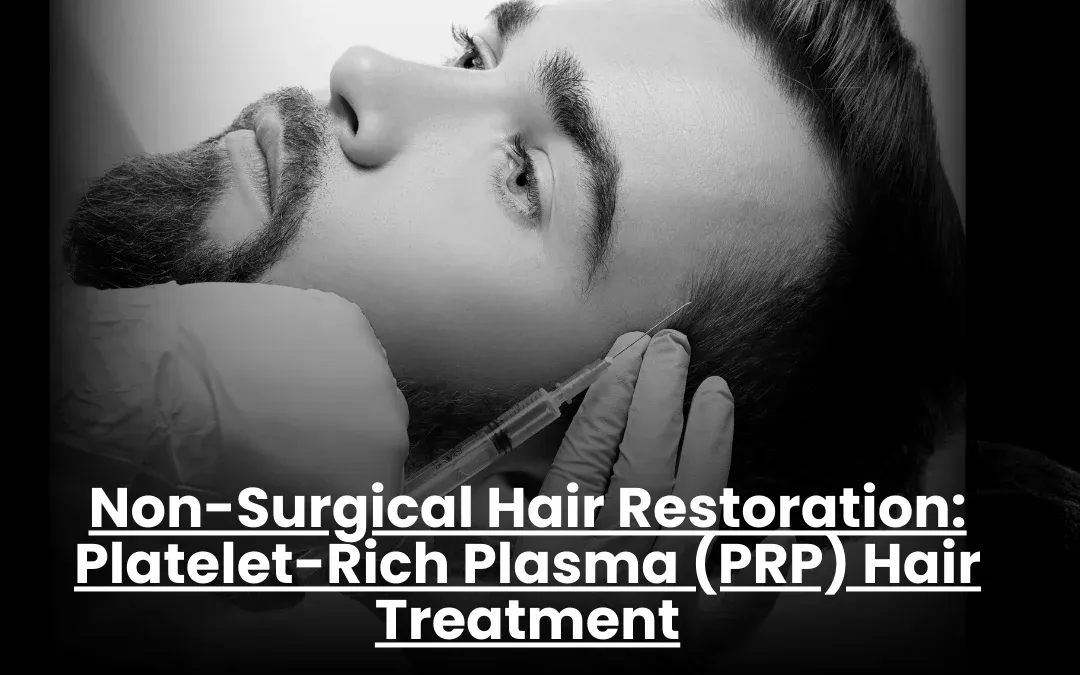
PRP Therapy is a supportive procedure that injects one’s own growth factor into the scalp which helps strengthen existing hair and stimulates new hair growth. However, it is unlikely that it can completely stop hair fall.
Can I get permanent hair results after undergoing a hair transplant?
A hair transplant when performed by a skilled and experienced surgeon can help yield permanent and long lasting results. A hair transplant is often recommended in severe cases after undergoing a thorough scalp evaluation.
When can I see final results after undergoing a hair transplant?
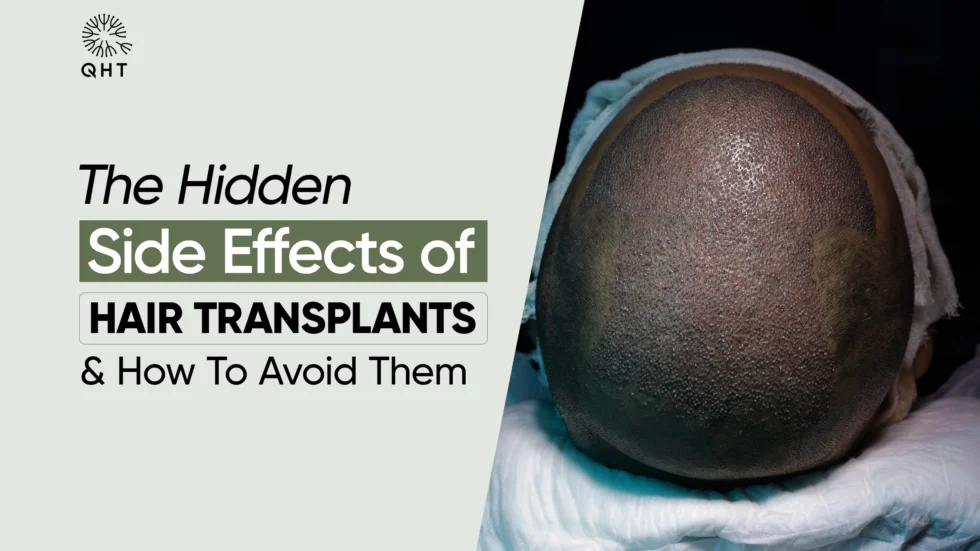
Final results after undergoing a hair transplant are usually visible by 9 to 12 months. You may also experience some temporary side effects, but it usually resolves within a few days.
Conclusion
Permanent hair loss treatments do not yield instant results, rather they work slowly and progressively over time. In order to successfully manage hair loss, you must consult a doctor for accurate diagnosis, initiate intervention in a timely manner and have realistic expectations about the outcome of the procedures. By following these factors, you can manage your hair loss effectively and maintain results over time.
At QHT Clinic, all treatment plans are designed after a thorough medical assessment and are individualised according to the patient’s condition. After thorough consultations, QHT specialists may also guide you in making informed decisions regarding the suitable treatment options and help you achieve permanent results.
Book a Consultation Today
Latest Videos
-

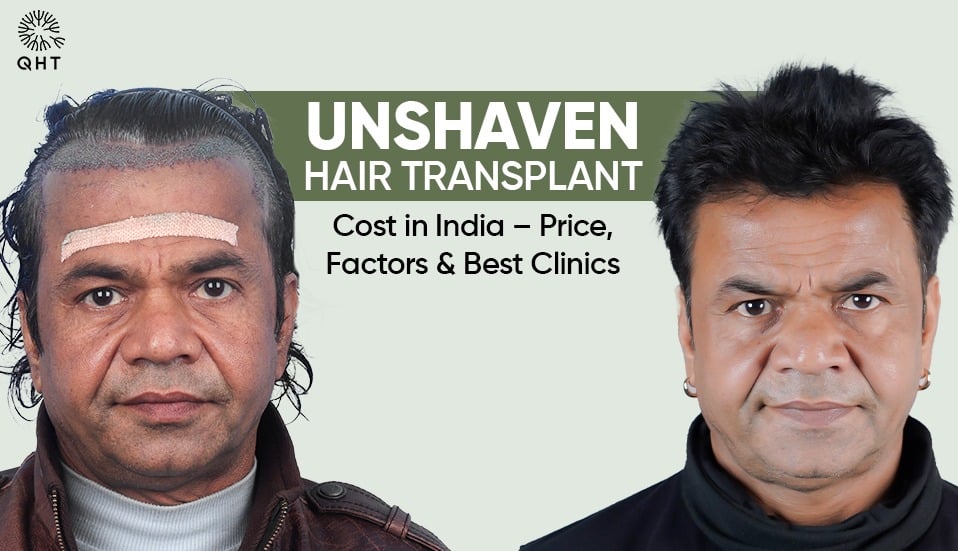
Rajpal Yadav | Bollywood Actor Hair Transplant Journey at QHT Regrow Clinic Haridwar
Click to Watch
-

FUE Hair Transplant Results | DAYA's FUE Hair Transplant Results
Click to Watch
-

Best Hair Transplant Result 2021 || NW Grade VI A || 3,422 Grafts
Click to Watch
-
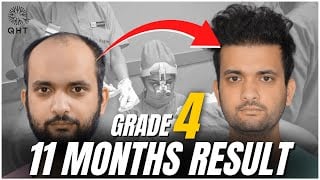
Best Hair Transplant Result 2022 | Grade 4
Click to Watch
-

YouTuber Mehtab Saifi Hair Transplant
Click to Watch
-

ACP Pradyuman Hair Transplant - Actor's Hair Transplant
Click to Watch