



Biotin for Hair: Does It Really Work?
Walk into any pharmacy, and you will see biotin everywhere. Gummies, tablets, and shampoos all promise fuller hair. Maybe you already have a bottle sitting at home. You have taken it for a while, checked the mirror, and felt unsure. Is it really doing anything?
It is a fair question, and the honest answer is not what the ads tell you. Your body does use biotin to build keratin, the protein your hair is made of.
However, true biotin deficiency is rare, as most people get enough from everyday food. This means biotin largely helps only if your levels started out low.
For most people, it does very little. If your hair still falls after months of biotin for hair, the real cause is usually something else.
This blog keeps it simple. You will learn when biotin works, when it does not, and what truly brings back hair that is already gone.
At QHT Clinic, our surgeons have helped over 15,000 patients find that answer. Want clarity on your own hair fall? A quick assessment is the best place to start.
Quick Answer Box
Does biotin work for hair?Biotin helps your body make keratin, the protein that builds your hair. But it only improves growth if your biotin level is low, which is rare. A normal diet gives about 35 to 70 mcg of biotin a day, more than the 30 mcg most adults need. So biotin cannot regrow hair lost to genetic baldness.
|
Table of Contents
- What Is Biotin and How Does It Affect Your Hair?
- Is Biotin Good for Hair Growth?
- Biotin for Hair Loss: When It Helps and When It Doesn’t
- Natural Sources of Biotin for Hair
- What Actually Restores Hair Based on the Cause
- Myths About Biotin for Hair
- Frequently Asked Questions
What Is Biotin and How Does It Affect Your Hair?
Biotin (Vitamin B7) and Keratin Production
Biotin is a vitamin. People also call it vitamin B7. Your body uses it every single day. Its main job is to help turn the food you eat into energy. It works on the fats, carbohydrates, and proteins in your meals.
Biotin also helps your body make keratin. Keratin is a protein. It is the main building block of your hair, skin, and nails. This is why biotin is so closely linked to hair health. When your body cannot make keratin in a normal way, your hair can grow weak and thin. So biotin does matter for your hair. The real question is whether taking extra biotin gives you extra hair.
Biotin Benefits for Hair, Skin, and Nails
The biotin benefits for hair come from this keratin link. When your body has enough biotin, it can build keratin the way it should. This supports healthy hair and strong nails. It also plays a part in healthy skin.
But here is the key point. These biotin benefits for hair only show up when your levels are low to begin with. If your biotin is already normal, taking more does not add an extra boost. Your body simply uses what it needs and removes the rest. So a healthy person who already eats well will not see much from a biotin pill.
Is Biotin Good for Hair Growth?
What the Research Actually Shows
So does biotin for hair growth really work? The honest answer is that the proof is weak. A 2024 review looked at this very closely. The reviewers searched for solid studies and found only three that met their quality bar. The strongest one was placebo-controlled. It found no real difference in hair growth between the people who took biotin and the people who took a dummy pill.
Newer studies are mixed. A 2025 trial tested a plant-based product that mixed biotin with silica. It had 105 people and ran for 90 days. Some users did report fuller hair. But the product had more than one active ingredient.
So we cannot say biotin alone caused the change. This is a common trap with hair supplements. They pack in many vitamins, then give biotin the credit. This makes the marketing look strong, even when the science behind it is not.
Promotes Growth vs Prevents Loss: Why the Difference Matters
There is an important difference here that most ads hide. “Promotes growth” and “prevents loss” are not the same thing. Biotin for hair growth in a healthy person is not well supported by science. But fixing a true deficiency can stop the hair fall that the deficiency caused in the first place.
So biotin for hair growth makes the most sense for people who are actually low in it. For everyone else, the effect is small or none. If you eat a normal, balanced diet, more biotin is very unlikely to grow new hair.
Biotin for Hair Loss: When It Helps and When It Doesn’t
Signs of Biotin Deficiency
Biotin for hair loss can help, but only in one situation. That situation is a real biotin deficiency. The signs of low biotin are fairly clear. They include hair shedding, brittle nails that split easily, and skin rashes. Some people also feel low on energy.
But true deficiency is very rare in healthy people who eat a balanced diet. Most of us get enough biotin from everyday food without even trying. So for the large majority of people, low biotin is not the reason their hair is falling. That is why a supplement so often fails to fix the problem.
Why Biotin Does Nothing for Genetic or Hormonal Hair Loss
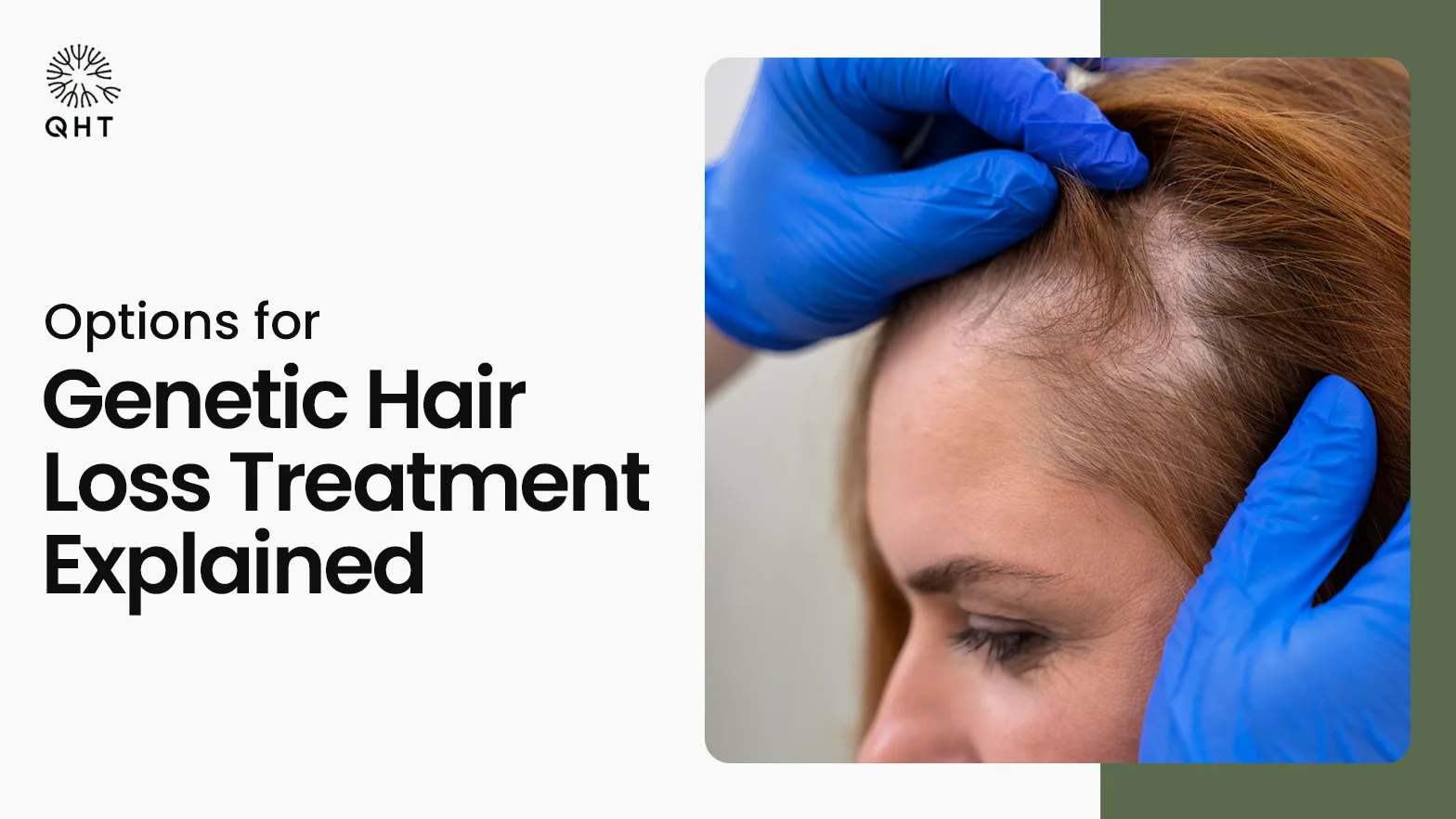
Now the hard truth. Most hair loss is not caused by low biotin at all. The most common cause is genetic. Doctors call it androgenetic alopecia, or pattern baldness. This type is driven by your genes and your hormones, not by your diet.
Biotin for hair loss of this kind does nothing. No supplement can change your genes. Hormonal hair loss works in a similar way. If hormones or genes are the cause, a biotin pill will not bring the hair back. This is exactly why so many people feel let down after months of taking it. They were treating a genetic problem with a vitamin.
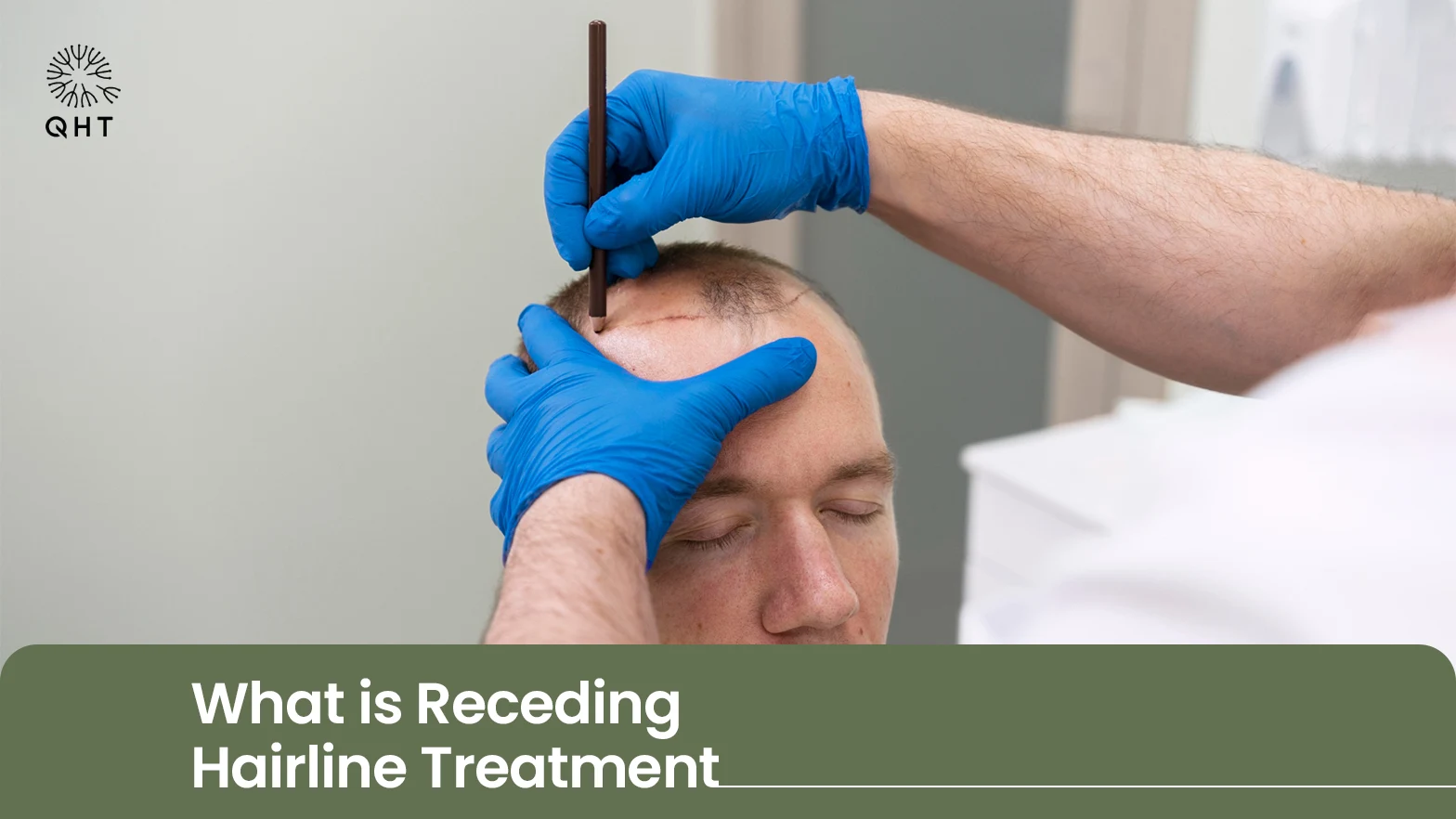
If your hairline is moving back, no supplement will rebuild it. The good news is that real options exist. Book a hair assessment at QHT Clinic and find out what will actually work for you.
Natural Sources of Biotin for Hair
Food is the best and safest way to get biotin for hair. The natural sources of biotin are easy to find and cheap. You likely eat some of them already. For most people, food alone covers the daily need.
Vegetarian Sources
Plenty of plant foods carry biotin. Good vegetarian picks include avocado, sweet potato, and nuts like almonds and peanuts. Seeds such as sunflower seeds help too. Legumes like beans, lentils, and soybeans add even more. These foods also give you fiber and healthy fats. So they support your whole body, not just your hair.
Non-Vegetarian Sources
If you eat non-vegetarian food, you have some of the richest options. Egg yolk is one of the best sources of biotin. Salmon is another strong choice. Organ meats, such as liver, are very high in biotin as well. One simple tip: always cook eggs fully before eating them. Raw egg white has a protein called avidin that can block your body from taking in biotin.
How Much Biotin Do You Actually Need?
Most adults need only about 30 mcg of biotin a day. That is a very small amount. A normal mixed diet often gives 35 to 70 mcg a day on its own. Yet many hair supplements contain 5,000 to 10,000 mcg per dose. That is far more than your body can ever use. Eating natural sources of biotin is usually more than enough. More is not better. Any extra biotin just leaves your body in your urine.
What Actually Restores Hair Based on the Cause
The smart move is to treat the real cause of your hair fall. Not every hair problem needs the same fix. The right answer depends on why you are losing hair in the first place.
Reversible Causes Where Biotin and Diet Can Help
Some causes of hair fall can be reversed. These include a true biotin deficiency, high stress, crash diets, and low iron levels. In these cases, better food and the right care can help your hair recover. Here, biotin for hair loss may play a small role, but only if your levels were low to start with. A simple blood test can show whether you have a real deficiency, so you are not just guessing. Thyroid problems and recent illness can also cause shedding, and the hair often returns once the main issue is treated. The key is to act early. Hair that is thinning from a reversible cause still has a good chance to recover.
Permanent Loss Where Hair Will Not Grow Back on Its Own
Genetic hair loss is a different story. In pattern baldness, the hair follicles slowly shrink over time. They make thinner and thinner hair, and then they stop making hair at all. Once a follicle has closed for good, it will not wake up on its own. No food and no pill can rebuild it. This is the part that supplement ads almost never explain.
The Permanent Solution: How a Hair Transplant Restores Density
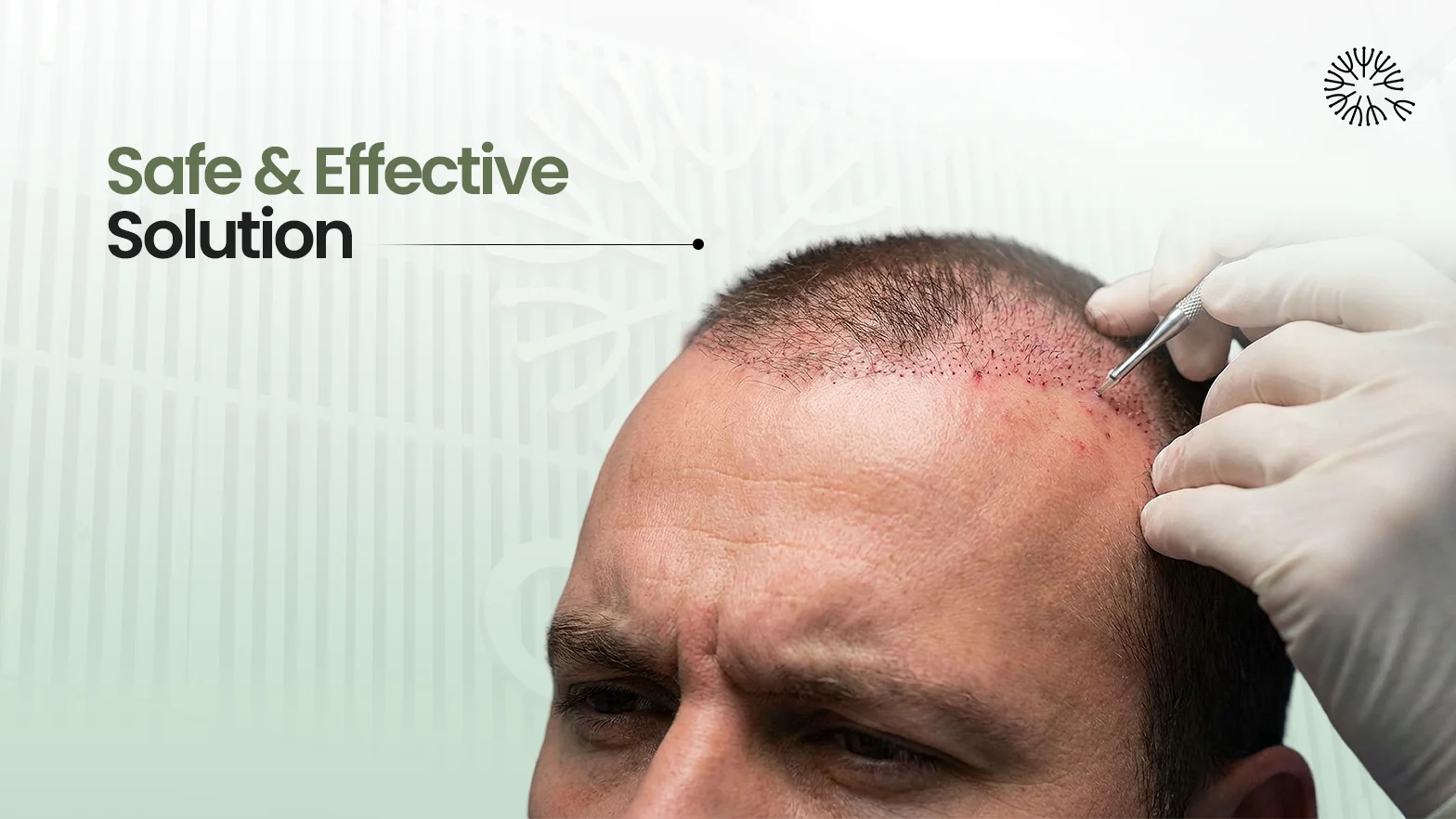
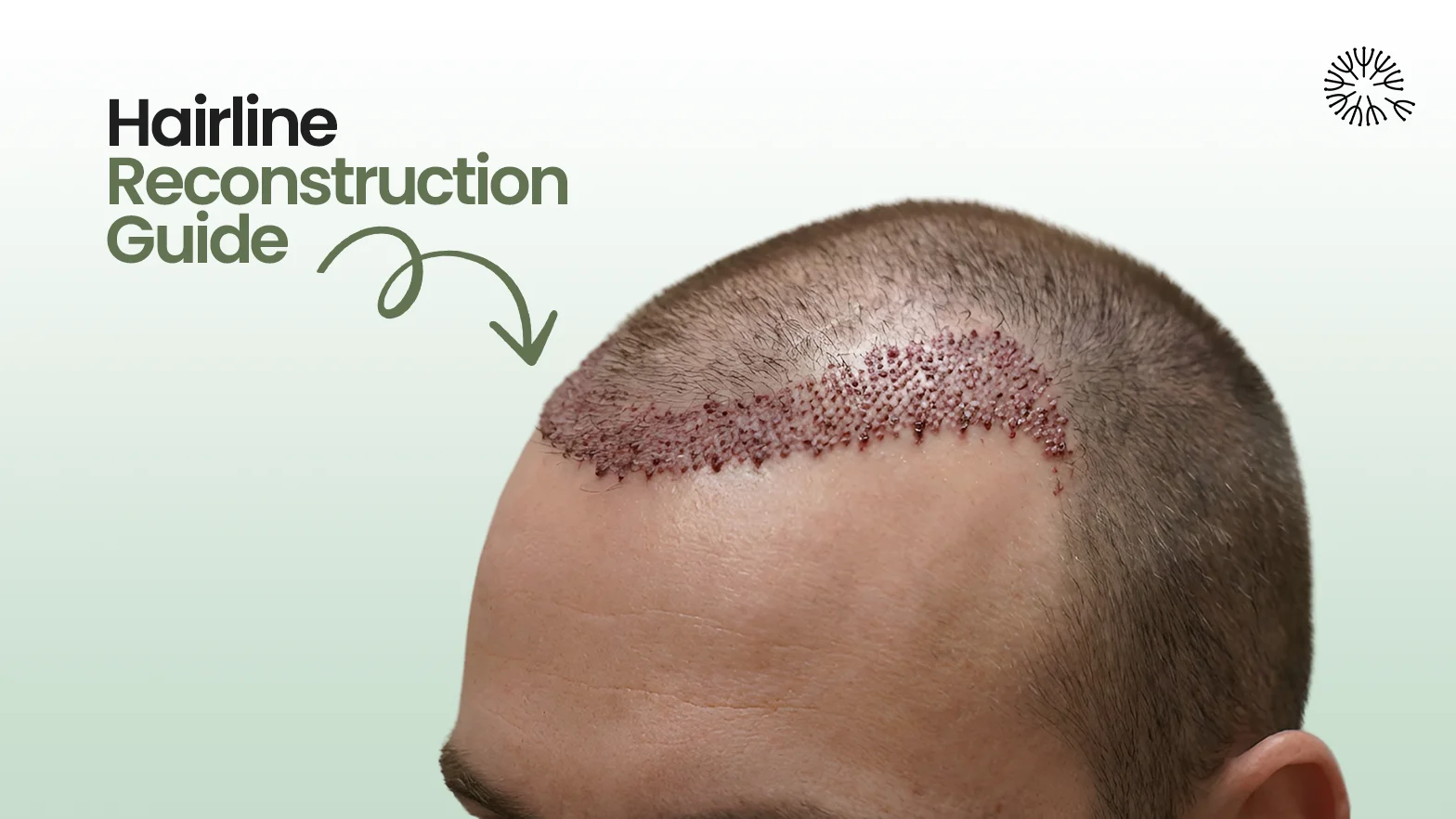
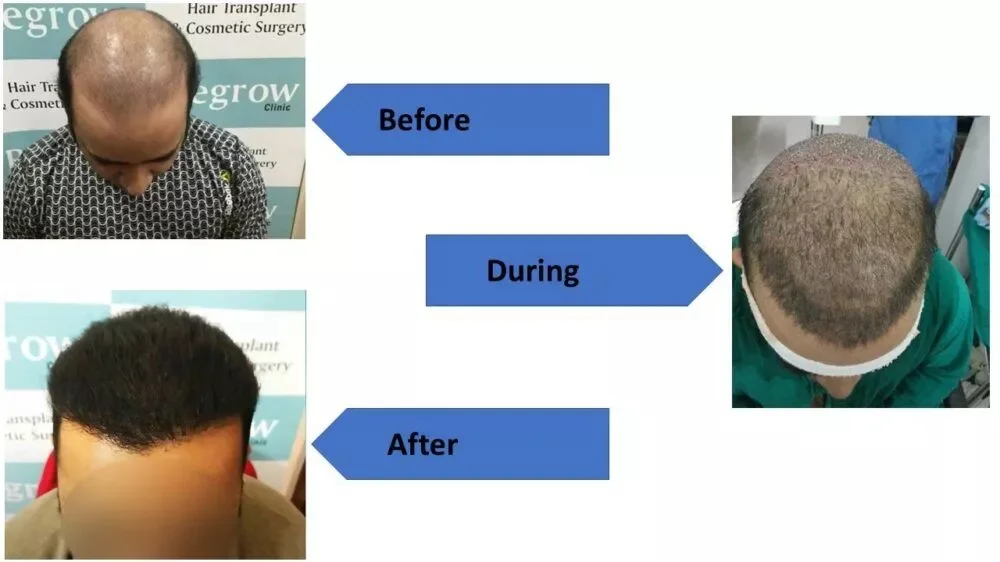
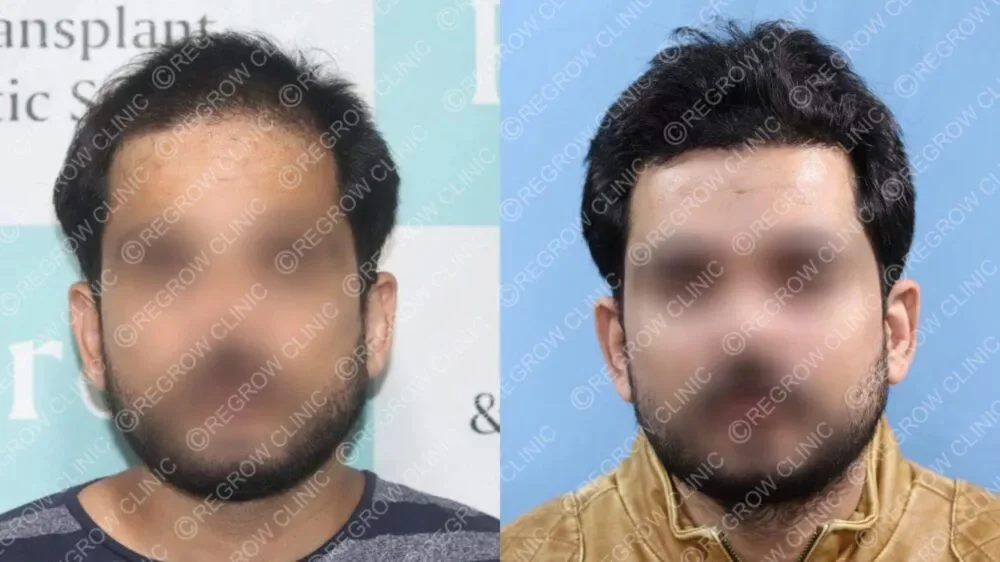
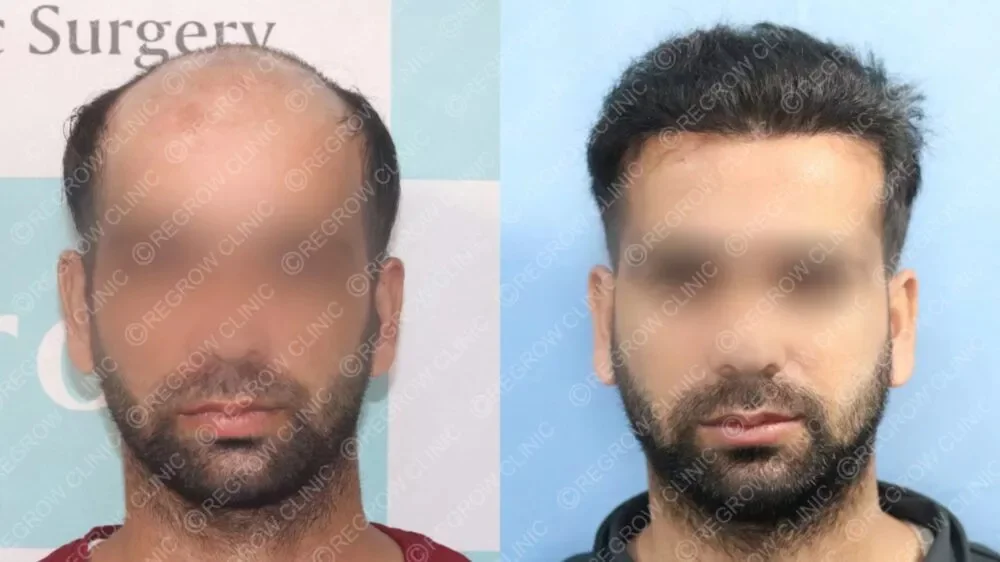
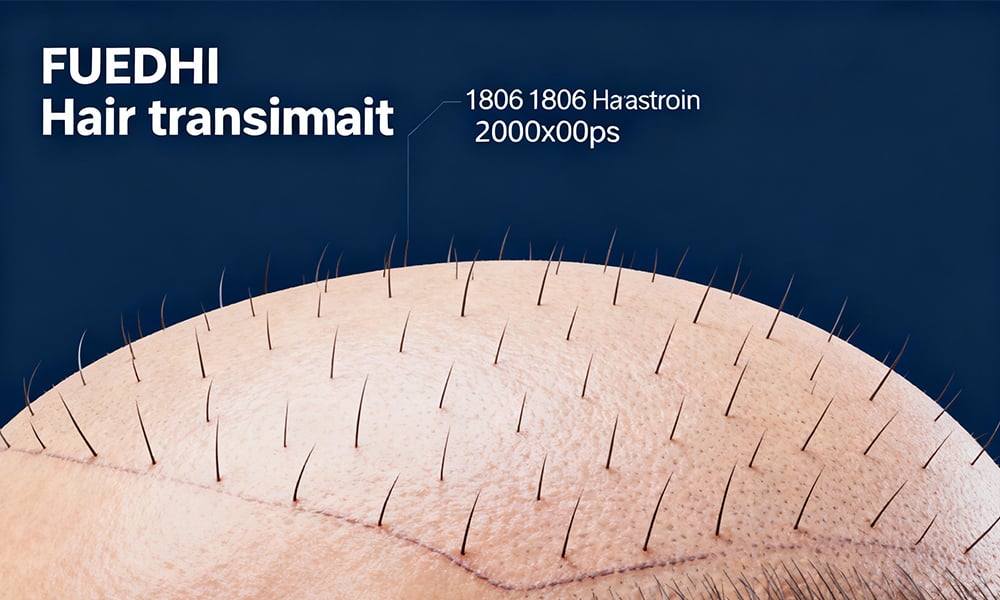
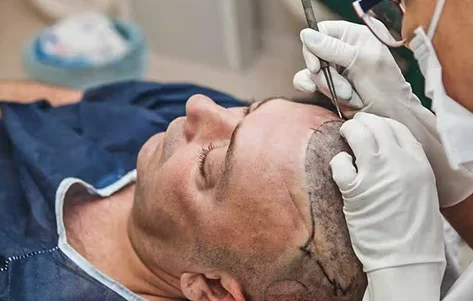
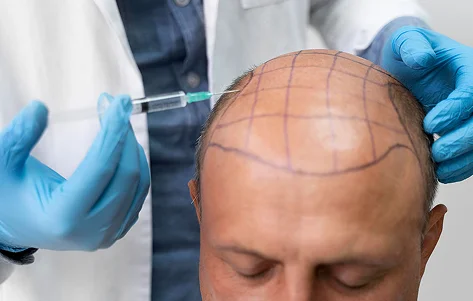
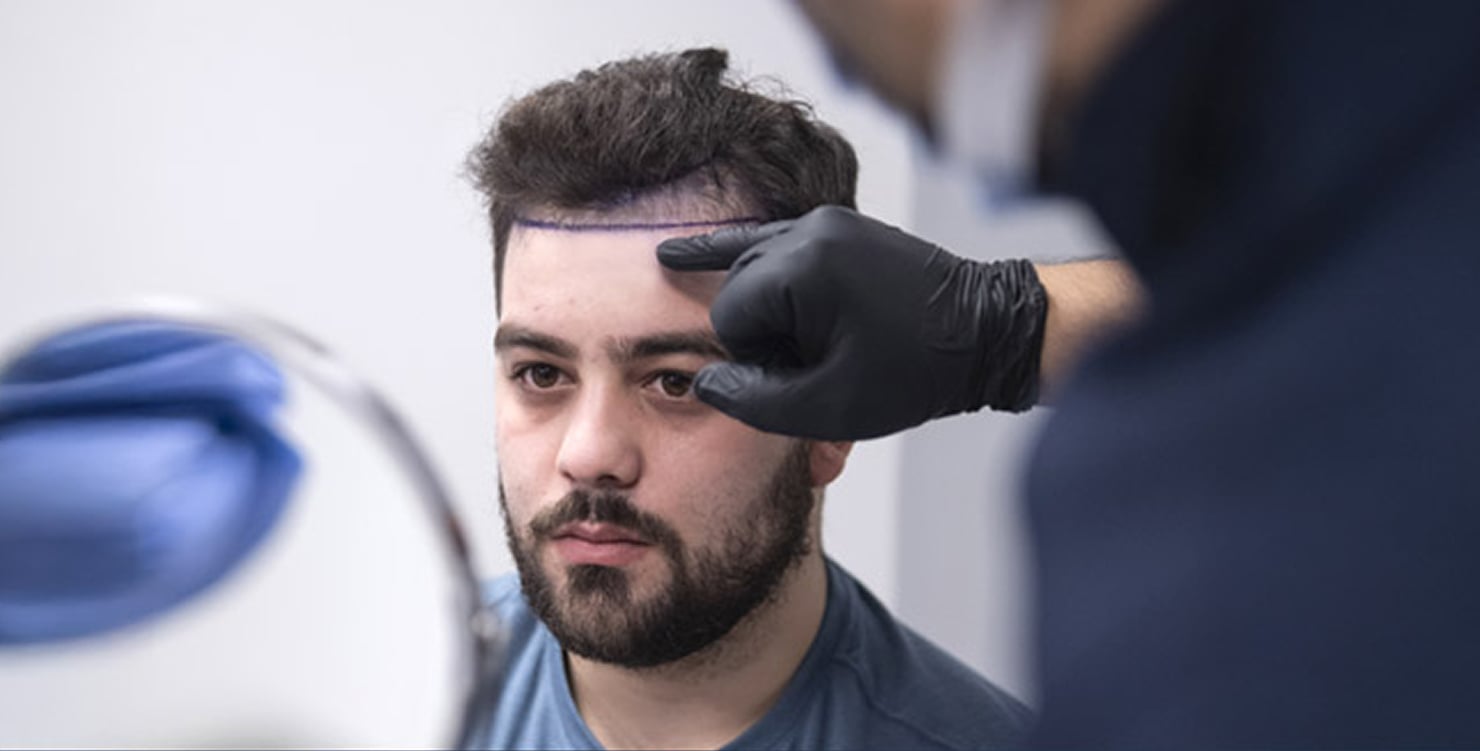
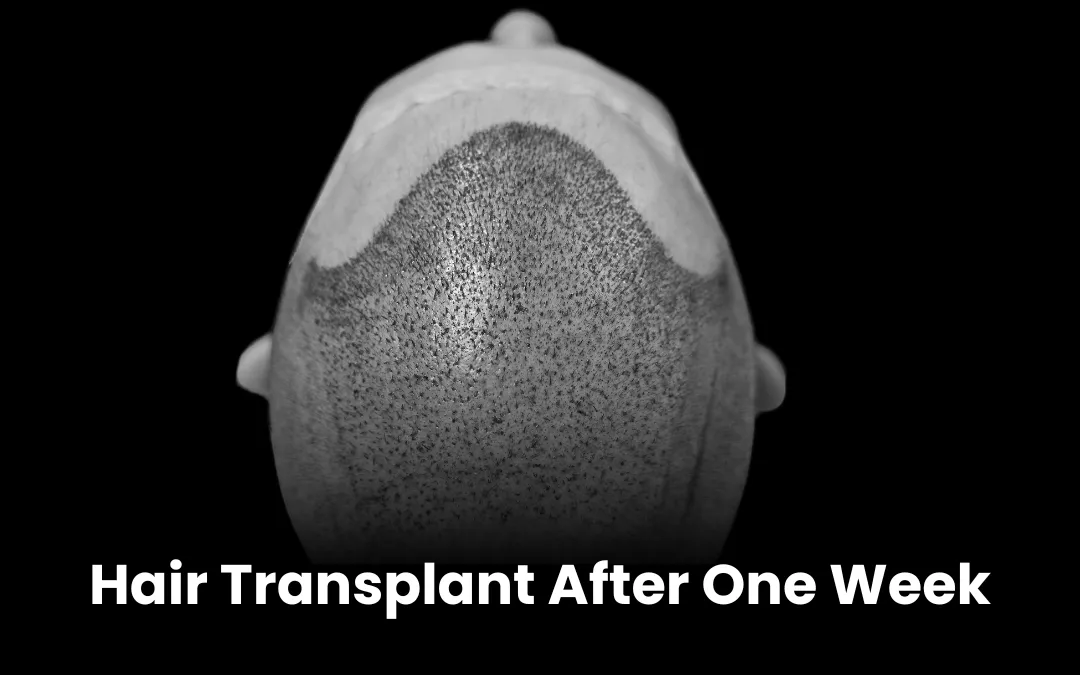
For hair that is truly lost, a hair transplant is the only proven way to bring it back. In a transplant, a surgeon takes healthy follicles from the back of your head, where hair is strong, and places them in the thin areas. These follicles keep growing in their new home. The result looks natural and lasts for years.
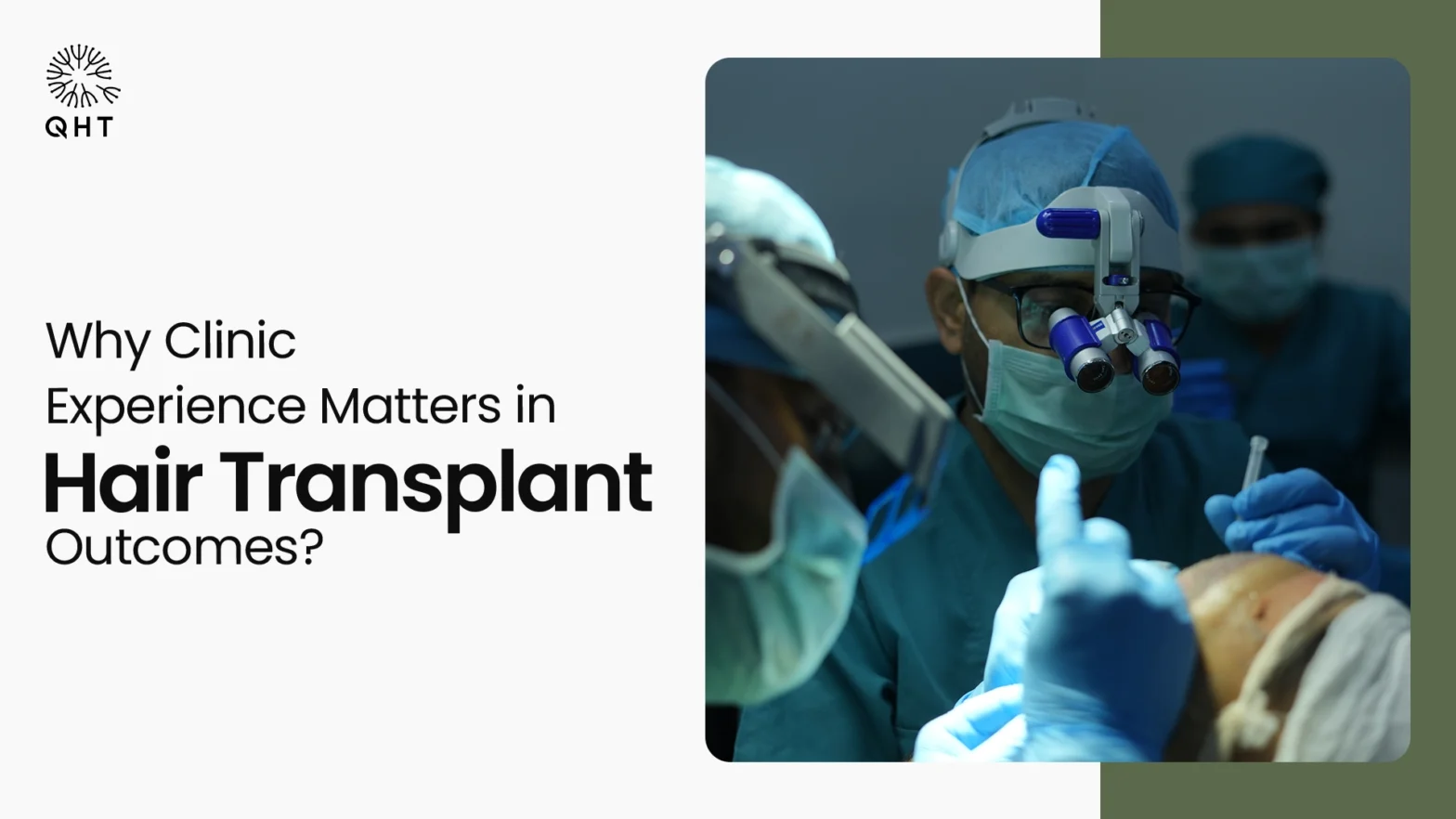
At QHT Clinic, this is our daily work. Our surgeons have completed more than 15,000 hair transplant surgeries and evaluated over 3 crore grafts. We use the Sava implanter pen for precise placement and natural results. Every patient also gets a personalized consultation, so the plan fits their own hair and goals.
Why a Surgeon’s Assessment Beats Guessing With Supplements
Guessing with supplements wastes both time and money. A surgeon can find your real cause in a single visit. They check your scalp, your medical history, and your hair pattern. Then they give you a clear, honest plan. The plan may include medical treatment, a diet change, or a hair transplant, based on what is really going on. You leave the visit knowing your true cause and your best options. That clarity alone can save you many months of trial and error. It is a far better path than taking pills for a year and simply hoping for change.
Myths About Biotin for Hair
Many myths about biotin for hair spread online. Here is the truth, backed by research.
Myth 1: “More biotin means faster growth.”
This is false. Your body only uses the biotin it needs and removes the rest. High doses do not speed up growth. Worse, very high doses can interfere with blood tests, including thyroid and heart tests. Always tell your doctor if you take biotin before any lab work.
Myth 2: “Biotin can reverse balding.”
It cannot. Biotin does not treat genetic hair loss. Pattern baldness needs medical treatment or a hair transplant, not a vitamin.
Myth 3: “Everyone is biotin deficient.”
Not true. Real biotin deficiency is rare. Most people get all the biotin they need from normal food.
Conclusion
So, does biotin for hair really work? Only in one case. If you have a true biotin deficiency, fixing it can help your hair. But that is rare.
For most people, biotin will not stop hair fall or bring back hair that is already lost. The most common cause of hair loss is genetic, and no pill or food can change that.
The smart move is to find your real cause before you spend months on supplements. If your hair is thinning or your hairline is moving back, do not guess.
At QHT Clinic, our doctors assess your scalp and check whether your hair fall is from a deficiency or from genetic hair loss. They also review your medical history and hair pattern. Every patient also gets a personalized consultation, so the plan fits their own hair and goals.
Frequently Asked Questions
Does biotin really work for hair growth?
Biotin helps hair growth only if you have a biotin deficiency, which is uncommon. For people with normal levels, the proof is weak. Most healthy people will not see new growth.
Can biotin regrow lost hair?
No. Biotin cannot regrow hair that is already lost to genetic pattern baldness. In this type of hair loss, the follicles shrink and stop working, and no pill can wake them up. A hair transplant is the only permanent way to bring that hair back.
How long does biotin take to show results?
Most people need about 2 to 3 months of daily use, because hair grows in slow cycles. If you have a true deficiency, results can show within a few weeks. But if a deficiency is not the cause, you may not see any real change at all.
What are the natural sources of biotin?
Good natural sources of biotin include egg yolk, salmon, nuts, seeds, sweet potato, avocado, legumes, and whole grains. Most people get enough biotin from a normal, balanced diet. Cook eggs fully first, because raw egg white can block your body from taking in biotin.
How much biotin should I take daily?
Most adults need only about 30 mcg of biotin a day, and a normal diet often gives even more. Many hair supplements contain 5,000 to 10,000 mcg. That extra amount does not speed up growth, and very high doses can disturb your lab test results.
Are there side effects of biotin?
Biotin is generally safe, and few side effects are reported even at high doses. The main concern is that high doses can skew thyroid and heart blood tests, which may lead to a wrong diagnosis. Always tell your doctor you take biotin before any blood test.
When should I see a hair specialist?
See a hair restoration surgeon if your hair fall lasts more than 3 months, your hairline is receding, or better food does not help. A specialist can check your scalp, find the real cause, and tell you whether the problem is a deficiency or genetic hair loss.
Book a Consultation Today
Latest Videos
-

Rajpal Yadav | Bollywood Actor Hair Transplant Journey at QHT Regrow Clinic Haridwar
Click to Watch
-

FUE Hair Transplant Results | DAYA's FUE Hair Transplant Results
Click to Watch
-

Best Hair Transplant Result 2021 || NW Grade VI A || 3,422 Grafts
Click to Watch
-

Best Hair Transplant Result 2022 | Grade 4
Click to Watch
-

YouTuber Mehtab Saifi Hair Transplant
Click to Watch
-

ACP Pradyuman Hair Transplant - Actor's Hair Transplant
Click to Watch