



Hair Wash After Transplant: When to Start and How to Do It Safely
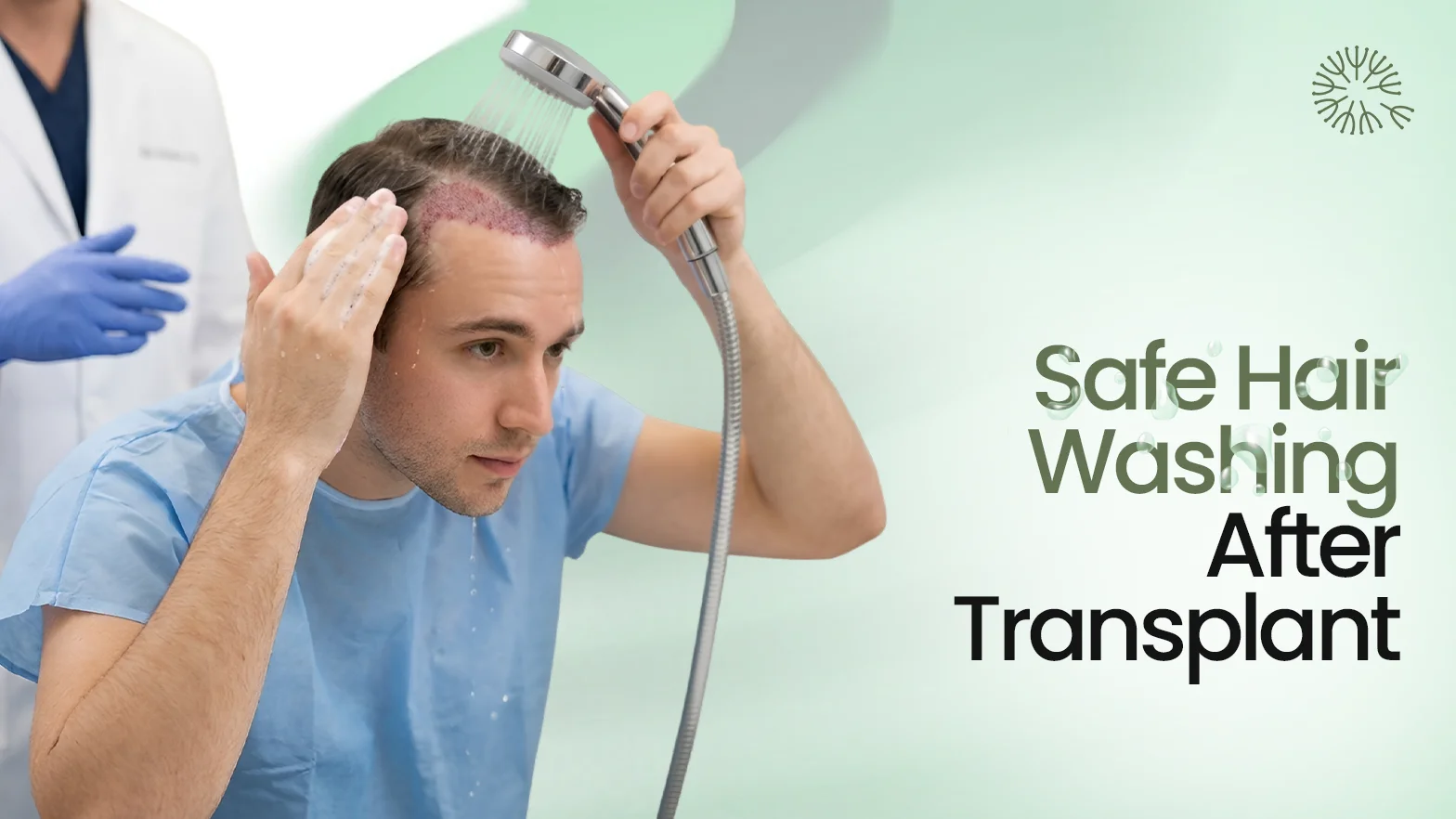
Your surgeon did their part in the chair. The next two weeks are yours.
That window decides how much of your new hair actually survives, and it’s the part patients underestimate. They go home, fall back into a full schedule, and treat recovery as a footnote. Then the density comes in thin, and the surgeon gets the blame. Pull the thread on those cases and the surgery was usually clean. The washing wasn’t.
One question dominates this period: when can I wash my hair? Two more follow close behind. How do I do it without knocking grafts loose, and do I use shampoo yet or not?
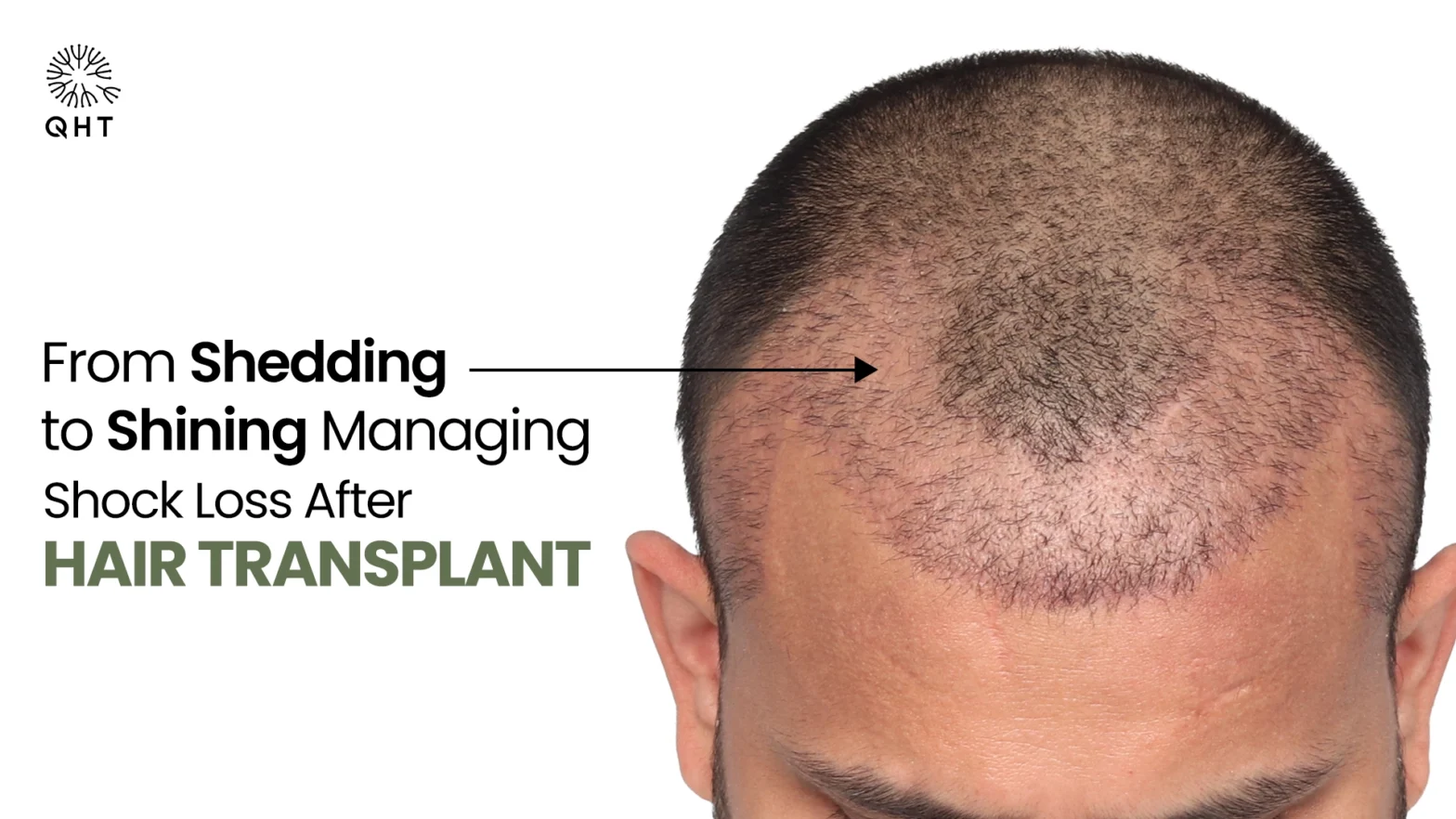
The fear is real, and it backfires in a specific way. When researchers followed transplant patients through recovery, only 44% kept their aftercare on schedule. Some were so frightened of their own scalp they barely washed it, and a few of those developed folliculitis. It’s a scalp infection that routine cleaning prevents. Skipping the wash doesn’t protect your grafts. It’s the thing that puts them at risk.
Here’s the short version. You start a gentle wash on day 3 and rebuild to a normal routine by day 14. Timing is the easy half. Technique is where results are won or lost. Water hitting the scalp too hard can float a graft out of its socket in seconds, and the shampoo you grab matters more than the brand on the bottle. The next sections walk you through both, stage by stage.
At QHT Clinic, every patient leaves with a written aftercare plan and remote follow-ups. Share progress photos, ask questions, and get answers without booking a trip back.
Quick Answer Box
When to Wash Your Hair After a TransplantYour first wash lands between 24 hours and day 3, depending on your surgeon’s protocol. Mild neutral shampoo, low water pressure, zero rubbing on the grafts. Then you rebuild to normal washing across two weeks as the crusts clear. The essentials:
|
When Can You Wash Your Hair After a Transplant?
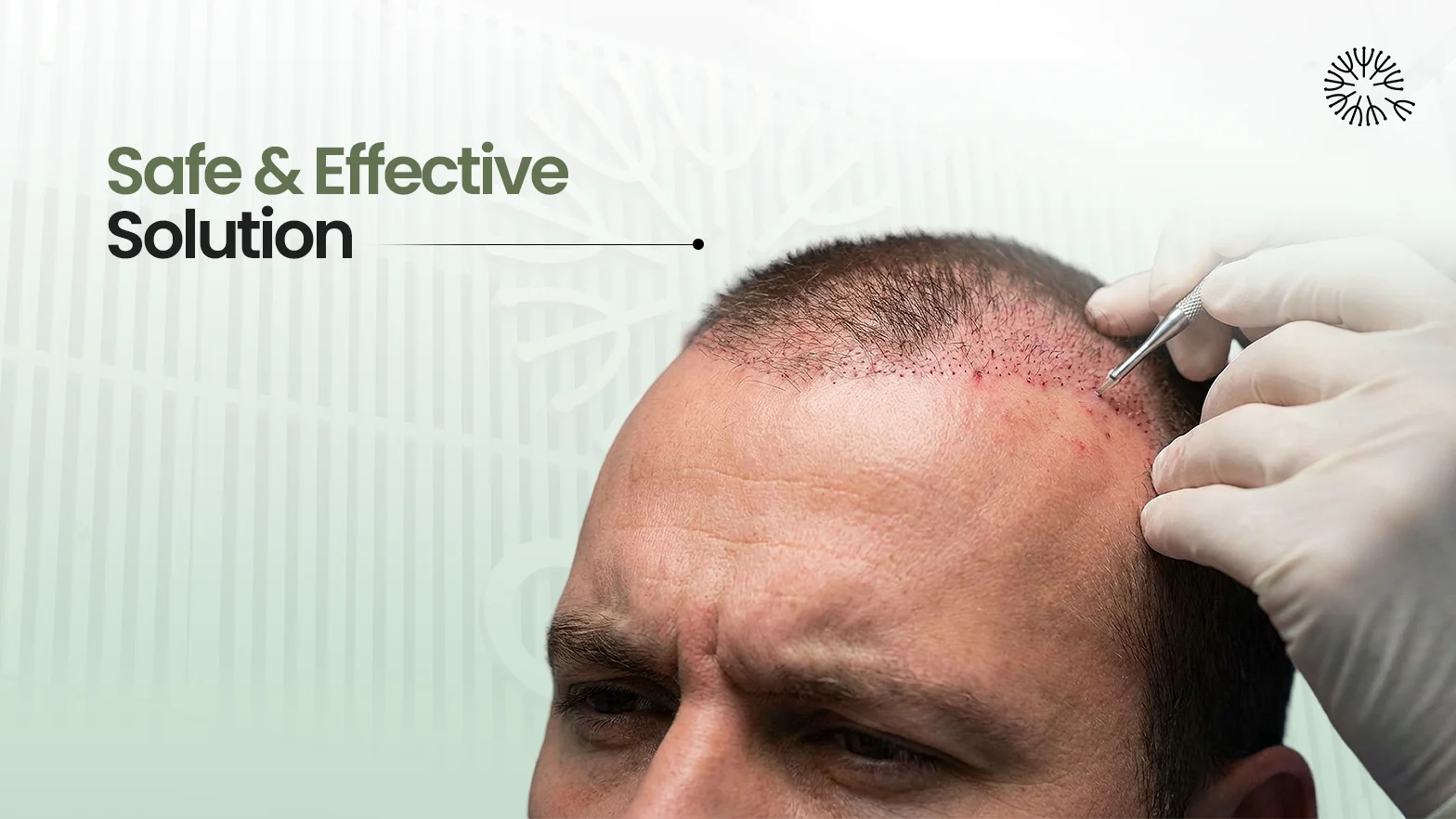
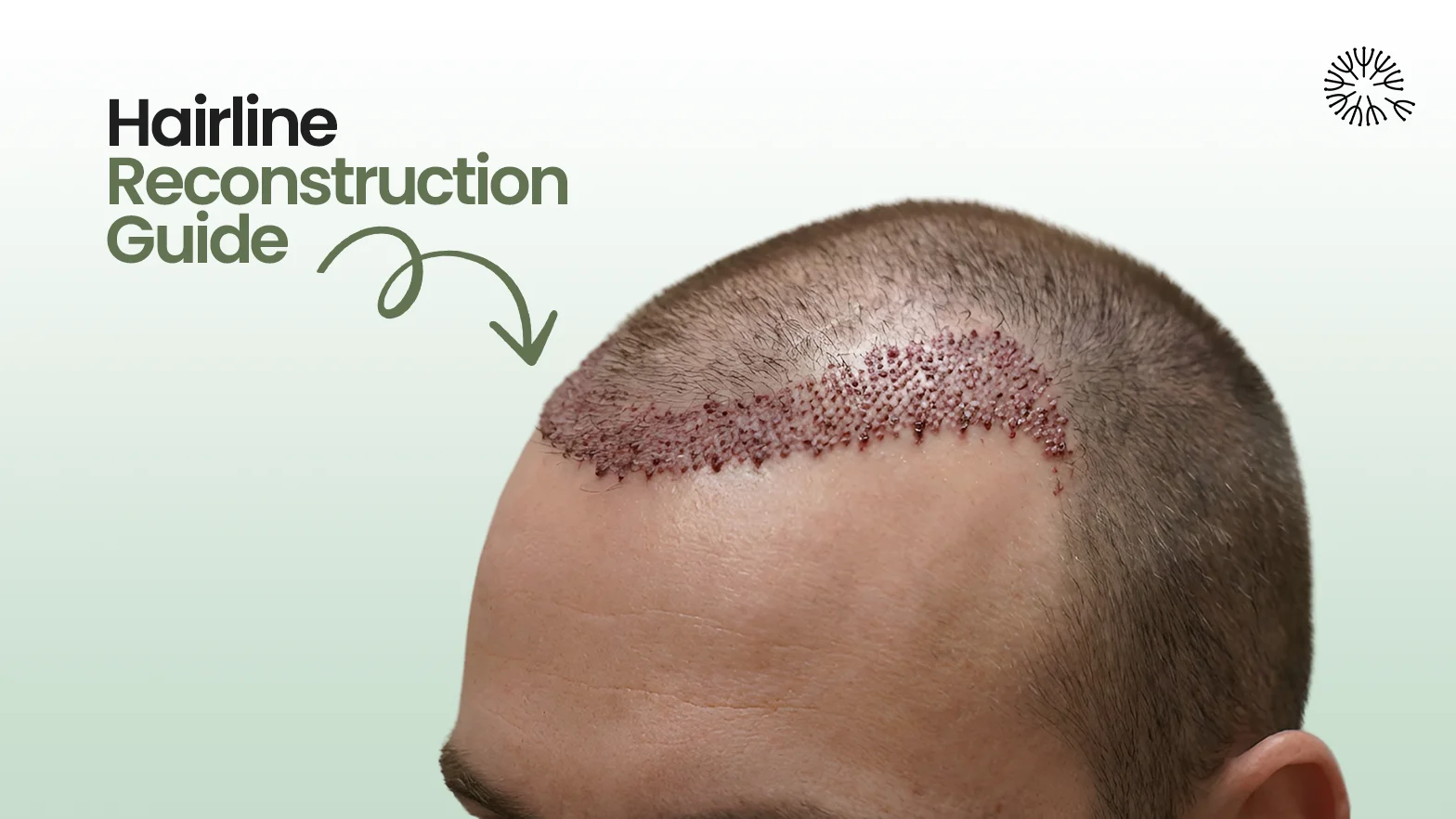
On day one, your grafts are not anchored. They sit in tiny incisions, held by little more than early clotting and the lightest pressure. Aim water at them too soon and they move. Graft dislodgement is a documented complication, and it’s the whole reason the early rules sound severe.
The good news is built into your own anatomy. The scalp carries a dense blood supply, so it heals fast and resists infection when you keep it clean.
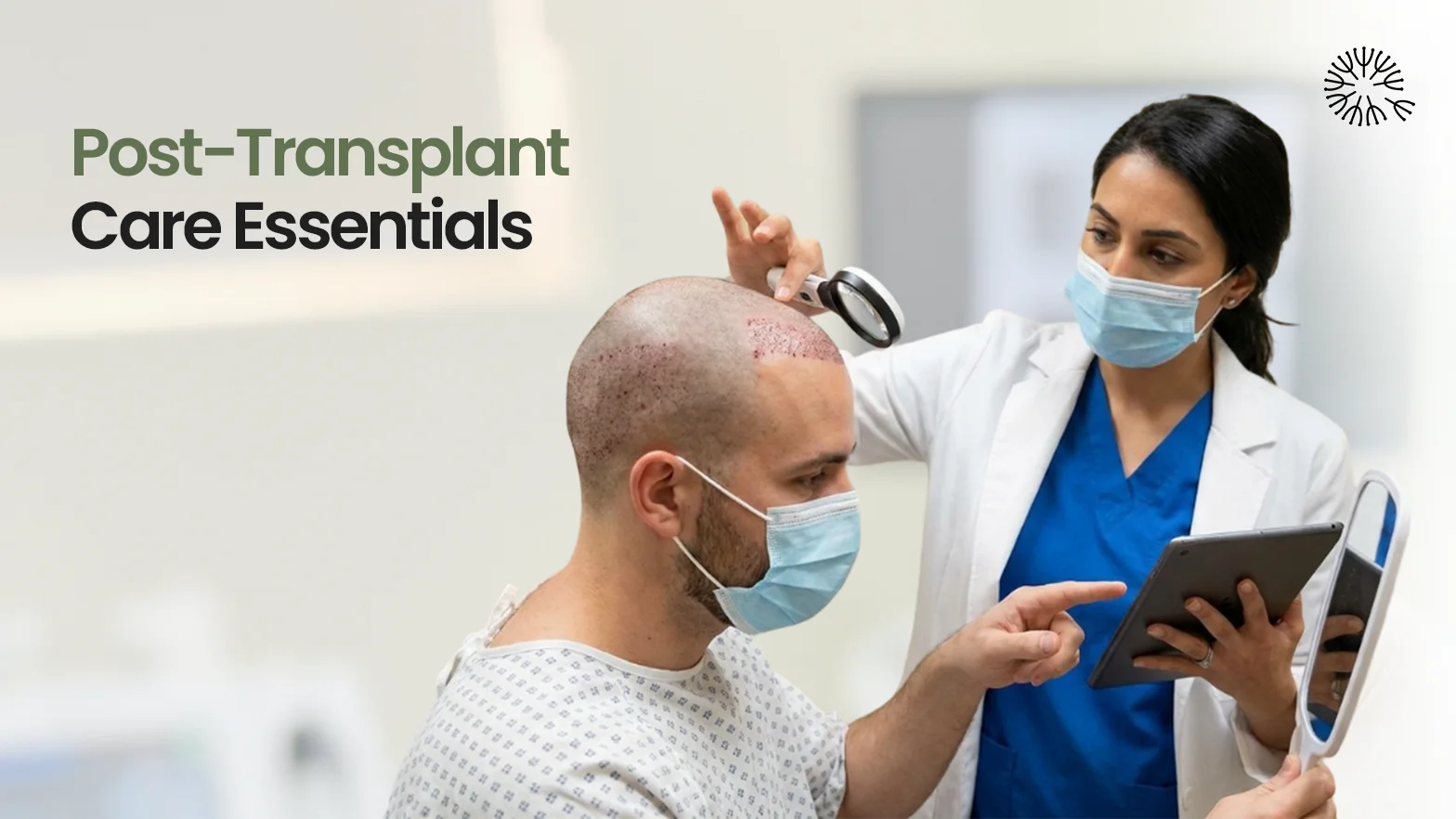
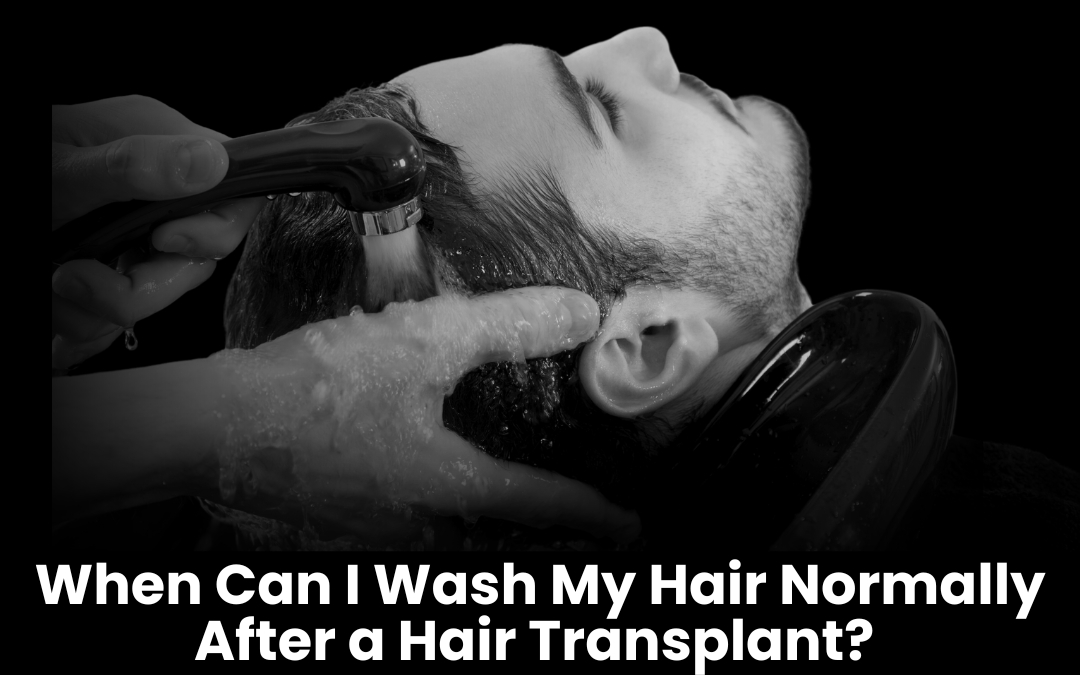
So the first wash starts at the 24-hour mark: wet the scalp, clean without rubbing, then wash daily through week one. Watch the pressure above everything else. For the first two to three days, saline spray every few hours keeps the grafts moist while they settle in.
Across more than 15,000 surgeries, the patients who lose grafts in week one almost never lose them to ‘too much.’ They lose them to one hard jet of water on day two.
What To Do In The First 24 Hours
Right now each graft is held by a clot and nothing more. Treat your scalp like wet paint.
Do’s
- Spray normal saline every 2 to 3 hours. Moist grafts settle best.
- Wear a loose, clean hat outdoors for sun and dust cover.
- Leave the recipient area alone. Hands off.
Don’ts
- Don’t wash. The first wash waits for the 24-hour mark.
- Don’t let water, sweat, or a tight cap press on the grafts.
- Don’t sit in direct sun.
Day one asks almost nothing of you. That’s the point.
Day By Day Hair Wash Timeline After a Transplant
The first fortnight follows a predictable shape, even as your clinic fills in the detail.
| Stage | Time | What to do |
| First 24 hours | Day 0 to 1 | No washing yet. Spray normal saline over the area every 2 to 3 hours to keep the grafts moist. |
| First week | From 24 hours through day 7 | Wash gently, without rubbing, once a day using a neutral shampoo. Keep water pressure low and off the grafts. Continue the saline spray for the first 2 to 3 days. |
| Crust clearing | Day 5 to 7 | Begin gently rubbing the donor area to lift the crusts. |
| Back toward normal | Through the first 2 weeks | Move to normal washing in steps, not all at once. Skip styling products for 2 weeks, and do not dunk your head fully underwater for 2 weeks. |
One belief trips up more patients than any other: that a bone-dry scalp is the safe scalp. It’s the opposite. Grafts heal best moist. That’s why saline sits in the very first row, and why a careful wash begins at hour 24, not day seven. The goal was never “don’t touch it.” It was “touch it gently.”
How To Wash Your Hair After a Transplant
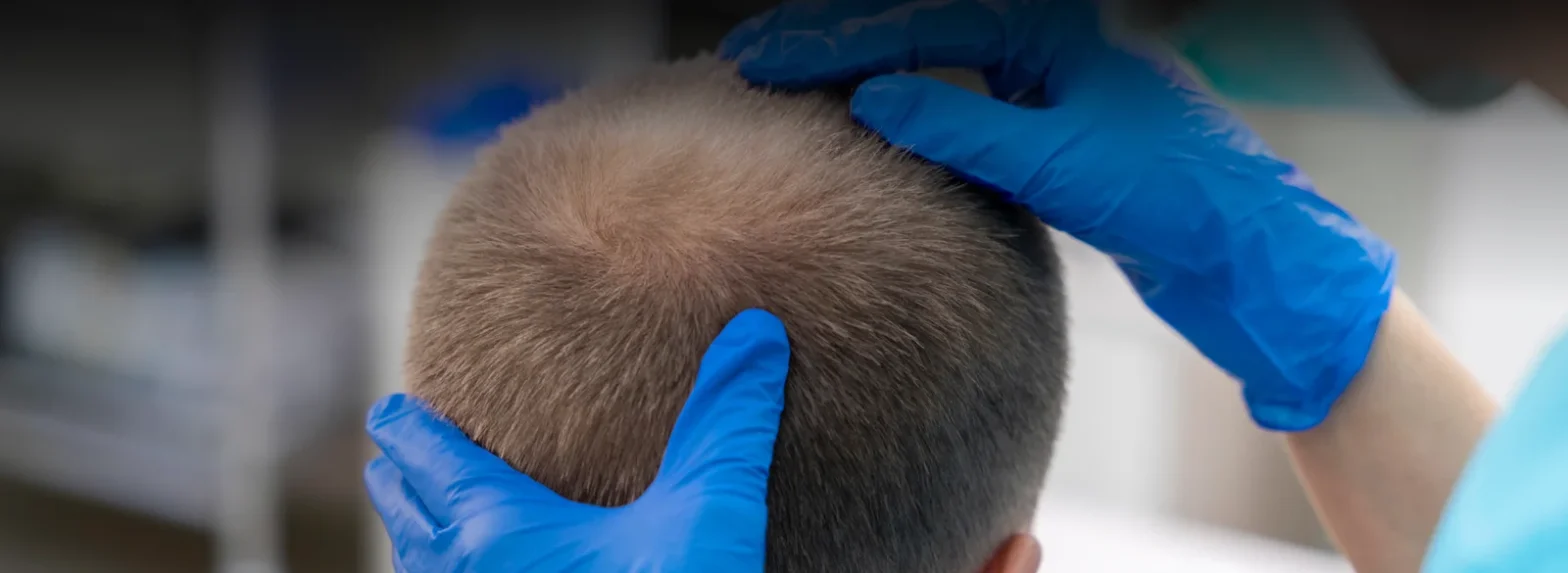
Timing gets the questions. Handling decides the outcome. Keep every motion light, and follow this order:
- Wait the full 24 hours. Until then, saline every 2 to 3 hours.
- Wet the scalp on a low, soft flow. Never a jet straight at the grafts.
- Work in neutral shampoo without rubbing the recipient area. Once daily, all week.
- Rinse on that same gentle flow.
- From day 5, start lifting crusts off the donor area only. Leave the new grafts alone.
- Step back toward your normal routine across week two. Styling products wait two weeks; full water immersion waits up to four.
A trick our patients find easiest: pour from a cup. Lukewarm water, fingertips not nails, and pat or air-dry instead of toweling. A cup gives you a stream so soft it can’t lift a thing.
Which Shampoo To Use After a Hair Transplant
Forget the ingredient list on the back. One word decides it: neutral.
Through week one your scalp is still sealing those incisions, and anything harsh has no business there: sulphates, strong fragrance, anything labelled “clarifying.” Use a mild, neutral shampoo once a day. If your clinic named a product, that one wins; it was matched to your procedure, not pulled off a shelf.
This is exactly the gap URoots, the hair care brand backed by QHT Clinic, was built to fill: gentle formulas made for a healing scalp such as URoots Aloe Vera Shampoo, so you’re not reading labels in a pharmacy aisle hoping you guessed right. The safe pick still depends on your skin and your stage, so book a free QHT consultation and let the doctor point you straight to it.
Common Hair Wash Mistakes to Avoid
Almost every washing injury traces back to one instinct: doing more than the scalp asked for.
- Washing before the 24-hour mark: The first wash should wait until at least a day after surgery. Jumping in earlier puts pressure on grafts that have not begun to settle.
- Letting a direct shower jet hit the grafts: High-pressure water from a faucet or showerhead is one of the clearest things to avoid. Keep the flow low and indirect.
- Using styling products too early: Gels, sprays, and similar products stay off the scalp for the first 2 weeks while it heals.
- Skipping washes out of fear: This one backfires. In a study following transplant patients through recovery, some were so worried about touching the scalp that they avoided washing, and a few went on to develop folliculitis, a scalp infection. A gentle daily wash is part of the plan, not a risk to it.
Recovering in Indian Heat: Sun, Sweat, and Dust
Recovering in a hot, dusty climate adds a layer most guides skip. Two of these are clinical. The rest is hard-won practicality for an Indian summer.
Sun is the non-negotiable: keep the donor and recipient areas out of direct sunlight for a full month. A loose, clean hat covers you for both sun and dust from day one. Loose is the word that matters, since nothing should press or tug on the grafts.
Heat and humidity will tempt you into extra washes. Resist it. One gentle wash a day is the limit through week one, no matter how sweaty the afternoon. Blot sweat, don’t wipe it. Stay out of heavy dust while you heal. Your scalp will thank you in month three.
When to Call Your Surgeon
Most recoveries are uneventful. That dense scalp blood supply does a lot of quiet work for you. But a handful of signs are worth knowing cold, because early beats late every time.
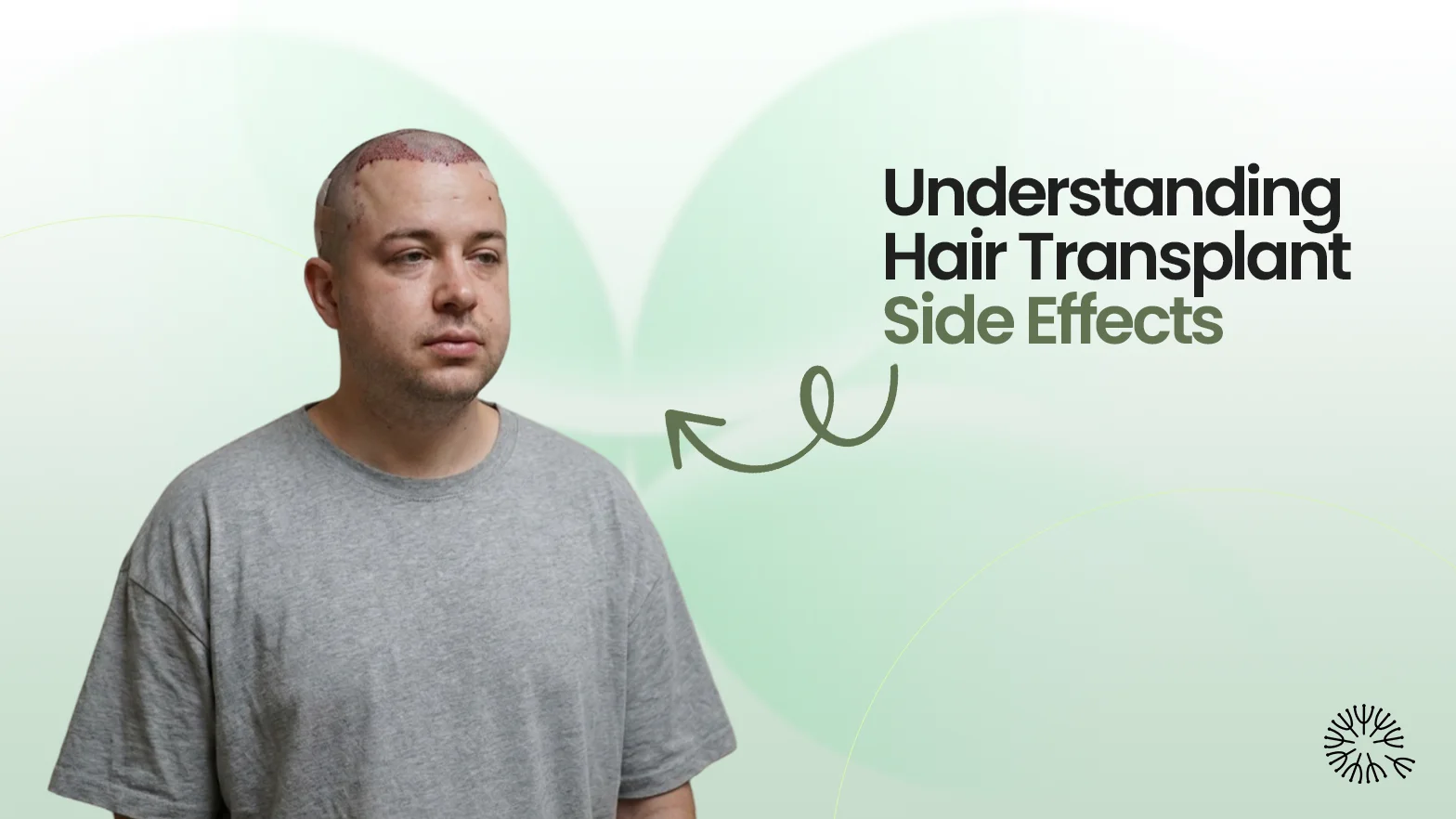
Infection, folliculitis, and scalp cellulitis are recognised complications, as are bleeding and swelling. Your job isn’t to diagnose them. It’s to notice. Worsening pain, spreading redness, any discharge: that’s a message to your clinic today, not a “let’s see how it looks tomorrow.” Your surgical team is already watching for this in your follow-ups. Use them. Trust them over anything you read online, this page included.
Conclusion
The transplant gave you the grafts. These two weeks decide how many you keep.
It comes down to three habits: keep the scalp clean, keep it moist, keep every touch light. Start washing at hour 24, not next week, and rebuild to normal two weeks. A shower turned up too high, a wash skipped from nerves, a styling product rushed by three days: none of them feel dangerous in the moment. That’s precisely why you learn the rules before you need them.
If anything on your scalp looks wrong, or you’re second-guessing your technique, message the people who did the surgery.
At QHT, that line stays open after you leave: clear aftercare and remote follow-ups, no return trip required. Planning a transplant, or partway through recovery? Book a free consultation and get your routine matched to exactly where you are in healing.
Frequently Asked Questions
Can I wash my hair the day after a transplant?
Yes, with care. A gentle wash without rubbing is fine from 24 hours after surgery. Keep the water pressure low and never aim a strong stream at the grafts. Your own surgeon’s timing comes first, so if they have given you a different start point, follow that instead.
What happens if I wash too early?
The risk is moving grafts before they have settled. In the first few days, the grafts sit in small incisions held by early clotting and light pressure, not by firm healing. Water that hits too soon or too hard can shift them out of place, and graft dislodgement is a known complication after the procedure. Waiting until the 24-hour mark, then washing gently, is what keeps that from happening.
Does shampoo cause graft loss?
A gentle, neutral shampoo does not. Wash with a neutral shampoo once a day through the first week, while the scalp heals. The problem is never the shampoo itself. It is rough handling, rubbing the grafts, or blasting them with high-pressure water. Used the right way, a careful wash supports recovery rather than threatens it.
When can I use my normal shampoo again?
Plan to move back toward your usual routine in steps across the first two weeks, rather than all at once. Through the first week, stay with a neutral shampoo. There is no single fixed day that fits everyone here, so let your scalp’s healing and your clinic’s advice set the pace.
Can I use a hair dryer after a transplant?
At QHT, we ask patients to skip the hair dryer for the first 2 weeks. Air dry only. Heat on a healing scalp is an unnecessary risk for zero benefit.
Book a Consultation Today
Latest Videos
-

Rajpal Yadav | Bollywood Actor Hair Transplant Journey at QHT Regrow Clinic Haridwar
Click to Watch
-

FUE Hair Transplant Results | DAYA's FUE Hair Transplant Results
Click to Watch
-

Best Hair Transplant Result 2021 || NW Grade VI A || 3,422 Grafts
Click to Watch
-

Best Hair Transplant Result 2022 | Grade 4
Click to Watch
-

YouTuber Mehtab Saifi Hair Transplant
Click to Watch
-

ACP Pradyuman Hair Transplant - Actor's Hair Transplant
Click to Watch