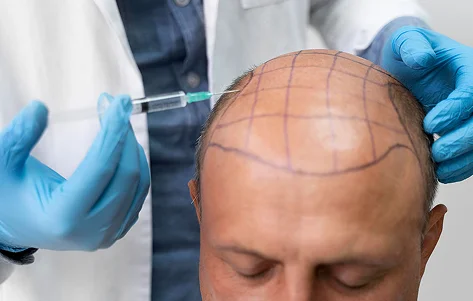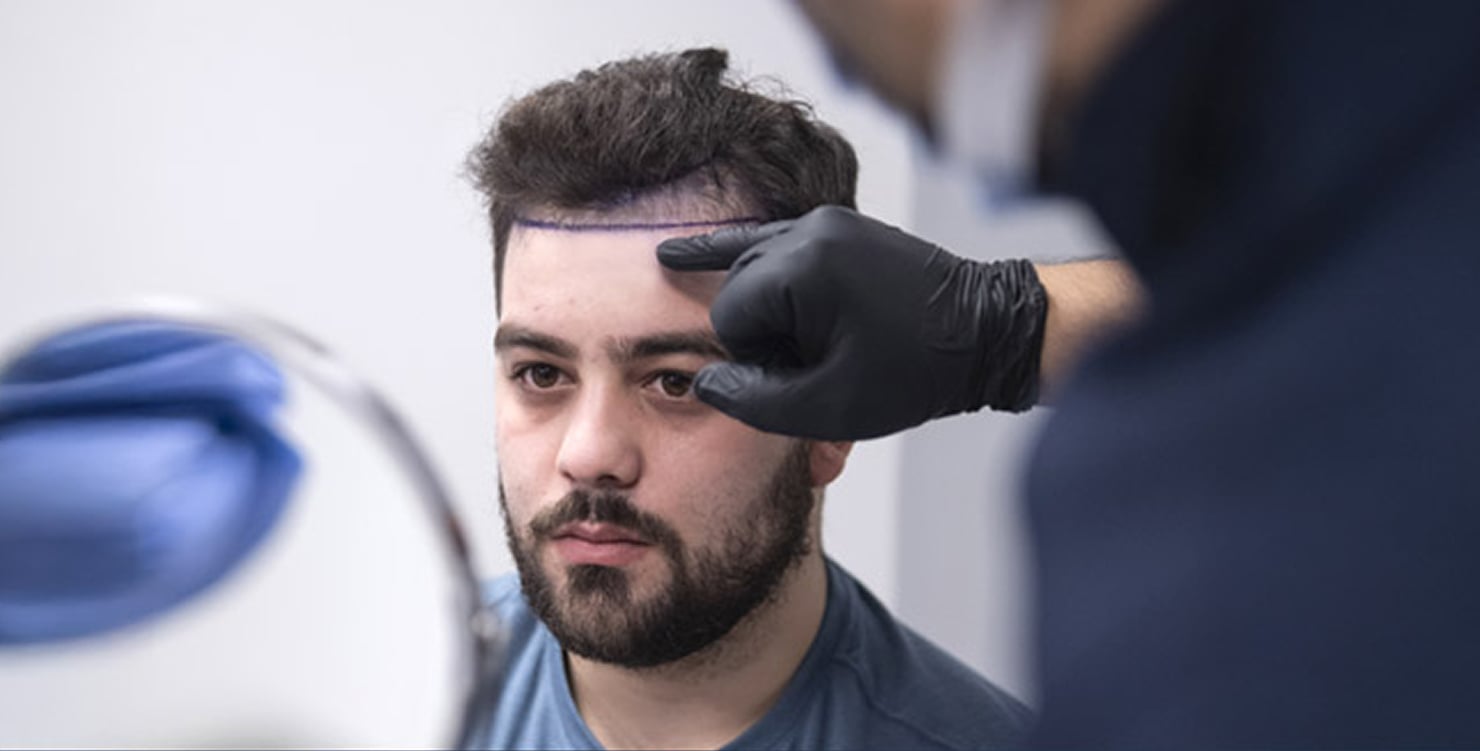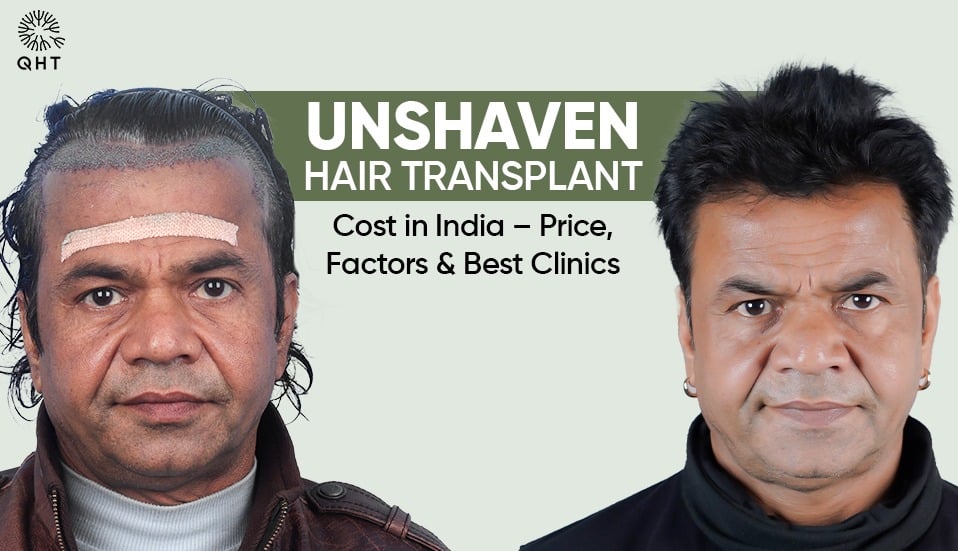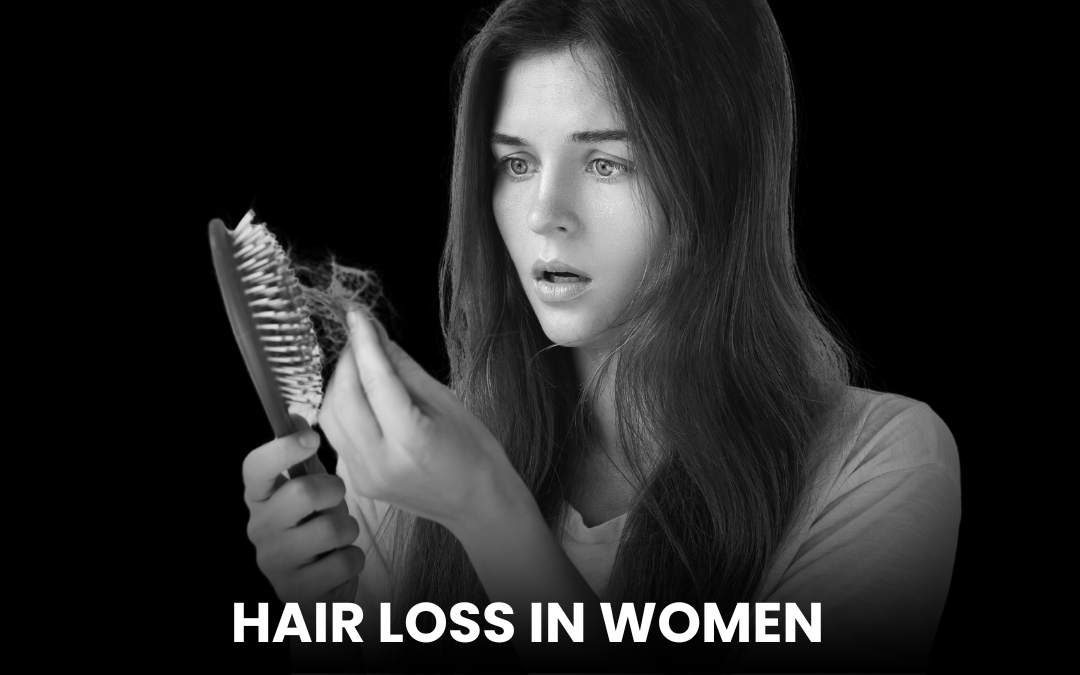




What is Minoxidil, Effect of Hair Growth , Need for Hair Transplant

Minoxidil Effect on Hair Growth
Hair loss is one of the common reasons as to why both men and women come looking for assistance at a hair transplant clinic in Delhi. For some people their journey starts with topical medication, the most frequently being the use of Minoxidil, prior to surgical intervention.
Minoxidil is typically used to treat/reduce the effects of hair loss due to genetic causes or trauma, but there are many common misperceptions regarding how it works. Some people use minoxidil with the expectation that it will help to permanently regrow hair they have already lost. For others it is a means of delaying an appropriate medical evaluation because they can continue to use it indefinitely.
Patients frequently visit QHT Clinic for gathering information regarding minoxidil. Many want to know how minoxidil works; how it can help achieve desired results; and its limitations for treating baldness. QHT specialists assist patients in setting reasonable goals and making informed choices for their treatment.
In this blog, we will discuss how minoxidil works, how to determine when it is a viable solution, and when a patient would be eligible for a hair transplant.
Quick Answer Box
✔ What is Minoxidil?
Minoxidil is a medically approved topical treatment that aids in slowing hair loss and encouraging hair regrowth through its ability to increase blood supply to the hair follicles and extend the duration of the hair growth cycle.
✔ Things to know:
- It helps in dealing with current hair loss; it will not reverse baldness.
- Results will depend on how often you apply it and when you apply it.
- In some cases surgery might be needed
Table of Contents
- Hair Loss and Medicinal Treatment
- What Is Minoxidil and How Does It Work?
- How Minoxidil Works to Help Hair Growth?
- Limitations of Minoxidil Treatment
- Best Hair Transplant in India: What to consider when making a medical decision?
- How to Stop Hair Fall Based on the Root Cause
- Minoxidil and Hair Transplants, Debunking the Myths
Hair Loss and Medicinal Treatment
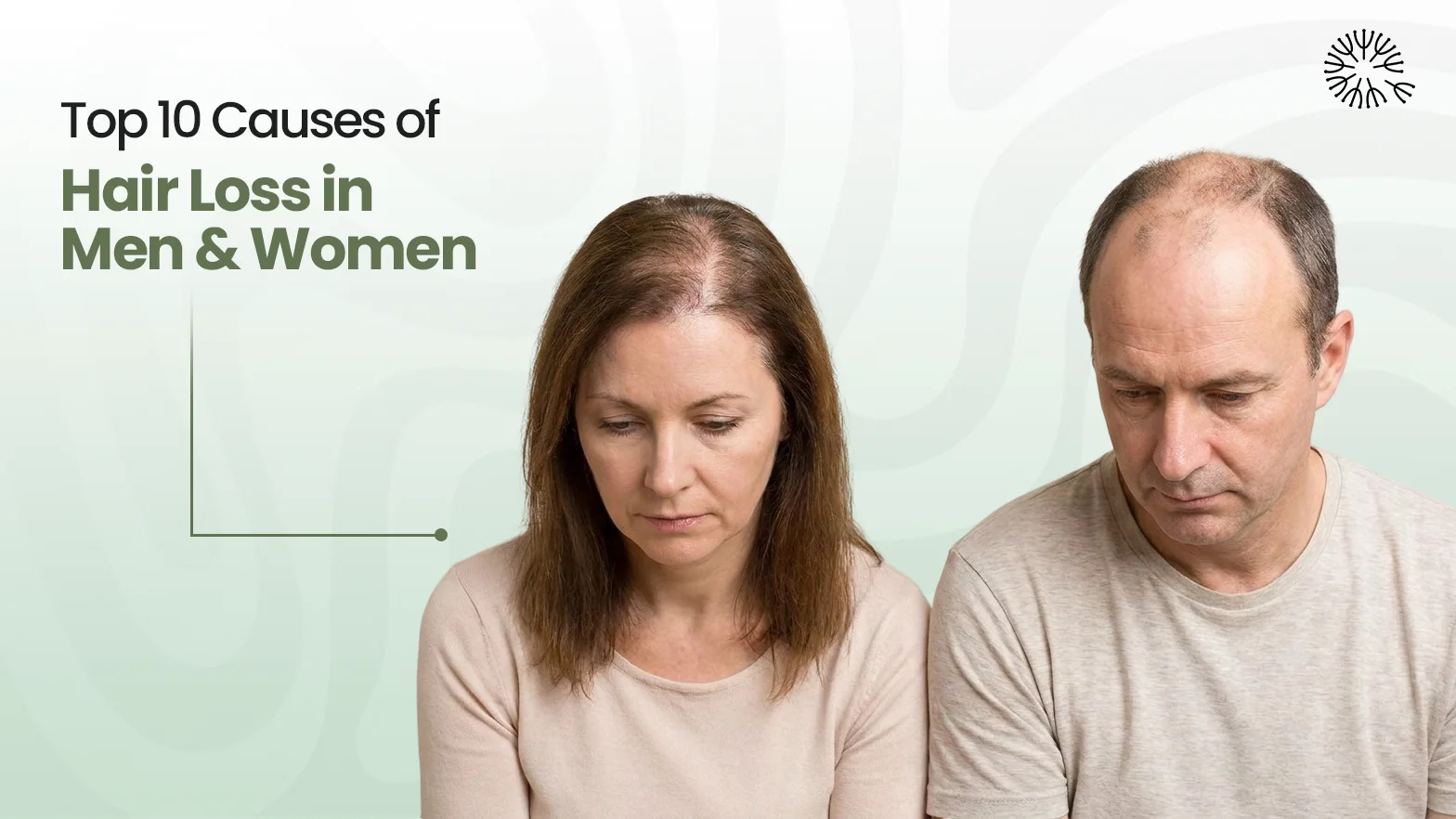
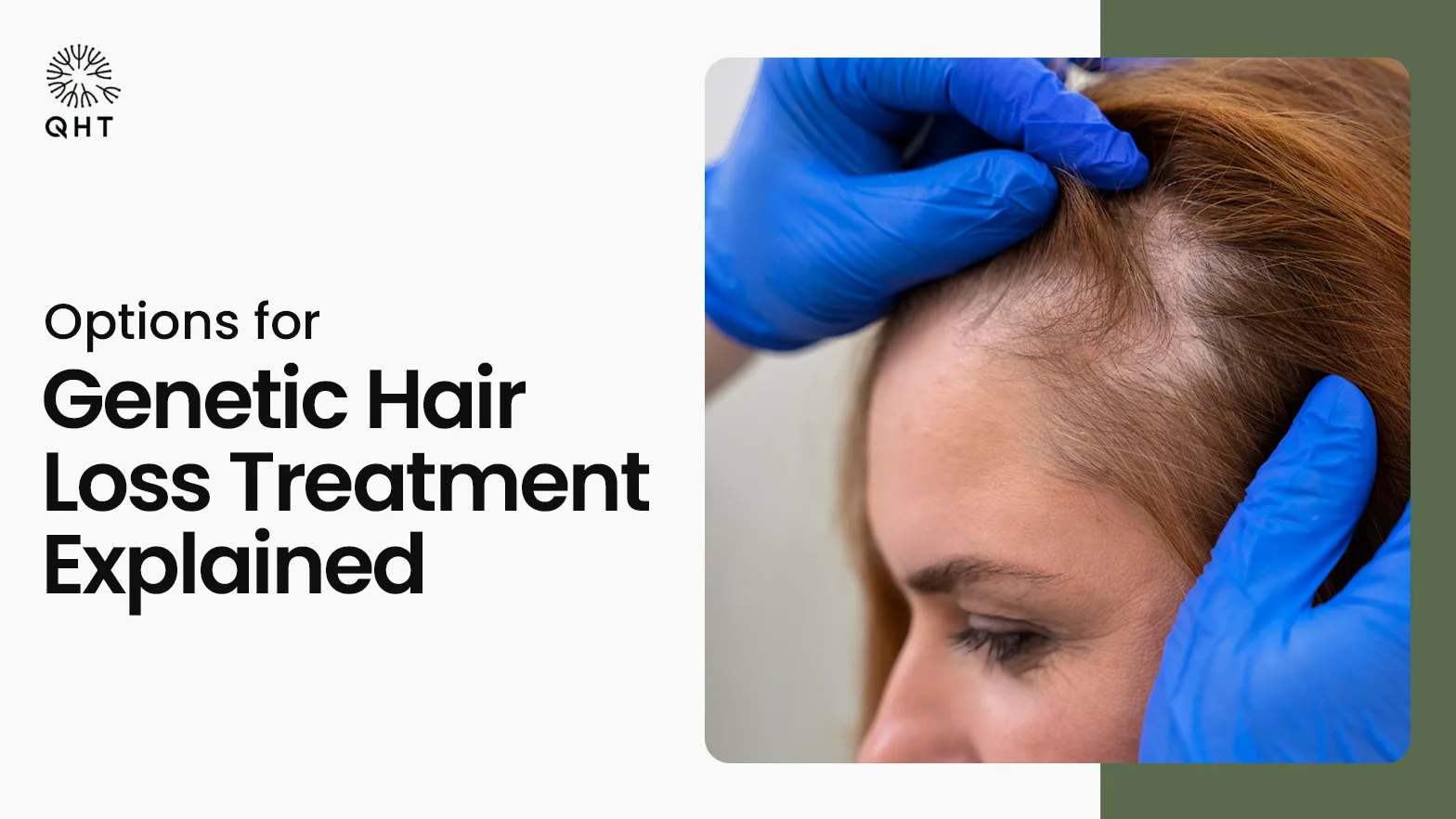
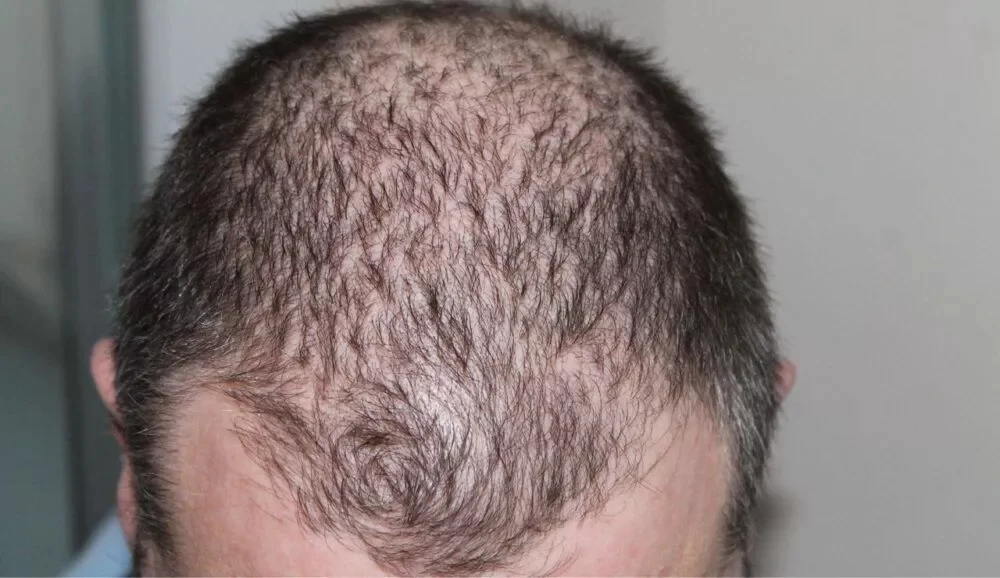
There are many contributing factors that can impact the rate at which someone will lose their hair, including genetics, hormone levels, diet, amount of stress they experience, and how healthy their scalp is. Androgenetic alopecia is by far the most common type of hair loss, and it occurs over time and requires ongoing care rather than just a “quick fix”.
What Is Minoxidil and How Does It Work?
Minoxidil is a topical medication that is frequently prescribed for hair thinning and hereditary baldness. If used properly, under medical supervision minoxidil can reduce hair fall, improve existing hair thickness and slow down balding.
Minoxidil promotes blood flow and delivers oxygen to the hair follicles which help in hair growth. It supports the growth phase of the hair cycle and strengthens weakened, yet still active, hair follicles over time. In addition to increasing hair shaft thickness over time, regular use of minoxidil can also help reduce daily hair shedding, increase hair density and slow down the development of hereditary baldness.
Minoxidil produces slow and gradual results, when used consistently. Hair shedding during the first few weeks of use is common and will often resolve after sometime.
What are the limitations of Minoxidil Treatment?
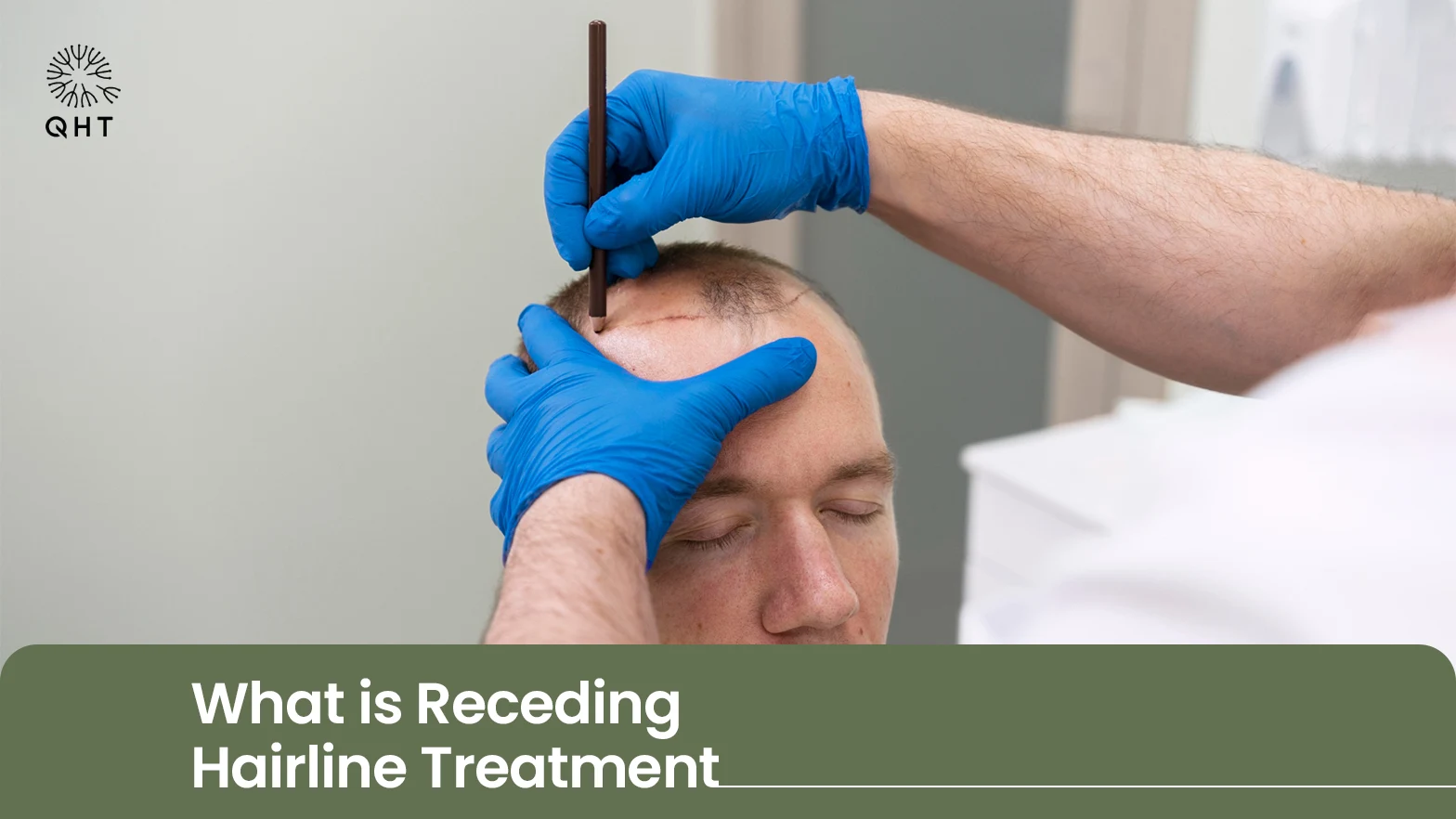
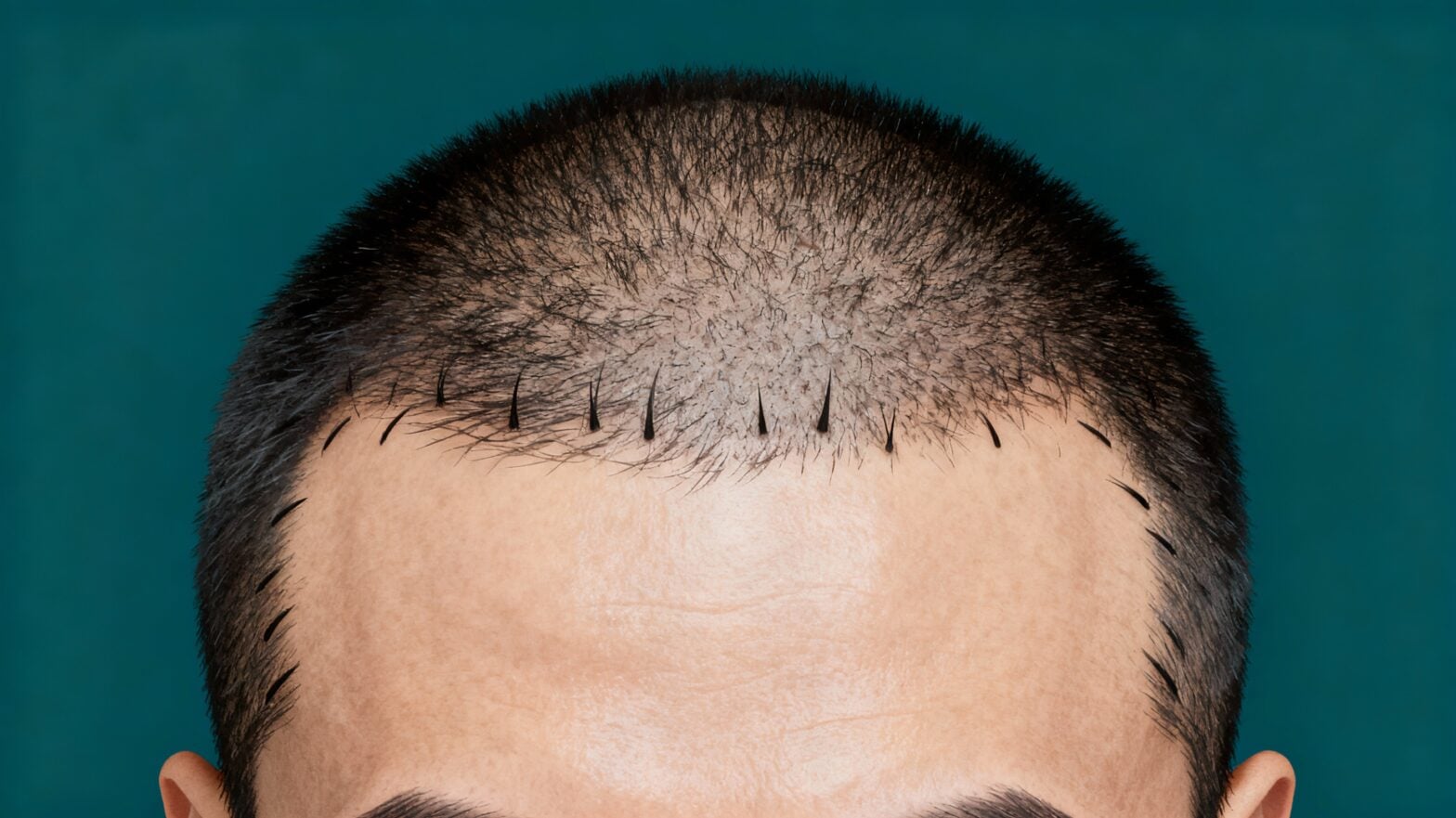
It is also important to understand that the effects of minoxidil are temporary and depend on continued use. Stopping treatment can lead to renewed hair shedding, and the medication cannot restore hair in completely bald areas or recreate a receding hairline on its own. In more advanced stages of hair loss, relying solely on topical medication may delay timely and appropriate treatment options, including medical combination therapy or surgical intervention.
Even though there are many benefits of using minoxidil, there are some significant medical limitations as well. For example, instances where minoxidil will not work include:
- Large bald patches that lack active hair follicles
- Severe thinning of the donor area
- Loss of hair due to either scarring or autoimmune conditions
- Not using the product consistently or improperly
It is also important to note that consistent use of minoxidil is important to achieve permanent results in the long run. Once you stop taking minoxidil, hair loss can resume. Minoxidil alone cannot regrow hair on completely bald patches nor can it reproduce a receding hairline by itself.
Best Hair Transplant in India: What to consider when making a medical decision?
The best hair transplant in India is not only defined by offering the proper use of surgical treatment but also the correct use of non-surgical treatment (medical or medicinal).
The reasons that make Delhi NCR the prime location for hair transplants are:
- Experienced hair restoration surgeons
- Latest advancements in tools and techniques
- Evidence-based medical treatment protocols
The most credible clinics look at the root cause of hair loss and patient’s overall health before prescribing the best treatment approach.
Using minoxidil without knowing its long-term benefits can result in you putting off the proper treatment longer than you need to.
Consulting a qualified professional may help determine whether or not medical treatment only is sufficient for the issue, or if you will need other types of procedures.
How to Stop Hair Fall Based on the Root Cause
Hair loss can be controlled by dealing with the actual underlying cause of it rather than focusing on any one way to fix it. By understanding the root cause of hair loss, professionals can plan a personalized treatment plan targeting it.
Root causes that can be treated along with minoxidil include:
- Genetic sensitivity to dihydrotestosterone (DHT)
- Nutritional Deficiencies
- Hormonal Imbalance
- Chronic Scalp Inflammation
A comprehensive approach to care, may involve the following:
- Medical stabilisation
- Lifestyle modification
- Regenerative therapies
- Surgical restoration as needed
Minoxidil and Hair Transplants, Debunking the Myths
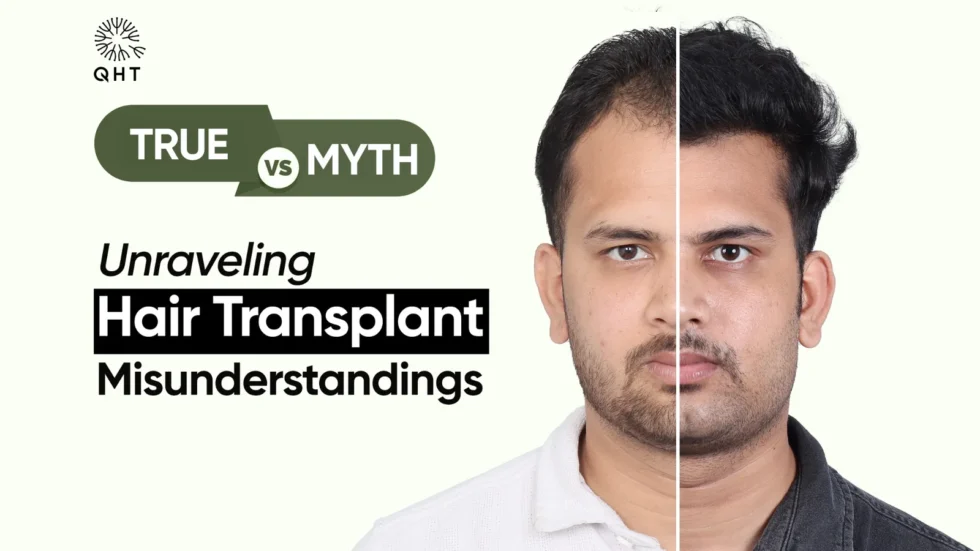
Hair transplants and Minoxidil work differently and are often incorrectly compared. Learning about the myths of both of these treatments will help you set realistic expectations and understand both the medical and surgical treatment of hair loss.
Myth 1: Minoxidil can regrow your hair and it will be back permanently.
Reality: You will only see results from minoxidil if you use it consistently.
Myth 2: Minoxidil will prevent you from needing surgery to restore your hair.
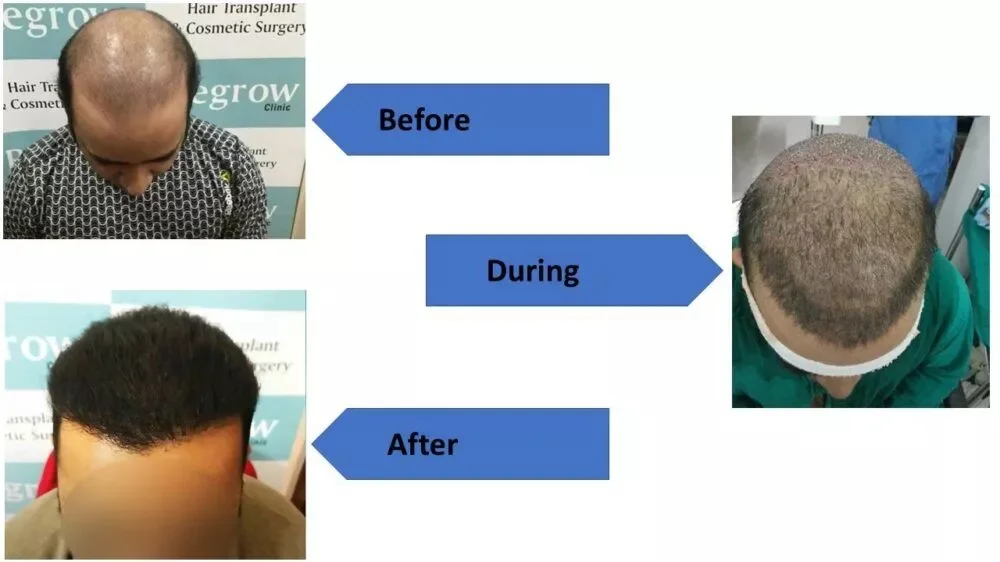
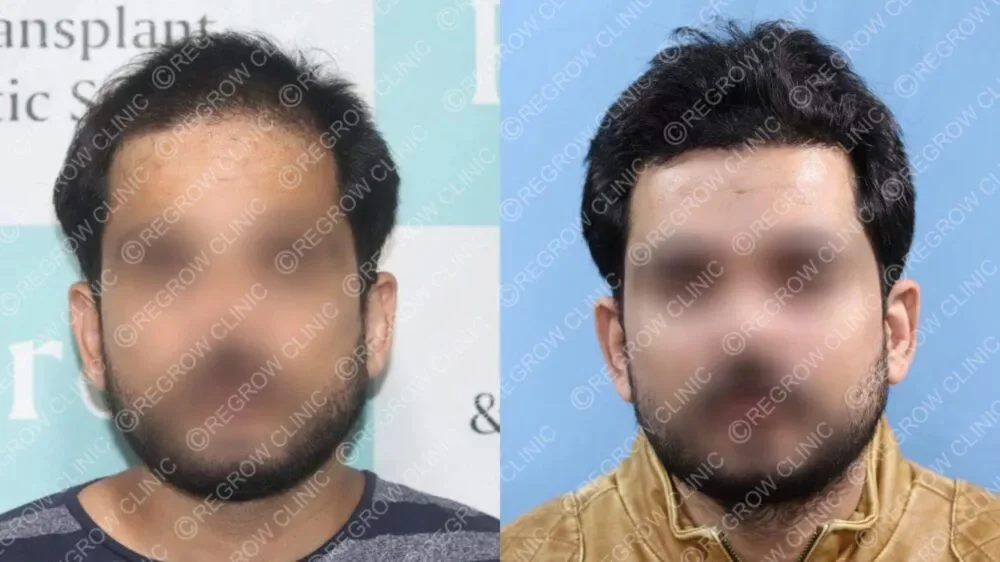
Reality: You will still likely need hair transplants if you have advanced hair loss.
Myth 3: Hair transplants eliminate the need for taking medications.
Reality: Medical treatments are the best way to restore your hair when used in combination with surgical procedures.
Conclusion
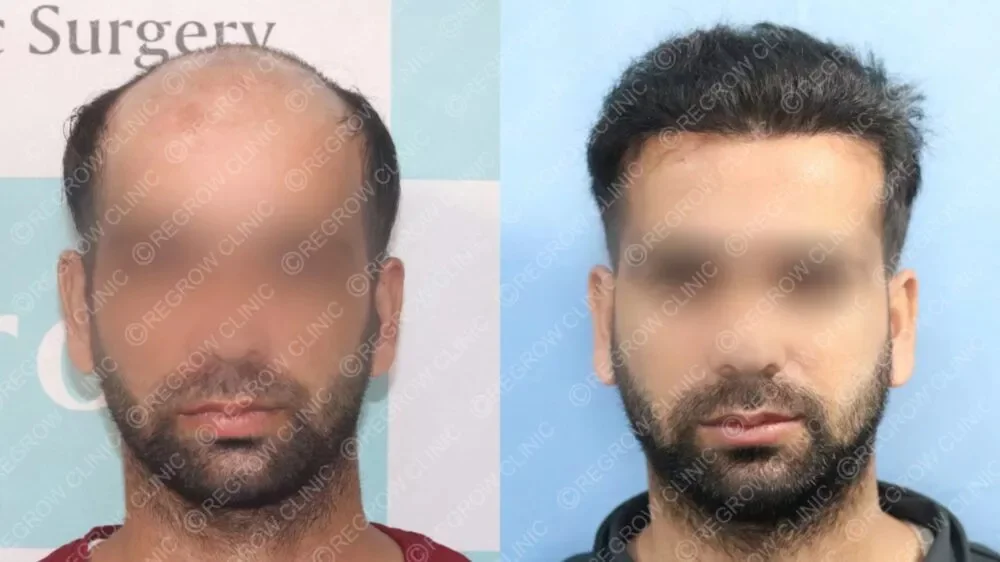
Minoxidil is an effective medicine for dealing with hair thinning. It supports hair growth and reduces progression of active hair loss. Minoxidil can help improve hair density and reduce shedding but it cannot restore complete bald areas. In severe cases, a hair transplant can help achieve better results.
Minoxidil is an effective medicine but only when it is used correctly and under proper guidance.
Book a hair consultation with QHT Clinic today and get your personalized treatment plan for dealing with hair loss.
Frequently Asked Questions
- Can use of Minoxidil postpone a hair transplant?
While Minoxidil can delay or reduce your need for surgery in some early stages of hair loss, it does not replace surgery in very advanced cases of hair loss.
- How long should a patient use Minoxidil prior to considering surgery for hair restoration?
The medical evaluator will determine whether stabilization is satisfactory to proceed with planning for surgical intervention.
- Is Minoxidil required following a hair transplant?
Often a patient will be advised to take Minoxidil after surgery so that the surrounding naturally growing hair remains healthy and contributes to the overall density of one’s hair.
Book a Consultation Today
Latest Videos
-

Rajpal Yadav | Bollywood Actor Hair Transplant Journey at QHT Regrow Clinic Haridwar
Click to Watch
-

FUE Hair Transplant Results | DAYA's FUE Hair Transplant Results
Click to Watch
-

Best Hair Transplant Result 2021 || NW Grade VI A || 3,422 Grafts
Click to Watch
-
Best Hair Transplant Result 2022 | Grade 4
Click to Watch
-

YouTuber Mehtab Saifi Hair Transplant
Click to Watch
-

ACP Pradyuman Hair Transplant - Actor's Hair Transplant
Click to Watch